Feeds:
Posts
Comments

Archive for the ‘Bath’ Category

Copyright (c) Jane Austen’s World. Inquiring Reader, When I visited Bath years ago, I kept a journal, which I completely forgot about until yesterday, when I found it among a pile of papers. It is the custom in my family to arrange for lodging on the day of our arrival and the night before our departure in any foreign land, and to trust in the suggestions from the people at the local visitor’s bureau for the rest of the vacation. We visit such establishments after 3 or 4 PM, when many hotels begin to deeply discount their rooms. This habit is a bit like gambling, but for us it has paid off spectacularly.

My budget-minded family has followed this practice successfully, sometimes even at the height of tourist season, in England, the Netherlands, France, New Zealand, and the great American west. The pay-off is in finding lodging in charming hotels or B&Bs at a fraction of their normal price. (Our best bargain ever was in the French Quarter in New Orleans at the Place d’Arms, where we spent 4 glorious days in a luxury suite for $78/night. It was April, perfect weather for N.O.)

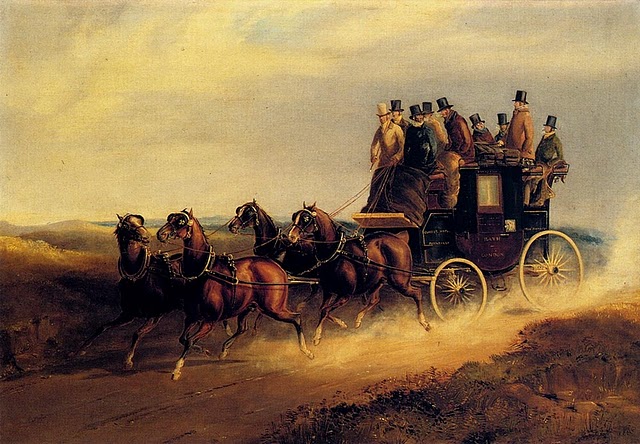
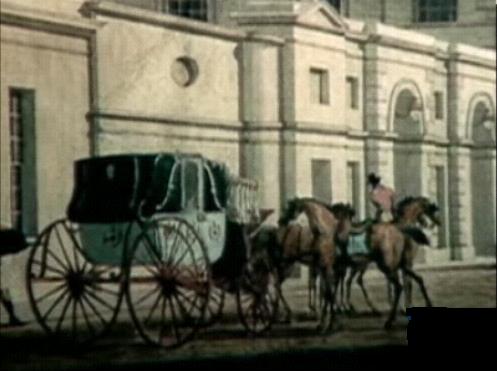
Bath to London coach on the open road

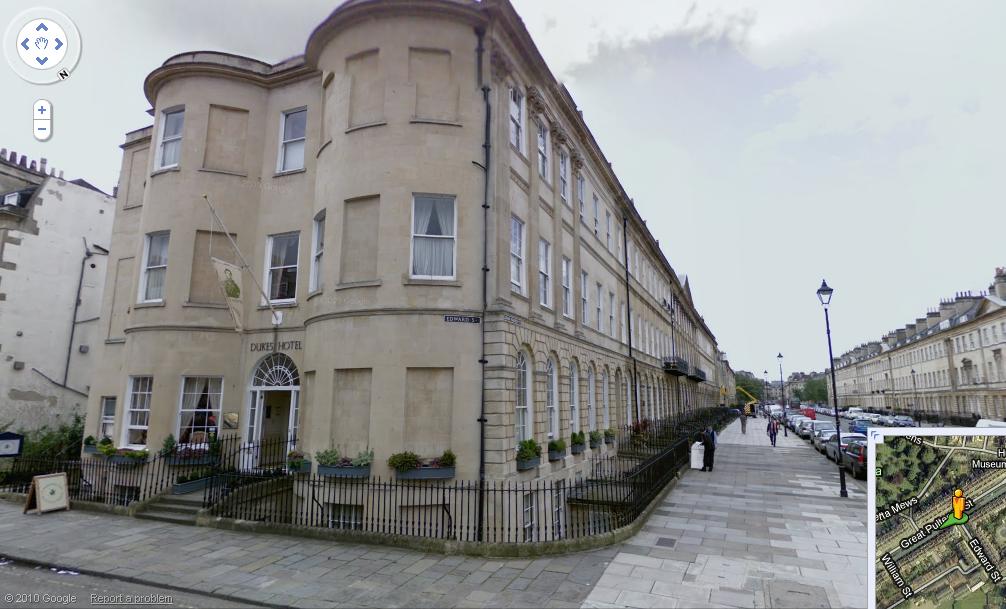
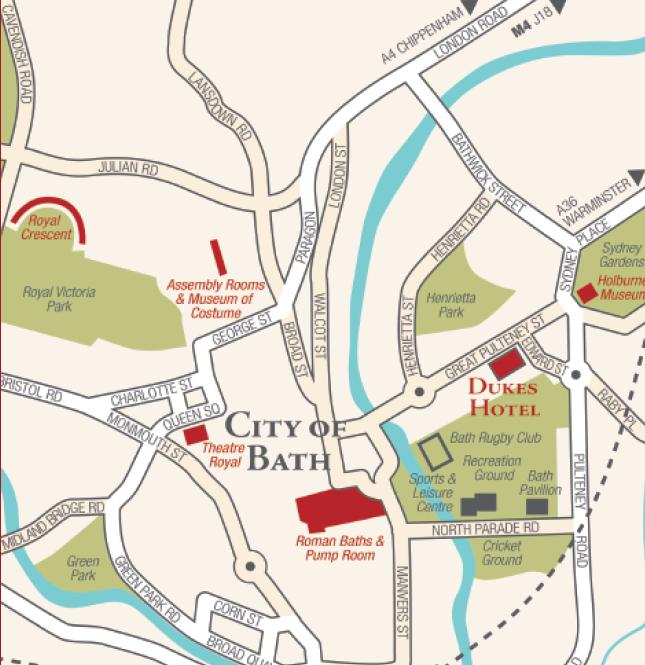
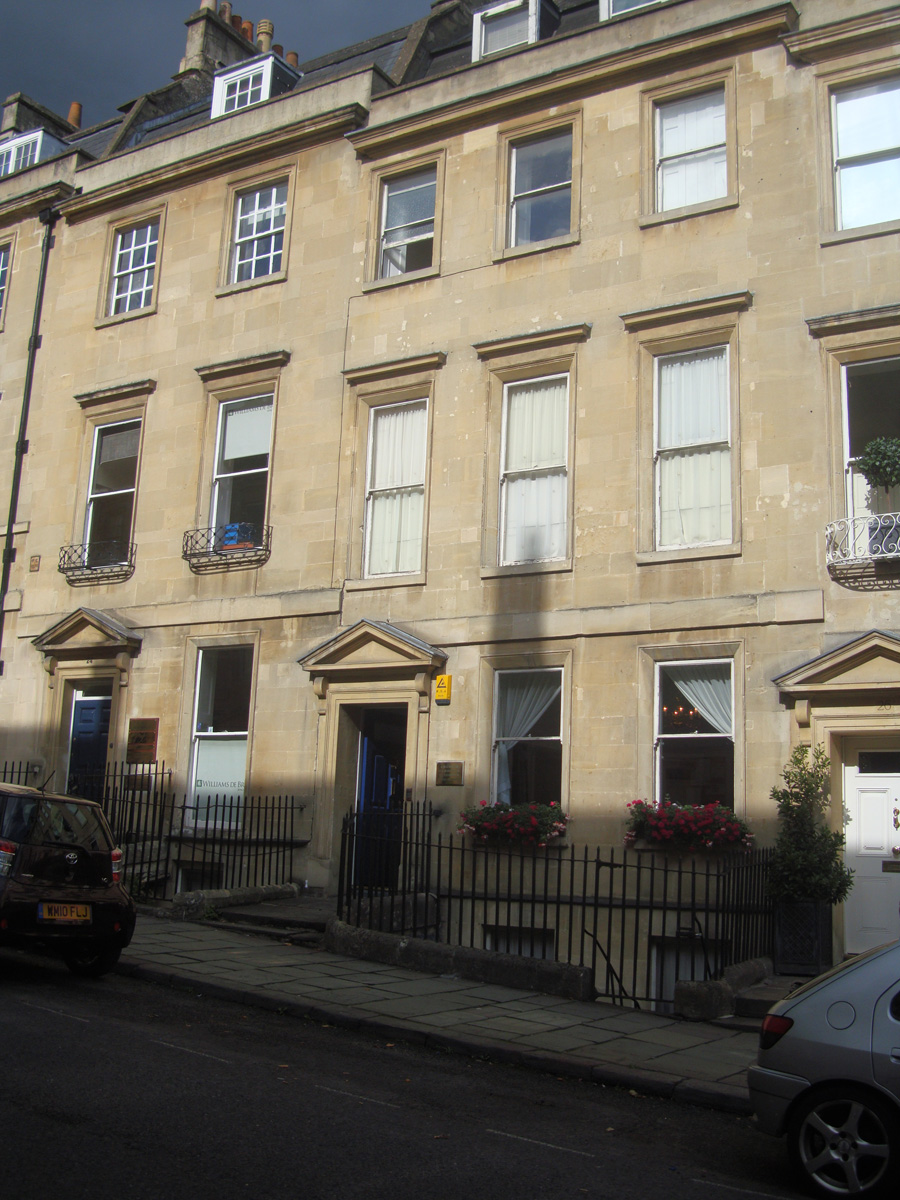
Back to England. My ex and I traveled from London to Bath (yes, we rented a car, and yes, he successfully negotiated his way out of London with me reading the map and helping him to enter and exit the round-abouts. Talk about a hair raising journey, for he had never driven on the British side of the road before and I am at best a terrible map reader). We entered Bath along the London Road, looking for the distinctive blue and white V sign, and discussed the price we were willing to pay. Those good people steered us to the Dukes Hotel on Edward Street, just off Great Pulteney Street,  across the Pulteney Bridge in Bathwick and near Sydney Gardens.

The Dukes Hotel on the corner of Edward Street and Great Pulteney Street

As a Georgette Heyer and Jane Austen fan, I felt that I had simply died and gone to heaven.

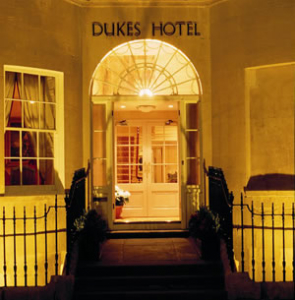
Entrance to the Dukes Hotel

Compared to Bath’s ancient Roman buildings and medieval streets, Great Pulteney Street is rather modern.  In the 3rd quarter of the 18th century, the city council voted to expand Bath’s boundaries across the River Avon. This era marked an expansion and growth for the city that resulted in the addition of thousands of new houses inside Bath proper and outside of it. Sir William Pulteney, who resided on an estate called Bathwick and fortuitously located across the river, commissioned architect Thomas Baldwin to design and build Great Pulteney Street. The task was completed in 1789.

Location of the Dukes Hotel

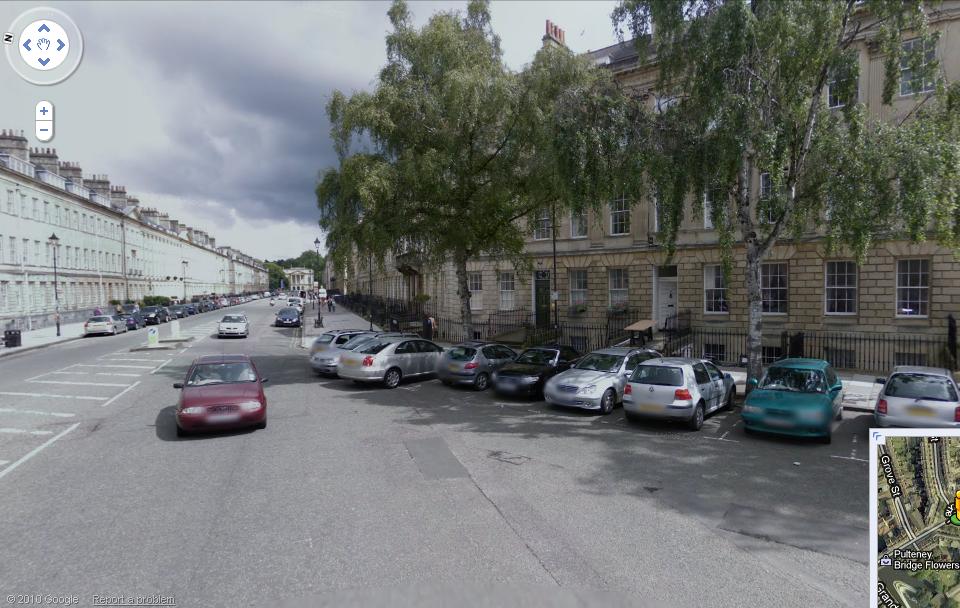
Situated at one end of this long broad thoroughfare is Sydney Gardens, the pleasure gardens mentioned so often by Jane Austen and Georgette Heyer and others who have journeyed to Bath.

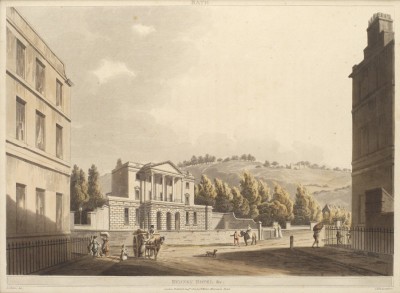
Bath Hotel at the entrance of Sydney Gardens 1825

Seen prominently at the entrance of Sydney Gardens was the Bath Hotel (see a 360 panoramic view), now the Holburne Museum.

View from Laura Place towards Sydney Gardens with the Holburne Museum barely visible at the end of the street.

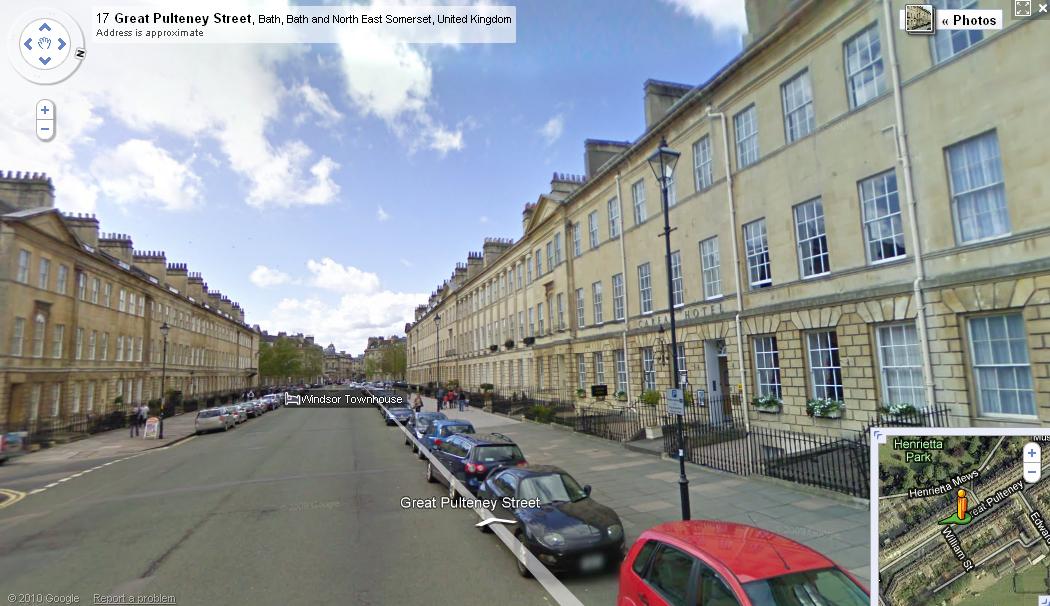
To return to our first evening in Bath, our room at the Dukes Hotel was charming but offered no view (which often happens when you wait for a bargain). We  immediately set off to explore Bath on foot, for it was mid-July when the days were long. Great Pulteney Street did not disappoint me with its wide sidewalks and row upon row of graceful houses made of Bath stone.  I would take this walk several times per day, and it is this street in particular that I still recall most vividly. I imagined myself wearing a Regency outfit and hearing the clopping of horses’ hooves and the rattling of carriages as I made my way towards Bath proper.

The wides expanse of Great Pulteney Street, walking from Edward St. towards Pulteney Bridge

At this point I must share with you why I am using Google earth images. My own photos are still missing. You can imagine how delighted I was to be able to reconstruct my journey from my newly found journal and the images I pulled from Google maps.

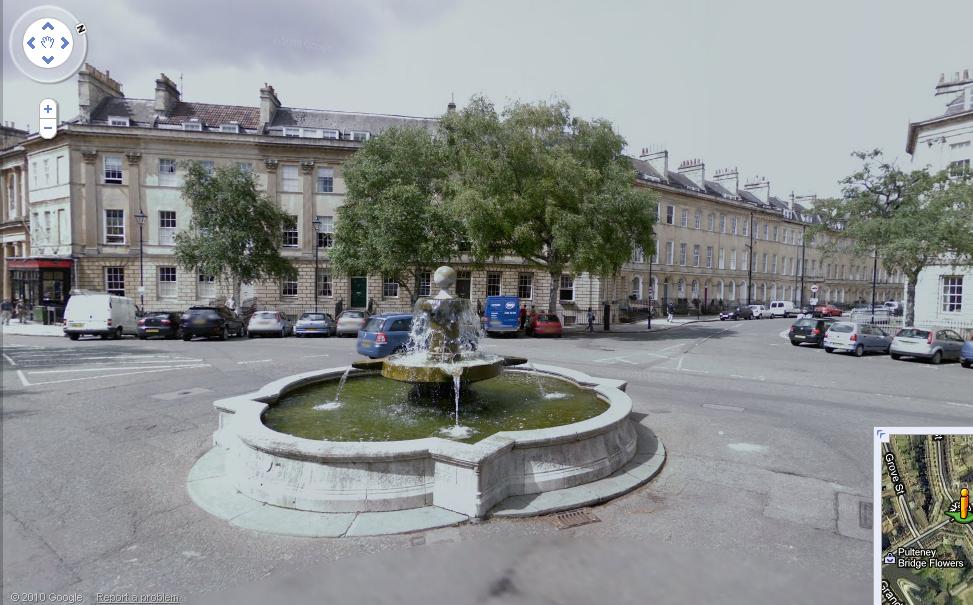
Laura Place. The fountain was built in the third quarter of the 19th century.

We walked past Laura Place, where Lady Dalrymple from Persuasion had taken a house for three months, until Great Pulteney Street ended at the fountain. It is then named Argyle Street.

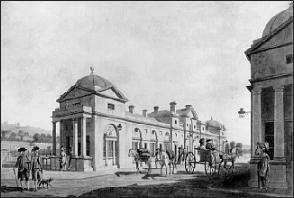
Pulteney Bridge, 1779 by Thomas Malton Image @Victoria Gallery

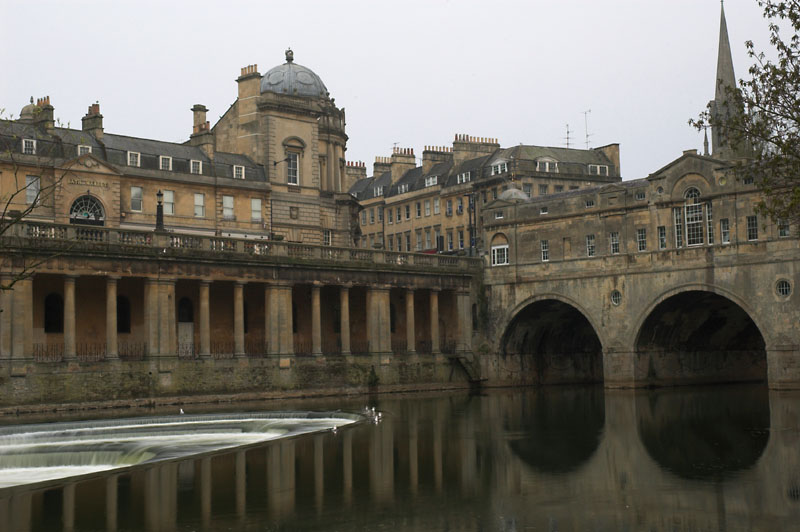
We ambled along slowly, taking in all the sights and brazenly looking into windows when we could, and continued on to  Pulteney Bridge, a Palladian bridge designed by the Adam brothers and finished in 1773. The bridge has seen several renovations since, especially in the design of the shops that line it.

The Weir as seen below the bridge

We walked down the steps to the bank of the river and listened to the rush of water on the Weir  until the sun set. Click here for an arial view of the walk I have just described.

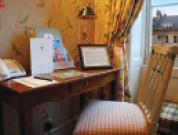
And so I conclude our first evening in Bath, which, due to the stress of driving in a foreign land from a major city along by-ways that eschewed busy thoroughfares, ended quite early for us. I did have time to write down my thoughts at a tiny desk in our third floor room.

This video brings back memories of driving around Bath’s environs. Driving up and down green hills near Bath, England

Read Full Post »

These days, centering a plot around Jane Austen as a vampire is as common as pre-packed sliced cheese, and so I approached Jane and the Damned with a jaundiced point of view. I must make a confession, however. I have been addicted to vampire novels and films about these bloodsuckers since my early 20’s, starting with Bram Stoker’s Dracula; Ann Rice’s Vampire Lestat series; Gary Oldman as the ancient bloodsucker; the cheeky tv series, Buffy the Vampire Slayer; and more recently True Blood and to a lesser extent, Twilight.

If an author or film director asks me to enter their vampire world, all I want in return is a rollicking good ride. In Jane and the Damned, author Janet Mullany does just that. Jane Austen, budding young writer, is turned into a vampire on a whim by William, a mature vampire and her dance partner at a local assembly ball. She begins to feel strange immediately.

Jane shares her awful knowledge with her father, who, while horrified at the news of his daughter having been bitten by one of the Damned, keeps a calm head. He trundles his family (wife Cassandra and daughter Cassandra and Jane) off to Bath so that Jane can take “the cure.” This treatment of taking the Bath waters is not guaranteed, for it might well kill Jane (and has killed many human seeking to rid themselves of the Vampiric poison inside them), but it is the only solution. They must rush against time before Jane’s human side disappears forever, for the longer they wait, the less successful and more painful and deadly the cure.

Rev Austen and Jane decide to keep Jane’s “condition” a secret from her mother and sister, saying only that Jane’s uncertain health requires that the family must remove to Bath immediately. As bad luck would have it, just as they settle into that Georgian city, the French invade England, and their lives are turned topsy-turvy.

Jane’s new life is conflicted on two fronts. First, she does not want to turn into a vampire. Second, she longs to taste human blood. And so her vampire adventure begins.

Going against vampire etiquette, Jane’s maker, William, has abandoned her to her fate. In Ms. Mullany’s vampire empire, the bear leader (or Creator) must guide an initiate into the intrecacies of becoming a vampire. The first feeding is problematic, since a full-blooded human takes a while to turn into one of the walking dead. A new vampire has not enough knowledge to wade through the many intricacies of vampire life without making a number of blunders. Enter Luke, who decides to act as Jane’s bear leader.

Handsome, witty, and wise in the way of Henry Tilney, Luke oversees Jane’s transformation with a hands-off approach, for he is ever aware that William has first claim on Jane and could change his mind at any time.

I have described the plot in more detail than is usual for one of my reviews, for this book is so filled with plots, sub-plots, and details that the story never peters out. Jane and the Damned feels rich, not thin, and Janet Mullany skillfully keeps juggling all the story threads she has tossed into play for a lively read. While I’ve disliked previous Jane Austen monster books, this one kept my interest for the following reasons:

1.) A thoroughly plotted back story. Mullany’s vampire empire and its mythology are well thought out. In the world Janet Mullaney has constructed, the monsters’ presence in Regency England, their ethics and mores, and their desire to rid Britain of the French make perfect sense.
2.) Internal conflict. Throughout the plot our heroine constantly struggles between her human self and vampire self, and this internal war adds to the external tension of a plot that is filled with action, romance, and historical detail. Jane must make a gutwrenching decision: to embrace her vampire life and leave her earthly family or to reclaim her human soul at the risk of death (and the chance for eternal life and happiness with the man she loves.)
3.) Desire and sensuality. In her new life, Jane yearns to be human, yet her desire for human blood overpowers her common sense, and as the novel progresses, she can no longer resist the charms of her hero. Sensuality begins to invade Jane’s life, whose awakening from sheltered spinsterhood to mature woman kept sparking my interest. (BTW, Ms. Mullany does not confuse sensuality with x-rated descriptions of the sexual act, for which I am grateful.)
4.) Boredom and ennui. Eternal life is not all that it’s cracked up to be. After a few centuries as one of the undead, a vampire is hard pressed to find anything new to do or interesting to experience. Janet Mullany has not neglected this important aspect of vampiric existence.
5.) Epic battle. In this instance, the army of the Damned has decided to defeat the French, who have invaded England (a real threat in those days) and who are bivoacked in Bath. Historical details of life in a war zone in the late 18th century are spot on, and author Mullany does not flinch from showing the seedier side of war: death, starvation, and occupation.

In short, Janet Mullany (right) addresses almost every fault I have found with other recent vampire novels set in the Regency era. Her vampire empire is so well crafted that she did not need to ride Jane Austen’s magical publicity coattails to make the story more palatable or salable. And yet, the thought of Jane Austen as an action heroine who comes into her own as she fights the French and surrenders to her own sensual longings is irresistible.

Add to the mix Ms. Mullany’s extensive knowledge about the Regency era and Jane Austen’s life (I love her depiction of Mrs. Austen), and you have a thoroughly enjoyable read. Do I recommend Jane and the Damned to everyone? No. But if you are a vampire junkie like me, you will be quite happy with your purchase.

Read Full Post »

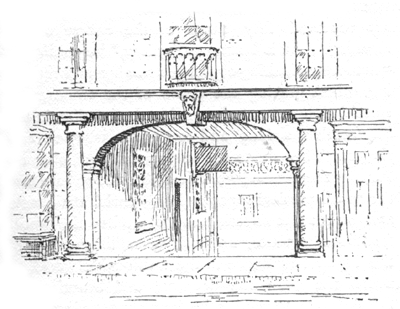
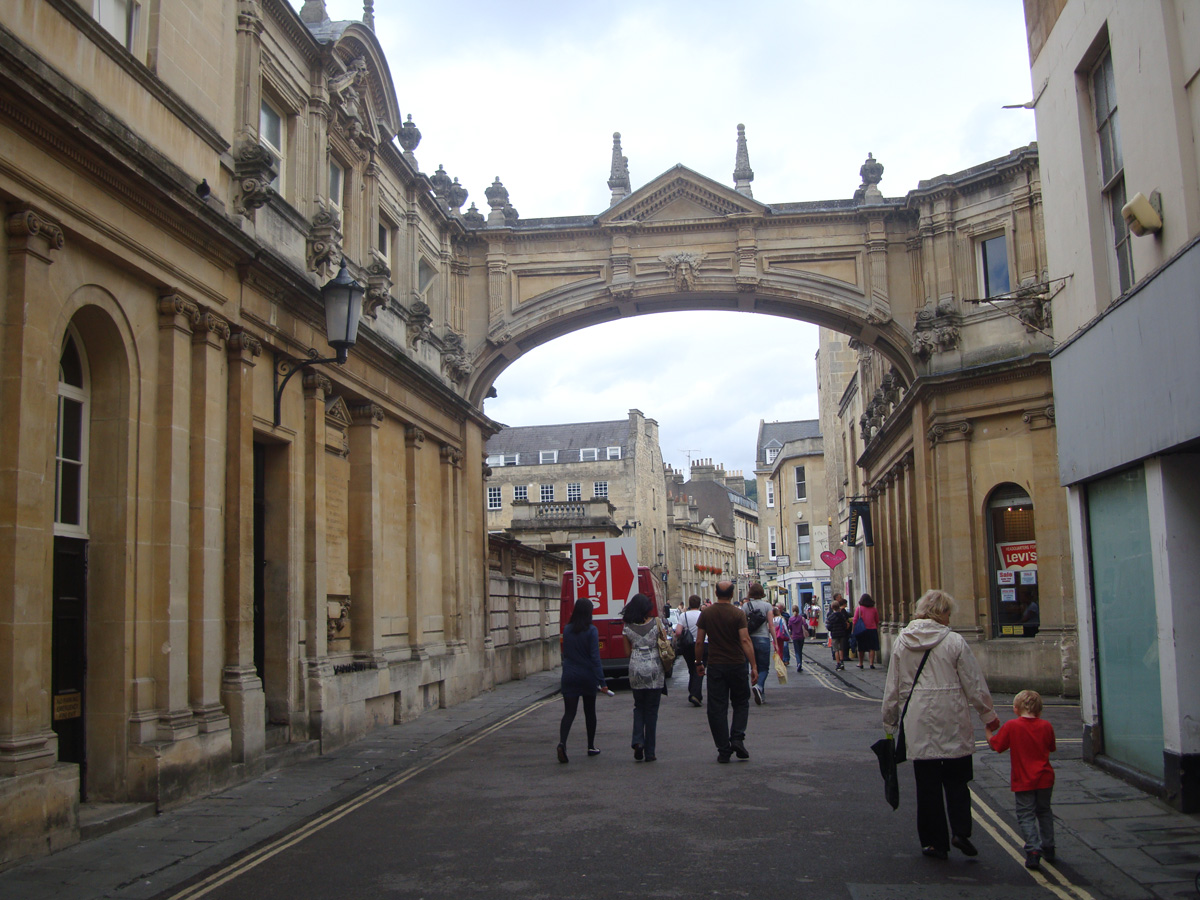
Archway opposite Union Passage, Constance Hill

Half a minute conducted them through the pump-yard to the archway, opposite Union Passage; but here they were stopped. Everybody acquainted with Bath may remember the difficulties of crossing Cheap Street at this point; it is indeed a street of so impertinent a nature, so unfortunately connected with the great London and Oxford roads, and the principal inn of the city, that a day never passes in which parties of ladies, however important their business, whether in quest of pastry, millinery, or even (as in the present case) of young men, are not detained on one side or other by carriages, horsemen, or carts. This evil had been felt and lamented, at least three times a day, by Isabella since her residence in Bath; and she was now fated to feel and lament it once more, for at the very moment of coming opposite to Union Passage, and within view of the two gentlemen who were proceeding through the crowds, and threading the gutters of that interesting alley, they were prevented crossing by the approach of a gig, driven along on bad pavement by a most knowing-looking coachman with all the vehemence that could most fitly endanger the lives of himself, his companion, and his horse.- Northanger Abbey

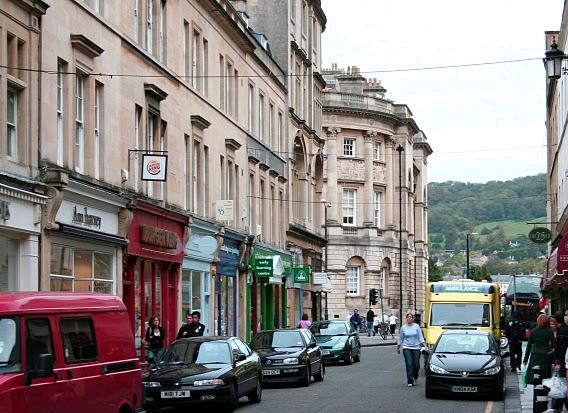
Cheap Street in 2010, Image Tony Grant

“Oh, these odious gigs!” said Isabella, looking up. “How I detest them.” But this detestation, though so just, was of short duration, for she looked again and exclaimed, “Delightful! Mr. Morland and my brother!”

Another angle of the street

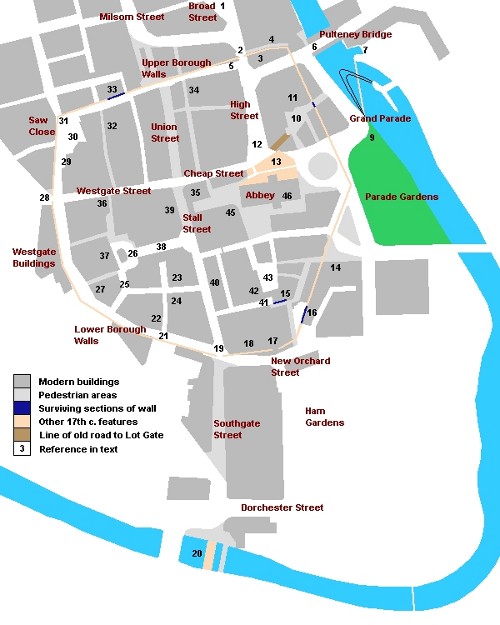
The Walking Tour of Bath provides a map that mentions many of the streets described by Jane Austen in the above passage, accompanied by images from medieval times to today.

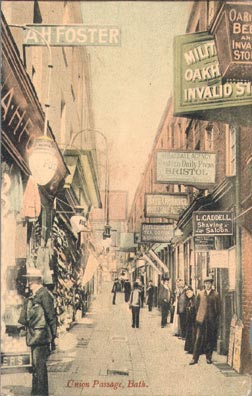
Cheap Street runs just north and parallel to the Abbey. In this turn-of-the-century post card of Union Passage, which intersects Cheap Street, one can see how drastically different Bath looked back then – many of the Georgian features are hidden under shop signs.

Union Passage in the Early 19th Century, Bath Post Cards

The Walking Tour mentions how Bath’s 18th century forefathers were concerned about preserving the nature of Bath’s gentrified renovations.

Incidentally, a friend who used to live in an 18th c. flat just round the corner in North Parade Buildings had some amusing conditions attached to the terms of his lease. He was prohibited from hanging bedding out of the window, holding public auctions and keeping livestock. One can only presume that the Georgian city fathers, having gentrified Bath at great expense, were concerned to prevent the locals spoiling things by falling back into their old peasant ways.”

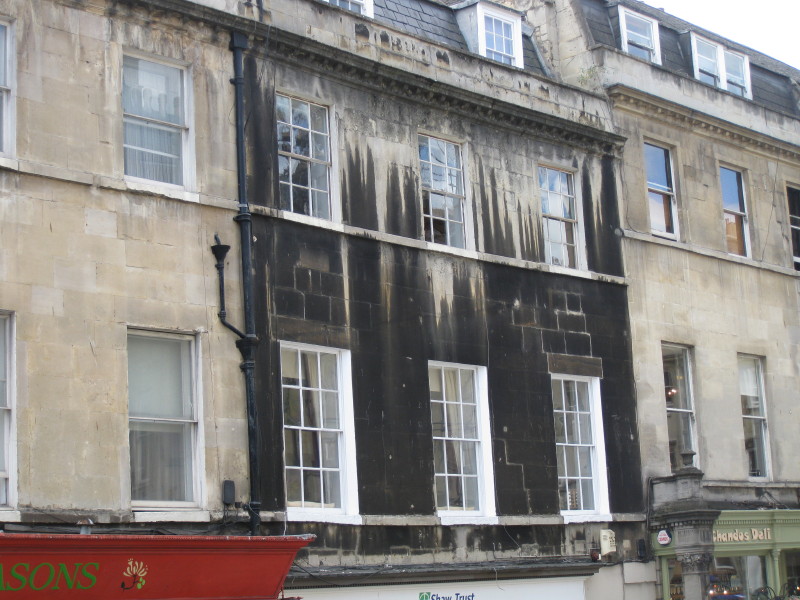
Coal soot blackened stone facades. Image Chuck and Claire Davis

The creamy colored limestone stone used in many of Bath’s architectural treasures have been used for building since the days of the Roman occupation.  The above image from European Adventure demonstrates how soot from coal fires blackened the buildings. Jane Austen was probably more familiar with these blackened facades than the creamy stones we are accustomed to viewing nowadays.

…in 1956 a clean air act was imposed. The townspeople were no longer allowed to burn coal and the buildings were painstakingly cleaned. He’s not sure why, but one building was left untouched, giving us the chance to see how they had looked.”

Today, the authentic nature of the buildings are still enforced legally. The Enforcement Policy in Bath Shopfronts Guide today requires:

Colour: No other single aspect of design has so much effect on the character of a shopfront than its colour. A good design can be completely spoilt by poor colour, or a nondescript design uplifted by the right choice of colour. Colour also has an effect on the Street Scene; out of key or aggressive colour will be damaging to everything within the field of vision.

Signs: The design and disposition of signs and the style of the lettering should always be historically credible and correct in design and detail for the design of the shopfront.

Illumination: The character of a shopfront and of the street will be altered by external illumination. This is often not acceptable, particularly where the shopfront is part of a listed building.

Appearance: Changes of a radical nature such as moving door positions are not normally acceptable. These may however be viewed more favourably if they can be shown to produce a permanent benefit such as the provision of a door to the upper floors.”

The cases described in The Bath Heritage Watchdog shows how vigilant the planning commission must be to preserve Bath’s unique heritage, and how historic preservation often clashes with business interests.

Read Full Post »

Panorama of Bath from Beechen Cliff, 1824, Harvey Wood

Inquiring Readers, Tony Grant, who lives in London, teaches, and acts as occasional tour guide, has been contributing articles to Jane Austen Today for several months. Recently, Tony and his family traveled to Bath and the West Country. This is one of many posts he has written about his journey. Tony also has his own blog, London Calling.

The Paragon from Travelpod

On Wednesday 6th May 1801 Jane wrote to Cassandra, from a house positioned on a hill half way up a road called, The Paragon, in Bath. It was her uncle and aunt’s, the Leigh Perrots, home. Her aunt was her mother’s sister. Jane and her mother and father had just arrived, just moved in and were getting settled into their rooms.

“ My dear Cassandra,

I have the pleasure of writing from my own room up two pairs of stairs, with everything very comfortable about me. Our journey here was perfectly free from accident or Event; we changed horses at the end of every stage, & paid almost at every turnpike;- we had charming weather, hardly any dust,& were exceedingly agreeable, as we did not speak above once in every three miles.- between Luggershall & Everley we made our grand meal…….”

Jane had arrived in Bath after a journey of about 50 miles from Steventon, her home.
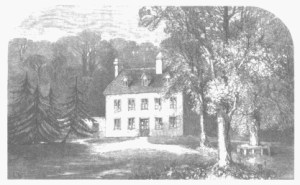
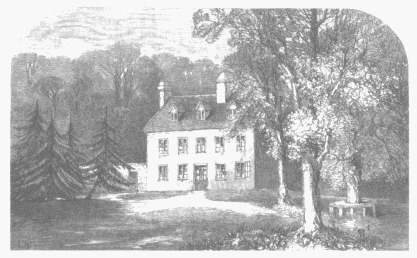
Wood engraving of Steventon Rectory

She sounds excited and thrilled by the new experience for instance she has ,” my own room.” But perhaps she was trying to put a brave face on it, be positive and put the negatives to the back of her mind.

Claire Tomlin reminds us,

“ The decision by Mr and Mrs Austen to leave their home of over thirty years, taking their children with them, came as a complete surprise to her; in effect, a twenty fifth birthday surprise, in December 1800. Not a word had been said to anyone in advance of the decision.”

Jane had spent all her life in Steventon a quiet country village near Basingstoke in Hampshire. She knew the families who lived in the great houses and many were her friends. She knew the villagers of Steventon very well. It was the source of her imagination and she had developed her own intimate writing habits there. Her world , in a sense was turned upside down and she was being wrenched from this intimate, close world that she was comfortable in, to that of a bustling town, but not just any town.
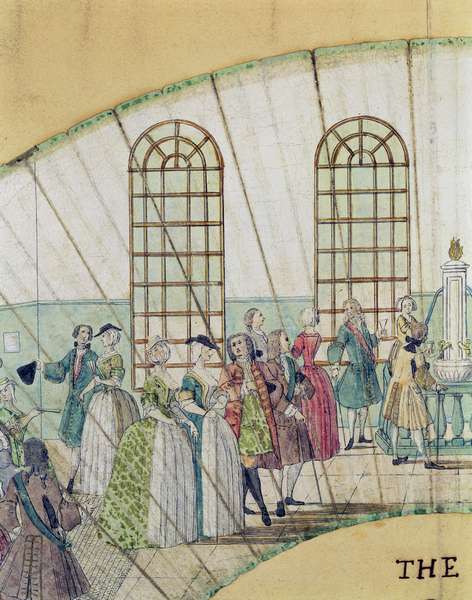
The Bath Medley, the Pump Room, detail on a fan, 1735

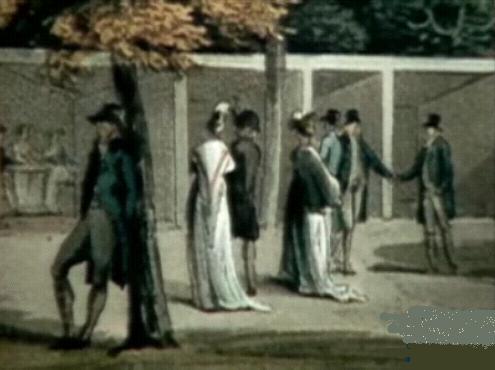
Bath was the centre of Georgian ,”FUN.” Here people came for the medicinal benefits of the waters, dancing, parading in the streets in their finest clothes, drinking tea, and taking rides and walks out into the nearby countryside. It was a place to rest, to be seen and to meet new people. Many families brought their unmarried daughters here to find eligible spouses.
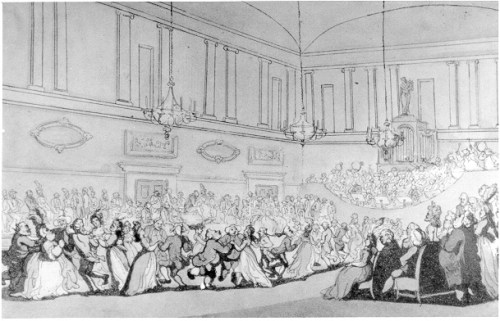
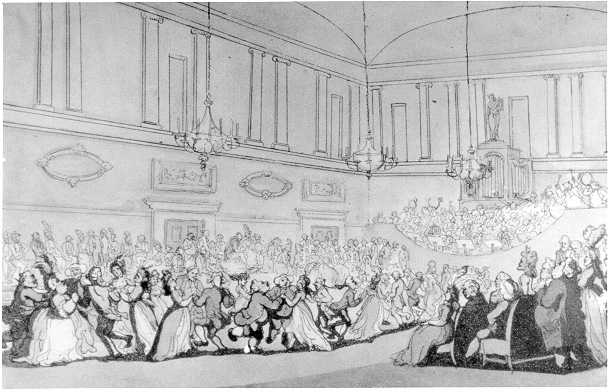
Dancing, Rowlandson, The Comforts of Bath

Bath was a magnet for the wealthy and comfortable middle classes who came and went with the season. It was a fluctuating population. Friendships could be brief. It was a hot house for relationships. Whether The Reverend George Austen had it in mind to find suitors for his two unmarried daughters, as part of his plan, is not certain. Jane however was definitely out of her comfort zone. She was a very astute judge of characters and she would not like much of the ostentatious show of Bath. People who went to Bath for the season behaved differently. Strangers were thrown together in a mix of fun and gaiety. Moral codes were loosened. You get a very strong sense of this in the description of Catherine Morelands first experiences of Bath in Northanger Abbey.

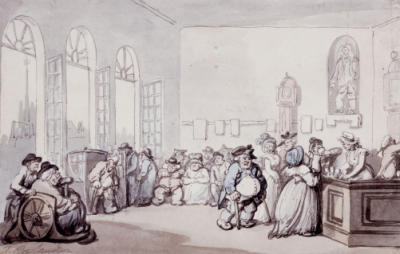
Comforts of Bath, The Pump Room, Rowlandson

To get to Bath from Steventon over the fifty mile journey, Jane took, she passed through many picturesque and beautiful villages and towns. Those places are still there today.

Overton, Andover, Weyhill, Ludgershall, Eveleigh, where the Austens stopped to take tea and rest, Upavon, crossing the River Avon at this point, Conock and Devizes where they probably rested again before the final stretch to Bath. Devizes is a bustling town today, traffic and shoppers, many small businesses, churches and chapels and still many magnificent Georgian buildings. Take away the cars, and dress the people differently and Devizes would still be very familiar to Jane. It still has very much of its Georgian character but it is a modern 21st century town too.Like modern day England, Devizes is a layer cake of history. There are bits from every era and it has and does thrive in all of them.
Strolling through Sydney Gardens

When I went to Bath this time I came in from a slightly different direction to Janes journey there in 1801. I came the south east, travelling from Stonehenge in Wiltshire. This road comes from high up in the hills to the south of Bath and the first sight of the city is from a steep, tree lined, Beckford Road which reaches Bath stretching along next to Sydney Gardens. It was a great pleasure and very exciting to come across, almost immediately on reaching Bath, number 4 Sydney Place, which was one of the houses Jane and her family rented.
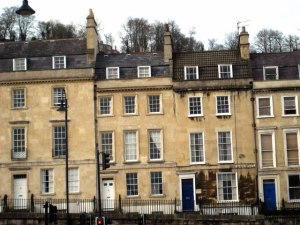
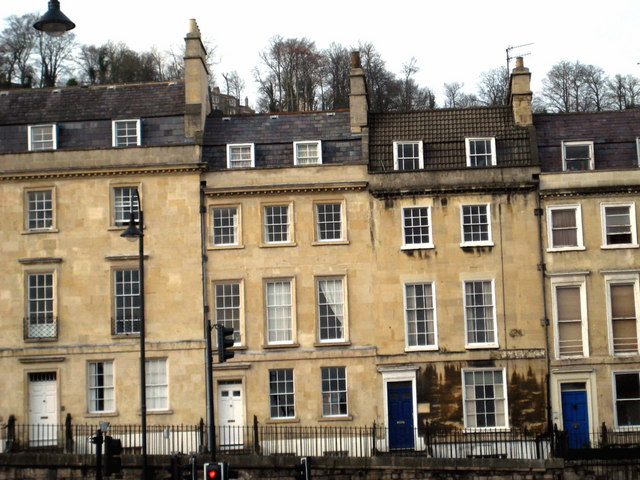
Georgian terraced houses along the London Road, Bath

Jane entered Bath by way of the London Road which sweeps in from the east and curves across the top of the bend in the River Avon which borders the southern part of the City of Bath.The London Road leads straight to The Paragon, the road in which her aunt and uncle, The Leigh Perrots, lived and where Jane and her mother and father were to live until they found their own residence. Bath has not expanded in modern times much south of the river partly because of the steep hills there.
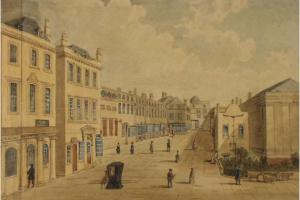
Old - Lower - Assembly Rooms

So there is an excited tone in Janes first letter from The Paragon. The excitement doesn’t last. Her aunt and uncle being residents in Bath, they at least know people to introduce Jane to. Unlike Catherine Moreland who meets nobody and knows no one at first. But what terrible people? Or is Jane just having a bout of sour grapes? Within weeks Jane is writing to Cassandra her comments about Bath acquaintances.
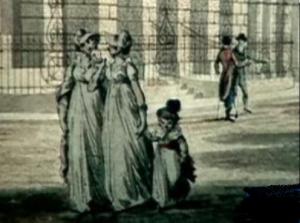
Wednesday 13th may 1801 writing to Cassandra

“I cannot anyhow continue to find people agreeable; I respect Mrs Chamberlayne for doing her hair well, but cannot feel a more tender sentiment.”

Mrs Chamberlayne is picked out for more effort. Jane tries to find something in common, tries to see if a new friendship can blossom.

Friday 22nd May 1801

“The friendship between Mrs Chamberlayne & me which you predicted has already taken place, for we shake hands whenever we meet Our grand walk to Weston was again fixed for yesterday & was accomplished in a very striking manner; Everyone of the party declined it under some pretence or other except our two selves, & we therefore had a tete a tete, but that we should equally have had after the first two yards, had half the inhabitants of Bath set off with us.- It would have amused you to see our progress;-we went up by Sion Hill, and returned across the fields,- in climbing a hill Mrs Chamberlayne is very capital; I could with diffuculty keep pace with her- yet would not flinch for the world.- On plain ground I was quite her equal- and so we posted away under a fine hot sun, She without any parasol or any shade to her hat, stopping for nothing ,& crossing the churchyard at Weston with as much expedition as if we were afraid of being buried alive.-After seeing what she is equal to, I cannot help feeling a regard for her.-As to agreeableness, she is much like other people.”

There is something final about this relationship as though it’s not going far, in two phrases, “The friendship between Mrs Chamberlayne & me which you predicted has already taken place,…..” and , “As to agreeableness, she is much like other people.”
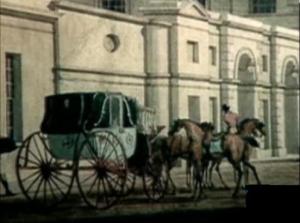
Regency Bath

Jane uses the past tense already about the relationship with Mrs Chamberlayne and she finally concludes that she is much like other people. Nothing is going to happen here. Jane was a very guarded person, certainly didn’t suffer fools gladly, gave people a chance and discarded them for their mediocrity. Jane obviously needed something else in a relationship. Already she wasn’t in the mood for Bath.
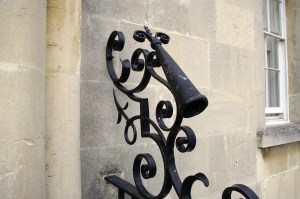
Candle Snuffer, image Tony Grant

In the same letter she mentions house hunting. They have been looking at houses amongst Green Park Buildings. Green Park Buildings are situated near the river at the bottom of the town. They were obviously prone to flooding.

“ our views on GP building seem all at an end; the observations of the damps still remaining the offices of an house which has only been vacated a week, with reports of discontented families& putrid fevers have given the coup de grace.”

Nowadays the river near Green Park Buildings has high banks to prevent flooding and has been canalised. One of the main car parks, where we actually parked is near there. Also Bath Railway Station and The University of Bath is situated nearby these days.

For all this dire and damning report the Austens did move into Green Park Buildings. It could not have been very pleasant. Perhaps they thought their stay in The Paragon was prolonged enough and anything had to be taken.

Much of Jane’s remaining letters from Bath have some discussion about finding accommodation. The contracts on these houses seem to have been short term. Maybe this was because Bath was a seasonal place. People generally came for short periods of time. If you really wanted to live there permanently you would have to buy. Perhaps the Austens could not afford to do that. It begs the question, did Mr and Mrs Austen really think through their move to Bath carefully enough?
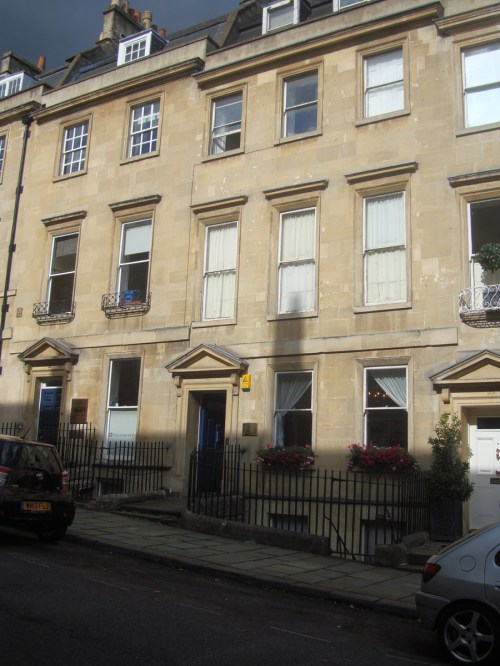
25 Gay Street, image Tony Grant

After Green Park Buildings the next set of letters come from number 25 Gay Street, just a few houses up the hill from The Jane Austen Centre. It is a dental practioners office today. The letters from Gay Street are the last from an address in Bath. However we also know that Jane lived at number 4 Sydney Street, a new house at the time overlooking a grand house which is now the Holburn Museum and its grounds, Sydney Park. This is by far one of the more pleasant situations Jane lived in.

Jane’s father died in a house in Trim Street not far from Queen Square and Gay Street. So another move had had to take place. In five years Jane had lived in at least five different house all providing differing qualities of living.
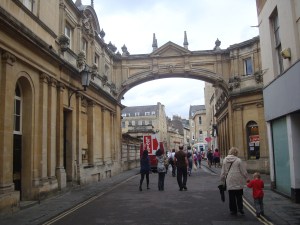
Side Street, Bath, image by Tony Grant

You can find this reflected in the two novels that concern themselves most with Bath, Persuasion and Northanger Abbey. In Persuasion Anne Elliot finds an old school friend, Mrs Smith, living in poor circumstances.

“Her accommodations were limited to a noisy parlour , and a dark bedroom behind, with no possibility of moving from one to the otherwithiout assistancewhich there was only one servant in the house to affordand she never quitted the house but to be conveyed into the warm bath.”

Mrs Smith’s accommodation was in Westgate Buildings not far from the Pump Room. Mrs Smith’s husband had died leaving her almost penniless but because of her health the warm bath treatment was seen as a cure. Her life was certainly not one of fun and frivolity. It seems, like in any city and town today, in the 18th century, the poor and destitute and the wealthy are not far from each other. Anne Elliot seems to prefer the company of Mrs Smith rather than the fripperies that Bath had to offer. She knows the right people and could have fun if she wanted to. Anne Elliot can see the two sides of Bath.
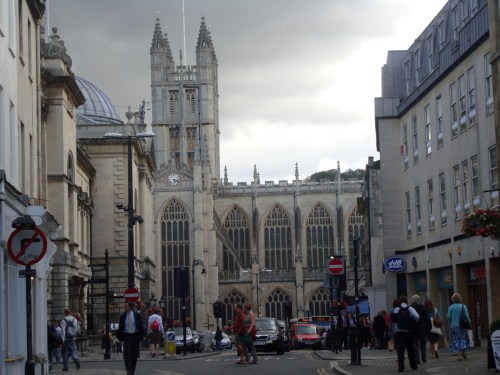
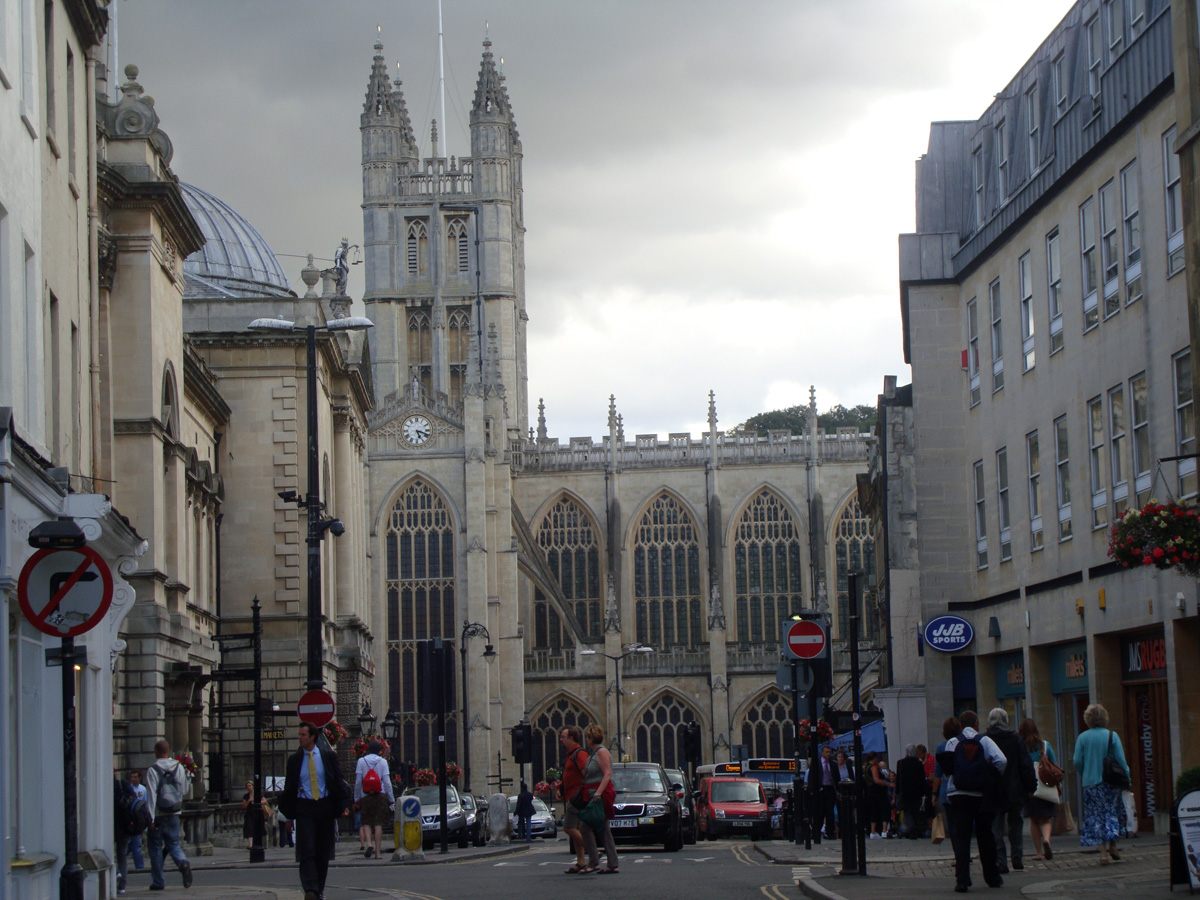
Side view of Bath Abbey, image Tony Grant

Jane Austen knew Bath extremely well. Throughout Persuasion and Northanger Abbey she houses her characters in real streets and in real buildings, although she does avoid giving us the number of the house in such and such a street. The real owners and occupants might not have liked the notoriety. And today they might not like the notoriety as well. Was there such a thing as litigation in the 18th century? I’m sure there was.

More About the Topic
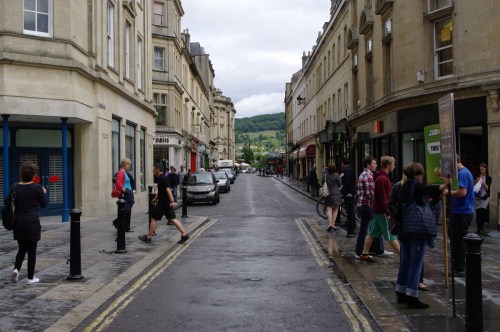
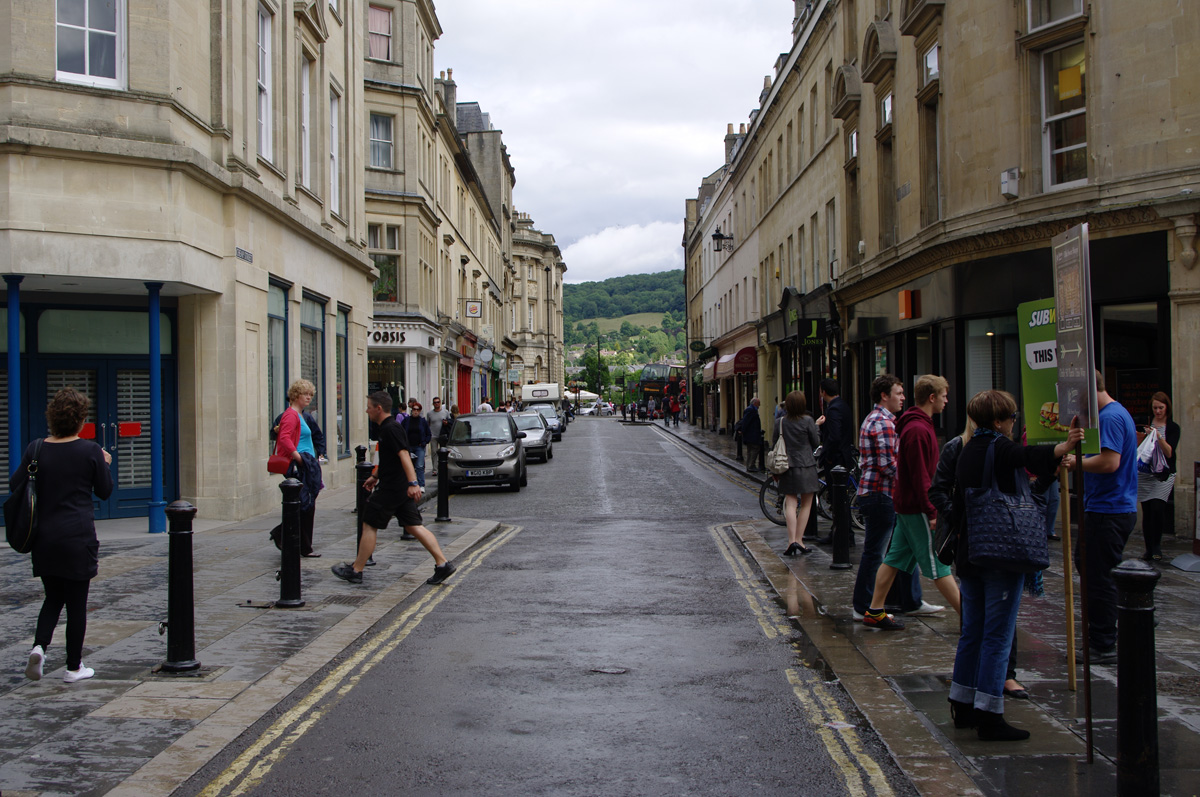
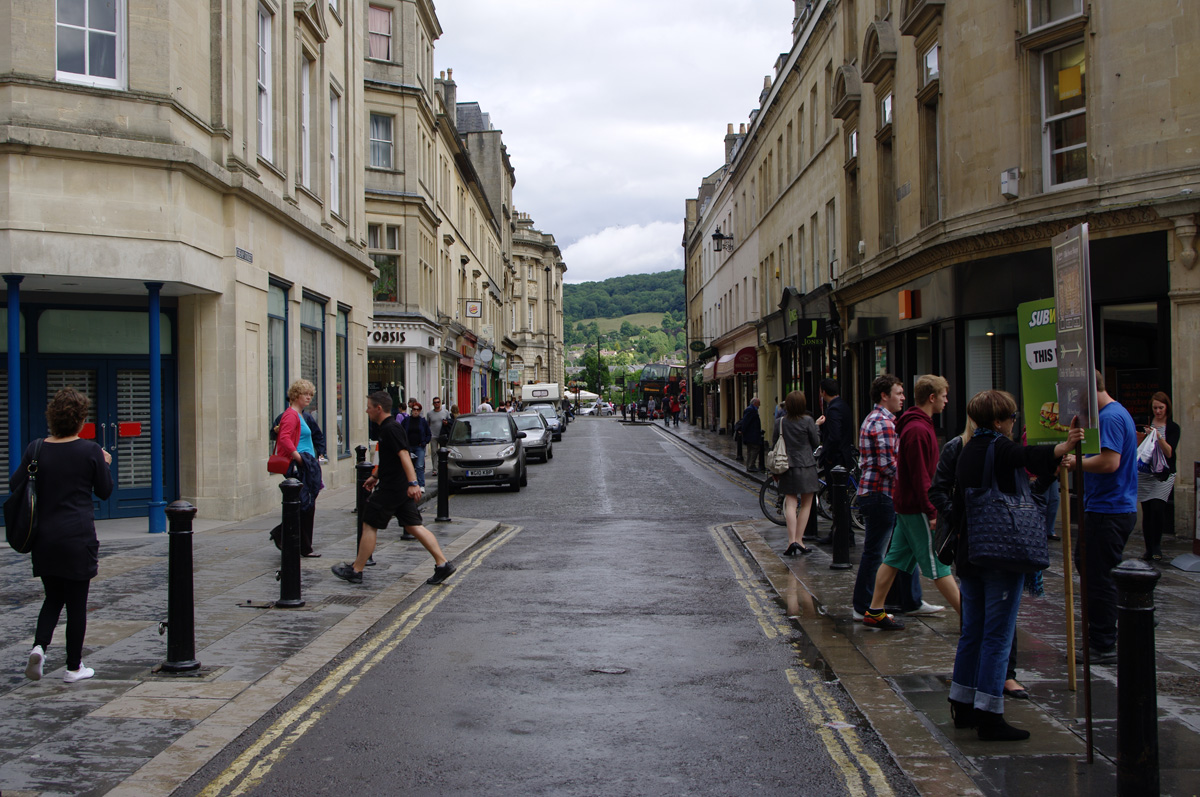
Cheap Street with hills in the distance, image from Tony Grant

Read Full Post »

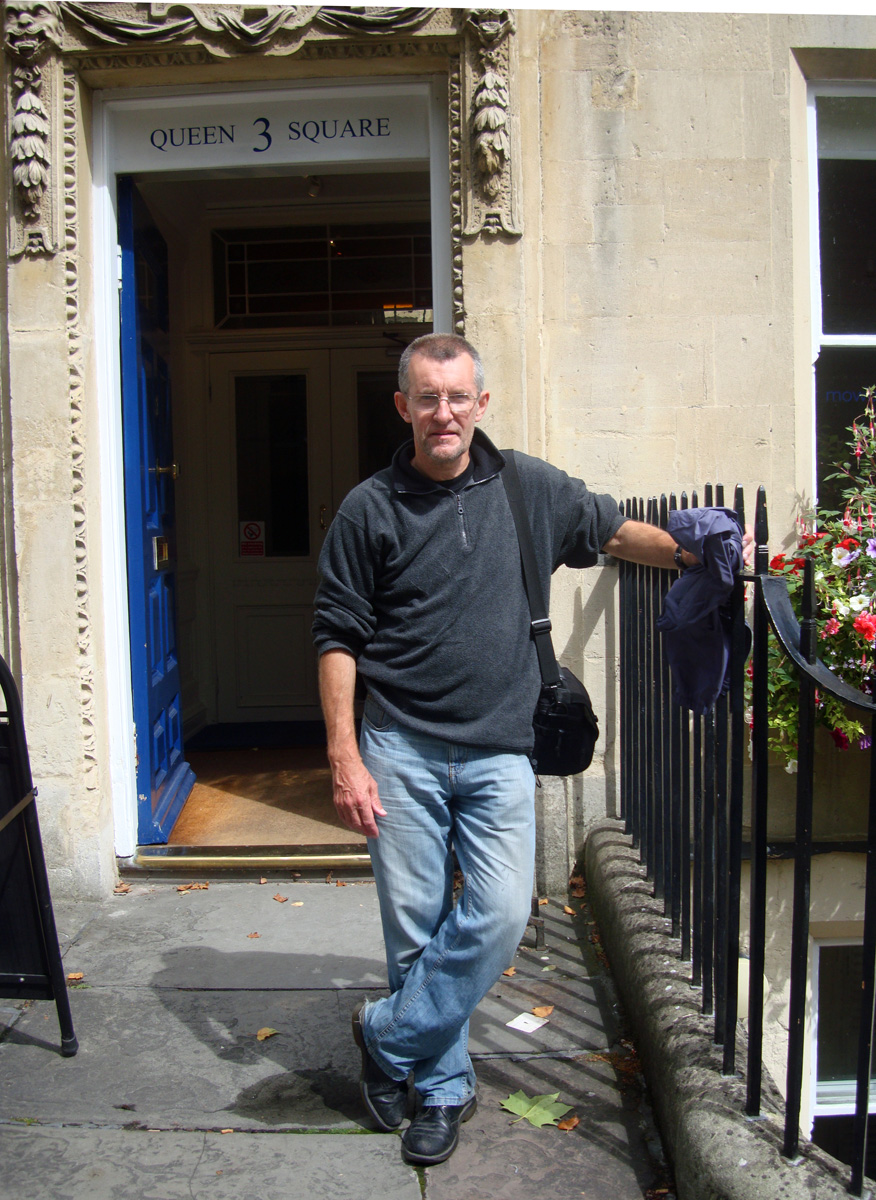
Tony Grant at 3 Queen Square, down the road from the Jane Austen Centre

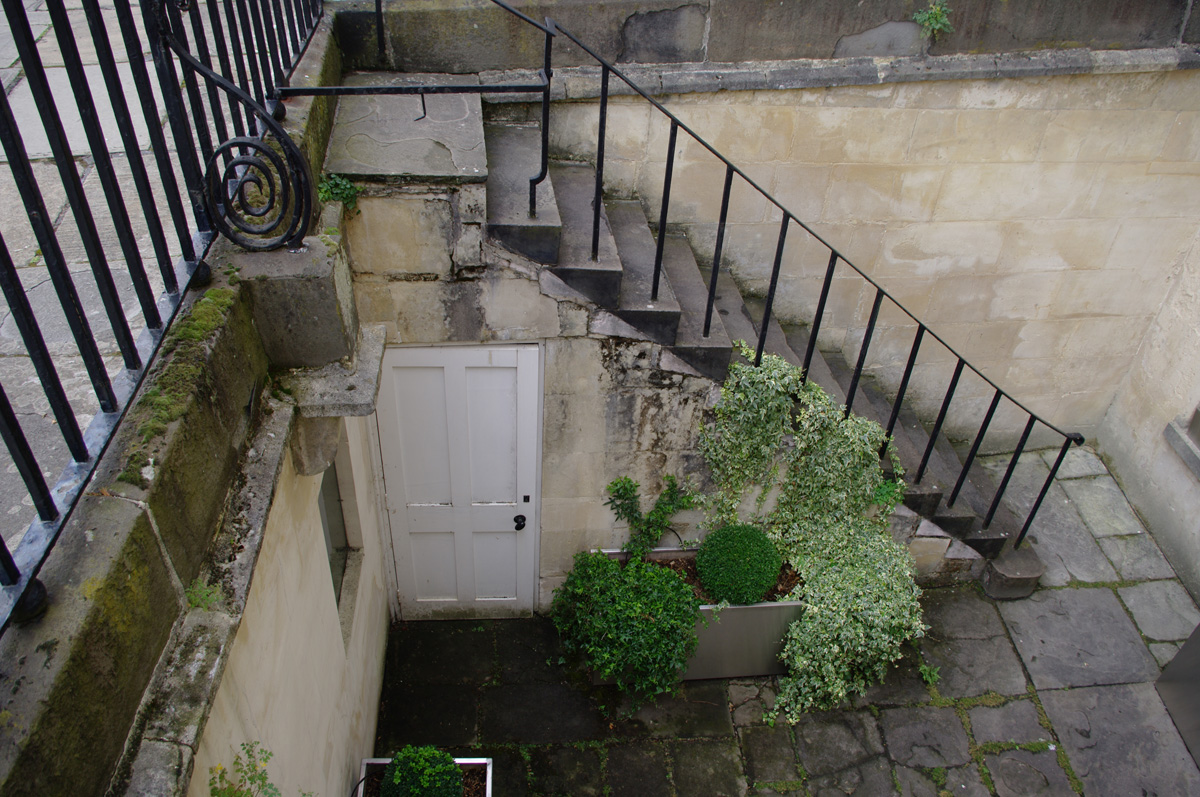
Tony Grant, who writes posts for Jane Austen Today and London Calling, stands above the “area”, the servants entrance that sits below ground and in front of town houses built during the Georgian and Regency eras. A wrough-iron fence separated the upper level from the lower basement level, which was sunk partly below the street. Windows in the work areas gave the servants a view of the people walking along the sidewalks.

Wherever these town houses were built, servants and delivery people used the lower entrance. The “area” also contained a coal vault used for storage.

The "area", or the way down to the servant's quarters

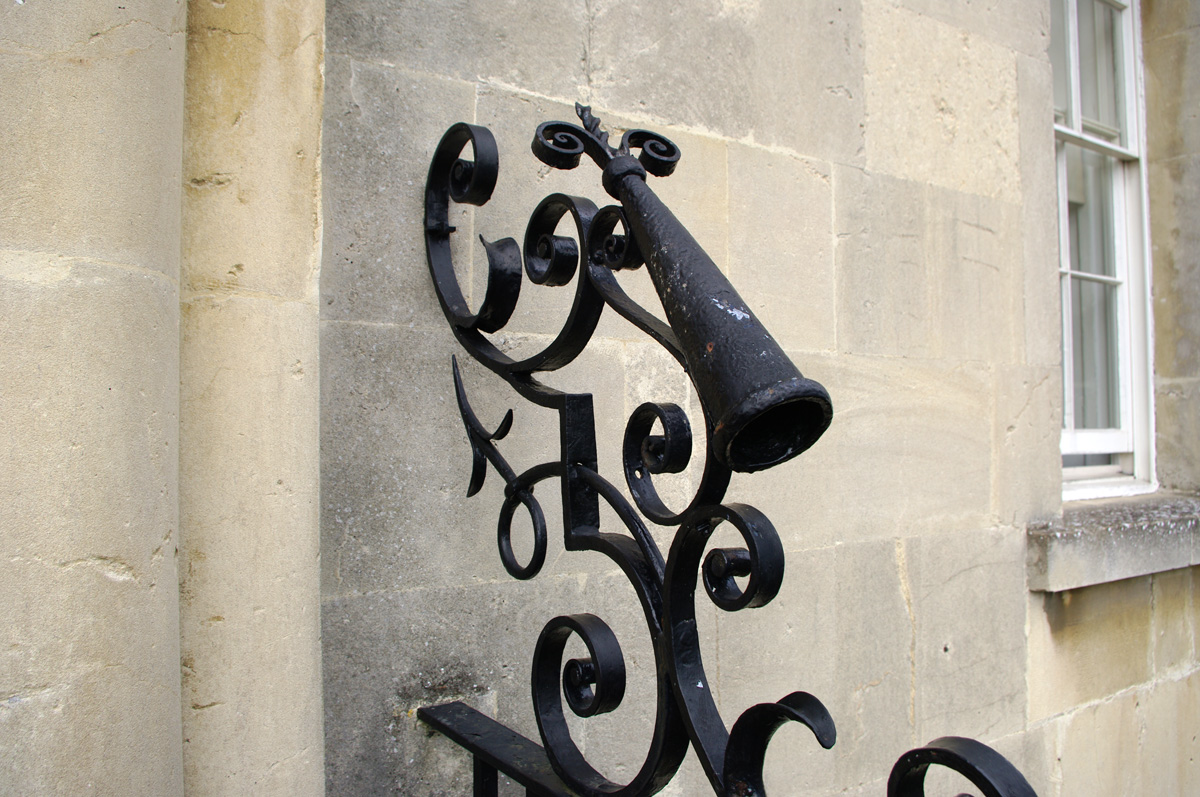
A collier unloaded coal from a cart directly into the coal vault. This practice prevented dirty coal sacks from being dragged through the house. Coal was dumped down a chute via a coal hole. The coal would then be used for fires or the kitchen stove. (Gaelen Foley)  The design of the coal hatch, which was locked from the inside, would vary from house to house. Coal holes were in use from the early 1800s to the middle 1900s, when the Clean Air Act made the burning of coal illegal. (Knowledge of London)

Coal hole, Bath, England

So much coal was burned in 19th century London (in 1800 over one million London residents were burning soft coal) that “winter fogs” became common.

An 1873 coal-smoke saturated fog, thicker and more persistent than natural fog, hovered over the city of days. As we now know from subsequent epidemiological findings, the fog caused 268 deaths from bronchitis. Another fog in 1879 lasted from November to March, four long months of sunshineless gloom. (London’s Historic “Pea Soupers”)

Read Full Post »

« Newer Posts - Older Posts »