Feeds:
Posts
Comments

Archive for the ‘Jane Austen’s World’ Category

Inquiring readers,

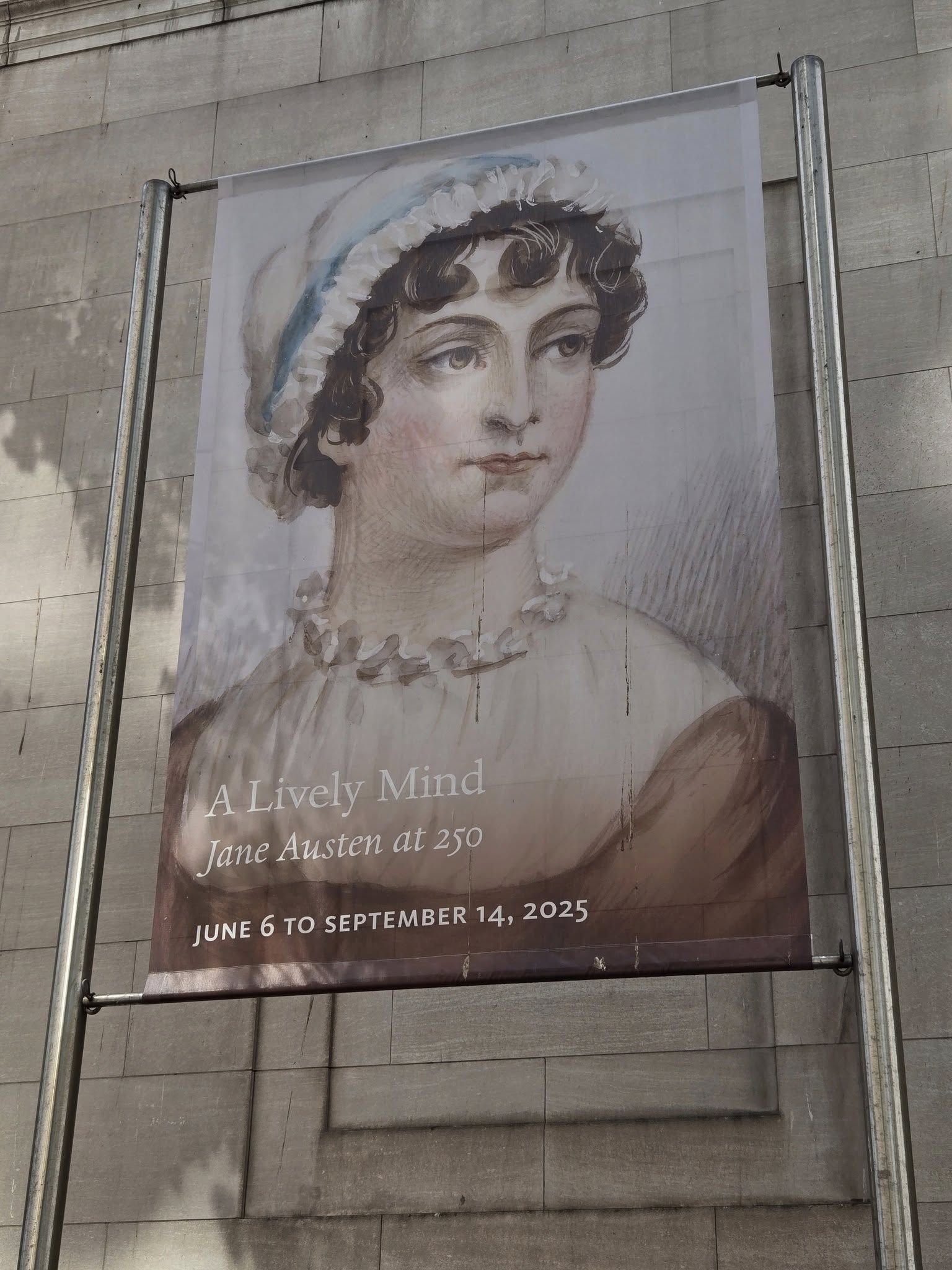
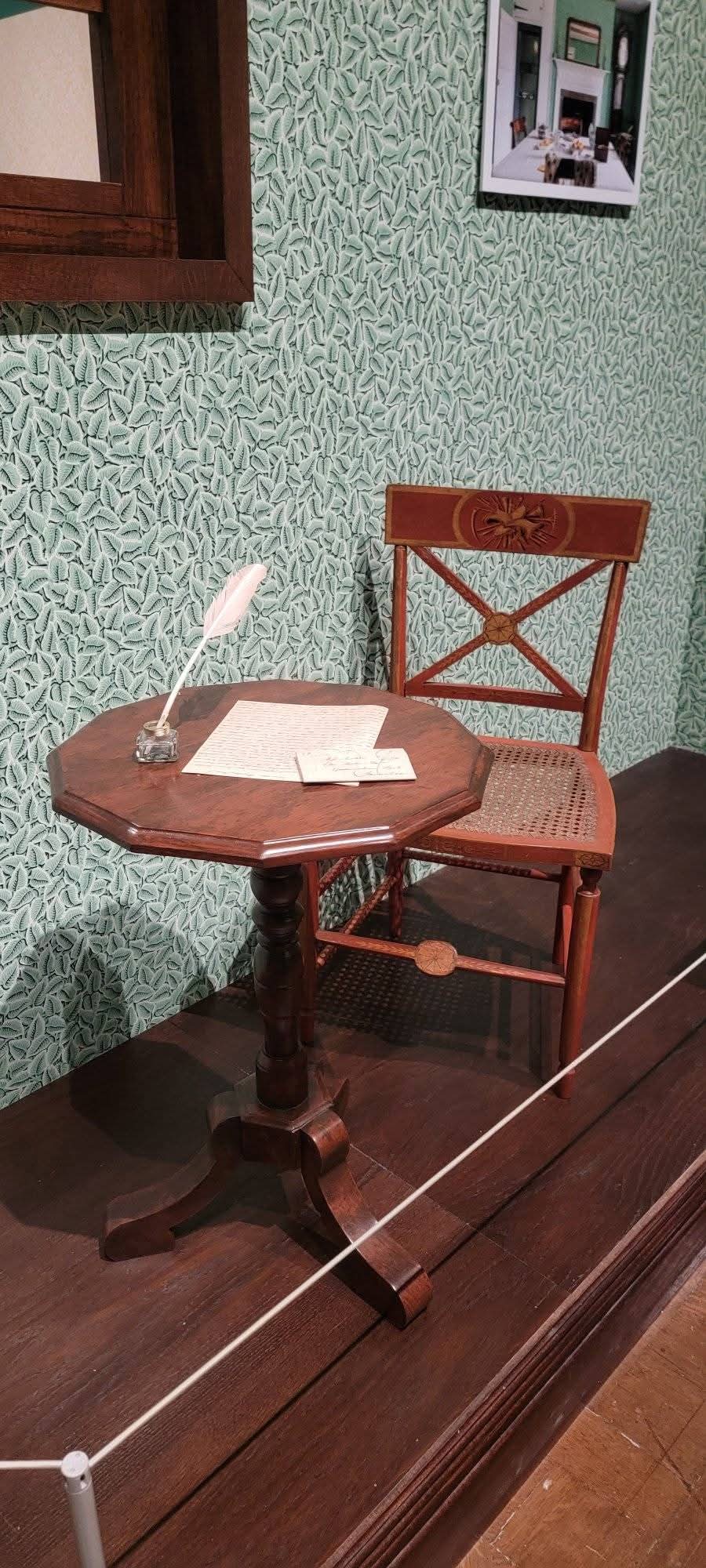
The 2025 AGM in Baltimore has come to an end. I was too late in registering for this conference, the largest ever held in the U.S., with over 900 attendees. I did have the pleasure of going to the conference site for several hours on Friday and meeting up with Sarah Emsley, Brenda Cox, and Deborah Barnum. I also visited the emporium, where I purchased books, and the pop up sessions, where one can examine the precious objects that many well recognized attendees brought over from England to show us. Caroline Jane Knight, whose presentation of her life in Chawton Manor was marvelous, brought the serving spoons commissioned by Edward Austen, the creamware plates, two keys from Godmersham Park, and much more. Janice Golder brought a modern reproduction of the quilt made in 1810 by Jane Austen, her sister Cassandra, and her mother. (Image of the reproduction was taken by me at the conference.)

I registered for the streaming sessions, and so partially enjoyed both the onsite experience and the at-home fun of watching the presentations online in my pj’s. Their links will be available to us streamers until February. Whew! I can still catch up on the presentations I missed.

Below are some of the fabulous books I purchased!

I walked portions of Jane Austen’s London the four times I visited that city. Every day I found a new path, which I at times revisited in subsequent trips. Louise Allen’s book is a treasure, heavily illustrated with maps and images of the buildings during Austen’s era. It’s a book I’ll treasure and will help me fondly reminisce those paths I once walked. This slim book is entitled Walking Jane Austen’s London: A Tour Guide for the Modern Traveller, and is well worth its purchase.

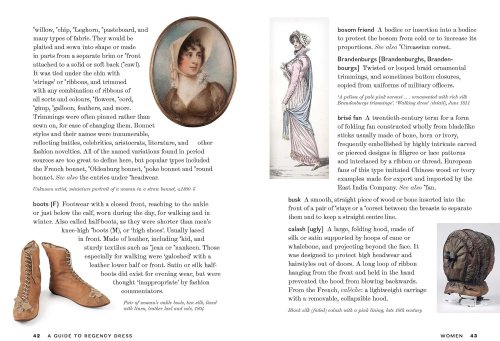
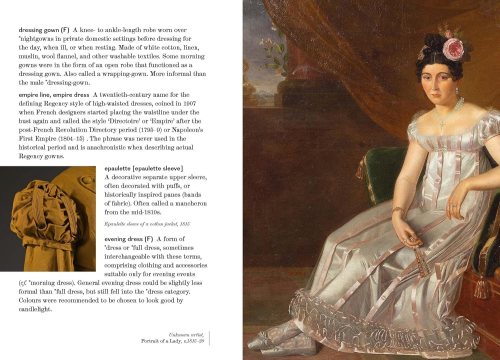
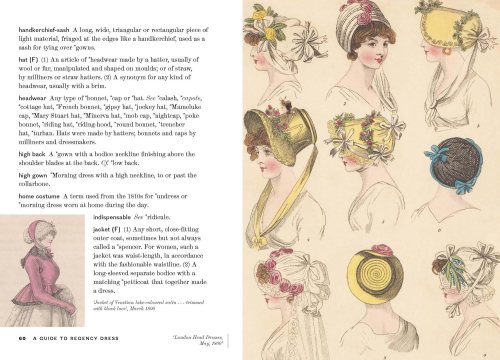
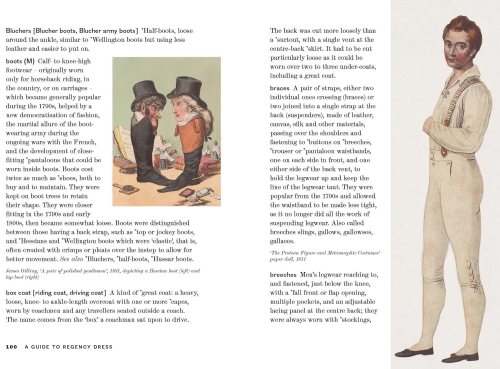
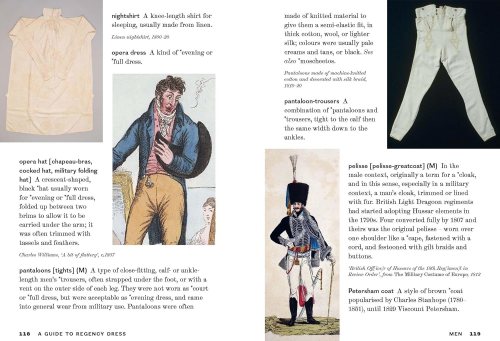
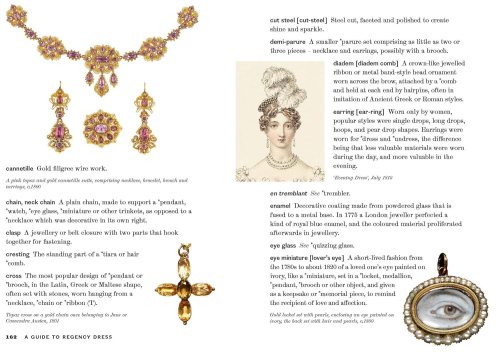
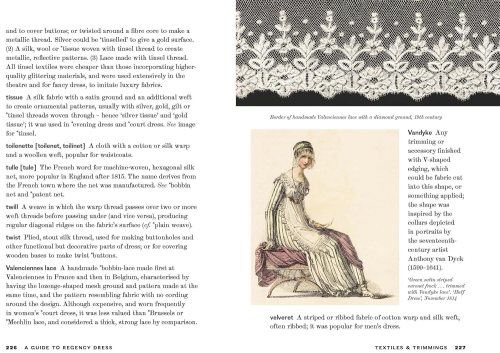
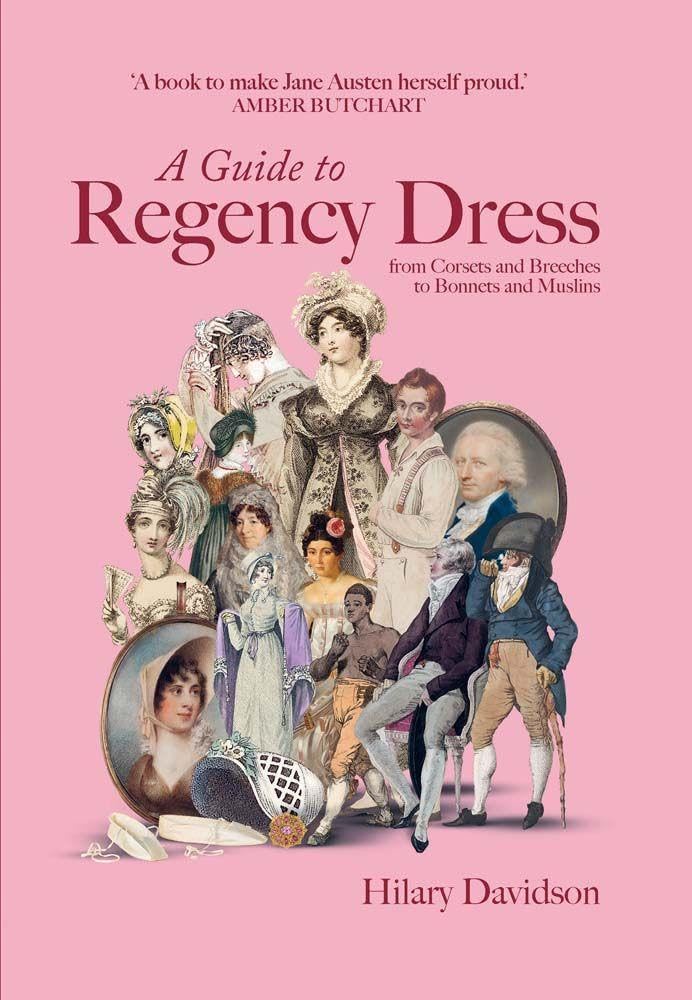
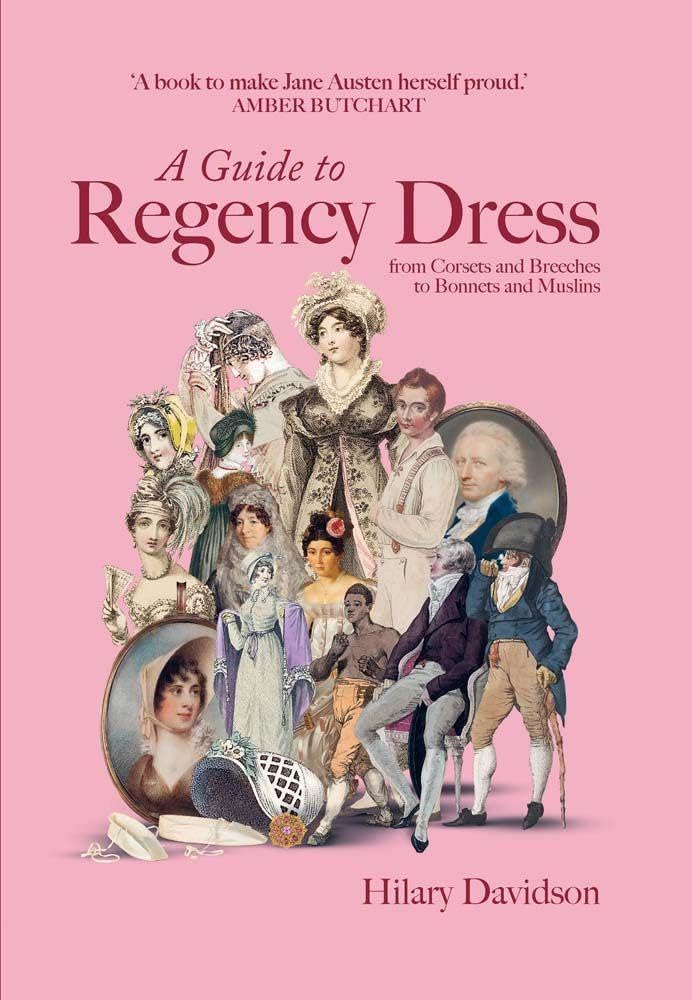
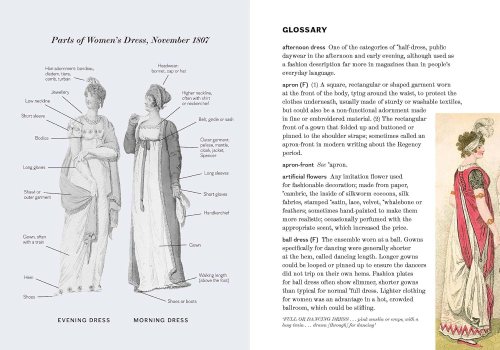
I met Hillary Davidson in a previous AGM and bought her marvelous new book back then: Dress in the Age of Jane Austen: Regency Fashion. I obtained her latest book at this AGM, A Guide to Regency Dress: From Corsets and Breeches to Bonnets and Muslins. It’s a treasure trove, and quite different in format from her other book – more like a reference guide, which makes it easy to look up information, and filled with images that are so helpful! Both aforementioned books are modest in size, and will fit very well in my overflowing room length bookcase.

When Sarah Emsley sent me her latest book, The Austens, I didn’t quite get to my review or send her a series of questions for added interest. It turns out that Brenda Cox, who also writes for this blog, had the same plans in mind. So we agreed on a change. At the AGM I purchased Jane Austen’s Transatlantic Sister: The Life and Letters of Fanny Palmer Austen by Sheila Johnson Kindred. Since The Austens deals with Jane’s relationship with the Palmers, I decided to read both books and then write about the relationship between Jane and Fanny with more knowledge. I can’t wait to read the books and compare and contrast them!

At each AGM I purchase copies of the magazine entitled “Jane Austen’s Regency World”. Published in the UK, they are published every other month. I chose 3 from 2024: July through December. And four from 2025: March through October. Sadly, I missed the Ja/Fe 2025 edition. The latest issue in the Sept/Oct two-month period includes these topics, although there are more than these few: “Of No Fixed Abode: Mrs Austen’s search of a home”; Cover Story: “Georgians and Cats – the feline as a pet is a modern concept”; “Miss Tilney Wore White: The process of bleaching cloth”; and “A Jane Austen Pilgrimage: Reminiscences from a self-organized UK tour”.

For inquiries re: the magazine, contact Jackie Herring – Editor at editor@janeaustenmagazine.co.uk or click on http://www.janeaustensmagazine.co.uk.

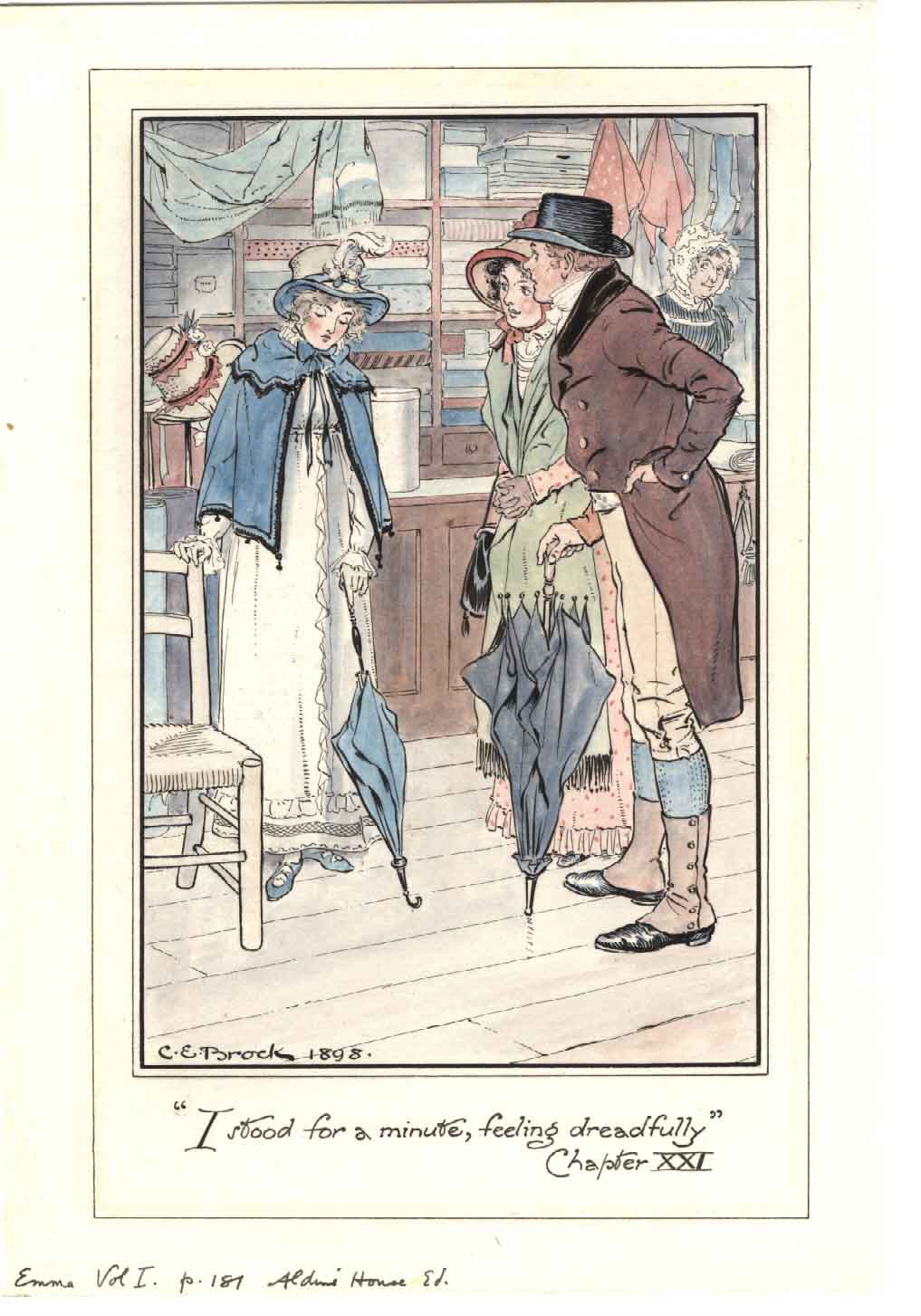
The purchase of “A Year with Jane Austen: A Calendar for 2026” is a first for me (I usually buy dog calendars!) But this one is a treasure. Filled with C.E. Brock illustrations, Austen quotes, and tidbits of information, such as “Did you know that Mr Darcy first proposed to Elizabeth Bennet on May 1 – and that she finally accepted a marriage proposal on October 6?”

The Worlds of Jane Austen: The Influences & Inspiration Behind the Novels, by Helena Kelly is a lovely, lavishly illustrated book. It was a gift from Brenda Cox, who writes wonderful posts for this blog. These are its contents listed by pages: 6-The Rectory; 22-Revolution; 44-Army and Navy; 56-Give a Girl an Education; 80-City; 96-Countryside; 114-Seaside; 128-Empire and Slavery; 148-Legacies; 174-Austenmania; and 188-Present Day.

Lastly, my acquisitions before the AGM:

As a livelong member of JASNA, I opted to receive the physical print of “Persuasions: The Jane Austen Journal” printed by the Jane Austen Society of North America. I received the latest edition #47 recently last summer. This volume published the main presentations during “AGM 2024 in Cleveland, OH: Austen Annotated: Jane Austen’s Library, Political, and Cultural Origins.” Persuasions Online 45, No.1 lists the rest of the workshops.

After reading a review this spring of Kathryn Sutherland’s Jane Austen in 41 Objects, I ordered it. I learned that I have personally seen a few in person: Jane Austen’s small watercolour portrait by her sister, Cassandra; some of her letters and a few pages of a manuscript in an exhibit at the Morgan Library in New York City; and the Octagon Room in Bath (in fact I saw most of the buildings she frequented in Bath, including the houses she lived in). I’ve seen additional personal Austen memorabilia at Goucher College’s important Jane Austen Collection.

This has been a special long weekend in Baltimore for Austenites, the largest AGM in the U.S. so far. I was so pleased to have made the time to both come in person and to watch the live streams from home. Let us know in the comment section which books you purchased at the AGM in Baltimore!

Read Full Post »

Inquiring Readers,

In the age of increasing AI domination, it has become easier to find quick facts about Jane Austen and the age in which she lived on the internet. Yet, as many of us have learned, AI scrapes information willy nilly from online sites, regardless of whether those facts are accurate or not. At first I was caught flat-footed. Not being a JA scholar, but a devoted reader about her life, I sadly used some of those wrong facts, but I learned quickly. I now have some tricks up my sleeve – I study original sources from the memories of scholars and family members who knew her personally or lived during her age, as well as from the people who survived her and recalled their memories of her well into their old age. I also purchase books from Austen renowned scholars and academics (but a few of their books will be listed in another post.)

I found out-of-print books in antique book stores in England, Boston, New York – whichever city I visited or lived in. But these treasures could be quite expensive. I discovered Thrift Books and ABE Books online, which sell histories and biographies also out-of-print for an affordable price. Better yet, I discovered The Internet Archive and Project Gutenberg years ago. They’re akin to searching libraries and their catalogues of precious books on your computer. 

I found Project Gutenberg first. When I began JAW, I could print any chapters I needed for research, or cut and paste quotes for my blog posts. At the time, this service was around 38 years old. It’s a rather old-fashioned site for today, but extremely useful nevertheless. Better yet, all their books are copyright free!

The Internet Archive (IA) is another online site in which most books, newspapers, and videos can be “borrowed” for free once you sign in. Once you borrow the book, you can return to it at a later time to continue your research. IA resides on a later platform, so it might be more appealing to younger users.

Below are some books easily accessed online. A few choices echo the precious books I purchased for my library. Enjoy!!!

About Project Gutenberg

https://www.gutenberg.org/about/

Project Gutenberg is an online library of more than 75,000 free eBooks.

Michael Hart, founder of Project Gutenberg, invented eBooks in 1971 and his memory continues to inspire the creation of eBooks and related content today.

Since then, thousands of volunteers have digitized and diligently proofread the world’s literature. The entire Project Gutenberg collection is yours to enjoy.

All Project Gutenberg eBooks are completely free and always will be.

PG documents can be printed, or one can easily copy and paste sections. 


The Books: Jane Austen 

Memoir of Jane Austen by James Edward Austen-Leigh, 1871 edition

https://www.gutenberg.org/files/17797/17797-h/17797-h.htm

About this book…

[This] Memoir of my Aunt, Jane Austen, has been received with more favour than I had ventured to expect… [In this Second] Edition, the narrative is somewhat enlarged, and a few more letters are added; with a short specimen of her childish stories.  The cancelled chapter of ‘Persuasion’ is given, in compliance with wishes both publicly and privately expressed.  A fragment of a story entitled ‘The Watsons’ is printed; and extracts are given from a novel which she had begun a few months before her death; but the chief addition is a short tale never before published, called ‘Lady Susan.’ – J. E. Austen-Leigh

Jane Austen, Her Life and Letters: A Family Record, by William Austen-Leigh and Richard Arthur Austen-Leigh (RA A-L), 1913.

https://www.gutenberg.org/ebooks/22536

About this book…

The Memoir [by JE Austen-Leigh] must always remain the one firsthand account of her, resting on the authority of a nephew who knew her intimately and that of his two sisters. We could not compete with its vivid personal recollections; and the last thing we should wish to do, even were it possible, would be to supersede it. We believe, however, that it needs to be supplemented, not only because so much additional material has been brought to light since its publication, but also because the account given of their aunt by her nephew and nieces could be given only from their own point of view, while the incidents and characters fall into a somewhat different perspective if the whole is seen from a greater distance. Their knowledge of their aunt was during the last portion of her life, and they knew her best of all in her last year, when her health was failing and she was living in much seclusion; and they were not likely to be the recipients of her inmost confidences on the events and sentiments of her youth.- W A-L and RA A-L

Jane Austen and Her Works by Sarah Tytler, 1880

This book was …

“Written by Scottish novelist, Henrietta Keddie, who wrote under the pseudonym Sarah Tytler. Keddie was known for her depictions of domestic realism within her work, becoming very popular with women.

This work is a study of Jane Austen and her writings, with chapters on the life of Jane Austen and her novels, as well as extracts from some of her most famous works. This includes chapters of Pride and Prejudice, Northanger Abbey, Emma, Sense and Sensibility and Persuasion.- Rooke Books (First Edition – £675.00)“ https://www.rookebooks.com/1880-jane-austen-and-her-works

The book is also available on the Internet Archive: https://archive.org/details/janeaustenherwor00tytlrich/page/n9/mode/2up


About the Internet Archive

https://archive.org/about/ 

The Internet Archive, a 501(c)(3) non-profit, is building a digital library of Internet sites and other cultural artifacts in digital form. Like a paper library, we provide free access to researchers, historians, scholars, people with print disabilities, and the general public. Our mission is to provide Universal Access to All Knowledge.

Today our archive contains:

916 billion web pages

49 million books and texts

13 million audio recordings (including 268,000 live concerts)

10 million videos (including 3 million Television News programs)

5 million images

1 million software programs

Anyone with a free account can upload media to the Internet Archive. We work with thousands of partners globally to save copies of their work into special collections.


Jane Austen

The Jane Austen Companion, by J. David Grey, Managing Editor; A. Walton Litz, and Brian Southam, Consulting Editors; H. Abigail Bok, 1986, New York: Macmillan.

https://archive.org/details/janeaustencompan00grey

This Book’s Introduction…

…”we have aimed at an encyclopedic book that will be of value to both the specialist and the general reader…individual essays, which appear in alphabetical order, cover a great variety of subjects: the life of Jane Austen and her family; the manners and literary tastes of her time; the composition of her fictions and their critical histories; the language and form of the novels; and many more…subjects that may strike some readers as arcane or antiquarian [are] “Characterization” and “Servants,” “Romanticism” and “Auction Sales,” “Education and “Gardens.” are all topics that will be of interest to many readers…This volume speaks with the many voices of Jane Austen’s contemporary voices.


Jane Austen: her biographies and biographers – or, ‘‘Conversations minutely repeated.’  Deirdre Le Faye, Jane Austen Society, Report for 2007

https://archive.org/stream/austencollreport_2007/AustenReport%202007_djvu.txt

About this talk…

This is an edited version of a talk given first at University College, London, on 15 

November 2003, and then again to the Bath and Bristol Group on 29 April 2006

…The only sources of contemporary written information about Jane Austen that we have…are primarily her own letters – but these were not published till many years after her death, and even then only emerged gradually from 1870 up to the second half of the twentieth century.

Secondly, there are letters and pocketbooks originating in an outer circle of relatives and friends; some of the former were published by R.A. Austen-Leigh in Austen Papers, but many more remain as yet unpublished. These, and especially the pocketbooks. can be useful for giving precise dates regarding Jane’s daily life, but by their very nature do not give any information about her opinions or her character. 

Thirdly, her novels give some biographical information, but this has to be 

identified in conjunction with reading her letters. For example, we know from her letters that she did not visit Northamptonshire before writing Mansfield Park, but relied upon Henry to provide her with local information, and we know that it was her visit to Lyme Regis which gave her the background for chapters 11 and 12 in Persuasion.  

So fourthly and finally, we are left with oral tradition, the dredged-up memories, most of them surfacing only many years later, of the conversations that her family and friends had with and about Jane. Such memories originate with her siblings and their children, and are based on personal knowledge; they circulated within the family between 1820-70, and were then passed on to later generations, some still as oral tradition, others in the form of memoirs and reminiscences written down in the late nineteenth or early twentieth centuries. These unique anecdotes are widely scattered in different books or manuscripts, and like pieces of a jigsaw have to be found and slotted into place before the picture is complete.

Memoir of Jane Austen, Audio from LibriVox, script written by James Edward Austen-Leigh. No reader listed.

https://archive.org/details/memoir_jane_austen_0805_librivox

Please read the book’s description in the Project Gutenberg section above.

Jane Austen’s sailor brothers: being the adventures of Sir Francis Austen … and … Charles Austen; by Hubback, J. H. (John Henry), b. 1844; Hubback, Edith C. (Edith Charlotte), 1876 – Publication date 1906, London, J. Lane, New York, J. Lane company

https://archive.org/details/janeaustenssailo00hubbrich/page/n13/mode/2up

In this book…

My daughter and I have made free use of the Letters of Jane Austen published in 1884, by the late Lord Brabourne, and wish to acknowledge with gratitude the kind permission to quote these letters, given to us by their present possessor. In a letter of 1813, she speaks of two nephews who ” amuse themselves very comfortably in the evening by netting ; they are each about a rabbit-net, and sit as deedily to it, side by side, as any two Uncle Franks could do.” In his octogenarian days Sir Francis was still much interested in this same occupation of netting, to protect his Morello cherries or currants. It was, in fact, only laid aside long after his grandsons had been taught to carry it on. – cherries or currants. 

– John H. Hubback, 1905 (John was the great-nephew of Jane Austen through his wife, Catherine’s side. She was the daughter of Sir Francis William Austen, JA’s sailor brother.)


Jane Austen, A Biography, by Elizabeth Jenkins, 1949. The Universal Library, Grosset & Dunlap, NY.

https://archive.org/details/janeausten0000eliz_w9e7

This book is…

The first full-length study by someone who was not a collateral descendant of the Austens was written by Elizabeth Jenkins in 1938… Miss Jenkins was the first to properly use Chapman’s edition of the letters, and was also allowed by RAA (Richard Arthur Austen-Leigh) to see other unpublished family papers. This work was well-balanced, very readable, as accurate in its facts as was then possible, and placed Jane Austen clearly against the background of her times; it consequently remained the definitive biography for fifty years.   


Georgian/Regency England

The Prince of Pleasure and His Regency 1811-20, by J.B. Priestley, 1969.

https://archive.org/details/princeofpleasure0000jbpr

Description in this book by the author…

With a pair of wild spendthrifts like Fox and Sheridan keeping him company night after night, the young Prince was not likely to imitate his father’s frugal habits. He was soon in debt and he never really got out of it. Yet for this his father, the careful George III, is at least as much to blame…The King had been unwise in first keeping his son, a full-blooded, high-spirited youth, so close to a dull and cheese-paring Court. He had been even more unwise when he had allowed the Prince of Wales his independence and his own establishment at Carlton House.- Priestly, p 24


An American in Regency England: The Journal of a Tour in 1810-1811, by Louis Simond, edited with an introduction and notes by Christopher Hibbert. The History Book Club, London 1968.

https://archive.org/details/americaninregenc0000loui

In this book:

The journal…while it adds little new to our knowledge of Regency England…deserves to  be recognized as one of the most evocative portraits of Britain and the British to have been drawn by a foreigner during the years of the Napoleonic Wars. – Hibbert, Introduction

April 29–We have seen Mrs Siddons [55 yrs old)] again in the Gamester, and she was much greater than on the first day. Perfect simplicity, deep sensibility, her despair in the last scene, mute and calm, had a prodigious effect. There was not a dry eye in the house…Simond, 1810.


A Visitor’s Guide to Georgian England, by Monica Hall, 2017. Pen & Sword.

https://archive.org/details/visitorsguidetog0000hall/mode/2up

In this Book…

Monica Hall creatively awakens this bygone era, filling the pages with all aspects of daily life within the period, calling upon diaries, illustrations, letters, poetry, prose, 18th century laws and archives. This detailed account intimately explores the ever changing lives of those who lived through Britains imperial prowess, the birth of modern capitalism, the reverence of the industrial revolution and the upheaval of great political reform and class division. – Front description

Above all, the Georgian were optimistic risk-takers. They had to be, as there was no other way to live. They often did dangerous work in which the risk of tetanus or sepsis from wounds was ever present. The Industrial Revolution was underway, bringing both investment and employment opportunities – and the risk of losing money. Sanitation and drinking water was dubious to say the least, especially in towns and cities, and medical help were equally haphazard. Childbirth was still both inevitable and dangerous. But, most importantly, the Empire-builders were on the move. – Hall, Chapter 1, P 1.


Travel in England from pilgrim and pack-horse to light car and plane, by Thomas Burke, 1886-1945, first published 1942.

https://archive.org/details/travelinenglandf0000burk/page/n7/mode/2up

In this book: Chapters III & IV of this book are pertinent to the Georgian Era. 

Chapter III: Georgian Journeys https://archive.org/details/travelinenglandf0000burk/page/94/mode/1up?q=Georgian+Journeys

In a ‘Tour Through the South of England (1791)’  Edward Daniel Clarke went with a friend…”and they took with them, as valet, the local barber–a sort of Partridge [small or insignificant man]. Travel was something new to the barber. He had never been fifty miles from his own door and every incident of the journey filled him with alarms. London frightened him, and Portsmouth with its sailors bewildered him. He had never stayed at an inn, and the hurry and confusion of a large inn almost caused a nervous breakdown. He was always bowing to the waiters, and stepping aside from them and colliding with the kitchen boys, and being kicked by one and pushed by the other, so that he was constantly running to his employer for protection. – Georgian Journeys, Ch 3, p 82.

Costumes in Context: The Regency, by Jennifer Ruby, 1989

https://archive.org/details/regencycostumein00jenn/page/n3/mode/2up

This book…

…Traces the major fashion developments of the period, comparing the clothing of the well-to-do with that of less fortunate classes…

Each book in this series is built round a fictitious family. By following the various members, sometimes over several  generations…you will be able to see the major fashion developments of the period and compare the clothing and lifestyles of people from all walks of life…

Major social changes are mentioned in each period and you will see how clothing is adapted as people’s needs and attitudes change…

Many of the drawings in [this] book have been taken from contemporary paintings.


This is another take on fashions during the regency era on IA:

Costume Reference 5: The Regency, by Marion Sichel, 1977.

https://archive.org/details/regencycostumere00mari/mode/2up

This book has better drawings and sketches, but does not include costumes year by year that represent all the classes.

Read Full Post »

Interviewed by Brenda S. Cox

“As soon as he can light upon a bishop, he will be ordained. I wonder what curacy he will get!”–Anne Steele, about Edward Ferrars in Sense and Sensibility.

A few days ago, I told you about a fascinating new book on Henry Austen. The author is a retired Church of England bishop, living in Farnham, where Henry Austen served as perpetual curate of the parish church. (A perpetual curate was a curate, substituting for the rector or vicar holding the living of that church. “Perpetual” meant that he could not be fired; he could keep his job for life, just as a rector or vicar did. However, his salary was still only a portion of the tithes that supported the main, absentee clergyman.)

I asked the Right Reverend Dr. Christopher Herbert, who is now a Visiting Professor of Christian Ethics at Surrey University, about his journey in writing this book.

Jane Austen’s Favourite Brother, Henry, was written by an Anglican bishop, Christopher Herbert

Jane Austen’s World: Rev. Herbert, what led you to write Jane Austen’s Favourite Brother, Henry?  How did you get interested in Henry Austen?

Rev. Herbert: In retirement I live in Farnham, Surrey, only a few miles from Chawton. I am the Patron of the Farnham Castle Trust; Farnham Castle was once one of the major homes/palaces of the Bishops of Winchester. At a Trustees’ meeting, discussing how to attract more visitors to the Castle and Farnham, I wondered if there might be some connection with Chawton and Jane Austen. The other Trustees did not know of any, but a friend pointed out an article in the Farnham Herald mentioning a man called Henry Austen christening a baby in the parish church of St Andrew’s. [JAW: This story opens Herbert’s book.]

I followed this up, checking the Parish Registers at the Surrey History Centre, and found many signatures in Henry’s hand—and of course, he was Jane’s brother. I was fascinated. Who was he? How did he become a Perpetual Curate in Farnham? What was his story?

At that point, all that I had were his dates of birth and death, and a few insights from Wikipedia. I had no intention of writing a book about him, but the more I researched his life, the more intriguing Henry became. By the way, my book’s publication in the 250th Anniversary Year was pure chance. I had no idea that was coming up when I raised my initial question!

JAW: How long did it take you to research and write the book?  What were some of the most interesting sources you found?

I took well over two years to research and write the book. That might seem a short period of time. However, in my earlier work as a diocesan bishop, with over 400 churches in my diocese, plus membership of the House of Lords and other national and international responsibilities, I was accustomed to working very rapidly to fulfil all my duties. I also read for [pursued/studied for] an MPhil [Master of Philosophy] and a PhD in Medieval Art History at the University of Leicester whilst I was a bishop, and again, had been able to read and digest and write rapidly. So, I had some of the requisite research skills, and I loved the research process—that joy of discovering new and unexpected jewels.

My most useful primary sources were obtained from the Hampshire County Record Office where I was able to trawl through a great deal of original material, plus similar material such as the Parish Registers of St Andrew’s, Farnham, at the Surrey History Centre.

For secondary sources, I read biographies of Jane Austen by people such as Claire Tomalin, and David Cecil, and accessed the huge online resources of JASNA, etc. I was helped greatly by the staff at Jane Austen’s House, Chawton, and, of course, re-read all of Jane’s novels, plus the utterly invaluable edited version of Jane’s letters by Deirdre Le Faye and invaluable and scholarly papers by people such as yourself [Brenda Cox], John Avery Jones, et al.

Of course, as is often and frustratingly the case, after my book had been published, I came across some more primary material at Winchester College. The researcher’s life, as you know, is littered with ‘if onlys’. [I encouraged him to find a place online to publish his further research.]

Amongst the most interesting material were the Parish Registers of Bentley and Farnham. Those gave me enlightening insights about the lives of Henry and his parishioners.

JAW: What did you learn about Henry that interested you the most?

Apart from my obvious personal affinity with Henry as a clergyman, it was his time as a dealer in Army Commissions, a Banker, and a Tax Collector which I loved researching. I am not an economic historian and so my research in this area was very challenging. I would need to re-train in economic history to begin to fully understand every detail. This was the most difficult part to write, trying to get my head around the economic and financial landscape within which Henry worked.

Beneath all the top-layer elements of his life, I enjoyed delving beneath the wealthy surface and speculating on Henry’s motivations and methods of work. Walking the streets of London and investigating where he lived during this phase of his life was hugely enjoyable.

Following Henry through his banking downfall and his approach to his bishop to discuss the possibility of ordination required a great deal of ‘inner work’ on my part  to comprehend how and why that happened. I have interviewed hundreds of ordinands in my life. It was fascinating trying to get into the mindset of Henry’s bishop, Bishop Brownlow North, who lived in very different times to my own. Like Henry, Bishop North worked with different cultural assumptions than ours. It is such a challenge to try to stretch one’s sympathetic imagination into another era.

By contrast, and bathetically*, it was the fact of Henry having almost 1,000 bottles of wine in his cellars which sticks in my mind!

Henry Austen as a Clergyman later in life. Public domain via wikimedia.

JAW: What was something interesting you learned about Jane Austen herself in writing the book?

Oddly, it was spending time exploring Steventon and realising how isolated the Rectory and the village were in the late 18th and early 19th centuries. I had, of course, been to Jane Austen’s House in Chawton a number of times, but in my mind’s eye I had imagined Steventon as a quintessential English Village: village green, church, a few farmsteads, a pub, and even, perhaps, a game of cricket. That idea was completely shattered when I visited Steventon. The cultural life inside the Rectory must have been a great contrast to the isolated, scattered cottages of the poor inhabitants of the village. 

My understanding of the life of Cassandra Austen (Leigh) [Jane’s mother] grew as I thought of her coping with her own children plus the students boarding with them—all that food, oversight of the washing of bedding and getting it dry, all that hullabaloo inside the house during term-time. When did she have a moment to herself?  I began to wonder, as Jane watched her mother, how much Jane recognised the sheer logistical task her mother undertook to keep the ship happy, afloat and moving in the right direction.

This was the most fun part of the book to write, showing the inside of Steventon Rectory with all the liveliness and learning of Jane, Henry, and their siblings.

And, of course, Jane’s letters are an absolute delight. If only there were more…if only…

JAW: If you were able to meet Henry Austen personally, what do you think you would like about him? What would you want to ask him? What parts of his character might you find difficult or less pleasant?

I would enjoy his sense of humour, his generosity towards, and affection for, Jane, and his affection for Liza [his wife Eliza] and her son, Hastings. Not being a risk taker myself, I would love to hear about his own understanding of the nature of financial risk and entrepreneurship. When did he see the storm clouds brewing? Was ordination always at the back of his mind? Was it a kind of attempt to ‘give back’ to society, having enjoyed and then lost the fruits of worldly success?

I would find his undoubted attraction to the aristocratic level of society difficult, but I fully recognise that it was the 18th/early 19th century way. And when he was Perpetual Curate, I suspect I would have found his lack of awareness of the Farnham Workhouse very difficult. However, in fairness, I must add that it might simply be lack of evidence which leads me to suppose that he was not at his best with the poor and impoverished. So much information has been lost. I could be entirely wrong. 

JAW: Why do you think he was Jane’s favourite Brother?

I will say the idea for the title of the book was not mine, it was my publisher’s, but I am entirely happy with it. Why was Henry Jane’s favourite? He was obviously very close to her and looked to her for help whenever he hit a difficult or tragic patch in his life. They shared the same sense of humour, the same love of the quirks of society, the same interest in humanity. And it was Henry who went out of his way to ensure that her books were published. Besides, who but a favourite brother would actually volunteer to read Proofs!?

JAW: What would you like to tell potential readers about your book?

I hope that if they love Jane Austen, my book will reveal some lesser-known aspects of Regency society which might enhance their understanding of Jane and her novels. In brief, context really matters. But, most importantly of all, if my book leads to people reading or re-reading Jane, my hopes will have been more than fulfilled.

JAW: Thanks very much, Christopher! I loved Jane Austen’s Favourite Brother, Henry, and I think our readers will also.

Jane Austen’s Favourite Brother, Henry, by Christopher Herbert, is now available from the publisher, Pen & Sword, and from Amazon in the US and in the UK in hardcover. The Kindle version will be released September 30, 2025.

You can find out more about Dr. Herbert at https://en.wikipedia.org/wiki/Christopher_Herbert and https://www.chpublishing.co.uk/authors/christopher-herbert Since those lists of accomplishments, he has also been involved in the Royal Hospital for Neurodisability in London and the Lyme Resource Centre, a charity based in Scotland raising awareness of the growing incidence of Lyme disease and co-infections in Scotland and elsewhere in the UK.

*I looked up bathetic. It means “producing an unintentional effect of anticlimax.” Nice word!

Brenda S. Cox is the author of Fashionable Goodness: Christianity in Jane Austen’s England. She also blogs at Faith, Science, Joy, and Jane Austen.
Read Full Post »

Book Review by Brenda S. Cox

“I had a letter from him [Henry], in which he desired to hear from me very soon—His to me was most affectionate and kind, as well as entertaining;—but there is no merit in that, he cannot help being amusing.”—Jane to Cassandra, April 8, 1805

“Henry at White’s! Oh, what a Henry!”—Jane to Cassandra, June 23, 1814 (when Henry attended an exclusive high class gathering celebrating Napoleon’s defeat)

Jane Austen’s Favourite Brother, Henry, by Christopher Herbert, gives an in-depth view of Henry Austen’s life, beliefs, and connections with Jane and her novels.

What a Henry

Henry Austen was apparently a lot of fun, and Jane loved her brother dearly. He was also quite versatile. At various times he was:

  • an Oxford student who produced a periodical called The Loiterer with his brother James,
  • paymaster and adjutant in the Oxford Militia,
  • army agent,
  • banker (of a bank that eventually failed),
  • receiver general of taxes,
  • Jane Austen’s own literary agent,
  • clergyman of several parishes,
  • chaplain of the British Embassy in Berlin, and
  • husband of Eliza de Feuillide and later of Eleanor Jackson (niece of Rev. Papillon of Chawton).

Christopher Herbert, in his fascinating new book, Jane Austen’s Favourite Brother, Henry, explores Henry Austen’s life through all these changes.

Culture and Current Events

I loved that Herbert gives lots of cultural details in going through Henry’s life. For example, in the chapter on Henry’s birth, we learn about childbirth practices at the time. During pregnancy, his mother Cassandra Austen, rather than buying special maternity clothes as we do today, would have widened her stomacher, used aprons to cover gaps in clothing, and loosened side lacings. A “churching” service would celebrate her survival of the very dangerous process of giving birth. Philadelphia Hancock, her sister-in-law, may have been there to help the mother before, during, and after the delivery.

The author speculates on what the children growing up in the the rectory may have read, who taught them to read and write, and where they obtained their books.

Current events and ideas are woven in alongside stories of Henry and Jane growing up. The balloon ascent of 1784 is described by quoting a magazine article of the time. We hear about battles, steam power, improvements and enclosures, and the Wesleyan revival which began at Oxford. We see how the ideas of contemporary writers such as John Locke, focusing on reason in understanding God and society, may have affected Jane Austen’s ideas of church and clergy in Mansfield Park, as well as her prayers.

Henry Austen as a Clergyman later in his life. Public domain via wikimedia.

Work and Money

An in-depth discussion explains Henry’s various jobs and what they involved. We see how his bank throve, launching Henry into upper ranks of society, and then failed. The author obviously did quite extensive research to dig this all up, and it was interesting to learn, for example, what exactly an army agent was. (For me, there was a little too much detail, since I’m not interested in finance; however, other readers may find this the most illuminating part!) It seems Henry had some financial dealings which were at least ill-advised, and possibly questionable.

Henry as Clergyman

After his bank failed, Henry reverted to earlier plans and was ordained as a clergyman. In Henry’s one extant sermon, he attacks pride and prejudices. Herbert says Henry is encouraging his congregation toward giving Catholics political rights, a major issue of that time. (See also “Sermons by Jane Austen’s Family.”) Herbert explores what Henry may have believed, also drawing from statements in Mansfield Park.

He also points out that Henry’s pastoral workload was much greater than that of Mr. Elton or other Austen clergymen. In one year, Henry performed 149 christenings, 34 weddings, and 105 funerals! All for very little income. He also had to deal with a new workhouse and other issues related to the poor of his parishes. Henry’s journey as a clergyman, his income and how he spent it, are further explored, as well as his anti-slavery work.

Jane Austen’s Novels

The author skillfully connects concepts to passages in Austen’s novels.  He also explains Henry’s role in getting her novels published. He concludes that there are still some questions about Henry’s life. But we do know that:

“without Henry’s determined and passionate commitment in getting Jane’s novels published, our lives, and the life of the world, would be so much the poorer.”

Amen!

On Thursday I will post an interview with the author, who is uniquely qualified to write this book. He is a former bishop of the Church of England, now living in Farnham where Henry Austen served as perpetual curate in the parish church. Farnham Palace, where the Right Revd. Dr. Herbert is a patron, was a home of the Bishops of Winchester.

I recommend this book to anyone who wants to learn more about Austen’s family and her world.

Jane Austen’s Favourite Brother, Henry, by Christopher Herbert, is now available from the publisher, Pen & Sword, and from Amazon in the US and in the UK in hardcover. The Kindle version will be released September 30, 2025.

Brenda S. Cox is the author of Fashionable Goodness: Christianity in Jane Austen’s England. She also blogs at Faith, Science, Joy, and Jane Austen.
Read Full Post »

Ah, the novels of Jane Austen! In my teenaged mind they conjured up romantic tales, white muslin dresses, perfectly coiffed and finely dressed gentlemen, ballroom dancing, visits to Bath, and carriage rides through gentle rolling hills.

Early Austen films from the late 1930s to the 1970s BBC television series, concentrated on immaculate clothes and manners. The people in Austen’s plots lived graceful and beautiful lives. Although she added comic and/or mean characters who helped to make her plots memorable.

But, as I reread Austen’s novels throughout my adulthood, I realized she cared deeply about the plight of the poor and mentioned them frequently in her novels. Emma Woodhouse and Anne Elliott carried baskets of food to the less fortunate. Genteel families put together gift baskets for those who struggled during the holidays. Mrs Smith, Anne Elliott’s friend, lived in an undesirable neighborhood in Bath, and was so penurious that she depended on the kindness of others to survive and made trinkets to supplement her meager income. 

The environmental conditions of life in London and nearby cities from 1775, the year of Austen’s birth, through 1817, the year of her death was not mentioned in her wonderful books. But she must have known of the pervasive poverty in England, and especially about the pollution that was recorded in detail by people who lived in those times. Their records reveal that not everything during these years was a bed of roses.

In fact, the reality of life in Georgian London at the start of the 18th century was stark for a majority of the people, especially the poor.

The city was…a very dangerous and unhealthy place. Overcrowding, poor sanitation, and disease led to more people dying each year than being born. With contaminated drinking water, the streets acting as open sewers, and the choking atmosphere, diseases such as cholera, smallpox, and tuberculosis were widespread.” Georgian London 1714 – 1837

St. Paul’s Cathedral, from St. Martin’s-le-Grand Thomas Girtin British 1795–96, Public Domain image, Met Museum.

By 1800, the population had risen to the extent that London was probably the first city in the world with over 1,000,000 citizens. However the average life expectancy across London was still only 30 while in rural England it had risen to over 40.” Georgian London 1714 – 1837

In regard to this last statement, Austen, who died at the age of 41, barely attained the rural ‘over 40” life expectancy. Whereas her immediate family lived longer lives: father 75 yrs, mother 87 yrs, sister 72 yrs: and brothers Edward, 75 yrs, James, 54 yrs, and Francis, 91 yrs. Yet so many poor factory workers or individuals who lived in dire poverty in tenements and suffered from poor nutrition did not survive beyond the age of 30. The poorest died in their 20’s.

An old article in an old online site from the Republic of Pemberley, which has since been updated, discusses Some downsides of Regency London. (long), which includes the environmental conditions caused by pollution before and during Austen’s birth. 

Air pollution: Soot, Fog, and Smog

Nelson’s column, blackened. *3 link below

Coal was the primary source for heating and cooking in houses and shops during the 18th & 19th centuries. London and the industrial cities north of London used coal as their primary resource. Major cities produced so much soot that it spread everywhere. Even the spa city of Bath was affected.  

11 Trim Street, Bath, sooty. This building has not been cleaned to show the effects of soot.

Fog and smog were also the main results. In 1817 Sir Richard Phillips described the smoke of London spreading twenty or thirty miles from the metropolis and killing or blighting vegetation. He goes on to say:

“Other phenomena are produced by its union with fogs, rendering them nearly opaque and putting out the light of the sun; it blackens the mud of the streets by its deposits of tar, while the unctuous mixture renders the foot-pavement slippery; and it produces a solemn gloom whenever a sudden change of wind returns over the town the volume that was previously on its passage into the country.” ( “A Morning’s Walk from London to Kew” (page 11) Sir Richard Phillips, 1817. Googlebooks text is online.)

Keeping clothes clean for long was nearly impossible in a city filled with chimneys. Considering the pervasive smoke and soot, one wonders how long delicate white muslin gowns or white shirts would stay clean. One would walk around the city for a few hours, only to find that those garments looked grubby. Wealthy individuals could afford to change their clothes frequently to look respectable, but the working and lower classes did not have such a luxury. Unlike the rich, they could not pay laundresses to wash their clothes frequently. 

The consummate Georgian dandy was Beau Brummel, whose first biographer, Captain William Jesse, quoted Brummel as saying about the maintenance of his clothes: “No perfumes, but very fine linen, plenty of it, and country washing.” In other words, those with the means sent their laundry to country villages for a thorough washing.

Effects of chimneys during the Industrial Revolution

A more serious effect of all those coal fires in towns and cities, like London and Bath, was smog. 

“…unpleasant, choking smog spoilt food, smutted linen and buildings and suffocated vegetation. It also suffocated the citizens. As early as 1610 a surveyor complained that the chimneys proliferating in the country ‘raise so many duskie clouds in the ayre [which] … hinder the heat and light from the Sunne from earthly creatures” (Hubbub: Filth, Noise, and Stench in England, 1600-1770, Emily Cockayne, p. 209, Yale University Press, 2007) Hubbub is also available for free on the Internet Archive

An EPA Journal article written by by David Urbinato in 1994 mentions the following:

“Smog in London predates Shakespeare by four centuries. Until the 12th century, most Londoners burned wood for fuel. But as the city grew and the forests shrank, wood became scarce and increasingly expensive. Large deposits of “sea-coal” off the northeast coast provided a cheap alternative. Soon, Londoners were burning the soft, bituminous coal to heat their homes and fuel their factories. Sea-coal was plentiful, but it didn’t burn efficiently. A lot of its energy was spent making smoke, not heat. Coal smoke drifting through thousands of London chimneys combined with clean natural fog to make smog. If the weather conditions were right, it would last for days.”

Animal pollution:

In the late 18th century and throughout the 19th century, London was filled with horse manure and urine from the thousands of horses that pulled Hansom cabs and other vehicles. The manure and urine, along with the carcasses of dead horses, polluted the city with the stench and poisoned water, which threatened the health of its residents. 

Manure produced:

In London, 50,000 horses produced 570,000 kilograms of manure and 57,000 liters of urine each day. Horses, it was calculated, produced 15–35 pounds of manure per day each.

“Each horse also produced around 2 pints of urine per day and to make things worse, the average life expectancy for a working horse was only around 3 years. Horse carcasses therefore also had to be removed from the streets. The bodies were often left to putrefy so the corpses could be more easily sawn into pieces for removal.” The streets of London were beginning to poison its people.” –   The Great Horse Manure Crisis of 1894: Historic UK  

One should also take into account the number of oxen, mules and donkeys used for hauling. Big dogs pulling carts did their business in the streets as well. Add the drovers who came from all parts of the Kingdom driving livestock to market: the problem of cleaning the streets of effluvium and stench became an almost impossible fight. 

“During Jane Austen’s time and into the earliest days of the twentieth century, crossing sweepers made a living sweeping pedestrian crossings, stoops, and sidewalks of horse manure and litter” – Jane Austen’s World, 2007. 

Crossing Sweepers

With all that manure, crossing sweepers were essential for moving dirt and droppings out of the way. This link to the article explains how vital poor males were for keeping the crossings clear for pedestrians. 

Smithfield Market:

“Between 1740 and 1750 the average yearly sales at Smithfield were reported to be around 74,000 cattle and 570,000 sheep.[43] By the middle of the 19th century, in the course of a single year 220,000 head of cattle and 1,500,000 sheep would be “violently forced into an area of five acres, in the very heart of London, through its narrowest and most crowded thoroughfares”.[44] The volume of cattle driven daily to Smithfield started to raise major concerns. – Wikipedia

Smithfield,Last day of Old Smithfield, 1855

It is hard to imagine the noise from bellowing cattle and bleating sheep, the immeasurable amount of excrement and urine deposited as they walked along narrow lanes, the smells from the droppings and their effect on the populace in terms of the unhygienic streets. 

“Of all the horrid abominations with which London has been cursed, there is not one that can come up to that disgusting place, West Smithfield Market, for cruelty, filth, effluvia, pestilence, impiety, horrid language, danger, disgusting and shuddering sights, and every obnoxious item that can be imagined…” Maslen, Thomas (1843). Suggestions for the Improvement of Our Towns and Houses. London: Smith, Elder & Co. p. 16.

Sewage & Dirty, Fetid Water:

“Most buildings were not connected  to the various rudimentary urban subterranean sewerage schemes developing in the seventeenth and eighteenth centuries. Waste water combined with surface rainwater in street gutters known as kennels [street gutters].” (p 195, Hubbub)

Wide roads had gutters on either side, narrow roads had a gutter running down the center. The water in these gutters ran into ditches then into streams, which fed into faster waters, like the Thames, which carried most of the dirty watery waste that came from a combination of households, plus manufacturing wastes that included soap, which bubbled. The gutters needed to be kept free from blockages, if they were not, then the streets flooded or street puddles stagnated. Citizens, often tasked to  keep the gutters clean outside their doors, cast rotting fruit and vegetables, dung, and human waste that also blocked the flow of water.  (Hubbub, p 195-197)

When the waste was unblocked, it entered the gutters and then was dispensed into streams and rivers that turned into polluted the water.

“Matt Bramble gives his impression of the quality of liquid to be obtained from the Thames: ‘If I would drink water, I must quaff maukish content of an open aqueduct, exposed to all manner of defilement; or swallow that which comes from the river Thames, impregnated with all the filth of London and Westminster – Human excrement is the least offensive part of the concrete, which is composed of all the drugs, minerals, and poisons, used in mechanics and manufacture, enriched with the putrefying carcases of beasts and men; and mixed with the scouring of all the wash-tubs, kennels, and common sewers, within the bills of mortality.” (p 111, SATIRE IN THE EXPEDITION OF HUMPHRY CLINKER BY TOBIAS SMOLLETT, 1771)

Night Soilmen:

Thomas Rowlandson, Collecting the Night Soil, pub 1788

“In cities, neighboring privies were placed side by side in yards and drained into a common cesspool located under an alley that ran between the row of cottages or townhouses. In rich to middle class households, nightsoilmen would be paid to cart the waste away when the household was sleeping. This service was quite expensive, and quite often neglected in poorer districts where the lower classes could not (and landlords would not) hire these men until the cesspools were filled to overflowing.” (Privies and Waterclosets, written by  David J. Eveleigh, A Jane Austen’s World Review, 2010)

Austen visited her brother, Henry in London three times — to his addresses on Sloan St in 1811 & 1813, and Henrietta St in 1814. While she situated many of her characters living in or visiting London, in her novels she did not mention the horrors of the slaughters that occurred in Smithfield Market, the sounds of fearful animals, their horrific deaths, and their blood running in the streets as their carcasses were dismembered, not to mention the stench. 

These events did not play a part in her plots, which had an undercurrent of dark moments as well. We must assume that Austen knew more about London’s pollution, its filthy air, and rutted roads covered with excrement. She simply chose to use only the moments she needed to drive her stories forward. Her two last novels had serious undertones. One wonders that, had she lived longer, if the darker edges of Georgian life would have crept deeper into her plots.

Additional Links:

Yorkshire, Air Pollution. Stone cleaned on the right


Read Full Post »

« Newer Posts - Older Posts »