Feeds:
Posts
Comments

Archive for the ‘Movie review’ Category

Warning about this review of the third episode of Lost in Austen: Spoiler Alert! In my defense, I’ve used the language that sits on ITV’s online press centre, which has been placed on the blogosphere for all to see. You can also read a synopsis of Episode Four at that link, and my review of Episode Four here.

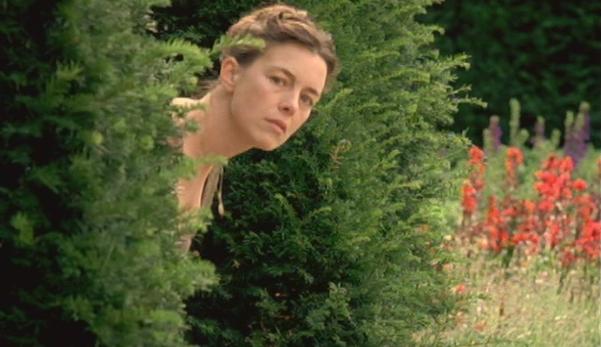
Amanda’s zany journey through Pride and Prejudice land continues. The plot twists keeps getting more convoluted, and one wonders if the last episode will have enough time for the unraveling. This film’s visual puns of other JA movie adaptations are fun to spot, such as this one of Miss Austen Regrets.
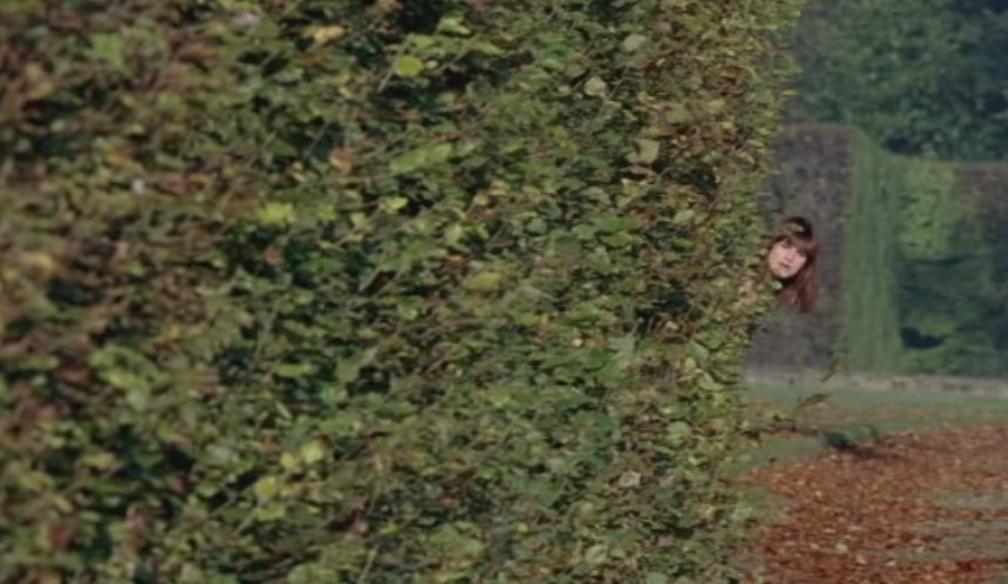
or the Twisted Version of Pride and Prejudice

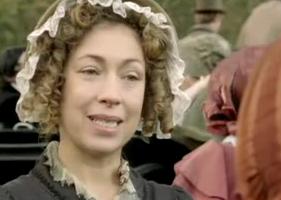
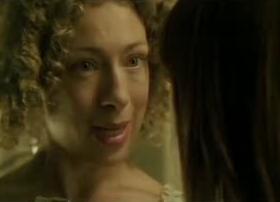
Olivia Williams in Miss Austen Regrets

Olivia Williams in Miss Austen Regrets

Mr. Wickham is the most intriguing character in Episode Three, and he’s been given some choice lines which I won’t spoil for you. Let’s just say that he teaches Amanda a few tricks about dress and manners in the regency.
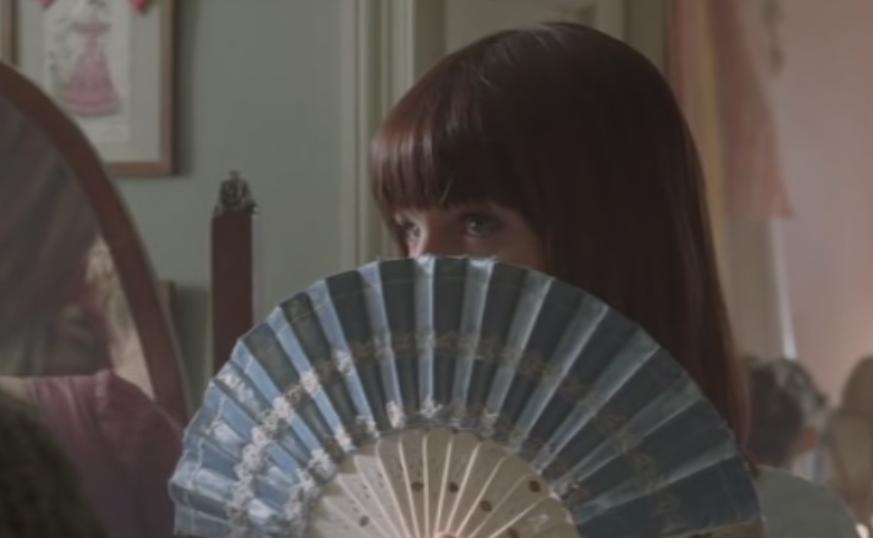
The coguette imperial. Amanda receives instruction in the fine art of being a lady from ...

Practicing the coguette imperial, Amanda receives instruction in the fine art of being a lady from ... Wickham.
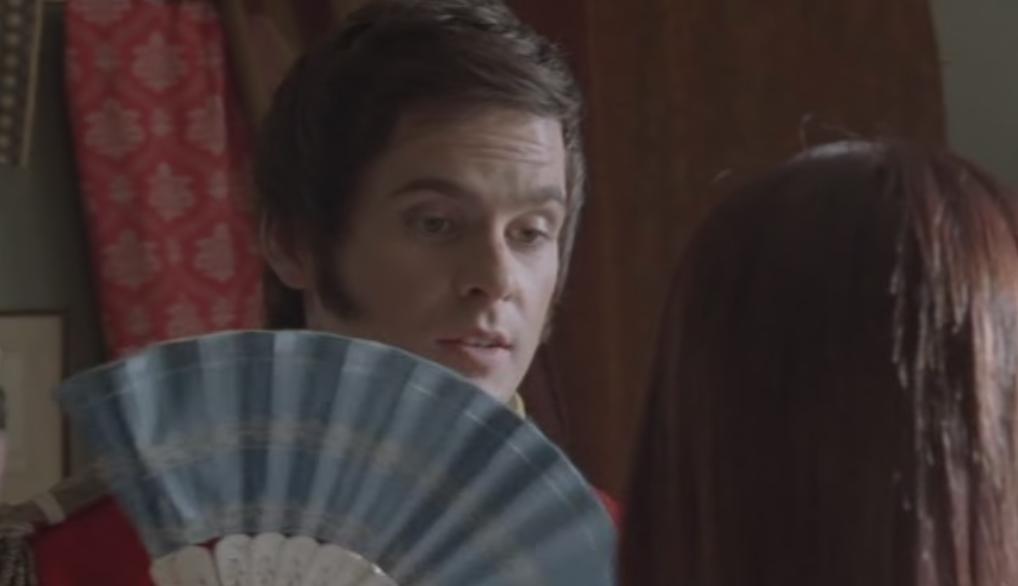
... Mr. Wickham, of all people, who instructs her in the art of dress and manners, telling her "Ladies are strangers to the itch."

... Mr. Wickham, who instructs her in the art of dress and manners

Meanwhile at Barton Cottage, Mr. Collins is all a tremble at the thought of having his Jane ...

Meanwhile at Hunsford, Mr. Collins is all a-tremble at the thought of having his Jane ...

Alas,  Jane (Morven Christie), does not quite share the same anticipation. In fact, she’s miserable and spends all of Episode Three moping and looking sad.

Mrs. Collins can only think of the one she lost ...

Mrs. Collins can only think of the man she lost ...

Mr. Bennet is furious with himself for allowing Mr. Collins to wed Jane, and he spends his nights in his study.
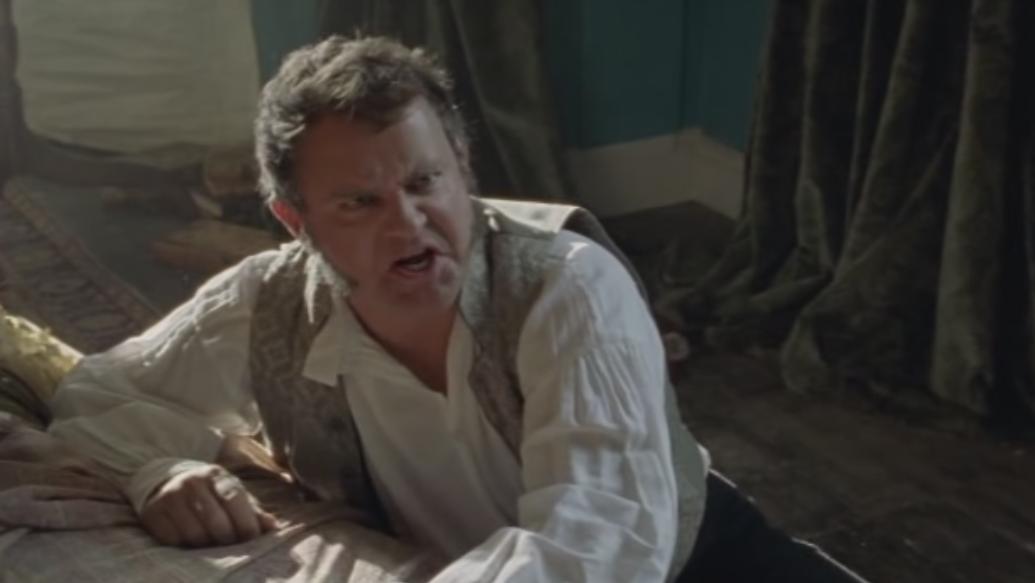
Mr. Bennet wallows in unhappiness at allowing Jane's marriage.

Mr. Bennet wallows in unhappiness at allowing Jane to wed Mr. Collins.

The situation at Longourne has become untenable, so Mrs. Bennet and Lydia visit Jane in her new home, bringing her a hostess gift.
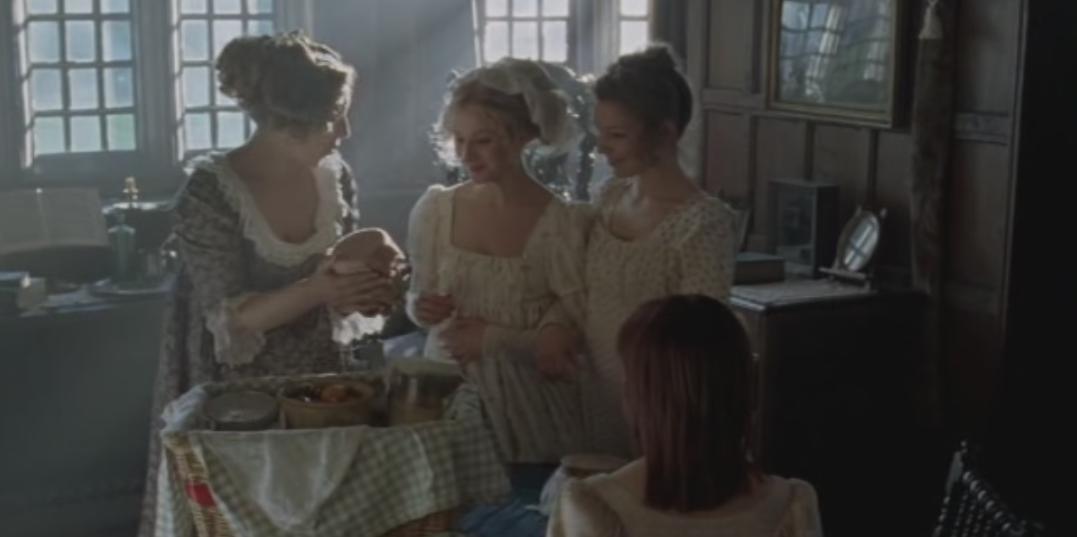
Mrs. Bennet brings stilton cheese and loganberries.

A basket of stilton cheese and loganberries.

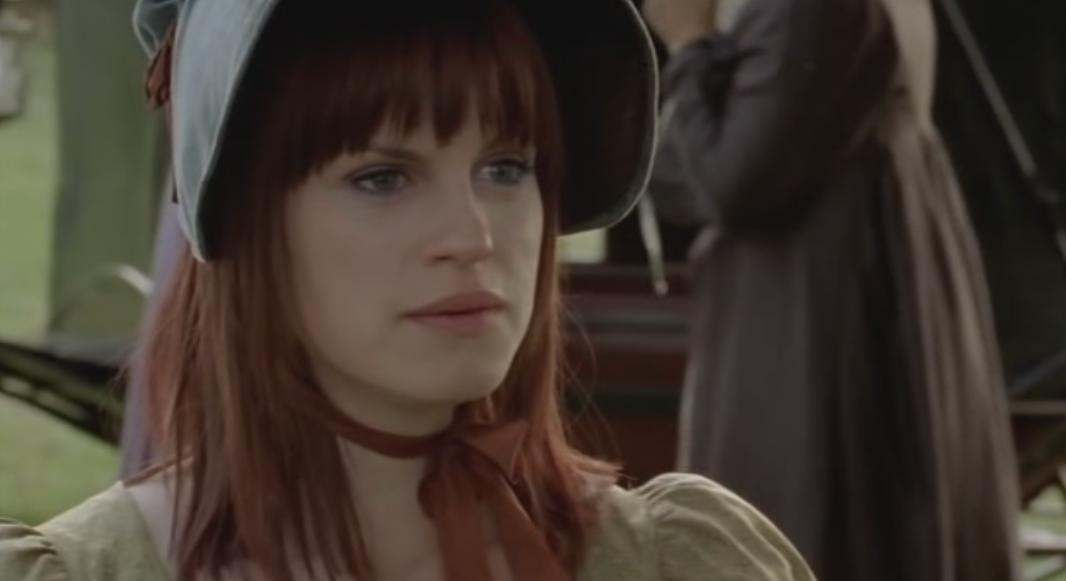
We finally meet Lady Catherine de Bourgh, delightfully played by Lindsay Duncan. Lady Catherine isn’t fooled by Amanda one bit, and rather enjoys sparring wits with the saucy girl..

Lady Catherine de Bourgh inspects Amanda.

Lady Catherine de Bourgh inspects Amanda up close.

Elliot Cowan plays Mr. Darcy as a straight man. He suspects Amanda of following him and gives her many disapproving looks. Amanda continues to detest him, calling him toxic.
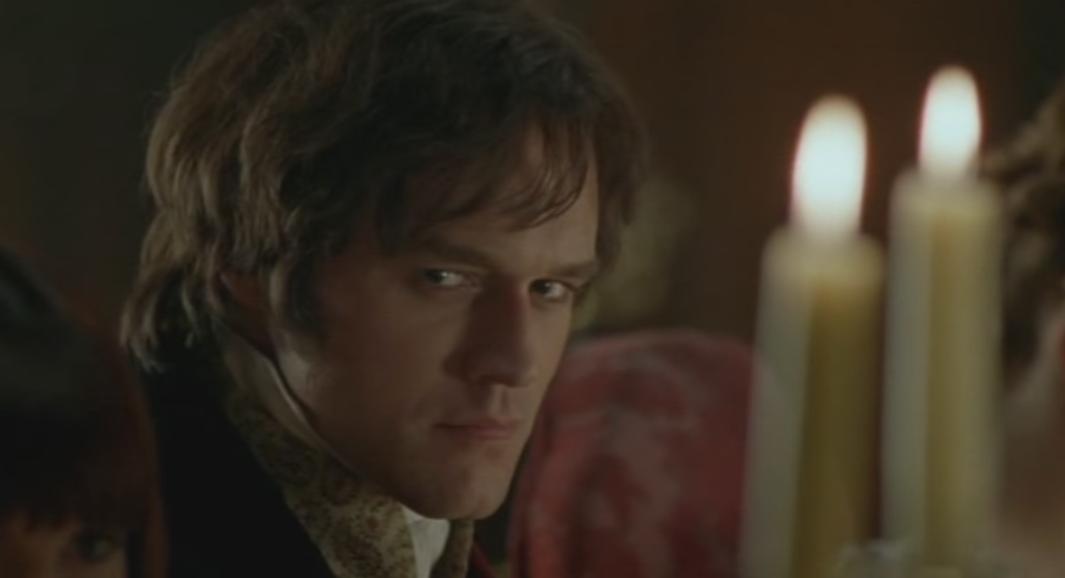
Darcy suspects Amanda of following him.

Darcy suspects Amanda of following him.

Lady Catherine, ever mindful of her ambitions for her daughter Anne, warns Amanda off Mr. Darcy.
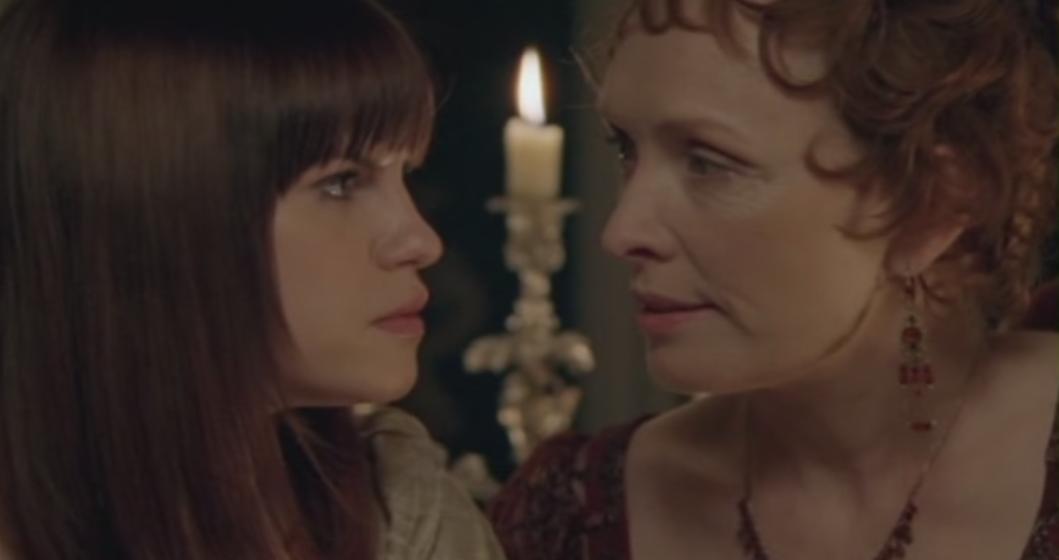
Lady Catherine de Bourgh warns Amanda, "You cannot have Fitzwilliam Darcy."

Lady Catherine de Bourgh warns Amanda.

Tom Mison as Bingley is having as miserable a time as Jane. He realizes he still loves her and blames Darcy for influencing him in giving Jane up.
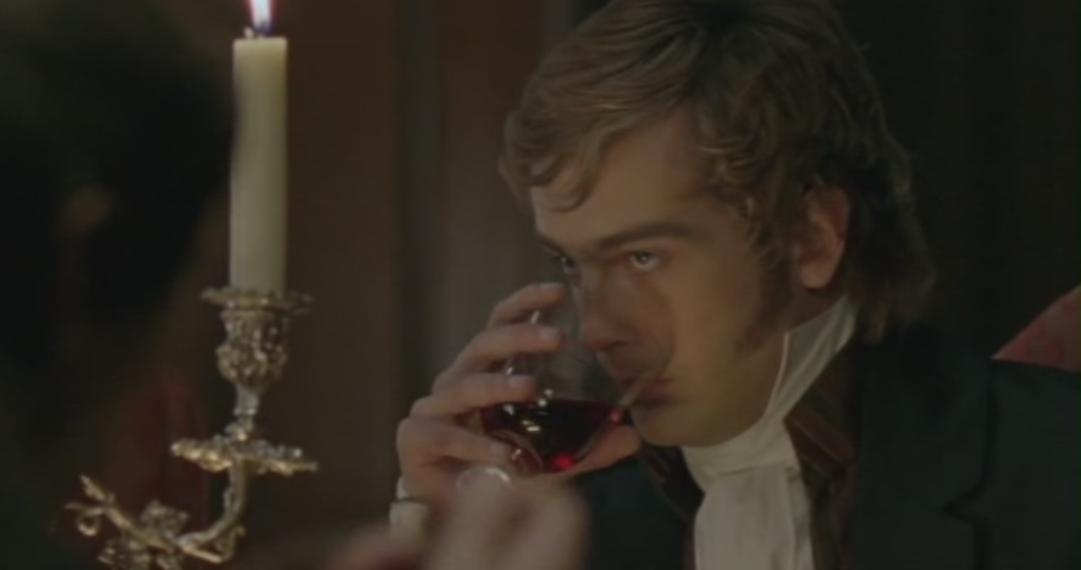
Unhappy about losing Jane, Bingley takes to drinking.

Unhappy about losing Jane, Bingley takes to drinking.

Darcy, observing his friend’s unhappiness, admits he was wrong about Jane. He invites Amanda and the others in the party to Pemberley.

Pemberley (Harewood House)

Harewood House as Pemberley

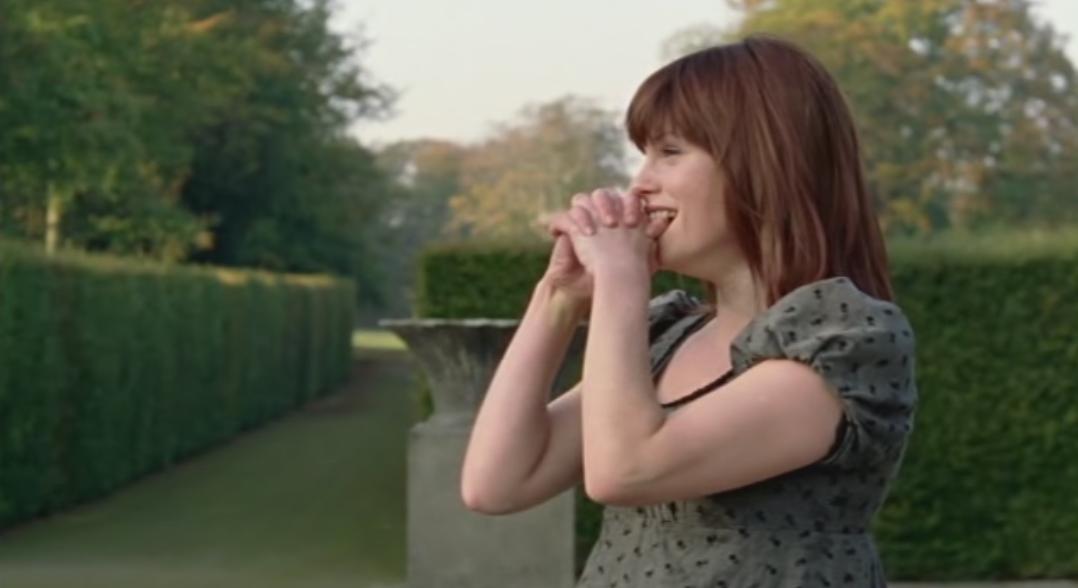
Amanda's first view of Pemberley

Amanda gets a first glimpse of Pemberley

Thrown together in close proximity, Darcy’s feelings towards Amanda change, but not without an internal struggle. Amanda’s feelings also change as she finds herself equally attracted to man she once detested.
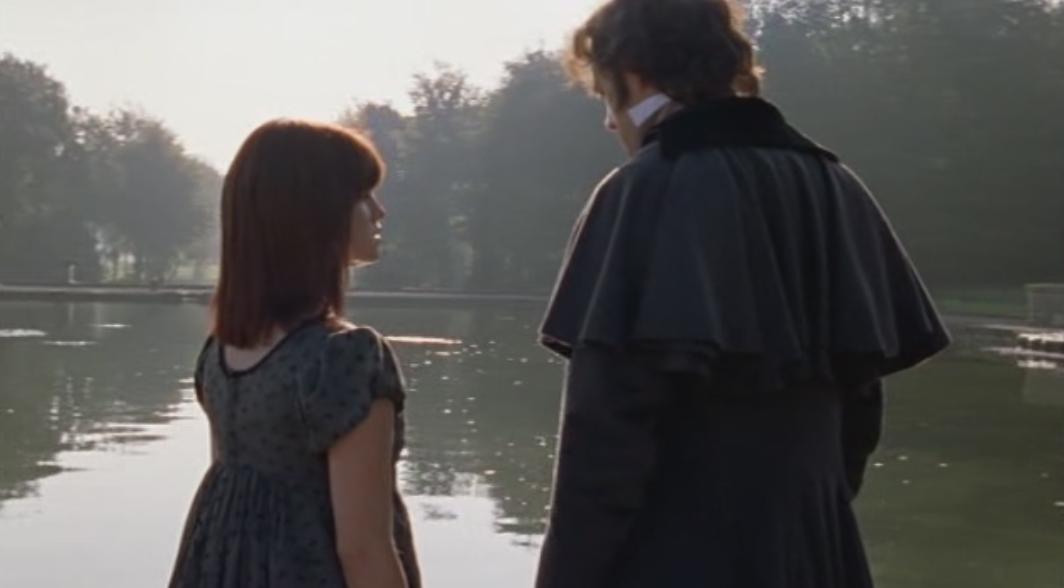
Amanda and Darcy talk.
Amanda and Darcy talk.

She asks him a favor ...

She asks a favor of him ...

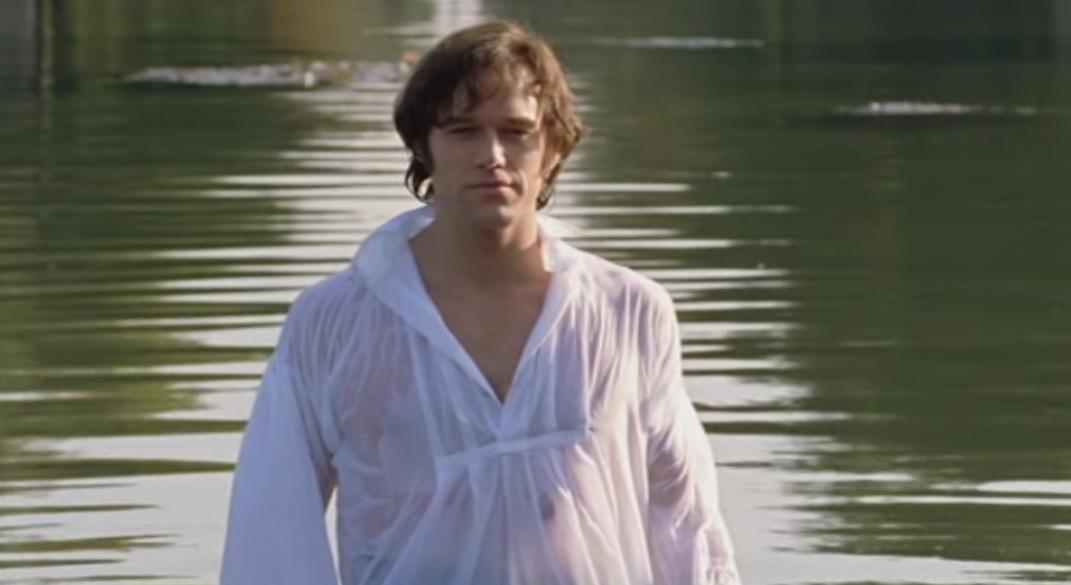
She rather likes what she sees ...

And rather likes what she sees ...

… the attraction is mutual.
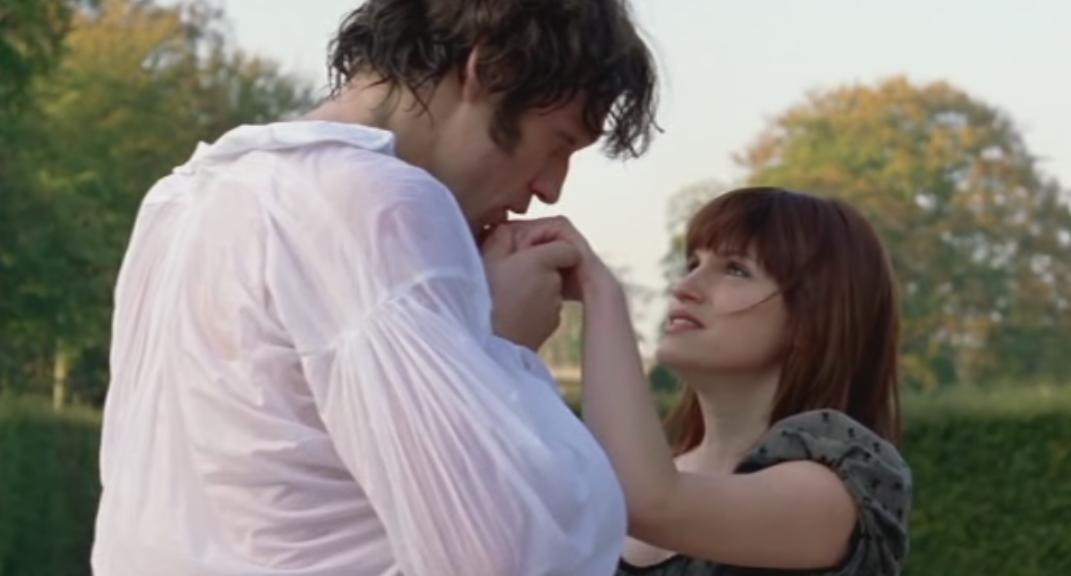
Darcy declares his feelings towards Amanda. She realizes she’s in love, but her conscience stabs at her: What about Elizabeth? Then, with a mental leap that bounds out of nowhere, she realizes that as Darcy’s wife, “she will have the power to make amends for all that has gone wrong. She can look after Jane, and even buy Longbourn for the Bennet family.”

Huh? This dialogue had me scratching my head. Where did those thoughts come from?
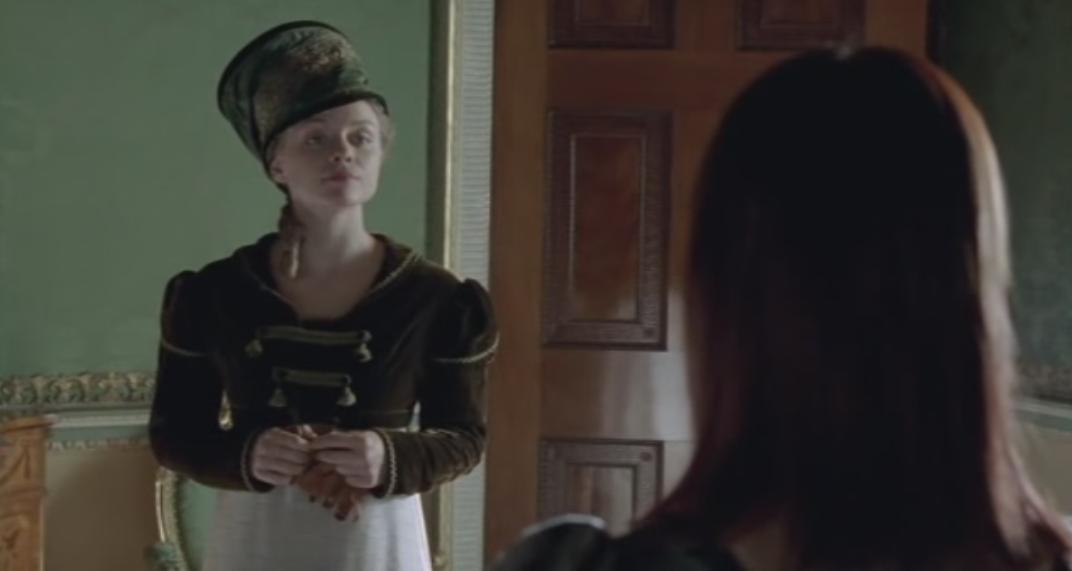
she wants Darcy for herself.

Caroline throws down the gauntlet: she wants her paws on Darcy. Or does she?

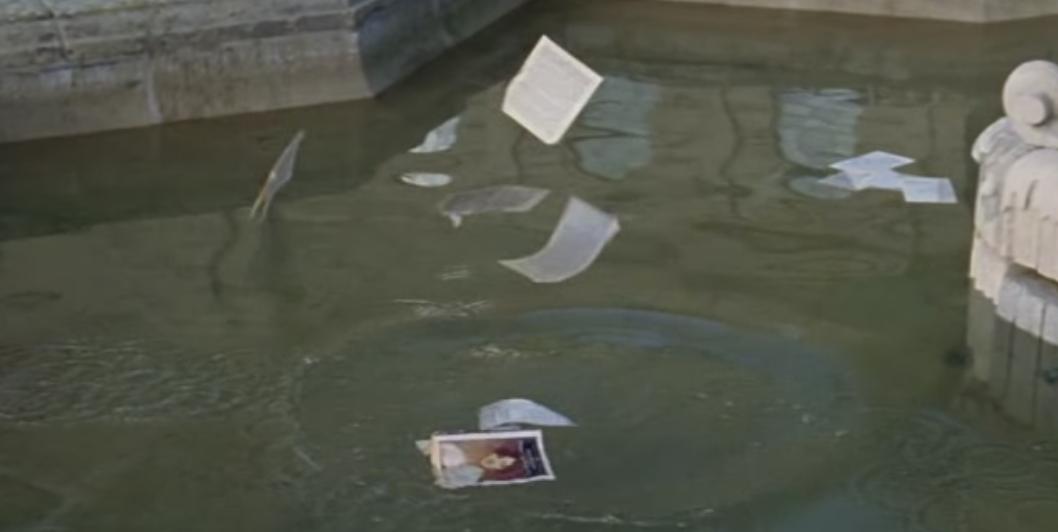
Caroline Bingley adds another wrinkle to the mix, and her questions force Darcy to ask Amanda an important question. Her answer results in their break up. Hurt, angry, and disappointed, Amanda rushes to the upper floor of Pemberley, rips up her copy of Pride and Prejudice, and tosses it out the window.
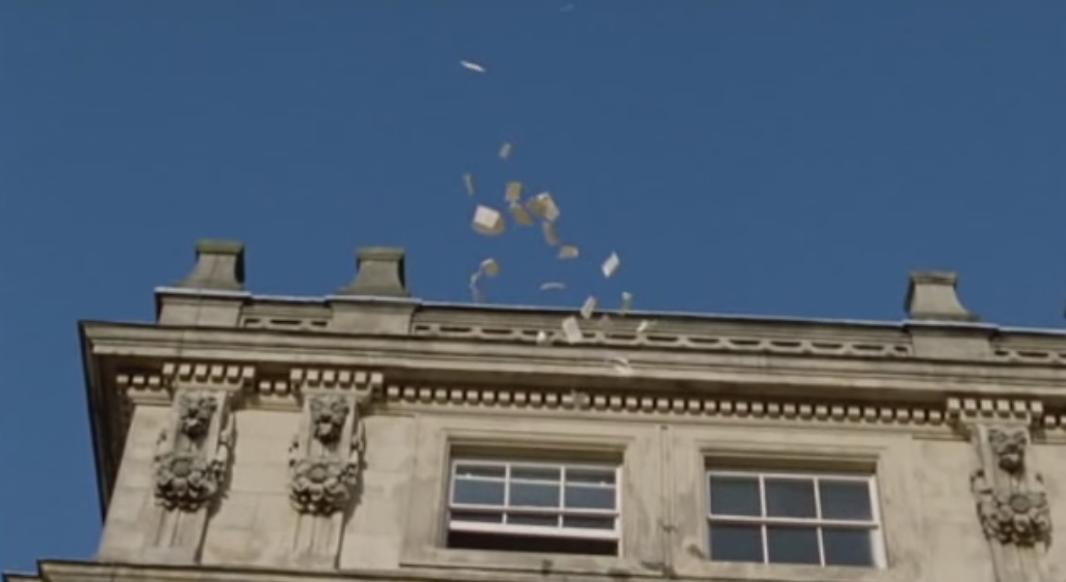
Amanda rips up her copy of Pride and Prejudice

Amanda tosses her ripped copy of Pride and Prejudice
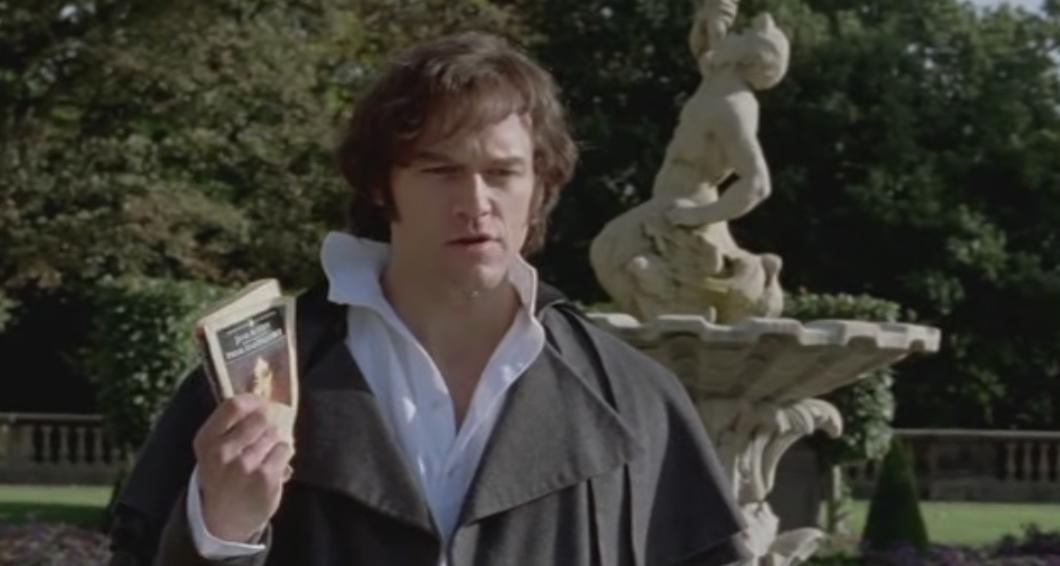
Which Darcy reads.

Darcy reads...

Which she had flung into a fountain.

... a torn wet book that landed in a fountain.

Have you ever tried to read a wet book with the pages out of order? It’s nearly impossible. Never mind. I still laughed during this episode, but it was not nearly as much fun as the previous two. (Too many dark moments, even with Wickham charmingly stealing the show.)

Only one episode remains to be viewed, which does not leave much time to weave the various plot threads together. Darcy follows Amanda into the 21st century where they meet up with Lizzy. Will Darcy fall in love with her? Will Mr. Bennet stop sleeping in his study? Will Mr. Collins finally have his ecstatic moments with Jane? Stay tuned this Wednesday to find out.
Read Full Post »

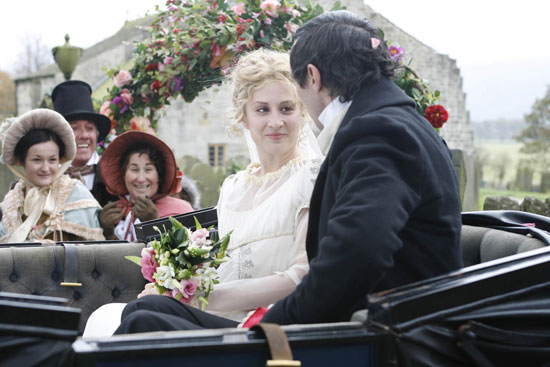
Keira Knightley in The Duchess

Keira Knightley in The Duchess

Sometimes interviews go one way, and sometimes another, as Diana Birchall reveals on her blog, Light, Bright, and Sparkling. In it she discusses her talk with writer Amanda Foreman and producer Gaby Tana, and how some of her questions were left unanswered.  Linked with Diana’s telling insights, is Ellen Moody’s expert analysis of the movie, book, and the Duchess of Devonshire’s life. Click here to read it on Ellen and Jim Have a Blog Too.

The Duchess of Devonshire’s Gossip Guide also offers a post about meeting author Amanda Foreman. Click here to read it.

Read Full Post »

In Episode Two of Lost in Austen we continue Amanda Price’s topsy turvy journey inside a beloved classic novel. One critic noted that it would help viewers immensely if they knew the plot of Pride and Prejudice, but I beg to differ. I think this satiric film, which makes fun not only of Amanda’s time travel romp through Pride and Prejudice, but regency novels and movies in general, is meant to poke fun at regency conventions (such as a lady’s accomplishments at the pianoforte) and at the current craze for all things Jane Austen. One does not need to know Pride and Prejudice intimately to laugh at some of the absurd situations, like a modern Amanda kneeing an oily Mr. Collins in the groin after he rescinds their engagement. This comment left on my review of Episode One summarizes my feelings about this mini-series:

If you know your Austen pretty well, this production is a comedy hoot with the daft modern Amanda trying to fix up the P&P plot gone horribly wrong. Nice in jokes like Amanda works for ‘ Sandition Life ‘ Great cast, fast pace, punchy lines made for TV. This is where it scores much better than a studious adaptation of the standard Austen novel. Finicky viewers can study the Hogarth prints on the Bennet’s wall – the rest can only have fits at Amanda’s antics.

Amanda and Mr. Collins

Amanda and Mr. Collins

The script, written by Guy Andrews, is a bit choppy (one gets a sense that this was a rushed production), and its satire in no way compares to the robust, biting sarcasm of a major feature film like Charlie Wilson’s War, written by Aaron Sorkin and directed by Mike Nichols, both masters of their craft.

Guy Henry reminds me of Brock's Mr. Collins

Guy Henry resembles Brock's image of Mr. Collins

Perhaps it is unfair to compare an A-list movie to a rushed television production, but considering the constraints of budget and time, Lost in Austen manages to string quite a few witty moments together. There are major glaring errors, which even the most forgiving Janeite cannot overlook. Bingley and Darcy enter Jane’s sickroom with no chaperone or doctor in sight. In fact, Bingley leans over and checks Jane’s fever, a major faux pas. At the Netherfield Ball, Jane approaches Bingley for the next dance. No regency lady would ever have been so forward. The gentleman always collected the lady, whose role was to remain passive and, well, er, ladylike.

Jane approaches Mr. Bingley for a dance

Jane approaches Mr. Bingley for a dance

Setting aside these inaccuracies, there were quite a few satiric plums ripe for picking:

Talking to Mr. Darcy across the dining table

Talking to Mr. Darcy across the dining table

Amanda talks to Mr. Darcy through a floral centerpiece.

Lydia applies lipstick

Lydia applies lipstick

Lydia borrows Amanda’s cylinder and smears her mouth with lipstick

Mrs. Bennet disinvites Amanda

Mrs. Bennet disinvites Amanda through gritted teeth

Mrs. Bennet, a tigress defending her daughters’ rights to Bingley and Mr. Collins, tells Amanda: “The time has come Miss Price when we can no longer detain you with our hospitality.”

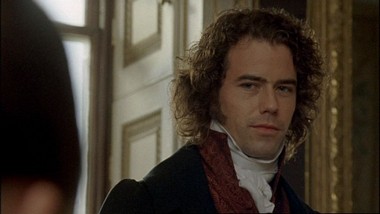
Tom Riley as Wickham the Cad

Tom Riley as Wickham the Cad

A wicked Wickham, who knows there’s something fishy about Amanda, tells her: “We have the same scent: I can smell myself on you.” A not very gentlemanly statement but it certainly hits the mark.

Amanda’s modern utterances – “C’mon Bingers!”, “Whoo, smolder alert!”, and “I hope he shall choke. Hateful man!” – add to the absurdity of the plot. In fact, every detail about this productions states that it is not to be taken seriously, from the music, which adds to the comedic overtones, to the reaction shots, which are sometimes priceless, to the absurd entanglements into which the characters are thrown.

Oh, dear, who could have guessed this plot development?

Oh, dear, who could have guessed this plot development?

The improbable situation of Jane marrying Mr. Collins leaves us dangling. How is Amanda ever to rectifiy this horrible state of events? Stay tuned for Part 3 of the series. I’m sure that Lost in Austen still has a few surprises in store for us. One thing is assured: Amanda will always be slightly out of step.

Out of step

Amanda (Jemima Rooper) is always a bit out of step

More Links:

Cast:

Jemima Rooper as Amanda Price
Elliot Cowan as Mr Darcy
Hugh Bonneville as Mr. Bennet
Alex Kingston as Mrs. Bennet
Gemma Arterton as Elizabeth Bennet
Morven Christie as Jane Bennet
Ruby Bentall as Mary Bennet
Florence Hoath as Kitty Bennet
Perdita Weeks as Lydia Bennet
Lindsay Duncan as Lady Catherine de Bourgh
Guy Henry as Mr Collins
Tom Mison as Mr Bingley
Christina Cole as Caroline Bingley
Tom Riley as Captain Wickham
Michelle Duncan as Charlotte Lucas

Update: Lost in Austen’s ratings are in, and it’s not quite a success with the viewers.

Read Full Post »

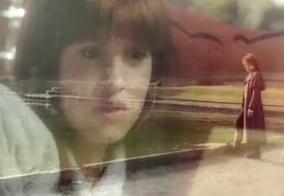
Amanda Price (Jemima Rooper) dreamily reads P&P

Amanda Price (Jemima Rooper) reads Pride & Prejudice every night

Update: Well, I liked the series. It ended rather quickly, but I found the first episode charming. At the bottom of this review, find links to my reviews of Epis 2, 3, and 4.

It’s unfortunate that ITV’s 2008 ‘Lost in Austen’, directed by Dan Zeff, shares the same title with the 2007 novel by Emma Campbell. The confusion is reflected in my sitemeter statistics, where people are (presumably) clicking on my review of the novel hoping to find my thoughts about the film.

Having watched the first episode of ‘Lost in Austen’, I can attest that the script, written by Guy Andrews, is nothing like Ms. Campbell’s novel. While I had problems with the plot of the book (or nonplot), I found the film refreshingly entertaining and Jemima Hooper a delight to watch. I even chuckled on occasion. The movie is what it is: entertainment for audiences who are interested in time travel and Austenesque period pieces.

Elizabeth Bennet (Gemma Arterton) enters through the shower stall door

Elizabeth Bennet (Gemma Arterton) enters through the shower stall door

One must suspend all disbelief and accept the film’s fun and frolicky intent in order to enjoy it. I would not try to make historical sense of the story, for some of the details are outlandishly wrong, and I would not try to make the time travel details logical. After all, how scientific could the premise of this story be? – A fictional character from a novel steps out of a doorway into a shower stall in a 21st Century London flat and communicates with a real person. Right there, any attempt to apply the laws of physics would make absolutely no sense.

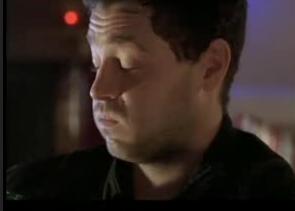
Amanda's crass 21st-century boyfriend

Amanda's Sleezy Boyfriend

I’m a fan of time travel novels, especially Diana Gabaldon’s Outlander series and Jude Devereaux’s Night in Shining Armor. (Most recently, Laurie Viera Rigler tackled time travel in the Confessions of a Jane Austen Addict.) One of my all time favorite movies is that most romantic of 80’s classics, ‘Somewhere in Time’ with Christopher Reeve (at his handsomest) and Jane Seymour (at her primrosiest best.) So, I am disposed to like any story that transports a modern day character to a previous age. In my experience, no writer has made time travel seem realistically possible, not even Robert Heinlein, that master of science fiction, who tried his best. In Outlander, Claire steps from the 1940’s through a crack in the standing rocks on the fairy hill to 18th Century Scotland.

Mr. Darcy (Elliot Cowan) saves Mr. Bingley from embarrassment

Mr. Darcy (Elliot Cowan) saves Mr. Bingley from embarrassment

In ‘Somewhere in Time,’ Christopher Reeve wears authentic period clothes and repeats a mantra over and over to reach Elise Mackenna (Jane) at the turn of the 20th Century. A Delorian transports the heroes across the time-space continuum in ‘Back to the Future’. Would any of these methods realistically transport us to another century? Of course not, and I no longer attempt to apply logic to this genre. (See links below.)

‘Lost in Austen’ is the story of a modern woman entering a time and place she dreams about, encountering customs and social mores that are familiar and unfamiliar at the same time. We assume that with our advanced technology and knowledge of history, people from our age who travel back in time would be in a superior position. As Jemima Rooper (Amanda Price) so charmingly demonstrates, that is not necessarily the case. She is a stranger in a strange land. Although Amanda can predict the future, she is bewildered by her situation, contrasting what “should” happen (Mr. Bingley’s attraction to Jane) with his unexplained preference for her (he caught a glimpse of her cleavage).

Mrs. Bennet (Alex Kingston) warns Amanda

Mrs. Bennet (Alex Kingston) warns Amanda

In this tale Mrs. Bennet is still a flibbertygibbet, but as played by Alex Kingston, her spine is made of steel. She corners Amanda at the Assembly Ball and “favors her with a warning”, cautioning her not to obstruct any of her daughters in seeking a husband.

Amanda caught out by Charlotte

Amanda caught out by Charlotte

Tom Mison as Mr. Bingley

Tom Mison as Mr. Bingley

Amanda manages to dance with Mr. Darcy in a witty and awkward scene. His gallantry in rescuing his friend Bingley from embarrassment and his subsequent coldness to Amanda provides a delightful parallel-universe-counterpoint to Elizabeth Bennet’s first impression of him. Amanda, acutely aware that things are going awry, also knows how the plot of Pride and Prejudice develops, and her desire to push Jane towards Bingley so that he can become enamored of her places Jane in danger.

Mary, Kitty, and Amanda

Mary, Kitty, and Amanda

I enjoyed the depiction of the Bennet sisters. Mary, Kitty, Lydia, and Jane act as a Greek chorus, proverbially reacting to Amanda’s modern witticisms with a collective: “Ooooh! What did you mean when you said that?”  Charlotte Lucas is smart as a whip, not believing Amanda’s excuse for swapping places with Lizzy.

Lydia exposed to a modern 'cut'

Lydia exposed to a modern cut

My major disappointment is with Mr. Bennet. I adore Hugh Bonneville, but in this first episode his Mr. Bennet comes across as the cartoonish one-dimensional character I expected to encounter when I read the advance notices of this film.  I hope his role fleshes out in future episodes and that he will seem less dense. Also, once Elizabeth Bennet steps into the 21st century, she disappears. I am curious to know what her life is like in the present.

Hugh Bonneville as mr. Bennet

Hugh Bonneville as Mr. Bennet

I understand that critics are disposed to dislike this production. I was one of them when I saw the advance publicity. But frankly, given the pap we’ve been fed on t.v. (Has anyone seen the horror that is ‘Date My Ex’ on Bravo? In comparison Lost in Austen is sheer genius.  Yeah, for anyone in the know, that’s meant to be a punny reference to another Bravo show.)

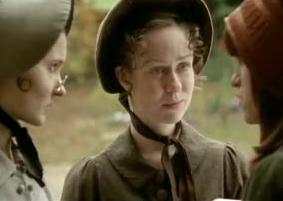
Walking to church

The Bennet family walks to church. Morven Christie as Jane Bennet is on the left.

As a viewer starved for all things British, I’ll take a romp through the English countryside anytime, and watch ballroom scenes, handsome gents in tight breeches, lovely ladies in Regency gowns, and a time travel plot – even a tepid one – for a couple of hours of entertainment.

For our U.K. friends, the trailer for the second episode of this mini-series can be seen at this link. Frankly, I can’t wait to see the rest of this show (surreptitiously, of course.) It reminds me of a Chinese meal. Delicious, but one is hungry for more just a few hours later.

Read Full Post »

Gentle readers, One of my most popular posts is The Dummification of Mansfield Park, which I wrote in response to the 2007 ITV adaptation of Jane Austen’s novel. In addition, Austenprose has been showcasing Mansfield Park during the last two weeks of this month, discussing the novel at length and giving away prizes. A few days ago, Professor Ellen Moody posted her thoughts on Eighteenth Century Worlds about script writer Maggie Wadey’s recent adaptation of Mansfield Park. Once again Ellen has graciously allowed me to post her thoughts, which add another dimension to the latest Jane Austen film adaptation.

Script Writer Maggie Wadey

Script Writer Maggie Wadey

I know everyone so inveighs against this 2007 Mansfield Park written by Maggie Wadey (in TV the writer is central) and it’s true the film can be seen as a crude outline of a book through hitched-together scenes. The people in charge of this production had not the time, money, nor inclination to begin to present a proper translation of the book. Against the 1983 Mansfield Park this latest adaptation is a laugh. It also (like the 2008 Sense and Sensibility vis-a-vis the 1995 film by Emma Thomspon) imitates the 1999 Mansfield Park: The presentation of Henry and Mary Crawford is simply modeled on the earlier film version – they suddenly appear as a couple, like a pair of witty dolls.

Because of our immediate (and negative) reaction we ignore what is interesting — at least to me. There is a continual atmosphere of menace. One person who commented several times on this film argued that this reaction responded to something going on in Britain right now: a dislike of hierarchy, of artifice, of the older culture of deference. He saw it as deliberately opting for the “natural” in the preference say for a picnic, the eschewing of formality. I can see this but think it’s counteracted by the intense anger that is on the edge of exploding all the time — from the father and the oldest son. The notion of a sensitive temperament unable and unwilling, too gifted and at the same time self-possessed – which partly is in Austen’s characterization of Fanny – is transferred to Edmund (played very well by Blake Ritson). Fanny is presented as subdued because it’s in her interest, not because it’s her nature, and not really because she has been so crushed by the poisonous Mrs Norris. We see her as a tomboy in the opening in a scene taken from Austen’s Northanger Abbey, one which Davies also makes much of in his 2007 Northanger Abbey (anything that can make a woman into a boy is just great; Fanny’s now a horsewoman too, instinctively, not something learned which is what happens in the book and in the 1983 film).

Our first sight of Henry Crawford, he looks out slightly menacing

Our first sight of Henry Crawford, he looks out slightly menacing

The scenes of the rehearsal are all dark lit, with a queasy masquerade feel

The scenes of the rehearsal are all dark lit, with a queasy masquerade feel

wary, and rightly so (for she is humiliated and marginalized, at the same time as at the center of what goes on)

A typical shot of Fanny during the time of the play: wary, and rightly so (for she is humiliated and marginalized, at the same time as at the center of what goes on)

An implied bullying is at the core of social life in this movie, which uses parties and little physical tussle games (Fanny with children) to provide momentary relief. Lady Bertram opts out but we are made to feel she could hold her own physically and mentally if she wanted to; that’s what I take is the point of making her say she knew all along that Fanny loved Edmund, bringing the happy ending about. (In the 1999 Mansfield Park the taboo is also slurred over, and Mary Crawford at least knows and repeats that Fanny loves Edmund.) I do think both enactments — a natural world against the formality and artifice of hierarchies and the continual bullying, menaces as central to experience — are in reaction to our time.

The proposal scene again has Henry aggressing on Fanny, and her backing away

The proposal scene again has Henry aggressing on Fanny, and her backing away

You must.

Sir Thomas's offer of a birthday celebration lacks his usual snarl, but he is saying with implied ability to punish: You must.

Similarly and this is a point brought out in many of the essays of the 1970s: this is a novel which distrusts social life, finds it hollow, treacherous, and seeks the retreat of long-known bonds, truthful affection, and yes quiet, stillness, companionship of hearts and minds.

In the original scene of star-gazing in the novel and in the 1983 MP, Fanny and Edmund are to the side of a social group who draw Edmund away:

In the 2007 MP Fanny and Edmund star-gaze to get away from the birthday celebration (which like quite a number of the social occasions in the 2005 P&P are events to escape from):

We have no trip to Portsmouth. Instead Fanny eats, dreams, walks in nature, writes (or tries to write, to communicate is difficult, something to be careful about); and Henry finds her at Mansfield. Here is a typical dialogue when Henry comes upon Fanny alone, looking depressed, but holding still and firm, struggling and enduring as the novel says:

Fanny: “You are tired Mr Crawford.”

Henry: “Oh, I have been too much in society …”

Any news from London she says. He replies “none, no excitement [no war, he likes excitement whatever it be and the list is not attractive), but then he condescends to talk of small matters like Maria and Julia “who are tireless followers of fashion,” “even Edmund is at times at Maria’s where you may know my sister is living at present. Mary’s appetite for society remains undimmed.” The implied outlook on this is scathing. But “Tom, on the other hand, is away from all.” Too away but understandably avoiding what Mary’s appetite seeks. He goes on: “Perhaps living there she is no longer alive to its beauty but to me on a day like this it is an uncommon sight.” She replies: “Oh I think so too I can imagine no where lovelier than Mansfield Park.” There is a feeling of menace when Henry asks her to save him from returning to London.

And then after Tom is brought home very ill, and Edmund and Fanny walk and talk,

Fanny to Henry: “You saw Miss Crawford.”

Henry: “Yes, but not once alone. She was in a pack all the time. She danced a great deal. She spoke a great deal but said nothing sensible or even kind. She was I suppose her London self. Like a stranger with whom I had to argue every little point.”

A still from afar:

The key phrase in the film is given to Edmund (Blake Ritson) when Mary reveals to him her mercenary hopes after Tom’s death and her comment society will “forgive” Maria if they accept her and give enough dinners. He is bitter response: “Society will forgive us. What do I care about society? … I’d have lost you a thousand times rather than see you for what you really are.” That too iss an Austen sentiment; it’s Marianne’s reaction over Willoughby

Edmund listening to Mary.

Edmund listening to Mary.

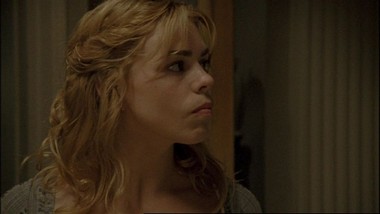
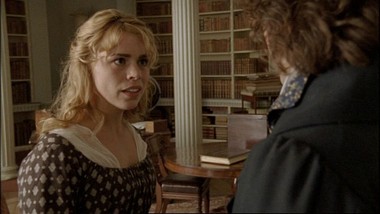
There is nothing more natural about the kind of personality Bille Piper projects (or Frances O’Connor in the 1999 MP) than there is in the kind of personality Sylvestra Le Touzel portrays (1983); that is, the person who is maimed and made nervous and in need of support and cannot endure to assert herself publicly, especially when she is asked to pretend to be someone or something she’s not is NOT UNNATURAL. It’s just as natural to be quiet, a reader, thoughtful, and perceptive and able to see the other side (which Fanny does) as it is to be noisy, active, not thoughtful, stubborn, and aggressive.

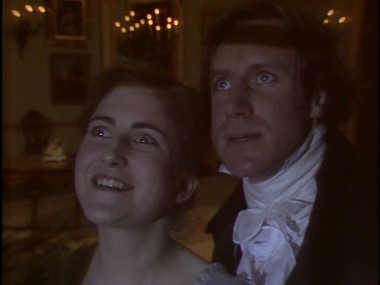
By contrast, The 2001 Aristocrats by Stella Tillyard based on Harriet O’Caroll’s screenplay buys into the sweetness of aristocratic life at the time; it celebrates the artifice and luxury as pleasurable (if overdone in the case of Charles James Fox’s childhood — he takes a bath in cream).

Caroline reading.

Aristocrats: Caroline reading.

We might say the animating force of The Aristocrats is the opposite to the animating force of the 2007 Mansfield Park: in the first we are led to value artifice, and much of the aesthetics of the upper class in the eighteenth century; and want to have the sweetness of their life (as by the way we are in the 1983 Mansfield Park, which has Chekhovian scenes):

We see the sweetness of life during this long lingering nuanced conversation.

In the second we are not permitted to see these as enjoyable, but only the bullying stance of those in charge. The 1999 Mansfield Park reveals to us the political outlook of these people (Sir Thomas is a conservative; Mrs Norris a sycophant) and how they prey on the powerless (on the slaves). The key character in the 1999 MP is Mrs Price who cannot escape Mr Price as she tells Fanny when they hear his harsh voice requiring her to join him in bed. She married for love.

She married for love.

She married for love.

Ellen

Additional links to other reviews of Mansfield Park 2007:

Read Full Post »

« Newer Posts - Older Posts »