Feeds:
Posts
Comments

Archive for the ‘Popular culture’ Category

As we continue to analyze Jane Austen’s novels and identify the best romantic tropes used in each one, we’re well on our way to proving that Austen not only used romantic themes ingeniously but also played an important role in developing several key plot devices that are regularly used in modern filmmaking today.

Last month, I wrote about Rom Coms and Emma. This month, I’m delving into Mansfield Park and finding the romantic themes found in the novel that are commonly found in romantic movies today.
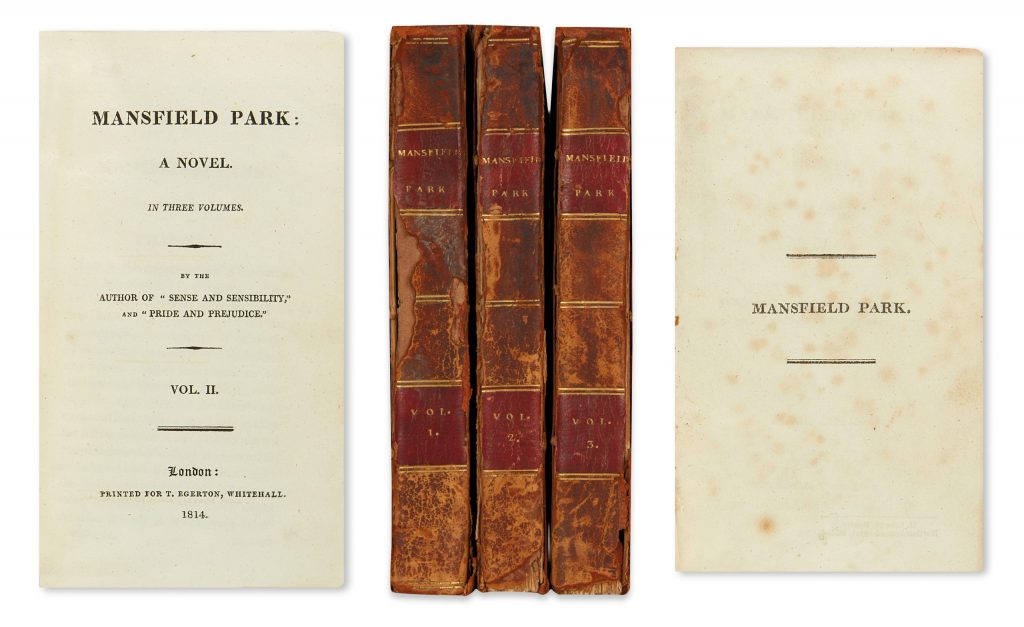
Mansfield Park, 1st Edition, 1814, Swann Auction Galleries

Romantic Themes in Mansfield Park

In Mansfield Park, there are several themes that ring true as romantic tropes we’re familiar with today:

The Ugly Duckling-Turned-Swan (aka the “Make-over”)

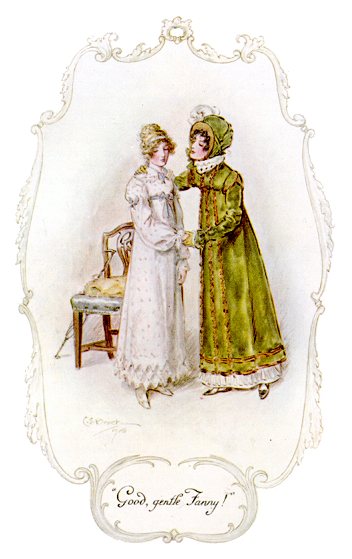
Following this train of thought, we see Fanny Price blossom and come into her own in MP. Her transformation isn’t necessarily outward. She doesn’t exactly go to the mall and get a makeover, but she does come out of her shell and begin to stand on her own two feet.

The “makeover” in this novel is actually a bit inverted because while Fanny later gains some of her own agency and confidence, the real change that occurs is that the people around her finally see her for who she really is and start to value her!

The Diamond-in-the-Rough

Adjacent to the “ugly duckling” theme, many rom coms play with the idea that the main character is wonderful just as she is, but she is overlooked, shy, or overshadowed by other characters. There’s usually an “a-ha” moment where one or more characters finally see the main character in a new way.

In MP, Edmund and his family members finally wake up and see Fanny for her true worth. Miss Crawford is the shiny object that distracts Edmund from much of the novel from seeing Fanny’s quieter brilliance.
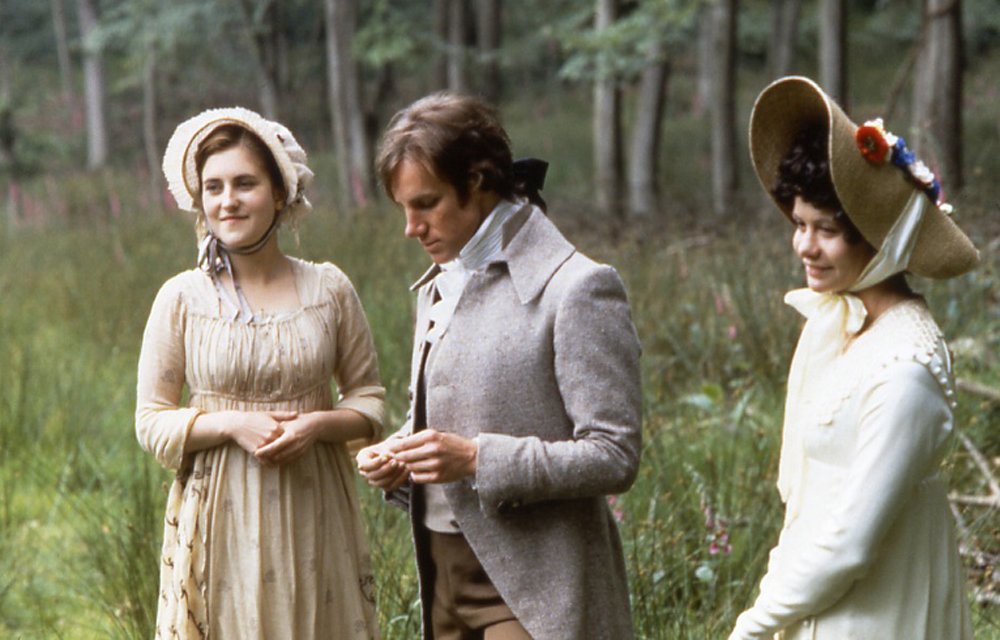
Mansfield Park (1983)

Red Herring (aka, the Shiny Object)

Similar to the chemistry and relationship between Emma and Mr. Knightley (and the Frank Churchill distraction), there’s a red herring (or several) in Mansfield Park as well.

In The Take’s “The Rom Com Explained,” we find this explanation of the red herring theme: “Rom-com leads often start out with a red herring love interest who seems very appealing but turns out to be all wrong. Meanwhile, as the protagonist spends time with someone they aren’t actively trying to impress, they can be their unfiltered self and get to know the other person in a real way. This long-developing chemistry leads to a moment of epiphany, where the character suddenly realizes the feelings that have been crystal-clear to the viewer all along.”

In Mansfield Park, the arrival of Henry and Mary Crawford (siblings) is the pebble thrown into the pond at Mansfield. This disrupts the regular rhythm of life for Fanny and Edmund and the rest of the Bertram family and sets the plot spinning.

Henry throws a wrench into several plot lines, while Mary comes between Fanny and Edmund. Edmund, dazzled by Mary’s beauty, is blinded by Mary and only sees her through rose-colored glasses. Fanny waits in the wings, heart aching, as he falls for Mary.

Mary, similar to Wickham, Willoughby, and others, is the “shiny object” that keeps Edmund distracted and causes havoc for Fanny. Fanny cannot prove what she thinks is wrong with either of the Crawfords. She has no other recourse but to wait patiently until Mary and Henry both show their true colors.

Mansfield Park (2007)

Best Friends-to-Lovers

Of all the themes in rom coms used today, Best Friends-to-Lovers is one of the most popular and it fits Mansfield Park beautifully. While Emma and Mr. Knightley have a bit of this vibe, much of their chemistry comes from their sparring matches (like Elizabeth and Darcy). But with Fanny and Edmund, they are incredibly close friends who share many of the same interests, qualities, and values. Edmund is the first person to take an interest in Fanny when she comes to live at Mansfield.

If you think of MP as a new school, Fanny is the new kid and the popular kids won’t talk to her or play with her. Edmund is different. Edmund helps Fanny when she is sad and lonely. At first, she looks up to him, but as they grow up, mutual respect and affection grows. Later, at least for Fanny, love begins to bud.

The Love Triangle

As in most Austen novels, there’s a love triangle, which is probably the most popular trope in most romantic comedies today.

In Mansfield Park, there are multiple love triangles, but we don’t see all of them at first. The one we focus on most is the Fanny-Edmund-Mary triangle. While Fanny hides lovelorn feelings for Edmund, Edmund doesn’t see Fanny as more than a friend/cousin he grew up with. Miss Crawford comes to town at exactly the wrong moment and steals the show.

Until Edmund sees Miss Crawford for her true self, he is blinded by her alluring personality and beauty and cannot see Fanny standing right in front of him.
Love Triangles similar to Mansfield Park

When I started looking for modern movies with similar themes (Best Friends-Turned-Lovers, Ugly Duckling-Turned Swan, Unrequited Love), I posted questions on my Instagram account (@KindredSpiritBooks) and on the Jane Austen Fan Club on Facebook. I received dozens and dozens of answers to this intriguing question!

If you’ve ever wanted to know what themes come up most often in movies, take a look at this list; it’s the longest list I’ve had yet in this series. There’s no denying that movie-goers respond well to love triangles—especially when the triangle involves two close friends finally realizing their love for one another!

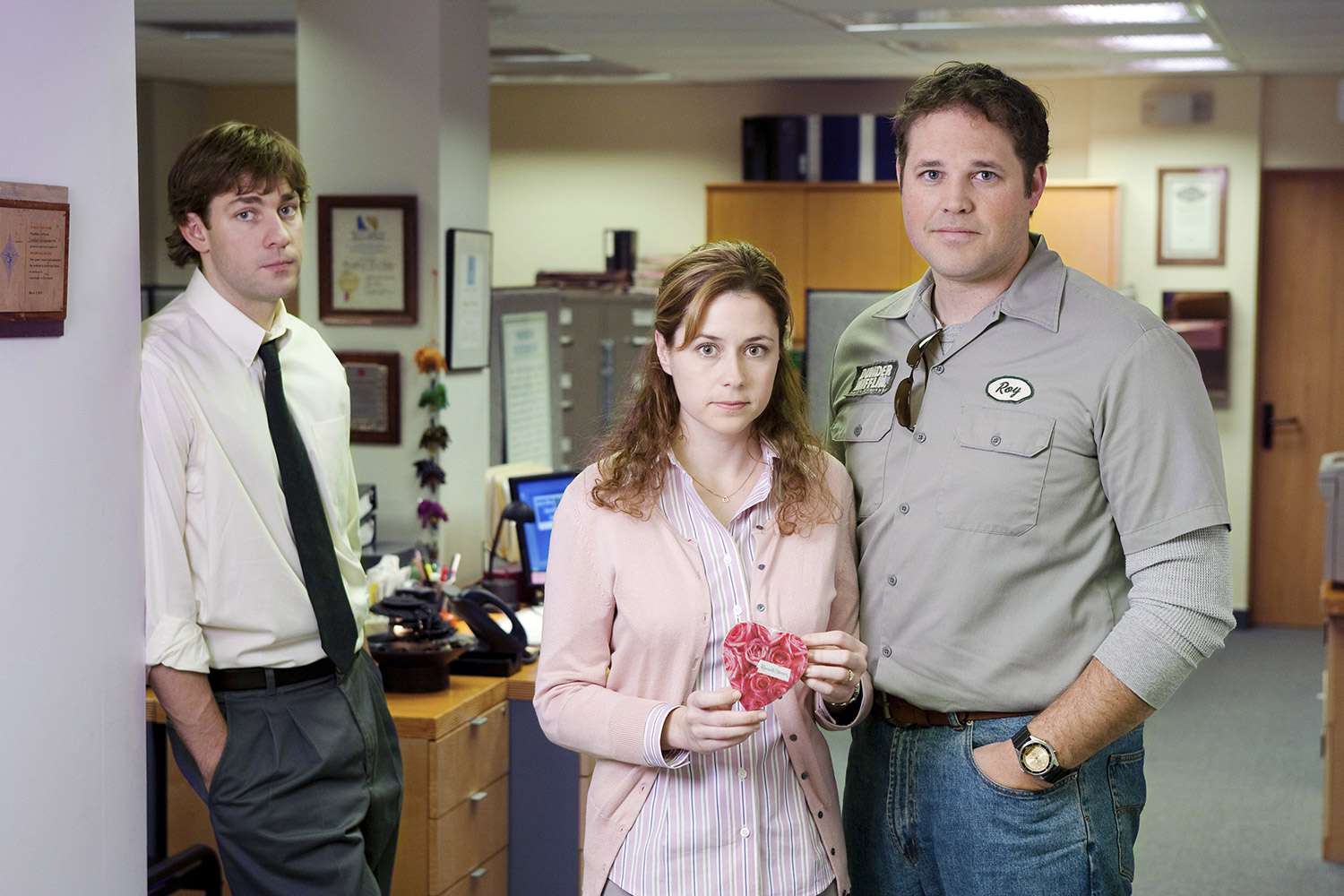
The Holiday, 10 Things I Hate About You, 13 Going On 30, A Cinderella Story, A Walk to Remember, Always Be My Maybe, America’s Sweethearts, Can’t Buy Me Love, FRIENDS (Chandler and Monica), Crossing Delancey , Drive Me Crazy, Easy A, Ever After, Get Over It, Grease, He’s Just Not That into You, Love and Basketball, Love, Rosie , Made of Honour, Maid in Manhattan, Miss Congeniality, Moonstruck, Never Been Kissed, Pretty in Pink, Pygmalion (My Fair Lady), Sabrina, She’s all That, She’s the Man, Sixteen Candles, Some Kind of Wonderful, Something Borrowed, Superman, The Duff, The Office (Jim and Pam), The Perfect Man, The Princess Diaries, The Summer I Turned Pretty, The Truth About Cats & Dogs, Trojan War, Whatever It Takes, While You Were Sleeping, Wild Hearts Can’t Be Broken, Win a Date with Todd Hamilton, Yesterday, Your Place or Mine.

Always Be My Maybe
Jim, Pam, and Roy from The Office

When asked what themes they saw in Mansfield Park that are common in romantic films today, several fans quipped, “The Cousins-to-Lovers” theme? Which made me laugh out loud. Yes, cousins did marry cousins during Austen’s time, but it’s still a funny remark.

I’m sure you can add others to this list! In each of these movies, there is some element of MP present.

Fanny Price

When I took these polls, the one thing everyone agreed on was this: We like Fanny Price because she doesn’t change her morals, her convictions, or her personality just to gain acceptance or love. She does blossom, but she doesn’t change. She is the same through-and-through, which makes her a very admirable heroine. Edmund finally wakes up and begins to see her in a new light, but she doesn’t become more like Mary Crawford; she remains steady, true Fanny.

Fanny has a lot to lose in terms of a future when she refuses to give in to Henry Crawford’s proposal and her uncle’s pressure. Without an inheritance of her own, her only options are to continue living with her aunt and uncle Bertram as long as they will have her or find work as a governess. And yet, though she’s timid and easily intimidated, she does not yield.
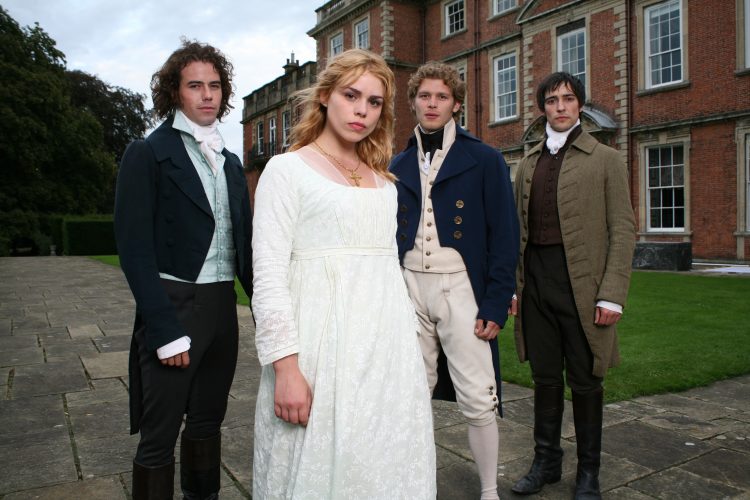
Mansfield Park (2007)

Have you seen any of the film versions of Mansfield Park? If so, which one do you think remains most faithful to the original text? (I’ve yet to find one that I enjoyed as much as the novel, but I’m open to suggestions!)

Are there any other books or movies in this genre that allow the heroine to stay true to herself as she wait patiently for her dreams to come true?


RACHEL DODGE teaches college English classes, gives talks at libraries, teas, and book clubs, and writes for Jane Austen’s World blog. She is the bestselling author of The Little Women DevotionalThe Anne of Green Gables Devotional and Praying with Jane: 31 Days Through the Prayers of Jane Austen. Now Available: The Secret Garden Devotional! You can visit Rachel online at www.RachelDodge.com.
Read Full Post »

In this series, we’re exploring Jane Austen’s novels and identifying the romantic themes used in each one – with the goal of proving that Jane Austen not only used romantic themes ingeniously but also played an important role in developing several key plot devices that are still used in modern filmmaking today.

Last month, I wrote about the “Enemies-to-Lovers” theme in Pride and Prejudice. This month, I’m delving into Emma and looking at the romantic themes it continues to inspire in modern romantic movies and shows.

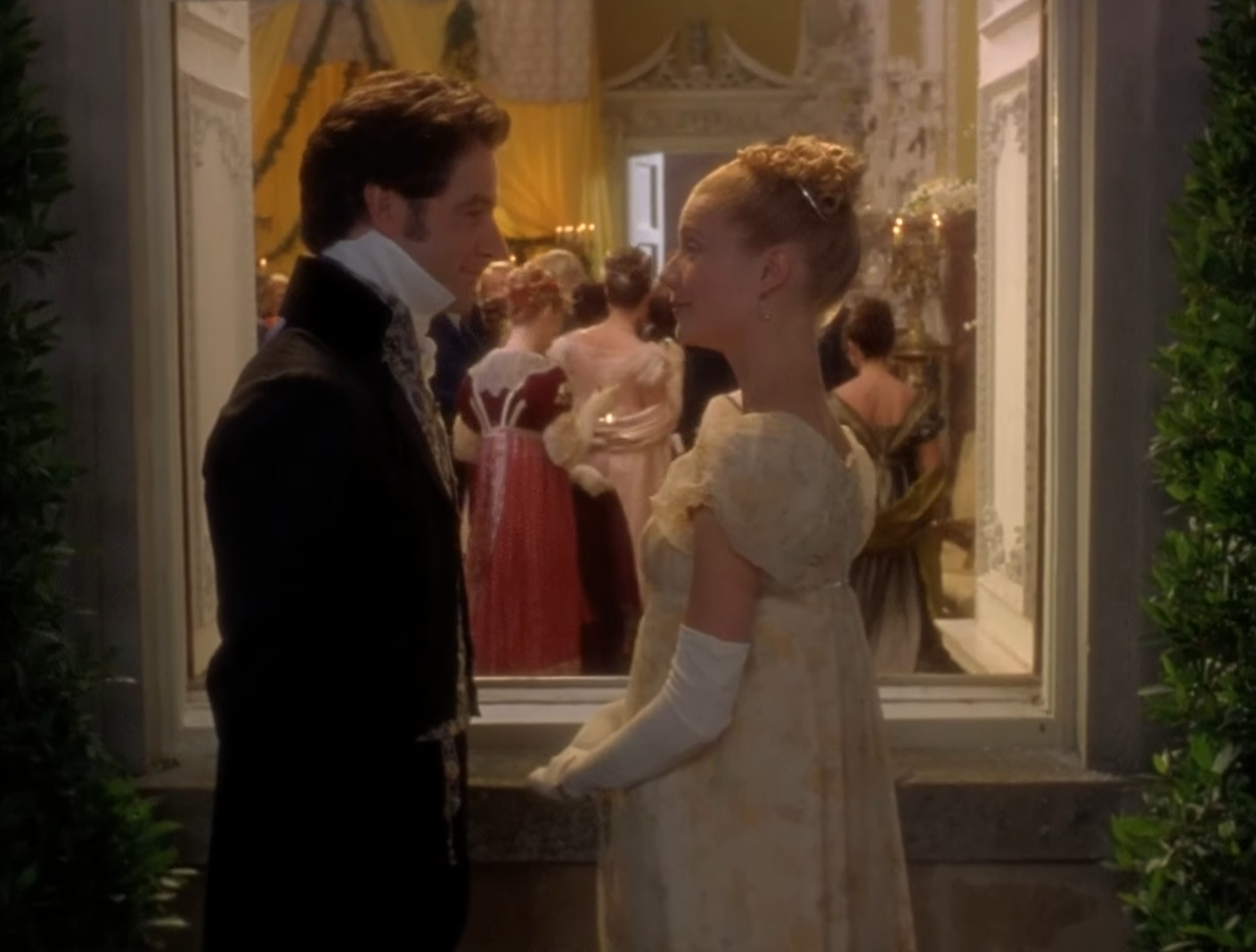
Emma 1996

Enemies to Lovers in Emma

In “The Rom Com Explained” on TheTake.com, we read this humorous definition of the popular enemies-to-lovers trope that I discussed last month in regard to Elizabeth Bennet and Mr. Darcy:

“The two love interests probably start out at odds. They may come from different worlds, have competing goals, or simply get off on the wrong foot. But as the rom-com wisdom goes, there’s a very thin line between love and hate, and the story frames all this friction as kindling for sparks to fly.”

What about Emma and Mr. Knightley? In Emma, some have said that Mr. Knightley and Emma fit the rivals description as well because of their witty banter and playful digs, but their delayed love interest seems to be much more about their age gap, their family history, and their comfort level with one another that comes from being brother- and sister-in-law.

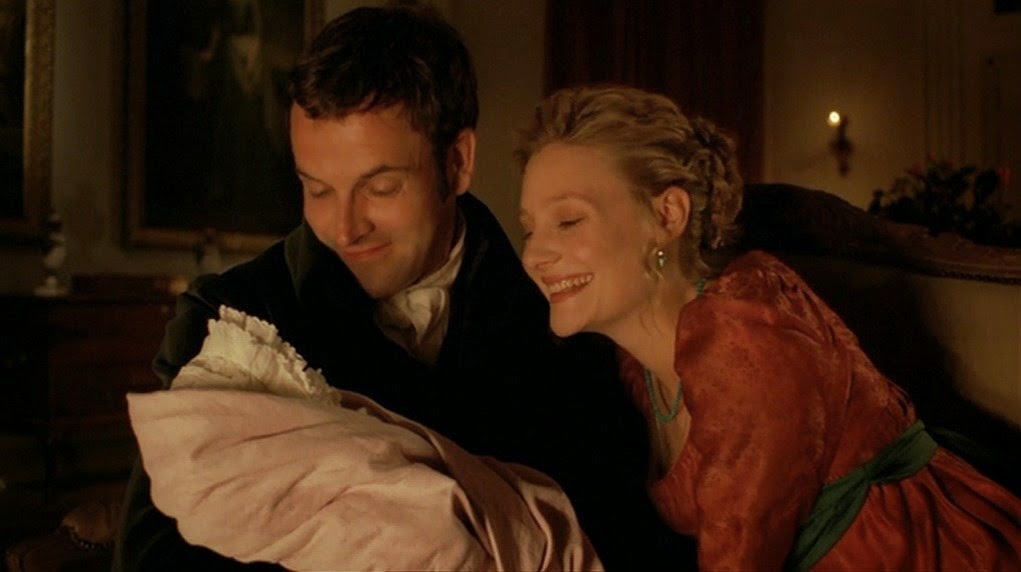
Emma 2009

Defining the Relationship

But if they aren’t rivals-to-lovers, what makes the romance between Emma and Mr. Knightley so irresistible? What techniques does Austen use to cleverly draw us into their world? What causes the slow burn that builds between them?

Are they boy/girl next door lovers? Possibly.

Friends-turned-lovers? Probably.

While Emma falls into both of these categories, if we want to narrow it down even further, the romance between Emma and Mr. Knightley best fits the “It Was Right In Front Of You All Along” theme. Their love story starts with a slow simmer, builds to a slow burn, and turn into a raging inferno.

The Slow Burn

In Emma, the relationship between Emma and Mr. Knightley sizzles because it’s so unexpected—at least for the two main characters. We, the readers, watch it slowly build (and hope that it will happen), but the characters themselves don’t recognize their own feelings for quite some time. It takes Emma the longest to realize, which adds to the charm of the story. With the Slow Burn love story, there are obstacles standing in the way (knowing one another too well, growing up together, not seeing each other “that” way, and other love interests). Most commonly, there’s a distraction that keeps one or the other from recognizing the chemistry that is building all along the way.

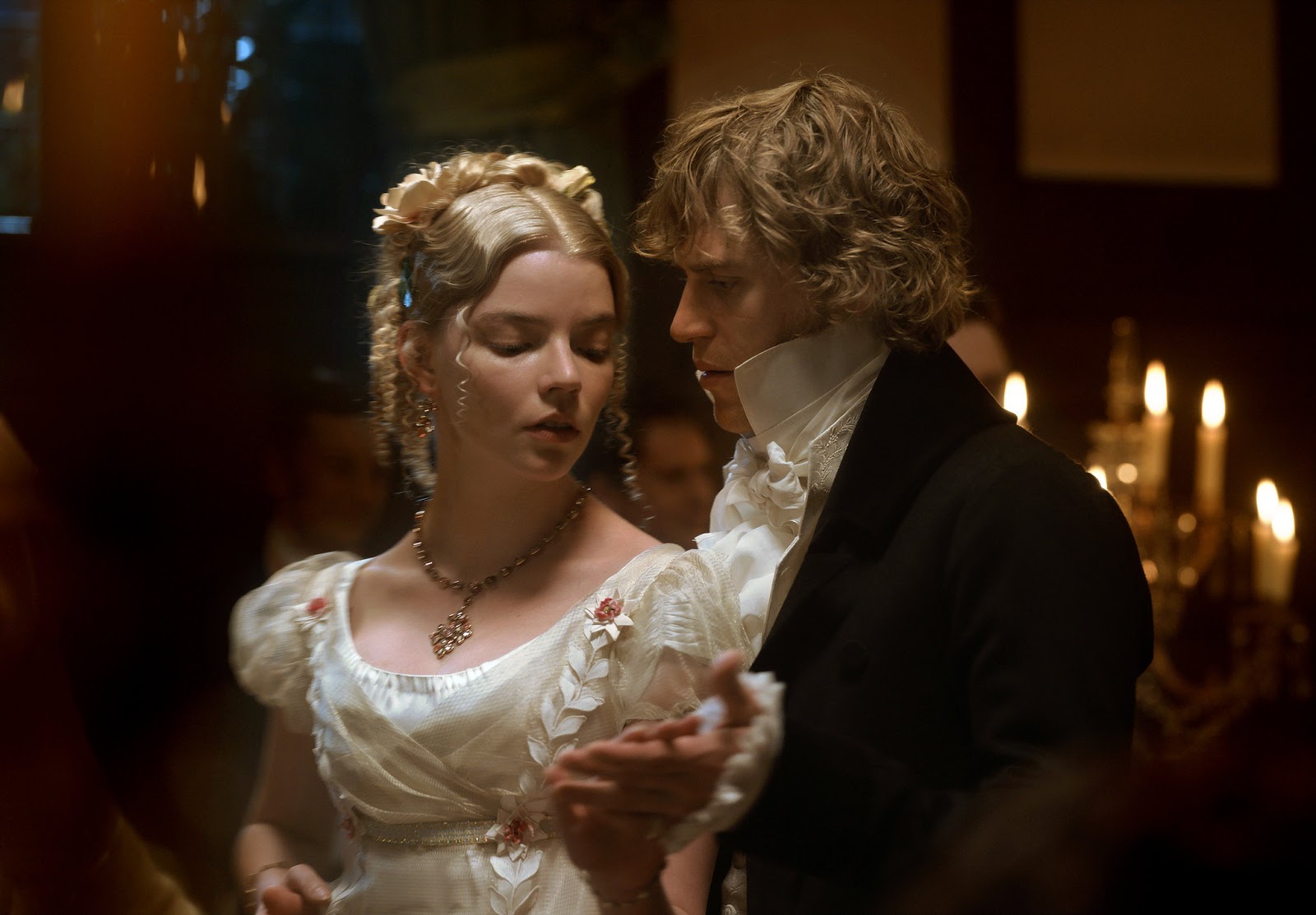
Emma 2020

The Red Herring Distraction

In a Slow Burn love story, there is usually at least one misleading love interest or storyline (or “red herring”) to keep readers off the trail. Jane Austen obviously sets the bar high for the red herring theme in Emma, but here’s a definition from “The Rom Com Explained” article:

“Rom-com leads often start out with a red herring love interest who seems very appealing but turns out to be all wrong. Meanwhile, as the protagonist spends time with someone they aren’t actively trying to impress, they can be their unfiltered self and get to know the other person in a real way.”

Emma, Pride and Prejudice, and Sense and Sensibility all have at least one red herring love interest. In each, there’s a man who seems charming and agreeable at first but turns out to be quite the opposite. In PP and SS, the red herrings turn out to be villains (yes, I’m looking at you Mr. Wickham and Mr. Willoughby), but in Emma, Frank Churchill, an immature and obnoxious man who think it’s funny to play with other people’s emotions, acts as the red herring. These red herring lovers keep audiences busy trying to figure them out so that they don’t notice the real love story brewing beneath the surface.

Emma 2020
Emma 2009

Reading Emma like a Detective

Unlike most modern romantic comedies, Jane Austen’s plot in Emma is anything but obvious. She outdoes herself with several misleading storylines. She keeps us so busy figuring out what’s happening between Emma and Frank Churchill, Emma or Harriet and Mr. Elton, Harriet and Frank Churchill, and even Harriet and Mr. Knightley that the majority of first-time readers never even notice the Frank and Jane Fairfax storyline until later in the novel.

In fact, Emma is so cleverly written that many scholars believe it reads more like a detective story than a romance. If you’d like to delve into this fascinating topic, click to read David H. Bell’s brilliant article, “Fun with Frank and Jane: Austen on Detective Fiction” in JASNA’s Persuasions.

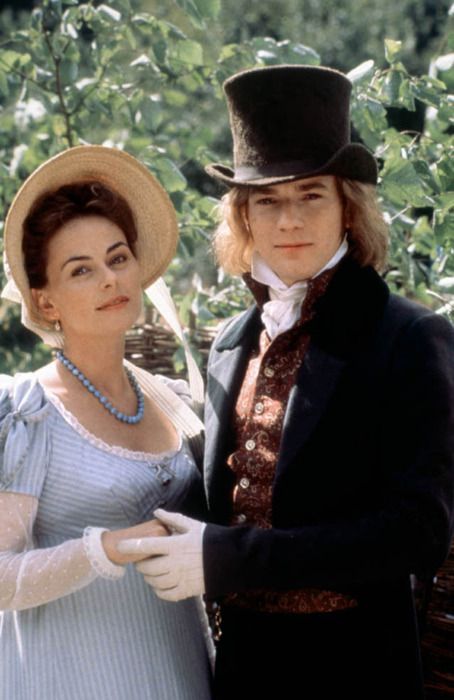
Emma 1997 (Jane Fairfax and Frank Churchill)

Hidden in Plain Sight

The other side of the coin with a red herring love story is that the false-love interest helps hide the true love interest—the one the heroine’s known for a long time and has never thought about “in that way.”

In the red herring plot line, this “real” love interest hides in plain sight. Sometimes, like in the situation with Mr. Darcy, he’s cloaked in some kind of mystery, misunderstanding, or perceived arrogance. Other times, as with Mr. Knightley, the hidden male lead is considered “off limits” because he’s a cousin, a step brother, a friend, or a co-worker. Most of the time, we (the audience) know he’s the real love interest rather quickly, but it takes most of the movie for the heroine to figure it out.

This is where Mr. Knightley really shines. He’s “the one,” hiding in plain sight. From the start, Austen casts him as the “big brother-type.” As a neighbor and friend, and the brother of Emma’s sister’s husband, Mr. Knightley is the perfect “off limits” hidden love interest. Emma has never looked at him in “that way.” It has never crossed her mind that he could see her as anything other than an annoying little sister.

The Aha Moment

“This long-developing chemistry leads to a moment of epiphany, where the character suddenly realizes the feelings that have been crystal-clear to the viewer all along” (“The Rom Com Explained”).

In this type of plot, usually one lead character realizes his/her feelings first, while the other takes longer to wake up to what’s going on between them. In Emma, Mr. Knightley sees Emma as much more than a neighbor and friend early on, but Emma is busy chasing other love stories and doesn’t see her own true love story blossoming right in front of her nose.

It’s only later in the film that Emma finally realizes that she loves Mr. Knightley. It’s always been him. This realization comes when she finds out that Harriet has feelings for Mr. Knightley (and that her feelings might possibly be returned). Startled by the powerful feelings of jealousy that come over her, she finally awakens to the deep love she’s felt for Mr. Knightley for quite some time.

Emma 1996

Modern rom-coms patterned after Emma:

Ever since Emma, there have been countless stories of friends-turned-lovers and lovers-hidden-in-plain-sight.

Modern films that fit this category are 13 Going on 30, Always Be My Maybe, Love and Basketball, Just Friends, Made of Honor, When Harry Met Sally, and Yesterday. In television, there are several couples in The Big Bang Theory, Monica and Chandler on Friends, and Jim and Pam from The Office. While these romances also fall into the friends-turned-lovers category, they fit the themes in Emma because most include a love interest that is hiding in plain sight but also “off limits” for one reason or another.

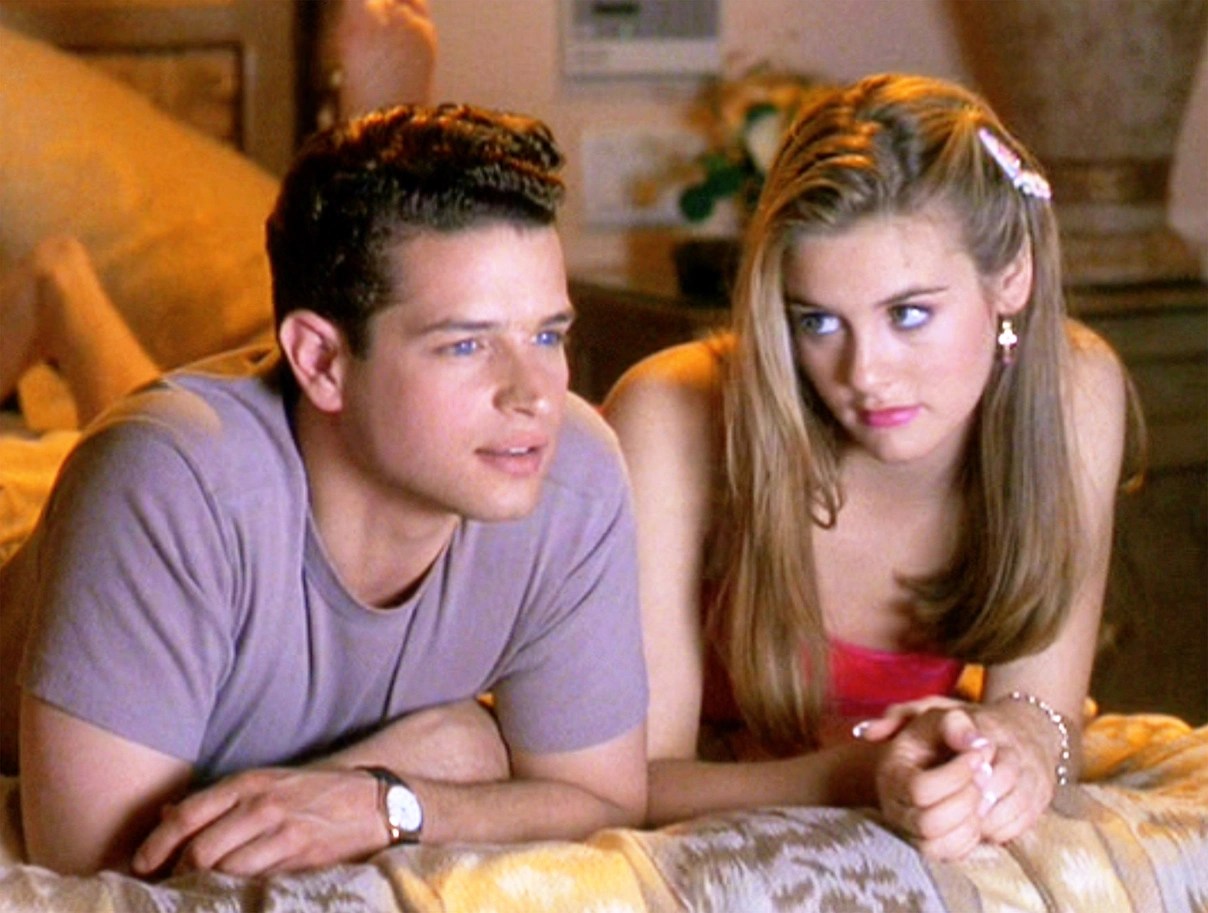
The most obvious modern film to follow in Emma’s footsteps is Clueless. It’s worth discussing because it is considered by many as one of the best modern remakes of a Jane Austen novel. Though some say it’s just a silly teen romance, it’s also incredibly clever in its own right. I truly believe it belongs in the “It was Right in Front of You All Along” category.

Clueless 1995
Clueless 1995

Finally, while Bridget Jones’s Diary is most often connected with Pride and Prejudice, there are also plenty of similarities between it and Emma. Mark Darcy has many attributes that closely align with Mr. Knightley. He’s an older, wiser family friend who seems (and probably is) far too good for Bridget but actually finds her quite adorable and captivating. It takes Bridget a long time to realize that Daniel Cleaver is a jerk and Mark is the better, more mature man.

If you love Emma and Mr. Knightley as much as I do, what do you think makes their romance so charming? At what point do you think Mr. Knightley realized his romantic feelings for Emma?


RACHEL DODGE teaches college English classes, gives talks at libraries, teas, and book clubs, and writes for Jane Austen’s World blog. She is the bestselling author of The Little Women DevotionalThe Anne of Green Gables Devotional and Praying with Jane: 31 Days Through the Prayers of Jane Austen. Now Available: The Secret Garden Devotional! You can visit Rachel online at www.RachelDodge.com.
Read Full Post »

These days I am scouring Netflix, Amazon Prime, Acorn, and Xfinity to find a serial costume drama to keep my free nights as satisfyingly occupied as my viewing time with Downton Abbey. I know I have been harsh with my reviews this season. Consider this: One Top Chef’s judge’s explanation of his harsh reviews of the dishes he sampled by the excellent chefs competing on that show was that all the chefs served outstanding dishes. It was his job to find the one dish that stood out from the rest. In that light, I viewed Downton Abbey Season 4 as a sterling show and each episode as a separate dish. The season started out tepid and somewhat disappointing, but finished strong, pleasing my palate and leaving me hungry to see Season 5. Let’s face it, there aren’t many outstanding shows like DA out there, not if you like your characters to be polite, beautifully clothed, and moving in breathtaking interiors and scenery.

downton-abbey-season-4

Cast for the Christmas Special

I admit to enjoying House of Cards, Game of Thrones, and Vikings – but these violent shows are far from polite, and I prefer my daggers drawn verbally, a la Violet. While I liked watching Mr Selfridge (soon to be aired), Call the Midwife, Sherlock, and other PBS Masterpiece specials, they do not compete with my DA addiction.

Last week, I found myself watching DA Episode 1, Season 1 with my sister-in-law, who rarely watches television, but who had FINALLY been persuaded to give the show a try. By the second night, she had watched the entire first season.

Now that we’ve had a couple of weeks to ruminate over Season 4, what did you think of the final two episodes? Thumbs UP, Thumbs down, Meh, or Can’t Decide? Curious minds want to know.

Other posts about Season 4

Dowton Abbey Season 4: Episodes 3-6

Downton Abbey Season 4: Episodes 1-2

Read Full Post »

mast-downton-s4-series-icon-675×290-scale-2000x2000

Dowton Abbey Season 4 image, courtesy PBS

After Matthew’s shocking death, we couldn’t wait for Dowton Abbey Season 4 to begin, certain that we would be grieving alongside his widow and family at the funeral. As we now know, this did not happen. The action, as it were, began six months after the tragedy. Enough of sorrow. So many reviews of DA now exist, that I thought I’d turn the table a bit. I’d love your reactions to my tongue in cheek observations for Epis 1 & 2:

1. Lady Mary’s wooden with grief, or Lady Mary’s always wooden.

2. Edith’s a hussy; her public passion (in a restaurant, of all places) went beyond the boundaries of good taste, or Edith’s finally getting some – good for her.

3. Mrs. Patmore and Robert Crawley, Lord Grantham, have so much in common – they could stand to lose a tad of weight, or they’re so old-fashioned, their heads are screwed on backwards.

 4. Violet’s quips are becoming predictable, or the dowager duchess will never wear thin. The Abbey simply isn’t the Abbey without her.

5. Lady Cora showed some feistiness in firing that awful nanny, or Lady Cora has the worst taste in ladies maids.

6. John Bates and his Anna will produce a Batesy Jr., or (after Green’s awful assault) we don’t know what will happen to Bates and his Anna.

7.  Tom Cullen as Lord Anthony Gillingham will make a splendid suitor for Mary, or Tom Cullen holds no candle to Matthew (Dan Stevens.) Alternate observation: It’s a bit too soon, isn’t it, to hint of a new guy for Mary? or it’s about time that Lady Mary’s knickers get twisted.

8. Alfred and Jimmy will come to fisticuffs over Ivy, or Daisy and Ivy will  have a major food fight over Jimmy.

9. Molesley will prefer ditch digging over working as a footman, or he will trip Carson on the stairs and ascend to the title of Butler.

10. I miss O’Brien, or I’m glad she’s gone.

 Please let me know your thoughts or provide a few observations of your own.

Note: In past years, I spent hours pulling images from the review DVDs that PBS sent us. Last year, parent company Universal frowned on another blogger’s similar actions (I am not sure she wants me to reveal her blog), taking the punitive step of notifying Google, which blackballed the blog and drove numbers precipitously down. I have spent arduous hours deleting my pulled images from the many Downton Abbey posts on this blog and from the web.  I will no longer pull images on my own and will use only materials released for publicity. PBS has been nothing but supportive of me, and I thank the organization for including me in those heady early years.  – Vic

Read Full Post »

Gentle Readers,

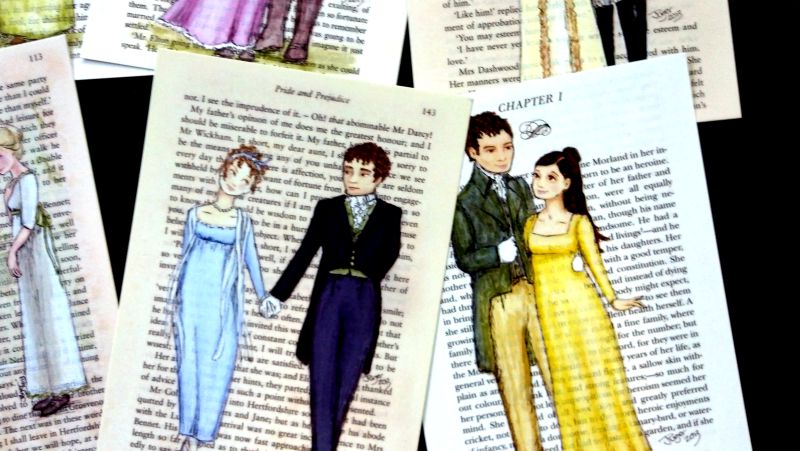
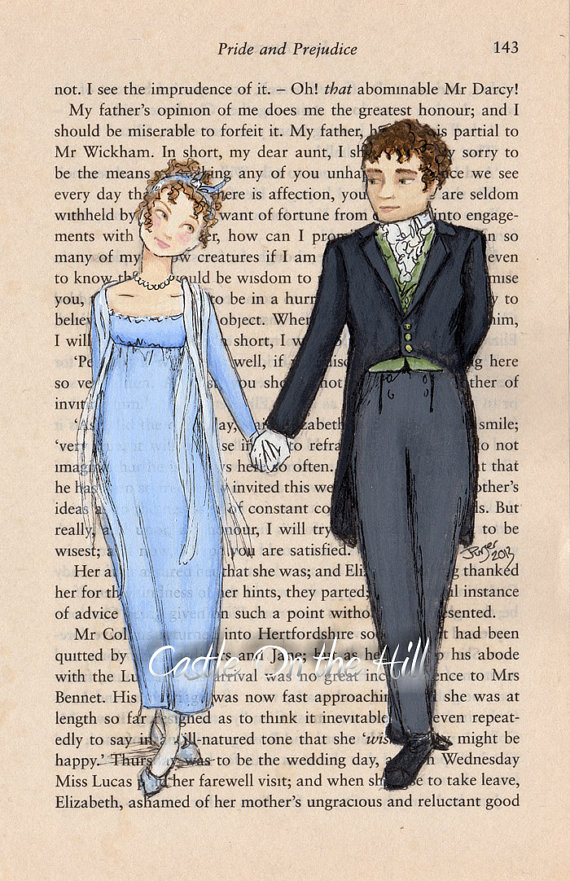
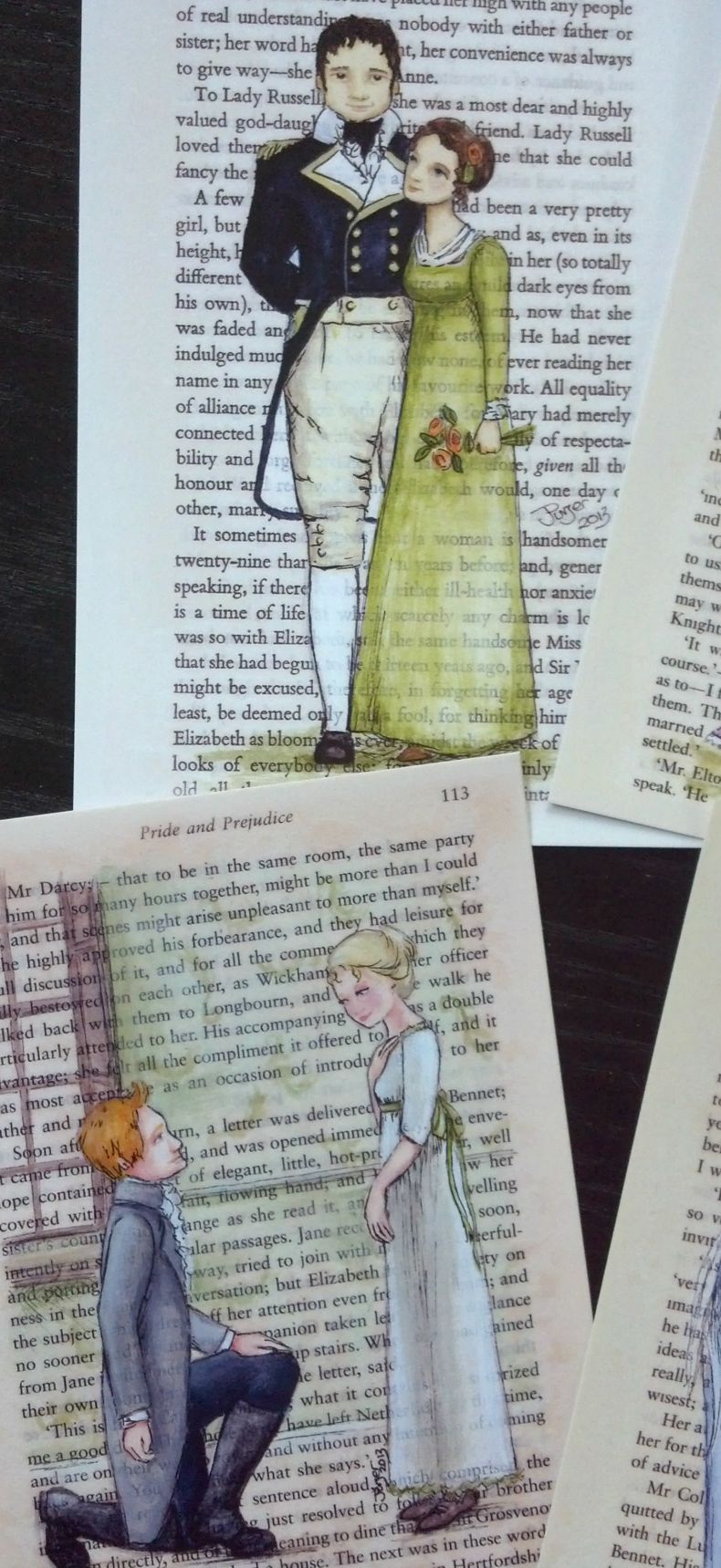
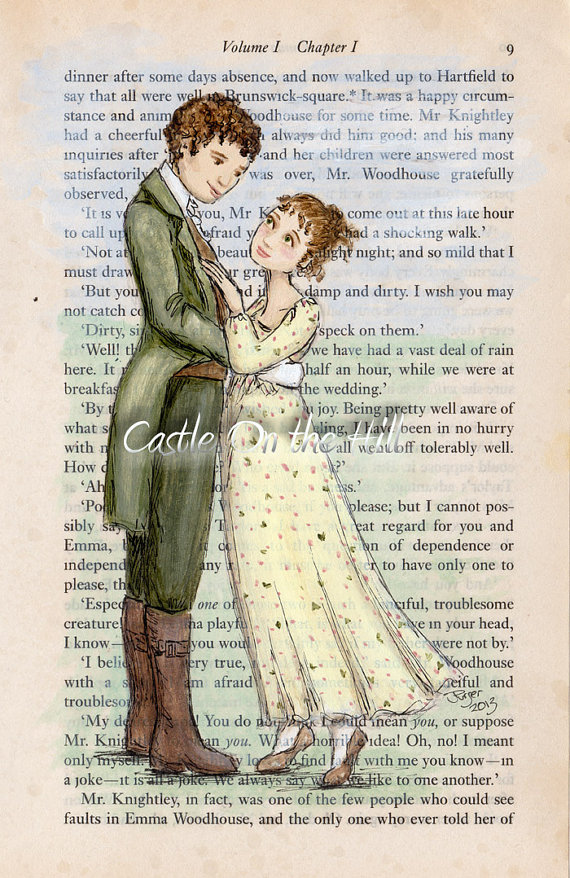
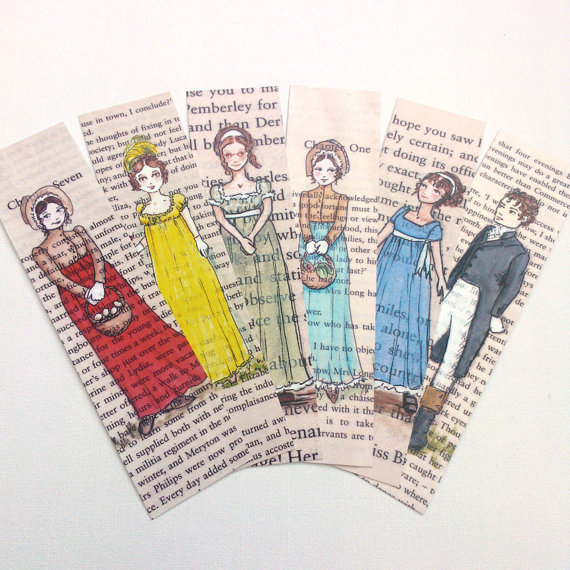
What better way to resume my blog than with Jessica Purser’s lovely Jane Austen post cards and bookmarks? I apologize for my unexcused silence. Life simply caught up with me, and due to a schedule that overwhelmed me because of work and family obligations, I had to cut back on my blog, and Facebook and Twitter comments. I did keep up with my Pinterest boards, for I found that cataloging images was as relaxing as playing solitaire. Whenever I found 10 spare minutes here and there (while waiting, watching the news or a television show, or during a solitary meal), I would pin. I want to thank those who persisted in contacting me (and who I needlessly worried) and who coached me to return to my blogging duties a little earlier than I had planned. Jessica Purser sent these lovely cards and notes for me to review in July. They certainly deserved my immediate attention and not such a long wait.

JPurser_PrideandPrejudice.jpg

I placed a number of the images on my table. Sorry about the quality of the images. I have interspersed them with images from Jessica Purser’s Etsy site.

I am sure that many of you have already viewed samples of Jess’s images on Facebook, Twitter, Tumblr, and Twitter, but I couldn’t help sharing these cute interpretations of Jane Austen’s characters anyway.

Elizabeth and Mr. Darcy

Elizabeth and Mr. Darcy

Ms. Purser sent me quite a few samples, which I photographed (rather clumsily, I must admit). I am also featuring a number of images from her Etsy site.

persuasion_pride_purser.jpg

Anne and Captain Wentworth in Persuasion, and Bingley proposing to Jane in Pride and Prejudice

I can’t think of a better way to restart my blog than to share Jess’s wonderful creations with you. They are painted on pages of Jane Austen’s novels, which provide context.

Emma and Mr. Knightley

Emma and Mr. Knightley

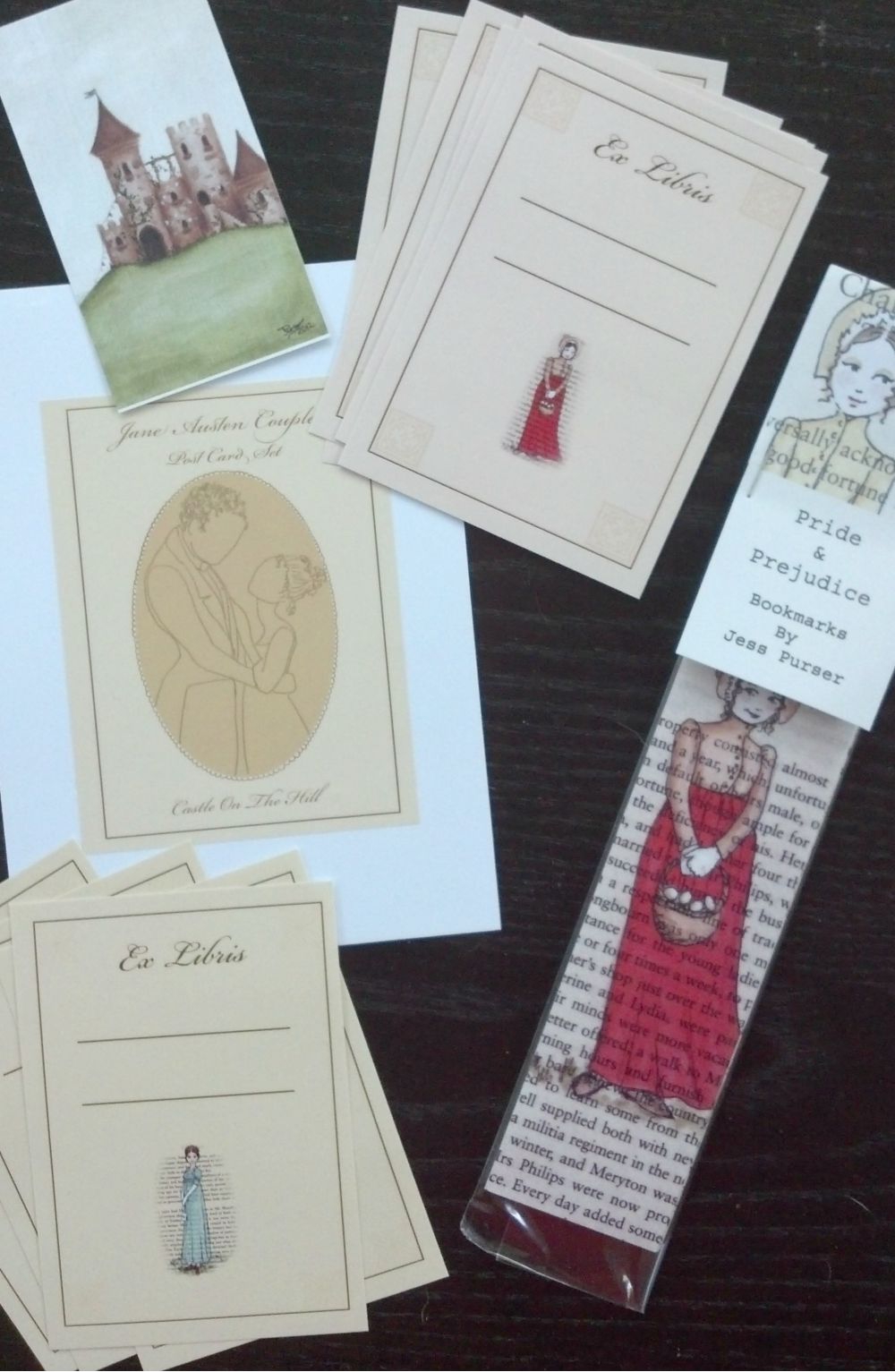
The postcards are printed on hardy card stock and the larger images are suitable for framing. I have been using the bookplates and bookmarks, and sharing them with friends.

Bookmarks and book plates. How lovely.

Bookmarks and book plates. How lovely.

Thank you, Jessica, for this lovely art work.

Jess's book marks

Jess’s book marks

Jessica PurserRead more about Jessica in this Interview with Jessica Purser on Rockalily Cuts

Order her art work at: Castle on the Hill, Jessica’s Etsy Shop


Read Full Post »

« Newer Posts - Older Posts »