• Home
  • Audio/Podcasts
  • Austensites
  • AV/E-Texts
  • History
  • JA Novels & Bio
  • Links
  • Original Sources/19th C. Texts
  • Social Customs During the Regency
  • Teacher/Student
  • Writer/Literature Resources

Jane Austen's World

This Jane Austen blog brings Jane Austen, her novels, and the Regency Period alive through food, dress, social customs, and other 19th C. historical details related to this topic.

Feeds:
Posts
Comments
« Tears for Tess: Tess of the D’Urbervilles, Review Part 2
The Last Frost Fair on the Thames River »

The Regency Estate: How it was Apportioned

January 14, 2009 by Vic

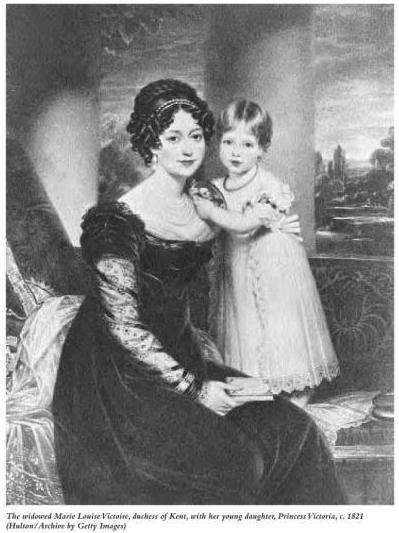
The Duchess of Kent, Queen Victoria's mother, 1821, depended on an annuity and jointure after her husband's death.

The Duchess of Kent, Queen Victoria's mother, 1821, depended on an annuity and jointure after her husband's death.

The laws of primogeniture were clear: In order to keep lands and estates intact, the bulk of the inheritance was handed down to the eldest son. Other much smaller claims to the property went as follows:

  • Jointures: Provision for an annual income for the wife after her husband has died and arranged at marriage. The amount is typically based on the assets the wife brings to the union. Elopements had dire consequences, for a woman forfeits this protection when she runs away to be married.
  • Marriage Portions: Lump sums paid to the bride, which she brings to the marriage.  Mrs. Bennet brough £5,000 to the marriage, and her daughters’ portions from her estate will be £ 1,000 each. Portions obviously vary. Princess Anne, the eldest daughter of George II, received an £80,000 marriage portion, voted by Parliament in 1733.
  • Cash Settlements: Passed on to younger sons, but often these monies were not enough to sustain them. Most younger sons had to find employment or marry well.
  • Entails: Property that is entailed on the male heirs cannot be inherited by females. This practice ensures that the succession of the title, property, and lands remains within the family, although a clause could be inserted to describe what would happen if there are no males left to inherit.  Mr. Bennet’s property is entailed and will go to Mr. Collins, the next male in line.

  • Annuities: Annual moneys donated by other members of the family for support.  Several of Jane Austen’s brothers provided an annuity of £50 to their sisters and mother. In Sense and Sensibility, Fanny and John Dashwood discuss the amount of an annuity for John’s stepmother and sisters before selfishly discarding the idea. The conversation begins with John:

“That is very true, and, therefore, I do not know whether, upon the whole, it would not be more advisable to do something for their mother while she lives, rather than for them–something of the annuity kind I mean.–My sisters would feel the good effects of it as well as herself. A hundred a year would make them all perfectly comfortable.”

His wife hesitated a little, however, in giving her consent to this plan.

“To be sure,” said she, “it is better than parting with fifteen hundred pounds at once. But, then, if Mrs. Dashwood should live fifteen years we shall be completely taken in.”

“Fifteen years! my dear Fanny; her life cannot be worth half that purchase.”

“Certainly not; but if you observe, people always live for ever when there is an annuity to be paid them.”

More on English Inheritance Laws:

  • Understanding the Laws of British Primogeniture With Humor: Laurie and Fry

  • The Fee Entail in Pride and Prejudice

  • Sex, Marriage, and Power

  • Primogeniture: A Short History

Share with others:

  • Click to email a link to a friend (Opens in new window) Email
  • Click to print (Opens in new window) Print
  • Click to share on Facebook (Opens in new window) Facebook
  • Click to share on Reddit (Opens in new window) Reddit
  • Click to share on X (Opens in new window) X
  • Click to share on Pinterest (Opens in new window) Pinterest
  • Click to share on Tumblr (Opens in new window) Tumblr
  • Click to share on LinkedIn (Opens in new window) LinkedIn
Like Loading...

Related

Posted in jane austen, Jane Austen's World, Regency Life, Regency World | Tagged British Inheritance Laws, entail, jointure, marriage portion, Primogeniture, The Regency Estate | 2 Comments

2 Responses

  1. on May 7, 2009 at 11:13 suza's avatar suza

    thank you for this artice. it is very interesting. i can see why the daughters in “pride and predjudice” are without a property inheritance. but what i am very curious about is how lady catherine de bourgh had property?


  2. on April 25, 2013 at 13:12 Enzo's avatar Enzo

    Hello, Vic! How are you? I´m from Brazil, re-reading Pride and Prejudice, and i have a little question that you may answer….. (please forgive my bad english!).
    This laws, especially about entail and Mr. Collins, they last in England until what era? The Victorian? The XX century? When women started to be able to receive their inheritance without this sexual prejudice?
    Thank you!


Comments are closed.

  • Enter your email address to subscribe to this blog and receive notifications of new posts by email.

    Join 7,246 other subscribers
  • 2025 AGM in Baltimore

  • Items of Interest

  • Blog Stats

    • 18,384,541 hits
  • Follow Jane Austen's World on WordPress.com
  • RECOMMENDED BOOKS AND RESOURCES

  • Fashionable Goodness: Christianity in Jane Austen's England is now available! By JAW contributor Brenda S. Cox. See Review. Available from Amazon and Jane Austen Books.
  • We also recommend JAW contributor Rachel Dodge's devotionals based on Jane Austen's prayers and classic literature. Reviews:
    Praying With Jane: 31 Days Through the Prayers of Jane Austen
    The Anne of Green Gables DevotionalThe Little Women Devotional
    The Secret Garden Devotional
  • The Tour of Doctor Syntax. Edited by Ben Wiebracht. Read the review of the book at this link. Click to order the book on Amazon US or Amazon UK or Jane Austen Books
  • FREE Student Membership to JASNA

    Available through December 31st, 2025. Click on image for details, and share this poster with other teachers and students!

  • The Obituary of Charlotte Collins by Andrew Capes

    Click on image to read the story.

  • Comments

    “My idea of good company…is the company of clever, well-informed people, who have a great deal of conversation.” – Jane Austen, Persuasion


    Gentle readers: Please feel free to post your comments and continue the conversation! Due to SPAM, we will no longer accept comments on posts after 30 days of publication. In some instances, links will be removed from comments as well.

  • Administrators and Contributors

    Vic Sanborn, founder of this blog, is supported by a team of talented and knowledgeable writers about Jane Austen and the Regency era. They are:

    • Brenda Cox
    • Rachel Dodge and
    • Tony Grant, who now contributes his photos from London and England

    Click on their names to enter their own blogs.

    In addition, we thank the many experts and authors who frequently contribute their posts and opinions, and who continue to do so freely or at our request.

  • Pin It!

    Follow Me on Pinterest
  • Top Posts

    • Cassandra Writes About Jane Austen's Death, July 18, 1817
      Cassandra Writes About Jane Austen's Death, July 18, 1817
    • Highclere Castle Floor Plan: The Real Downton Abbey
      Highclere Castle Floor Plan: The Real Downton Abbey
    • Exploring Jane Austen's Prayers
      Exploring Jane Austen's Prayers
    • Happy 250th Birthday, Jane Austen!
      Happy 250th Birthday, Jane Austen!
    • Regency Hygiene: The Bourdaloue
      Regency Hygiene: The Bourdaloue
    • Jane Austen’s Christmases
      Jane Austen’s Christmases
    • Regency Fashion: Men's Breeches, Pantaloons, and Trousers
      Regency Fashion: Men's Breeches, Pantaloons, and Trousers
    • Men's hair styles at the turn of the 19th century
      Men's hair styles at the turn of the 19th century
    • Jane Austen and Music
      Jane Austen and Music
    • More Birthday Events for Jane Austen!
      More Birthday Events for Jane Austen!
  • Recent Posts

    • Jane Austen and Music
    • More Birthday Events for Jane Austen!
    • Happy 250th Birthday, Jane Austen!
    • Coming Soon: Birthday Tales for Jane Austen’s 250th
    • Book Review: The Austens, by Sarah Emsley
  • Links to Jane Austen Blogs

    Click here to enter the page. Topics include Regency fashion, historic foods, Jane Austen societies, British sites, related topics. Click on image.

  • May we suggest?

  • Unknown's avatarHello, my name is Vic and I live in Maryland, USA. I have adored Jane Austen almost all of my life. I am a proud lifetime member of the Jane Austen Society of North America. This blog is a personal blog written and edited by me and my team. We do not accept any form of cash advertising, sponsorship, or paid topic insertions. However, we do accept and keep books and CDs to review.

    If you would like to share a new site, or point out an error, please email us. (Yes, we are fallible. We'll own up to our mistakes and will make the corrections with a polite smile on our faces.) Write us at

    gmailbw

    Thank you for visiting this blog. Your comments and suggestions are most welcome.

  • Project Gutenberg: eBook of Stage-coach and Mail in Days of Yore, Volume 2 (of 2), by Charles G. Harper

    STAGE-COACH AND MAIL IN DAYS OF YORE: A PICTURESQUE HISTORY
    OF THE COACHING AGE, VOL. II, By CHARLES G. HARPER. 1903. Click on this link.


  • Top Posts & Pages

    • Cassandra Writes About Jane Austen's Death, July 18, 1817
    • Highclere Castle Floor Plan: The Real Downton Abbey
    • Exploring Jane Austen's Prayers
    • Happy 250th Birthday, Jane Austen!
    • Regency Hygiene: The Bourdaloue
    • Jane Austen’s Christmases
    • Regency Fashion: Men's Breeches, Pantaloons, and Trousers
    • Men's hair styles at the turn of the 19th century
    • Jane Austen and Music
    • More Birthday Events for Jane Austen!
  • Tour Chawton Cottage on YouTube

  • Disclaimer: Our team makes no profit from this blog. We may receive books (physical or digitized) for review purposes.

  • Copyright Statement: © Jane Austen's World blog, 2009-2024. Unauthorized use and/or duplication of this material without express and written permission from this blog’s author and/or owners is strictly prohibited. Excerpts and links may be used, provided that full and clear credit is given to Jane Austen's World with appropriate and specific direction to the original content.

Blog at WordPress.com.

WPThemes.


  • Reblog
  • Subscribe Subscribed
    • Jane Austen's World
    • Join 7,246 other subscribers
    • Already have a WordPress.com account? Log in now.
    • Jane Austen's World
    • Subscribe Subscribed
    • Sign up
    • Log in
    • Copy shortlink
    • Report this content
    • View post in Reader
    • Manage subscriptions
    • Collapse this bar
 

Loading Comments...
 

    %d

