Feeds:
Posts
Comments

Archive for the ‘19th Century England’ Category

This frontispiece from L’Art de bien faire les glaces d’office,  a book by M. Emy, an 18th century French confectioner, about whom very little is known, depicts how ices and ice cream were made at the time.
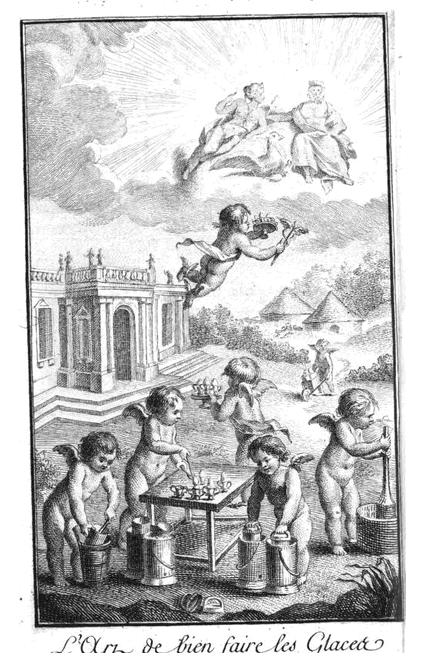
M. Emy Fronticepiece2

Click on image for larger view.

Buckets filled with ice and salt held covered metal freezing pots that contained the ice cream mixtures. As the mixture froze, the pots were taken out occasionally to be shaken. The ice cream was scraped from the sides of the pots and stirred. When the mixture was ready, it was placed in decorative molds and served almost immediately. You can see the all the steps of ice cream making in the above image, with ice being delivered from ice houses in the background, and cherubs tending to the freezing mixture, while another hastens to the main house to serve the ices before they melt.
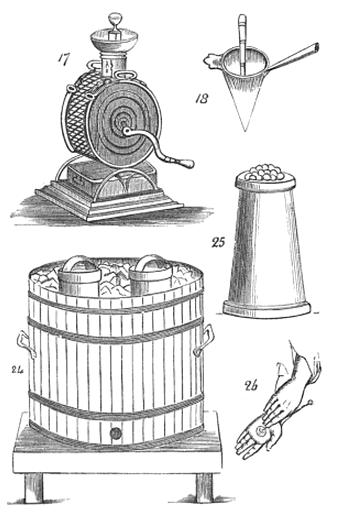
Confectioners tools

Confectioners tools from Gunter’s modern confectioner by William Jeanes. Figure 18 represents a copper funnel. Figure 24 is an oval tub surrounded with ice and salt and containing tow freezing pewter pots. At the bottom is a plug to let out water. Figure 25 represents a Bomba ice mould, which has the impression of fruit and holds from four to six pints each. Figure 26 shows how the hands are positioned whilst modelling flowers.

The process was expensive, for hauling and storing great blocks of ice was a laborious process that began in winter. The ice was stored in ice houses that were dug deep into the ground to keep the blocks from melting even in summer.
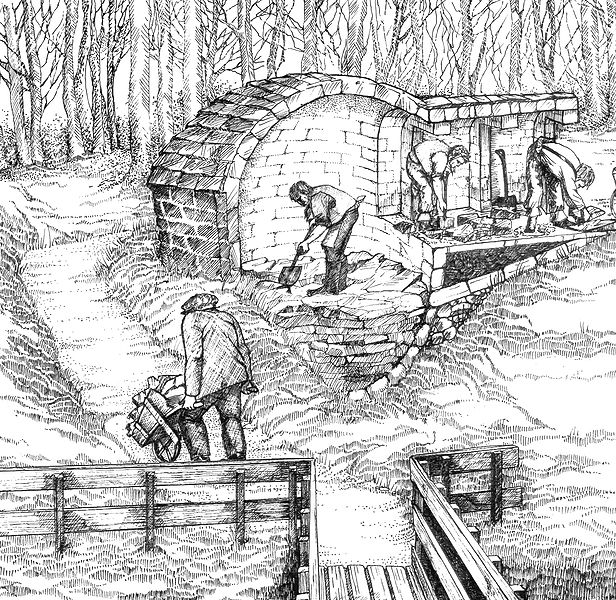
The Eglinton Ice House being filled with ice. Eglinton Castle, Kilwinning, Scotland. Image @ Wikipedia

The Eglinton Ice House being filled with ice. Eglinton Castle, Kilwinning, Scotland. Image @ Wikipedia

Only the rich were able to afford this luxury food to any extent until the mid-19th century, when Carlo Gatti began importing  ice in large quantities to London from Norway.
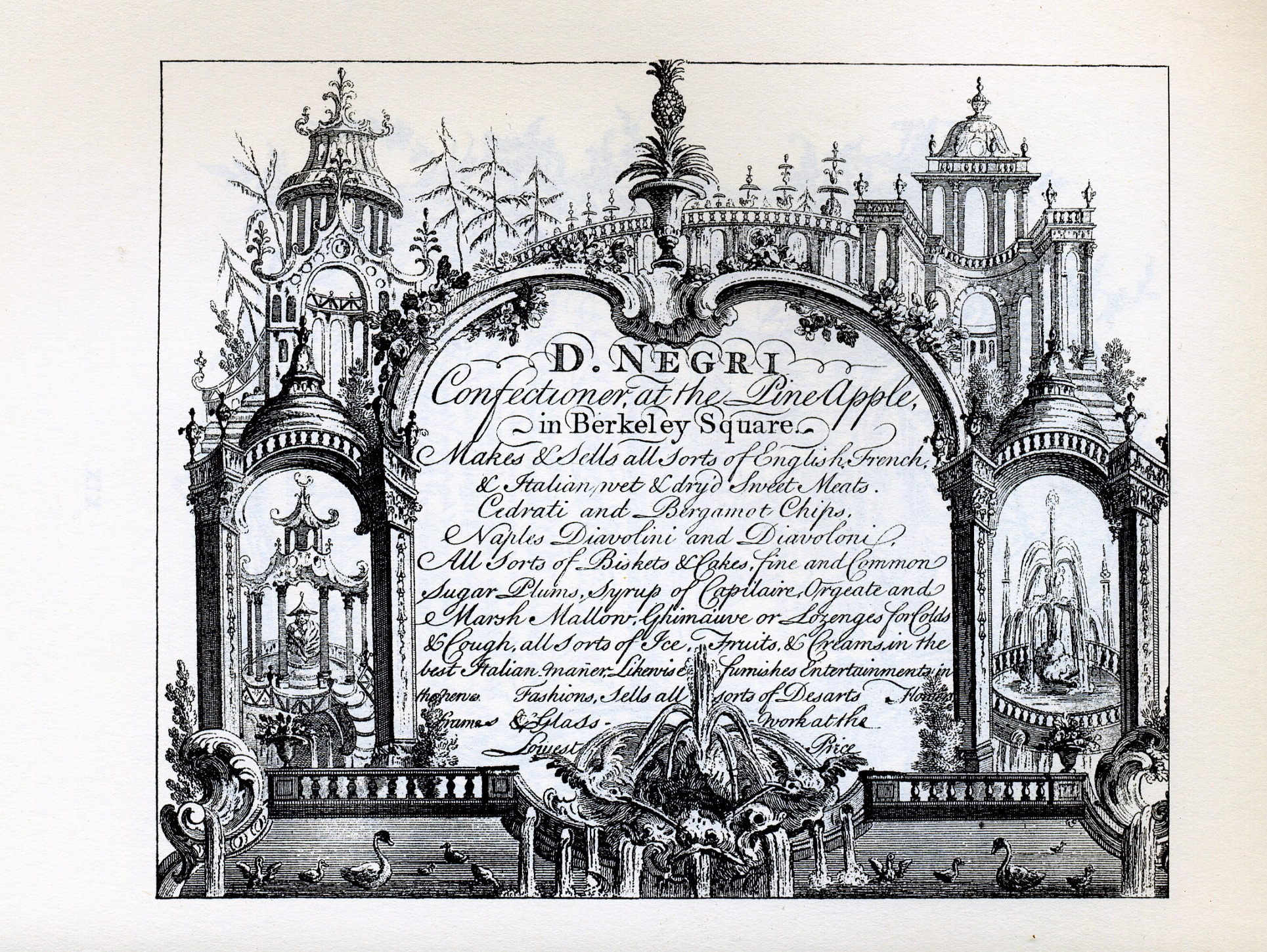
domenico-negri915-correction

Negri’s trade card of the Pot and Pineapple with his description of his shop’s offerings.

The first references to making ice cream harken back to ancient Rome and China. By the mid 18th century, French, Italian, and British chefs had published cookbooks with recipes for ices and ice creams. Specialty confectioner’s shops that offered ices and ice cream began to pop up in London: the most famous of these became to be known as Gunter’s Tea Shop, which survived in one form or another until quite recently.
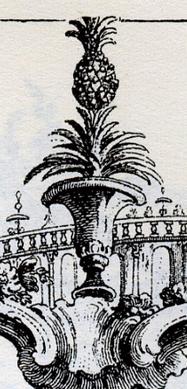
pot and pineapple detail negri

Detail of the pineapple in Negri’s trade card

In 1757 an Italian pastry cook named Domenico Negri opened a confectionery shop at 7-8 Berkeley Square under the sign of “The Pot and Pineapple”. At that time, the pineapple was a symbol of luxury and used extensively as a logo for confectioners. Negri’s impressive trade card not only featured a pineapple, but it advertised that he was in the business of making English, French, and Italian wet and dry sweetmeats. The confectioner’s art required as much precision and craft as a sculptor or silversmith. Equipment for refining sugar resembled those of a foundry, including specialized pans for melting, devices that calibrated heating and cooling, and a variety of molds to create shapes for chilled custards and ice cream, frozen mousses, jellied fruit, and candies and caramels. Negri’s shop sold

Cedrati and Bergamot Chips, Naples … Syrup of Capilaire, orgeate and Marsh mallow … All sorts of Ice, Fruits and Creams in the best Italian manner’. It also sold diavolini, or little icing-sugar drops scented with violet, barberry, peppermint, chocolate and neroli made from the blossom of bitter orange. For those who could not stretch to the luxury of shop-bought produce but who could afford a book of recipes, a long struggle with the complexities of sugar science ensued.” – Taste, Kate Culquohon
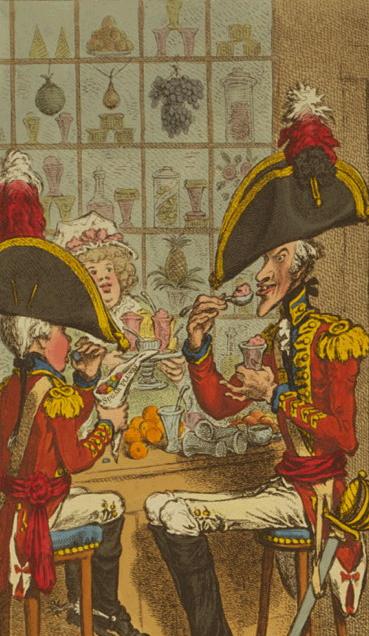
Detail of a James Gillray cartoon of soldiers eating  in a confectioner's shops, 1797. Image @Library of Congress

No Regency image of The Pot and Pineapple or Gunter’s exists. This is a detail of a James Gillray cartoon of soldiers eating in a confectioner’s shops, 1797. Image @Library of Congress

As the chefs of the era attest in their recipes, the taste in ice cream seemed to change with each generation. M. Emy made a glace de creme aux fromages that was flavored with grated parmesan and Gruyere cheeses. Joseph Gillier made an artichoke ice cream and a fromage de parmesan with grated Parmesan, coriander, cinnamon, and cloves frozen in a mold shaped like a wedge of parmesan cheese.
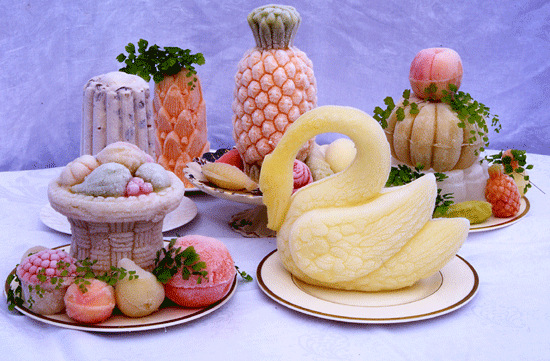
Ivan Day image of ice groups. One can see the recreation of the incredible detail that confectioners were able to create for their wealthy clients.

Ivan Day image of ice groups. One can see his recreation of the incredible detail that confectioners were able to create for their wealthy clients. Ivan Day, Ices and Frozen Desserts

Flower flavors were also common – violets, orange flowers, jasmine roses, and elder flowers – were used in ices. The vanilla bean, although appreciated for its agreeable flavor, did not rise in popularity until Victorian times. Negri must have done a booming business selling syrups, candied fruits, cakes, biscuits, ices, delicate sugar spun fantasies, and elaborate table decorations that showcased his deserts, for his shop survived many decades.
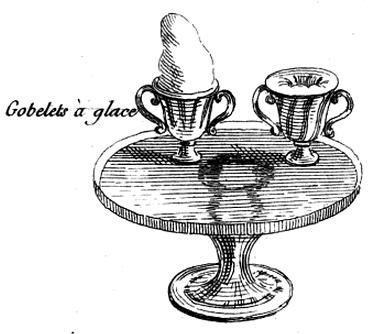
Illustration of ice cream goblets from Emy's cookbook

Illustration of ice cream goblets from Emy’s cookbook

Twenty  years after starting his Berkeley Square establishment (1777),  Negri took in a business partner named James Gunter. The Gunter family, which had both Catholic and Protestant members, had lived in Abergaveny in Wales for generations. (Read a fascinating history about the family at this site, Last Welsh Martyr.)
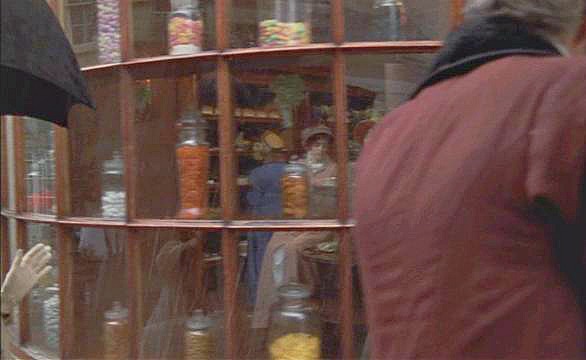
Exterior of a confectioner's shop in Persuasion, 1995.

Exterior of a confectioner’s shop in Persuasion, 1995.

The shop employed famous apprentices like Frederic Nutt, William Jarrin, and William Jeanes, who would go on to write their own cookbooks. All proudly noted their association with the shop. Interestingly, William Gunter, who was James’s son, wrote the most frivolous cookbook, Gunter’s Confectioner’s Oracle (published in 1830), in which he gossiped, name-dropped, and included some illogical details.

William Gunter in 1830

William Gunter in 1830

One section of the book was supposed to be a dictionary of raw materials in use by confectioners. It started with A for apple, and skipped B because it ‘is to us an empty letter.’ C was a fourteen-page treatise on coffee, in French … Gunter did not name its source…The dictionary skipped D and E. The letter F was for flour. Then Gunter wrote, ‘I now skip a number of useless letters until I arrive at P.” – ‘Of Sugars and Snow: A history of ice-cream making’, Jeri Quinzio, University of California Press, 2009, p. 65.
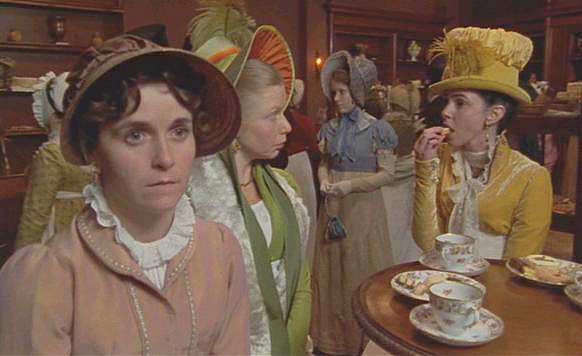
Tea Room in Bath, as depicted in Persuasion 1995

Tea Room in Bath, as depicted in Persuasion 1995

With two men at the helm, The Pot and Pineapple flourished and by 1799 Gunter had become its sole proprietor, changing the name to Gunter’s Tea Shop.  (I tried to find Negri’s birth and death dates, and can only surmise that he must have retired or died when Gunter took over.)
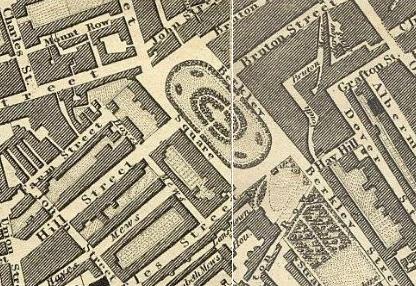
Berkeley Square, Greenwood's Map

Berkeley Square, Greenwood’s Map

Berkeley Square was uniquely situated to appeal to the upper crust.  Many notable people lived there – Beau Brummell at #42 in 1792;  Lord Clive the founder of the British Empire in India, lived at #45 until he killed himself in 1774; and Horace Walpole, whose letters give the record of fashionable society of his day, lived at #11 until he died in 1797. (Nooks and Corners of Old England.) The square was described as a

frontier land between West-end trade and West-end nobility. The east side is half shops, on the northern there is an hotel. Confectioners and stationers here confront peers and baronets.” – Every Saturday: A Journal of Choice Reading, Ticknor and Fields, 1867.
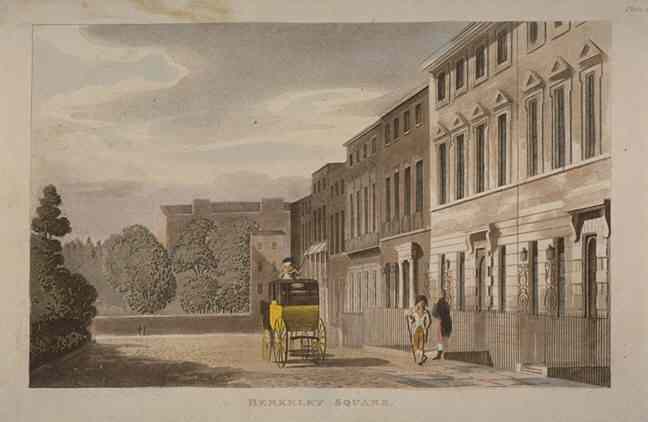
Berkeley Square in 1813

Berkeley Square in 1813

By the early 19th century, Gunter’s ices had become so fashionable that the Beau Monde, many of whom already resided in tony Mayfair, made it a custom to stop by the shop for a cool ice during carriage rides.

A custom grew up that the ices were eaten, not in the shop, but in the Square itself; ladies would remain in their carriages under the trees, their escorts leaning against the railings near them, while the waiters dodged across the road with their orders. For many years, when it was considered not done for a lady to be seen alone with a gentleman at a place of refreshment in the afternoon, it was perfectly respectable for them to be seen at Gunter’s Tea Shop.- Encyclopedia of London

View from the shop at #7 to Berkeley Square. Note that the plane trees are among the oldest in central London, planted in 1789 by

View from the shop today at #7 to the green space of Berkeley Square. The plane trees are among the oldest in central London, planted in 1789 by Edward Bouverie. One can imagine the carriages parked in this area, with waiters scurrying back and forth. (Few of the original buildings still stand today.)

It seemed that a rendezvous at Gunter’s in an open carriage would not harm a gently bred lady’s reputation! One can also imagine waiters running at a full clip across the street on hot days when ices began to melt as soon as they were released from their molds!
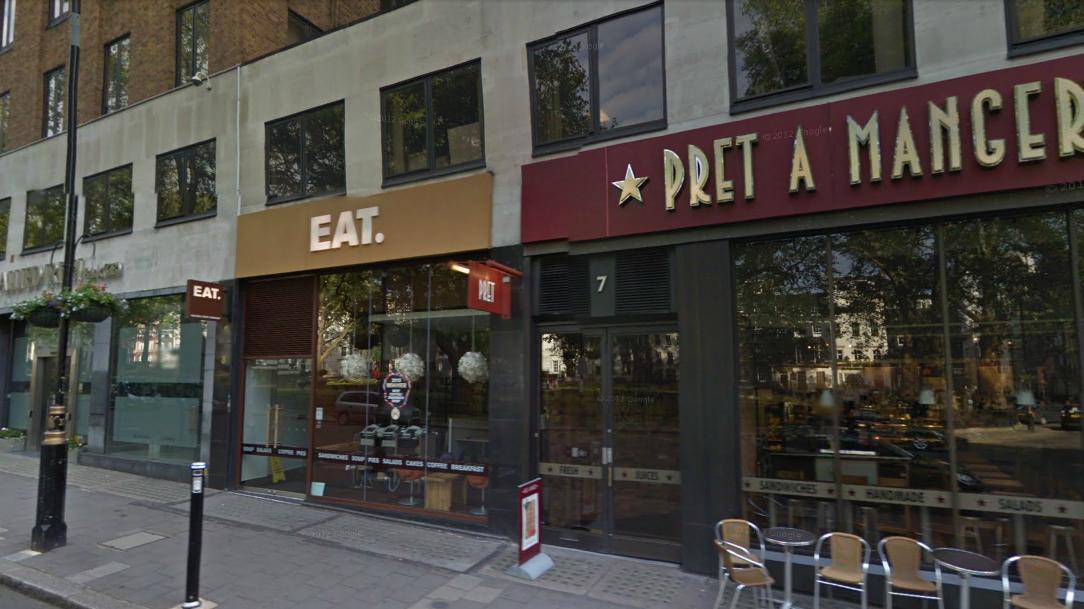
7 berkeley square today

How #7 Berkeley Square looks today

Gunter’s was also known for its catering business and beautifully decorated cakes. In 1811, the Duchess of Bedford’s and Mrs. Calvert’s ball suppers featured the shop’s confectionery, a tradition followed by many a society lady, I am sure.
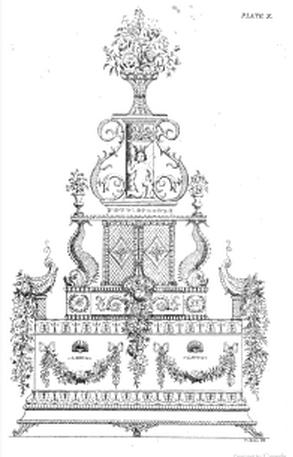
plate X Gunters

Illustration of an elaborate Gunter’s cake

James Gunter’s success allowed him to purchase land in Earl’s Court, which was largely farmland in the 18th century.
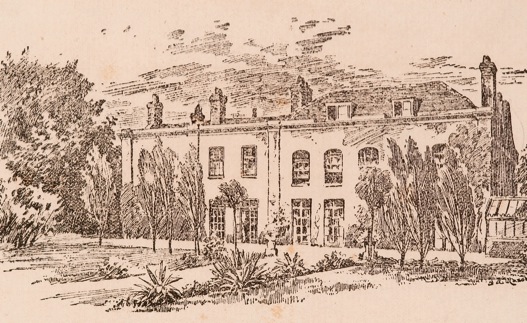
Normand House, built in Earl's Court in the 17th century, is now demolished.

Normand House, built in Earl’s Court in the 17th century, is now demolished. Image @MyEarlsCourt.com

Gunter bought the tracts of land so he could run a market gardening business. The produce  – fruits, vegetables and flowers – was taken daily by horse-drawn wagons to Covent Garden to be sold. Gunter also

bought Earls Court Lodge (near the present Barkston Gardens) which was to be the Gunters’ family home for the next 60 years. This was one of the few substantial houses in the area. (The aristocratic neighbours at nearby Earls Court House, who weren’t keen on having a cake shop owner next door, called it “Currant-Jelly Hall”).” – The Gunter Estate

Gunter died in 1819 and his son Robert (1783-1852), who studied confectionery in Paris, took over the business. Robert hired his cousin John as a partner in 1837, ensuring that the business would stay in the family for several generations. Gunter’sTea Shop moved to Curzon Street when the east side of Berkeley Square was rebuilt in 1936-37. The shop closed in its new location in 1956, although the catering business continued for another 20 years in Bryanston Square. More on the topic:

Please Note: None of the advertisements that sit below this post are mine. They are from WordPress. I make no money from this blog.

Read Full Post »

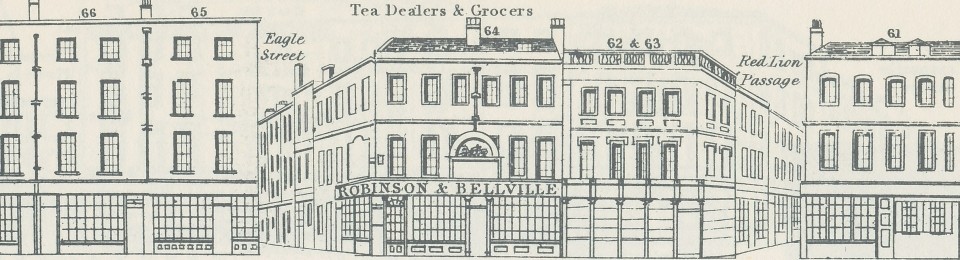
In 1838, John Tallis, mapmaker, created a series of street views of central London that are breathtaking. His images showed detailed views of the streets using the facades of the buildings. These street views are much like we use Google street view today, giving us a sense of what the city looked like in the early Victorian era.

TALLIS, JOHN. TALLIS'S LONDON STREET VIEWS, EXHIBITING UPWARDS OF ONE HUNDRED BUILDINGS IN EACH NUMBER, ELEGANTLY ENGRAVED ON STEEL, WITH A COMMERCIAL DIRECTORY CORRECTED EVERY MONTH, THE WHOLE FORMING A COMPLETE STRANGER'S GUIDE THROUGH LONDON... THE PUBLIC BUILDINGS, PLACES OF AMUSEMENT, TRADESMEN'S SHOPS, NAME AND TRADE OF EVERY OCCUPANT. LONDON, N.D. [CA. 1840].

John Tallis’s view of Fleet Street, ca. 1840 Image @Christie’s.

This detail of a Tallis street view comes from the informative London Street Views blog.

This detailed view of a Tannis street view is the header of the of London Street Views blog.

This street view is the header of the of London Street Views blog.

This YouTube video clip of “London Low Life: (published by the Adam Matthew Group) uses a variety of maps to bring early Victorian London back to life. It includes a series of Tallis Street Views, which have been computer enhanced. The website, which is not free, is designed for students and scholars to explore 19th century London in great detail. The video was produced by Axis Maps (www.axismaps.com)

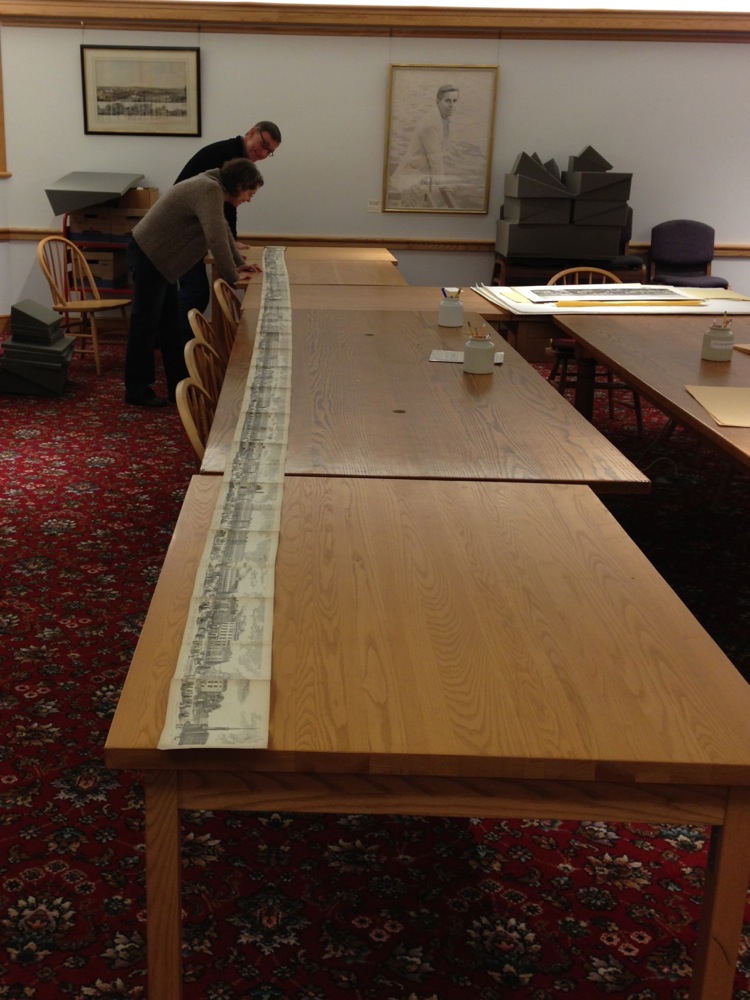
The blog, The Consecrated Eminence, gives you an idea of the size of Tallis’s  street views, which were modest when compared to the Grand architectural panorama of London: Regent Street to Westminster Abbey: from original drawings made expressly for the work by R. Sandeman, architect, and executed on wood by G.C. Leighton. Published by I. Whitelaw in 1849, which reached up to 22 feet in length. See the image at right and click here for more views.

grand2

Image of a street view based on Tallis’s maps at The Consecrated Eminence

More on the topic:

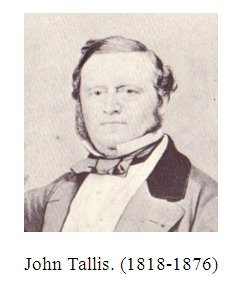
Image of John Tallis

Image of John Tallis

Read Full Post »

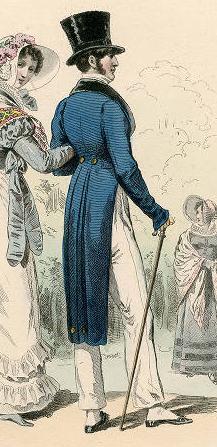
One of the benefits of gathering images for Pinterest is that one’s awareness of the minute differences in fashions from year to year improves. Daily exposure to thousands of fashion images from the Georgian era have taught me to notice the nuances of style and line. These images are one-sided, since very few articles of clothing from the lower classes survive. With rare exceptions, most museum quality fashions were made for the wealthy, and one must keep in mind when studying these images that fashions for the upper classes were vastly different from those of the working poor or laboring classes. Men’s trousers are a perfect example of class distinction.

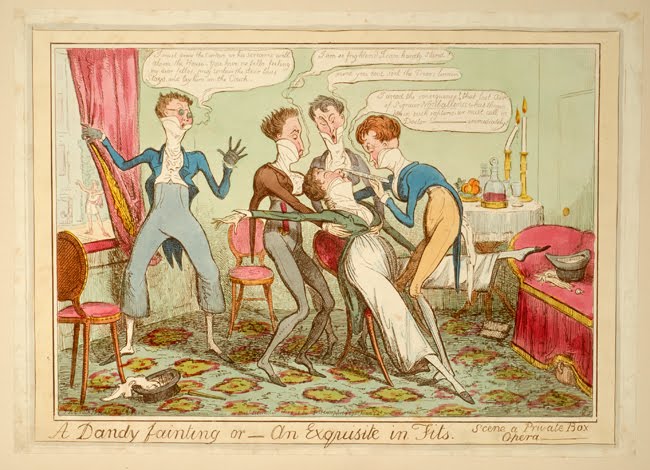
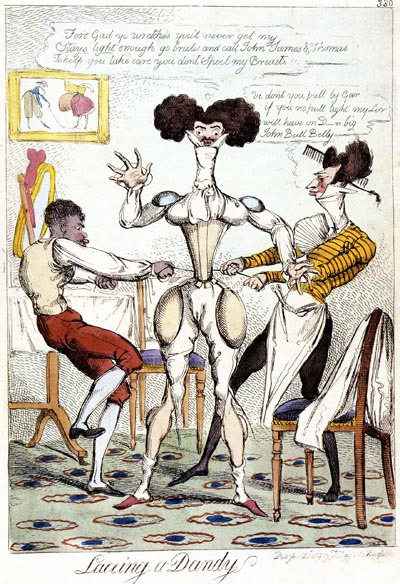
a dandy fainting

In this caricature, you can see a contemporary rendering of short, loose trousers; formal breeches; and a form-fitting pantaloon.

By the turn of the 19th century, breeches, pantaloons and trousers worn by all men were sewn with a flap in front called a fall front. This flap was universally held in place by two or three buttons at the top. No belts were worn. Instead, breeches, pantaloons and trousers were held up by tight-fitting waists, which were adjusted by gusset ties in back of the waist. Seats were baggy to allow a man to rise comfortably from a sitting position. As waists rose to the belly button after 1810, suspenders were used to hold the garment up.

Trousers, top flap

Trousers with top flap open

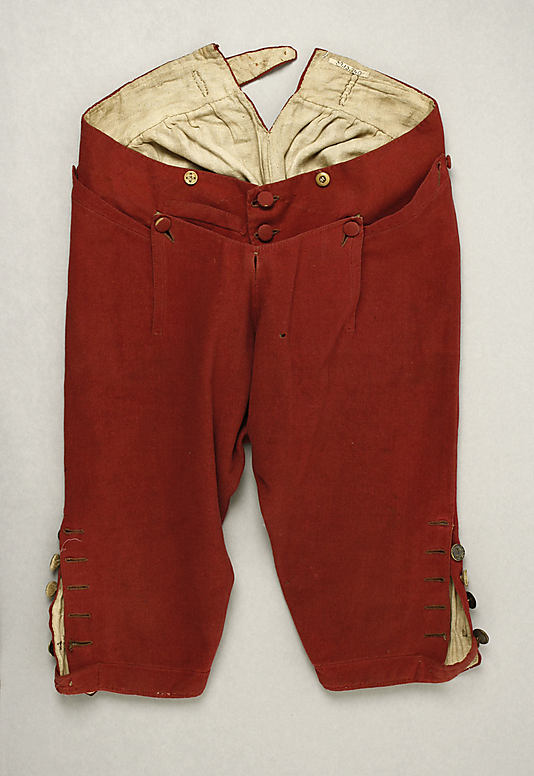
Bfreeches with flap front closed. Image @Met Museum

Breeches with flap front closed. Image @Met Museum

Breeches silk - 18th century - part of a wedding suit. From the Ham House collection, Surrey. Image @National Trust

Breeches silk – 18th century – part of a wedding suit. From the Ham House collection, Surrey. Image @National Trust. Note that the front flap has only two buttons.

Breeches, or short pants worn just below the knee, were popular during the 18th century. During the Regency era, they were worn largely as evening wear or at court, a practice that was to continue until the mid-century.

Detail of buttons at the knee. Breeches image @Met Museum

Detail of buttons at the knee. Breeches image @Met Museum

By the 1820s, breeches had fallen out of favor for day wear and were considered either too old-fashioned or effeminate a garment. As the 19th century progressed only liveried male servants, most specifically footmen, continued to wear breeches.

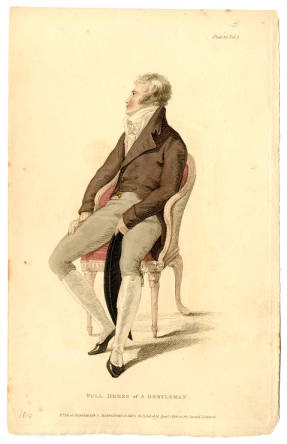
Full Dress of a Gentleman, 1810.

Full Dress of a Gentleman, 1810. @Costume Institute of Fashion Plates, Met Museum

In their heyday, breeches were made from a variety of materials. For the upper classes, buckskin breeches were considered to be proper casual attire for mornings or life  in the country. Silk  breeches were reserved for the evening and more formal occasions. White stockings were worn with white breeches, and black or white stockings with black breeches. Tradesmen and hunters wore breeches made of  leather or coarse cloth.

Country attire of buckskin breeches, clawhammer coat, and hessian boots.

Country or morning attire of buckskin breeches, clawhammer coat, and riding boots.

Around the 1790s, the tail coat changed and breeches began to be lengthened below the knees to accommodate the longer tails, gradually giving way to slimmer fitting, longer pants, or pantaloons, that ended at the ankle. Pantaloons were close-fitting and sometimes buttoned all the way down the leg. Fabrics were knitted or, like kerseymere and nankin, cut on the bias, so that the garment would hug the leg.

1809 image of man wearing pantaloons. Image @Republic of Pemberley

1809 image of man wearing pantaloons. Image @Republic of Pemberley

These slim pants were often worn with Hessian boots. To help maintain a smooth look, some pantaloons had a fabric loop that went under the foot, as in the image below. Gusset ties are evident in this image.

1830 linen pantaloon 1830-40 met

Pantaloons were recommended for men whose legs were both slim and muscular. The idea was to show off a good leg. If men possessed deficiencies in musculature, a slight degree of stuffing was recommended, although padding, it was assumed, would be used with the greatest care and circumspection. Interestingly, stockings worn under pantaloons were kept in place by the tightness of the design and fabric.

Padding was added to make the ideal 1819 male figure.

Some dandies added padding to attain the ideal 1819 male figure.

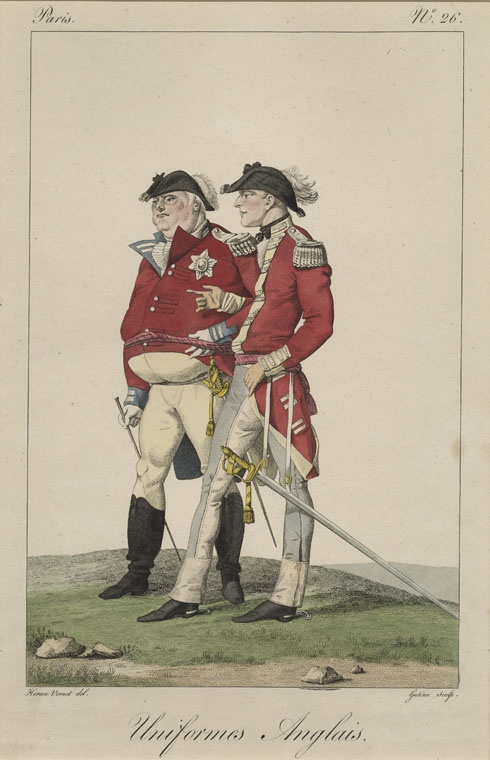
Caricaturists had a field day with men whose physiques looked outlandish in pantaloons.

French illustration of British gentlemen. Note the unflattering way that pantaloons hug the figure on the left.

French illustration of British gentlemen. Note the unflattering way that pantaloons hug the figure on the left.

This detail of a public domain image from the Metropolitan Museum of Art shows a Regency dandy who cuts a fine figure in his pantaloons. No stuffing or corsets needed here.

A fine figure of a man

A fine figure of a man

Overalls were a form of extended breeches used largely by military men, but first worn by men in the American frontier. They covered the leg, stockings, and buttoned over shoes, much like spats. They were a practically garment for traveling and walking over rugged terrain, and were quickly adopted by the British army.

Trouser, 1793. Image @Met Museum

Overall, 1793. Image @Met Museum

Capt. John Clayton Cowell, 1st Battalion, 1st (or the Royal) Reg’t of Foot, ca. 1796

Capt. John Clayton Cowell, 1st Battalion, 1st (or the Royal) Reg’t of Foot, ca. 1796

Trousers were first worn by sailors and working men before 1800, and were adopted by the fashionable set around 1810.

Scene in Hyde Park in 1817 shows a combination of trousers

Scene in Hyde Park in 1817 shows a combination of trousers and pantaloon worn by the soldier.

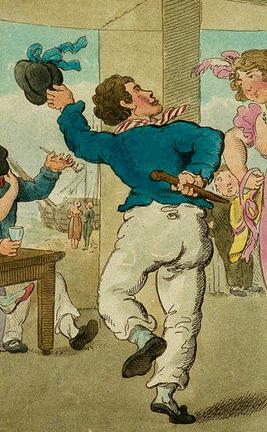
Originally known as “slops”, trousers were loose-fitting and ended at the ankle. As trousers were adopted, long stockings with decorative clocks were replaced by half-hose, all but destroying the stocking industry, which had thrived since breeches had become fashionable.

A sailor's slops ended at the ankle. Detail of Rpwlandson's "Wapping"

A sailor’s slops ended at the ankle. Detail of Rowlandson’s “Wapping”, ca. 1807

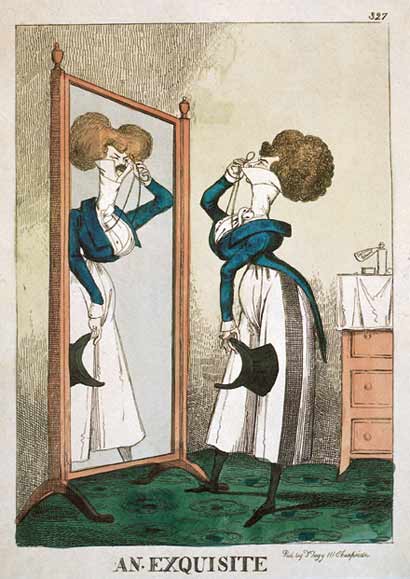
Caricatures had a field day showing dandy’s in short wide-legged trousers, as in the image below.

An exquisite wearing wide legged trousers

An exquisite wearing wide legged trousers with a high waist that came up to the navel.

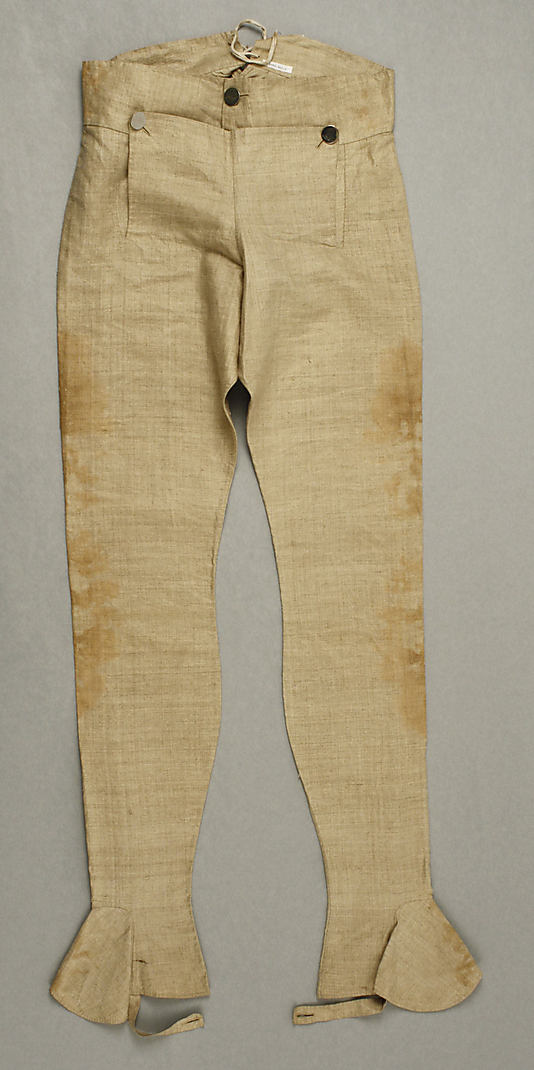
Closer fitting trousers were slit up the seam for a few inches above the ankle. This allowed the foot to get through the pant leg. (Breeches and pantaloons were buttoned on the side.) Early in the 19th century, they were appropriate only for day wear.

cotton trousers from 1800, Image @Met Museum, with slits up the seams.

cotton trousers from 1800, Image @Met Museum, with slits up the seams.

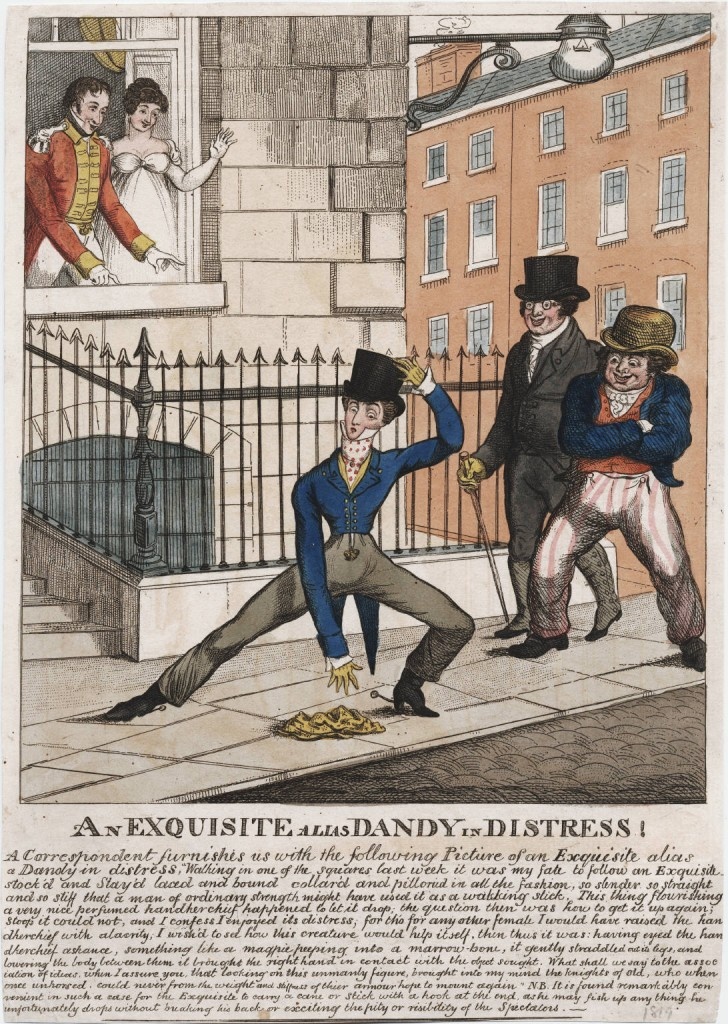
Tight trousers create a dilemma for this dandy, who cannot pick up his handkerchief.

Tight trousers create a dilemma for this dandy, who cannot pick up his handkerchief. Notice the very high waist.

Trousers with a fall front, 1820. Image @Augusta Auctions

Trousers with a fall front, 1820. Image @Augusta Auctions

Trousers were made of wool, linen or cotton. They could also be strapped.

The Marquis of Worcester walks in profile with his half-clipped poodle. He wears top-hat, double-breasted tail-coat with a rose in his buttonhole, and strapped trousers. Jan 1 1823. Image@ British Museum

The Marquis of Worcester walks in profile with his half-clipped poodle. He wears top-hat, double-breasted tail-coat with a rose in his buttonhole, and strapped trousers. Jan 1 1823. Image@ British Museum

By the 1840s, they had replaced pantaloons. The waist is high in the above trousers, which were probably kept up with suspenders.

The well trousered genteman

The well trousered gentleman, ca. 1830s-40s.

Knee pants with black silk stockings were an essential evening accessory until 1850s when long trousers finally took over. Up until the 1850s, the tie could be black or white, but by the ’60s, white or off-white was the most common choice.

1850's ballroom scene.

1850’s ballroom scene.

In the 1850s long trousers finally replaced breeches for appropriate evening attire.

Read Full Post »

The blog, Carla-at-Home features an interesting post on the progression of Regency fashion. The images were taken from John Peacock’s book: Costume 1066 – 1966, A Complete Guide to English Costume Design and History (copyrighted 1986). Mr. Peacock was the senior costume designer for BBC Television when the book was printed. Here is one of the images. Click on the link above to visit the site and see the rest of them. You can see that over time the hemlines raised to show the ankle and how increasingly intricate the hems became. Also, the English bosom tended to be covered up during the day, but at night even shy ladies showed their assets.

Image @Carla-at-Home. Click on image to view a larger version.

1800- 1811. Image @Carla-at-Home. Click on image to view a larger version.

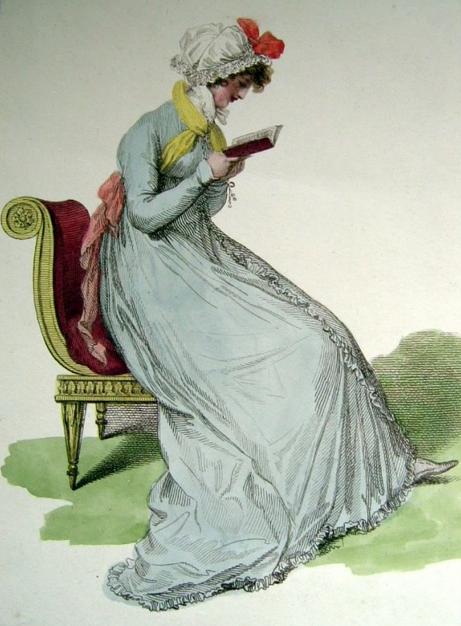
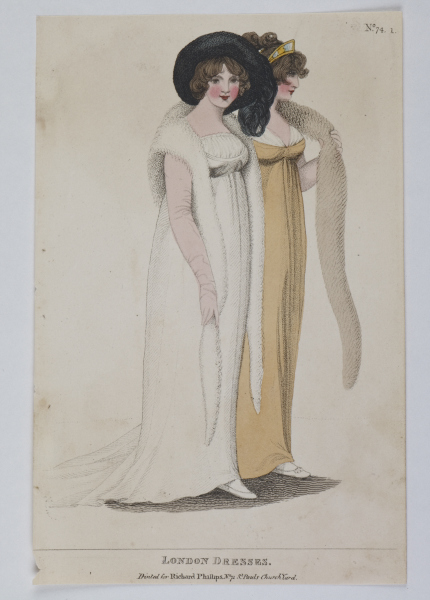
Below are images of some dresses that were prevalent between 1800-1811. The gowns are classic and tend to be free of frills. The hems in the fashion plates below are longer than in the modern image above. Earlier in the century even the day gowns still sported trains. Hats were embellished with ribbons and feathers, but not with many fruits or flowers.  In these fashion images, bosoms are covered during the day and exposed in the evening. The waist rises until it can go no higher, as in the 1806 image. In the 1810 image, you see that waists start to lower again. Gloves are often made of kid, but can also be fashioned from fabric.

Ladies Monthly Museum, afternoon dress, 1800

Ladies Monthly Museum, afternoon dress, 1800

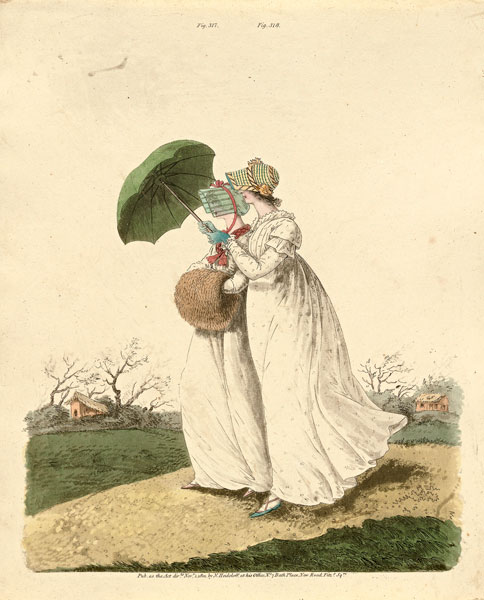
The fashion plates of 1800 and 1801 show round gowns with skirts that are fuller than later fashions that sported a more columnar silhouette. (See 1804, 1805).

Nicholas Heidelof, morning gowns. 1801

Nicholas Heidelof, morning gowns. 1801

The period between 1800 and 1811 was a time of turmoil for Jane Austen. She was 25 in 1800, perilously close to sitting on the shelf, and a confirmed spinster at 36 when her brother, Edward, gave the Chawton Cottage to his mother and sisters and their friend, Martha Lloyd, to live in, providing them with some stability and security. During these 11 years, Jane was to live in all the places she was ever to call home, except for the last one in Winchester, where she died in 1817. During her prime adulthood, she and her sister Cassandra would have worn fashions that were similar to (but remarkably plainer and less costly than) the fashions depicted in the fashion plates below.  The Austen family lived in Steventon until 1801 and then moved to Sydney Place in Bath until 1804. In 1802, Harris Bigg-Wither proposed to Jane (then 27), who accepted him in the evening and rejected his suit the following morning.

1802 Ladies Monthly Museum

1802 Ladies Monthly Museum

1803 must have brought Jane some joy, for her novel, Susan, was sold to the publisher Crosby for £10. She was to be a published author. Sadly, the novel (to be renamed Northanger Abbey after Jane’s death) languished on Crosby’s shelves for 10 years.

Mirroir de la Mode, undress, 1803

Mirroir de la Mode, morning gown, 1803

Fashions of London and Paris, 1804. @Museum of London

Fashions of London and Paris, 1804. @Museum of London

After the lease in Sydney Place ran out in 1804,  the Austens moved to Green Park buildings. A few months later,  Rev. George Austen died suddenly in January 1805.

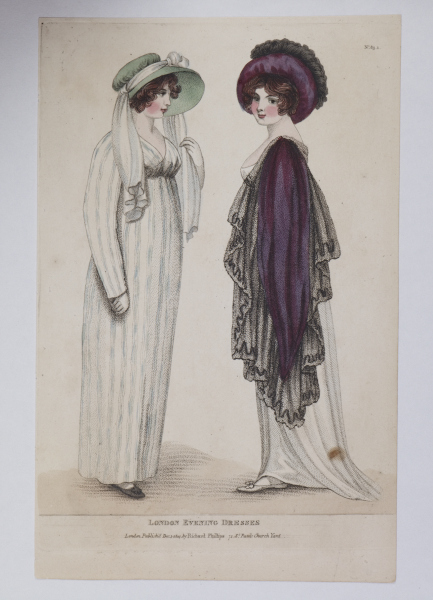
Fashions of London and Paris, evening dresses, 1805. @Museum of London

Fashions of London and Paris, evening dresses, 1805. @Museum of London

Their income severely reduced, the women found lodging in Gay Street, Bath from 1805 to 1806. The Jane Austen Centre is located at this building today. During this sad time, I can’t quite imagine Jane attending a ball in the Bath Assembly Rooms wearing an evening gown with an exposed bosom, such as the dresses worn by the women below.

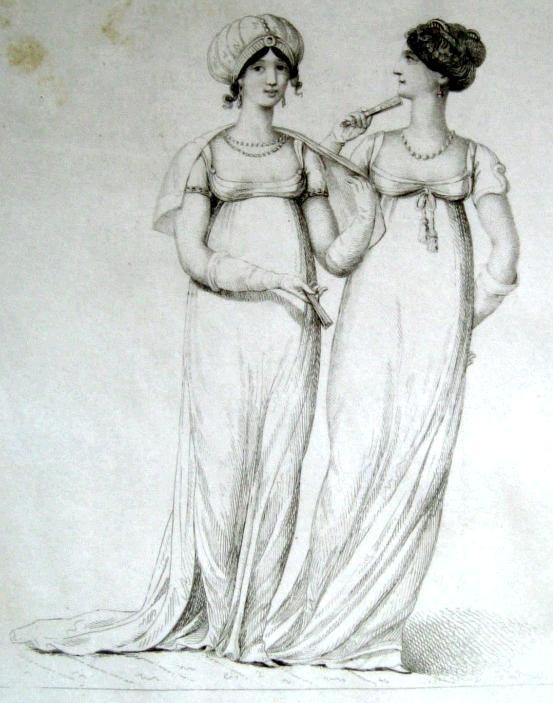
La Belle Assemblee, opera and drawing room gowns, 1806

La Belle Assemblee, opera and drawing room gowns, 1806

In the first half of 1806, the Austen women lived for a short time in Trim Street, then lived a peripatetic life from 1806 through 1807, visiting friends and family, and always on the move.

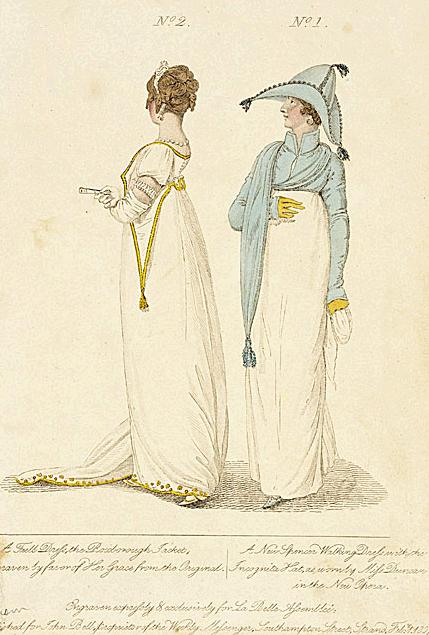
John Bell, full dress, roxborough jacket, 1807

John Bell, full dress, roxborough jacket, 1807

They landed in Southampton in March of 1807 at the invitation of Frank Austen, who was newly married. Jane, Cassandra, their mother and friend Martha Lloyd, and new sister-in-law, Mary Austen (nee Gibson),  lived there until July, 1809. With money in short supply, the womens’ gowns must have been simple and largely refashioned from older gowns that were still wearable and sturdy.

La Belle Assemblee, walking dresses, 1808

La Belle Assemblee, walking dresses, 1808

Fabric was quite expensive in an era before easy mass production, which is why clothes were recycled. There were occasions when the Austen women needed to purchase cloth for new clothes, but the quality wasn’t always guaranteed. In this letter to Cassandra, written while she lived in Southampton, Jane complains about a tradesman in that city:

As for Mr Floor, he is at present rather low in our estimation; how is your blue gown? – Mine is all to peices. – I think there must have been something wrong in the dye, for in places it divided with a Touch. – There is four shillings thrown away.”

Sadly, the Austen women were in no position to fritter away their money, and this poorly made cloth must have been a low blow for Jane’s finances.

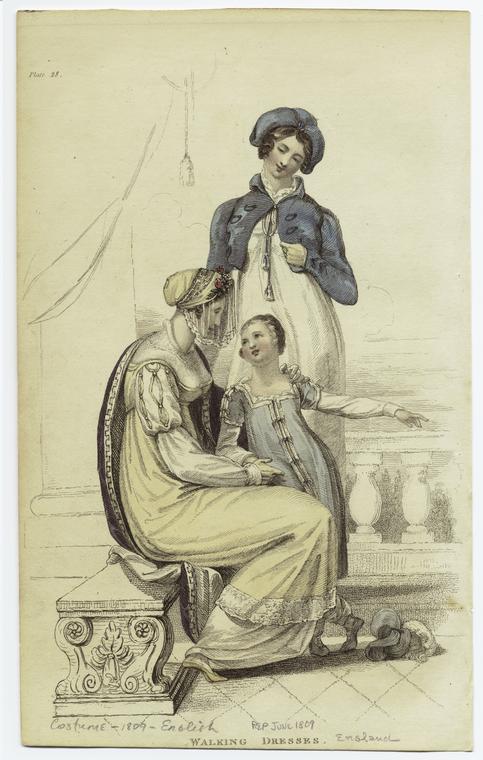
Ackermann, walking dresses, 1809

Ackermann, walking dresses, 1809. The overdress with lace edging at the hem is lovely.

In 1809, Edward Austen invited his mother, sisters, and Martha to live in  Chawton Cottage, which began an era of fruitful creativity for Jane and her writing.

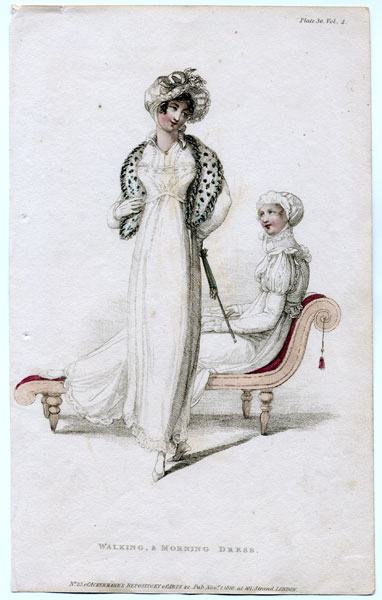
Ackermann, walking and morning dresses, 1810

Ackermann, walking and morning dresses, 1810

As you can see, the classically simple fashions depicted in these fashion plates were popular during a time when Jane Austen’s life was in a state of constant uprooting and confusion. She did not regain her equilibrium as a writer until she was settled in Chawton Cottage. When Sense and Sensibility was published in 1811, Jane might well have worn a more simple version of the elegant gowns depicted in this last Ackermann plate.

Read Full Post »

Steventon. Every Janeite has heard of this sleepy little village in Hampshire and the parsonage in which Jane lived over half her life. It was situated in the chalk hills of North Hants, about seven miles from Basingstoke. As with Chawton, I “traveled” through narrow lanes to St. Nicholas church, where Reverend Austen held Sunday services, married parishioners, and baptized babies, and where members of the Austen family were laid to rest.

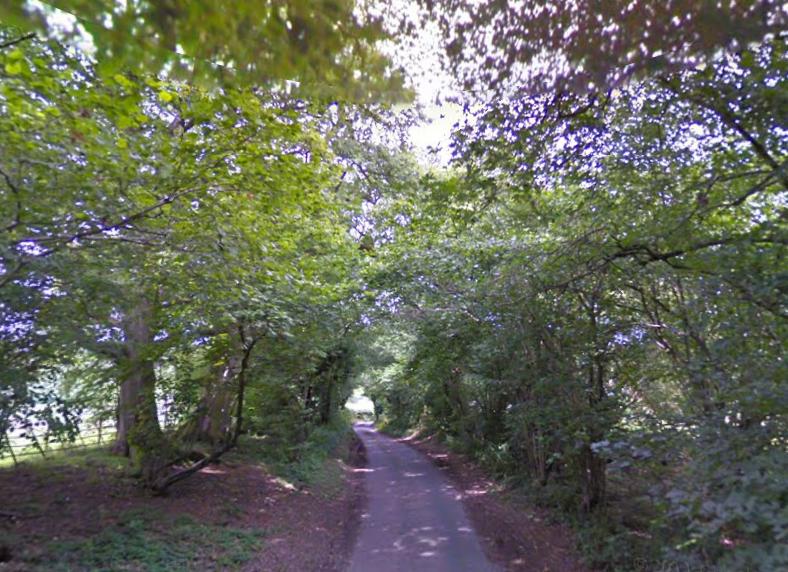
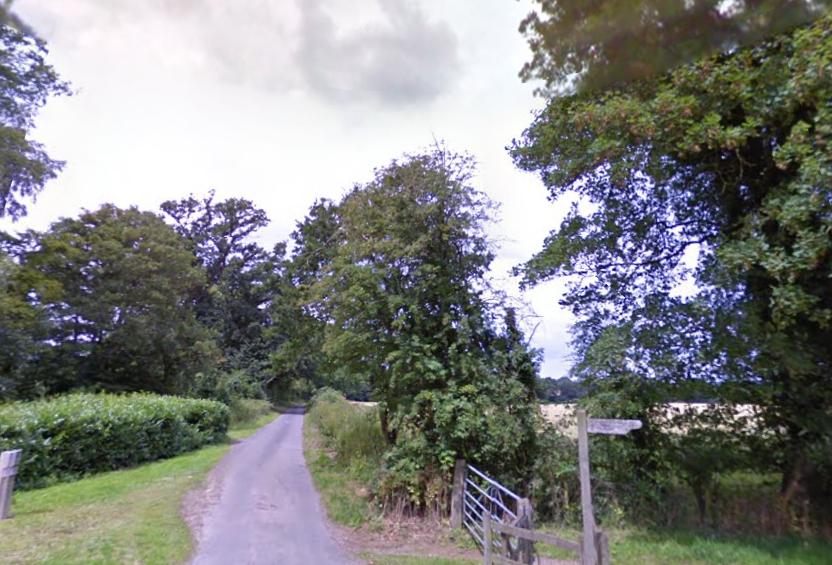
Drive to St. Nicholas

Drive to St. Nicholas. Google street view.

Edward Austen Leigh, Jane’s nephew, described the area as somewhat tame but well clothed with woods and hedgerows. The soil is poor, and while there is an abundance of timber, there are no large trees.

narrow winding lane

The narrow winding lanes curve naturally and offer pleasant nooks and corners. Google street view.

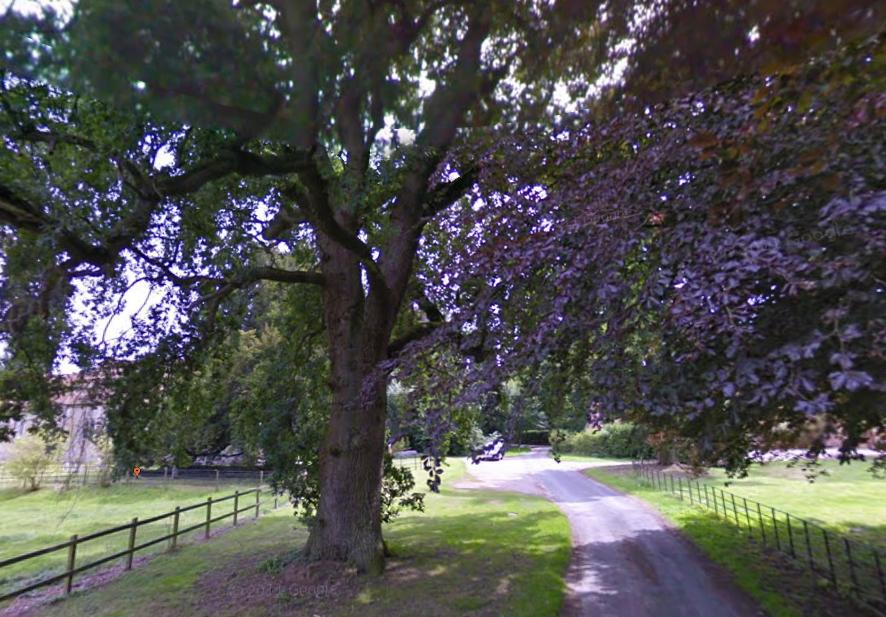
Approach to the church on the left

Approach to the church, which sits on the left, behind the tree. Google street view.

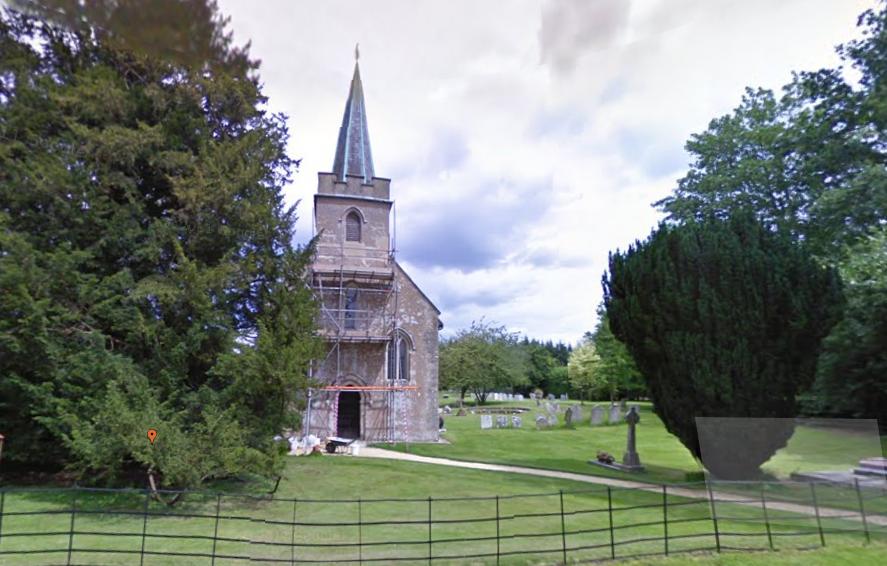
St. Nicholas as seen from the road, with the graves of the Austen family to the right.

St. Nicholas as seen from the road, with the graves of the Austen family to the right. Google street view.

St. Nicholas church. Image @Tony Grant

St. Nicholas church, first mentioned in records in 1238. Image @Tony Grant

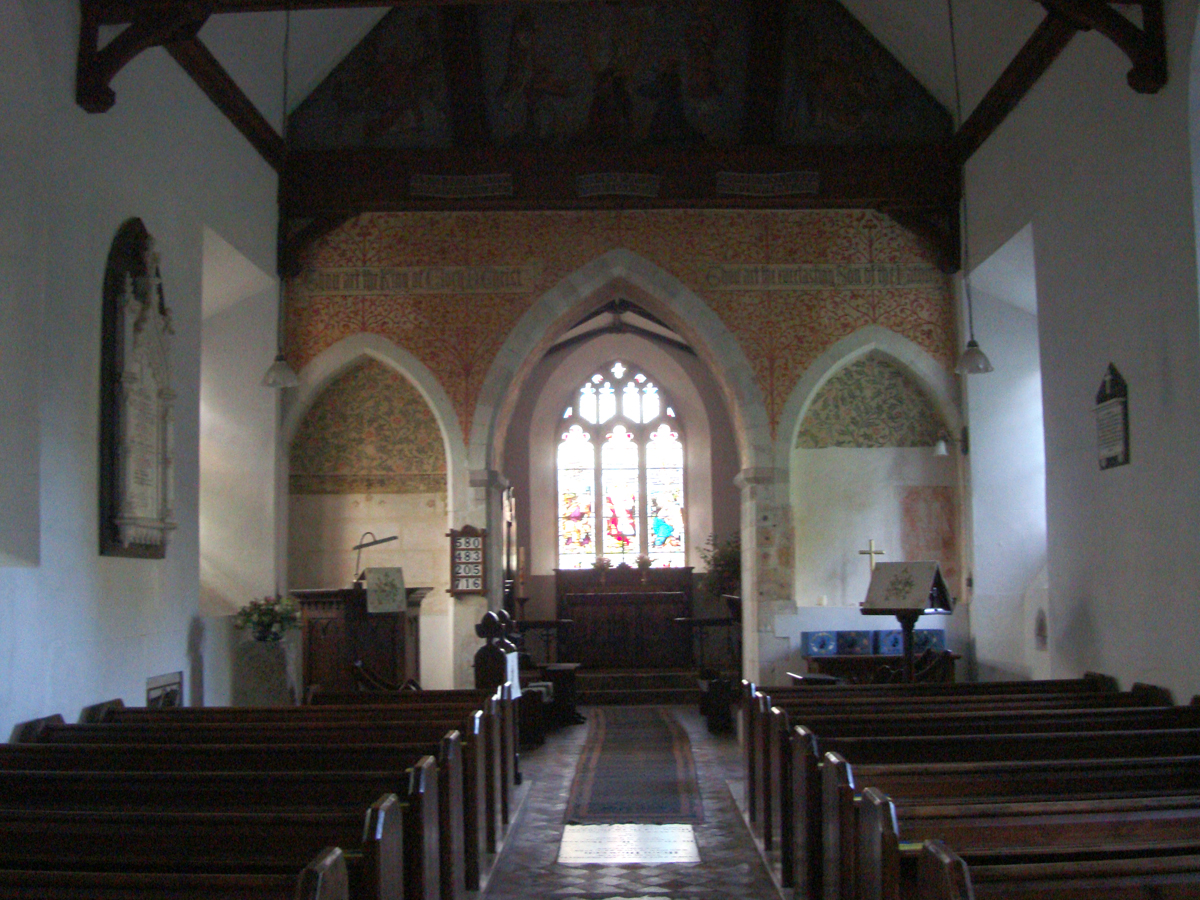
Interior of St. Nicholas

Interior of St. Nicholas. Two of the three arches have been closed in. Image @Tony Grant

Detail of interior

Detail of the arch to the right in the above image. Image @Tony Grant

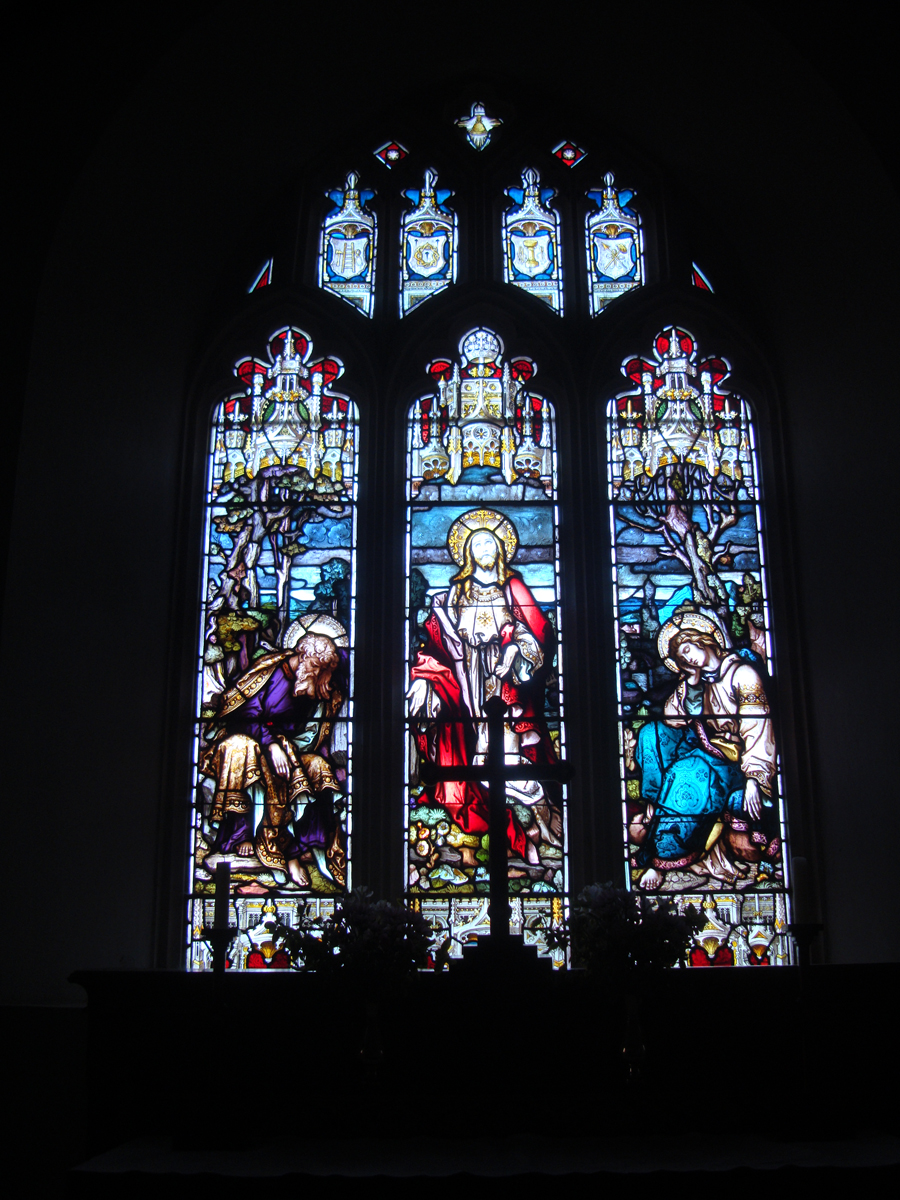
St. Nicholas's stained glass window

St. Nicholas’s stained glass window, which dates from 1883. Image @Tony Grant

Gargoyle

Gargoyle. Image@Tony Grant

Another view of the lane near the church

Another view of the lane near the church. One can imagine Jane and Cassandra walking through this country, wearing pattens during rainy weather to protect their delicate shoes, clutching their red hooded cloaks, and umbrellas.

The old rectory site where the parsonage once stood. A well (enclosure in back of the tree) is the only visible remnant of that house.

The old rectory site where the parsonage once stood. A well (inside the enclosure in back of the tree) is the only visible remnant of that house. Image @Tony Grant

More on the topic

Read Full Post »

« Newer Posts - Older Posts »