Feeds:
Posts
Comments

Archive for the ‘19th Century England’ Category

Tony Grant’s recent pictorial visit to Chawton was so popular that I thought you would like to see the village in which Jane Austen lived out the last years of her life. You might want to reference Tony’s images with the ones below, which were taken with Google maps. After I made these, I felt as if I had traveled to Hampshire for a pleasant hour or so. Interestingly, the seasons go back and forth, from late summer to early November.  At times you will see full foliage and at other times the scene was shot in the middle of fall.

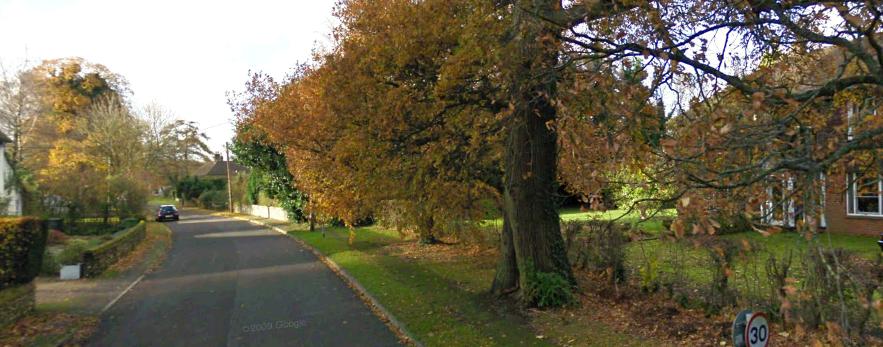
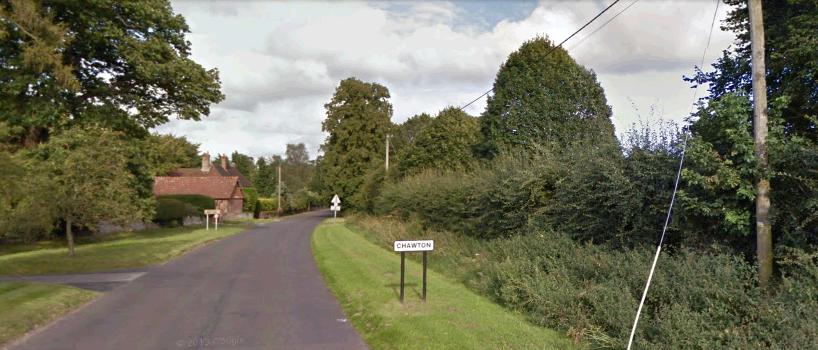
Winchester Road to Chawton

Winchester Road to Chawton from A31. You can see the signpost marking the village.

Chawton sits in Hampshire, not far from Alton, Steventon, and Winchester, all familiar Jane Austen places.

Chawton sits in Hampshire, not far from Alton, Steventon, and Winchester, all familiar Jane Austen places.

Lovely narrow lanes

Lovely narrow lanes. Click on the images for a larger version.

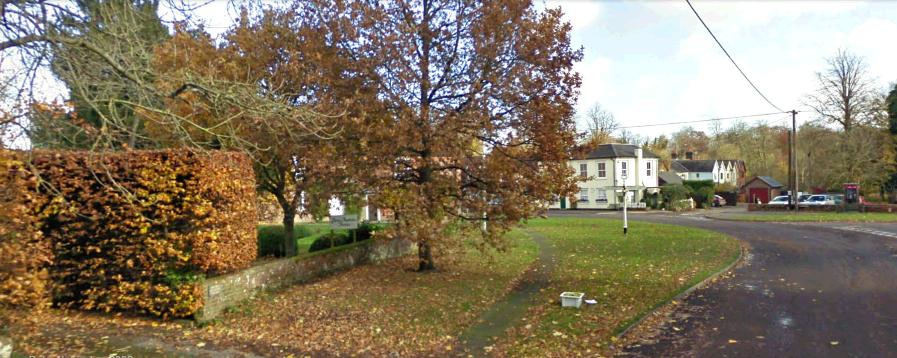
Approaching Chawton Cottage on the left and Cassandra's Cup Tea Room, the white building in the distance

Approaching Chawton Cottage behind the tree on the left and Cassandra’s Cup Tea Room, the cream colored building in the middle distance. If you turned right, you would be going to Chawton House, Edward Austen Knight’s residence. But we will be turning left.

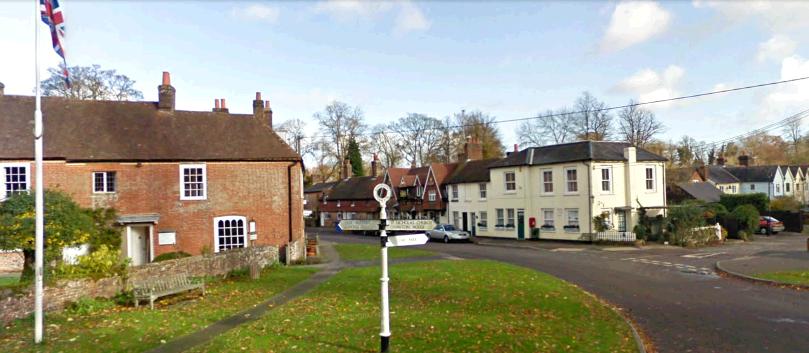
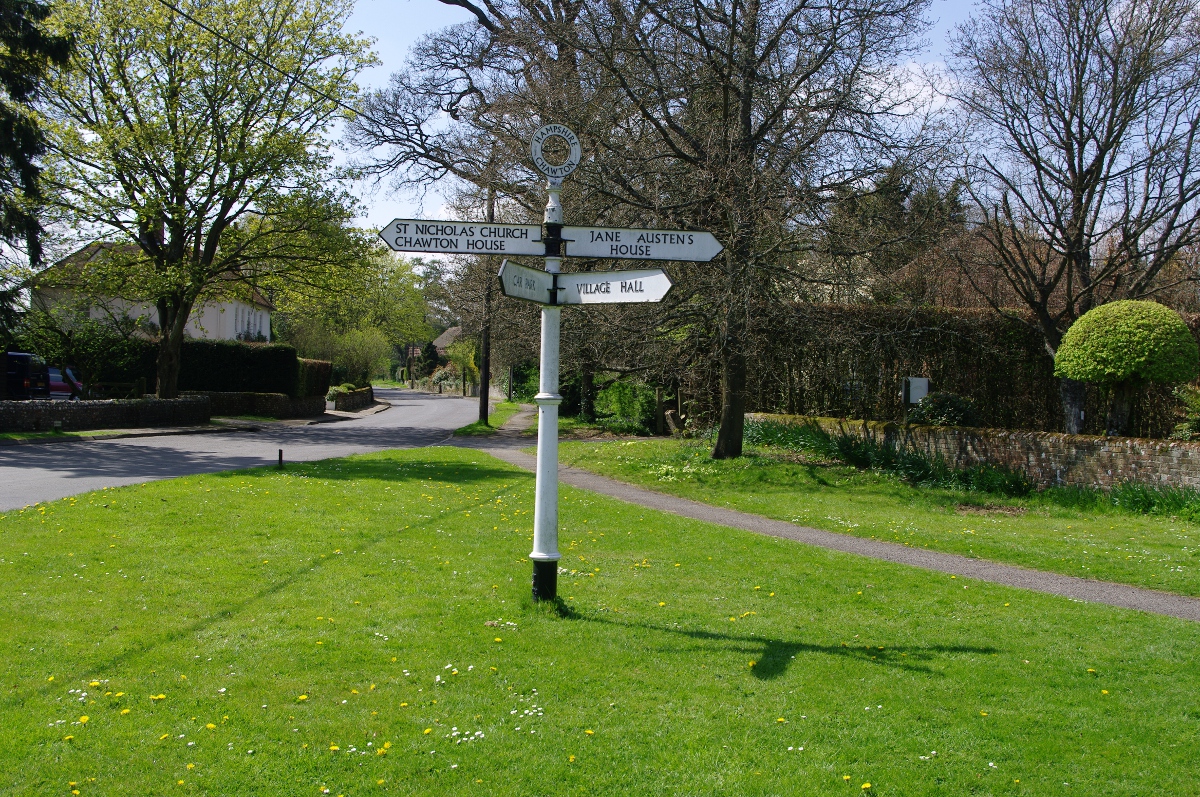
Chawton Cottage coming into full view, along with the cross roads sign

Chawton Cottage coming into full view on the left, along with the cross roads sign. Check Tony Grant’s images in the previous post for more details.

This is a slightly different angle of the scene, as if we were arriving from Chawton House.

This is a slightly different angle of the scene, as if we were arriving from Chawton House.

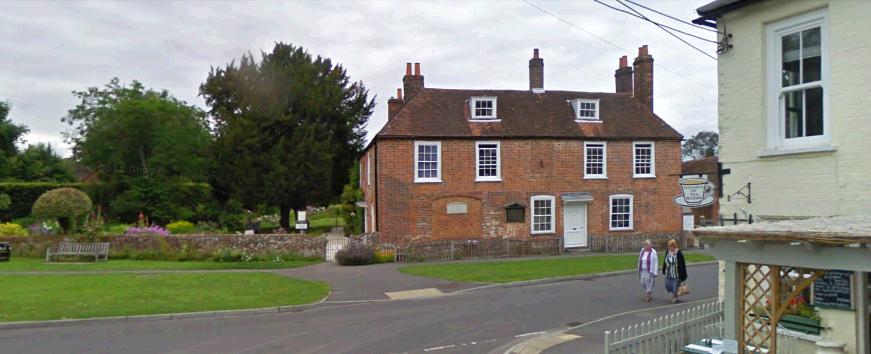
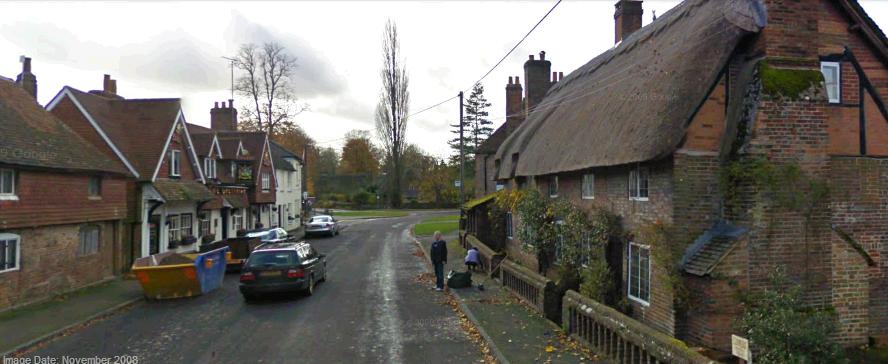
A view of the cottage and garden from Cassandra's Cup tea house.

A view of the cottage and garden from Cassandra’s Cup tea house.

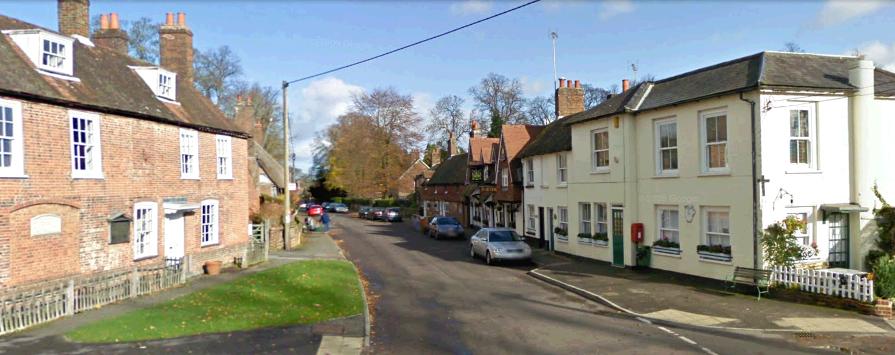
The next few scenes show Chawton Cottage from many angles.

The next few scenes show Chawton Cottage from many angles. This one gives a view into the street and down the village. You can see how close the dining parlor window is to the street and sidewalk (to the right of the door.) This is where Jane Austen wrote and revised her novels.

The following text comes from the 1901 travel book, Hampshire, With the Isle of Wight by George Albemarle Bertie Dewar, John Vaughan. Their description of Jane Austen shows how successfully her family had whitewashed her image as a sweet spinster in whose life not much had happened. I thought you might enjoy reading it as you viewed the rest of my virtual trip through Chawton.

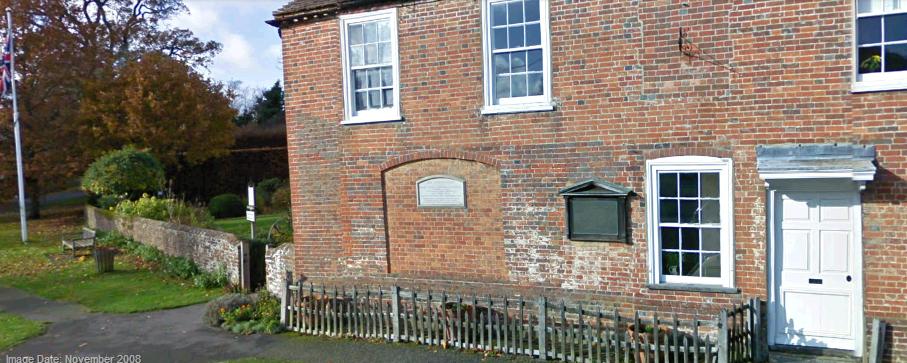
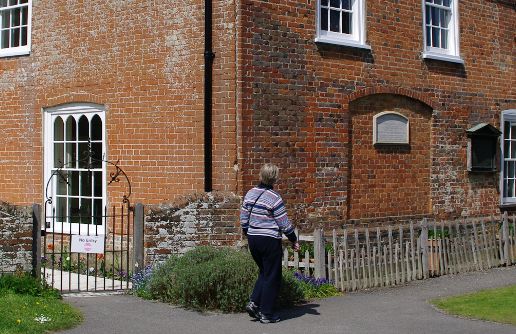
The cottage up close

The cottage up close, with bricked up window on the east side of the drawing room and plaques in honor of Jane Austen. Tourists exit from the garden to the left of the house.

A mile south of Alton is Chawton village. Jane Austen, the writer of the pure sweet stories which at the present time are loved better even than they were when Scott and Macaulay and Lewis sounded their praises, lived with her family at Chawton from 1809 to 1817.”

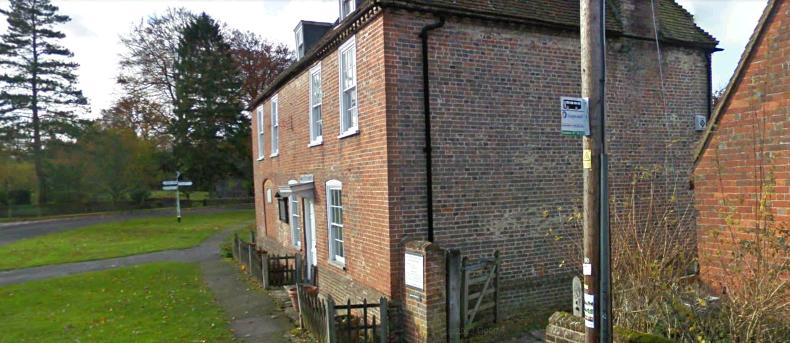
Few photos capture this angle of the cottage, which has always made me curious.

Few photos capture this angle of the cottage, which has always made me curious. The visitor’s entrance is to the right, through the gate, towards the outbuildings. The gift shop is housed in the brick building to your immediate right.

The house is still standing. Part of it has been made into a workman’s club, whilst the remainder is occupied by three families of working people, but it has been altered a good deal since her time. In the church there is a tablet to the memory of some members of the Austen family, Cassandra Elizabeth and her brothers. Jane Austen was quite a Hampshire woman.”

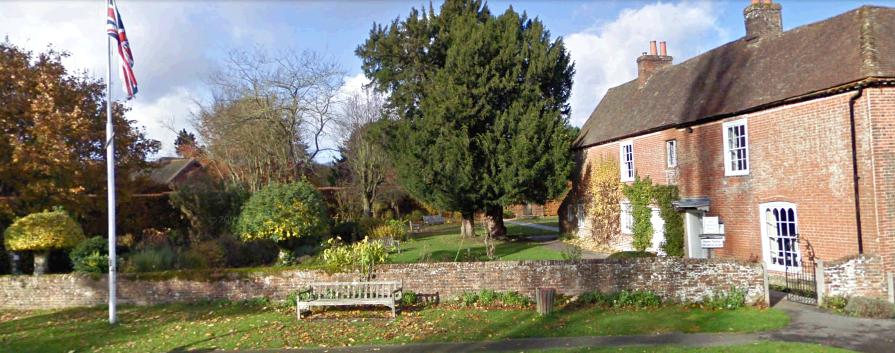
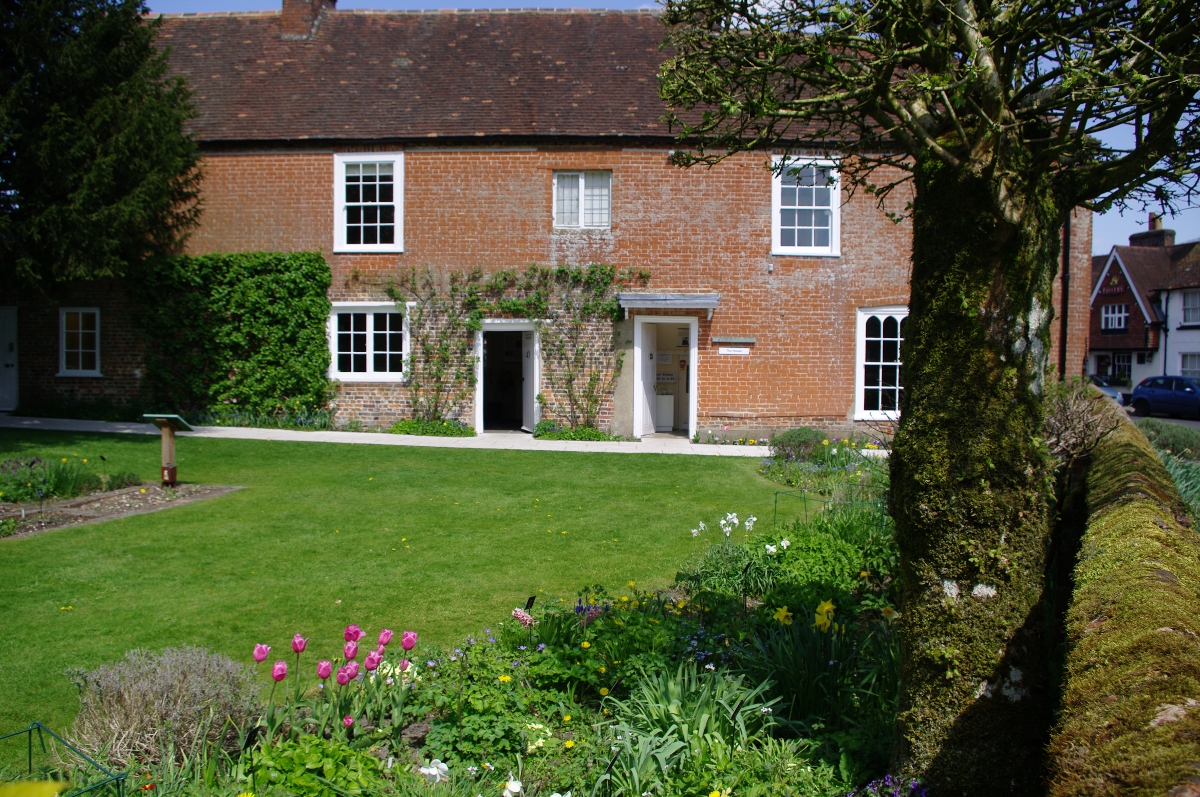
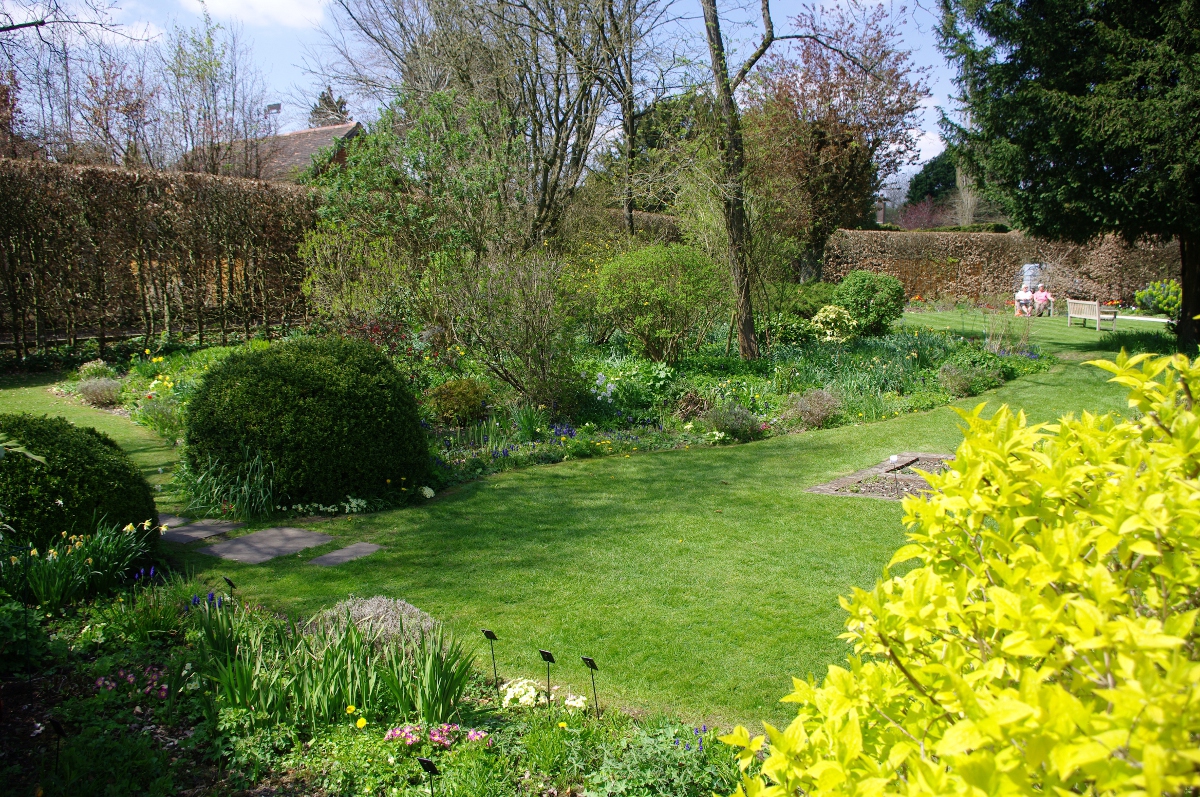
A view of the gardens.

A view of the gardens and a clear view of the yew trees.

She was born at Steventon near Oakley in December 1775, and lived there till twenty-five years old. I went to see Steventon one day in the summer of 1899, and found it the sleepiest little spot one could imagine. The country is green and leafy, but the scenery is without distinction: there are no hills to speak of, no beautiful troutstreams, no fine old houses, no stately parks. The old parsonage where Jane Austen was born has gone, and there are no remains whatever of her or her family at Steventon.”

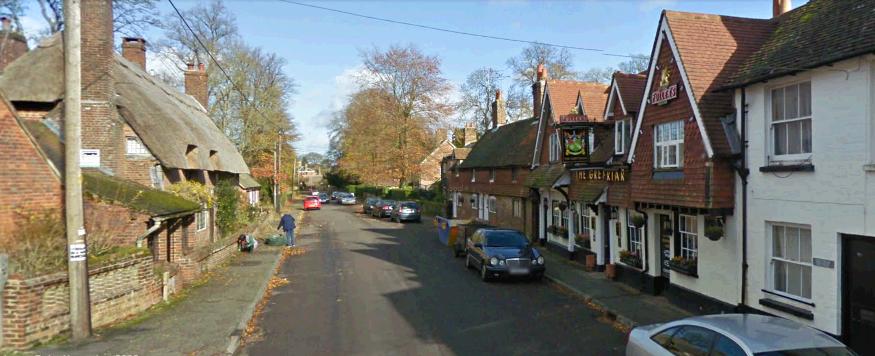
Continuing through the village and away from the cottage.

Continuing through the village and away from the cottage, still on Winchester Road. One can imagine the coaches and wagons rattling by the window near Jane’s writing desk.

The spired church in which her father held service stands a little distance from the village at the edge of a hazel and oak coppice. It was in this quiet nook, seven or eight miles from the nearest town, that Jane Austen at twentyone years of age began to write that perfect story “Pride and Prejudice.” In 1797 she was at work on “Sense and Sensibility,” and in 1798 completed “Northanger Abbey.”

You can imagine Jane and Cassandra walking a mile through the village to get to Alton, where they could shop.

Jane and Cassandra walked a mile north through the village to get to Alton, where they could shop.

Where in the world did she get her knowledge of human nature—a knowledge so great that Macaulay was almost ready to extol her as the Shakespeare of her sex? What life could she have seen about Steventon a hundred years ago? In 1801 Jane went to Bath, and in 1805 to Southampton, where the family had rooms in Castle Street: in 1807, as we have seen, the Austens settled at Chawton, and four years after the story “Sense and Sensibility” was published, being followed by “Pride and Prejudice” and “Mansfield Park.”

Looking back, you can see a different approach to Chawton Cottage. In this scene, it would be towards your right.

Looking back, you can see a different approach to Chawton Cottage. In this scene, it would be towards your right around the bend.

In 1817 her health broke down and she removed to rooms in College Street, Winchester, and died there the same year. The memorials of Jane Austen are but few, and it is clear that her life was uneventful. It has been said that the woman without a history is the happier. The life of Jane Austen, like her death, was placid; there is here no record of harrowing anguish, or anxiety, such as we find in the story of that strong sufferer Mrs. Oliphant. Nor in the scant materials which have been left for a “life,” could the biographer find anything in the nature of a sad love-affair.”

No wonder Jane Austen was inspired to write in this pretty and quaint setting, so quintessentially British. Hope you enjoyed your short trip.

No wonder Jane Austen was inspired to write in this pretty and quaint setting, so quintessentially British. Up ahead and to the right is Wolff’s Lane. This concludes my short trip through Chawton.

Serenity is the word that best describes her career: and in this Jane Austen may remind one of Gilbert White, who was spending his happy days at Selborne when at Steventon, only about fifteen miles off as the crow flies, she was doing her French exercises and getting her first insight into the little world around her. She has given us a small but very choice portrait gallery of masterpieces. The irresistible Elizabeth, as easy to fall in love with as Scott’s Di Vernon, the alluring if sometimes rather irritating Emma, the worldly but very human Constance—they live and move to-day. You should read Jane Austen after one of the unwholesome, much-boomed, ephemeral novels of to-day, as Dean Stanley read his “Guy Mannering” to take the nasty taste out of his mouth. Jane Austen was buried in Winchester Cathedral, where she is to have at length a worthy memorial.”

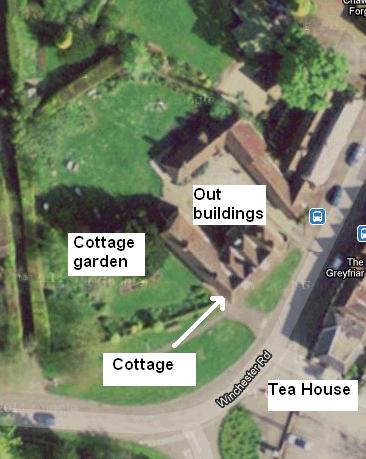
Sattelite view of Chawton Cottage with its walled in garden and outbuildings. Click here to see the image of the village from satellite.

Sattelite view of Chawton Cottage with its walled in garden and outbuildings. Click here to see the image of the village from satellite. On the left you can see a narrow footpath between the hedges.

Oh, those Victorians and their simplistic view of Jane Austen. Hope you enjoyed the 112 year old description of Jane’s life as well. In the image below you can see the short trip, which started on the Winchester Road (which started on the left, below A31), then turned left at Jane Austen’s house, and ended at Wolff’s Lane, which turns right and parallels with A31 at the top of the image. Alton would have been a mile up the street and NW of the cottage. Chawton House would have been too much of a walk for Mrs. Austen. I imagine that Edward must have sent his carriage to his mother and sisters when they came to visit.

A Walk Map

View a contemporary watercolor of the village in this article by Joan Austen-Leigh, Chawton Cottage Transfigured

Read Full Post »

Inquiring Readers, Tony Grant visited Chawton on his way to Southampton on a gorgeous day in early March and sent on these photos. Below his recent images, I added a few that he took several years ago of the cottage’s interior. Enjoy.

We are all familiar with this corner view of the cottage, which faces the road. Jane could hear the carriages rattle by.

We are all familiar with this corner view of the cottage, which faces the road. Jane could hear the carriages rattle by. Image @Tony Grant

In this image one can readily see the window that Jane's brother, Edward, had installed in the drawing room. It overlooks the walled in garden.

In this image one can readily see the window that Jane’s brother, Edward, had installed in the drawing room. It overlooks the walled in garden. Image @Tony Grant

In this image, you can see the window in the drawing room that Edward had blocked up (right), which faced the road, and the fancier window facing the garden.

In this image, you can see the window in the drawing room that Edward had blocked up (right), which faced the road and afforded little privacy, and the fancier window facing the garden. Image @Tony Grant

Life in the village didn’t offer much in the way of variety. Edward’s windows created a lively scenario, in which a curious Mrs. Austen, upon hearing a commotion (or carriage), would rush from the drawing room to the dining room to watch the goings on.

View from the garden.

View from the garden. One sees how close the village houses are opposite the cottage. Image @Tony Grant

View of the garden

View of the garden. What a lovely spot to sit and reread one’s writing, or plot one’s novel. Image @Tony Grant

All Janeite roads lead to Chawton Cottage

All Janeite roads lead to Chawton Cottage. Image @Tony Grant

One is impressed with the coziness of this village and how easy it must have been for Jane and Cassandra to get around on foot.

Cassandra's Tea Room, a modern establishment that is popular with visitors.

Cassandra’s Tea Room, across Chawton Cottage, a modern establishment that is popular with visitors. Image @Tony Grant

Cassandra's Cup tea rooms. Image@Tony Grant

Cassandra’s Cup tea rooms. Image@Tony Grant

During Tony’s previous visits, he took photographs of the garden in summer and the village and other cottages.

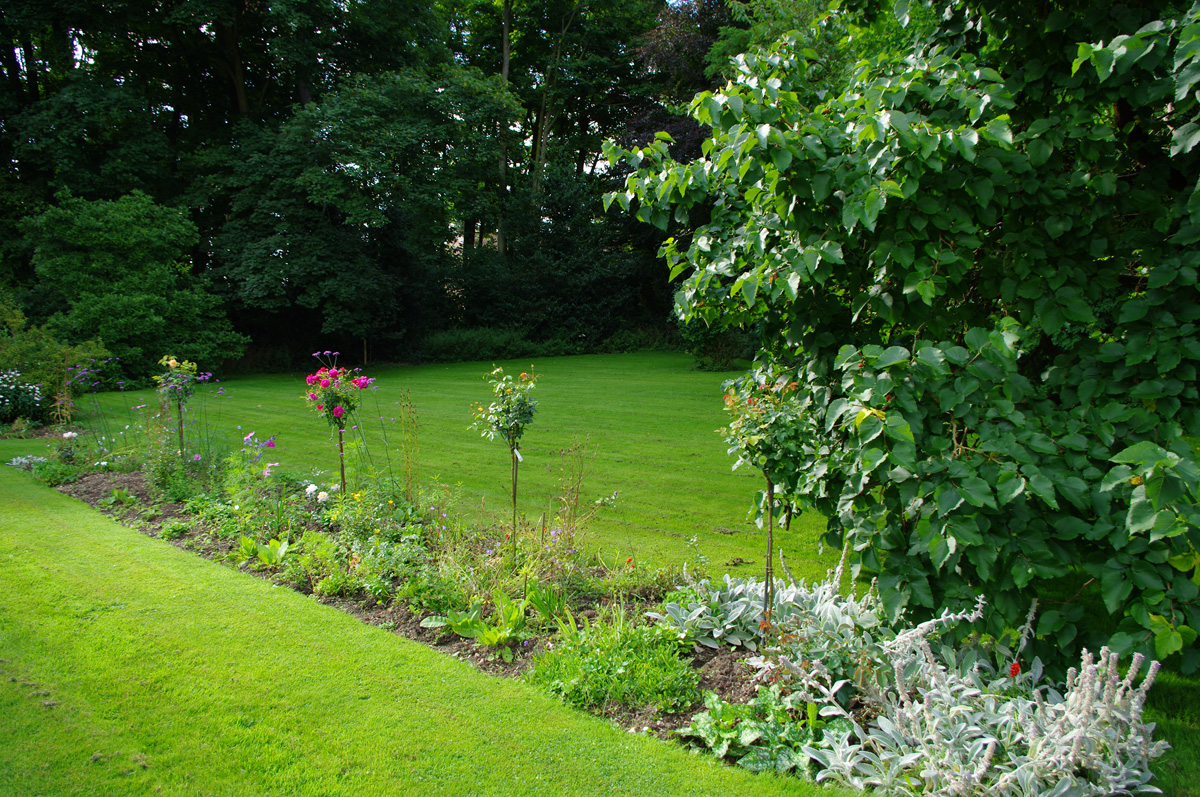
Standard roses. Chawton Cottage Image@Tony Grant

Standard roses. Chawton Cottage Image@Tony Grant

Chawton dog rose. Chawton Cottage Image@Tony Grant

Chawton dog rose.  Image@Tony Grant

Jane described the syringa in the garden. Image@Tony Grant

Jane described the syringa in the garden. Chawton Cottage Image@Tony Grant

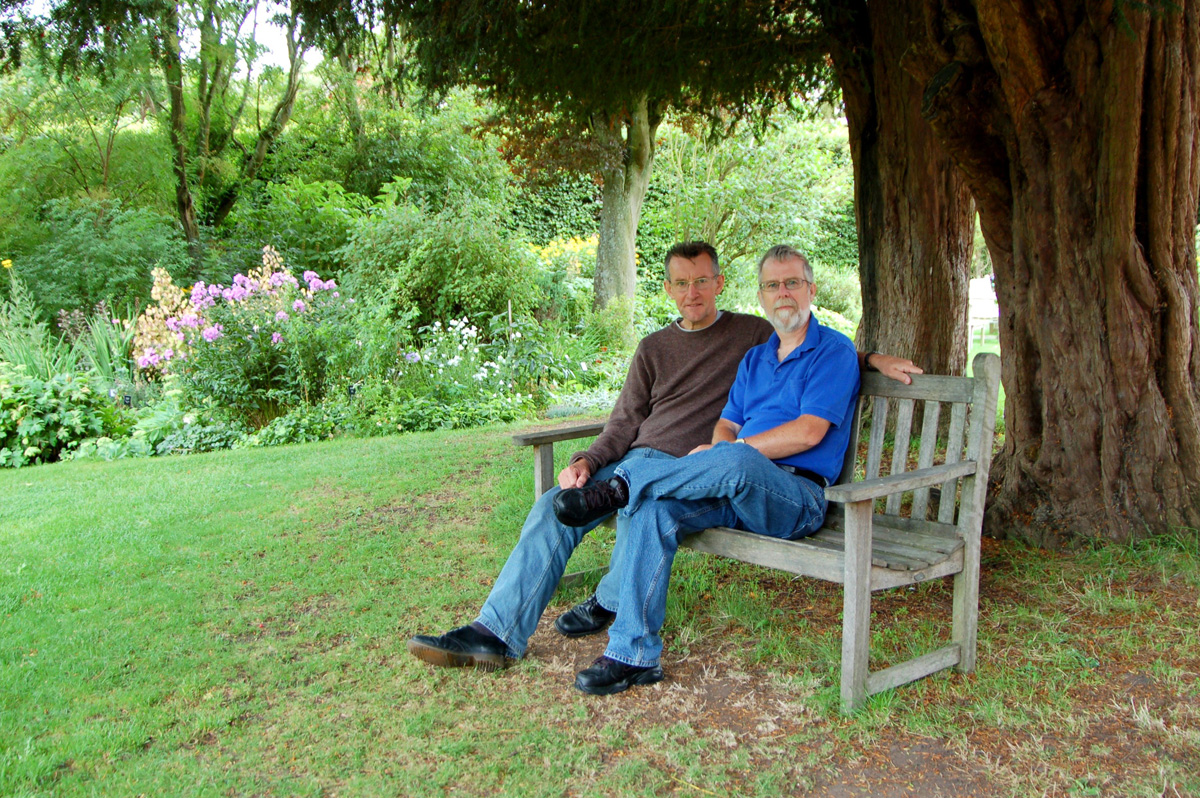
Tony (l) and his friend Clive sit under the fir tree. Image@Tony Grant

Tony (l) and his friend Clive sit under the fir tree. Image@Tony Grant

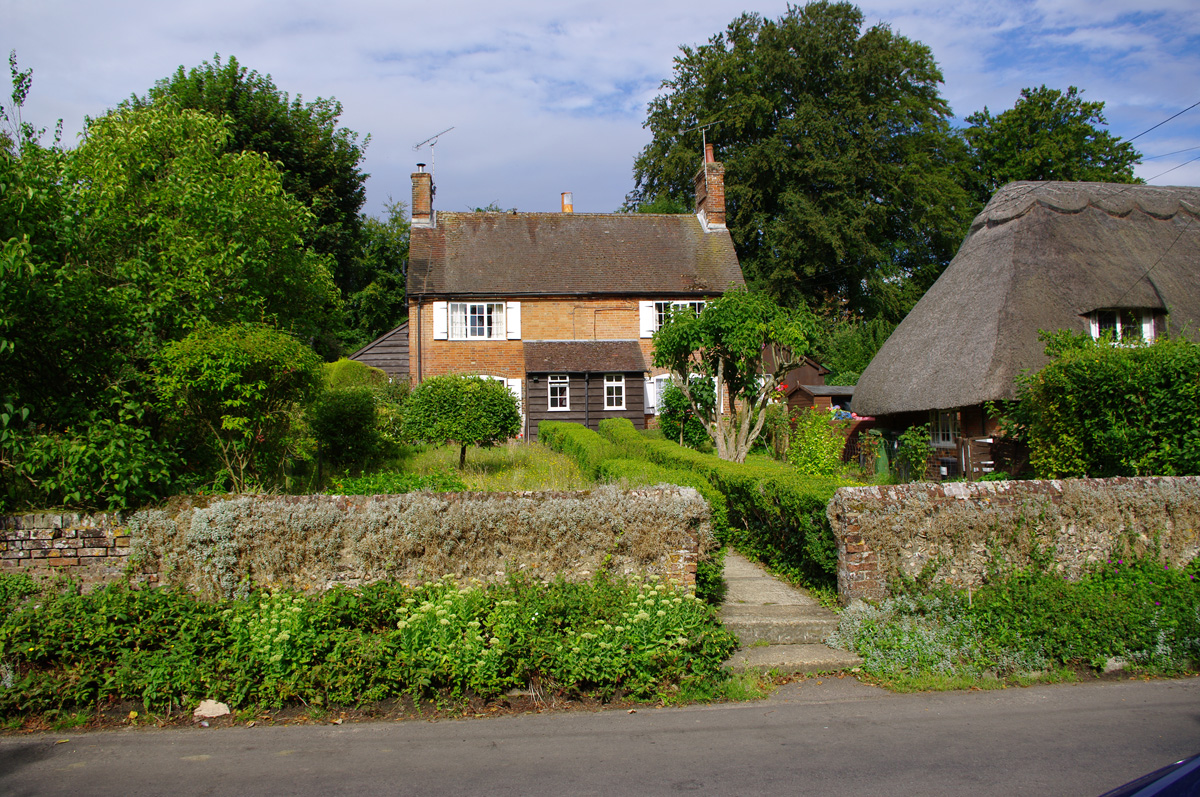
Cottages and gardens in the village. Image@Tony Grant

Cottages and gardens in the village. Image@Tony Grant

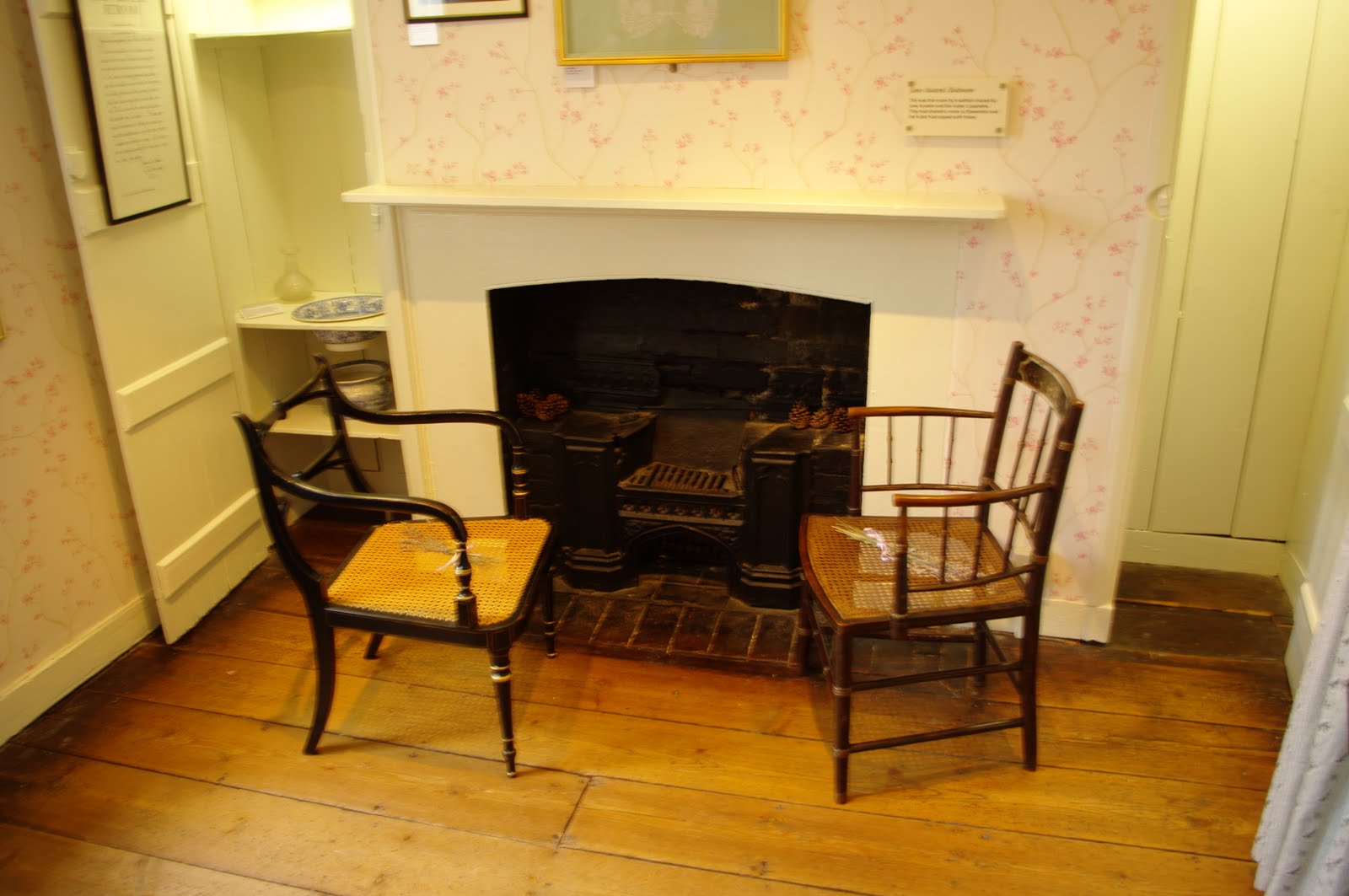
Fireplace in Jane's and Cassandra's shared bedroom. Chawton Cottage Image@Tony Grant

Fireplace in Jane’s and Cassandra’s shared bedroom. Chawton Cottage Image@Tony Grant

The bed with the diamond  pane quilt that Jane helped to sew. Chawton Cottage Image@Tony Grant

The bed with the diamond pane quilt that Jane helped to sew. Chawton Cottage Image@Tony Grant

The dining parlour, which looks out on the street and where Jane wrote her novels. Chawton Cottage Image@Tony Grant

The dining parlour, which looks out on the street and where Jane wrote her novels. The china ware, which once belonged to Edward, has since been auctioned off. You can just glimpse her writing table with pen at the far right. Chawton Cottage Image@Tony Grant

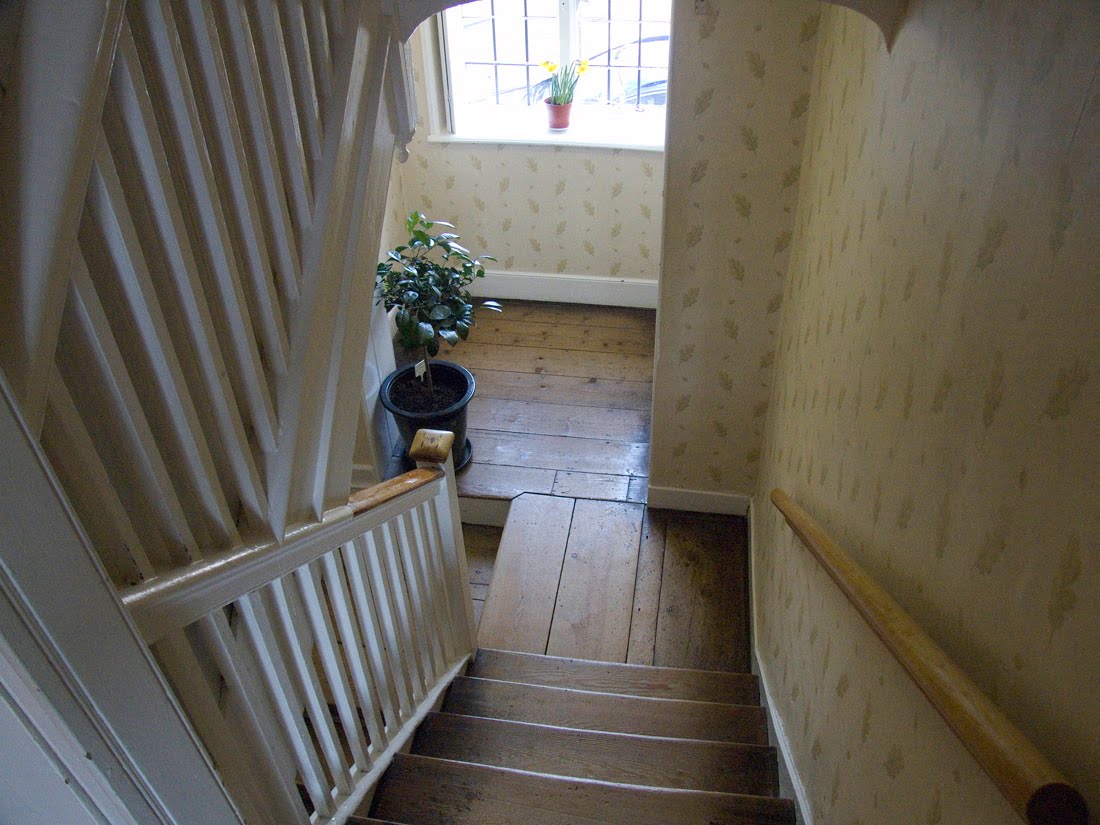
The stairs outside Jane's room. Chawton Cottage Image@Tony Grant

The stairs outside Jane’s room. Chawton Cottage Image@Tony Grant

The courtyard. Chawton Cottage Image@Tony Grant

The courtyard. Chawton Cottage Image@Tony Grant

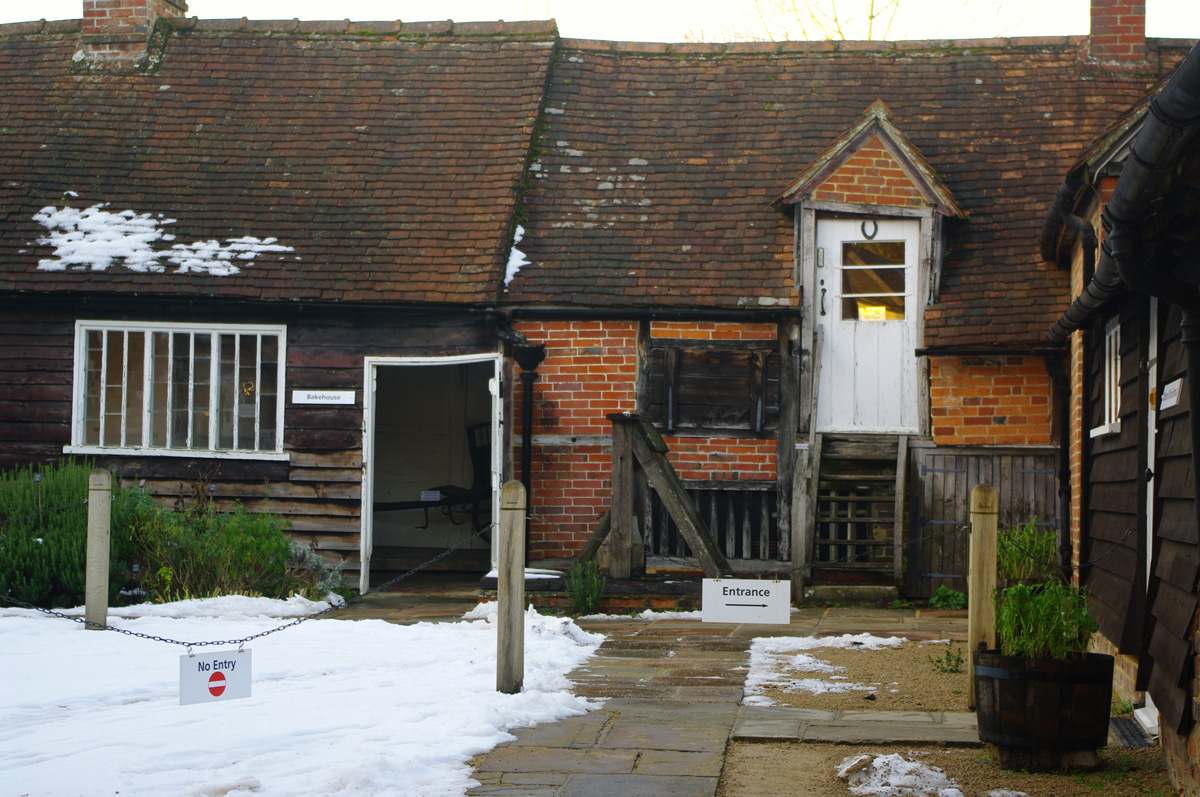
Out buildings in winter. Chawton Cottage Image@Tony Grant

Out buildings in winter. Chawton Cottage Image@Tony Grant

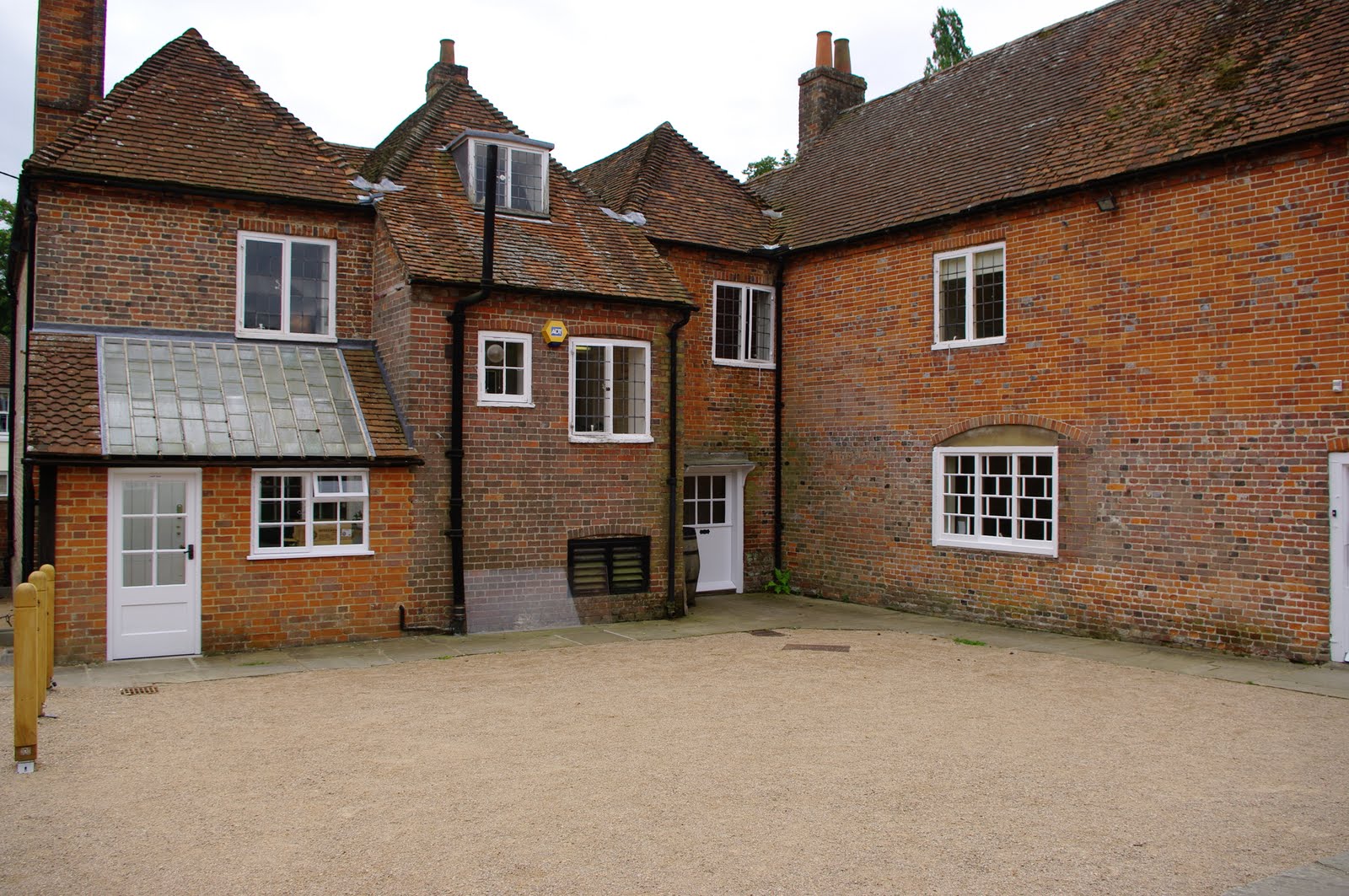
This image was taken by Keith Mallet and sent to me in 2009. It is a view of the outbuildings from Jane’s bedroom window.

View from Jane's window. Image @Keith Mallet

View from Jane’s window. Image @Keith Mallet

More on the topic:

Read Full Post »

Inquiring readers, It’s such a delight to receive first-hand information from a friend who lives in the U.K. Frequent contributor, Tony Grant, writes about his impressions of seeing the BBC2 special last Sunday entitled Pride and Prejudice: Having a Ball. The scenes were filmed in Chawton House wherein a Regency ball was reconstructed in a way that Jane Austen’s contemporaries knew well, but whose meanings in many instances have been lost to us. I had the privilege of watching the show as well and have interspersed my comments as if Tony and I were engaged in a dialogue. (Italics represent my comments.)  Let’s hope this special will be available soon the world over.
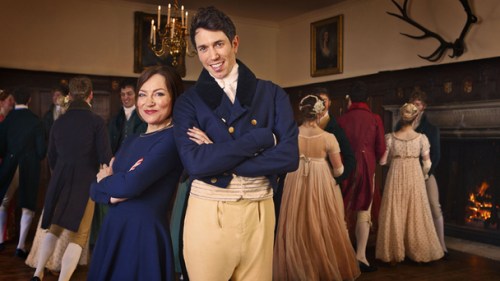
Amanda Vickery. Image courtesy of

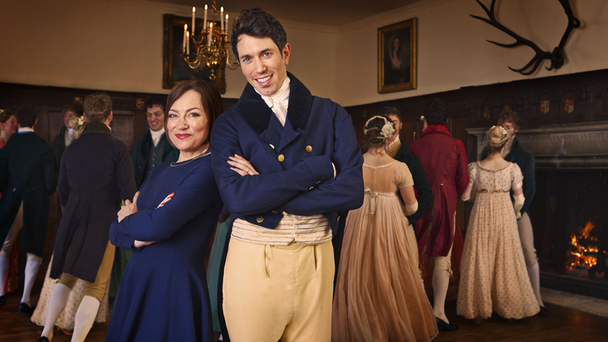
Amanda Vickery and Alistair Sooke. Image courtesy of BBC2

It is Winter, 1813.

Amanda Vickery and Alaister Sooke, the art critic for The Daily Telegraph and who also presents art history programmes for the BBC, present this amazing programme. It is one and a half hours long and, being a BBC production, there are no breaks or intermissions.

The programme is a tribute to the two hundredth anniversary of the publication of Pride and Prejudice. The producers have taken the Netherfield Ball as their focus. They did not choose the Merryton Assembly ball, which was a public ball where everybody from the butcher, baker and candlestick maker was eligible to attend. The Netherfield Ball was a more intimate and select affair and by invitation only. One would be assured to rub shoulders with only the best families in the community.

Jane and her sister and mother lived in Chawton Cottage, where Pride and Prejudice was prepared for publication. It was a time when courtship was a serious business. “A woman must have a thorough knowledge of music, singing and drawing,” Jane wrote, and a man had to marry well if he was to secure his dynasty.

Research into costumes, food, dance, music, carriages, conversation and so on focussed on the year 1813.
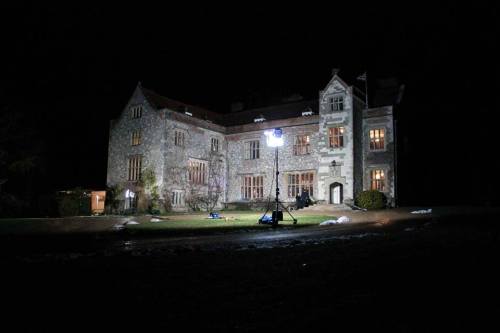
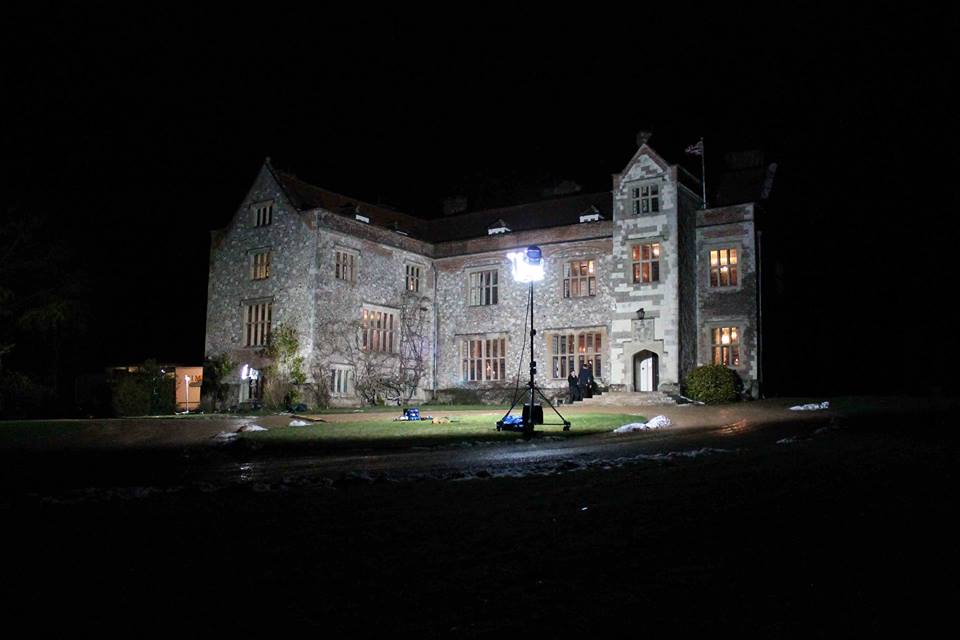
Filming at night on Chawton House grounds

Filming at night on Chawton House grounds. Image courtesy of Chawton House

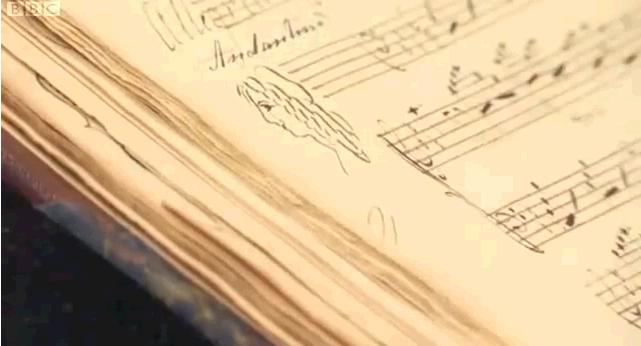
The writers and producers consulted and interviewed professors and experts about the minutiae of Georgian life. One professor, Jeanice Brooks at Southampton University, showed Alexander Sooke the very music manuscripts that Jane Austen wrote out by her hand with little cartoon doodlings in the margin.

Jane Austen doodle in a music manuscript

Jane Austen’s doodle in her music manuscript. Image @BBC2

That was one of the many wow moments for this viewer. (For me too, Tony!)

Popular music was widely collected at the time and summarized for the piano. Jane Austen must have spent hours copying music in her neat hand, for there are quite a number of her music manuscripts still in existence. 

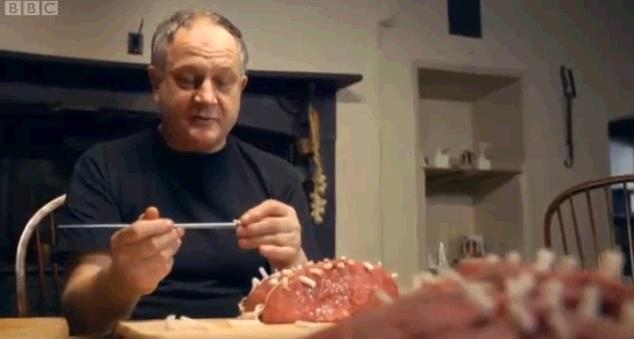
ivan day food expert

Ivan day, historic food expert. Image @BBC2

The food was researched to the minutest degree. Ivan Day and his kitchen staff used Georgian cooking implements, although the Georgian cooking range at Chawton House was not in working order, so they used modern ovens. The recipes were authentic and came from Martha Lloyd’s cook book and other original Georgian documents.

Martha Lloyd's recipe for white soup, a common dish served at supper dances.

Martha Lloyd’s recipe for white soup, a common dish served at supper dances.

Food denoted status. Game shot on a gentleman’s land was turned into a partridge pie, a symbol of upper class dining. At the Netherfield Ball, Mr. Bingley would be sure to provide only the most excellent food, such as fresh grapes, nectarines and peaches in winter, which would have been expensive to import or grow indoors in hot houses. The grand spectacle of the supper table, with its silver platters, silver dishes, and silver tureens, gave an overall impression of austentation [sic] and of the host’s status. 
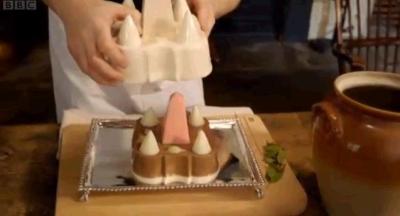
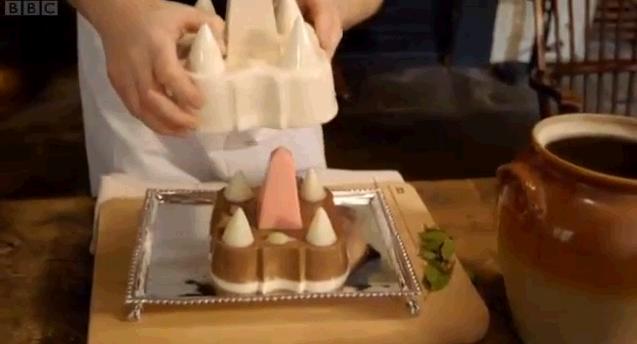
Ivan Day's recreation of Solomon's Temple, a very difficult flummery to recreate.

Ivan Day’s recreation of Solomon’s Temple, a very difficult flummery (Georgian jelly) to recreate. Image @BBC2

Stuart Marsden, an expert in Georgian dances and a former ballet dancer, assembled students from the dance department of Surrey University at Guildford, about twenty miles north of Chawton, to dance at the ball. Although these young dancers were fit and professional, in their Georgian costumes and in the full glare of hundreds of candles, they suffered from heat and encroaching exhaustion as the evening went on.
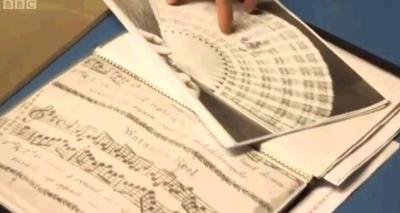
This fan served to cool the dancer and as a crib sheet, in which the steps of intricate dances were written down. Usually made of paper, few have survived.

This fan served to cool the dancer and as a crib sheet, in which the steps of intricate dances were written down. Usually made of paper, few of these fans have survived. As all fans of the Regency know, they also served as the perfect tool for flirtation. Image @BBC2

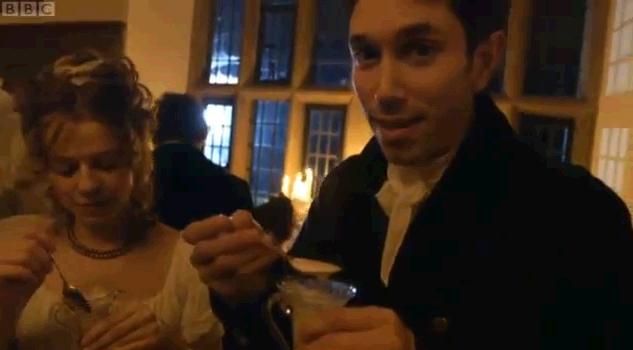
During the course of the evening, the dancers were supplied with Portugese wine and fortified negus punch. Punch a la Romaine, or Roman punch, was a mixture of rum or brandy with lemon water, lemon meringue and a very hot syrup. It was a sort of creamy iced drink that was 30 or 40 percent alcohol, a Georgian equivalent of a cold Coca Cola that cooled the dancers down between dances.

Punch a la Romaine

Punch a la Romaine. By the end of the night the dancers were a little tipsy, shall we say. The spoons used in the production belonged to the Prince Regent and came from Brighton Pavilion. Image @BBC.

Although Chawton House is large, the room where the dance was held seemed rather crowded once all the dancers were assembled. Candles blazed everywhere. The men wore stiff jackets, waistcoats, and neck high cravats. The ladies, whose bosoms were exposed, also wore many layers. They had donned swaths of petticoats under their skirts, and wore long stockings and long gloves. One can imagine that with the press of bodies, heat from the candles, constant exertion in long dance sets, and frequent imbibing of alcohol that the assembly quickly felt heated.

One can see from this image how crowded the ball room was and how 300 candles and all that exertion might have heated the dancers.

One can see from this image how crowded the ball room was, and how the blaze from 300 candles and hours of exertion might have heated the dancers. I was amazed at the lack of evident sweat.

It was interesting to find out that everybody knew how a long a dance would last from the length and quality of the candles. There were four-hour candles and six-hour candles. For this production eight-hour candles were used.

The finest, most expensive and clean burning candles were made of beeswax. Up to 300 might be used for a ball – quite an expense, for the cost was around £15, or a year’s wages for a manservant. Less expensive (and smokier and stinkier) were tallow candles, which were purchased by the less wealthy. The very poor had to make do with rush sticks, which didn’t last very long.

Peoples’ wealth and position in the upper and gentry classes were evident from the outset. Hierarchy pervaded all strata of Regency society. Social signifiers included the materials used for clothes, their style and the embellishments they had personally chosen for their costumes, the cut of the material and garment, the very buttons they had on their costumes, and so on. These details would reveal not only their status but their personalities too.
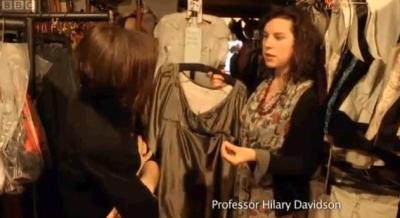
Professor Hillary Davidson explains the personal involvement that people had in their clothes, which were hand made.

Professor Hillary Davidson explains the personal involvement that people had in their clothes, which were hand made and reflected personal taste and input. In addition, the outfits “reflected the range of social rank and social division by cut, color, and texture.” Appearance meant everything at a ball. Many refashioned their frocks from hand-me-downs from an older sister or cousin, creating “hybrid” fashions, for the value of these outfits lay in the material, not the design of the dress. Individual details and features were immediately evident to Jane Austen’s contemporaries, for fashion and jewelry represented a public display of one’s assets. Image @BBC2

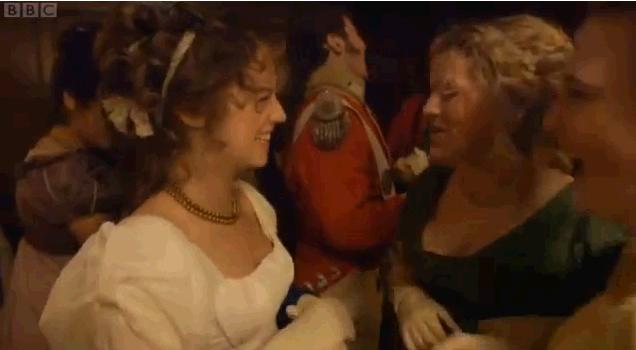
Silk would be worn by Miss Bingley, for it was a rich and expensive fabric. Miss Bingley and Miss Hurst would have worn the latest fashions from London, which is quite evident in the film costumes of Pride and Prejudice 1995. Lydia Bennet would have chosen a fine gown,  for she was fashion forward for a country girl (and her mama’s favorite), whereas Mrs. Bennet would have worn a print gown with a frilly but modest matronly cap that denoted her status as a woman with some authority. The Bingley sisters would have sneered at the simply styled hybrid dress that the Bennet sisters might have refashioned from a combination of old clothes and newer fabrics.  If you were a good needlewoman, such a gown might have been embellished with embroidery, lace, or ribbons.

Simple hybrid dress, much as Elizabeth Bennet might have worn. Notice the coral necklace.

Simple hybrid dress, much as Elizabeth Bennet might have worn. Notice the coral necklace.

Shoes were changed in the cloak room, for some people walked quite a distance to get to the ball, and even soldiers exchanged their Hessian boots for dancing slippers. Over the course of the evening, delicate dance slippers might be worn down to a thread.
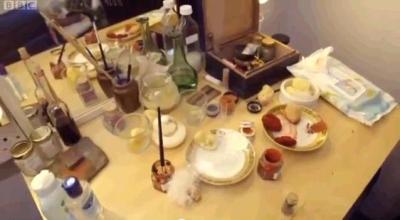
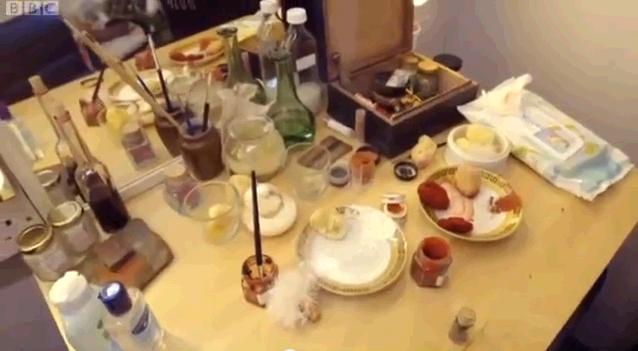
Historical makeup and rouge pots. Too much, and a lady might be labeled a trollop.

These are Sally Pointer’s historical makeup and rouge pots for rosy cheeks (even for the redcoats, like Wickham). Apply too much color and a lady might be labeled a trollop. Image @BBC2

Everything – one’s clothes, actions, and relationships – how you arrived at the ball – could be read and interpreted. This was one of the main points made by the programme.

It’s not so different today, really, is it Tony? At a glance we can tell who is fashion forward, who is a frump. Whose jewelry reeks of Tiffany’s and who shopped at Walmart. We know from each others speech, friends and business associations, educational background, and other social signifiers who belongs in our social strata and who does not. My mother especially had a keen sense of which of my suitors suited and who did not. Her primary social signifiers were persons of moral character and compassion. It was who that person was inside that mattered, not what they wore or what possessions they had acquired. I suspect that during the Regency such distinctions were also important. Jane Austen was a genius at distinguishing wheat from chaff, and ferreting out the foibles of her contemporaries.
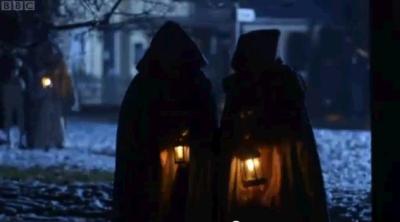
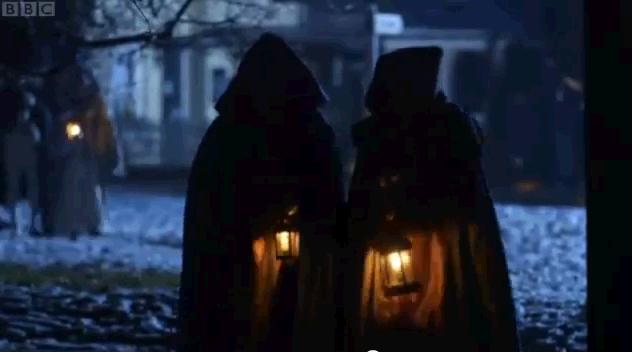
Walking to the ball carrying lanterns.

Walking to the ball carrying lanterns. The hooded cloaks reminded me of the medieval era and monks. Image@BBC2

I noticed how most of the actors in the production walked to the ball holding lanterns. Carriages were expensive. If possible, those who had carriages would arrange to pick others up and bring them. If not, the guests walked to the ball. A similar scene was shown in Becoming Jane, where guests arrived on foot and walked along a lane strung with lanterns. Back in those days balls were planned to coincide with a full moon for maximum light at night and for a bit of safety from bandits and robbers. One wonders about such well-laid plans in rainy England, where a blanket of storm clouds would block the moonlight and rain would soil the hems of delicate ball gowns.

The most interesting thing I found from the programme was the meaning of the dance. This Darcy quote, “every savage can dance,” is used to highlight that the dance alludes to something primal. Elizabeth and Darcy have their most unguarded conversation during a dance. Interestingly, the Savage Dance was a craze in 1813 and taken from a song and dance routine from a musical based on Robinson Crusoe.

Balls, to quote Amanda Vickery, were sexual arenas of social interaction. In Pride and Prejudice, Darcy and Elizabeth dance around their sexual attraction for each other. The truth is that in those days single men and well-protected young and unmarried ladies could not spend one moment in private with each other before they were officially engaged. But at a dance they could touch each other (through gloved hands) and flirt and talk at length without a chaperon breathing down their necks. The long dance sets were strenuous and required stamina, however. To quote Amanda Vickery, “The entire ball is hard work, with physical, social, and emotional investment and cost.” The cost being one of expenditure (looking one’s best) and exertion (maintaining one’s stamina.) 

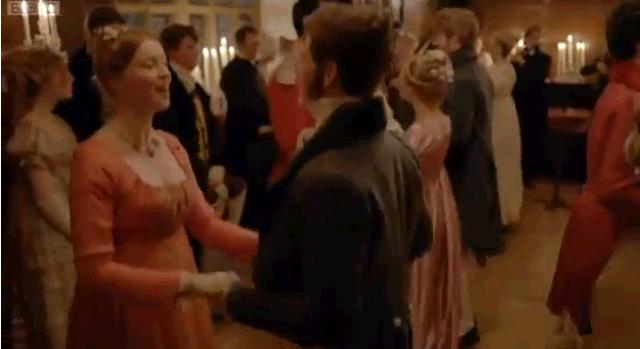
dance chawton

Dancing the cotillion. Image @BBC2

Young ladies and young gentlemen practiced and prepared for the balls from childhood on. They had to be good and graceful at dancing to be admired and looked at. This was necessary for their futures, for they were actually dancing for their lives. You were likely to dance with a person from the same rank and expertise: they endured these dances for a very long time with one partner. There were moments of physical contact and movement. Aristocratic young men like Darcy sought strong and accomplished women to be the mother of their children for the sake of inheritance and future generations of their families. Young women needed to attract a good catch for their happiness and futures too. So much effort and hope was invested in the “ball,” for a girl’s future could be sealed at a dance.

No wonder the excitable Lydia Bennet went ballistic when the Netherfield Ball was announced! She was not only man crazy, but she had a competitive streak in her, frequently pitting herself against her older sisters. I was also struck by how much dancing masters could make per person from dance lessons. Every young boy and girl from a respectable family was expected to practice dance steps. It was quite a telling detail for Jane Austen’s contemporary readers that Mr. Collins is a poor dancer and that Mr. Elton exhibited such ungentlemanly conduct towards Miss Smith at the Crown Inn ball, where Mr. Knightley (a true knight in shining armour) came to her rescue and saved her from public humiliation. Mr. Elton’s reaction towards Miss Smith pointed out how much Emma misjudged Miss Smith’s tenuous connection to the gentry, for Mr. Elton thinks too highly of himself and his own social standing to ally himself to the bastard daughter of a gentleman.

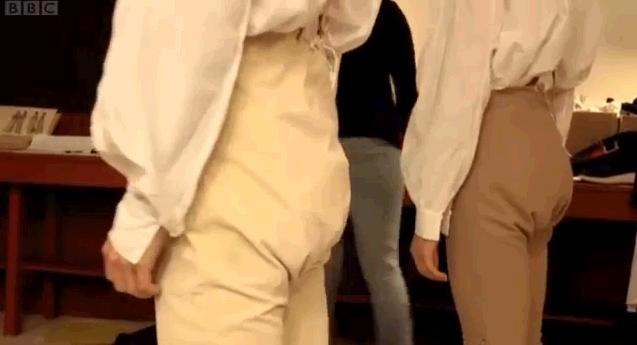
 Alaister Sooke makes the comment that for all its finery and sophistication the ball (it was decorous and tightly controlled) was also primeval, with the subconscious very much in play. The way the dancers were dressed, with women revealing lots of cleavage and the men revealing their groins in tight-fitting trousers, was totally sexual in nature.
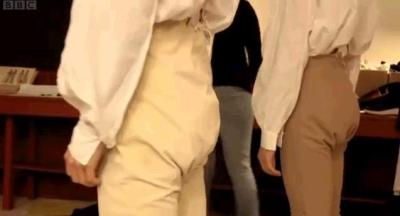
men's breeches

The dancers get fitted for their breeches, which revealed quite a bit of the male anatomy, especially the groin area. Image @BBC2.

You are so right, Tony. Let’s take the case of menswear ca. 1813. Although the colors were muted, the silhoutte was quite athletic. The front of a man’s coat was cut high so that his body was fully revealed in front from the waist down. Men tucked their long shirt tails between their legs, which served as underwear. Because their calves were exposed, it was important for men to dance well, since all their steps were in full view. Women’s legs were hidden by their skirts and they could make a mistake or two without much notice.  I was struck by how much the modern dancers enjoyed the evening and how much their costumes and the setting affected them.
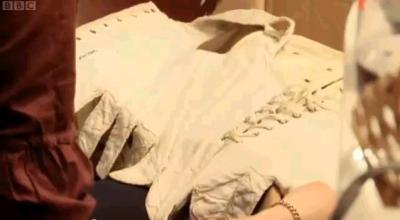
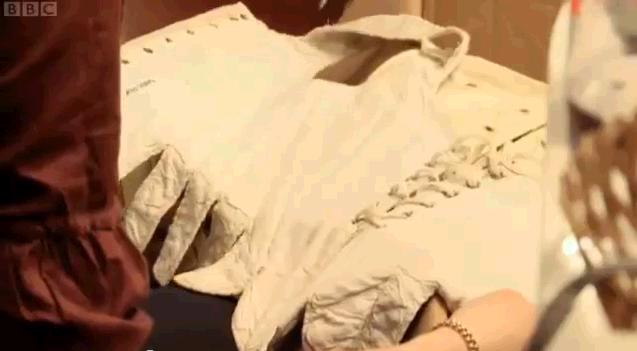
corset

The ladies in the series wore authentic underwear. Underneath the muslins  and silks they wore undergarments consisting of a chemise and petticoat. There was actually a lot going on below the skirt, but the ladies  generally went knickerless. Even when women wore underdrawers, the crotch area remained open and they remained so until the late 19th c. or early 20th century.  Crotchless knickers were the norm! Image @BBC2

A courting couple made sure to reserve the supper dance for each other (or the dance just before the evening meal), for this meant that they could extend the time they spent together to include the meal, which was generally served at midnight. In the series, Ivan Day and his staff slaved to make the dishes, for they were served à la française (in the French style), or all at once. Preparing dishes for such a service required a great deal of skill and Herculean effort, for hot meals needed to be served hot, while delicate ices needed to remain frozen until they were consumed. At the dinner table in this special, a mild scene of chaos ensued, with servants bringing platters from one end of the table to the other, guests handing platters around, and others reaching across the table to sample a tidbit. Ragout of Veal, one of Jane Austen’s favorite dishes, was served. This dish was frequently mentioned by her, particularly in Pride and Prejudice. As an aside, one could readily discern at the supper ball which guests had manners and those who did not.

Ragout of

The ragout of veal at the supper dance was associated with high living. Image @BBC2

More on the topic:

Read Full Post »
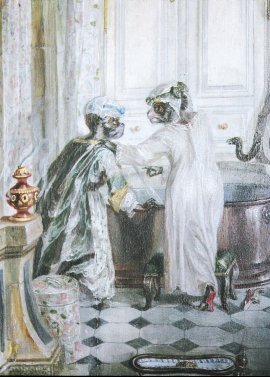
During the 18th century women wore a long flannel shift while bathing, sometimes with lead weights sewn into the hem to keep the skirts from floating up. (Word Wenches: Keeping It Clean.) In  Worn Through, Dr. Kimberly Chrisman-Campbell discusses monkeys in art in a blog entitled Monkeys a la mode. The creatures served as satirical stand-ins for humans, much as dogs did in satirical early 20th century poker paintings.

Bathing_scene

Image @Worn Through. Click on image to go to the source.

I found Chrisman-Campbell’s passage about the bath of particular interest:

The bath scene is a rare and realistic image of an eighteenth-century bathroom and bathing ritual; the monkey kicks off her red-heeled shoes (long before Louboutins, these signified that one had been presented at Versailles, an allusion to the family’s courtly connections) but she will wear her lace-trimmed white linen chemise in the tub.

One wonders how much the habit of wearing a bathing gown in a bath had to do with modesty. The time it took to prepare for a bath was long and arduous. Water had to be hauled from the well, heated in sufficient quantities, and then hauled up the stairs before the water cooled. One did not take a quick bath in such an instance, but would linger in the tub until the water became too cold for comfort. One imagines that a roaring fire kept the room (and bather) warm. In those days, aristocratic women entertained visitors in their dressing rooms while wearing elaborate dressing gowns. As shown in the scene below, they also entertained visitors while bathing.

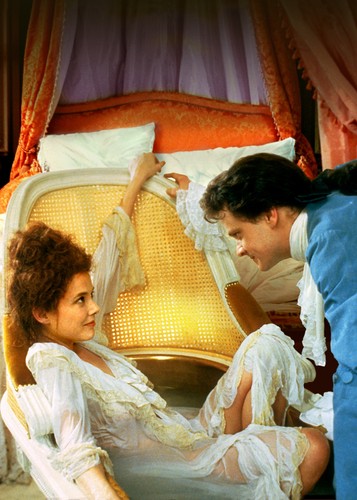
Valmont_stills_21959

Annette Bening and Colin Firth in Valmont

In the  film Valmont, Bening’s Marquise Isabelle de Merteuil uses the bath as a prop to demonstrate her power and sexuality. Her bathing dress enhances her curves and disguises very little. This film clip shows one delicious bath scene.


In this image from Mr. Vernon, Martha Washington’s bathing dress is plain and pedestrian by comparison. It is a mystery to me why the bathing dress was worn, for anyone who has walked in the rain knows how quickly wet clothes can cool the skin. One can only imagine the chilling effect of wet cloth in drafty houses.

Bathing gown. Image @ Mount Vernon

Bathing gown. Image @ Mount Vernon

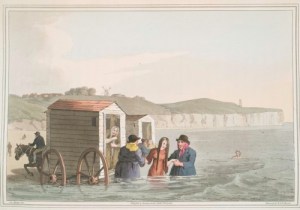
By the late 18th century/early 19th century, bathing dresses were fashionable at seaside resorts. One can readily understand why, for in the image below a man on horseback pulls the bathing machine into the water. The bather peeks out of the door, unwilling to expose herself until all was safe. In fashionable Brighton, men and women bathers were separated and swam from different beaches. Away from prying eyes, some women felt free to bathe nude.

TopILNewsBathingMachine

Tide Coming in Fast and a Jibbing Horse”, a 19th century engraving from the Illustrated London News which shows how a bathing machine was towed in and out of the sea by a man on horseback. Image @The Brighton Swimming Club

As you can see from this 1813 image from the Costumes of Yorkshire, many women still chose modesty over nudity. The dippers were female, and the male rider on horseback kept well away from view.

1813-From-The-costume-of-Yorkshire-illustrated-by-a-series-of-forty-engravings-being-fac-similes-of-original-drawings-500x351

Sea Bathing’ 1813 From “The costume of Yorkshire, illustrated by a series of forty engravings, being fac-similes of original drawings” NYPL Digital Collection

If modesty was the reason for wearing bathing costumes made from linen or cotton, then their purpose failed. As seen in this 1916 photograph, wet fabric didn’t hide the details of the nude body as much as accentuate the curves. The veiling was illusory and the result much sexier than the nude body itself.

bathing suit 1916

Wet suit 1916: Alfred Stieglitz(‘Ellen Koeniger’, 1916, gelatin silver photograph, 11.1 x 9.1, J Paul Getty Museum, Los Angeles)

In an interesting aside, this image of a medieval bath from Leeds Castle shows that bathing wasn’t always regarded as a harmful exercise by the British.

Medieval bath, Leeds Castle

Medieval bath, Leeds Castle

Read more about the seaside and seaside fashions on this blog to round out your knowledge of how the Regency folks enjoyed their seaside excursions:

Read Full Post »

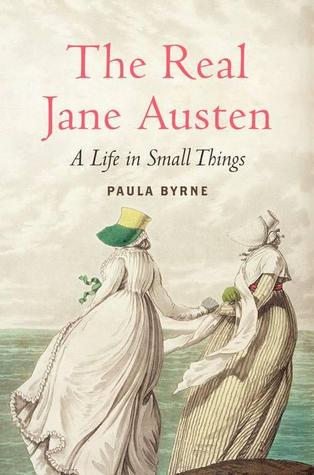
The REAL Jane Austen_Byrne

Musings from a blogger:

I meant to write a review of The Real Jane Austen: A Life in Small Things by Paula Byrne in February shortly after the book came out, but life intervened – life in the form of visitors, a busy schedule at work and move to new offices, a bum knee that required an operation and recuperation, and the book itself, which – several pages into it – urged me to read it to the last before recommending it (or not) to others. I carried the book every day to work hoping to complete it during lunch, but my best laid plans were inevitably derailed.

In addition to this blog and my interest in Jane Austen and the world she lived in, I have been reading other authors: Virginia Woolf, F. Scott Fitzgerald and Georgette Heyer, to name a few. David Stockman’s The Great Deformation, a great big bear of a book that holds economic insights that will chill the confidence of avid savers like myself, is my most recent acquisition. And then there’s Netflix. I admit to being a serial viewer of series that I missed seeing: The West Wing, for example, The Walking Dead, and now 30 Rock. Warmer weather now pulls me to spring gardening and walking in the great outdoors.

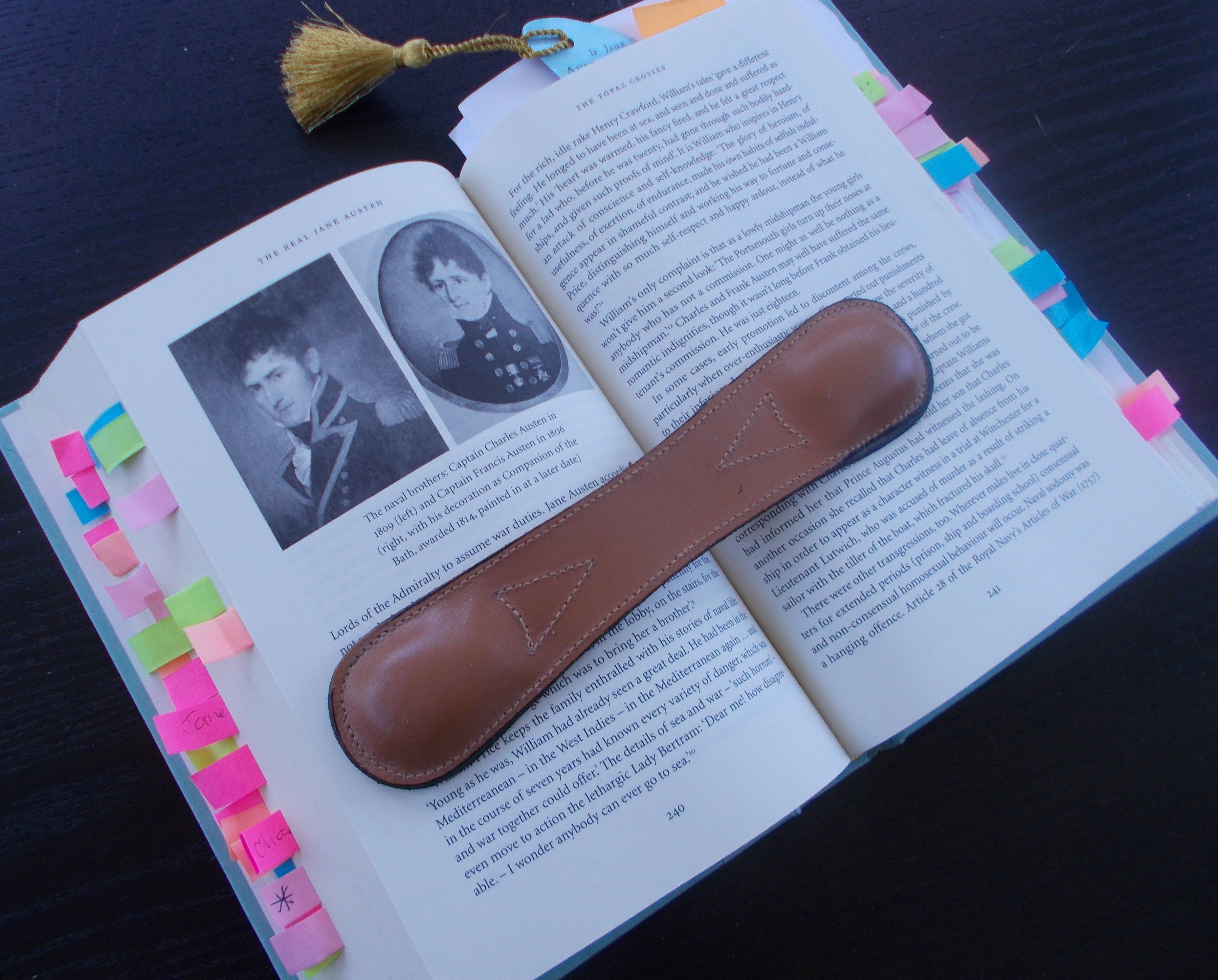
The real life of Vic Sanborn has been getting in the way of her quest to know more about the real Jane Austen, which is why this blog’s entries have been so spare of late and why I took so long to finish Paula Byrne’s book. Not that I didn’t enjoy it. This image of my copy of The Real Jane Austen will tell you all.

My well thumbed copy of The Real Jane Austen

My well thumbed copy of The Real Jane Austen

One would think that as a devoted Janeite who has read almost all the major biographies and articles about Jane, plus her books and letters and a great number of sequels about her novels and life, that I would have my fill of reading about Miss Austen. But I haven’t.

One acquaintance asked me how I could continue reading books that, on the surface, seemed all so similar. It’s simple, really. I rarely tire of talking about Jane and her works. I love the conversations in our book group. I enjoy attending conferences and meetings about her, listening to Janeite scholars and reading the insights of other bloggers who bring their own unique perspectives to her life and work. No matter how much I learn, I am still eager to know more. Just a slightly different take on her life and novels will provide me with new insights that spur me to uncovering more information. Full-fledged Janeite that I am, I can now publicly confess: I am dotty about Jane Austen and crazy about the Regency era.

My review of The Real Jane Austen

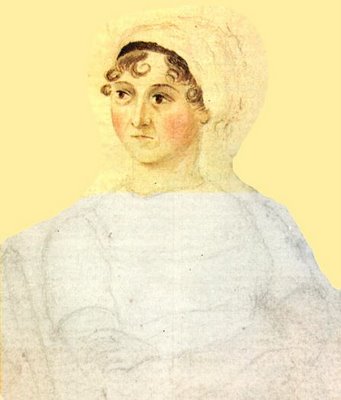
I frankly did not think I would like this book, my preconception coming from the blitz of publicity last year about the lost image of Jane Austen that Paula Byrne discovered. (I much prefer Cassandra’s tiny amateurish watercolour, which I viewed at the National Portrait Gallery.) When I received the book for review, I was mightily sick of the hoopla surrounding the portrait and began reading Dr. Byrne’s biography with some skepticism. Imagine my joy when the book held my interest from the start.

My preferred image of Jane Austen painted by Cassandra Austen. Image @National Portrait Gallery.

My preferred image of Jane Austen painted by Cassandra Austen. Image @National Portrait Gallery.

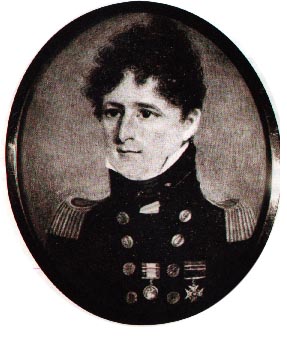
The Real Jane Austen focuses on specific objects, like the topaz crosses that Jane and her sister Cassandra received from their brother Charles. The conversation segued into a discussion of Charles and Frank Austen’s careers in the Royal Navy, and the lives of sailors in general, including that of William Price in Mansfield Park and those of the sailors in Persuasion. Details of letters and visits home flesh out our knowledge of Jane’s relationship with her brothers, as well as the background for some of the characters in her novels. While life on board ship was harsh, a career in the navy was one way in which the Austen men could seek their fortune through promotions and the spoils of war. At the tender age of eighteen, Frank obtained his lieutenant’s commission.

In some cases, early promotion led to discontent among the crews, particularly when over-enthusiastic young officers meted out punishments to their inferiors. Logbooks taken from Frank’s ships show the severity of the punishments. Forty-nine lashes would be given for theft and a hundred for insolence to a superior officer.”

Janeites who have read Jane Austen’s Sailor Brothers by John Henry Hubback, Edith C. Hubback, J.H. Hubback would already know many of these sailor details, but they are new for many. Dr. Byrne threads the influences in Jane’s life in such a way that a seasoned Janeite is happily reminded of well-known facts and a new reader is introduced to them in the context of Jane’s life, her letters and novels, and her influences.

Dr. Byrne uses other objects to develop Jane’s biography: a vellum notebook; a card of lace, which led to a discussion of the shoplifting trial of her aunt, Jane Leigh Perrot; the laptop writing box given to her by her father; her royalty check, which confirmed her as a professional writer; and a bathing machine, commonly used by bathers at seaside resorts. While at Lyme, Jane caught a fever and took to bathing to recover, using bathing machines and the services of a dipper named Molly:

Jane Austen enjoyed the experience of being dipped so much that she continued to take advantage: “The Bathing was so delightful this morning and Molly so pressing with me to enjoy myself that I believe I staid in rather too long, as since the middle of the day I have felt unreasonably tired.”

We learn that Jane, while a doting aunt, viewed children much as she did adults – some were simply easier to like than others. Her observation of Anna Lefroy’s girls is not unlike one that I can make of my family members, including myself: “Jemima has a very irritable bad Temper (her Mother says so) – and Julia a very sweet one, always pleased and happy.” Jane fondly thought about her fictional characters and how their lives would unfold, telling her relatives the details of Jane Fairfax’s and Kitty Bennet’s futures, for example – details that we Janeites crave.

There are other pleasant tidbits, of which I shall name a few. They include Tom Fowle’s letter to Cassandra, her fiance who tragically died at sea before he could afford to wed her; Cassandra’s deep romantic nature and her humorous side; the fact that Elizabeth Bridges preferred Cassandra over Jane, whom she did not like; details of Jane’s travels in an age when 90% of the populace sojourned only a few miles from their own community (This proves her to be less provincial than the myth of the isolated, rural spinster); Jane’s knowledge of the larger world, including the Napoleonic wars, slave and opium trades, and life at sea; that serious Frank Austen lacked a sense of humor but that he was quite generous towards the Austen women after Rev. George Austen’s death; and that Henry, Jane’s favorite brother called his sisters and mother “The Dear Trio”.

Frank Austen

Frank Austen

Many of these details are well-known to those of us who have researched Jane’s life for a number of years, but their presentation is delivered in a unique package that ties biographical influences to key moments and objects, and that weaves a view of Jane Austen which is both personal and well-researched. Unlike dry scholarly endeavors, filled with footnotes and references and a dense academic tone, Byrne keeps her wide readership in mind with a writing style that is relaxed and quite readable. There are just enough images to add another layer of depth to our reading experience.

Five out of five regency teacups

Five out of five regency teacups

I recommend The Real Jane Austen: A Life in Small Things highly to readers who are new to Jane Austen’s life and times, as well as to committed Janeites who simply cannot read enough about their favorite author. I imagine there will be some Janeites who will find this biography somewhat repetitive – I am not one of those. My rating is five out of five regency teacups.
Product Details
Hardcover: 400 pages
Publisher: Harper; First Edition edition (January 29, 2013)
Language: English
ISBN-10: 0061999091
ISBN-13: 978-0061999093

More on the topic:

Read Full Post »
« Newer Posts - Older Posts »