Feeds:
Posts
Comments

Archive for the ‘Austenesque novels’ Category

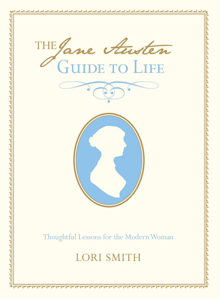
I became acquainted with Lori Smith when she wrote her first book, A Walk With Jane Austen. Our association has continued with her new book, The Jane Austen Guide to Life. (Read my review here.) Please welcome Lori as I talk to her about her most recent writing experience. I hope to meet her, as well as many other Janeites, at the JASNA meeting in New York this fall:

Hi Lori! What were your reasons for writing this book as your follow up to A Walk With Jane Austen?

You know, I didn’t expect to write another Jane Austen book, so this book, which was actually my editor’s idea initially, came as a great gift and a surprise. It covers some of the same material as A Walk with Jane, but from a completely different viewpoint. While A Walk with Jane was so deeply personal and so much about my journey, this book steps back and looks at how Austen would advise women today if she could. I took everything we know about her life and all the wonderful stories she gave us, and tried to ferret out how she might guide us today.

Why will people regard the advice on romance and life from a 19th c. country spinster?

For those already members of the cult of Austen, this isn’t a tough sell, but I’m sure it will be for some. I mean, really, a woman who lived two hundred years ago, who wouldn’t understand modern dating, tweeting, texting—can she really have helpful advice?

But the thing is, we adore Austen for her lovely stories. She understood people, what motivated them, their faults and foibles. As one reviewer commented on Sense and Sensibility, she had “a great deal of good sense.” Her good sense is so welcome today, and still so useful. The issues she dealt with—fame, money, heartbreak—are the same ones we face today. I think she can help us bring back some of the graciousness of the time she lived in, help us imbue our own lives with grace and good sense.

What about today’s society would scandalize Jane Austen the most?

I’m sure it would be sex. There was plenty of raunchy behavior in Austen’s era, but it wasn’t on display the way it is now, in movies, TV shows, magazines. And it’s become so very casual. I don’t think she would know what to make of that.

What changes would she like most?

Well, she wrote in one letter about not knowing what to do about a new gown, and said “I wish such things were to be bought ready made.” (In Austen’s day, you had to buy fabric and then work with a dress-maker.) So I think she would love how easy and affordable fashion has become. (Not that she cared overly much about fashion.)

But I think she would be happiest that singleness has become a viable option for women, that women can work and earn their own keep and don’t have to be dependent on family or have to marry to survive. I think that would thrill her. She herself never married, and even with the income from her writing, was financially dependent upon her brothers.

On a personal level what advice from Jane meant most to you, and why?

This time around I really appreciated her perspective on the need to be thoughtful about romance—two concepts that don’t always go together in our world. And as someone who has lived with chronic Lyme disease for more than a decade, her own journey through a lengthy and mysterious disease touched me.

But every time I come back to Austen, more than anything else, I’m astounded by her joy. She celebrated the world, relished in it, brought so much energy to it. She laughed as much as possible, I’m sure, but her joy was deep as well, loved a quiet evening by the fire or sitting and watching the flow of the tide. If I could take one thing from Austen, it would be that joy and effervescence.

Bio:

As a child, Lori Smith’s mother had to pay her to read books. So it’s a bit ironic that she now gets paid to write them. Lori feels connections to Austen on many levels—as a writer, a single woman, an Anglican, and as someone struggling with a mysterious chronic illness. For her last book, A Walk with Jane Austen: A Journey into Adventure, Love, and Faith, Lori spent a month in England tracing Austen’s life and works. Readers voted to give that book the Jane Austen Regency World Award for best nonfiction.

Her writing has also appeared in Washington Post Book World, Publishers Weekly, Beliefnet.com, Skirt!, and Today’s Christian Woman. Lori lives in Northern Virginia with her sweet but stubborn English lab, Bess.

Book Trailer: http://www.youtube.com/watch?v=XVYt-QOJWO8
Blogs: http://www.writerlorismith.com, http://www.austenquotes.com
Facebook: http://www.facebook.com/writerlorismith
Twitter: @writerlorismith

Read Full Post »

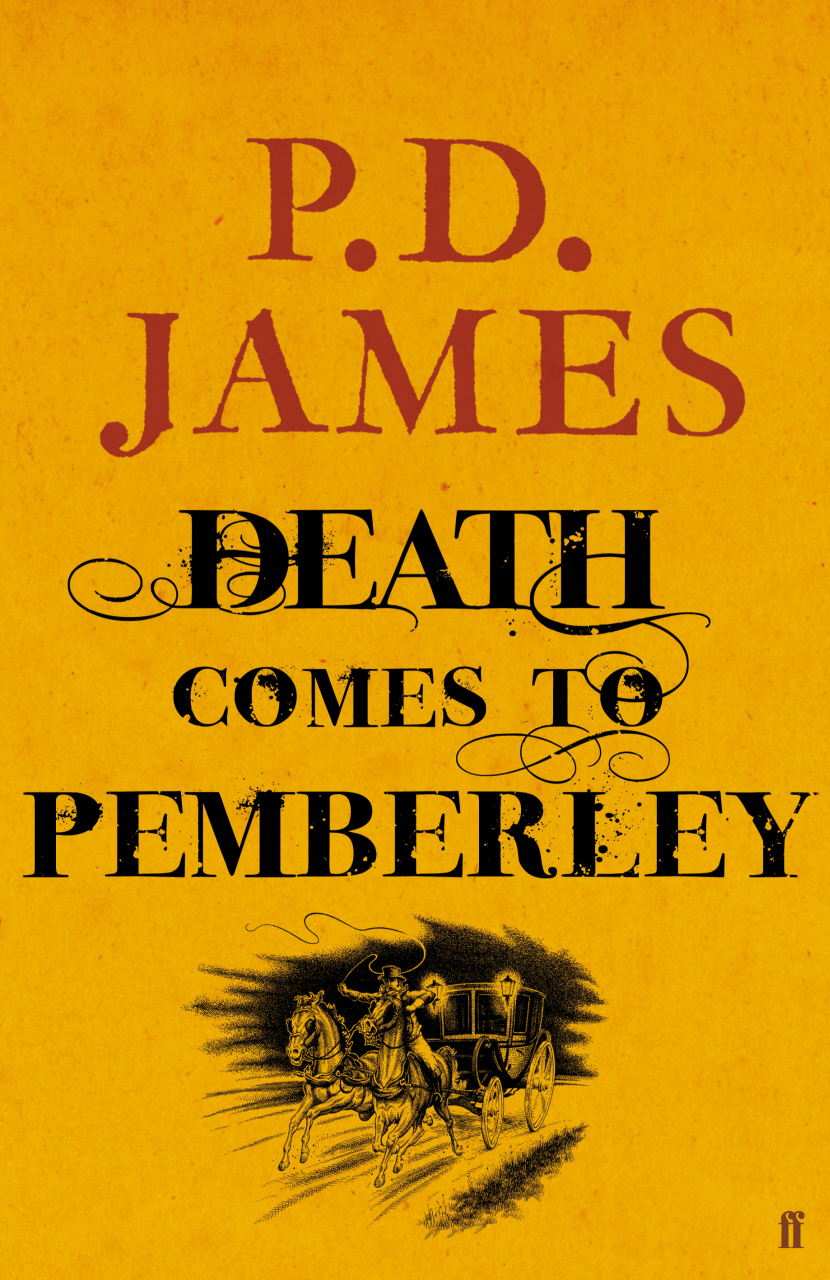
It’s rare that I purchase a Jane Austen sequel. Generally, publishers will send books for review or I’ll pick up a copy at the library. When Death Comes to Pemberley was announced I did not hesitate to purchase a copy for my Kindle. P.D. James, the book’s author, is a highly regarded mystery writer with a solid record for selling mystery books to discerning mystery fans. (The book placed third on the NY Times best seller list this weekend.)

A good friend of mine, whose judgment I value, owns every single P.D. James novel and was overall satisfied with this novel. I had never read a P.D. James novel before, and she was curious to know what I thought of this book. Another Janeite friend had read it and remarked that it was very well done and followed the forensic detective work of its time. They waited to discuss the book with me until after I had finished reading it and could give my opinion. Last weekend the three of us came to the same conclusion, which was that the mystery was weak and a bit lame, and that the actual murderer was so preposterous as to be unbelievable. My question to them was: “Why would a famous author like P.D. James waste her time writing a Jane Austen sequel, especially if the mystery was less than sterling?” Both defended her decision to write this book, while I was not particularly swayed. Both were ecstatic that she had written one more book, for they fear that their author, being 90+ years old, might not have too many novels left to write. To that I said she shouldn’t have bothered.

My suspicion is that had P.D. James been an unknown author peddling her manuscript for the first time to publishers and agents, Death Comes to Pemberley would have been tossed on the slush pile and she would have received a slew of the rejection letters,  one of which might have looked like this:

Dear Ms. P.D. James,

Thank you for your submission of Death Comes to Pemberley, which we read with interest, for your writing style is quite extraordinary. I’m sorry to say that  our interest in your manuscript was killed by its long talky scenes and sparseness of  mystery plot. I don’t need to hear about the crime from potential witnesses, then learn the same information during the inquiry and then again during the trial.

You will need to solve a major  problem with the plot by writing the denouement towards the end of the story, rather than 2/3 of the way through.  After I discovered who the murderer was, I frankly did not care to sift through another five chapters so that you could tie up loose plot threads. Let me make a few suggestions for improvement before you send the manuscript on to others:

1. Check your facts. In the first chapter on the first page you referred to Mr. Collins as Mr. Bennet’s nephew. He is Mr. Bennet’s cousin.  I almost stopped reading the book right then, for the mistake and others made me wary of the quality of your research or understanding of Pride and Prejudice and its characters.

2. Show don’t tell. Yes, I understand that this is a Jane Austen sequel and that you are working with familiar characters, but you slowed your plot to a crawl with your reams of exposition at the start of the novel and, strangely, at the end. Also, your men were too talky. While I appreciate the fact that they might have spoken more formally two hundred years ago, men don’t as a general rule talk in long unbroken sentences, especially to each other.

3. Write an original novel with your own characters. Whenever you deviated from Mr. Darcy and Elizabeth and other Pride and Prejudice characters, your novel jumped to life.

Sincerely, Vic @Jane Austen’s World

Death Comes to Pemberley is yet another instance of a famous author joining the Jane Austen bandwagon. Some of you might remember Colleen McCullough jumping into the fray with her detestable The Independence of Mary Bennet, which must have garnered riches for the publisher before readers caught on. (Read my review here.) These two best-selling authors, while they rightly have earned their literary reputations, fell down in my opinion when they so cynically wrote novels that, to put it kindly, barely scraped bottom when compared to Jane Austen’s own brilliant work. Besides, what business had they to write a Jane Austen sequel? Do they really think it is all that easy?

The career of a Jane Austen sequel writer is not an easy one. Most write their books out of love for Jane Austen and her characters. Those that I have come to know through correspondence are earnest about their desire to continue Jane’s stories. They work hard for very little recompense. Unless a publisher anticipates a blockbuster novel (such as Pride and Prejudice and Zombies, a concept novel if ever there was one), most provide book advances that barely cover the cost for postage or time spent researching a topic. Once upon a time book publishers, editors, and agents invested in long-term relationships with new authors, building their reputations up slowly and giving them time to develop their talents.

Image @New Yorker

This is no longer the case. A writer has only two or three years to make money back for the publisher.*(See Laurel Ann’s comments below.)  That is a lot of pressure, considering that royalties on the published price of trade books ranging from 10%-12.5% and on paperbacks from 7.5% to 10%. Many first time authors fail to realize any profit on their books. The average first novel sells around 2,000 – 4,000 books, but the break even for publishers is around 5,000 books. Four out of five first novels fail to make money for the publisher. Authors might only earn the total amount of their advance, minus the cost of extra copies of books they have purchased for giveaways and bookmarks, and the loss of spare time as they visit book stores, libraries, reading clubs, and groups and attend conferences all over creation in order to publicize their books will never be made up. These days authors are expected to oversee their own blog, and a Facebook and twitter account as well. Many spend hours writing down answers to interview questions or being interviewed online.

As readers you will notice a big push for books several times a year, when many new titles are competing with each other. Before the holiday season this year, P.D. James received an automatic “in” from most of the major book critics; she received extremely kind reviews in my estimation. It’s almost as if even the most discerning critics didn’t bother to read her entire book. The ordinary sequel writer gets no such first-class treatment. Their eyes are glued on Amazon’s rankings, hoping they will break free from the midlist and sell enough volumes to give them a second contract for another book.

One author I talked to said she made almost no income from writing; another said she was unlikely to collect royalties this year. Another author, who lives in my city, was dropped by her publisher despite glowing reviews, only to be picked up by another publisher. For these authors, their writing careers must seem like an unpredictable roller coaster ride.

While I am not a great fan of Jane Austen sequels and prequels, I do salute these writers, who follow their passion. Many have written a truly enjoyable story that I can wholeheartedly promote. I can’t exactly say the same of Death Comes to Pemberley. Sorry Ms. James, but I give this book only 2 out of 5 regency tea cups.

For more information about the life of a writer, read The New Literary Lottery. This NY Magazine article by Alex Williams is a bit dated, but fascinating.


Read Full Post »

From Prada to Nada made $3.3 million at the box office, both foreign and domestic. I’m surprised to read that it was that much. I happened to watch the film on Netflix this past weekend when I had nothing better to do than wash clothes.

The notion of a remake of Jane Austen’s Sense and Sensibility and plucking Marianne and Elinor Dashwood from Barton Cottage and landing them in 21st Century L.A. intrigued me, for Emma Woodhouse’s move from tranquil Highbury to a Beverly Hills high school in Clueless was a resounding success with both critics and viewers. I also liked the idea of switching up cultures, for hadn’t Ang Lee’s hit, Eat Drink Man Woman, been successfully transformed into the delightful Tortilla Soup with its Mexican-American family substituting for the Japanese chef and his daughters? But I quickly came to the conclusion that  From Prada to Nada is to Jane Austen what a black velvet painting is to the Mona Lisa.

Here then is the story:

Mary, Papa, and Nora before his fatal heart attack

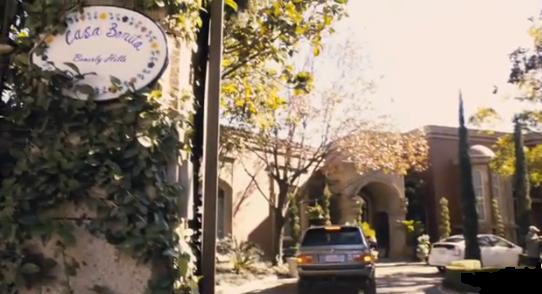
Once upon a time in Beverley Hills there lived two very pretty girls in a house called Bonita Casita. They had a Papa but no Mama.

Mary (Alexa Vega) on Rodeo Drive.

One was short and ditzy, liked to shop, and wore party dresses morning, noon, and night. Her name was Mary Dominguez (MD = Marianne Dashwood).

Nora turned norange at Papa's funeral.

The other was a tall, practical, intellectual, wannabee lawyer named Nora (Elinor Dashwood).  While exotically beautiful, she suffered from a fatal Hollywood condition called orange skin. This viewer suspects it was to make her look more cliched Mexican, but should I really be so cynical? Mary had this condition to a lesser extent, and both girls swung from looking tanned to grossly ill, depending on lighting conditions.

I am happy to report that Nora (Camilla Belle) fully recovered from her skin malady shortly after filming.

Neither girl spoke Spanish, a fact that was mentioned often until it was pounded into the viewers’ brains.

While celebrating his birthday with his daughters, Papa falls flat on his face and dies, leaving the two bewildered girls penniless, for everything he seemingly owned belonged to the banks. The girls must move from their cozy environment in 90210 to a tacky neighborhood in East L.A., which is like asking a Swiss palace guard to work in a Columbian prison on short notice.

Casa Bonita in Beverly Hills

Before that indignity, they meet their half-brother, Gabriel, a  surprise from their papa’s past, who arrives for the funeral with his cheesy avaricious girlfriend, Olivia. It seems that bro and his tootsie want to renovate Papa’s mansion and sell it for a profit. In other words, bro flips houses for a living. Real class.

Q'eulle surprise! Half-brother Gabriel (Pablo Cruz) arrives at the funeral with his Tootsie, Olivia (April Bolwby), and she's mean, while he's a wuss

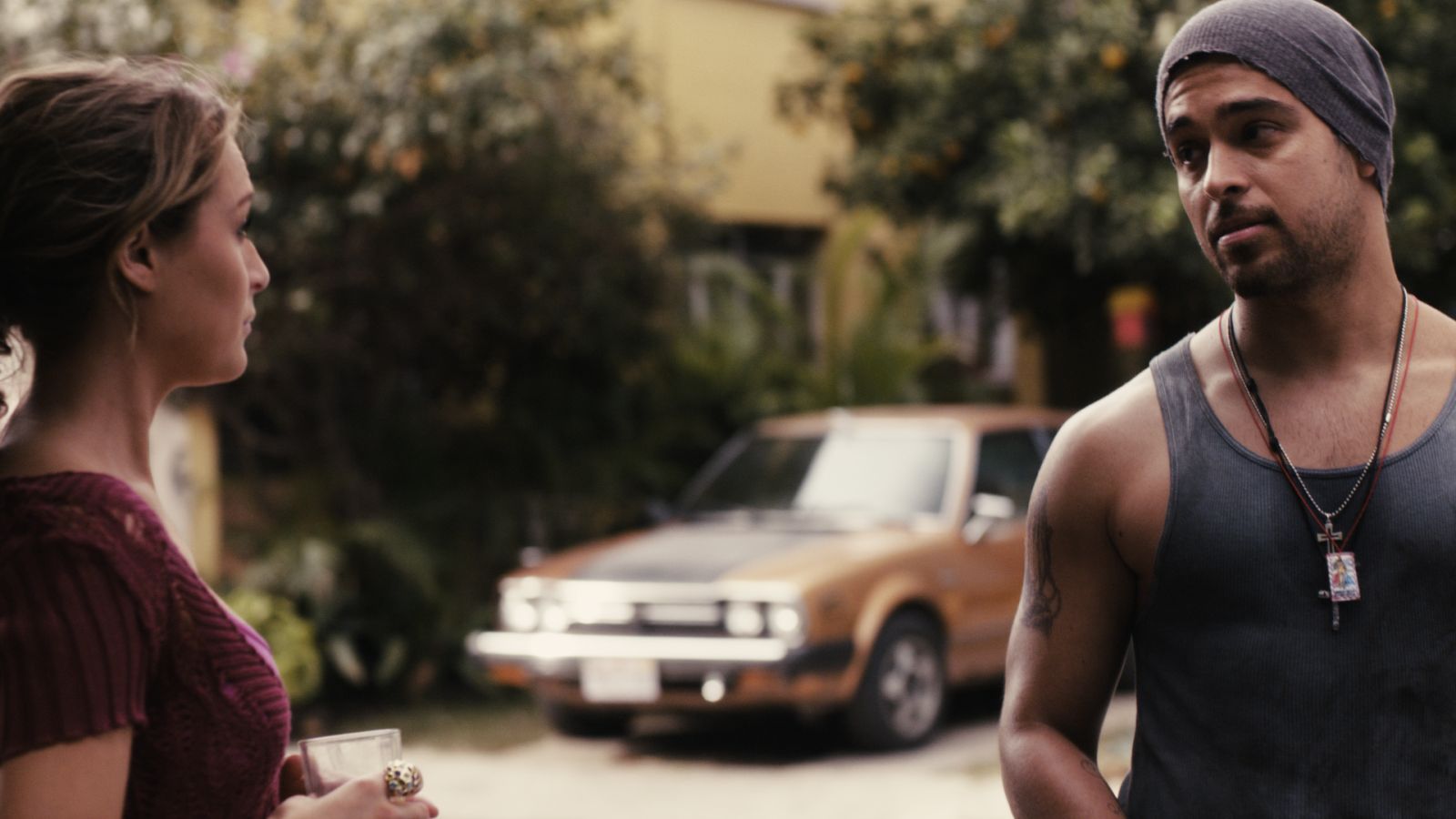
Without a living breathing mother to guide them, as Jane Austen had intended, Maria and Nora have nowhere to go but to their good-hearted aunt’s house all the way over to a neighborhood filled with barrios, gangstahs, and, worse, taco joints. There the girls encounter Bruno (Colonel Brandon) a handsome darkly Latino who obviously did not attend Beverly Hills High.

Bruno (Wilmer Valerrama) and Mary.

He’s friendly, but Mary snubs him, for she begins to suspect that he works for a living and that she  must share a bedroom with her sister. (Not that the two facts have anything to do with each other, but my sentence is no crazier than the plot of the film.)

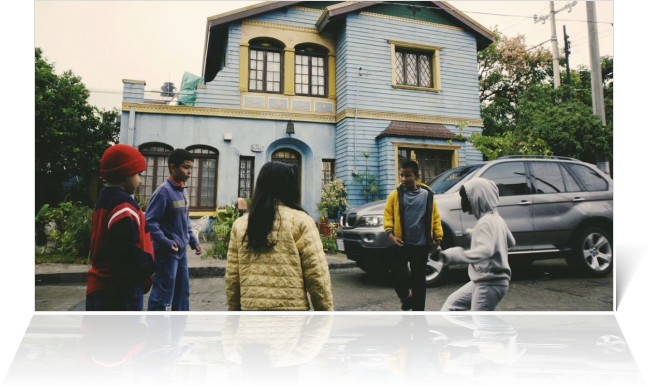
New house, new neighborhood

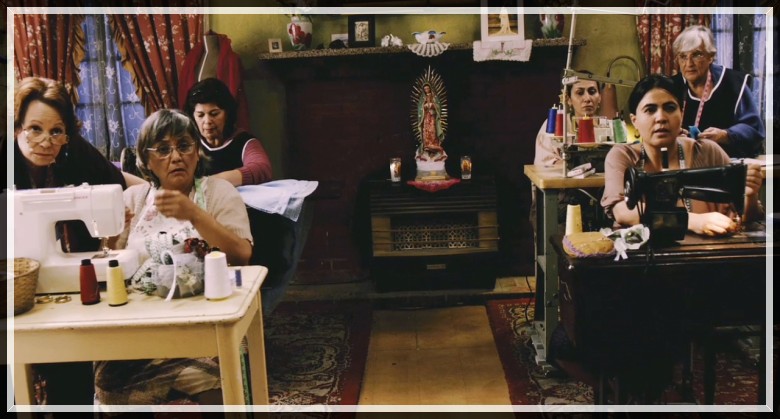
In rapid succession From Prada to Nada  throws at least one cliche per minute at the viewer, including a small sweat shop in Auntie’s living room, bad girls in the neighborhood, and clothes and interiors that could have been created by Agador (Armand and Albert’s gay Cuban houseboy in The Birdcage). How could this movie stand a chance with intelligent viewers when charactes are named Bad Guy #s 1-3, Comrade, Fiesta guest, and Chola (urban dictionary definition: the girl my brother gets pregnant)?

I imagine that people living in East L.A. were horrified to see Jane Austen’s fine tale mangled and twisted beyond recognition.

Sewing in Auntie's living room and prepared to hide the evidence at a moment's notice in case of an immigration raid.

The movie stumbles towards its inevitable cliched ending. Edward Ferris falls instantly for Nora and gives her a splendid job in his law firm. They part and then they come together for no reason that I can fathom, except that he is always coming around the house with a truck filled with big items.

Rodrigo (Kuno Becker) meets the aunties

Mary falls head over heels (instead of twisting her heel in the English countryside) for a tutor named Rodgrigo Fuentes, Willoughby’s stand in. He eventually visits Mexico then dumps her and purchases Papa’s hideously renovated mansion from her flipper bro.

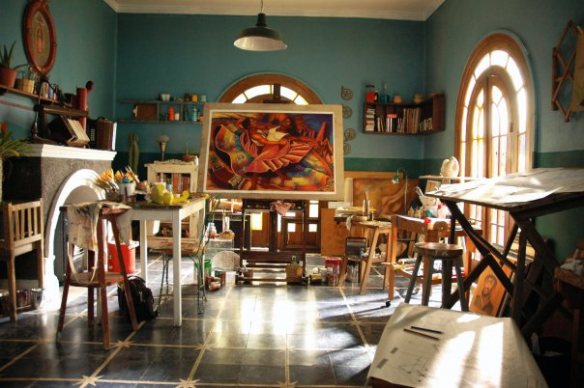
Bruno's amazing studio in his tiny house

Flipper bro turns out to be a nice guy, as does Bruno, who happens to be an immensely talented artist living in the body of a mechanic. For some reason, after her car accident Mary totally flips for the ever patient, long-suffering Bruno, who was able to see past her materialistic ways the moment he met her.

Bruno in his barrio uniform.

After I finished watching this movie, I realized I should have stayed in the basement with my laundry and read a good book as I waited for my washer and dryer to finish spinning. The producers of this clunker forgot one extremely important asset that no self respecting movie can do without: a well-written, intelligent script.

Not all the good intentions in the world of Latinizing Jane Austen, and thus making her more available to those who might otherwise be turned off by her English characters, can save a film so completely devoid of entertainment, originality and wit.

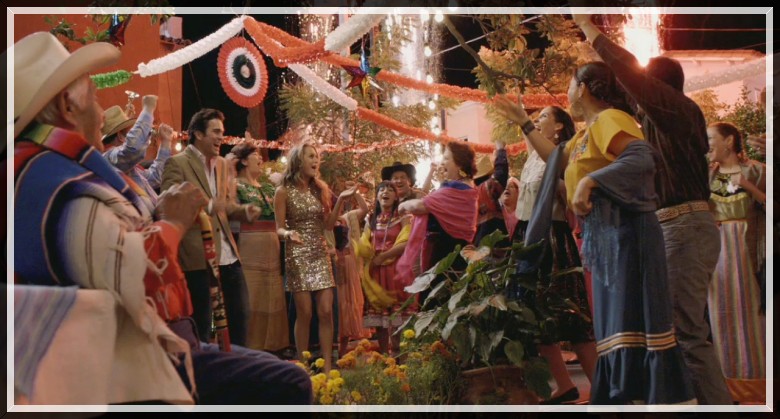
No Tex-Mex film is complete without a fiesta.

I imagine that Lady Catherine de Bourgh would have said of this film: “I take no leave of it. I send it no compliments. It deserve no such attention. I am most seriously displeased.” Amen to that.

Edward Ferris (Nicolas d'Agosto), the prince charming, comes bearing gifts, sweeping Nora off her feet.

Read Full Post »

Gentle Readers, ‘The Many Lovers of Jane Austen’, a television special hosted by Amanda Vickery, was aired in Great Britain just before Christmas. Frequent contributer Tony Grant, who lives in Wimbledon and is the blog author of London Calling, graciously sent in his review. Those who cannot watch the show might enjoy this BBC radio interview. During the last eight minutes, Amanda Vickery discusses ‘The Many Lovers of Jane Austen’ with Libbie Purvves. You will need to download aBBC iPlayer.

On Friday 23rd December at 9.30pm BBC 2 showed Amanda Vickery’s exploration of the world of Jane Austen.
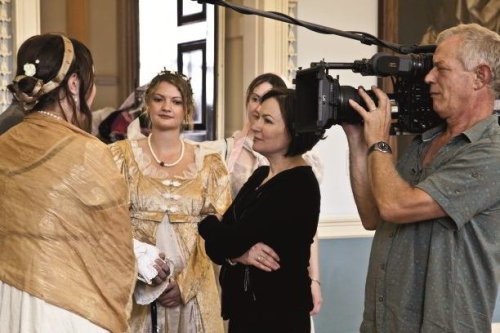
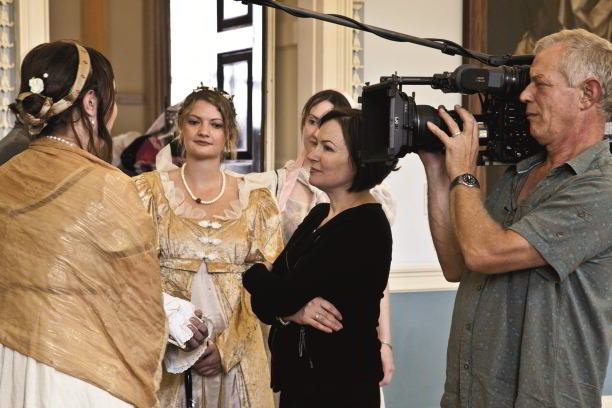
Vickery filming The Many Lovers of Jane Austen

Amanda Vickery wanted to explore how and why generations of readers have been won over to Jane Austen by just six classic novels. She takes us from the JASNA annual conference at Fort Worth, Texas; to Althorpe House, the ancestral home of Princess Diana’s family; Chawton Cottage, where she lived the last years of her life; her tomb in Winchester Cathedral; Bath, where Jane Austen is revered and celebrated; the trenches of The First World War; Sotheby’s auction house in London, where a global bidding war ensues over a fragment of Jane Austen’s writing; to Hollywood and the silver screen, and tries to discover how Jane Austen became a national treasure.
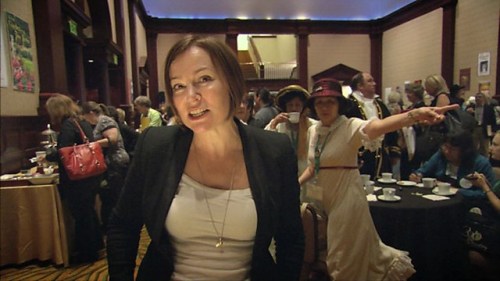
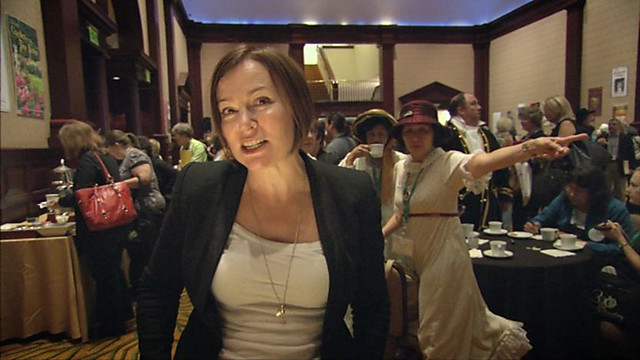
Vickery among the stalls at JASNA Fort Worth

The programme starts with Amanda Vickery strolling around the multitudinous market stalls laid out within a vast arena in the conference centre at Fort Worth. There are country and western singers and hundreds of people dressed in Regency fashions supplied by a costume company doing a very brisk trade. This is what the conference appears to be about, trade and commerce, almost “rampant commercialisation,” as Amanda Vickery describes the scene. The spin-off culture and the merchandising of Jane Austen is very evident at the Fort Worth conference. Amanda Vickery is almost surprised to find that there are actually many committed readers of the novels present. There is a mixture of popular devotion and academic prestige.
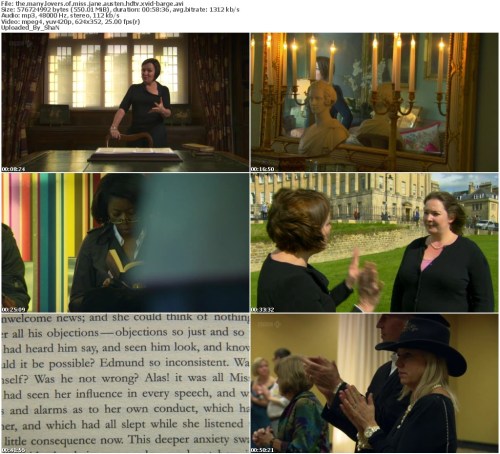
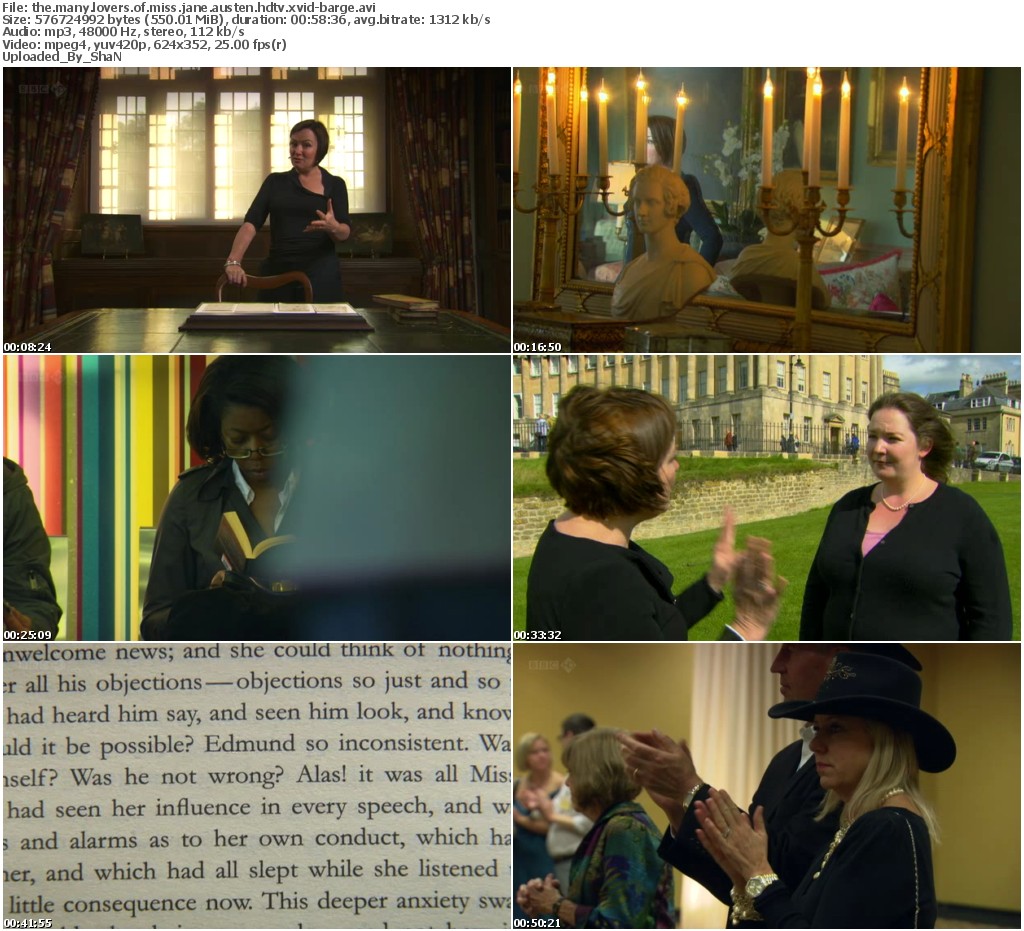
Images of The Many Lovers of Jane Austen @Shanitsinha

Trade and commerce, this is what lies at the heart of America and what has made America. The great driving force that drives a nation appears to drive the American people response to all they encounter, including Jane Austen. This intense commercial activity could actually be their way; their only way, of saying they love Jane Austen. It’s their default reaction. I think commercialisation and art have a very close relationship. Art and literature are made and written but they also have to be sold and for writers to develop they need to make money. But the balance has to be kept. The piece of art or novel has to be paramount. All this spin-off culture of nick knacks, crafts and spin-off novels can be in danger of burying the original creation.
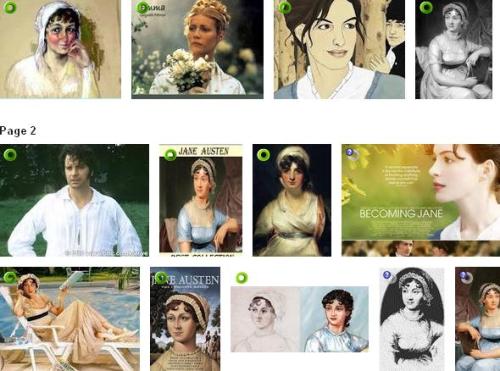
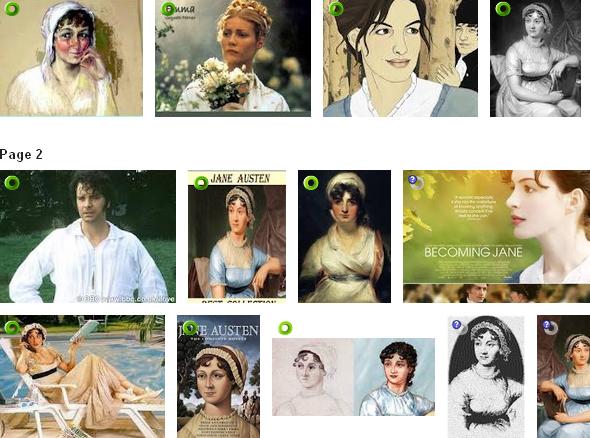
Google screen shot of "Jane Austen"

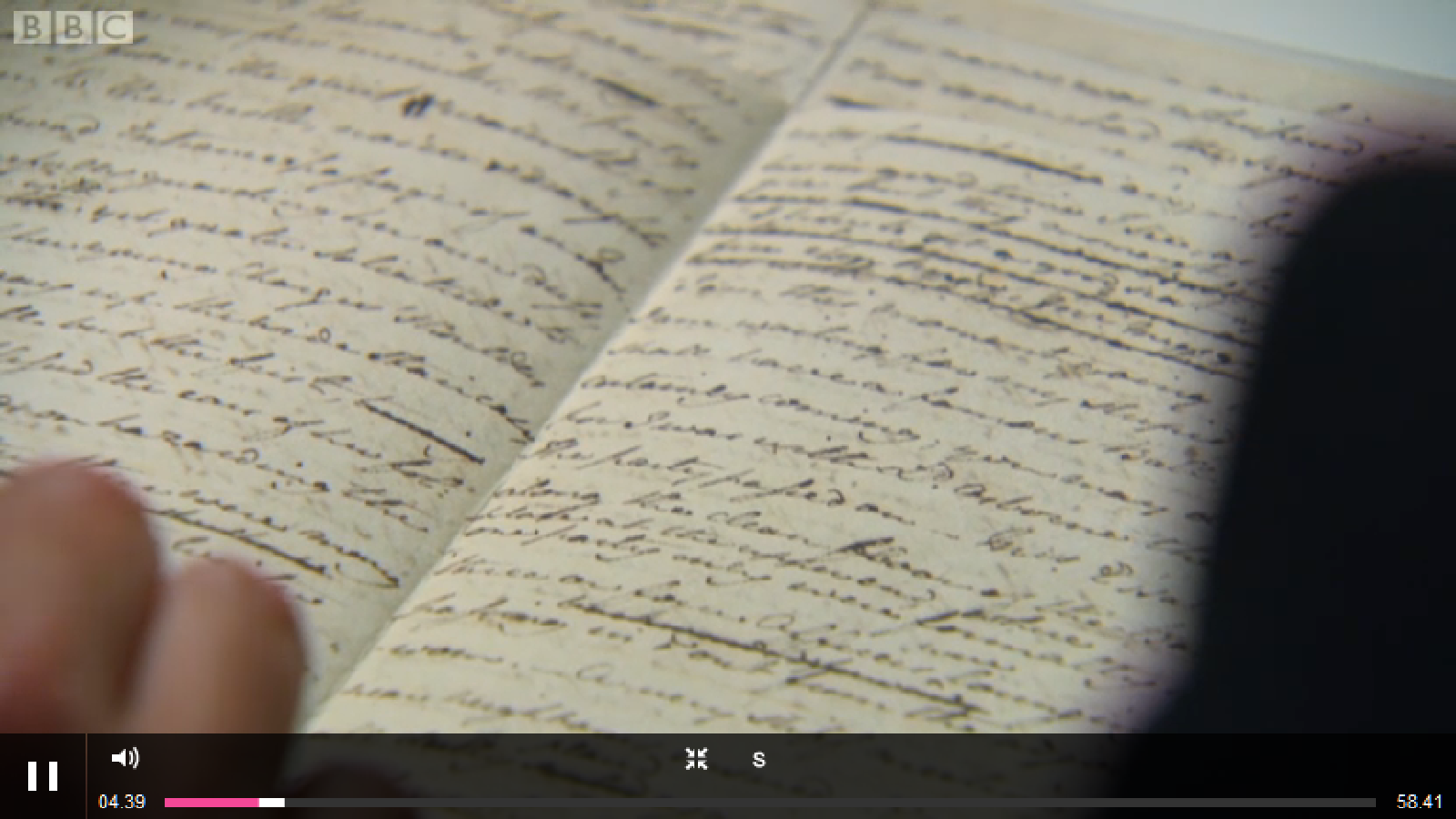
Amanda Vickery next moves to London and visits Sotheby’s, the auction house, where she attends the auction of a fragment of Jane Austen’s handwriting. It is an edited piece of The Watsons, one of her two uncompleted novels. Vickery handles the piece reverentially and reads it to us straight from Jane Austen’s very own handwriting. A great privilege for her and for us. She discusses the meaning of the fragment with the curator at Sothebys. It is the only piece of first draft written in Jane’s own hand still in existence. The words on the page are the first words that formed in her mind, which she then wrote on the paper – a very special document.
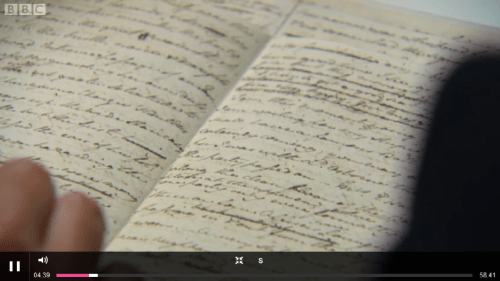
The Watson's manuscript with Jane's handwriting and edits

The Sotheby’s expert estimates a price of £ 300, 000 for the document. Amanda Vickery watches the auction taking place and we are there with her. The price soon goes past the £300,000 mark and continues on and upwards. It is eventually sold to the Bodleian Library in Oxford for a colossal, £850, 000. Nearly a million pounds. Everybody in the auction room is shocked and amazed. I could feel my heart thumping away just looking at the TV screen. Amanda looked flushed too. The document is a financial investment but in going to the Bodleian it will be displayed and used for academic and literary purposes. The importance to the Bodleain is obvious but it also means that it is kept here in the United Kingdom and remains a national treasure.
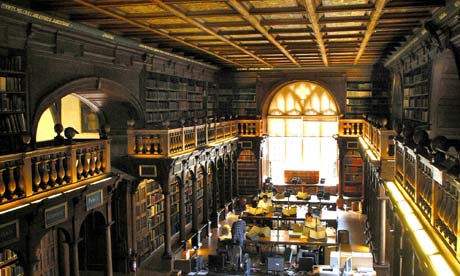
The Bodleian Library reading room. Image @The GuardianUK

So how did Jane Austen become a national treasure herself?

To start with her first readers were members of her own family. Jane would read to Cassandra, her sister, in their shared bedroom before the fireplace at Chawton. They would read, reread, act out scenes and discuss ideas together. Her brother, Henry, the banker, negotiated with publishers on her behalf. Professor John Mulllen suggests that Jane Austen wasn’t as private and shy as some make out. The statement of “By a lady,” on the title page of Sense and Sensibility, was not so much an attempt to be anonymous but to portray to the buyer of her book certain expectations. A novel,” by a lady,” suggested a certain plot arc; unmarried woman meets eligible bachelor, then courtship with certain misunderstandings occur, but all works out in the end and they marry. She was advertising a social and psychological drama of courtship. It was a commonplace deceit. Jane was aiming her novels at a certain readership. However there is little evidence and few clues about who first bought her novels. Lady Bessborough, a distant ancestor of Lady Diana Spencer, who lived at Althorpe, bought Sense and Sensibility, because she discusses the novel in letters to her friends. Austen’s novels would have been read out loud in the drawing rooms of the aristocracy as a sort of group event.”
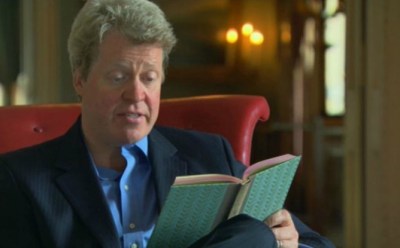
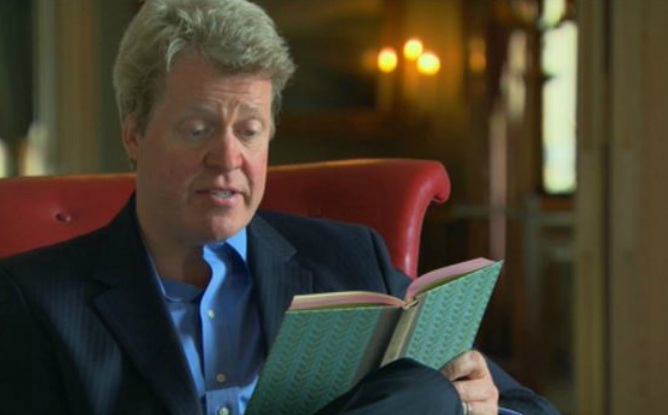
Earl Spencer reading Jane Austen at Althorp. Image @BBC

Soon after Jane died in 1817 at the age of 41, her novels went out of print and for a few years and they were no longer sold. The Romanticism of the 1840’s epitomised by the Brontes with stories set on wild moors and characters with wild passions, became all the vogue. Emily Bronte thought that Jane Austen was in  “denial about human psychology.” But if you really read Jane’s novels all the emotions and human frailty, the passions and the lusts, are quietly there beneath the surface not being broadcast loudly from some windswept moor. The Brontes for all their brilliance probably misread Austen because they were so caught up with their own wild passions. The emergence of circulating librarie,s however, saw her novels being reprinted. These libraries needed a vast source of material to fill their shelves, and writers who had gone out of fashion were brought back into fashion for new readers who had a great appetite for novels. As these became accessible to a broad swathe of society an increasing number of lower middle class people started to read her novels.
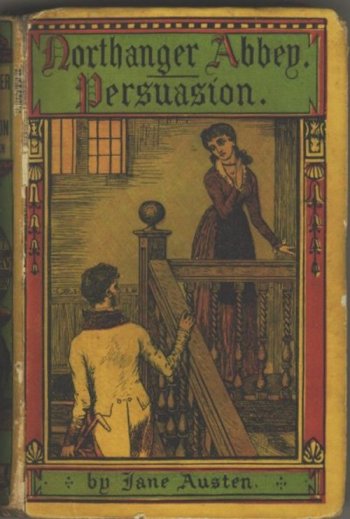
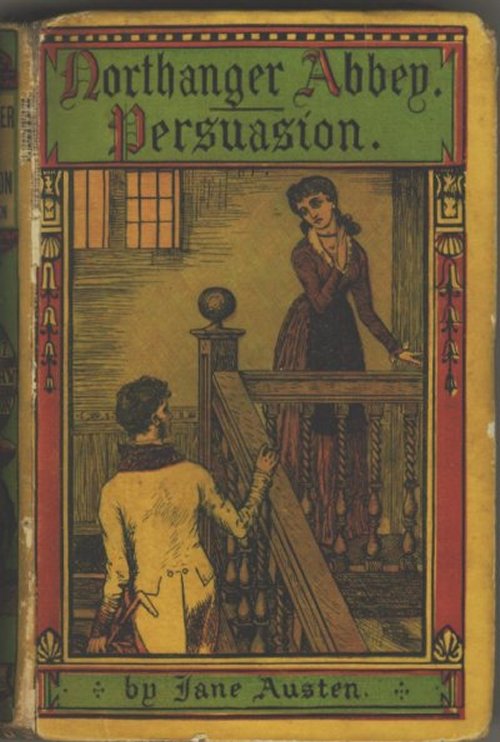
Yellow back version of Northanger Abbey

By the end of the 19th century Jane Austen got a boost through the development of the railway system throughout the British Isles. People on long journeys needed something to do so W.H.Smiths opened book shops and newspaper booths on the railway platforms. They published books that had been out of print and out of copyright because they could do this cheaply. Published  in standard yellow covers, they became known as yellow backs. Jane Austen’s novels were one such series of  yellow backs that were sold to travellers on long train journeys. They became popular again. In the late 1800’s, Persuasion became what we might term low price pulp fiction.
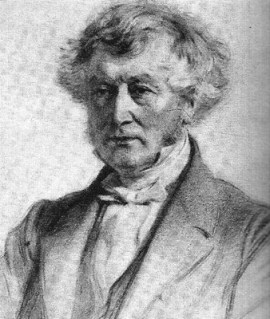
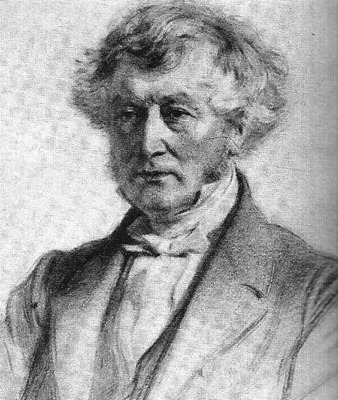
James Edward Austen Leigh

The real turning point in the success of Jane Austen was in 1870 when James Edward Austen Leigh wrote a biography of his relative’s life and so created the Jane Austen myth. Professor Kathryn Sutherland, talking to Amanda Vickery at Chawton Cottage, describes how the family took the only portrait they had of Jane, the rough sketch drawn by Cassandra and commissioned an artist to create a new, beautified copy of it so that they could publish it with James Austen Lee’s biography.
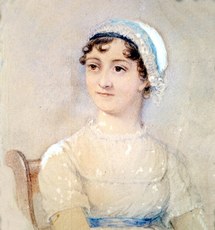
"Saint Jane"

There was very much a sense of the Austen family beginning to shape a view of Jane that they wanted the world to know. Amanda Vickery describes this mythical Jane as “Saint Jane.”
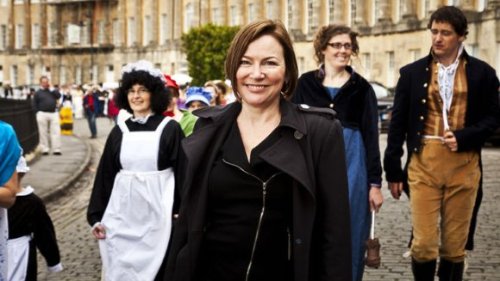
Amanda in Bath

These days, Bath, in Somerset, likes to think of itself as the spiritual heart of the Jane Austen culture. The fact that Hampshire, where she loved most of her life, has far more to do with Jane Austen appears to pass them by; perhaps more accurately, the Bathites would like us not to notice. Jane Austen used the setting of Bath in two of her novels, Persuasion and Northangar Abbey. In Persuasion especially Jane portrays the underclass side of Bath alongside the rich upper-class side. She herself was never reverential of Bath.
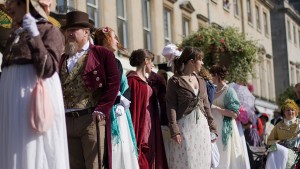
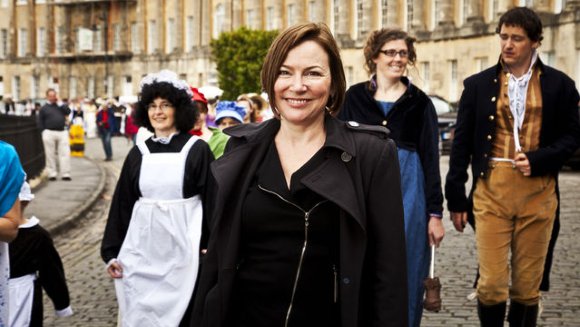
2008 Jane Austen Festival, Bath. Image @The Jane Austen Centre Online

Today Bath holds its festival once a year with balls and hundreds of people parading the streets in 18th century costumes. It is the home of the Jane Austen Centre positioned half way up the hill in Gay Street. But it appears to me that these are more attempts to create a tourist trade. They want the custom. Jane Austen herself did live in Bath for four years in various houses around the city, the family seemed to be forever on the move, but she was not particularly happy there. She felt that she had been torn from her dear Steventon in Hampshire by her parent’s sudden wish to retire and move to Bath to have a good time. Similar to the Fort Worth experience, Bath appears to be out to make money from Jane. Bath does create a world focus for Jane Austen and brings her to the attention of many. So it’s not all bad.
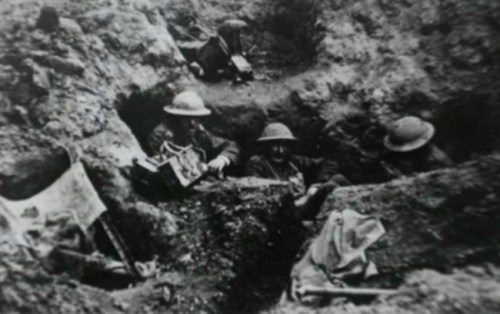
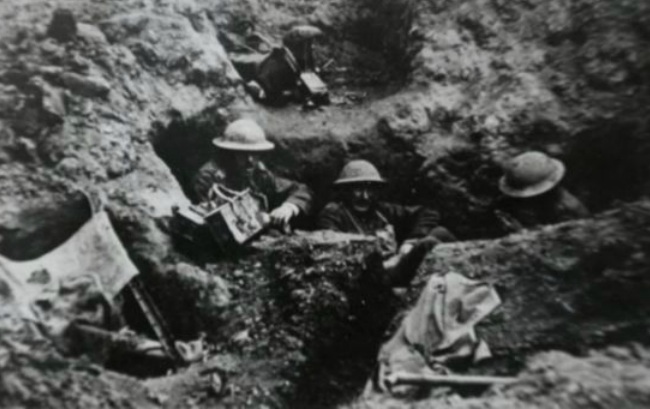
Jane Austen in the trenches of WWI. Image @BBC

In 1894 Sir George Saintsbury coined the term, Janeite. Rudyard Kipling was a renowned Janeite and so were other writers and academics.Rudyard Kipling wrote an article about a group of World War I soldiers in the trenches who read Jane Austen novels. Life in the trenches was horrific from more than one point of view. It wasn’t just the horrors of  “going over the top,” but it also included boredom, filth, lack of clean water and the deafening sounds of artillery, shell shock,and just grinding fear. Soldiers required a reading material that could take them away from this hell on earth. Jane Austen became very popular amongst soldiers in the trenches because she took them back to a pleasant land, a good, a peaceful England of quiet gentle manners and drawing rooms. William Boyd Henderson writing a letter home describes how much he enjoyed reading Jane Austen’s Emma. Winston Churchill is renowned to have said, when he was ill with a fever, “antibiotics and Pride and Prejudice have cured me.” Rudyard Kipling is said to have read Jane Austen constantly after hearing of his son, Jack’s, death in the trenches of the First World War.
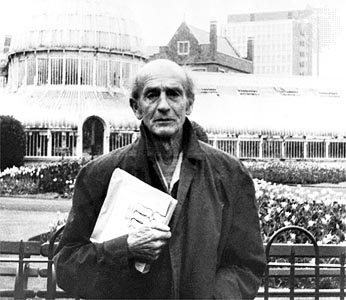
F. R. Leavis

After the First World War there was a great need for the civilising power of culture , the humanities and English Literature, to be part of the salving cure for damaged and bereft lives. F.R. Leavis, the great English Literature don at Downing College Cambridge was the driving force behind all analysis of English literature. The Professor of English literature at Downing College between the 1930’s and 1960, his was the dominant and dominating view that all others looked to. He talked about the great tradition and said there were only five great writers of the novel: D.H.Lawrence, Henry James, Joseph Conrad, George Elliot and the mother of them all, Jane Austen. Leavis’s view held dominant for decades and few could survive criticism of this view. Careers could be and were destroyed or limited if anybody went against him. Professor Janet Todd tells Amanda Vickery that Leavis thought English literature could save the world.
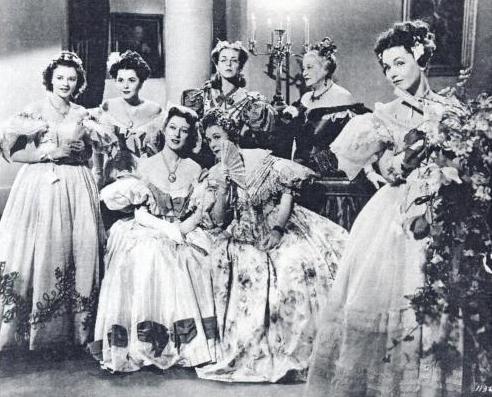
Female cast in Pride and Prejudice, 1940

In 1940 Hollywood took on Jane Austen when Pride and Prejudice with Lawrence Olivier and Greer Garson was produced. In the 1960’s the BBC produced a whole series of costume dramas portraying Jane Austen’s novels. In 1980, Pride and Prejudice was filmed again. Amanda Vickery says, ” It was as though Jane Austen was trapped in the Quallity Street tin.” It was a Laura Ashley version of Austen. This suggests that perhaps each generation gets the Austen they deserve. Each decade produces productions of Austen that reflect the age they are made in.
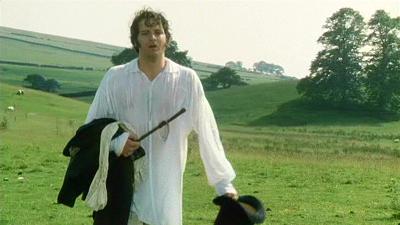
Colin Firth as Mr. Darcy

In 1995 came Andrew Davis’s wet t-shirt version with Colin Firth emerging from the lake at Pemberley, wet to the skin, pumping testosterone. A film for the young with hormones. There is lovely scene with Amanda Vickery taking the part of Elizabeth Bennett as Darcy/Firth emerges from the lake and Amanda gives Elizabeth Bennett’s lines in response to Darcy and the two films are cut together as though they are one. The 1995 film still appears to be the most popular version, even now in 2011, anyway it appeared to be so with the hordes of fans at The Forth Worth assemblage. Andrew Davies was the main guest speaker and he was very very popular. Do Janeites create a hysterical response like a form of Beatle mania? Well, perhaps not. They don’t throw their knickers at Andrew Davies; they just receive, rather cheekily, tiny black lace thongs in little black net bags provided with Willoughby’s phone number. Apparently Willoughby is sounding rather exhausted, if polite, on the phone these days!!
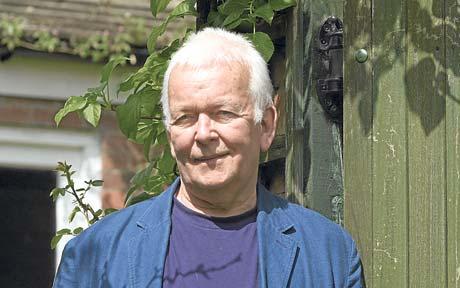
Andrew Davies. Image @The Telegraph

Dr Cheryl Kinney, a gynaecologist and the organiser of this year’s JASNA conference at Fort Worth, denies that the Willoughby knickers are a way of increasing the likelihood of sexually transmitted diseases so that she can make money curing people. The contemplation of this possibility makes Amanda Vickery laugh like a drain. Yes, we DO get the Austen we want.

We are left with a thought for the future: Austen has peaked in the west. Could  China and Japan be the next stops perhaps?

Other reviews: These will give you more insights and images!

Please note: The ads are placed here by WordPress. I do not make money from this blog.

Read Full Post »

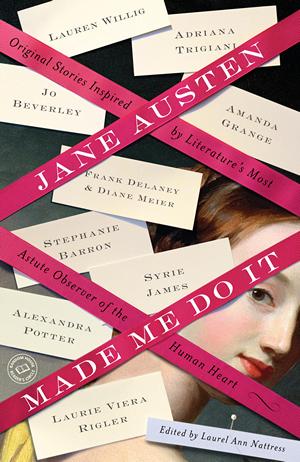
One regret I have in my busy life is the lack of leisure time I have for reading. Right now there are four stacks of books on the floor of my office, all waiting to be read. So many books! So little time. Given my schedule, I am glad I set aside the required hours to read Jane Austen Made Me Do It, an anthology of Jane Austen-inspired stories by published Jane Austen sequel authors and edited by Laurel Ann Nattress.

I rarely read anthologies front to back, but flit here and there, landing instead on a story with an intriguing title or by a favorite author. In this instance I began with Stephanie Barron’s tale of Jane And the Gentleman Rogue: Being a fragment of a Jane Austen mystery. I am so glad I did, for it prompted me to linger longer over dinner and read another short story. Beth Pattillo’s  When Only a Darcy Will Do was a delight, as was Margaret C. Sullivan’s Heard of You, which I read just before going to bed. The list of authors in this anthology is impressive: Pamela Aidan • Elizabeth Aston • Brenna Aubrey • Stephanie Barron • Carrie Bebris • Jo Beverley • Diana Birchall • Frank Delaney & Diane Meier • Monica Fairview • Amanda Grange • Syrie James • Janet Mullany • Jane Odiwe • Beth Pattillo • Alexandra Potter • Myretta Robens • Jane Rubino & Caitlen Rubino Bradway • Maya Slater • Margaret Sullivan • Adriana Trigiani • Laurie Viera Rigler • Lauren Willig.

I’ve always enjoyed reading anthologies. They allow one to pick and choose on a whim, and finish a story in a short space of time. Anthology stories serve as literary versions of amuse bouches, those tasty bites served at the start of dinner. Even the most the discerning reader is bound to find selections and authors they will love. (Or discover a new author!) Click here to read a short synopsis of each story.

I favored some stories over others, but won’t share them with you for the simple reason that some of the stories I disliked received rave reviews on other blogs. Anthologies appeal to a variety of tastes, and I found it remarkable how many in Jane Austen Made Me Do It captivated me.  If you decide to purchase this book, I can guarantee that you will discover new authors and stories that you will want to reread.

This is due, no doubt, to the hard work that editor Laurel Ann Nattress put into the project. As a blogger, I can’t imagine how much of her time was spent in contacting the authors and working with them, overseeing a contest for an  unpublished author (the honor went to Brenna Aubrey), working with her publishing house in editing the stories, and now publicizing the book. I tip my hat to Laurel Ann for overseeing this ambitious and very worthwhile project, for this is her first book.  I give Jane Austen Made Me Do It  five out of five Regency tea cups!

Ballantine Books
Trade paperback (464) pages
ISBN: 978-0345524966

Order the Book

• Barnes & Noble
• Amazon
• IndieBound
• Book Depository
• Random House

Read Full Post »

« Newer Posts - Older Posts »