Feeds:
Posts
Comments

Archive for the ‘Jane Austen Novels’ Category

Inquiring readers:  Once again, Tony Grant, who lives in London, has written his unique insights about historical events in that great city. This week he concentrates on John Murray, the publisher of four of Jane Austen’s six completed novels. Tony’s contributions to this blog are unique in that he includes his photographs of modern London and mingles them with more traditional illustrations. Read Tony’s blog, London Calling, at this link.
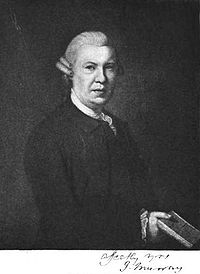
Image @Wikimedia Commons

John Murray
Bookseller and Publisher
Born 1st January 1737
Died 6th November 1793
Lived and conducted business here.
1768 – 1793

On Tuesday 13th March, my son Sam and I had a day out in central London. My brother Michael, who lives in Grenaa on Jutland, is over here with thirty students. Michael teaches mathematics in a further education college in Grenaa. He has lived in Denmark for over thirty years. A couple of weeks ago he phoned me and asked if I could do a Dickens tour of London for his students. On Tuesday Sam and I walked the route I will take Michael’s students. A Dickens walk is difficult. There are so many places in London that have strong links with Dickens.
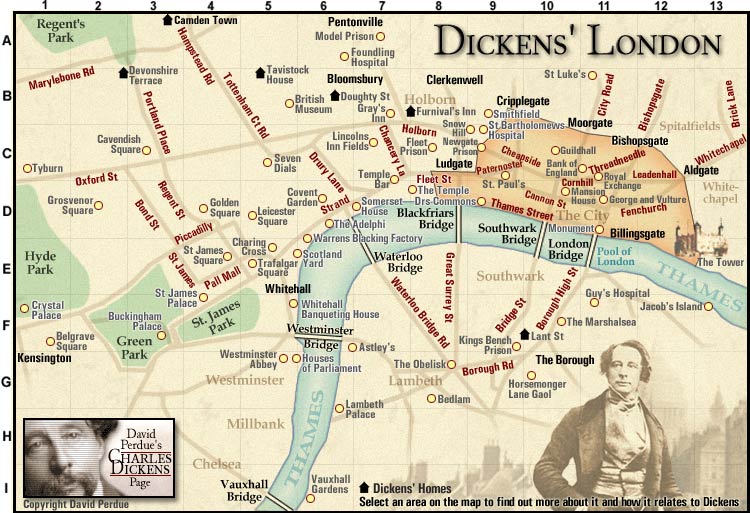
Image @Wiki Spaces. Click on site.

It is more about what to leave out than what to include. Connecting them all in a walk that will take just over an hour would be impossible. I looked carefully at a map of London to see what places could be linked most appropriately. I think I have chosen a rout that includes many of the main sites connected with Dickens working life in London. I have decided to begin at Hungerford Bridge the site of Hungerford Steps and Warren’s Blacking Factory where Charles Dickens worked as a young child sticking labels on bottles of black polish.
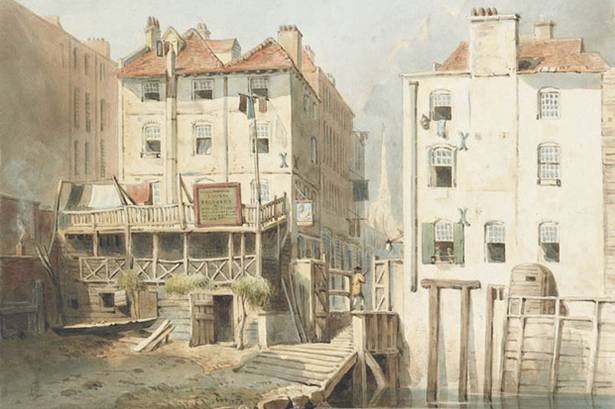
The Blacking Factory where Dickens worked. Image @The Mirror. Click here to see more.

The walk will be along The Strand, past The Adelphi Theatre, to Wellington Street, the Lyric Theatre and then on to Covent Garden before walking on to The Old Curiosity Shop, Lincolns Inn , Chancery Lane, Holborn High Street, past Grays Inn and finally ending at 48 Doughty Street, one of the houses Dicken’s lived in and now The Dickens Museum. Sam and I felt very pleased with ourselves. The walk flowed nicely, punctuated with plenty of Dicken’s sites and the timing was about right. We retraced ours steps, this time continuing down Chancery Lane to the Strand and turning left until we got to Ye Olde Cheshire Cheese, in Fleet Street.
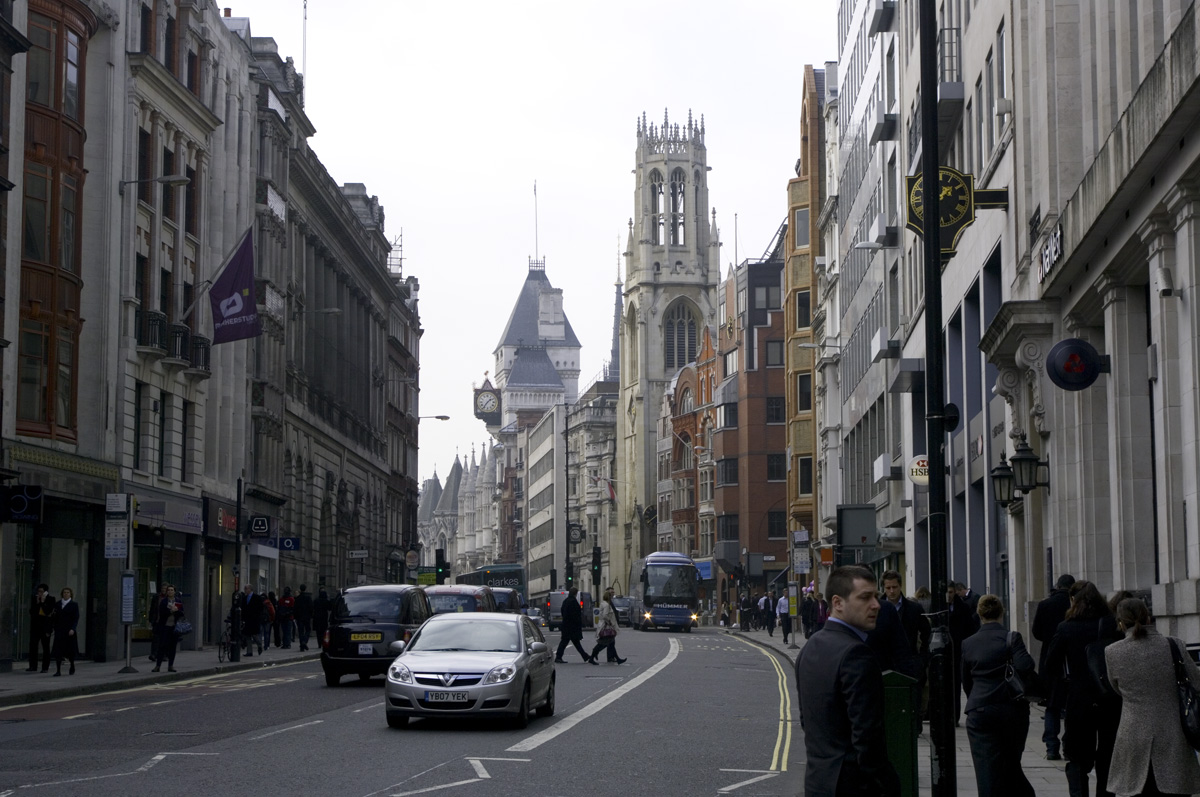
Fleet Street and The Royal Courts of Justice. Image @Tony Grant

Dickens, some of his characters and many other writers and famous people have graced these premises. After a pub lunch in the cellared depths of this ancient establishment we tracked back along Fleet Street towards The Royal Courts of Justice. I just happened to glimpse a small plaque attached to a pillar to one side of a narrow alleyway leading to a small courtyard behind. It read:
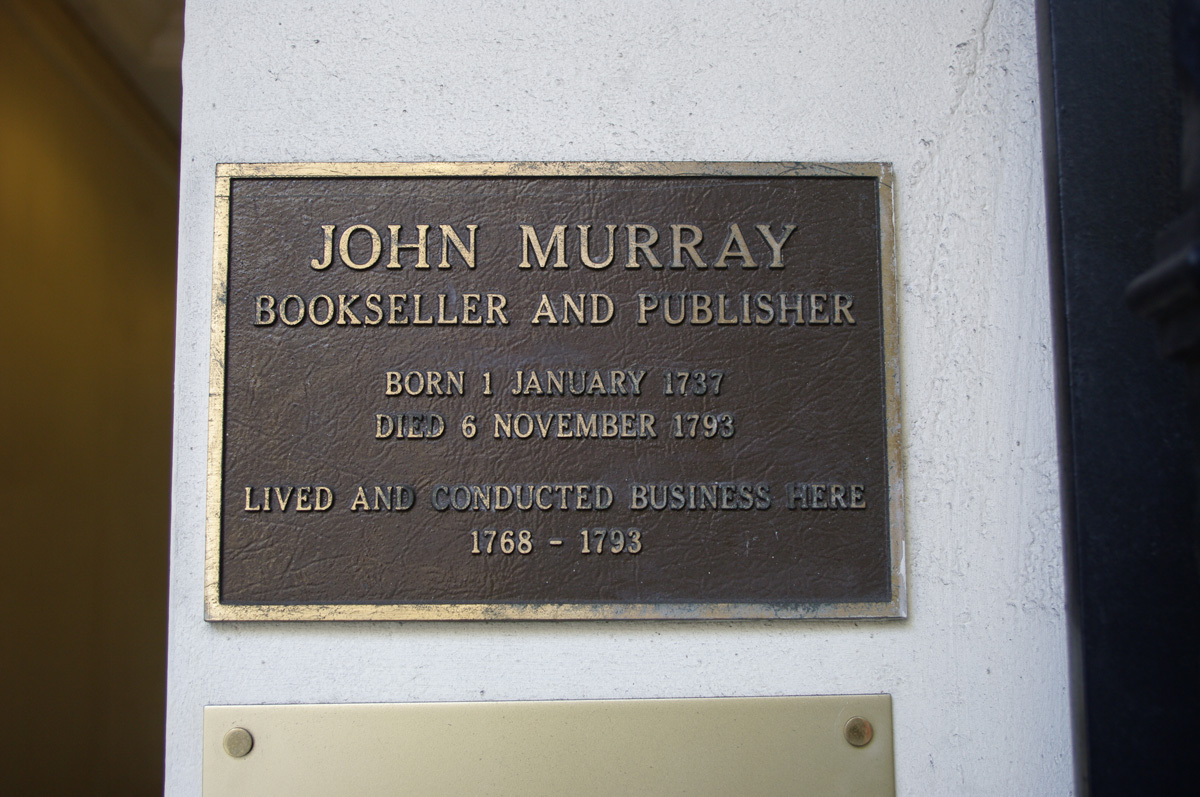
Image @Tony Grant

I stopped in my tracks. I thought this must be Jane Austen’s publisher. However the dates did not tally. Jane’s first novel, published by John Murray, was Emma in 1815, long after the final date of death on the plaque. I took photographs of the plaque and courtyard at the end of the alleyway and pictures of Fleet Street, running along outside. When I got home I researched John Murray and found the John Murray publishing firm website.

THIS IS A SHORT HISTORY OF THE PUBLISHING FIRM OF JOHN MURRAY.

The first John Murray, who lived from 1737 to 1793, started his working life as a Lieutenant in the Marines. Life as a marine officer in the 18th century was spent on board naval men of war and consisted of travelling the world to defend the British Empire. It wasn’t a particularly well paid or thought of profession. In Mansfield Park , Fanny’s mother, Frances , the younger Ward sister,
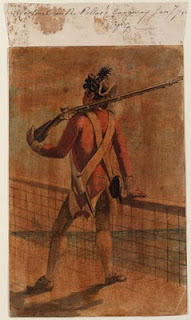
British marine, 1775. Image @Mock Attack

…….married, in the common phrase, to disoblige her family, and by fixing on a Lieutenant of Marines, without education, fortune, or connections, did it very thoroughly.”

John Murray must have had a natural inclination towards business and when he acquired a publishing and bookselling business in Fleet Street in 1768 he made it into a successful business now passed down through the generations. The fact that he acquired a publishing business must mean that it was left to him, perhaps in a will. As a lieutenant of marines it is doubtful he would have had the finances to buy it and it seems a strange choice of business for somebody with his background. He must have acquired it through inheritance and an accident of fate.

The John Murray office was in Falcon Court. Image @Tony Grant

As an indication of his business acumen he was one of the first publishers to actually consider the quality of the writing he published. He also used his many contacts to help sell large quantities of his books. He was a canny businessman though and hedged his bets by also selling game, which would have included deer, pheasants and rabbits; the produce of country sports. He had a go at selling paste jewels and lottery tickets too.

John Murray (or MacMurray, as the name was originally spelt), having bought the stock and goodwill of William Sandley, who had turned banker, began at the ‘Falcon,’ otherwise No. 32 Fleet Street, that remarkable and prosperous career which has culminated in the great publishing house of Murray. In Smiles’ book on the Murrays will be found an exhaustive account of the inception, by Lieutenant MacMurray, of this great firm. – Fleet Street and the Press
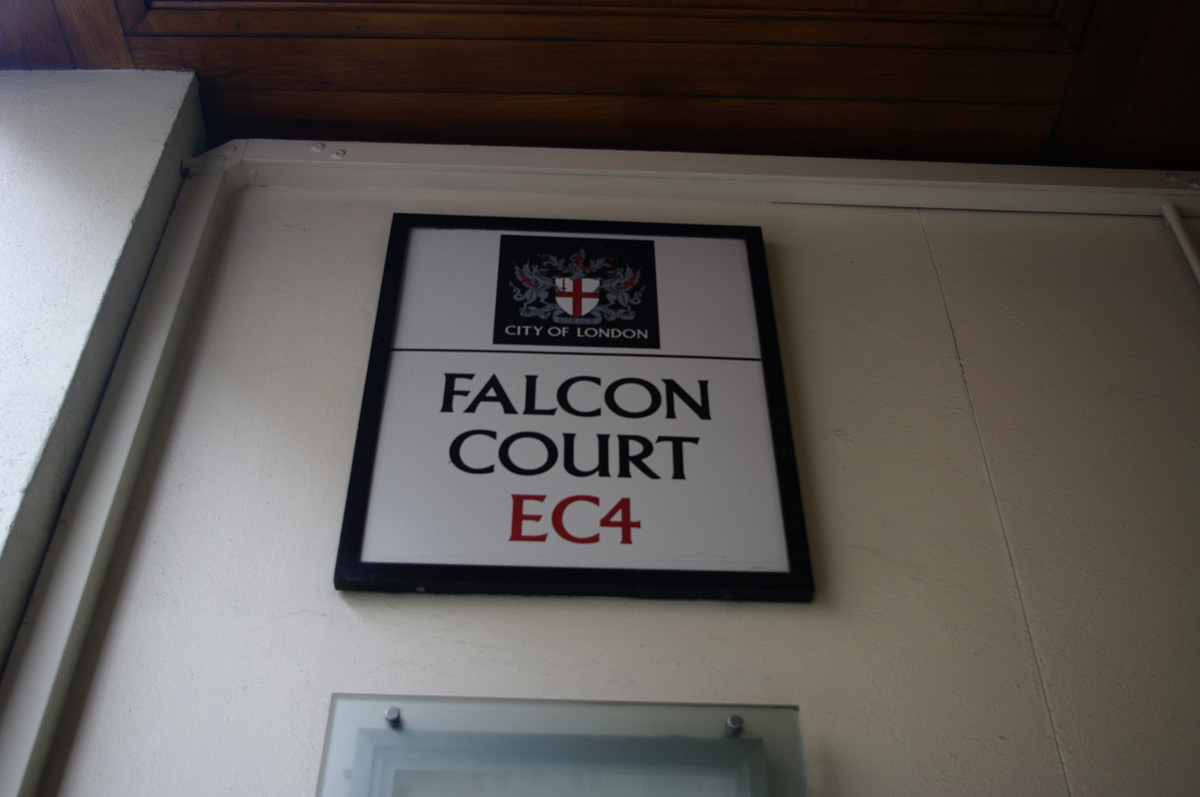
Image @Tony Grant

He was astute enough to go with what was most profitable. Books worked for him though. I suppose if the selling of game, he was virtually a butcher as well as a bookseller, paste jewellery or the selling of lottery tickets had provided more income for him the publishing side may well have not contiued and Jane would not have had her publisher in the next John Murray but may well have been buying venison from him instead.
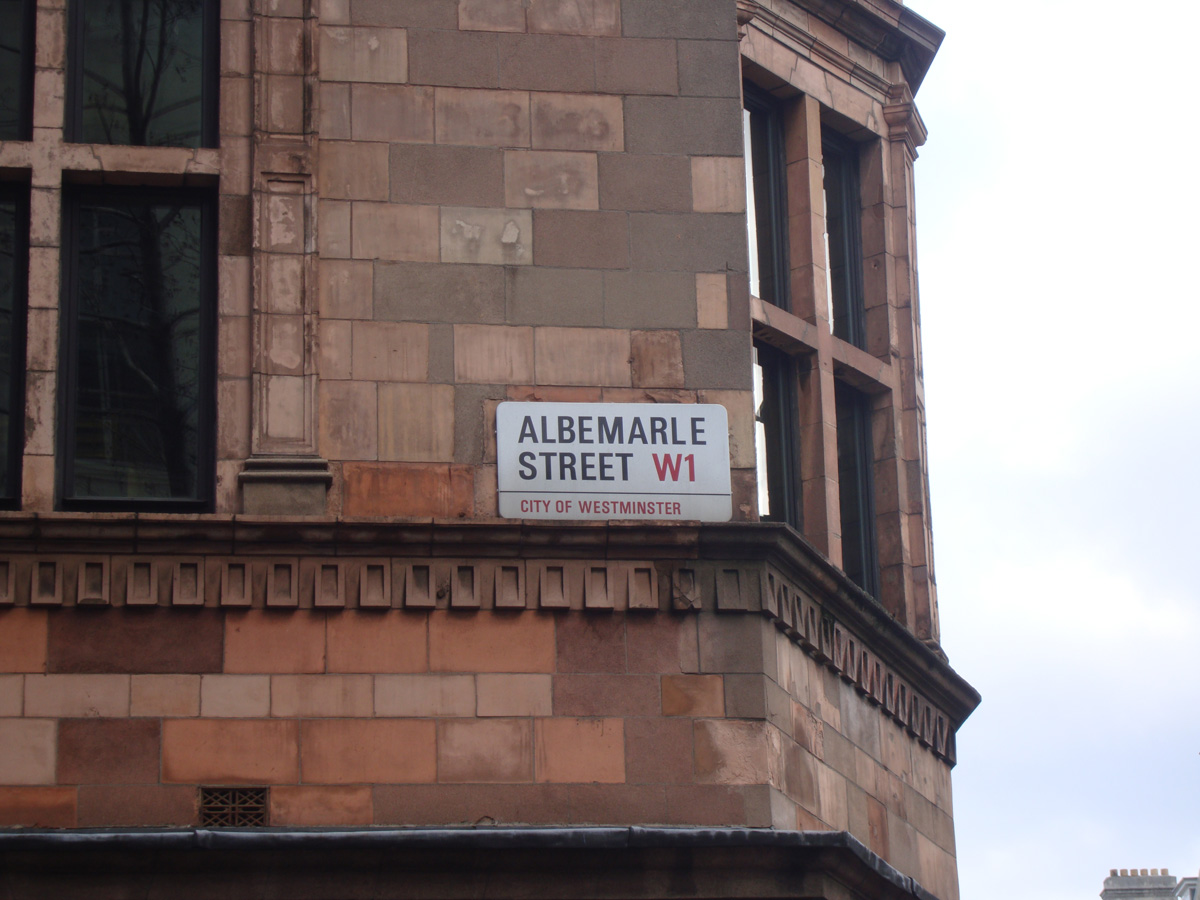
Image @Tony Grant
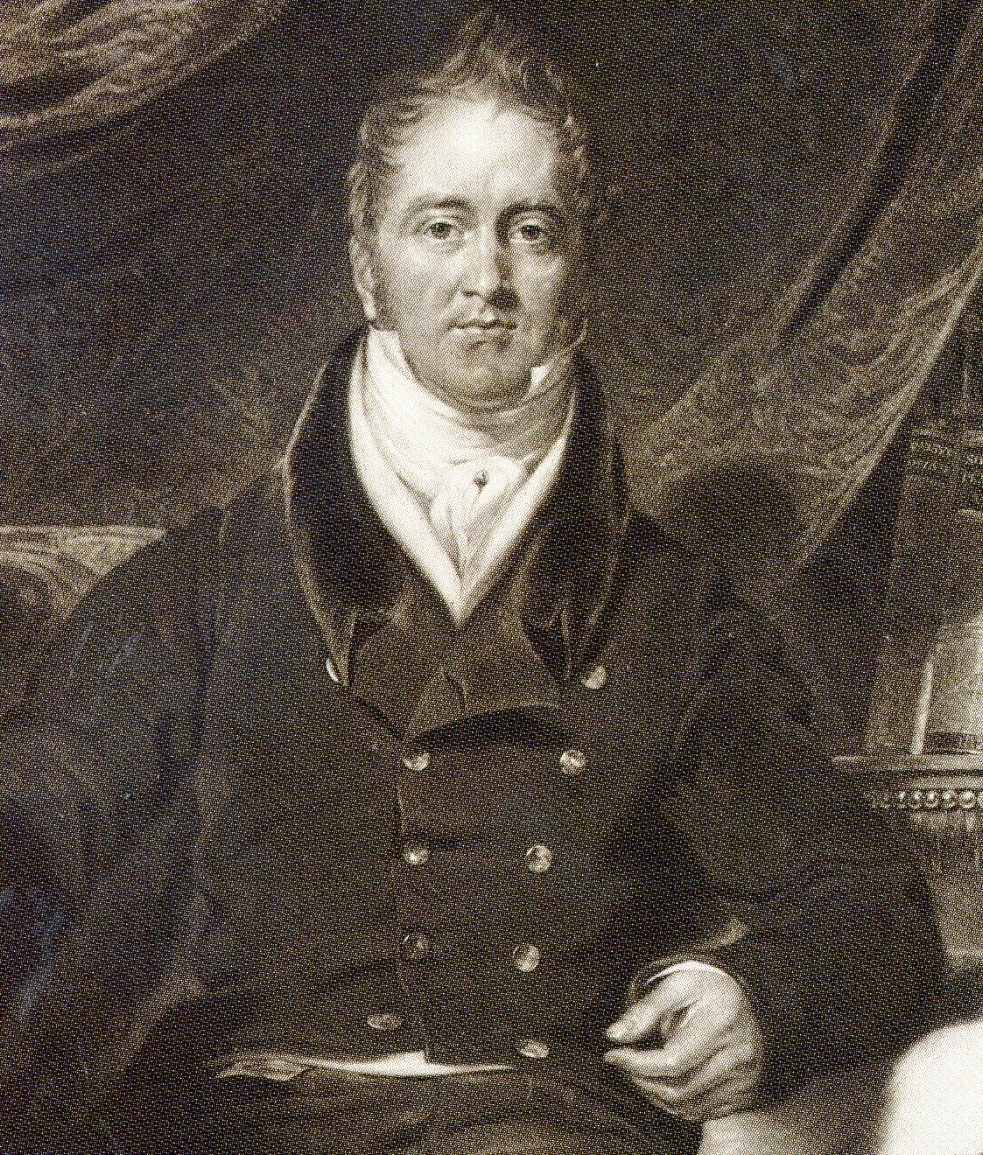
John Murray II. Image @Austenonly. (Published with permission from Julie Wakefield.)

John Murray’s son John Murray II began to develop the business. He was successful at signing Walter Scott who helped him, among others, such as the secretaries of the admiralty, John Wilson Croker and Sir John Barrow and writers such as Robert Southey and Charles Lamb to publish The Quarterly Review. This journal continued until 1967. In 2007 it was revived. The concept behind it is

to draw upon a wide range of opinions to provide counter-intuitive writing for people who like to think, and to enhance literary, philosophical and political debate.”
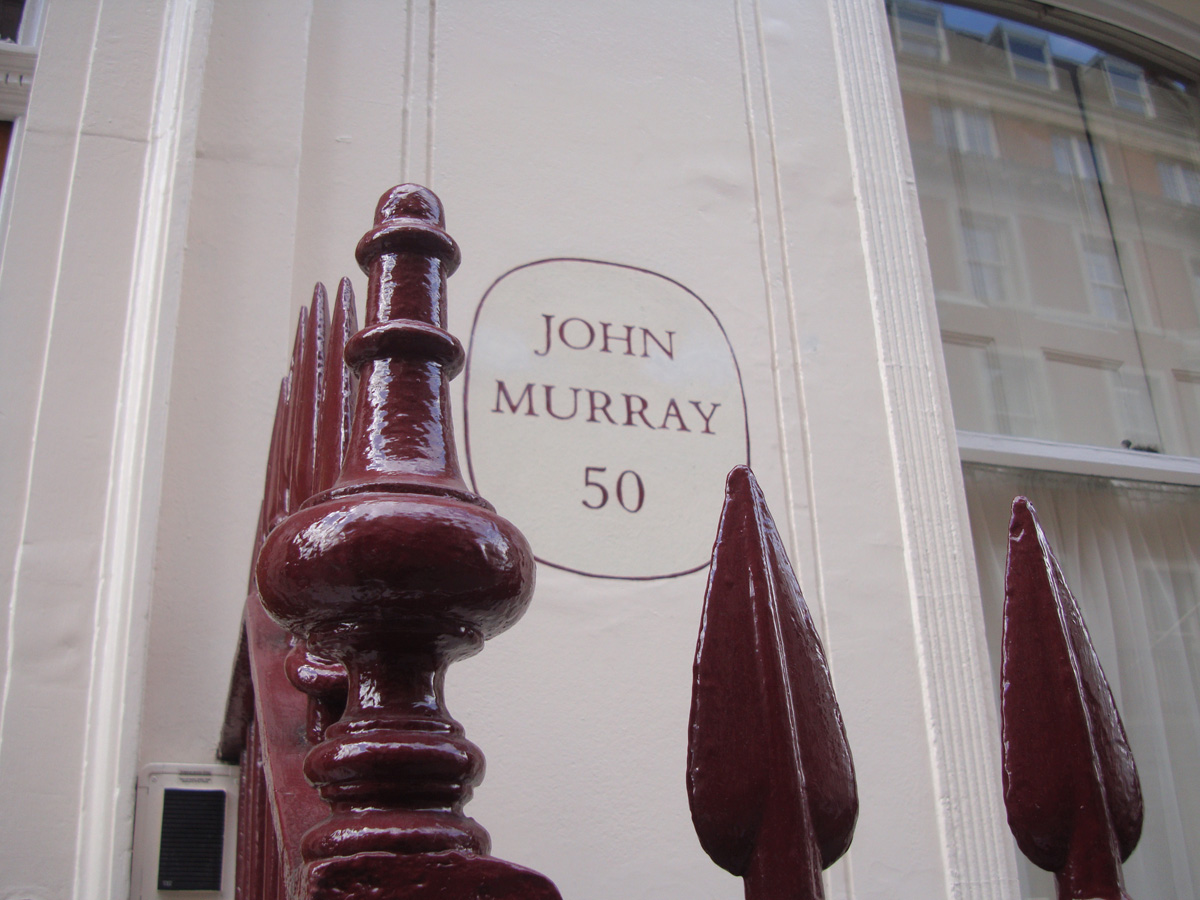
50 Albemarle Street. Image @Tony Grant

In it’s early years it tried to counter social reforms. It was rather conservative in it’s views but it did back the abolition of slavery although advocating a slow approach to the process.
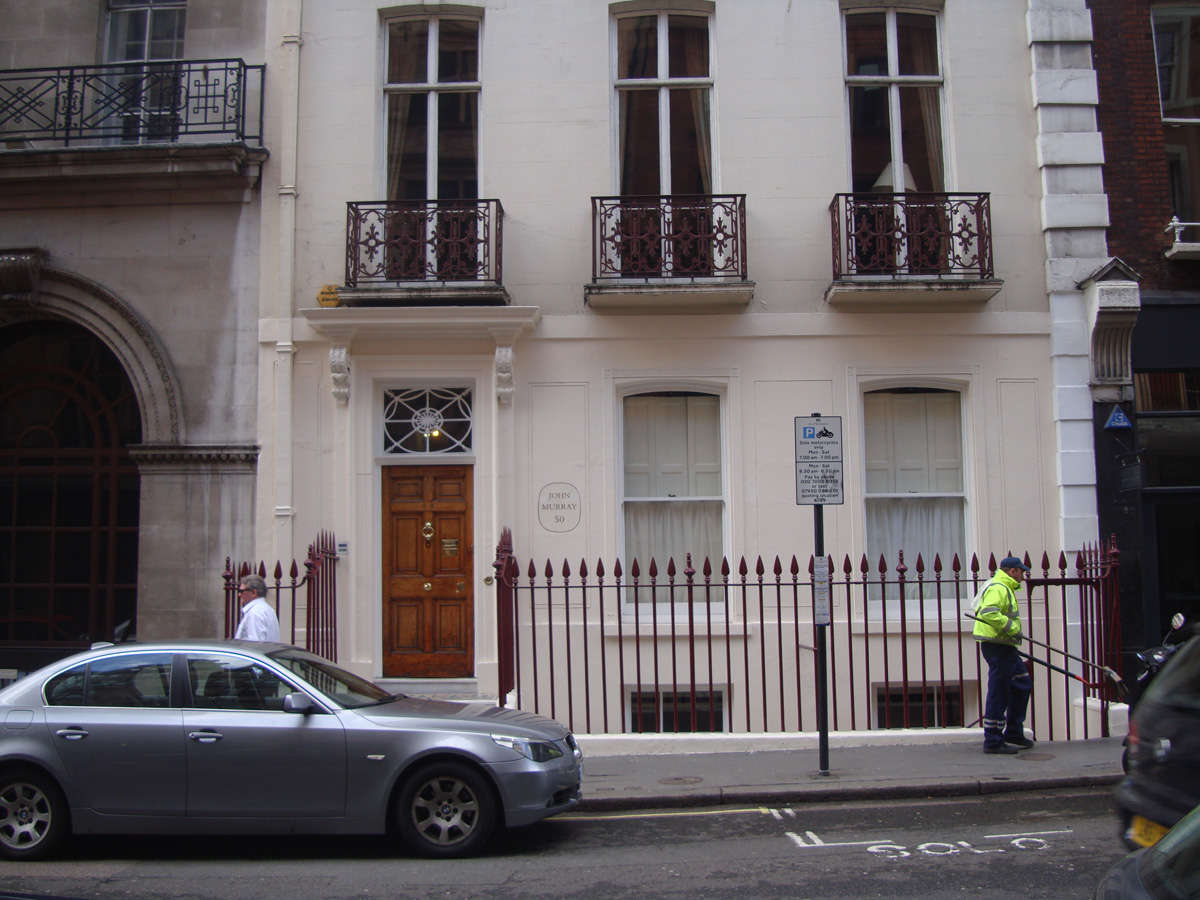
50 Albemarle Street. Image @Tony Grant

In 1812, John Murray II published Childe Harold by Byron and it was a great success. This gave Murray the confidence to mortgage some of his copyrights and purchase 50 Albemarle Street, which has remained the home of the publishing firm for the last two hundred years.
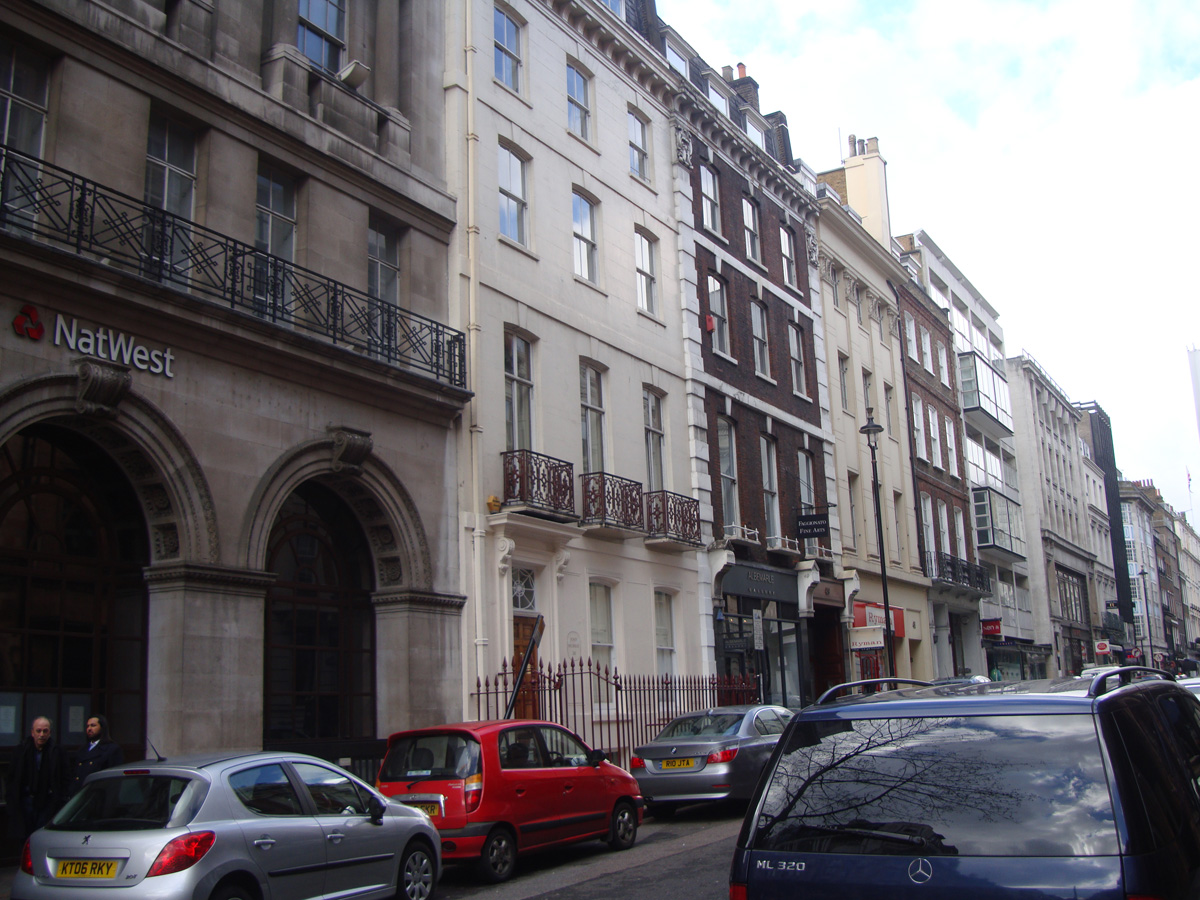
Albemarle Street. Image @Tony Grant
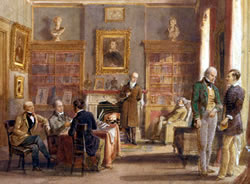
John Murray drawing room. Image @Playwright in the cages

The drawing room in Albemarle Street has been the meeting place for some of the most famous writers in English history. By 1815, and after the Battle of Waterloo, everybody wanted to be published by John Murray. It seems therefore that Henry Austen, Jane’s banker brother, must have had no little influence in obtaining Murray as his sister’s publisher. She was an unknown country girl. Why should he take her on? On the other hand he might have had great literary sense and was in the habit of reading unsolicited scripts.
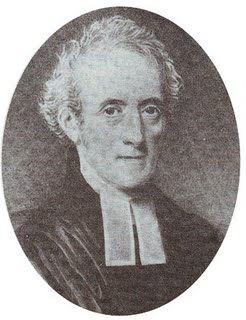
Jane Austen's brother, Henry.

Jane herself was very business like with John Murray. She wrote to him on Monday 11th December 1815 from Hans Place, Henry’s house in London:

Dear Sir,

As I find that Emma is advertised for publication as early as Saturday next, I think it best to lose no time in settling all that remains to be settled on the subject, & adopt this method of doing so, as involving the smallest tax on your time.

In the first place, I beg you to understand that I leave the terms on which the Trade should be supplied with the work, entirely to your judgement entreating you to be guided in every such arrangement by your own experience of what is most likely to clear off the Edition rapidly, I shall be satisfied with whatever you feel to be the best.-“
She appears to be quite the pragmatist. It is significant to note that Murray would publish four of her six completed novels: Emma and Mansfield Park while she was alive, and Persuasion and Northanger Abbey after her death.
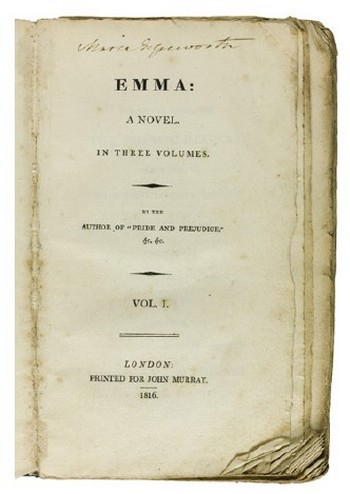
Image @Austenprose. Click on link to read post.
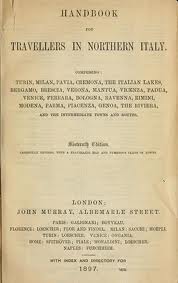
In the nineteenth century, the John Murray firm began publishing a series of travel books called the Murray Handbooks, which were authored by many of the great explorers of the time. The men included Sir John Franklin, who, in 1847, died exploring the North West Passage. He had also spent many years mapping the coast line of Canada. Murray also published David Livingstone, the explorer of the heart of Africa; Sir John Barrow, who wrote about South Africa; Heinrich Schlieman, the excavator and discoverer of Troy; and Isabella Bird, who visited north America and the pacific Islands. Her trips were financed by her father to help her counteract depression and backache. Both symptoms were cured in her travels: John Murray published “The Englishwoman in America,” and “Six Months in The Sandwich Islands,” both written by her about her travels.

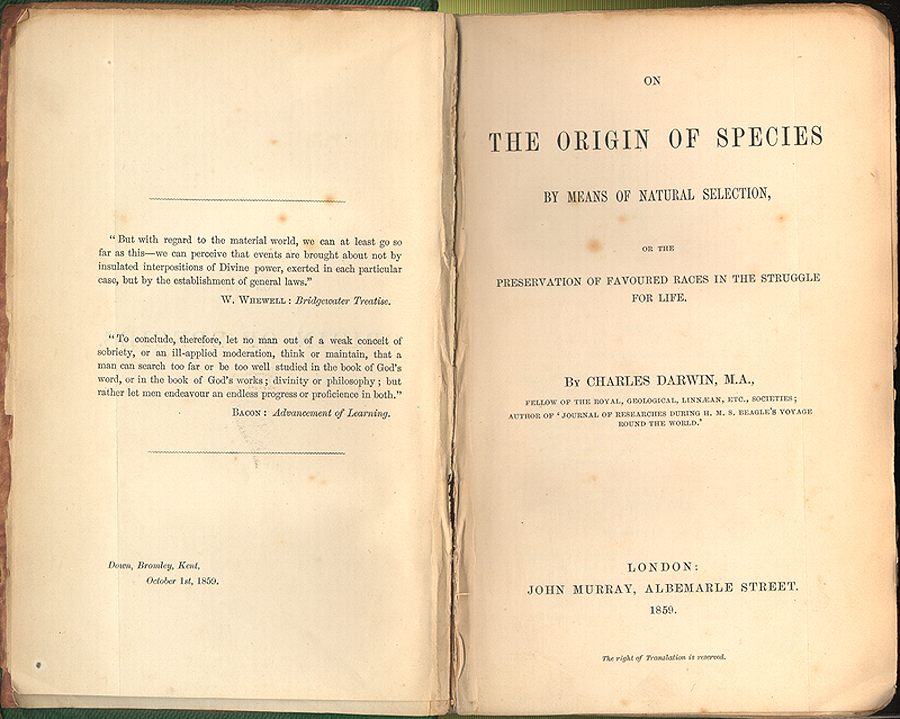
Scientists and inventors chose to be published through John Murray. They included Charles Babbage, Malthus and Lyell who wrote in 1830 “Principles of Geology,” which later inspired Charles Darwin. In 1859, the firm published Charles Darwin’s The Origin of Species, and Samuel Smiles’ Self Help.
John Murray III was one of the official publishers of the Great Exhibition held in Hyde park in 1851. This exhibition promoted the industrial, economic, and military might of the Empire, although all nations were invited to contribute exhibits.
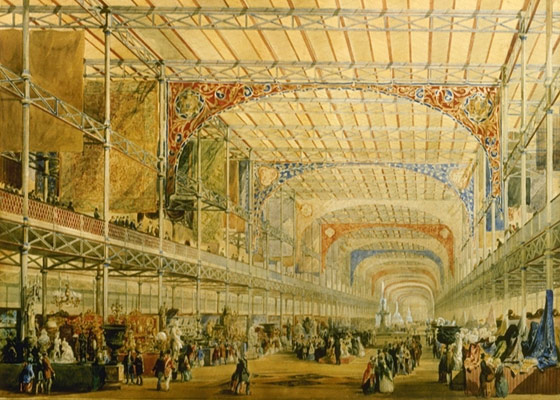
Great Exhibition

The proceeds form the exhibition were later used to create, The Albert Hall, The Science Museum, The Natural History Museum, and The Victoria and Albert museum. This area of London today is still called “Albertropolis,” because Prince Albert, Queen Victoria’s husband, sponsored The Great Exhibition and the forming of the Kensington Museums. John Murray faced some opposition from some quarters when he published Queen Victoria’s letters after she died.
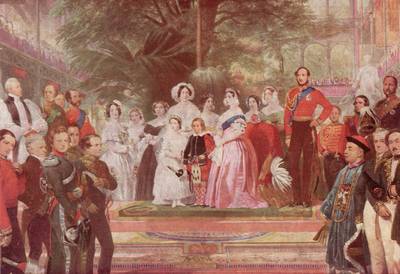
Prince Albert and Queen Victoria announce the opening of the Great Exhibition. Image @Getty Images.

In 1917 John Murray bought the rival publisher Smith Elder, and so added Sir Arthur Conan Doyle to their list.
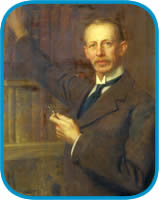
John Murray, IV. Image @John Murray Archive

In the 1930’s John Murray IV entered the firm and built up an impressive list of twentieth century writers including John Betjamin, Osbert Lancaster and Freya Stark amongst others.

In 2002 John Murray was sold to Hodder Headline, which in turn became part of Hachette UK. The company continues to publish and prosper continuing with new ideas and new authors in all fields.

As a footnote, if there is anybody reading this thinking that they would like to be published by John Murray they have a note on their website:

Submissions

Owing to the amount of time devoted to assessing solicited or commissioned work John Murray is no longer able to accept any unsolicited manuscripts or synopses, or to enter into any correspondence about them. The best way to go about getting published is to find a literary agent, who can give you advice about your work and who will know the best publishers for the kind of book you are writing.

You can find a list of literary agents in the Writers’ and Artists’ Yearbook, published by A&C Black, or in The Writer’s Handbook or From Pitch to Publication by Carole Blake, both published by Pan.
Read Full Post »

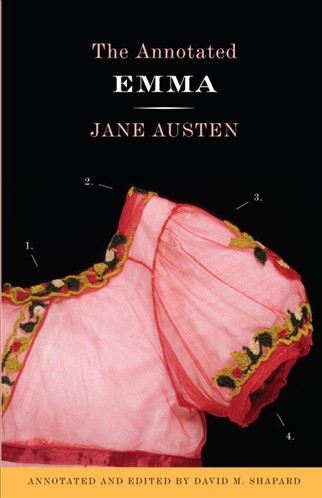
Note: The dress on the cover of this book is made with the machine-made net overlay that I described in an earlier post on this blog. Click here to read it.

Emma, Jane Austen’s longest novel, is the only one of her books named after her heroine. Yet, as Jane Austen herself put it, “I am going to take a heroine whom no one but myself will much like.” I rather agree with Miss Austen’s assessment of her own creation, for I have never quite liked the novel because of the main character. The Annotated Emma by Jane Austen, edited and annotated by David M. Shapard might well change my mind about this privileged young woman.

In the preface to The Annotated Emma, David M. Shapard addresses Emma’s unique place in the pantheon of Austen heroines – she’s independent, in charge of her household, and flawed. It is her bossy and ultimately clueless nature that drives the plot, which has very little action to speak of. The first half of the book is influenced by Emma’s behavior and choices as she moves towards growth and self-awareness, but the second half of the plot is taken over by secondary characters and a mystery.

There are no true villains in this rather gentle, bucolic tale. While Frank Churchill is unscrupulous, he is not vile, and Mrs. Elton merely represents an irritating exaggeration (and vulgar mirror) of Emma’s worst traits. Life in Highbury is placid. It revolves around its characters, and Jane Austen is at her comic best introducing their follies with humor. The book, with its inevitable happy ending, is not sappy, for it leaves the reader with the sense that Emma will never quite become as perfect on the inside as she is on the outside, and that her snobby ways remain intact. Sadly, with her marriage to Mr. Martin, Harriet Smith has removed herself from Emma’s social sphere, which was quite understood by both women and the men they married. One also gets the sense that, as her husband, Mr. Knightley will swiftly act as a brake on Emma’s machinations as the “grande dame” of the neighborhood should any of her impulses lead the object of her interest astray.

Dr. Shaphard’s annotated edition explains almost every detail and minutia in Emma that one can think of. Filled with black and white images (as a visual person, I loved these!), notations, citations, definitions, and explanations, this book is a must-have for Jane Austen fans. Readers who have never quite warmed up to Emma will rediscover her and all the denizens of Highbury in its pages. For example, as much as I like to look up information about the Regency era, I missed Mr. Woodhouse’s reference to the South End, which he regards an unhealthy place. In David Shaphard’s annotation the South End, now called the Southend-on-Sea, developed as a seaside resort in the 1790’s. Spurred by its proximity to London,  it never rivaled the leading resorts: “One reason was the mud found on its shore at low tides; which may have inspired the opinion of Mr. Woodhouse.”

Mrs. Elton is not only a comical foil, but she represents something more:

The figure of Mrs. Elton also corresponds to one seen frequently in the literature of the time, that of the vulgar parvenu. Many writers offered satirical depictions of newly rich merchants and their families, who aspired to rise into genteel society and to emulate the manners and ways of those above them. But, while full of self-assurance and a belief that they knew what was correct and fashionable, their manners, speech, and behavior continually betrayed their true ignorance.”

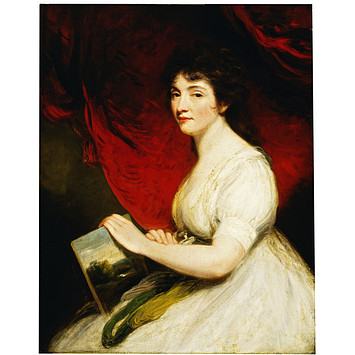
A black and white illustration of this painting @The Victoria and Albert Museum is included in this edition. Miss Mary Linwood holds a painting in her left hand and needlework wool in her lap. Both are symbols of a refined young lady's talents. Mary mastered the craft of needlework paintings and is known for her intricate and detailed works. Click here to read my post about her.

On first reading Emma, new readers are unaware that the book also offers a subplot in the form of a mystery. Upon close scrutiny a second time, these clues start to emerge, giving the reader an “Ah Ha! I should have seen that” moment. Throughout this edition, Dr. Shaphard offers his observations of these clues, preceding them with an unmistakable warning, {CAUTION: PLOT SPOILER} to ward off the newbie reader.

This new addition to the Jane Austen collection of annotated works is quite thick and filled with useful, well-researched information. Random House’s website describes its contents:

  • Explanations of historical context
  • Citations from Austen’s life, letters, and other writings
  • Definitions and clarifications
  • Literary comments and analysis
  • Maps of places in the novel
  • An introduction, bibliography, and detailed chronology of events
  • Nearly 200 informative illustrations

My rating: 5 out of 5 Regency teacups

The maps are quite as informative as the clarifications and illustrations. I recommend this annotated edition to anyone who loves Jane Austen. I even recommend it to the student who publicly announced on Amazon that she “went into a coma” because she found Emma so BORING. My rating for The Annotated Emma by Jane Austen, Edited and Annoted by David M. Shapard is 5 out of 5 Regency tea cups. This book will definitely be a great edition on my shelves, along with Mr. Shapard’s other annotated editions of Pride and Prejudice, Persuasion, and Sense and Sensibility.

On Sale: March 20, 2012
Pages: 928 | ISBN: 978-0-307-39077-6

Published by: Anchor

Please note that the ad placed at the bottom of this post is a WordPress feature.

My blog has no commercial purpose and I do not make money from it.

Read Full Post »

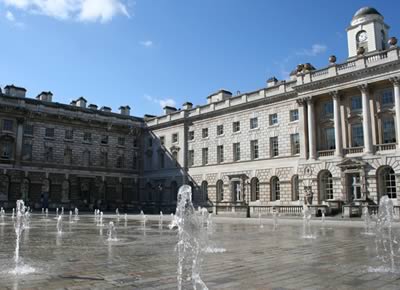
King's College, London

Emma Newport is running a three week summer course at King’s College London, exploring Austen’s England as well as her place in the literary pantheon. It is open to all who wish to study Austen in an academic environment at a Russell Group university in England.

Studying Austen in London gives students access to an extensive range of original resources held at the British Museum, the National Portrait Gallery and others. The course will include visits to a range of locations with cultural and historical relevance to Austen, including trips to Bath and Alton and a guided walk tracing Regency London. Throughout the course, there will be film screenings of all six major novels when we will examine in depth Austen’s heroes and villains and the England in which they lived.

KEY FACTS
Course start date, 02-07-2012
Course duration, Three weeks
Course type, Summer School
Course available session(s), Session 1
Course times, Between 9am and 5pm, Monday to Thursday
Course recurrence, 3 weeks
Entry requirements
See the general Summer School admission requirements for details
Academic Lead, Emma Newport

Read Full Post »

This summer Professor Devoney Looser will be directing a National Endowment for the Humanities Summer Seminar for College and University Teachers, “Jane Austen and Her Contemporaries.”

The seminar’s 16 participants will seek significant new insights about Jane Austen by reading her closely alongside now understudied (but once well-known) writers of her own day. The class will meet from June 18-July 20, 2012, at the University of Missouri in Columbia, MO.

Despite valuable scholarship that considers Austen alongside Sir Walter Scott, Frances Burney, Mary Wollstonecraft, Maria Edgeworth, or the so-called “big six” Romantic poets (Blake, Wordsworth, Coleridge, Shelley, Byron, and Keats), there remains a tendency to write and teach about Austen in a restricted frame of reference, in single-author studies or major author courses.
These seminars, which come with a stipend of $3,900, are designed primarily for those who teach American undergraduate students, although qualified independent scholars are also eligible to apply. Two spaces in the seminar are reserved for graduate students.

The need to deepen our claims about Austen has arisen at least in part because, in recent years, the scholarly landscape for Austen studies (and, indeed, for most eighteenth- and nineteenth-century writers) has changed radically. We will work together to make sense of when to use emerging digital technologies to attempt to answer scholarly questions and when to seek out paper-based materials, both print and manuscript.

For further details see the program website (http://nehseminar.missouri.edu)for further information about the program, to determine your eligibility, and for directions about how to apply.

The deadline for application is 1 March 2012. Please don’t hesitate to contact Dr. Looser with any questions you may have:

Devoney Looser, Professor of English
Co-Editor, Journal for Early Modern Cultural Studies
Tate Hall 114
Department of English
University of Missouri
Columbia, MO 65211
573-884-7791
FAX: 573-882-5785
looserd@missouri.edu

Read Full Post »

From Prada to Nada made $3.3 million at the box office, both foreign and domestic. I’m surprised to read that it was that much. I happened to watch the film on Netflix this past weekend when I had nothing better to do than wash clothes.

The notion of a remake of Jane Austen’s Sense and Sensibility and plucking Marianne and Elinor Dashwood from Barton Cottage and landing them in 21st Century L.A. intrigued me, for Emma Woodhouse’s move from tranquil Highbury to a Beverly Hills high school in Clueless was a resounding success with both critics and viewers. I also liked the idea of switching up cultures, for hadn’t Ang Lee’s hit, Eat Drink Man Woman, been successfully transformed into the delightful Tortilla Soup with its Mexican-American family substituting for the Japanese chef and his daughters? But I quickly came to the conclusion that  From Prada to Nada is to Jane Austen what a black velvet painting is to the Mona Lisa.

Here then is the story:

Mary, Papa, and Nora before his fatal heart attack

Once upon a time in Beverley Hills there lived two very pretty girls in a house called Bonita Casita. They had a Papa but no Mama.

Mary (Alexa Vega) on Rodeo Drive.

One was short and ditzy, liked to shop, and wore party dresses morning, noon, and night. Her name was Mary Dominguez (MD = Marianne Dashwood).

Nora turned norange at Papa's funeral.

The other was a tall, practical, intellectual, wannabee lawyer named Nora (Elinor Dashwood).  While exotically beautiful, she suffered from a fatal Hollywood condition called orange skin. This viewer suspects it was to make her look more cliched Mexican, but should I really be so cynical? Mary had this condition to a lesser extent, and both girls swung from looking tanned to grossly ill, depending on lighting conditions.

I am happy to report that Nora (Camilla Belle) fully recovered from her skin malady shortly after filming.

Neither girl spoke Spanish, a fact that was mentioned often until it was pounded into the viewers’ brains.

While celebrating his birthday with his daughters, Papa falls flat on his face and dies, leaving the two bewildered girls penniless, for everything he seemingly owned belonged to the banks. The girls must move from their cozy environment in 90210 to a tacky neighborhood in East L.A., which is like asking a Swiss palace guard to work in a Columbian prison on short notice.

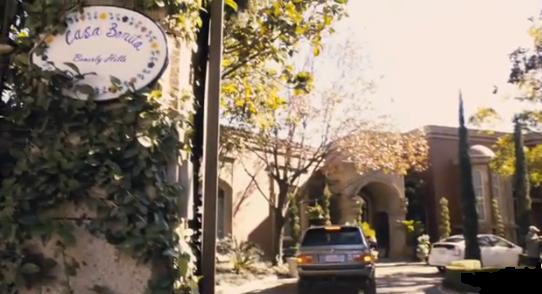
Casa Bonita in Beverly Hills

Before that indignity, they meet their half-brother, Gabriel, a  surprise from their papa’s past, who arrives for the funeral with his cheesy avaricious girlfriend, Olivia. It seems that bro and his tootsie want to renovate Papa’s mansion and sell it for a profit. In other words, bro flips houses for a living. Real class.

Q'eulle surprise! Half-brother Gabriel (Pablo Cruz) arrives at the funeral with his Tootsie, Olivia (April Bolwby), and she's mean, while he's a wuss

Without a living breathing mother to guide them, as Jane Austen had intended, Maria and Nora have nowhere to go but to their good-hearted aunt’s house all the way over to a neighborhood filled with barrios, gangstahs, and, worse, taco joints. There the girls encounter Bruno (Colonel Brandon) a handsome darkly Latino who obviously did not attend Beverly Hills High.

Bruno (Wilmer Valerrama) and Mary.

He’s friendly, but Mary snubs him, for she begins to suspect that he works for a living and that she  must share a bedroom with her sister. (Not that the two facts have anything to do with each other, but my sentence is no crazier than the plot of the film.)

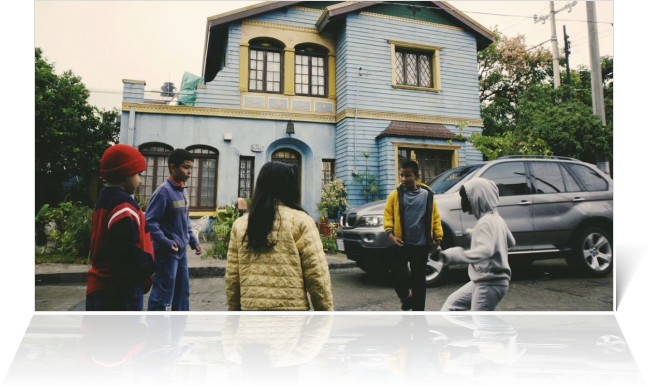
New house, new neighborhood

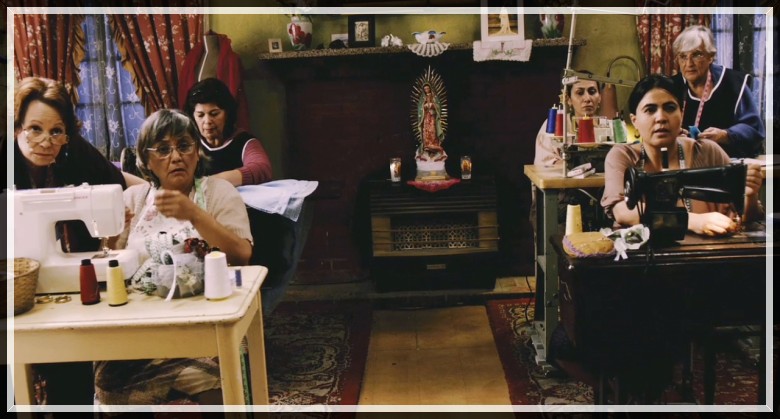
In rapid succession From Prada to Nada  throws at least one cliche per minute at the viewer, including a small sweat shop in Auntie’s living room, bad girls in the neighborhood, and clothes and interiors that could have been created by Agador (Armand and Albert’s gay Cuban houseboy in The Birdcage). How could this movie stand a chance with intelligent viewers when charactes are named Bad Guy #s 1-3, Comrade, Fiesta guest, and Chola (urban dictionary definition: the girl my brother gets pregnant)?

I imagine that people living in East L.A. were horrified to see Jane Austen’s fine tale mangled and twisted beyond recognition.

Sewing in Auntie's living room and prepared to hide the evidence at a moment's notice in case of an immigration raid.

The movie stumbles towards its inevitable cliched ending. Edward Ferris falls instantly for Nora and gives her a splendid job in his law firm. They part and then they come together for no reason that I can fathom, except that he is always coming around the house with a truck filled with big items.

Rodrigo (Kuno Becker) meets the aunties

Mary falls head over heels (instead of twisting her heel in the English countryside) for a tutor named Rodgrigo Fuentes, Willoughby’s stand in. He eventually visits Mexico then dumps her and purchases Papa’s hideously renovated mansion from her flipper bro.

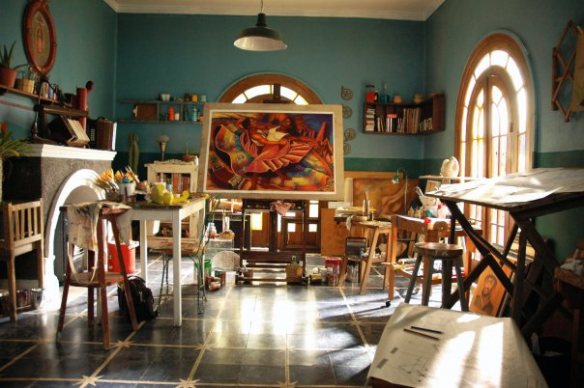
Bruno's amazing studio in his tiny house

Flipper bro turns out to be a nice guy, as does Bruno, who happens to be an immensely talented artist living in the body of a mechanic. For some reason, after her car accident Mary totally flips for the ever patient, long-suffering Bruno, who was able to see past her materialistic ways the moment he met her.

Bruno in his barrio uniform.

After I finished watching this movie, I realized I should have stayed in the basement with my laundry and read a good book as I waited for my washer and dryer to finish spinning. The producers of this clunker forgot one extremely important asset that no self respecting movie can do without: a well-written, intelligent script.

Not all the good intentions in the world of Latinizing Jane Austen, and thus making her more available to those who might otherwise be turned off by her English characters, can save a film so completely devoid of entertainment, originality and wit.

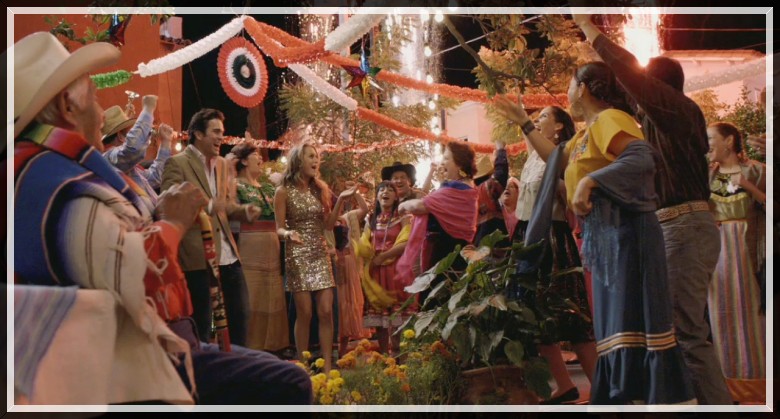
No Tex-Mex film is complete without a fiesta.

I imagine that Lady Catherine de Bourgh would have said of this film: “I take no leave of it. I send it no compliments. It deserve no such attention. I am most seriously displeased.” Amen to that.

Edward Ferris (Nicolas d'Agosto), the prince charming, comes bearing gifts, sweeping Nora off her feet.

Read Full Post »

« Newer Posts - Older Posts »