I love old-fashioned, sentimental movies filled with likable characters and well told stories. I like films that take me out of time and place and land me smack dab in another world. I adore ensemble casts made up of famous and not so famous British actors. Ergo, I am wild about Cranford, which will air at 9 pm tonight on PBS’s Masterpiece Classic

This early Victorian tale, based on the writings of Elizabeth Gaskell, is about change and resisting change. Cranford is a sleepy town that time passed by until the coming of the railroad. It is ruled by women – Amazons, as Elizabeth Gaskell described them.
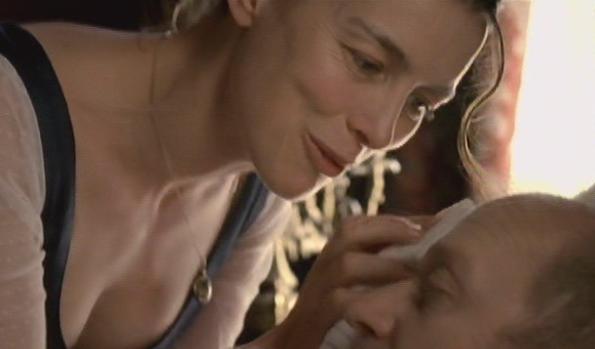
 Eileen Atkins as Miss Deborah Jenkyns and Francesca Annis as Lady Ludlow are at the pinnacle of Cranford society: the former rules over poor widows and spinsters, and the latter commands everyone’s respect as the lady of the manor. These two powerful women are suspicious of anything that upsets their well-ordered lives. Miss Jenkyns cannot abide Charles Dickens’s modern stories, or suck juice from an orange in front of others, since to her the very thought of the word ‘suck’ is abhorrent. News that a railroad is coming to ruin her perfect town is so distressful that it brings on an apoplectic fit.

Lady Ludlow firmly believes that people should remain in their station and behave accordingly. She will not hire servants who can read or write, declaring that too much education upsets the natural order of things and would foment a revolution, as it did in France. This subplot sets up the film’s dramatic ending.
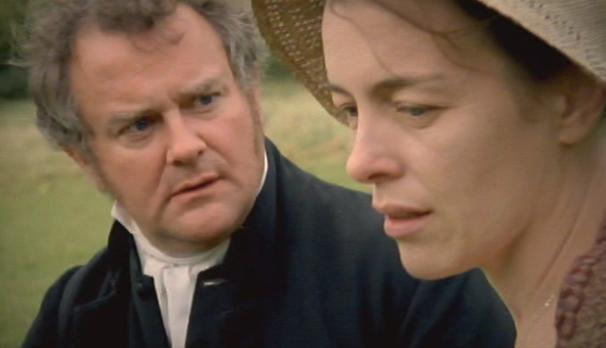
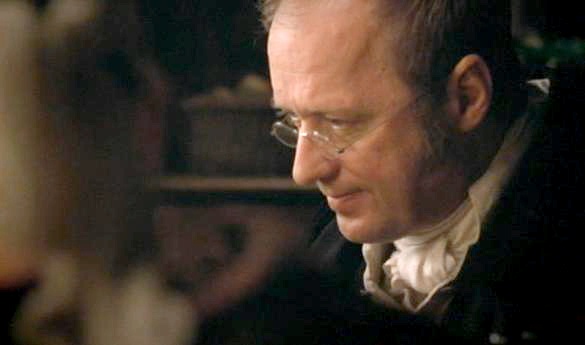
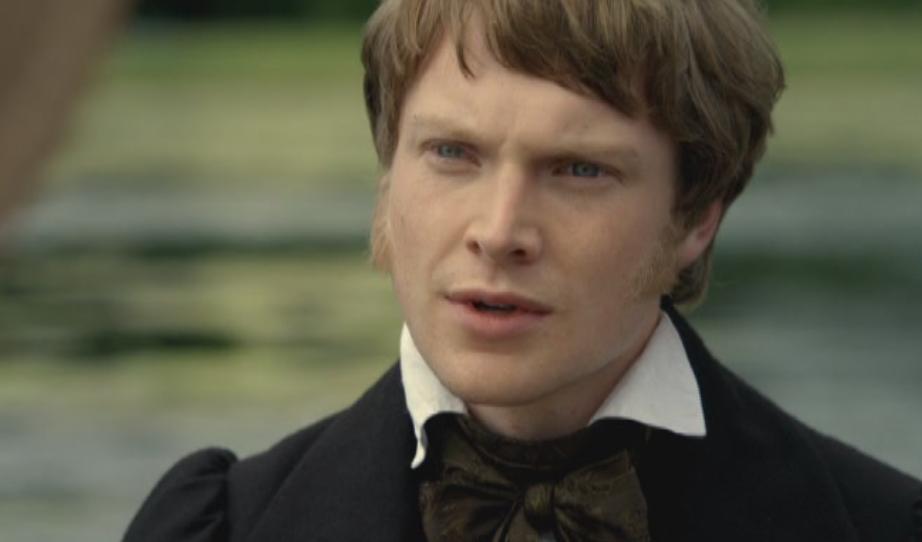 Simon Woods as Dr. Harris, represents new ideas and innovation. A frisson goes through the community when he elects to save Jem Hearne’s injured arm rather than amputate it. After the young doctor’s successful but revolutionary treatment of setting the bone and stitching the wound, his partner Dr. Morgan (John Bowe) declares testily, “Cranford has been disturbed by you.” The old doctor, thinking to relieve his work load and to turn his practice over to a younger physician once he retires, is completely taken aback by his assistant’s newfangled ways. “Cranford is a town that knows itself, he admonishes the doctor. “It is a town at peace.”
Cranford is also a town that takes care of its own. The staid ladies of Cranford donate their expensive candles to allow the doctor to practice his modern surgical techniques on the young carpenter before it is too late. They are charmed by this single man, a rare commodity in a town filled with spinsters. Many of the plot’s developments and misunderstandings that ensue are caused by their wishful thinking.
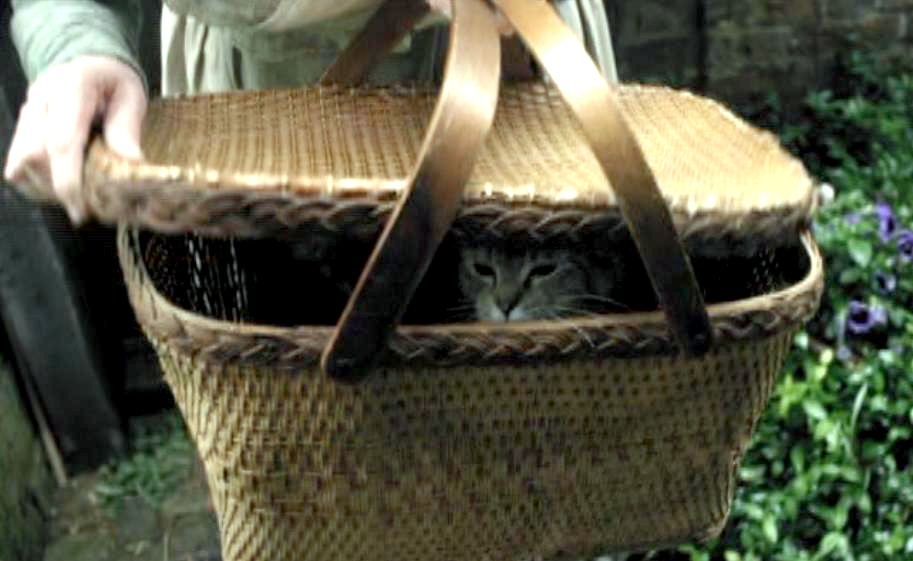
The people of Cranford are adept at hoarding scarce goods, such as candles and coal for fire. The lace incident, which, next to the cow incident, is one of my favorite scenes in the film, is all about recycling. Hand made foreign lace was a precious commodity, especially for a widow living on a meager income of 100 pounds. Any article of clothing that still had value was laundered, mended, or reworked rather than thrown out. When the cat swallowed the lace, along with the buttermilk that was bleaching it, it led to a series of events that had me choking with laughter. The ladies’ expressions as they watched a cathartic mixture being forced down the poor cat’s throat and listened to the ignominious expulsion of milk and lace into a boot were priceless.
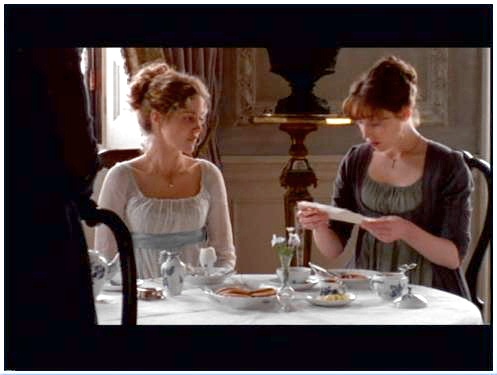
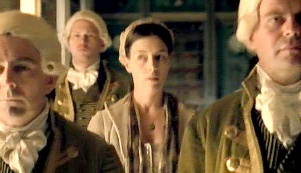
 Careful attention to detail was paid in this production, from costumes, such as the frayed bonnet of the impoverished widow (played by Julia McKenzie with Imelda Staunton at left), to the setting (the British Heritage village of Laycock), to props (two footmen huffing and puffing as they run while carrying their mistress in a sedan chair), to the plaintive wails of the cat as it expels the sadly abused lace.

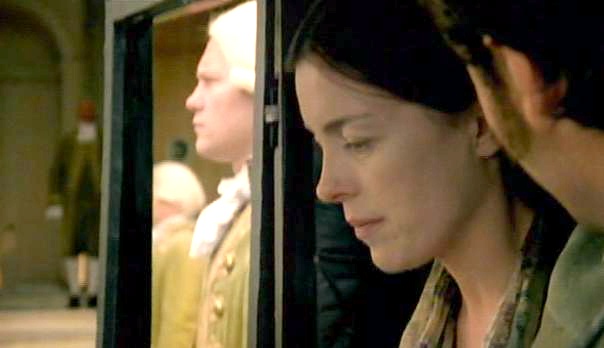
As a drama, Cranford has it all: young romance (Kimberley Nixon as Julia Hutton at right), old romance, sweet comedy, dreadful calamity, deep sorrow and profound happiness. The town is populated with individuals who do what is right for themselves, their families, and their fellow man, even if it means breaking the law. I’ve read the book and was struck by how well Heidi Thomas’s script holds up against Mrs. Gaskell’s novel, which was actually a series of vignettes written for Household Words, a magazine published by Charles  Dickens. Oh, the story is melodramatic and there are a few too many coincidences to be believed, but the characters are so well defined and likable that one forgives the script’s treacly overtones and neatly tied up ending.
Jane Austen’s novels were never so sugary sweet, but this film production offers us an interesting glimpse of a world that Cassandra Austen, Jane’s beloved sister, must have known before she died. Changes caused by the industrial revolution had swept England, and new inventions in manufacturing, machines, science, and travel caused wholesale changes in how people lived and worked. Jane Austen only caught a glimpse of what was to 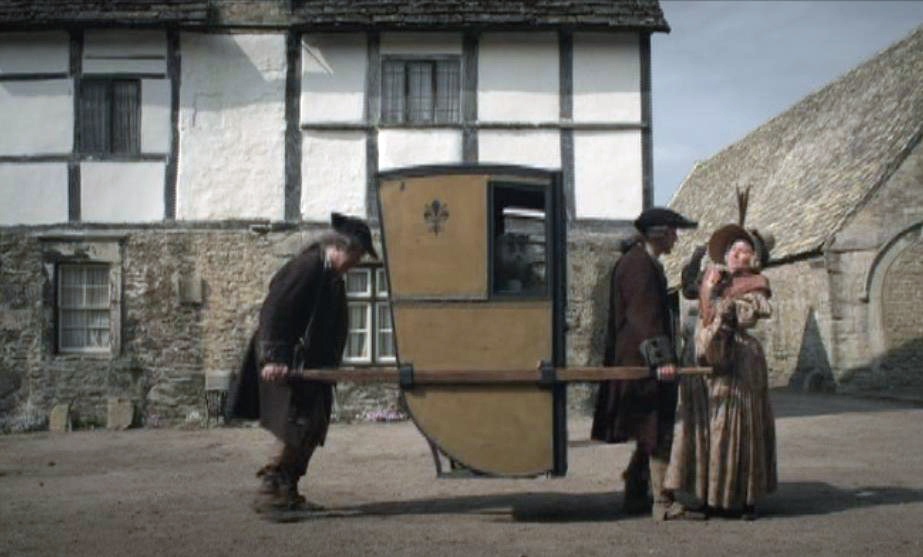 come, but Cassandra lived long enough to see macademized roads replace dirt roads, gas lights put up on public streets, and steam engines overtake stage coaches as public transportation. Other aspects of society remained the same, such as the plight of widows and spinsters whose income was inadequate, and a high mortality rate among children.
 Post Script: Winning her first BAFTA award at the age of 73, Eileen Atkins edged Judi Dench for best actress for her performance as Miss Jenkyns. Eileen wasn’t sure about the role at first, saying, “I didn’t think it was too good a part – I thought she was the only one who wasn’t funny.”
More about Cranford:
- Penny for Your Dreams features a series of great Cranford reviews. Here is the link to Episode One if you don’t mind spoilers, along with the other four posts.
I would also like to direct you to Laurel Ann’s Cranford review on Austenprose, and Kay Daycus’s take on this movie adaptation. Mrs. Elton offers a unique perspective about this first episode on Jane Austen Today. Learn more about Elizabeth Gaskell in Jane Austen in Vermont. See you next week for the second installment!








 Jane Austen's World