Feeds:
Posts
Comments

Archive for the ‘Regency society’ Category

I recently finished reading a charming book by Cora Harrison, I Was Jane Austen’s Best Friend, in which Jane Austen has just reached the age of 15. It is February, 1791, and 16-year-old Jenny Cooper has slipped out of Mrs. Crawley’s boarding school to post a letter to Steventon Rectory warning Rev. and Mrs. Austen that their daughter, Jane, is seriously ill. By doing so, Jenny risks her reputation, for she ventures out alone and unescorted in a rough area of Portsmouth.

This scene sets the stage for the rest of the novel, in which young Jenny Cooper chronicles the months she spends with her best friend Jane and the Austens at the rectory.  The girls are avid writers: while Jane spins her creative tales, Jenny describes their routine days in her journal. And what days they were! Jenny observes Jane’s family and friends minutely: her gentle father and stern mother; her charming favorite brother, Henry, and the mentally challenged George, who lived with another family; Cassandra’s love for Tom Fowle; exotic cousin Eliza; the well-dressed Bigg sisters; and other vivid portraits of the people who inhabited Jane’s and Jenny’s world.
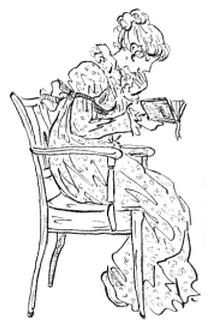
Jane Austen reads at Jenny's bedside. Image@Susan Hellard

The scenes are culled from actual events in Jane’s life and from letters that others wrote about her (for none of her letters from that time have survived). As teenagers are wont to do, Jenny and Jane dream of romantic encounters and parties and balls, engage in outdoor activities, and while away their time reading and writing and play-acting, or wishing for pretty gowns.
Image @Susan Hellard

The scene in which a pinch-penny Mrs. Austen must decide which color muslin would look best for ball gowns for all three girls (Cassandra, Jane and Jenny) is priceless, and the descriptions of tender romance between Cassandra and young Tom are heartbreaking to those who know he will die before they can be married. Tom LeFroy makes a suitably short appearance, and Jenny meets handsome Captain Thomas Williams, who in real life became engaged to her within three weeks of their first meeting, and whom she later married before her own untimely death.

Jenny witnessed Jane writing constantly and being inspired by the people she observed. For example, Jenny’s shrill sister-in-law, Augusta, becomes the prototype for Mrs. Elton and Mr. Collins is somewhat inspired by Jenny’s preachy brother.
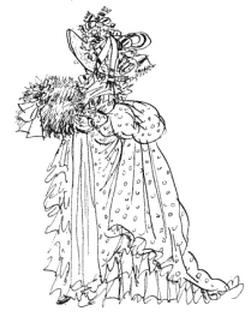
Augusta. Image @Susan Hellard

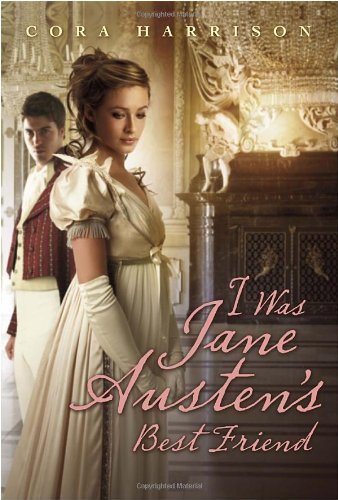
While I found the book a delight, not everyone has been thrilled with its purchase. The American cover of I Was Jane Austen’s Best Friend is a bit mature for a novel that targets young girls of eleven or so, but it explains the reason why so many older readers are buying the book.

This is what a high school  reviewer had to say about the U.S. cover: “… if you plan on buying [the book] at any time soon, make sure to check out the U.K. version… the cover art is so much cuter!” In fact, the U.K. cover (below) enjoyed the author’s full approval, and was drawn by Susan Hellard, the artist responsible for the charming illustrations displayed in this post and that are sprinkled throughout the book.
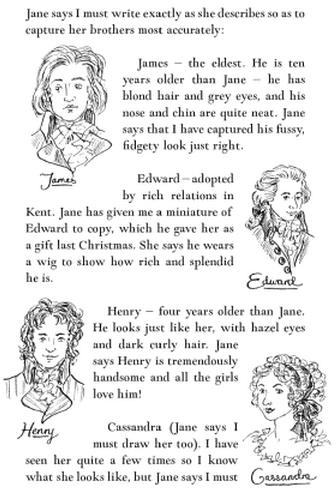
Page from the book, in which Jane describes some of her siblings. The style of writing is aimed at a very young audience. Drawings @Susan Hellard.

In writing this novel, Cora Harrison has kept her very young audience in mind. As you can see from the sample page above, the sentences are short and written in plain English, speech patterns and terms from the 18th century are kept to a minimum, the romance is sweet, and the story is written from a young lady’s point of view. While Ms.Harrison hoped that this book would introduce Jane Austen to very young readers, she also envisioned that mothers and grandmothers would enjoy reading the novel as well.
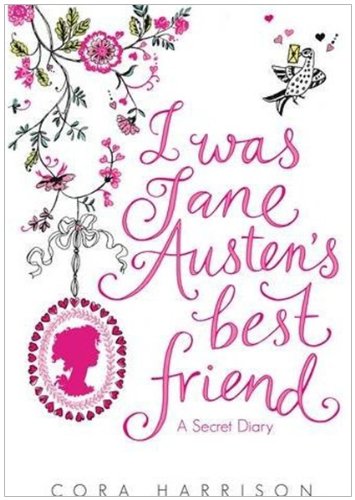
The book's U.K. cover

I have gone into great detail about the author’s intentions for a reason. Reviews of this book, while largely favorable, are varied. Lower rankings come largely from disappointed adult readers who expected a mature romance and a “more interesting plot.” But as the author wrote to me: “I didn’t want to do an in-depth analysis of love. I wanted to do a fun book, romantic in an old-fashioned style.”

Purists have also decried the changes in facts, dates, and characters, but isn’t it the novelist’s prerogative to change historical facts in order to move the plot forward? Besides, Ms. Harrison made her reasons for these changes clear in her Author’s Note in back of the book, which should have been placed as a Foreword. I also think that annotated notes for juvenile readers (such as those included for book clubs), would help adults explain some of the more obscure facts about the Georgian period to their children and place events in the novel in context.

Be that as it may, I rarely read review books from cover to cover, but I kept reading this one until I was finished (and then wished I had a daughter to give it to). This is a sweet book, filled with useful details about life in England 200 years ago. Ms. Harrison’s conjectures on how the Austens lived and interacted with each other is based on the letters and information about Jane that survived. After reading these pages, it is clear that Cora Harrison wrote her novel as an homage to Jane Austen. She also is an author with a mission. “As a teacher I am realistic enough to know that girls won’t automatically read Jane Austen unless their interest is awakened and I hoped to do that…”

More on the topic:
Read Full Post »

“Heigh ho! sing heigh ho! unto the green holly:
Most friendship is feigning, most loving mere folly:
Then, heigh ho, the holly!
This life is most jolly.”
– William Shakespeare, As You Like It

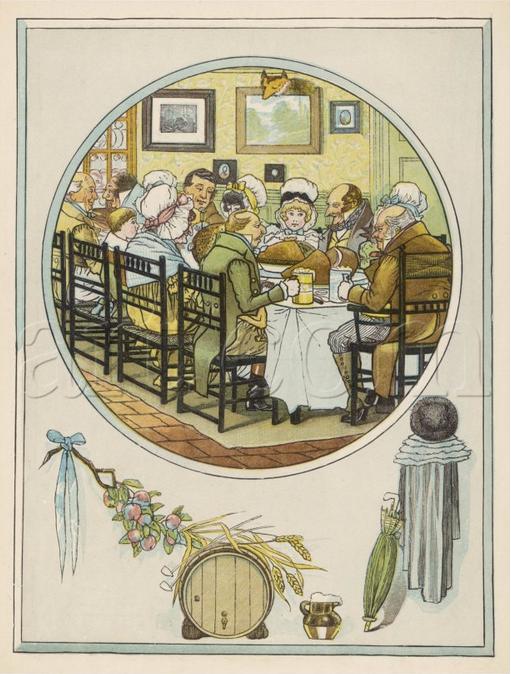
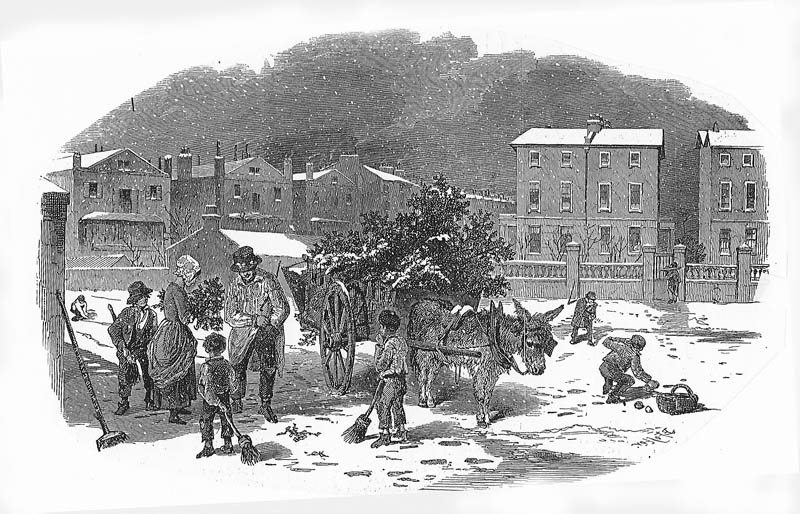
Decorating one’s house with natural boughs has been a Christmas tradition since Celtic times. Boughs of holly with their bright red berries were especially coveted. (Read Mythology and the Folklore of Holly.) One understands how easily people in rural areas could obtain these bright green leaves, but what about those who lived in London? This image of a holly cart pulled by a donkey provides a solution.

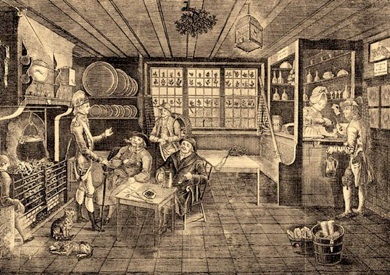
Note that the customer purchases a small amount of boughs. Christmas decorations in the 19th century were modest to none compared to ours. In this 18th-century print of a coffee house or chocolate shop, one can see small leaves of holly placed in each window pane and a bough hanging from the center of the ceiling. (One cannot imagine that mistletoe would  be hung in a public setting.)

Bowles and Carver print, London. Circa 1775

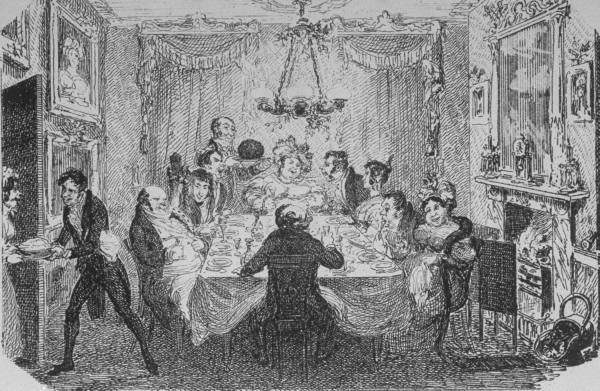
In this image of a lavish family dinner by Cruikshank, not a single bough of holly decorates the room. Most likely a wreath had been hung on the front door or some boughs had been hung from the ceiling. With holly hard to obtain in metropolitan areas, one imagines that the spare use of decorations was as much from necessity as from tradition.

Image: Art.com

This image by Cruikshank of a family celebrating Christmas during early Victorian times  shows a few boughs inserted into the chandelier, a roaring fire, and the Christmas pudding about to be served to the hostess. This year, I have taken the Regency approach to decorating my house, emphasizing the season with just a few well placed decorations. And I love it.

Other Christmas Posts on this blog:

Read Full Post »

Copyright (c) Jane Austen’s World.

Hear what a male writer has observed on the fashion of exposing the bosom! A woman, proud of her beauty, says he, may possibly be nothing but a coquet: one who makes a public display of her bosom, is something worse.” – The Mirror of  Graces, by A Lady of Distinction, 1811, p. 120

Could the above statement possibly be true in light of our modern assumptions that the Georgian bossom was displayed in all its soft glory for all to see?

Waiting on the ladies

Our modern perception is heavily influenced by the caricatures of the period that make fun of unrestricted Regency gowns. But how much did contemporary cartoonists exaggerate? And what sort of woman would have exposed her bosom to such an extent that she would have been regarded as worse than a coquet? To be fair, the above image depicts a time (the 1820s) when the waist had gone as high as it could go under a woman’s bosom, skirts had widened and become conical shaped, and hems were festooned and decorated and shortened to reveal slippers and ankles.

Regarding the bosom, the proof is in the pudding, and the best way to assuage our curiosity is to view contemporary examples year by year.

From left, upper row: 1794-1795 walking gowns. 1795-1800 round gown. From left, lower row: 1797 Countess of Oxford. 1798, round gown.

Gentle reader, as you peruse the gallery of images, please look for a pattern. You shall begin to see a distinction between day and evening dress, regardless of the time of year.

1st column, top: 1800, Salucci family. Bottom: 1800 V&A gown. 2nd column, top: 1801 April day gowns. Bottom: 1801 Marie Denise Villiers

While I believe that a variety of cleavages were on display during the Regency era (and I shall delve more into this topic later), the top left portrait of Mrs. Salucci is one of the few instances in which a shadowed cleavage is clearly painted or drawn.

1802 Bosoms. Top right: Princess Augusta. Other two images from Ladies Monthly Museum.

Why is this? One can safely assume that a voluptuous woman with large breasts, even when wearing a dress with a modest neckline, would reveal some cleavage. Thin girls or women with small bosoms would not have as much difficulty following the rules of decorum. Before the 20th century, the feminine ideal was a woman whose curves were bounteous and whose figures were pleasingly plumb. Rich husbands and fathers were proud to show off their well-fed women. Only the poor, who toiled all day and never had enough to eat, or the sick, or those who were metabolically overchallenged, were thin and scrawny. Thus, it made sense that during the Regency heaving bosoms were de rigueur. But were they?

In this image I have included both French, English, and American gowns. Left to right, clockwise, starting at the top. 1803, Costume Parisien. 1803, Mirroir de la Mode. 1805, American neoclassical gown. 1805, English cotton muslin, Kyoto costume Institute. 1804, three French Promenade dresses.

Regardless of nationality, a woman could choose to be as modest (or daring) as she liked. As far as I can tell from fashion images and portraits, modesty won hands down. High necklines, chemisette inserts,  and high collars ruled the day. But night provided a different story.

1806 gowns. Top left, Binney sisters. Top right, Opera and drawing room gowns. Bottom image, Lady Codrington.

In the above composite image of 1806 gowns, more of the bosom is revealed than in previous images. Consider the sources. The Binney sisters and Lady Codrington, who were sitting for their portraits, would have chosen their best gowns to wear. Full dress, or evening dress, revealed more skin. The third image also depicts evening wear. In those two images you can more readily understand why empire gowns created such a stir at first:

Observers of the period frequently deplored the absence of modesty conveyed by a style that was predicated on the prominence and exposure of the breasts and on the barely veiled body….Sheer, narrow dresses … caused a sensation at the beginning of the nineteenth century, more because of their contrast with the elaborate hooped costumes of previous decades than for any real immodesty. – Source: Two dresses [French] (1983.6.1,07.146.5) | Heilbrunn Timeline of Art History | The Metropolitan Museum of Art

1807 Regency gown fashion plates

By now you have seen enough examples to have noticed a trend. Examine the above fashion plate images. Which necklines belong to full dress, or evening gowns, and which belong to day gowns or walking gowns? Of the five necklines, only the top left can be construed as revealing. And this neckline, depending on the size of the woman’s breasts, could be both modest or plunging.

1810 Regency gowns

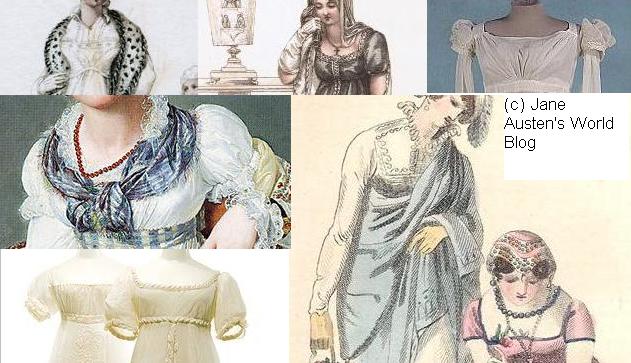
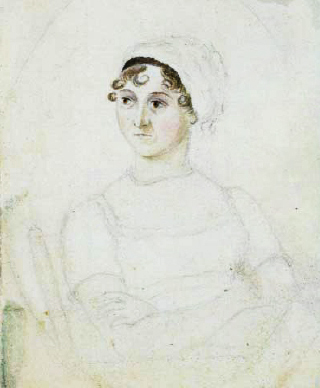
The 1810 Regency gowns demonstrate a variety of necklines and layers of clothing. As in Cassandra’s portrait of Jane Austen,  chemissetes were widely used. Fichus, shawls, tippets, and pelerines were also popular. The widow in the evening mourning gown (top middle) wears a cross that lies inside her cleavage. The white embroidered gowns (top right and lower left) demonstrate how the neckline is determined by whether the gown is worn for day (top right) or for evening (lower left, image of French gowns, Metropolitan Museum of Art.)

Jane Austen by Cassandra, 1810

In the image painted by Cassandra, Jane wears a simple gown, much like the Binney sisters were wearing. You can observe her chemisette under the low neckline, which created a more modest look for day time.

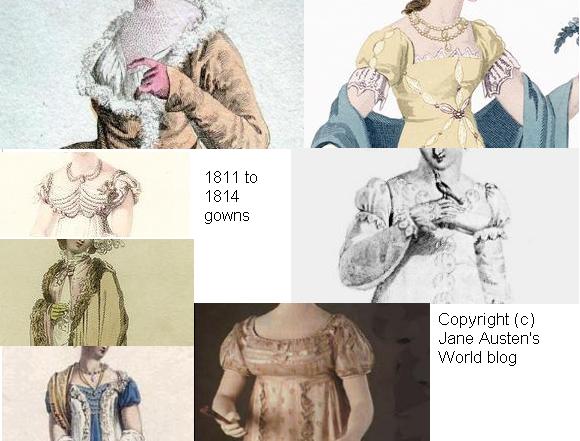
Regency gowns, 1811-1814

Princess Charlotte’s 1814 bellflower court gown (lower right), while breathtaking, did not reveal her bosom. The image of the 1812 full dress (second from top on the left) is a bit misleading, for the decorative drooping elements give the illusion that the neckline is lower than it actually is.  (In this example, it is hard to see the line of the silk fabric running across the top.) The other day gowns cover the torso quite modestly.

1815-1816 Regency Gowns

The high necklines of the 1815 morning gown at top left and Mrs. Jens Wolff’s 1815 satin dress at top right would make a Quaker lady proud. The two 1816 evening gowns show a relatively modest neckline (lower left) and one that could be quite daring (lower right).

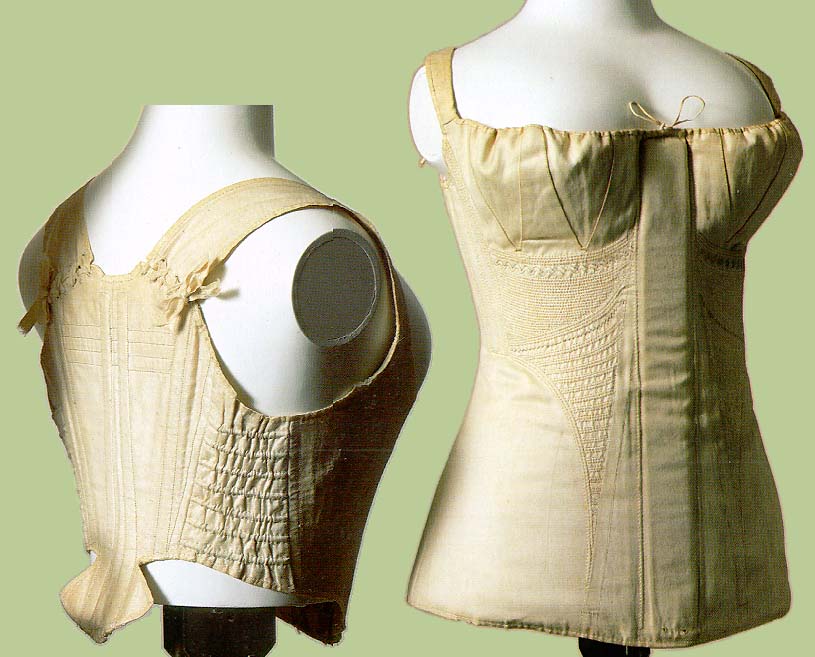
Until now I have not discussed the role that corsets played in propping up the bust line. Regency stays, which were darted and laced in the back, were quite short and were much less constricting than earlier Georgian models that cinched in the waist. The purpose of the Regency stay was to support a woman’s bust and create the distinctive Regency “shelf” silhouette.

1819 stays (short on left, long on right with inserted busk). Image @ Kyoto Costume Institute

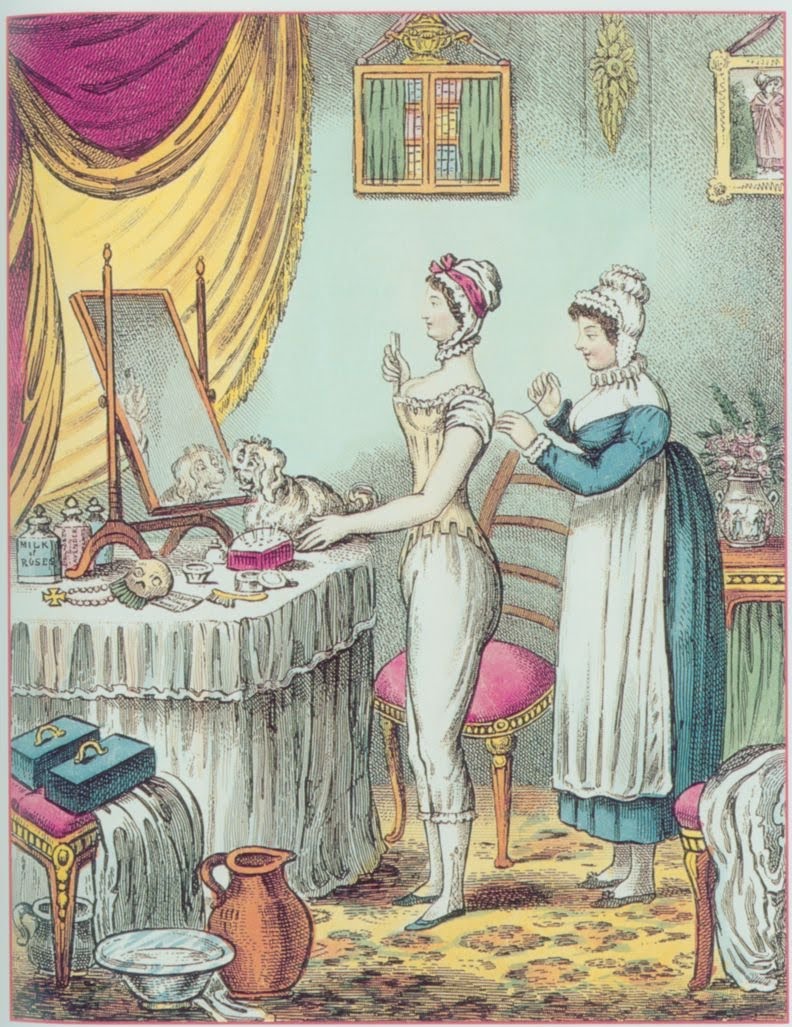
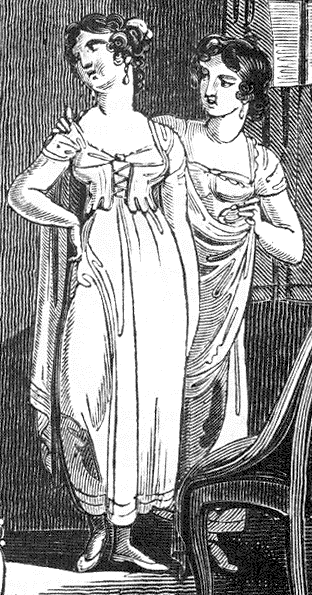
A rigid wood or bone busk, which served to separate the breasts and encourage good posture, was inserted in the stays (or corseted petticoat).

1810 German copy of James Gillray's cartoon. The lady inserts her busk as her maid ties her stays.

Busks might provide one explanation of why so few drawings and paintings of the era depict a deep, shadowed cleavage, for the breasts were splayed aside. The busks were often hand-carved and decorated by a woman’s sweetheart. The exerpt from a poem entitled: On a Juniper Tree, cut down to make Busks, waxes eloquently about the tree’s sacrifice for beauty.

She cut me down, and did translate,

My being to a happier state.

No martyr for religion died

With half that unconsidering pride;

My top was on that altar laid,

Where Love his softest offerings paid:

And was as fragrant incense burned,

My body into busks was turned:

Where I still guard the sacred store,

And of Love’s temple keep the door.

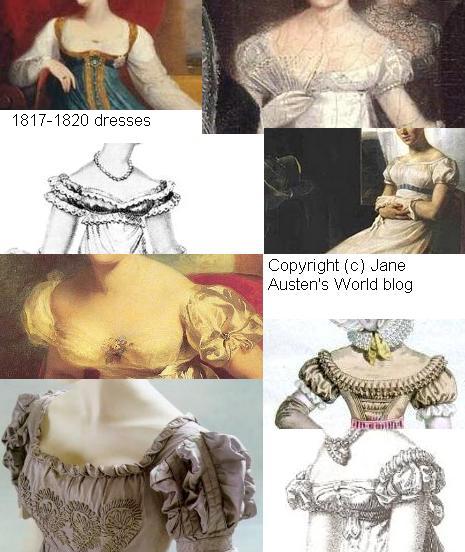
1817-1820 dresses

By 1817, the stark neoclassical outlines of empire gowns at the turn of the century had given way to a fancier more decorative outline, in which embellishments were added both at the top of the gown and at its hem. The 1817 portrait of Princess Charlotte (top left) is bittersweet, for she died in fall of that year in childbirth. Once again, the popular princess fails to exhibit her cleavage.

Rolinda Sharples’ painting of the cloak room at Clifton Assembly Rooms (top right) shows a woman with a small bust wearing a low décolleté ball dress. Countess Blessington (second from bottom, left) also wore a daring neckline for her sitting for her portrait by Thomas Lawrence. The two evening gowns at the bottom are modest, and the 1820 beige walking dress with its high ruff neck demonstrates the Tudor influences in dress embellishments. Also note the lowered waistline.

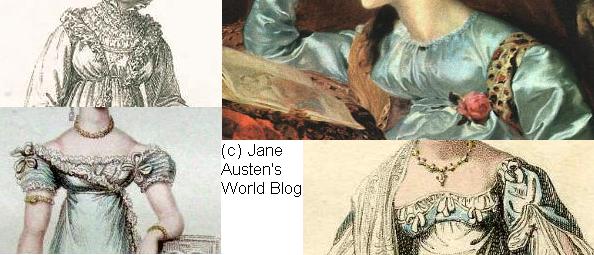
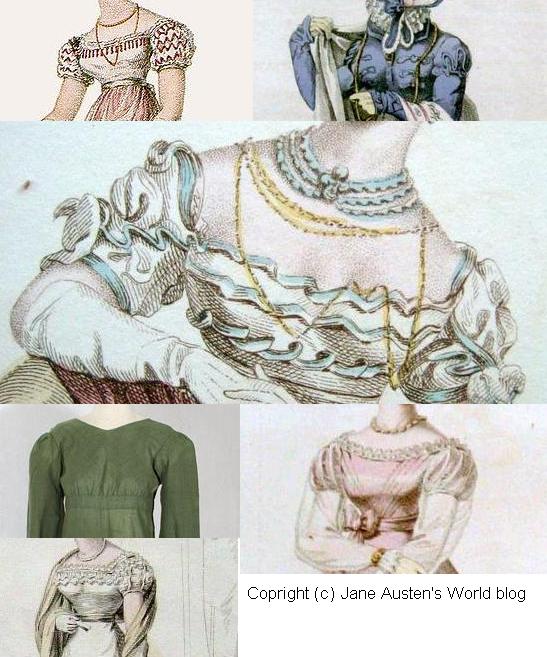
1823-1825 dresses

By 1823, Jane Austen had been dead for six years. She would have been shocked to see how many furlebows, tucks, rows of lace, and ribbons decorated ladies gowns. At this time, the waistline was gradually lowering back to its natural position. Gone was the neoclassical Regency empire silhouette. Note how the three ball gowns shown in this series of images provide hardly any chance for a lady to show off her cleavage.

One can see the hint of shadow of the woman’s breasts in the large 1823 La Belle Assemblee image in the center and how the artist accommodated the influence of the busk. I included the plain every day green 1825 American gown to show the kind of dress an ordinary woman would sew for herself and wear.

I hope this post has cast a light on a Regency lady’s bosom. A Lady of Distinction wrote in 1811:

Let the youthful female exhibit without shade as much of her bust as shall come within the limits of fashion, without infringing on the borders of immodesty. Let the fair of riper years appear less exposed. To sensible and tasteful women a hint is merely required.”

A tasteful hint? I can only conclude that exposing too much of one’s bosom was not considered lady-like behavior. Thin and small breasted women experienced an easier time following society’s strictures. The well-endowed had a tougher row to hoe, although an enterprising young virgin could always insert a handy nosegay to hide her feminine bounty or add  a pretty bow or a lace embellishment at the precise spot where a gentleman’s eyes should not stray.

Brazen hussies, light skirts, and women of easy virtue could bare as much skin as they pleased, having no reputation to protect. A very rich matron, whose place in society was secure, might be tempted to show more of her bosom than was prudent, but even she would refrain from displaying too many of her feminine allures before she was married!

Next, I will discuss heaving bosoms in Regency films and on book covers, and how the two media have influenced our perception of Regency bustlines.

More on the topic:

Read Full Post »

Copyright (c) Jane Austen’s World. Look at this lovely Regency lady in this image from 1814. Her petticoat peeps under her fashionably short gown, whose conical shaped skirt has been given a definite shape by the undergarment.

1814 Ball Dress, Costume Parisien

At the turn of the century, when lighter cloths were used to fashion gowns and when the dress silhouette was columnar and worn close to the body, the use of a chemise or petticoat was even more crucial, for the thin fabric would cling to the legs and work its way between them without the barrier of the petticoat. A few weeks ago, one of my posts created a stir when I revealed that drawers were regarded as optional underwear for Regency ladies, and readers wondered how a Regency lady could withstand the cold in winter.

Morning Dress, Ladies Monthly Museum.

While bloomers were optional,  a petticoat was an absolutely necessity. Dress fabrics were gossamer thin, and petticoats, made of sturdier linen or cotton, and reinforced with tucks and perhaps a thin line of boning at the hem, served to give shape to the hem of the dress, keeping it away from the feet and body. As skirts rose, the decorative elements of a petticoat peeped out under the skirt. Below, one can see a typical petticoat of the day (with corset on top of it). This one is short, but the tucks are evident.

Petticoat

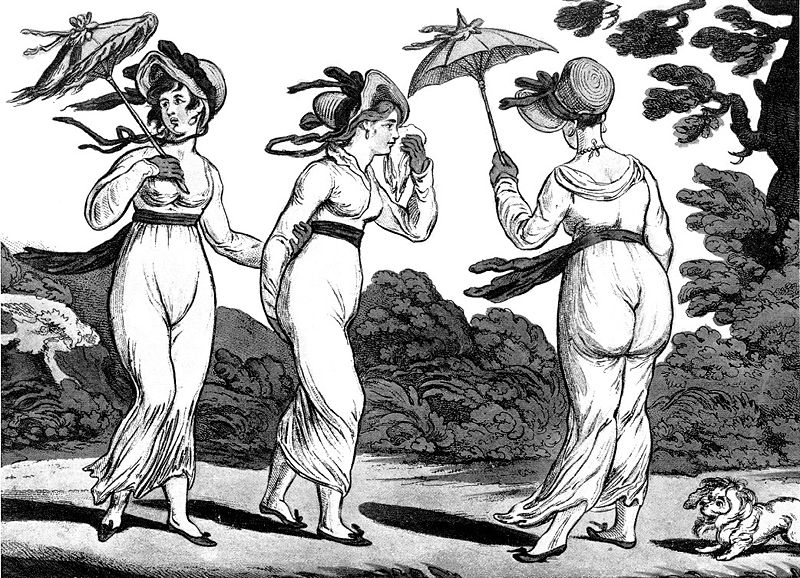
Without this undergarment, the thin fabric of a ladies gown would hug her body, revealing her legs and her mons of Venus in stark outlines when she moved. Gillray’s cartoon of The Three Graces in High Wind demonstrates how revealing Regency dresses were, even when petticoats were worn.

The Three Graces in High Wind, James Gillray, 1810

Illustrators James Gillray, Isaac Cruickshank, and Thomas Rowlandson relished making fun of the new fashions. In the image below Gillray shows the effects of wearing a gown without underwear and taking the fashion features of décolleté and side slits to the extreme. Rather than creating an elegant effect, the lady resembled a tart.

Boilly’s painting shows how clearly the chemise, which ended above the knees, shows through the thin fabric of this lady’s gown.

Point de Convention, Louis-Léopold Boilly, ca. 1797. Image @ Wikimedia Commons.

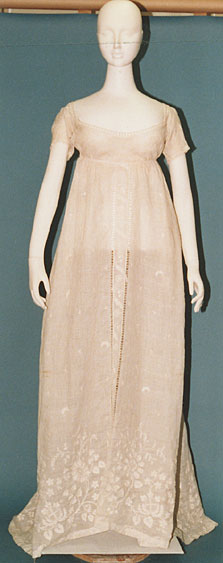
This image from the Kyoto Costume Institute also demonstrates the transparency of Regency gown fabrics.

White muslin dress with whitework embroidery, 1810. Image Kyoto Costume Institute.

The unusual (and rare) practice of dampening one’s gown at the turn of the century was most likely followed by light-o-loves, courtesans, ladybirds, cyprians, and women of ill repute. Aristocratic women who were confident in their unassailable status might have gotten away with such licentious behavior on a dare, and their fashion inclinations might have been considered “au courant”, but no proper lady, no young miss on the marriage mart, no merchant’s daughter looking to improve her station in life, would for a moment consider walking out in public without the protection of a chemise or petticoat, much less wet her gown to make it more revealing. While caricaturists showed enormous zest in depicting the new revealing fashions, they exaggerated the trend of these flimsy gowns out of all proportion in their visual commentaries.

Isaak Cruikshank, Parisian ladies in full winter dress, 1800. Image @ Wikimedia Commons.

Addendum: I must add that another primary purpose of these undergarments was to protect the delicate outer garment from soiling. In Regency times people did not wash themselves frequently, and petticoats and chemises presented a barrier between unwashed and sweaty skin and the dress. Since undergarments were made of sturdier fabrics, they could be laundered more often. In addition, people with less means owned fewer gowns and employed fewer servants to do the laundering. Even these ladies owned a number of chemises (usually homemade) and petticoats that could be washed frequently, thereby protecting their every day AND special gowns.

More on the topic:
Read Full Post »

Copyright (c) Jane Austen’s World. Inquiring reader: Tony Grant sent me images of Hans Place by way of a personal tour. I am sure he won’t mind my sharing his photos of one of the areas that Jane Austen stayed in when she visited her brother Henry in London. In addition, I have elaborated on other places where Jane Austen lodged when she spent time in London.

Jane visited London as early as 1796. Constance Hill writes in her 1901 book, Jane Austen: Her Homes and Her Friends:

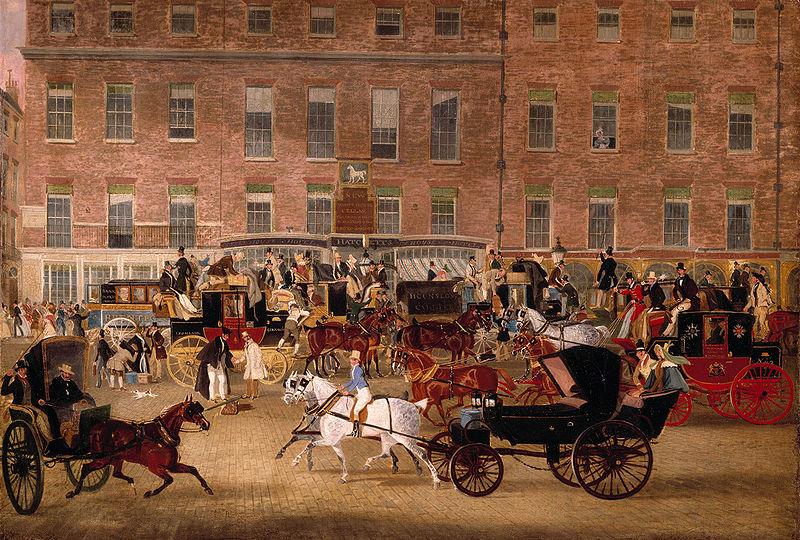
The White Horse Cellar, Piccadilly, by James Pollard

MISS JANE AUSTEN’S acquaintance with London began at an early date, as she frequently passed a few days there when journeying between Hampshire and Kent.

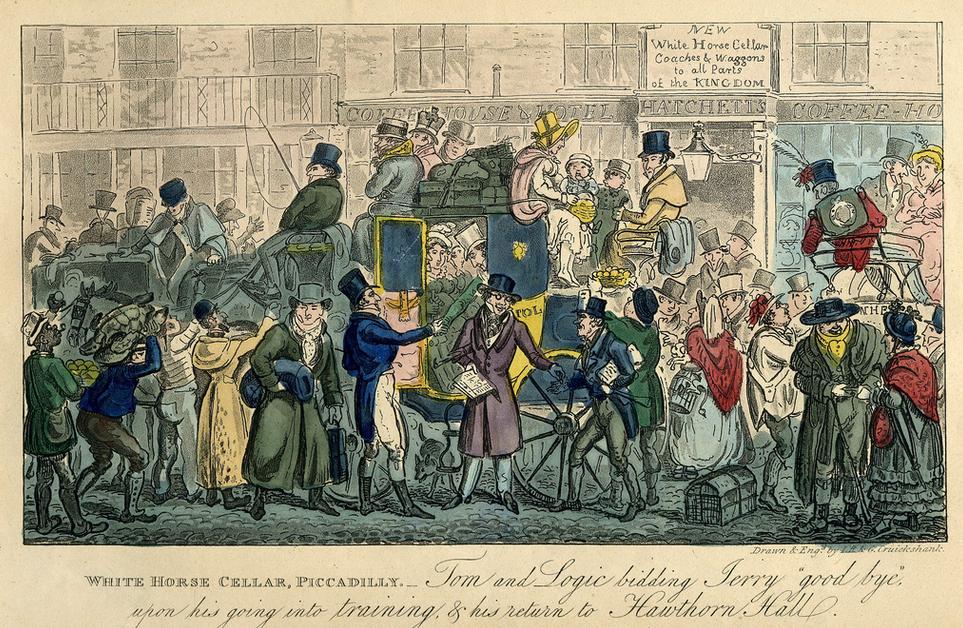
We have mentioned her sleeping at an inn in Cork Street in 1796. Most of the coaches from the south and west of England set down their passengers, it seems, at the “White Horse Cellar” in Piccadilly, which stood near to the entrance of what is now the Burlington Arcade. Jane and her brothers, therefore, probably alighted here and they would find Cork Street, immediately behind the “White Horse Cellar,” a convenient place for their lodging.

Jane visited Town on numerous occasions and stayed with her favorite brother, Henry, and his wife Eliza. Henry not only actively supported his sister’s writing career, but served as her agent, negotiating on her behalf with publishers and printers. When a book required editing and proofing, Jane would visit Henry to accomplish these ordinary, rather time-consuming tasks, Kathryn Sutherland’s opinions notwithstanding.

This post details her visits through Henry’s many moves as he experiences successes and tribulations in his professional and married life. In his varied career Henry served as a soldier in the Oxfordshire militia (1793-1801), a London banker (1801?-1816), and as a curate at Chawton from 1816.

Jane’s visit to Sloane Street, 1811

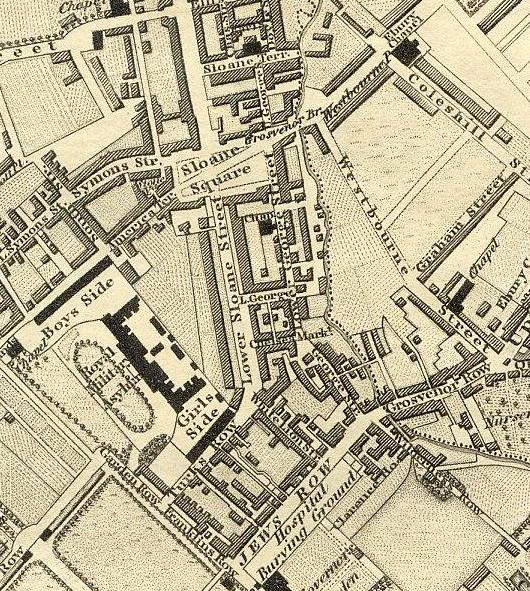
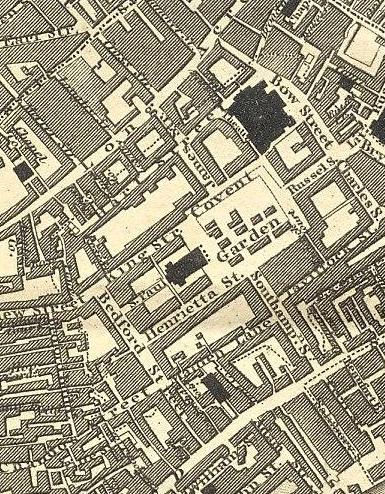
Greenwood's Map, 1827, of Lower Sloane St, Sloane Terrace, and Sloane Square

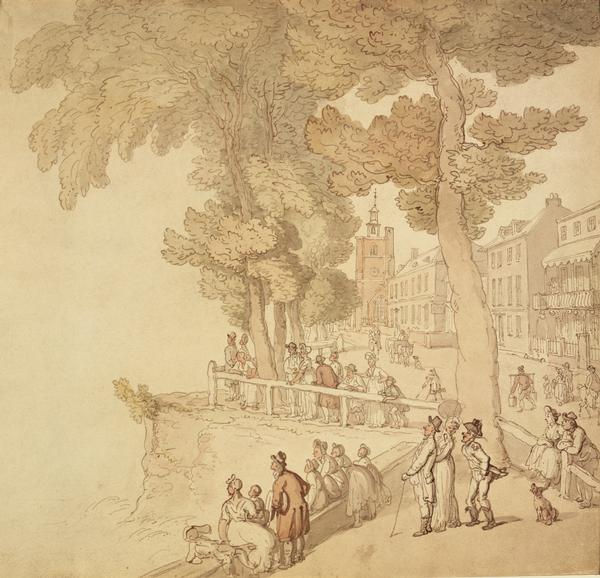
When Jane Austen visited her brother Henry in 1811, he lived in Sloane Street (today behind Harrods in Knightsbridge). At the time, the street was a wide thoroughfare that connected Knightsbridge with the west part of Pimlico and the east end of Chelsea. The area was still quite rural, for there was no development at the east side of Sloane Street before 1790.  In the late 18th century, the approach to London from this side was still regarded as a dangerous, for the area was rural and dimly lit. Chelsea, in fact, had just recently begun to be engulfed by a burgeoning London, but during Jane Austen’s day, the area was still quite bucolic and rural, as these images attest.

Cheyene Walk, London, late 18th c., early 19th century, People strolling by the banks of the River Thames, in the distance is Chelsea Old Church

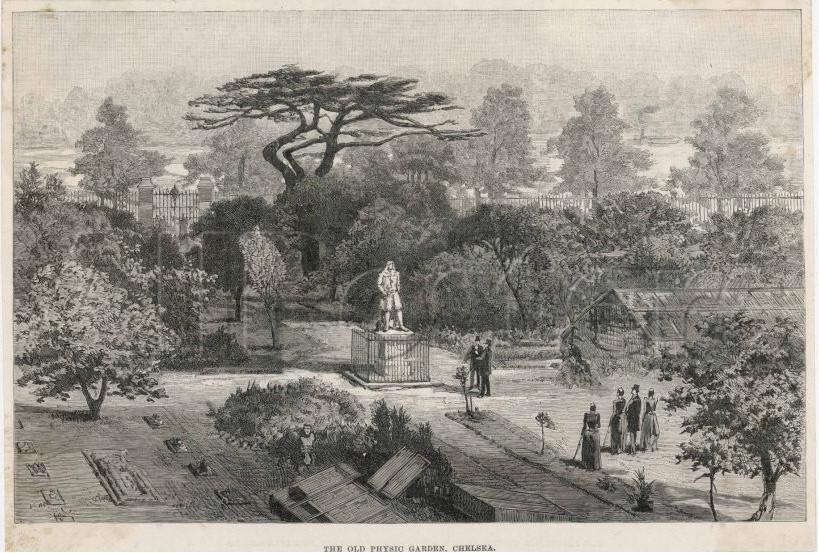
In 1796, the Old Dairy was erected, for cows still grazed nearby. The community was filled with gardens, in particular the Physic Garden founded in 1673 by the Worshipful Company of Apothecaries. Throughout these spacious grounds, apprentices learned to identify plants.

Chelsea, Old Physick Garden

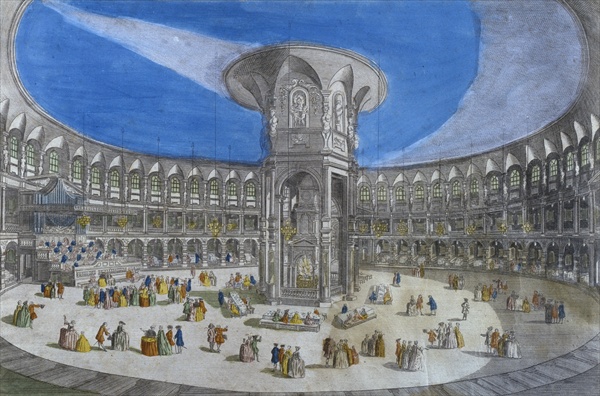
Ranelagh Gardens opened to the public in 1742 as a premier pleasure garden, popular with the wealthy and anyone who could afford a ticket.

Rotunda, Ranelagh Gardens

King’s Road, so named in the day of  King Charles IIs, was actually a private road that dated back to 1703. It connected Westminster to Fulham Palace, where he took a boat to Hampton Court.  King Charles also used the road to visit his mistress Nell Gwyn. At this time, the royal palace was at Hampton Court and Chelsea was known as the Hyde Park on Thames.

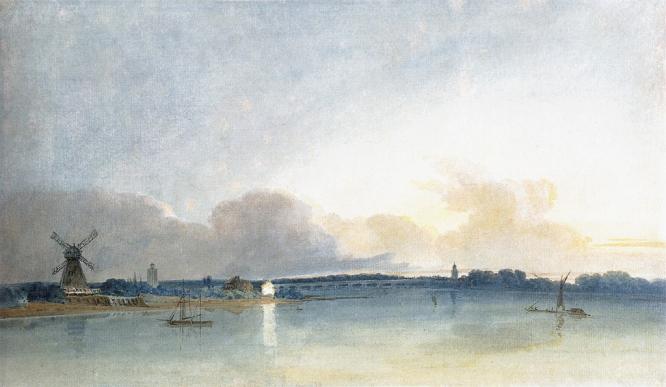
The White House at Chelsea, 1800, Thomas Girtin

By the time Henry Austen moved to Sloane Street the neighborhood had changed enough for Jane to experience pleasant society, although ten years after Jane’s death, Greenwood’s Map (1827) still showed many empty lots and gardens in the vicinity. (See map above.)

While living in Sloane Street, Henry was a successful man:

Henry and two associates had founded a banking institution in London sometime between 1804 and 1806. Austen, Maunde and Tilson of Covent Garden flourished and enabled Henry and Eliza to move from Brompton (where Jane Austen had found the quarters cramped during a visit in 1808) to a more fashionable address and larger house at 64 Sloane Street. Jane’s visits here in 1811 and 1813 were happy events, filled with parties, theatre-going, and the business of publishing Sense and Sensibility and Pride and Prejudice. – Henry Austen: Jane Austen’s “Perpetual Sunshine” by J. David Grey

When visiting her brother, Jane would venture into Town to shop and visit the theatre (Read Tony Grant’s article about Jane Austen and the Theatre).  Henry and Eliza were a fun-loving  and popular couple, and from Jane’s description in a letter below,  they knew how to throw a party:

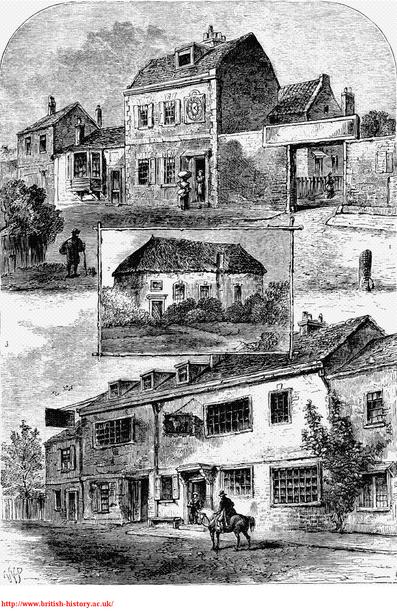
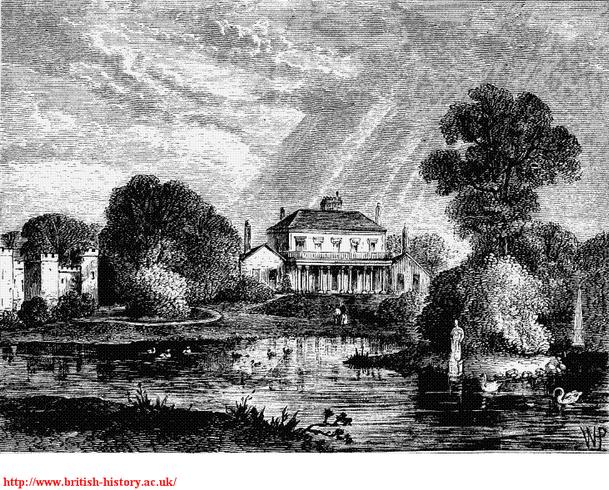
Old Chelsea, 1750. Clock House, Moravian Chapel, White Horse Inn Image from @BritishHistoryOnline

“Our party went off extremely well. The rooms were dressed up with flowers, &c., and looked very pretty. . . . At half-past seven arrived the musicians in two hackney coaches and by eight the lordly company began to appear. Among the earliest were George and Mary Cooke, and I spent the greatest part of the evening very pleasantly with them. The drawing-room being soon hotter than we liked, we placed ourselves in the connecting, passage, which was comparatively cool, and gave us all the advantage of the music at a pleasant distance, as well as that of the first view of every new comer. I was quite surrounded by acquaintance, especially gentlemen.”

She went on to describe the music as extremely good and “included the glees of ‘Rosabelle,’ ‘The Red Cross Knight,’ and ‘Poor Insect.’ Wiepart played the harp and Miss Davis, all dressed in blue, sang with a very fine voice.”

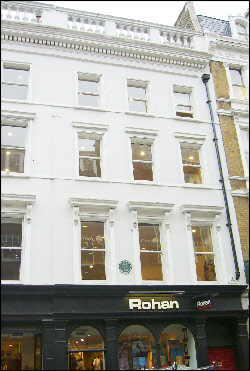
Henrietta Street today

Henrietta Street, 1813

In 1813, Henry, who was four years older than Jane, lost his wife after a painful and debilitating illness. In contrast, his Uncle Leigh Perrot and brother Edward helped to secure his appointment as Receiver-General for Oxfordshire,  a most definite honor. Soon after Eliza’s death, Henry moved to rooms over Tilson’s bank on Henrietta Street in Covent Garden, a location more centrally located in London.

Both Jane and Fanny Knight, their niece, visited him there in the spring of 1814, when Mansfield Park was with the publisher.

Henrietta Street Covent Garden 1827

As was the custom, Jane brought lists of items to purchase  in Town for those who had remained behind in the countryside. In her biography, Constance Hill writes about Jane’s shopping experience:

“I hope,” she writes to her sister, “that I shall find some poplin at Layton and Shear’s that will tempt me to buy it. If I do it shall be sent to Chawton, as half will be for you; for I depend upon your being so kind as to accept it . . . It will be a great pleasure to me. Don’t say a word. I only wish you could choose it too. I shall send twenty yards.” Layton and Shear’s shop, we find, was at 11, Henrietta Street, Covent Garden.

Hans Place, 1814

In 1814, Henry moved from his rooms above his bank to a house he purchased in Hans Place in Knightsbridge. The area was situated near his old quarters on Sloane Street, where he and his wife had spent such a pleasurable time together.

Hans Place, The Pavillion, 1812. Image @British History Online

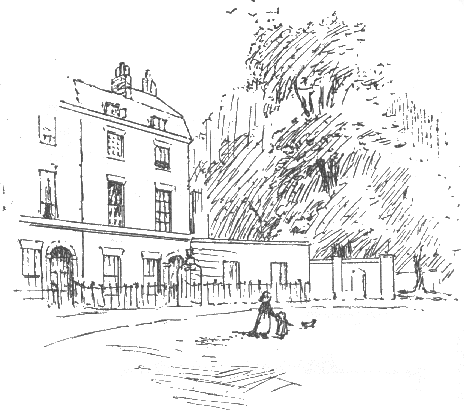
Today, the area, developed by Henry Holland, looks much different than when Jane and Henry knew it (see the image below), but the gardens are not much changed.

How Henry Austen's house must have looked. Image @TonyGrant

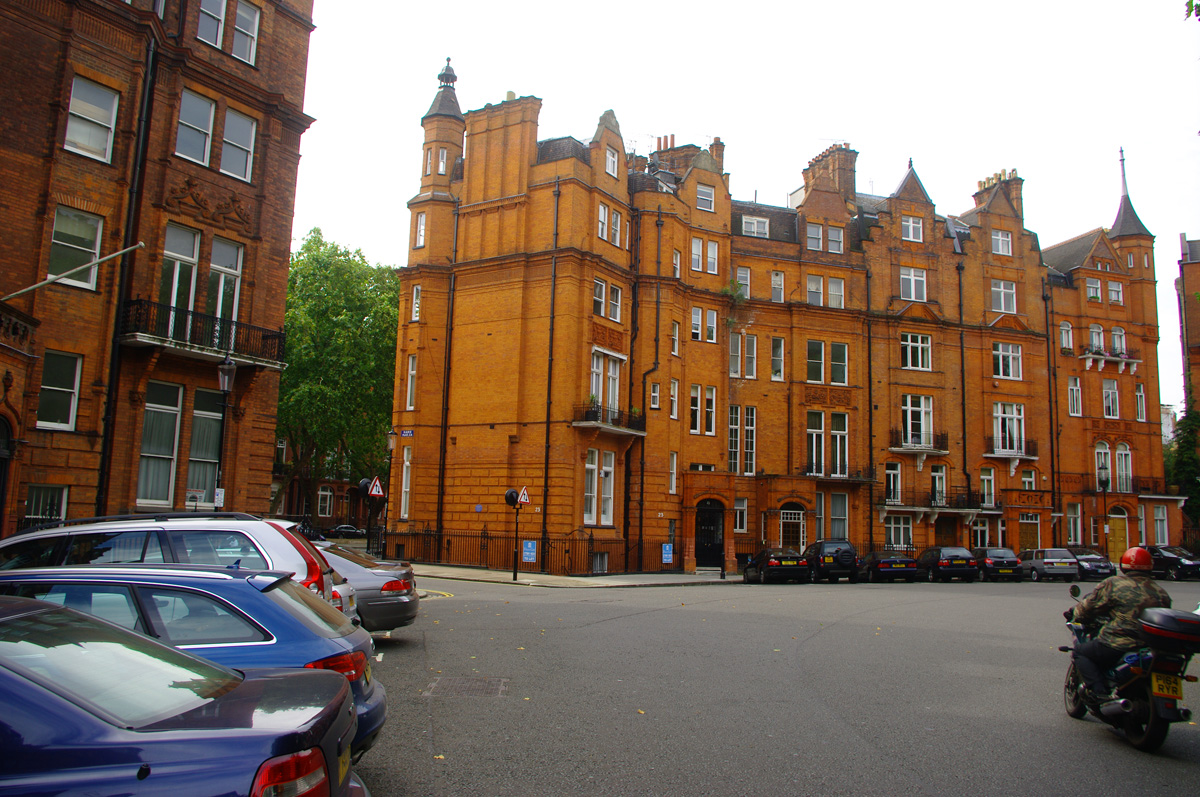
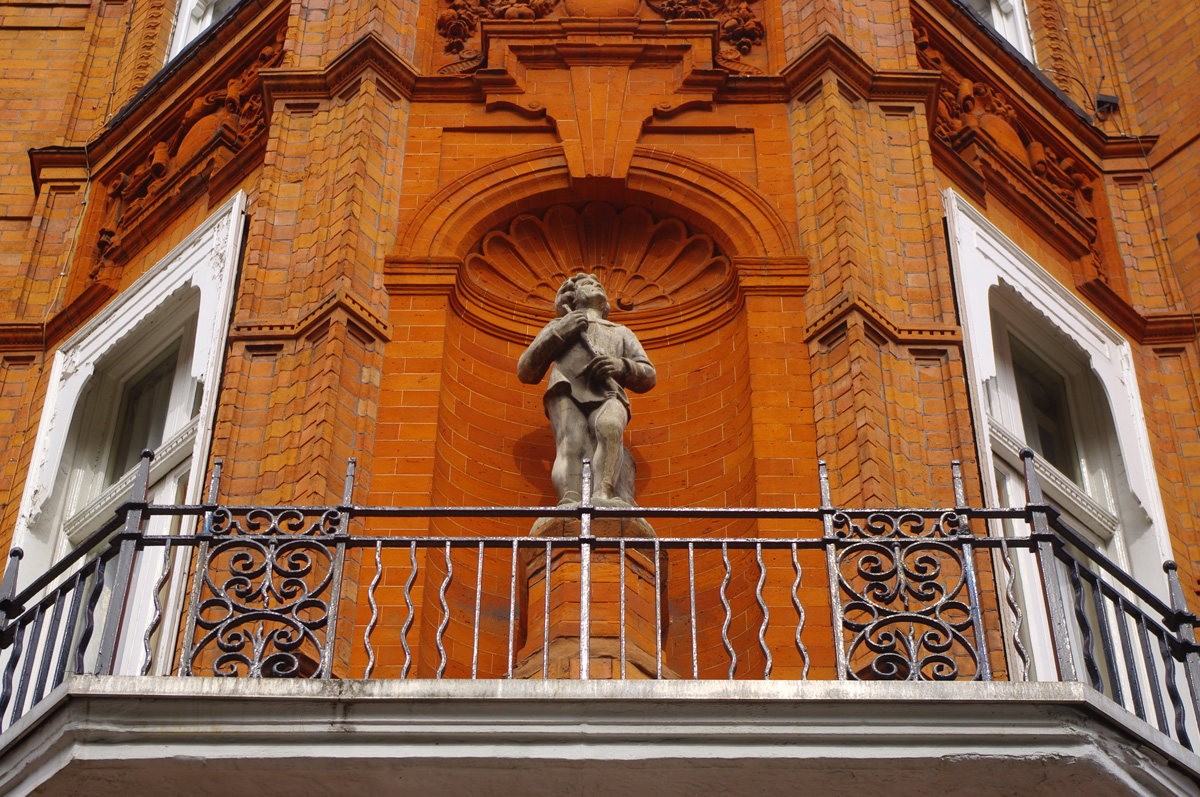
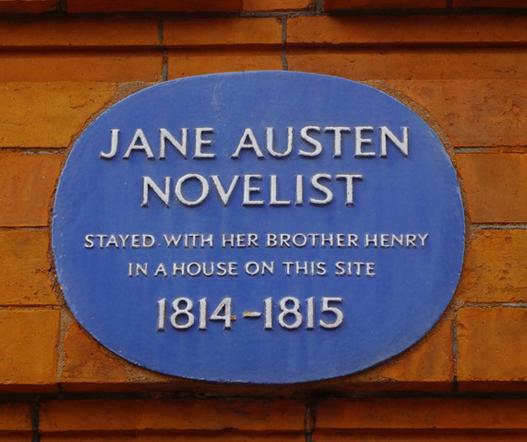
#23 Hans Place is on the corner. The location today.

Jane found #23 Hans Place delightful and Henry’s new house more than answered her expectations. She also admired the garden greatly. In the early part of the 19th century, Sloane Square was an open space enclosed with wooden posts, connected by iron chains. (British History Online)

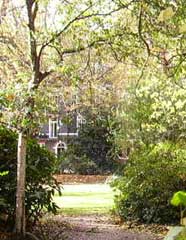
Hans Place garden

In Hans Place, Jane had the use of a downstairs room that opened onto the garden, and she describes her pattern of working indoors, then taking a break in the garden: “I go & refresh myself every now & then, and then come back to Solitary Coolness.” I like Claire Tomalin’s comment in her biography of Jane Austen (1997) that this is “very much what someone settling down to write does, getting up, pacing, thinking, returning to the page she is working on.” – My Long Jumble, Sarah Emsley

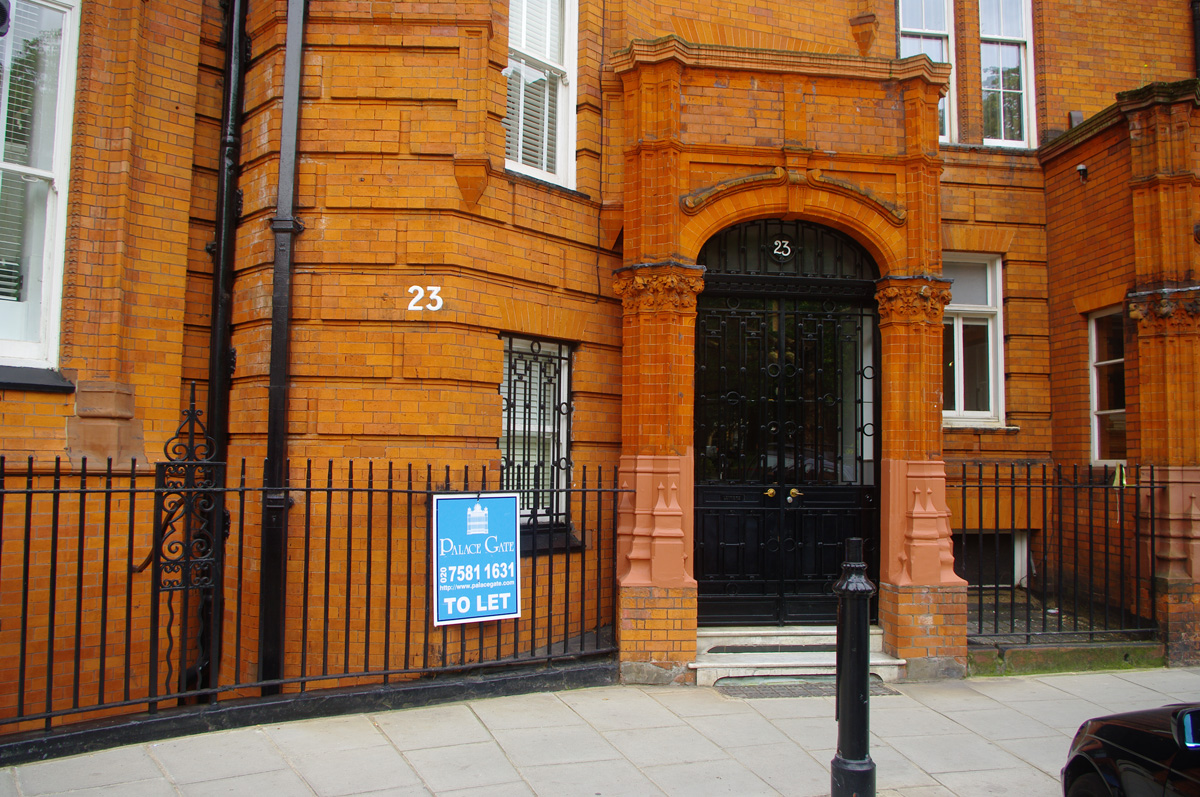
Door to #23 Hans Place today. Image @TonyGrant

Jane visited Henry in Hans place twice, once in 1814, and for a more extended period from October to December in 1815, when she was preparing Emma for publication. During this visit, Henry became seriously ill and Jane nursed him back to health. She also famously visited the Prince Regent’s library at Carlton House during Henry’s recuperation.

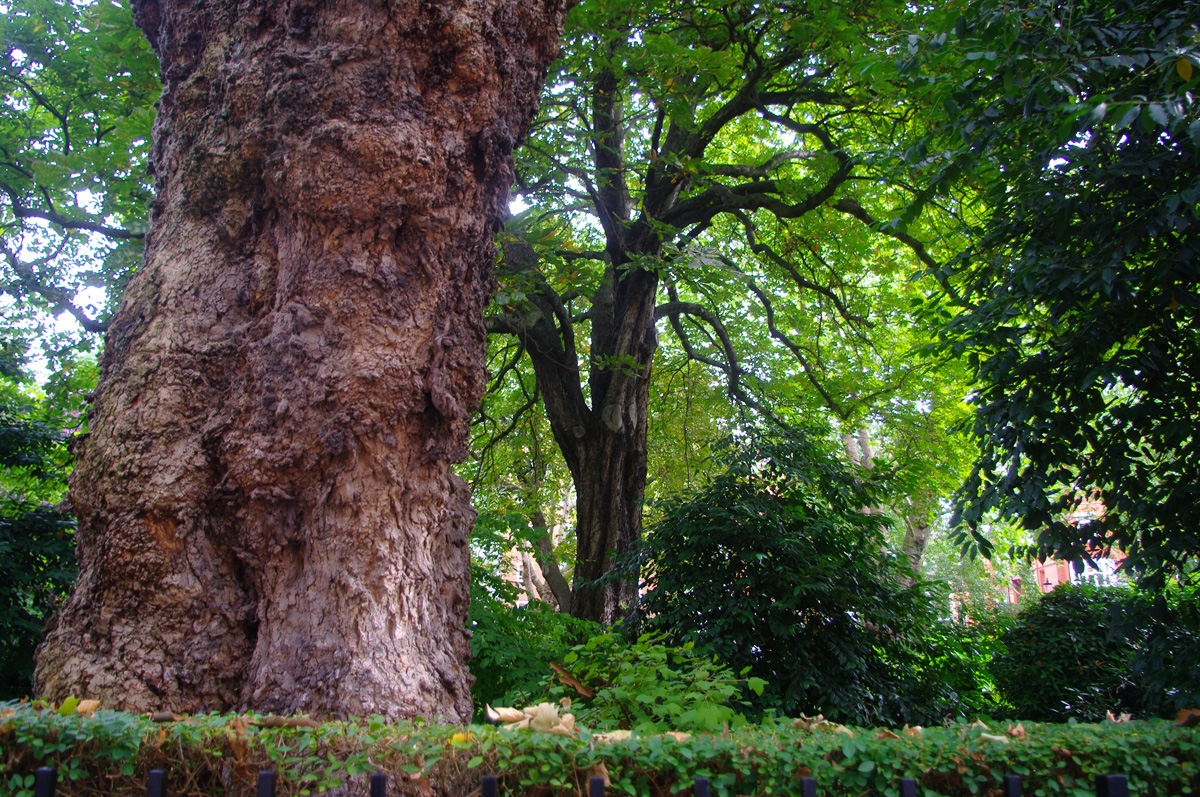
London plane trees in Hans Place, image @TonyGrant

Constance Hill writes in her biography: “… we are also told “that Hans Place” was then “nearly surrounded by fields…We hear of a small evening party to be given in Hans Place whilst Fanny is staying there with her aunt. After describing the morning engagements, Jane writes: “Then came the dinner and Mr. Haden [the apothecary who was instrumental in arranging Jane’s invitation to Carlton House] , who brought good manners and clever conversation. From seven to eight the harp; at eight Mrs. L. and Miss E. arrived, and for the rest of the evening the drawing-room was thus arranged: on the sofa the two ladies, Henry and myself, making the best of it; on the opposite side Fanny and Mr. Haden, in two chairs (I believe, at least, they had two chairs), talking together uninterruptedly. Fancy the scene! And what is to be fancied next? Why that Mr. H. dines here again to-morrow. . . Mr. H. is reading ‘Mansfield Park’ for the first time, and prefers it to P. and P.”

Corner of #23 Hans Place. Image @TonyGrant

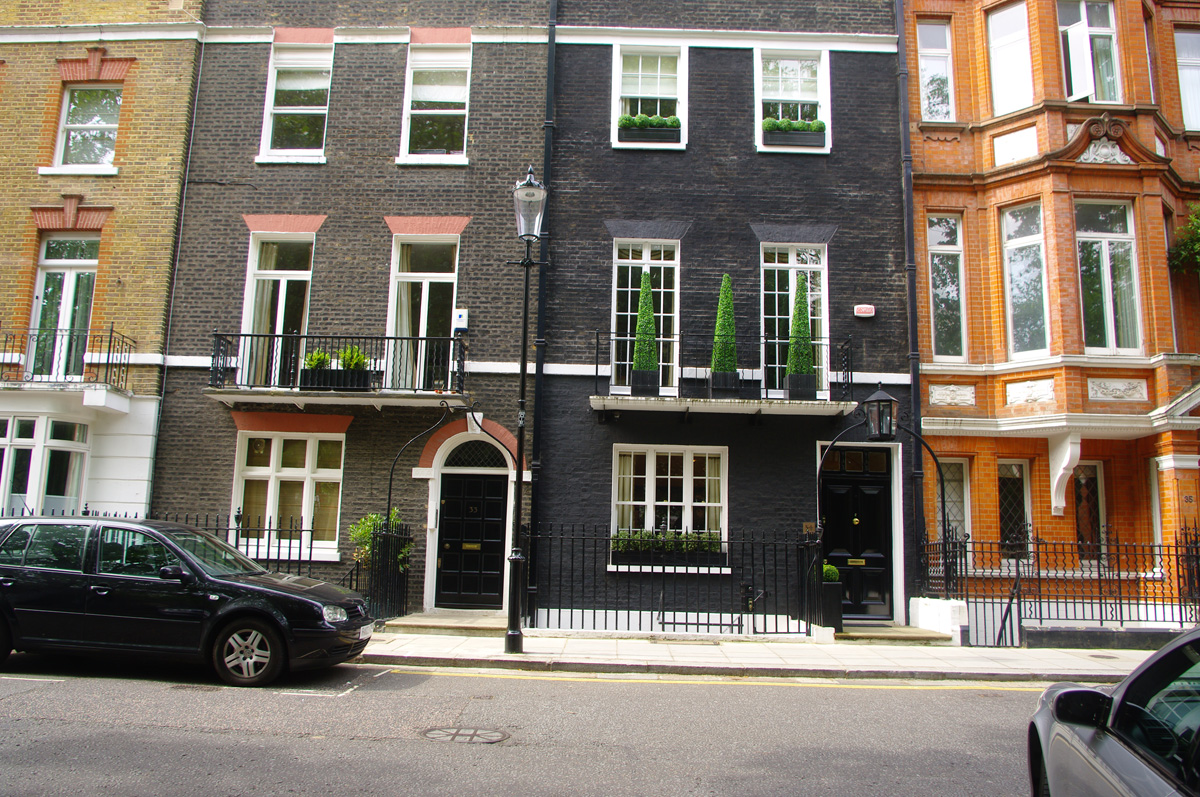
Since Henry lived in #23, Hans Place has been redeveloped. Only numbers 15, 33 and 34 still survive as they once were, but the garden that Jane liked so much remains largely intact in its arrangement. The original railings, however, no longer survive, having been molten down for their iron in World War II.
Only months after Henry recovered from his illness, his bank crashed, bankrupting him and placing a number of his Austen siblings in financial distress. Henry soon became a curate at Chawton. After this period, no more visits by Jane to London are recorded. Today, two of Henry’s residences, the one on Henrietta Street and #23 Hans Place, are  still easy for visitors to tour during a short London excursion.
More on the topic:
Houses in Hans Place drawn by Ellen G. Hill, 1901

Read Full Post »

« Newer Posts - Older Posts »