Feeds:
Posts
Comments

Posts Tagged ‘Cassandra Austen’

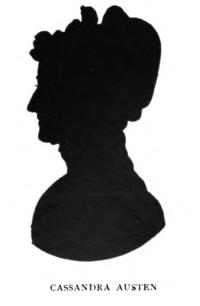
Cassandra Austen in later life

Gentle readers, I am often asked questions by readers, some of which I answer and some of which go unrecognized. Be assured that if you are a student looking for me to do your research when all you have to do is poke into my pages, I shall remain silent. But if your question is intriguing enough, I might be stirred to action. Such is the case with Craig Piercey’s recent question, which goes like this:

Hi Vic

I was rummaging through the Census of 1841 when I came across something interesting. It lists Cassandra Austen of Chawton as 65 however, she died in 1845 aged 72 years. So, something is not right somewhere, either the census is wrong, there were two Cassandra Austen’s in Chawton (unlikely) or her age is wrong on her Grave Stone.

I enclose the census ledger – its on page 8 half way down. It has her listed as being of independent means.

Let me know your thoughts.

Cheers

Craig.
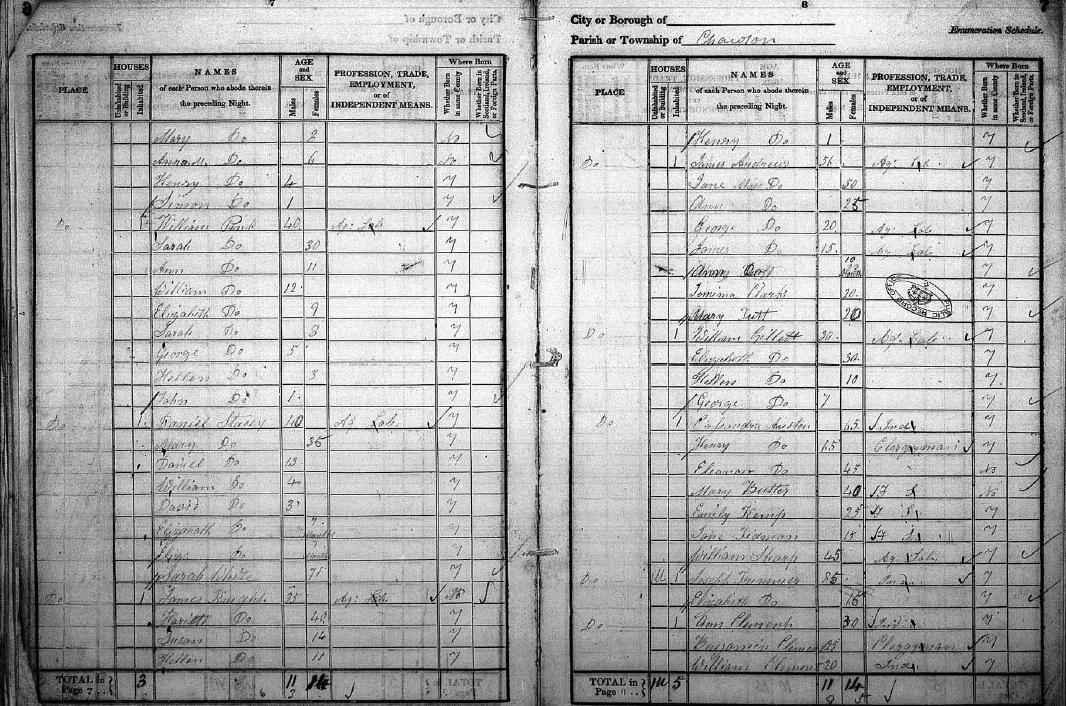
Ledger of the Chawton census, 1841

I could not give Craig an intelligent answer, for the first thought that came to me was that vanity had caused her to give the census taker a wrong age, but then I reasoned that perhaps an honest mistake had been made. I next thought of Tony Grant, who writes for both my blogs. Tony, a retired teacher, arranges customized tour packages for small groups of tourists. His resources are varied, and because he lives in England, he has quick access to historical registers and individuals who can help him. I asked Craig if I could share the question with Tony.

Hi Vic

Please feel free.

What confuses me is, somebody would have had to go round the houses in the village as it looks like the ledger was done by hand – no forms here… So, I’m guessing the nominated person must have actually met her and asked her her age. This would make the age on the Census probable but of course, not completely reliable. I seem to recall somewhere that it was originally clergymen who filled in the Census forms making her age being wrong even more unlikely as the clergyman at the time was her Nephew I think…

As for her grave stone… Well, I have never been to the church or the Great House, although I have been to her house and what I can say is that I have seen pictures of Cassandra’s grave and it look like it may have been moved as there was a fire in the late eighteen hundreds which gutted the original church and maybe the grave stones as well… Who knows, the age on the stones could be wrong… But, unlikely as there would have been family alive that would have known her intimately and surely would have noticed.

I would be interested to know the findings from this, maybe I’m just being stupid and have missed something obvious but, I think not.

Hope you are well, always a pleasure.

Craig.

After Tony returned from yet another of his tour excurions, I put the question to him. Still logy from his trip, he responded off the cuff:

Hi Vic

There were two Cassandras. Mrs Austen was also called Cassandra. This is off the top of my head…

Here’s a picture  of the Chawton Church yard. Tell me if this answers the question.

No it doesn’t. Just checked Craig’s message. Need to look at this further.
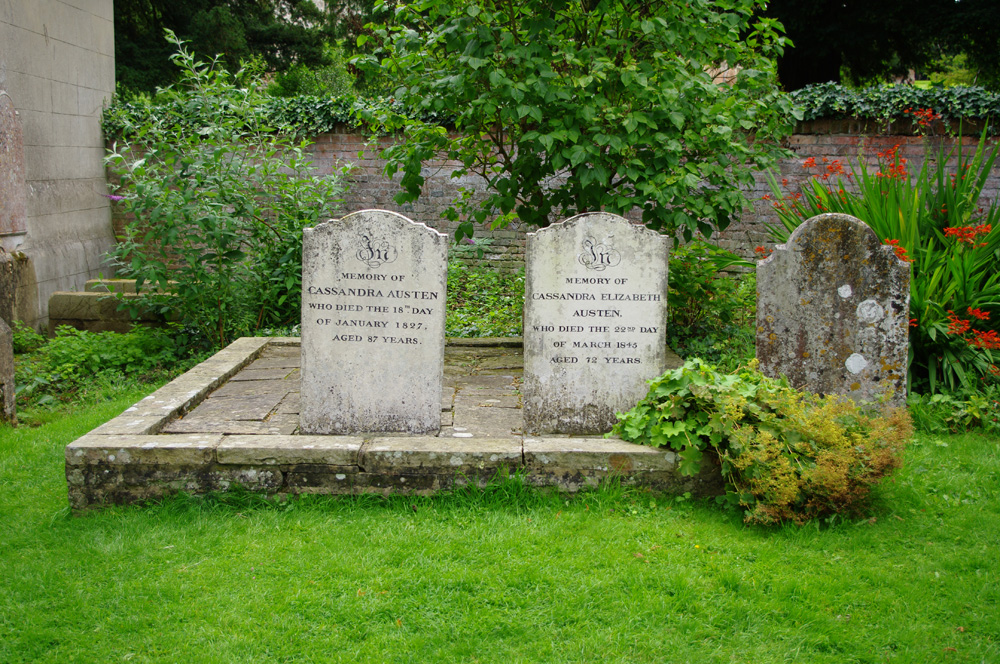
Gravesite, Cassandra and Cassandra Austen

Tony then got in touch with the Hampshire records office in Winchester, and “asked them about the discrepancy between the census of 1841 and the inscription on Cassandra’s grave stone.” The answer came almost immediately.

Hi Vic,

Hampshire archives are on the ball today. They got back to me. Here is what they said:

Dear Mr. Grant,

Thank you for your enquiry.

Indeed Cassandra Austen was 72 at the time of her death, her birth being in 1773. I checked the 1841 census and I must admit Cassandra’s age does appear to be 65 on the census return. Her Brother, Henry, born in 1771, is correctly recorded as being 65 and Cassandra should, depending on the date of the census, be recorded as being 68. Either, the census enumerator recorded her age incorrectly at the time of the cenus or there could be a possibility that the number 65 is badly faded and the five was originally an 8 as the original copy of the census return is quite badly faded. Apart from this it is a mystery why she would record her age as 65.

I hope this is of some assistance to you.

Yours Sincerely
Steve Jones

Steve Jones, Archives and Local Studies Assistant

Tony still wasn’t finished.
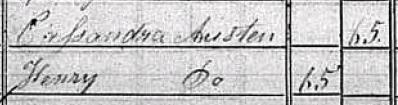
Closeup of the 1841 Census at Chawton

Hi Vic,

Just had a close look at the copy of the 1841 census you attached. There is no way that 5 was an 8. Somebody made a mistake in recording her age.They probably recorded Henry’s first,correctly as 65 and then got overawed by the domineering presence of Cassandra and either didn’t ask her her age or misheard out of confusion and recorded the same age as her brother.

You can just imagine the scene.

ANOTHER little dramatic episode one of our ,”writers,” could use.

All the best,
Tony

And there you have it, readers. Sometimes even the simplest question involves a great deal of thinking and searching. I am not sure we will ever solve the mystery, but I believe Tony and the Hampshire Records Office got as close to solving the mystery as anyone.

Update: But wait! The plot thickens. Who is the Henry below Cassandra Austen? If Henry Austen was born in 1771, he would have been 70 at the time of the census. Could the census taker have gotten the ages of both siblings wrong, or is this another Henry listed below Cassandra? I find it curious that his last name is not listed as Austen. The case becomes curiouser and curiouser.

Update #2: Laurel Ann pointed me to the site of the 1841 Census, which states,

Age and sex of each person:
Ages up to 15 are listed exactly as reported/recorded but ages over 15 were rounded to the nearest 5 years
(i.e. a person aged 53 would be listed on
the census as age 50 years).

If that is the case, what about Henry, who is already 70? His age would then be listed wrong, not Cassandra’s.

Thank you Craig and Tony for providing the content of this most enlivening and enlightening post! Vic

Update #3: Sarah Parry and Ray Moseley from Chawton House discussed the 1841 Census, as did Laurel Ann from Austenprose, which I featured on this post. Along with the comments below, we have a fairly comprehensive answer to the question. Thank you all for participating.

More about Tony Grant:

Read Full Post »

Gentle Reader: This Father’s Day weekend, I salute Jane Austen’s father, George Austen. This post, which I wrote three years ago, has been resurrected and updated for this occasion.

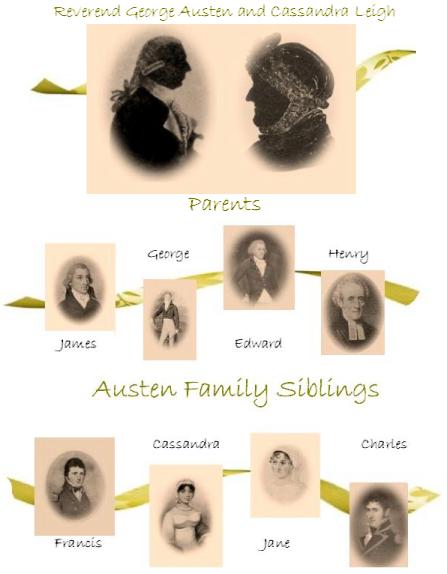
Rev. George Austen was by all accounts a handsome man. Anna LeFroy, Jane’s niece wrote,

I have always understood that he was considered extremely handsome, and it was a beauty which stood by him all his life. At the time when I have the most perfect recollection of him he must have been hard upon seventy, but his hair in its milk-whiteness might have belonged to a much older man. It was very beautiful, with short curls about the ears. His eyes were not large, but of a peculiar and bright hazel. My aunt Jane’s were something like them, but none of the children had precisely the same excepting my uncle Henry.”

George Austen was born in 1731. His mother died in childbirth and his father died a year after marrying a new wife, who did not want the responsibility of taking care of the young lad. George then lived with an aunt in Tonbridge and earned a Fellowship to study at St. John’s. Smart, ambitious, and self-made (with the support of his uncle Francis), he received a Bachelor of Arts, a Master of Arts, and a Bachelor of Divinity degree at Oxford. Considered good looking all his life, he was called “the handsome proctor” as he worked as an assistant chaplain, dean of arts, and Greek lecturer while going to school.

George first met Cassandra Leigh in Oxford when she was visiting her uncle Theophilus, a renowned scholar. After marrying Cassandra in Bath, George became rector in several country parishes, including Steventon. The family grew by leaps and bounds, and eventually he and Cassandra had six sons and two daughters.

Shortly after Jane was born, her father said: “She is to be Jenny, and seems to me as if she would be as like Henry, as Cassy is to Neddy.” But the little girl was known as Jane all her life.

By all accounts George and Cassandra Austen had a happy marriage. His annual income from the combined tithes of Steventon and the neighboring village of Deane was modest. With so many mouths to feed, the family was not wealthy. To augment the family income,  George Austen opened a boarding school at Steventon Rectory for the sons of local gentlemen, and sold produce from his farm.
George Austen presents his son Edward to the Knights, who adopted him. This was a common practice in that era. Image from Chawton House.

Rev. Austen, a doting father to all his children, encouraged Cassandra and Jane to read from his extensive library, and taught his boys in his boarding school. For entertainment, the family read to each other, played games, and produced poetry, novels, and plays. James, the eldest son, an accomplished writer and poet, was considered to be the “writer” of the family, especially by his mother, Cassandra, who doted on him. George Austen was proud of his youngest daughter’s accomplishments, and tried to get First Impressions, the first draft of  Pride and Prejudice published. The “Memoir of Jane Austen” by Edward Austen-Leigh contains a letter from George Austen to Mr. Cadell, publisher, dated November 1797, in which he describes the work as a “manuscript novel comprising three volumes, about the length of Miss Burney’s ‘Evelina'” and asks Mr. Cadell if he would like to see the work with a view to entering into some arrangement for its publication, “either at the author’s risk or otherwise.” Unfortunately, nothing came of this query, but P&P became hugely popular among the friends and family who read it before it was published. The original 3-part manuscript no longer exists, and a much shorter form of the novel was finally published in 1813, long after George’s death and only four short years before Jane’s fatal illness.
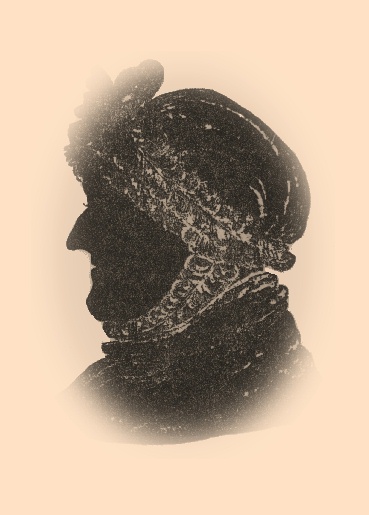
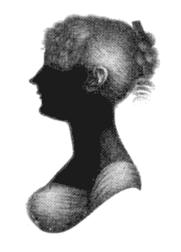
Rev. George Austen died unexpectedly in Bath on  January 1, 1805, where the Austen family had moved after living in Steventon for over 30 years. This move did not sit well with Jane, who, as legend goes, fainted when she learned that the family was moving to Bath. (The silhouettes above are of George and Cassandra, who had not aged well). Rev. Austen did not linger long after falling ill, and on January 21,  Jane Austen would write sorrowfully to her brother, Frank, one of two sailors in the family:

“We have lost an excellent Father. An illness of only eight and forty hours carried him off yesterday morning between ten and eleven. His tenderness as a father, who can do justice to?” – Sir Francis William Austen

Rev. Austen was buried in St. Swithin churchyard in Bath. The inscription on his grave reads:

Under this stone rests the remains of
the Revd. George Austen
Rector of Steventon and Deane in Hampshire
who departed this life
the 1st. of January 1805
aged 75 years.”

Double click on this grave marker to read the words. (From: Find a Grave Memorial. Image of George and his grave is from this site.)

More on the topic:

The Austen Family:

Read Full Post »

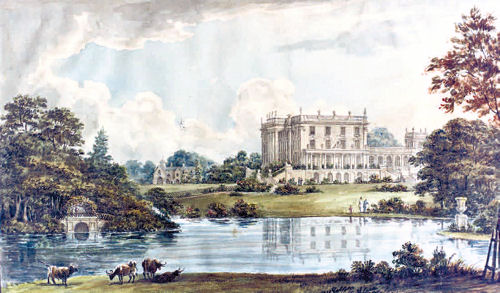
This weekend as we celebrate Mother’s Day, my thoughts turn to Cassandra Austen,  wife of Rev. George Austen and mother of Jane Austen. Cassandra was related to the Leighs of Stoneleigh Abbey.  In 1806, the recently widowed Mrs. Austen visited Adlestrop Rectory in Gloucestershire with her two daughters, where they stayed with her cousins Rev. Thomas Leigh and his sister Elizabeth.  During their visit,  Rev. Thomas Leigh learned that the Hon. Mary Leigh of Stoneleigh Abbey had died and that he would inherit the great house, whose origins go back to 1154. The Austen women traveled with Rev. Leigh to Warwickshire. In the following letter, Mrs. Austen writes glowingly about their stay at the mansion:

“STONELEIGH ABBEY,
“August 13, 1806.

“MY DEAR MARY, – The very day after I wrote you my last letter, Mr. Hill wrote his intention of being at Adlestrop with Mrs. Hill on Monday, the 4th, and his wish that Mr. Leigh and family should return with him to Stoneleigh the following day, as there was much business for the executors awaiting them at the Abbey, and he was hurried for time. All this accordingly took place, and here we found ourselves on Tuesday (that is yesterday se’nnight) eating fish, venison, and all manner of good things, in a large and noble parlour, hung round with family portraits. The house is larger than I could have supposed. We cannot find our way about it – I mean the best part; as to the offices, which were the Abbey, Mr. Leigh almost despairs of ever finding his way about them. I have proposed his setting up direction posts at the angles. I had expected to find everything about the place very fine and all that, but I had no idea of its being so beautiful. I had pictured to myself long avenues, dark rookeries, and dismal yew trees, but here are no such dismal things. The Avon runs near the house, amidst green meadows, bounded by large and beautiful woods, full of delightful walks.

Stoneleigh Abbey, 1808, Humphrey Repton

“At nine in the morning we say our prayers in a handsome chapel, of which the pulpit, &c. &c., is now hung with black. Then follows breakfast, consisting of chocolate, coffee, and tea, plum cake, pound cake, hot rolls, cold rolls, bread and butter, and dry toast for me. The house steward, a fine, large, respectable-looking man, orders all these matters. Mr. Leigh and Mr. Hill are busy a great part of the morning. We walk a good deal, for the woods are impenetrable to the sun, even in the middle of an August day. I do not fail to spend some part of every day in the kitchen garden, where the quantity of small fruit exceeds anything you can form an idea of. This large family, with the assistance of a great many blackbirds and thrushes, cannot prevent it from rotting on the trees. The gardens contain four acres and a half. The ponds supply excellent fish, the park excellent venison; there is great quantity of rabbits, pigeons, and all sorts of poultry. There is a delightful dairy, where is made butter, good Warwickshire cheese and cream ditto. One manservant is called the baker, and does nothing but brew and bake. The number of casks in the strong-beer cellar is beyond imagination; those in the small-beer cellar bear no proportion, though, by the bye, the small beer might be called ale without misnomer. This is an odd sort of letter. I write just as things come into my head, a bit now and a bit then.

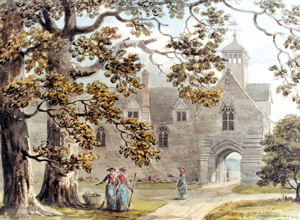
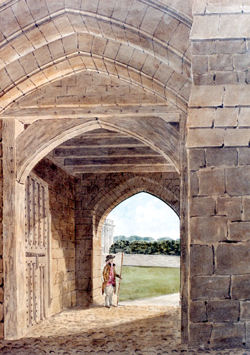
Stoneleigh Abbey, Gatehouse. 1807

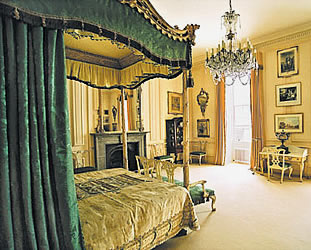
“Now I wish to give you some idea of the inside of this vast house – first premising that there are forty-five windows in front, which is quite straight, with a flat roof, fifteen in a row. You go up a considerable flight of steps to the door, for some of the offices are underground, and enter a large hall. On the right hand is the dining-room and within that the breakfast-room, where we generally sit; and reason good, ’tis the only room besides the chapel, which looks towards the view. On the left hand of the hall is the best drawing-room and within a smaller one. These rooms are rather gloomy with brown wainscot and dark crimson furniture, so we never use them except to walk through to the old picture gallery. Behind the smaller drawing-room is the state-bedchamber – an alarming apartment, with its high, dark crimson velvet bed, just fit for an heroine. The old gallery opens into it. Behind the hall and parlours there is a passage all across the house, three staircases and two small sitting-rooms. There are twenty-six bedchambers in the new part of the house and a great many, some very good ones, in the old.

Bedroom, Stoneleigh Abbey

There is also another gallery, fitted up with modern prints on a buff paper, and a large billiard-room. Every part of the house and offices is kept so clean, that were you to cut your finger I do not think you could find a cobweb to wrap it up in. I need not have written this long letter, for I have a presentiment that if these good people live until next year you will see it all with your own eyes.

Arch, Stoneleigh Manor, Repton, 1807

“Our visit has been a most pleasant one. We all seem in good humour, disposed to be pleased and endeavouring to be agreeable, and I hope we succeed. Poor Lady Saye and Sele, to be sure, is rather tormenting, though sometimes amusing, and affords Jane many a good laugh, but she fatigues me sadly on the whole. To-morrow we depart. We have seen the remains of Kenilworth, which afforded us much entertainment, and I expect still more from the sight of Warwick Castle, which we are going to see to-day. The Hills are gone, and my cousin, George Cook, is come. A Mr. Holt Leigh was here yesterday and gave us all franks. He is member for, and lives at, Wigan in Lancashire, and is a great friend of young Mr. Leigh’s, and I believe a distant cousin. He is a single man on the wrong side of forty, chatty and well-bred and has a large estate. There are so many legacies to pay and so many demands that I do not think Mr. Leigh will find that he has more money than he knows what to do with this year, whatever he may do next. The funeral expenses, proving the will, and putting the servants in both houses in mourning must come to a considerable sum; there were eighteen men servants.” – Letter, Hill, Jane Austen: Her Homes and Her Friends

More on the topic:

Images: Plants info

Bedroom image: UK Student Life

Add to DeliciousAdd to DiggAdd to FaceBookAdd to Google BookmarkAdd to RedditAdd to StumbleUponAdd to TechnoratiAdd to Twitter

Read Full Post »

Cassandra Austen (Greta Scacchi) & Mrs Austen (Phyllida Law) in Miss Austen Regrets

During my morning stroll I saw crocuses, snowdrops, pansies, and daffodils in bloom. What a difference two weeks make! Spring is in the air, and the robins are pushing north.

Columbine, Lilac, Small Daisy, Peony, Sweet Briar, & Mignonnette

It is time to think about the garden, and this year I am inclined to plant a few varieties that Jane Austen and her family grew. Jane wrote to Cassandra:

Syringa, Sweet William

Some of the Flower seeds are coming up very well–but your Mignioette makes a wretched appearance. Our young Piony at the foot of the Fir tree has just blown & looks very handsome & the whole of the Shrubbery Border will soon be very gay with Pinks & Sweet Williams, in addition to the Columbines already in bloom. The Syringas too are coming out — We are likely to have a great crop of Orleans plumbs–but not many greengages–on the sandard scarcely any–three or four dozen perhaps against the wall. – Christian Encounters:Jane Austen, Leithart, p75- 76.

Greengages, Gooseberry, Wild Strawberry, & Moor Park Apricot

The excellent article, Jane Austens Flower Garden, describes additional variety of flowers, fruits, trees and shrubs and the kitchen garden. “I remember the garden well,” writes Miss Lefroy. “A very high thick hedge divided it from the (Winchester) road, and round it was a pleasant shrubbery walk, with a rough bench or two where no doubt Mrs. Austen and Cassandra and Jane spent many a summer afternoon.”

Row of Beeches, Long grasses, Hedgerow, Potatoes

Kitchen Garden

Flowers, trees, and shrubs mentioned

  • Syringa
  • Lilac
  • Cornflowers
  • Columbines
  • Sweet Williams
  • Old-fashioned roses
  • Mock Orange
  • Hollyhocks
  • Philadelphus
  • Pinks
  • Small daisies
  • Sweetbriar
  • Syringas
  • Laburnum
  • Currants
  • Gooseberry bushes
  • Raspberries
  • Wild strawberries
  • Hedgerow
  • Gravel Walk
  • Orchard with plum tree
  • Long grass
  • Thick hedge
  • Oaks
  • Row of beech trees
  • Quickset hedge
  • Kitchen garden
  • Potatoes
  • Philadelphus, Currants, & Plum

Share/Bookmark//

Read Full Post »

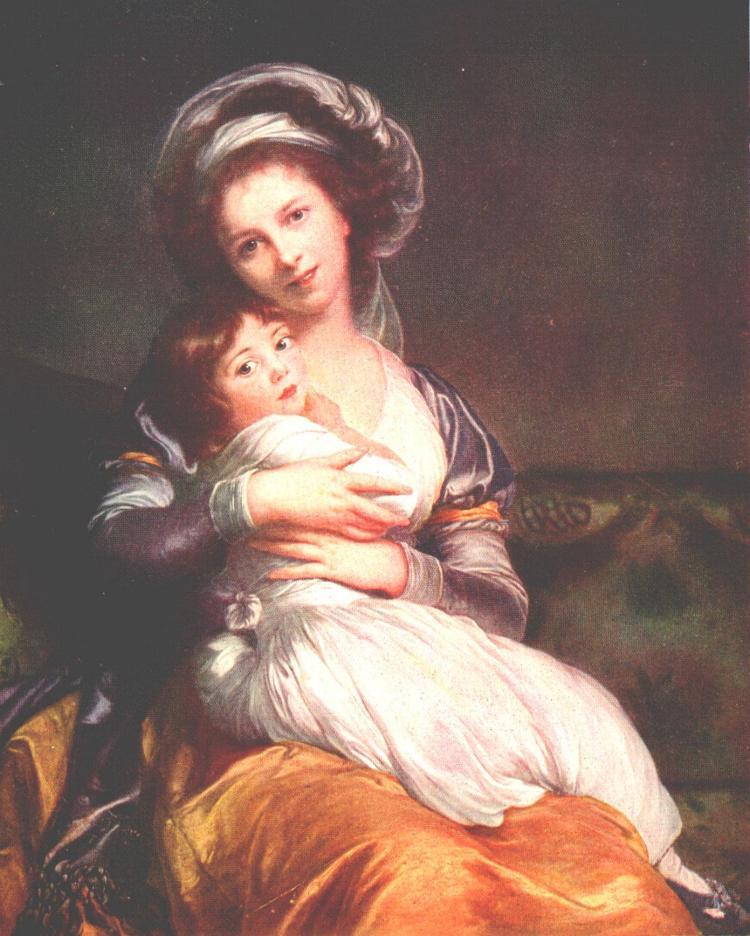
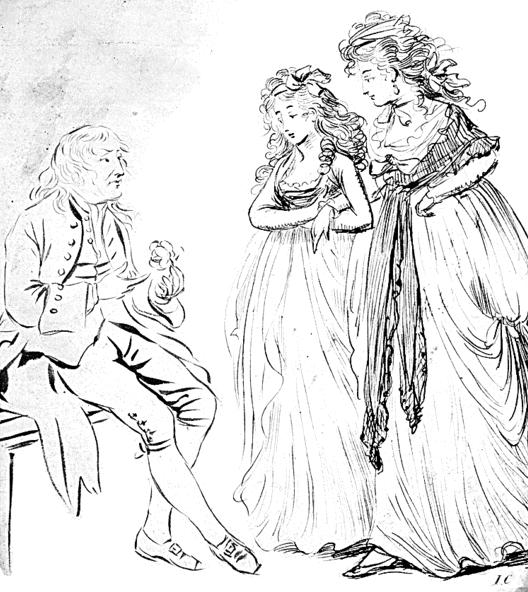
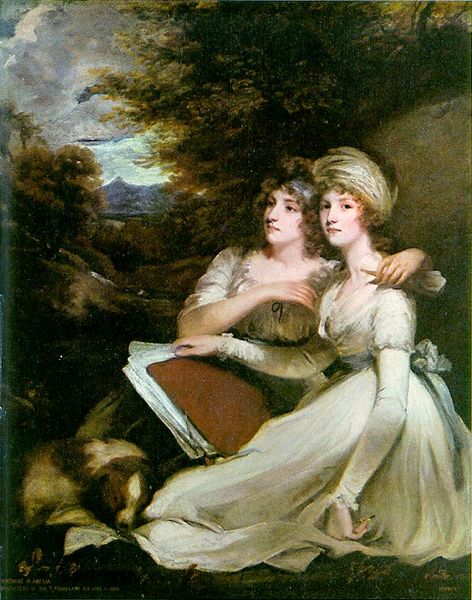
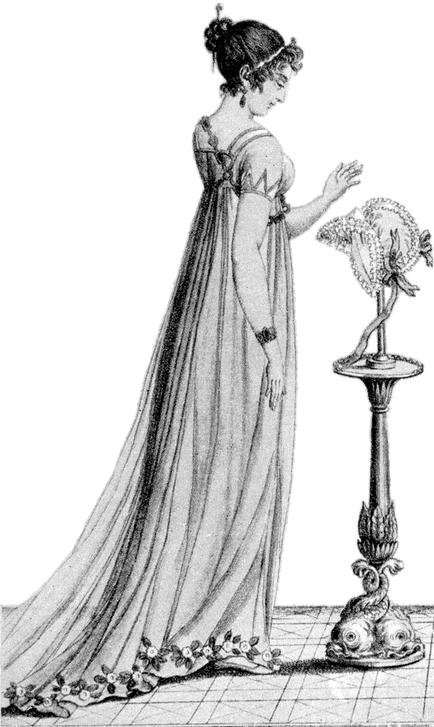
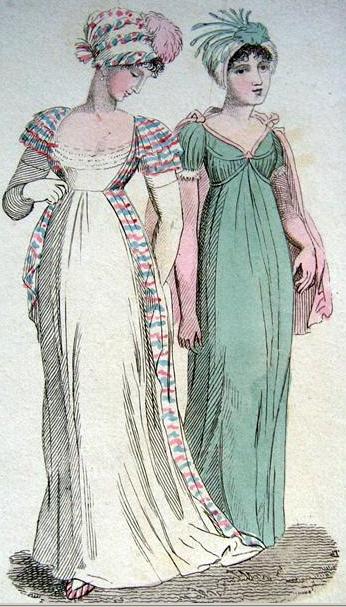
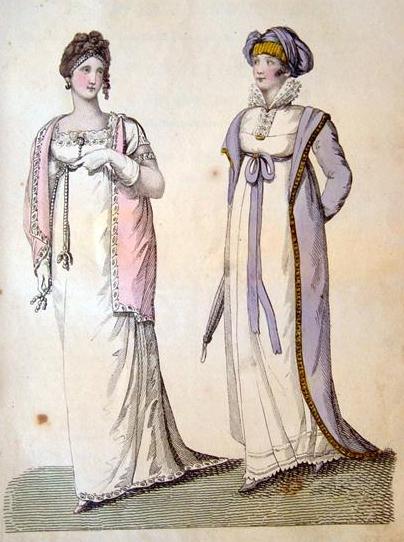
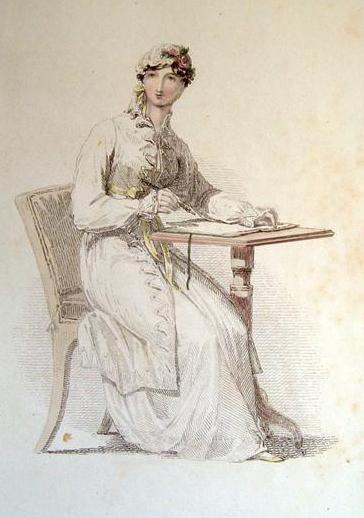
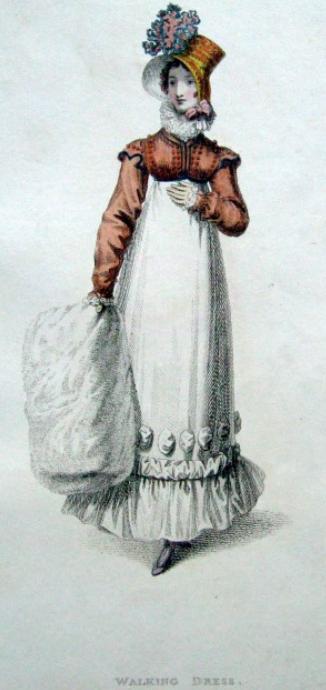
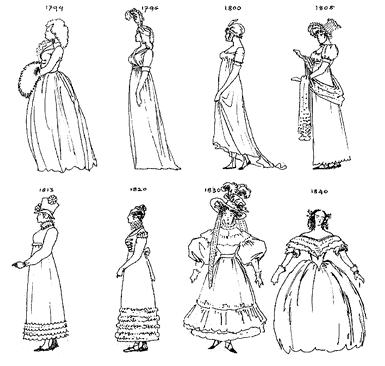
CassandraPretty Cassandra Austen, Jane Austen’s elder sister by two years, lived until the ripe age of 72 . This brief visual guide demonstrates how fashion changed during her lifetime. Wherever possible, I tried to represent Cassandra’s age and the clothes she would have worn during that period. I also used the paired women combination to evoke Cassandra and Jane, even in the years after Jane’s death. The last image shows the changes in the silhouettes of the gowns regarding waists, sleeves, skirts and trains.

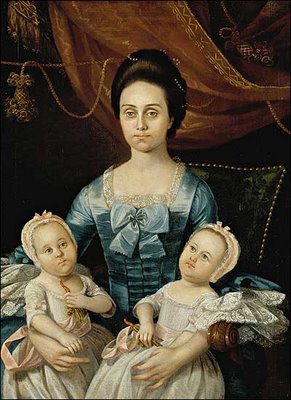
Mrs. Thomas Bolling with children, 1773. One can see the style of clothes baby Cassandra and Mrs. Austen would have worn after her birth.

Madame Vigee and child, 1780. Cassandra was seven and Jane had turned five, somewhat older than the child depicted in this painting.

Isaac Cruickshank Sketch 1790. Jane Austen would have been 15 and Cassandra 17 years of age. This image is NOT of the Austen sisters.

Jane Austen was 20 and Cassandra 22 when Hoppner painted this image of the Frankland sisters in 1795

Chemise dress, 1799. Lovely lines, but the trains so popular during these years must have collected dust and dirt.

Afternoon dresses, Lady's Monthly Museum, 1802

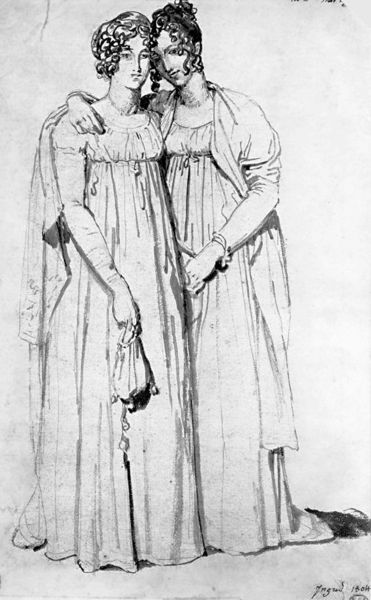
Ingres drew the Harvey sisters in 1804 when Jane was 29 and Cassandra had turned 31

Belle Assemblee, English Costume 1807. Short trains are still fashionable.

Regency morning dress 1813

Walking dress 1817, the year Jane Austen died

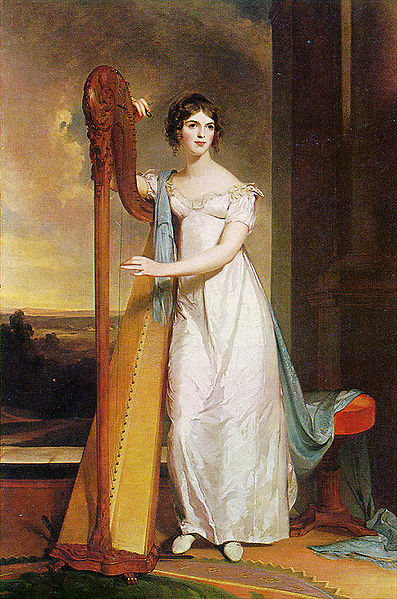
Eliza Ridgely painted by Sully, 1818.

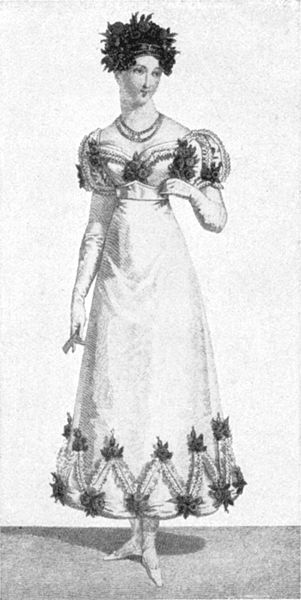
Ball gown, 1820. Notice the shorter dress length and the fancy hem.

Rust brown redingote, 1823

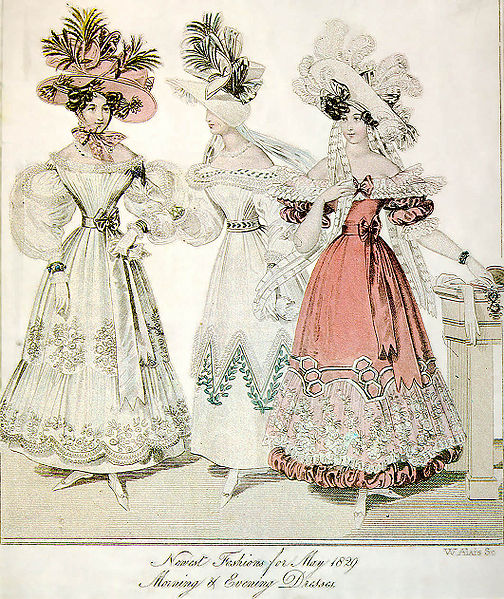
Morning and evening dresses in 1829. Notice how the elaborate hats and hairdos balance the large sleeves. The waistline is situated almost at its natural position and the hemlines reveal slippers and trim ankles.

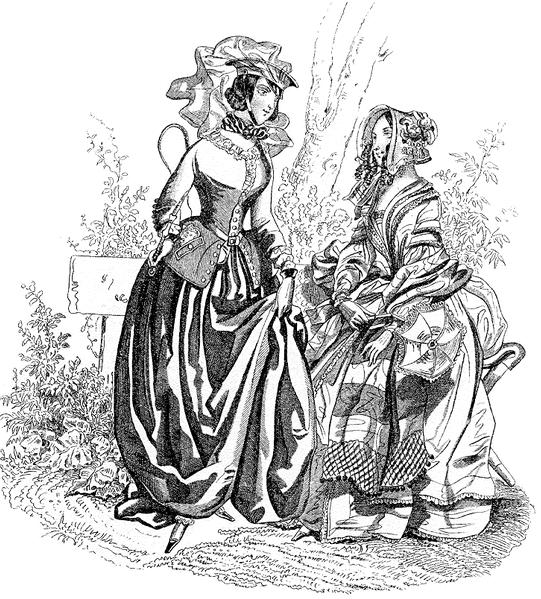
Riding Habit, 1842

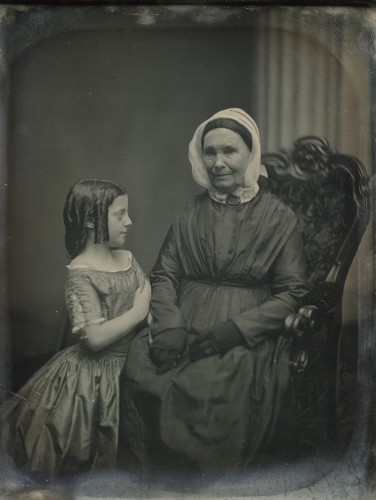
Would Cassandra have resembled this old woman in 1845, the year of her death?

Review of the changes in fashion silhouettes

More on the topic

Read Full Post »

« Newer Posts - Older Posts »