Feeds:
Posts
Comments

Posts Tagged ‘Steventon’

Gentle Readers, With this article we once again benefit from Tony Grant’s expertise as a tour guide in England. He has written a lovely post about Steventon Rectory and its influence on Jane Austen’s description of Barton Cottage in Sense and Sensibility.

Does Barton Cottage, the cottage that Mrs Dashwood, Elinor and Marianne in Sense and Sensibility, retreat to and which is located in Devon, just north of Exeter, owe much to Steventon in Hampshire, Jane’s first home?
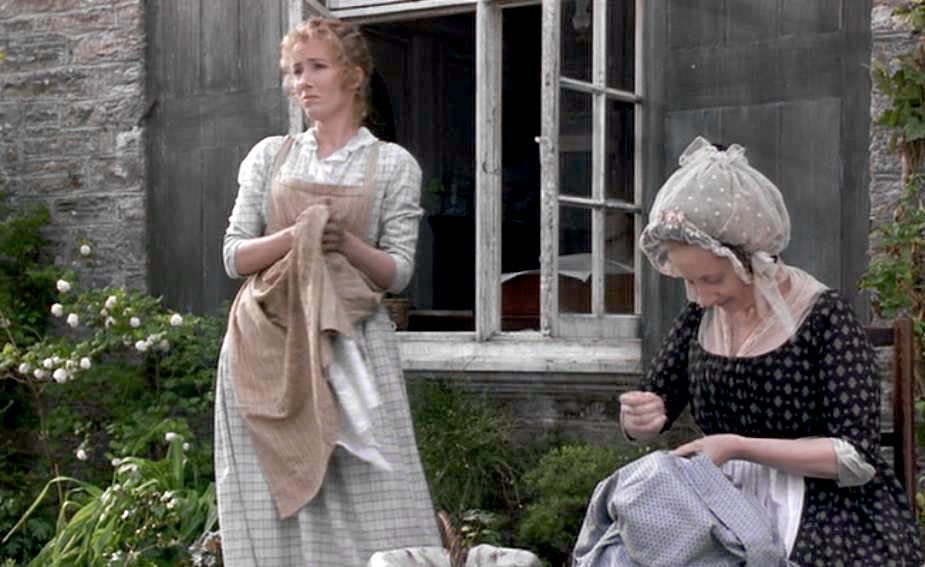
Elinor ( Emma Thompson) and Mrs. Dashwood (Gemma Jones) in front of Barton Cottage. Sense and Sensibility, 1995

I recently went to Steventon again, the birthplace of Jane Austen and where she spent her formative years until the age of twenty six. Steventon was where she thought she would spend the rest of her life. As soon as she was born she was sent to live with a family in the village. The mother of the household she was sent to became Jane’s wet nurse. Mrs Austen had nothing to do with her children as babies. This might provide an explanation for Jane’s aversion towards her mother as she grew older but it also explains that her attachment to Steventon was not just through her own family and the rectory but it was linked to the wider community and she had very close ties to some of the villagers.

Row of cottages in Steventon. Image @Tony Grant

Steventon is set in a small Hampshire valley about five miles south west of Basingstoke, the nearest large town. When you visit Steventon today there are a few cottages and houses, not dissimilar in number to Jane’s days and a cross roads that has a cluster of old cottages, some of them terraced, set in a beautiful verdant landscape of fields and trees and gently rising downland.
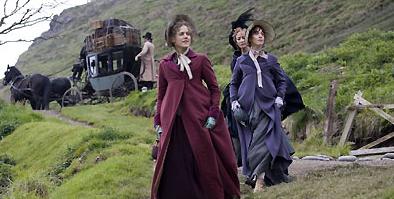
The Dashwood women see Barton Cottage for the first time. Sense and Sensibility, 2008.

“a view of Barton Valley as they entered it gave them cheerfulness. It was a pleasant fertile spot, well wooded and rich in pasture.”
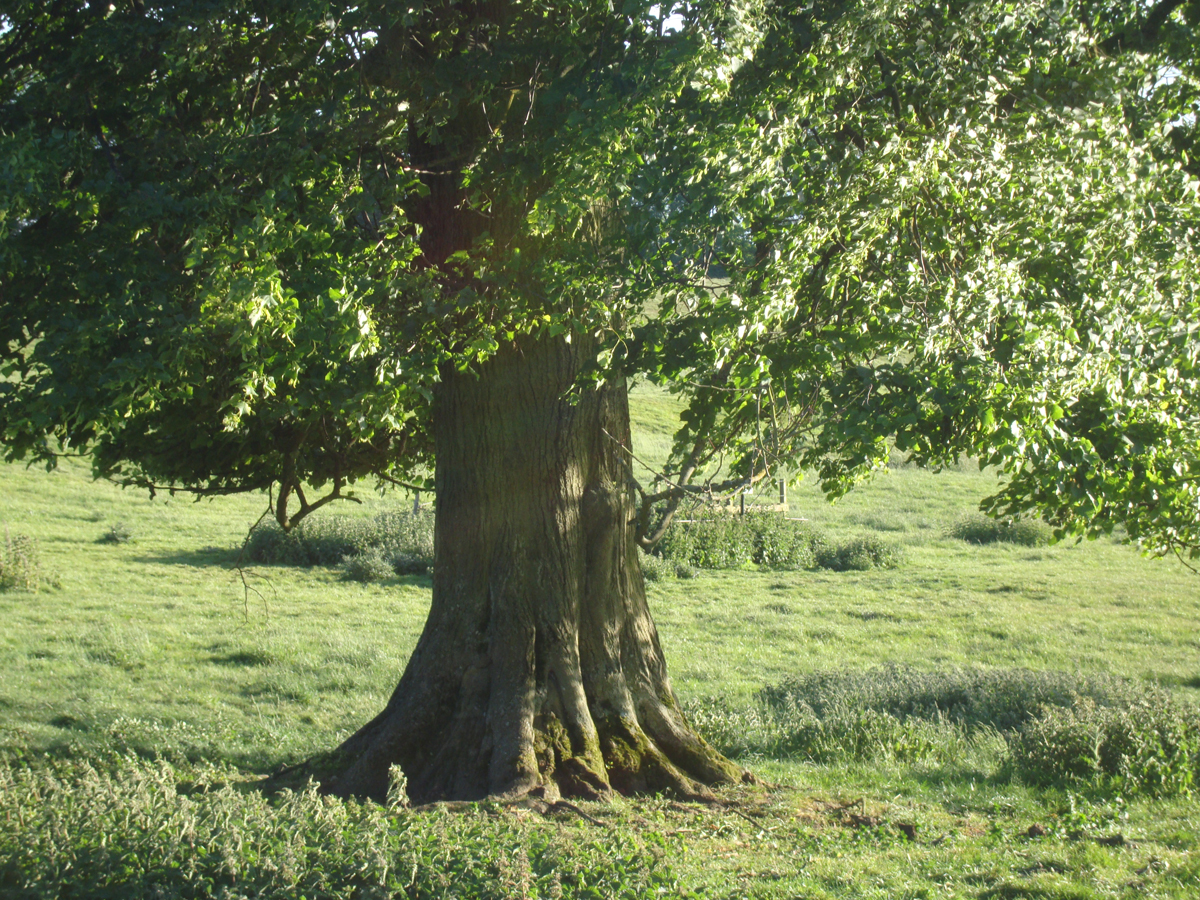
The site of the Rectory at Steventon. You can see the fence that surrounds the pump in back of the tree. Image @Tony Grant

Take the fork at the cross roads along the valley and within a few hundred yards you come to a lane that branches off to the right, almost hidden by bushes and trees. If you can stop at this corner and look into the field on the right, there are two or three tall mature trees , sycamore and ash, and next to one tree is a rustic wooden fenced area with an old water pump in the centre. This is the site of Steventon Rectory, Jane’s old home. The pump is presumed to be the pump the Austens had in their back yard. This rectory had become derelict, and was demolished by Edward Austen Knight when his son, William Knight, took over as vicar of Steventon.  When George Austen retired, he moved Jane, Cassandra and their mother to Bath. James Austen became the new vicar until his death in 1819, when Henry Austen stepped into the position.

The pump. Relic at Steventon Rectory. Illustration by Ellen G. Hill, 1923.

Edward had the new rectory built in the valley in fields on the opposite side of the road.  It still stands today, a fine white house on the sunny side of the valley facing south east.

Steventon House, built by Jane's brother Edward c. 1820-22. Image @Jane Austen Today

Behind the site of the original rectory where Jane lived there is a grassy meadow sloping steeply upwards for a quarter of mile to where her father’s church, St Nicholas, is situated next to a large house where the Digweeds lived. Jane, Cassandra and her brothers often scrambled up the hill behind their rectory to play with the Digweed children.They were some of their childhood friends. There are cultivated fields, meadows and woody areas all around, especially on the top of the hill near the Digweeds home behind the rectory site.
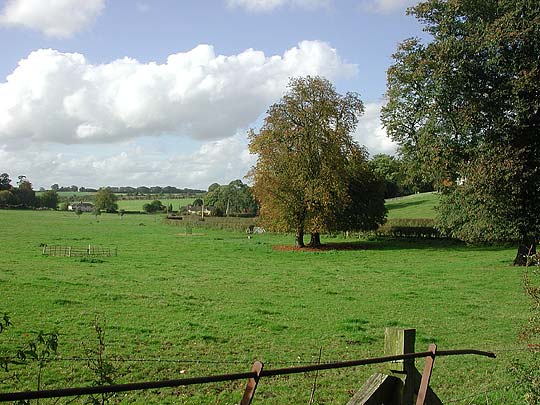
Site of the Steventon Rectory today. The fenced in pump is at left.

“The situation of the house was good. High hills rose immediately behind, and at no great distance on each side; some of which were open downs, the other cultivated and woody.”

The rectory Jane lived in would have been quite spacious because at least seven children lived there, five of her six brothers, herself and her sister Cassandra as well as her mother and father, a couple of servants and for much of the year, sons of some of the local gentry who sent their boys to the Reverend Austen for education and entry to Oxford or Cambridge. Oxford had been the Reverend Austen’s university. Her brother George did not live with the family however because of his disabilities. He was virtually adopted by another family who cared for him. Whether it was for financial gain I am not sure. So the rectory must have been spacious.

“Barton Cottage, though small, was comfortable and compact; but as a cottage it was defective, for the building was regular, the roof was tiled, the window shutters were not painted green, nor were the walls covered with honeysuckles. A narrow passage led directly through the house into the garden behind. On each side of the entrance was a sitting room about sixteen feet square; and beyond them were the offices and the stairs. Four bedrooms and two garrets formed the rest of the house.”

Cottage of local stone. Image @Tony Grant

Barton cottage doesn’t resemble the rectory from this description but Jane must have used her knowledge of cottages in the area of Steventon. Jane is very precise about the size of the two sitting rooms, sixteen feet square. The cottage is used in a special way within the novel. She describes it as being , “defective.” This is symbolic of the situation Elinor, Marianne and their mother are in. They are experiencing fractured times and are out of place financially, socially and the cottage they have come to, places them in a different strata of society than they are accustomed to. From the exact dimensions of the sitting rooms Jane Austen gives us, aren’t those rooms too small to socialise in the manner they are used to? It is a,”defective,” place on many levels and it’s not like other cottages.
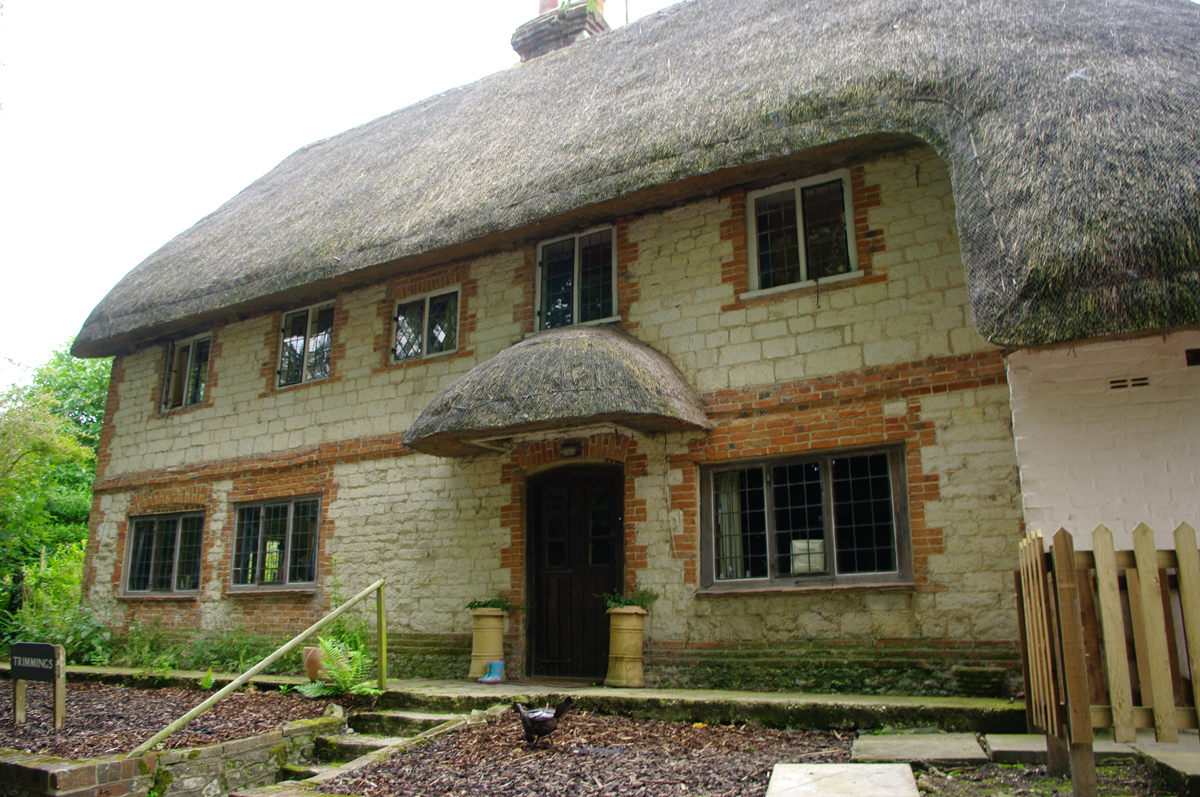
Cottage without honeysuckle. Image @Tony Grant

Jane would have been very familiar with the traditional country cottage but she makes Barton Cottage different, almost an eye sore, bare of climbing honeysuckle and green painted windows. Mrs Dashwood has plans for it, to change it and develop it. But can these come to fruition? Can the cottage be developed and grow? Can the Dashwood sisters adapt, develop and grow ? Does Barton owe much to Steventon? I would say so. Steventon formed Jane’s knowledge and experience of cottages and she used that knowledge of how cottages are and the meaning in social class and wealth different cottages might portray to incorporate the cottage at Barton into the fabric and meaning of Sense and Sensibility.

Cottage. Image @Tony Grant

Hampshire cottages:
If you ever visit Hampshire and pass through the countryside you will see a variety of types and styles of cottage. Cottages have always been built with local materials readily at hand.
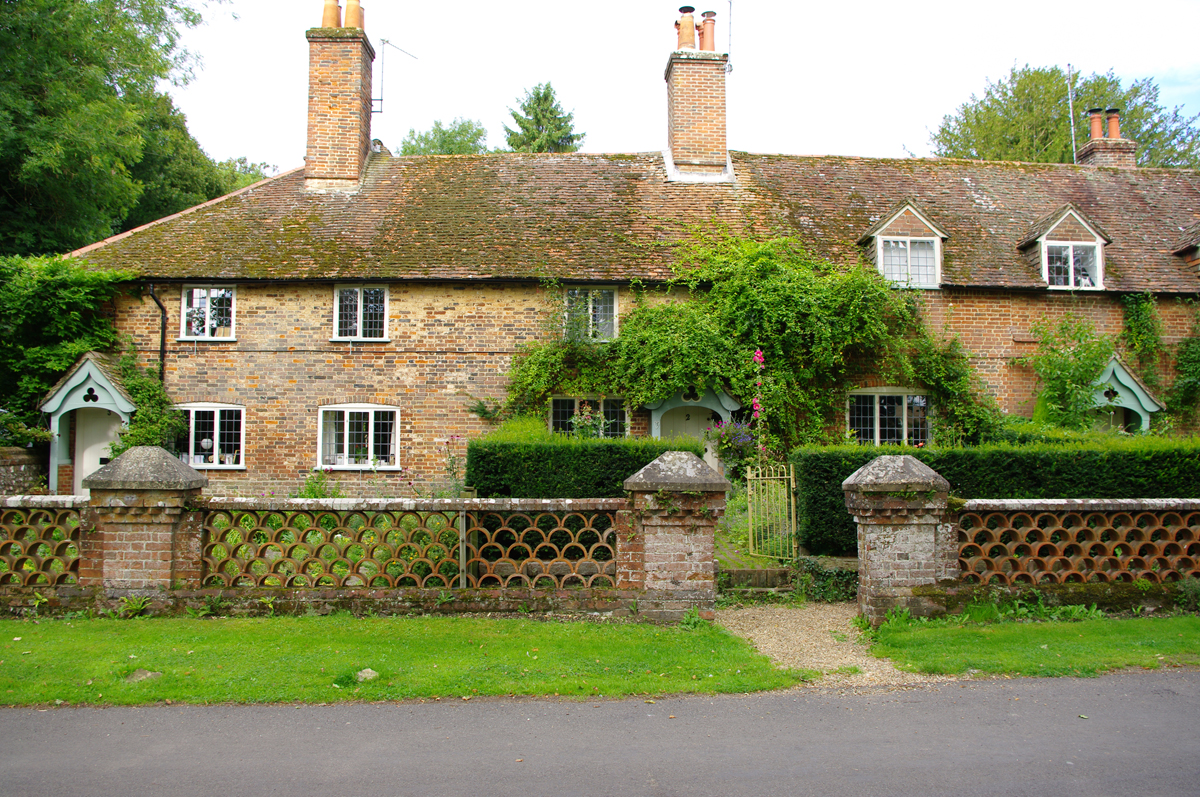
Clay tile roofs. Image @Tony Grant

In the Cotswolds you will find most villages made from Cotswold stone and roofed with tiles sliced from the same stone. This is a creamy yellow colour. Climbing roses, wisteria, lichen and mosses have had plenty of time to insinuate themselves into and on these mellow warm coloured buildings.
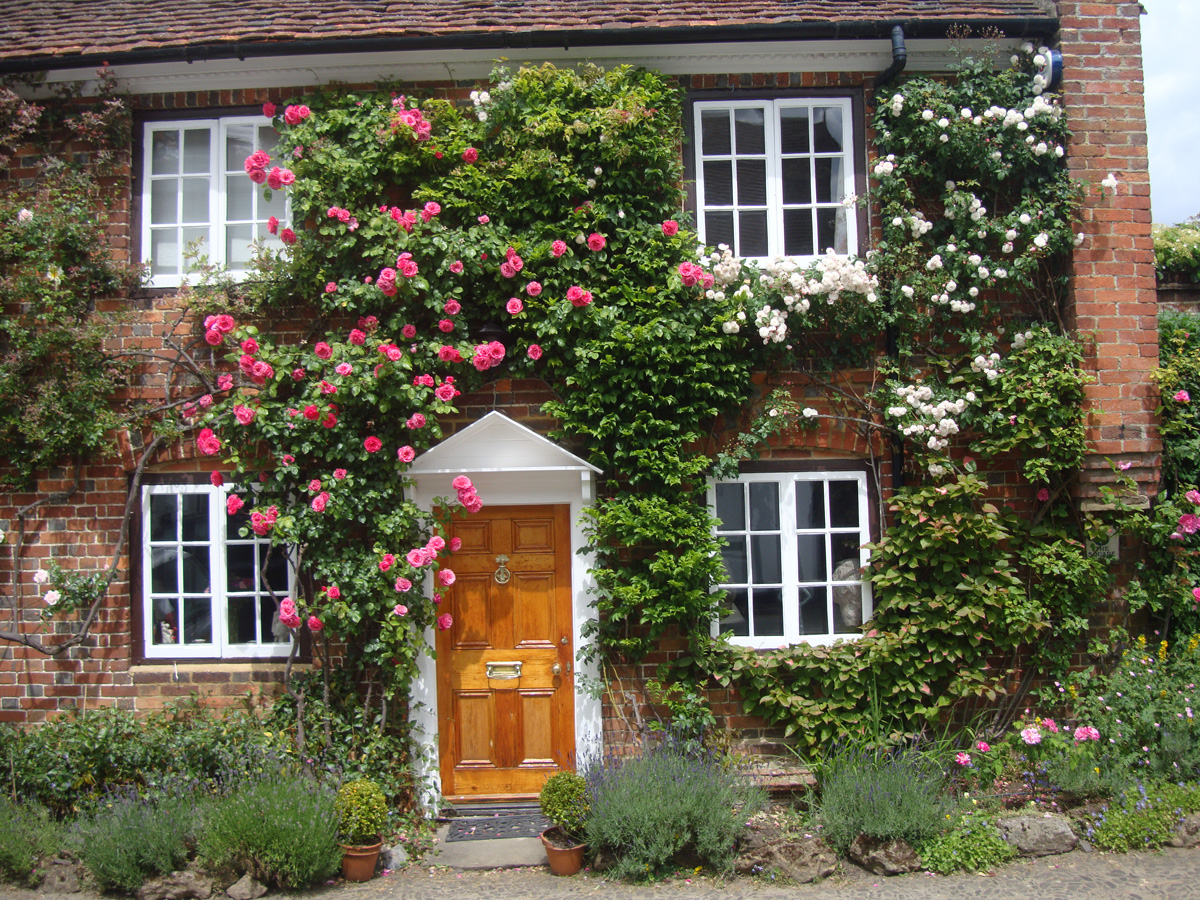
Roses round the door. Image @Tony Grant

Hampshire, with its oak, elm and ash forests has many timber frame cottages. Great beams of wood cut from massive oaks have been merely incorporated into the frame and the spaces between the oak beamed framework filled with wattle and daub.

Cottage with wattle and daub. Image @Tony Grant

Wattle and daub being made from woven ash fencing and plastered with a mixture of cow dung, lime and straw. (Click here for a video.)
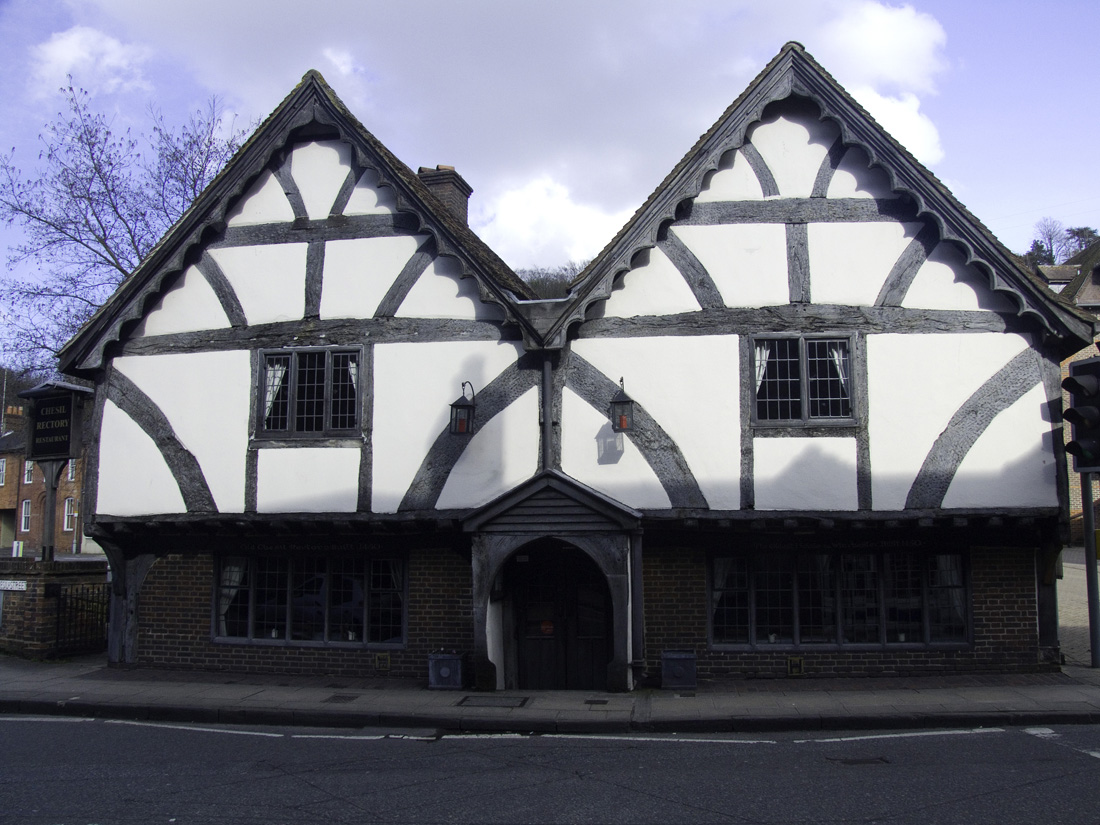
The oldest building in Winchester is made with wattle and daub. Image @Tony Grant

The roofs are thatched with reeds or wheat stalks. Some have clay tiles where local clay deposits provide the raw material and Hampshire brick works do the work of firing the tiles.
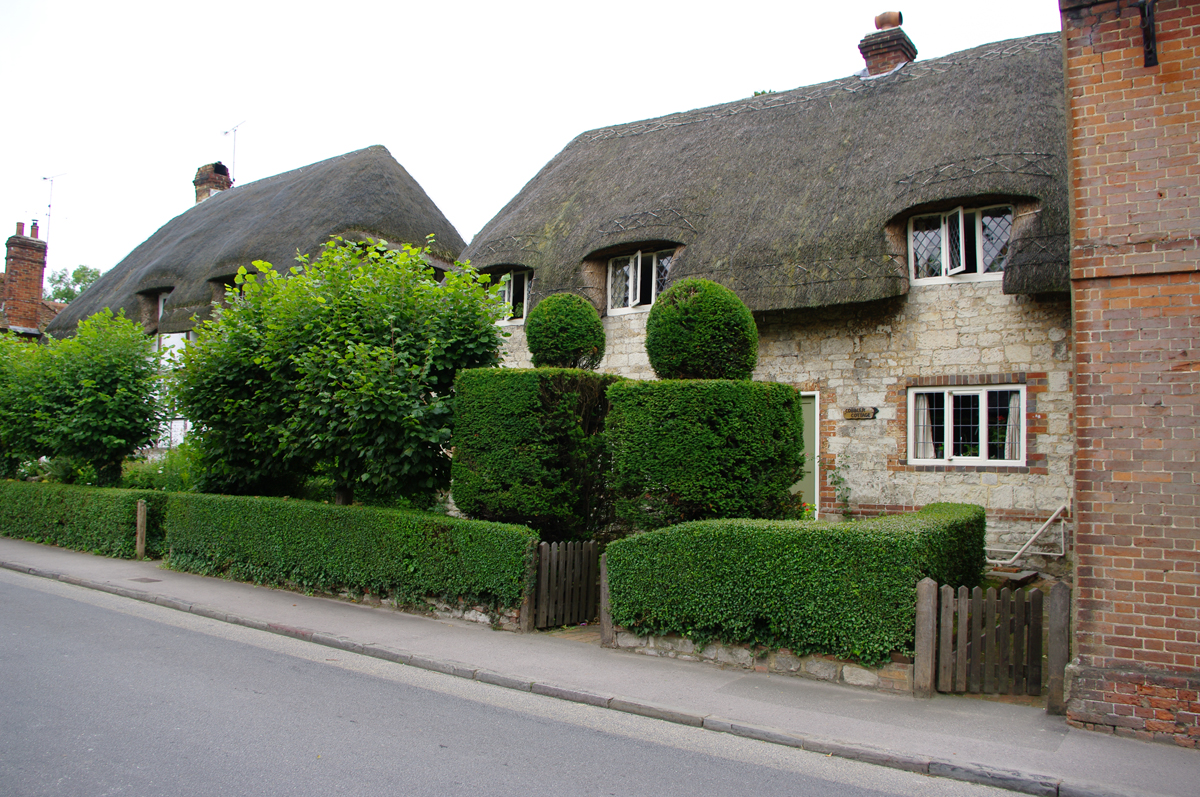
Thatched cottages. Image @Tony Grant

Many buildings are made of flint. Hampshire has large areas of chalk downland. Within the chalk are found nodules of flint.
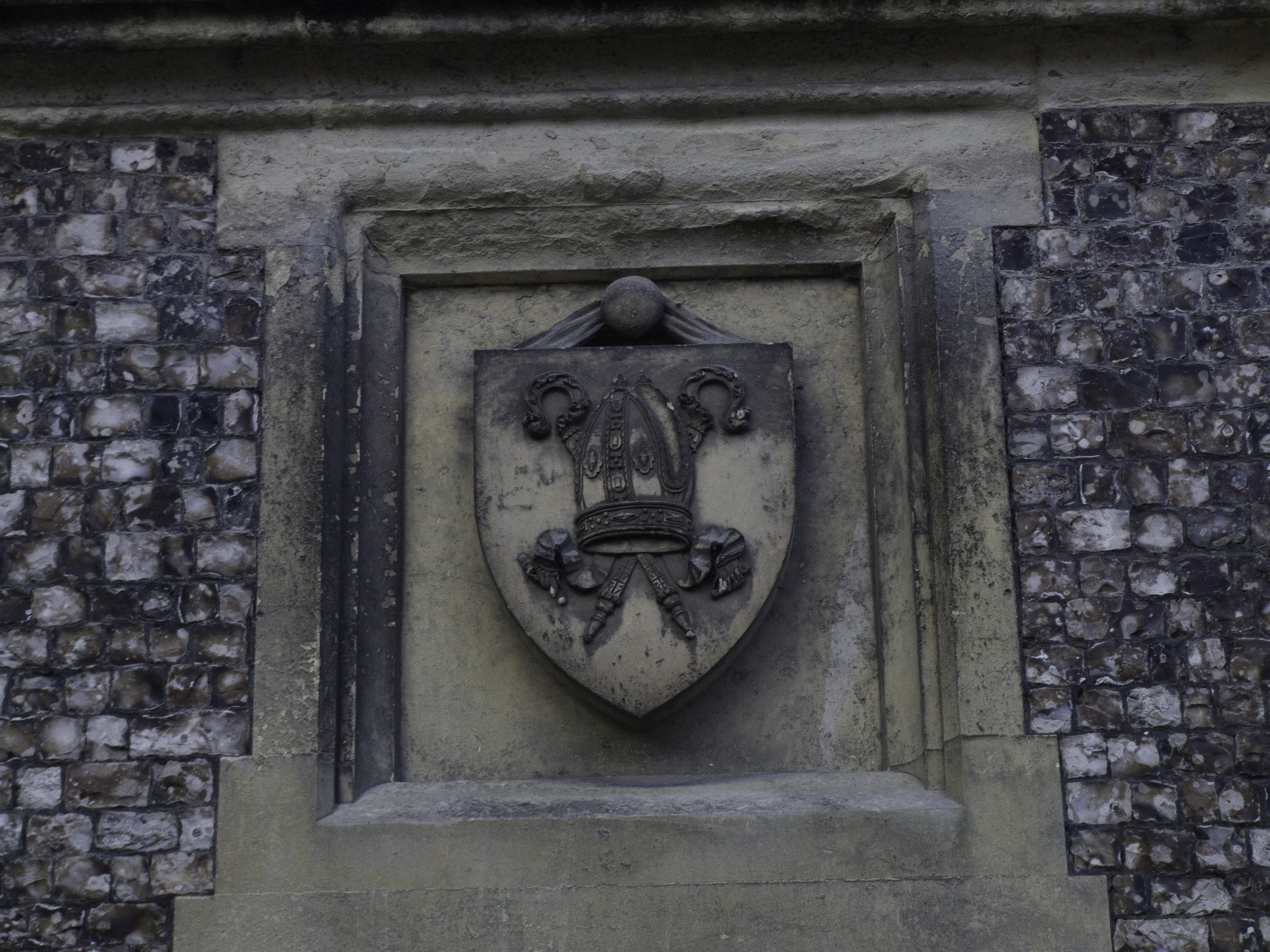
Winchester College Shield erected on a wall made with flint building material. Click on photo for a larger image. Image @Tony Grant

Nobody is quite sure how flint is formed in the chalk but it is a very hard crystalline rock, glassy in substance. It has been one of the most versatile materials ever.

More thatched cottages. Image @Tony Grant

Stone age man used it for axes, arrow heads, scrapers and knives. It has been used and is still used to build strong walls. Flint lock muskets used tiny bits of flint fixed into their firing mechanism to create a spark which ignited the gunpowder to propel the musket ball down the barrel. Flint can be struck against flint or metal to create a spark to light a fire.

Chawton Cottage. Image @Tony Grant

More on the topic:

Read Full Post »

Copright @Jane Austen’s World. Written by Tony Grant, London Calling

Two of the greatest writers of the late 18th century and early 19th century were Jane Austen and William Wordsworth. We think we know Jane Austen’s primary influences and encouragement in her writing. They are found amongst the members of her family, the villages, towns and great houses she visited constantly near where she lived and the people she interacted with in those diverse places. She was a keen observer and knew them all intimately. Claire Tomalin in her biography, “Jane Austen, A life,” says that Jane wrote

“… tightly constructed stories that cover a short span of time…….Jane Austen also chose to write about small families.”

Dorothy Wordsworth

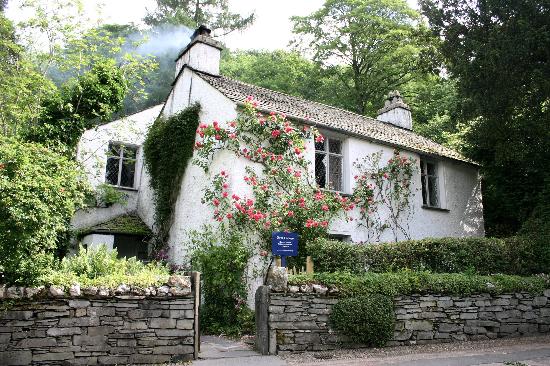
About, 250 miles north, there lived a young lady called Dorothy Wordsworth. She was a little older than Jane by five years. Dorothy’s brother was William Wordsworth and for a while they lived together in a tiny cottage they called Dove Cottage set in the wild and desolate scenery of The Lake District. Dorothy and William Wordsworth wrote about their emotional and intellectual response to nature and the landscape around them. While living at Dove Cottage in the Lake District, Dorothy was the muse, support, encourager and inspiration for her brother.

Dove Cottage, Grasmere. Image @Tony Grant

William often read Dorothy’s journal and drew inspiration for his poems from it.
We might ask why and how did these two writers have such different responses to the world about them?

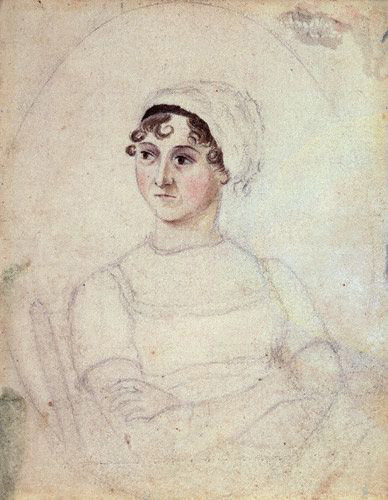
Jane Austen by Cassandra Austen

Jane was born into a lively and vibrant family of six brothers and one sister. It was a boisterous environment and aunts, uncles and neighbours were an additional group of relationships that were there, interested and ready to be involved with the new addition to the family. Family life was paramount in Jane’s existence from the start. All her senses were filled with it. Reading Gilbert Whites journals and letters makes us aware of the rich natural world all around her in her Hampshire village of Steventon, but although Jane would have been brought up in this natural environment, and she would have taken notice and interest in it, the life of family was the overriding power that carried her along. And so from an early start her environment filled her thoughts feelings and imagination. Claire Tomalin reminds us that,

“Not only was she one of eight, she lived with a perpetual awareness of a cousinage extending over many counties and even beyond England.”

Some examples of her writing show the intensity with which she was concerned with conversation and relationships as her primary focus. In Persuasion, the little Dorset coastal port of Lyme Regis plays a major role. In a letter to Cassandra written on Friday 14th, September, 1814, Jane says,

I called yesterday morning-( ought it not in strict propriety be termed yester – Morning?) on Miss Armstrong & was introduced to her father & mother. Like other young ladies she is considerably genteeler than her parents; Mrs Armstrong sat darning a pr of stockings the whole of my visit-.But I do not mention this at home , lest a warning should act as an example.-We afterwards walked on the Cobb; she is very conversable in a common way; I do perceive wit or genius- but she has Sense and some degree of Taste,& her manners are very engaging. She seems to like people too easily- she thought the Downes pleasant…”

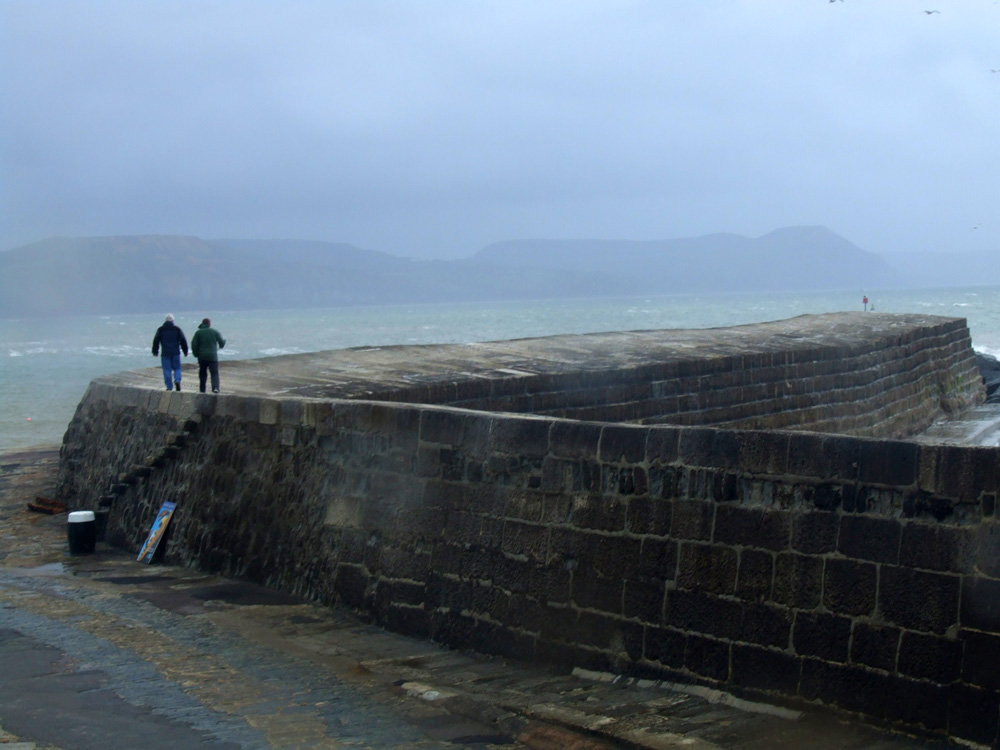
In Persuasion, Jane writes about Anne Elliott, Captain Harville, Captain Wentworth,and Louisa Musgrove walking on the Cobb. The scenery is definitely noticed, but the main preoccupation is conversation and social interaction;

“but as they drew near The Cobb there was such a general wish to walk along it once more, all were so inclined…”

The Cobb at Lyme with Grannies Teeth. Image @Tony Grant

At this point they did not know how this walk along the Cobb would affect their whole situation, but the pull of this great physical presence was important and drew them to it as a social group conversing and interacting, their relationships developing. In both Jane’s letters above to Cassandra, and in this extract from Persuasion, it’s the relationships that are paramount. The Cobb is the setting for both. We can see in these two extracts how relationships play their part in Jane’s real life and Jane’s fictional life. Her own world is the inspiration for her fictional world.

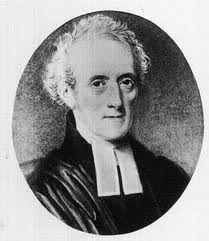
Henry Austen

Her family must have helped and encouraged her. Claire Tomalin writes,

Jane Austen managed the day-to-day routines of a novelist with an efficiency and discipline worthy of her naval brothers. The famous account of her working habits, given by her nephew, credits her with almost miraculous powers in stopping and starting under interruption.(her nephews account describes how she would stop and hide her small pieces of paper under a blotter at the slightest interruption and she used the sound of a creaking door as people entered the house to signal to her.)The picture is admirable, exasperating, painful and can only be half true………..there must have been times when the other inhabitants of the cottage protected her silence with something more than the creaking door……encouragement and practical help came from Henry….. Henry’s army connections may have helped to make the deal with
( Egerton the publisher) and Henry and Eliza’s money paid for the printing.”

Grasmere Lake

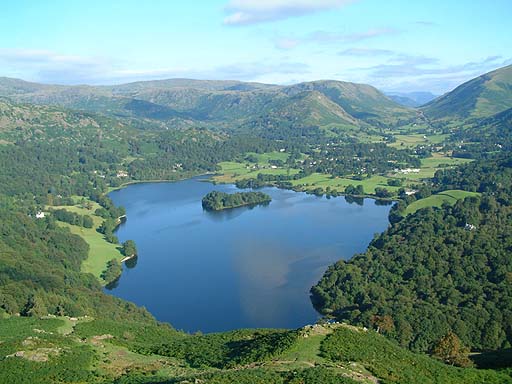
Just over two hundred and fifty miles north of Steventon, in the County of Cumbria, also know as the Lake District, during the same period of time, lived Dorothy and William Wordsworth. They lived in various houses but the most famous is a small cottage, called Dove Cottage at Grasmere, next to Grasmere Lake. It is surrounded by the steep hills and small mountains and streams of the Lake District, the Scafell Pikes, and Dungeon Ghyll. The sights and sounds they lived with were those of tumbling water as it dropped down mountain falls, the hiss of fast-moving mountain streams, and the wild rugged terrain of the Lake District’s fells, crags, tarns, and ghylls.

William Wordsworth, Benjamin Robert Haydon. Image @National Portrait Gallery

Like Jane, William was born into a large family (on the 7th April, 1770). He was the second of five children born to John Wordsworth and Ann Cookson in a large house in the centre of Cockermouth, his father being the legal representative for James Lowther, the 1st Earl of Lonsdale. At the bottom of the garden was a wild stream and this is one of the first things that attracted William’s attention. Dorothy his younger sister was born a year later. She was to become his mentor and supporter throughout her life. Their brothers did well in life as indeed Jane’s brothers did. John Wordsworth became a naval captain but was lost at sea in 1805, the youngest, Christopher became master of Trinity College Cambridge. William himself went to St John’s College Cambridge and achieved his bachelor degree in 1791. Richard became a lawyer. None of the children in the family got close to their father who remained distant to them. Williams’ father did, however, encourage William to read poetry and William, similar to Jane at the Steventon Rectory, had access to his father’s extensive library.

To illustrate the influences and the type of encouragement that William drew on to write his poetry, the time that Dorothy and he lived at Dove Cottage is a prime period to focus on.

Dorothy kept a journal covering the years they spent together at Dove Cottage. She opens the journal in the year 1800. It is May 14th, a Wednesday.

“I resolve to write a journal of the time till William and John return and I set about keeping my resolve, because I will not quarrel with myself, and because I shall give William pleasure by it when he comes home again.”

This start to her journal gives us an insight into her total dedication towards her brother. It is written for William’s pleasure, not hers. She was a selfless soul. William, and indeed their friend and poet Coleridge, who also came to live in the lake District, often referred to Dorothy’s journal. It is almost as though William used his sister’s writing to affirm his own responses and feelings about nature.

Here is an extract that shows how William’s poems and Dorothy’s journal are connected. Dorothy would have written this first of course. It is written beautifully and with passion. It shows her connection to nature.

April 15th 1801

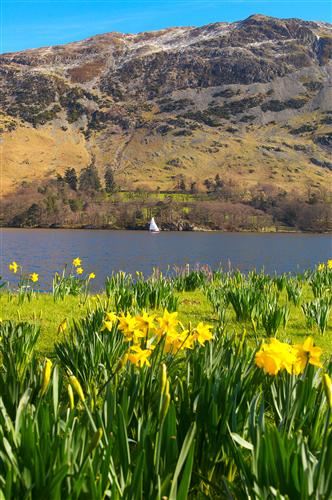
“ When we were in the woods beyond Gowbarrow Park we saw a few daffodils close to the waterside. We fancied that the lake had floated the seeds ashore, and that the little colony had so sprung up. But as we went along there were more and yet more; and at last under the boughs of the trees, we saw that there was a long belt of them along the shore, about the breadth of a country turnpike road. I never saw daffodils so beautiful. They grew among the mossy stones about and about them; some rested their heads upon these stones as on a pillow for weariness; and the rest tossed and reeled and danced, and seemed as if they verily laughed with the wind, that blew upon them over the lake; they looked so gay, ever glancing, ever changing.”

Lake District daffodils

Remember that William and Dorothy were together on this walk and saw the same sight. Soon after this entry William wrote this. It is the second verse of, The Daffodils;

Continuous as the stars that shine
And twinkle on the Milky Way,
They stretched in never ending line
Along the margin of a bay
Ten thousand saw I at a glance
Tossing their heads in sprightly dance”

It appears apparent that Dorothy’s words are used by William. “Tossed”, “danced”, repeat Dorothy’s imagery. He is relying on Dorothy’s emotional response as much as his own. They were very close as brother and sister and would have talked about their feelings of the event. But William’s heightened emotional response in this poem is the same as Dorothy’s.

It worked both ways. Williams’s poetry informed Dorothy’s emotional response too. On Monday may 26th, 1800, Mary writes;

I walked toward Rydal, and turned aside at my favourite field. The air and the lake were still……I could distinguish objects, the woods trees and houses. Two or three different kinds of birds sang at intervals on the opposite shore. I sate til I could hardly drag myself away. I grew so sad. “When pleasant thoughts,”……

Here Dorothy begins to quote a poem William had written two years earlier in 1798

I heard a thousand blended notes,
While in a grove I sate reclined,
In that sweet mood when pleasant thoughts
Bring sad thoughts to the mind.”

She is virtually re-enacting the poem. And of course Dorothy’s journal may well have informed Williams writing of the poem in the first place.

It is easy to see William Wordworths poems, in a quick superficial reading, as merely nice emotional descriptions of nature. Of course they are far more than that. Dorothy herself in her journal warns us that when reading William’s poems, to “look deep.”

In this article I wanted to show the different influences of two of the greatest writers of the late eighteenth century and early nineteenth century. It was not meant to be an analysis of their writing. However, to be fair to William Wordsworth it should be pointed out that his poems must be read carefully and a few times over. You begin to notice his emotional attachment to nature – he calls it his soul “linking” with the spirit of the natural world. It is ultimately about man’s connection with nature and being able to communicate with it, empathise with it, and know that you are part of it.  Wordsworth warns,

“And much it grieved my heart to think

What man has made of man.”

This sounds very modern and apt for our own times.

Jane Austen and William Wordsworth appear to be two very different writers, but I think placing them together shows that one is deeply concerned with the interrelationships of families and small communities and the other is deeply concerned about man’s relationship with nature. The themes and focus of Jane Austen’s and William Wordsworth’s writing were opposite, but they were closely connected too. Both writers wrote about what affected and concerned them as human beings. They show the human response to two different aspects of the world we live in and that we all share. It is interesting to note that Wordsworth obviously related and socialised with people and that Jane obviously noticed and interacted with the natural world about her in Hampshire, but both had a different emotional and intellectual responses to the world they inhabited rooted in their own personal experiences.

References:

Austen J. ( first published 1818) `(1998) Persuasion ; Penguin Classics

Clark C. (ed) (1986) Home At Grasmere : extracts from the journal of Dorothy Wordsworth ( written between 1800 and 1803) and from the poems of William Wordsworth: Penguin Classics

Le Faye D. (1995) Jane Austen’s letters (New Edition): Oxford University Press

Tomlin C. (2000) Jane Austen A Life: Penguin Books

Read Full Post »

Below sits a photograph of all that remains of Steventon Rectory, which was razed in 1820 shortly after Jane’s death: A field with trees and a metal pump in an enclosure (you can view it at left of the photo). This pump replaced the wood pump from Jane’s time (see drawing).


The back of the Steventon Rectory, drawn by Jane’s niece, Anna Lefroy, gives few clues about the size of the house or what the front looked like. There seems to be a confusion as to how large the house actually was. (Why Was Jane Austen Sent away to School at Seven? An Empirical Look at a Vexing Question. by Linda Robinson Walker)

The lane that connected the rectory to Steventon Church resembled the rutted road in this photograph. These roads would get quite muddy during rainy weather.

Ladies often wore pattens over their delicate slippers to lift their feet off the mud. Metal pattens, like the one in this illustration, made a clicking noise on pavement. They would most likely sink in mud; and I imagine Jane and her sister, Cassandra, wore a device that more closely resembled a wooden clog to prevent the patten from sinking.
Regardless of how many precautions a lady took, a long walk through wet fields and muddy lanes resulted in dirty hems and shoes, as depicted by Keira Knightly as Elizabeth Bennett in 2005’s Pride and Prejudice.

In Chapter II of Memoirs of Jane Austen, J. Edward Austen-Leigh wrote about the demise of the patten, which had become a distant memory in 1871:

The other peculiarity was that, when the roads were
dirty, the sisters took long walks in pattens. This defence against wet
and dirt is now seldom seen. The few that remain are banished from good
society, and employed only in menial work; but a hundred and fifty years
ago they were celebrated in poetry, and considered so clever a
contrivance that Gay, in his ‘Trivia,’ ascribes the invention to a god
stimulated by his passion for a mortal damsel, and derives the name
‘Patten’ from ‘Patty.’

The patten now supports each frugal dame,
Which from the blue-eyed Patty takes the name.

But mortal damsels have long ago discarded the clumsy implement. First
it dropped its iron ring and became a clog; afterwards it was fined down
into the pliant galoshe–lighter to wear and more effectual to protect–a
no less manifest instance of gradual improvement than Cowper indicates
when he traces through eighty lines of poetry his ‘accomplished sofa’
back to the original three-legged stool.

As an illustration of the purposes which a patten was intended to serve,
I add the following epigram, written by Jane Austen’s uncle, Mr. Leigh
Perrot, on reading in a newspaper the marriage of Captain Foote to Miss
Patten:–

Through the rough paths of life, with a patten your guard,
May you safely and pleasantly jog;
May the knot never slip, nor the ring press too hard,
Nor the _Foot_ find the _Patten_ a clog.

Read more about Steventon here:

You can view more photographs of Steventon and the surrounding area here.

To read the excellent and detailed article about Steventon Rectory by Linda Robinson Walker, click here.

View an image of a wood patten in an article about Regency Footwear here.

Read Full Post »

« Newer Posts