This Jane Austen blog brings Jane Austen, her novels, and the Regency Period alive through food, dress, social customs, and other 19th C. historical details related to this topic.
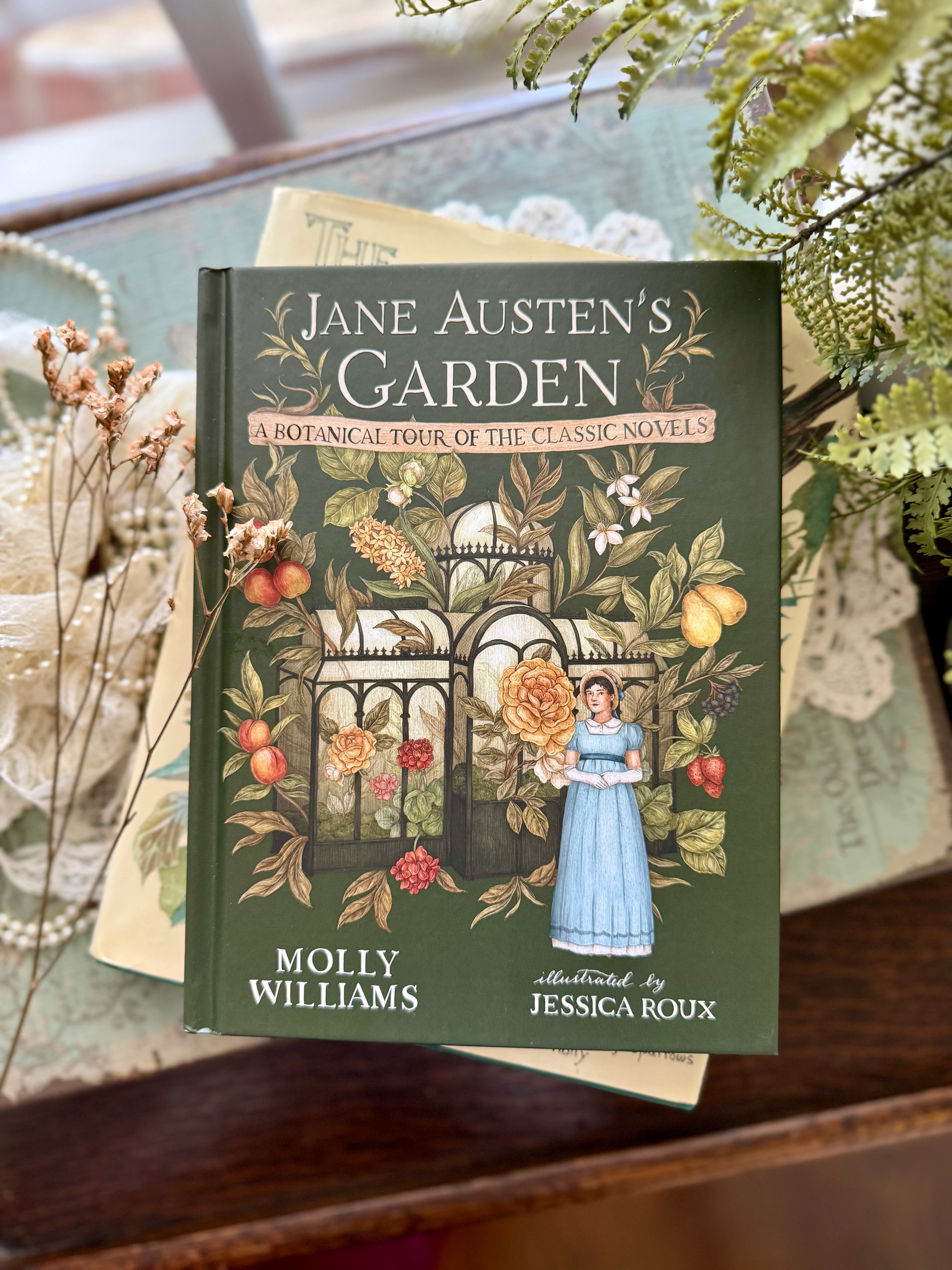
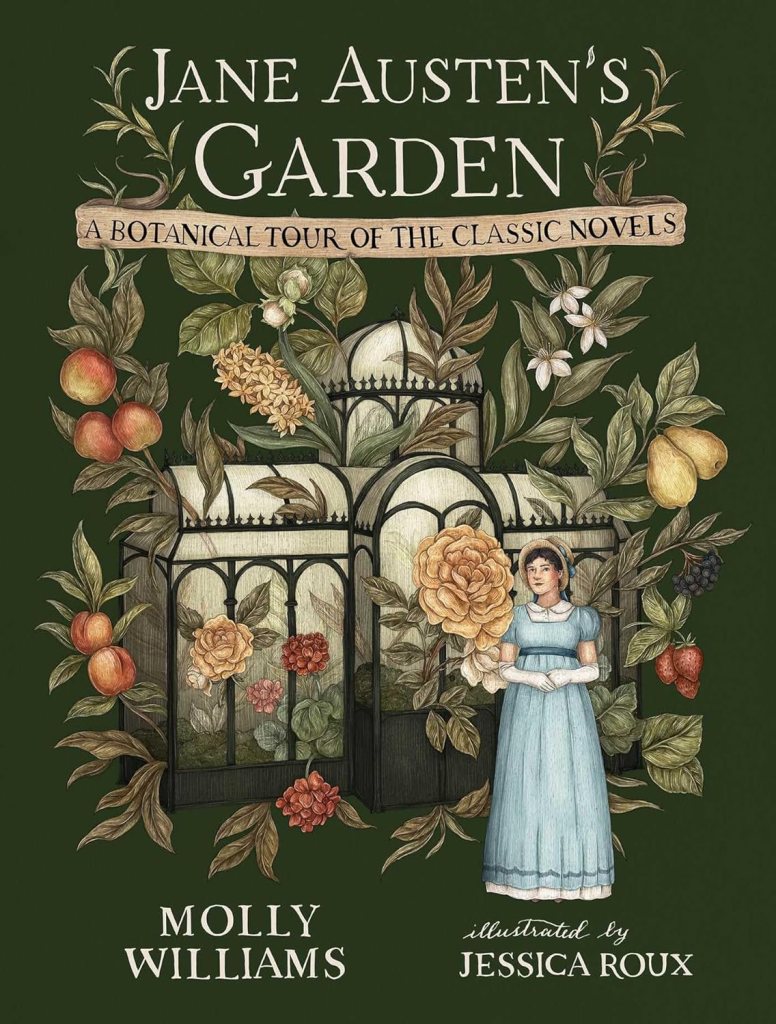
Fellow Janeites, I have a new book review for you in honor of Jane’s 250th year: Jane Austen’s Garden: A Botanical Tour of the Classic Novels written by Molly Williams and illustrated by Jessica Roux. This new book pairs two of my favorite things: Jane Austen and gardening! I looked forward to its release for months and it now sits prominently on my shelves!
I knew this book would be beautiful, and I confess that I preordered it based on how pretty it looked. I have another gorgeous book by Jessica Roux called Floriography: An Illustrated Guide to the Victorian Language of Flowers. I’ve always been drawn to the language of flowers and their meanings.
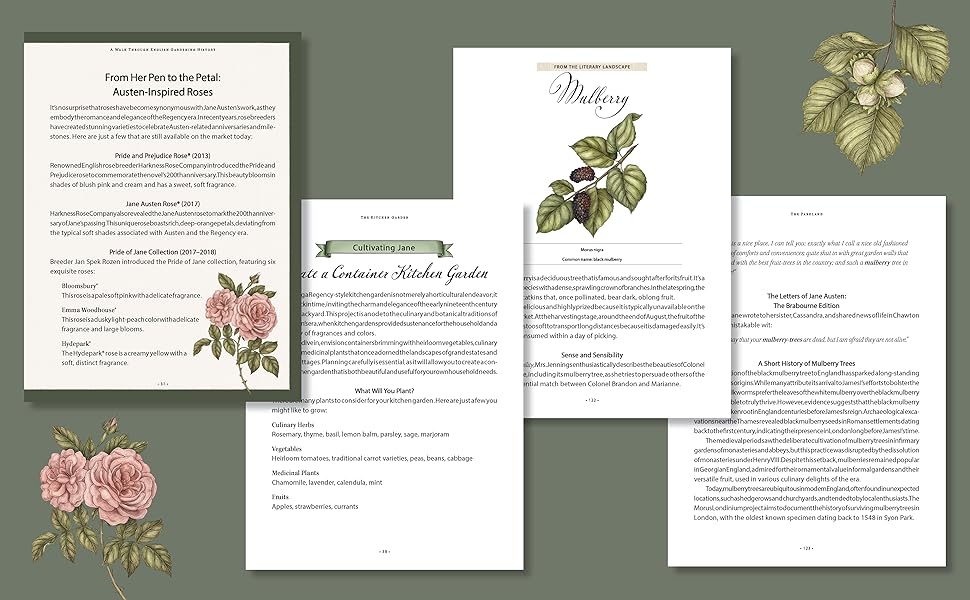
When I ordered it, I assumed Jane Austen’s Garden would mostly include drawings and tidbits of information. However, when it arrived, I discovered that it is filled with detailed information about the flowers, plants, trees, fruits, and vegetables mentioned in Austen’s novels and in her own garden and kitchen garden! There are even instructions about how to grow your own fruits and vegetables at home.
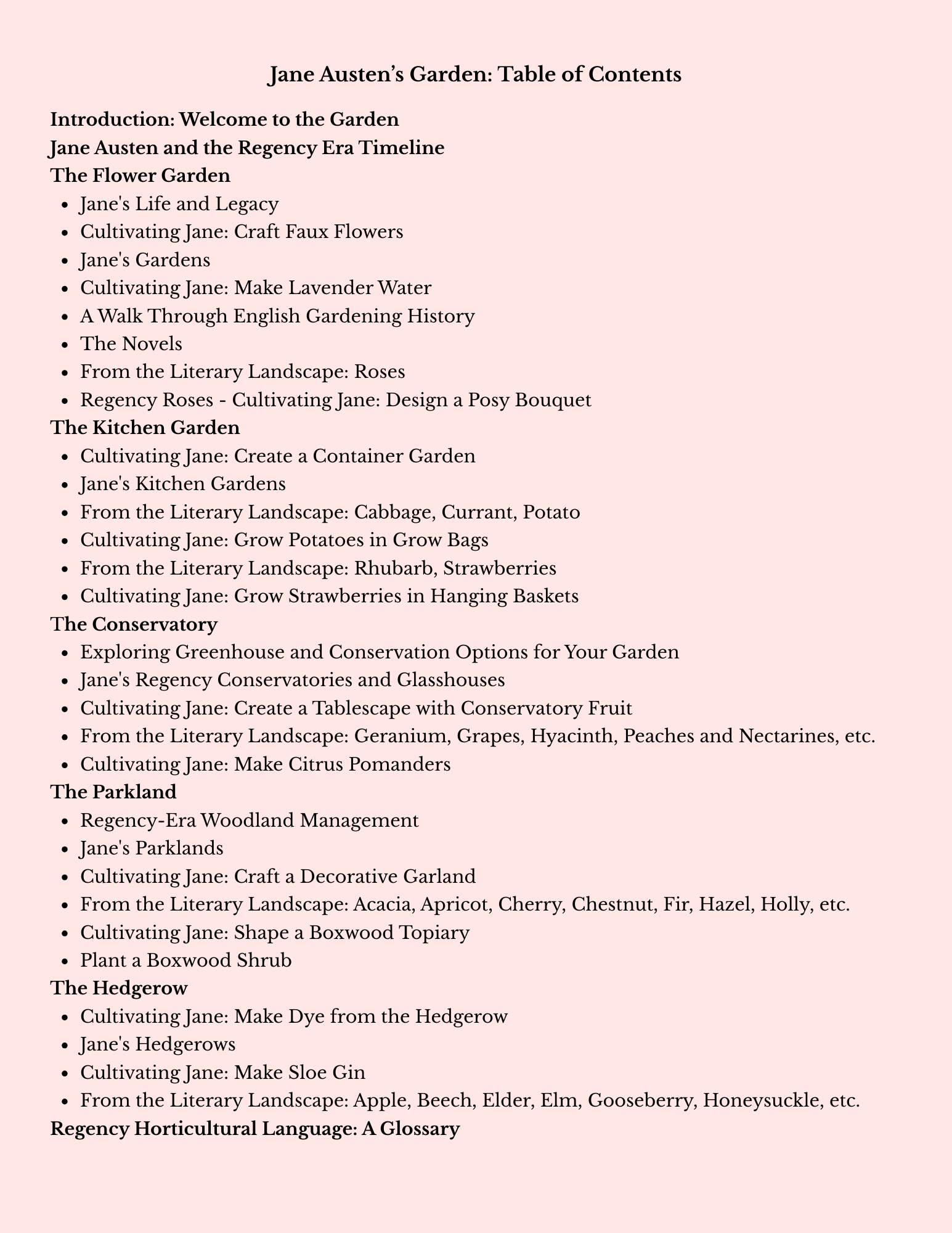
And don’t let the Table of Contents fool you. This book has a LOT to offer. The editor(s) merely listed the craft projects in the book in the Table of Contents, which does a great disservice to Williams’ painstaking research and intriguing information. Williams provides ample material for Jane Austen fans and has done a wonderful job of researching every detail of this book.
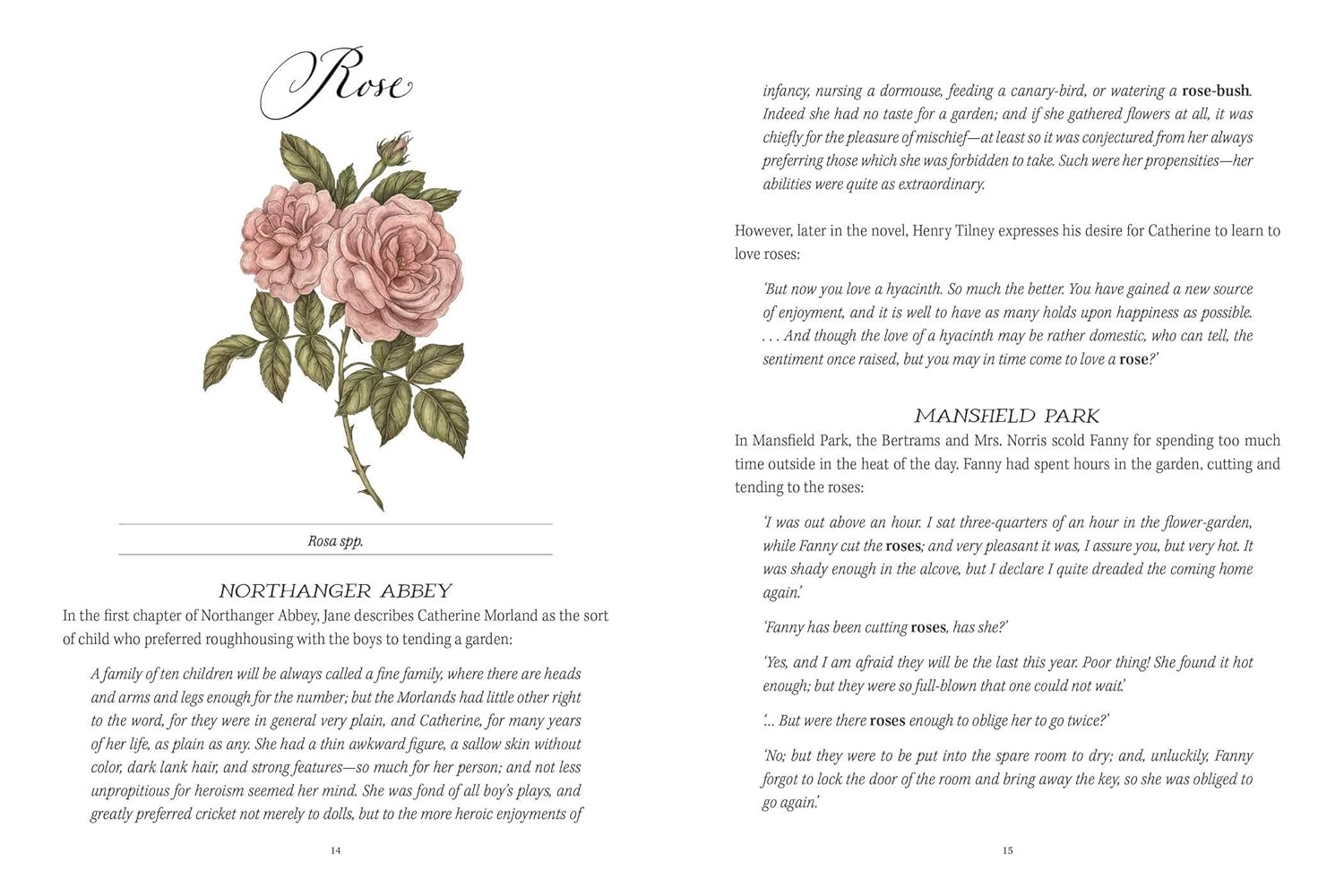
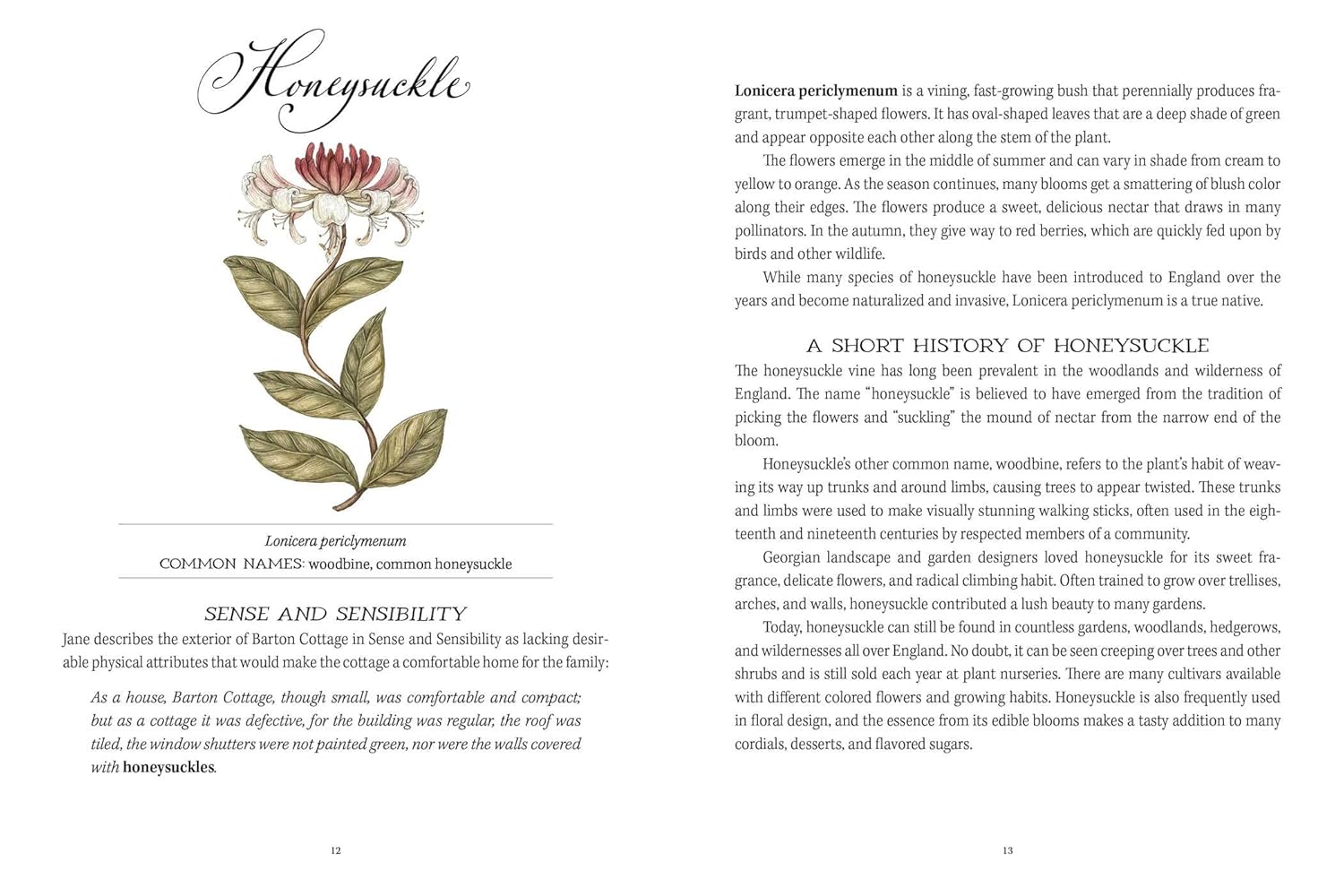
In each chapter, there is a section entitled “From the Literary Landscape.” This is the best part!! This is where Jane Austen fans can really dig into Williams’ research. She outlines the instances when various trees, fruits, or flowers are mentioned in the novels (or how the Austens used them in their everyday lives). Then, Williams goes into detail about what they signified and/or their history. As many of you know from my articles over the years, I love to look for specific items in the novels and research them.
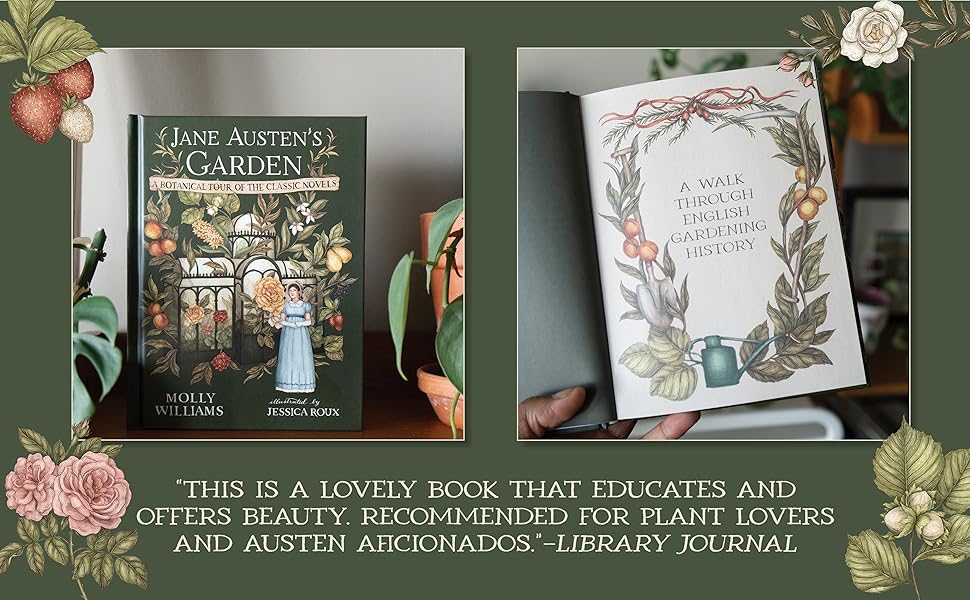
Finally, the illustrations in this book are to die for. Truly, Roux is a most extraordinary artist. You can see more of her art HERE. I truly could look at it all day long!!!! I have a dream of writing a book with botanical illustrations one day, and I can’t imagine having someone like Roux do the artwork. She brings Williams’ research to life and captures the Regency imagination beautifully.
Book Description
An elegantly illustrated celebration of Jane Austen’s life and literature as told through the flowers, plants, and landscapes that inspired her.
Through explorations of the botanical inspirations and symbolism in Austen’s work and personal life, as well as historical information about the gardens and landscapes of the Regency Era, Jane Austen’s Garden will transport readers back in time to the lush English landscape of the early 1800s. Woven throughout are DIY projects to help you create a home garden worthy of a surprise visit from Lady Catherine de Bourgh or maybe just give your dining table a bit of historical flair. Accessible, entertaining, and enhanced by the enchanted illustrations of celebrated artist Jessica Roux, Jane Austen’s Garden is a fun twist on a familiar subject that will delight plant lovers and Janeites alike.
Book Contents
The Table of Contents is misleading as it only outlines the various DIY projects you can try at home. The book itself has a LOT more meat to it, so don’t let the overview dissuade you from purchasing it. In an effort to provide a fuller picture of all that Williams included, I created a full outline of the book:
Below are two examples of how Williams includes information about different flowers and plants in the novels, along with more illustrations from Roux:
About the Author and Illustrator
Molly Williams is the author of Killer Plants: Growing and Caring for Flytraps, Pitcher Plants and Other Deadly Flora, and Taming the Potted Beast: The Strange and Sensational History of the Not-So-Humble Houseplant, and she writes regularly for Apartment Therapy‘s gardening and horticulture section. She grew up on a flower farm and is now a professor of writing in New England. You can visit her online HERE.
Jessica Roux is a Nashville-based freelance illustrator and plant and animal enthusiast. She loves exploring in her own backyard and being surrounded by an abundance of nature. Using subdued colors and rhythmic shapes, she renders flora and fauna with intricate detail reminiscent of old-world beauty. She is the author and illustrator behind Floriography: An Illustrated Guide to the Victorian Language of Flowers, Ornithography: An Illustrated Guide to Bird Lore & Symbolism, and the Woodland Wardens Oracle Deck & Guidebook. You can visit her online HERE.
250 Years of Bookish Bounty
Books like these truly make the 250th celebration of Jane Austen’s life, writing, and legacy a true gift and a joy. I’m so thankful to the authors, illustrators, editors, and publishers who make books like this possible. The bounty of books releasing this year is a wonder to behold. I hope you’ll check this one out and add it to your bookshelves!
As we explore September in Jane Austen’s World, we’re nearing the end of summer and the start of fall. Let’s take a look at Jane Austen’s life, letters, and novels and all they can tell us about Regency life in the month of September!
If you’re just jumping on the bus, you can find previous articles in this “A Year in Jane Austen’s World” series here: January, February, March, April, May, June, July, and August.
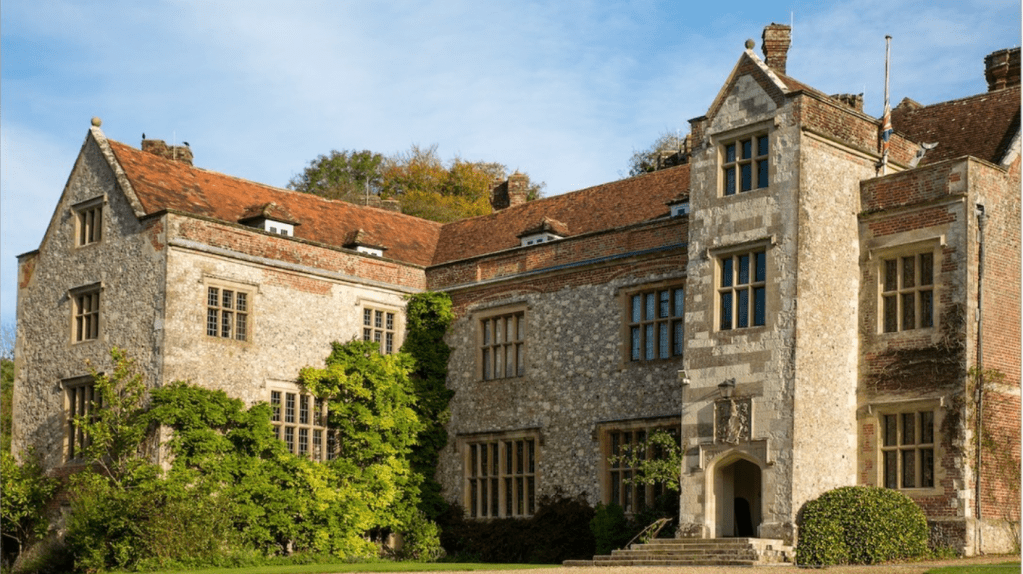
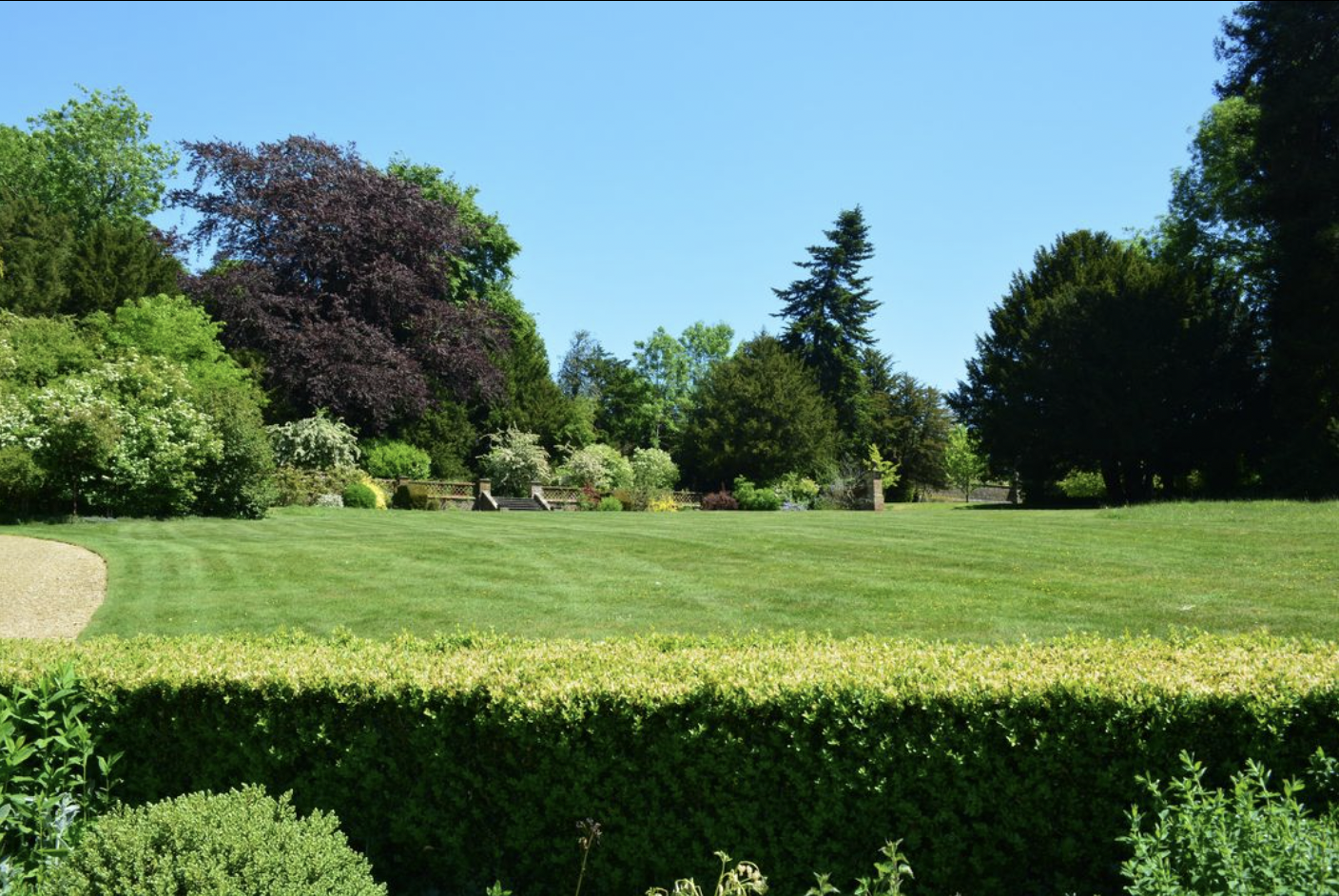
First off, we always love to see what each month brings to the English countryside in Jane Austen’s Hampshire. You can already see a hint of fall colors here and there, but the gardens are still lush and green. Here is a look at Chawton House this time of year:
In September, Jane Austen’s Hampshire still feels like summer, but there is a hint of autumn in the air that deepens as the month draws on. Of the weather, we have two comments from Austen in September 1796:
1 September (Rowling): “Our men had but indifferent weather for their visit to Godmersham, for it rained great part of the way there and all the way back.”
18 September (Rowling): “What dreadful hot weather we have! It keeps one in a continual state of inelegance.”
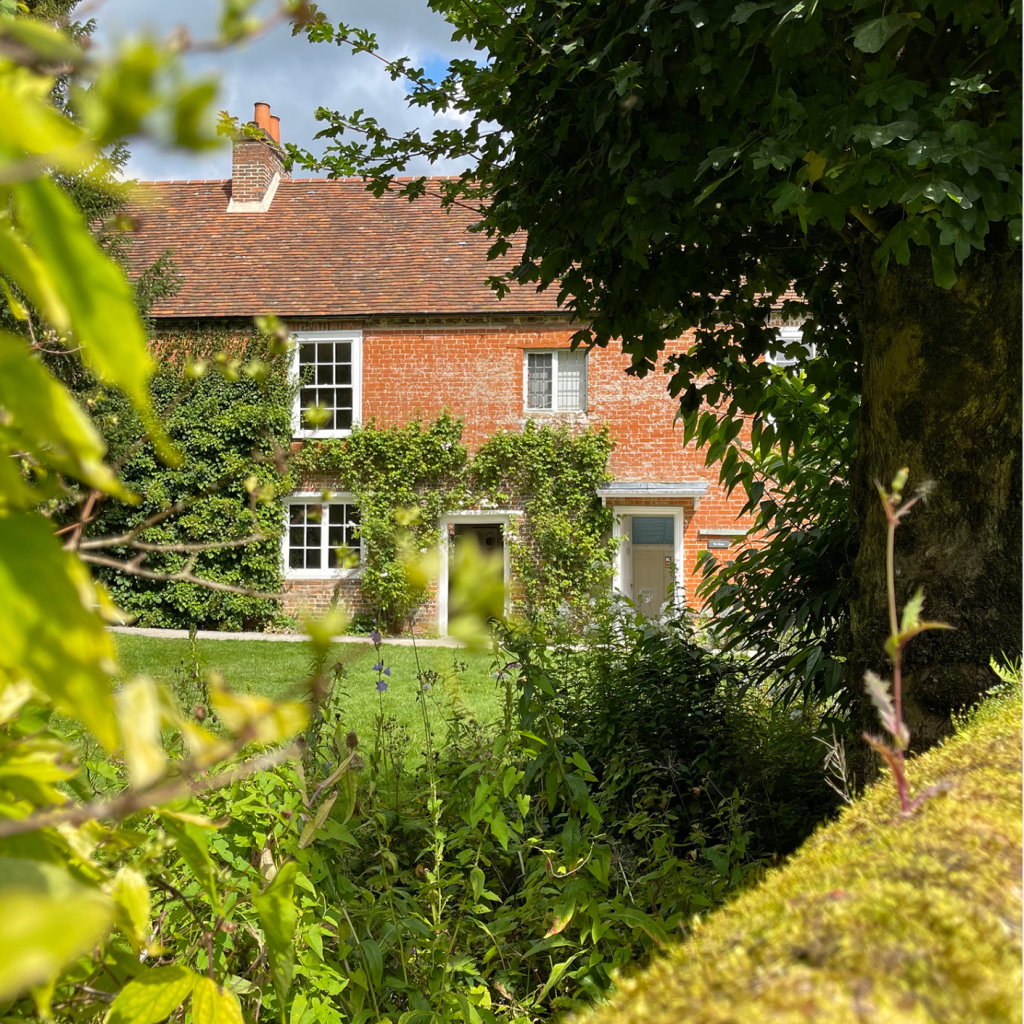
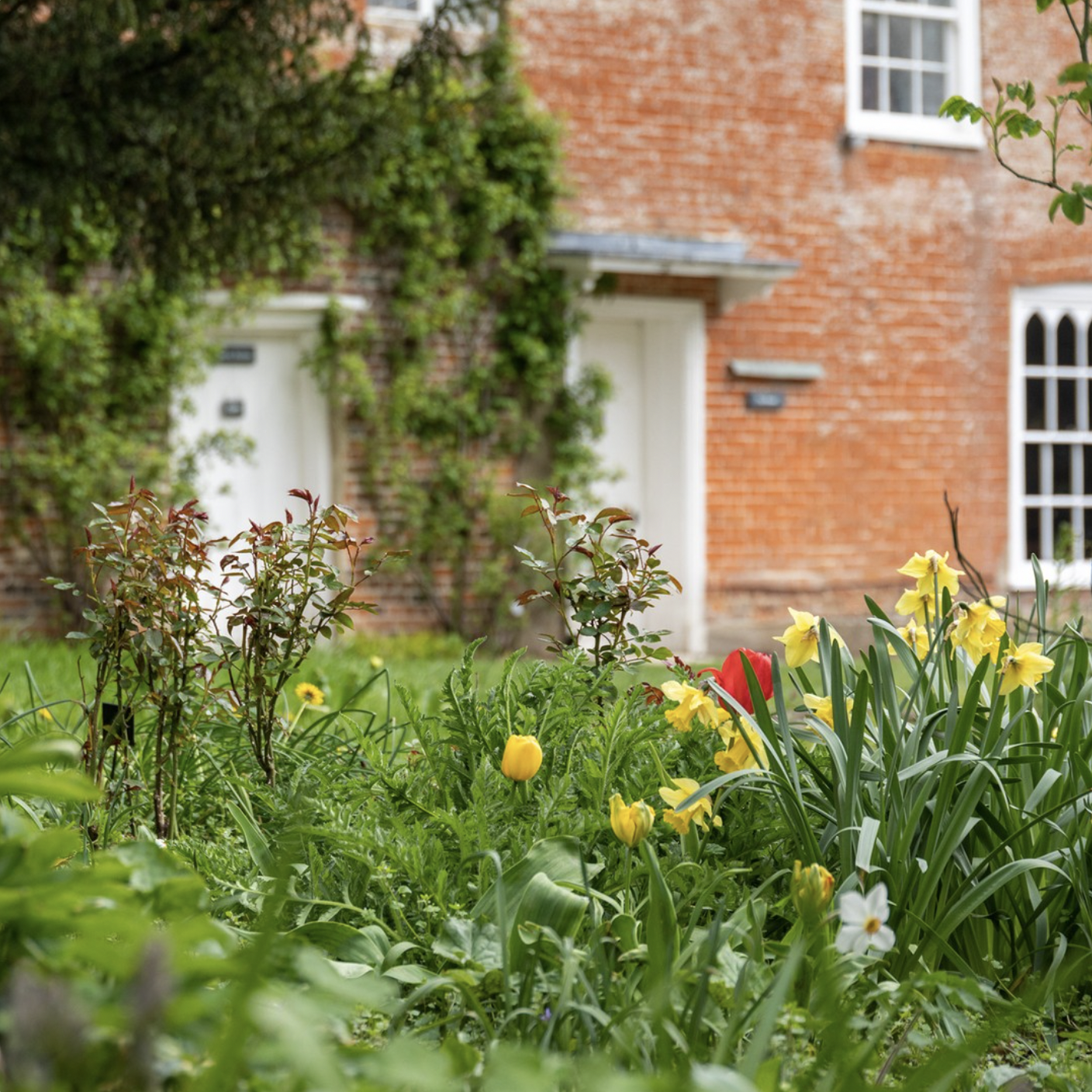
Here is a glimpse of Jane Austen’s House Museum and its gardens in September:
Of Austen’s surviving letters, there are four from the month of September. All are dated from September 1796, at Rowling House. Austen spent several weeks there visiting her brother Edward and his wife, Elizabeth, at their first home, Rowling, a large farmhouse in Kent. Here are a few interesting highlights from her letters during her time there:
1 September:
Jane and Cassandra’s friendship: “The letter which I have this moment received from you has diverted me beyond moderation. I could die of laughter at it, as they used to say at school. You are indeed the finest comic writer of the present age.”
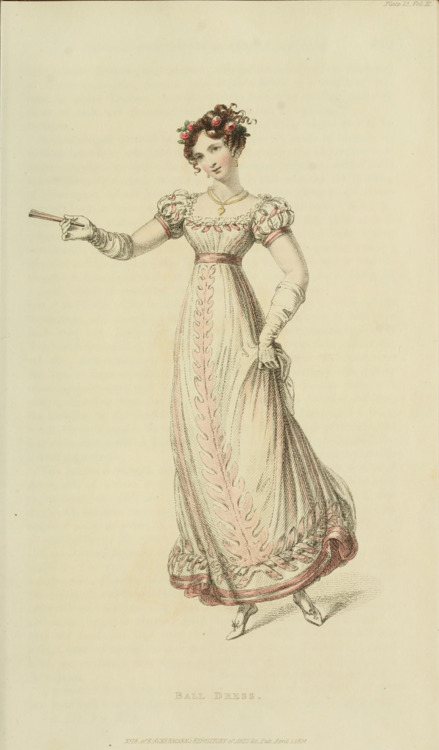
New gowns: “I have had my new gown made up, and it really makes a very superb surplice. I am sorry to say that my new coloured gown is very much washed out, though I charged everybody to take great care of it. I hope yours is so too.”
Jane’s skill with a needle and thread: “We are very busy making Edward’s shirts, and I am proud to say that I am the neatest worker of the party.”
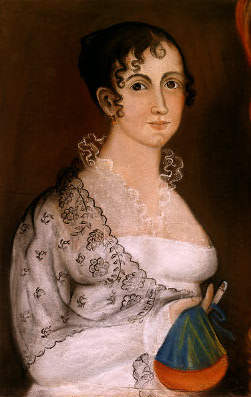
“Before the invention of the sewing machine, all sewing had to be done by hand. While some tasks were left to professionals, the sewing of mothers, sisters, and daughters was a significant contribution to the household. Both letters and diaries suggest that women’s hands were seldom idle as they “sat at work,” that is, sewed garments for themselves and their families and mended them as they showed signs of wear. This work, stowed in work (or sewing) bags, was portable and could be carried around the house or even taken out visiting, allowing women to be productive while they chatted.” (Bauermann Wass)
Lady with a Red and BlueSewing Bag (1815). National Gallery of Art.
5 September:
Cassandra attends a ball: “I shall be extremely anxious to hear the event of your ball, and shall hope to receive so long and minute an account of every particular that I shall be tired of reading it. Let me know how many, besides their fourteen selves and Mr. and Mrs. Wright, Michael will contrive to place about their coach, and how many of the gentlemen, musicians, and waiters, he will have persuaded to come in their shooting-jackets. I hope John Lovett’s accident will not prevent his attending the ball, as you will otherwise be obliged to dance with Mr. Tincton the whole evening. Let me know how J. Harwood deports himself without the Miss Biggs, and which of the Marys will carry the day with my brother James.”
Jane attends a ball: “We were at a ball on Saturday, I assure you. We dined at Goodnestone, and in the evening danced two country-dances and the Boulangeries. I opened the ball with Edward Bridges; the other couples were Lewis Cage and Harriet, Frank and Louisa, Fanny and George. Elizabeth played one country-dance, Lady Bridges the other, which she made Henry dance with her, and Miss Finch played the Boulangeries. (In reading over the last three or four lines, I am aware of my having expressed myself in so doubtful a manner that, if I did not tell you to the contrary, you might imagine it was Lady Bridges who made Henry dance with her at the same time that she was playing, which, if not impossible, must appear a very improbable event to you. But it was Elizabeth who danced.) We supped there, and walked home at night under the shade of two umbrellas.”
15 September:
Living in style: “We have been very gay since I wrote last; dining at Nackington, returning by moonlight, and everything quite in style, not to mention Mr. Claringbould’s funeral which we saw go by on Sunday.”
Jane’s commentary: “Miss Fletcher and I were very thick, but I am the thinnest of the two. She wore her purple muslin, which is pretty enough, though it does not become her complexion. There are two traits in her character which are pleasing — namely, she admires Camilla, and drinks no cream in her tea.”
A gentleman Jane admired: “We went by Bifrons, and I contemplated with a melancholy pleasure the abode of him on whom I once fondly doated.”
Jane’s travel plans: “As to the mode of our travelling to town, I want to go in a stage-coach, but Frank will not let me. As you are likely to have the Williams and Lloyds with you next week, you would hardly find room for us then. If anyone wants anything in town, they must send their commissions to Frank, as I shall merely pass through it. The tallow-chandler is Penlington, at the Crown and Beehive, Charles Street, Covent Garden.
What an intriguing line: “the abode of him on whome I once fondly doated.” Like me, you’re probably thinking, Who was this man? While some might wonder if she was referencing Tom Lefroy, it seems that Austen was actually writing about a different man.
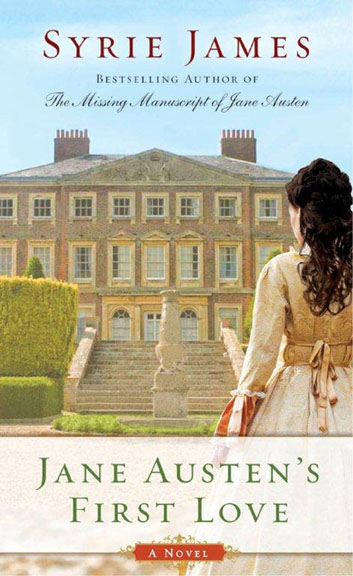
Syrie James explains this reference in the following excerpt from her article, “Edward Taylor of Bifrons: Jane Austen’s First Love,” English Historical Fiction Authors (December 3, 2014):
When Jane wrote that letter in 1796, her flirtation with Lefroy had ended some seven months prior. She was reminiscing with wistful longing about a young man she’d met many years earlier. Scholars have long since identified the “Him” as Edward Taylor, and the “abode,” Bifrons Park, as the estate in Kent which he would one day inherit. Little else, however, was known about him. Biographer Deirdre Le Faye, in Jane Austen: A Family Record (1989) simply states, “Jane met and briefly cherished a girlish passion for young Mr. Edward Taylor of Bifrons.” John Halperin, in The Life of Jane Austen (1984), refers to Edward Taylor as “her old beau” and “the most shadowy of her possible early ‘suitors.’
You can read more of James’s fascinating article about Edward Taylor of Bifrons HERE. Her book Jane Austen’s First Love is based on her research about the young man Jane Austen apparently “doated” on in her youth. I have not read it, but I like the concept!
18 September:
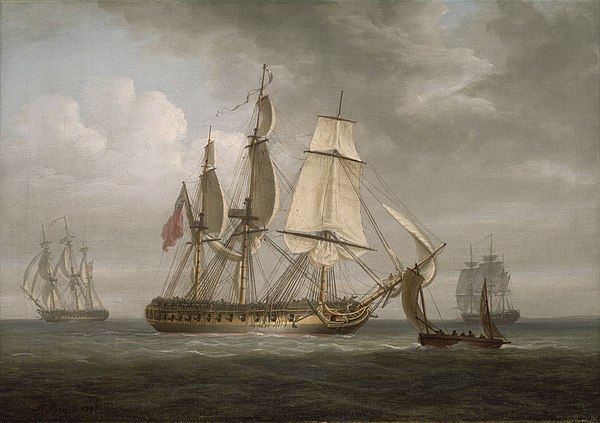
News of Frank’s new appointment: “Frank has received his appointment on board the “Captain John Gore,” commanded by the “Triton,” and will therefore be obliged to be in town on Wednesday.” (The “Triton” is a new 32 frigate just launch at Deptford. Frank is much pleased with the prospect of having Captain Gore under his command.)
Having brothers in the Navy meant that the two Austen sisters were well-versed on topics surrounding ships, men in leadership, and appointments. Here is a fascinating bit of information I discovered about the very unique HMS Triton:
“Triton was an experimental ship and the only one built to that design; she was constructed out of fir due to wartime supply shortages of more traditional materials and had some unusual features such as no tumblehome. Her namesake was the Greek god Triton, a god of the sea. She was commissioned in June 1796 under Captain John Gore, with whom she would spend the majority of her active service, to serve in the Channel in the squadron of Sir John Warren.” (Wikipedia)
HMS Triton, artist Nicholas Pocock (1797).
September in Jane Austen’s Novels
Sense and Sensibility
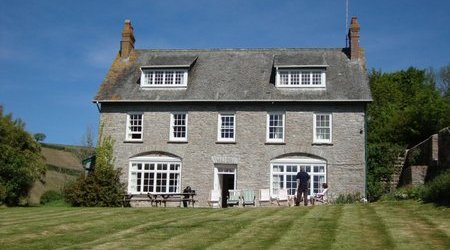
The Dashwood women arrive at Barton Cottage in September: “As a house, Barton Cottage, though small, was comfortable and compact; but as a cottage it was defective, for the building was regular, the roof was tiled, the window shutters were not painted green, nor were the walls covered with honeysuckles. A narrow passage led directly through the house into the garden behind. On each side of the entrance was a sitting room, about sixteen feet square; and beyond them were the offices and the stairs. Four bed-rooms and two garrets formed the rest of the house. It had not been built many years and was in good repair. In comparison of Norland, it was poor and small indeed!—but the tears which recollection called forth as they entered the house were soon dried away. They were cheered by the joy of the servants on their arrival, and each for the sake of the others resolved to appear happy. It was very early in September; the season was fine, and from first seeing the place under the advantage of good weather, they received an impression in its favour which was of material service in recommending it to their lasting approbation.”
Barton Cottage, Sense and Sensibility (1995), an 18th century stone cottage on Flete Estate in South Devon.
Pride and Prejudice
Lydia’s new husband goes hunting in September: “Lydia was exceedingly fond of him. He was her dear Wickham on every occasion; no one was to be put in competition with him. He did everything best in the world; and she was sure he would kill more birds on the first of September than anybody else in the country.”
September 1st is when hunting season opens for partridge, duck, and goose in the UK, as it did in Jane Austen’s day. Apparently, Lydia thinks her new husband will kill more birds than any other man in England on opening day!
Mansfield Park
Mr. Crawford goes to Norfolk in September: “The season and duties which brought Mr. Bertram back to Mansfield took Mr. Crawford into Norfolk. Everingham could not do without him in the beginning of September. He went for a fortnight—a fortnight of such dullness to the Miss Bertrams as ought to have put them both on their guard, and made even Julia admit, in her jealousy of her sister, the absolute necessity of distrusting his attentions, and wishing him not to return; and a fortnight of sufficient leisure, in the intervals of shooting and sleeping, to have convinced the gentleman that he ought to keep longer away, had he been more in the habit of examining his own motives, and of reflecting to what the indulgence of his idle vanity was tending; but, thoughtless and selfish from prosperity and bad example, he would not look beyond the present moment. The sisters, handsome, clever, and encouraging, were an amusement to his sated mind; and finding nothing in Norfolk to equal the social pleasures of Mansfield, he gladly returned to it at the time appointed, and was welcomed thither quite as gladly by those whom he came to trifle with further.”
Emma
Mr. Weston proclaimed a hero by Emma’s sister for his help one September night: “Me, my love,” cried his wife, hearing and understanding only in part.— “Are you talking about me?—I am sure nobody ought to be, or can be, a greater advocate for matrimony than I am; and if it had not been for the misery of her leaving Hartfield, I should never have thought of Miss Taylor but as the most fortunate woman in the world; and as to slighting Mr. Weston, that excellent Mr. Weston, I think there is nothing he does not deserve. I believe he is one of the very best-tempered men that ever existed. Excepting yourself and your brother, I do not know his equal for temper. I shall never forget his flying Henry’s kite for him that very windy day last Easter—and ever since his particular kindness last September twelvemonth in writing that note, at twelve o’clock at night, on purpose to assure me that there was no scarlet fever at Cobham, I have been convinced there could not be a more feeling heart nor a better man in existence.—If any body can deserve him, it must be Miss Taylor.”
Harriet’s visit to the Martin family and a fond September memory: “She had seen only Mrs. Martin and the two girls. They had received her doubtingly, if not coolly; and nothing beyond the merest commonplace had been talked almost all the time—till just at last, when Mrs. Martin’s saying, all of a sudden, that she thought Miss Smith was grown, had brought on a more interesting subject, and a warmer manner. In that very room she had been measured last September, with her two friends. There were the pencilled marks and memorandums on the wainscot by the window. He had done it. They all seemed to remember the day, the hour, the party, the occasion—to feel the same consciousness, the same regrets—to be ready to return to the same good understanding; and they were just growing again like themselves, (Harriet, as Emma must suspect, as ready as the best of them to be cordial and happy,) when the carriage reappeared, and all was over. The style of the visit, and the shortness of it, were then felt to be decisive. Fourteen minutes to be given to those with whom she had thankfully passed six weeks not six months ago!”
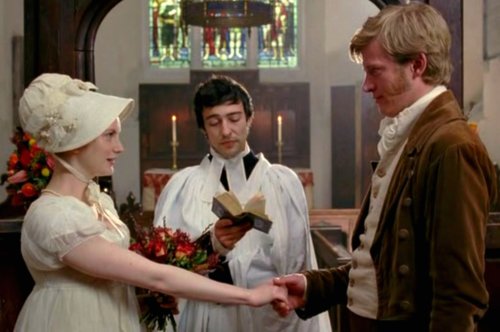
Harriet marries Mr. Martin in September: “Before the end of September, Emma attended Harriet to church, and saw her hand bestowed on Robert Martin with so complete a satisfaction, as no remembrances, even connected with Mr. Elton as he stood before them, could impair.—Perhaps, indeed, at that time she scarcely saw Mr. Elton, but as the clergyman whose blessing at the altar might next fall on herself.—Robert Martin and Harriet Smith, the latest couple engaged of the three, were the first to be married.”
Anne grieves living away from Kellynch Hall for Michaelmas (29th of September): “Michaelmas came; and now Anne’s heart must be in Kellynch again. A beloved home made over to others; all the precious rooms and furniture, groves, and prospects, beginning to own other eyes and other limbs! She could not think of much else on the 29th of September; and she had this sympathetic touch in the evening from Mary, who, on having occasion to note down the day of the month, exclaimed, “Dear me, is not this the day the Crofts were to come to Kellynch? I am glad I did not think of it before. How low it makes me!”
Harriet marries Mr. Martin (Emma 2009).
September Dates of Importance
This brings us now to several important September dates that relate to Jane and her family:
Family News:
15 September 1791: James Austen becomes vicar of Sherborne St John, Hampshire.
September 1794: Charles Austen graduates from the Royal Naval Academy and becomes a midshipman aboard HMS Daedalus.
Historic Dates:
3 September 1783: The Treaty of Paris is signed, ending the American War of Independence.
29 September (yearly): Michaelmas celebrations, a day of feasting, which traditionally included a roast goose and blackberry pie.
Writing:
August/September 1815: Jane Austen possibly travels to London, regarding the publication of Emma, returning early in September.
Sorrows:
6 September 1814: Charles Austen’s wife Fanny dies after childbirth.
Chawton House Gardens in September: Photo @ChawtonHouse.
September
As you can see, September is a month when Jane Austen and her friends, family, and characters enjoyed travel, balls, and other outings. Next month, we’ll step into autumn in Hampshire and learn about October in Jane Austen’s World!
As we continue our month-by-month journey through Jane Austen’s novels, letters, and lifetime, we find ourselves in the lovely month of April! If you’re just jumping on the bus, you can find previous articles in my “A Year in Jane Austen’s World” series here: January, February, and March.
Let’s see what we find as we explore April in Jane Austen’s World! First up, our monthly view of Chawton House and Gardens, where the tulips are beginning to bloom!
April is when everything starts to come back to life and bloom in Hampshire. The trees boast new leaves, the roads and lanes are lined with green, and flowers and trees are in blossom. The weather ranges from cloudy to partly cloudy to partly sunny to rainy.
Why talk about the flowers and the weather? Because it’s fun to picture some of the details about Hampshire that Austen loved and that we can still enjoy today!
The badness of the weather disconcerted an excellent plan of mine,—that of calling on Miss Beckford again; but from the middle of the day it rained incessantly.
Letter to Cassandra, Sloane St., Thursday (April 18, 1811)
Your lilacs are in leaf, ours are in bloom. The horse-chestnuts are quite out, and the elms almost. I had a pleasant walk in Kensington Gardens on Sunday with Henry, Mr. Smith, and Mr. Tilson; everything was fresh and beautiful.
Letter to Cassandra, Sloane St., Thursday (April 25, 1811)
Here is a glimpse of Jane Austen’s House Museum this month. The garden is looking absolutely lovely already!
We have two letters from April 1811 when Jane was staying with her brother in Sloane Street in London. The following are a few excerpts of special interest:
Her spring shopping purchases: “I am sorry to tell you that I am getting very extravagant, and spending all my money, and, what is worse for you, I have been spending yours too; for in a linendraper’s shop to which I went for checked muslin, and for which I was obliged to give seven shillings a yard, I was tempted by a pretty-coloured muslin, and bought ten yards of it on the chance of your liking it; but, at the same time, if it should not suit you, you must not think yourself at all obliged to take it; it is only 3s. 6d. per yard, and I should not in the least mind keeping the whole. In texture it is just what we prefer, but its resemblance to green crewels, I must own, is not great, for the pattern is a small red spot. And now I believe I have done all my commissions except Wedgwood.”
More walking and shopping: “I liked my walk very much; it was shorter than I had expected, and the weather was delightful. We set off immediately after breakfast, and must have reached Grafton House by half-past 11; but when we entered the shop the whole counter was thronged, and we waited full half an hour before we could be attended to. When we were served, however, I was very well satisfied with my purchases — my bugle trimming at 2s. 4d. and three pair silk stockings for a little less than 12s. a pair.”
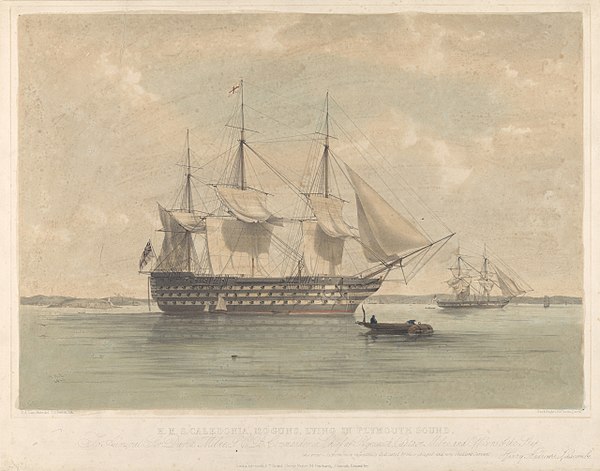
News about their brothers and their careers in the Navy: “Frank is superseded in the ‘Caledonia.’ Henry brought us this news yesterday from Mr. Daysh, and he heard at the same time that Charles may be in England in the course of a month. Sir Edward Pollen succeeds Lord Gambier in his command, and some captain of his succeeds Frank; and I believe the order is already gone out. Henry means to inquire farther to-day. He wrote to Mary on the occasion. This is something to think of. Henry is convinced that he will have the offer of something else, but does not think it will be at all incumbent on him to accept it; and then follows, what will he do? and where will he live?”
The HMS Caledonia was a 120-gun first-rate ship of the line of the Royal Navy, launched on 25 June 1808 at Plymouth. Wikipedia.
Austen’s progress with and thoughts about Sense and Sensibility: “No, indeed, I am never too busy to think of S. and S. I can no more forget it than a mother can forget her sucking child; and I am much obliged to you for your inquiries. I have had two sheets to correct, but the last only brings us to Willoughby’s first appearance. Mrs. K. regrets in the most flattering manner that she must wait till May, but I have scarcely a hope of its being out in June. Henry does not neglect it; he has hurried the printer, and says he will see him again to-day. It will not stand still during his absence, it will be sent to Eliza.”
Plenty of wonderful details about a party hosted by Henry and Eliza: “Including everybody we were sixty-six — which was considerably more than Eliza had expected, and quite enough to fill the back drawing-room and leave a few to be scattered about in the other and in the passage.”
“The music was extremely good. It opened (tell Fanny) with ‘Poike de Parp pirs praise pof Prapela’; and of the other glees I remember, ‘In peace love tunes,’ ‘Rosabelle,’ ‘The Red Cross Knight,’ and ‘Poor Insect.’ Between the songs were lessons on the harp, or harp and pianoforte together; and the harp-player was Wiepart, whose name seems famous, though new to me. There was one female singer, a short Miss Davis, all in blue, bringing up for the public line, whose voice was said to be very fine indeed; and all the performers gave great satisfaction by doing what they were paid for, and giving themselves no airs. No amateur could be persuaded to do anything.”
“The house was not clear till after twelve. If you wish to hear more of it, you must put your questions, but I seem rather to have exhausted than spared the subject.”
The following are a collection of interesting details and scenes that occur in (or refer to) the month of April in Austen’s novels. Springtime appears to be a good time for travel, walking, and riding as the weather slowly improves:
Sense and Sensibility
The Palmers, Mrs. Jennings, and the Dashwood sisters leave London for Cleveland in April (for the Easter holidays): “Very early in April, and tolerably early in the day, the two parties from Hanover Square and Berkeley Street set out from their respective homes, to meet, by appointment, on the road. For the convenience of Charlotte and her child, they were to be more than two days on their journey, and Mr. Palmer, travelling more expeditiously with Colonel Brandon, was to join them at Cleveland soon after their arrival.”
Pride and Prejudice
Darcy proposes again and refers to his first April proposal to Elizabeth Bennet (he surely remembers that date VERY well): “You are too generous to trifle with me. If your feelings are still what they were last April, tell me so at once. My affections and wishes are unchanged; but one word from you will silence me on this subject for ever.”
Mansfield Park
Fanny is left without fitting exercise: “[The Miss Bertrams] took their cheerful rides in the fine mornings of April and May; and Fanny either sat at home the whole day with one aunt, or walked beyond her strength at the instigation of the other: Lady Bertram holding exercise to be as unnecessary for everybody as it was unpleasant to herself; and Mrs. Norris, who was walking all day, thinking everybody ought to walk as much.”
Sir Thomas’s letter home: “[Sir Thomas] wrote in April, and had strong hopes of settling everything to his entire satisfaction, and leaving Antigua before the end of the summer.”
Fanny Price in Portsmouth: “The end of April was coming on; it would soon be almost three months, instead of two, that she had been absent from them all, and that her days had been passing in a state of penance, which she loved them too well to hope they would thoroughly understand; and who could yet say when there might be leisure to think of or fetch her?”
Fanny’s thoughts on springtime in the countryside versus the congested town: “It was sad to Fanny to lose all the pleasures of spring. She had not known before what pleasures she had to lose in passing March and April in a town. She had not known before how much the beginnings and progress of vegetation had delighted her. What animation, both of body and mind, she had derived from watching the advance of that season which cannot, in spite of its capriciousness, be unlovely, and seeing its increasing beauties from the earliest flowers in the warmest divisions of her aunt’s garden, to the opening of leaves of her uncle’s plantations, and the glory of his woods. To be losing such pleasures was no trifle; to be losing them, because she was in the midst of closeness and noise, to have confinement, bad air, bad smells, substituted for liberty, freshness, fragrance, and verdure, was infinitely worse: but even these incitements to regret were feeble, compared with what arose from the conviction of being missed by her best friends, and the longing to be useful to those who were wanting her!
Northanger Abbey
Isabella writes a “very unexpected letter” to Catherine.
Emma
Mrs. Elton pressures Jane to find a position as a governess very soon so that she doesn’t miss her chance: “But, my dear child, the time is drawing near; here is April, and June, or say even July, is very near, with such business to accomplish before us. Your inexperience really amuses me! A situation such as you deserve, and your friends would require for you, is no everyday occurrence, is not obtained at a moment’s notice; indeed, indeed, we must begin inquiring directly.”
For the introverts among us: “John Knightley only was in mute astonishment.—That a man (Mr. Weston) who might have spent his evening quietly at home after a day of business in London, should set off again, and walk half a mile to another man’s house, for the sake of being in mixed company till bed-time, of finishing his day in the efforts of civility and the noise of numbers, was a circumstance to strike him deeply. A man who had been in motion since eight o’clock in the morning, and might now have been still, who had been long talking, and might have been silent, who had been in more than one crowd, and might have been alone!—Such a man, to quit the tranquillity and independence of his own fireside, and on the evening of a cold sleety April day rush out again into the world!“
Mrs. Elton and Jane Fairfax in Emma (1996).
April Dates of Importance
This brings us now to several dates that would have been important to Austen personally and to the Austen family as a whole:
Family News:
26 April 1764: Rev. George Austen marries Cassandra Leigh.
23 April 1774: Francis (Frank) Austen (Jane’s brother) born at Steventon.
April 1786: Francis Austen enters the Royal Naval Academy at Portsmouth
15 April 1793: James Austen’s first child, Anna, is born.
Historic Dates:
19 April 1775: The Battle of Lexington marks the start of America’s Revolutionary War.
Writing:
April 1811: Austen continues to correct proofs of Sense and Sensibility. She anticipates its publication date.
Sorrows:
22 April 1813: Eliza de Feuillide (Austen’s cousin and, later, sister-in-law) ill. Jane Austen goes to her bedside in London to help attend to her.
25 April 1813: Eliza de Feuillide dies.
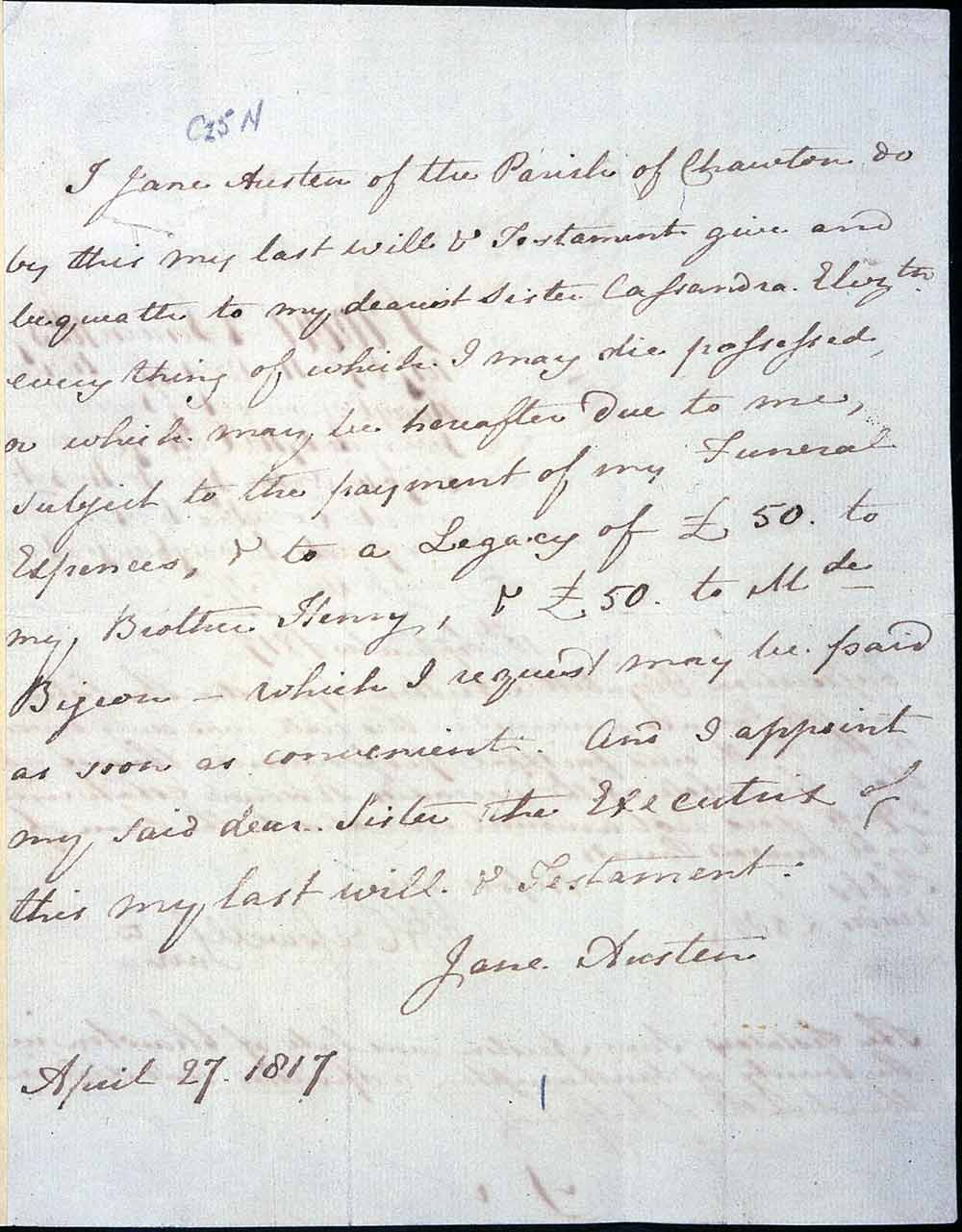
27 April 1817: Austen drafts her will:
“I Jane Austen of the Parish of Chawton do by this my last Will & Testament give and bequeath to my dearest Sister Cassandra Elizth everything of which I may die possessed, or which may be hereafter due to me, subject to the payment of my Funeral Expences, & to a Legacy of £50. to my Brother Henry, & £50. to Mde Bigeon–which I request may be paid as soon as convenient. And I appoint my said dear Sister the Executrix of this my last Will & Testament.”
As we continue through the year, one of the highlights for me has been surveying the photos of the gardens at Chawton House and Jane Austen’s House each month and seeing the changes therein. I hope these April showers will bring many beautiful May flowers next month as we continue our tour of Hampshire in the spring with May in Jane Austen’s World!
Last month I started a new month-by-month series titled “A Year in Jane Austen’s World,” wherein I began exploring important events and details that happened in Jane Austen’s novels, letters, and lifetime during each month of the year. Starting with January in Jane Austen’s World, my aim is to share my monthly finds every month this year, through December. My goal is simple: Glean as much as I can from Austen’s life, letters, and novels about what life was like for Jane Austen during her time and era.
We now turn our attention to February in Jane Austen’s novels. As I examined passages in her novels and letters that mention February, some of the information I found was an extension of what we learned last month: Mainly, that most of the British aristocracy went to the London (and some to Bath) during the winter months for “the season.” They enjoyed balls, parties, and other social gatherings in the bigger cities during the colder months and then moved back to their country homes by summer when the heat and stench of the cities became unendurable. You can read about it here.
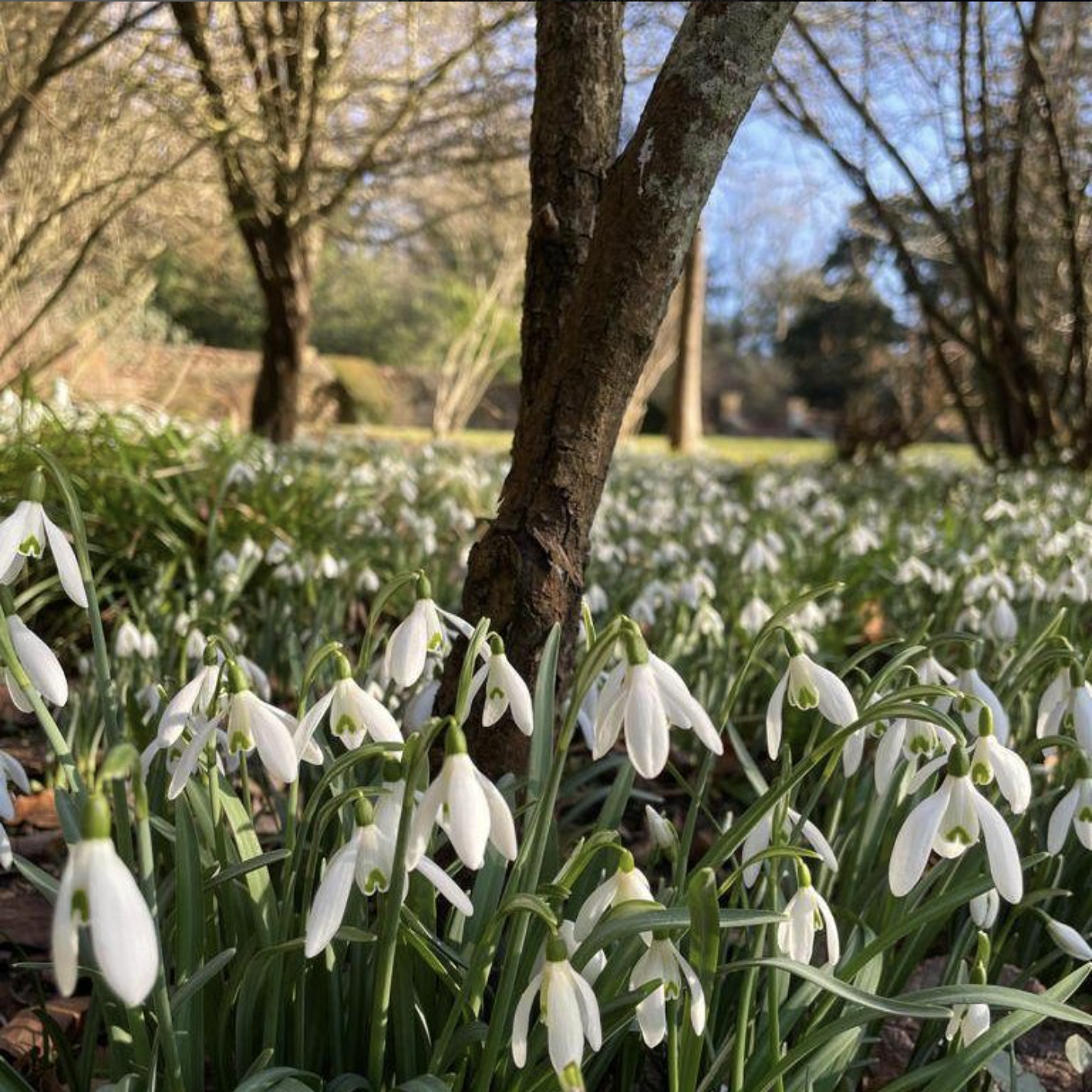
Snowdrops at Chawton House in February, Photo: @ChawtonHouse.
February in Hampshire
The snowdrops are in full bloom at Jane Austen’s House Museum and Chawton House this time of year. Chawton House even hosts “Snowdrop Sunday” tours, when guests can come visit the grounds and enjoy the stunning display of snowdrops and other bulbs that are starting to pop out.
I mention the snowdrops because they are everywhere on the grounds of Chawton House in the winter time, and it’s lovely to think that perhaps Jane Austen saw them for herself. These type of bulbs can spread and spread for years.
Several of Austen’s surviving letters were written in February. In them, she covers many topics, but the excerpts belows are especially intriguing.
8 February 1807 (Castle Square, Southampton):
These snippets are from Austen’s letters when the Austen women lived in Castle Square, Southampton. This first letter mentions the improvements they were making:
Garden: “Our garden is putting in order by a man who bears a remarkably good character, has a very fine complexion, and asks something less than the first. The shrubs which border the gravel walk, he says, are only sweetbriar and roses, and the latter of an indifferent sort; we mean to get a few of a better kind, therefore, and at my own particular desire he procures us some syringas. I could not do without a syringa, for the sake of Cowper’s line. We talk also of a laburnum. The border under the terrace wall is clearing away to receive currants and gooseberry bushes, and a spot is found very proper for raspberries.”
Interior: “The alterations and improvements within doors, too, advance very properly, and the offices will be made very convenient indeed. Our dressing table is constructing on the spot, out of a large kitchen table belonging to the house, for doing which we have the permission of Mr. Husket, Lord Lansdown’s painter — domestic painter, I should call him, for he lives in the castle. Domestic chaplains have given way to this more necessary office, and I suppose whenever the walls want no touching up he is employed about my lady’s face.”
Beds: “The garret beds are made, and ours will be finished to-day. I had hoped it would be finished on Saturday, but neither Mrs. Hall nor Jenny was able to give help enough for that, and I have as yet done very little, and Mary nothing at all. This week we shall do more, and I should like to have all the five beds completed by the end of it. There will then be the window curtains, sofa-cover, and a carpet to be altered.”
You must be very cold to-day at Godmersham. We are cold here. I expect a severe March, a wet April, and a sharp May. And with this prophecy I must conclude.
20 February 1807 (Castle Square):
In this letter, we hear a bit more about the weather there in Southampton and at Godmersham, where Cassandra was staying:
“We could not pay our visit on Monday; the weather altered just too soon, and we have since had a touch of almost everything in the weather way; two of the severest frosts since the winter began, preceded by rain, hail, and snow. Now we are smiling again.”
“You must have had more snow at Godmersham than we had here; on Wednesday morning there was a thin covering of it over the fields and roofs of the houses, but I do not think there was any left the next day. Everybody used to Southampton says that snow never lies more than twenty-four hours near it, and, from what we have observed ourselves, it is very true.”
And one of Austen’s hilarious one-liners:”A widower with three children has no right to look higher than his daughter’s governess.”
Southampton High Street, 18th C.
4 February 1813 (Chawton, regarding PP):
In the following letters, we read a bit about Austen’s first beta readers for Pride and Prejudice and her reactions to their commentary:
“My dear Cassandra,—Your letter was truly welcome, and I am much obliged to you for all your praise; it came at a right time, for I had had some fits of disgust. Our second evening’s reading to Miss B. had not pleased me so well, but I believe something must be attributed to my mother’s too rapid way of getting on: though she perfectly understands the characters herself, she cannot speak as they ought. Upon the whole, however, I am quite vain enough and well satisfied enough. The work is rather too light and bright and sparkling: it wants shade; it wants to be stretched out here and there with a long chapter of sense, if it could be had; if not, of solemn specious nonsense, about something unconnected with the story,—an essay on writing, a critique on Walter Scott, or the history of Buonaparte, or something that would form a contrast, and bring the reader with increased delight to the playfulness and epigrammatism of the general style…. The greatest blunder in the printing that I have met with is in page 220, v. 3, where two speeches are made into one. There might as well be no suppers at Longbourn; but I suppose it was the remains of Mrs. Bennet’s old Meryton habits.”
Dated soon after:
“I am exceedingly pleased that you can say what you do, after having gone through the whole work, and Fanny’s praise is very gratifying. My hopes were tolerably strong of her, but nothing like a certainty. Her liking Darcy and Elizabeth is enough. She might hate all the others, if she would. I have her opinion under her own hand this morning, but your transcript of it, which I read first, was not, and is not, the less acceptable. To me it is of course all praise, but the more exact truth which she sends you is good enough.”
Garden Plans at Castle Square
As most gardeners (myself included) can attest, planning one’s spring garden is a happy prospect in the middle of February. Jane Austen was no different! With that in mind, let’s take a closer look at her descriptions of the plans for their garden from her 8 February 1807 letter to Cassandra:
Our garden is putting in order by a man who bears a remarkably good character, has a very fine complexion, and asks something less than the first. The shrubs which border the gravel walk, he says, are only sweetbriar and roses, and the latter of an indifferent sort; we mean to get a few of a better kind, therefore, and at my own particular desire he procures us some syringas. I could not do without a syringa, for the sake of Cowper’s line. We talk also of a laburnum. The border under the terrace wall is clearing away to receive currants and gooseberry bushes, and a spot is found very proper for raspberries.
Letter to Cassandra, 8 February 1807.
Austen’s Southampton Garden
With these lovely descriptions, we can paint a picture in our minds of what Austen was imagining as she planned the garden:
Sweet Briar
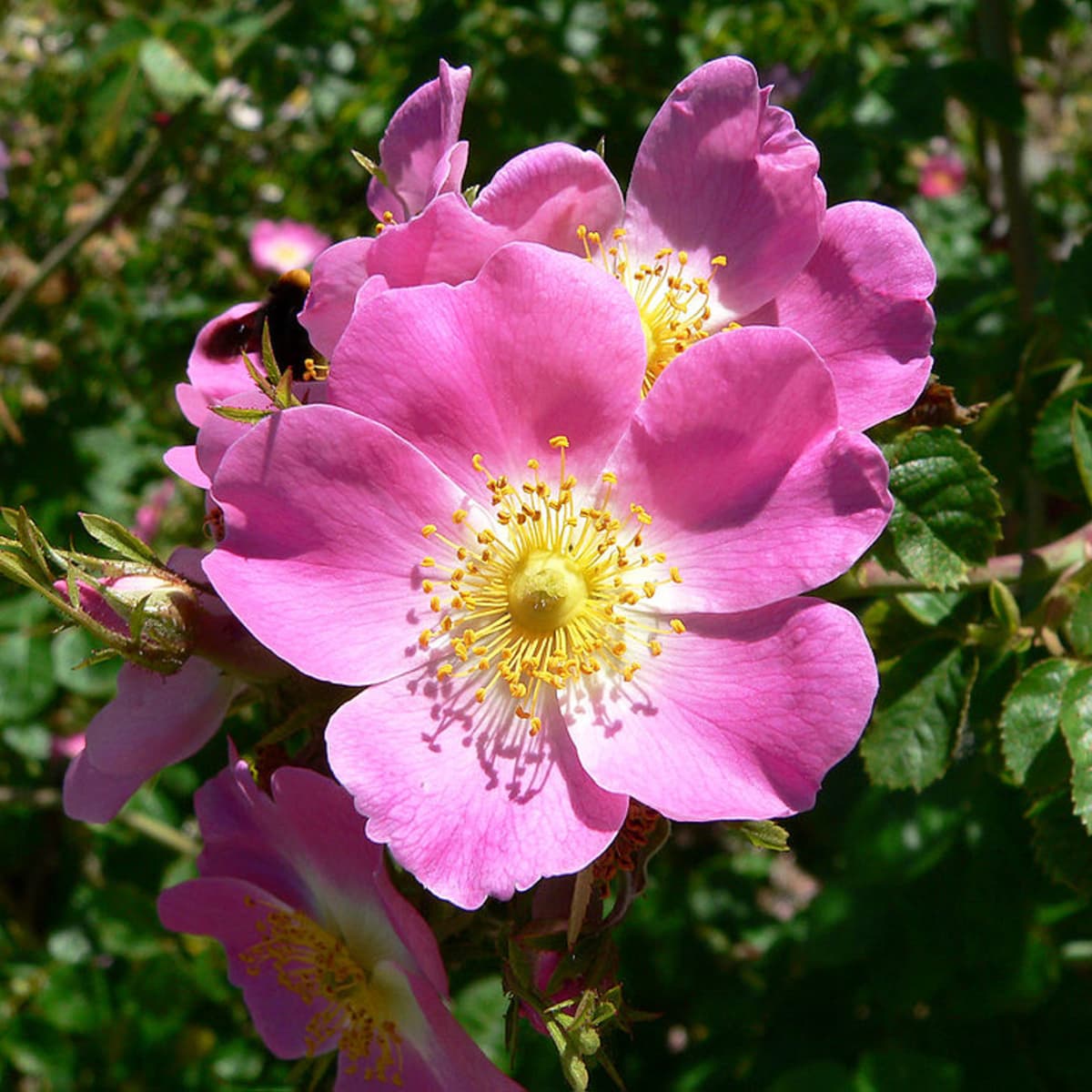
Austen wrote: “The shrubs which border the gravel walk, he says, are only sweetbriar and roses, and the latter of an indifferent sort; we mean to get a few of a better…”
On the blog From the Notebook of a Rosarian, you can read all about Sweet-Briar (or Eglantine Rose). I imagine Austen would have looked forward to seeing these blooms very much! Here is an example:
Regency Roses
Austen wrote: “roses . . . of an indifferent sort; we mean to get a few of a better…”
Perhaps the existing roses either weren’t uniform or weren’t as pretty as the Austen women wanted. Thus, they planned to add a few of “a better” sort. One can imagine a line of beautiful roses along their walkway come summer.
You can read a wonderful article about Regency Roses from Leeds University Library here: Regency Roses. Here is an example:
Austen wrote: “I could not do without a syringa, for the sake of Cowper’s line. We talk also of a laburnum.” This is in reference to a line in William Cowper’s poem, “The Winter Walk at Noon” (Book VI, The Task, 1899).
In her article “‘With what intense desire she wants her home’: Cowper’s Influence on Jane Austen,” Jane Darcy provides the following commentary:
The house in Castle Square in Southampton feels more like a home [for Austen]; there is a garden which she energetically starts to plan. She insists on lilacs: ‘I could not do without a Syringa, for the sake of Cowper’s Line’, adding ‘We talk also of a Laburnum’, referring to the lines in ‘The Winter Walk at Noon’, Book VI of The Task: … Laburnum rich In streaming gold; syringa iv’ry pure (149-150)
Laburnum, a flowering tree, also called golden chain or golden rain, is pictured below. One can imagine how lovely it would look in Austen’s garden in spring.
Austen wrote: “The border under the terrace wall is clearing away to receive currants and gooseberry bushes, and a spot is found very proper for raspberries.”
Here, we find an example of something pretty and edible for the garden come summer. Currants, gooseberries, and raspberries were all useful in a variety recipes. You can read more about the history of British food and Gooseberries here.
To read more about the trees and shrubs Austen would have recognized, the JASNA Eastern Washington/Northern Idado region provides this fascinating information regarding the “Trees and Shrubs Mentioned in Jane Austen’s Novels, Letters, and Minor Works with Historical Background: “Austen’s Trees and Shrubs A-K” and “Austen’s Trees and Shrubs L-Z.”
February in Jane Austen’s Novels
The following are a collection of interesting little tidbits and important moments from Austen’s novels:
Sense and Sensibility
“[Mrs. Palmer] expects to be confined in February,” continued Mrs. Jennings.
“[Edward] will be there in February, otherwise London would have no charms for me; I have not spirits for it.” (Lucy Steele)
Colonel Brandon: “But last February, almost a twelvemonth back, [my little Eliza] suddenly disappeared.” […] “Good heavens!” cried Elinor, “could it be—could Willoughby!”—
“[Mrs. Dashwood] had yet another reason for wishing her children to remain [in London]; a letter from her son-in-law had told her that he and his wife were to be in town before the middle of February, and she judged it right that they should sometimes see their brother.”
“Early in February, within a fortnight from the receipt of Willoughby’s letter, Elinor had the painful office of informing her sister that he was married.”
Pride and Prejudice
“With no greater events than these in the Longbourn family, and otherwise diversified by little beyond the walks to Meryton, sometimes dirty and sometimes cold, did January and February pass away.”
Mansfield Park
“With such thoughts as these, among ten hundred others, Fanny proceeded in her journey safely and cheerfully, and as expeditiously as could rationally be hoped in the dirty month of February. They entered Oxford, but she could take only a hasty glimpse of Edmund’s college as they passed along, and made no stop anywhere till they reached Newbury, where a comfortable meal, uniting dinner and supper, wound up the enjoyments and fatigues of the day.”
“Entrance to Oxford from the London Road.” Ackermann’s Oxford University. Engraved by Frederick Christian Lewis after Frederick Nash (1814).
Emma
“In the summer it might have passed; but what can any body’s native air do for them in the months of January, February, and March? Good fires and carriages would be much more to the purpose in most cases of delicate health, and I dare say in her’s. I do not require you to adopt all my suspicions, though you make so noble a profession of doing it, but I honestly tell you what they are.”
“Frank was here in February for a fortnight.”
“When [Frank] was here before, we made the best of it; but there was a good deal of wet, damp, cheerless weather; there always is in February, you know, and we could not do half that we intended. Now will be the time.
“Mr. Woodhouse was resigned. The time of year lightened the evil to him. May was better for every thing than February.”
Persuasion
“It was the beginning of February; and Anne, having been a month in Bath, was growing very eager for news from Uppercross and Lyme.”
Mary Musgrove sends a long, newsy letter to Anne from Uppercross.
Northanger Abbey
“Catherine . . . gave herself up to all the enjoyment of air and exercise of the most invigorating kind, in a fine mild day of February, with the consciousness of safety.”
Bath, England, Regency Era.
February Dates of Importance
This brings us now to several dates that would have been quite important to Austen personally:
Celebrations/Birthdays:
13 February 1765: James Austen (Jane’s brother) born at Deane.
Historic Dates:
1 February 1793: France declares war on England.
4 February 1794: France abolishes slavery in French colonies.
February 1811: George, Prince of Wales, becomes the prince regent of England.
Sorrows:
22 February 1794: Eliza de Feuillide’s husband is executed by guillotine in Paris.
February 1797: Tom Fowle (Cassandra’s fiancé), who was serving as a chaplain, dies in San Domingo of yellow fever.
Writing:
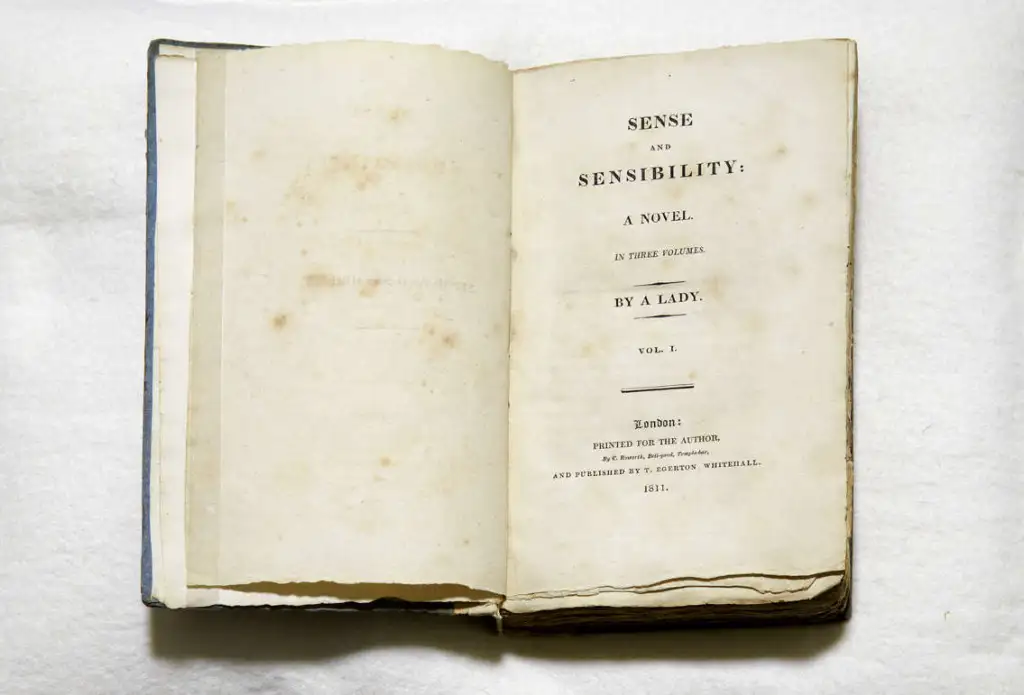
Winter 1810: Sense and Sensibility accepted for publication (Thomas Egerton).
February 1811: Jane Austen starts work on Mansfield Park.
I hope you enjoyed this tour of February in Jane Austen’s World as much as I enjoyed researching it and writing it. There is so much more to explore! I followed several intriguing trails and threads in this article, but I’m sure one might find many other avenues to research. Austen’s letters alone are a fount of information and charm. Here’s to what we’ll find in March in Jane Austen’s World next month!
“You cannot imagine—it is not in Human Nature to imagine what a nice walk we have round the Orchard.”—Jane Austen to Cassandra, May 31, 1811
“One likes to get out into a shrubbery in fine weather.”—Lady Bertram, Mansfield Park
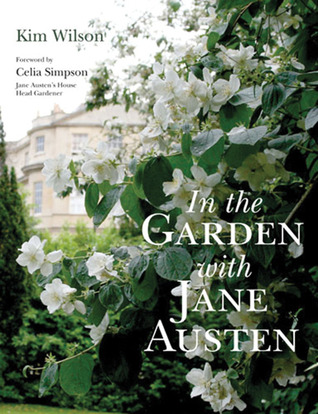
In the Garden With Jane Austen, by Kim Wilson, a delightful view of English gardens
Jane Austen’s letters and novels are full of references to gardens of one sort or another. The theme of JASNA’s AGM in Victoria, Canada this year is Sense and Sensibility in the City of Gardens. Following this garden theme, this summer might be a great time to read Kim Wilson’s book,In the Garden with Jane Austen.
The lovely photos throughout the book alone are worth the price. We get to see lovely estates and their grounds and gardens as well as many flowers, clearly labeled.
Kim Wilson, author of In the Garden with Jane Austen, as well as Tea with Jane Austen and At Home with Jane Austen.
Interview with Kim Wilson
I asked the author, Kim Wilson, to share some of her thoughts with us.
What gave you the idea to write this book?
As I read Jane Austen’s novels, I couldn’t help noticing that the characters we love appreciate nature and the outdoors and the characters we love to hate do not. The characters of Mansfield Park are perfect examples of this. Fanny Price loves nature to the depths of her soul and is inspired by nature poetry, as Jane Austen herself was. Mary Crawford, on the other hand, is carelessly indifferent to the beauties of nature, which should be enough to warn us about her dubious moral views. And there are so many references to landscape and gardens in the novels and in Austen’s letters that it made me curious about the gardens she might have encountered that could have inspired her writing. What, for example, was so special about a Regency shrubbery? Austen’s heroines often fling themselves into the shrubbery whenever they get the least bit emotional, and I knew I had to find out why. The next thing you know I was mapping out a tour of the gardens belonging to the Austen family and their friends. It’s always wonderful to have the excuse to see more of Jane Austen’s world!
What do you hope readers will take away from the book?
I hope my research gives my readers a better appreciation of Jane Austen’s emotional connection to gardens and the possible inspirations for the outdoor scenes in her works.
What were the hardest and best parts of researching this book?
The saddest thing about researching the book was visiting the sites where the gardens no longer exist, such as the Austen family’s garden at Steventon Parsonage, or Jane Austen’s brother Henry’s garden in Hans Place in London that she had called “quite a Love.” But of course touring the existing sites, such as the beautiful gardens at Jane Austen’s House Museum and at her brother Edward’s Chawton House (both in Chawton, Hampshire) completely made up for it. To sit in the same gardens where Jane Austen herself sat “and look upon verdure, is the most perfect refreshment.”
A Variety of Gardens
The first chapter explores Cottage Gardens, focusing, of course, on Chawton Cottage where Austen lived. We also learn about laborers’ cottage gardens, which provided much-needed food, and farm and parsonage gardens, like those of Robert Martin and Mr. Collins. The opposite end of the scale was the cottage ornée of the rich, with much fancier gardens. Such “cottages” are mentioned in Sanditon and Sense and Sensibility. The outbuildings found in a country garden get a mention as well, ranging from the brewhouse to the privy.
Next come “Mansion and Manor House Gardens,” the gardens of great estates like Pemberley. Godmersham, Chawton House, and Chatsworth are good examples. Wilson describes how estates like Sotherton (Mansfield Park) were being “improved” by Repton and others to match current fashions in landscaping. Such estates offered pleasure grounds, flower gardens, shrubberies, and wildernesses. Wilson also explores the fads for temples, Gothic seats, grottoes, and hermitages, as well as conservatories and hothouses.
“City Gardens” provided refreshment in the midst of town. Jane hoped for a house with a garden in Bath. The Georgian Garden in Bath, which I have visited, recreates a lovely city garden of Austen’s era. London is apparently full of hidden “garden squares,” which are thrown open to the public one weekend a year (June 10 and 11, 2023, I just looked it up!). The chapter also explores the role of the job gardener, who was paid by the job, though he sometime stole valuable plants. Again we find out where the privy might be hidden in the garden. Flowers also had a role as party decorations and hat trim, as Austen mentions.
“Public Gardens and Parks” explores gardens like London’s Kensington Gardens and Bath’s Sydney Gardens, across the street from a house where Jane’s family lived. We also see views of Box Hill and Netley Abbey and learn about tours of the picturesque, epitomized by The Tour of Dr. Syntax.
The final chapter provides details on “Re-Creating Jane Austen’s Garden,” including some of Jane’s favorite flowers.
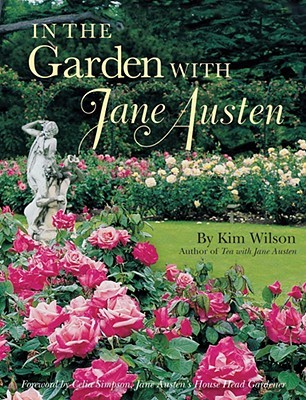
The paperback version of In the Garden with Jane Austen, with a nice sturdy cover.
I see this book as a treasure trove for:
Jane Austen fans, of course. In each chapter, Wilson gives us connections with Austen and her novels and letters. For example, we find out that when General Tilney of Northanger Abbey said his pinery “had yielded only one hundred” pineapples, he was boasting of his wealth, since pineapples were very expensive, selling for a guinea apiece or more. (Wilson says this is equivalent to about $100 or £50 each today.)
History buffs who will learn things like why people hired hermits to live in their gardens, why shrubberies had gravel paths, and what crimes dishonest gardeners committed. Fun historical recipes are included for things like “Bee’s Wax Lip-Salve” and “Pot-Pourri.”
Writers of Regency fiction and Jane Austen Fan Fiction who want to include gardens in their stories. The book will give them lists of appropriate flowers with some pictures, and information about the gardens and their designs. (She doesn’t tell you when different flowers bloom in England, though, so you’ll have to look that up elsewhere.)
Gardeners who want to create their own Jane Austen-style garden, or who just enjoy reading about different types of gardens and plants. Wilson gives ideas for recreating a cottage garden, flower border, villa or small mansion house garden, herb garden, great estate garden, and town or city garden. She includes lists of flowers and herbs from real English gardens including those at Chawton Cottage and nearby Gilbert White’s House, along with diagrams of how those gardens are laid out. She even tells you how to find seeds for authentic “heirloom” plants.
Tourists (including armchair tourists) who want to visit Austen-style gardens in England. I count 25 gardens Wilson recommends visiting. For each, she shows a lovely picture and gives contact information. She tells readers what to see and what tours are available. (Be sure to check websites for current information, of course.) She includes obvious places, like Chawton Cottage and Stoneleigh Abbey, and unfamiliar ones I’d love to see, like Houghton Lodge and The Royal Crescent Hotel. The end of the book also lists “Gardens Featured in Jane Austen Film Adaptations.” So you can explore those as well, either in person, if you have enough time and money, or online.
Any lovers of beautiful gardens and flowers will enjoy the book, as it’s a delight to peruse!
Kim Wilson just informed me that In the Garden with Jane Austen is currently out of print, though you can still find copies at Jane Austen Books, online, or possibly through your library. She plans to work on a new edition next spring, traveling to England for new photos and information. So if you want to wait 18 months to a year, you can get the new edition, if you prefer.
Kim Wilson is a writer, speaker, tea lover, gardening enthusiast, food historian, and a life member of the Jane Austen Society of North America. She is the award-winning author of At Home with Jane Austen, Tea with Jane Austen, and In the Garden with Jane Austen. A popular speaker, Kim gives entertaining talks to audiences nationwide. She has been a featured lecturer for the Royal Oak Foundation (the American partner of the National Trust of England, Wales and Northern Ireland) and Road Scholar, and was the keynote speaker for the 2020 Chawton House Virtual Garden Festival. She is currently writing Entertaining Mr. Darcy, and Celebrating Jane Austen’s Birthday for the series Celebrating the Year with Jane Austen with coauthor Jo Ann Staples.
Her other books:
Tea with Jane Austen
“In this delightful book Kim Wilson shares the secrets of tea drinking in Regency England, including a whole batch of recipes to help recreate some memorable occasions. . . . Kim Wilson has assembled a collection of anecdotes, quotations, verses and recipes, charmingly illustrated with largely contemporary engravings and line drawings, to provide an exhaustive and uplifting history of England’s favourite brew.” — Jane Austen’s Regency World Magazine
At Home with Jane Austen
“Wilson once again leads the reader through a specific aspect of Austen’s life– in this case, the physical spaces which she lived in or visited. . . . Quotes from Austen’s letters convey the day-to-day experience of living in these places, and examples from her work demonstrate how often these experiences found their way into the novels. . . . even casual fans should enjoy following in the beloved author’s footsteps.”— Publishers Weekly
Brenda S. Cox blogs on Faith, Science, Joy, and Jane Austen. She is working on a book entitled Fashionable Goodness: Christianity in Jane Austen’s England, which should be available this fall.
Fashionable Goodness: Christianity in Jane Austen's England is now available! By JAW contributor Brenda S. Cox. See Review. Available from Amazon and Jane Austen Books.
Available through December 31st, 2025. Click on image for details, and share this poster with other teachers and students!
The Obituary of Charlotte Collins by Andrew Capes
Click on image to read the story.
Comments
“My idea of good company…is the company of clever, well-informed people, who have a great deal of conversation.” – Jane Austen, Persuasion
Gentle readers: Please feel free to post your comments and continue the conversation! Due to SPAM, we will no longer accept comments on posts after 30 days of publication. In some instances, links will be removed from comments as well.
Administrators and Contributors
Vic Sanborn, founder of this blog, is supported by a team of talented and knowledgeable writers about Jane Austen and the Regency era. They are:
Tony Grant, who now contributes his photos from London and England
Click on their names to enter their own blogs.
In addition, we thank the many experts and authors who frequently contribute their posts and opinions, and who continue to do so freely or at our request.
Click here to enter the page. Topics include Regency fashion, historic foods, Jane Austen societies, British sites, related topics. Click on image.
May we suggest?
Hello, my name is Vic and I live in Maryland, USA. I have adored Jane Austen almost all of my life. I am a proud lifetime member of the Jane Austen Society of North America. This blog is a personal blog written and edited by me and my team. We do not accept any form of cash advertising, sponsorship, or paid topic insertions. However, we do accept and keep books and CDs to review.
If you would like to share a new site, or point out an error, please email us. (Yes, we are fallible. We'll own up to our mistakes and will make the corrections with a polite smile on our faces.) Write us at
Thank you for visiting this blog. Your comments and suggestions are most welcome.
Project Gutenberg: eBook of Stage-coach and Mail in Days of Yore, Volume 2 (of 2), by Charles G. Harper
STAGE-COACH AND MAIL IN DAYS OF YORE: A PICTURESQUE HISTORY
OF THE COACHING AGE, VOL. II, By CHARLES G. HARPER. 1903. Click on this link.













 Jane Austen's World