Feeds:
Posts
Comments

Archive for the ‘Jane Austen Fan Fiction’ Category

The new BBC miniseries “Miss Austen”, based on Gill Hornby’s novel of the same name, is currently the focus of much attention worldwide. The series aired in the UK in February and comes to PBS this May. Some of you have maybe already seen the show, depending on where you live, but for those who are waiting for it to air, I am here to say this:

Read the book while you wait!

You won’t regret it. In anticipation of the show, I decided to read Miss Austen by Gill Hornby, fully expecting to dislike it (I’m very picky). But I’m here to report that I loved it! I actually finished it in two days because I could not put it down (which is not easy as a writer with a busy household of teens). The story flows at a slower pace, but Hornby’s style–and the whole world she created–pulled me in and kept me engaged from start to finish.

In the book, an older Cassandra searches for a packet of Jane’s letters that she does not want anyone to ever see or read. As she finds and reads the various letters, we travel back through her memories to visit her younger self. I found myself completely immersed in the real (and imagined) details about Cassandra’s relationship with Tom Fowle (a former pupil of Reverend Austen), the Fowle family, and the Lloyd family.

Overall, the book does tell a sad story because it deals with a fictional retelling of Cassandra’s real-life story, her heartbreaks, her deep affection for her beloved family (many of whom she outlived), the Austens’ move to Bath, Reverend Austen’s death, the Austen women and their search for stability after his death, and Cassandra’s devotion and loyalty to Jane. However, there are many endearing and uplifting themes as well. The writing itself is exquisite.

While Hornby of course employs creative license as a novelist, I was also impressed by the copious amounts of research she must have done to write this book. Though fictional, it acts as a poignant biography of Jane’s sister and best friend. I felt as though I understood Cassandra, and had a deeper understanding of her protectiveness over Jane, by the end of the book. Hornby’s perspective on Jane is intriguing, and her (entirely fictional) character Henry Hobday adds depth to Cassandra’s story.

For those of you that read Miss Austen when it released in 2020, you might enjoy a reread. For those who have never read it, it’s a wonderful way to prepare yourself for the show. And even if you’ve already watched the show, you might like to read it and compare the two.

Book Description

England, 1840. Two decades after the death of her beloved sister, Jane, Cassandra Austen returns to the village of Kintbury and the home of her family friends, the Fowles. In a dusty corner of the vicarage, there is a cache of Jane’s letters that Cassandra is desperate to find. Dodging her hostess and a meddlesome housemaid, Cassandra eventually hunts down the letters and confronts the secrets they hold, secrets not only about Jane but about Cassandra herself. Will Cassandra bare the most private details of her life to the world, or commit her sister’s legacy to the flames?

Moving back and forth between the vicarage and Cassandra’s vibrant memories of her years with Jane, interwoven with Jane’s brilliantly reimagined lost letters, Miss Austen is the untold story of the most important person in Jane’s life. With extraordinary empathy, emotional complexity, and wit, Gill Hornby finally gives Cassandra her due, bringing to life a woman as captivating as any Austen heroine.

(The collection of cover art included in this article is from various editions sold worldwide.)

About the Author

Gill Hornby is the author of Miss Austen, The Hive, and All Together Now, as well as The Story of Jane Austen, a biography of Austen for young readers. Her most recent novel is Godermsham Park, also available from Pegasus Books. She lives in Kintbury, England, with her husband and their four children.

About the Show

Miss Austen takes an historic literary mystery – the notorious burning of Jane Austen’s letters by her sister Cassandra – and reimagines it as a fascinating, witty, and heart-breaking story of sisterly love, while creating in Cassandra a character as captivating as any Austen heroine.

Based on Gill Hornby’s best-selling novel, this period drama brings a fresh and intimate perspective to the Austen sisters’ lives — their joys, heartaches, and the passions that shaped Jane’s iconic novels.

Keeley Hawes (The Durrells in Corfu, Bodyguard, Line of Duty) as the loyal and loving Cassandra leads an ensemble cast that includes Rose Leslie (Game of Thrones, Downton Abbey) as family friend Isabella Fowle, Patsy Ferran (Living) as young Jane Austen, and Synnøve Karlsen (Bodies) as young Cassy.

PBS Episode Schedule

Premieres: Sunday, May 4, 2025, at 9/8c
Episode 2: Sunday, May 11, 9/8c
Episode 3: Sunday, May 18, 9/8c
Episode 4: Sunday, May 18, 10/9c

Miss Austen, Dutiful Daughter and Sister

I cannot wait to watch the show soon, and I hope to come back to discuss it later this year, but in the meantime, I enjoyed the book immensely. I usually only review nonfiction books here, but I felt that a novel of such high caliber warranted a thorough review, especially in light of the upcoming show. Here’s to celebrating Jane Austen’s 250th year and to enjoying her world more fully!


RACHEL DODGE teaches college English classes, speaks at libraries, teas, and conferences, and writes for Jane Austen’s World blog. She is the bestselling, award-winning author of The Anne of Green Gables DevotionalThe Little Women DevotionalThe Secret Garden Devotional, and Praying with Jane: 31 Days Through the Prayers of Jane Austen. A true kindred spirit at heart, Rachel loves books, bonnets, and ballgowns. Visit her online at www.RachelDodge.com.

Read Full Post »

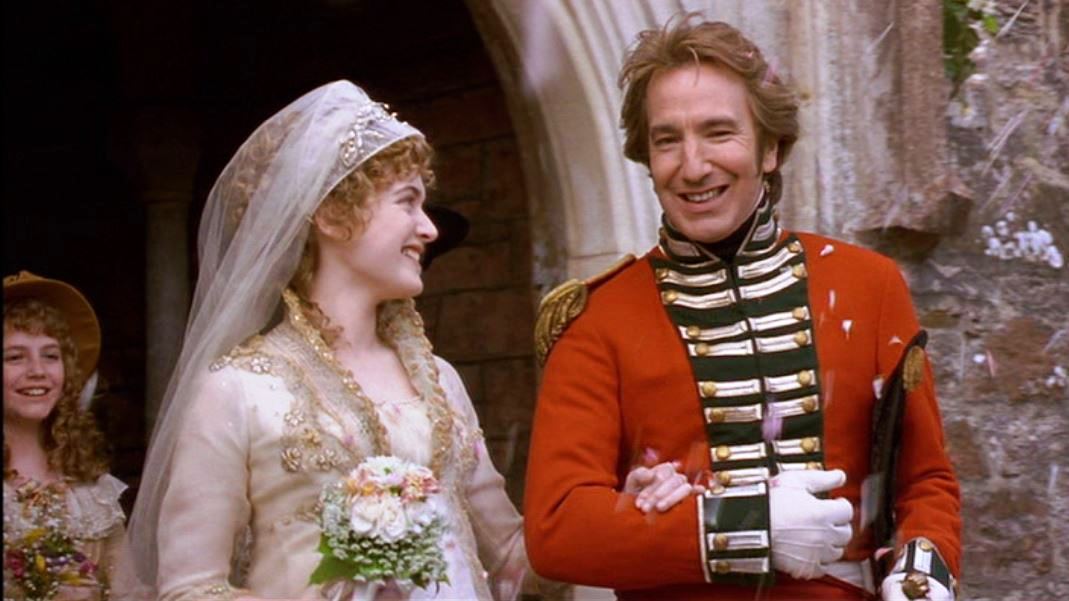
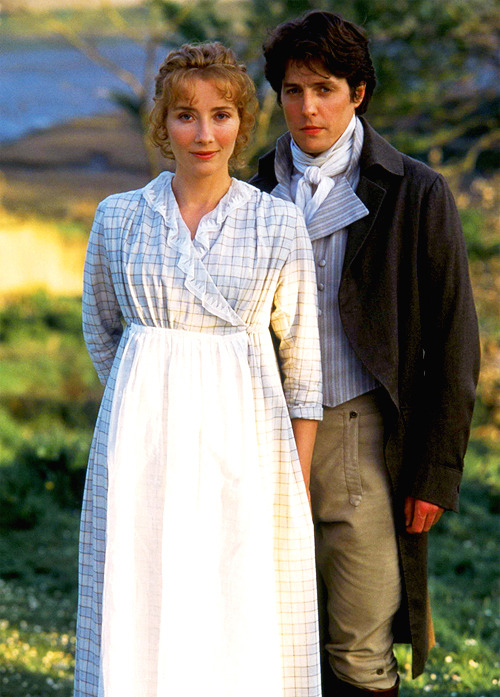
Over the last few months, we’ve explored timeless romantic themes in Jane Austen’s novels that are still frequently used in today’s popular books, movies, and television shows. Thus far, we’ve covered the following themes in this series: “Enemies to Lovers” in Pride and Prejudice, the “Slow Burn” Romance in Emma“Best Friends to Lovers” in Mansfield Park“Second-Chance” Love in Persuasion, and “The Meet-Cute” in Northanger Abbey.

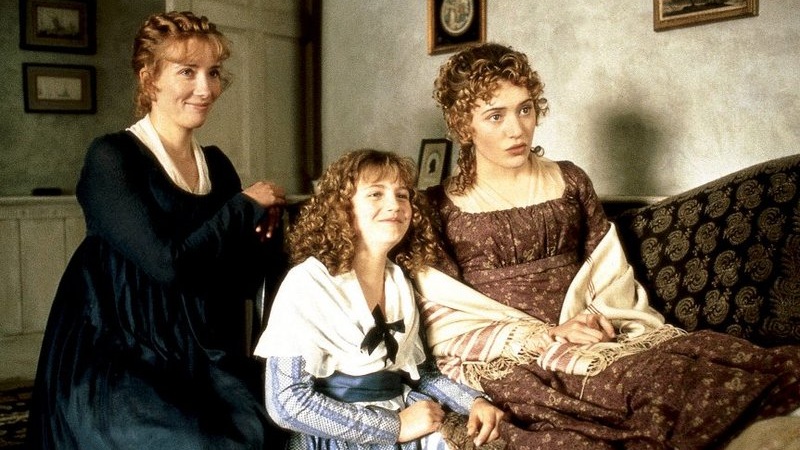
Last but certainly not least, this brings us to Sense and Sensibility and one of Austen’s most mature and intricate plots. Sense and Sensibility is unique in that it contains two main love stories with its sister-heroines, Elinor and Marianne Dashwood. Though Elinor is the main protagonist of the novel, Marianne’s romantic life is often front-and-center with its high drama and plot impact.

Love Triangles

In the world of storytelling, love triangles provide a potent plot device. There’s the age-old King Arthur-Guinevere-Lancelot story that’s been told again and again; the love triangle/identity mix-up in Shakespeare’s Twelfth Night; and the explosive Heathcliff-Cathy-Edgar triangle in Wuthering Heights. And this is only the tip of the iceberg. We could add dozens of other famous triangular love stories to this list.

In Sense and Sensibility, Austen provides her readers with not one, but two separate love triangles to untangle between Elinor-Edward-Lucy Steele and Marianne-Willoughby-Colonel Brandon.

In each of these triangles, there is one “wrong” person standing in the way of true love with Mr./Ms. Right. For Colonel Brandon, Willoughby takes the spotlight and all of Marianne’s attention. For Elinor, Lucy stands in the way of her happiness with Edward, due to an unfortunate youthful promise made by Edward.

Falling for Mr./Ms. Wrong, Finding Mr./Ms. Right

In both of these love triangles, a character falls for Mr./Ms. Wrong first and later finds Mr./Ms. Right. Elinor and Colonel Brandon both wait in the wings and watch to see if Edward and Marianne will break free from their previous attachments. They both must wait and wonder; they both feel the pain and angst of separation; and they both know that they may never find their personal happy ending.

The only difference is, Edward and Elinor have a mutual attachment to one another, while Marianne does not develop romantic feelings toward Colonel Brandon until far later in the novel. She thinks he’s far too old for romance and “thirty-five has nothing to do with matrimony”:

Colonel Brandon is certainly younger than Mrs. Jennings, but he is old enough to be my father; and if he were ever animated enough to be in love, must have long outlived every sensation of the kind. It is too ridiculous! When is a man to be safe from such wit, if age and infirmity will not protect him?

Sense and Sensibility

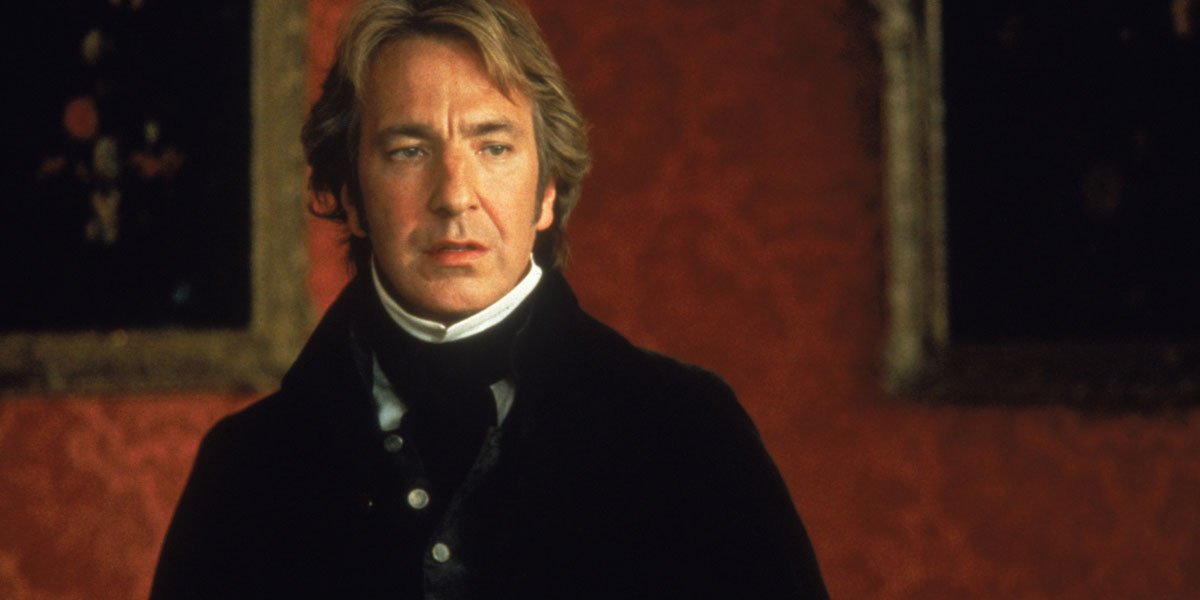
Thus, Colonel Brandon must wait in the wings, ever true and ever patient, caring deeply for Marianne and wanting the best for her, even if it means watching her break her heart and health over Willoughby.

Mr. Wrong: The Problem with Willoughby

As in life, Jane Austen’s characters often have to fall for Mr./Ms. Wrong before they can appreciate Mr./Ms. Right. In some of her novels, she even uses a “red herring” to keep her readers distracted (Frank Churchill is one such example). In Sense and Sensibility, Marianne Dashwood falls for a young, dashing, handsome, attractive man who appears to be everything she’s ever hoped for in a man.

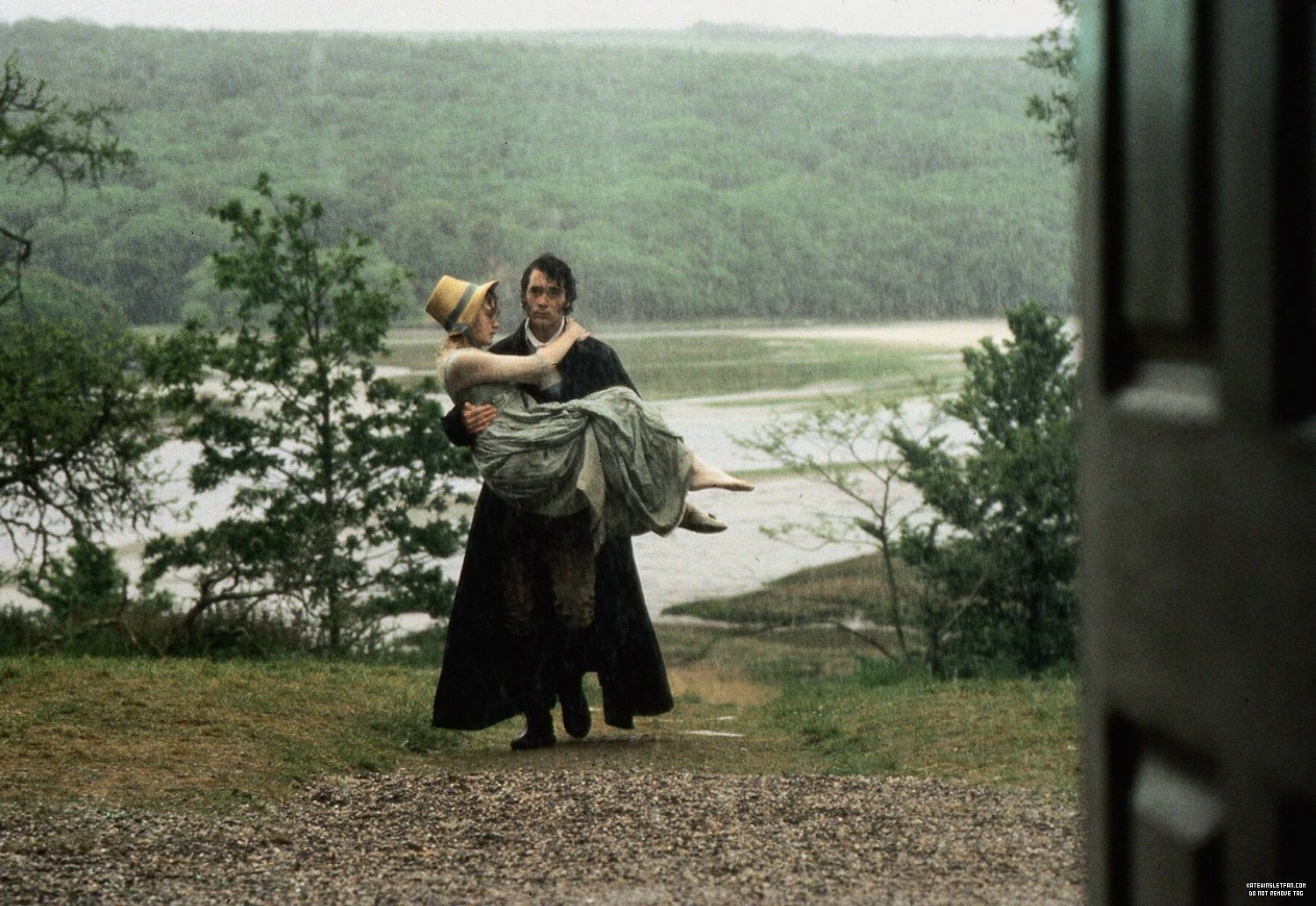
To make matters even more exciting, their “meet-cute” involves an intoxicating rescue scene where Willoughby lifts Marianne and carries her home after she falls down and is hurt. How could a young lady, especially a young romantic woman like Marianne, not fall for a strong, handsome man who literally sweeps her off her feet and carries her through the rain to safety.

The problem is, no matter how dashing, friendly, attractive, romantic, or exciting Willoughby might appear, he is not who he seems. As we later find out from Colonel Brandon, Willoughby has a checkered past and has impregnated (at least) one young woman out of wedlock, without taking any responsibility for her care, sufficiently ruining her reputation and her chances (in that time/culture) of a happy future.

But, you might ask, how could anyone have known, since the fate of Colonel Brandon’s ward was unknown to any of the Dashwoods until much later? Though no one could believe just how bad he is, Austen does provide clues about Willoughby’s character through her descriptions of his conduct. He frequently crosses lines of propriety (usually a red flag in Austen’s novels) and makes himself far too cozy and familiar with Marianne without making any firm promises.

Today, dozens of movies and books follow a similar script. We often see characters like Mr. Willoughby, Mr. Wickham, and Mr. Crawford who are just a little bit too handsome, too dashing, and too perfect to actually be Mr. Right.

Ms. Wrong: The Problem with Lucy Steele

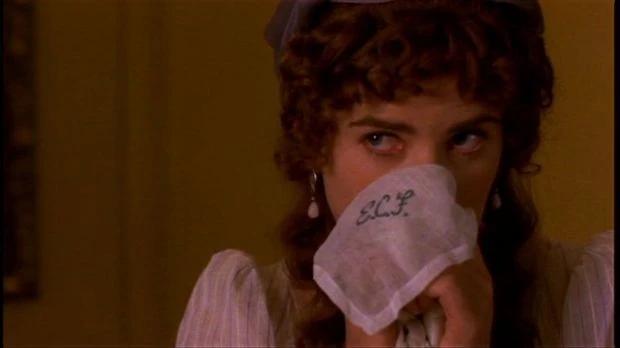
The problem with Lucy Steele is more a matter of youthful ignorance and inexperience. Edward Ferrars is captivated by Lucy’s beauty and, due in part to forced proximity, experiences young love and makes a commitment to someone who does not match his personality, intelligence, values, or interests in life. Austen describes her as “illiterate, artful, and selfish” – certainly no match for a thoughtful, principled man like Edward.

Not surprisingly, he soon regrets committing himself to a woman like Lucy:

The youthful infatuation of nineteen would naturally blind him to every thing but her beauty and good nature; but the four succeeding years—years, which if rationally spent, give such improvement to the understanding, must have opened his eyes to her defects of education, while the same period of time, spent on her side in inferior society and more frivolous pursuits, had perhaps robbed her of that simplicity which might once have given an interesting character to her beauty.

Sense and Sensibility

And while Lucy at first only appears to be an ignorant, vapid girl without much sense, we quickly realize she is far less sweet and far more dangerous than meets the eye. She’s not in love with Edward; she merely sees him as a “way up.” We later find out that she’s a conniving “gold digger” (to use today’s terms) who is looking for any way to climb the social ladder and make the best match she can, regardless of who she hurts or what anyone thinks.

This type of female red herring shows up in many popular romantic movies and books today as well. However, in many of today’s plot lines, this type of female character tends to be some kind of shark in the business world who cares more about appearances and getting ahead than building a loving relationship and happy life with the handsome main character.

Finding Mr. (Colonel) Right

Marianne must go through heartache before she can appreciate or fall in love with Colonel Brandon. He watches and waits, hoping against hope, until she begins to blossom and heal from her broken heart. His steadiness, thoughtfulness, and gentlemanlike manner is a welcome change from the high drama and passion of her first attachment, and soon an attachment forms:

Instead of falling a sacrifice to an irresistible passion, as once she had fondly flattered herself with expecting,—instead of remaining even for ever with her mother, and finding her only pleasures in retirement and study, as afterwards in her more calm and sober judgment she had determined on,—she found herself at nineteen, submitting to new attachments, entering on new duties, placed in a new home, a wife, the mistress of a family, and the patroness of a village.

Colonel Brandon was now as happy, as all those who best loved him, believed he deserved to be;—in Marianne he was consoled for every past affliction;—her regard and her society restored his mind to animation, and his spirits to cheerfulness; and that Marianne found her own happiness in forming his, was equally the persuasion and delight of each observing friend. Marianne could never love by halves; and her whole heart became, in time, as much devoted to her husband, as it had once been to Willoughby.

Sense and Sensibility

In today’s popular movies and books, a character like Colonel Brandon is sometimes the childhood best friend or the nerdy next door neighbor that suddenly turns handsome. It’s usually a matter of the main character being blinded at first by a passionate but unhealthy relationship and then “coming to their senses” and noticing the quality person that’s been there all along.

As far as the age-gap between Brandon and Marianne (which was quite common during Austen’s day and culture), many of today’s romantic storylines, such as As Good as It Gets, Crazy Heart, and Autumn in New York, feature a May-December romance.

Finding Ms. Right

From the moment they meet, it’s clear that Elinor and Edward are perfect for one another in every way. For Edward, once he meets a woman of Elinor’s caliber, there is no question that she is far superior to Lucy Steele.

However, Edward is a man of his word and refuses to do wrong by Lucy Steele. This honorable choice only serves to make Edward more attractive, even though Elinor is pained deeply by the knowledge that he must marry an ignorant woman he does not love. Like Brandon, Elinor waits patiently, enduring much pain, until Edward is finally set free.

Dozens of movies and televisions shows use this type of plot line where the main character must come to the realization that their current relationship is all wrong and someone else is a much better fit. Sweet Home Alabama is one mainstream movie example of this type of love affair.

Love Triangles in Popular Media

More romantic comedies feature a love triangle of some kind in today’s world of romantic writing.

The following are some popular movies (and/or books) with this theme: Pretty in Pink, While You Were Sleeping, The Notebook, Beauty and the Beast, Spider-Man, The Hunger Games, Titanic, Twilight (Team Edward v. Team Jacob), My Best Friend’s Wedding, Bridget Jones’s Diary, Sabrina, Reality Bites, Gone with the Wind, Something Borrowed, Pearl Harbor, Pirates of the Caribbean, and The Princess Bride.

Some well-known television love triangles include: Dawson’s Creek, Friends, Gilmore Girls, The Office, Beverly Hills 90210, Sex & The City, How I Met Your Mother, Felicity, Outlander, The Summer I Turned Pretty, Never Have I Ever, Friday Night Lights, Lost, and Grey’s Anatomy.

Though none of these shows or movies holds a candle to Austen’s writing, it’s clear that love triangles and plot twists about finding and/or waiting for Mr./Ms. Right continue to keep audiences coming back for more.

Happily Ever After

In the end, everyone lives happily ever after. (Except, of course, those characters whom Austen deems foolish or undeserving of true happiness.) As always, Austen provides her reader’s with a satisfying ending: “Let other pens dwell on guilt and misery. I quit such odious subjects as soon as I can, impatient to restore everybody not greatly in fault themselves to tolerable comfort, and to have done with all the rest.”

As we close this pop culture series on Jane Austen and Rom Coms, I’d love to know which couples and romantic themes are your favorite(s) in her novels!


RACHEL DODGE teaches college English classes, gives talks at libraries, teas, and book clubs, and writes for Jane Austen’s World blog. She is the bestselling author of The Little Women DevotionalThe Anne of Green Gables Devotional and Praying with Jane: 31 Days Through the Prayers of Jane Austen. Now Available: The Secret Garden Devotional! You can visit Rachel online at www.RachelDodge.com.

Read Full Post »

As we continue to analyze Jane Austen’s novels and identify the best romantic tropes used in each one, we’re well on our way to proving that Austen not only used romantic themes ingeniously but also played an important role in developing several key plot devices that are regularly used in modern filmmaking today.

Last month, I wrote about Rom Coms and Emma. This month, I’m delving into Mansfield Park and finding the romantic themes found in the novel that are commonly found in romantic movies today.

Mansfield Park, 1st Edition, 1814, Swann Auction Galleries

Romantic Themes in Mansfield Park

In Mansfield Park, there are several themes that ring true as romantic tropes we’re familiar with today:

The Ugly Duckling-Turned-Swan (aka the “Make-over”)

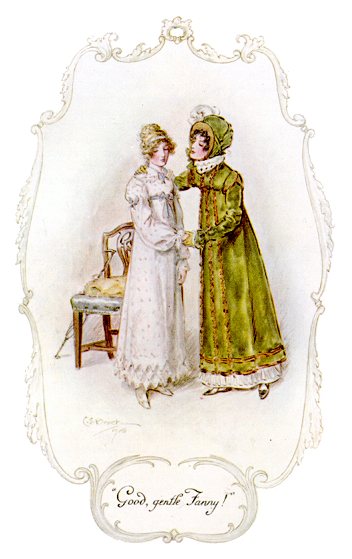
Following this train of thought, we see Fanny Price blossom and come into her own in MP. Her transformation isn’t necessarily outward. She doesn’t exactly go to the mall and get a makeover, but she does come out of her shell and begin to stand on her own two feet.

The “makeover” in this novel is actually a bit inverted because while Fanny later gains some of her own agency and confidence, the real change that occurs is that the people around her finally see her for who she really is and start to value her!

The Diamond-in-the-Rough

Adjacent to the “ugly duckling” theme, many rom coms play with the idea that the main character is wonderful just as she is, but she is overlooked, shy, or overshadowed by other characters. There’s usually an “a-ha” moment where one or more characters finally see the main character in a new way.

In MP, Edmund and his family members finally wake up and see Fanny for her true worth. Miss Crawford is the shiny object that distracts Edmund from much of the novel from seeing Fanny’s quieter brilliance.

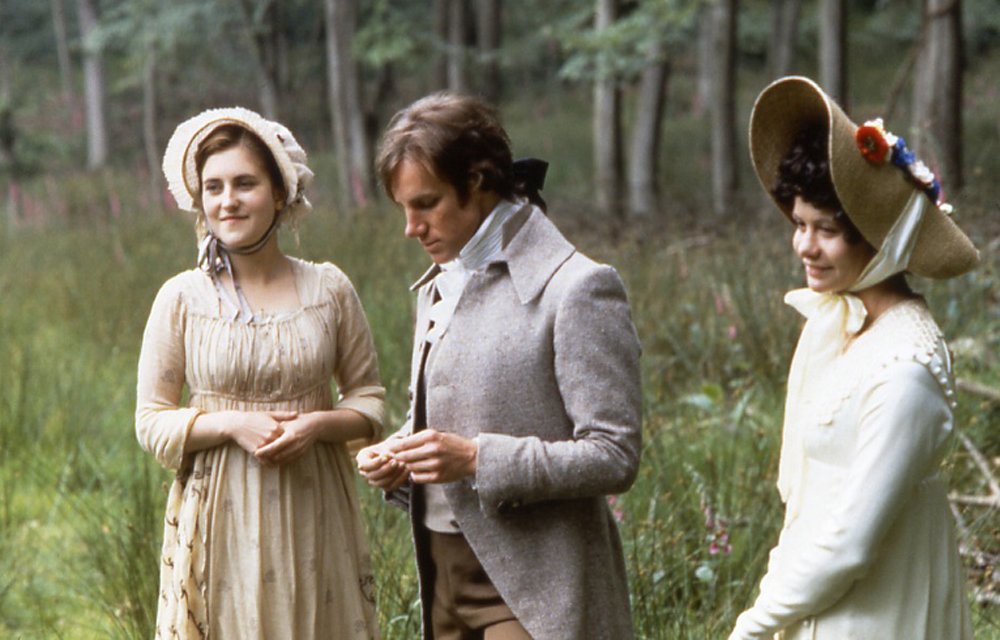
Mansfield Park (1983)

Red Herring (aka, the Shiny Object)

Similar to the chemistry and relationship between Emma and Mr. Knightley (and the Frank Churchill distraction), there’s a red herring (or several) in Mansfield Park as well.

In The Take’s “The Rom Com Explained,” we find this explanation of the red herring theme: “Rom-com leads often start out with a red herring love interest who seems very appealing but turns out to be all wrong. Meanwhile, as the protagonist spends time with someone they aren’t actively trying to impress, they can be their unfiltered self and get to know the other person in a real way. This long-developing chemistry leads to a moment of epiphany, where the character suddenly realizes the feelings that have been crystal-clear to the viewer all along.”

In Mansfield Park, the arrival of Henry and Mary Crawford (siblings) is the pebble thrown into the pond at Mansfield. This disrupts the regular rhythm of life for Fanny and Edmund and the rest of the Bertram family and sets the plot spinning.

Henry throws a wrench into several plot lines, while Mary comes between Fanny and Edmund. Edmund, dazzled by Mary’s beauty, is blinded by Mary and only sees her through rose-colored glasses. Fanny waits in the wings, heart aching, as he falls for Mary.

Mary, similar to Wickham, Willoughby, and others, is the “shiny object” that keeps Edmund distracted and causes havoc for Fanny. Fanny cannot prove what she thinks is wrong with either of the Crawfords. She has no other recourse but to wait patiently until Mary and Henry both show their true colors.

Mansfield Park (2007)

Best Friends-to-Lovers

Of all the themes in rom coms used today, Best Friends-to-Lovers is one of the most popular and it fits Mansfield Park beautifully. While Emma and Mr. Knightley have a bit of this vibe, much of their chemistry comes from their sparring matches (like Elizabeth and Darcy). But with Fanny and Edmund, they are incredibly close friends who share many of the same interests, qualities, and values. Edmund is the first person to take an interest in Fanny when she comes to live at Mansfield.

If you think of MP as a new school, Fanny is the new kid and the popular kids won’t talk to her or play with her. Edmund is different. Edmund helps Fanny when she is sad and lonely. At first, she looks up to him, but as they grow up, mutual respect and affection grows. Later, at least for Fanny, love begins to bud.

The Love Triangle

As in most Austen novels, there’s a love triangle, which is probably the most popular trope in most romantic comedies today.

In Mansfield Park, there are multiple love triangles, but we don’t see all of them at first. The one we focus on most is the Fanny-Edmund-Mary triangle. While Fanny hides lovelorn feelings for Edmund, Edmund doesn’t see Fanny as more than a friend/cousin he grew up with. Miss Crawford comes to town at exactly the wrong moment and steals the show.

Until Edmund sees Miss Crawford for her true self, he is blinded by her alluring personality and beauty and cannot see Fanny standing right in front of him.

Love Triangles similar to Mansfield Park

When I started looking for modern movies with similar themes (Best Friends-Turned-Lovers, Ugly Duckling-Turned Swan, Unrequited Love), I posted questions on my Instagram account (@KindredSpiritBooks) and on the Jane Austen Fan Club on Facebook. I received dozens and dozens of answers to this intriguing question!

If you’ve ever wanted to know what themes come up most often in movies, take a look at this list; it’s the longest list I’ve had yet in this series. There’s no denying that movie-goers respond well to love triangles—especially when the triangle involves two close friends finally realizing their love for one another!

The Holiday, 10 Things I Hate About You, 13 Going On 30, A Cinderella Story, A Walk to Remember, Always Be My Maybe, America’s Sweethearts, Can’t Buy Me Love, FRIENDS (Chandler and Monica), Crossing Delancey , Drive Me Crazy, Easy A, Ever After, Get Over It, Grease, He’s Just Not That into You, Love and Basketball, Love, Rosie , Made of Honour, Maid in Manhattan, Miss Congeniality, Moonstruck, Never Been Kissed, Pretty in Pink, Pygmalion (My Fair Lady), Sabrina, She’s all That, She’s the Man, Sixteen Candles, Some Kind of Wonderful, Something Borrowed, Superman, The Duff, The Office (Jim and Pam), The Perfect Man, The Princess Diaries, The Summer I Turned Pretty, The Truth About Cats & Dogs, Trojan War, Whatever It Takes, While You Were Sleeping, Wild Hearts Can’t Be Broken, Win a Date with Todd Hamilton, Yesterday, Your Place or Mine.

Always Be My Maybe
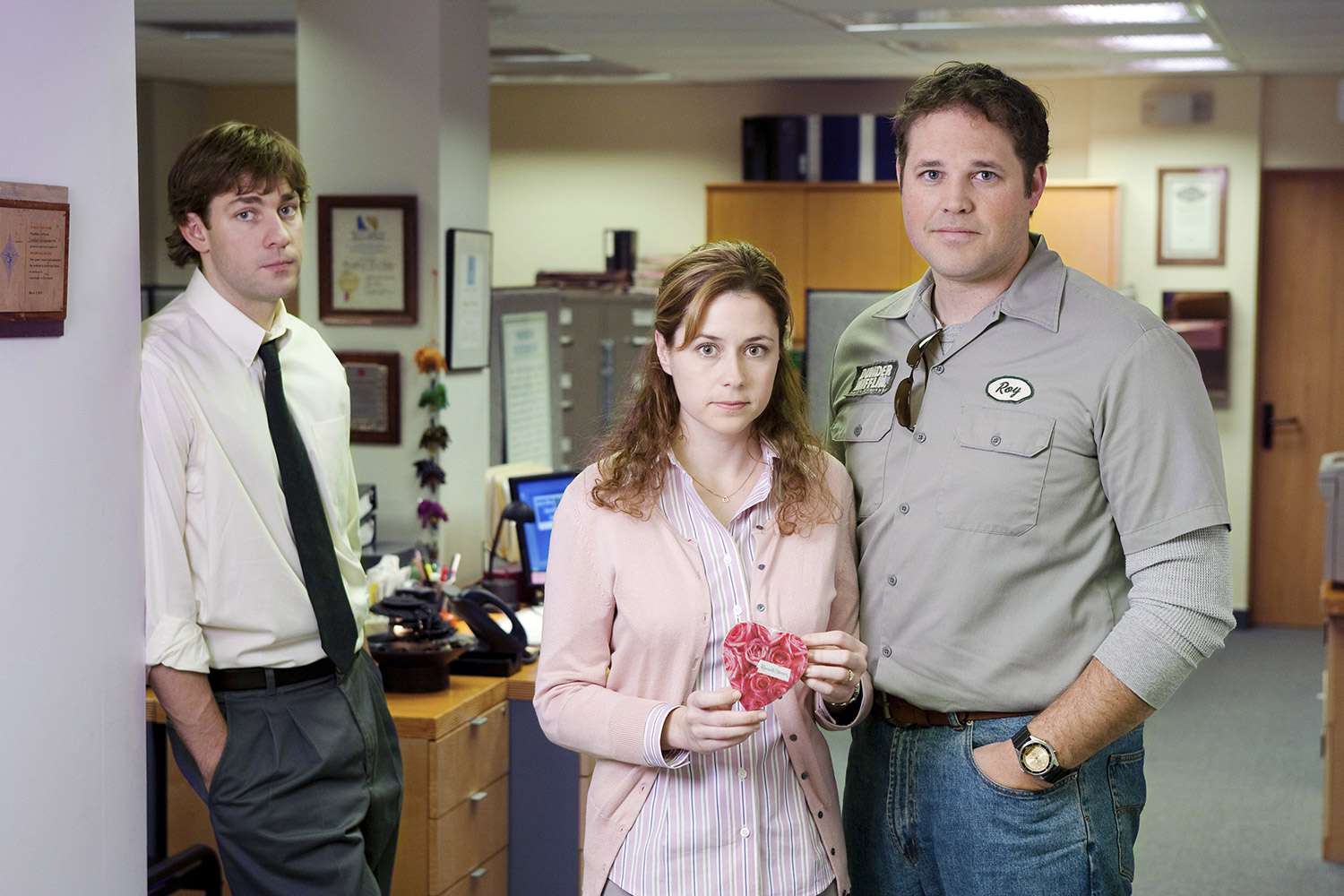
Jim, Pam, and Roy from The Office

When asked what themes they saw in Mansfield Park that are common in romantic films today, several fans quipped, “The Cousins-to-Lovers” theme? Which made me laugh out loud. Yes, cousins did marry cousins during Austen’s time, but it’s still a funny remark.

I’m sure you can add others to this list! In each of these movies, there is some element of MP present.

Fanny Price

When I took these polls, the one thing everyone agreed on was this: We like Fanny Price because she doesn’t change her morals, her convictions, or her personality just to gain acceptance or love. She does blossom, but she doesn’t change. She is the same through-and-through, which makes her a very admirable heroine. Edmund finally wakes up and begins to see her in a new light, but she doesn’t become more like Mary Crawford; she remains steady, true Fanny.

Fanny has a lot to lose in terms of a future when she refuses to give in to Henry Crawford’s proposal and her uncle’s pressure. Without an inheritance of her own, her only options are to continue living with her aunt and uncle Bertram as long as they will have her or find work as a governess. And yet, though she’s timid and easily intimidated, she does not yield.

Mansfield Park (2007)

Have you seen any of the film versions of Mansfield Park? If so, which one do you think remains most faithful to the original text? (I’ve yet to find one that I enjoyed as much as the novel, but I’m open to suggestions!)

Are there any other books or movies in this genre that allow the heroine to stay true to herself as she wait patiently for her dreams to come true?


RACHEL DODGE teaches college English classes, gives talks at libraries, teas, and book clubs, and writes for Jane Austen’s World blog. She is the bestselling author of The Little Women DevotionalThe Anne of Green Gables Devotional and Praying with Jane: 31 Days Through the Prayers of Jane Austen. Now Available: The Secret Garden Devotional! You can visit Rachel online at www.RachelDodge.com.

Read Full Post »

Reviewed by Brenda S. Cox

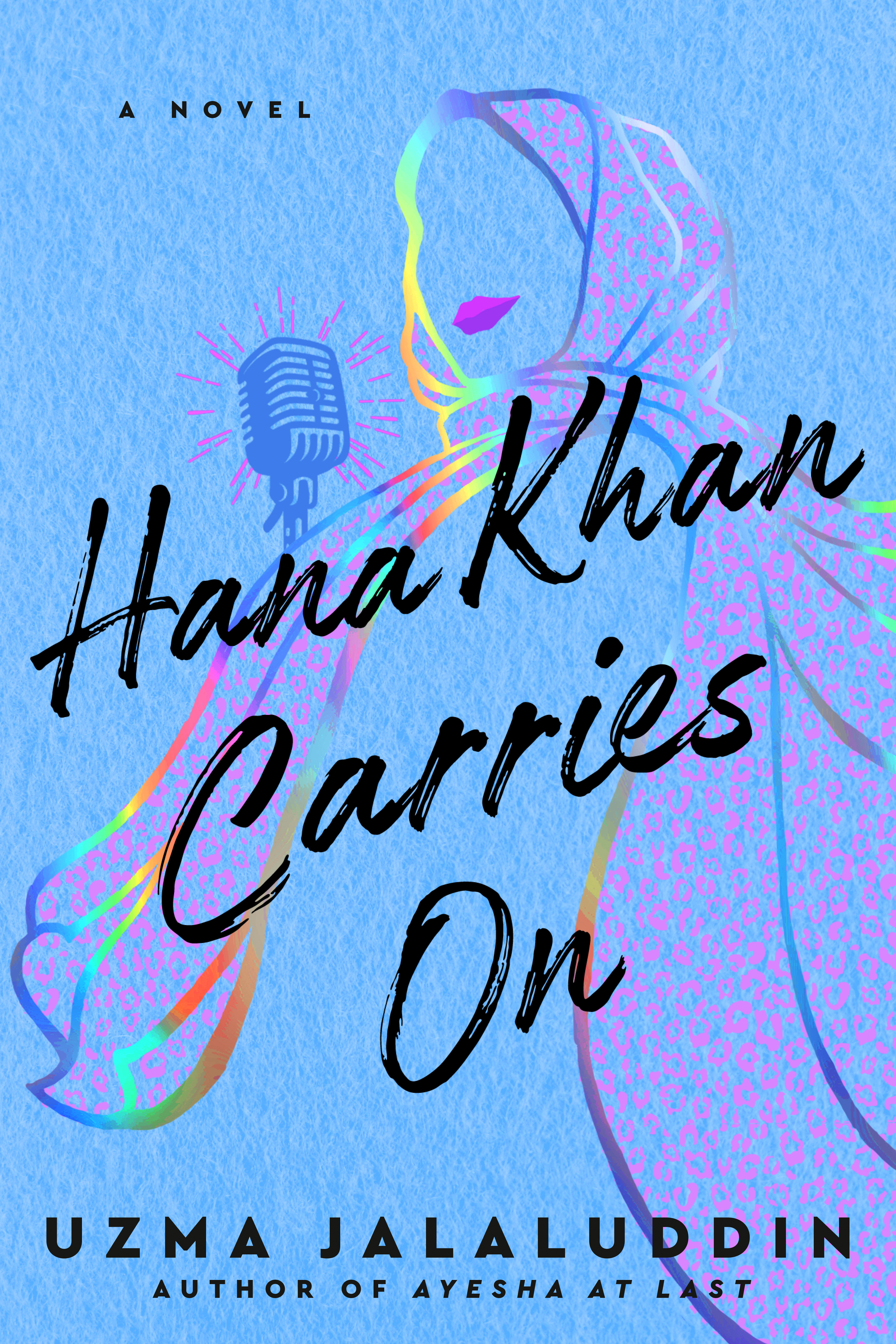
At the 2022 JASNA AGM, Renata Dennis (head of JASNA’s Diversity Committee*) virtually interviewed author Uzma Jalaluddin. Uzma came across as friendly, passionate, and joyful. As I left the room, I overheard one participant saying, “Uzma seems like someone I could be friends with,” and I felt the same. That session encouraged me to go back and reread Uzma’s novel Ayesha at Last (a variation on Pride and Prejudice), and also to read her newest book, Hana Khan Carries On (a variation on You’ve Got Mail).

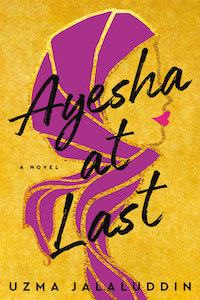
Ayesha at Last by Uzma Jalaluddin gives a modern Canadian Muslim twist to Pride and Prejudice.

In Ayesha at Last, Ayesha is a modern-day Elizabeth Bennet, while Khalid is her Mr. Darcy. Both are from Indian-background Muslim families in Canada, and both have experienced loss and tragedy. Their Muslim community faces challenges, and they try to help, though their ideas don’t always match.

Uzma told us that she wanted to show an “observant” Muslim as a character we could understand and relate to, so she introduced Khalid. (“Observant” here means that he strictly observes the practices of his faith.) Khalid finds his identity in wearing a long white robe, a white skullcap, and a bushy beard. He doesn’t shake women’s hands (sign of a strict Muslim), and tends to judge others, though he treats them with respect. He works hard and does well in his company. But a new boss arrives who is prejudiced against him for his religion and appearance. She looks for excuses to fire him.

Ayesha is a poet, working as a substitute teacher but unhappy with teaching. She wears a purple hijab—traditional, but not. She is also a committed Muslim, but not as strict as Khalid. Sparks fly when they meet. A villain, of course, tries to come between them.

The story is compelling and I found it hard to put down.  The characters are well-drawn and interesting. Uzma Jalaluddin gives us insight into a Muslim community in Toronto, Canada, their mosque and community center, and the challenges they face. The novel is a clean read (although there is some discussion of pornography).

In an illuminating online article, Uzma Jalaluddin says, 

“I write romance novels.

“That’s not what I set out to do when I first put fingers to keyboard. I wasn’t thinking about genre at all. All I knew was that I wanted to write funny, joyful books about characters I had rarely seen represented on the page; characters who looked like me, and who would bring a different perspective to the traditional love story.

“I write romantic comedies so that I can see my stories represented in the world.”

Hana Khan Carries On is another entertaining story set in the same community.

In Uzma Jaluluddin’s second excellent novel, Hana Khan Carries On, her heroine focuses on the need for “more entertaining stories that represent all of our experiences, not just our pain.” Hana Khan is a budding broadcaster who insists on stories that reflect many dimensions of her Toronto Muslim community, not just tragedies and stereotypes. She asks “The Big Questions: ‘What do you want out of life? What do we owe the people we love? How do our histories and stories influence who we become?” Uzma Jalaluddin says those questions “form the backbone” of all her stories.

Like Jane Austen and all good writers, Uzma Jalauddin gives us three-dimensional characters. We can relate to them on many levels, while also seeing their uniqueness. She entangles them in plots that are fun and compelling to read.

I recommend both Ayesha at Last and Hana Khan Carries On.

Note: Previously I reviewed another excellent Austen variation set in a Muslim community: Soniah Kamal’s Unmarriageable, a Pride and Prejudice retelling set in Pakistan. 

*The JEDI Committee: JASNA Equity, Diversity, and Inclusion Committee

Brenda S. Cox, author of Fashionable Goodness: Christianity in Jane Austen’s England, also writes at Faith, Science, Joy, and Jane Austen.

Read Full Post »
Book Review by Brenda S. Cox

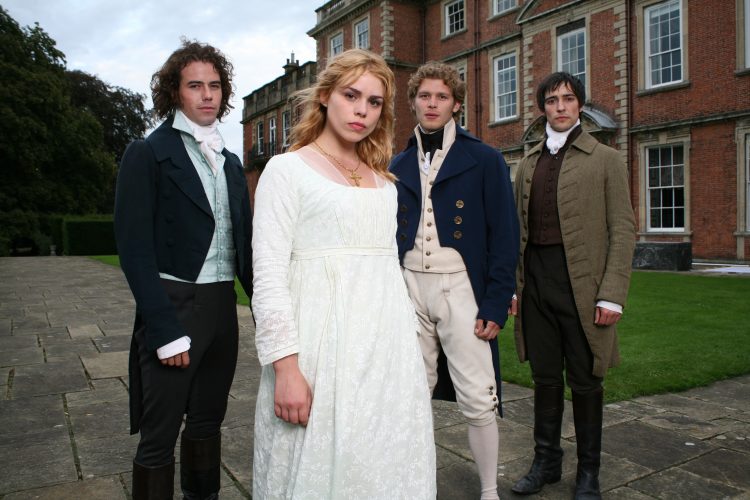
“I have had ample time to consider the difference between my former, naïve ideas of love and happiness, and the more mature and accurate view of them I now possess. I find that my opinions are quite transformed. How differently I feel about everything now! – about what I want, about what will make me happy.”—Marianne Dashwood in the last chapter of Colonel Brandon in His Own Words

Colonel Brandon is a bit mysterious. He has a tragic past, which we only see in glimpses. Readers sometimes think he is too serious for Marianne, and we don’t see much of their courtship or love story. Movies add some of this in, but not enough, in my opinion.

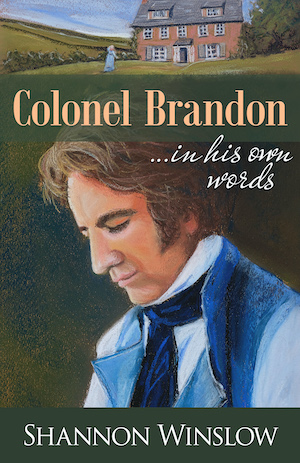
Colonel Brandon in His Own Words, by Shannon Winslow, fills in the blanks about Brandon’s background, his connections with both Eliza’s, and his romance with Marianne.

So, I loved reading Colonel Brandon in His Own Words, by Shannon Winslow, which filled in the blanks and brought Brandon more to life for me. The story is consistent with Sense and Sensibility, but adds new insights to the novel.

Sometimes I hesitate to read a parallel Austen story, thinking I will already know everything in it since I know the novel so well. But this time each page brought something new. Even when familiar incidents were included, from Brandon’s perspective, I sometimes had to go back to S&S and check—was it really like that? And it was.

I asked the author to tell us more about why she wrote this book, and what she loved about writing it. Here’s what she shared with us:

Shannon Winslow’s Thoughts on Colonel Brandon in His Own Words

If you’re unfamiliar with my work, the first thing you should know is that I’m a little different – probably in a lot of ways, but I’m talking about my writing philosophy. It’s different from most other JAFF authors in at least two respects. Let me explain.

First, I love ALL of Jane Austen’s novels. Okay, maybe not equally. Like most people, Pride and Prejudice is my favorite, but they’re ALL worth reading. They’re ALL worthy of our attention. So, early on, I decided I wanted to write at least one novel related to each of Jane Austen’s six. And I’m almost there!

I have Pride and Prejudice covered (The Darcys of Pemberley, Return to Longbourn, The Ladies of Rosings Park, Miss Georgiana Darcy of Pemberley, Fitzwilliam Darcy in His Own Words). I wrote The Persuasion of Miss Jane Austen (probably the book of which I’m proudest!) for her fans who wish she’d enjoyed the romance and happy ending she crafted for all her heroines. I count Leap of Hope as my Mansfield Park book (although there’s a lot of P&P in it too). And I have a campy sequel to Northanger Abbey: Murder at Northanger Abbey. Now with Colonel Brandon in His Own Words for Sense and Sensibility, I only have Emma left to go!

The second major difference between me and most other JAFF (Jane Austen Fan Fiction) authors is that I don’t write “variations” per se. I can’t swear that I never will, but so far the books I’ve written expand on (or supplement) Jane Austen’s stories; they don’t change them. So all my books agree with each other and with canon. It’s just the approach that works best for me. I guess I’m sappy enough to believe that there’s one “true story” for the characters I’ve come to know and love, and that’s the one Jane Austen wrote. Adding on (with sequels, minor character stories, etc.) simply allows us to spend more time in their delightful company.

In other words, filling in the blanks Jane Austen left behind is my bread and butter, and there are a LOT of intriguing blanks when it comes to Colonel Brandon. Sense and Sensibility follows Marianne’s and Elinor’s movements primarily, so they are well covered. But there’s quite a bit of time when the men (Edward and Colonel Brandon) are “off camera,” so to speak, creating interesting blanks in the record. Since I really enjoyed writing the first-person, hero’s point of view in my previous book (Fitzwilliam Darcy in His Own Words), I decided to do the same kind of thing for my S&S novel. But should I go with Edward or Colonel Brandon? Hmm.

No contest. In my opinion, Colonel Brandon is not only the more admirable character, he also has the more interesting backstory to work with. There’s so much we don’t know about him, though, and much of what we do happened long before the scope of the original novel. What were his family relationships like? And his sad history with Eliza, which scarred him for life? These things are briefly mentioned in Sense and Sensibility, but we don’t get any details. We don’t see and experience them for ourselves. What about his military years in India? That sounds like a research rabbit hole waiting to be explored. Lots of story potential!

I was also excited to flesh out Brandon’s romance with Marianne, huge portions of which are only hinted at by Jane Austen. She simply didn’t have the time and space to go into their 2-year courtship in any depth, but I did! I cover the day they met, their slow, gentle courtship, the proposal itself (with a very satisfying twist!), and then a brief glimpse into their married life. Everything is from Brandon’s point of view and in His Own Words.

It was such a joy to spend this past year with Colonel Brandon – quiet hero and consummate gentleman – poking around in his head, discovering more about the man, learning what he believes and how he thinks. I love and respect him all the more now! I hope you are a fan as well, or I trust you will be after reading his full story in Colonel Brandon in His Own Words.

More on the Book and the Author

Here’s the cover copy of the book:

Colonel Brandon is the consummate gentleman: honorable, kind almost to a fault, ever loyal and chivalrous. He’s also silent and grave, though. So, what events in his troubled past left him downcast, and how does he finally find the path to a brighter future? In Sense and Sensibility, Jane Austen gives us glimpses, but not the complete picture.

Now Colonel Brandon tells us his full story in His Own Words. He relates the truth about his early family life and his dear Eliza – his devotion to her and the devastating way she was lost to him forever. He shares with us a poignant tale from his military days in India – about a woman named Rashmi and how she likewise left a permanent mark on his soul. And of course Marianne. What did Brandon think and feel when he first saw her? How did his hopes for her subsequently rise, plummet, and then eventually climb upwards again. After Willoughby’s desertion, what finally caused Marianne to see Colonel Brandon in a different light?

This is not a variation but a supplement to the original story, chronicled in Brandon’s point of view. It’s a behind-the-scenes look at the things Jane Austen didn’t tell us about a true hero – the very best of men.

Shannon Winslow, whose goal is to fill in the blanks Austen left behind.

Shannon Winslow says an ordinary trip to Costco fifteen years ago changed her life when she picked up a copy of the ’95 miniseries of Pride and Prejudice. She’s been hopelessly hooked on all things Jane Austen ever since, her obsession ultimately inspiring her to write her own stories a la Austen. To date, she has authored eleven novels and a Jane Austen Devotional, with no end to her creative output in sight. Her two sons now grown, Shannon lives with her husband in the log home they built in the countryside south of Seattle, where she writes and paints in her studio facing Mr. Rainier. Visit her at her website and follow her on Facebook.

From Brenda again:

I highly recommend Colonel Brandon in His Own Words, especially to read in this year of focusing on Sense and Sensibility. I think it will add to your appreciation of S&S. I hope you will enjoy it as much as I did!

Brenda S. Cox writes on Faith, Science, Joy, and Jane Austen. Her book Fashionable Goodness: Christianity in Jane Austen’s England will be out this fall, Lord willing. If you’re interested in faith aspects of the book, see this review. And for Austen news, follow her on Facebook.

Read Full Post »
Older Posts »