Feeds:
Posts
Comments

Archive for the ‘Mansfield Park’ Category

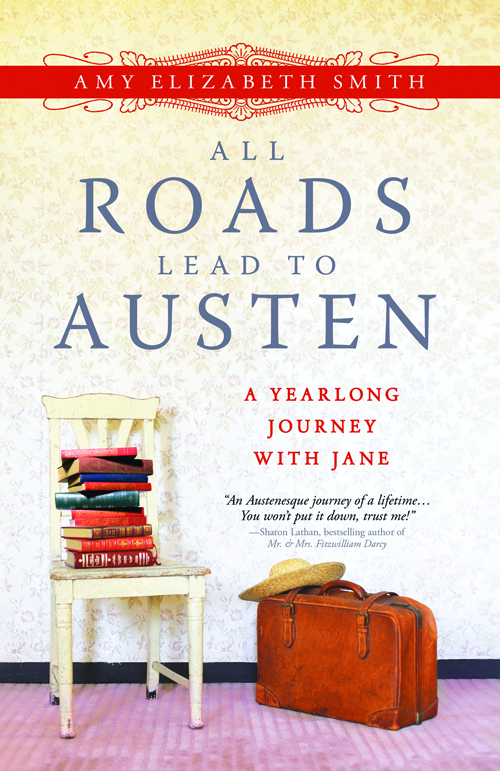
Inquiring Readers: All Roads Lead to Austen: A Yearlong Journey with Jane Austen by Amy Elizabeth Smith is now available through Sourcebooks. I will be reviewing this fabulous, intelligently written book later this week. Meanwhile, enjoy my interview with Ms. Smith about her Latin American adventure as she discusses Jane Austen’s novels en Español with Latin American book groups. All readers of this blog from any country can enter a contest to win a copy of this charming book. Please click on this link and leave your comment. Make sure to leave a way I can reach you. Contest is now closed!

Amy, I love that Jane Austen, a spinster who didn’t travel far or frequently in her lifetime, is so beloved the world wide over. Which country surprised you most in terms of her popularity there and why?

I found translations of Austen left and right in bookstores in Argentina. I met plenty of people there who’d read Austen and liked her or who’d seen film adaptations of her novels and enjoyed them. And the Jane Austen Society of Buenos Aires was the first Austen society in South America. But sometimes it’s hard not to be influenced by stereotypes about people — I’d heard that Chileans were “the English of South America,” so somehow I thought Austen would be popular in Chile. But when I was living in Santiago, the capital (which I absolutely loved), a number of people told me Austen’s not very well known in Chile.

As for Argentineans, I’d heard over and over from people in Mexico, Guatemala, Ecuador, and other places that Argentineans are, well, pretty arrogant. Other latinos kept passing on jokes like, “When Argentineans see lightening, what do they think is happening? They think it’s God, taking their picture!” So, I guess I got the idea that Argentineans might think Austen was stuffy or old fashioned or some such thing. But she’s popular, at least in Buenos Aires, according to my experiences.

What aspects of that particular culture do you think Jane would have enjoyed the most?

Bookstores, bookstores, bookstores. I had great experiences in bookstores all over Latin America, but Argentina — and Buenos Aires specifically — really is the bookstore capital of South America. It’s so easy for us now to take for granted that we can get our hands on just about any book we want, any time. We’ve got access to bookstores, next-day delivery with websites, and good public libraries. And electronic readers have made it easier than ever — just order whatever book you want, wherever you are on the planet! But imagine what it must have been like for an imaginative, inquisitive reader like Austen — how often did she ever set foot in a bookstore? How often could she afford to pay for books from a circulating library? How many books did her family or friends or neighbors actually own? I think Austen would have fainted from sheer pleasure at the sight of bookstore after bookstore on Avenida Corrientes in Buenos Aires.

Librerias Libertador: One of my favorite bookstores on Corrientes, in Buenos Aires

Jane Austen fans cross all religious boundaries. Can you identify any characteristics that Janeites share across the world, besides their obvious love for Jane Austen’s novels?

I honestly can’t speak for many places beyond Latin America (although I might try a next project in some other interesting countries!). But I suspect that there’s a kind of optimism that people — especially women — love about Austen. Her leading ladies find love, not in spite of being strong and intelligent, but because of it. That’s a pretty appealing idea in a world were, in many places, women are still told they’d better not appear too smart, or they’ll scare men off.

What were some of your most memorable experiences in writing this book?

I actually started the book while I was still traveling, although I didn’t finish it until after my trip was done. I wrote the first portion on Guatemala while I was living in Puerto Vallarta, Mexico. I was living well away from the tourist area, renting a partially-finished house that had glass in only one or two windows, so it was pretty noisy — street vendors would cruise by with loudspeakers, selling ice cream, vegetables, you name it. The people across the street had a huge bird caged outside their house that shrieked and chattered like a demon. And animals would wander in at will — there was one very persistent cat that kept making me jump out of my skin by appearing under my writing table with no warning.

There were animals all over the place in that neighborhood — no leash laws for dogs, and some of the neighbors had roosters and other farm animals. When I wanted a break from writing, I’d wander out to buy groceries or take my clothes to the laundromat. I always carried them in a plastic bag, and there was this goat a few houses down from me that was only tied up about half of the time. When it was loose, it usually ignored me, but when I had that plastic bag with laundry, it would come bolting after me — maybe its food came in a plastic bag, and it thought I had something good to eat? Or maybe it knew I had laundry and really wanted to eat my socks. Who knows. Sometimes I actually miss that goat — laundry day’s not the same without it.

A friendly neighborhood rooster from Puerto Vallarta, Mexico

Thank you, Amy, for your wonderful insights and good luck with your book. (I just love the cover!) Is there anything else you would like my readers to know about All Roads Lead to Austen?

Amy Elizabeth Smith

I had two main sources of inspiration for this book — Azar Nafisi’s Reading Lolita in Tehran, and my own Jane Austen students at the University of the Pacific, in California. Readers can enjoy All Roads as a fun opportunity to sit back and be an armchair traveler, but I’d also love it if the book inspired some other international journey I could sit back and read about. Austen in China? Turkey? Belgium? Bora Bora? I’d love to see somebody else take on a journey like this with Jane. Even if they don’t want to write a whole book about it — I’d love to have people share reading-on-the-road stories on my website (http://allroadsleadtoausten.com/). Consider that an official invitation! And thanks so much for letting me visit here at Jane Austen’s World!

To Enter the Contest: Please make sure to leave your comment on Jane Austen Today at this link. The first two comments left on this post will be included in the random number generator drawing at midnight EST USA time on June 11. Please leave all other comments on Jane Austen Today. Make sure to leave a way I can reach you. 
Read Full Post »

Since the 18th century, satirists have had a fun time mocking dandies. In Hogarth to Cruickshank: social change in graphic satire, 1967, (Walker Publishing)  Mary Dorothy George classified 3 different kinds of print-shop dandies: 1.) the notorious dandy, 2) the effeminate dandy, and 3) dandies who were slavish in their imitation of  Beau Brummel.
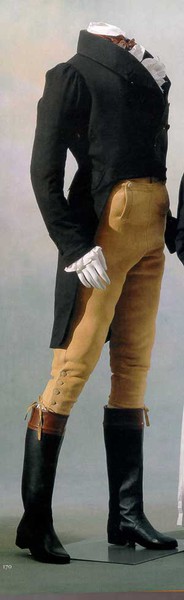
Buckskin breeches, clawhammer coat, and riding boots. This ensemble from the Kyoto Costume Institute could well have been worn by Mr. Darcy as he toured the grounds of Pemberley.

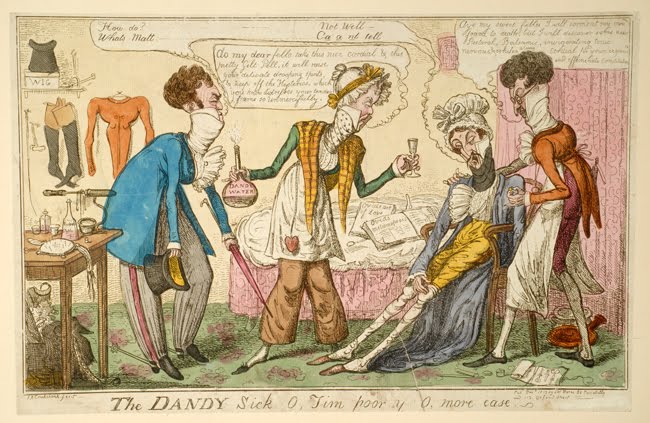
I would add to those categories two more distinctions: the powerful dandy and the ridiculous dandy, or one who, from behavior or social standing, is a wholly ridiculous and insignificant creature. The latter exquisites, along with the slavish imitators and effeminate dandies, were fodder for cartoonists, especially Robert and Isaac Cruikshank, who took great glee in lampooning them in a series of hand colored engravings.

This exquisite was a wholly ridiculous creature, a true fashion victim.

According to Jane Rendell in a Pursuit of Pleasure, the word dandy may have originated from “jack-a-dandy”, a Scottish description of a person dressing up at a fair. The word dates back to the late 18th century/early 19th centuries. In the Dictionary of the Vulgar Tongue, published in 1788, Francis Grose describes the dandy:

Dandy.  That’s the dandy;  i.e. the ton, the clever thing

Dandy.  grey Russet. A dirty brown. His coat’s dandy grey russet the colour of the Devil’s nutting bag.

Dandy. Prat. An insignificant or trifling fellow.

An effeminate dandy required a great deal of care. Cruikshank.

Much later, the word “dandy” is used to describe “Satinist” – Obs. rare”1, [f. Satin sb. + -ist.] A wearer of satin, a dandy. A new English dictionary on historical principles: founded mainly on the materials collected by the Philological Society, Volume 8, Part 2, 1914.

Beau Brummel’s influence in modifying men’s behavior and dress ranged far and wide, influencing the Prince Regent and his set.

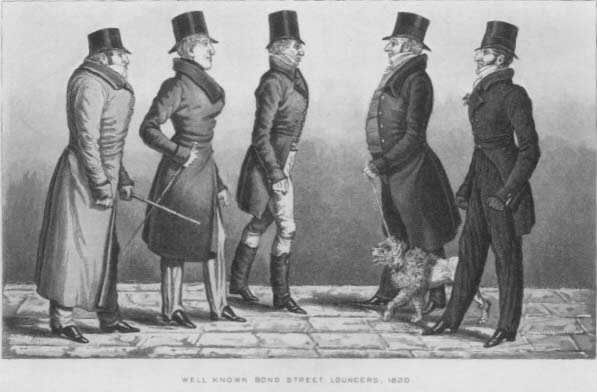
Prinny’s set, or the Prince Regent’s friends, consisted of the Earl of Sefton, the Duke of Devonshire, Lord Manners, “Poodle” Bing, and the Duke of Beaufort, serious dandies all. Somber and rich, these men epitomized the powerful, restrained dandy. Image @The Georgian Index

In Jane Austen and Representations of Regency England, Issue 33; Issue 61, Roger Sales identifies Henry Crawford and Tom Bertram of Mansfield Park as dandies: Tom because he is the quintessential Regency sports man, as well as rich and handsome; Henry, because of his mode of address, which shows a haughty attitude towards rural workers, and because he fashions his conversation “into exquisity little mirrors to reflect his own sense of superiority.” Henry makes elegant bows and frequently mocks others. His manners, like Beau Brummel’s, verge frequently on insolence – his stance is one of ennui and superiority at the same time. While Henry is not as handsome as Tom, he commands a room with his personality. I would classify Tom and Henry as notorious dandies, for both pushed the limits of what was considered proper behavior. The more modest Edmund Bertram would never behave like either man.

Hessian boots

John Thorpe of Northanger Abbey belongs in the category of the ridiculous dandy. He drives a gig, but imagines it to rival a phaeton, which is like comparing a toyota corrolla to a sleek jaguar. John uses cant, and one imagines that his clothes are too loud and his shirt points too high.

Great coat with numerous capes, a favorite menswear item described by romance writers.

As for Mr. Darcy, his looks and dress are effortlessly elegant. He doesn’t try to impress; he simply is a superior man. His arrogance, which Elizabeth Bennet found so off putting at first, comes naturally, for he is placed securely high in society. His inheritance and the cares, responsibilities and duties that great wealth bring exemplify the qualities of a gentleman who is a cut above the rest.  Beau Brummel, I imagine, would have found very little fault with Mr. Darcy.

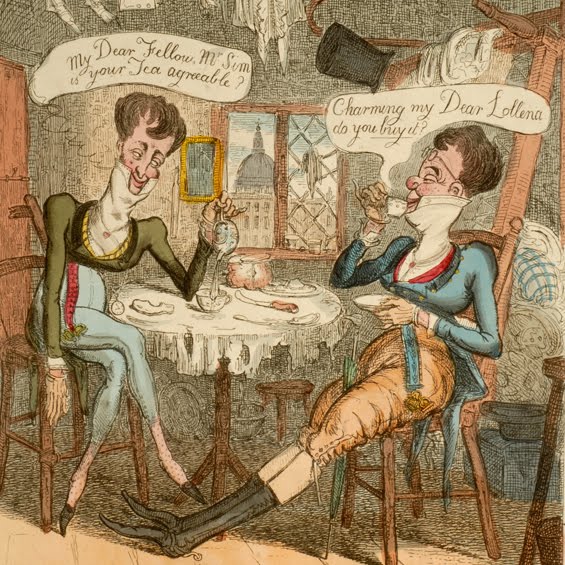
Two dandies by Cruikshank dresssed to the nines. While exquisitely rigged out, they take tea in a mean hovel of a room. Note the ragged curtains and table cloth, the dishes on the floor and the wash hanging on the line overhead.

While the term dandy has come to mean many things, among my favorite cartoons of the Regency era are those that make sport of them. These caricatures must have been popular then, and are irresistible to view now.

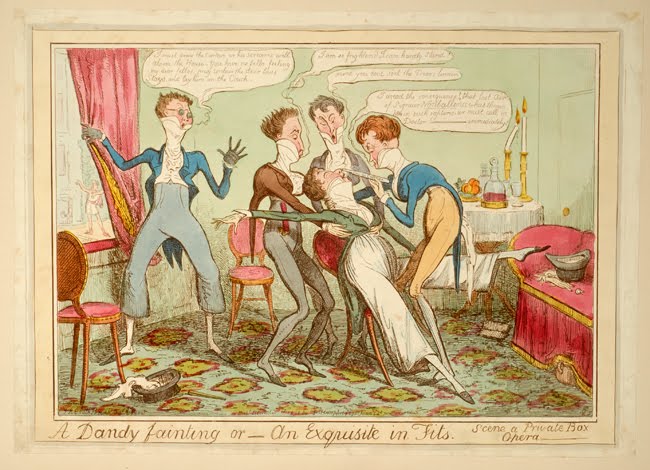
A Dandy Fainting, or an Exquisite in Fits, Cruikshank. This scene at a private box at the opera gives one a sense of how similar it is to today’s private boxes at a stadium. Note the table with food and drink; the couch, and the curtain that allowed for privacy.

Read Full Post »

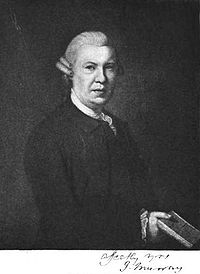
Inquiring readers:  Once again, Tony Grant, who lives in London, has written his unique insights about historical events in that great city. This week he concentrates on John Murray, the publisher of four of Jane Austen’s six completed novels. Tony’s contributions to this blog are unique in that he includes his photographs of modern London and mingles them with more traditional illustrations. Read Tony’s blog, London Calling, at this link.

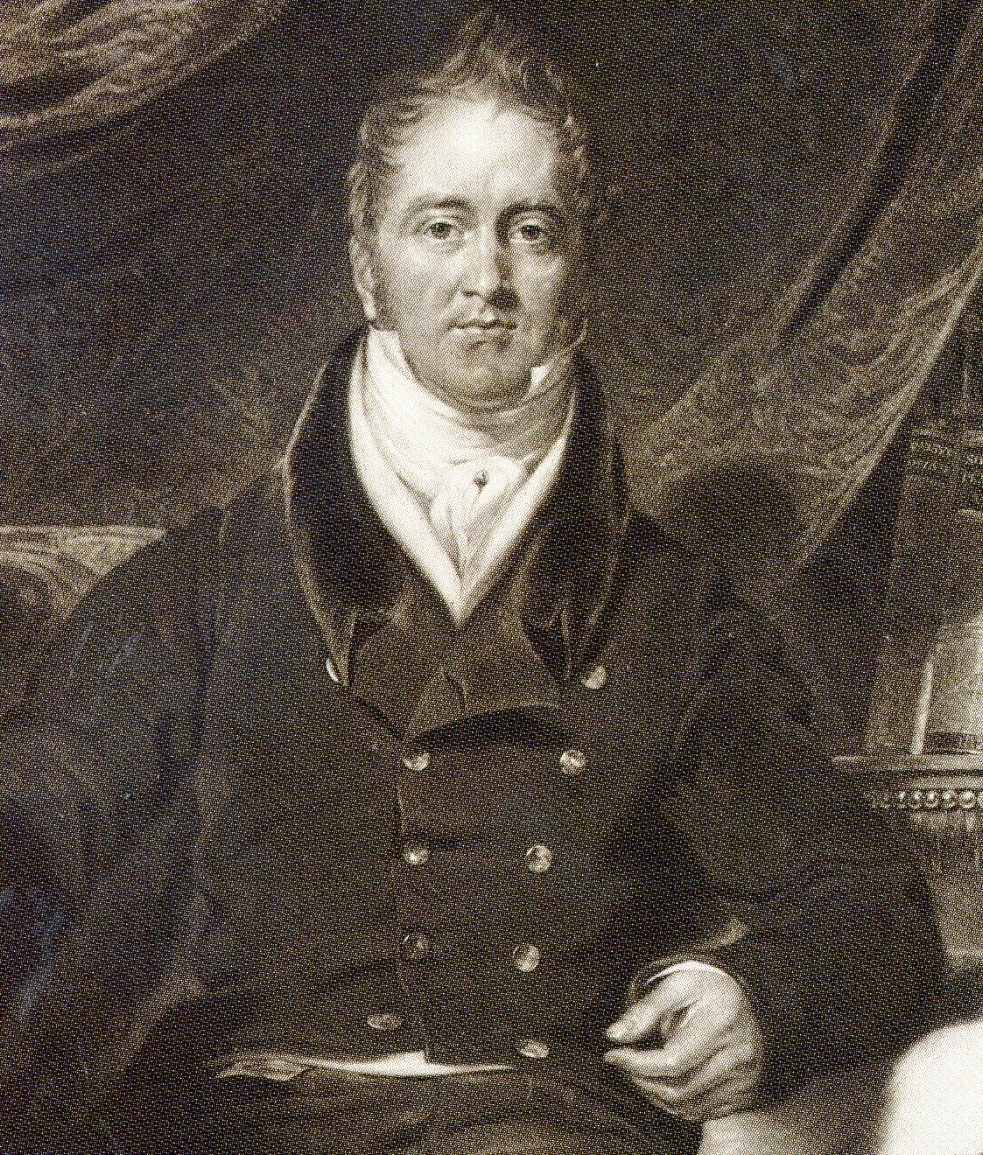
Image @Wikimedia Commons

John Murray
Bookseller and Publisher
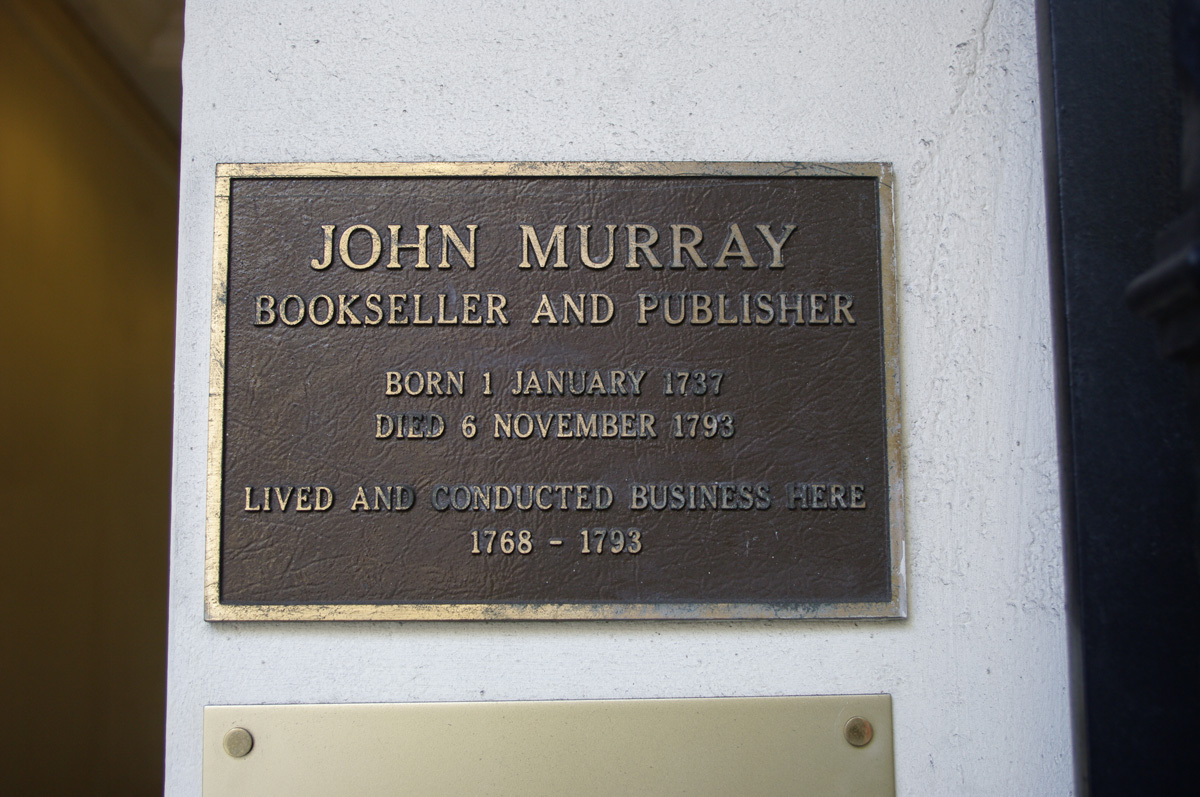
Born 1st January 1737
Died 6th November 1793
Lived and conducted business here.
1768 – 1793

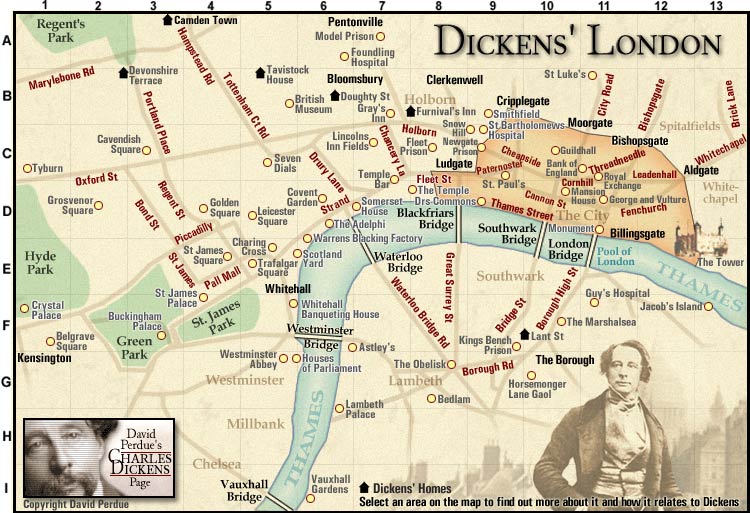
On Tuesday 13th March, my son Sam and I had a day out in central London. My brother Michael, who lives in Grenaa on Jutland, is over here with thirty students. Michael teaches mathematics in a further education college in Grenaa. He has lived in Denmark for over thirty years. A couple of weeks ago he phoned me and asked if I could do a Dickens tour of London for his students. On Tuesday Sam and I walked the route I will take Michael’s students. A Dickens walk is difficult. There are so many places in London that have strong links with Dickens.

Image @Wiki Spaces. Click on site.

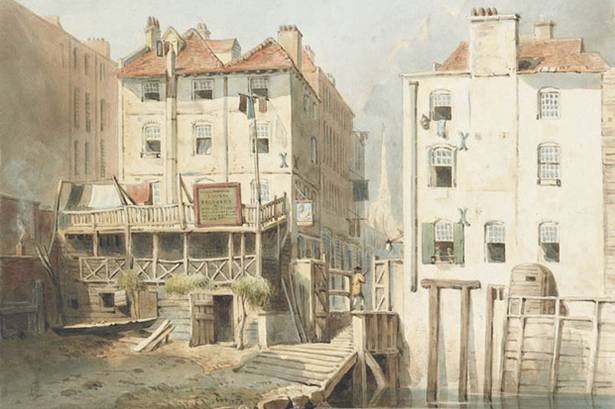
It is more about what to leave out than what to include. Connecting them all in a walk that will take just over an hour would be impossible. I looked carefully at a map of London to see what places could be linked most appropriately. I think I have chosen a rout that includes many of the main sites connected with Dickens working life in London. I have decided to begin at Hungerford Bridge the site of Hungerford Steps and Warren’s Blacking Factory where Charles Dickens worked as a young child sticking labels on bottles of black polish.

The Blacking Factory where Dickens worked. Image @The Mirror. Click here to see more.

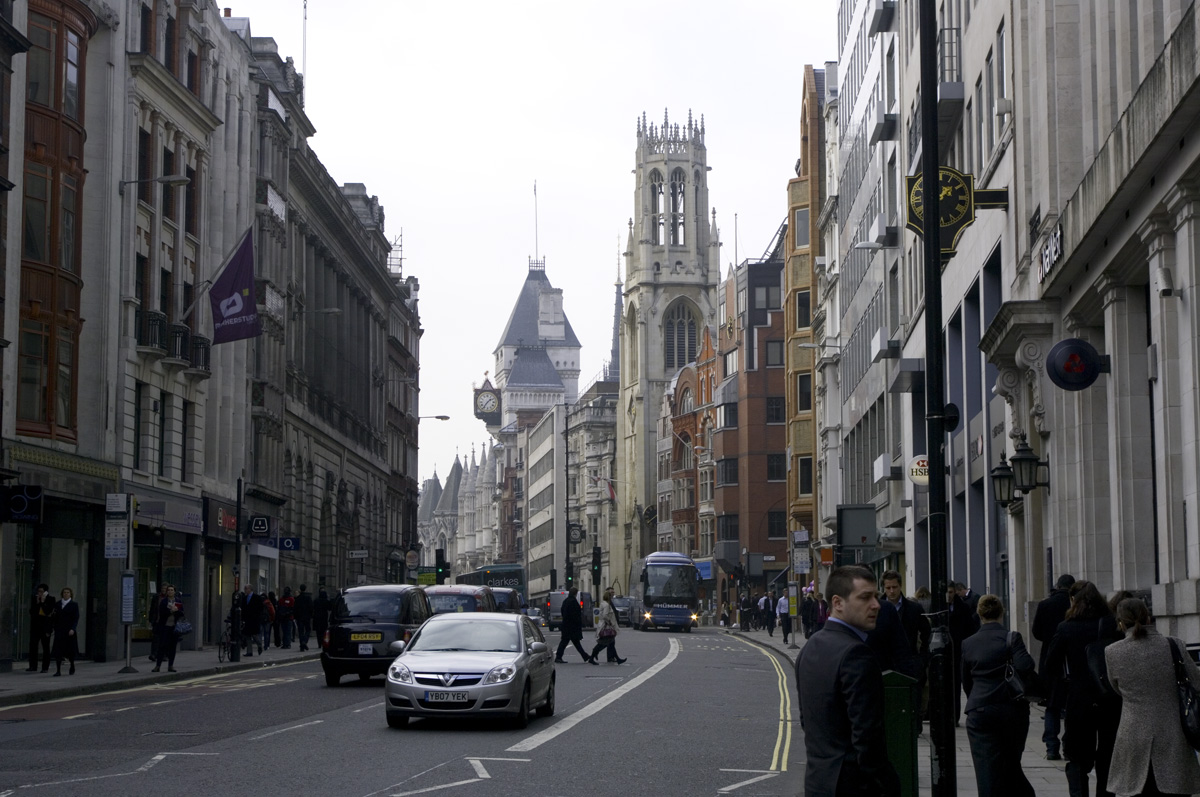
The walk will be along The Strand, past The Adelphi Theatre, to Wellington Street, the Lyric Theatre and then on to Covent Garden before walking on to The Old Curiosity Shop, Lincolns Inn , Chancery Lane, Holborn High Street, past Grays Inn and finally ending at 48 Doughty Street, one of the houses Dicken’s lived in and now The Dickens Museum. Sam and I felt very pleased with ourselves. The walk flowed nicely, punctuated with plenty of Dicken’s sites and the timing was about right. We retraced ours steps, this time continuing down Chancery Lane to the Strand and turning left until we got to Ye Olde Cheshire Cheese, in Fleet Street.

Fleet Street and The Royal Courts of Justice. Image @Tony Grant

Dickens, some of his characters and many other writers and famous people have graced these premises. After a pub lunch in the cellared depths of this ancient establishment we tracked back along Fleet Street towards The Royal Courts of Justice. I just happened to glimpse a small plaque attached to a pillar to one side of a narrow alleyway leading to a small courtyard behind. It read:

Image @Tony Grant

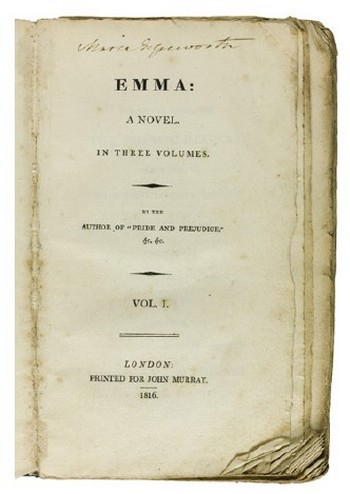
I stopped in my tracks. I thought this must be Jane Austen’s publisher. However the dates did not tally. Jane’s first novel, published by John Murray, was Emma in 1815, long after the final date of death on the plaque. I took photographs of the plaque and courtyard at the end of the alleyway and pictures of Fleet Street, running along outside. When I got home I researched John Murray and found the John Murray publishing firm website.

THIS IS A SHORT HISTORY OF THE PUBLISHING FIRM OF JOHN MURRAY.

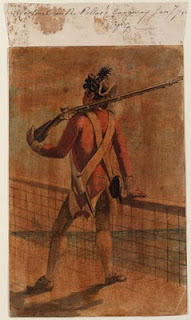
The first John Murray, who lived from 1737 to 1793, started his working life as a Lieutenant in the Marines. Life as a marine officer in the 18th century was spent on board naval men of war and consisted of travelling the world to defend the British Empire. It wasn’t a particularly well paid or thought of profession. In Mansfield Park , Fanny’s mother, Frances , the younger Ward sister,

British marine, 1775. Image @Mock Attack

…….married, in the common phrase, to disoblige her family, and by fixing on a Lieutenant of Marines, without education, fortune, or connections, did it very thoroughly.”

John Murray must have had a natural inclination towards business and when he acquired a publishing and bookselling business in Fleet Street in 1768 he made it into a successful business now passed down through the generations. The fact that he acquired a publishing business must mean that it was left to him, perhaps in a will. As a lieutenant of marines it is doubtful he would have had the finances to buy it and it seems a strange choice of business for somebody with his background. He must have acquired it through inheritance and an accident of fate.

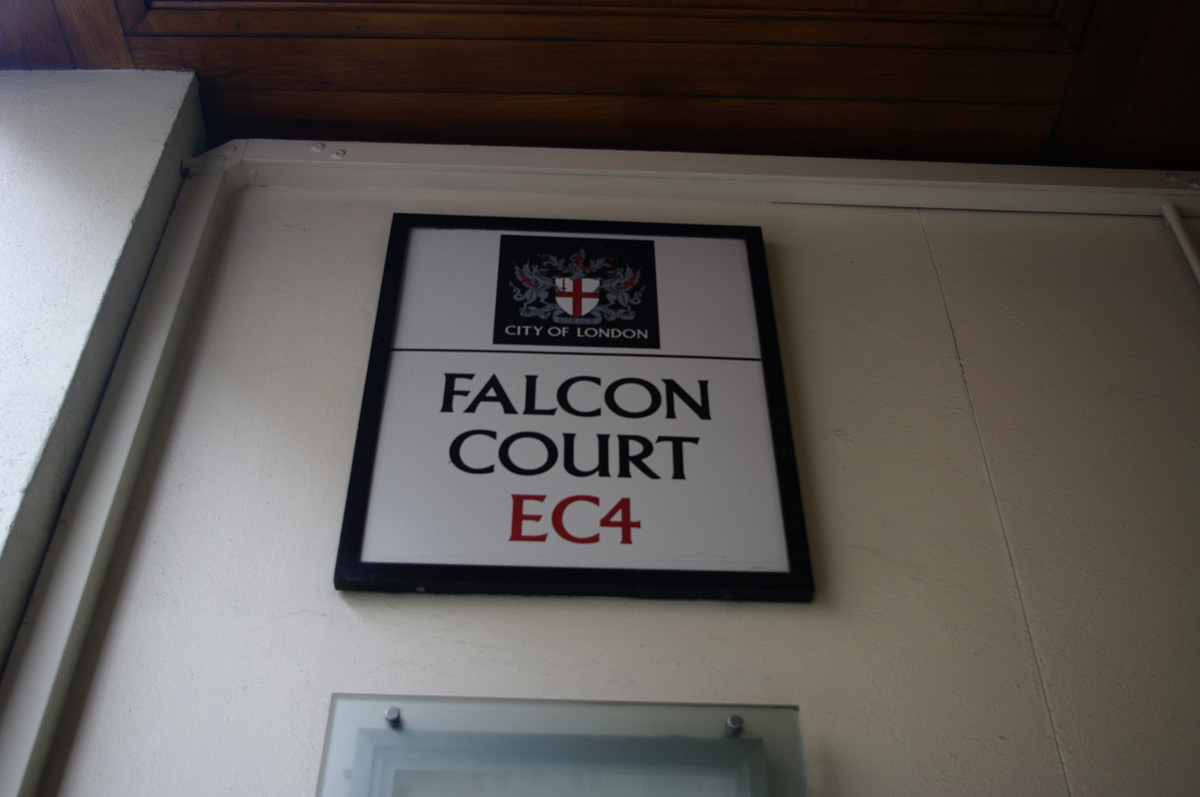
The John Murray office was in Falcon Court. Image @Tony Grant

As an indication of his business acumen he was one of the first publishers to actually consider the quality of the writing he published. He also used his many contacts to help sell large quantities of his books. He was a canny businessman though and hedged his bets by also selling game, which would have included deer, pheasants and rabbits; the produce of country sports. He had a go at selling paste jewels and lottery tickets too.

John Murray (or MacMurray, as the name was originally spelt), having bought the stock and goodwill of William Sandley, who had turned banker, began at the ‘Falcon,’ otherwise No. 32 Fleet Street, that remarkable and prosperous career which has culminated in the great publishing house of Murray. In Smiles’ book on the Murrays will be found an exhaustive account of the inception, by Lieutenant MacMurray, of this great firm. – Fleet Street and the Press

Image @Tony Grant

He was astute enough to go with what was most profitable. Books worked for him though. I suppose if the selling of game, he was virtually a butcher as well as a bookseller, paste jewellery or the selling of lottery tickets had provided more income for him the publishing side may well have not contiued and Jane would not have had her publisher in the next John Murray but may well have been buying venison from him instead.

Image @Tony Grant

John Murray II. Image @Austenonly. (Published with permission from Julie Wakefield.)

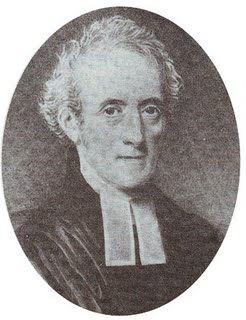
John Murray’s son John Murray II began to develop the business. He was successful at signing Walter Scott who helped him, among others, such as the secretaries of the admiralty, John Wilson Croker and Sir John Barrow and writers such as Robert Southey and Charles Lamb to publish The Quarterly Review. This journal continued until 1967. In 2007 it was revived. The concept behind it is

to draw upon a wide range of opinions to provide counter-intuitive writing for people who like to think, and to enhance literary, philosophical and political debate.”

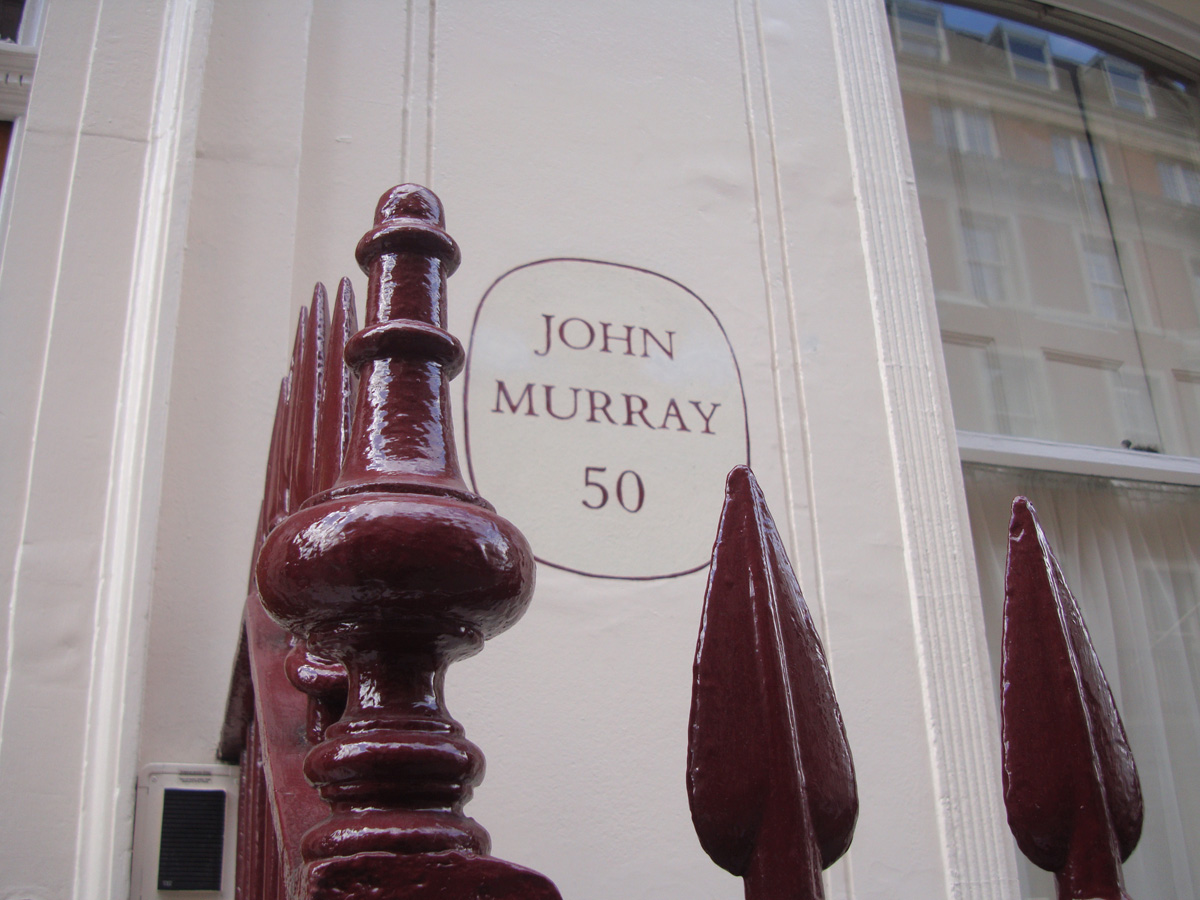
50 Albemarle Street. Image @Tony Grant

In it’s early years it tried to counter social reforms. It was rather conservative in it’s views but it did back the abolition of slavery although advocating a slow approach to the process.

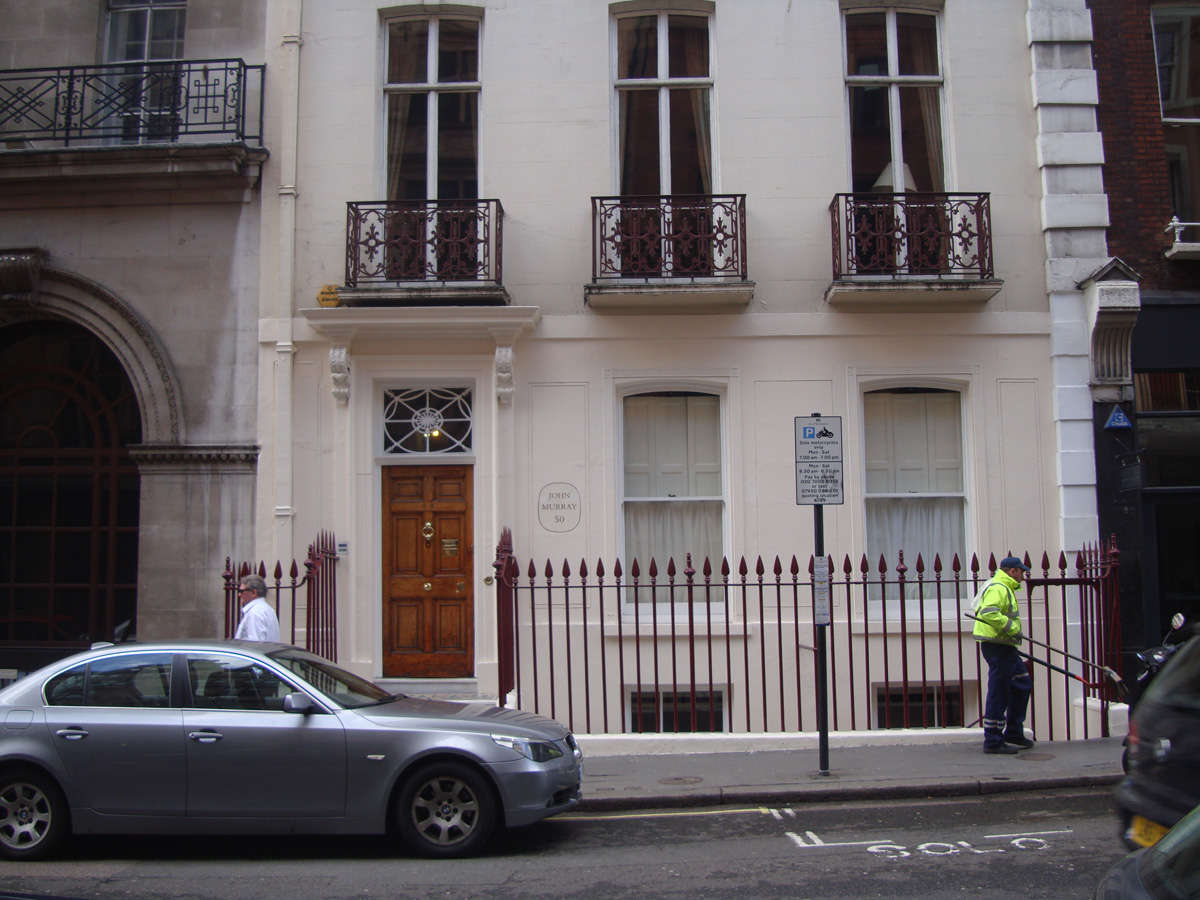
50 Albemarle Street. Image @Tony Grant

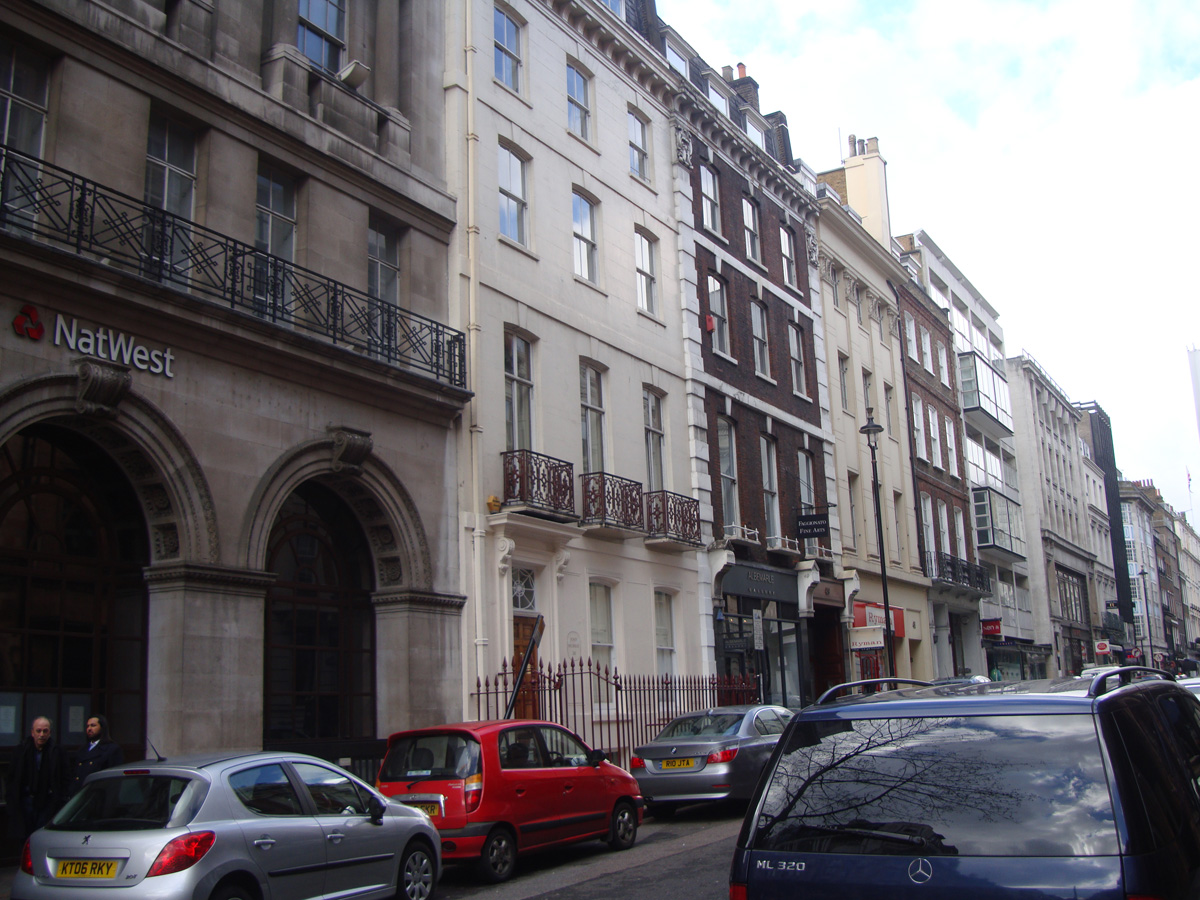
In 1812, John Murray II published Childe Harold by Byron and it was a great success. This gave Murray the confidence to mortgage some of his copyrights and purchase 50 Albemarle Street, which has remained the home of the publishing firm for the last two hundred years.

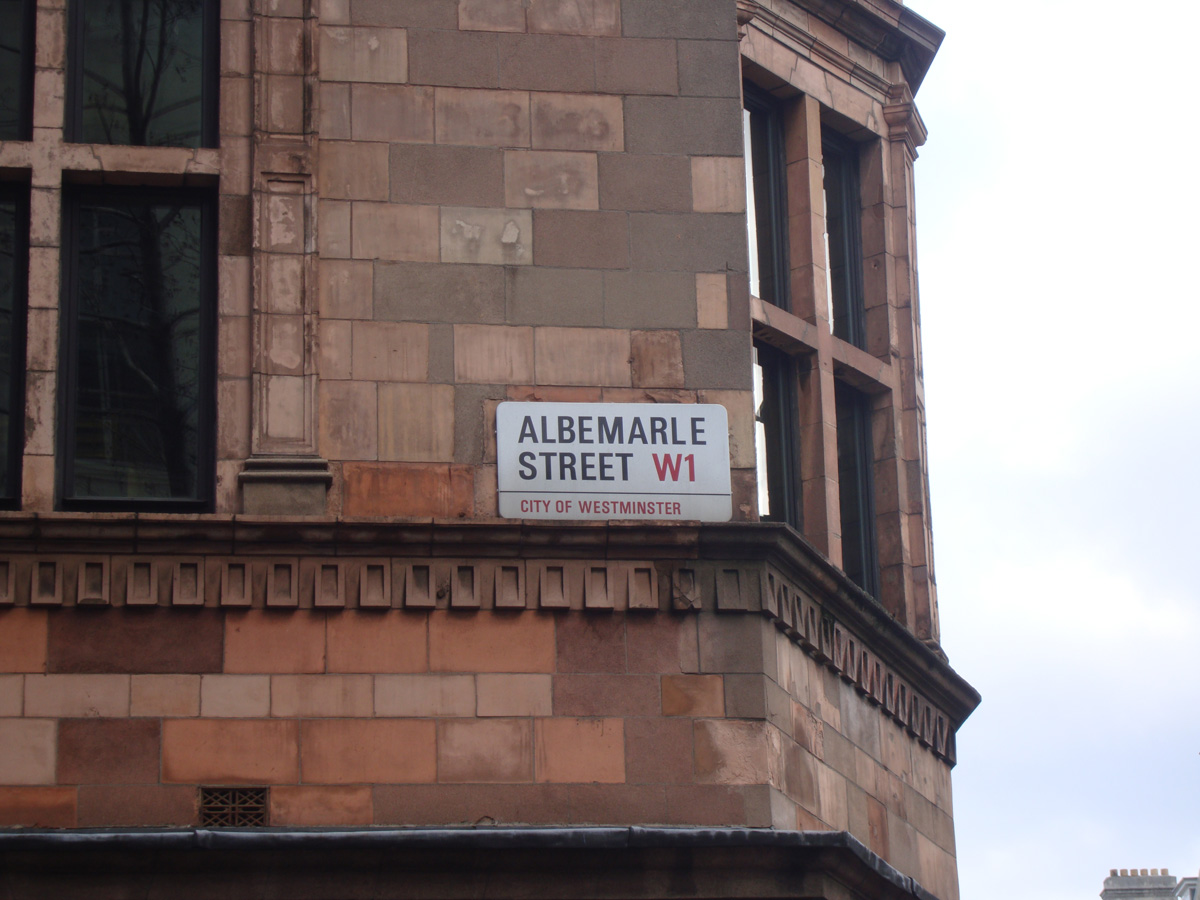
Albemarle Street. Image @Tony Grant

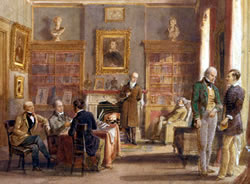
John Murray drawing room. Image @Playwright in the cages

The drawing room in Albemarle Street has been the meeting place for some of the most famous writers in English history. By 1815, and after the Battle of Waterloo, everybody wanted to be published by John Murray. It seems therefore that Henry Austen, Jane’s banker brother, must have had no little influence in obtaining Murray as his sister’s publisher. She was an unknown country girl. Why should he take her on? On the other hand he might have had great literary sense and was in the habit of reading unsolicited scripts.

Jane Austen's brother, Henry.

Jane herself was very business like with John Murray. She wrote to him on Monday 11th December 1815 from Hans Place, Henry’s house in London:

Dear Sir,

As I find that Emma is advertised for publication as early as Saturday next, I think it best to lose no time in settling all that remains to be settled on the subject, & adopt this method of doing so, as involving the smallest tax on your time.

In the first place, I beg you to understand that I leave the terms on which the Trade should be supplied with the work, entirely to your judgement entreating you to be guided in every such arrangement by your own experience of what is most likely to clear off the Edition rapidly, I shall be satisfied with whatever you feel to be the best.-“

She appears to be quite the pragmatist. It is significant to note that Murray would publish four of her six completed novels: Emma and Mansfield Park while she was alive, and Persuasion and Northanger Abbey after her death.

Image @Austenprose. Click on link to read post.

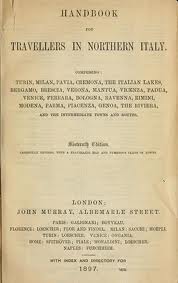
In the nineteenth century, the John Murray firm began publishing a series of travel books called the Murray Handbooks, which were authored by many of the great explorers of the time. The men included Sir John Franklin, who, in 1847, died exploring the North West Passage. He had also spent many years mapping the coast line of Canada. Murray also published David Livingstone, the explorer of the heart of Africa; Sir John Barrow, who wrote about South Africa; Heinrich Schlieman, the excavator and discoverer of Troy; and Isabella Bird, who visited north America and the pacific Islands. Her trips were financed by her father to help her counteract depression and backache. Both symptoms were cured in her travels: John Murray published “The Englishwoman in America,” and “Six Months in The Sandwich Islands,” both written by her about her travels.

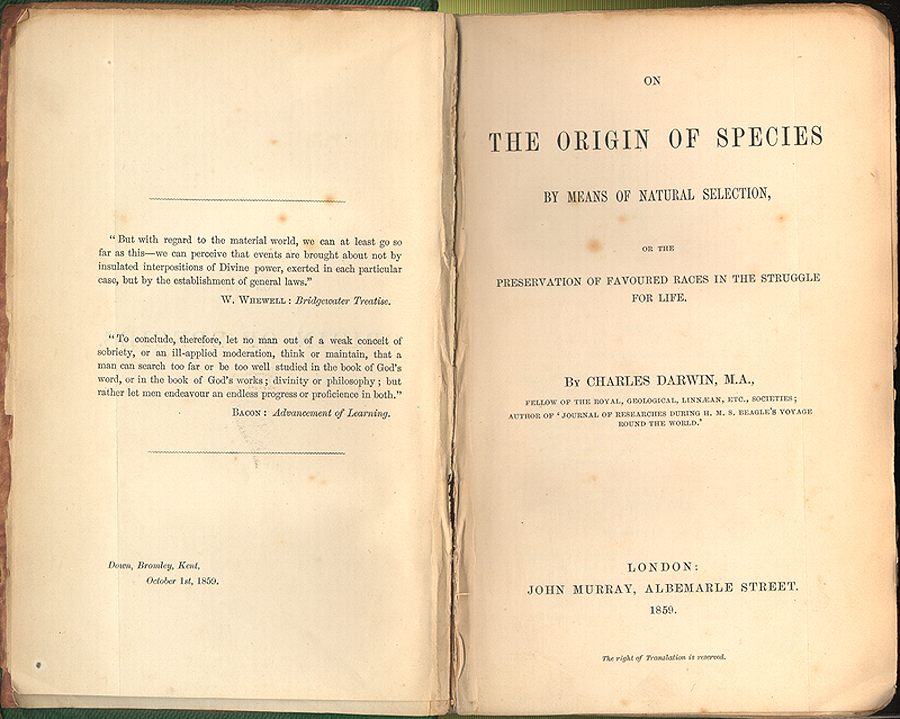
Scientists and inventors chose to be published through John Murray. They included Charles Babbage, Malthus and Lyell who wrote in 1830 “Principles of Geology,” which later inspired Charles Darwin. In 1859, the firm published Charles Darwin’s The Origin of Species, and Samuel Smiles’ Self Help.

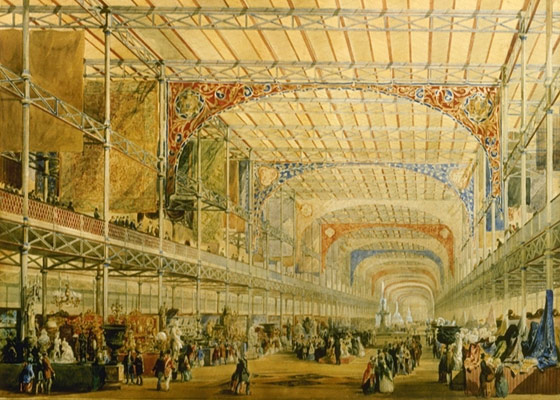
John Murray III was one of the official publishers of the Great Exhibition held in Hyde park in 1851. This exhibition promoted the industrial, economic, and military might of the Empire, although all nations were invited to contribute exhibits.

Great Exhibition

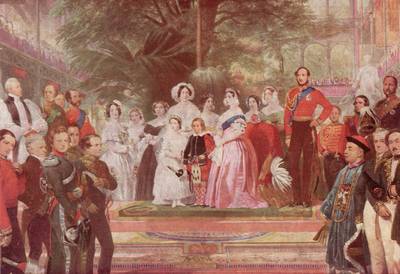
The proceeds form the exhibition were later used to create, The Albert Hall, The Science Museum, The Natural History Museum, and The Victoria and Albert museum. This area of London today is still called “Albertropolis,” because Prince Albert, Queen Victoria’s husband, sponsored The Great Exhibition and the forming of the Kensington Museums. John Murray faced some opposition from some quarters when he published Queen Victoria’s letters after she died.

Prince Albert and Queen Victoria announce the opening of the Great Exhibition. Image @Getty Images.

In 1917 John Murray bought the rival publisher Smith Elder, and so added Sir Arthur Conan Doyle to their list.

John Murray, IV. Image @John Murray Archive

In the 1930’s John Murray IV entered the firm and built up an impressive list of twentieth century writers including John Betjamin, Osbert Lancaster and Freya Stark amongst others.

In 2002 John Murray was sold to Hodder Headline, which in turn became part of Hachette UK. The company continues to publish and prosper continuing with new ideas and new authors in all fields.

As a footnote, if there is anybody reading this thinking that they would like to be published by John Murray they have a note on their website:

Submissions

Owing to the amount of time devoted to assessing solicited or commissioned work John Murray is no longer able to accept any unsolicited manuscripts or synopses, or to enter into any correspondence about them. The best way to go about getting published is to find a literary agent, who can give you advice about your work and who will know the best publishers for the kind of book you are writing.

You can find a list of literary agents in the Writers’ and Artists’ Yearbook, published by A&C Black, or in The Writer’s Handbook or From Pitch to Publication by Carole Blake, both published by Pan.

Read Full Post »

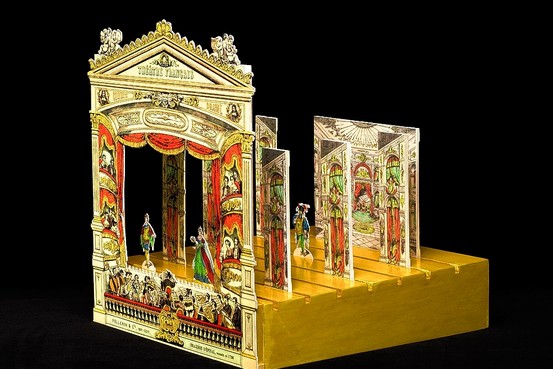
It is hard to imagine what entertainment was like in the days before the 21st century, yet people have always devised ways to spend their leisure time in pleasant company doing amusing things. In the evening, Jane Austen and her family spent many hours entertaining each other. One popular form of entertainment that the older Austen siblings would have known about was the Toy Theatre, or a juvenile form of miniature theater.

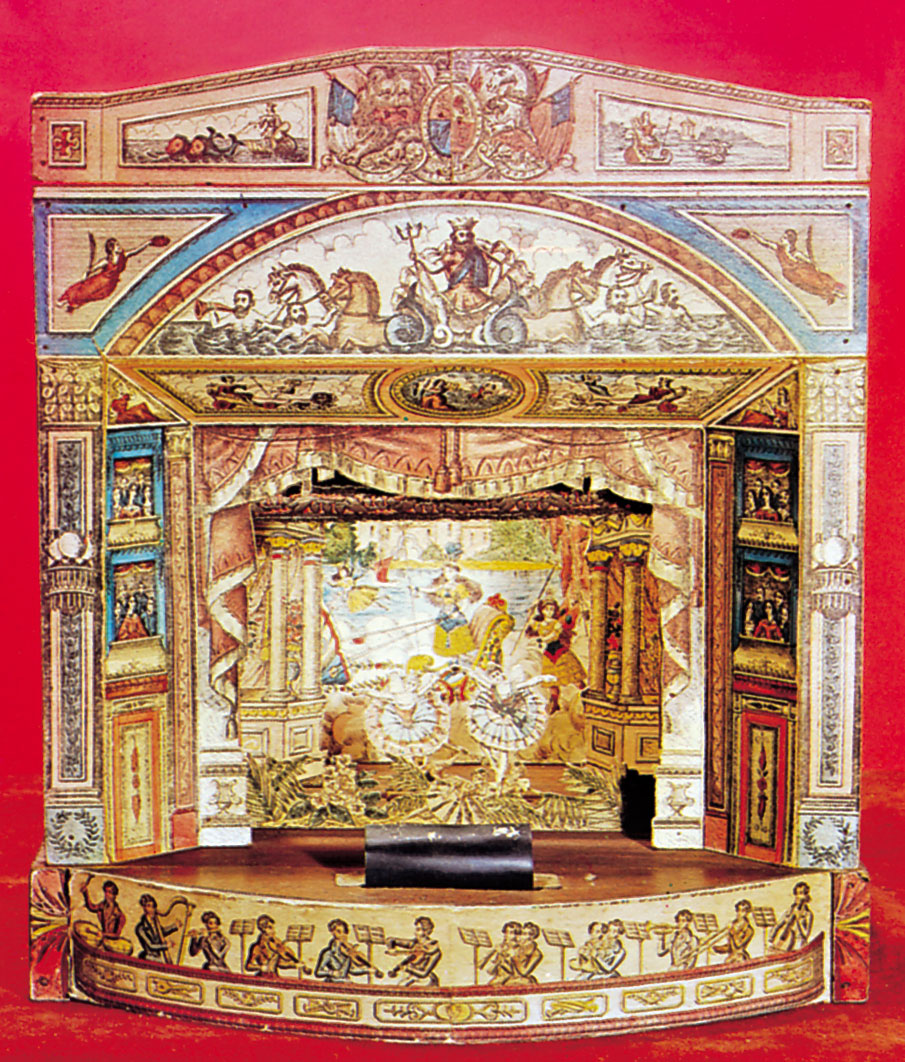
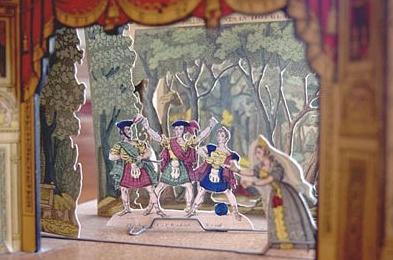
Toy Theatre. Image @Tea at Triannon

This entertainment appeared in the early 1800s, and coincided with the popularity of theater and the rise of the print trade. One can imagine that Aunt Jane was well aware of toy theatres when she spent time with her nephews, for this new toy largely attracted boys.

By 1811 William West of London was printing sheets of stage characters for purchasers to colour, paste on cardboard and cut out, though others treasured them as individual portraits. Single prints in black ink on white paper were called “penny plains” while those with color added by the seller were the “twopence coloured.” West’s first subject was Joseph Grimaldi in “Mother Goose,” a role that brought him fame and lifelong success on the stage. – NYPL Digital Gallery

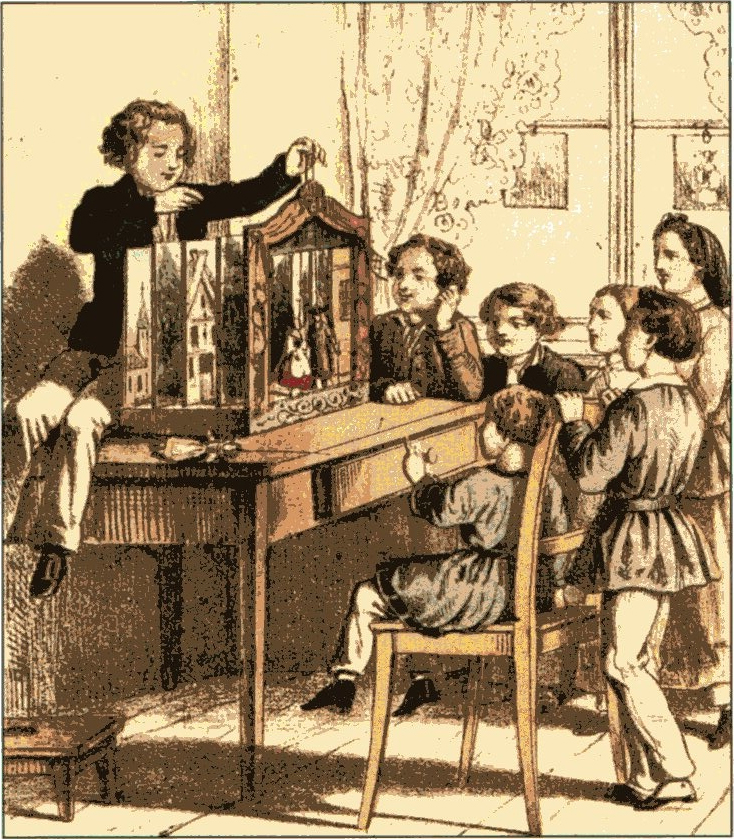
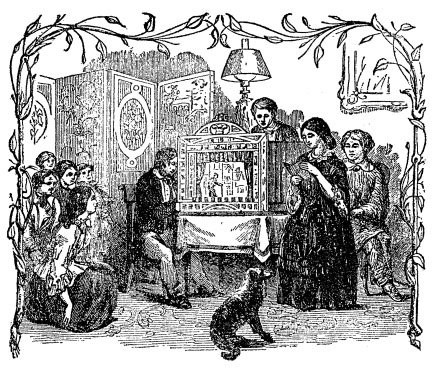
Miniature theaters became fashionable all over Europe, and their tiny elaborate sets mimicked the grand theaters of London, Paris and other world stages. The sets remained popular throughout the 19th century and into the early 20th century, offering children an opportunity to exercise their imaginations and their acting chops. Some children, I imagine, concentrated on honing their acting skills, while others probably enjoyed their roles as directors or scene designers more. New plays were published in the first half of the 19th century.

After the 1860’s no new plays were published but much of the old repertoire was kept in print by a dwindling number of theatrical print publishers and the tradition continued unbroken until 1944 when Miss Louisa Pollock,shut up her father’s famous shop in Hoxton for ever and sold the contents as a going concern. – Toy Theatre Gallery: History

From Mansfield Park the reader gains a sense of how seriously family theatricals were regarded. In the novel, the men were definitely in control of the enterprise, with the women acquiescing to their direction (the only exception being Fanny). While Jane Austen described a real play, Lover’s Vows, with large, almost life-like sets in Sir Thomas Bertram’s study, wood toy theatres that sat on a tabletop would be taken equally seriously. The children must have spent hours preparing for a performance, arranging sets, learning lines, and dressing and moving their characters before they felt comfortable opening a new play in front of an indulgent and forgiving family.

English Toy Theatre, 1850. Pollock's Museum. Image @Brittanica

Created from printed paper glued to cardboard and then mounted on wooden frames, these theaters could be quite intricate in design. They offered a proscenium, scenery, cut-out characters with codified attitudes and gestures, and a booklet that contained stage and scene directions and dialogue for the actors. Almost all of them depict an orchestra: The clothes worn by the musicians give a good indication of when the theatre was designed.

Early toy theatre prints were made from engraved copper plates, the engravings often from sketches made at the theatre on the night. Sets, costumes, and even the actors’ likenesses were copied, and could often be recognised. – Miniature Theatre: Curator’s Choice

Image @Victoriana

The plays were not necessarily derived from children’s stories: They were adapted from operas, melodramas, history, novels, and pantomimes. Works from Shakespeare, Cervantes, Mozart, and Beethoven were included. Hans Christian Anderson was also an inspiration.

Children could choose “Three-Fingered Jack, the Terror of Jamaica” or “Hamlet” or another of the nearly 300 “juvenile dramas” printed in England between 1811 and 1860. – Dramas to Cut, Color, and Produce

The involvement of publishers was enormous, but Pollock’s toy theatres were probably the most famous in Great Britain.

England had over 50 publishers, Germany 54, Spain 14, France 13, Denmark 10, Austria 9, and the United States 5. All of these versions to some degree were derived from the ability to mass produce the printed image, initially from engraved copper plates, followed by color lithography in the mid-19th century. – A Child’s View: 19th Century Paper Theaters

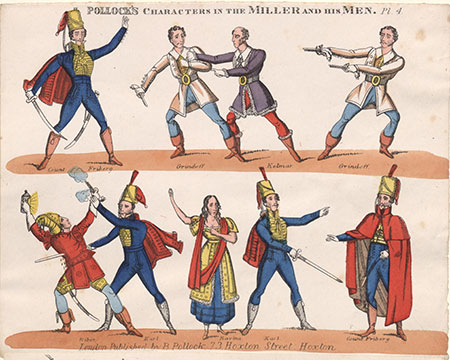
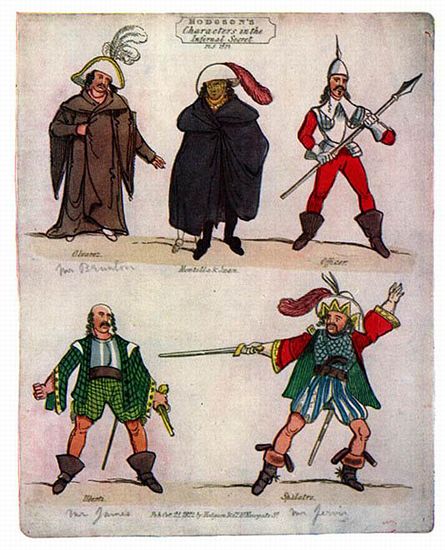
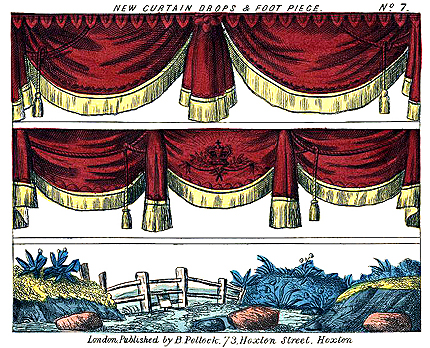
Many printed sheets of cut- out characters survive to this day, both colored and in black and white.

In 1811 William West produces a sheet of the principal characters from the first production on the London stage of ‘Mother Goose’, with Joseph Grimaldi in one of his most celebrated roles of Clown. The popularity of this role led to the publication of sets of sheets of characters, scenery and props, also elaborate prosceniums, the designs based on those of popular London theatres. Books of words, abridged versions of the most popular melodramas and pantomimes to be seen on the London stage.

From this time the popularity of the toy theatre, also known as the ‘Juvenile Drama’, saw the rapid growth in the number of publishers producing versions of plays, with the drawings for the engravings made by such leading artists as Georg e Cruickshank and William Blake. The legacy of the 19th century toy theatre is that of the most complete documentation of the costumes, scenery, and the performance style of the actors of the London Theatres of the period. – The World Through Wooden Eyes: A Penny Plain and Two Pence Coloured

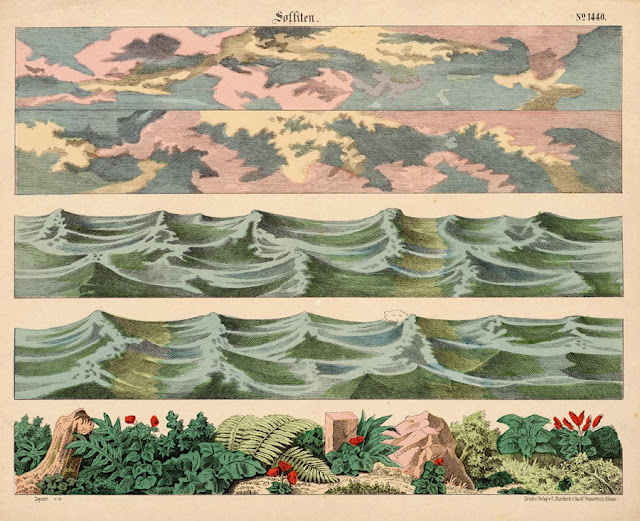
Paper backdrops image @Birds of Ohio

These backdrops for miniature theaters on Birds of Ohio show how much detail the sets provided.

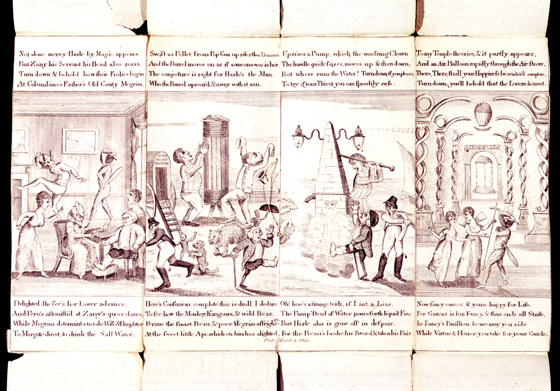
Below is a very rare example from the V&A shows a souvenir from a play  first performed at the Theatre Royal, Covent Garden  in 1800 called Harlequin’s Tour or the Dominion of  Fancy. While the souvenir survives, the dialogue for the play does not.

Souvenir, 1800. Image @Victoria & Albert Museum

In a June 2011 The Telegraph article, Sir Roy Strong, former director of the V&A museum and National Portrait Gallery, recalls his toy theatre with great affection:

Image @The Telegraph

This toy theatre … reminds me of one enormously happy period of my childhood. It was given to me after the war and purchased at Benjamin Pollock’s Toyshop, originally in the East End of London [now in Covent Garden]. I played with all the cut–out cardboard figures and scenery, and still have all my toy theatre plays, which are 19th–century dramas, romances and pantomimes. The theatre sits in the archive room and I love it. It’s been with me everywhere.

More on the topic:

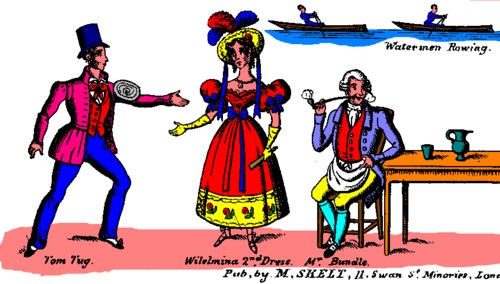
Modern characters for The Waterman.

Read Full Post »

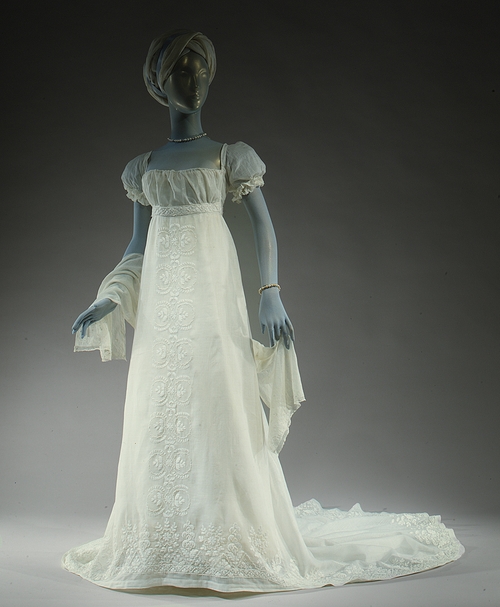
We’ve all come to associate Regency women’s fashion with delicate white muslin fabrics – sprigged muslin, spotted muslin,  checked and striped muslin, and embroidered muslin. Henry Tilney, the hero in Northanger Abbey, was well-acquainted with muslins through his sister, who wore only white.

Sheer white muslin gown with whitework embroidery. Image @Vintage Textile

In the 17th century and until the late 18th century, England imported muslin, a thin cotton material, from India.  The British East India Company traded in Indian cotton, silk fabrics, and Dacca (Dhaka or modern-day Bangladesh) muslins. Muslins from Bengal, Bihar and Orissa were also imported. The delicate cloth, which first originated in the Middle East in the 9th century, was perfect for clothing and curtains in hot, arid countries. – Muslin: Encyclopedia Britannica

Muslin gown, 1816

Muslin was a finely woven light cotton fabric in plain weave without a pattern, and had identical warp and weft threads. The fabric selection is quite flexible, coming in a wide variety of weights and widths. It accepts dyes and paints so successfully that today it is often used for theatrical backdrops and photographic portraits. One observation must be made: muslins of the past were made of much finer, more delicate weave than today’s muslins. –  How Is Muslin Fabric Made?

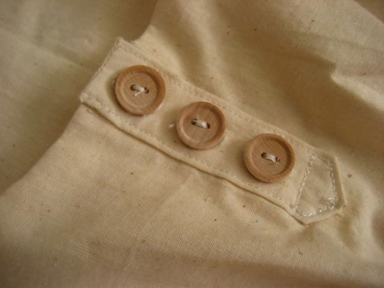
Buttons on a modern muslin fabric

Muslin gown circa 1815, Bath museum

An important feature of muslin fabrics is its ability to drape. Regency fashions were based on robes and garments from antiquity. The ability to drape and maneuver the fabric on the figure was an important feature of this cloth. Today, designers use muslin as a test garment for cutting and draping a design before creating the final dress from more expensive fabrics.

Another excellent feature of muslin is its ability to take dye, paints, and embroidery. The cloth accepted many patterns, motifs and designs that made it versatile and unique. Textile as Art

Plus the white fabric was a mark of gentility. White was difficult to keep clean or required constant cleaning. It was one thing for an aristocratic lady like Eleanor Tilney to wear white, but another for a maid to presume to wear such a high maintenance garment. Mrs Norris, that awful woman from Mansfield Park, approved of Mrs. Rushworth’s housekeeper’s action of turning away two housemaids for wearing white gowns.

Muslin evening dress. Image @Metropolitan Museum of Art

Embroidery transformed the simple white muslin gown into works of art. Whitework embroidery was particularly striking, but colored threads could be equally beautiful. The draping quality of the cloth lent itself well to columnar-shaped empire waist gowns.

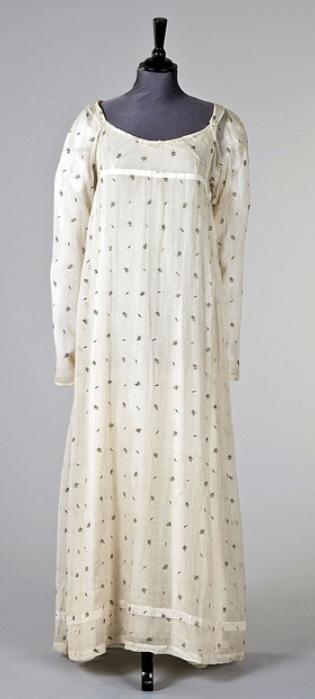
Indian sprigged muslin gown, 1800. Image@Kelly Taylor Auctions Trouvais

Muslin was imported from the Far East for centuries. Then the weavers in west Scotland, who were proficient in spinning fine cottons such as linen, cambric, and lawn, began to pay attention to weaving a finer, more delicate cloth.

Sheer muslin gown, 1800. Image @Victoria & Albert Museum

Muslins, therefore (plain for the most part in Glasgow, and fancy ornamented in Paisley),were among the earliest and principal cotton fabrics produced on the looms of the west of Scotland. About the year 1780 James Monteith, the father of Henry Monteith, the founder of the great printworks at Barrowfield, and of the spinning and weaving mills at Blantyre, warped a muslin web, the first attempted in Scotland; and he set himself resolutely to try to imitate or excel the famous products of Dacca and other Indian muslin-producing centres. As the yarn which could then be produced was not fine enough for his purposes, he procured a quantity of “bird-nest” Indian yarn, “and employed James Dalziel to weave a 6-4th 12” book with a handshuttle, for which he paid him 2Id. per ell for weaving;. It is worthy of remark that the same kind of web is now wrought at 2|d. per ell The second web was wove with a-fly shuttle, which was the second used in Scotland. The Indian yarn was so difficult to wind that Christian Gray, wife of Robert Dougall, bellman, got 6s. 0 J. for winding each pound of it. When the web was finished Mr Monteith ordered a dress of it to be embroidered with gold, which had presented to Her Majesty Queen Charlotte.”1

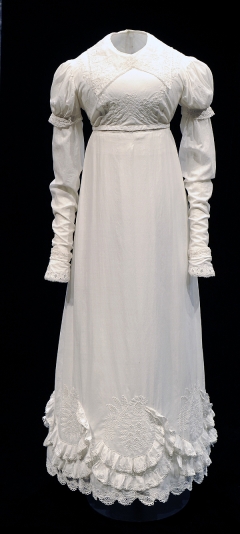
1817 Muslin day dress. Image @Bowes Museum

Once fairly established, the muslin trade and various other cotton manufactures developed with extraordinary rapidity, and diverged into a great variety of products which were disposed of through equally numerous channels. Among the earliest staples, along with plain book muslins, came mulls, jacconets or nainsooks, and checked and striped muslins. Ginghams and pullicats formed an early and very important trade with the West Indian market, as well as for home consumption. These articles for a long period afforded the chief employment to the hand-loom weavers in the numerous villages around Glasgow and throughout the west of Scotland. The weaving of sprigged or spotted muslins and lappets was subsequently introduced, the latter not having been commenced till 1814. Although the weaving of ordinary grey calico for bleaching or printing purposes has always held .and still retains an important place among Glasgow cotton manufactures, it has never been a peculiar feature of the cotton industry; and the very extensive bleaching and print-works of the locality have always been supplied with a proportion of their material from the great cotton manufacturing districts of Lancashire. – p 501, The Encyclopaedia Britannica: a dictionary of arts, sciences, and general literature, Volume 6, Thomas Spencer Bayne, 1888.

Embroidered muslin round gown, 1795. Image @Cathy Decker

More on the topic:

Read Full Post »

« Newer Posts - Older Posts »