As we explore September in Jane Austen’s World, we’re nearing the end of summer and the start of fall. Let’s take a look at Jane Austen’s life, letters, and novels and all they can tell us about Regency life in the month of September!
If you’re just jumping on the bus, you can find previous articles in this “A Year in Jane Austen’s World” series here: January, February, March, April, May, June, July, and August.
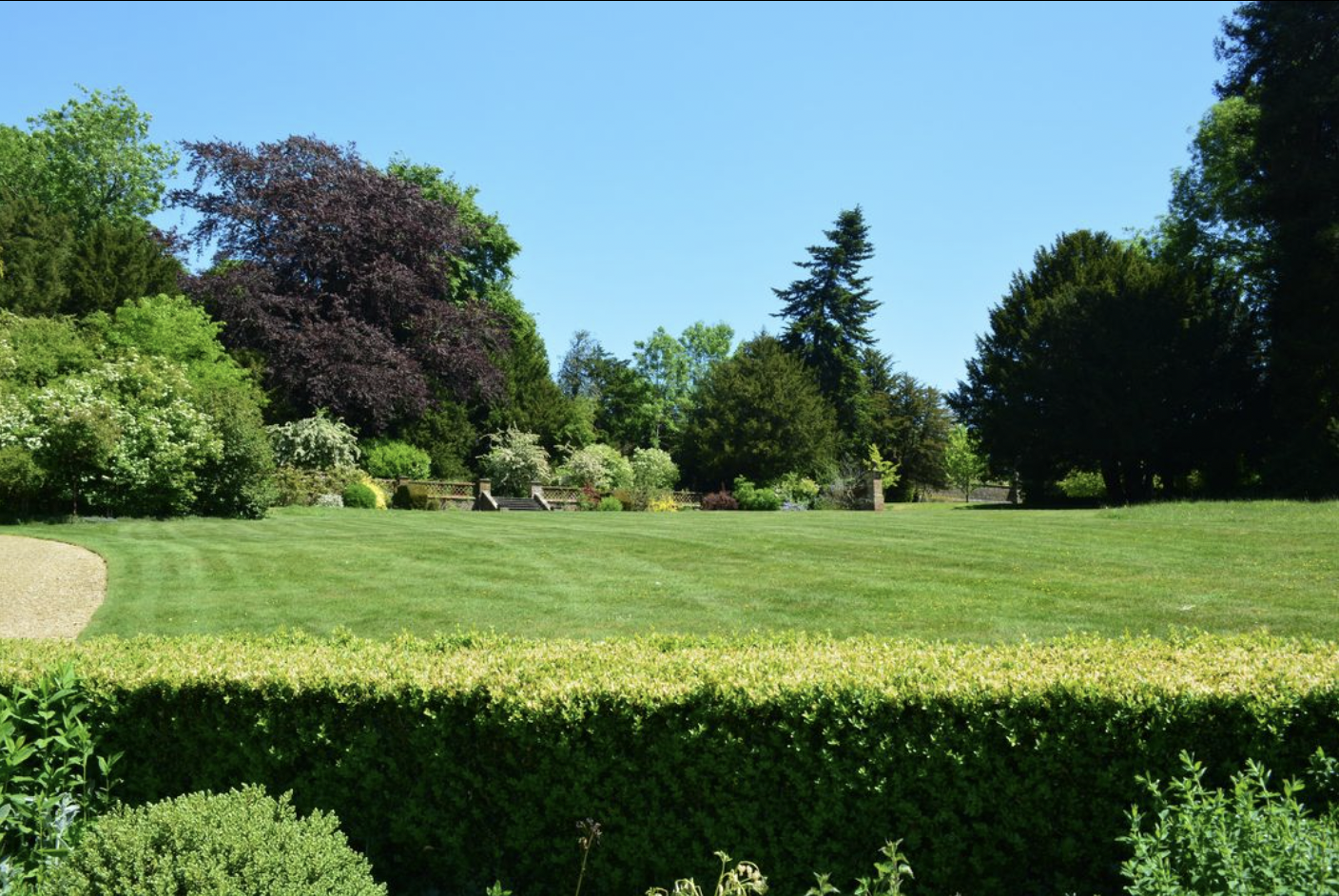
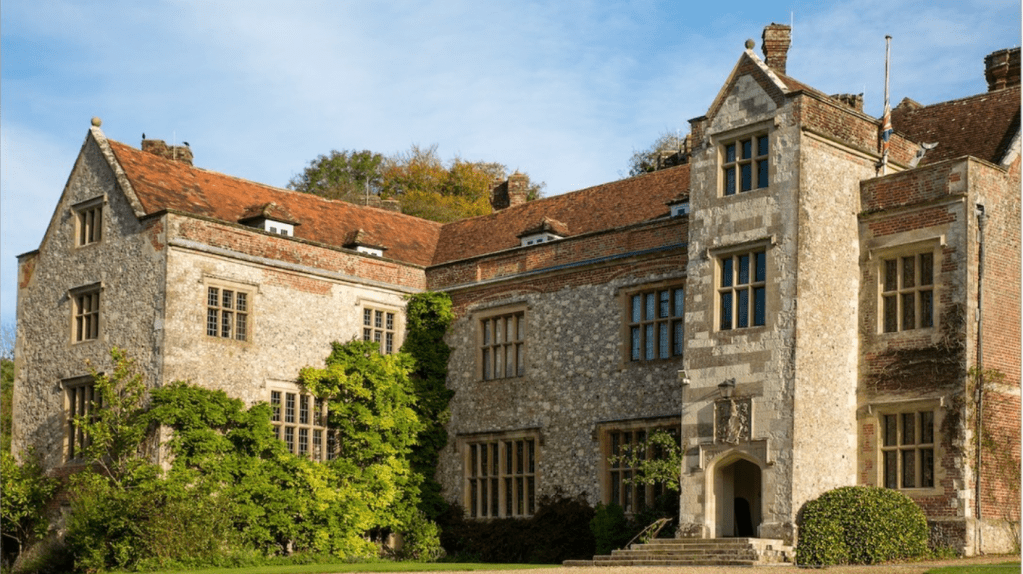
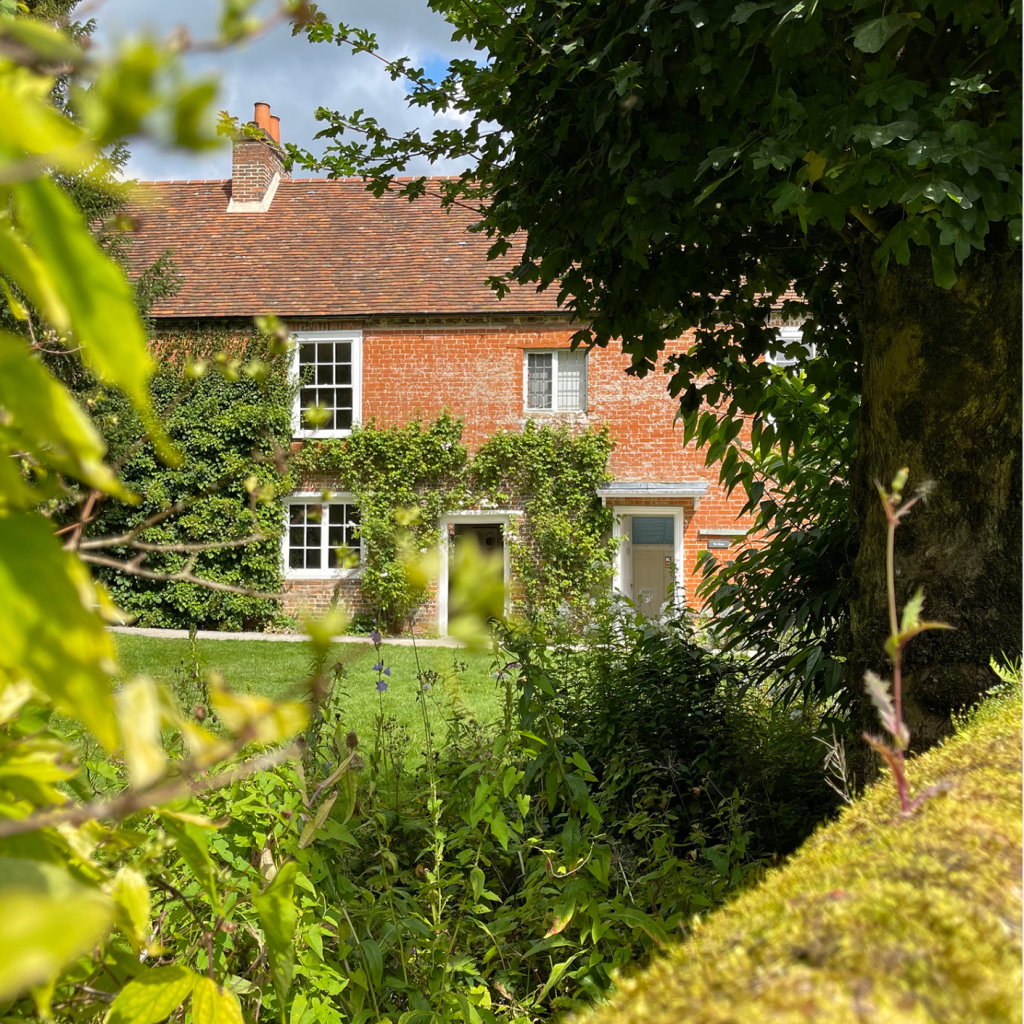
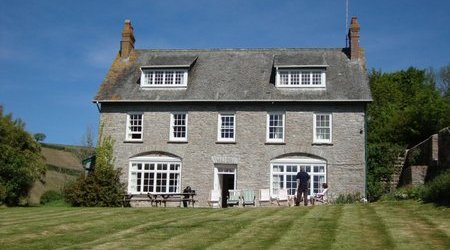
First off, we always love to see what each month brings to the English countryside in Jane Austen’s Hampshire. You can already see a hint of fall colors here and there, but the gardens are still lush and green. Here is a look at Chawton House this time of year:

September in Hampshire
In September, Jane Austen’s Hampshire still feels like summer, but there is a hint of autumn in the air that deepens as the month draws on. Of the weather, we have two comments from Austen in September 1796:
1 September (Rowling): “Our men had but indifferent weather for their visit to Godmersham, for it rained great part of the way there and all the way back.”
18 September (Rowling): “What dreadful hot weather we have! It keeps one in a continual state of inelegance.”
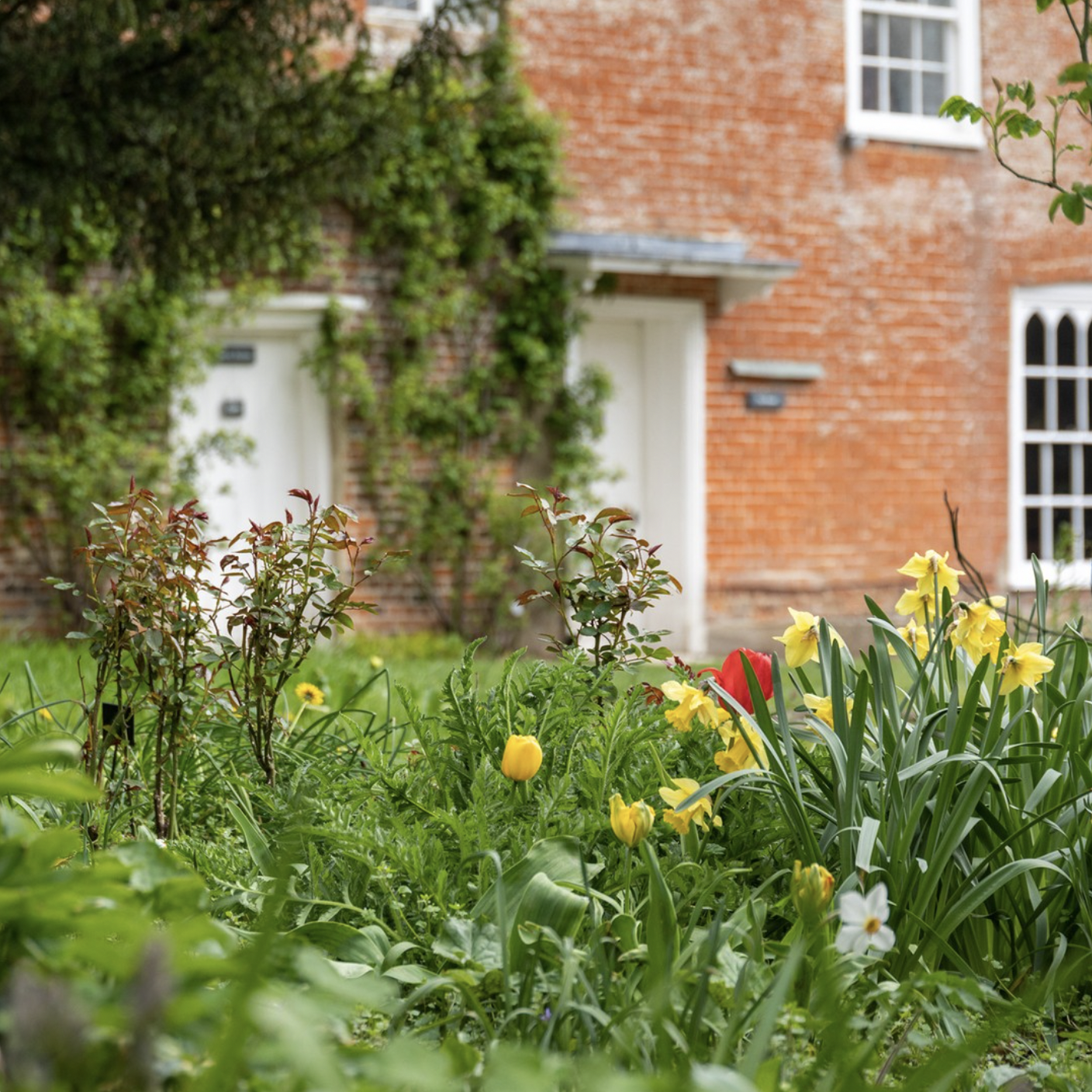
Here is a glimpse of Jane Austen’s House Museum and its gardens in September:

September in Jane Austen’s Letters
Of Austen’s surviving letters, there are four from the month of September. All are dated from September 1796, at Rowling House. Austen spent several weeks there visiting her brother Edward and his wife, Elizabeth, at their first home, Rowling, a large farmhouse in Kent. Here are a few interesting highlights from her letters during her time there:
1 September:
- Jane and Cassandra’s friendship: “The letter which I have this moment received from you has diverted me beyond moderation. I could die of laughter at it, as they used to say at school. You are indeed the finest comic writer of the present age.”
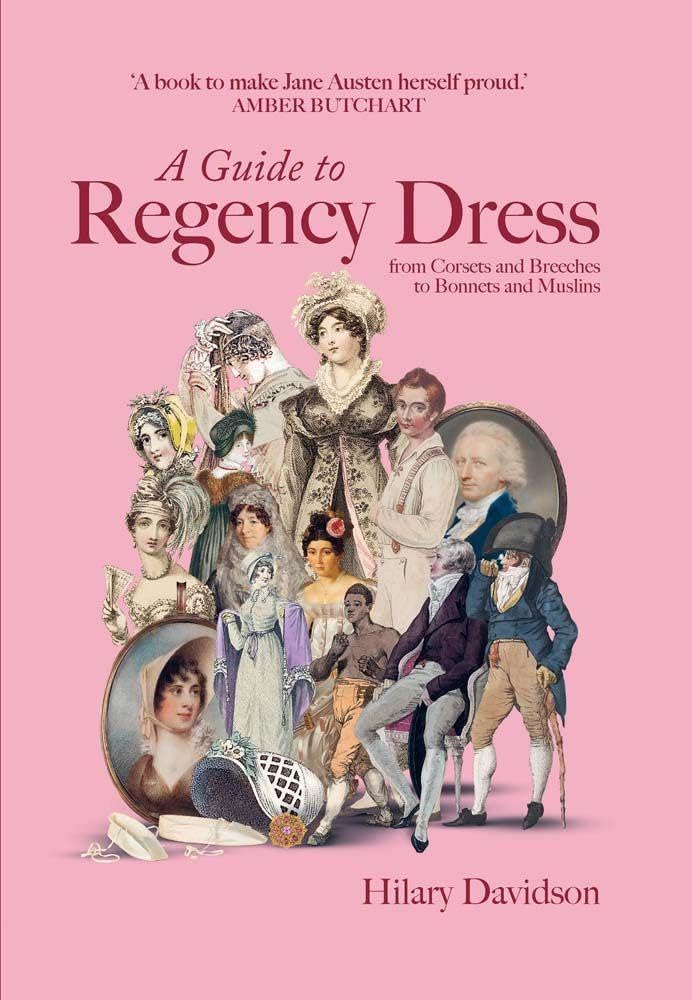
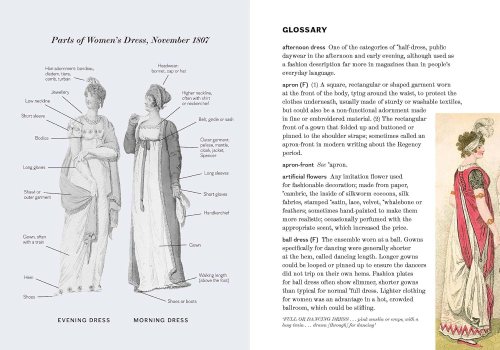
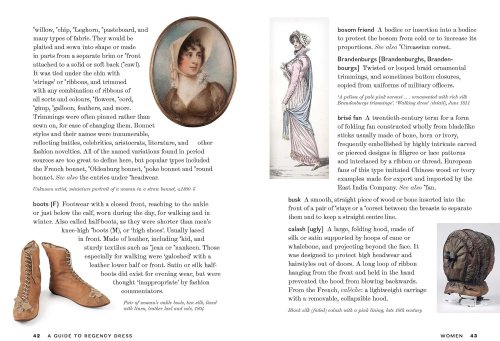
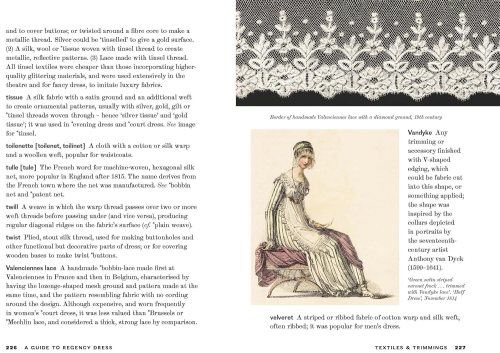
- New gowns: “I have had my new gown made up, and it really makes a very superb surplice. I am sorry to say that my new coloured gown is very much washed out, though I charged everybody to take great care of it. I hope yours is so too.”
- Jane’s skill with a needle and thread: “We are very busy making Edward’s shirts, and I am proud to say that I am the neatest worker of the party.”
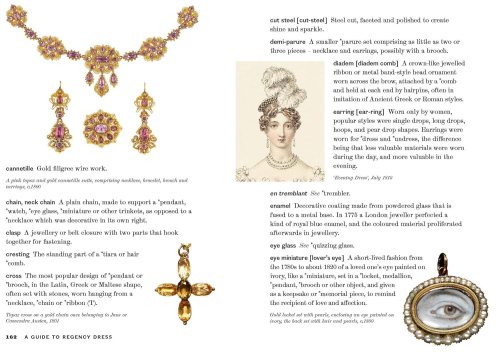
Jane Austen quite prided herself on her needlework. In her article “I Am the Neatest Worker of the Party”: Making and Mending the Family’s Wardrobe,” Ann Buermann Wass (Persuasions On-Line) shares this:
“Before the invention of the sewing machine, all sewing had to be done by hand. While some tasks were left to professionals, the sewing of mothers, sisters, and daughters was a significant contribution to the household. Both letters and diaries suggest that women’s hands were seldom idle as they “sat at work,” that is, sewed garments for themselves and their families and mended them as they showed signs of wear. This work, stowed in work (or sewing) bags, was portable and could be carried around the house or even taken out visiting, allowing women to be productive while they chatted.” (Bauermann Wass)
5 September:
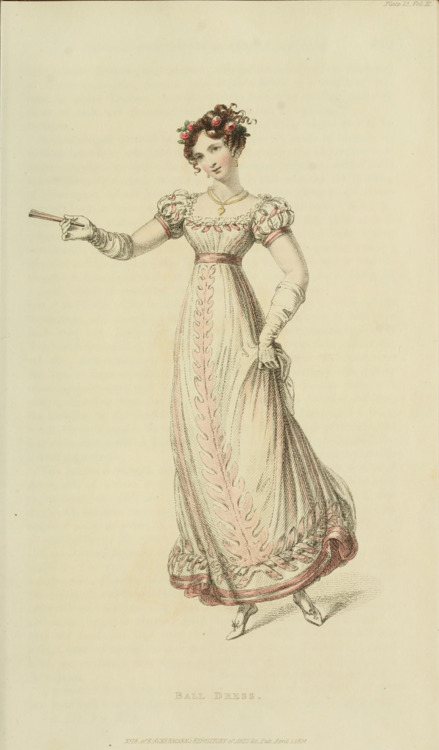
- Cassandra attends a ball: “I shall be extremely anxious to hear the event of your ball, and shall hope to receive so long and minute an account of every particular that I shall be tired of reading it. Let me know how many, besides their fourteen selves and Mr. and Mrs. Wright, Michael will contrive to place about their coach, and how many of the gentlemen, musicians, and waiters, he will have persuaded to come in their shooting-jackets. I hope John Lovett’s accident will not prevent his attending the ball, as you will otherwise be obliged to dance with Mr. Tincton the whole evening. Let me know how J. Harwood deports himself without the Miss Biggs, and which of the Marys will carry the day with my brother James.”
- Jane attends a ball: “We were at a ball on Saturday, I assure you. We dined at Goodnestone, and in the evening danced two country-dances and the Boulangeries. I opened the ball with Edward Bridges; the other couples were Lewis Cage and Harriet, Frank and Louisa, Fanny and George. Elizabeth played one country-dance, Lady Bridges the other, which she made Henry dance with her, and Miss Finch played the Boulangeries. (In reading over the last three or four lines, I am aware of my having expressed myself in so doubtful a manner that, if I did not tell you to the contrary, you might imagine it was Lady Bridges who made Henry dance with her at the same time that she was playing, which, if not impossible, must appear a very improbable event to you. But it was Elizabeth who danced.) We supped there, and walked home at night under the shade of two umbrellas.”
15 September:
- Living in style: “We have been very gay since I wrote last; dining at Nackington, returning by moonlight, and everything quite in style, not to mention Mr. Claringbould’s funeral which we saw go by on Sunday.”
- Jane’s commentary: “Miss Fletcher and I were very thick, but I am the thinnest of the two. She wore her purple muslin, which is pretty enough, though it does not become her complexion. There are two traits in her character which are pleasing — namely, she admires Camilla, and drinks no cream in her tea.”
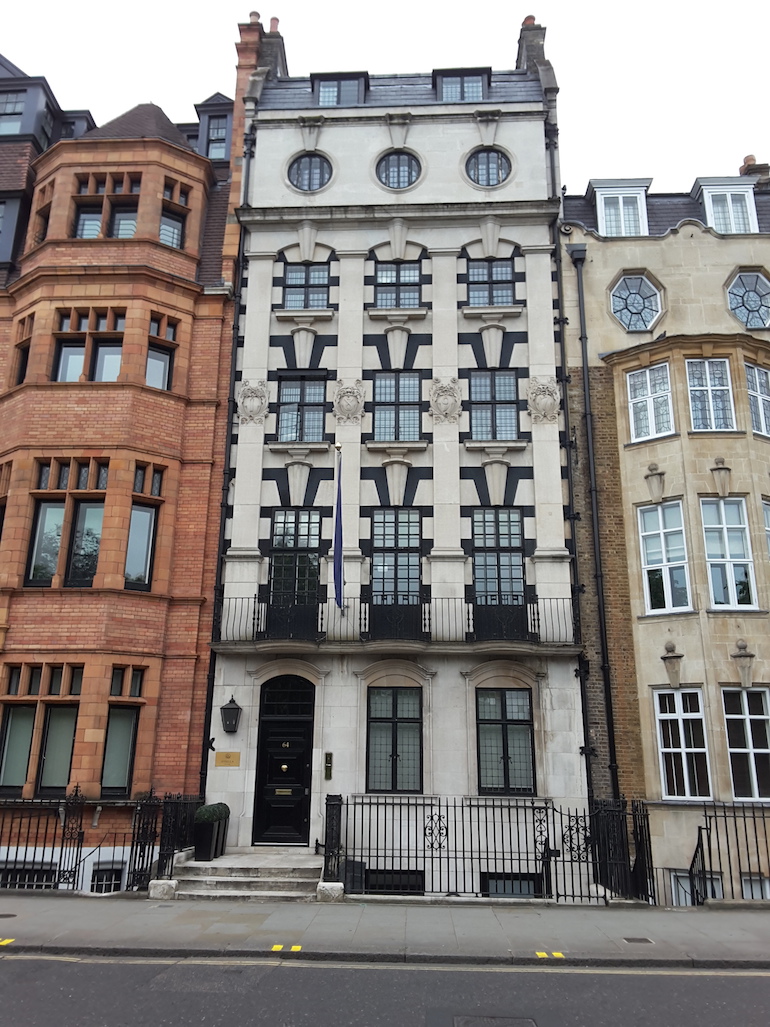
- A gentleman Jane admired: “We went by Bifrons, and I contemplated with a melancholy pleasure the abode of him on whom I once fondly doated.”
- Jane’s travel plans: “As to the mode of our travelling to town, I want to go in a stage-coach, but Frank will not let me. As you are likely to have the Williams and Lloyds with you next week, you would hardly find room for us then. If anyone wants anything in town, they must send their commissions to Frank, as I shall merely pass through it. The tallow-chandler is Penlington, at the Crown and Beehive, Charles Street, Covent Garden.
What an intriguing line: “the abode of him on whome I once fondly doated.” Like me, you’re probably thinking, Who was this man? While some might wonder if she was referencing Tom Lefroy, it seems that Austen was actually writing about a different man.
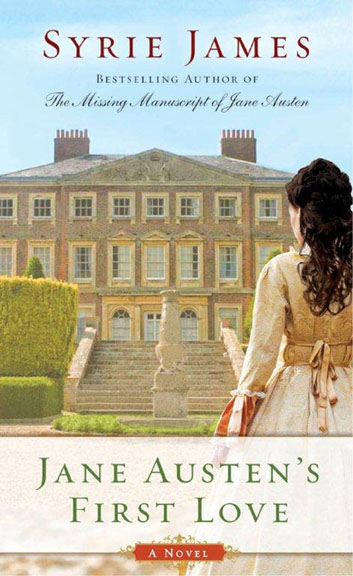
Syrie James explains this reference in the following excerpt from her article, “Edward Taylor of Bifrons: Jane Austen’s First Love,” English Historical Fiction Authors (December 3, 2014):
When Jane wrote that letter in 1796, her flirtation with Lefroy had ended some seven months prior. She was reminiscing with wistful longing about a young man she’d met many years earlier. Scholars have long since identified the “Him” as Edward Taylor, and the “abode,” Bifrons Park, as the estate in Kent which he would one day inherit. Little else, however, was known about him. Biographer Deirdre Le Faye, in Jane Austen: A Family Record (1989) simply states, “Jane met and briefly cherished a girlish passion for young Mr. Edward Taylor of Bifrons.” John Halperin, in The Life of Jane Austen (1984), refers to Edward Taylor as “her old beau” and “the most shadowy of her possible early ‘suitors.’
You can read more of James’s fascinating article about Edward Taylor of Bifrons HERE. Her book Jane Austen’s First Love is based on her research about the young man Jane Austen apparently “doated” on in her youth. I have not read it, but I like the concept!
18 September:
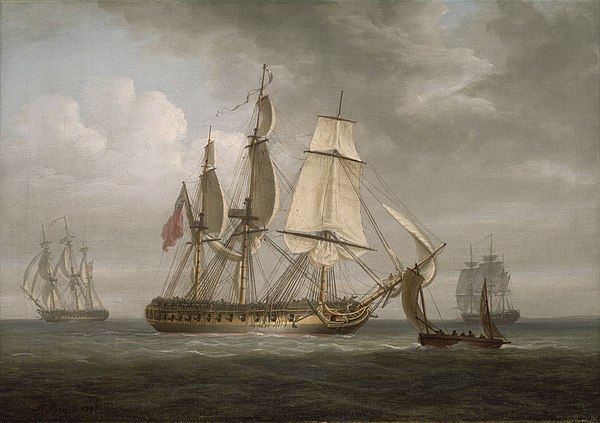
- News of Frank’s new appointment: “Frank has received his appointment on board the “Captain John Gore,” commanded by the “Triton,” and will therefore be obliged to be in town on Wednesday.” (The “Triton” is a new 32 frigate just launch at Deptford. Frank is much pleased with the prospect of having Captain Gore under his command.)
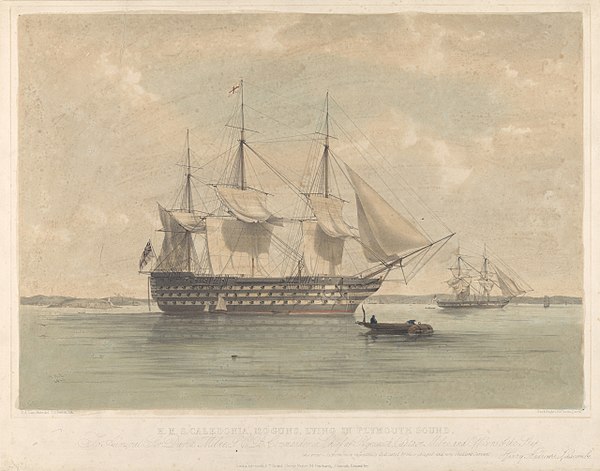
Having brothers in the Navy meant that the two Austen sisters were well-versed on topics surrounding ships, men in leadership, and appointments. Here is a fascinating bit of information I discovered about the very unique HMS Triton:
“Triton was an experimental ship and the only one built to that design; she was constructed out of fir due to wartime supply shortages of more traditional materials and had some unusual features such as no tumblehome. Her namesake was the Greek god Triton, a god of the sea. She was commissioned in June 1796 under Captain John Gore, with whom she would spend the majority of her active service, to serve in the Channel in the squadron of Sir John Warren.” (Wikipedia)
September in Jane Austen’s Novels
Sense and Sensibility
- The Dashwood women arrive at Barton Cottage in September: “As a house, Barton Cottage, though small, was comfortable and compact; but as a cottage it was defective, for the building was regular, the roof was tiled, the window shutters were not painted green, nor were the walls covered with honeysuckles. A narrow passage led directly through the house into the garden behind. On each side of the entrance was a sitting room, about sixteen feet square; and beyond them were the offices and the stairs. Four bed-rooms and two garrets formed the rest of the house. It had not been built many years and was in good repair. In comparison of Norland, it was poor and small indeed!—but the tears which recollection called forth as they entered the house were soon dried away. They were cheered by the joy of the servants on their arrival, and each for the sake of the others resolved to appear happy. It was very early in September; the season was fine, and from first seeing the place under the advantage of good weather, they received an impression in its favour which was of material service in recommending it to their lasting approbation.”

Pride and Prejudice
- Lydia’s new husband goes hunting in September: “Lydia was exceedingly fond of him. He was her dear Wickham on every occasion; no one was to be put in competition with him. He did everything best in the world; and she was sure he would kill more birds on the first of September than anybody else in the country.”
September 1st is when hunting season opens for partridge, duck, and goose in the UK, as it did in Jane Austen’s day. Apparently, Lydia thinks her new husband will kill more birds than any other man in England on opening day!
Mansfield Park
- Mr. Crawford goes to Norfolk in September: “The season and duties which brought Mr. Bertram back to Mansfield took Mr. Crawford into Norfolk. Everingham could not do without him in the beginning of September. He went for a fortnight—a fortnight of such dullness to the Miss Bertrams as ought to have put them both on their guard, and made even Julia admit, in her jealousy of her sister, the absolute necessity of distrusting his attentions, and wishing him not to return; and a fortnight of sufficient leisure, in the intervals of shooting and sleeping, to have convinced the gentleman that he ought to keep longer away, had he been more in the habit of examining his own motives, and of reflecting to what the indulgence of his idle vanity was tending; but, thoughtless and selfish from prosperity and bad example, he would not look beyond the present moment. The sisters, handsome, clever, and encouraging, were an amusement to his sated mind; and finding nothing in Norfolk to equal the social pleasures of Mansfield, he gladly returned to it at the time appointed, and was welcomed thither quite as gladly by those whom he came to trifle with further.”
Emma
- Mr. Weston proclaimed a hero by Emma’s sister for his help one September night: “Me, my love,” cried his wife, hearing and understanding only in part.— “Are you talking about me?—I am sure nobody ought to be, or can be, a greater advocate for matrimony than I am; and if it had not been for the misery of her leaving Hartfield, I should never have thought of Miss Taylor but as the most fortunate woman in the world; and as to slighting Mr. Weston, that excellent Mr. Weston, I think there is nothing he does not deserve. I believe he is one of the very best-tempered men that ever existed. Excepting yourself and your brother, I do not know his equal for temper. I shall never forget his flying Henry’s kite for him that very windy day last Easter—and ever since his particular kindness last September twelvemonth in writing that note, at twelve o’clock at night, on purpose to assure me that there was no scarlet fever at Cobham, I have been convinced there could not be a more feeling heart nor a better man in existence.—If any body can deserve him, it must be Miss Taylor.”
- Harriet’s visit to the Martin family and a fond September memory: “She had seen only Mrs. Martin and the two girls. They had received her doubtingly, if not coolly; and nothing beyond the merest commonplace had been talked almost all the time—till just at last, when Mrs. Martin’s saying, all of a sudden, that she thought Miss Smith was grown, had brought on a more interesting subject, and a warmer manner. In that very room she had been measured last September, with her two friends. There were the pencilled marks and memorandums on the wainscot by the window. He had done it. They all seemed to remember the day, the hour, the party, the occasion—to feel the same consciousness, the same regrets—to be ready to return to the same good understanding; and they were just growing again like themselves, (Harriet, as Emma must suspect, as ready as the best of them to be cordial and happy,) when the carriage reappeared, and all was over. The style of the visit, and the shortness of it, were then felt to be decisive. Fourteen minutes to be given to those with whom she had thankfully passed six weeks not six months ago!”
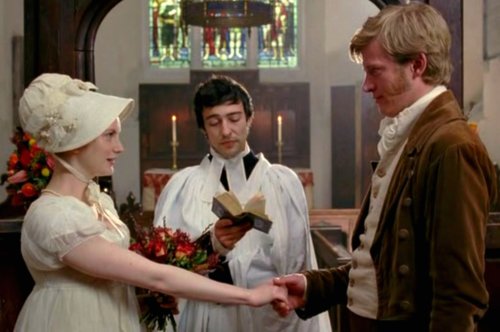
- Harriet marries Mr. Martin in September: “Before the end of September, Emma attended Harriet to church, and saw her hand bestowed on Robert Martin with so complete a satisfaction, as no remembrances, even connected with Mr. Elton as he stood before them, could impair.—Perhaps, indeed, at that time she scarcely saw Mr. Elton, but as the clergyman whose blessing at the altar might next fall on herself.—Robert Martin and Harriet Smith, the latest couple engaged of the three, were the first to be married.”
- Anne grieves living away from Kellynch Hall for Michaelmas (29th of September): “Michaelmas came; and now Anne’s heart must be in Kellynch again. A beloved home made over to others; all the precious rooms and furniture, groves, and prospects, beginning to own other eyes and other limbs! She could not think of much else on the 29th of September; and she had this sympathetic touch in the evening from Mary, who, on having occasion to note down the day of the month, exclaimed, “Dear me, is not this the day the Crofts were to come to Kellynch? I am glad I did not think of it before. How low it makes me!”
September Dates of Importance
This brings us now to several important September dates that relate to Jane and her family:
Family News:
15 September 1791: James Austen becomes vicar of Sherborne St John, Hampshire.
September 1794: Charles Austen graduates from the Royal Naval Academy and becomes a midshipman aboard HMS Daedalus.
Historic Dates:
3 September 1783: The Treaty of Paris is signed, ending the American War of Independence.
29 September (yearly): Michaelmas celebrations, a day of feasting, which traditionally included a roast goose and blackberry pie.
Writing:
August/September 1815: Jane Austen possibly travels to London, regarding the publication of Emma, returning early in September.
Sorrows:
6 September 1814: Charles Austen’s wife Fanny dies after childbirth.

September
As you can see, September is a month when Jane Austen and her friends, family, and characters enjoyed travel, balls, and other outings. Next month, we’ll step into autumn in Hampshire and learn about October in Jane Austen’s World!
RACHEL DODGE teaches college English classes, gives talks at libraries, teas, and book clubs, and writes for Jane Austen’s World blog. She is the bestselling author of The Little Women Devotional, The Anne of Green Gables Devotional and Praying with Jane: 31 Days Through the Prayers of Jane Austen. Now Available: The Secret Garden Devotional! You can visit Rachel online at www.RachelDodge.com.