Inquiring Readers,
Several news items about Jane Austen have piqued my interest! My friend Deborah Barnum, who oversees the excellent Jane Austen in Vermont blog, referred me to an article written in February by Catherine Bennet entitled Who’s going to be triggered by Northanger Abbey? It’s hardly Game of Thrones.
Greenwich University’s Trigger Warnings Towards Northanger Abbey
Question: Does catering to students’ sensitive sensibilities and possible antipathy towards a gently humorous and ironic novel prepare them for a successful adulthood and working life? Northanger Abbey, originally titled Susan, was written by a 23-year-old author around 230 years ago. Inquiring minds want to know.
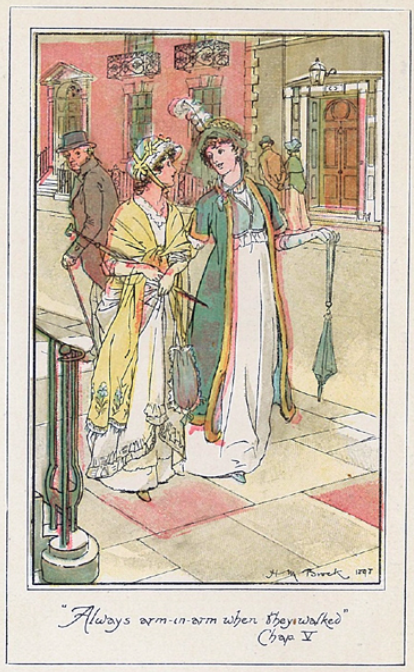
Image: Wikipedia, public domain
Catherine Bennet sums up the article in one sentence, “Greenwich University is warning students to prepare themselves for the ‘toxic friendships’ Jane Austen satirises in her novel.”
TOXIC? I gasped as I read the reasoning this university gave for protecting students from gender stereotypes and toxic relationships so they won’t be upset. Do universities no longer teach classic literature in context of the historical times in which it was written? Do literature professors no longer supervise robust debates and healthy discussions? Or help their classes to understand how, over the course of her short life, Austen’s novels and her personal viewpoint changed and transformed her own understanding of the human condition?
Must our childrens’ tender sensibilities be given a safe space from a brilliant spinster writer who helped to revolutionize the novel? I’ll tell you what triggered me, Greenwich University, and forced my bosom to heave: It was your pandering where none was needed.
To quiet my suffering nerves, I must now reach for my smelling salts, drink some elderberry wine, and rest. A handsome companion holding my hand would not be amiss. Hint: humor and irony here. (My friend and editor would have merely added a wink emoji, but yours truly desires to dramatize her feelings à la Marianne Dashwood!)
Steventon House for Sale
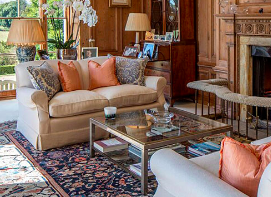 Just as this article surfaced, another one popped up! While Jane Austen is more popular than ever, which has me chuffed, this account does not quite describe the before and after differences of the Steventon House. Here’s the description of the sale of Steventon House today.
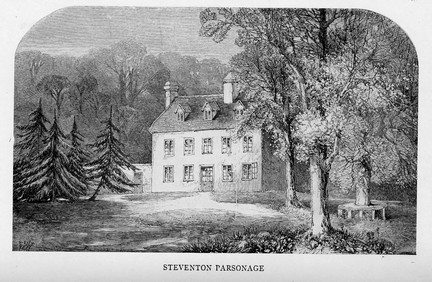
The Austen family’s house was actually demolished in the early 19th century, soon after the George Austen family moved to Bath. All that remains to this day of the old Rectory is a pump surrounded by a tiny fence. The rest of the house is gone. The current sale article describes today’s site/situation as such:
“Steventon House was the birthplace of the iconic author Jane Austen,” said Ed Sugden, director of Savills, the estate’s listing agency, along with Knight Frank. “Although the original structure has since disappeared, the Georgian masterpiece that currently stands, envisioned by her older brother Edward, perfectly befits the milieu that Austen captured in her writing.”
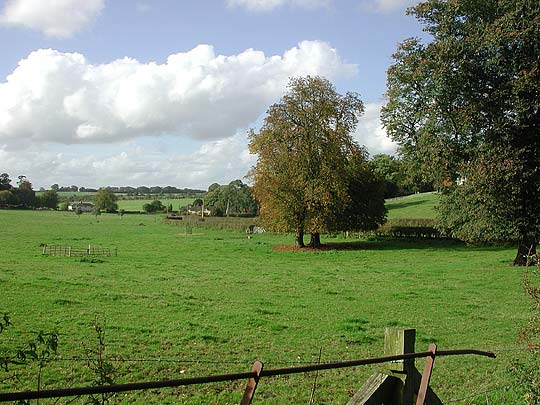
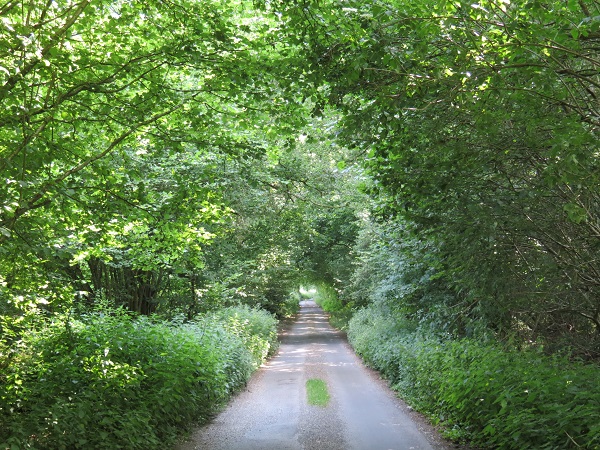
Well, no. Take a look at the link to these images. Can you see anything that resembles late 18th C./early Regency furnishings? One must applaud the mystery that our spinster Jane still holds over her admirers today. The new owners would not be living in her family’s historic house, but they could still imagine trodding the same lanes that she and her family walked towards Steventon Church, to friends’ houses, and to purchase goods in nearby towns. They can still experience the landscape that nurtured her childhood and budding writing career. These imaginings alone should be worth the cost of their purchase.
Here’s a link to Remains of Jane Austen’s Steventon House Unearthed by the BBC
My previous thoughts are a perfect segue to:
Jane Austen’s Little Book of Wisdom: Words on Love, Life, Society, and Literature, Compiled by Andrea Kirk Assaf. (Click on link.)
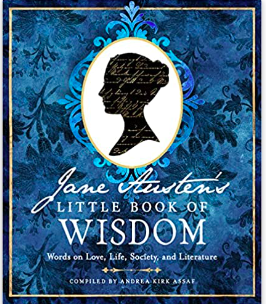 This book provides the reader with a quote a day or the opportunity to devour swaths of her genius at a time. Be that as it may, let’s gauge how many of Austen’s sayings are as inspiring and witty as ever:
“I declare after all there is no enjoyment like reading!” – Pride & Prejudice, back cover
“I hate to hear you talk about all women as if they were fine ladies instead of rational creatures. None of us want to be in calm waters all our lives” – Persuasion, p140
“I think it ought not to set down as certain that a man must be acceptable to every woman he may like himself” – Mansfield Park, p 49
For a lady who was never married, she sounds modern and reasonable. This lovely book will provide a daily diet of Austen sensibility every day of the year. My vote: 4 out of 4 teacups.
A friend Discovers Jane Austen
A fellow board member who serves with me on a local board asked me out of the blue about the two BBC Jane Austen films he had watched. They were Emma, 2009 (he stood up and applauded the film at the end) and Sense and Sensibility, 2007, which he also applauded. When I asked him why he began watching the films, he confessed to reading this blog and being intrigued by my devotion to Jane.
He then asked if Pride and Prejudice was worth watching. After a short conversation, I realized he had never read Jane’s novels. I told him that P&P was regarded as one of the top novels in literature, and asked him which version he had borrowed from the library. It was the splendid 1995 A&E/BBC Firth/Ehle mini series.












 Jane Austen's World