Feeds:
Posts
Comments

Posts Tagged ‘Tony Grant’

Dear Readers, this article, written by Tony Grant, continues on his blog, London Calling. Tony recalls events that actually happened to his great grant uncle, William McGinn.

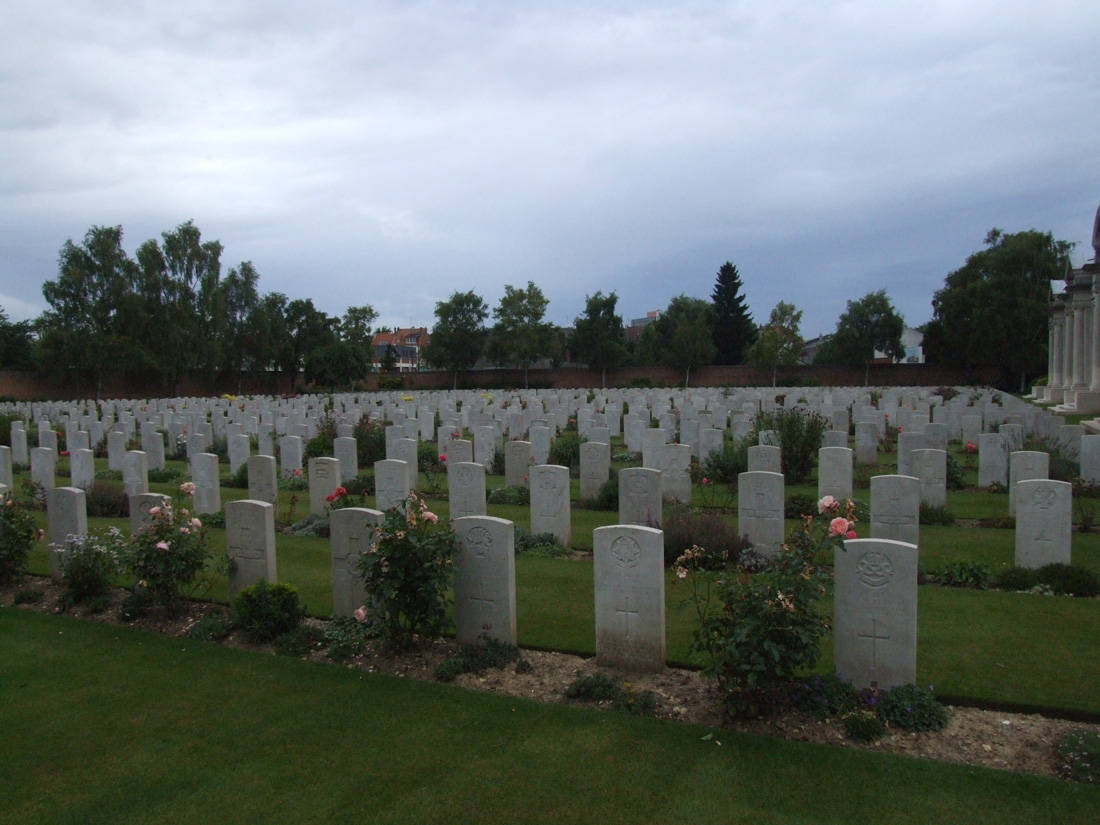
Arras British Cemetery

Graves at the Arras British cemetery. There are about three thousand graves here.

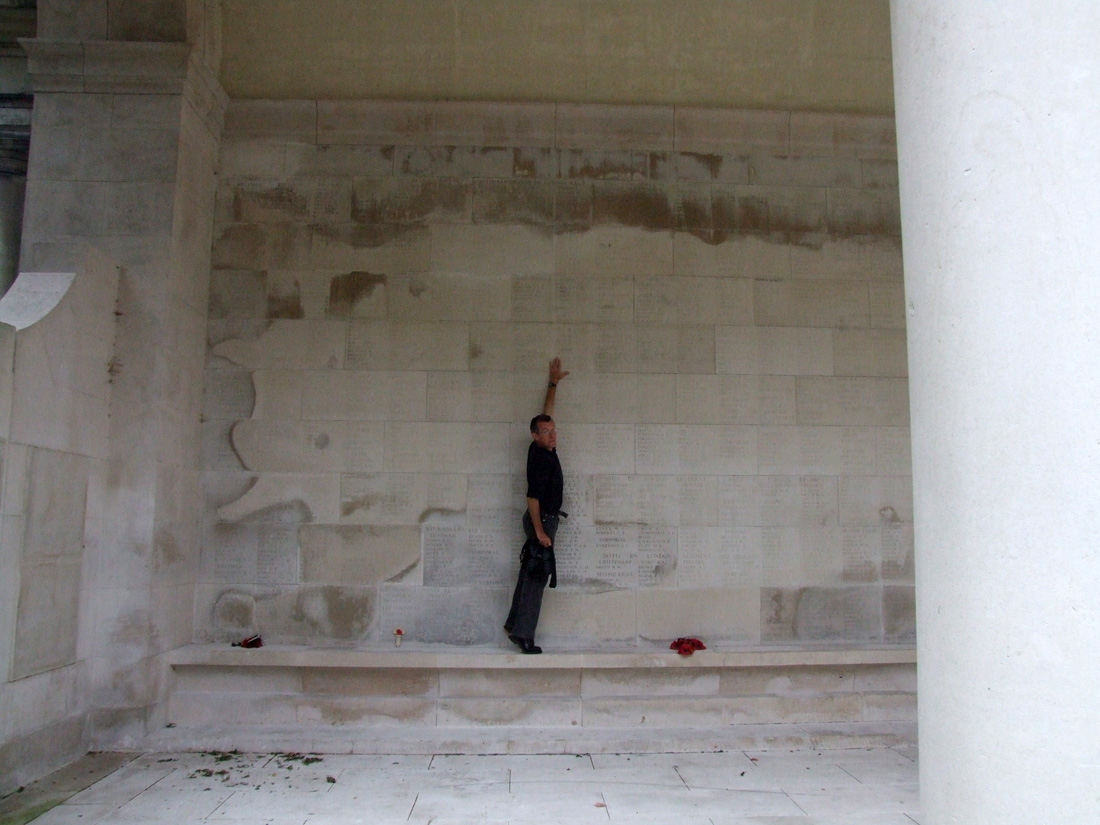
Tony Grant touches his great uncle's name

It took Marilyn, Alice, Emily, Abigail and myself well over an hour to find Williams name on the Lutyens monument. There are 35,000 names of the missing carved on this monument.Here I am reaching up to touch his name.

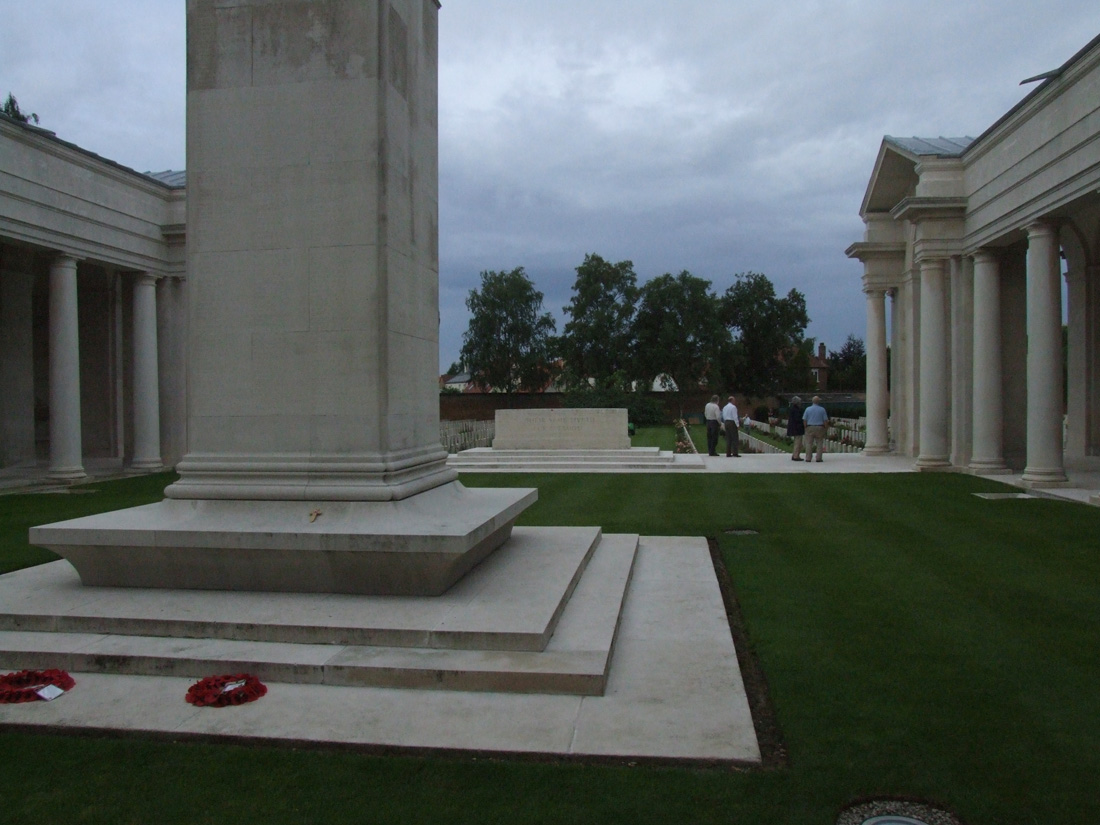
Lutyens monument

The entrance to Lutyens monument to the British dead who were killed in the fields around Arras.
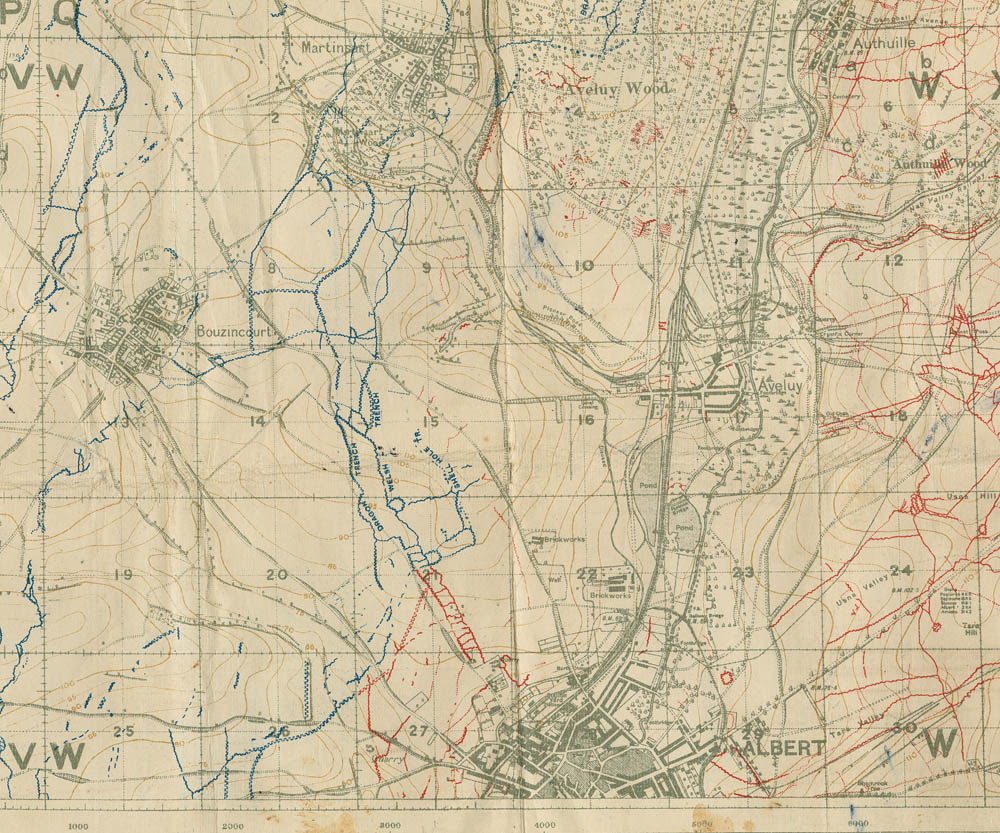
A map, showing Aveluy Woods , south of Arras where my great uncle William McGinn was killed.

Aveluy Wood

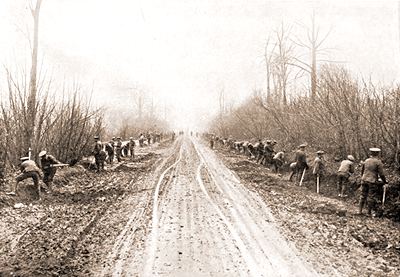
This picture of soldiers working on the road that passed through Aveluy Woods was taken about a month before my uncle was killed.
A map showing the German advance during the last great Battle of the Somme. The last great battle of this terrible war on the Western Front.
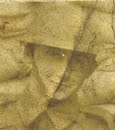
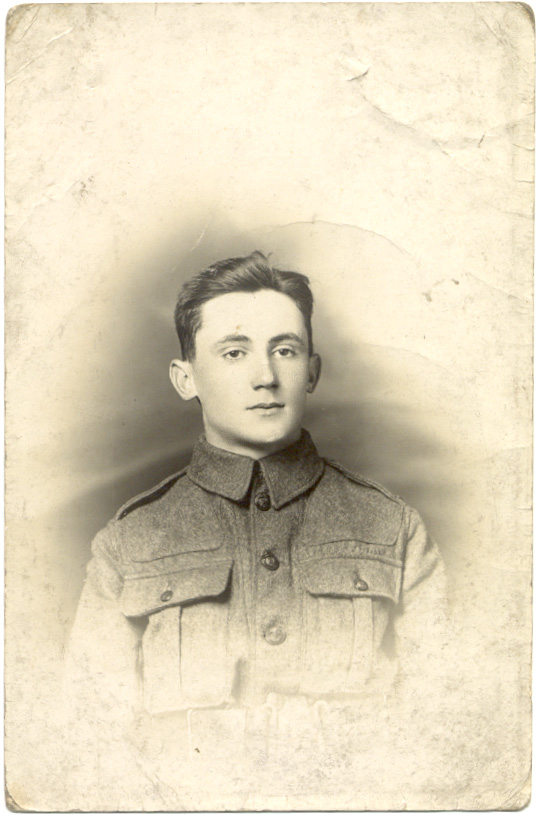
My greatuncle William McGinn, taken in France.

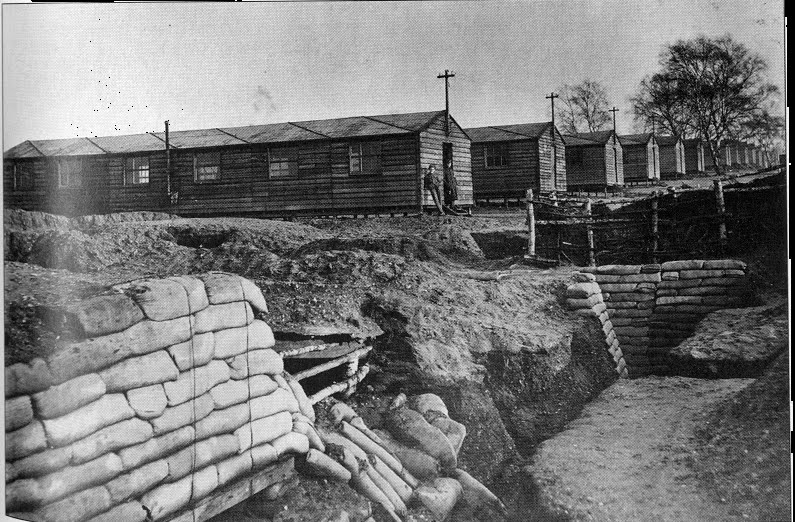
Wimbledon camp where William trained

The military camp on Wimbledon Common where many rifle regiments trained before going to France. My uncles regiment, The Civil Service Rifles trained here.

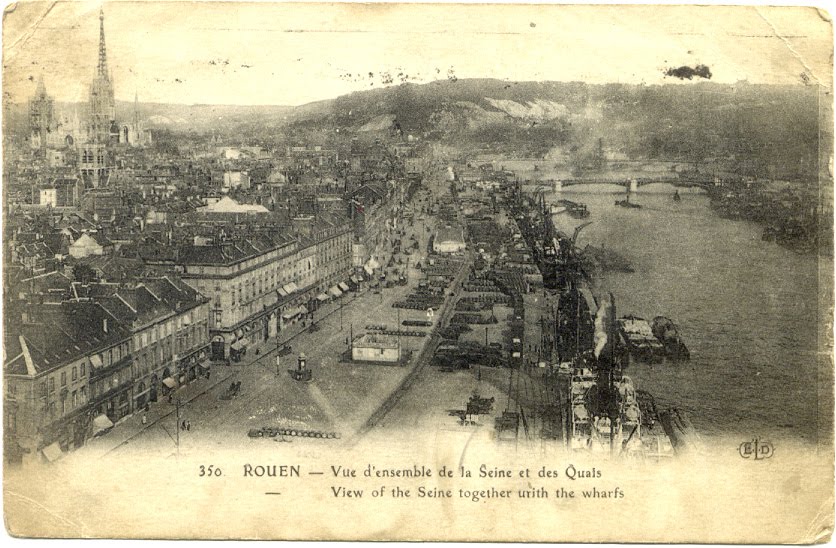
William McGinn disembarked in Rouen, 1918

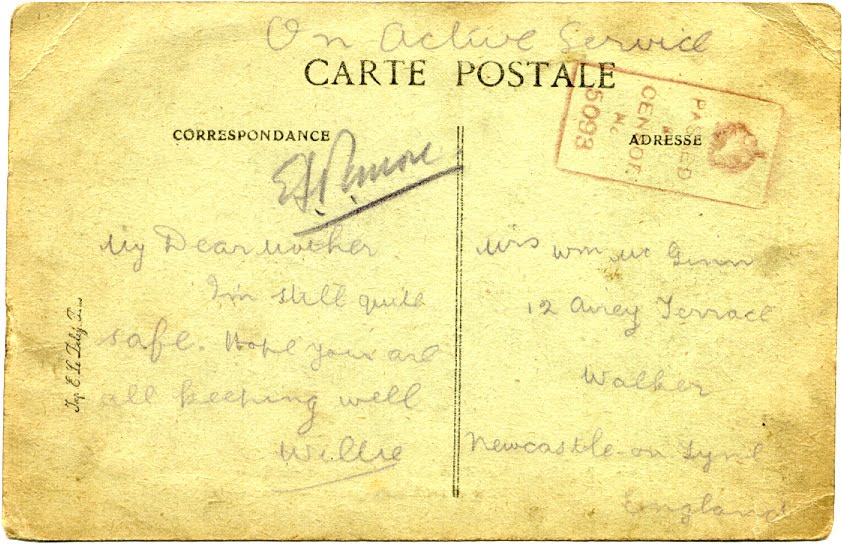
The last postcard my great uncle wrote from France. This is the port of Rouen a great embarkation point for Brtiish troops on their way to the Western Front.

This is what he wrote to my great Grandmother.
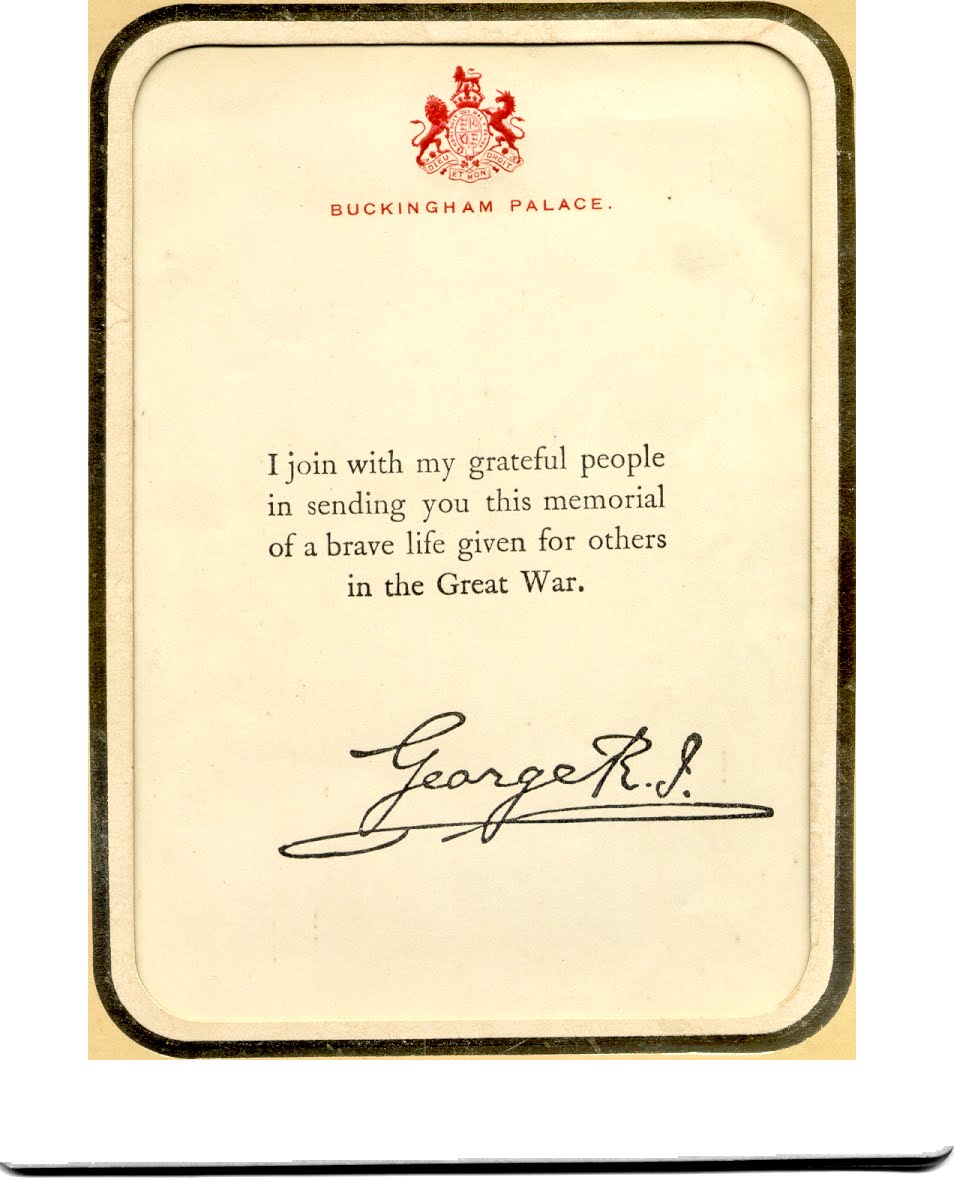
All the families of soldiers who died on the Western Front received a message from the King.

William McGinn at nineteen

William McGinn, before embarking for France. He was 19 years old. He survived in France for three weeks.

WORLD WAR I, AN OVERVIEW OF THE POLITICAL, THE HOME FRONT AND THE MILITARY.

World War I is coming to our screens through the medium of Downton Abbey. The series has reached the Summer of 1914, a time of shifting tectonic plates in the power of nations and Empires, very much like the time we live in now, brought on by the great financial crisis we are all living through. This present series is a reminder to us all.

My own family have been very much part of the terrible traumas of the past two world wars. Close members of my family have died in action in both wars. In 1914, at the start of the First World War, my maternal great grandmother and grandfather, Susie and William McGinn moved from County Limerick, in the South of Ireland, to Newcastle upon Tyne in the north of England. The move was to enable my great grandfather to get work in the shipyard, Swan Hunters, on the Tyne. They lived in a three story house,a pigeon loft installed in the roof, at 12 Airey Terrace Walker, close to the River Tyne and Swan Hunter’s yard.

Their son, also called William, was a very bright lad and passed his civil service exams to get him a prized job with the civil service. At the age of 18 he returned to Ireland to work in the post office in Dublin as a clerk. It was the moment the IRA was preparing for the Easter Uprising against British rule in Ireland. Although my great uncle was a true Irishman, born in Ireland, but because he had emigrated to England and his parents were living in England, he and his family were regarded as traitors and he was threatened with the message, “Your next McGinn,” meaning the IRA would kill him. He wrote home and my Great-grandmother sent him the money to return to Newcastle.

To read the rest of the story, click on this link to London Calling.

Gentle Readers, please note that I make no money from my blog. The advertisement you see has been generated by WordPress, not by me.

Read Full Post »

Gentle Readers, Frequent contributor, Tony Grant from London Calling, has been on a hiatus. But he has returned with a vengeance. Please enjoy his observations about Hogarth’s breathtaking series, The Rake’s Progress, and the modern pictures he took as he went on a quest to search for The Rake’s London.

In 1733 William Hogarth began a new series of progress pictures. He had already created The Harlott’s Progress which had been very popular. He now began a series called The Rake’s Progress.

A Rake's Progress at the Sir John Soane's Museum

A rake was a stylised type of young man that had a literary tradition already before Hogarth began his series. He was generally regarded as a very impressionable young man, usually born and bred in the countryside to a wealthy father who had gained his riches by working hard and amassing a fortune which he had inevitably hoarded and not spent. The young man, cut off from society in the countryside during his childhood and not needing to work because of his inherited wealth, embarks on a dissolute life in the fleshpots of London. His fate usually includes the squandering of his fortune, venereal disease, prison and eventual death. Hogarth keeps to this format but also adds in a few other nuisances.

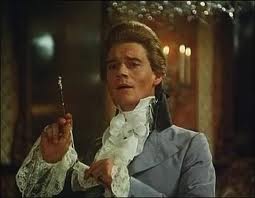
Anthony Andrews as the Scarlet Pimpernel, the quintessential 18th century fop.

Hogarth shows Tom Rakewell as aspiring to be cultured like a young well-educated aristocrat, commissioning and sponsoring poets and musicians with no idea about what has merit. He has no taste. He is not cultured or educated to any high standard. The popular name for this type of upstart in the 18th century was a ,”cit.” Tom also tries to create an outward show of elegance and sophistication. He is self deluded and fits the term “fop” exactly.

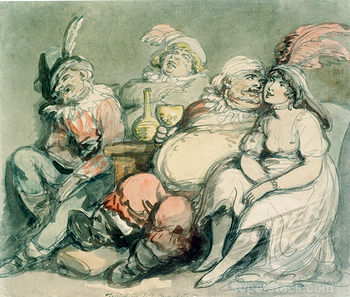
Fallstaff and Doll Tearsheet, Thomas Rowlandson. Image@Huntington Library

Tom’s surname, Rakewell, describes him. Hogarth is drawing again on a long comic and literary tradition. Many of Shakespeare’s lower class characters have names which describe them – ‘Doll Tearsheet’, in Henry IV part 1 and 2. ‘Bullcalf’, or somebody recruited by Falstaff in the same plays. Dickens often uses the same convention: Mould, the undertaker in Martin Chuzzlewit and Mr Choakumchild in Hard Times are prime examples. English comedians still play with these names to this day.

Inherited wealth is not so prevalent in the 21st century,  but these days the spoilt, glossy, manicured characters who seem to do no work and have as much money to squander as they wish, as portrayed in the docudrama series, E4’s “Made In Chelsea,” fit the rake, male and now, female version.

Scene 1.

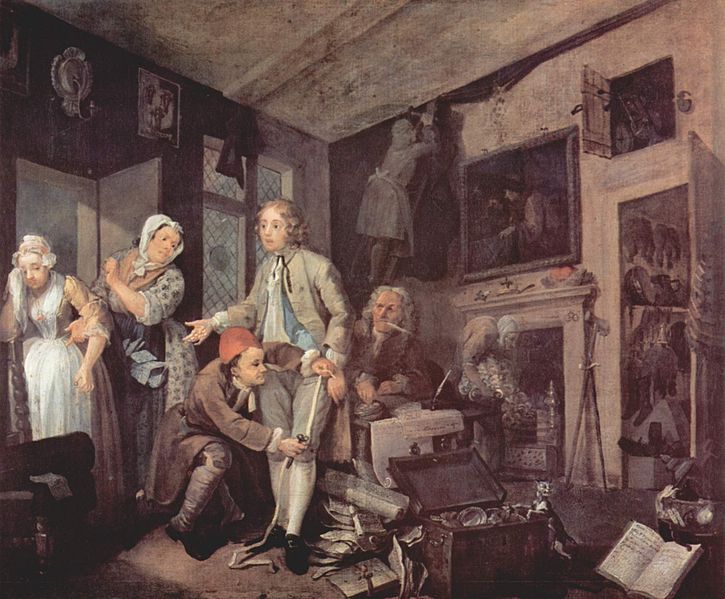
We are introduced to Tom Rakewell standing in the dingy dark parlour of his inherited country house, a red-capped gentleman measuring him up for a new suit. We can be sure it will be made from the most expensive silks and have the most garish designs. His old steward looks furtive, hunched behind him, trying to fiddle the books and put some cash into his own pocket. A weeping pregnant girl, Sarah Young, is being rejected by Tom and he tries to pay off her mother with a desultory sum. Tom is breaking his mould. We can see the wrong he is doing immediately although Tom is oblivious of the road he has set out upon.

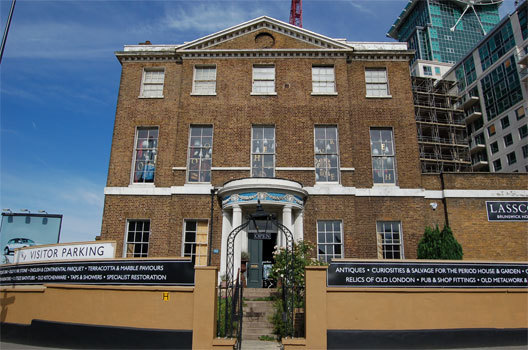
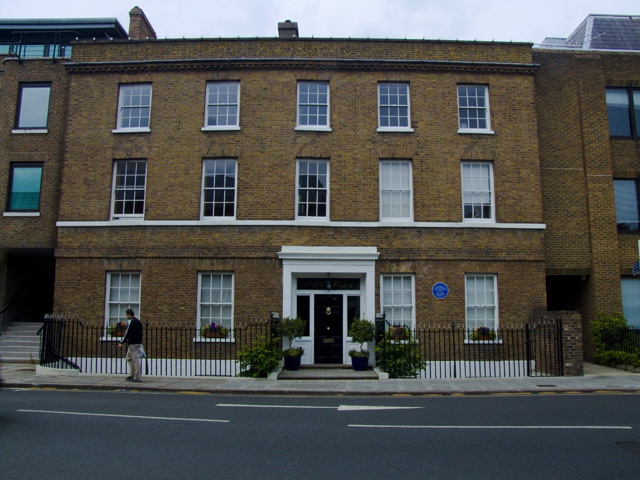
Brunswick House

There are many fine Georgian houses in the English Countryside. I found this one in Nine Elms on the South Bank opposite Vauxhall Tube Station and next to the great green glass edifice of MI5. It is called Brunswick House and it is the home of Lassco antique dealers. I thought this particular Georgian house fitted The Rake’s Progress nicely as standing in for Tom’s inherited home.The house would have been in the countryside on the outskirts of London during the 18th century. Today the house is a grade I listed building and a fine example of the Georgian Houses that used to be in Nine Elms. It stands alone now, surrounded by high rise modern flats and offices. The Nine Elms road junction is before it, awash with cars, buses and lorries at all times of the day, every day. It is an anomaly, as indeed Tom Rakewell’s life became an anomaly.

Scene 2.

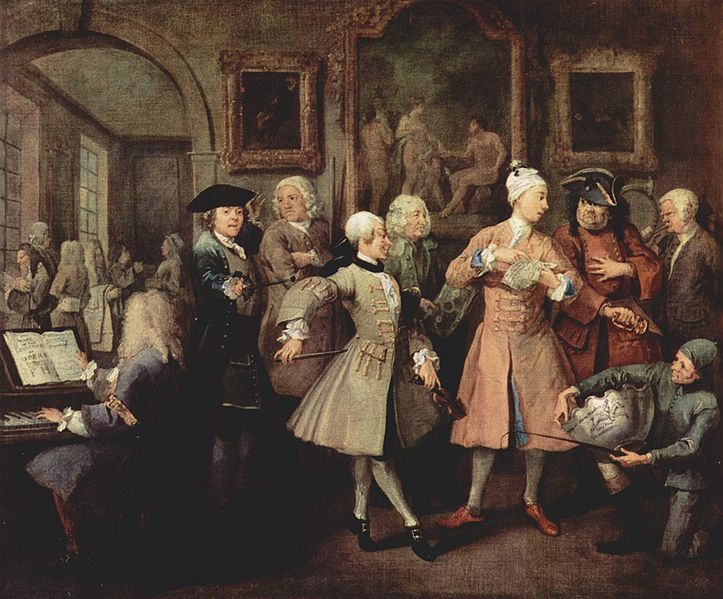
In this scene Tom is still at his country house. He is adapting to his new lifestyle. This scene shows a levee taking place. A levee consisted of the Lord or Duke holding a meeting every morning, as he dressed in his bedchamber with local tradesmen showing their wares and the Lord purchasing his requirements. Here Tom is following this tradition, and beginning to spend his money.

Tom doesn’t realise what he is doing. The gentry who follow this fashion of the levee were very wealthy people who owned lands , trading ships and industries that were creating more and more wealth for them. They spent money within their means. Tom has inherited amount of money, which he has no intention or wherewithal to add to. He knows not what he does. He appears to be what we might term, rather stupid. He is a prodigal son.

Scene 3.

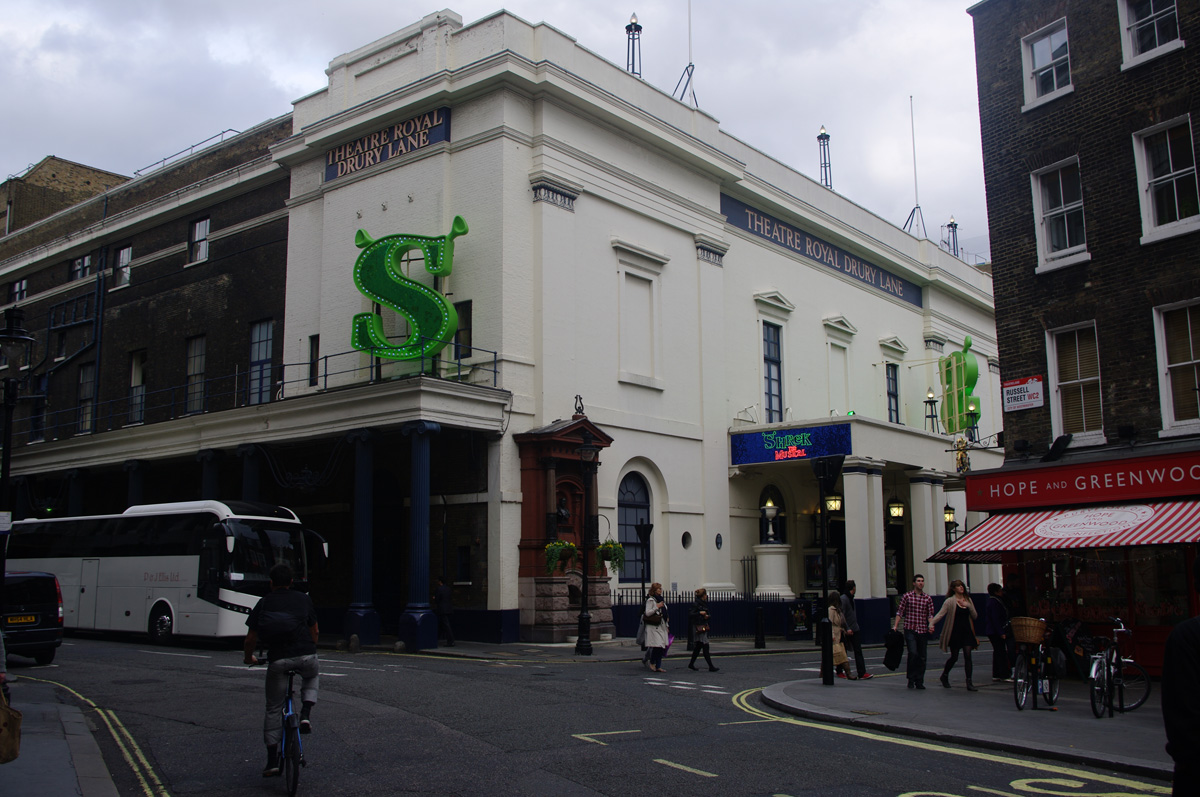
This is The Rose Tavern in Covent Garden. It was situated on the corner of Drury Lane just opposite The Drury Lane Theatre.

Rose Tavern site, corner of Drury Lane. Image @Tony Grant

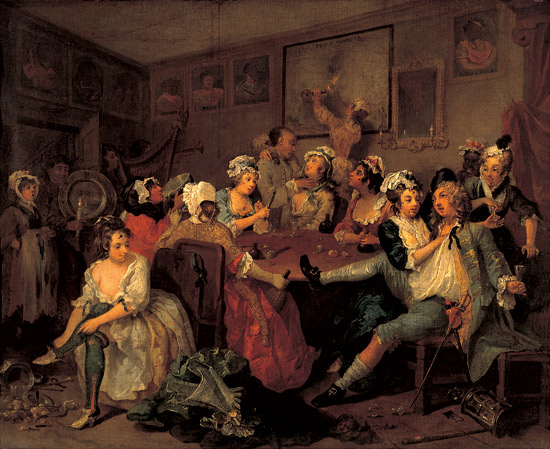
What is happening in this picture is a scene of debauchery. Tom is sitting to the right, his clothing loosened and being administered to by two prostitutes. A girl is removing her stockings in the foreground. Eventually she will be naked. A male servant is bringing in a silver platter for her to dance on. The tradition for new members of the trade, presumably still virgins, was to strip naked and perform a lewd dance on a silver plate high on a table for the wealthy clientele to view. She and her virginity would go to the highest bidder. A virgin could bring a very high price.

Site of 18th century brothels. Image @Tony Grant

The reason many of the brothels were situated in and around Covent Garden was because it was there all the produce from the countryside was brought into London. With the farm carts young country lasses seeking their fortune would arrive in London too. The market was not just for fruit and vegetables. Old prostitutes, too old to ply their trade, would become madams. They would meet these young girls arriving in Covent Garden Market and befriend them, offering them warm lodgings and work. One such madam was called Elizabeth Needham. She features in Hogarths picture of Moll Flanders arriving in Covent Garden at the start of Daniel Defoe’s story.

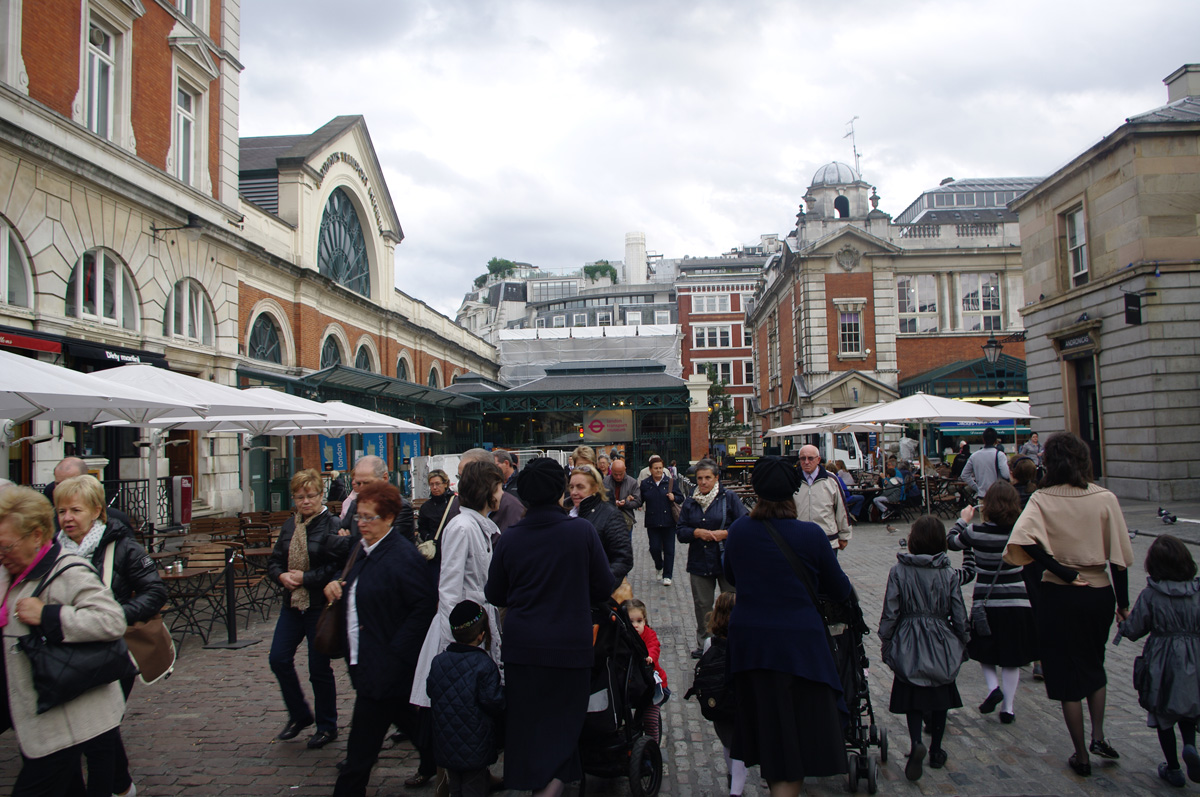
Covent Garden. Image @Tony Grant

Many of the authorities and the public were so incensed by her activities she was put into the stocks and stoned to death. At the height of prostitution in the 18th century it was said that one in five women in London were prostitutes. London was the most licentious city in Europe. After these girls fresh from the countryside had settled in at the madams house, they soon found out what the work they were to do. The madam would start to ask for rent and the cost of food. Of course the girls had no other means of paying. They could be threatened with their lives. Many did have, on the surface, respectable trades. They might be taught to be seamstresses or servants in the pubs around Covent Garden. but they would also provide certain other services. It was attractive because they could earn a lot more money than the ordinary servant or maid. The down side was that they would get diseases, such as gonorea and syphilis, and their lives and careers could be short. The black dots shown on many portraits of these girls were placed there to cover the ravages of syphilis.

Drury Lane Theatre. Image @Tony Grant

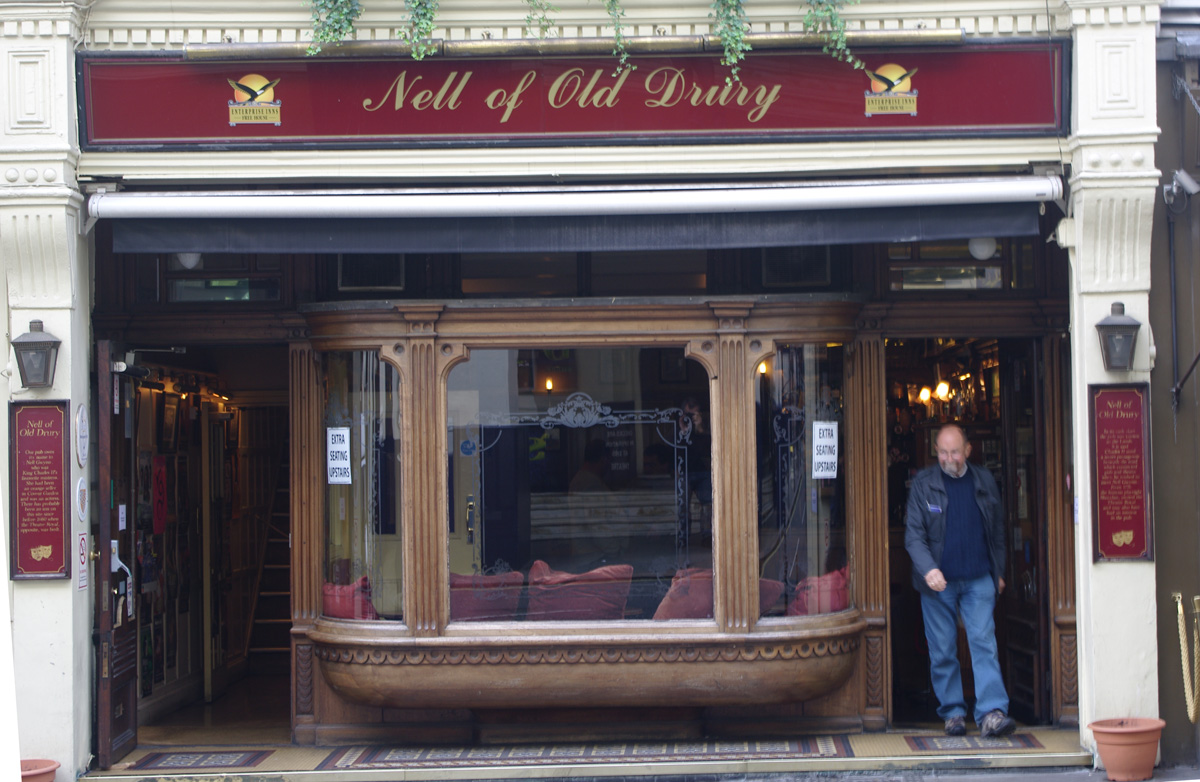
Some of the establishments that were pubs cum brothels were owned by supposedly reputable people. The Nell Gwyn, which exists today, opposite The Theatre Royal in Drury Lane. was partly owned at one time by Sherridan, the great playwright, who also owned and ran The Theatre Royal.

Nell Gwyn's hang out. Image @Tony Grant

It appears he had shares in the prostitution trade. Whether the Church of England owned brothels I am not sure. It was such a lucrative market and comprised a sizeable share of London’s economy, that I would not be surprised. The church needed money too.

There are shops on the site of The Rose Tavern today. Whether they are the original building I am not sure.

Scene 4.

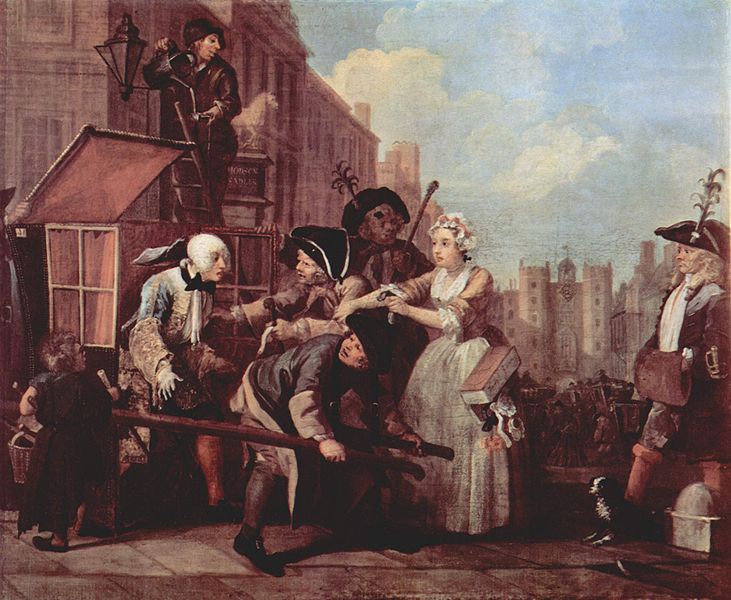
This scene show’s St James’s Street. In the background is St James’s Palace on the corner with Pall Mall. Tom is being apprehended by a bailiff requesting payment of his debts. He is obviously bereft of finances at the precise moment he is about to achieve one of his pretentious ambitions, being presented at court. He is in his rich finery and being taken to St James’s Palace in a sedan chair. He doesn’t want to get his expensive shoes dirty. Sarah Young is there again willing and ready to pay his debts for him. It is a heartbreaking scene in many ways.

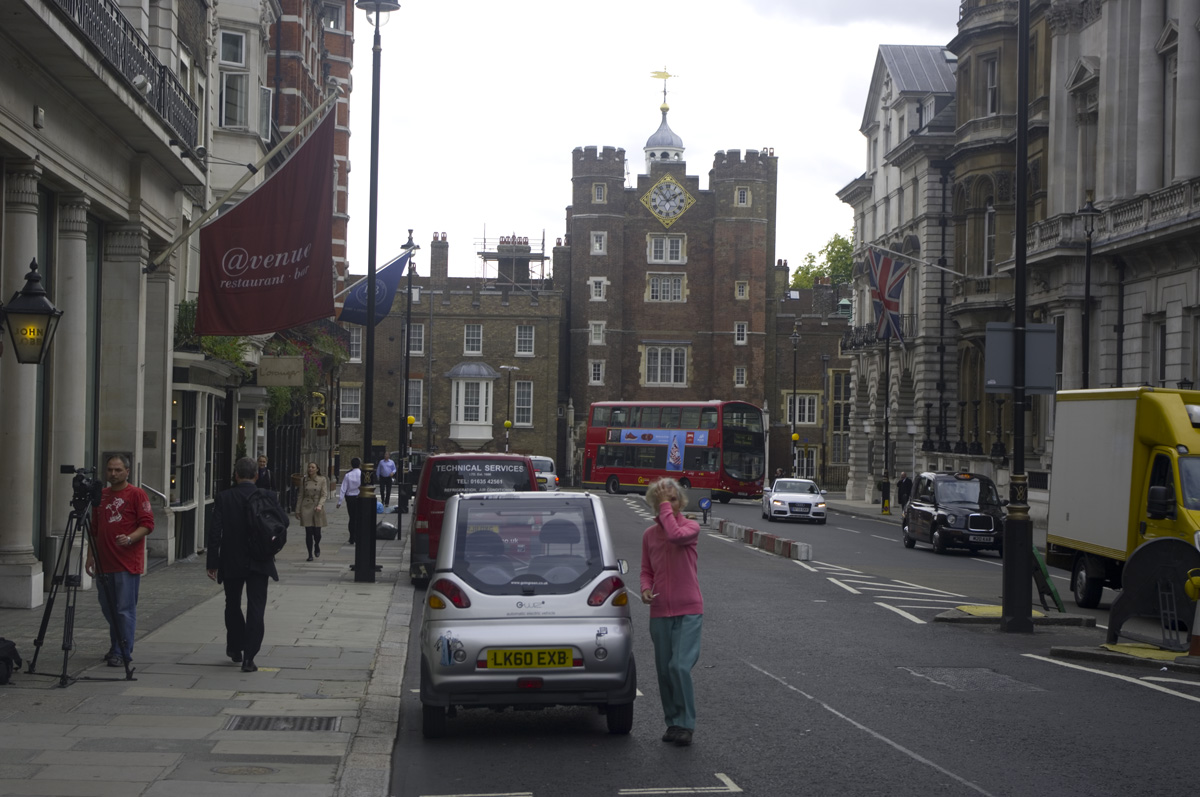
St. James's palace. Image@Tony Grant

I tried to get a photograph of the same scene from the position Hogarth aligned his picture. It meant I had to stand in the middle of the road with cars buses and vans roaring past.

Scene 5.

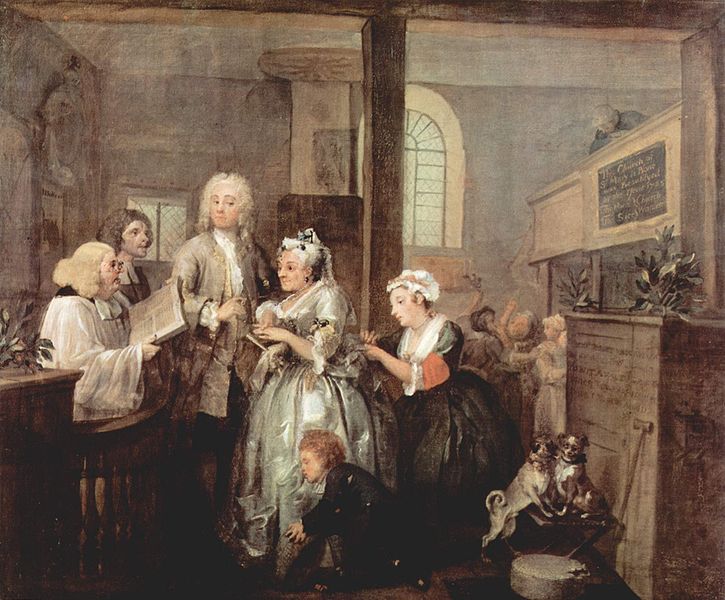
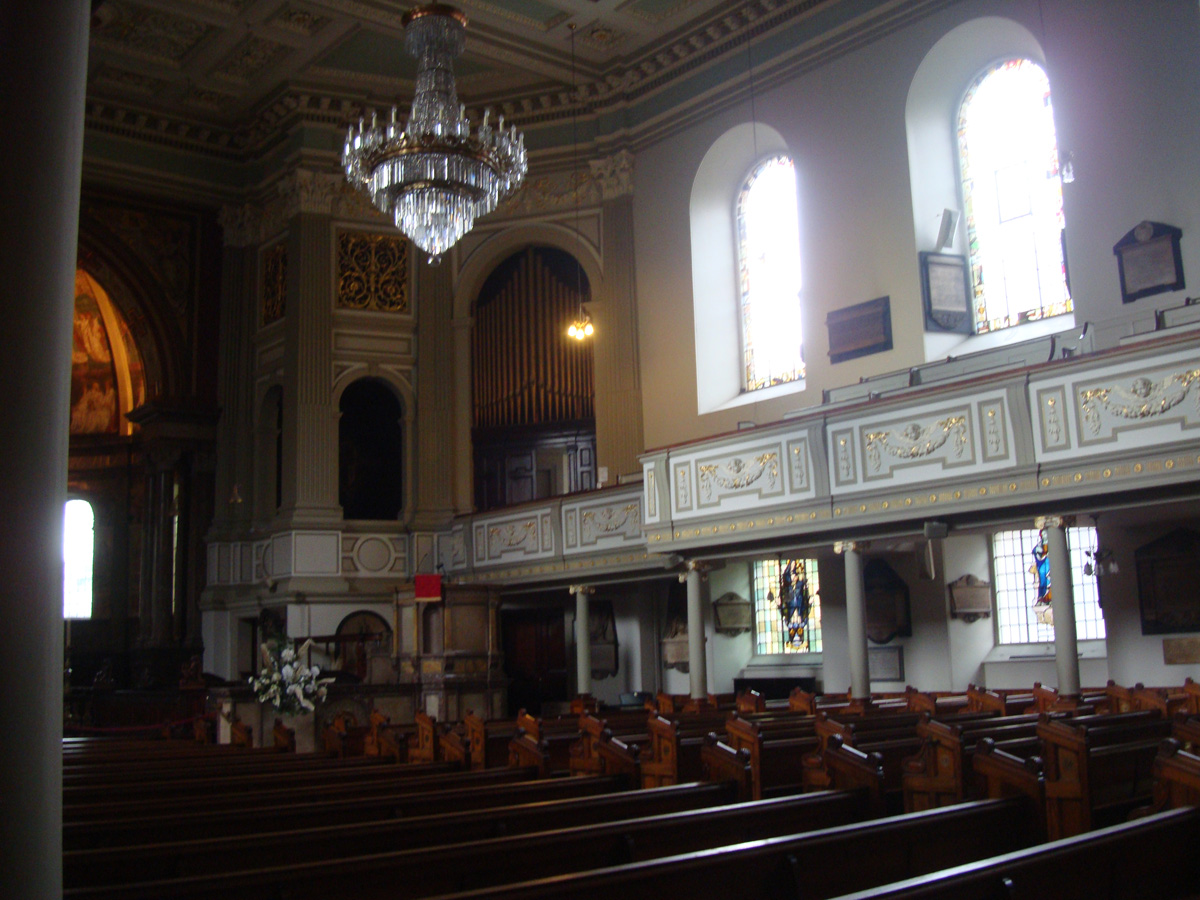
This is the interior of Marylebone Old Church. It was outside the city, towards Hyde Park. In the 18th century it became notorious for clandestine weddings. In this picture Hogarth shows Tom marrying an aging, overweight, one-eyed heiress undoubtedly for her money. He had to go to drastic lengths to pay his debtors and obtain more wealth. She may have lost her eye because of syphilis. Tom looks down on her as though she is a necessary evil, a bad smell under his nose that he must endure. She, undoubtedly, is looking forward to the wedding night. Two dogs show more love and affection than Tom shows for his bride. In the background a churchwarden refuses entry to Sarah Young and the child Tom has fathered with her.

Interior, Marylebone church. Image@Tony Grant

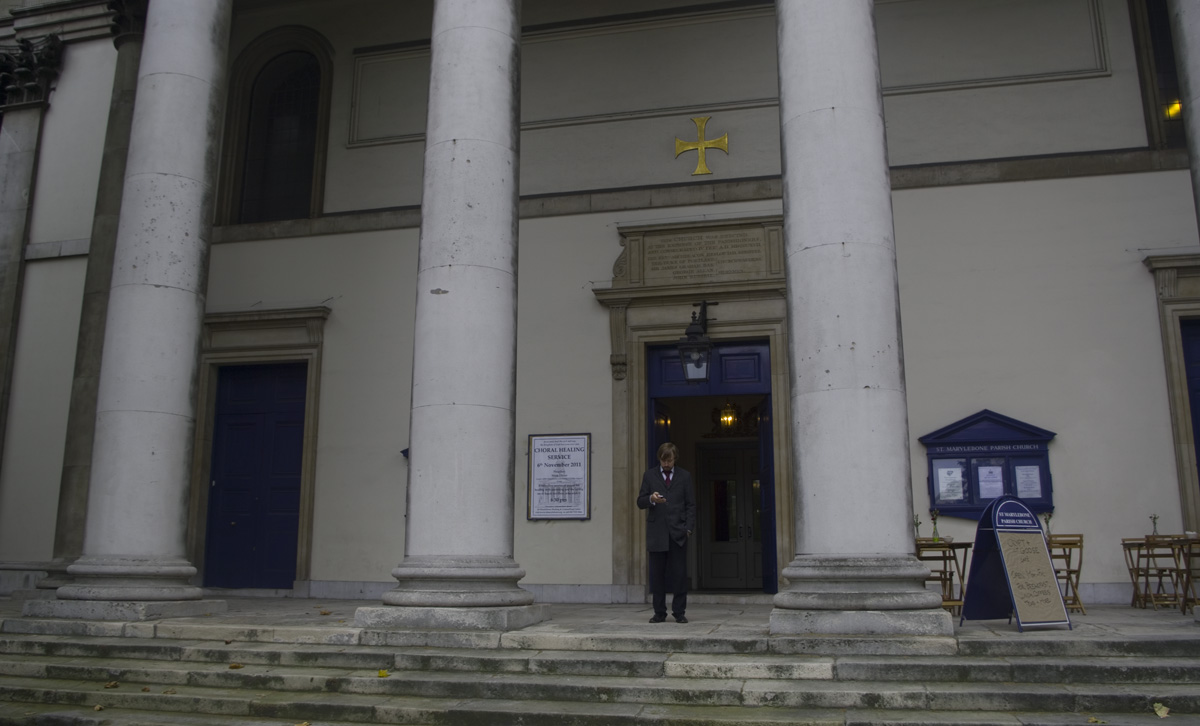
I cycled into London to try and find Marylebone Old Church. There are a number of elegant 18th-century and early Victorian churches in Marylebone. I thought it would be easy to find but I was mistaken. I spoke to two workmen decorating a church just off Old Marylebone Road. They hadn’t heard of it. One very kindly did an internet search on his i-phone for me and found it with a map attached. I was a mere half mile away, so off I peddled in the London traffic. Yes, I took my life in my hands for this project.

Marylebone church entrance. Image@Tony Grant

I found it!!! It was situated next to the park gates leading into Regent’s Park. It was beautifully ornate with balconies and a magnificent organ playing. The church organist was practicing. I discovered that Charles Dickens had lived in a house close by before he left his wife and family; he used to frequent St Marylebone Old Church. Then I found that this was not the church that Tom married his heiress in.

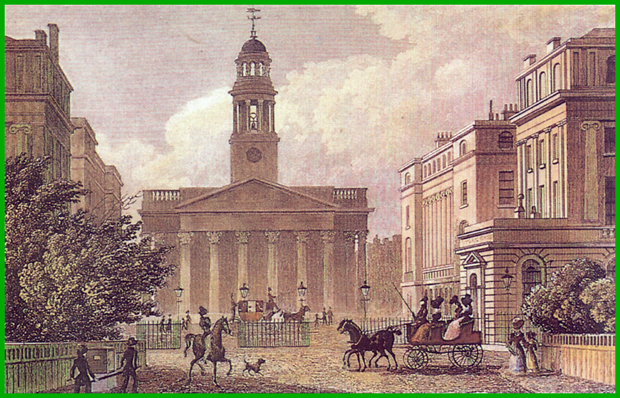
St. Marylebone parish church

The original had been demolished in the 1920’s. This church, near Regent’s Park, had taken over as the parish church of Marylebone. Anyway, it is a beautiful church and worth visiting and seeing.

Scene 6.

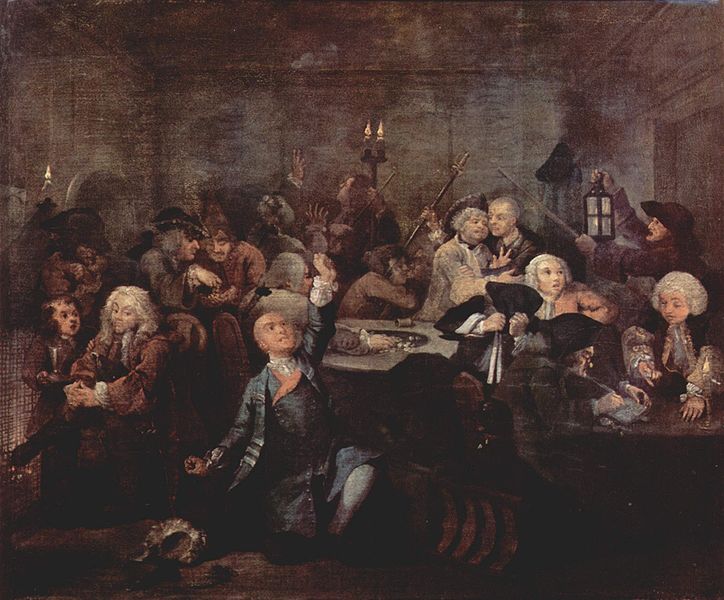
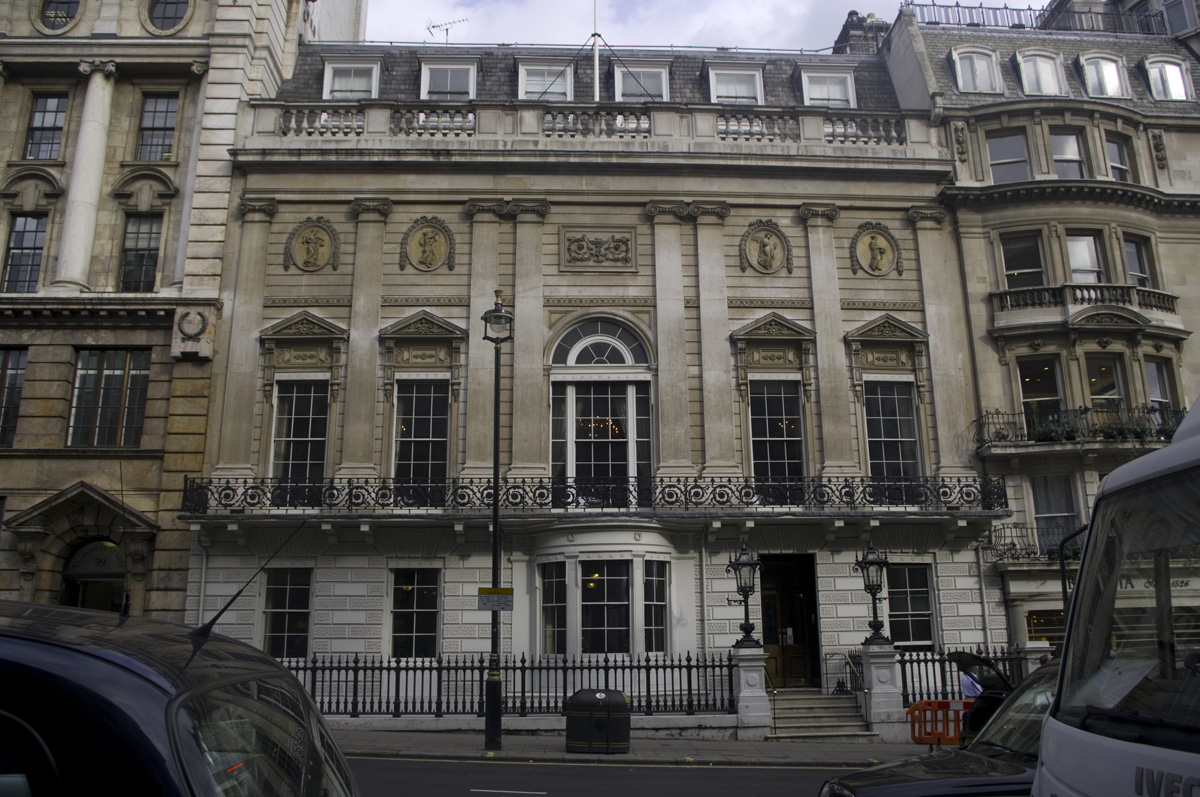
Here is Tom just having gambled away his second fortune provided by his new wife. He is railing against God and bad fortune. It is a shame he doesn’t realise it is his own fault. Smoke is spiralling up to show that the club is on fire but nobody notices they are so intent on gambling. This is symbolic of how they lead their lives. They don’t notice the destruction they are heaping on themselves. This is White’s Club. It was a place to drink the new sources of traded wealth, tea and chocolate. Many famous people at the time were members of White’s or one of the other well-known men’s clubs in the St James’s area.

White's club. Image@Tony Grant

St James is still full of gentleman’s clubs today. They are an 18th century invention but are still going strong. Many wealthy people, industrialists, famous actors,politicians, members of the Royal family and Lords and Dukes still frequent them. They are male preserves. They provide a room, servants, fine dining, a library very often, and a place to meet people of equal status in a social and friendly situation. Not anybody can join. You have to be invited by one of the members.You have to be right sort.

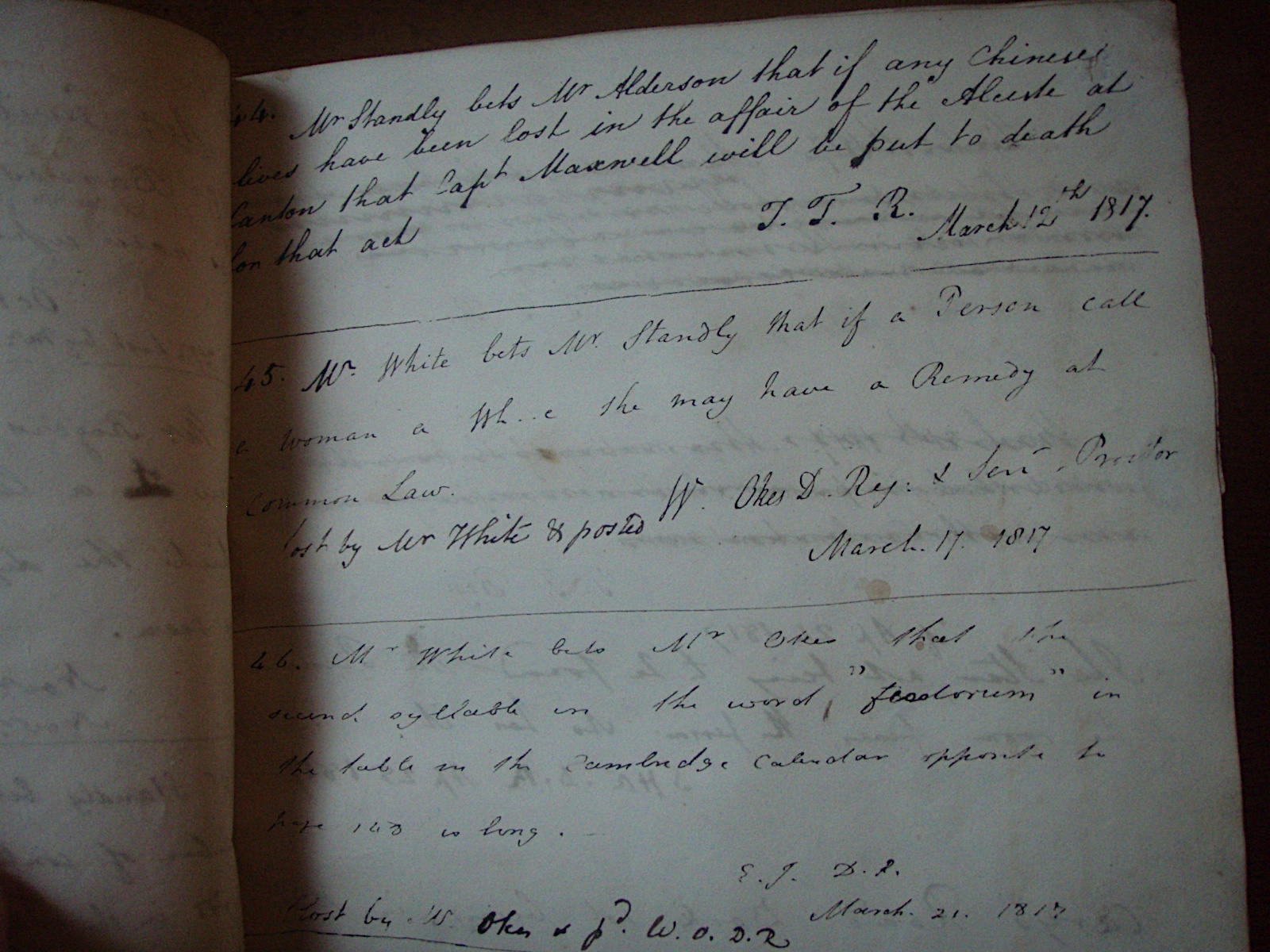
Betting book, 1817. Image @The Long Now Foundation

A couple of interesting points about White’s. The bow window at the front was the reserve of the most famous member of the club at one time. He was permitted to sit in the bay window for the world to see and for him to see the world. Beau Brummell, the great 18th century arbiter of fashion and master of ceremonies at Bath and Royal Tunbridge Wells was the first to sit there. You could almost bet on anything at White’s. The most famous bet being a wager on two rain drops falling down one of the pains of glass in the bow window. Which one would reach the bottom first? So it was here that Tom lost his second fortune.

Scene 7.

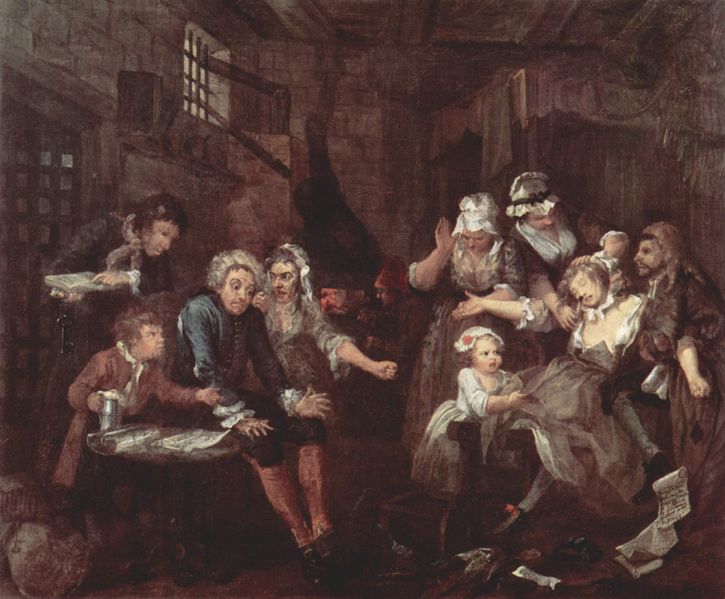
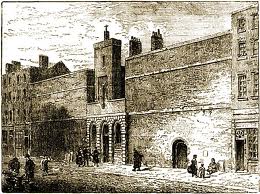
This scene leads to the finale. Tom is in The Fleet Prison in Farringdon Street because of his debts. It was named after The Fleet River which flowed into the Thames before it.

Fleet Prison

His now emaciated wife that was so plump at their wedding, shows the depths to which Tom has brought them. He has no money even for food. With his wig askew on top of his head Tom is attempting to write a play. He thinks he can make money this way. His delusion is now complete. Madness has come upon him.

One interesting piece of information about The Fleet is that it had a raquets court for the inmates to keep themselves presumably fit and occupied.

Scene 8.

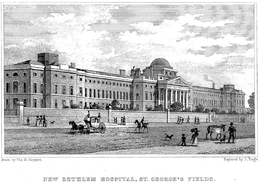
And finally here is Tom in Bedlam. The Bethlehem Hospital for the insane in Moorefields, just north of St Pauls and The City. He lies there almost naked stripped of everything including his clothes and his sanity. Wealthy ladies from the aristocracy look on.

Bedlam

People were allowed to come and gawp at the strange antics of the inmates. Tom and the other people incarcerated are the entertainment. The people he aspired to be like and live like, are now mocking him. Sarah is there at the last, weeping.

Such a sad story.

More about this topic:

Read Full Post »

Gentle Readers, It may please you to know that frequent contributer, Tony Grant (London Calling), lives near Richmond Park, a wilderness that has kept its pristine nature for centuries. Enjoy these beautiful photographs.

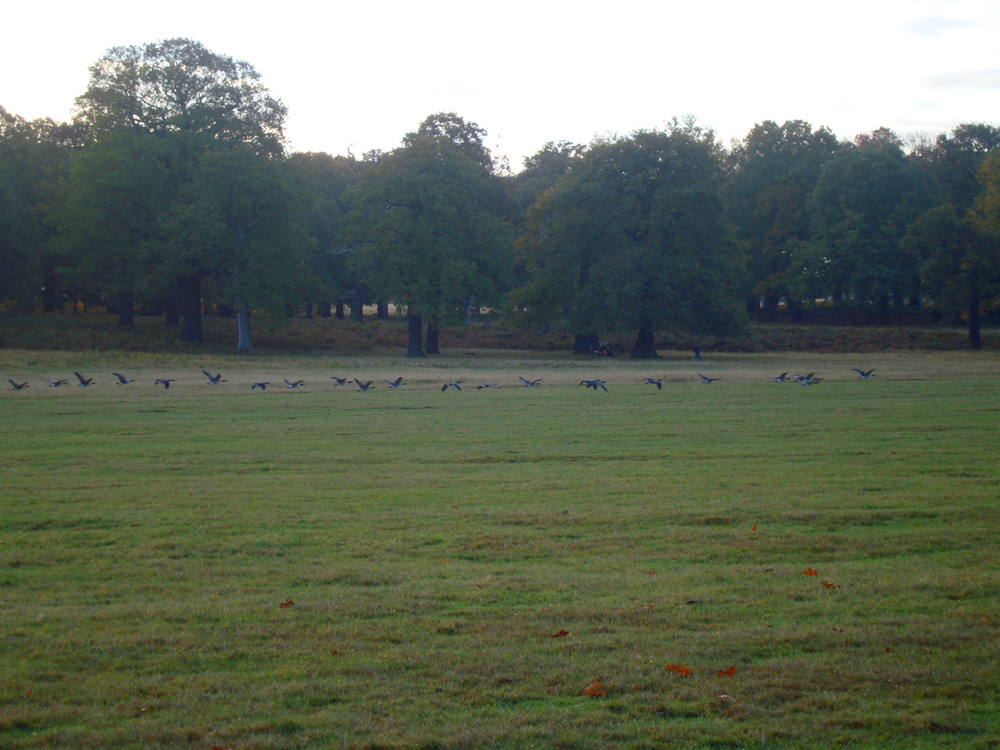
Geese flying towards Pen Ponds

Richmond Park is situated 12 miles south west of St Pauls Cathedral in the city of London. It just happens to be two miles from where I live on the edge of Wimbledon and abuts Wimbledon Common that stretches for a few miles on the other side of the Kingston Road.

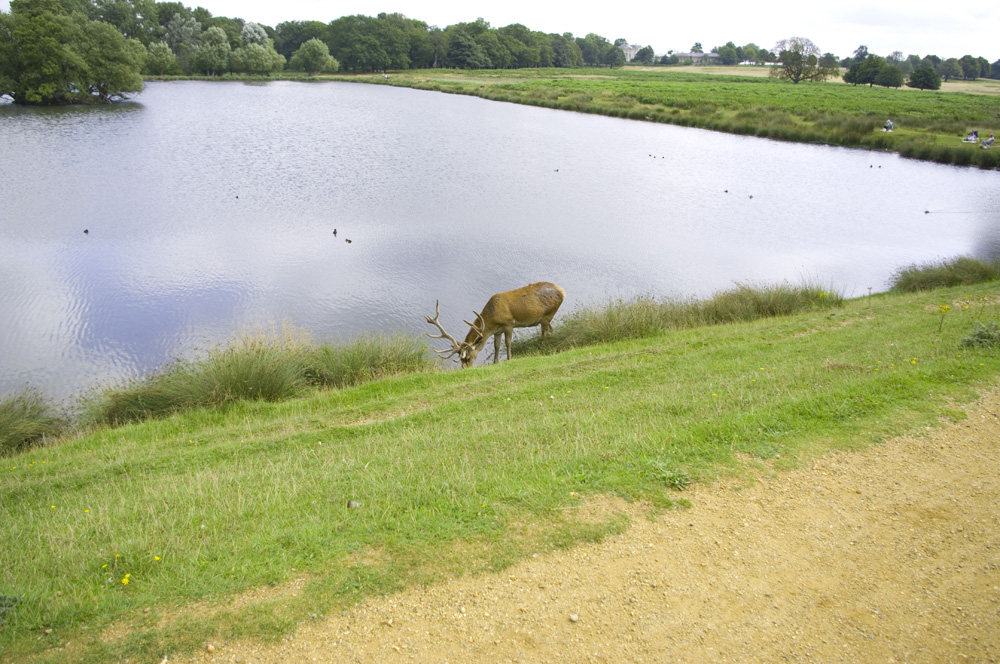
Deer at Richmond Park

The Kingston Road is a very old road running between Kingston upon Thames and the City of London. It bisects Wimbledon Common and Richmond Park on it’s way. Jane Austen would have travelled often along it on her way from Hampshire by way of Kingston upon Thames to her brother Henry’s house in Henrietta Street or to one of the other houses Henry owned at different times.

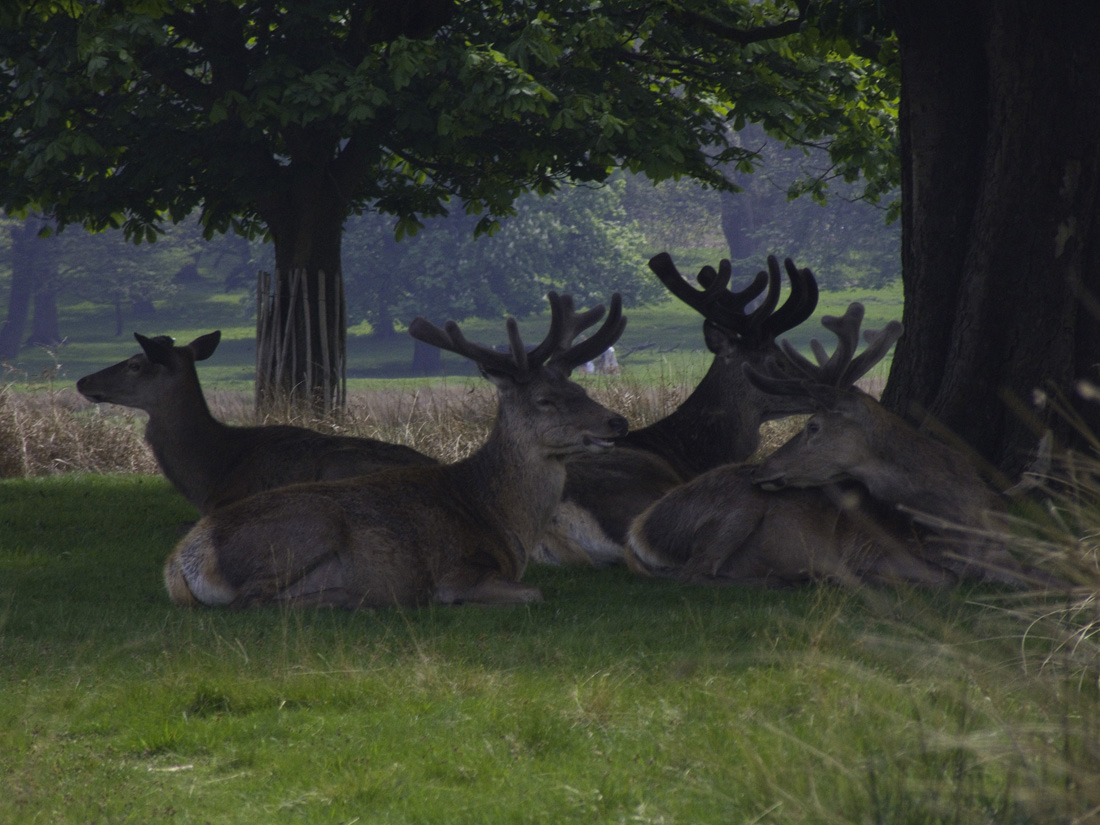
Deer under the trees

The park has always been an untouched piece of wilderness. It has never been adapted or changed by agriculture. It has always been as it is to this day. It covers 2,500 acres. King Edward I who lived from 1272 to 1307 and who was also called Longshanks and The Hammer of the Scots, formed the park in the Manor of Sheen beside the Thames outside of London, as a hunting park stocked with red and fallow deer.

There are six hundred deer in the park to this day. Under Henry VII, who built a palace at Sheen beside the river, the park and the local town was renamed, Richmond. There is a mound or small hill in the park called, Henry VIII’s Mound, where the Tudor king reputedly would spy out likely deer to be hunted. In 1625 Charles I removed the whole of his court to Richmond Palace because of the Black Plague raging through London.

He used the park for hunting too. In 1637 Charles had a wall built around the park, which is still there. The local people were obviously chagrined. Charles passed strict laws about the King’s deer being poached and the wall was an extra deterrent.

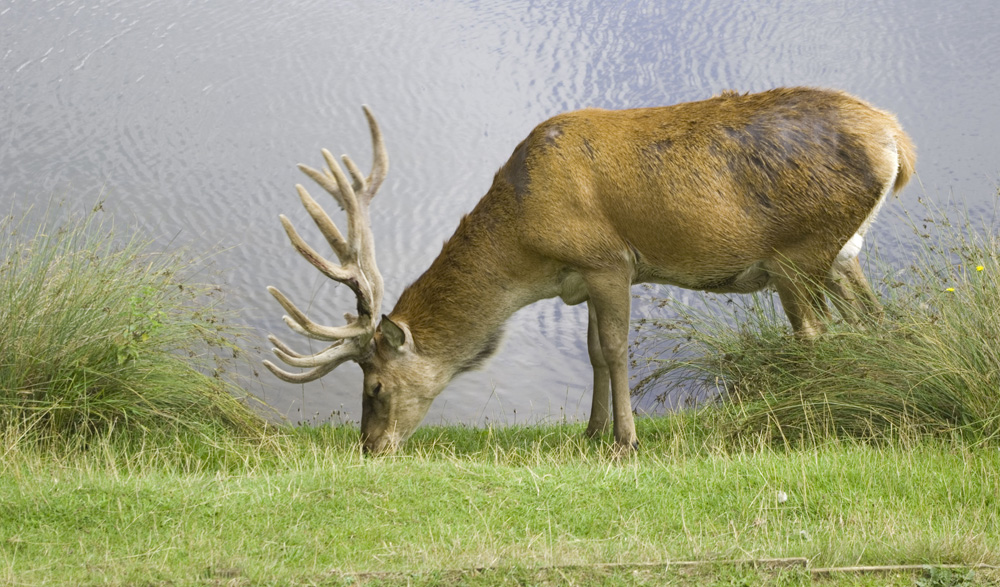
Stag by Pen Ponds

Richmond Park has a strong emotional connection for Marilyn and me. Not only does one of the campuses of Kingston University, where me met as undergraduates, back onto the park and on numerous occasions we scaled the brick wall between Kingston Hill Place, my halls of residence , to get into the park at night but it has great significance to the birth of all our children. Now I know what you are thinking, but you would be wrong. By the way, Kingston Hill Place used to be the home of Lilly Langtry or Jersey Lill, as she was known, the mistress of Queen Victoria’s eldest son Edward VII.

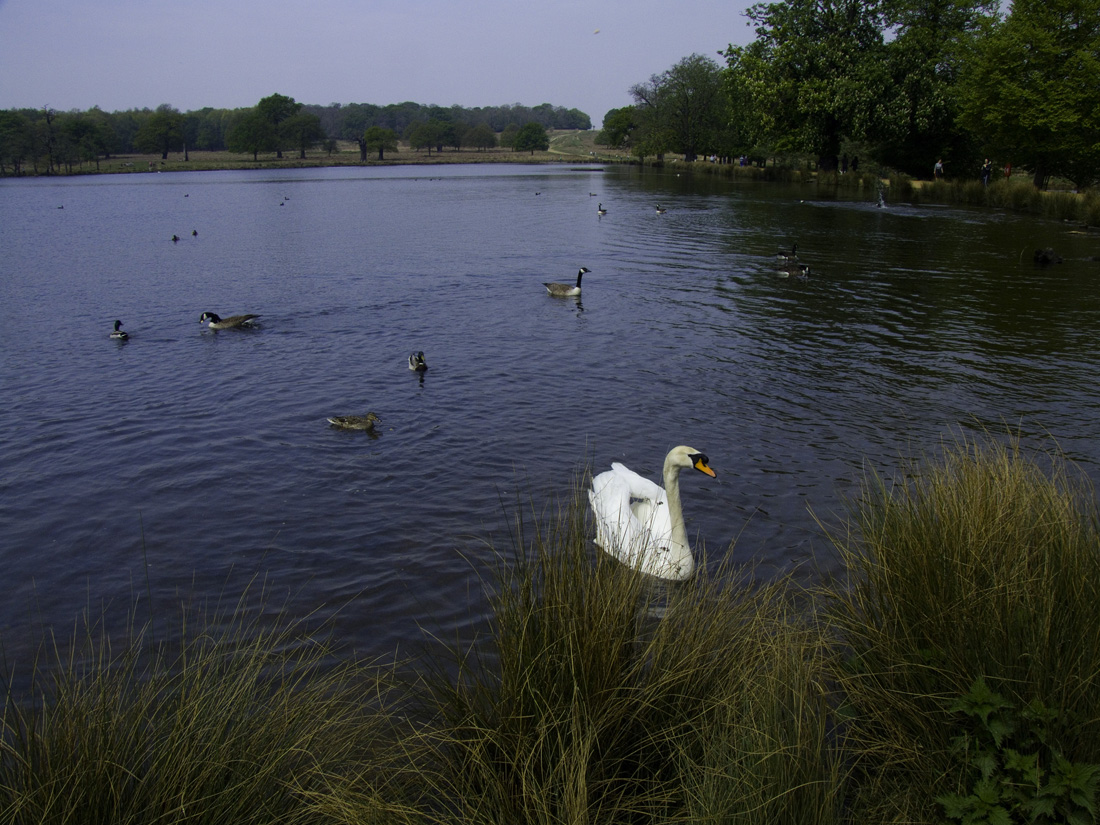
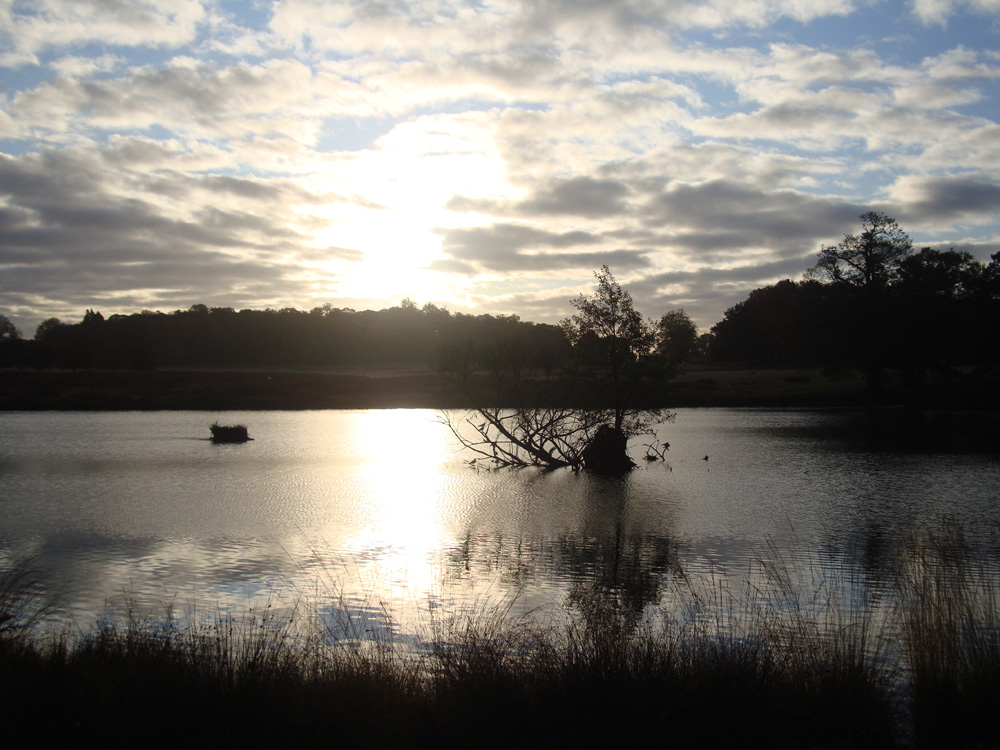
Pen Ponds, Richmond Park

Getting back to the great significance to the birth of our four children. Well, it first happened with Sam, our eldest. The day he was due to be born, 1st July 1986, Marilyn showed no signs of going into labour. We sat around and sat around waiting for something to happen and obviously it wasn’t going to.

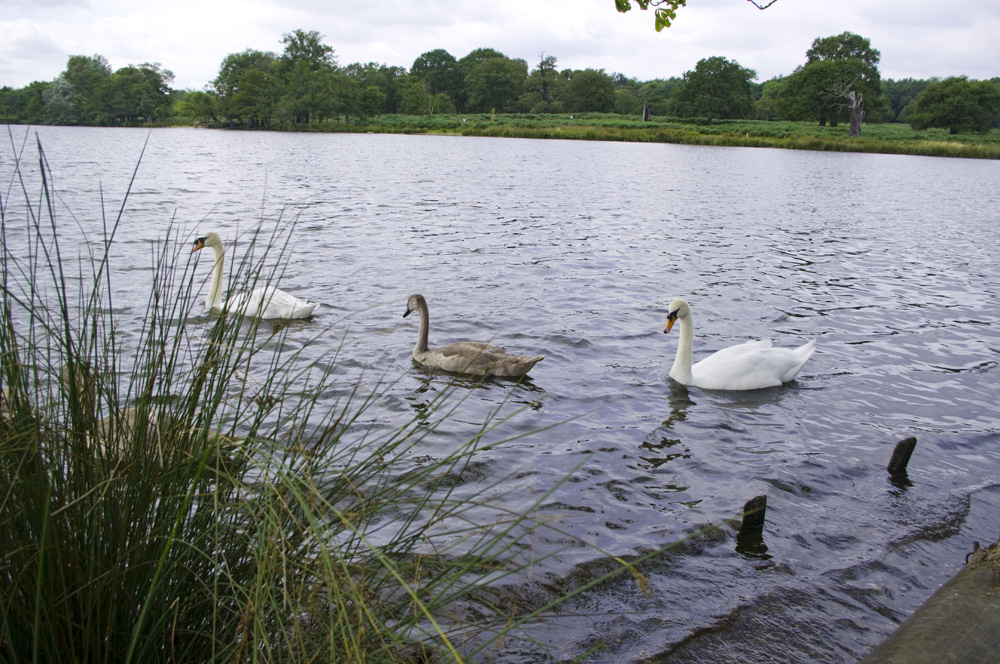
Pen Ponds

We decided to drive to Richmond Park and go for a walk beside Penn Ponds, two beautiful small lakes right in the middle of the park with reed beds and groves of massive ancient oak trees nearby. The ponds have a large variety of water birds, swans, mallards, Canada Geese, coots and many other varieties of ducks inhabiting them. They nest in the reed beds along the edge of the ponds. Richmond Park has been classified as SSSI status. That means it is a site of special scientific interest. Sam was born a week later on the 8th July.

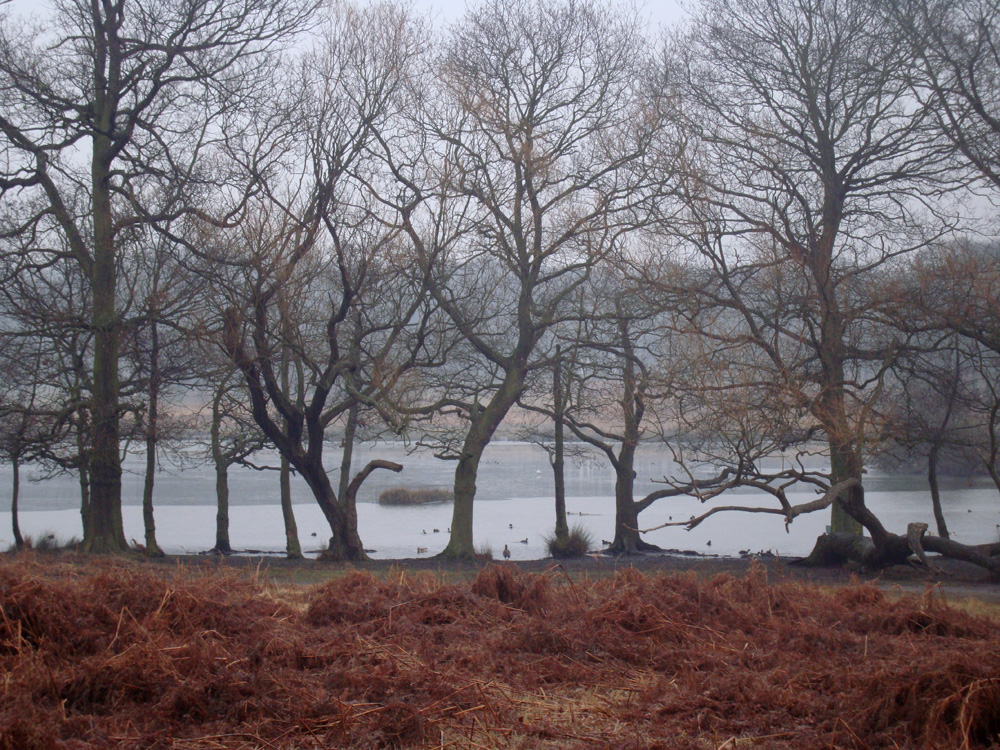
Pen Ponds in the Rain

When Marilyn [Tony’s wife] was pregnant with Alice we followed the same routine, a day beside Penn Ponds and then after that, we did the same with Emily and Abigail in later years.

Pen Ponds

All of our children were born late. You might think, weren’t you taking a chance? What if Marilyn had gone into labour on the predicted date? Ah well you see, Kingston Hospital is right next to Richmond Park. All we needed to do was climb over the wall. No sorry, let me get that right; drive a short distance to the maternity department.

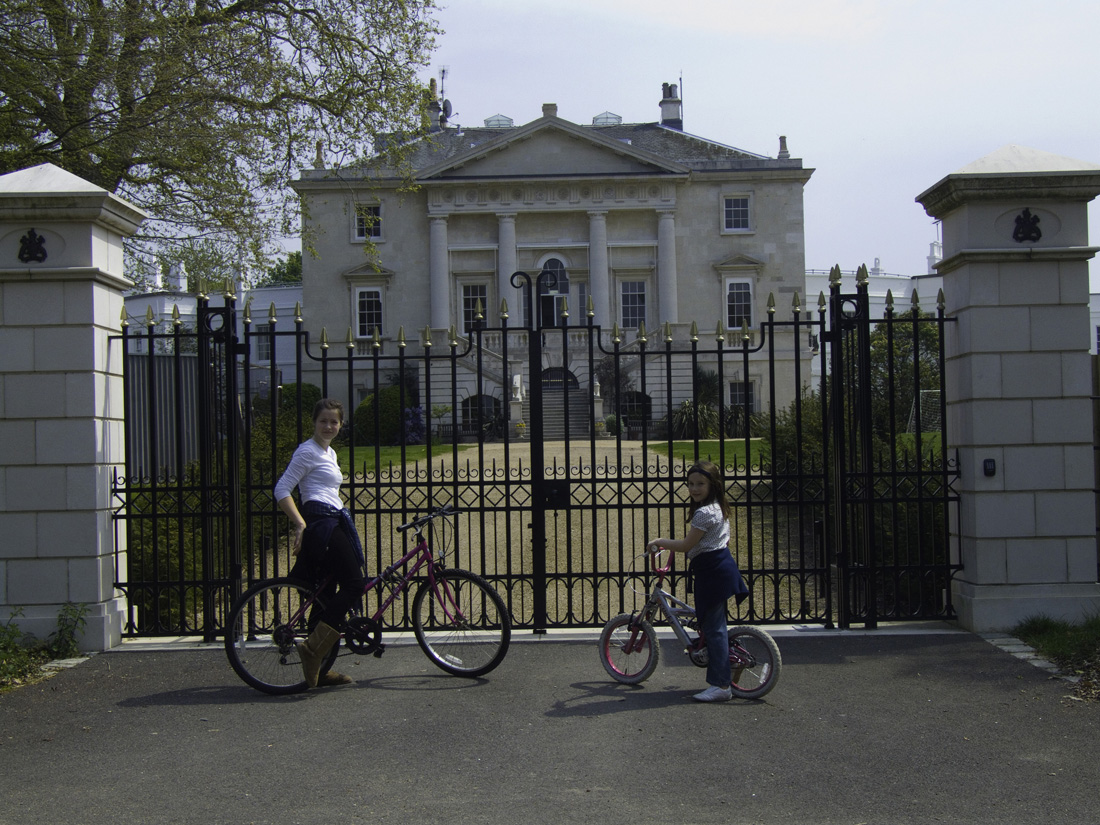
My daughters outside the Royal Ballet School

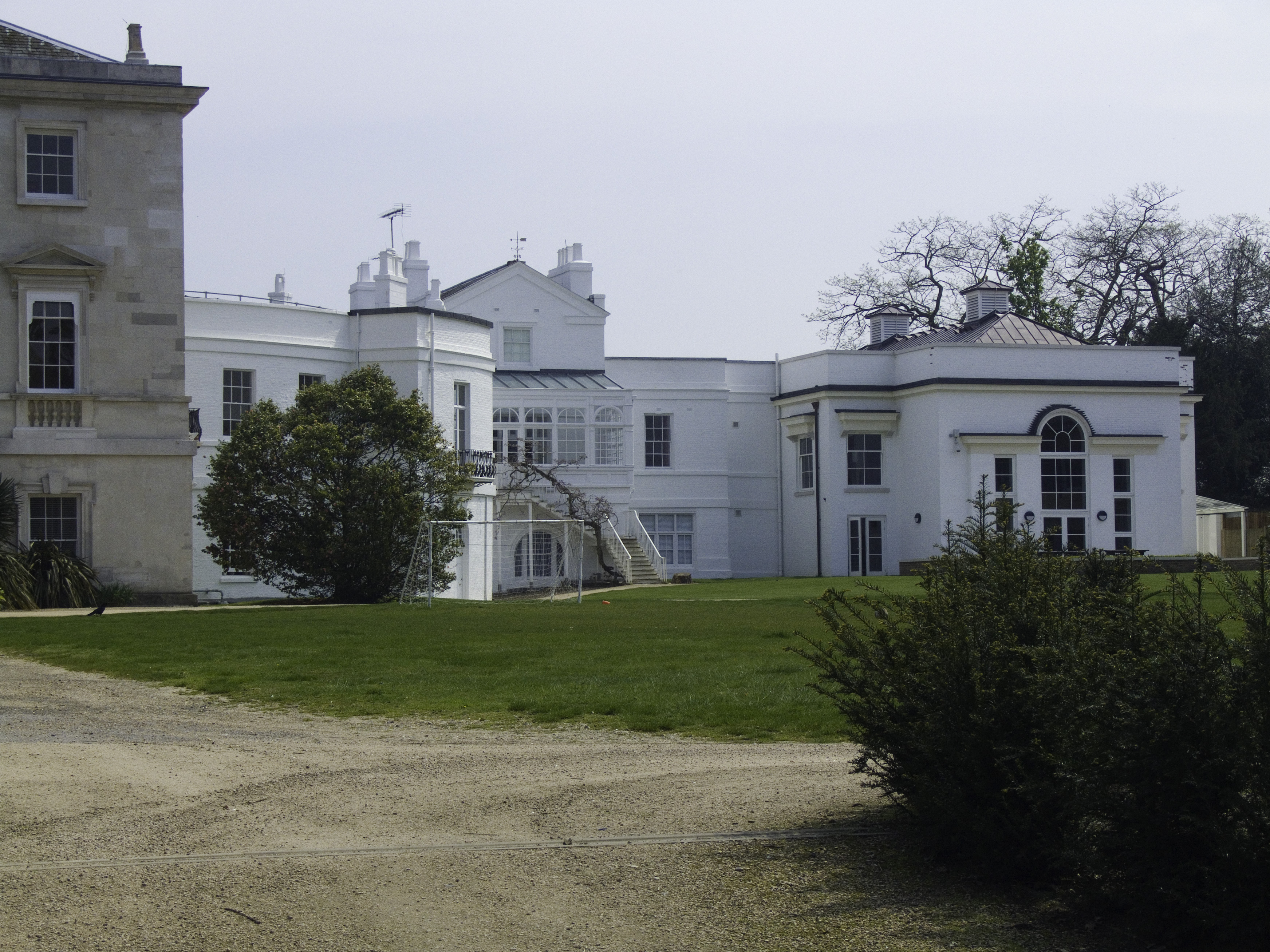
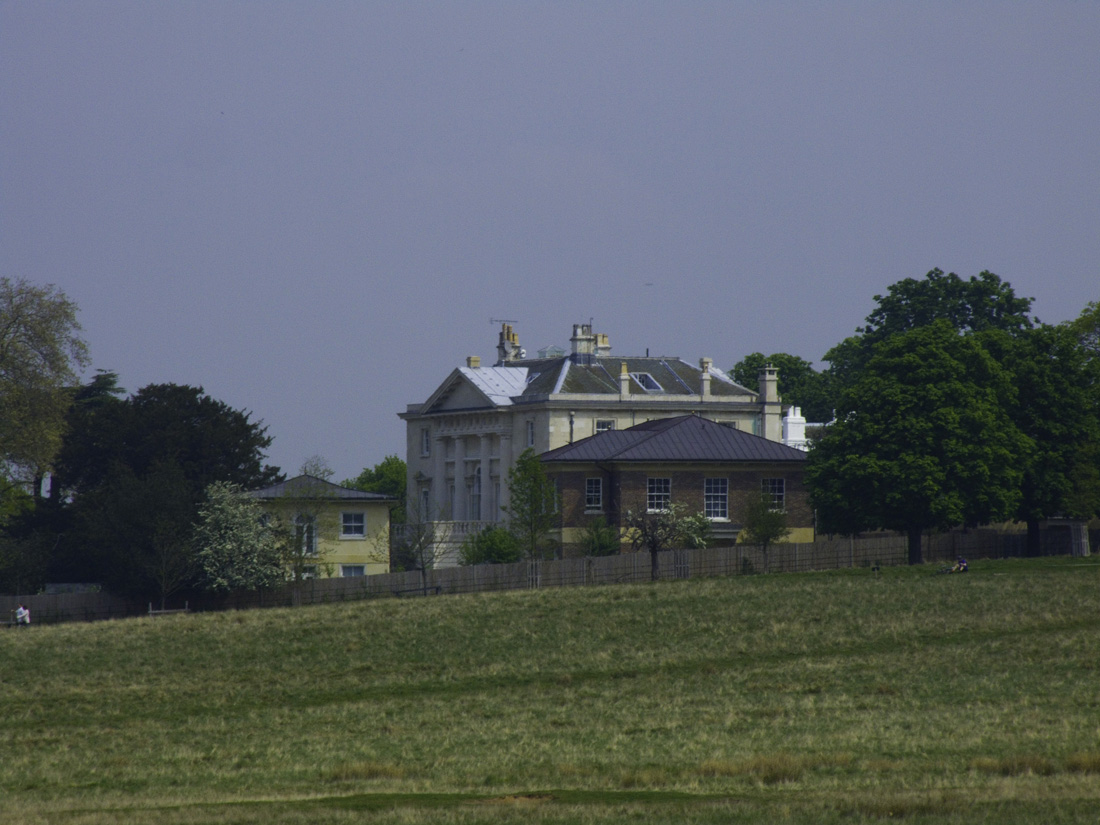
There are a number of beautiful houses inside Richmond Park. White Lodge,in the centre, is the home of The Royal Ballet School. All our great ballet dancers train there from an early age. In the film Billly Elliott, that is where he went to train as a dancer. White Lodge is an elegant 18th century pile that used to be a country house belonging to Edward VII.

Outside the Royal Ballet school

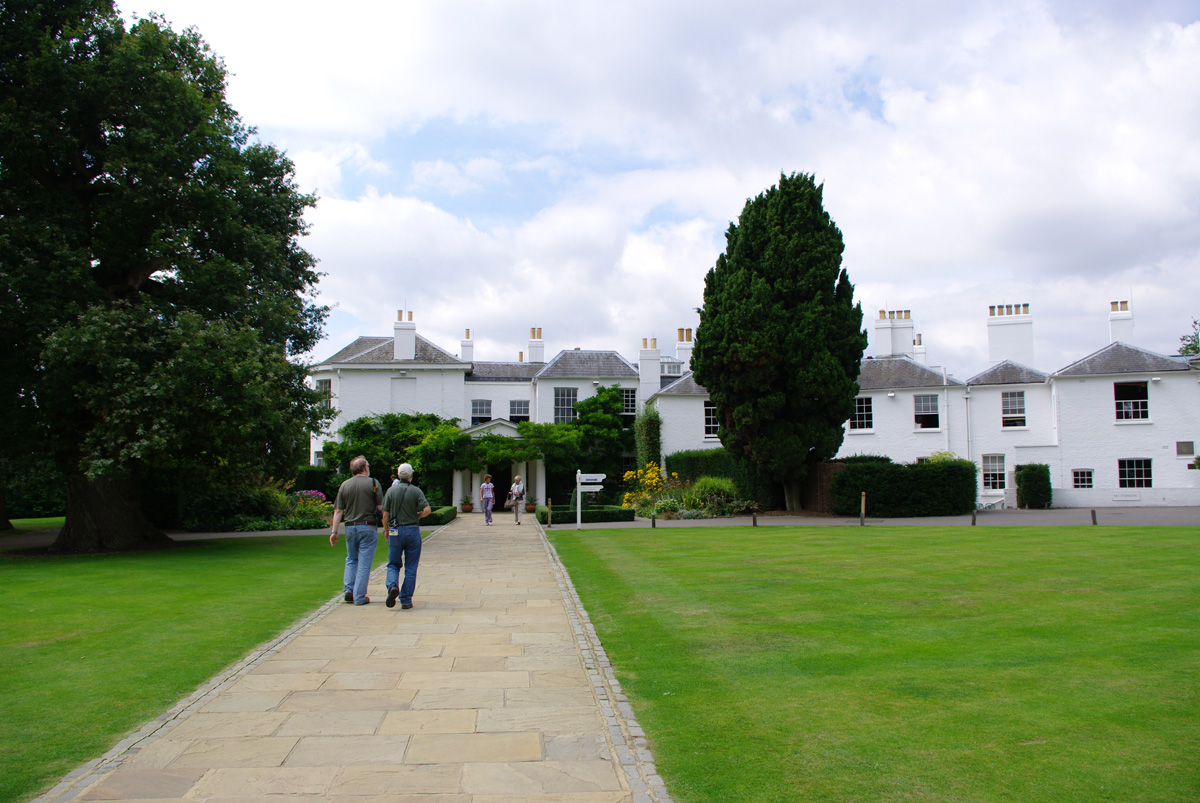
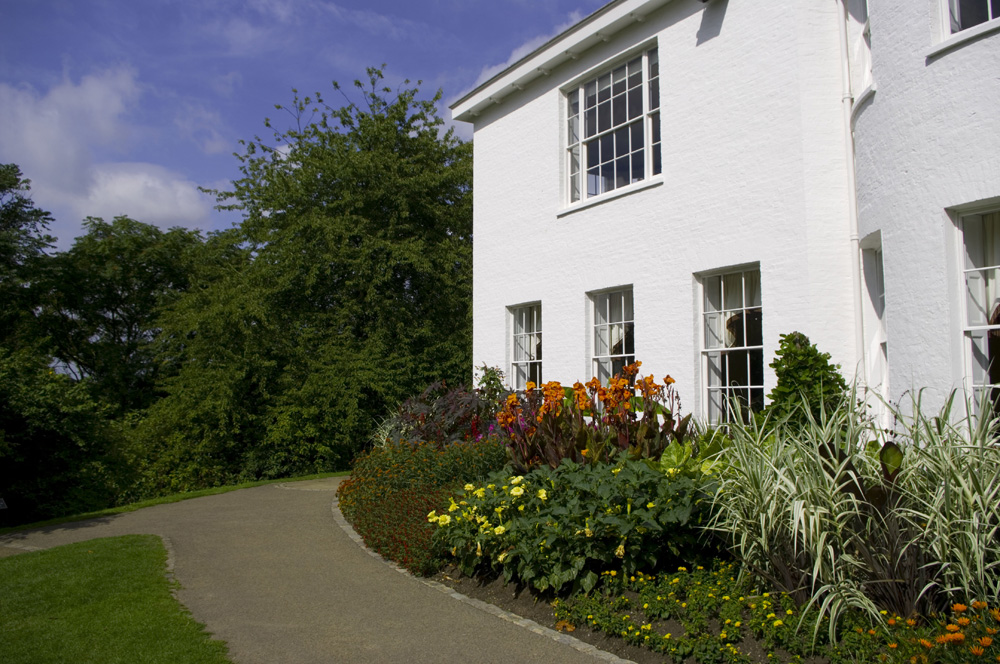
Pembroke Lodge, situated on a high hill overlooking the River Thames and Kingston upon Thames is situated on the edge of the park. It used to be the home of Lord John Russell, a prime minister during the reign of Queen Victoria. He was the grandfather of Bertrand Russell, the philosopher. Bertrand Russell spent much of his childhood at Pembroke Lodge.

Pembroke Lodge

Pembroke Lodge is now a café and restaurant. It is a great experience to sit on the terrace of Pembroke Lodge on a summers afternoon looking out over the Thames sipping Earl Grey or Lapsang Souchong, and eating a scone with clotted cream or homemade strawberry jam.

Pembroke Lodge entrance

Richmond Park is wonderful to take long walks. There are many massive ancient oak trees. Some must be four or five hundred years old. A few have been scarred by lightning strikes.

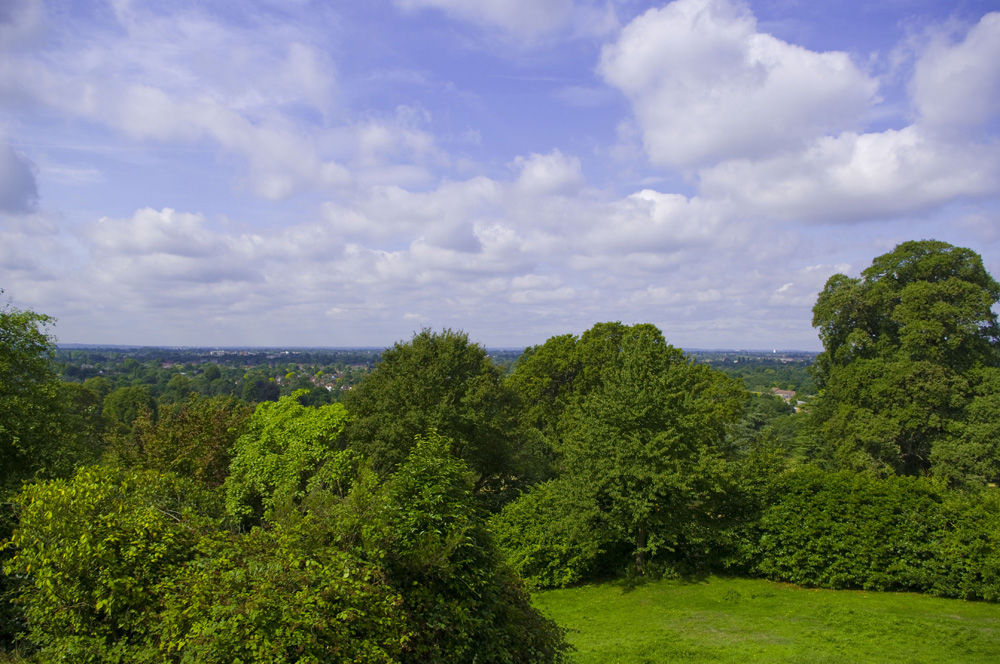
Pembroke Lodge view

You will see deer grazing in amongst the vast areas of bracken. An unexpected sound and sight are the flocks of green parakeets that have inhabited parts of Richmond Park.

Pembroke Lodge

The story goes, whether myth or reality , is that in the 1940’s Treasure Island was being filmed at Pinewood Studios. They had parakeets on the film set and some escaped and began breeding in Richmond Park. A similar story centres around the making of The African Queen with Humphrey Bogard. It too was being filmed partly at Pinewood. Again the story goes that parakeets escaped from that film set too. I don’t know how much truth there is any of these stories but there is, without doubt, a colony of green parakeets living and breeding in Richmond Park. I have had a few land and rest in the branches of the apple trees in my own garden.

The Royal Ballet School

There are a number of plantations that are fenced off from the rest of the park so deer cannot eat the shrubs and trees growing in them.

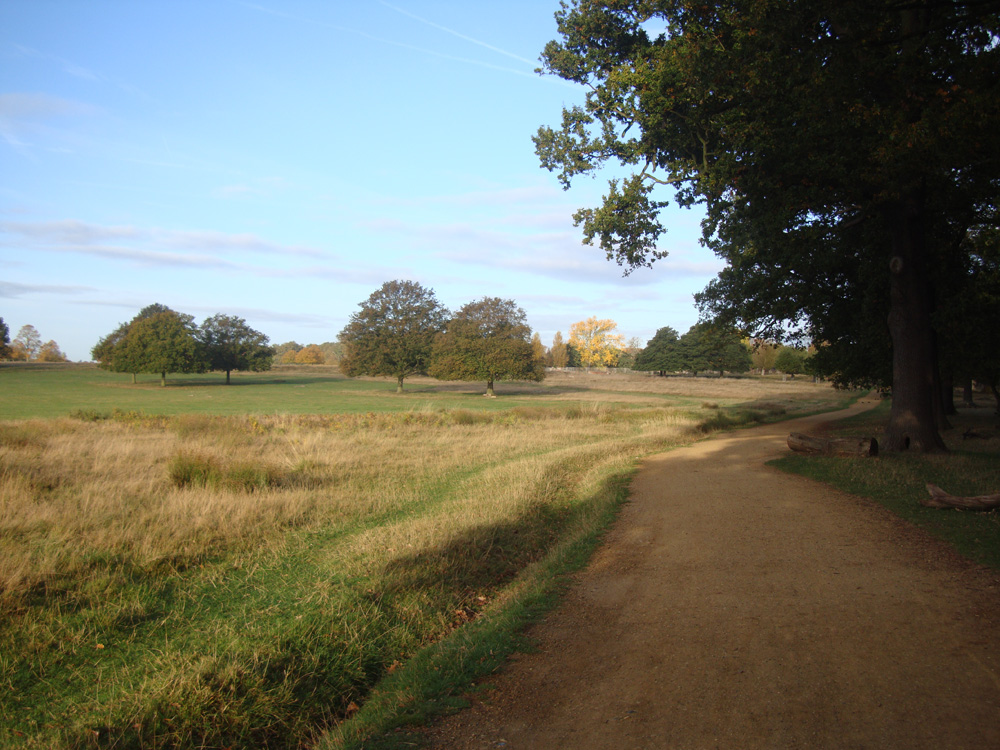
Walk in the park

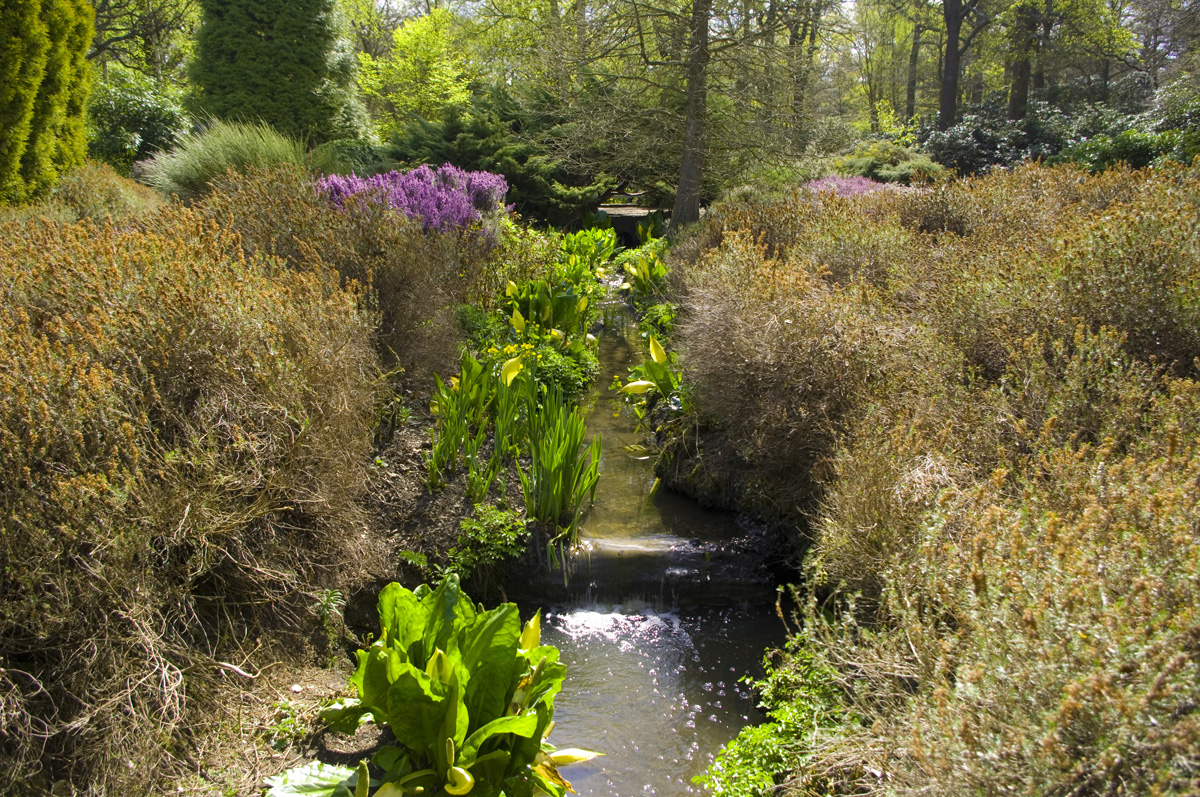
The Isabella Plantation is the most wonderful example of them all. It is a woodland garden at it’s best. In the spring when the bluebell woods are carpeted in blue it lifts the spirits and is a joy to behold. Many of the bushes and shrubs situated in glades and beside the sparkling stream that runs through the plantation create an emotional and spiritual experience.

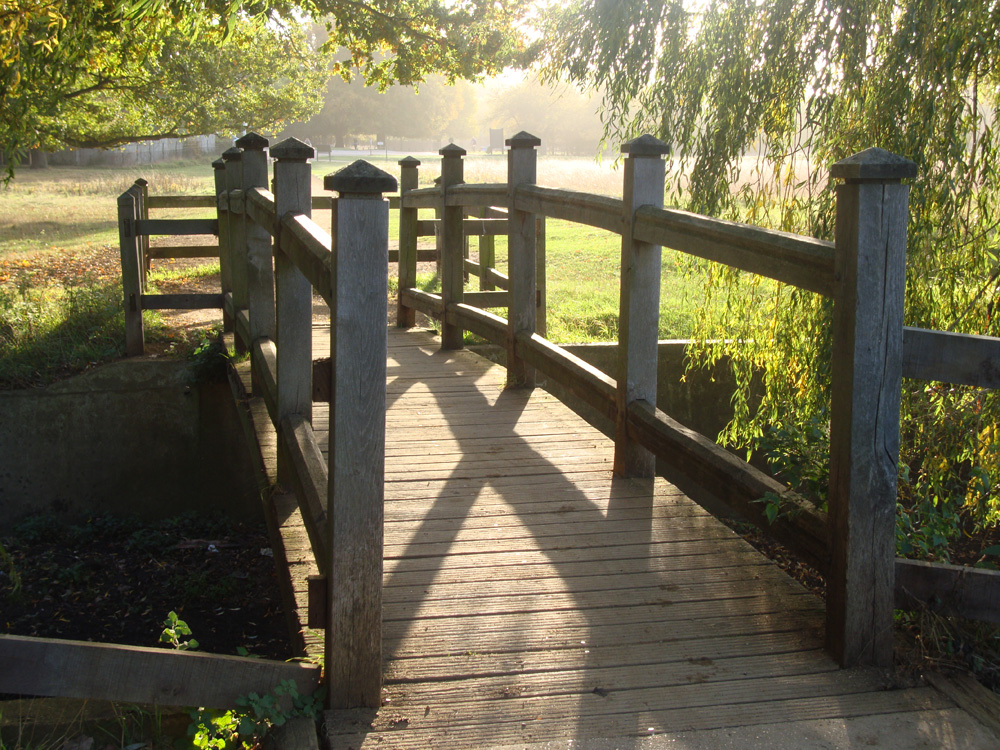
Foot bridge

The Isabella Plantation is one of those places on earth that sooths the spirit and fills your eyes with beauty. To sit on the grass and listen to the birds and look at the camellias, magnolias, azaleas and rhododendrons is wonderful. The plantation is run on organic principles and because of this it is home to a great variety of insects and mini beasts.

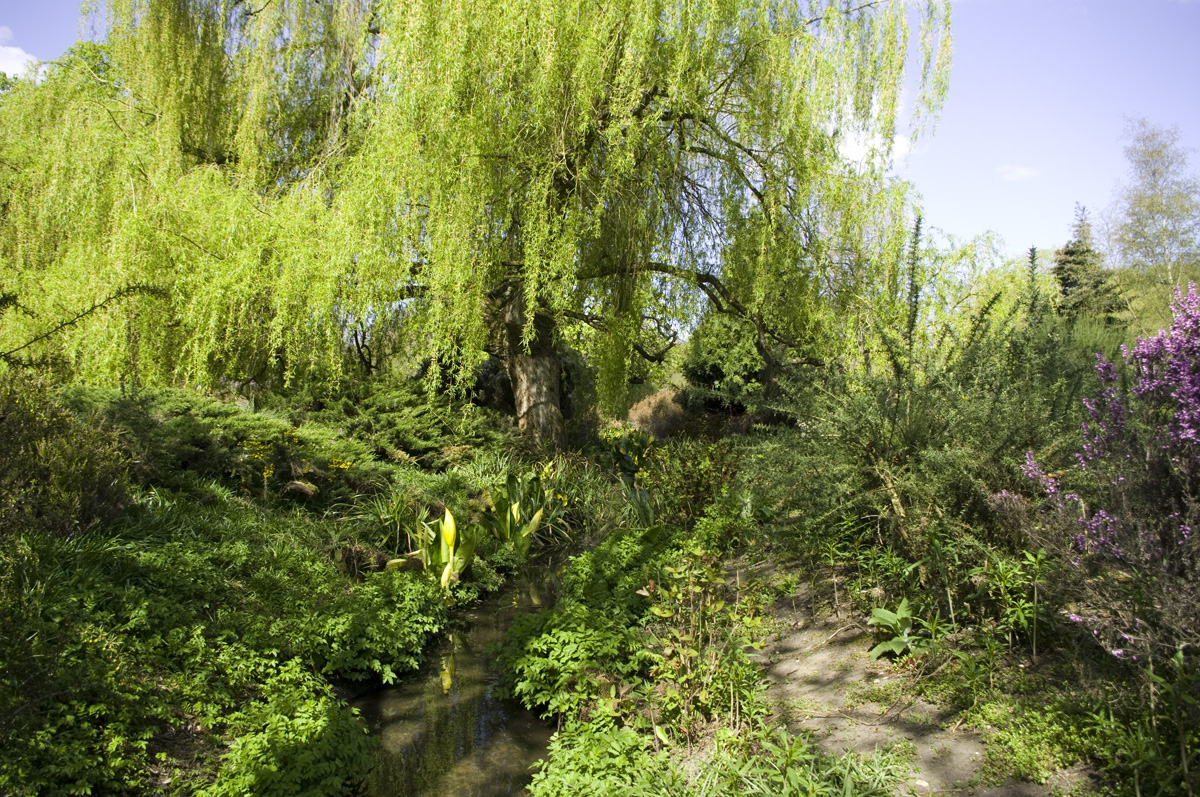
Wild corner

Here is a quote from the web site dedicated to the Isabella plantation.

“In spring, visitors can see camellias, magnolias, as well as daffodils and bluebells. From late April, the azaleas and rhododendrons are in flower. In summer, there are displays of Japanese irises and day lilies. By autumn, guelder rose, rowan and spindle trees are loaded with berries and leaves on the acer trees are turning red. Even in winter, the gardens have scent and colour. There are early camellias and rhododendron, as well as mahonia, winter-flowering heathers and stinking hellebore.”

The present plantation was developed by George Thomson , the park superintendent from 1951-1971.

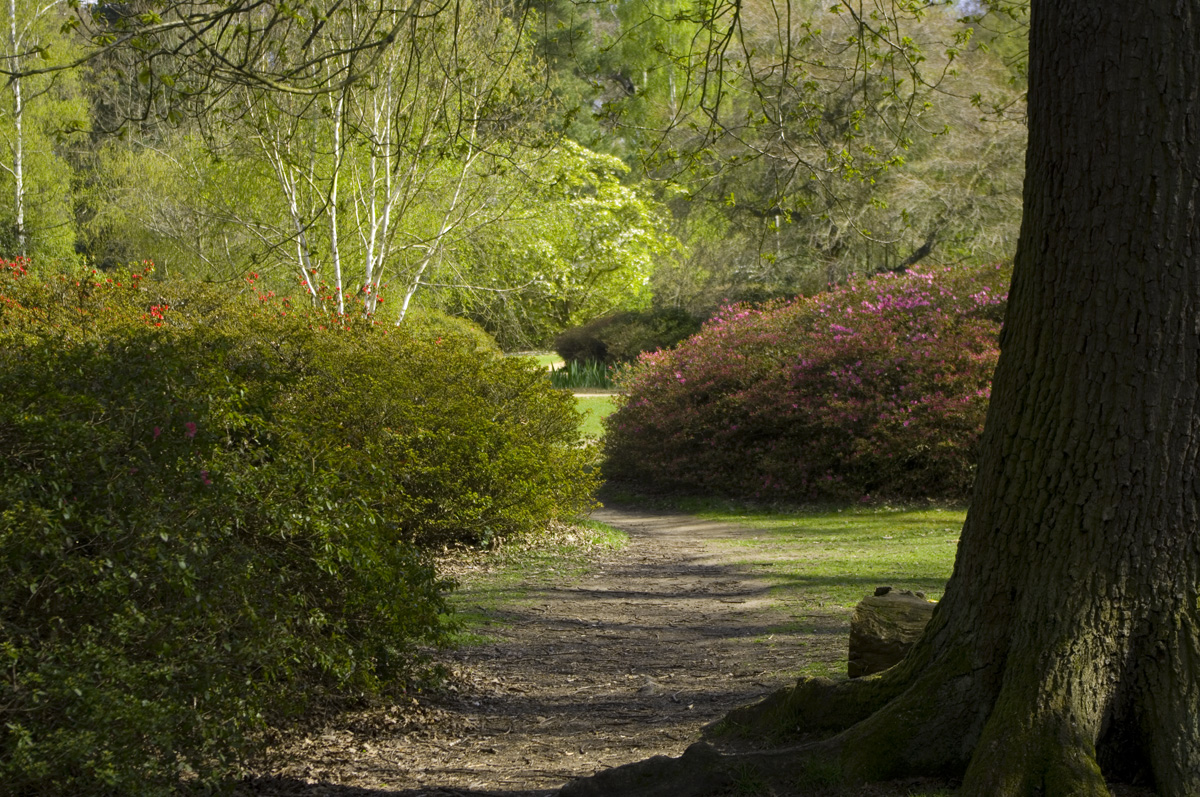
Woodland paths

Some recent news for you Hollywood A list watchers. My local paper had a small news item. Brad Pitt has been spotted taking pictures of the deer in Richmond Park recently. He is over here filming at the moment. He and Angelina are living in a house, a grand house I am sure, by the Thames at Richmond.

Woodland stream and flowers

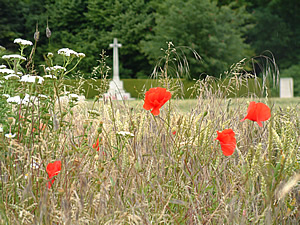
Outside the Richmond gate is a large elegant brick building called The Star and Garter Hospital. It is a special hospital for aged military servicemen and women from all wars. They also have the poppy factory next to it. We celebrate the dead of our wars on November 11th every year which was the First World War Armistice Day. The fields of Picardy, in Northern France, where much of the terrible deadly trench warfare took place, were covered in wild poppies in the Spring. Somebody thought the poppies represented the drops of blood from the dead who lay in those fields so the poppy was taken as the British symbol to remember the dead.

In Flanders fields the poppies blow
Between the crosses, row on row,
That mark our place; and in the sky
The larks, still bravely singing, fly
Scarce heard amid the guns below. – John McRae

Poppies in Connaught Cemetery. Image @The Great War

Just down the hill from the park, in Richmond town, there is a house called Hogarth House. It was in this house that Virginia Woolf lived with her husband Leonard for many years and began The Hogarth Press, named after the house. Virginia Woolf, in her diaries, often mentions going for walks with Leonard and friends in Richmond Park.

Hogarth House, Richmond

More on the topic:

Read Full Post »

Gentle readers, strap on your seat belts. Tony Grant from London Calling sent in his review of “A Jane Austen Education: How six novels taught me about love, friendship and the things that really matter“by William Deresiewicz. Let’s just say this is a review by a bloke about a bloke’s book. There will be no teacup or regency fan ratings this time. 

Just recently a dear friend sent me a copy of A Jane Austen Education by William Deresiewicz. I had read some of the reviews written on a few of the Jane blogs and my impression from those was that it must be a fresh, slightly different approach to engaging with Jane’s works. I sort of put the idea of reading it to one side, I must admit. I thought it would be just another quirky angle on Jane. Anything with Jane’s name attached to it sells, doesn’t it? However, now having a copy here in front of me I decided, at the very least, I should have a look, delve in, and see what I thought.

The front cover was at first a mystery and slightly off putting. A paper doll cut out suited gentleman, headless, to be placed over an inanimate cardboard cut out of a Regency, or did it look more early Victorian, gentleman, presumably wearing underwear, seemed an odd choice. One dimensional, stiff, inanimate, stuck in one pose, drinking tea, ah yes, there was the Jane connection. What did all this reveal about what I was about to discover between the sheets?

The contents page revealed a nice straightforward approach. Chapter 1 Emma, Every Day Matters, Chapter 2 Pride and Prejudice, Growing Up and so on through the six published novels, each providing William with a stepping stone along his journey of self discovery and growth. And to round it all off, a nice concluding chapter “The End of the story.” Yes, a well-ordered and neatly constructed narrative was bound to follow.

By the end of the first chapter I had our William sussed. Start with the personal stuff (my life was crap-type thing) – provide an overview of the novel, characters, and plot, and then follow through by laboriously comparing his life events with the characters and events in the book. And finally, relating how it had changed him for the best. I began to feel that I was about to hunker down for a tortuous time. But things were worse than that, William was depressed. Now I’m fine with depression and especially manic depression. All the great comedians profess to be depressives. We have had and have (some of them are dead by the way) Peter Sellers, Spike Milligan and John Clease. All of them are professed manic depressives who used this depth of pain to create some of the greatest humour ever. Winston Churchill suffered from what he termed his ”black dog.” Virginia Woolf and Sylvia Plath, both incredible writers who could bare their souls and take us to places in the human psyche we would never have dreamed of, both took their lives. Life was too unbearable.

However William writes,

Well it just sat there, that realisation, like a lump in my gut – sat there for weeks. I didn’t know what to do with it, how to get rid of it, how to dig myself out the hole I just discovered I was in. But I knew I couldn’t live like that anymore.”

This passage is a build up to telling his girlfriend at the time, that he thought they should part their ways. There was no depth to their relationship apparently. This level of depression is the equivalent of having a bad cold. In the hierarchy of depressive situations, William is not going to reach into our emotional depths and inspire us with what is a very common place situation. I was hoping things would get better, but no, he droned on in this flat slightly miserable way all through the first chapter. And what did he learn from Emma?

“Even I was beginning to realise what a real relationship looked like,” he droned.

Oh I see!!!!!!! Yes, I was really beginning to see.

I was getting the idea. I really do hope William gets his full share of the kudos that Jane’s name, applied to a title, provides. I was beginning to think, what else is there? What other value?

At one stage, I must say, I thought that the analysis part of each chapter had worth, William is an English literature lecturer at a university after all, but then I got bored with that too. He is far, far too contrived. Later in the book, here is William analysing Mansfield Park, my favourite Austen novel,

“What Austen recommended to us, she urged upon her nearest and dearest, too. Love means effort and self control – for the sake of others, and thus, ultimately, for your own.”

Oh God, this is beginning to sound so profound. Life’s hard lessons learned so emphatically, and by a writer so young too.

I squirmed a few times while reading this. Yes, I did persevere. The book was compelling in a ”how can it get worse?” sort of way.

But this is the real sneaky bit. Come on William, tell us the truth. What were you thinking when you wrote this stuff ?

We had jumped each other one night the previous summer, and though we had been together for over a year we had little in common and had never much progressed beyond the sex.”

Honesty, the baring of ones soul, telling it like it is — it’s all in this book. William repeats at discrete, well-paced intervals, lightly (and apparently carelessly), how bad he feels about superficial relationships and jumping into bed for hot steamy one night stands. Any bloke down my pub would laugh at him heartily and call him a …….!!! No I really can’t write what I know my mates would say. William might sue me. This book just ain’t for blokes, let’s put it that way.

It does beg the question who this little boy lost saga is for.

By the end of the book William tells us he has found true, deep, long-lasting love. He has found out at last what it means to be “intimate.” One of the most squirm-creating moments in this whole squirm-creating edifice was earlier in the book when William asks a girlfriend in a cafe what intimacy was and if they were being intimate at that time.

The book ends: (Warning: Spoiler alert.)

That first weekend she came to Brooklyn, the visit that sealed our fate, she brought along a book, just in case there was some downtime. [I’m trying to imagine what the downtime might entail and why and how there could be downtime.] She knew I was a graduate student by that point, but she had no idea what I studied or whom I was writing my dissertation about. It was just the thing she happened to be reading at the time.

The book was Pride and Prejudice.

Reader, I married her.”

So let me get this right. In the end, after all the soul searching, all those profound life lessons it boiled down to Pride and Prejudice?

We’ve been taken through the superficial relationships and I must admit, when I got to the end of the book, I discovered William’s photograph on the back of the fly sheet. It startled me. This bloke had superficial relationships!!!!! There has been the father who disapproved. There has been the depressive moments, mild depression by the way, boring and ordinary, that nothing but a good blow of the nose into a handkerchief wouldn’t have solved. There have been the life lessons learned. I’m sorry, I can’t get it out of my head: This young bloke has learned life’s lessons through Jane Austen already. Where does he go from there? My experience is nothing like that. Life creeps up on you imperceptibly. You adapt and grow slowly, often without noticing and sometimes you regress badly. Life and life’s lessons are nowhere near as easy to learn, as William makes out, by reading a set of novels. You can’t learn it in your head, you have to live life. Sometimes I think it’s impossibly to learn the so-called life lessons. Often we are just stuck, through no fault of our own, because we are who we are.

I am very reluctant to throw a book onto a fire, for echoes of the many evil political regimes that have done that sort of thing come to mind. What I’ll do, out of gratitude to my friend who sent me this copy, is put it on my bookshelf to gather dust. Then I’ll forget about it.

Read Full Post »

Gentle readers, Tony Grant kindly rewrote an article that he had originally written for JASA (Jane Austen Society of Australia), adding more images and new information. Tony has also resurrected his blog, London Calling (thank you, Tony).

Jane Austen lived in Southampton between 1806 and 1809. She stayed in a rented house in Castle Square.

Southampton sea walls

In 1806 Francis Austen married Mary Gibson. As he was to be away at sea a lot he made the suggestion that Mary and his mother, Jane, Cassandra and Martha Lloyd should share a house together. Southampton was a good choice because it was near to Portsmouth, where Frank was based and was a pleasant town set within medieval walls. It was also surrounded by picturesque countryside.
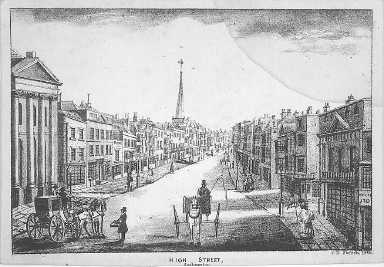
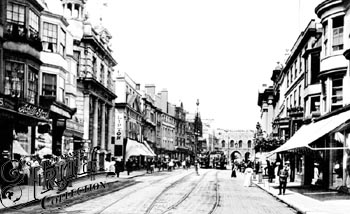
Southampton High Street, 19th C.

Jane had been to Southampton twice previously. First when she was eight years of age to attend Mrs Cawley’s school with Cassandra and her cousin Jane Cooper. This was a disaster. Mrs Austen , in her wisdom, had decided to send Cassandra away to school to attend Mrs Cawleys academy in Oxford in the Spring of 1783. Jane didn’t want to be left out. She wanted to be with her beloved sister and insisted on going. What the reasoning of Mrs Austen was in allowing a seven year old to be away from home for an extended period of time is anybody’s guess. Mrs Cawley removed her school to Southampton that same year.
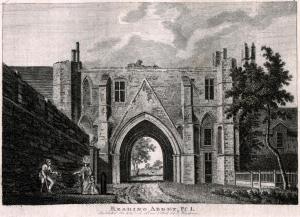
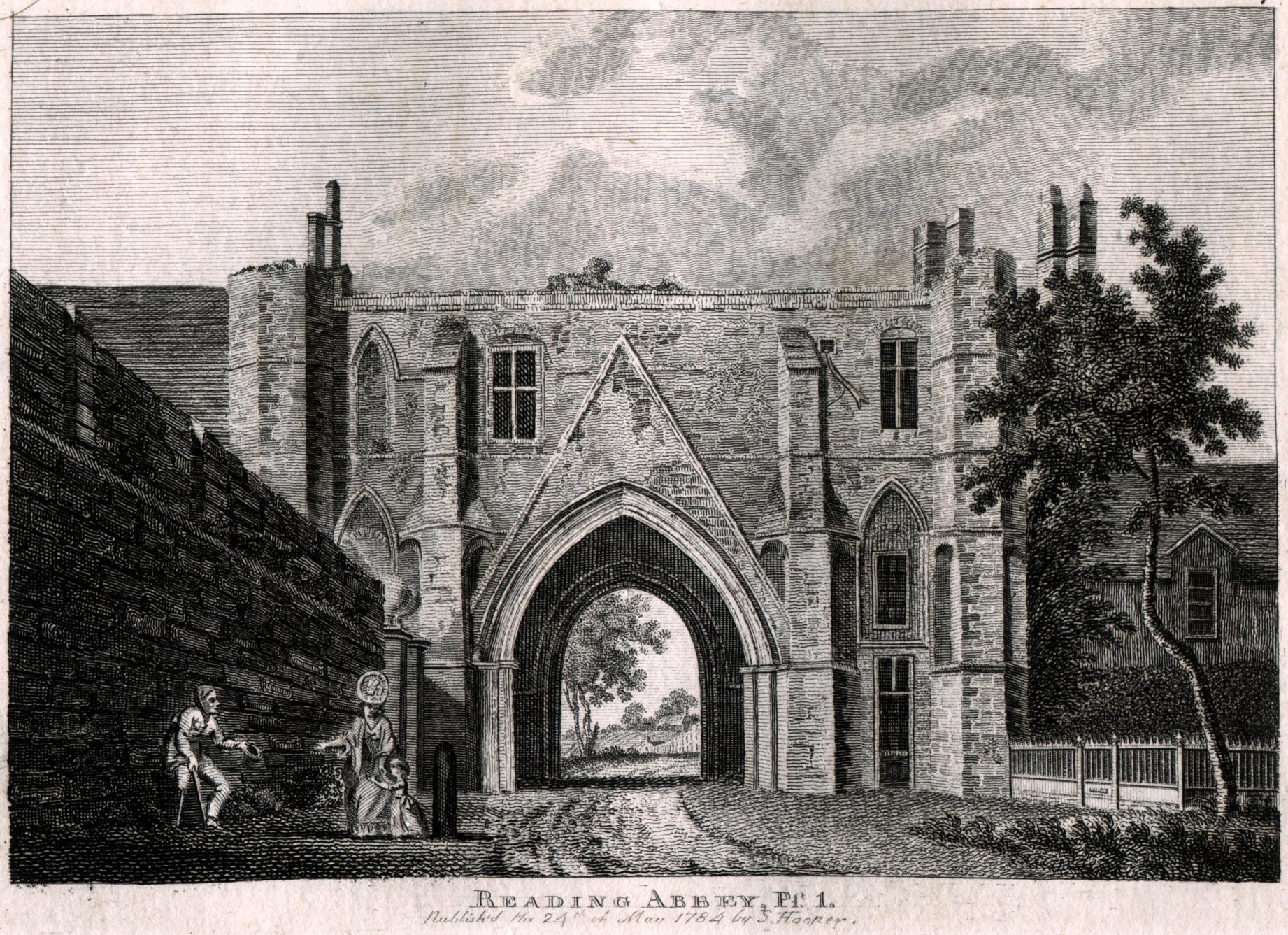
Reading Abbey, Mrs Cawley's school in Southampton

Unfortunately, because Southampton was a port it was often one of the first places that diseases and infections from abroad would first take hold. Cassandra, Jane Cooper and Jane became gravely ill. It was not until Jane Cooper, writing to her mother in Bath, alerted Mrs Cooper and Mrs Austen to the problem. Both mothers removed their children promptly and nursed them back to health.
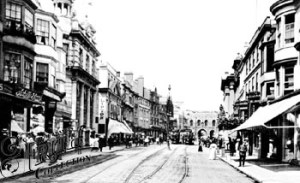
How Southampton would have looked in Jane's time

The second time Jane stayed in Southampton when was when she was eighteen. She stayed with her cousin Elizabeth.

Elizabeth Austen from Tonbridge had married money and moved to Southampton where her husband was…the Sherrif.” (from Claire Tomlin, Jane Austen A Life)

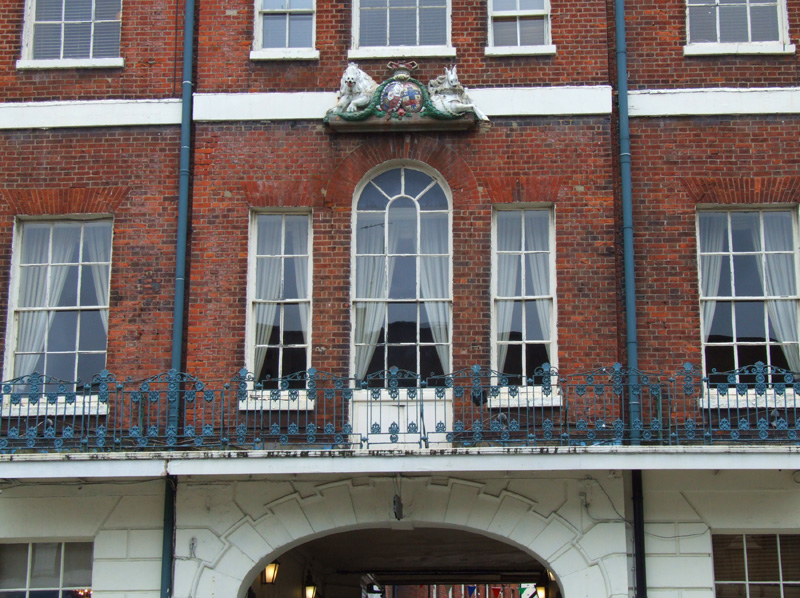
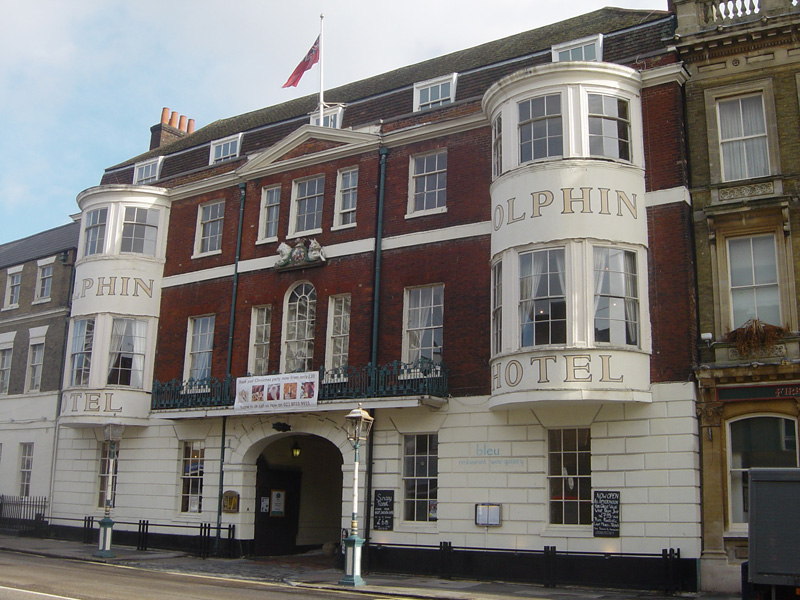
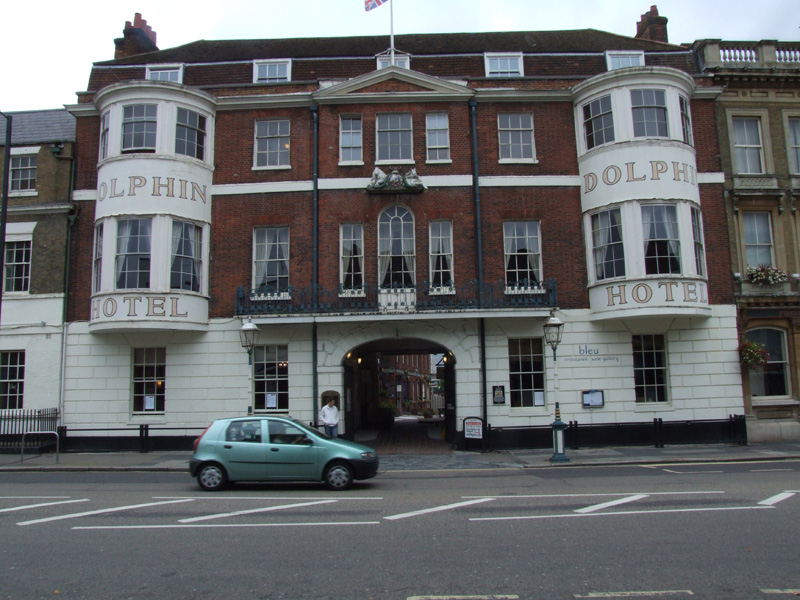
This branch of the Austen family lived in St Mary’s Street in the St Mary’s district of Southampton. While staying with their cousin, Jane and Cassandra attended a ball at the Dolphin Hotel.
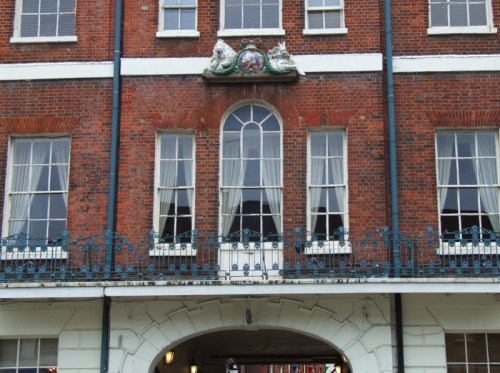
Ball room at the Dolphin Hotel. Image @Tony Grant

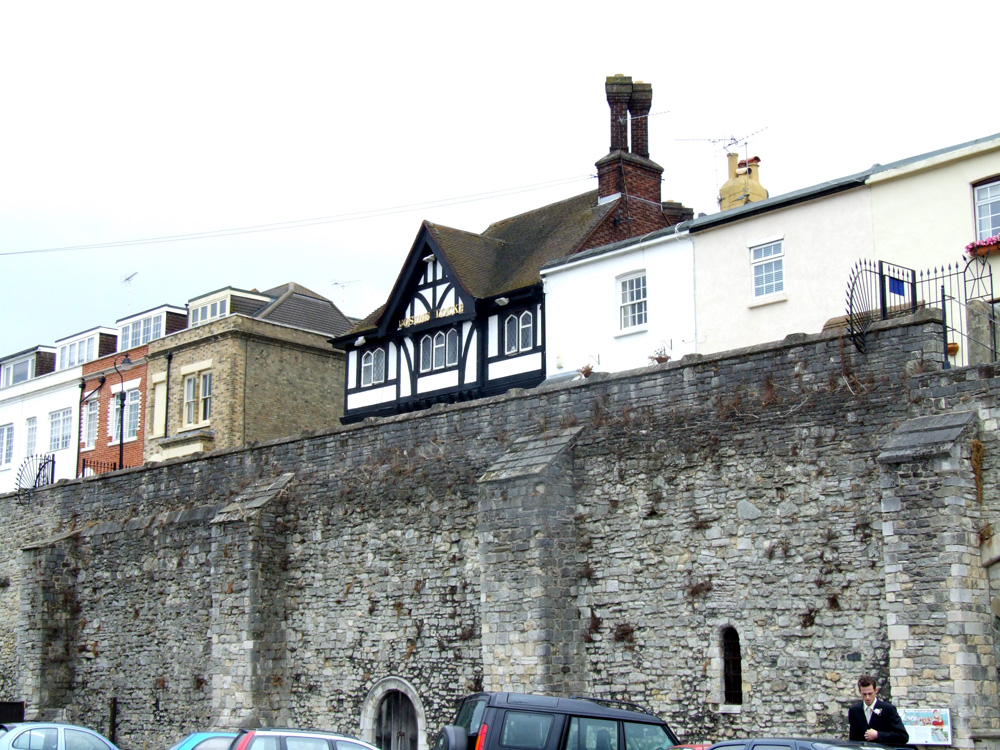
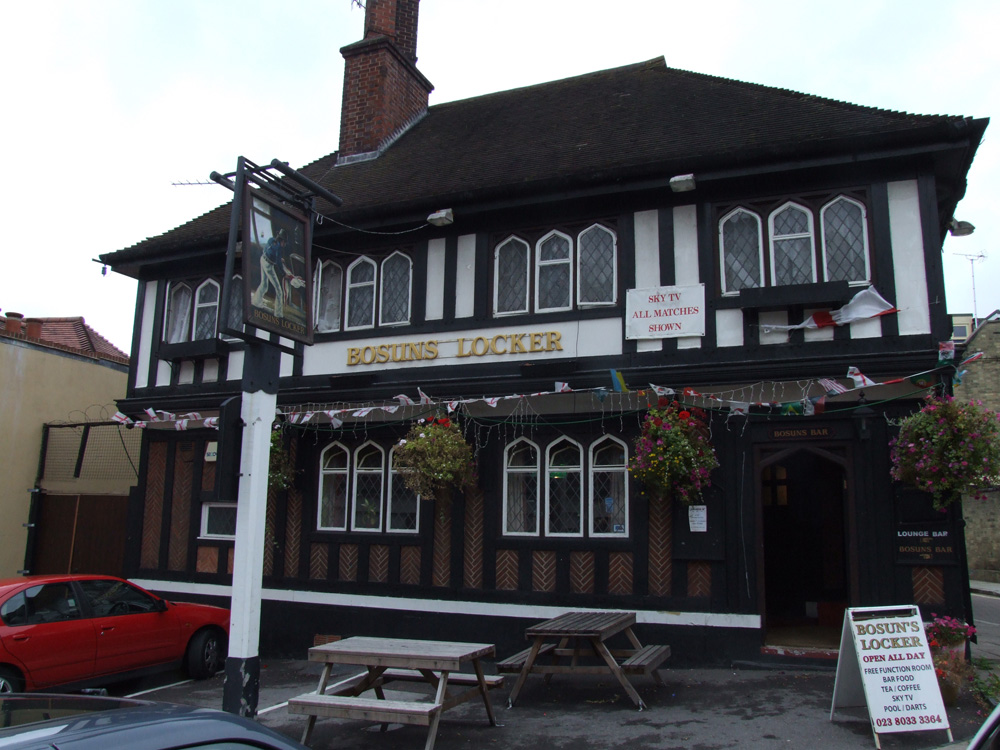
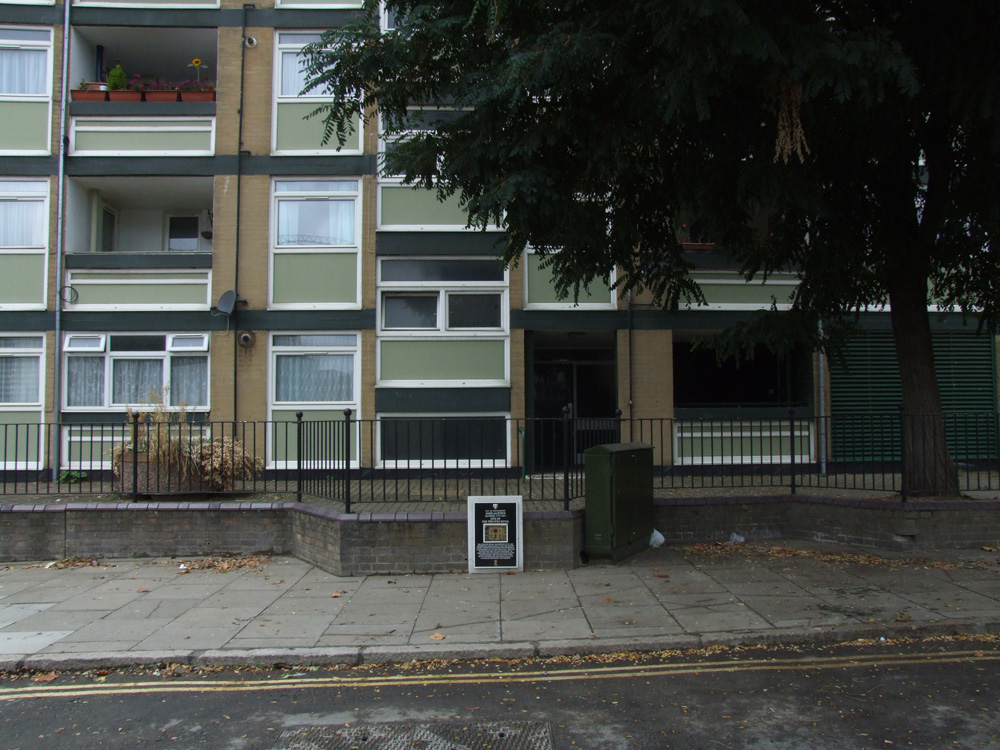
Castle Square today consists of recently built housing, flats built in the 1960’s and some buildings built in the 1940’s and 1930’s. A pub, originally called The Juniper Berry later called The Bosun’s Locker and now renamed The Juniper Berry, is on the site of the house Jane lived in.
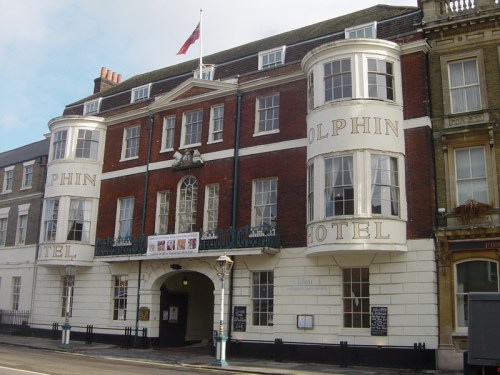
The Dolphin Hotel. Image @Tony Grant

To Cassandra Austen who was staying at Godmersham to help with the forthcoming baby: Friday 20 – Sunday 22 February 1807

“ We hear that we are envied our House by many people, & that the Garden is the best in Town.”
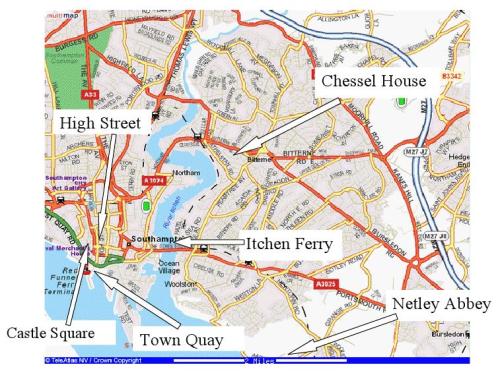
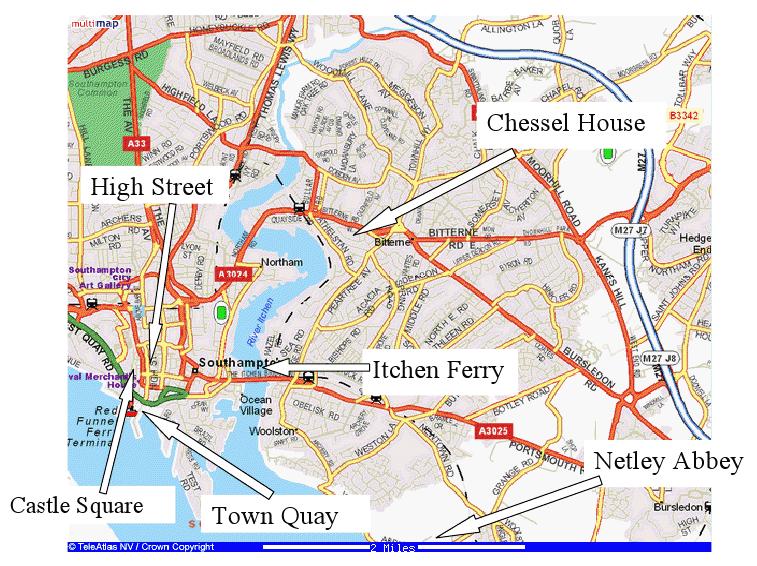
Jane Austen map of Southhampton

Jane also enjoyed the fact that the house in Castle Square had a garden. Something she had not been able to enjoy when living in Bath. She wanted to improve what was already there and the family hired a gardener. She didn’t think much of the roses that already existed,

we mean to get a few of a better kind therefore & the latter of an indifferent sort,—we mean to get a few of a better kind therefore & at my own particular desire he procures us some syringas…”

Jane also mentions getting a laburnum and having currants, gooseberry bushes and raspberries planted.
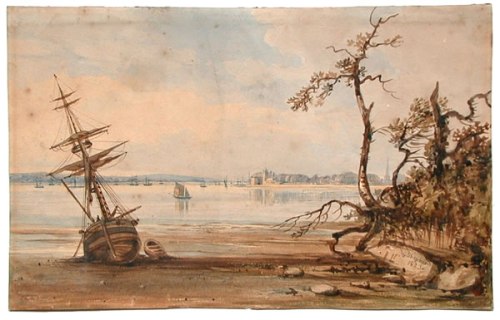
Site of the Itchen ferry in the 18th C.

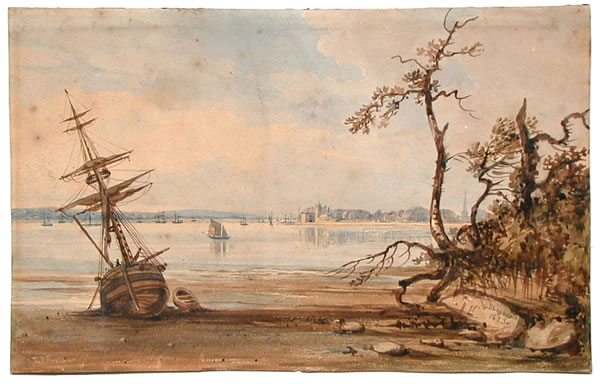
Jane refers to, “The Beach,” in her letters from Castle Square to Cassandra. This was a stretch of land that bordered the Itchen River between the Town Quay and Cross House, which was a sort of Medieval shelter.
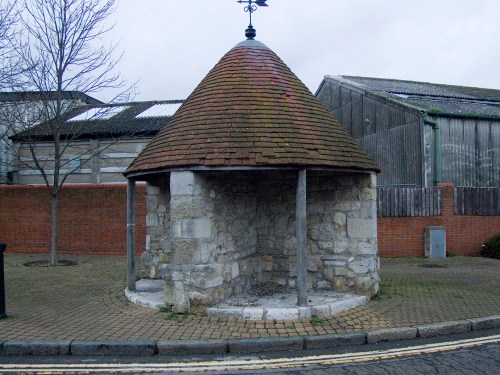
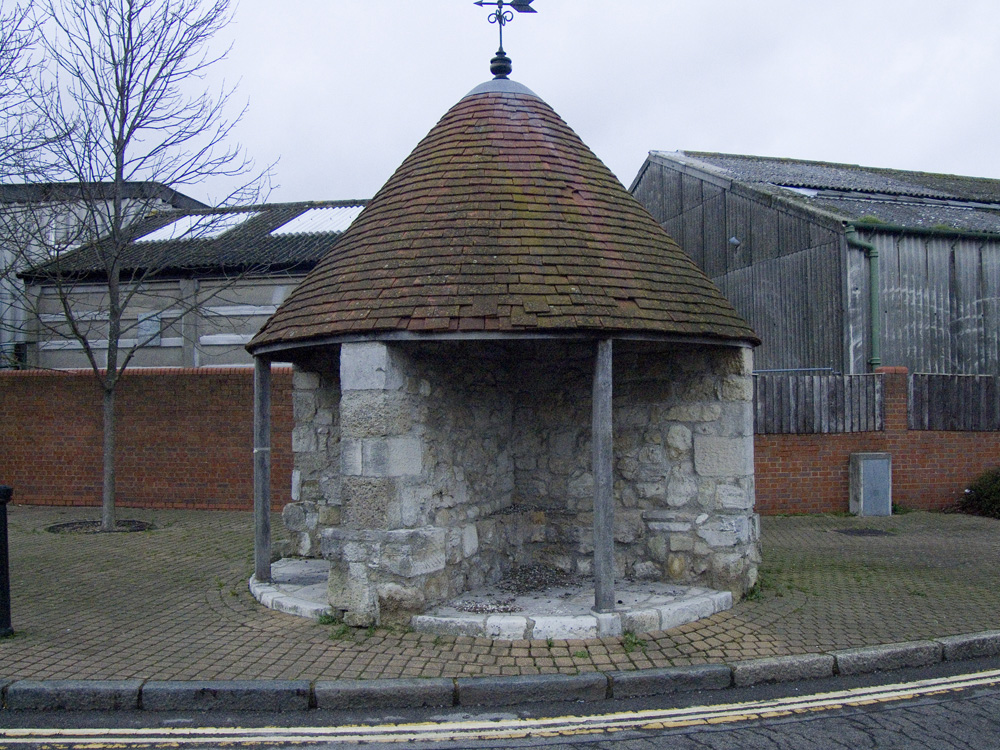
Cross House, a medieval shelter for Itchen ferry travelers. Image @Tony Grant

The shelter was built to shield passengers from inclement weather waiting to be rowed across the Itchen by ferrymen from The Itchen Ferry community situated on the Woolston side of the river. Jane probably sat here waiting for the ferrymen on the various trips she took on the river. (Click here to learn more about the fishermen and ferrymen at Itchen Ferry.)
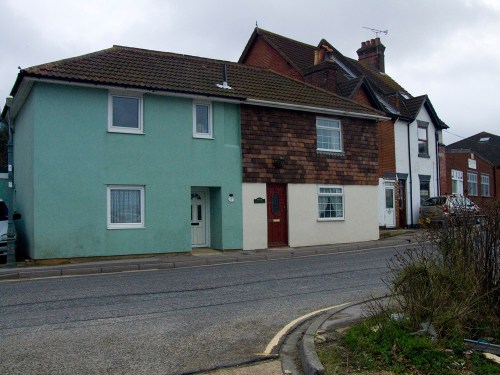
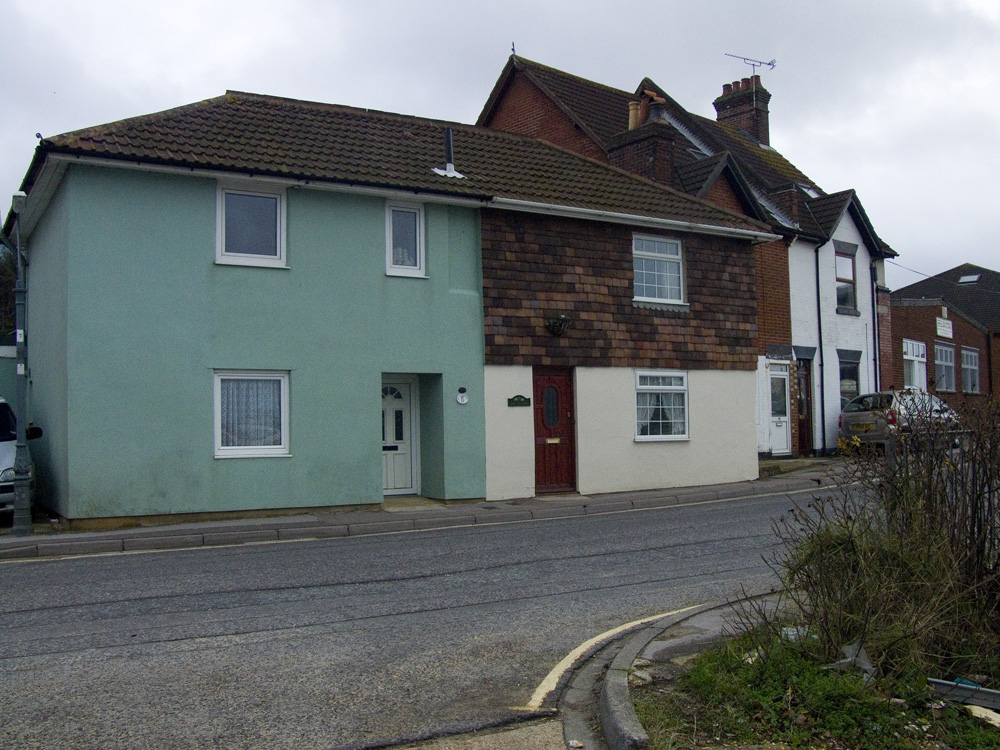
Itchen Ferry cottages. Image @Tony Grant

“The Beach,” no longer exists. In the late Victorian period a large area of land was reclaimed stretching out into Southampton Water. Southampton Docks was built on this reclaimed land.
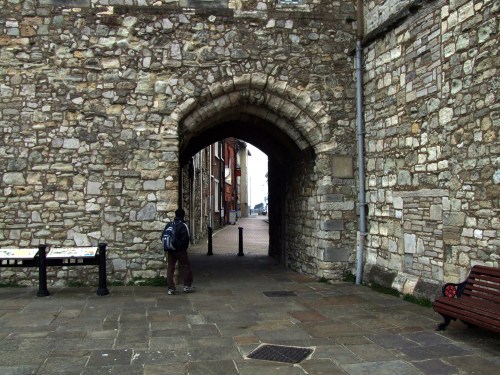
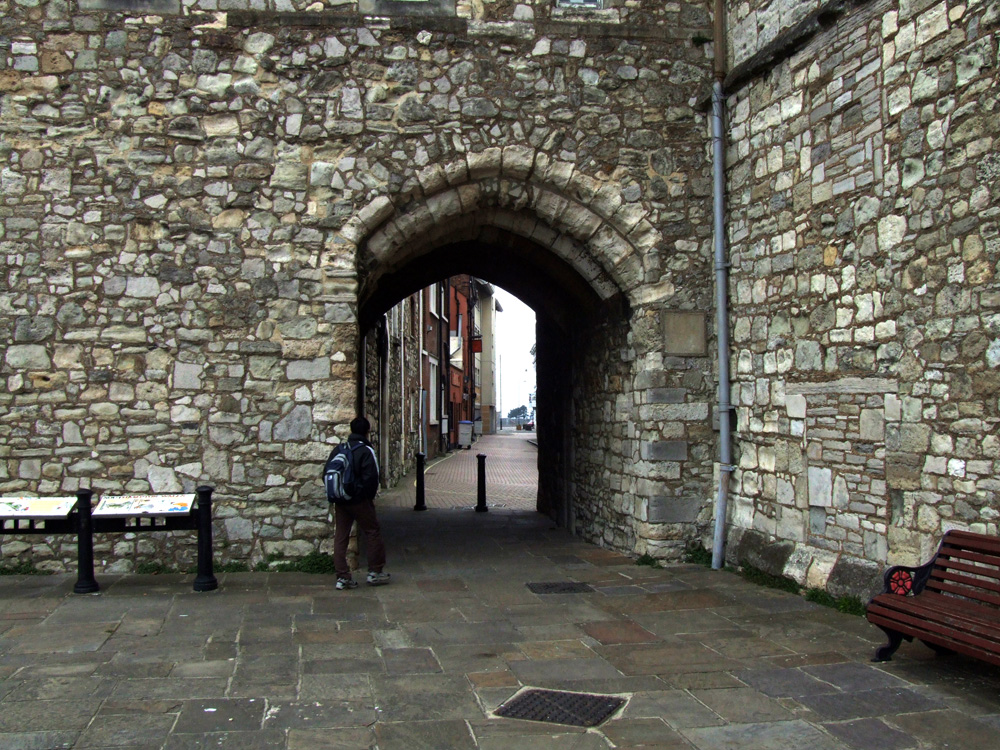
God's House gateway. Image @Tony Grant

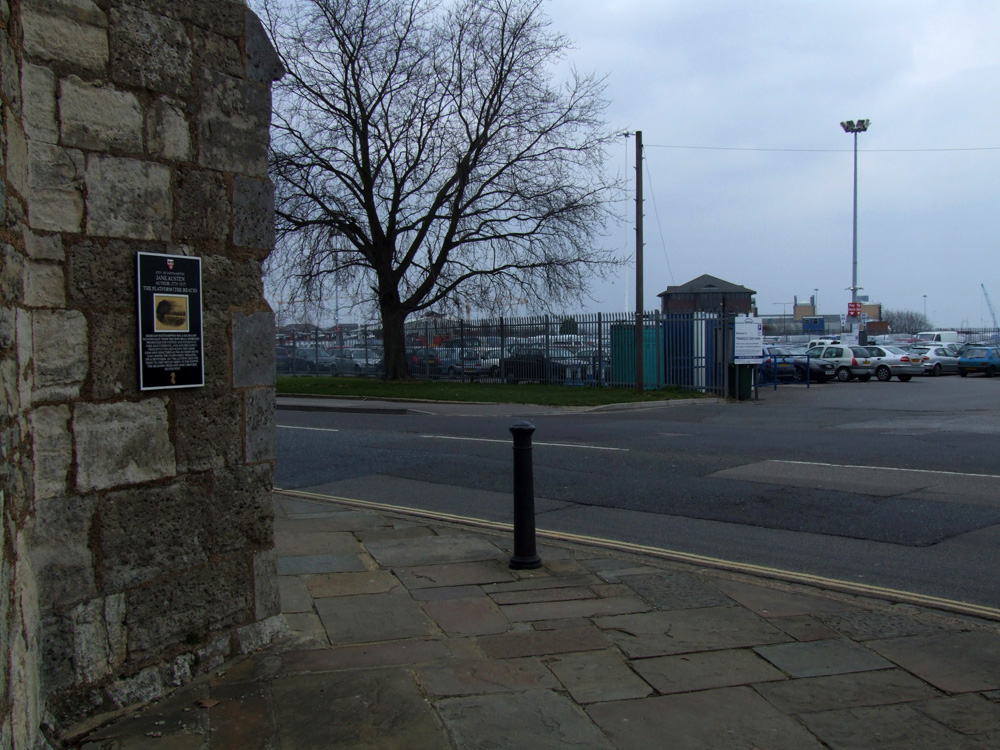
The gateway through Gods House Tower, a medieval section of Southampton’s town walls, would have been the entrance through which Jane and her family accessed The Beach.
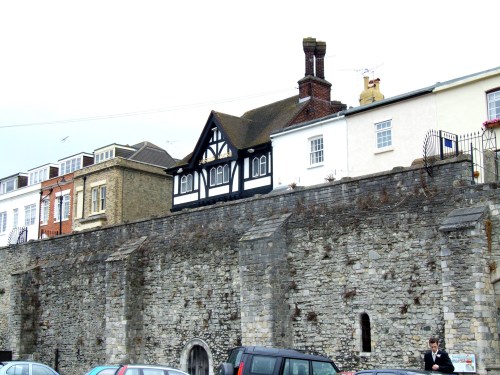
Southampton's town wall. Image @Tony Grant

On the 7th October 1808, Edward’s wife Elizabeth died soon after giving birth to her eleventh child. Ten days after this sad occurrence their two boys, Edward and George, travelled to Southampton to stay with their aunt Jane.
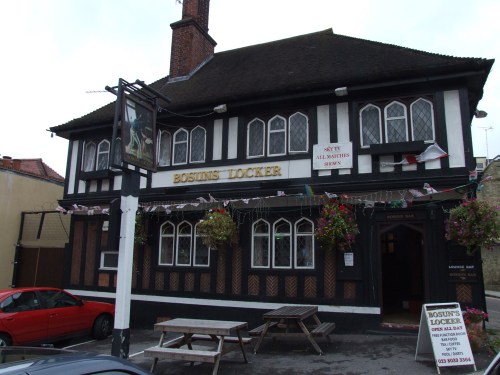
The Bosun's Locker, a pub that sits on the site of Jane's house. Image @Tony Grant

Jane did well in occupying their minds and played games with them and took them on excursions.

To Cassandra Austen at Godmersham: Wednesday 7 – Thursday 8 January 1807

We did not take our walk on Friday, it was too dirty, nor have we yet done it; we may perhaps do something like it today, as after seeing Frank skate, which he hopes to do in the meadows by the beach, we are to treat ourselves with a passage over the ferry.”

The Itchen has been industrialised now for a long time. The area was badly bombed during the war because there was a shipyard in that part of the river,called Thorneycrofts, which built minesweepers and destroyers. In Jane’s time Thorneycrofts were there but they built fishing boats and sailing boats, perhaps even the rowing boats Jane rowed in with her nephews.
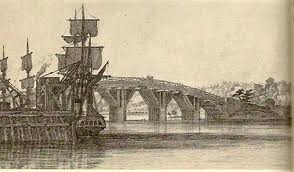
Northam Bridge in the 18th C.

On one occasion Jane took Edward and George on the Itchen up as far as Northam Bridge where they saw a battle ship being fitted out.

To Cassandra Austen at Godmersham: Monday 24 – Tuesday 25th October 1808

“We had a little water party yesterday: I and my two nephews went from the Itchen Ferry up to Northam, where we landed, looked into the 74, and walked home, and it was so much enjoyed that I had intended to take them to Netley today; the tide is just right for our going immediately after noon shine but I am afraid there will be rain; if we cannot get so far, however, we may go round from the ferry to the quay. I had not proposed doing more than cross the Itchen yesterday, but it proved so pleasant, and so much to the satisfaction of al, that when we reached the middle of the stream we agreed to be rowed up the river; both the boys rowed a great part of the way, and their questions and remarks, as well as their enjoyment, were very amusing; George’s enquiries were endless, and his eagerness in everything reminds me often of his uncle Henry.”
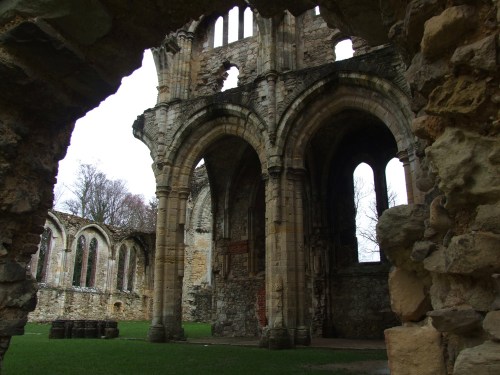
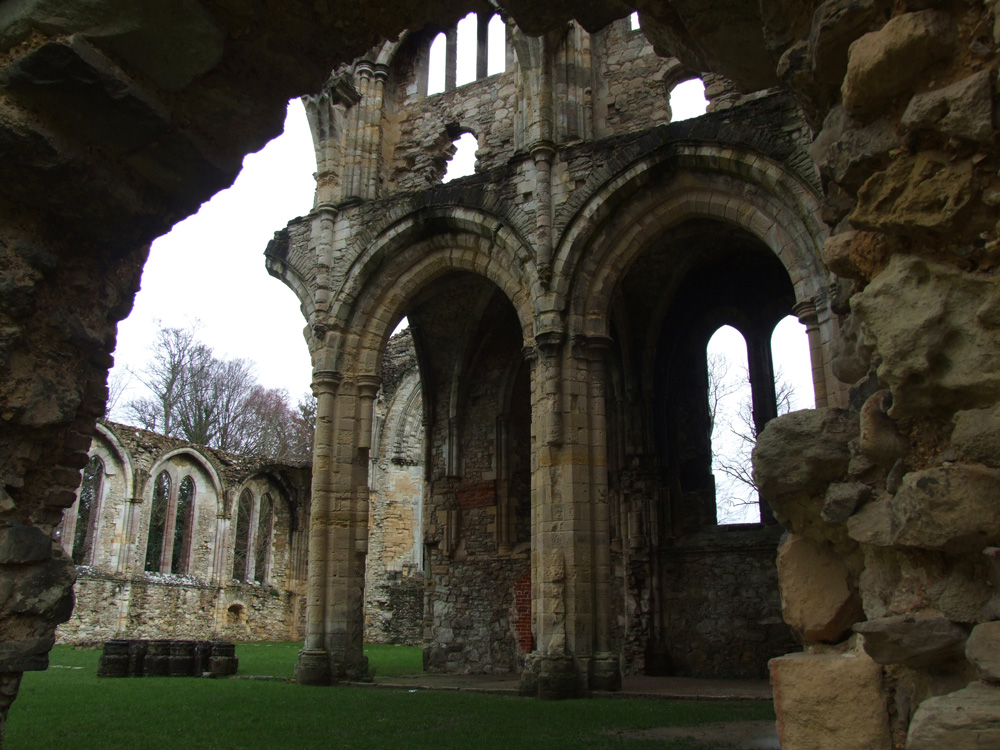
Netley Abbey, south transept. Image @Tony Grant

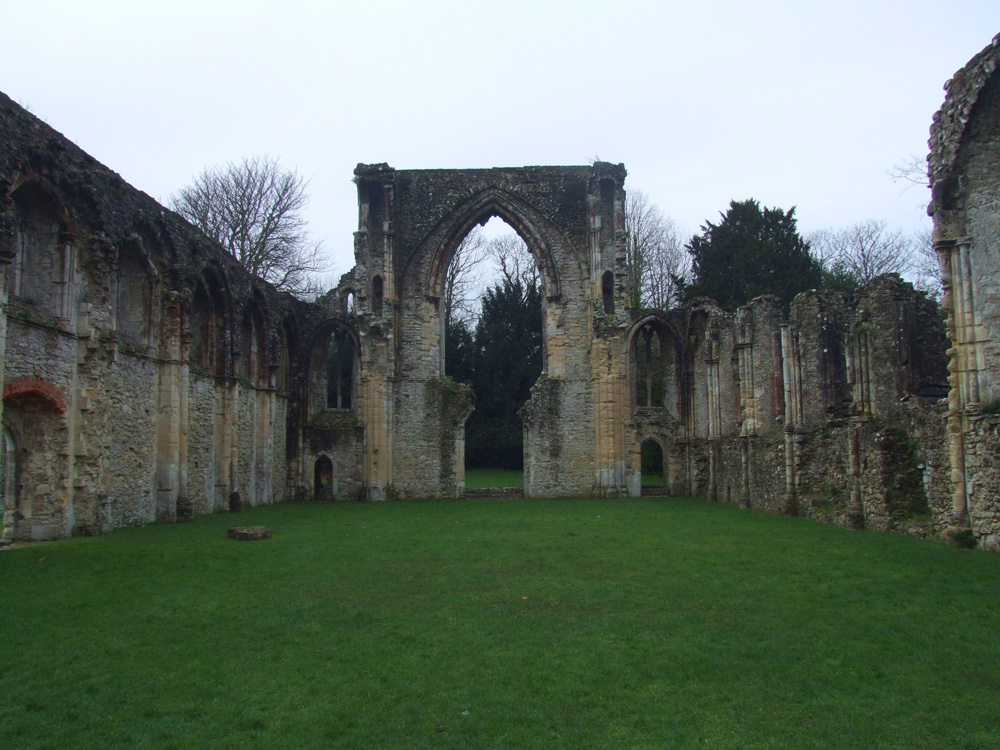
Netley Abbey appears to have been a popular place for the Austens to visit. This is a quote from Claire Tomlin’s “Jane Austen A Life.” Tomlin also quotes Fanny, who shows a great enthusiasm for Netley Abbey.
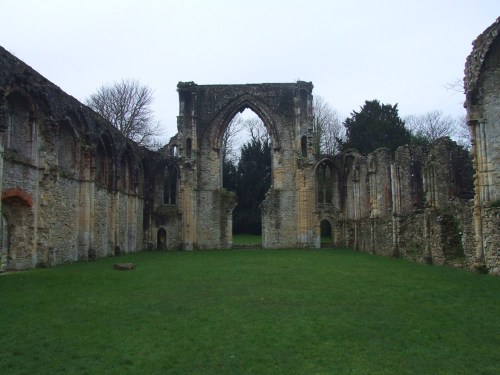
Netley Abbey, church nave. Image @Tony Grant

Claire Tomlin writes, “ There was a boat trip to Hythe and another to see the picturesque ruins of Netley Abbey; (Fanny is quoted as writing)

we were struck dumb with admiration, and I wish I could write anything that would come near to the sublimity of it.”
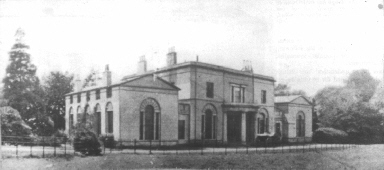
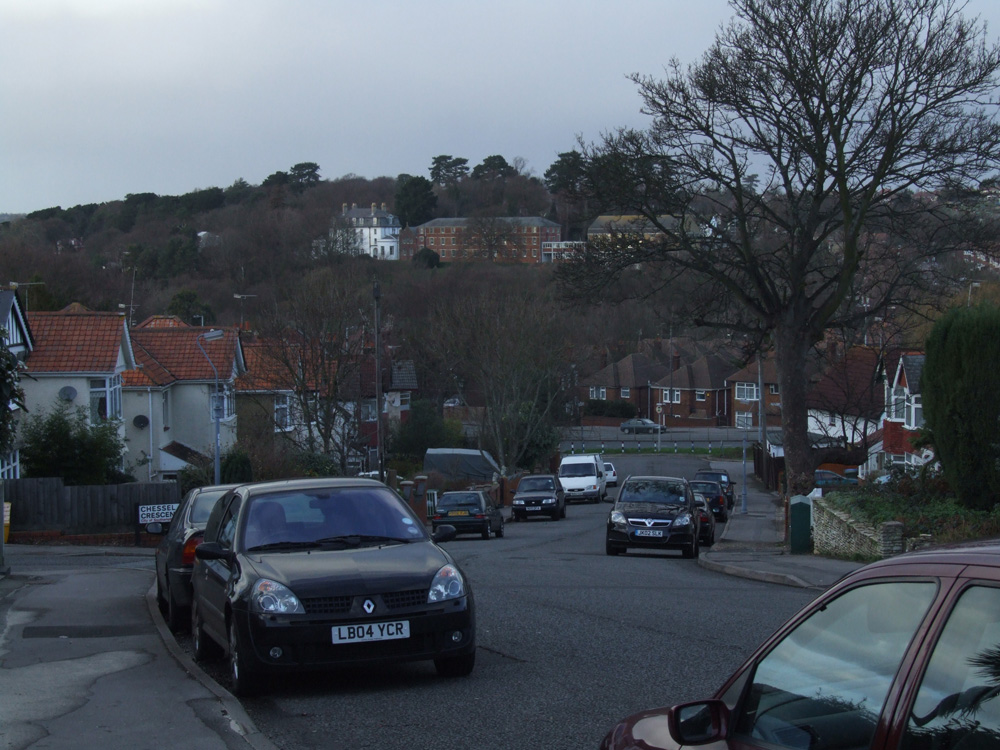
Chessel House, home of the Lances

During their time in Southampton they made new friends. Some did not make a good impression on Jane at first. A Mrs Lance, who lived at Chessel House on the other side of the Itchen, was not approved of. The Austens received cards from the Lances and presumed that they were acting on orders from Mr Lance of Netherton. Frank and Jane went to call on Mrs Lance. They would have got a ferry across the Itchen to the Itchen Ferry Village side and then would walked over Peartree Green, past the chapel on Peartree Green and along Sea Road to get to the Lance’s Chessel Estate at what is now Bitterne.
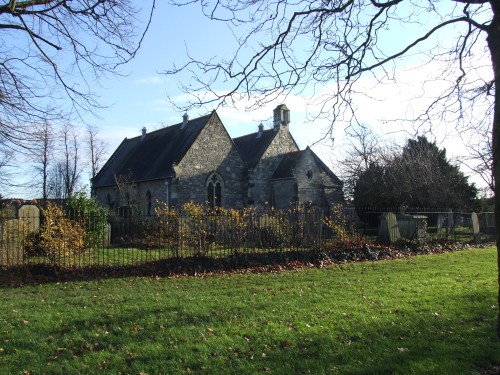
Peartree Church. Image @Tony Grant

The gate posts to the drive, which Frank and Jane would have walked through and the gatehouse to the estate which they would have walked past, are still there.
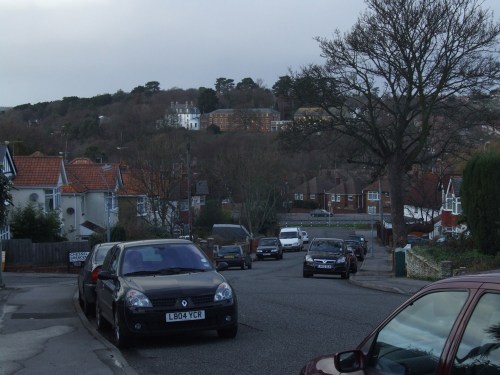
Little Lances Hill. Image @Tony Grant

The gate posts have been moved further apart to allow a modern road to pass through. Two of the local roads, Lances Hill and Little Lances Hill remind us of the Lance family.
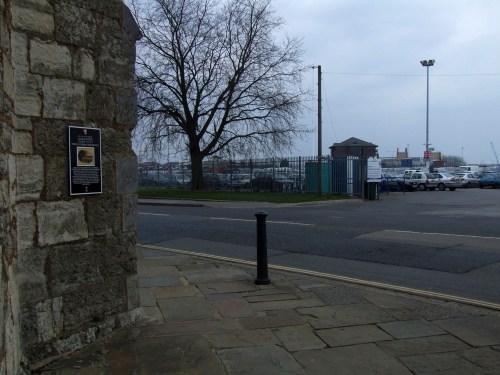
Site fo the beach from God's House Tower gateway. Image @Tony Grant

To Cassandra Austen at Godmersham: Wednesday 7th – Thursady 8th January 1807:

“We found only Mrs Lance at home, and whether she boasts any offspring beside a grand pianoforte did not appear. She was civil and chatty enough, and offered to introduce us to acquaintance in Southampton, which we gratefully declined…………………They will not come often, I dare say. They live in a handsome style and are rich, and she seemed to like to be rich, and we gave her to understand we were far from being so; she will soon feel therefore that we are not worth her acquaintance.”

This does not turn out quite as Jane predicted. They did meet again. Mrs Lance visited Castle Square and the Lance daughters were part of their social circle at the Dolphin Balls. The importance of the pianoforte to Mrs Lance has echoes in Jane’s novel, Emma.

One, maybe slightly salacious story, emerges while Jane, Martha and her mother are in Southampton. Jane, perhaps a little teasingly, relates a relationship between Dr Mant, the rector of All Souls Church in the High Street and Martha Lloyd.
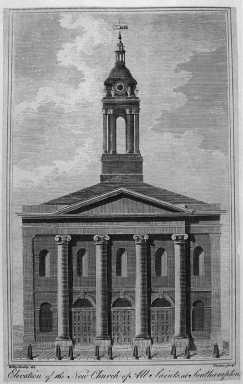
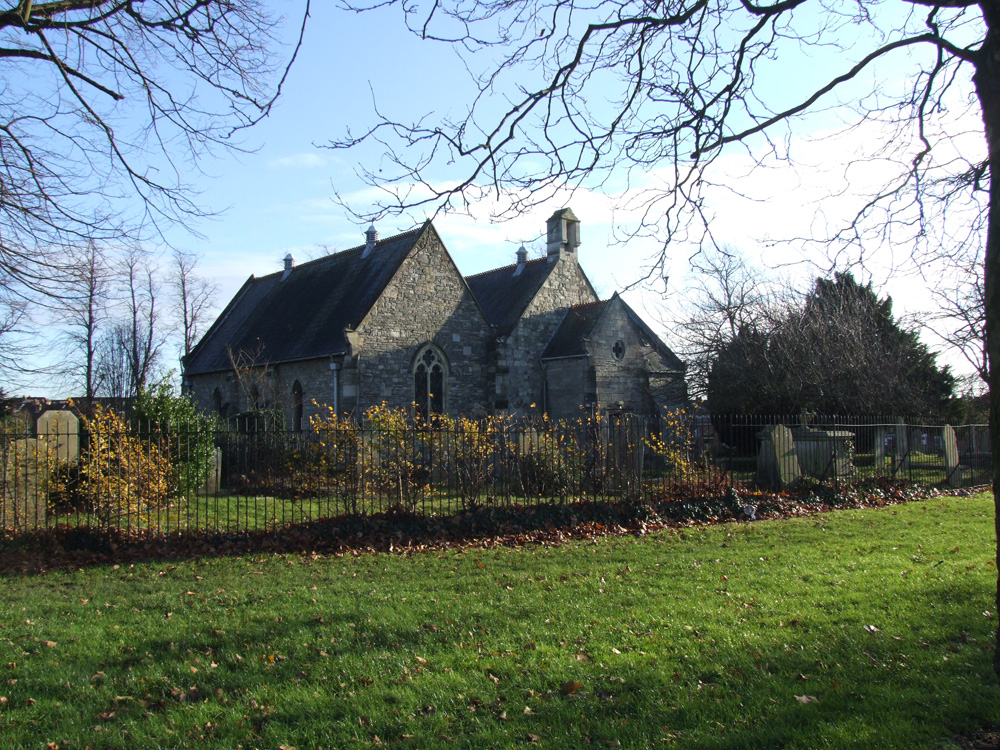
All Saint's Church, Southampton

Dr Mant was well known in Southampton. He had been the headmaster of King Edward VII’s Grammar School in the town . King Edwards Grammar School is now situated in the north part of the city. It has beautiful, extensive playing fields and an iconic, elegant, brick 1930’s style main building. It provides a very high standard of education and all pupils expect to go to university, many go on to Oxford and Cambridge and the other top universities in the country. In Jane’s day the grammar school was in French Street, very close to Castle Square, in a small medieval building. The ruins of it still exist. Dr Mant had also been a professor of Divinity at Oxford and written religious discussion pamphlets. He was a super star in the firmament of vicars. He was a very charismatic preacher too. Dr Mant had his following of inspired young ladies. Martha was apparently a besotted member of this clan.

Tuesday 17th January 1809 from castle Square to Cassandra.

“Martha & Dr Mant are as bad as ever; he runs after her in the street to apologise for having spoken to a Gentleman while she was near him the day before. – Poor Mrs Mant can stand it no longer; she is retired to one of her married Daughters.”

The Dolphin Hotel, which still stands today, was the venue for Balls in Jane’s time. The Dolphin is within easy walking distance of Castle Square and it would have taken no more that six or seven minutes to walk there.
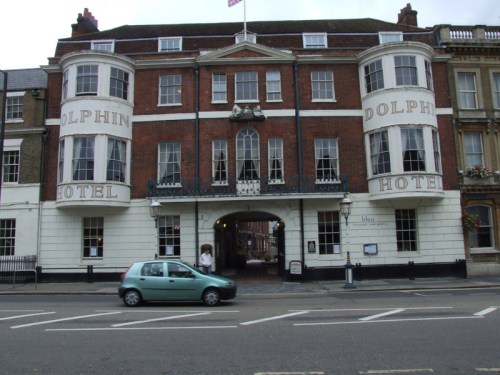
The Dolphin Hotel, where Jane Austen attended balls

To Cassandra Austen at Godmersham: Friday 9th December 1808:

“ The room was tolerably full & there were perhaps thirty couples of dancers; The melancholy part was to see so many dozen young Women standing by without partners & each of them with two ugly naked shoulders! It was the same room we danced in fifteen years ago! – I thought it all over – & in spite of the shame of being so much older felt with thankfulness that I was quite as happy now as then.”
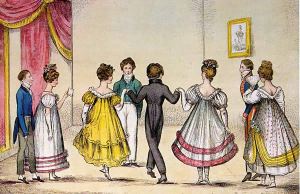
Quadrille, 1820

Also within easy walking distance of Castle Square was Southampton’s theatre. Jane is a little dismissive of the Theatre when she writes:

To Cassandra Austen at Godmersham: Sunday 20th November 1808:

Martha ought to see the inside of the Theatre once while she lives in Southampton & I hardly think she will wish to take a second view.”
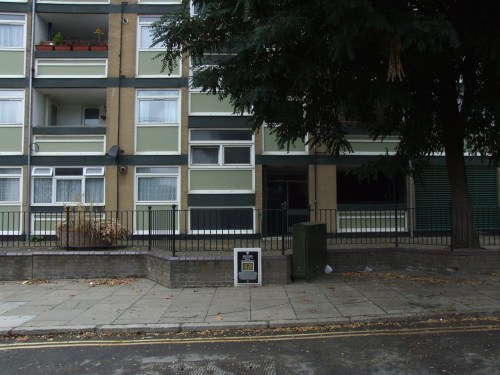
Site of the Southampton Theatre where Jane took Martha Lloyd. Image @Tony Grant

Southampton was a place Jane preferred to Bath. She appears to have had some enjoyable experiences there. It was obviously not a place she felt settled enough to write. Although, I am sure she used her experiences there in her novels.

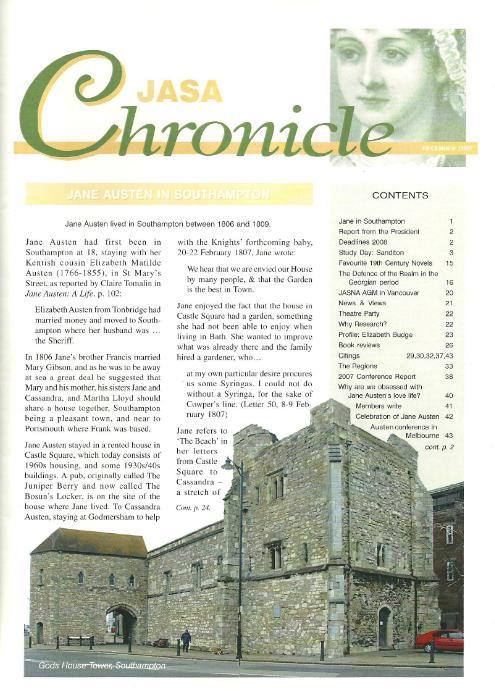
Tony’s article in the JASA Chroniclem December, 2007.
Click on image to enlarge.

Read Full Post »
« Newer Posts - Older Posts »