Feeds:
Posts
Comments

Archive for 2011

Gentle Readers, It may please you to know that frequent contributer, Tony Grant (London Calling), lives near Richmond Park, a wilderness that has kept its pristine nature for centuries. Enjoy these beautiful photographs.
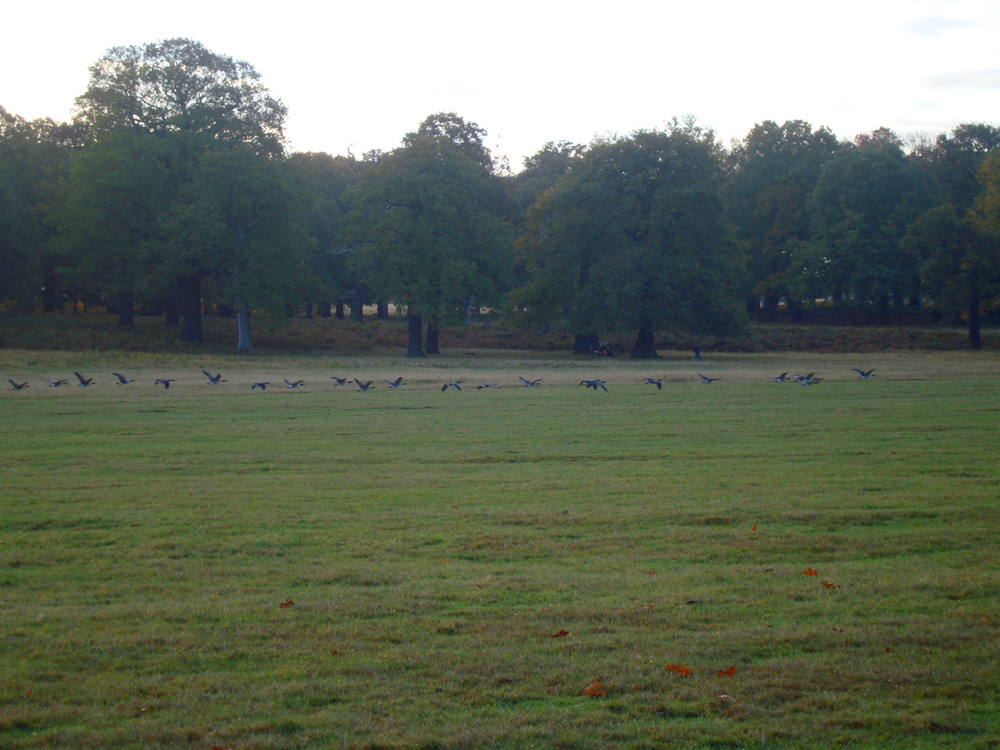
Geese flying towards Pen Ponds

Richmond Park is situated 12 miles south west of St Pauls Cathedral in the city of London. It just happens to be two miles from where I live on the edge of Wimbledon and abuts Wimbledon Common that stretches for a few miles on the other side of the Kingston Road.

Deer at Richmond Park

The Kingston Road is a very old road running between Kingston upon Thames and the City of London. It bisects Wimbledon Common and Richmond Park on it’s way. Jane Austen would have travelled often along it on her way from Hampshire by way of Kingston upon Thames to her brother Henry’s house in Henrietta Street or to one of the other houses Henry owned at different times.

Deer under the trees

The park has always been an untouched piece of wilderness. It has never been adapted or changed by agriculture. It has always been as it is to this day. It covers 2,500 acres. King Edward I who lived from 1272 to 1307 and who was also called Longshanks and The Hammer of the Scots, formed the park in the Manor of Sheen beside the Thames outside of London, as a hunting park stocked with red and fallow deer.

There are six hundred deer in the park to this day. Under Henry VII, who built a palace at Sheen beside the river, the park and the local town was renamed, Richmond. There is a mound or small hill in the park called, Henry VIII’s Mound, where the Tudor king reputedly would spy out likely deer to be hunted. In 1625 Charles I removed the whole of his court to Richmond Palace because of the Black Plague raging through London.

He used the park for hunting too. In 1637 Charles had a wall built around the park, which is still there. The local people were obviously chagrined. Charles passed strict laws about the King’s deer being poached and the wall was an extra deterrent.
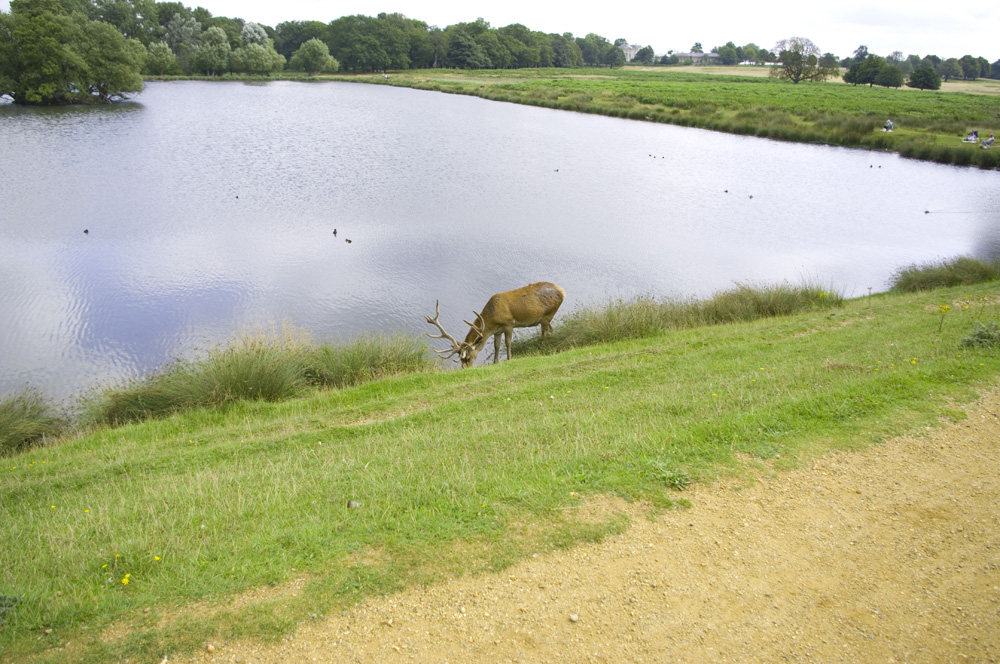
Stag by Pen Ponds

Richmond Park has a strong emotional connection for Marilyn and me. Not only does one of the campuses of Kingston University, where me met as undergraduates, back onto the park and on numerous occasions we scaled the brick wall between Kingston Hill Place, my halls of residence , to get into the park at night but it has great significance to the birth of all our children. Now I know what you are thinking, but you would be wrong. By the way, Kingston Hill Place used to be the home of Lilly Langtry or Jersey Lill, as she was known, the mistress of Queen Victoria’s eldest son Edward VII.
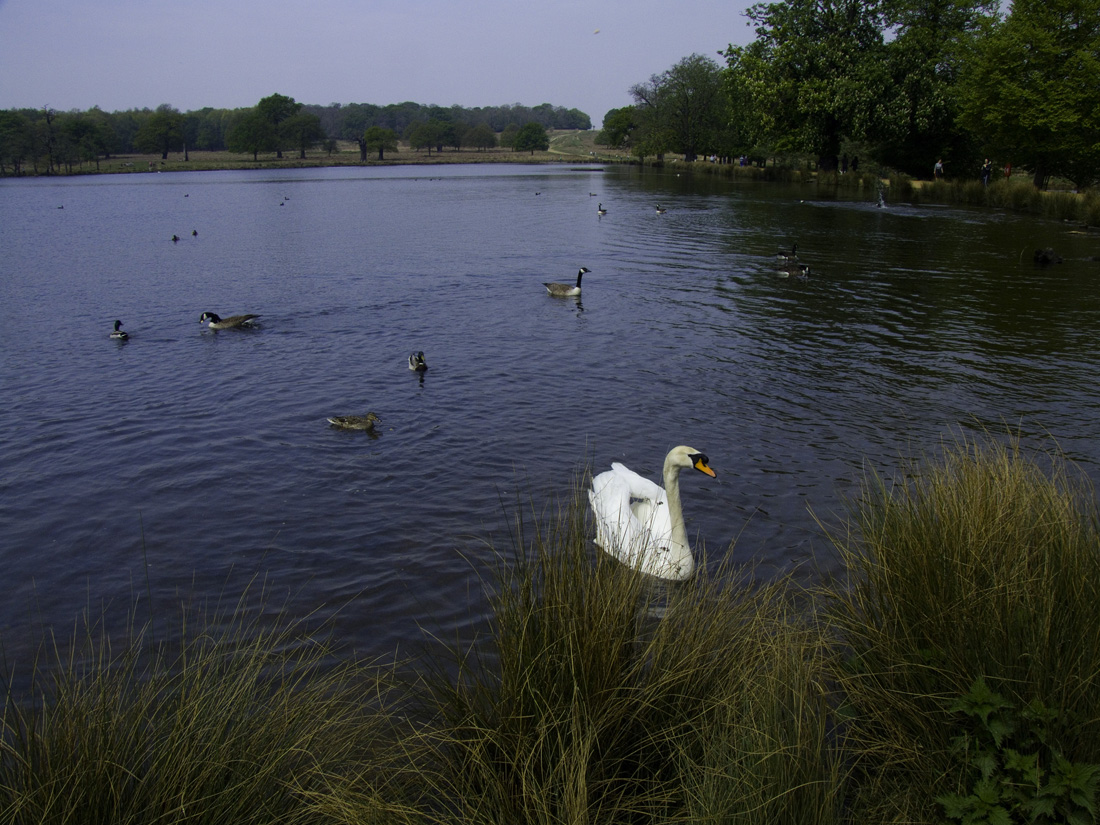
Pen Ponds, Richmond Park

Getting back to the great significance to the birth of our four children. Well, it first happened with Sam, our eldest. The day he was due to be born, 1st July 1986, Marilyn showed no signs of going into labour. We sat around and sat around waiting for something to happen and obviously it wasn’t going to.
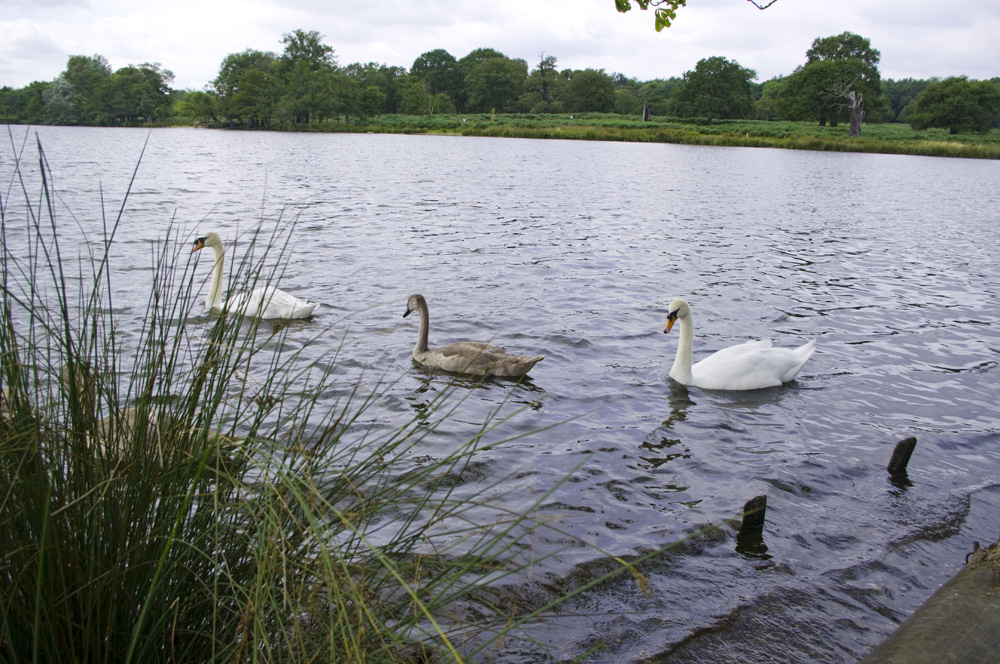
Pen Ponds

We decided to drive to Richmond Park and go for a walk beside Penn Ponds, two beautiful small lakes right in the middle of the park with reed beds and groves of massive ancient oak trees nearby. The ponds have a large variety of water birds, swans, mallards, Canada Geese, coots and many other varieties of ducks inhabiting them. They nest in the reed beds along the edge of the ponds. Richmond Park has been classified as SSSI status. That means it is a site of special scientific interest. Sam was born a week later on the 8th July.
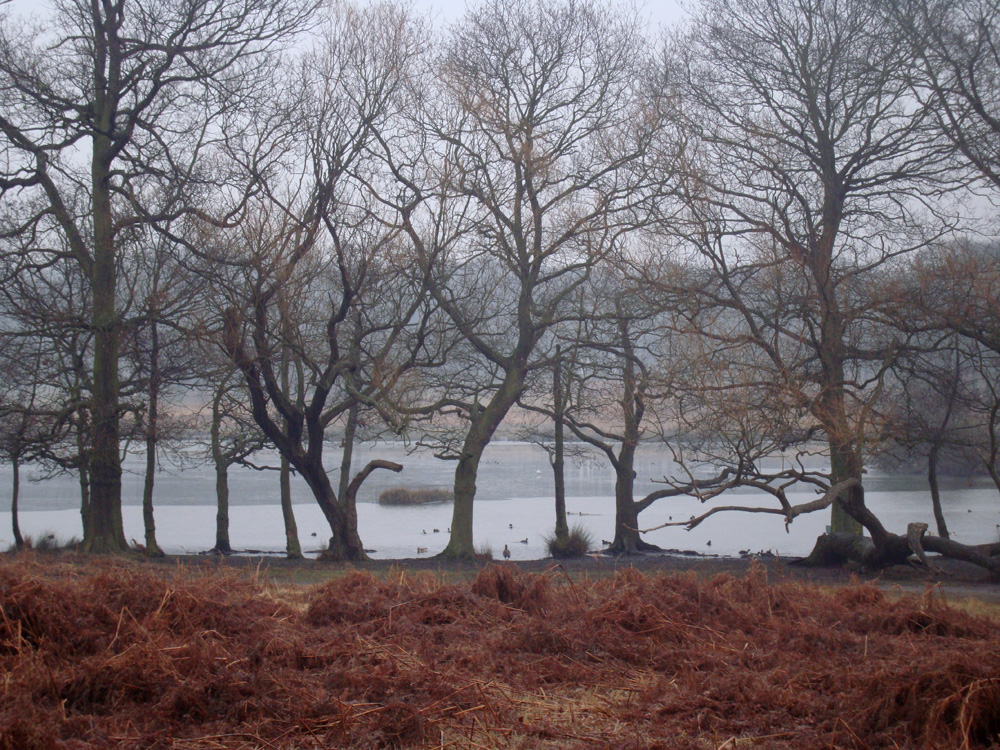
Pen Ponds in the Rain

When Marilyn [Tony’s wife] was pregnant with Alice we followed the same routine, a day beside Penn Ponds and then after that, we did the same with Emily and Abigail in later years.
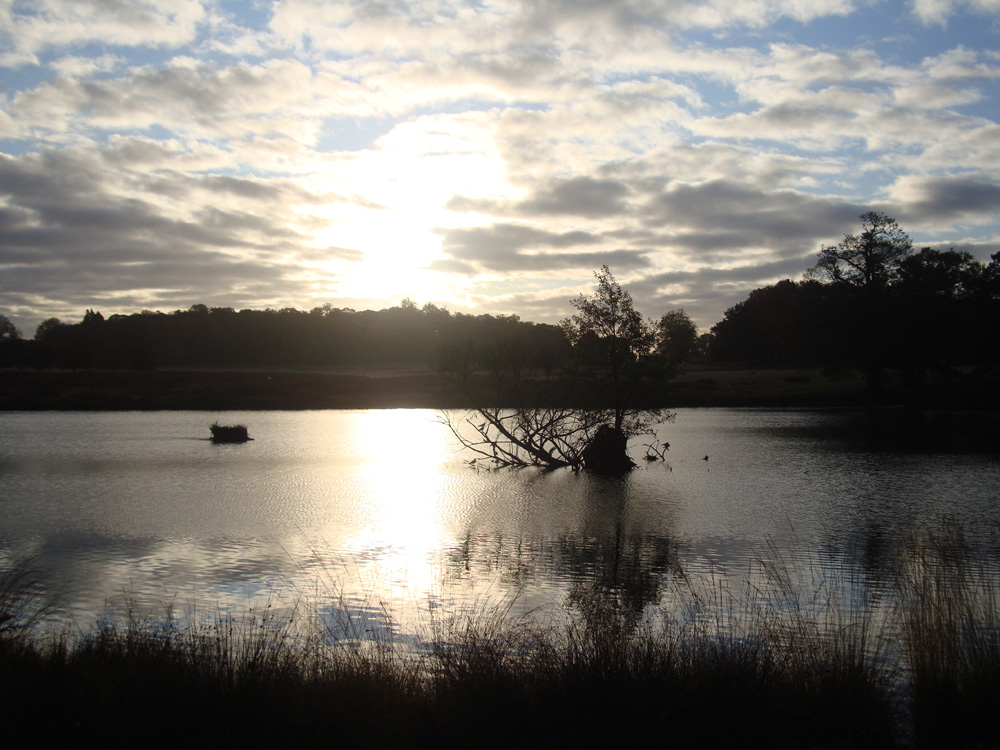
Pen Ponds

All of our children were born late. You might think, weren’t you taking a chance? What if Marilyn had gone into labour on the predicted date? Ah well you see, Kingston Hospital is right next to Richmond Park. All we needed to do was climb over the wall. No sorry, let me get that right; drive a short distance to the maternity department.
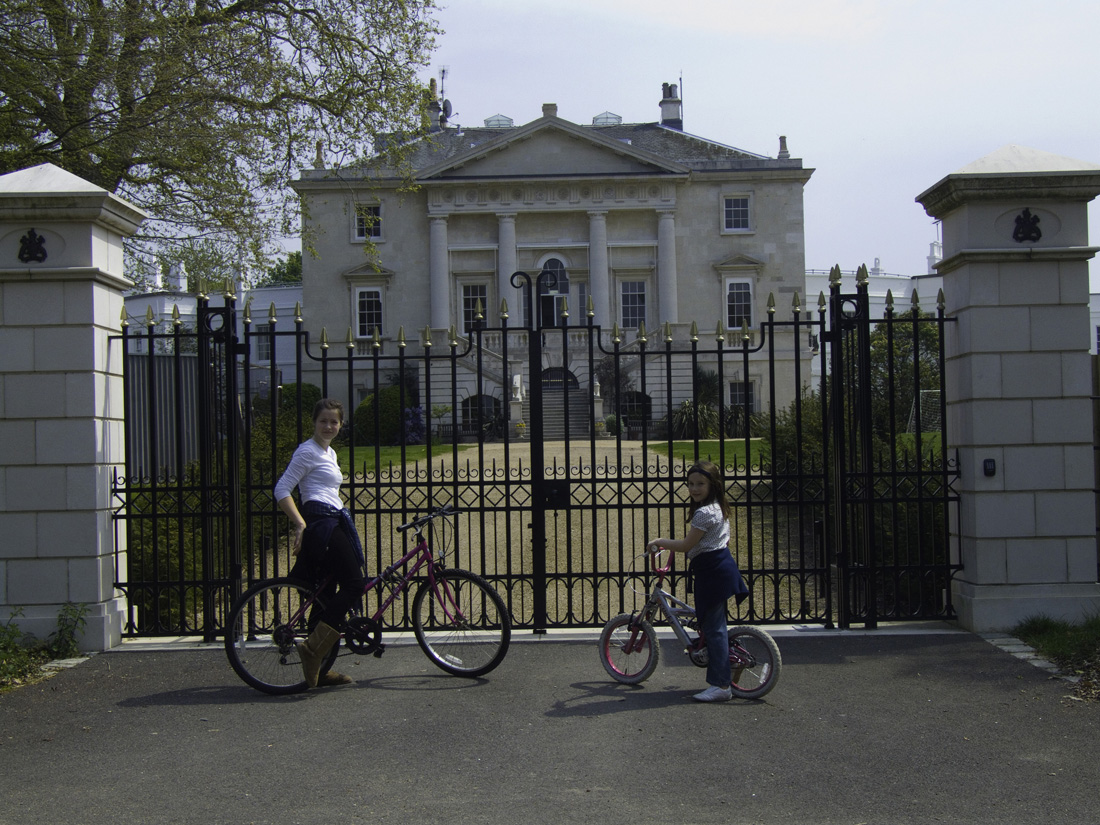
My daughters outside the Royal Ballet School

There are a number of beautiful houses inside Richmond Park. White Lodge,in the centre, is the home of The Royal Ballet School. All our great ballet dancers train there from an early age. In the film Billly Elliott, that is where he went to train as a dancer. White Lodge is an elegant 18th century pile that used to be a country house belonging to Edward VII.
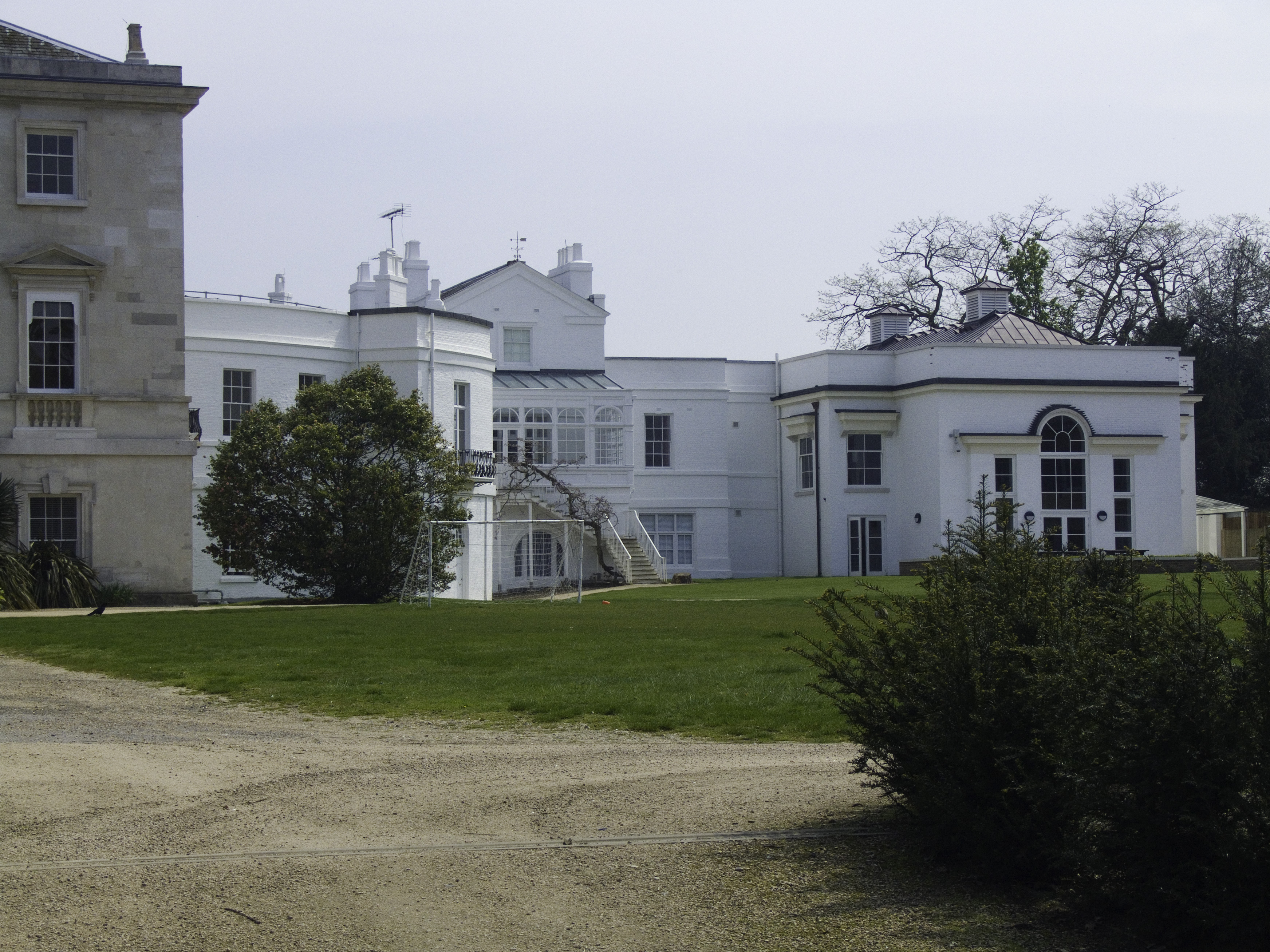
Outside the Royal Ballet school

Pembroke Lodge, situated on a high hill overlooking the River Thames and Kingston upon Thames is situated on the edge of the park. It used to be the home of Lord John Russell, a prime minister during the reign of Queen Victoria. He was the grandfather of Bertrand Russell, the philosopher. Bertrand Russell spent much of his childhood at Pembroke Lodge.
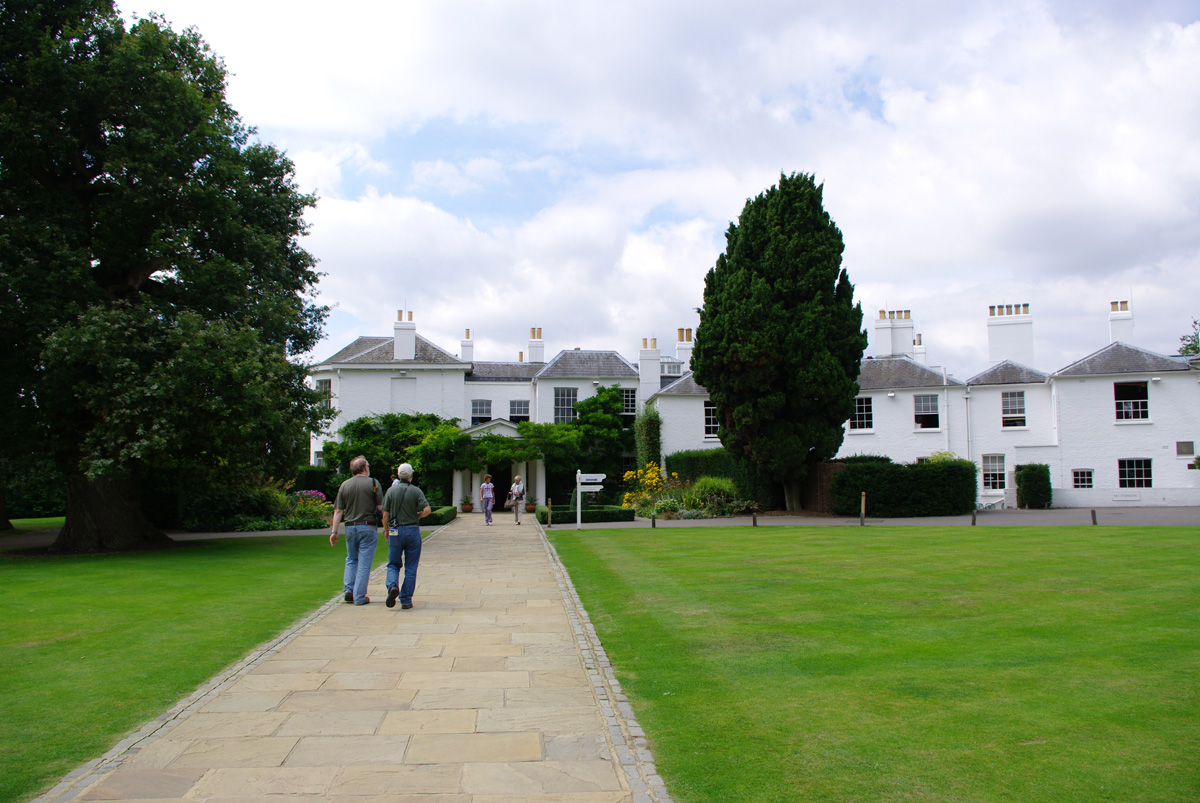
Pembroke Lodge

Pembroke Lodge is now a café and restaurant. It is a great experience to sit on the terrace of Pembroke Lodge on a summers afternoon looking out over the Thames sipping Earl Grey or Lapsang Souchong, and eating a scone with clotted cream or homemade strawberry jam.
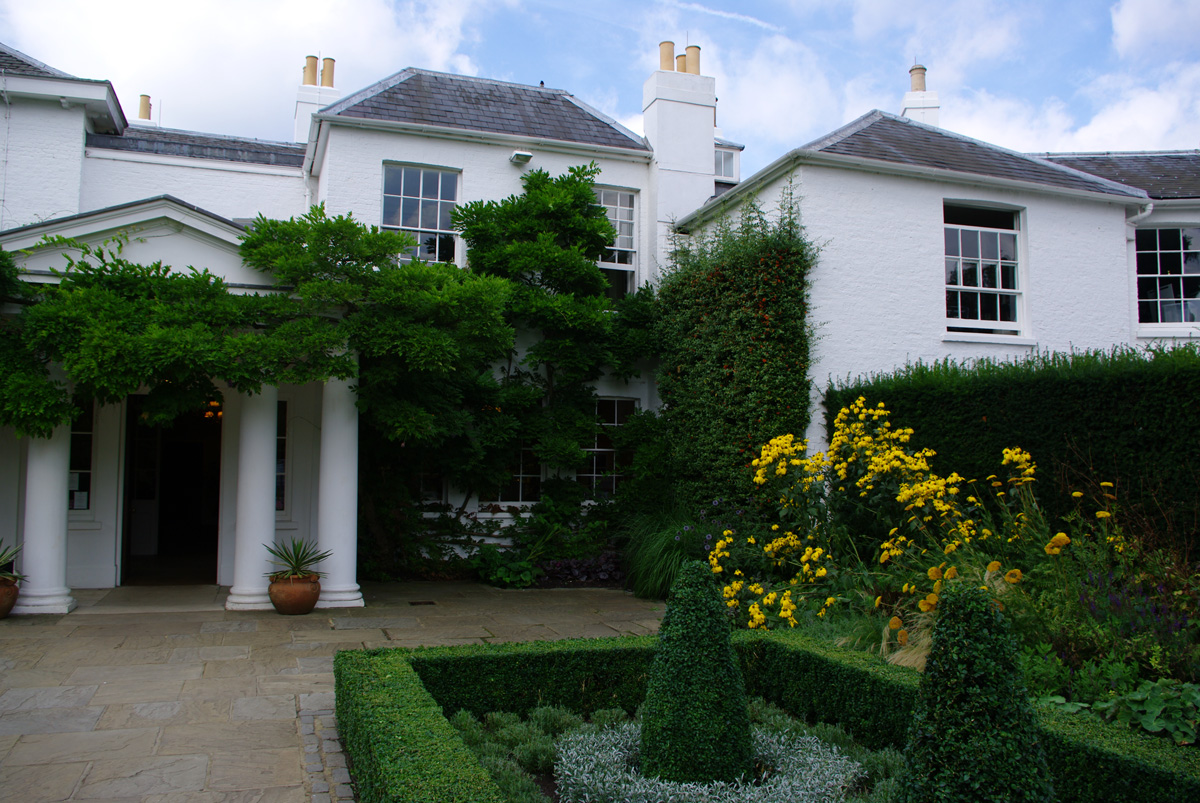
Pembroke Lodge entrance

Richmond Park is wonderful to take long walks. There are many massive ancient oak trees. Some must be four or five hundred years old. A few have been scarred by lightning strikes.
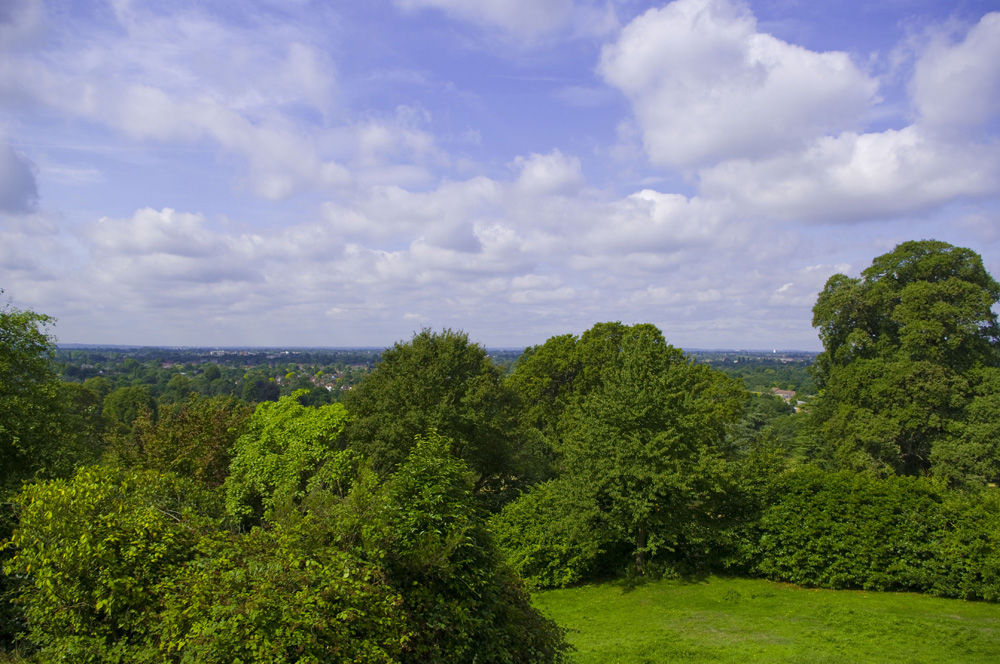
Pembroke Lodge view

You will see deer grazing in amongst the vast areas of bracken. An unexpected sound and sight are the flocks of green parakeets that have inhabited parts of Richmond Park.
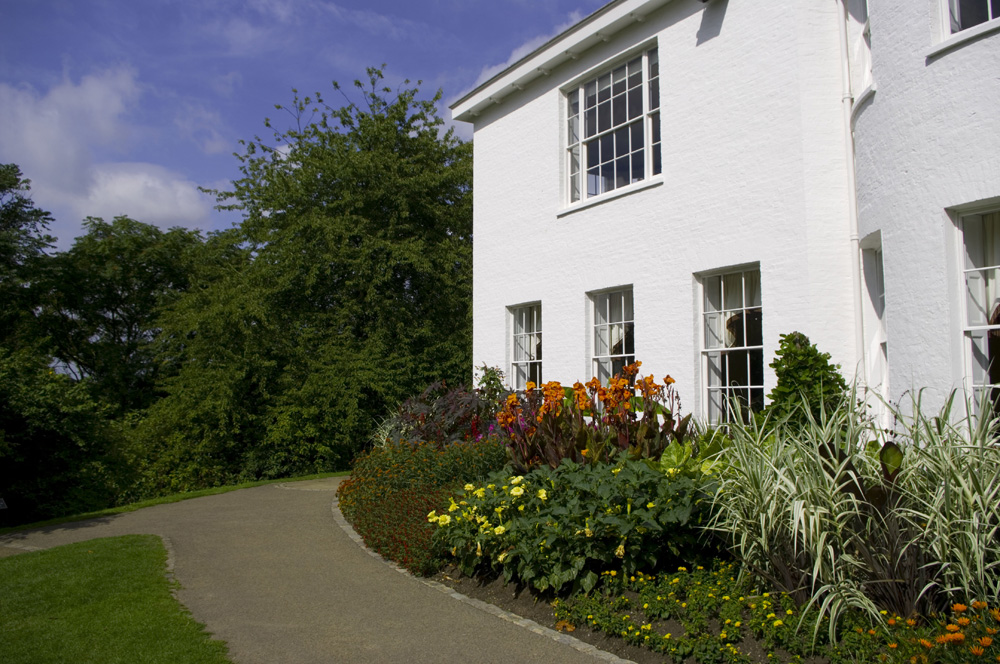
Pembroke Lodge

The story goes, whether myth or reality , is that in the 1940’s Treasure Island was being filmed at Pinewood Studios. They had parakeets on the film set and some escaped and began breeding in Richmond Park. A similar story centres around the making of The African Queen with Humphrey Bogard. It too was being filmed partly at Pinewood. Again the story goes that parakeets escaped from that film set too. I don’t know how much truth there is any of these stories but there is, without doubt, a colony of green parakeets living and breeding in Richmond Park. I have had a few land and rest in the branches of the apple trees in my own garden.
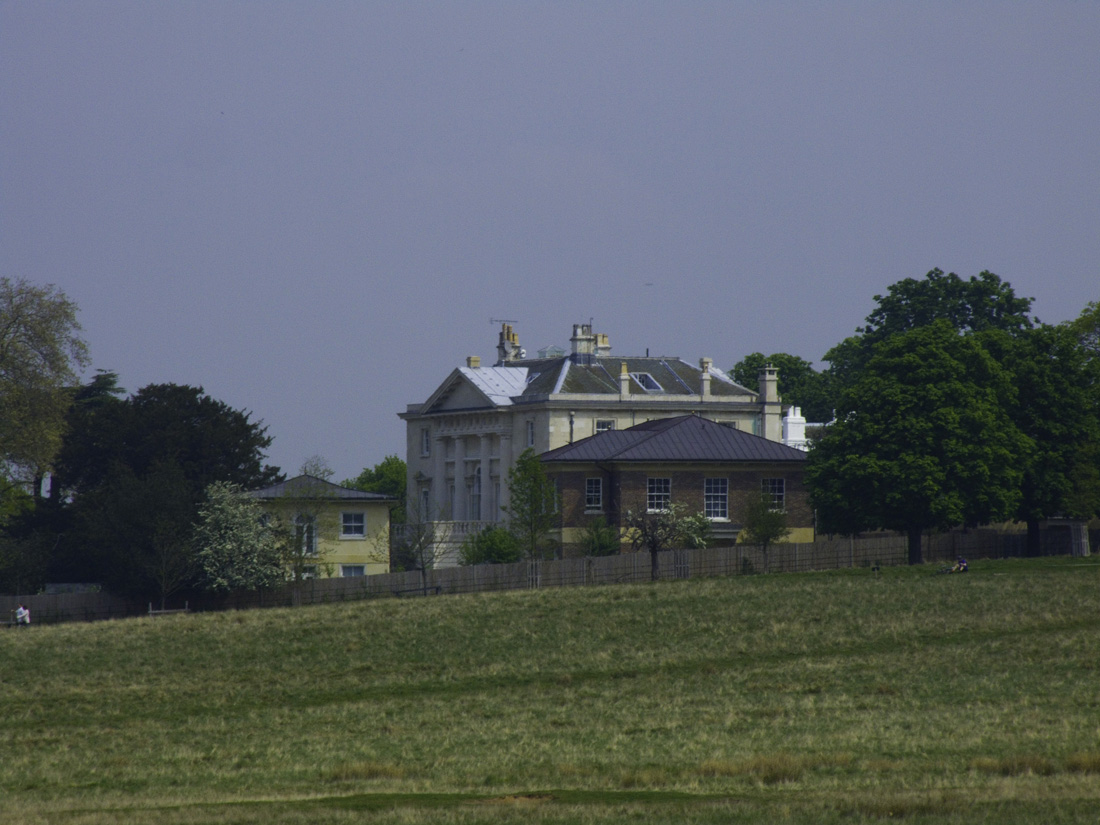
The Royal Ballet School

There are a number of plantations that are fenced off from the rest of the park so deer cannot eat the shrubs and trees growing in them.
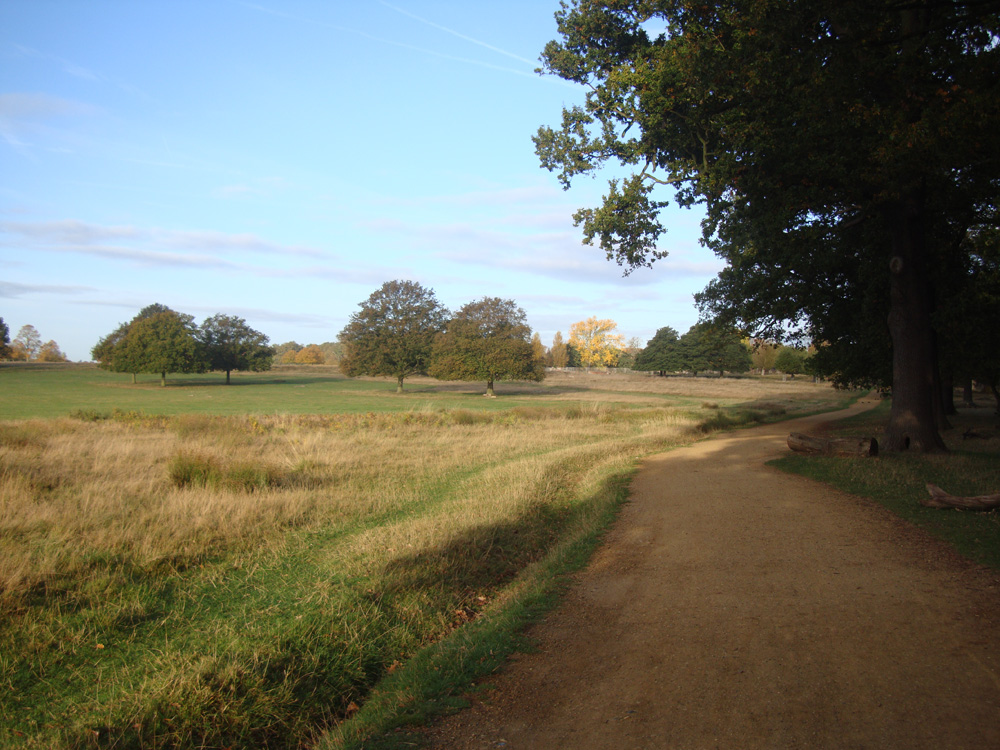
Walk in the park

The Isabella Plantation is the most wonderful example of them all. It is a woodland garden at it’s best. In the spring when the bluebell woods are carpeted in blue it lifts the spirits and is a joy to behold. Many of the bushes and shrubs situated in glades and beside the sparkling stream that runs through the plantation create an emotional and spiritual experience.
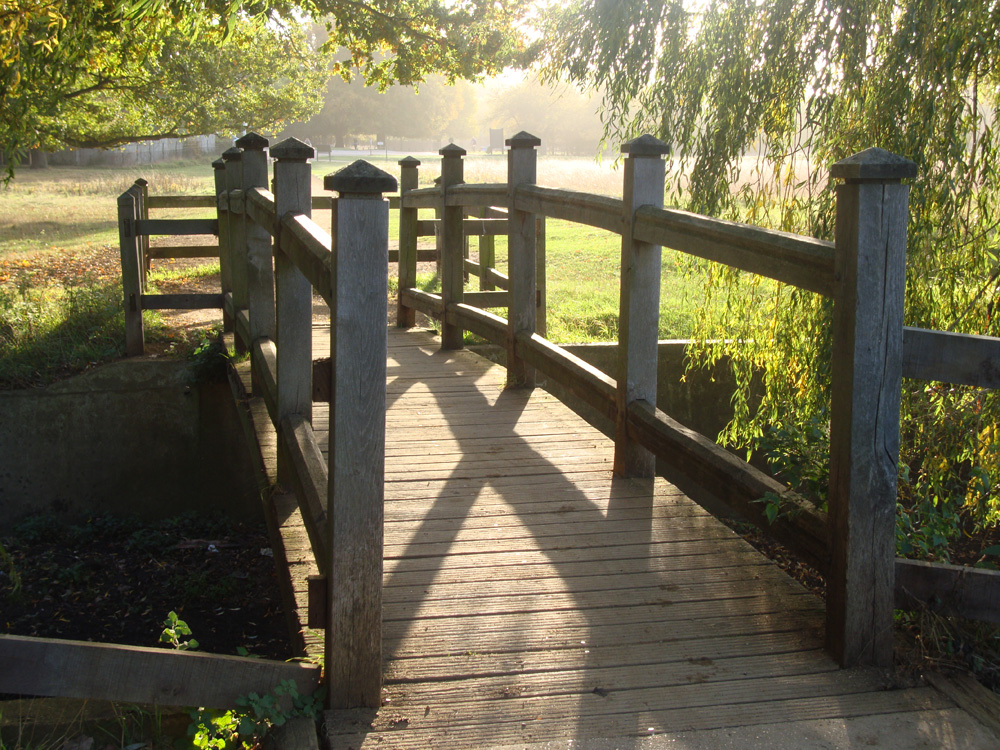
Foot bridge

The Isabella Plantation is one of those places on earth that sooths the spirit and fills your eyes with beauty. To sit on the grass and listen to the birds and look at the camellias, magnolias, azaleas and rhododendrons is wonderful. The plantation is run on organic principles and because of this it is home to a great variety of insects and mini beasts.
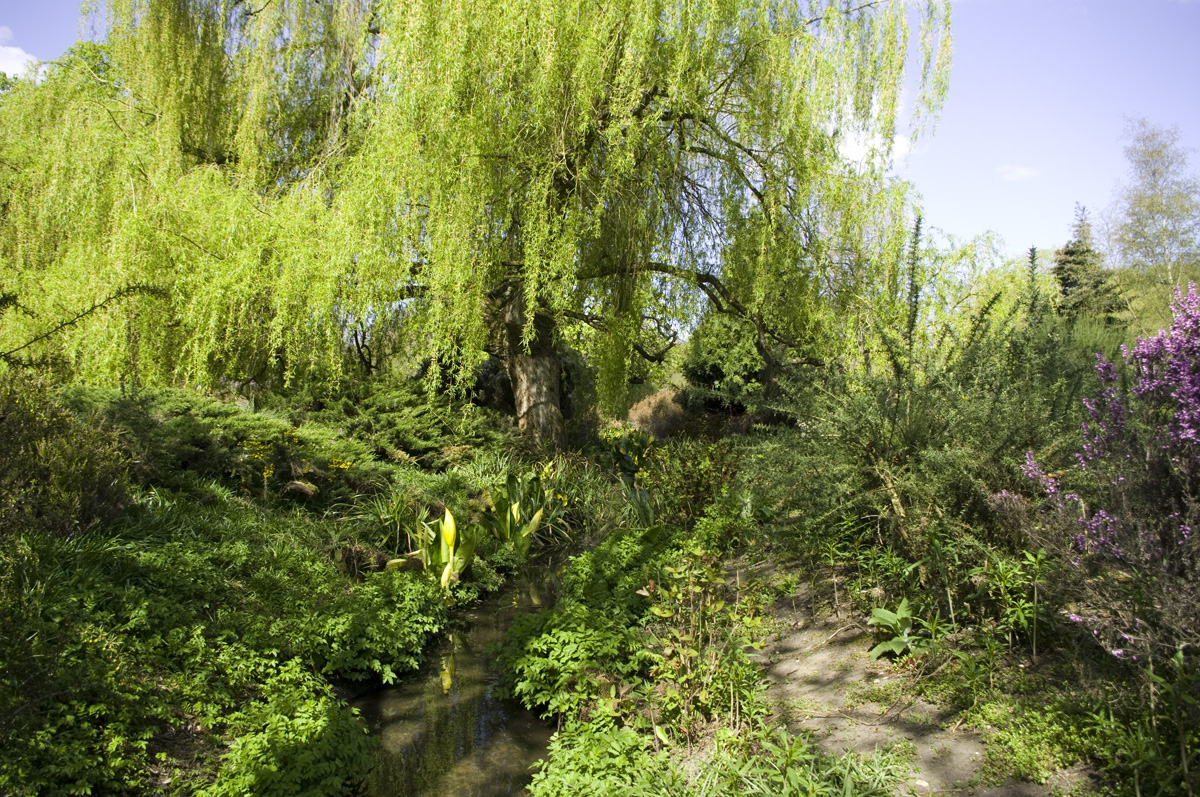
Wild corner

Here is a quote from the web site dedicated to the Isabella plantation.

“In spring, visitors can see camellias, magnolias, as well as daffodils and bluebells. From late April, the azaleas and rhododendrons are in flower. In summer, there are displays of Japanese irises and day lilies. By autumn, guelder rose, rowan and spindle trees are loaded with berries and leaves on the acer trees are turning red. Even in winter, the gardens have scent and colour. There are early camellias and rhododendron, as well as mahonia, winter-flowering heathers and stinking hellebore.”

The present plantation was developed by George Thomson , the park superintendent from 1951-1971.
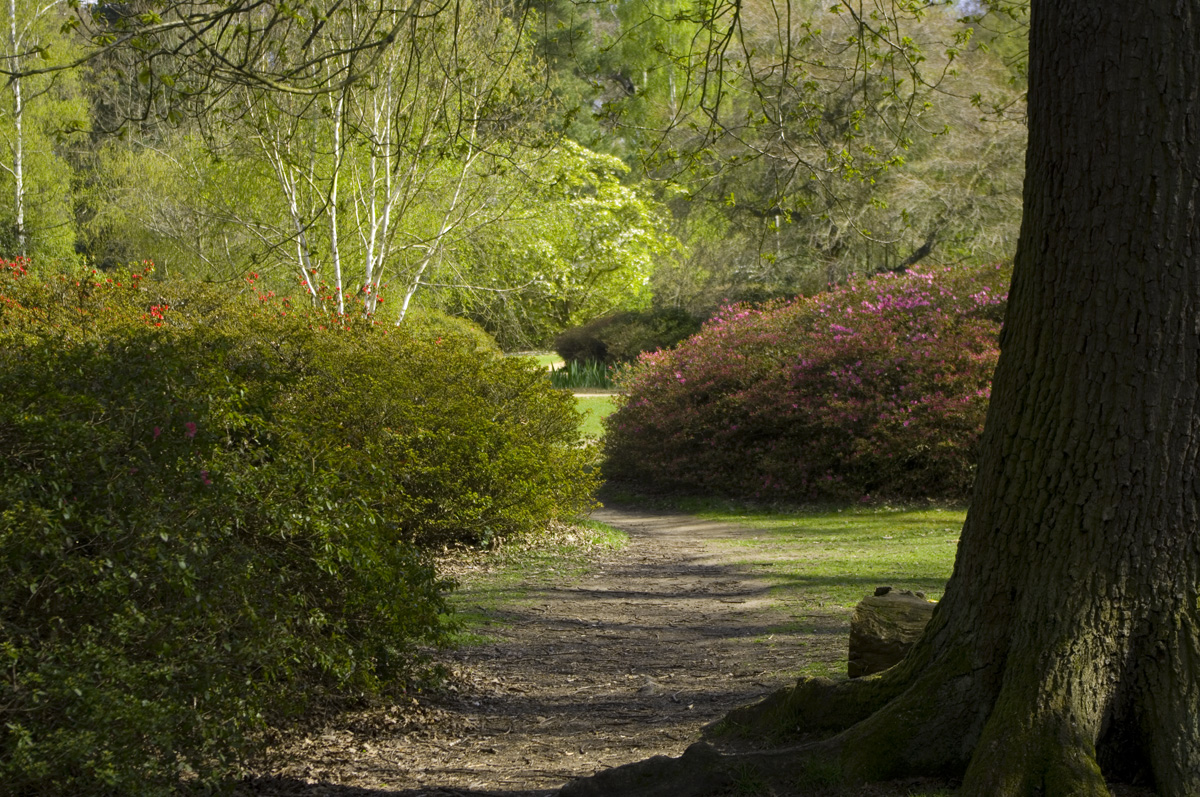
Woodland paths

Some recent news for you Hollywood A list watchers. My local paper had a small news item. Brad Pitt has been spotted taking pictures of the deer in Richmond Park recently. He is over here filming at the moment. He and Angelina are living in a house, a grand house I am sure, by the Thames at Richmond.
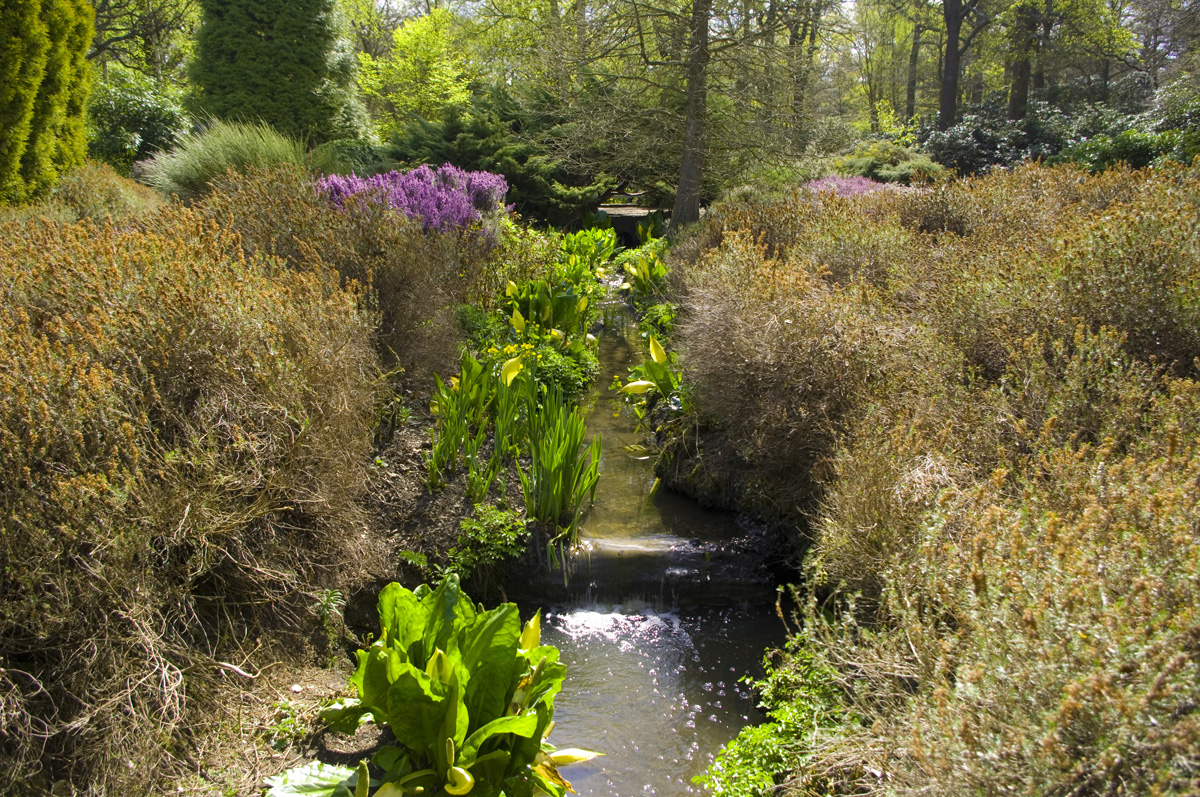
Woodland stream and flowers

Outside the Richmond gate is a large elegant brick building called The Star and Garter Hospital. It is a special hospital for aged military servicemen and women from all wars. They also have the poppy factory next to it. We celebrate the dead of our wars on November 11th every year which was the First World War Armistice Day. The fields of Picardy, in Northern France, where much of the terrible deadly trench warfare took place, were covered in wild poppies in the Spring. Somebody thought the poppies represented the drops of blood from the dead who lay in those fields so the poppy was taken as the British symbol to remember the dead.

In Flanders fields the poppies blow
Between the crosses, row on row,
That mark our place; and in the sky
The larks, still bravely singing, fly
Scarce heard amid the guns below. – John McRae

Poppies in Connaught Cemetery. Image @The Great War

Just down the hill from the park, in Richmond town, there is a house called Hogarth House. It was in this house that Virginia Woolf lived with her husband Leonard for many years and began The Hogarth Press, named after the house. Virginia Woolf, in her diaries, often mentions going for walks with Leonard and friends in Richmond Park.
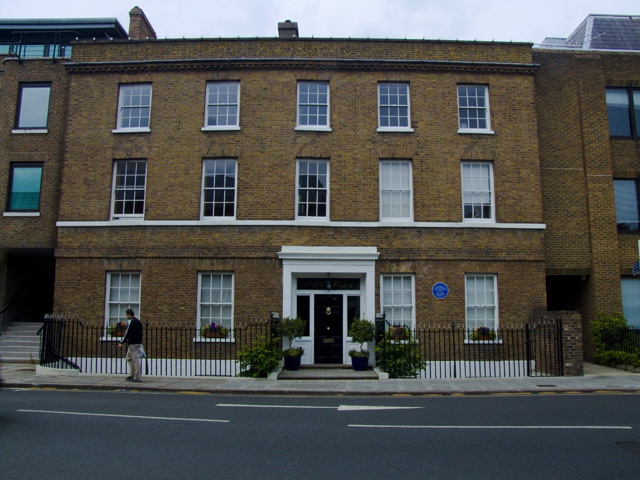
Hogarth House, Richmond

More on the topic:
Read Full Post »

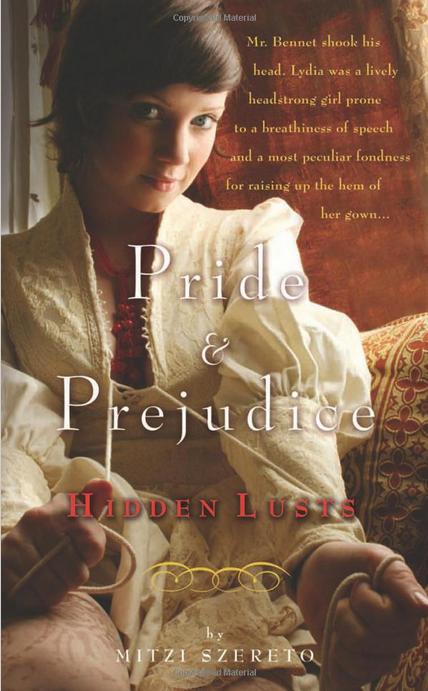
Gentle Readers, You may have noticed my previous rant about Mitzi Szereto’s blog post on Huffington Post. I had struck an attitude of silence and indifference to her sexy parody of Pride and Prejudice (Pride and Prejudice: Hidden Lusts) until I read her fighting words. Then I realized, why not debate each other and find out what we really think? Mitzi has graciously agreed to a discussion about her book and sequels in general.

Vic: Hi Mitzi, it took a while to find my pitchfork and untwist my knickers. Now that the elderberry wine has calmed down my poor nerves and heart palpitations, I can ask you this question: What on earth were you thinking writing that Huffington Post ramble? Only a few vocal Jane fans objected to your book, as most of us were too busy swooning over Colin’s wet shirt to notice the brouhaha until you pointed it out.

Mitzi: Glad the elderberry wine helped. I’ve never tried it; please send a bottle over! I should say that Colin’s little swim left an indelible impression on me as well and accounted for Pride and Prejudice becoming a major favorite of mine. As for my piece in the Huffington Post, I found that all the pitchforks being aimed at me were getting to be a bit silly, particularly when the overwhelming majority of their wielders had not even read my book, let alone anything I’ve written! I have no issue if someone simply does not like the book; everyone has their own taste in reading material. But I figured that since everyone seemed to have so much to say about Pride and Prejudice: Hidden Lusts (and me as its author), I too, had a right to speak and point out the absurdity of these arguments. Many of the comments were being directed at me in a quite personal way, not to mention insulting. Not very polite for people who claim to be defending the honor of our beloved Jane Austen! The LA Times and the Guardian were the first instigators of this whole thing. I actually didn’t think anyone’s hackles would be raised by the publication of my book, especially when it was meant to be a historical parody in the same spirit of the highly popular Zombies versions. I still don’t see what the big deal is, unless it actually is the sexual element in the book that’s upsetting people the most, because the tons of romance and chicklit versions don’t appear to be inspiring upset. If literary purists have an issue with re-imaginings of classic works or writers taking inspiration from them or borrowing from them, they should do a bit of literary investigation into the very long history of this practice and aim their pitchforks at others as well. After all, fair is fair!

Vic: Actually, the Zombies were not well received in some quarters either, but Quirk Books won me over by their cheerful willingness to forego pride and forge into new marketing territories, like toy stores, hardware stores (I kid you not), and gag stores . As an established author you must know from the outset that you can’t please everyone and that you would raise a few hackles with your rapier pen. I am thinking of statements like: “I wonder if these hecklers from the peanut gallery have even read the original Pride and Prejudice…” At this point, my teeth gnashed involuntarily for I sensed an INSULT. (Although I must admit to having met many a rabid Darcy fan who has only seen the movie.)

Mitzi: I don’t expect to please everyone, nor do I wish to! As for insults, I don’t see that it’s an insult to point out that things were not all pristine and squeaky clean in the original novel, and those who claim to have read it might be wise to do so again. Let’s get real: Jane Austen was giving us some very strong hints of the kind of impolitic behavior that was taking place between some of her characters (particularly Lydia Bennet and Mr. Wickham). Of course you’re going to get people saying we don’t need the lurid details, but you must remember that Jane Austen lived in a time when women authors were not taken seriously and were generally relegated to the category of “hack.” If she wanted to be taken seriously and keep her respectability as an author (which she clearly did), she had to be very cautious regarding how far she could go and just how much she could say. Had she been a man writing, things would have been different. But she wasn’t. So when my critics start getting all hot and bothered by my comment, they should wake up to the fact that Jane was a female writer who did not enjoy the kind of literary freedom female writers enjoy today.

Vic: OK, I see your point, but methinks I smelled a publicity stunt in that article. If so, kudos to you, for the controversy forced us to think about why we cling to our preferences AND notice your book.

Mitzi: On the contrary. As I mentioned earlier, I didn’t start the brouhaha; the Los Angeles Times did, followed by the Guardian. Hey, I’m more than happy to get publicity and maybe sell a few books to help put some food on the table. But in all honesty, I wrote a book that was intended to be a fun and entertaining historical parody/sex farce. So yeah, I do think some people definitely need to get a sense of humor! If they’re that upset, then go after the various mash-up authors and the Jane Austen romance authors as well. And let’s add to this all the Jane Austen chicklit authors. Go on, have a field day and get those bonfires burning! It worked for Salman Rushdie (though I’m not sure the fatwa on him has been lifted yet).

Vic: I finally wound up reading the Jane Austen/Zombie mash ups and they were FUN. I realize that your book is written along the line of parody and harmless entertainment, but think about the readers’ perspective. While you wrote only one Austen sequel and regard this as a noble literary tradition, we are inundated with them. Literally.

Mitzi: Oh, I agree with you. It has gone a bit haywire of late. I guess when something hits big, you’re bound to get a whole lot more of it. That’s why I wanted my book to be very much its own kind of thing, rather than just another straightforward romance or fan-fiction-ish version. This is the first time I took a classic novel and remade it, though technically I did a similar kind of thing with my book In Sleeping Beauty’s Bed: Erotic Fairy Tales. In my research I discovered that these tales went back a very long way, some even into antiquity. Perhaps Jane Austen’s works have become the new fairy tales, and will continue to be adapted and remade and re-imagined well into the future.

Mitzi Szereto in London

Vic: I cannot tell you the number of email requests I receive from authors and publishers who want me to review yet another Austen sequel, prequel, or parody. They range the gamut from truly well written pieces to stuff not fit for the shredder. Right now my mind is in a whirl. Precisely what time do Darcy’s fangs come out? Why did he disapprove of Lizzie for bearing him five daughters and one mewly son? When Wickham soiled his diapers, who changed them? Is Mary Bennet really more beautiful than Jane, who has turned into a brood sow? At this point I am in danger of forgetting what is what, and so my reaction to your book was one of indifference. I am done reviewing most of the sequels, except for a very few.

In addition, many authors are not fan fiction fans. Diana Gabaldon, author of the incredible Outlander books, dislikes fan fiction and has publicly said so, and yet you make a good point: Many authors, playwrights, and film makers have had their works reinterpreted or have reinterpreted the works of others.

Mitzi: Absolutely. Because so many of the Jane Austen authors have made the original work all but unrecognizable, the story and its characters can get lost, as you say. That’s why I used Austen’s story as the framework; it’s essentially the same story in my book, but I’ve taken it on a major tangent. My version is not fan fiction at all, nor is it a sequel. Those are again more erroneous assumptions being bandied about by people who’ve not read my book. I wonder if these same people would accuse Dean Koontz of writing fan fiction with his Frankenstein series or want to burn him at the stake for taking a literary classic and remaking it into something else, just as I have done with Pride and Prejudice. I can mention a slew of other authors who’ve done likewise, but we’d be here all day!

Vic: Good point. Now, let’s cut to the chase. Is there anything you would like to say about your book to my readers?

Mitzi: Pride and Prejudice: Hidden Lusts is intended to be pure entertainment and fun. I wanted to write a book that read exactly as if Jane Austen wrote every single word of it. Whether you love or hate my book, I know that I’ve been successful in achieving the Jane Austen illusion and remaining true to the essence of her characters. My book is raunchy, rude, outrageous and outlandish. It’s also extremely funny. If that sort of thing appeals to you, by all means go out and buy my book. If it doesn’t, then by all means choose something more to your liking. Thanks very much for inviting me to chat with you, Vic!

Vic: My pleasure. I wish you much success with your book, Mitzi, and thank you for visiting my humble blog.
Find Mitzi’s books and information at these links:

Read Full Post »

Gentle Readers, Frequent contributor Christine Stewart recently took a trip to England. Here are some of her impressions. For fabulous images, click on her blog,  Embarking on a Course of Study.

It’s a funny thing to visit an object used, worn, or created by people you admire, whether historical, literary, political, or religious figures.  There’s an immense satisfaction in standing in its presence. I had been to the Morgan Library in NYC for the exhibit of Austen letters, but there was something about her desk. It was an everyday object that had been important to her writing life. She used it to write amazing novels that outlive and outsell those of her contemporaries.

And I had worked very hard to get there!

I arrived in London just before noon from Reykjavik, where I’d been attending the wedding of a friend, ready to officially begin my Jane Austen Pilgrimage. I had a couple of suitcases and decided to go to the flat of my friend’s new husband to drop them off before venturing out further.

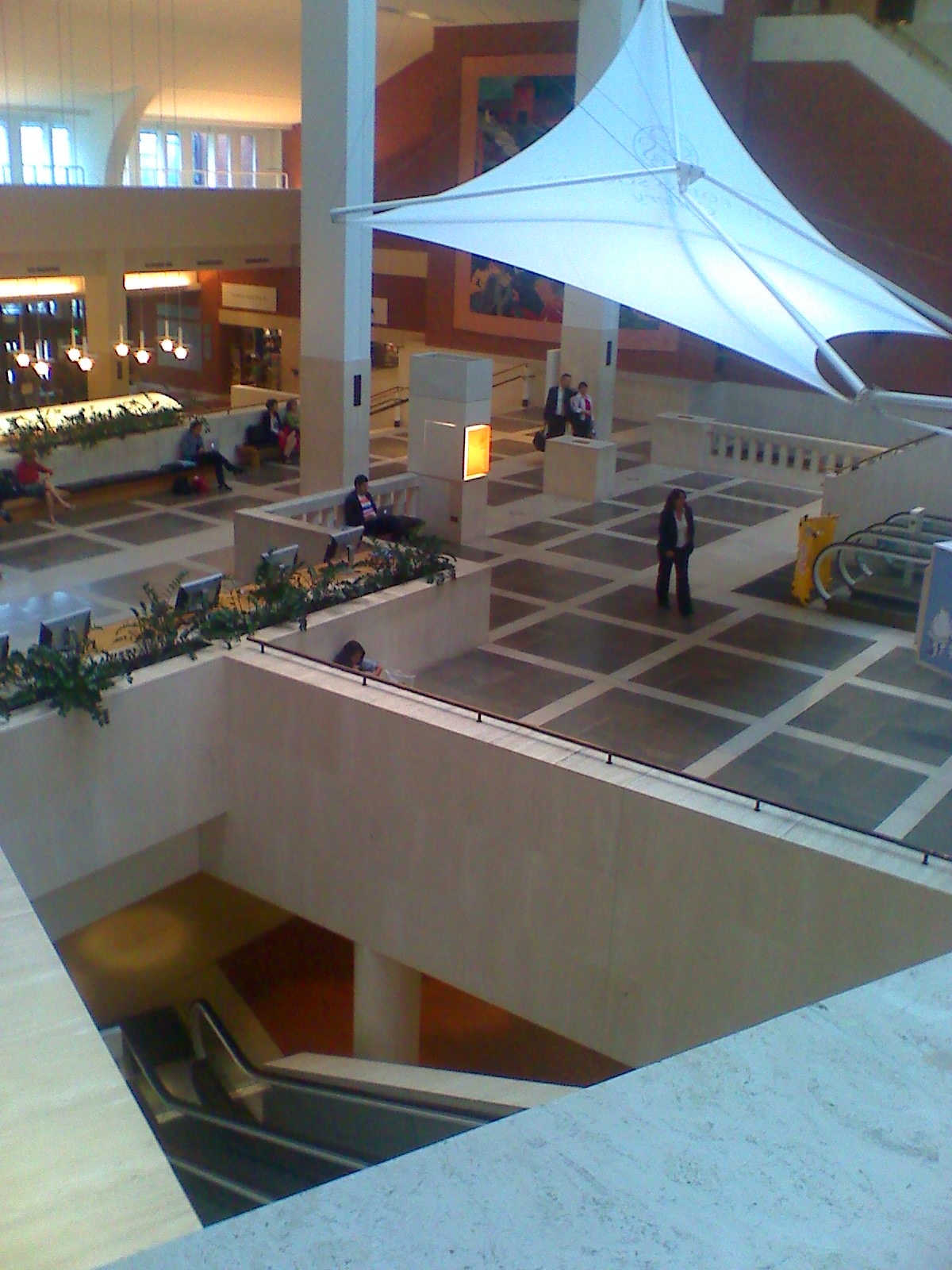
British Library Lobby

So, after getting up at 4 a.m to catch the shuttle to the flybus to the airport, then a plane, three trains, and one cab later (the cab driver called me ‘Luv,’ awesome), I dropped off all my bags and went out again. I then got caught up in taking pictures of the very charming streets as I walked down to the tube station.

That, coupled with the train to King’s Cross/St. Pancras, the tube stop near the British Library, took up another hour, so I arrived after 4:00 p.m. and had to let go of my plan to also go to the British Museum as there just wasn’t enough time before they closed. Oh well, onward! The British Library was easy to find – it’s basically next door to St. Pancras (see the picture, is that an amazing building or what? It’s also a hotel).

Once inside the Library I had a difficult time navigating the floor plan. There are several levels to the front lobby, perhaps I should say landings, and then other floor levels themselves off of the lobby, which are not clear via the map. Perhaps the fact that there is a lower ground, upper ground, and ground floor before you even get to floors 1, 2, and 3 and they are not full levels beneath one another or all reached by one flight of stairs or set of elevators that is the problem!

Eventually I located the Sir John Ritblat Gallery where the Library’s ‘treasures’ are, including Jane’s desk. Unless you know exactly which room the desk is in and what it looks like, and how deceptive the word ‘desk’ is, you will have just as much trouble, so let me tell you exactly what to do.

To read the rest of the post and see the pictures:http://www.embarkingonacourseofstudy.com

Read Full Post »

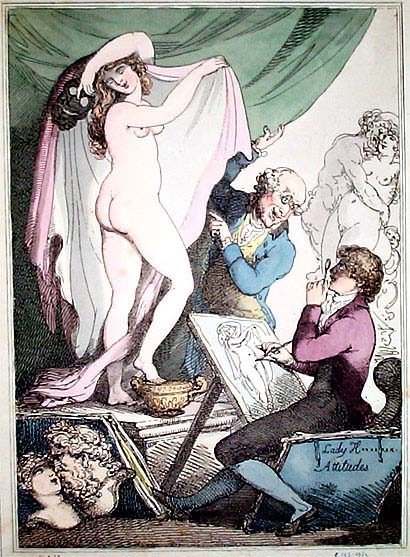
Emma Hamilton in one of her 'Attitudes', Thomas Rowlandson caricature, 1790

Just when the rage for Jane Austen monster mash-ups seems to be over, our favorite author’s fine books have been targeted for a different sort of mangling, one that explores the sexual side of her characters’ lives.

Frankly I don’t care for Jane Austen sequels in general and so chose to ignore all the hoopla surrounding Mitzi Szereto’s 15 minutes of fame with Pride and Prejudice: Hidden Lusts. But then she wrote a blog post for Huffington Post and I found that my indifference over her  x-rated foray into Pride and Prejudice could no longer be ignored. This statement particularly set up my hackles:

There appears to be this presumption by the pitchfork coalition that Jane Austen was some prim and proper spinster who wouldn’t have dared to be so impolitic as to address sexual matters in her novels. Therefore who was I, a lowly writer, to tamper with such purity? I wonder if these hecklers from the peanut gallery have even read the original Pride and Prejudice, since it alludes to matters most impolitic, indeed.

That’s a broad  sweeping statement if ever I read one.  If Mitzi had used her critical thinking skills she would have realized that even pitchfork carrying Janeites are conversant with the Regency era and its history. By and large they know about the scandals, the Hell Fire club, the mistresses, the revealing clothing, and the sexual proclivities of all segments of that society, not just the aristocrats. Thomas Rowlandson’s sexually charged cartoons are not unknown to this group. Neither are the stories of such well-known mistresses as Perdita, Emma Hamilton, and Harriette Wilson.

So if it isn’t ignorance about the Regency era and knowledge of Jane Austen’s awareness of the  hanky panky that surrounded her that has kept a Janeite like me on the sidelines regarding Mitzi’s tome, why have I been unable to embrace her new novel?

I am simply not interested.

There are readers who will LOVE her sequel, and I say to each their own. But don’t expect EVERY reader to fall all over themselves to be the first to read yet another twist on the Pride and Prejudice tale. I am so over reading these countless variations on a single theme that I no longer review them. (By the way, the sensual side of Jane Austen characters has been explored by other sequel writers; Mitzi is the first one whose steamy version has caught the eye of mainstream media.) I don’t begrudge Mitzi’s enterprising nature, her talent, or her desire to explore different sides to Lizzie and Darcy; I begrudge that she is miffed that many of us are not impressed. Here’s another statement on Huffington Post:

Why do the re-imaginings of Austen’s works push so many buttons with these “literary purists” – especially re-imaginings that don’t follow the traditional romance route? And why the vitriol, some of which is not very gentlemanly or ladylike? If it’s the sexual content that’s getting these naysayers’ knickers in a twist, perhaps said naysayers should pay closer attention to the original Pride and Prejudice …

Vitriol? To that I say piffle. And before I am lumped in with the Puritans or some virginal sect group, I have read my share of romance novels and believe me, the traditional romance route of which Ms Szereto speaks is hotter than a Houston pavement in 101 degree heat. Ever since Kathleen Woodiwiss arrived on the scene in 1972 with The Flame and the Flower, the majority of romance novels could safely be labeled as soft porn. Some, like Thea Devine’s, are downright hard-core erotic. My point is that Ms. Szereto should have let sleeping dogs lie and not responded to her naysayers in such a public way, for she gained no fan in me.  She concluded her rant with this statement:

Perhaps the members of the pitchfork brigade need to pull that stick out of their backsides and get a sense of humor. After all, Jane Austen had one!

Nice way to win me over. Talk to my friends, by the way, and none will accuse me of lacking humor or of not taking advantage of the bawdy side of my sensual nature to make a point. I am sure Mitzi’s novel will be a hit, for it has garnered more publicity than Casey Anthony sightings. I, for one, will not be reading it.

Read Full Post »

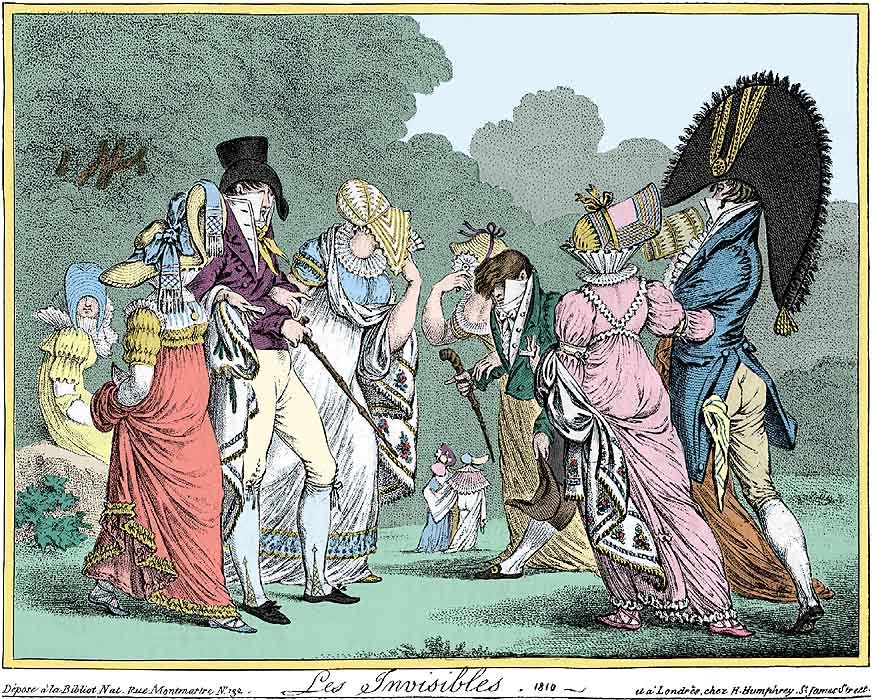
August 16th marks Georgette Heyer’s birthday. In several comments on my book reviews some readers have made it a point to mention that Georgette is no Jane Austen and termed her novels mere romances. Ah, but they are so much more. I love her novels in part because they remind me vividly of the satirical prints that were so popular during Jane Austen’s day.  Observe the dandy at left in the print below, then read Georgette’s description of Sir Nugent!

Beside Sylvester’s quiet elegance and Major Newbury’s military cut she had been thinking that Sir Nugent presented all the appearance of a coxcomb. He was a tall man, rather willowy in build, by no means unhandsome, but so tightly laced-in at the waist, so exaggeratedly padded at the shoulders, that he looked a little ridiculous. From the striking hat set rakishly on his Corinthian crop (he had already divulged that it was the New Dash, and the latest hit of fashion) to his gleaming boots, everything he wore seemed to have been chosen for the purpose of making him conspicuous.  His extravagantly cut coat was embellished with very large and bright buttons; a glimpse of exotic colour hinted at a splended waistcoat beneath it; his breeches were of white corduroy; a diamond pin was stuck in the folds of his preposterous neckcloth; and he wore so many rings on his fingers, and so many fobs and seals dangling at his waist, that he might have been taken for a jeweller advertising his wares. – Georgette Heyer, Sylvester

Astley's Amphitheatre

Here is her passage about Astley’s Amphitheatre in Cotillion:

Though Meg might cry out against so unsophisticated an entertainment, Mr. Westruther knew Kitty well enough to be sure that she would revel in it. Had it been possible, he would unhesitatingly have taken her to Astley’s Amphitheartre, and would himself have derived a good deal of amusement, he thought, from watching her awe and delight at Grand Spectacles, and Equestrian Displays. But the Amphitheatre, like its rival, the Royal Circus, never opened until Easter Monday, by which time, Mr Westruther trusted, Kitty would have returned to Arnside.

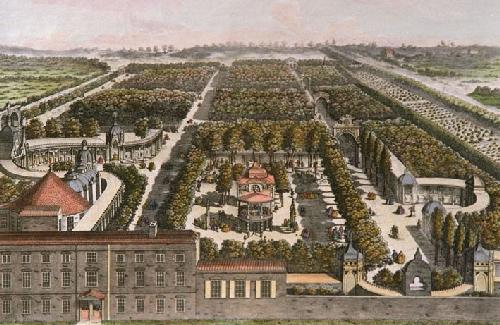
Vauxhall Gardens, Samuel Wale, c. 1751

By way of whiling away the eveing Sherry escorted his bride to Vauxhall Gardens. Here they danced, supped in one of the booths on wafter-thin slices of ham, and rack-punch, and watched a display of fireworks. – Friday’s Child


He complied with this request, backing the phaeton into place on the right of the landaulet, so that although the high perch of the phaeton made it impossible for his sister to shake hands with Frederica she was able to exchange greetings with her, and might have maintained a conversation had she not decided that to be obliged to talk to anyone sitting so far above her would soon give Frederica a stiff neck. – Frederica

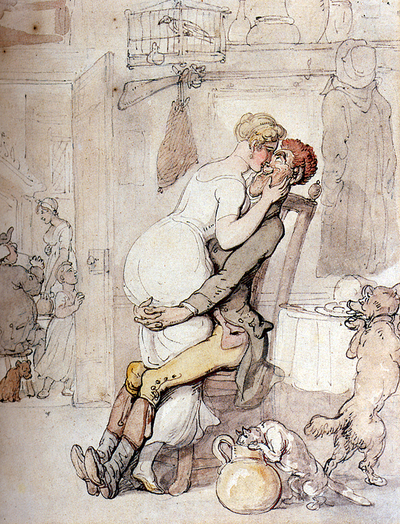
A Kiss in the Kitchen, Thomas Rowlandson

‘But if she knew that you do not mind George’s having kissed me -‘

‘But I do mind!’ said Sherry, incensed.

‘Do you, Sherry?’ she asked wistfully.

‘Well, of course I do! A pretty sort of a fellow I should be if I did not!’

‘I won’t do it again,’ she promised.

‘You had better not, by Jupiter!’ – Friday’s Child

Time and again the zany plots and witty conversations in Georgette’s novels echo the Regency prints that I love to study. Yes, she is no Jane Austen, but as an interpreter of the Regency era, she is priceless.

As a birthday gift, please click on this link to read her short story, A Proposal to Cecily.

Read Full Post »

« Newer Posts - Older Posts »