Feeds:
Posts
Comments

Archive for the ‘Architecture’ Category

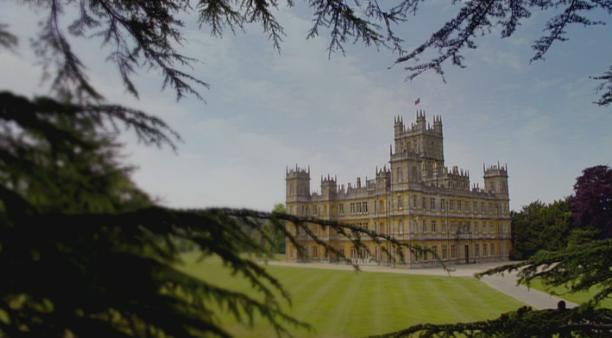
Highclere Castle as Downton Abbey

Downton Abbey’s connection to Jane Austen is through Lord Carnarvon, whose descendents still own Highclere Castle, where the PBS Masterpiece Classic mini-series’ interior and exterior shots of the fictional country house were filmed. (Read about Andrew Lloyd Weber’s recent attempt to purchase the castle.) In Jane’s day, Lord Carnarvon was Henry, the 1st Earl. Jane wrote in a letter to Cassandra Austen, Saturday25 – Monday 27 th,  October 1800 :

“This morning we called at the Harwood’s & in their dining room found Heathcote & Chute for ever – Mrs Wm Heathcote & Mrs Chute – the first of whom took a long ride in to Lord Carnarvons Park and fainted away in the evening…”

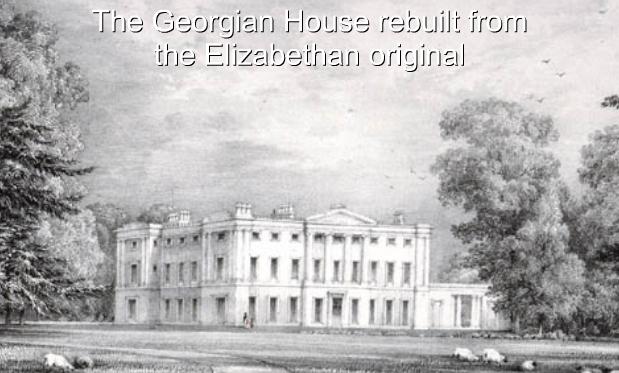
Highclere Castle as it looked in Jane Austen's day

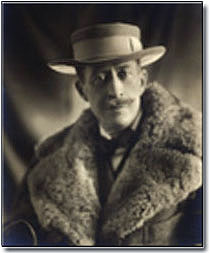
The 5th Earl

Lord Carnarvon’s park, which Jane writes of, is the grounds to Highclere Castle. The Carnarvon family has lived at Highclere since 1679, although the Castle as we see it today sits on the site of an earlier house. (Click here to view a short film about the Castle’s history.) A beautiful 6,000 acre park designed by Capability Brown between 1774-7 surrounds the Castle.

In 1842, the 3rd Earl commissioned architect Sir Charles Barry (also responsible for building the Houses of Parliament in Westminster) to redesign the Castle.

One of the most interesting fact about Highclere Castle is that the golden death mask of King Tutankhamun is featured in its gallery today.

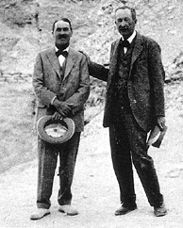
Howard Carter and Lord Carnarvon in Egypt

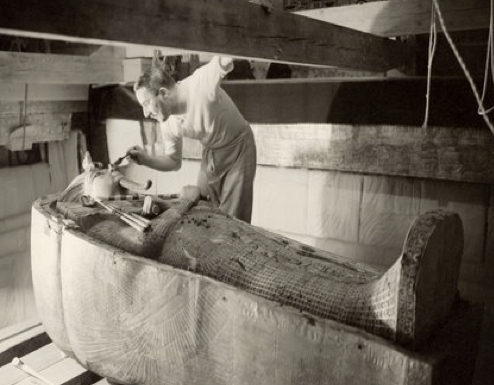
Lord Carnarvon of Tutankhamun fame (George, the 5th Earl) was an Egyptologist who sponsored Howard Carter,  the archaeologist who discovered Tutankhamun’s tomb in the Valley of the Kings in 1922. It is said that when Canarvon and Carter broke into Tut’s tomb, they unleashed the mummy’s curse. But the story goes more like this:


Howard Carter cleans the second coffin. Image @Harry Burton

This popular legend was born when Lord Carnarvon, the English Earl who funded the Tutankhamun expedition, died less than six months after the opening of the tomb. Despite the fact that Lord Carnarvon was a sickly individual, and that no such “hieroglyphic curse” was found inscribed on the tomb, this legend persists today. . . Lord Carnarvon had been in a car accident many years earlier and had never fully recovered. About a month after entering the tomb, he cut open a mosquito bite while shaving and infection set in. Blood poisoning and pneumonia quickly followed, and within a few weeks, he passed away. Newspapers reported that mysterious forces unleashed from the mummy and its trappings had caused his death. – King Tut

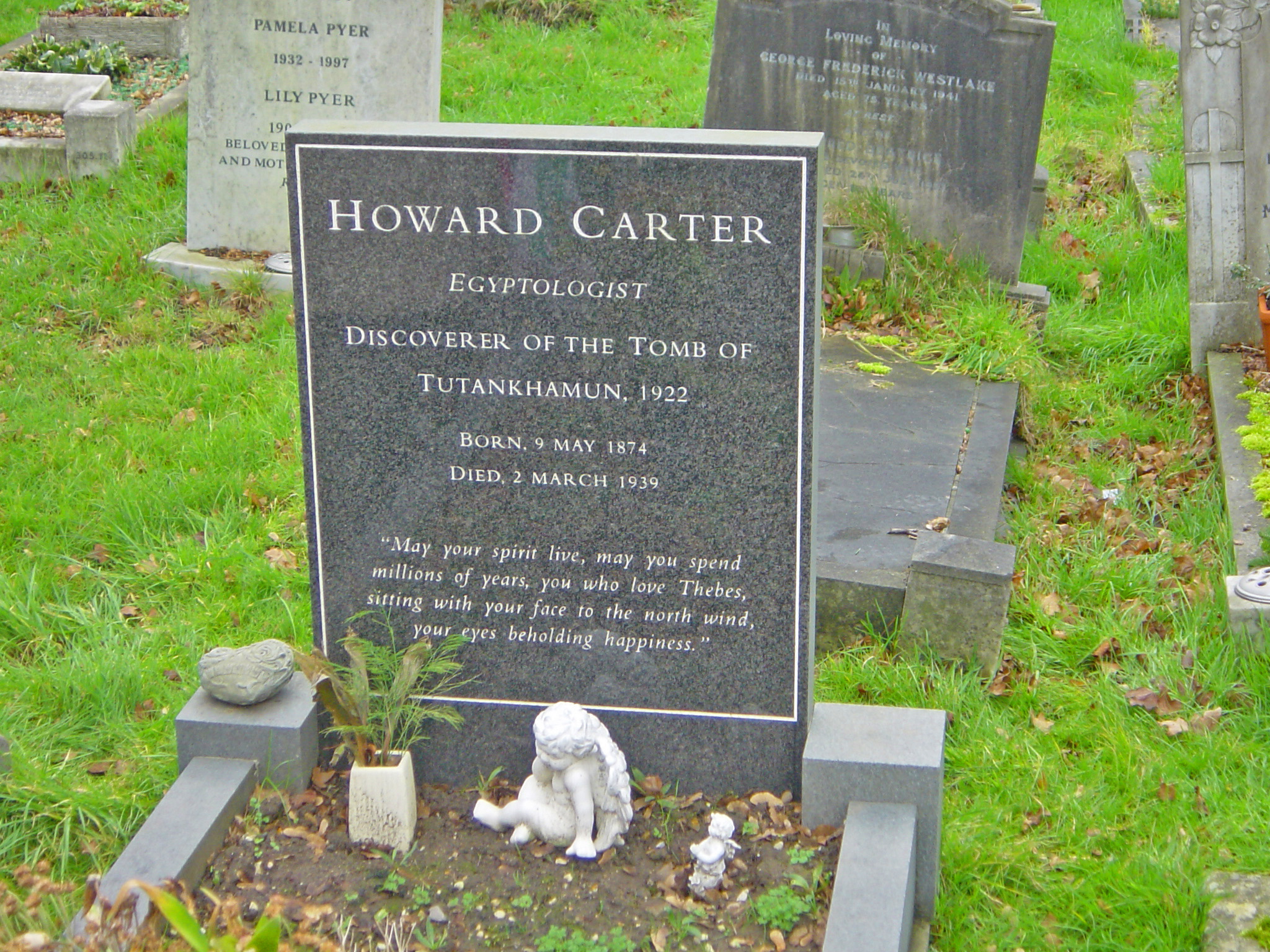
This image of Howard Carter’s grave was taken by Tony Grant, who lives near the cemetery in London. (Thank you, Tony, for the photo and for the quote from Jane Austen’s letter!)

Howard's grave. Image @Tony Grant

Watch Downton Abbey at your local PBS station Sundays, January 9, 16, 23, and 30, 2011 at 9 PM. Read my other posts:

More on the topic:

Read Full Post »

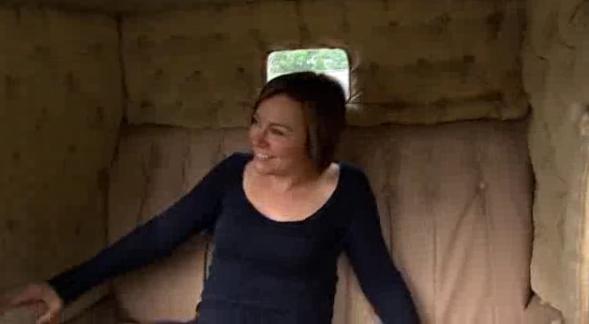
At Home With the Georgians: A Man’s Place, the BBC2 special, is hosted by Professor Amanda Vickery, who shares her expertise and unique knowledge gleaned from diaries written during that fascinating era. In the series about Georgian houses, shown in three installments in Great Britain, Dr. Vickery provides a fascinating insider’s view of what home and hearth meant to the individuals she showcases.
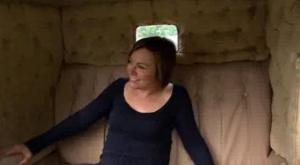
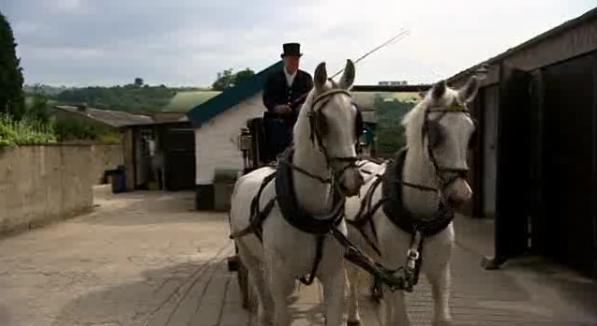
Host and scholar, Dr. Amanda Vickery in carriage

An 18th century gentleman, it seemed, yearned as much for domesticity as the Georgian woman. During this period the middle class began to earn enough money to purchase houses and furnish them in a style that reflected the owner’s tastes, character and moral values. Until a man could afford to head a household, his place in society as a full citizen was not fulfilled.
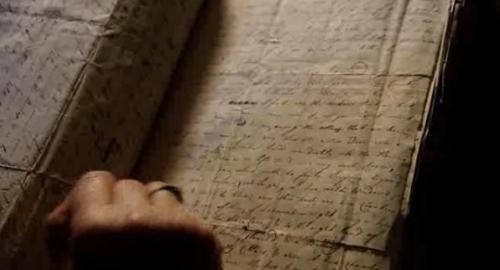
Dr. George Gibbs's letters to Miss Vickery

Take George Gibbs, a West Country doctor, for instance, who worked hard to woo his sweetheart, Miss Vickery. His future domicile and its furnishings were topics of much conversation in his letters to her. He looked for a house all over Exeter that would satisfy her as much as himself – “one with a good parlor with sashed windows and painted blue and with two chambers, tolerably good, and one hung with paper.”
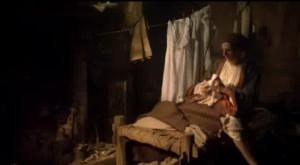
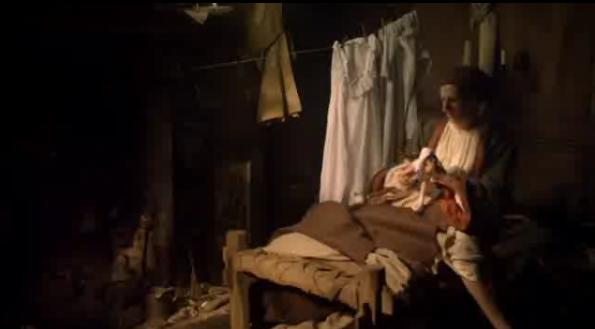
Dudley Ryder fantasizes about a home and family in his humble one-room bachelor pad

Twenty-three year old Dudley Ryder, law student and son of a tradesman, yearned in his diaries for a wife to soothe his lonely nights and take care of him. He lived in squalid lodgings while studying law, eating his meals in chop houses and living a lonely bachelor existence.
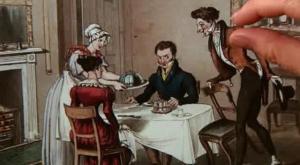
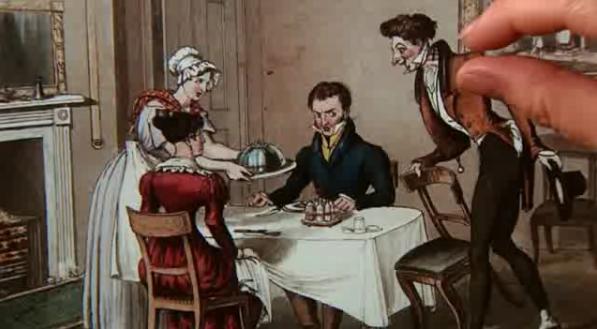
In a contemporary cartoon, a bachelor cadges a meal from an irritated married friend

His dreams would not be realized for another twenty years when he married the daughter of a rich West Indian merchant.
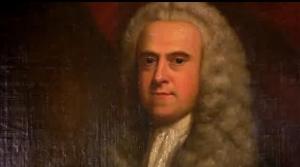
Dudley Ryder as a respectable married man

Dudley not only came into his own later in life, but managed to acquire a quite handsome estate.
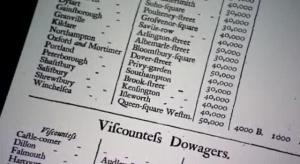
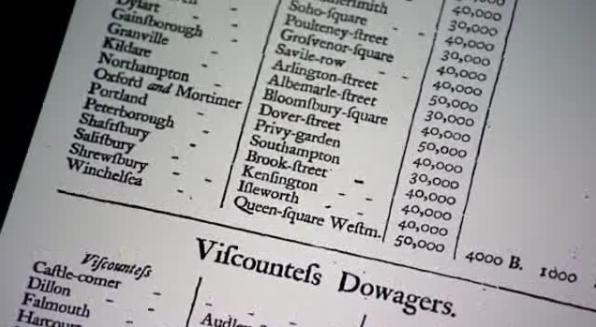
The Master Key to the Rich Ladies Treasures listed eligible ladies according to region and type

For these men, eligible brides were at a premium. A book, “Master Key to the Rich Ladies Treasures”, listed all the eligible women (and their incomes) in the land.

A lady's fortune and other assets could be consulted

Today, we think of the marriage mart in that long ago age as a “meat market” in which the bride went to the best prospect. Yet Georgian women longed as much for domesticity as the man yearned for a wife to complete his ambitions in becoming head of a household with a family.
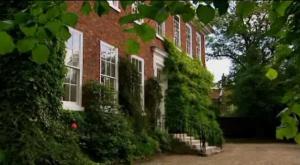
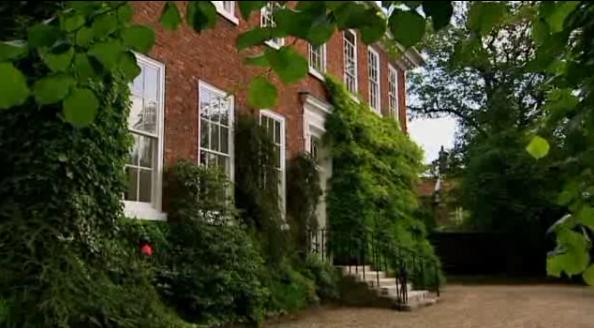
John Courtney's house had curb appeal, unlike its master

Some men had more difficulty than others in acquiring a proper mate. John Courtney, who lived in a handsome house in the market town of Beverley in Yorkshire with his mama, was rejected eight times during his search for a wife. In this instance, Dr. Vickery makes the point that there was more to wooing a future wife than the prospect of living in a fine house – the man himself needed to have some finesse in the ritual of courtship and show some self-awareness.
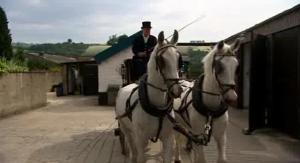
The cost and maintenance of a carriage and horses was the equivalent of a helicopter today

Once the couple was married, the man could spend the family money as he wished. Much of a man’s financial outlay was on himself and his interests, such as horses, carriages, and leather (symbols of speed and virility) and on the sort of equipment that would be the equivalent of today’s laptops and flat screen tvs.
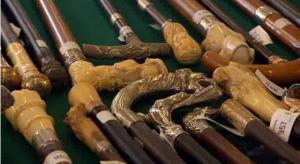
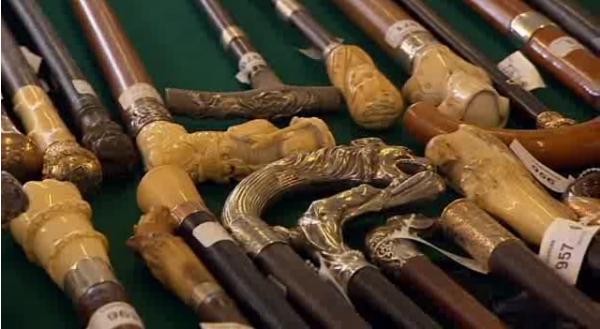
18th c. male items for sale today

Not surprisingly, the personalities of Georgian women varied. Not all were meek and mild. Miss Mary Martin from Essex was a rather complicated (and very bossy) individual. She was capable and demanding, yet womanly.
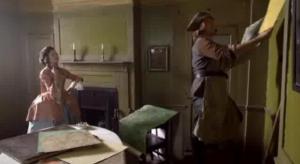
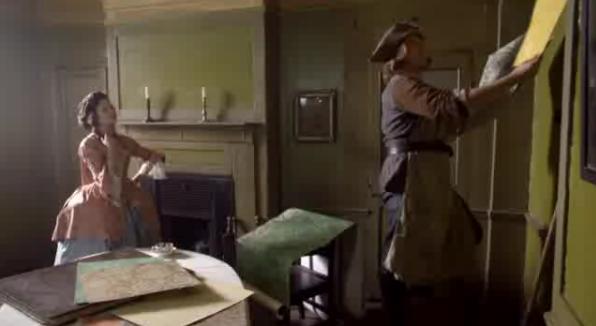
Miss Mary Martin oversees renovations

Engaged for seven years to her cousin, Colonel Isaac Rebow, she took care of his interests when he was away on garrison duty, jokingly writing to him, “I will only add that my breeches hang extremely well.” She was a powerful fiancee, able to oversee the hiring and firing of servants, look after storing Isaac’s wigs, and see after his provisioning. After they were married, she made sure that her husband was as happy in bed as out of it.
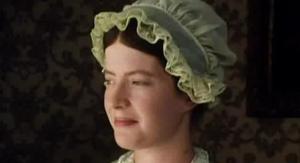
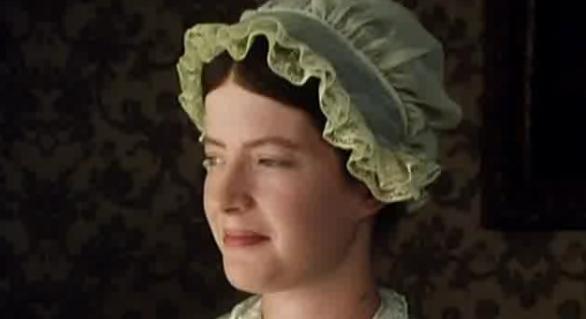
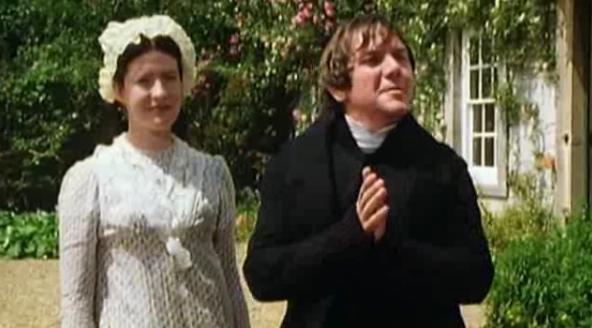
Charlotte Lucas was quietly content with her decision

At this juncture, Dr. Vickery points out that Charlotte Lucas in Pride and Prejudice, chose the security and status of a married woman, knowing she would be married to a buffoon. Through marriage she gained status and respectability. But what happened to a woman who never married? Unfortunately, as Jane Austen sagely wrote, “ There are not so many men of fortune in the world as there are pretty girls who deserve them.” In the 18th century, Dr. Vickery states, one out of three artistocratic girls were never married, for there were not enough estates to go around.
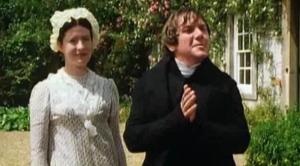
Even a buffoon of a husband did not detract from Charlotte's pride of home

And, indeed, Jane Austen in Mansfield Park wrote vividly about Fanny Price’s mother, who married down the social ladder. She took on her husband’s status, that of a lowly lieutenant, and lived a life of misery, poverty and want. Her tablecloths were surely dirty, whereas in the Georgian age a clean one was considered a sign of virtue.
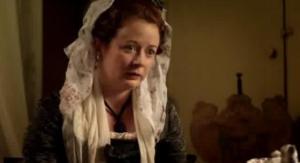
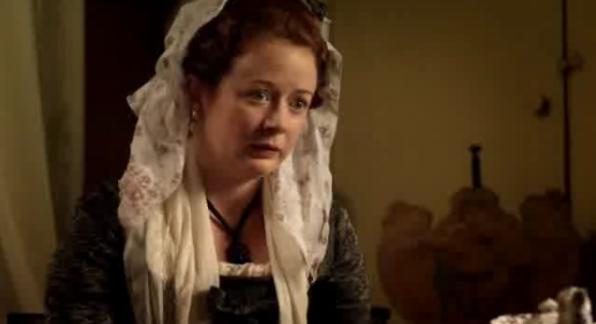
Gertrude Savile, unhappy spinster

Dr. Vickery talks in detail of a lonely spinster, Gertrude Savile, who lives on sufferance in Rufford Abbey, her brother’s grand house in Nottinghamshire. Timid, shy, and pox marked, she hated her gilded caged life and struggled to find some social and emotional meaning in an existence that forced her to beg for “every pin and needle” and “every pair of gloves”.  Even the servants treated her with contempt and thus she chose to remain within her rooms, with her cat her only comfort. In her diary she poured out her anger and sadness, using words like “miserable”, “unhappy”, “extremely miserable”, and “very unhappy”.
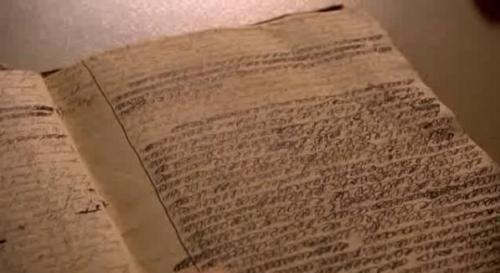
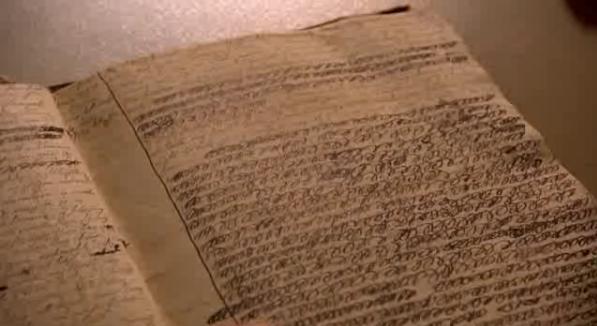
Gertrude Savile's agitated scribbles and crossings

Poor, poor Gertrude would never know the joys of managing her own household and overseeing her own brood. Her scribbled screams of rage and crossings leapt out from the pages of her journals.
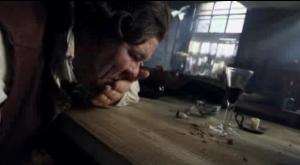
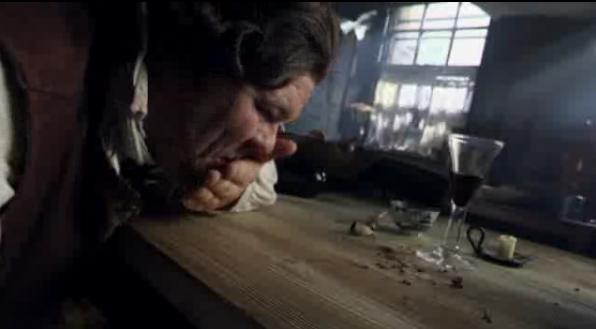
George Hilton was full of self-loathing for his inability to control his base habits

Lifelong bachelors also felt the bitter pangs of loneliness. George Hilton, a dissolute 27-year-old squire, never married. He spent his time carousing in taverns, drinking to so much excess that he “fell paralytically drunk 220 times in eight years”. Even the men he drank with had no desire to introduce George to their eligible female relations.  Graceless George had a house filled with pewter and devoid of womanly touches. His only female companions were prostitutes, which in a Christian society meant that he lived in sin. George died alone and was buried in an unmarked grave on the fells.
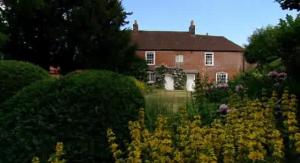
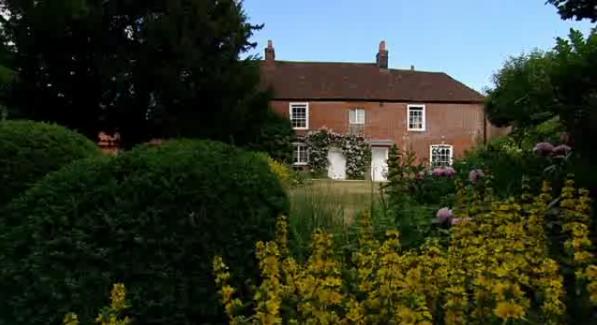
A serene view of Chawton Cottage

Romance and marriage for the Georgians was as complicated in a different way from courtship today. Women had fewer choices to make their way in the world, as poor Gertrude Savile situation as a spinster without prospects demonstrated, but many Georgian men yearned for domestic bliss as much as their women. Dr. Vickery ended the episode in Chawton Cottage, reminding us that another spinster, Jane Austen, chose to live a creative and productive life. Gertrude, who wallowed in her misery and anger, likely did not have the family support or innate talent that Jane had, and thus she was doomed to sit in her rooms alone.
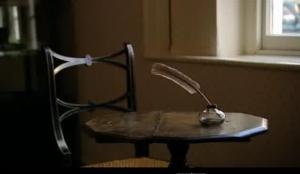
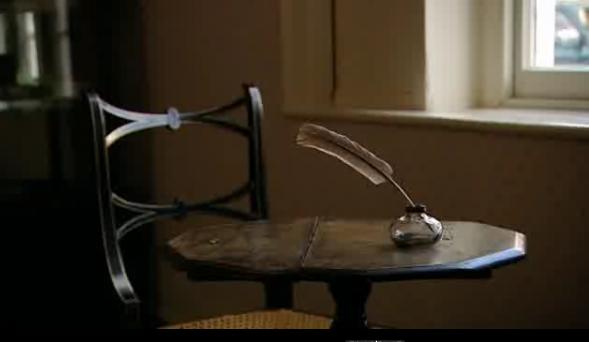
Jane Austen's writing table, Chawton Cottage

I enjoyed this first installment by Dr. Vickery thoroughly. Her approach to what could have been a very dry topic was refreshingly unscholarly and accessible to even the most historically challenged (yet her script is backed up by impeccable sources.) While actors portrayed the diarists in various settings, we are shown the portraits of the actual individuals (when possible), and are shown their homes or a close facsimile.
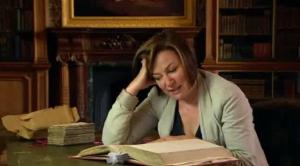
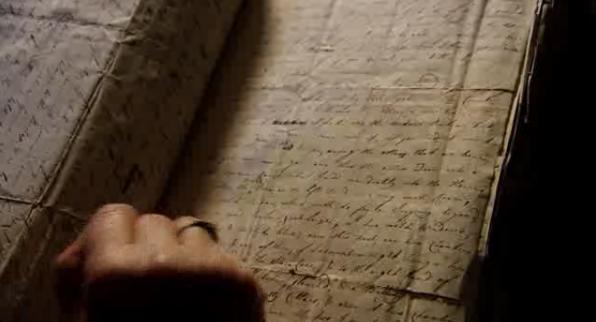
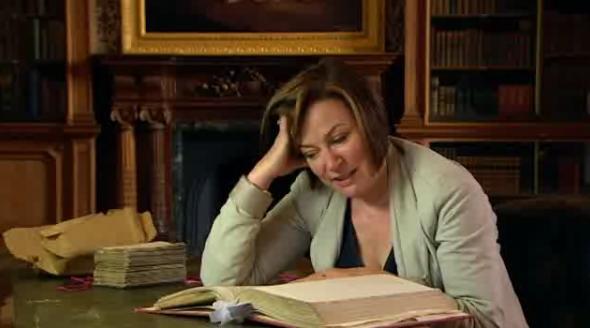
Amanda Vickery reads Dudley Ryder's diaries

I did wonder, however, how on earth Dr. Vickery was allowed to handle valuable manuscripts with her bare hands. (Does not the oil on our fingertips eventually eat into the parchment? Are scholars exempt from having to wear gloves as they handle rare diaries that are stored in archival boxes?)
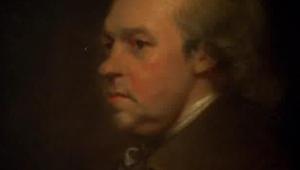
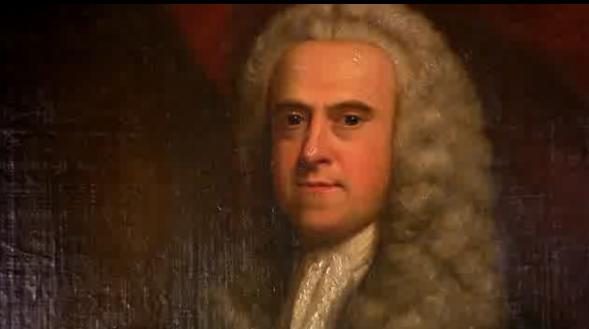
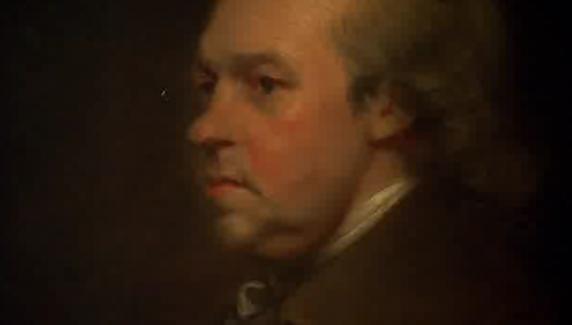
Portrait of Dr. George Gibbs

And I was a bit taken aback at her reaction to Dr. Gibbs’s portrait. Yes, he was a jowly man and did not resemble her fantasized movie star hero, but his lack of handsome looks in no way detracted (in my mind) from his tender feelings and consideration towards his wife and children. See this clip on YouTube. Still, this special made history come alive in a way that made me feel that I had met several people from a former time, and gave me a more complete understanding of their yearning for domestic bliss.
Next episode: A Woman's Touch, 9 Dec

BBC 2 will air the second installment, A Woman’s Touch, on Thursday evening at 9 PM. Viewers in countries round the world can only sit back and patiently wait for this excellent series to head their way.

More reading:

Read Full Post »
Copyright (c) Jane Austen’s World. Post written by Tony Grant, London Calling.

In 1754 David Garrick became the lessee first and finally bought the house, which was to become his villa beside The Thames.

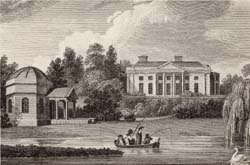
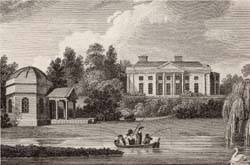
Garrick's villa, 1783

It became his country retreat and the place where he and his wife entertained friends. He began to alter the original building, which had parts that dated back to the middle ages, and employed his friend Robert Adam to redesign the façade in a classical style.Capability Brown advised on the layout of the gardens. The Kingston to Staines Road runs outside the front of the house today and it did also in the 18th century.

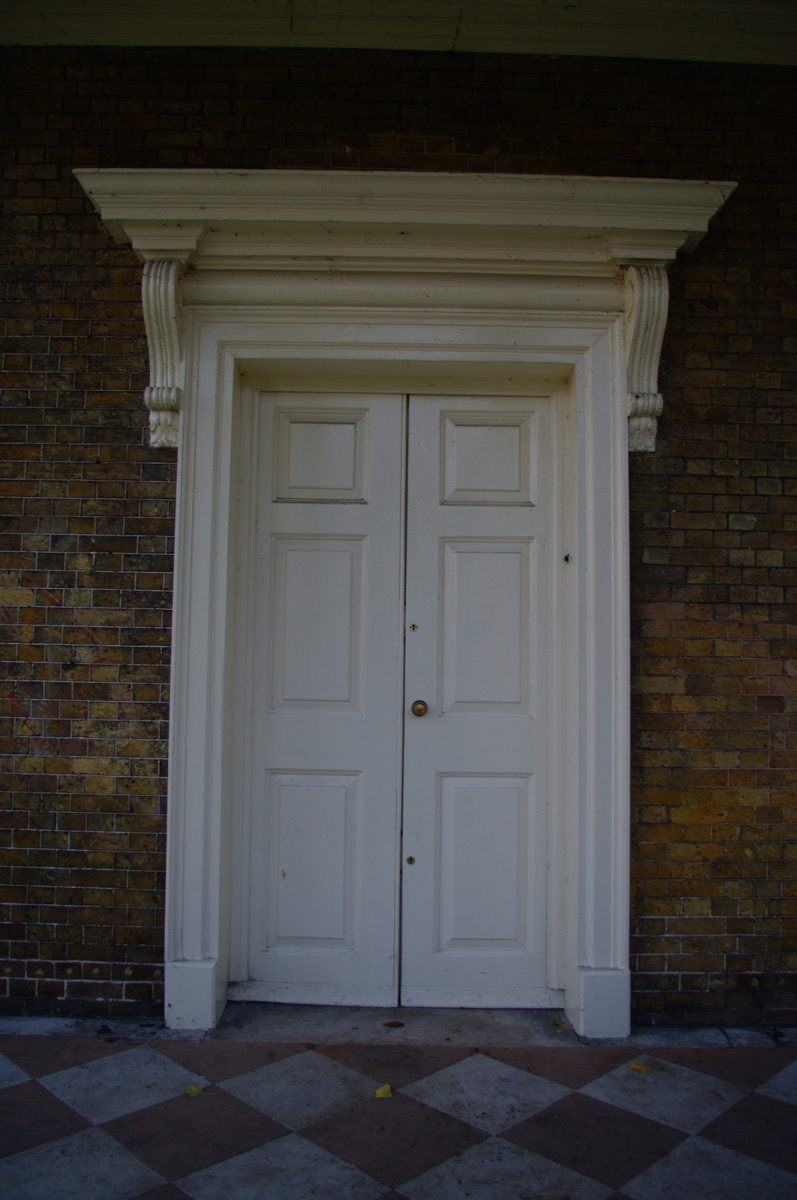
Temple doorway. Image @Tony Grant

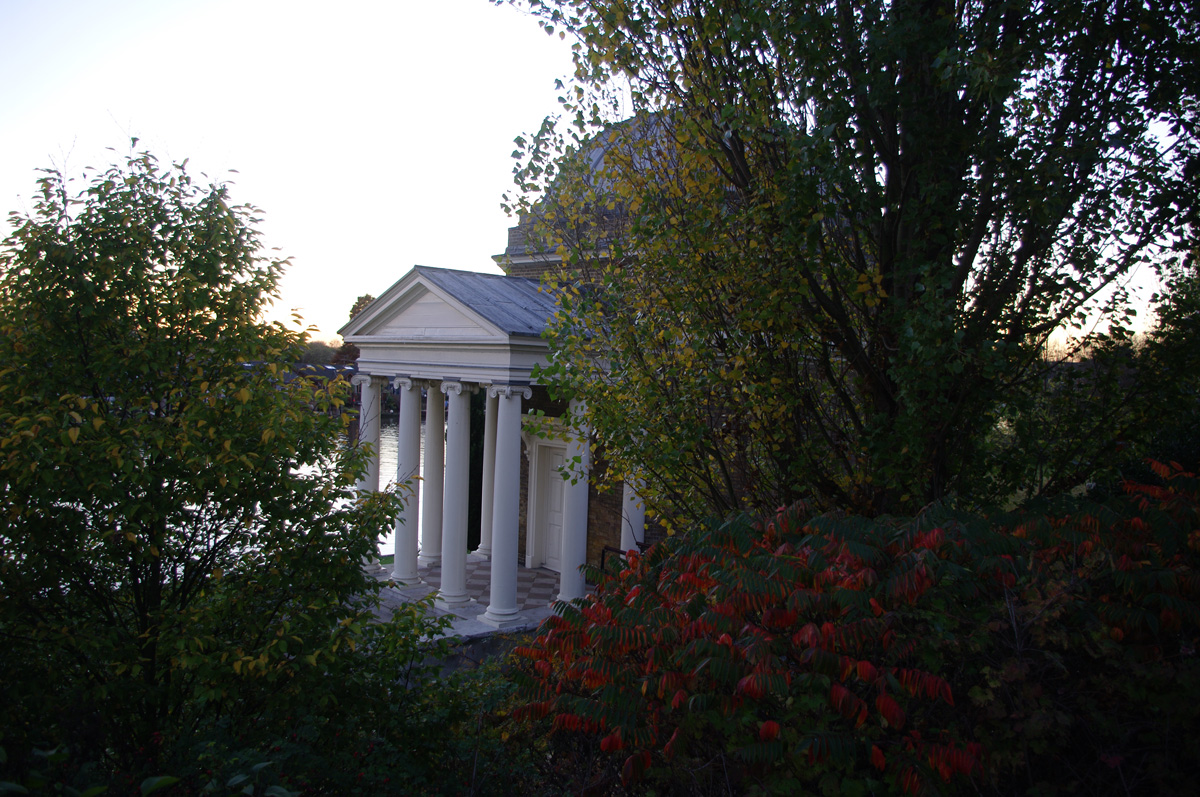
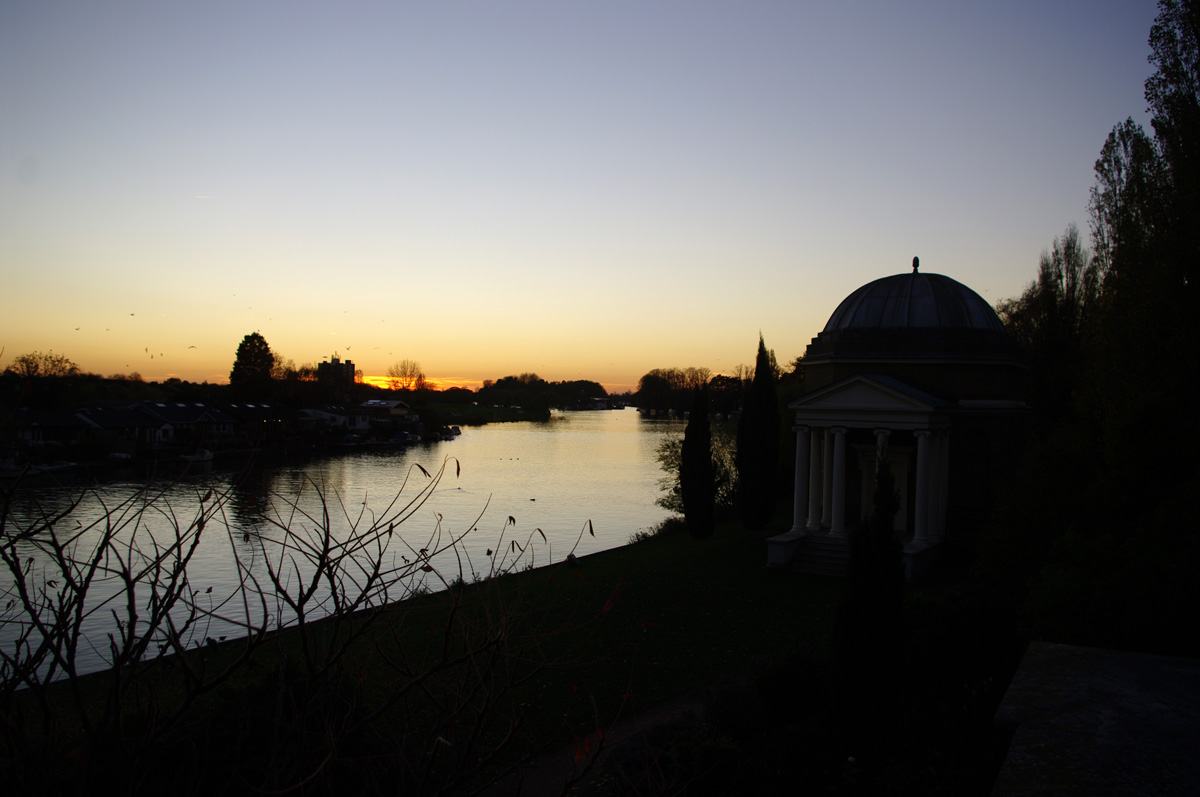
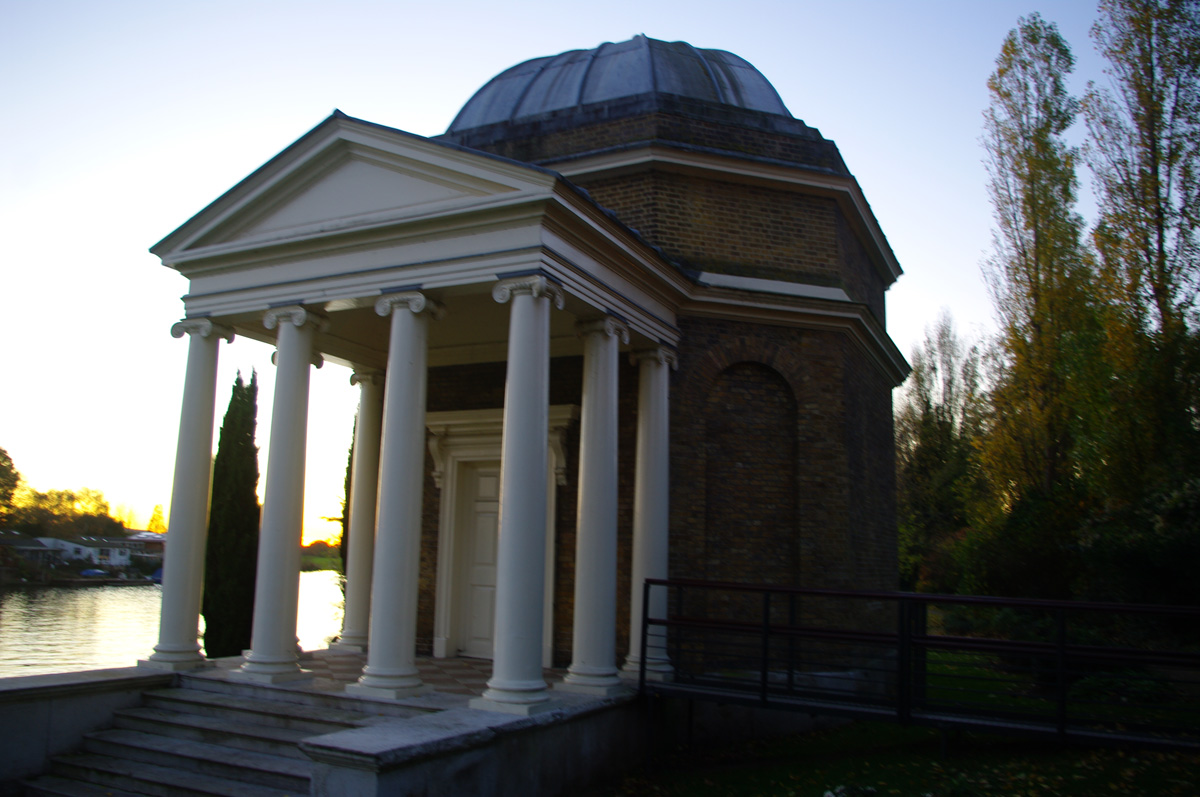
Garrick had a tunnel dug  from the front of his villa under the road to his gardens beside The Thames which today is called, Garrick’s Lawn. On this lawn, beside The Thames, Garrick had a temple to Shakespeare built. Inside was placed a very fine statue of Shakespeare designed by Roubiliac, another friend. When Garrick died, his wife Eva, gave it to the British Museum. A copy of the statue now has been placed inside the temple.

Garrick's dorric Temple. Image @Tony Grant

Garrick  added an orangery at the far end of the main garden which backs onto Bushy Park. Adam also designed the orangery in the main garden with a corinthian façade and classical entablature. Garrick owned much of the farmland, which is now Bushy Park. He also bought other houses in Hampton, including Orme House in Church Street, The Six Bells pub, later named The White Heart, Garrick’s Ait, the island opposite the temple and the villa and three other aits on The Thames. Just before his death, Garrick bought The Cedars, now called Garrick House, which you drive past on the Kingston Road.

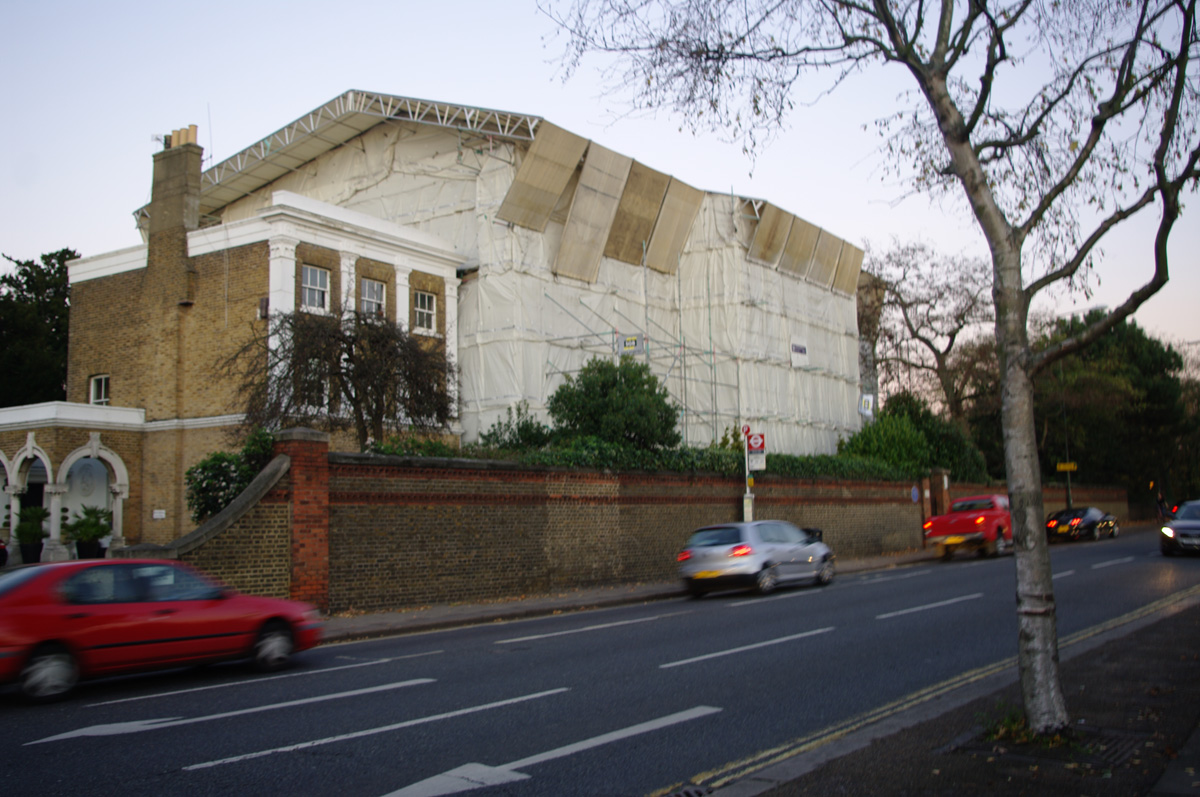
The villa under wraps after the fire. Image @Tony Grant

In 2008 some work was being done on the villa when a fire broke out. The entire roof of the grade 1 listed building collapsed. The second floor also caught fire. It took ten fire engines to bring the blaze under control and save the shell of the house. It is now undergoing extensive rebuilding. The house is a symbol  of the English Theatre and must not be lost to the nation and the world.

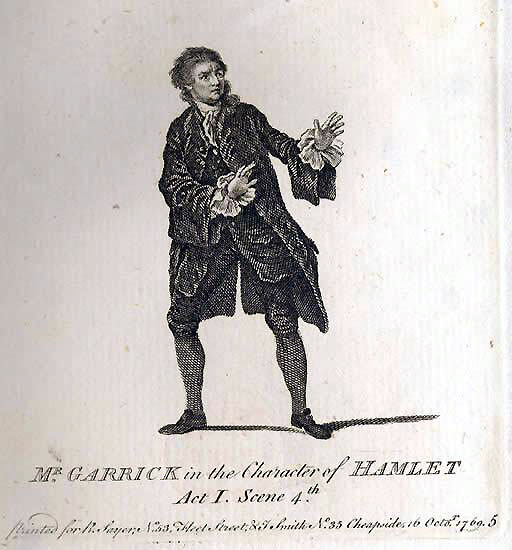
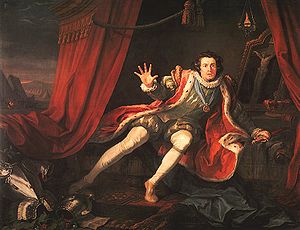
David Garrick in Hamlet. Image @Wikimedia Commons

David Garrick came from humble origins in Leicestershire. His family were Huguenot immigrants who had to struggle and fight for their survival and success. Garrick  continued this need for success. He had an incredible talent as writer, actor and innovator. His greatness can only be measured by his influence on theatre and acting today.

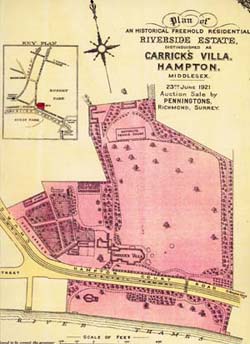
Garrick Estate Auction, 1921

What is interesting is his need to acquire property and land, to have the best in architecture and to keep acquiring, throughout his life. Was this the sign of an inner drive to stay successful, to gain security, to not allow himself to revert to lowly circumstances? Was he a driven personality? This reminds me of another driven personality, Charles Dickens, who literally worked himself to death. He too saw property and one house in particular, as a sign to himself and others that he was at the top, that he had made it.

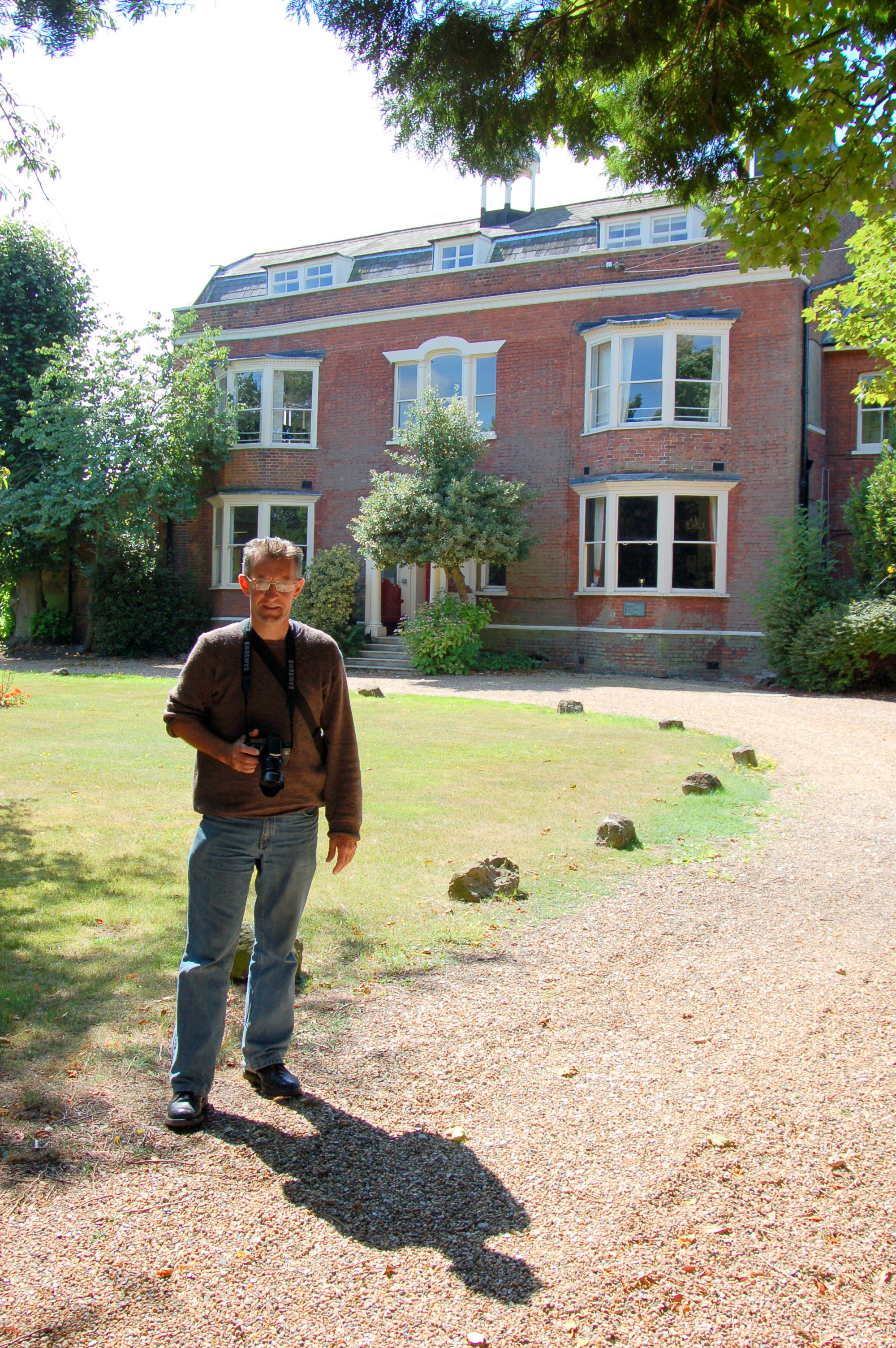
Tony Grant at Gads Hill. Image @Tony Grant

The house was Gads Hill in Kent just outside of Rochester and Chatham. After Dickens death, John Foster, a great publishing friend of Dickens wrote, “ upon first seeing it (Gads Hill) as he came from Chatham with his father and looking upon it with much admiration he had been promised that he might himself live in it or in some such house when he came to be a man, if he would only work hard enough.”

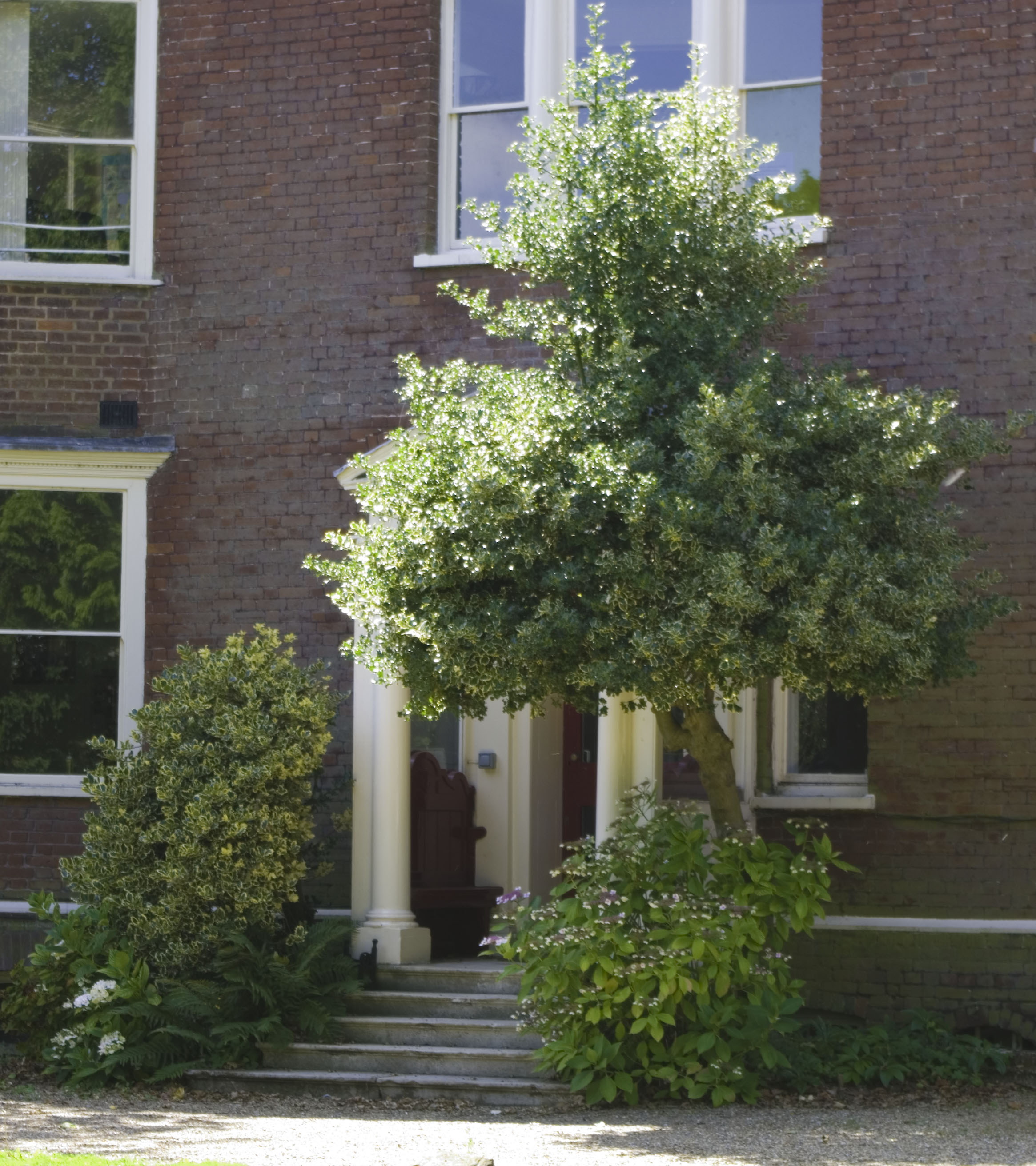
Gads Hill front door. Image @Tony Grant

Of course Dickens did work. He probably had more need to stay at the top than even Garrick. His father was notorious for getting into debt and had ended up in debtors prison. Cahrles Dickens had had to work in a blacking factory in almost slave like conditions. This affected Dickens for the rest of his life.

Ducks on the Thames. Image @Tony Grant

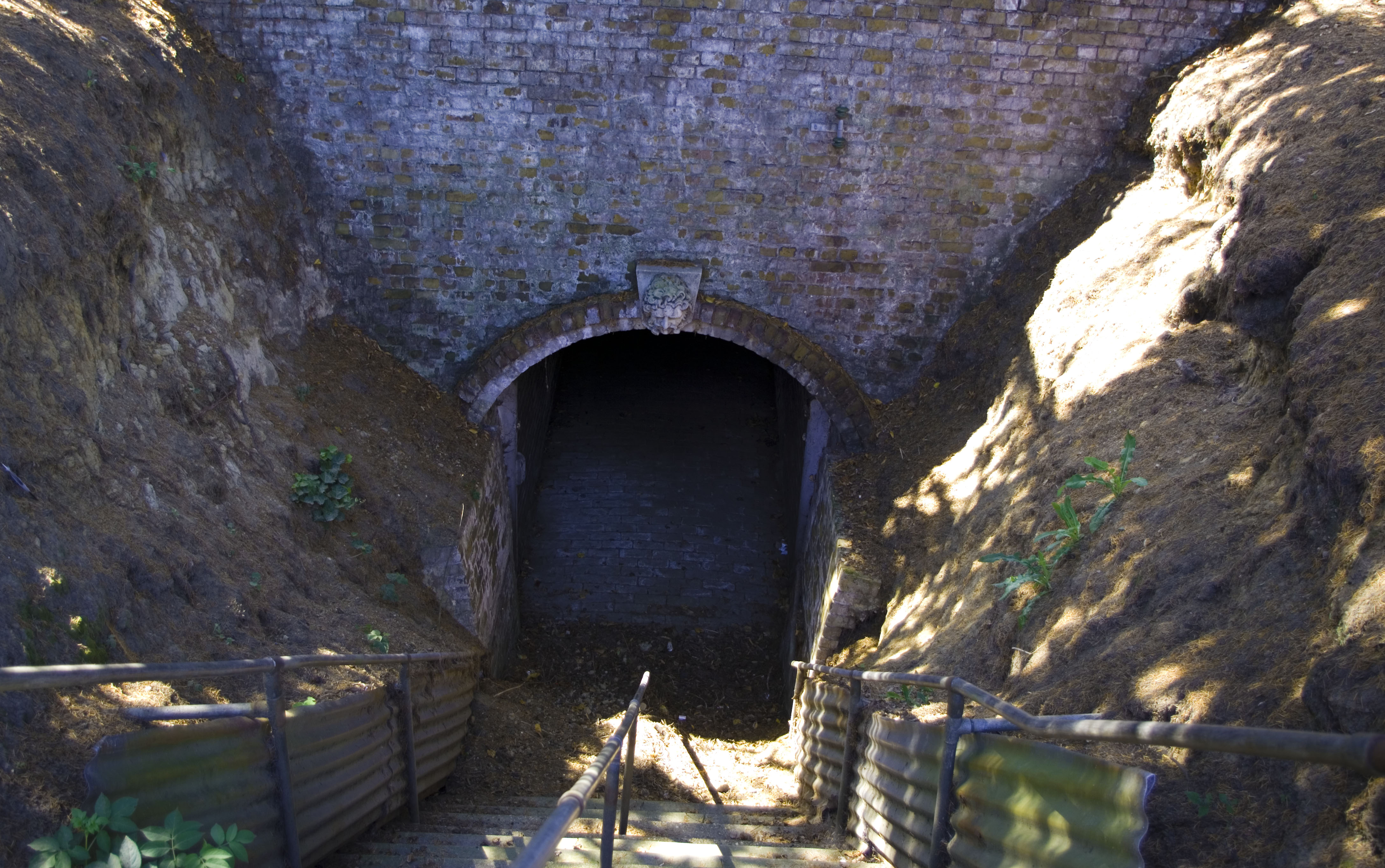
Both Dickens and Garrick were influenced greatly by Shakespeare. Garrick as actor and theatre owner. Garrick’s greatest performance was playing Richard III. Dicken’s house at Gads Hill was the very spot, in Henry IV part I, where Prince Hal waylays and robs Falstaff as a  prank or joke. Of course Dickens absolutely loved this connection. There is another rather obscure link with Garrick. David Garrick had a tunnel dug under the road in front of his villa to get to his garden beside The Thames. Dickens purchased the land on the opposite side of the road to his house at Gads Hill and had a tunnel dug in front of his house under the road to get to it.

Gads Hill tunnel. Image @Tony Grant

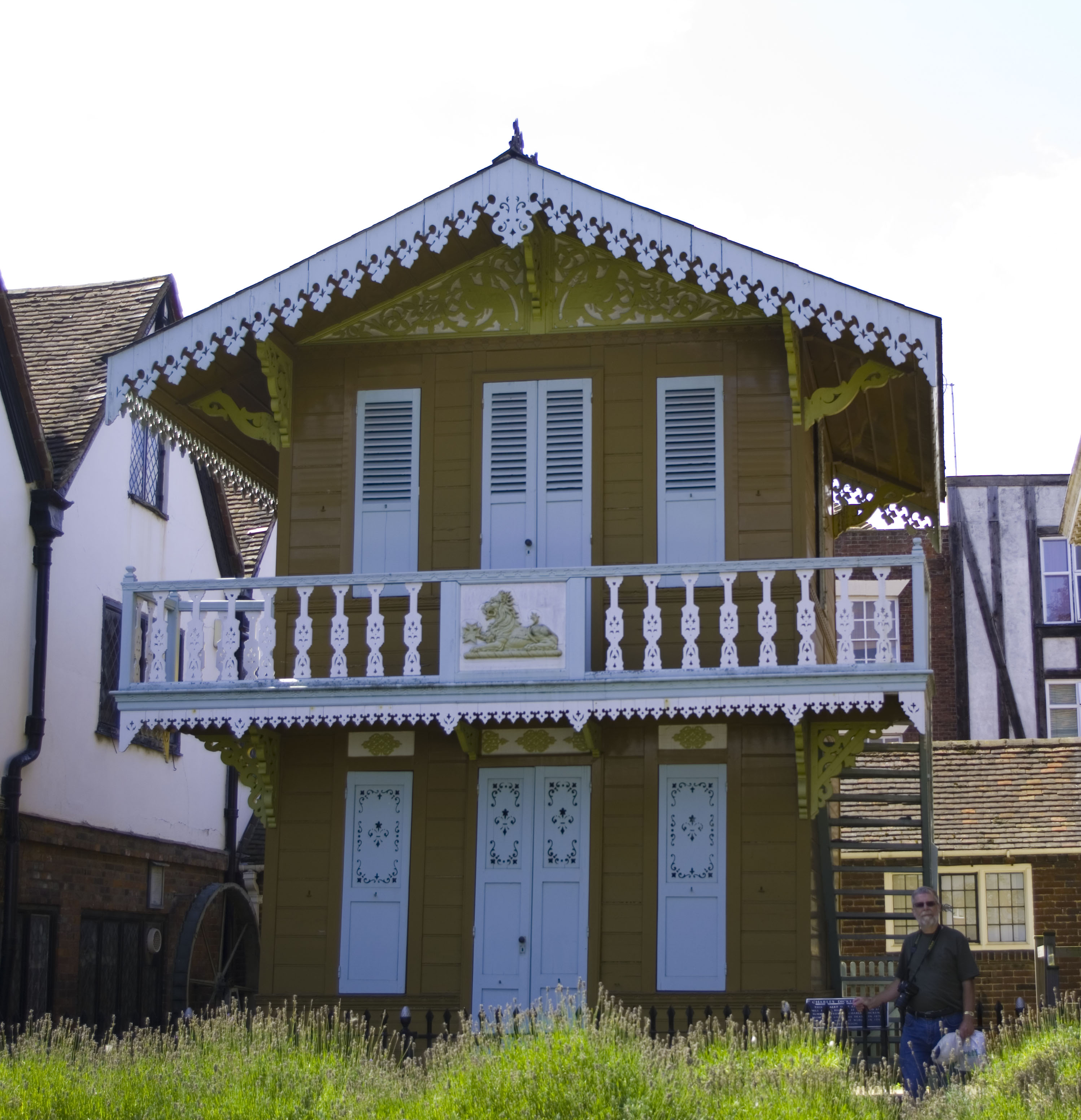
Dickens had a small wooden Swiss Chalet built on the other side of the road where, towards the end of his life, he wrote. Passing through a tunnel to the beautiful scenery of The Thames or to a place to work could be read as having deep psychological meaning I am sure.

Dickens's Swiss Chalet. Image @Tony Grant

David Garrick’s  villa can be seen as his badge of success. A symbol of all his striving and hard work.

Where do our middle class ambitions get us? Are we driven? Where have we come from and where do we want to go? Are we working like Garrick and Dickens to prove something? How desperate are we and are we happy with it? I wonder if Dickens was ever happy? Maybe in the heightened hyper reality that he achieved  in his live readings, but that was fleeting. He was driven, so was Garrick and are we?

Garrick's villa, 1824

I know this an odd request on this site but you never know who might read this stuff. To any Hollywood Super Star out there. You owe everything, your whole profession, to David Garrick. If you have some spare cash, go on, pay for the refurbishment of Garrick’s Villa. It could be your real contribution to the world.

Garrick's temple, sunset. Image @Tony Grant

More on the topic:

Read Full Post »
Copryright (c) Jane Austen’s World. Post written by Tony Grant, London Calling.

For four days last week, I was working in a school in Staines near Heathrow Airport. To get there from Wimbledon I had to drive past David Garrick’s Villa and his temple to Shakespeare, at Hampton on The Thames.

Garrick's Villa, 1783

David Garrick was an 18th century actor, playwright and owner of Drury Lane Theatre. He was innovative, and the forerunner of a new acting style. He was regarded as the greatest actor of his time and arguably is one of the great actors of all time. He had a profound interest in Shakespeare. It is easy to see connections between David Garrick and his career and the career and  driven personality of Dickens. Perhaps they are both a mirror in which we can see something of ourselves.

Garrick

David Garrick was the second son of Peter and Arabella Garrick. He was born at The Angel Inn in Hereford on the 19th February 1717. For a while he was the pupil of Samuel Johnson at the little school at Edial near Lichfield. In 1773 Garrick and Johnson went to London together both with little money to support them. Garrick at first worked as a salesman in his family’s wine firm. However he turned to playwriting and acting. He write a version of, “Lethe,” that was used by Henry Giffard’s company at Drury Lane. He then joined Giffard’s company and worked at the theatre in Tankard street in Ipswich. At first Garrick took the stage name of Lyddall. On the 19th October 1741 he played Richard III at Goodman’s Fields Theatre in East London. He was an overnight sensation.

David Garrick as Richard III, 1745. William Hogarth

His acting style was new and innovative. He began a more naturalistic style. Rather than use the exaggerated bombastic style that was popular. On 28th November that year he got rid of his stage name and began to use his real name. His real name appeared on the posters advertising, “The Orphan,” in which he played the character, Chamont.. As a sign of his meteoric rise to fame within two months William Pitt decalerd that the 22 year old Garrick was the best actor the British stage had ever produced. Garrick became the dominant force in British theatre from then on.

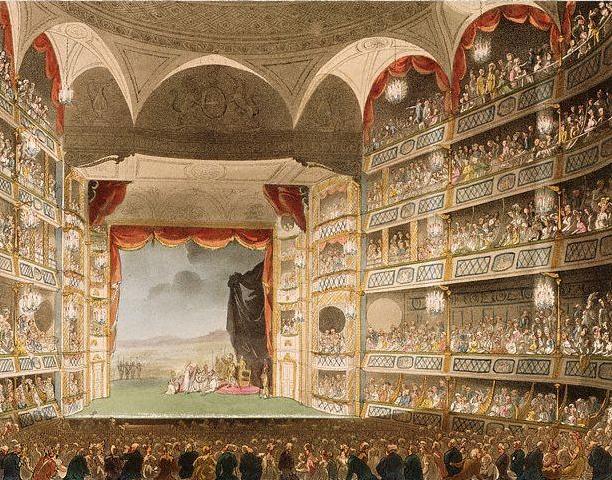
Drury Lane 1808

In 1747 with a new partner, James Lacey he took over the management of Drury Lane Theatre. For 29 years he directed repertory company in Europe. He developed new rehearsal techniques and discipline. His ideas included analysing characters, restoring the original texts of Shakespeare. Much of Shakespeare’s plays in the 18th century had been written in a bombastic and alliterative style. He didn’t always keep to Shakespeare’s original texts himself. He did tend to leave out bits and add bits to emphasise the character he was playing. Garrick was one of the leading playwrights of his day and wrote The Clandestine Marriage, Cymon, The Lying Valet and The Guardian. Garricks influence became the yardstick by which all other acting and drama was measured throughout Europe.

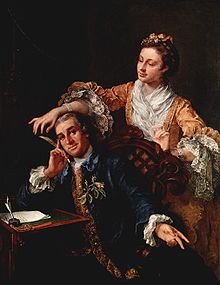
William Garrick and his wife, Eva Maria Vegel, by William Hogarth

In 1749 Garrick married the Viennese dancer, Eva Maria Vegel. They had no children and she outlived him by 43 years.They were so famous the crowned heads of Europe, the nobility and the leading figures of the London literary, art and social circles came to visit him.He owned residences at No 27 Southampton Street in Covent garden, in the Sdelphi, and his villa at Hampton on The Thames.You can imagine the elite of Europe coming to Hampton to visit garrick at his Thameside retreat, walking by The Thames, visiting his temple to Shakespeare and rowing out to the aits (river islands) Garrick owned along his stretch of the river to have sylvan parties in a beautiful natural surround.

Garrick's temple close up. Image @Tony Grant

Garrick gave up Drury Lane and made his last performance at Drury Lane during a series of final performances in June 1776. He died in his house in the Adelphi on 20 th January 1779. He was buried at Poets Corner, Westminster Abbey.

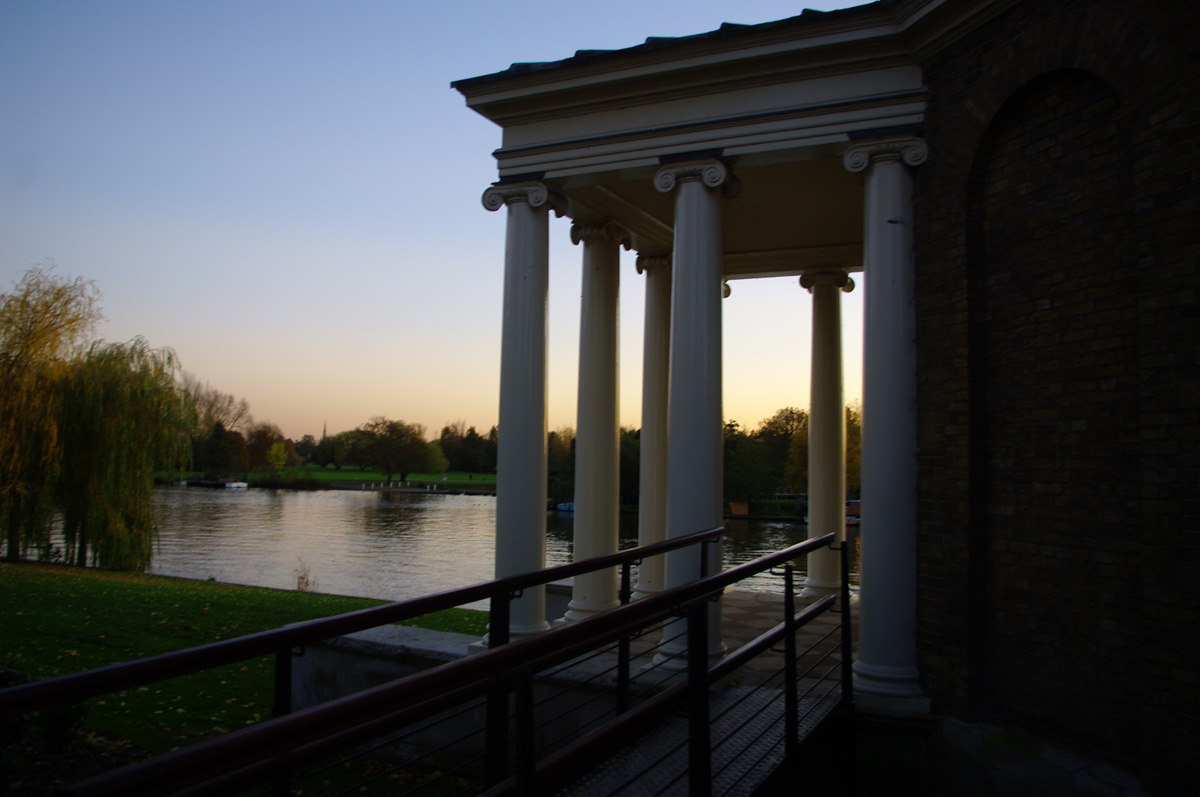
View of the Thames from the Temple. Image @Tony Grant

Gentle reader: This is the first of two articles about David Garrick by Tony Grant. The second will concentrate on the actor’s beautiful house and temple on the Thames.

Read more about the topic

Read Full Post »
Copyright (c) Jane Austen’s World. Mrs. James Ward Thorne of Chicago was no ordinary luxury-loving, self-indulgent socialite.  Her love for doll houses as a child spilled over into adulthood, and she collected miniature furniture as she traveled through Europe. Her hobby led her to commission cabinetmakers and architects to recreate dozens of detailed historically accurate and important rooms on a scale of one inch to one foot. Each room was not only made to scale, but so were the upholstery, textiles, rugs, and curtains, which were fashioned by the Needlework Guild of Chicago.

Mrs Thorne bequeathed 26 European rooms and 98 American rooms to the Art Institute of Chicago. When I visited that world renowned museum, I had the forethought to bring my Flip Camera. My amateurish videos managed to capture the three-dimensional quality of the rooms and how they were lighted. Each room provides a peek into another space, giving the sense that doors and windows open up to a real world outside or lead to hallways and other important spaces.

Detail of side table with flanking pedestals and oval wine cooler, with architectural drawing.

Image scanned from Miniature Rooms: The Thorne Rooms at the Art Institute of Chicago.

This remarkably detailed model of an English dining room was based on the interior of the dining room designed by Robert Adam at Home House in London. Features from the dining room in Saltram in Devonshire were also incorporated into the miniature. Comparing the miniature model (below) with the life-sized recreated Adam dining room from Lansdown House, which is now housed at the Metropolitan Museum in New York city, one can see how faithful Mrs. Thorne and her artisans were in recreating details and proportions.

About this work: Art Institute of Chicago

Like Adam, who had control over all aspects of the design, including the architecture, decoration, antiques, furniture,wall papers, paint and plasterwork, Mrs. Thorne closely oversaw each detail of her exquisite rooms. The furniture throughout Mrs. Thorne’s version of the Adam dining room were decorated with ram’s heads, as was the frieze. The urns on the fireplace mantle are copies of Wedgwood examples, and the paintings over the mantle and side table are after Claude Lorrain.

Dining room, Lansdowne House, Metropolitan Museum of Art

Heilbrun Timeline of Art History

More on the topic:

Read Full Post »
« Newer Posts - Older Posts »