Feeds:
Posts
Comments

Archive for the ‘Georgian Life’ Category

As spring turns to summer on our month-by-month exploration of Jane Austen’s life, letters, and novels, we turn our attention to June in Jane Austen’s world. If you’re new to the series, you can find previous articles in this “A Year in Jane Austen’s World” series here: JanuaryFebruaryMarch, April, and May.

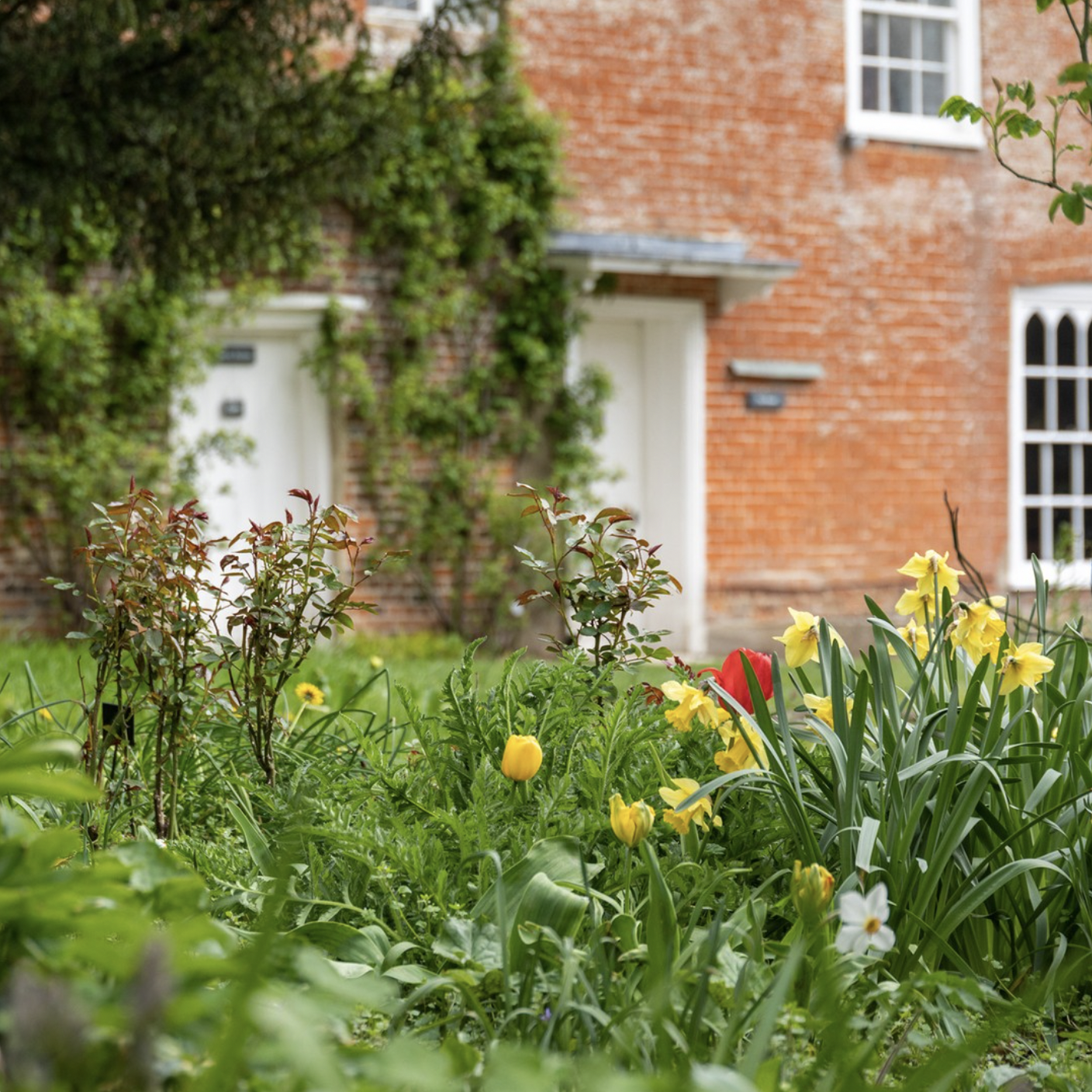
Last month, we enjoyed the beauty of springtime coming to Chawton, along with the beautiful blooms of May. Let’s take a look at our monthly view of Chawton House Gardens. Many visitors will come tour the gardens over the next few months to enjoy the garden walks, see the house, and perhaps stay for tea.
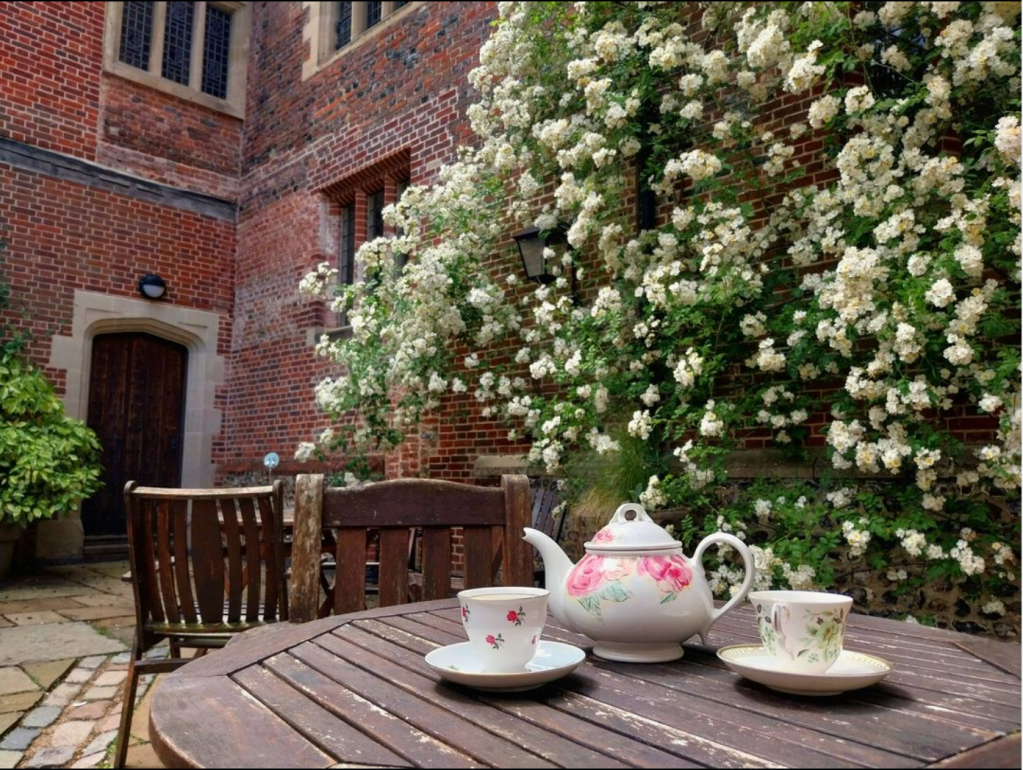
Chawton House in June: Photo @ChawtonHouse.

June in Hampshire

June is the time of year when England turns into a beautiful garden of scenic greenery, lush fields, and lovely flowers. Hampshire is one of the prettiest places you can visit. I’ve been to Hampshire in the spring and early summer several times, and I highly recommend a summer trip if the opportunity ever presents itself. It’s also time for berries!

“Yesterday I had the agreable (sic) surprise of finding several scarlet strawberries quite ripe;- had you been at home, this would have been a pleasure lost. There are more Gooseberries & fewer Currants than I thought at first.- We must buy currants for our Wine.-” (Jane Austen writing to Cassandra from Chawton Cottage in June 1811)

Here is Jane Austen’s House Museum and the roses that frame the front door this time of year:

Jane Austen’s House in June, Photo: @JaneAustensHouse.

June in Jane Austen’s Letters

We have several letters from June to explore. After the “season” ended, many rich families left London and went to the countryside or Bath. Jane and her family frequently traveled to visit family members or friends for longer visits during the summer months.

2 June 1799 (Queen’s Square, Bath):

  • Edward’s health: “What must I tell you of Edward? Truth or falsehood? I will try the former, and you may choose for yourself another time. He was better yesterday than he had been for two or three days before,—about as well as while he was at Steventon. He drinks at the Hetling Pump, is to bathe to-morrow, and try electricity on Tuesday. He proposed the latter himself to Dr. Fellowes, who made no objection to it, but I fancy we are all unanimous in expecting no advantage from it. At present I have no great notion of our staying here beyond the month.”
  • Visits with friends: “I spent Friday evening with the Mapletons, and was obliged to submit to being pleased in spite of my inclination. We took a very charming walk from six to eight up Beacon Hill, and across some fields, to the village of Charlecombe, which is sweetly situated in a little green valley, as a village with such a name ought to be. Marianne is sensible and intelligent; and even Jane, considering how fair she is, is not unpleasant. We had a Miss North and a Mr. Gould of our party; the latter walked home with me after tea. He is a very young man, just entered Oxford, wears spectacles, and has heard that ‘Evelina’ was written by Dr. Johnson.”
  • Outings: “There is to be a grand gala on Tuesday evening in Sydney Gardens, a concert, with illuminations and fireworks. To the latter Elizabeth and I look forward with pleasure, and even the concert will have more than its usual charm for me, as the gardens are large enough for me to get pretty well beyond the reach of its sound. In the morning Lady Willoughby is to present the colors to some corps, or Yeomanry, or other, in the Crescent, and that such festivities may have a proper commencement, we think of going to….”

11 June 1799 (Queen Square, Bath):

  • Taking the waters: “Edward has been pretty well for this last week, and as the waters have never disagreed with him in any respect, we are inclined to hope that he will derive advantage from them in the end. Everybody encourages us in this expectation, for they all say that the effect of the waters cannot be negative, and many are the instances in which their benefit is felt afterwards more than on the spot.”
  • Thoughts on “First Impressions”: “I would not let Martha read ‘First Impressions’ again upon any account, and am very glad that I did not leave it in your power. She is very cunning, but I saw through her design; she means to publish it from memory, and one more perusal must enable her to do it.”
Public Domain Image.

15 June 1808 (Godmersham)

  • Details of their journey: “Which of all my important nothings shall I tell you first? At half after seven yesterday morning Henry saw us into our own carriage, and we drove away from the Bath Hotel; which, by the by, had been found most uncomfortable quarters,—very dirty, very noisy, and very ill-provided. James began his journey by the coach at five. Our first eight miles were hot; Deptford Hill brought to my mind our hot journey into Kent fourteen years ago; but after Blackheath we suffered nothing, and as the day advanced it grew quite cool.
  • A rest for breakfast: “At Dartford, which we reached within the two hours and three-quarters, we went to the Bull, the same inn at which we breakfasted in that said journey, and on the present occasion had about the same bad butter. At half-past ten we were again off, and, travelling on without any adventure reached Sittingbourne by three. Daniel was watching for us at the door of the George, and I was acknowledged very kindly by Mr. and Mrs. Marshall, to the latter of whom I devoted my conversation, while Mary went out to buy some gloves. A few minutes, of course, did for Sittingbourne; and so off we drove, drove, drove, and by six o’clock were at Godmersham.”
Godmersham Park

25 April 1811 (Sloane St.)

  • Possible publishing date for Sense and Sensibility: “No, indeed, I am never too busy to think of S. and S. I can no more forget it than a mother can forget her sucking child; and I am much obliged to you for your inquiries. I have had two sheets to correct, but the last only brings us to Willoughby’s first appearance. Mrs. K. regrets in the most flattering manner that she must wait till May, but I have scarcely a hope of its being out in June. Henry does not neglect it; he has hurried the printer, and says he will see him again to-day. It will not stand still during his absence, it will be sent to Eliza.”

6 June 1811 (Chawton)

  • New set of dishes: “On Monday I had the pleasure of receiving, unpacking, and approving our Wedgwood ware. It all came very safely, and upon the whole is a good match, though I think they might have allowed us rather larger leaves, especially in such a year of fine foliage as this. One is apt to suppose that the woods about Birmingham must be blighted. There was no bill with the goods, but that shall not screen them from being paid. I mean to ask Martha to settle the account. It will be quite in her way, for she is just now sending my mother a breakfast-set from the same place. I hope it will come by the wagon to-morrow; it is certainly what we want, and I long to know what it is like, and as I am sure Martha has great pleasure in making the present, I will not have any regret. We have considerable dealings with the wagons at present: a hamper of port and brandy from Southampton is now in the kitchen.”
Wedgwood Queensware, c. 1790. Image @Christies

13 June 1814 (Chawton)

  • Thoughts on Mansfield Park from Mr. and Mrs. Cooke: “In addition to their standing claims on me they admire “Mansfield Park” exceedingly. Mr. Cooke says “it is the most sensible novel he ever read,” and the manner in which I treat the clergy delights them very much. Altogether, I must go, and I want you to join me there when your visit in Henrietta St. is over. Put this into your capacious head.”

23 June 1814 (Chawton):

  • Travels and plans: “I certainly do not wish that Henry should think again of getting me to town. I would rather return straight from Bookham; but if he really does propose it, I cannot say No to what will be so kindly intended. It could be but for a few days, however, as my mother would be quite disappointed by my exceeding the fortnight which I now talk of as the outside—at least, we could not both remain longer away comfortably.”
  • Friends go to Clifton: “Instead of Bath the Deans Dundases have taken a house at Clifton—Richmond Terrace—and she is as glad of the change as even you and I should be, or almost. She will now be able to go on from Berks and visit them without any fears from heat.”

23 June 1816 (Chawton)

  • Bits of news: “My dear Anna,—Cassy desires her best thanks for the book. She was quite delighted to see it. I do not know when I have seen her so much struck by anybody’s kindness as on this occasion. Her sensibility seems to be opening to the perception of great actions. These gloves having appeared on the pianoforte ever since you were here on Friday, we imagine they must be yours. Mrs. Digweed returned yesterday through all the afternoon’s rain, and was of course wet through; but in speaking of it she never once said “it was beyond everything,” which I am sure it must have been. Your mamma means to ride to Speen Hill to-morrow to see the Mrs. Hulberts, who are both very indifferent. By all accounts they really are breaking now,—not so stout as the old jackass.”
Rolinda Sharples’ Clifton Assembly Room (1817).

June in Jane Austen’s Novels

Pride and Prejudice

  • Lady Catherine to Elizabeth: “Oh, your father, of course, may spare you, if your mother can. Daughters are never of so much consequence to a father. And if you will stay another month complete, it will be in my power to take one of you as far as London, for I am going there early in June, for a week; and as Dawson does not object to the barouche-box, there will be very good room for one of you—and, indeed, if the weather should happen to be cool, I should not object to taking you both, as you are neither of you large.”
  • June at Longbourn after Lydia’s departure: After the first fortnight or three weeks of [Lydia’s] absence, health, good-humour, and cheerfulness began to reappear at Longbourn. Everything wore a happier aspect. The families who had been in town for the winter came back again, and summer finery and summer engagements arose. Mrs. Bennet was restored to her usual querulous serenity; and by the middle of June Kitty was so much recovered as to be able to enter Meryton without tears…
  • Lydia born in June: “Well,” cried her mother, “it is all very right; who should do it but her own uncle? If he had not had a family of his own, I and my children must have had all his money, you know; and it is the first time we have ever had anything from him except a few presents. Well! I am so happy. In a short time, I shall have a daughter married. Mrs. Wickham! How well it sounds! And she was only sixteen last June. My dear Jane, I am in such a flutter, that I am sure I can’t write; so I will dictate, and you write for me. We will settle with your father about the money afterwards; but the things should be ordered immediately.”
Happy Lydia and Unhappy Mr. Wickham

Mansfield Park

  • Edmund’s letter to Fanny: “I have sometimes thought of going to London again after Easter, and sometimes resolved on doing nothing till she returns to Mansfield. Even now, she speaks with pleasure of being in Mansfield in June; but June is at a great distance, and I believe I shall write to her. I have nearly determined on explaining myself by letter. To be at an early certainty is a material object. My present state is miserably irksome.”

Emma

  • Happenings in Highbury: “In this state of schemes, and hopes, and connivance, June opened upon Hartfield. To Highbury in general it brought no material change. The Eltons were still talking of a visit from the Sucklings, and of the use to be made of their barouche-landau; and Jane Fairfax was still at her grandmother’s; and as the return of the Campbells from Ireland was again delayed, and August, instead of Midsummer, fixed for it, she was likely to remain there full two months longer, provided at least she were able to defeat Mrs. Elton’s activity in her service, and save herself from being hurried into a delightful situation against her will.”
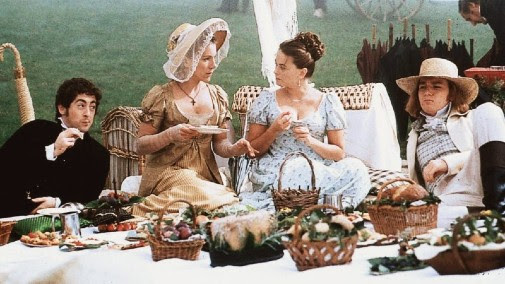
  • An outing delayed: “It was now the middle of June, and the weather fine; and Mrs. Elton was growing impatient to name the day, and settle with Mr. Weston as to pigeon-pies and cold lamb, when a lame carriage-horse threw every thing into sad uncertainty. It might be weeks, it might be only a few days, before the horse were useable; but no preparations could be ventured on, and it was all melancholy stagnation. Mrs. Elton’s resources were inadequate to such an attack.”
  • Mr. Knightley offers his strawberry fields: “You had better explore to Donwell,” replied Mr. Knightley. “That may be done without horses. Come, and eat my strawberries. They are ripening fast.”
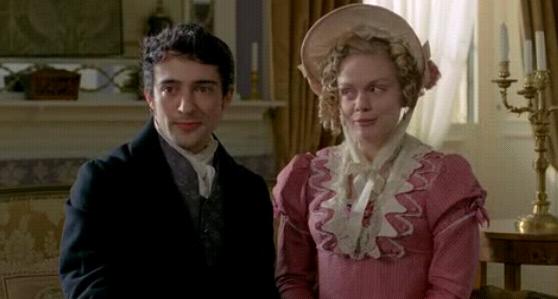
Mr. and Mrs. Elton involved in everyone’s lives.

Persuasion

  • Elizabeth Elliot born: “Walter Elliot, born March 1, 1760, married, July 15, 1784, Elizabeth, daughter of James Stevenson, Esq. of South Park, in the county of Gloucester, by which lady (who died 1800) he has issue Elizabeth, born June 1, 1785; Anne, born August 9, 1787; a still-born son, November 5, 1789; Mary, born November 20, 1791.”
  • A June sorrow: “And I am sure,” cried Mary, warmly, “it was a very little to his credit, if he did. Miss Harville only died last June. Such a heart is very little worth having; is it, Lady Russell? I am sure you will agree with me.”

June Dates of Importance

This brings us now to several important June dates that relate to Jane and her family:

Family News:

8 June 1771: Henry Thomas Austen (Jane’s brother) born at Steventon.

23 June 1779: Charles Austen (Jane’s brother) born at Steventon.

18 June 1805: James Austen’s daughter, Caroline, born.

Historic Dates:

18 June 1812: The United States declares war on Great Britain (War of 1812).

18 June 1815: The Duke of Wellington defeats Napoleon at the Battle of Waterloo.

Writing:

3 June 1793: Jane Austen most likely writes the last item of her juvenilia.

June 1799: Austen most likely finishes Susan (Northanger Abbey).

Sorrows:

I’m happy to report that I found no major sorrows for the Austen family in the month of June throughout Austen’s lifetime.

June 2024 @JaneAustensHouse.

Joyful June

This concludes our June ramble through Jane Austen’s life, letters, and works. There is always something fascinating to explore! Next month, we’ll discover all the important dates and events from July in Jane Austen’s World. Until then, you might join the Jane Austen’s House Museum virtual book club! You can click here for more: https://janeaustens.house/visit/whats-on/.


RACHEL DODGE teaches college English classes, gives talks at libraries, teas, and book clubs, and writes for Jane Austen’s World blog. She is the bestselling author of The Little Women DevotionalThe Anne of Green Gables Devotional and Praying with Jane: 31 Days Through the Prayers of Jane Austen. Now Available: The Secret Garden Devotional! You can visit Rachel online at www.RachelDodge.com.

Read Full Post »

As we continue our month-by-month journey through Jane Austen’s novels, letters, and lifetime, we find ourselves in the lovely month of April! If you’re just jumping on the bus, you can find previous articles in my “A Year in Jane Austen’s World” series here: JanuaryFebruary, and March.

Let’s see what we find as we explore April in Jane Austen’s World! First up, our monthly view of Chawton House and Gardens, where the tulips are beginning to bloom!

Chawton House in April, Photo: @ChawtonHouse.

April in Hampshire

April is when everything starts to come back to life and bloom in Hampshire. The trees boast new leaves, the roads and lanes are lined with green, and flowers and trees are in blossom. The weather ranges from cloudy to partly cloudy to partly sunny to rainy.

Why talk about the flowers and the weather? Because it’s fun to picture some of the details about Hampshire that Austen loved and that we can still enjoy today!

The badness of the weather disconcerted an excellent plan of mine,—that of calling on Miss Beckford again; but from the middle of the day it rained incessantly.

Letter to Cassandra, Sloane St., Thursday (April 18, 1811)

Your lilacs are in leaf, ours are in bloom. The horse-chestnuts are quite out, and the elms almost. I had a pleasant walk in Kensington Gardens on Sunday with Henry, Mr. Smith, and Mr. Tilson; everything was fresh and beautiful.

Letter to Cassandra, Sloane St., Thursday (April 25, 1811)

Here is a glimpse of Jane Austen’s House Museum this month. The garden is looking absolutely lovely already!

Jane Austen’s House in April, Photo: @JaneAustensHouse.

April in Jane Austen’s Letters

We have two letters from April 1811 when Jane was staying with her brother in Sloane Street in London. The following are a few excerpts of special interest:

April 18, 1811 Letter: Sloane Street

  • Her spring shopping purchases: “I am sorry to tell you that I am getting very extravagant, and spending all my money, and, what is worse for you, I have been spending yours too; for in a linendraper’s shop to which I went for checked muslin, and for which I was obliged to give seven shillings a yard, I was tempted by a pretty-coloured muslin, and bought ten yards of it on the chance of your liking it; but, at the same time, if it should not suit you, you must not think yourself at all obliged to take it; it is only 3s. 6d. per yard, and I should not in the least mind keeping the whole. In texture it is just what we prefer, but its resemblance to green crewels, I must own, is not great, for the pattern is a small red spot. And now I believe I have done all my commissions except Wedgwood.”
  • More walking and shopping: “I liked my walk very much; it was shorter than I had expected, and the weather was delightful. We set off immediately after breakfast, and must have reached Grafton House by half-past 11; but when we entered the shop the whole counter was thronged, and we waited full half an hour before we could be attended to. When we were served, however, I was very well satisfied with my purchases — my bugle trimming at 2s. 4d. and three pair silk stockings for a little less than 12s. a pair.”
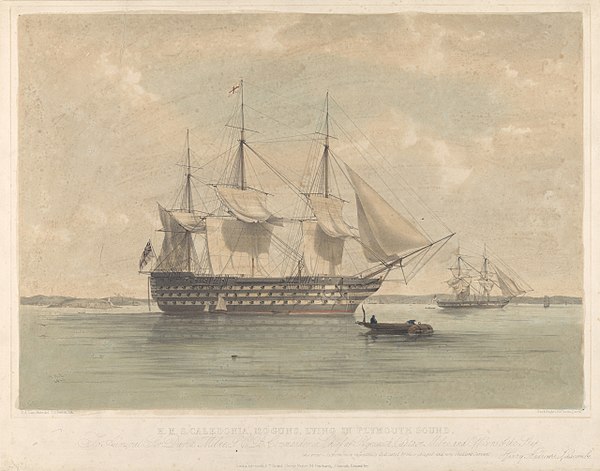
  • News about their brothers and their careers in the Navy: “Frank is superseded in the ‘Caledonia.’ Henry brought us this news yesterday from Mr. Daysh, and he heard at the same time that Charles may be in England in the course of a month. Sir Edward Pollen succeeds Lord Gambier in his command, and some captain of his succeeds Frank; and I believe the order is already gone out. Henry means to inquire farther to-day. He wrote to Mary on the occasion. This is something to think of. Henry is convinced that he will have the offer of something else, but does not think it will be at all incumbent on him to accept it; and then follows, what will he do? and where will he live?”
The HMS Caledonia was a 120-gun first-rate ship of the line of the Royal Navy, launched on 25 June 1808 at Plymouth. Wikipedia.

April 25, 1811 Letter: Sloane Street

  • Austen’s progress with and thoughts about Sense and Sensibility: “No, indeed, I am never too busy to think of S. and S. I can no more forget it than a mother can forget her sucking child; and I am much obliged to you for your inquiries. I have had two sheets to correct, but the last only brings us to Willoughby’s first appearance. Mrs. K. regrets in the most flattering manner that she must wait till May, but I have scarcely a hope of its being out in June. Henry does not neglect it; he has hurried the printer, and says he will see him again to-day. It will not stand still during his absence, it will be sent to Eliza.”
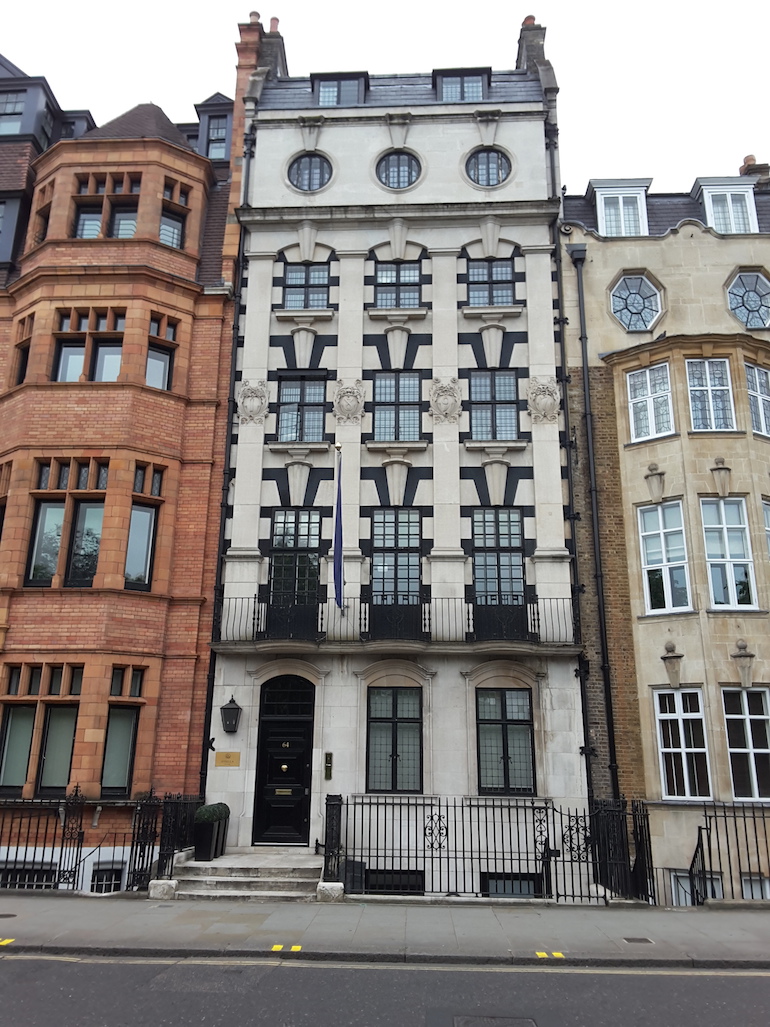
  • Plenty of wonderful details about a party hosted by Henry and Eliza: “Including everybody we were sixty-six — which was considerably more than Eliza had expected, and quite enough to fill the back drawing-room and leave a few to be scattered about in the other and in the passage.”
  • “The music was extremely good. It opened (tell Fanny) with ‘Poike de Parp pirs praise pof Prapela’; and of the other glees I remember, ‘In peace love tunes,’ ‘Rosabelle,’ ‘The Red Cross Knight,’ and ‘Poor Insect.’ Between the songs were lessons on the harp, or harp and pianoforte together; and the harp-player was Wiepart, whose name seems famous, though new to me. There was one female singer, a short Miss Davis, all in blue, bringing up for the public line, whose voice was said to be very fine indeed; and all the performers gave great satisfaction by doing what they were paid for, and giving themselves no airs. No amateur could be persuaded to do anything.”
  • “The house was not clear till after twelve. If you wish to hear more of it, you must put your questions, but I seem rather to have exhausted than spared the subject.”
64 Sloane Street in London. Photo Credit: © Ingrid M Wallenborg, GuideLondon.org.

April in Jane Austen’s Novels

The following are a collection of interesting details and scenes that occur in (or refer to) the month of April in Austen’s novels. Springtime appears to be a good time for travel, walking, and riding as the weather slowly improves:

Sense and Sensibility

  • The Palmers, Mrs. Jennings, and the Dashwood sisters leave London for Cleveland in April (for the Easter holidays): “Very early in April, and tolerably early in the day, the two parties from Hanover Square and Berkeley Street set out from their respective homes, to meet, by appointment, on the road. For the convenience of Charlotte and her child, they were to be more than two days on their journey, and Mr. Palmer, travelling more expeditiously with Colonel Brandon, was to join them at Cleveland soon after their arrival.”

Pride and Prejudice

  • Darcy proposes again and refers to his first April proposal to Elizabeth Bennet (he surely remembers that date VERY well): “You are too generous to trifle with me. If your feelings are still what they were last April, tell me so at once. My affections and wishes are unchanged; but one word from you will silence me on this subject for ever.”

Mansfield Park

  • Fanny is left without fitting exercise: “[The Miss Bertrams] took their cheerful rides in the fine mornings of April and May; and Fanny either sat at home the whole day with one aunt, or walked beyond her strength at the instigation of the other: Lady Bertram holding exercise to be as unnecessary for everybody as it was unpleasant to herself; and Mrs. Norris, who was walking all day, thinking everybody ought to walk as much.”
  • Sir Thomas’s letter home: “[Sir Thomas] wrote in April, and had strong hopes of settling everything to his entire satisfaction, and leaving Antigua before the end of the summer.”
  • Fanny Price in Portsmouth: “The end of April was coming on; it would soon be almost three months, instead of two, that she had been absent from them all, and that her days had been passing in a state of penance, which she loved them too well to hope they would thoroughly understand; and who could yet say when there might be leisure to think of or fetch her?”
  • Fanny’s thoughts on springtime in the countryside versus the congested town: “It was sad to Fanny to lose all the pleasures of spring. She had not known before what pleasures she had to lose in passing March and April in a town. She had not known before how much the beginnings and progress of vegetation had delighted her. What animation, both of body and mind, she had derived from watching the advance of that season which cannot, in spite of its capriciousness, be unlovely, and seeing its increasing beauties from the earliest flowers in the warmest divisions of her aunt’s garden, to the opening of leaves of her uncle’s plantations, and the glory of his woods. To be losing such pleasures was no trifle; to be losing them, because she was in the midst of closeness and noise, to have confinement, bad air, bad smells, substituted for liberty, freshness, fragrance, and verdure, was infinitely worse: but even these incitements to regret were feeble, compared with what arose from the conviction of being missed by her best friends, and the longing to be useful to those who were wanting her!

Northanger Abbey

  • Isabella writes a “very unexpected letter” to Catherine.

Emma

  • Mrs. Elton pressures Jane to find a position as a governess very soon so that she doesn’t miss her chance: “But, my dear child, the time is drawing near; here is April, and June, or say even July, is very near, with such business to accomplish before us. Your inexperience really amuses me! A situation such as you deserve, and your friends would require for you, is no everyday occurrence, is not obtained at a moment’s notice; indeed, indeed, we must begin inquiring directly.”
  • For the introverts among us: “John Knightley only was in mute astonishment.—That a man (Mr. Weston) who might have spent his evening quietly at home after a day of business in London, should set off again, and walk half a mile to another man’s house, for the sake of being in mixed company till bed-time, of finishing his day in the efforts of civility and the noise of numbers, was a circumstance to strike him deeply. A man who had been in motion since eight o’clock in the morning, and might now have been still, who had been long talking, and might have been silent, who had been in more than one crowd, and might have been alone!—Such a man, to quit the tranquillity and independence of his own fireside, and on the evening of a cold sleety April day rush out again into the world!
Mrs. Elton and Jane Fairfax in Emma (1996).

April Dates of Importance

This brings us now to several dates that would have been important to Austen personally and to the Austen family as a whole:

Family News:

26 April 1764: Rev. George Austen marries Cassandra Leigh.

23 April 1774: Francis (Frank) Austen (Jane’s brother) born at Steventon.

April 1786: Francis Austen enters the Royal Naval Academy at Portsmouth

15 April 1793: James Austen’s first child, Anna, is born.

Historic Dates:

19 April 1775: The Battle of Lexington marks the start of America’s Revolutionary War.

Writing:

April 1811: Austen continues to correct proofs of Sense and Sensibility. She anticipates its publication date.

Sorrows:

22 April 1813: Eliza de Feuillide (Austen’s cousin and, later, sister-in-law) ill. Jane Austen goes to her bedside in London to help attend to her.

25 April 1813: Eliza de Feuillide dies.

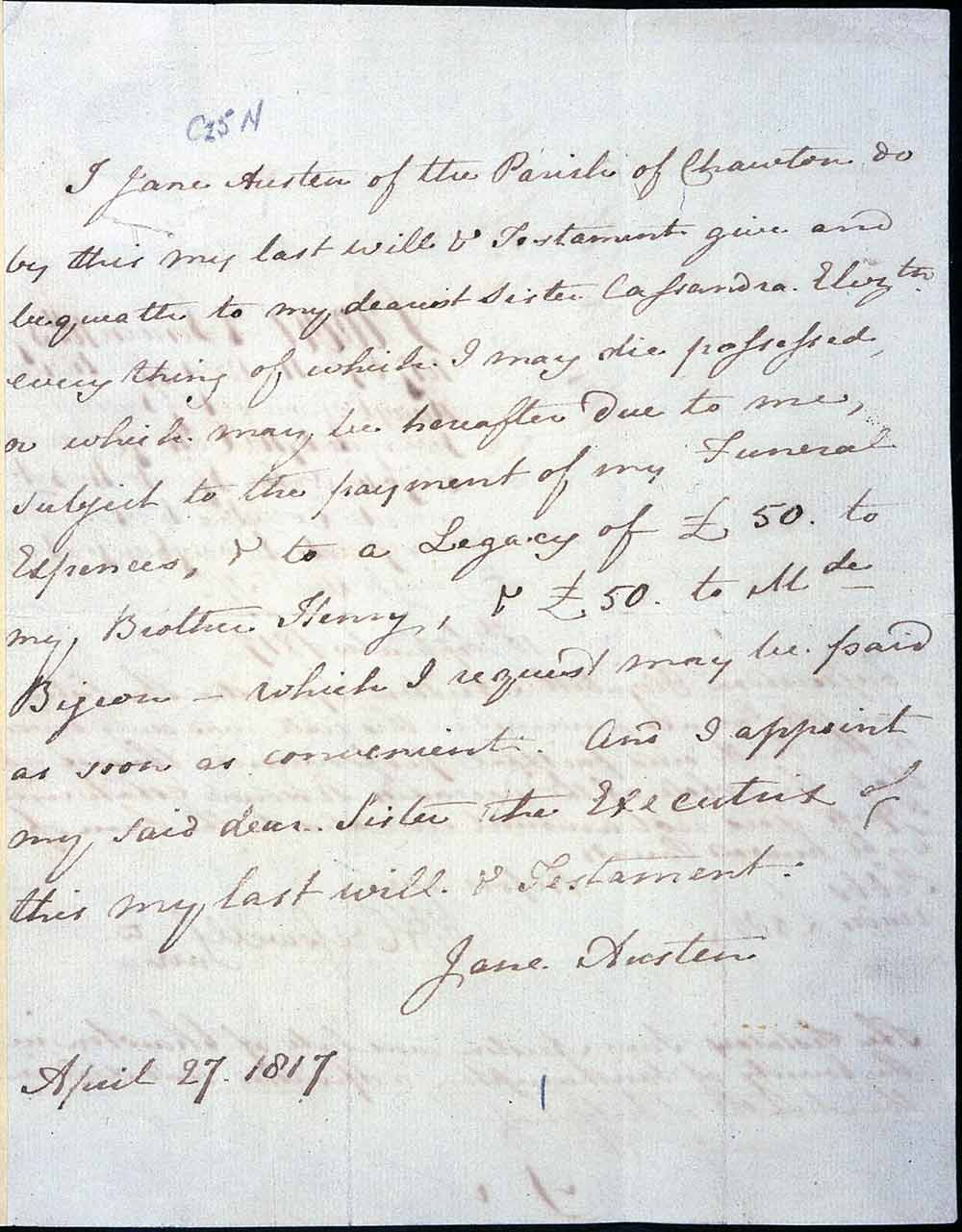
27 April 1817: Austen drafts her will:

“I Jane Austen of the Parish of Chawton do by this my last Will & Testament give and bequeath to my dearest Sister Cassandra Elizth everything of which I may die possessed, or which may be hereafter due to me, subject to the payment of my Funeral Expences, & to a Legacy of £50. to my Brother Henry, & £50. to Mde Bigeon–which I request may be paid as soon as convenient. And I appoint my said dear Sister the Executrix of this my last Will & Testament.”

April Showers

As we continue through the year, one of the highlights for me has been surveying the photos of the gardens at Chawton House and Jane Austen’s House each month and seeing the changes therein. I hope these April showers will bring many beautiful May flowers next month as we continue our tour of Hampshire in the spring with May in Jane Austen’s World!


RACHEL DODGE teaches college English classes, gives talks at libraries, teas, and book clubs, and writes for Jane Austen’s World blog. She is the bestselling author of The Little Women DevotionalThe Anne of Green Gables Devotional and Praying with Jane: 31 Days Through the Prayers of Jane Austen. Now Available: The Secret Garden Devotional! You can visit Rachel online at www.RachelDodge.com.
Read Full Post »

Inquiring readers,

I recently moved and, like Jane, left a home I loved. When I purchased my current slice of paradise, I found my perfect place. In addition, my new neighborhood suits my personality. Echoes of Jane Austen in Chawton Cottage!

Rachel Dodge, who writes splendid articles for this blog, wrote a wonderful post last year about moving entitled Jane Austen’s Tips on Moving House. I cannot improve on her article. I can,  however, discuss the various 18th C. methods by which the English moved their possessions – large or small. 

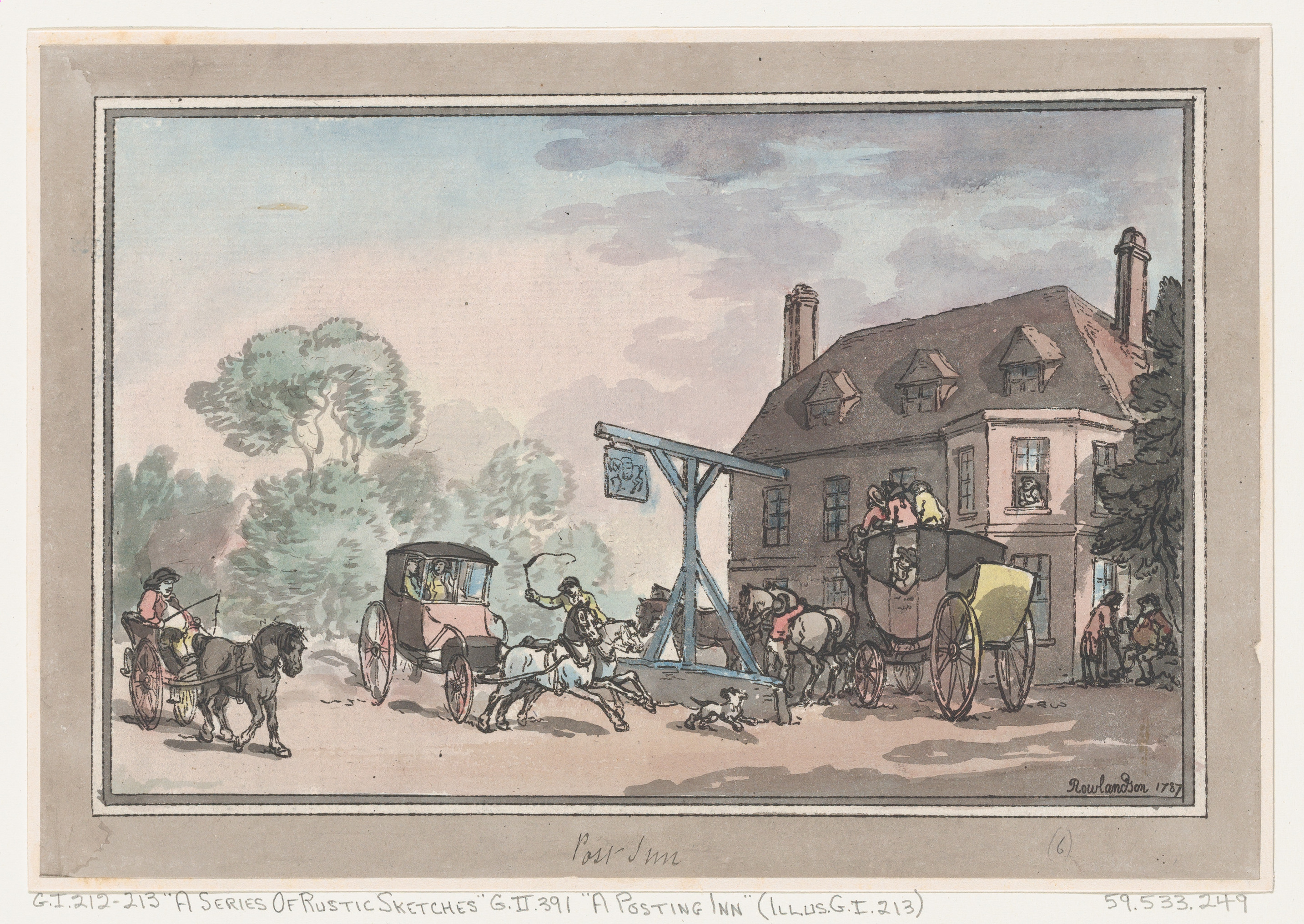
A Posting Inn Rowlandson

Thomas Rowlandson: A Posting Inn, 1787, Met Museum, public domain image

This  print shows three vehicles beside an inn – two moving, one parked:

  1. The parked vehicle is a public coach laden with passengers and drawn by four horses. The animals are being switched out for a fresh team, which, depending on the size, weight, and speed of the coach occurs every 6 – 12 hours. Switches slowed the journey’s progress and provided passengers with an opportunity to disembark and look to their personal needs. Some might choose to spend the night or enjoy a meal at the inn, much like Lydia, Kitty, Jane and Elizabeth.

“…in Hertfordshire; and, as they drew near the appointed inn where Mr. Bennet’s carriage was to meet them, they quickly perceived, in token of the coachman’s punctuality, both Kitty and Lydia looking out of a dining-room up stairs. These two girls had been above an hour in the place, happily employed in visiting an opposite milliner, watching the sentinel on guard, and dressing a salad and cucumber.” – Pride and Prejudice, Chapter 13

After welcoming their sisters, the girls triumphantly displayed a table set out with such cold meat as an inn larder usually offers, exclaiming, “Is not this nice? Is not this an agreeable surprise?” Elizabeth and Jane remained calm and collected, and murmured approval in the appropriate way. Silently Lizzie (and we readers) thought Lydia and Kitty the silliest of chits.

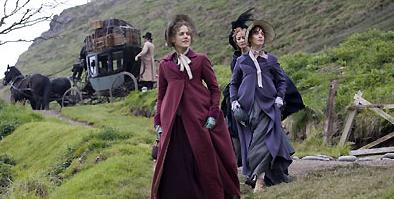
The Dashwood women took a public coach out of necessity after vacating Norland Park with just enough funds to live as gentlewomen in a cottage provided generously by Mrs Jenkins, a relative stranger to them.

seeing-barton-cottage

The above image depicts the Dashwood women leaving the carriage and seeing Barton Cottage for the first time. Notice the luggage strapped on top of the conveyance. Their furniture, cutlery, tableware, linens and the like would most likely be delivered in a humble wagon by a male servant before or after the move. Servants were often sent ahead of time to ready the new dwelling or they might travel at the same time in a different carriage or wagon. 

Passengers sitting inside a crowded carriage carried their possessions on their laps or between their feet, especially those unfortunate enough to sit in the middle. Those sitting on top were subject to the elements, come rain or snow.

2. In the center of the print is a post chaise that is often a private carriage. It could seat from two to three passengers and was guided by a postillion astride one of two or four horses. A trunk placed in the front of the carriage and behind the horses was just big enough to carry personal effects. This private carriage was more expensive to hire than a public coach, for the vehicle’s speed was highly prized, especially by couples who eloped to Gretna Green.

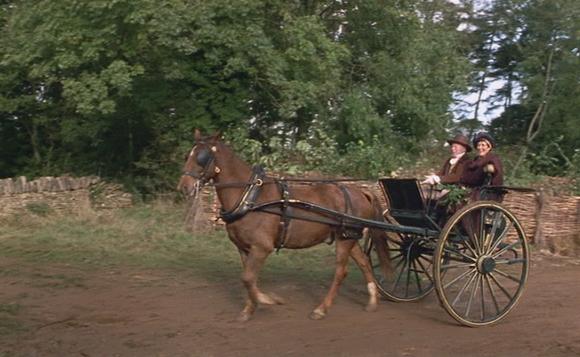
3. The vehicle to the left is a humble cart pulled by a pony or donkey. Austen’s donkey carriage, also known as a donkey cart, looks elegant in comparison. (See image in link.) After a cold spell in January of 1817, Jane wrote:

‘our Donkeys are necessarily having so long a run of luxurious idleness that I suppose we shall find that they have forgotten much of their Education when we use them again.’

Austen used the vehicle for local shopping runs to Alton. The vehicle depicted by Rowlandson provided little space for purchased goods. These carts were serviceable for moving a few possessions to a location not far away and for individuals who could make frequent back and forth trips. Austen drove her cart at the breakneck speed of 4 mph in her travels to Alton, a trip that took 20 minutes one way.  

Along the road:

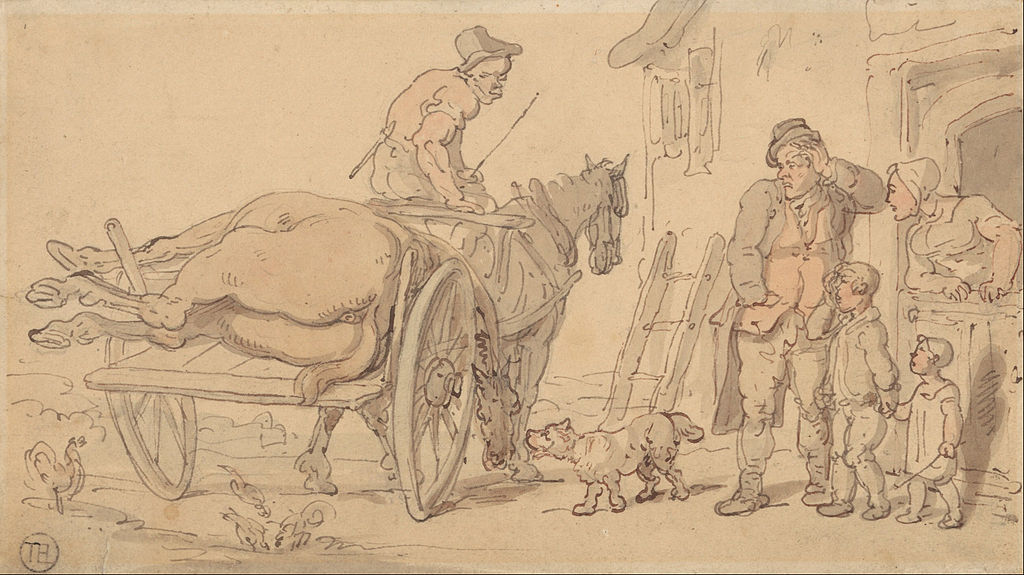
Before the railroads were built, beasts of burden were the “engines” used for transport on land and along man-made canals. They included horses, oxen, mules, and donkeys. Small carts were often pulled by goats or large dogs. As mentioned before, all needed food, water, shelter, and rest, an expense that poor owners could barely afford. Animals who did not receive these basic necessities, lived shortened lives. Often a beast of burden’s reward after years of service was either a trip to the knacker after it died or to a farmer to labor until they dropped from exhaustion. 

Thomas_Rowlandson_-_A_Dead_Horse_on_a_Knacker's_Cart_-_Google_Art_Project

A Dead Horse on a Knacker’s Cart. Thomas Rowlandson, Wikipedia

Even with the help of beasts of burden, moving heavy furniture and a large quantity of personal possessions was no small feat. The pace of travel was slow and often laborious. Before roads were macadamized in the early 19th century, they were in poor condition. After heavy rains, deep ruts and mud slowed vehicles down. Winter snow and ice presented additional hazards. Animals as well as passengers and drivers suffered the most in these harsh elements. 

Working animals’ lives were even more drastically reduced from their exertions of pulling heavy wagons and over loaded carriages. Mail coaches during Austen’s day were the fastest means of land transportation. A faster speed was achieved by driving the horses at top speed and changing the teams every 12 to 15 miles or about every 2 hours. These horses, urged to attain maximum speed at whatever cost, had drastically shortened working lives and lifespans.

The images below show the challenges of moving heavy wagons in snow and mud. Click on the images to enlarge.

The liverpool mail near St Albans – Robert Havell (click the link to see image, which is copyrighted. Horses are stopped with its leader fallen.)

Types of vehicles and those who used them:

Travel for the upper classes:

Income determined the conveyance in which an individual or family moved and how many household goods could be transported over a certain distance. Aristocrats and rich landowners, like Mr Darcy, experienced few impediments. The rising middle classes could also choose more comfortable and efficient means of travel. One can imagine that Mr Bingley arrived at a fully furnished Netherfield Park, having sent trusted representatives and servants ahead of time to see to the details of moving personal belongings, and hiring competent locals to perform additional labor. Keep in mind that the upper crust travelled in style, while servants, aside from valets and ladies maids, accompanied their masters’ possessions in less desirable transportation.

  • For more visual references regarding carriages for the upper classes, Deborah Barnum of Jane Austen in Vermont offers valuable posts on the topic. Click on this link: IV of a series.  

Landless gentry and aspiring social climbers make do with less elegant equipages: 

Mrs Elton, a ridiculous character in Austen’s splendid novel, Emma, assumes that her social position in Highbury is equal to Emma’s. Austen has fun with the character, who utters one absurd opinion after another. She piggy backs onto her sister’s wealth by bragging about that woman’s elegant carriage, while expressing a desire to Mr Knightley to have a donkey. He wryly suggests that she could borrow Mrs Cole’s animal, implying she could save herself the money. In reality, the Eltons must make do with what they have.

crofts curricle

Crofts arrive in a gig, Persuasion 1995. Gigs were not associated with the rich, and the Crofts drove theirs for local excursions only.

“She and her husband are provided with an unexceptionable carriage and horses that suffice for their needs, though of course they cannot be compared with her wealthy sister’s equipage, a barouche-landau….” – Diana Birchall quote in writer Sarah Elmsley‘s splendid blog.

Mr Elton, a mere vicar, served parishioners at a lower social scale than Rev Austen. While Elton received a salary and a rent-free a house, he received no tithes, which limited his income and necessitated his finding a wife with resources. He overstepped his ambition by wooing Emma Woodhouse, but settled for Augusta Elton, whose connections are murky. His marriage to Augusta increased the readers’ enjoyment of the couple’s absurdities.

Austen’s father, Rev George Austen, enjoyed an income from a variety of sources, including a 10% tithe from parishioners from two parishes who could afford to pay the amount. He also oversaw a glebe land, which he farmed. This combined income should have served him well, but his large family necessitated that he and Mrs Austen run a boy’s boarding school for profit inside Steventon Rectory. When George retired, his son James inherited his living and the house the family once occupied, but Rev Austen retained the income from the tithes of the parishes he once served. When he died, this income ceased, plunging the Austen women into financial difficulties, which resulted in their continual quest to find more affordable lodgings — until Edward Austen Knight offered Chawton Cottage to them. This last move resulted in Jane Austen’s glorious creative period in which she published five novels during her lifetime.

Rev Austen and his family moved to Bath in 1801, with only the possessions that would fit into their new home. He no longer had his extensive library or the use of a horse and carriage. The family’s many servants were reduced to a cook, manservant, and one or two maids, depending on the family’s needs. Like other families in their economic situation, they used hired carriages, such as hackney coaches, or public coaches to reach destinations beyond walking distance. During the family’s move to Bath, the goods and possessions they could not physically take with them were most likely transported by a manservant in a wagon.

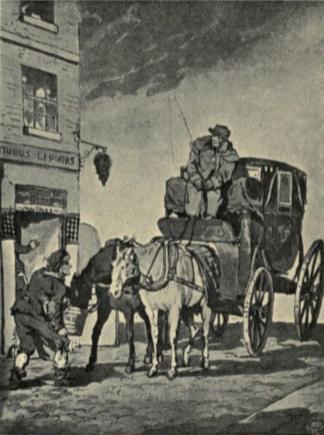
Hackney Coach 1800

Hackney Coach 1800

The 60-mile journey from Steventon to Bath took one day. A rest for the horses at an inn or hotel like the Petty France was a necessity. The following quote from Dean Cantrell describes Catherine Morland’s journey from Bath to Northanger Abbey. The Austen family must have also shared the same feelings: 

“Both carriages stop at Petty France, exactly half the thirty-mile distance from Bath to the General’s Abbey.  Catherine laments “the tediousness of a two hours’ bait” that permits “nothing to be done but to eat without being hungry, and loiter about without any thing to see” (NA, 156).  She clearly understands that it is the chaise with its “heavy and troublesome business” that requires a two-hour halt for the horses to be fed and refreshed…Fifteen miles from Bath, Petty France would have been a likely coach stop in 1801 and 1806 for Jane Austen.” – Yes, There is a Petty France, Dean Cantrell, Persuasions, 1987

Screen Shot 2023-10-28 at 8.45.13 AM

Petty France Hotel

A sixty mile journey must have been exhausting in a public conveyance. View more images of public transportation in this Jane Austen in Vermont, post number III

People from humbler walks of life and their forms of transport:

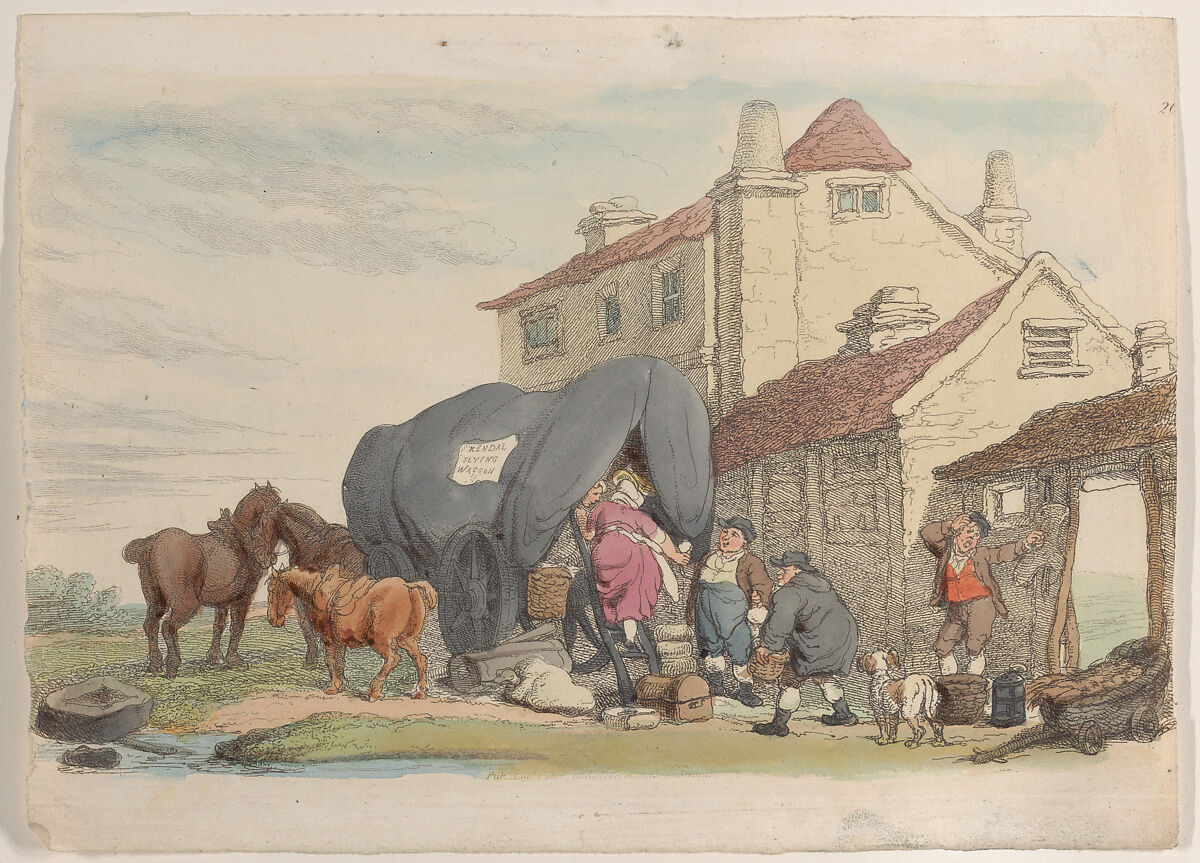
Three Rowlandson images of a flying wagon speak volumes on how people with modest means traveled and transported their goods in wagons that look remarkably like the Conestoga wagons colonists drove across America. 

A flying wagon Rowlandson

Rowlandson, Flying Wagon, MET Museum, public domain, 1816

This Kendal Flying Machine, a wagon, is parked outside of an inn. A woman climbs up a ladder into the wagon. Three men stand at right. In Mr. Rowlandson’s England, Robert Southey described the laboriously slow progress of a flying wagon:

The English mode of travelling is excellently adapted for every thing, except for seeing the country…We met a stage-waggon, the vehicle in which baggage is transported, I could not imagine what this could be; a huge carriage upon four wheels of prodigious breadth, very wide and very long, and arched over with a cloth like a bower, at a considerable height: this monstrous machine was drawn by six large horses, whose neck-bells were heard far off as they approached; the carrier walked beside them, with a long whip upon his shoulder…these waggons are day and night upon their way, and are oddly enough called flying waggons, though of all machines they travel the slowest, slower than even a travelling funeral.” – P 23   


From Southey’s description and depiction of the flying wagon in the first Rowlandson image, one can see the differences in size and the numbers of people and the size of the loads each of these wagons could carry. Rowlandson’s first image of a flying waggon depicted a much smaller vehicle than the one shown in the rendering on P 23, which was drawn by six horses.

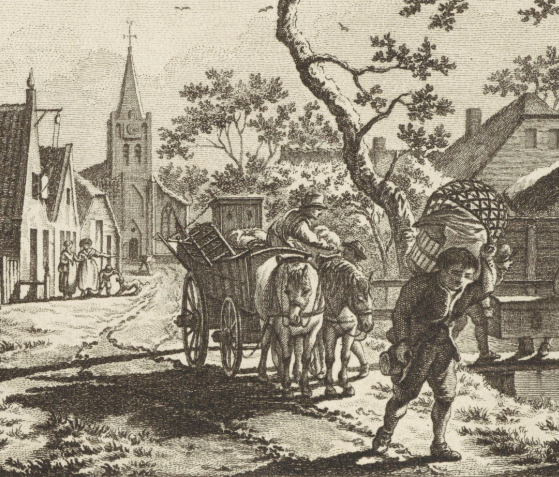
The detail below of an 1806 Dutch etching from The Rijksmuseum shows a cart laden with furniture moving through a small village. A man walking in front seems to be carrying baskets with items inside.

Screen Shot 2023-10-28 at 9.23.25 PM

As in the illustration above, affordable modes of transportation of two- or four-wheel uncovered wagons, were used by humbler people who could afford them. Examples are included in the slide show below. Notice that some images are current, since the mode of moving goods among the poor has changed little over the centuries. 

This slideshow requires JavaScript.

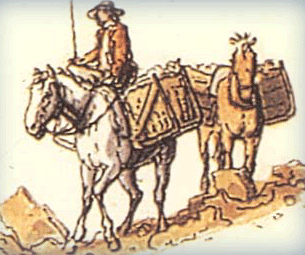
pack_horses

Detail of pack horses.

Very poor or itinerants who moved from place to place often walked, carried their personal goods in sacks, pushed them in wheelbarrows or hand carts, rode pack horses, or caught a ride by a kind stranger.

Rivers and inland waterways:

Overland transportation was not the only route people took to move to a new location. England’s streams and rivers had long been a fast, efficient means of travel.

Steam locomotives arrived 3 years before Jane Austen’s death. Before this time, transport via inland waterways and rivers provided a more comfortable and, in many instances, a faster way to move items. Ferries took people and wagons across river crossings.

A surge in canals building occurred in England in the second half of the 18th century, and by the mid-19th century these canals helped the expansion of the English Industrial Revolution. In Jane Austen’s day, most developers still struggled to make a profit building canals. Once they were introduced to connect city to city and routes within cities, these canals became an important source of transporting goods within England and were more profitable.

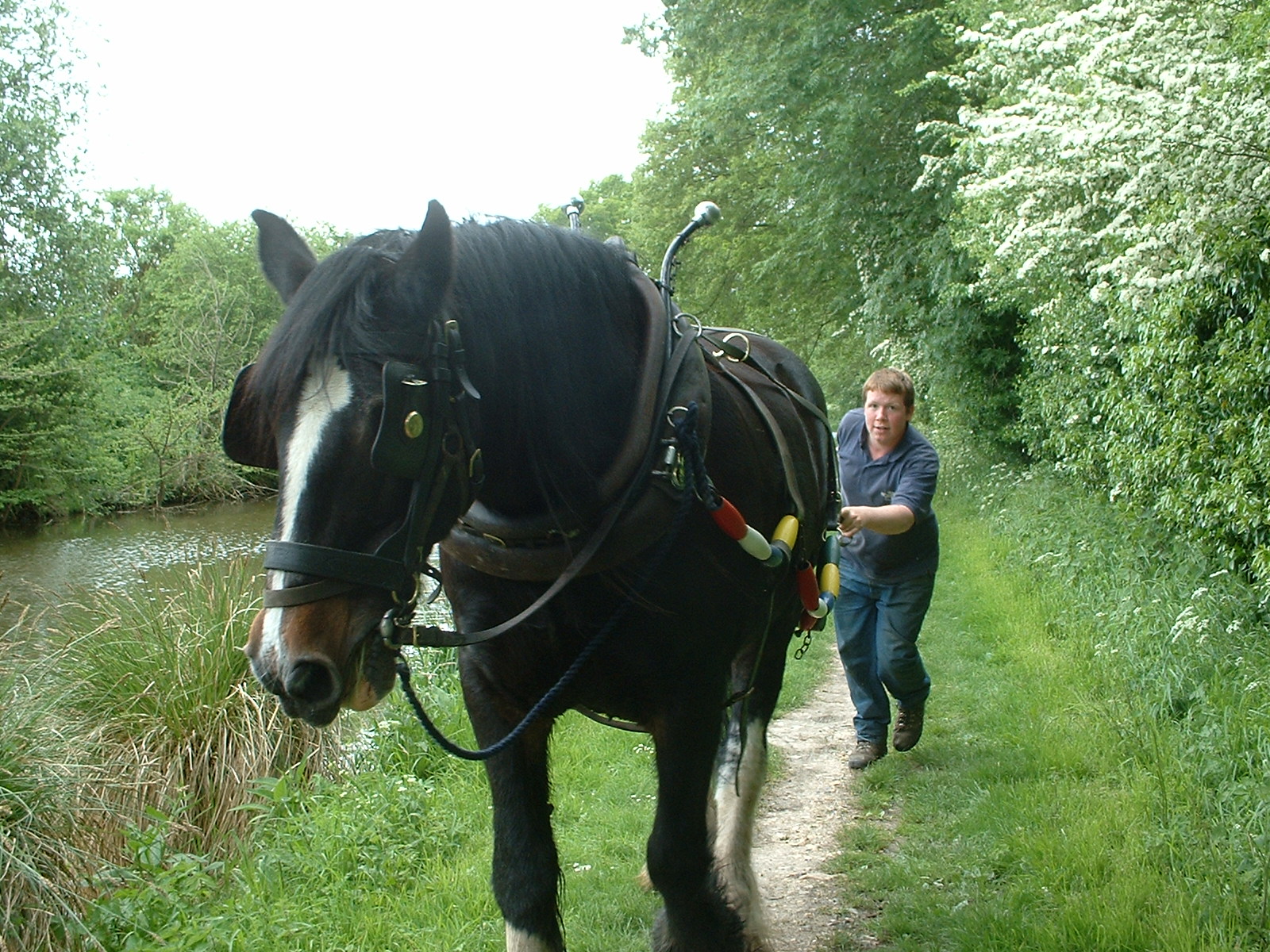
Horse_Drawing_Barge_on_the_Kennet_and_Avon_Canal

Horse drawing from a towpath on the Kennet and Avon Canal, England, Wikipedia

“A horse, towing a boat with a rope from the towpath, could pull fifty times as much cargo as it could pull in a cart or wagon on roads. In the early days of the Canal Age, from about 1740, all boats and barges were towed by horse, mule, hinny, pony or sometimes a pair of donkeys.” Wikipedia, Horse-drawn boat

Importantly, ferries, canal boats, and barges carried heavier loads: they also provided accessibility and affordability to a variety of people from different classes. 

Seaside ports:

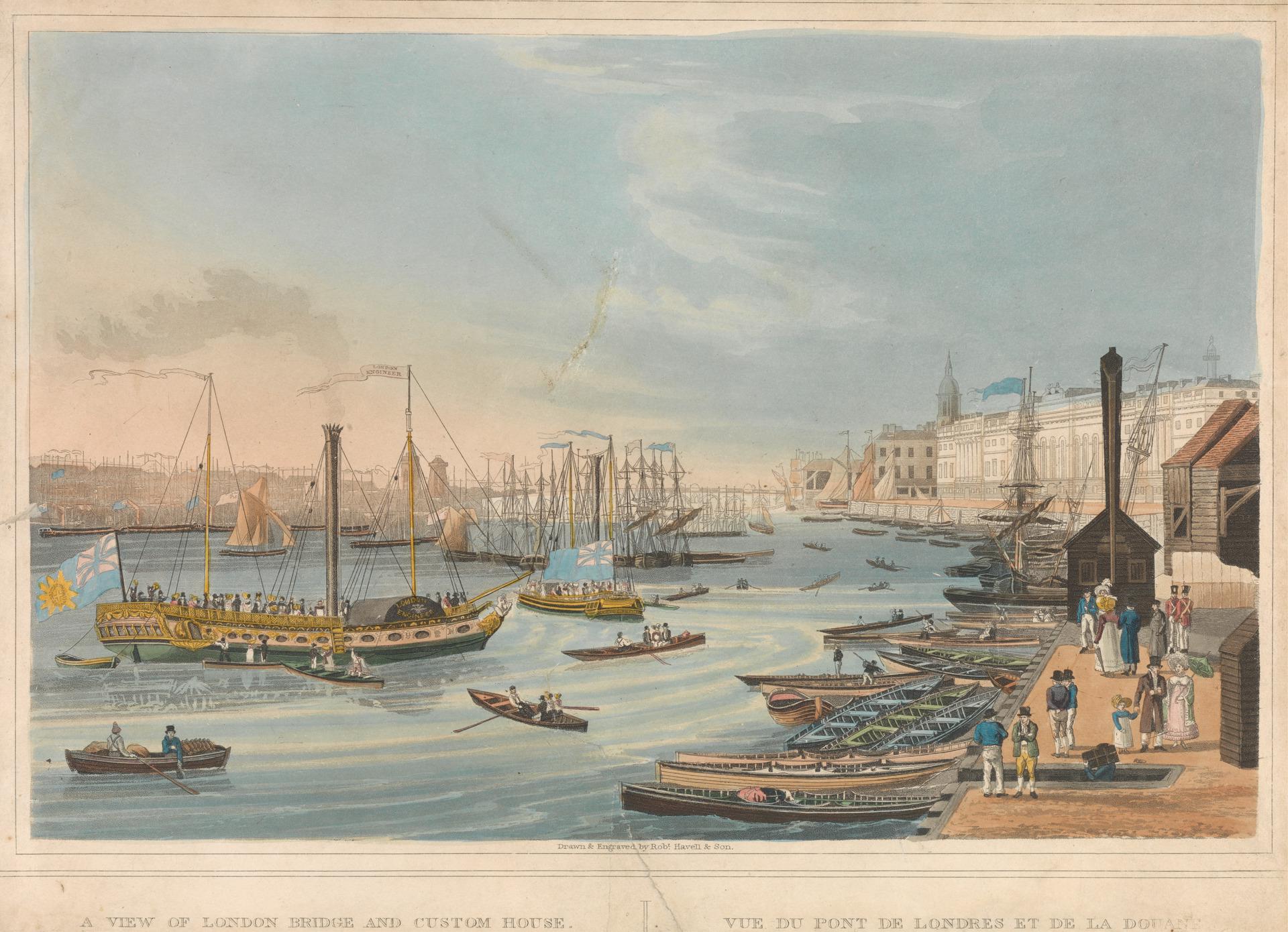
Another popular means of transportation in England, an island nation, was via ships that sailed along and around its coastlines to various coastal ports and into major cities. 

Havell, A View of London Bridge and Custom House_-_B1977.14.18472_-_Yale_Center_for_British_Art

A View of London Bridge and Custom House, Robert Havell, Sr., Yale Center for British Art

Additional information on the topic:

Read Full Post »

When I hosted a read-along of The Secret Garden by Frances Hodgson Burnett earlier this fall, we spent time discussing the wonderful personality, character, and symbolism of the robin “who showed the way” to the secret garden. After hearing many intriguing tales that members of the group had heard about robins at Christmas time, I decided to read more for myself. I especially wanted to know why the robin features so often on British Christmas cards, tins, and decorations – especially those that have a more vintage feel.

And, of course, I wanted to know if Robin Redbreast was part of the Christmas season during Jane Austen’s lifetime or if that came about later. What I found was fascinating!

Robins as Symbols of Good Will

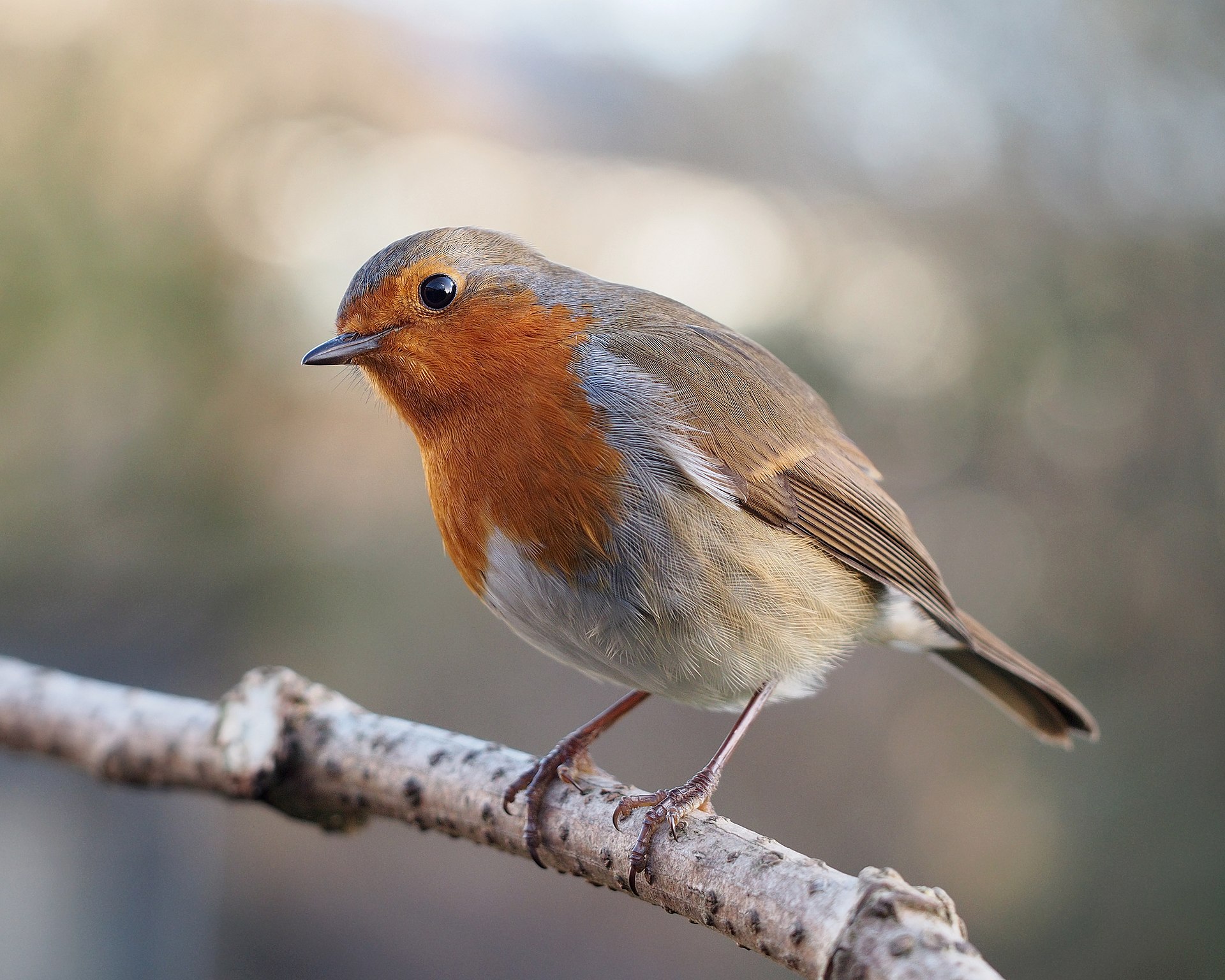
If you’ve ever seen a robin, you’ll notice that the friendly brown bird’s breast is more of an orange color than a reddish hue. Apparently, the color orange didn’t originally have a name in the UK. Thus, according to tradition, the robin was named for its “red” breast and it stuck.

Robins in art and literature are always associated with good will and friendliness. They are known to be the gardener’s friend. They are intelligent, happy birds who almost seem as though they are communicating. Robins also symbolize spring, good fortune, new beginnings, and rebirth.

Robins are so generally known as happy, cheerful birds that many field guides even say that the robin’s call sounds like this: “Cheer up! Cheerily! Cheer up! Cheerily!”

Wikipedia Commons, European Robin.

Robins as Guides in Literature

Robins feature throughout British folklore, stories, and classic literature. They are usually bright, friendly, happy, cheerful birds. They are often depicted as clever and intelligent birds.

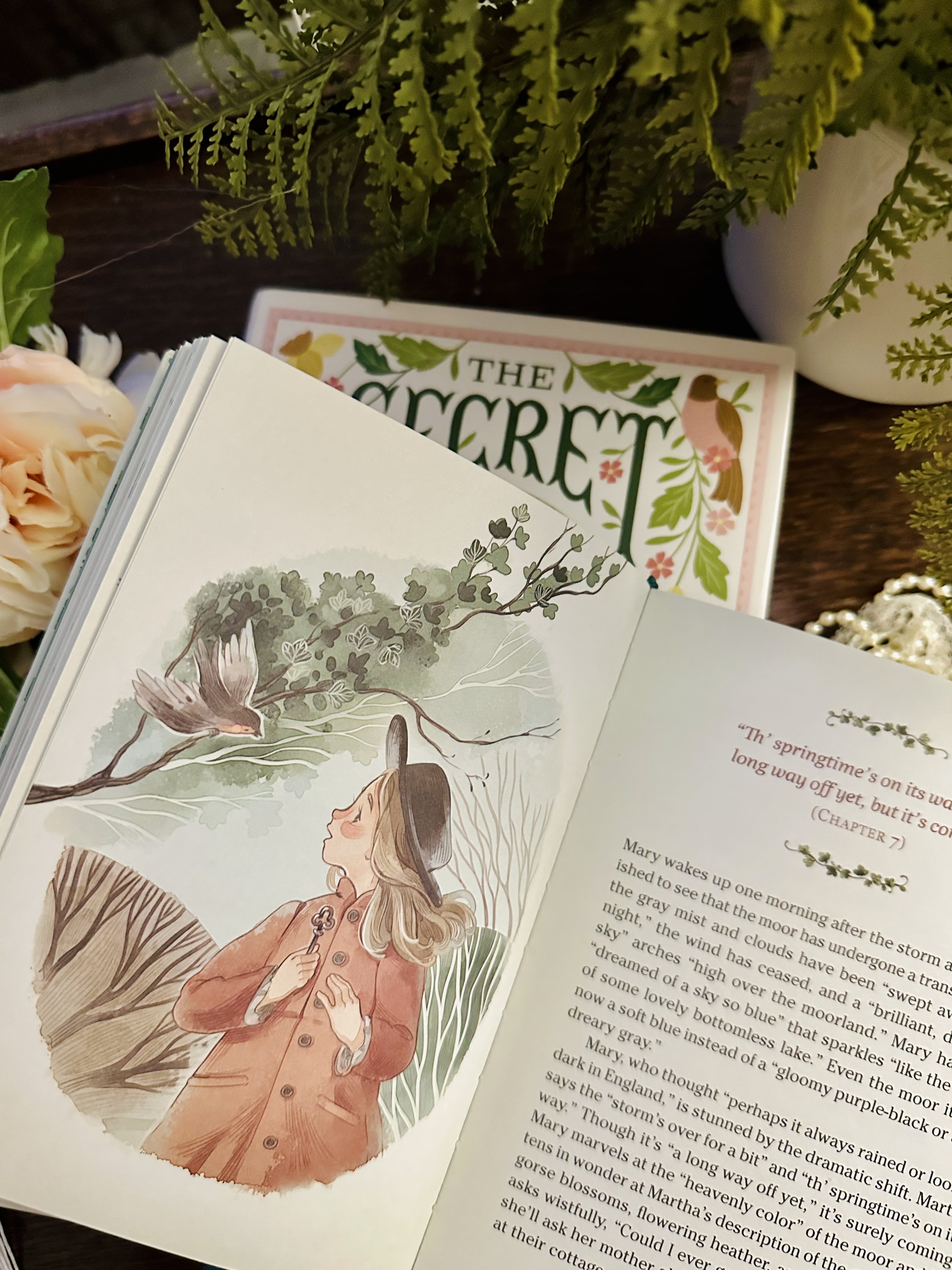
The robin features in The Secret Garden as Mary Lennox’s first friend in England and the one who shows the way to the door of the mysterious garden and to the key to the locked door:

“You showed me where the key was yesterday,” Mary said. “You ought to show me the door today; but I don’t believe you know!”

The robin flew from his swinging spray of ivy on to the top of the wall and he opened his beak and sang a loud, lovely trill, merely to show off. Nothing in the world is quite as adorably lovely as a robin when he shows off—and they are nearly always doing it.

One of the nice little gusts of wind rushed down the walk, and it was a stronger one than the rest. It was strong enough to wave the branches of the trees, and it was more than strong enough to sway the trailing sprays of untrimmed ivy hanging from the wall. Mary had stepped close to the robin, and suddenly the gust of wind swung aside some loose ivy trails, and more suddenly still she jumped toward it and caught it in her hand. This she did because she had seen something under it—a round knob which had been covered by the leaves hanging over it. It was the knob of a door.

The Secret Garden

In C.S. Lewis’ Chronicles of Narnia, a robin is a guide once again, helping the Pevensies find their way:

They were all still, wondering what to do next, when Lucy said, “Look! There’s a robin, with such a red breast. It’s the first bird I’ve seen here. I say!—I wonder can birds talk in Narnia? It almost looks as if it wanted to say something to us.” Then she turned to the Robin and said, “Please, can you tell us where Tumnus the Faun has been taken to?” As she said this she took a step towards the bird. It at once hopped away but only as far as to the next tree. There it perched and looked at them very hard as if it understood all they had been saying. Almost without noticing that they had done so, the four children went a step or two nearer to it. At this the Robin flew away again to the next tree and once more looked at them very hard. (You couldn’t have found a robin with a redder chest or a brighter eye.)

“Do you know,” said Lucy, “I really believe he means us to follow him.”

“I’ve an idea he does,” said Susan, “what do you think, Peter?”

“Well, we might as well try it,” answered Peter.

The Robin appeared to understand the matter thoroughly. It kept going from tree to tree, always a few yards ahead of them but always so near that they could easily follow it. In this way it led them on . . .

The Lion, the Witch, and the Wardrobe

In fact, robins are so well known as symbols of goodness, when Edmund asks Peter, “How do we know which side that bird is on? Why shouldn’t it be leading us into a trap?” Peter replies, “That’s a nasty idea. Still—a robin you know. They’re good birds in all the stories I’ve ever read. I’m sure a robin wouldn’t be on the wrong side.

Robins and December

Robins in the UK (European Robins) don’t migrate; they stay in England year-round. They are territorial birds and they do not often leave their homes or nesting areas. It’s common to see them out and about during the winter because that is when they begin to look for mates. This is another reason robins have become synonymous with December and winter time.

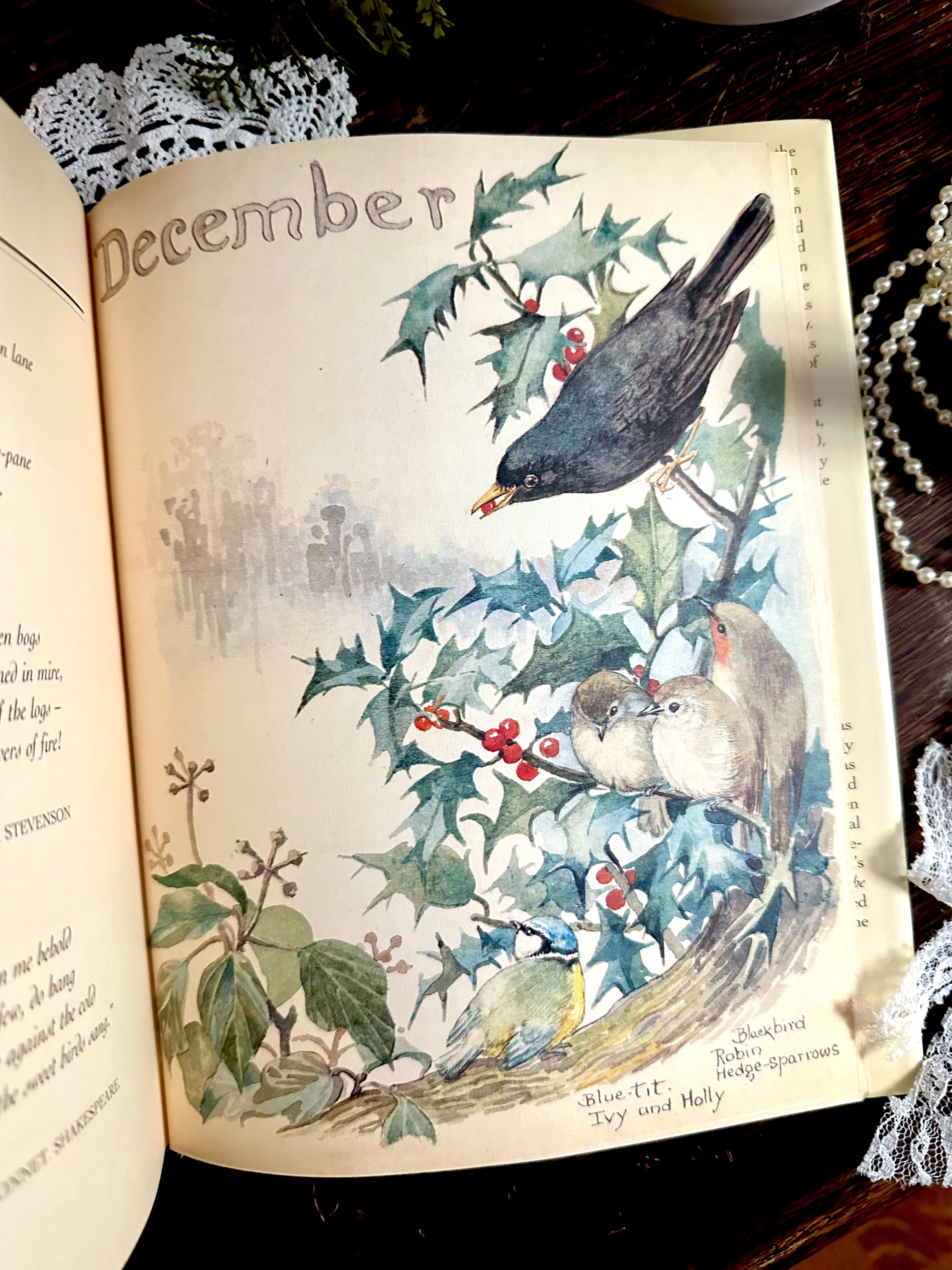
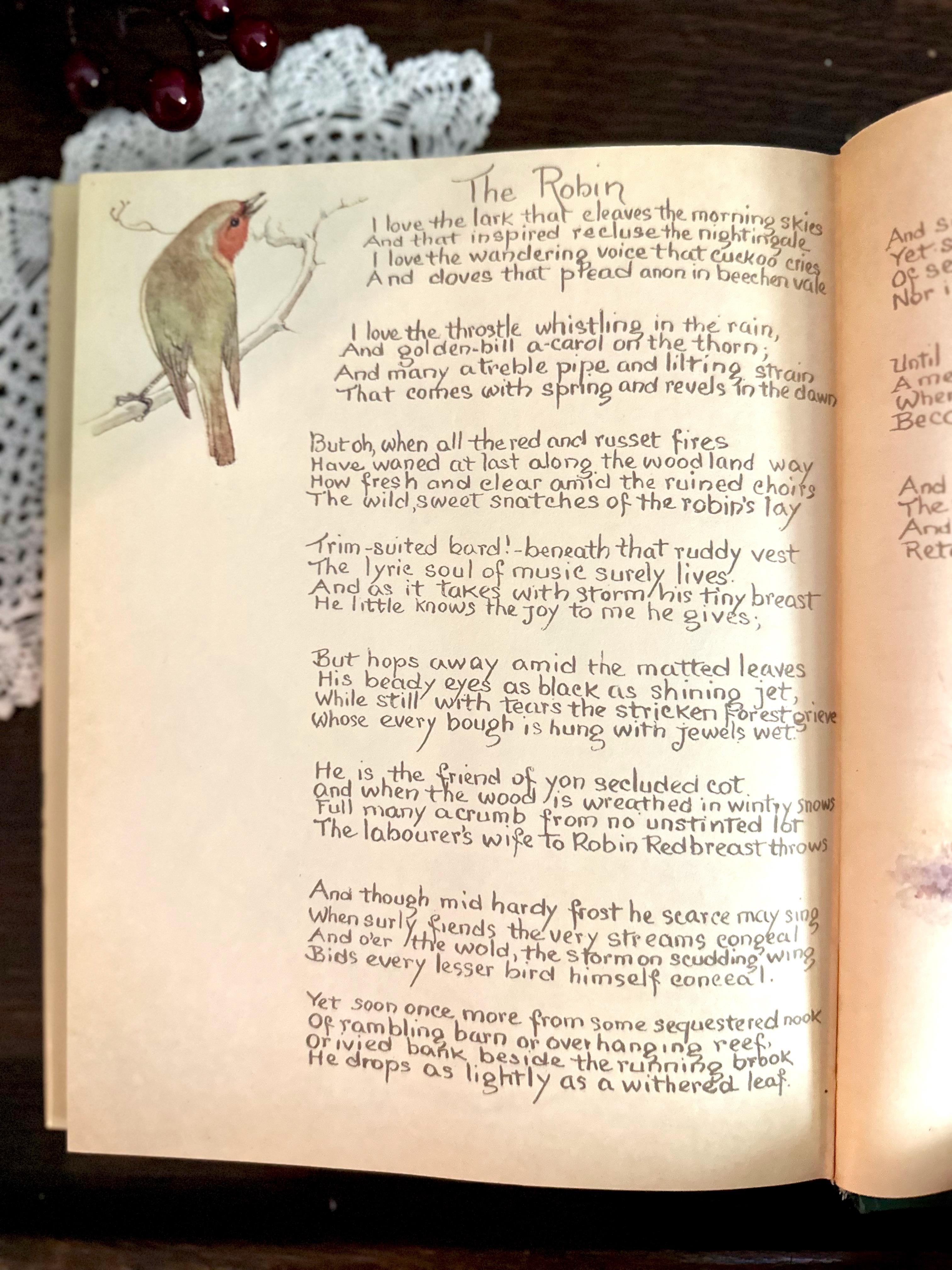
In The Nature Notes of an Edwardian Lady (1905) by Edith Holden, a journal of watercolor paintings of flowers, plants, birds and butterflies, along with poems and anecdotes, the author has a section devoted to each month of the year. For December, she includes this watercolor of several birds, including a robin. She also includes a poem about robins.

Robins and Christianity

Several old English fables and folk tales link the robin to Christianity. There are many versions of the tales told, but there are two that are quite popular. The first one explains that the robin used to be a plain, brown bird with no red breast, but it went to sing to Jesus when he was dying on the cross. The blood from Jesus’ wounds are said to have stained the bird’s breast, thereby giving it a red breast.

In another tale, the robin was present at the birth of Jesus. It was a cold night in Bethlehem, and the story goes that a brown bird came near and fanned the flames of a small fire to help keep the baby Jesus warm. His breast was scorched by the flames and turned red thereafter.

There are other similar old fables and tales that link robins with Christmas in the Christian tradition. Perhaps you’ve heard one. (If so, please share it in the comments.) There have been many stories told and written since that feature the robin or other friendly birds at Christmas.

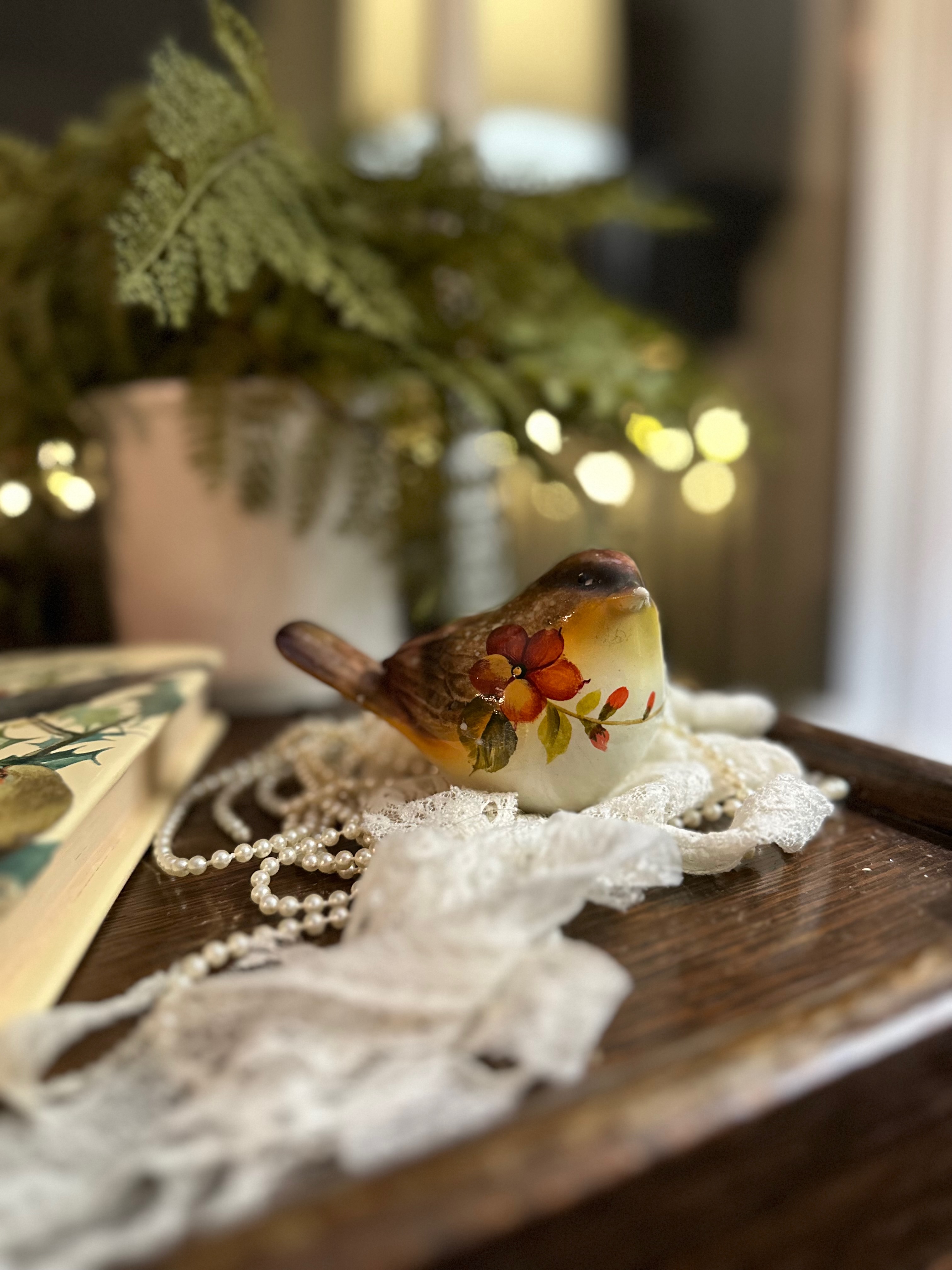
Photo by Rachel Dodge, 2022

Robins and Victorian Christmas Cards

If you’ve seen Christmas cards and decorations featuring a robin redbreast, it most likely came about during the Victorian era.

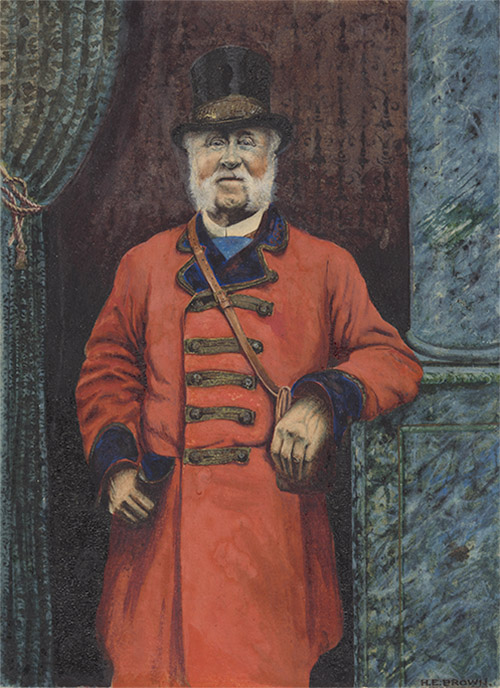
During the mid-1800s in England, Christmas cards became popular. People even began to send Christmas greetings by post. At the time, Victorian postmen wore red coats. Tradition has it that these “red breasted robins” went from house to house and from street to street, delivering season’s greetings and well-wishes.

Moses James Nobbs: (Last of the Mail Coach Guards), Watercolour by H E Brown. C 1890. Courtesy of The Postal Museum.

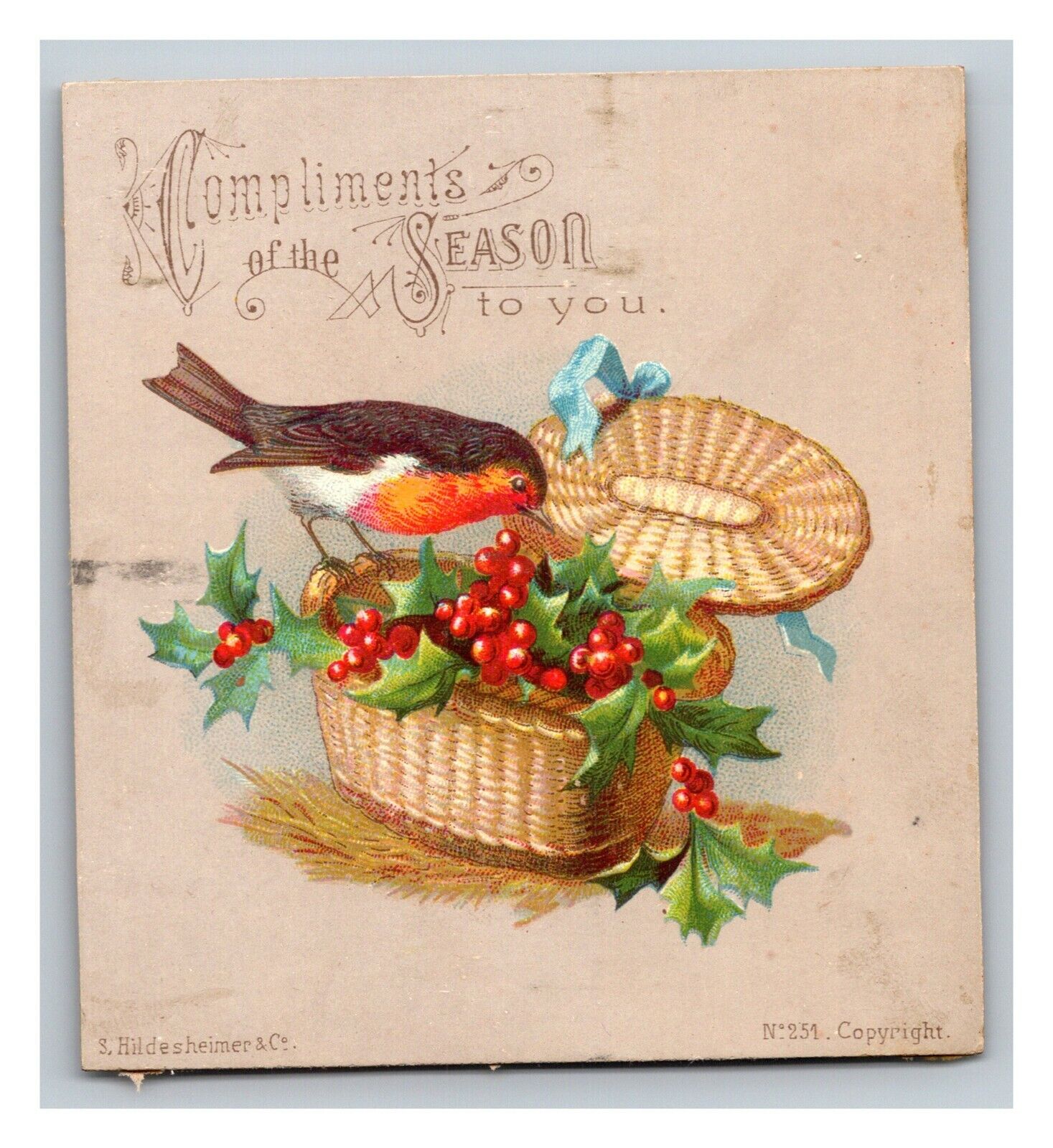
Ever since the days of these red-breasted mail carriers, robins have been featured on Christmas cards. Many vintage Christmas cards from that era even have drawings of a robin with a letter in its mouth. Robins delivering the mail – even sometimes dressed as mail carriers – has been part of traditional Christmas culture ever since!

Victorian Christmas Card, Ebay.

Robins and Jane Austen

Would Jane Austen have sent Christmas cards or been familiar with the robin red-breast at Christmas time? No, she would not. She definitely would not have sent cards at Christmas. However, she may have been familiar with some of the old tales about the robin. And of course, I’m sure she met many robins on her rambles through the country lanes of Hampshire.

Yet again, the Victorians introduced another beloved Christian tradition and symbol that we’ve all come to enjoy and recognize.

If you’re feeling blue this Christmas or winter, try some bird-watching. It’s such fun and you just might hear a friendly, “Cheer up! Cheerily! Cheer up! Cheerily!”


RACHEL DODGE teaches college English classes, gives talks at libraries, teas, and book clubs, and writes for Jane Austen’s World blog. She is the bestselling author of The Little Women DevotionalThe Anne of Green Gables Devotional and Praying with Jane: 31 Days Through the Prayers of Jane Austen. Now Available: The Secret Garden Devotional! You can visit Rachel online at www.RachelDodge.com.
Read Full Post »

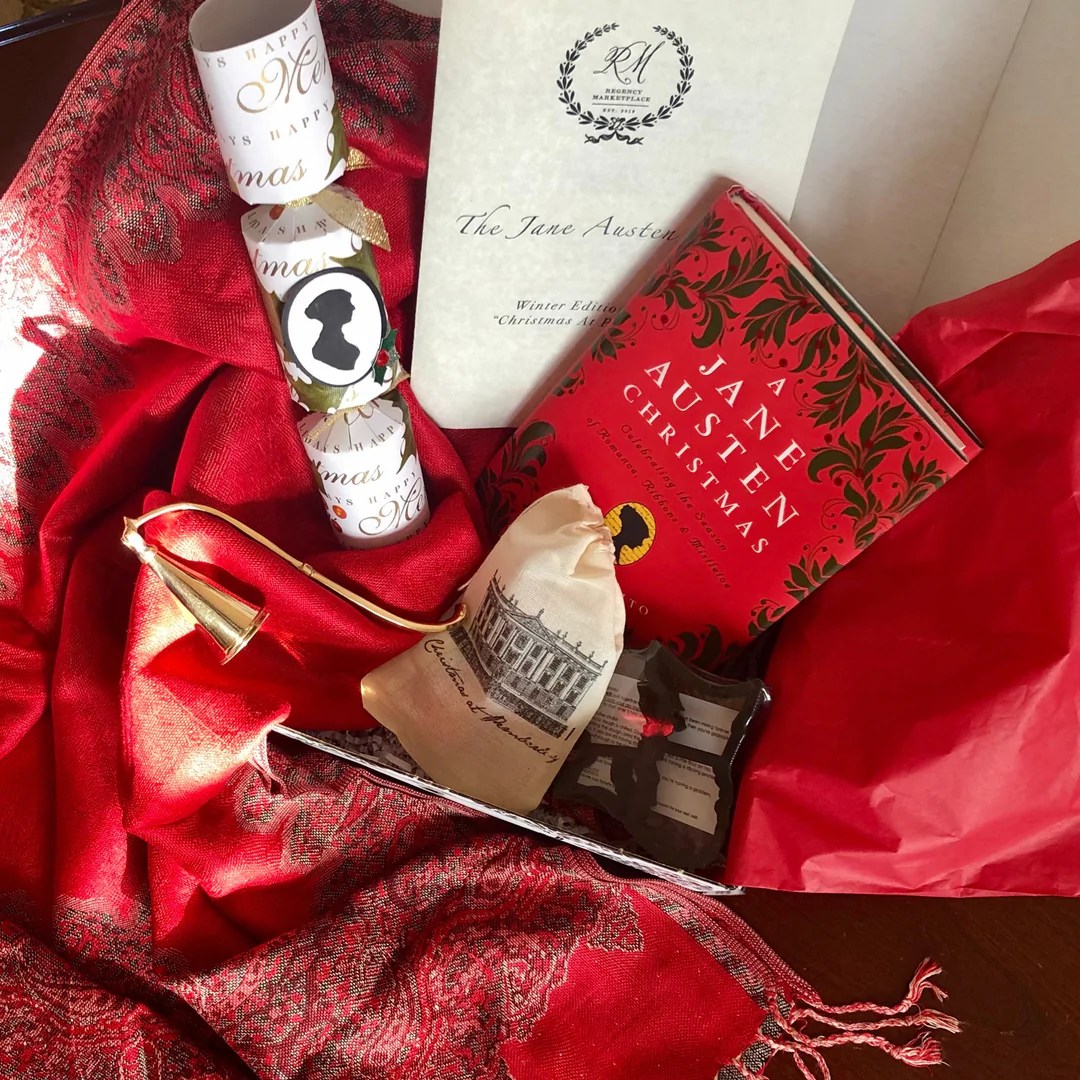
As promised, I’m back with a reminder and announcement about Regency Marketplace’s brand-new seasonal Jane Austen Box! I’m delighted to share that the theme of this new box is “Christmas In Highbury”! If you missed my review of the lovely Autumn in Chawton Box I received, you can read about it and see photos HERE.

Christmas in Highbury

This Christmas, be transported to the little hamlet of Highbury in County Surrey. Here we find Emma and her friends and family preparing for a delightful country holiday, and you’re invited! Regency Christmastide for the aristocracy was often celebrated at the families’ country estates, and in Emma, we see her sister Isabella and Knightley’s brother John bring all their children to Hartfield for the occasion, enlivening the quiet household with their fun and noise. Mr. Woodhouse would have them stay forever!

The Perfect Gift

The “Christmas In Highbury” Jane Austen Box will be filled to the brim with a cozy and elegant medley of Emma and Regency-inspired Christmas gifts! A perfect gift box to send or receive this holiday season, it also makes a wonderful hostess gift. December 16th is Jane Austen’s birthday, too, so celebrate in style!

At Christmas every body invites their friends about them, and people think little of even the worst weather.

Jane Austen’s Emma

Place Your Order

The “Christmas In Highbury” Jane Austen Box will be available to reserve from Saturday, October 15th-Tuesday, November 15th, 2022. All boxes will ship out the first week of December! These boxes sell out quickly, so do not delay. Place an order for yourself or as a gift for a friend or relative today.

If you are longing to receive a box for Christmas, send this link to a friend or loved one as a big HINT: https://regencymarketplace.com/collections/jane-austen-box.

If you want to take it up a notch, you can subscribe to the Quarterly Jane Austen Box and receive a box every 3 months, or purchase as a One-Time Gift option (non-recurring). Free Shipping in the USA! International Flat Rate Shipping available.

Coupon Code

Many thanks to Regency Marketplace for providing me with a discount code that I can share with all my friends and readers this Christmas ordering season. If you would like to receive a discount, you can use my special COUPON CODE for 10% off the Winter Box! *While Supplies Last.*

Previous Winter-Themed Jane Austen Box

RACHEL DODGE teaches college English classes, gives talks at libraries, teas, and book clubs, and writes for Jane Austen’s World blog. She is the bestselling author of The Little Women DevotionalThe Anne of Green Gables Devotional and Praying with Jane: 31 Days Through the Prayers of Jane Austen. Coming soon: The Secret Garden Devotional! You can visit Rachel online at www.RachelDodge.com.
Read Full Post »

« Newer Posts - Older Posts »