Feeds:
Posts
Comments

Archive for the ‘Georgian London’ Category

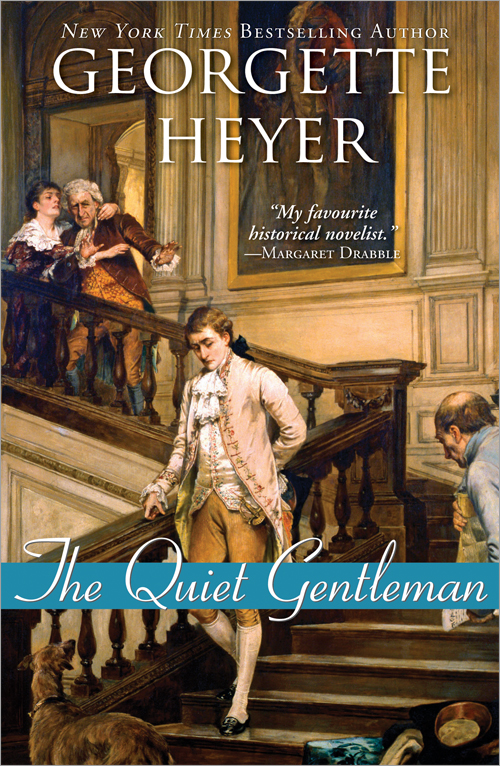
The Quiet Gentleman by Georgette Heyer starts out anything but quietly. Gervase Frant, 7th Earl of St. Erth, had the bad judgment to survive the Battle of Waterloo by escaping a violent death. His half-brother, Martin, and step mama had half counted/half hoped on his not attaining the Earldom, for St. Erth had served in many a battle. Much to their annoyance, he emerged from military service to claim an inheritance that his younger brother had started to assume would be his. And so the fun begins. The novel celebrates its 60th year and its release by Sourcebooks marks the novelists’ 109th birthday on August 16th.

In Gervase we have a blondly handsome dandy with a mild-mannered facade. His physical appearance hides the fact that he does what he pleases in a most sensible and determined way, unsurprising given his military background. When the family first meets him, Gervase stood revealed in “all the fashionable elegane of dove-coloured pantaloons, and a silver-buttoned coat of blue superfine.”

A quizzing-glass hung on a black riband round his neck, and he raised this to one eye, seeming to observe, for the first time, the knee-breeches worn by his brother and his cousin, and the glory of his stepmother’s low-cut gown of purple satin.”

This description served to tell the reader that Gervase was still wearing his traveling clothes and was in no way prepared to dine as the others were. His appearance also dupes his stepmama and half-brother into thinking he can be manipulated and bamboozled.

The heroine, Drusilla Morville, is not the obvious sort, for she is neither encroaching nor flashy. She’s more like an Elinor Dashwood than a Marianne, possessing an unassuming self-assurance and an adherence to tasteful, restrained fashion that would make Katherine, the new Duchess of Cambridge proud.

Heyer gives us what Austen does not – detail upon detail of fashion and interiors, well researched facts, I might add, for Heyer’s descriptions are accurate. Her long passage regarding the building of Stanyon Castle is important, for it lays the groundwork for the mystery that is to come. One can depend on every historical tidbit and social custom to be spot on, for Heyer is, if anything, meticulous. And while her still waters do not run as deep as Jane Austen’s, they run satisfyingly long and provide the reader with the feeling of having dipped into Regency England.

In this scene, young Martin approaches the love of his life, Miss Marianne Bolderwood, in one of the succession-houses, where she is pursuing her hobby of the moment, potting spring bulbs:

He heard the sound of he voice uplifted in a gay ballad. It came from the potting-shed, and he strode up to it, and looked in, to find that she was alone there, engaged in transferring several white hyacinghs from their separate earthenware pots to a large Worcestershire bowl. She made a charming picture, with her pale golden curls uncovered, and confined only by a blue riband, a shawl pinned round her shoulders, and a small trowel in one hand.”

Hyacinths were quite popular during the Georgian era, and while this detail is not at first strikingly obvious, Heyer knew enough to mention them (as did Jane Austen in Northanger Abbey). In fact, hyacinth vases were first used in the Georgian period to force the bulbs into early bloom.

Heyer’s dialogue is matchless, and, dare I say it, Austen’s equal in wit and pointed observation. Drusilla Morville’s parents are rebellious Bluebloods and eccentric to the nth degree, but when push comes to shove, liberal-minded Mama Morville, who is also an authoress, knows exactly what she wants for her daughter – a good marriage – and she does not hesitate in telling her husband off when he starts to protest at her attraction to St. Erth:

“If the Earl – I say, if! – were to offer for dear Drusilla, and you were to refuse your permission, I should be strongly inclinded to clap you into Bedlam! I marvel, my love, that a man of your intellect should so foolishy confuse theory with practice!”

And there you have it – the evidence of Heyer’s abilities to keep the reader on her toes and insert humor into almost every scene. Throughout the book we have been assured that neither of the Morvilles can be persuaded to deviate from their eccentric convictions, but when confronted with reality, heaven forbid that they should confuse their priorities!

We are also introduced to the protocol of dueling in the most convoluted and humorous way. Even as she makes fun of the convention, Heyer manages to teach the reader about its rules . This conversation is between Martin and Mr Barny Warboys, who is afterwards driven to search his father’s library for the Code of Honour . Martin is asking his good friend to second his opponent :

“Dash it, Martin, it ain’t the part of a friend of yours to second your opponent! Told you I’d act for you, didn’t I? Stupid thing to do, but not the man to go back on my word.”

“Barny, if he applies to you, will you act for him?”

Mr. Waryboys scratched his chin. “Might have to,” he conceded. “But if I act for him, who’s to act for you? Tell me that!”

“Good God, anyone! Rockcliffe — Alston!”

“Ay, that will be a capital go!” said Mr Warboys scathingly … “Lord, Martin, dashed if I don’t think you must be queer in your attic!”

Jane Austen’s novels are classics, which goes without saying, and Georgette Heyer’s are not, but they are nevertheless amusing and worth reading. Austen experimented with character and sub-layered her plots, whereas Heyer’s novels are (excuse me for saying this) formulaic. While Austen introduced outrageous and unforgettable secondary characters, Heyer stacked them up to the ceiling with demanding Mamas, dull-as-post bachelors, wide-eyed and breath-takingly beautiful lasses, loyal friends, strong-willed heroes, and sensible heroines. Even after having read all of her 50+ books at least twice, I have trouble recalling which of Heyer’s secondary characters belong in which book.

Heyer also tends to have her secondary characters take over much of the plot. In The Quiet Gentleman, I would have rather read more about Drusilla (who was barely there) than the beautiful but empty-headed Miss Bolderwood. St. Erth’s younger half-brother, Martin Frant, is too cardboard cut-out and immature for my liking, but his mama reminded me most forceably of Lady Catherine deBourgh, and that was fun.

In this plot romance also takes a back seat to mystery. Who wants to off the Earl and why?

Overall, I would say that The Quiet Gentleman is one of Heyer’s more mature novels. The hero and heroine are sensible, the plot is set in the country, where life plods along slowly and the characters attend only a few parties and balls, and the mystery unfolds at a rather leisurely pace.
Rating: Four out of Five Teacups

It has been at least twenty years since I last read The Quiet Gentleman. I am glad I had the opportunity to read it once again, and give this book four out of five Regency tea cups.

Georgette Heyer Reviews on this blog:

Here’s a bit of heresy for Georgette Heyer fans: Ten reasons why I can’t read Georgette Heyer
Read Full Post »

Vendors set up their carts and booths hours before execution time, doing a roaring trade selling food, drink, souvenirs, even pornographic material, to a frenzied crowd. Minstrels and jugglers entertained the crowd. With the advent of cheap printing in the 16th and 17th centuries, touts created lurid “broadsheets” detailing the supposed history and scandalous crimes of the victim, the precursors to modern day tabloids. These “broadsheets” sold like hotcakes to an excited audience. – The History of Executions in Olde London Towne– Roy Stevenson

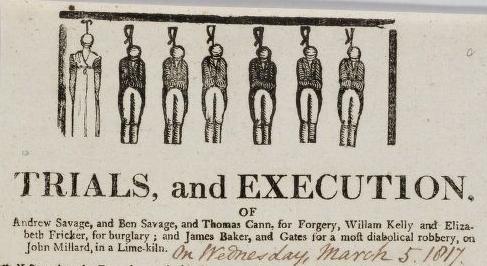
Detail of an execution broadside purchased March 5, 1817. Image @Harvard Law School Library


Life was cheap in Georgian England as this 1817 broadside attests. Five criminals were executed in March 1817 for forgery, burglary, and robbery. Poor Elizabeth Fricker protested her innocence, but to no avail.  Executions were public events, even during Jane Austen’s day, and one wonders if she ever saw a body left to rot on a gibbet, or if she cautiously avoided such sights and averted her eyes.  In any event, crowds would gather early at the execution spot to witness the hanging. They came in droves especially if the execution was of a notorious person.

Vendors set up stalls, selling drinks and refreshments to the large crowd, which, as the Hogarth illustration shows, were stacked on top of each other. The atmosphere must have been festive and somber at the same time, for even though there were jugglers and entertainers to amuse the crowd, a certain “execution” protocol was followed. Criminals were expected to speak to the crowd and to die well.

Broadsides, which were purchased for a pittance (in this instance a penny) described the crimes in detail, and were purchased much like programs to sporting events are purchased today.  Read the entire broadside here. This particular broadside was printed by J. Pitts of Seven Dials. Like other broadsides, it featured an illustration of the execution. Someone (the purchaser?) carefully penned in the date below the image.

Hogarth, 1747. Image @Wikimedia

Persistent Link to the Broadside:
http://nrs.harvard.edu/urn-3:HLS.Libr:1087957
Description:
Executions of criminals: more generally known by the uninviting name of “Dying speeches.”. Execution broadside (Andrew Savage, Ben Savage, Thomas Cann, William Kelly, Elizabeth Fricker, James Baker, James Gates)
Page:
(seq. 11)
Repository:
Harvard Law School Library
Institution:
Harvard University
Accessed:
09 June 2011

Other related links:

Read Full Post »

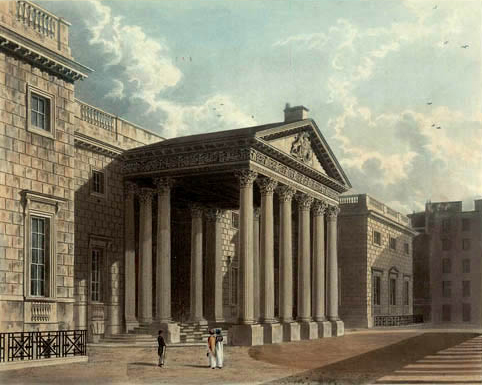
Carlton House was the town house of the Prince Regent for several decades from 1783 until it was demolished forty years later. It faced the south side of Pall Mall, and its gardens abutted St. James’s Park in the St James’s district of London. The location of the house, now replaced by Carlton House Terrace, was a main reason for the creation of John Nash’s ceremonial route from St James’s to Regent’s Park via Regent Street, All Souls, Langham Place and Park Square. Lower Regent Street and Waterloo Place were originally laid out to form the approach to its front entrance

An existing early eighteenth century house had been sold in 1732 to Frederick, Prince of Wales, and son of George I. William Kent had been employed to lay out the garden of which no trace remains. Frederick’s widow, Augusta, enlarged the house, had the entrance gates and porter’s lodge redesigned and a colonnaded porch built. She died in 1772 and for some years the house was unoccupied.

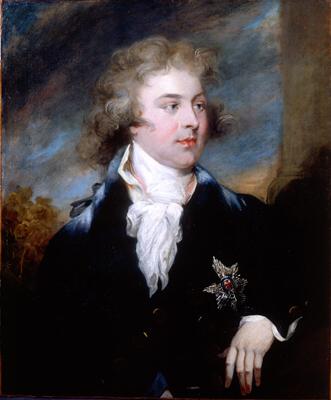
Portrait of The Prince of Wales, later King George IV (1762 – 1830) 1790. John Russell RA

In 1783 George III handed the house over, with £60,000 to refurbish it, to George, Prince of Wales on his coming of age. During the following years the interiors were remodelled and refurnished on a palatial scale.

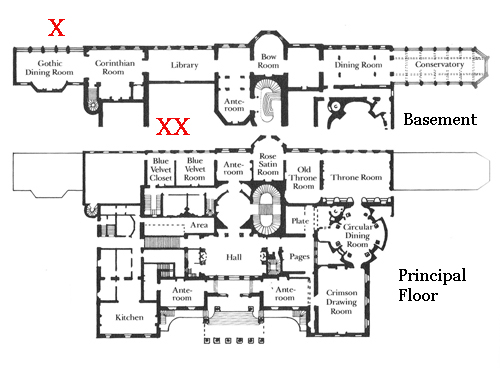
Carlton House ca.1825. As published in Britton and Pugin, Public Buildings of London. 1825. Patrick has worked on elements from the areas marked with a cross

Initially Sir William Chambers was appointed as architect, but he was quickly replaced by Henry Holland. Both Chambers and Holland were proponents of the French neoclassical style of architecture, and Carlton House would be extremely influential in introducing the Louis XVI style to England.

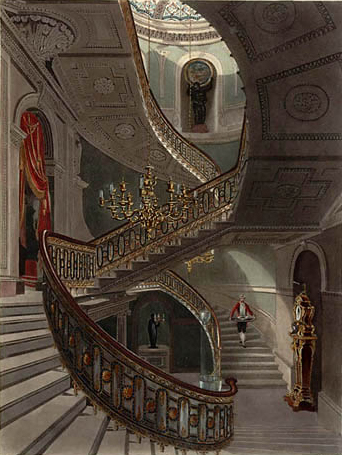
The Grand Staircase

Holland began working first on the State Apartments along the south (garden) front, the principal reception rooms of the house. Construction commenced in 1784. By the time of his marriage to Mrs Fitzherbert in December 1785, however, construction at Carlton House came to a halt because of the Prince of Wales’ mounting debts. Costs continued to soar and more money had to be found by the Prince…  Continue to read this post on Patrick Baty’s blog.

Inquiring Readers, Patrick Baty is one of the foremost authorities on architectural paint and colour on historic architecture and interiors. These days, the majority of Patrick’s time is spent as a historic paint consultant, sampling paint layers on buildings, bridges and architectural details to produce a forensic history of the decoration from creation to the present day. He has graciously allowed me to link to his post about Carlton House.

Other posts by Patrick Baty on this blog:

Read Full Post »

Inquiring readers: Once upon a time, road travel was fraught with danger and a traveler could be held up by a highwayman at any time. Jerry Abershawe was such a man. Tony Grant (London Calling) writes about him in this post.

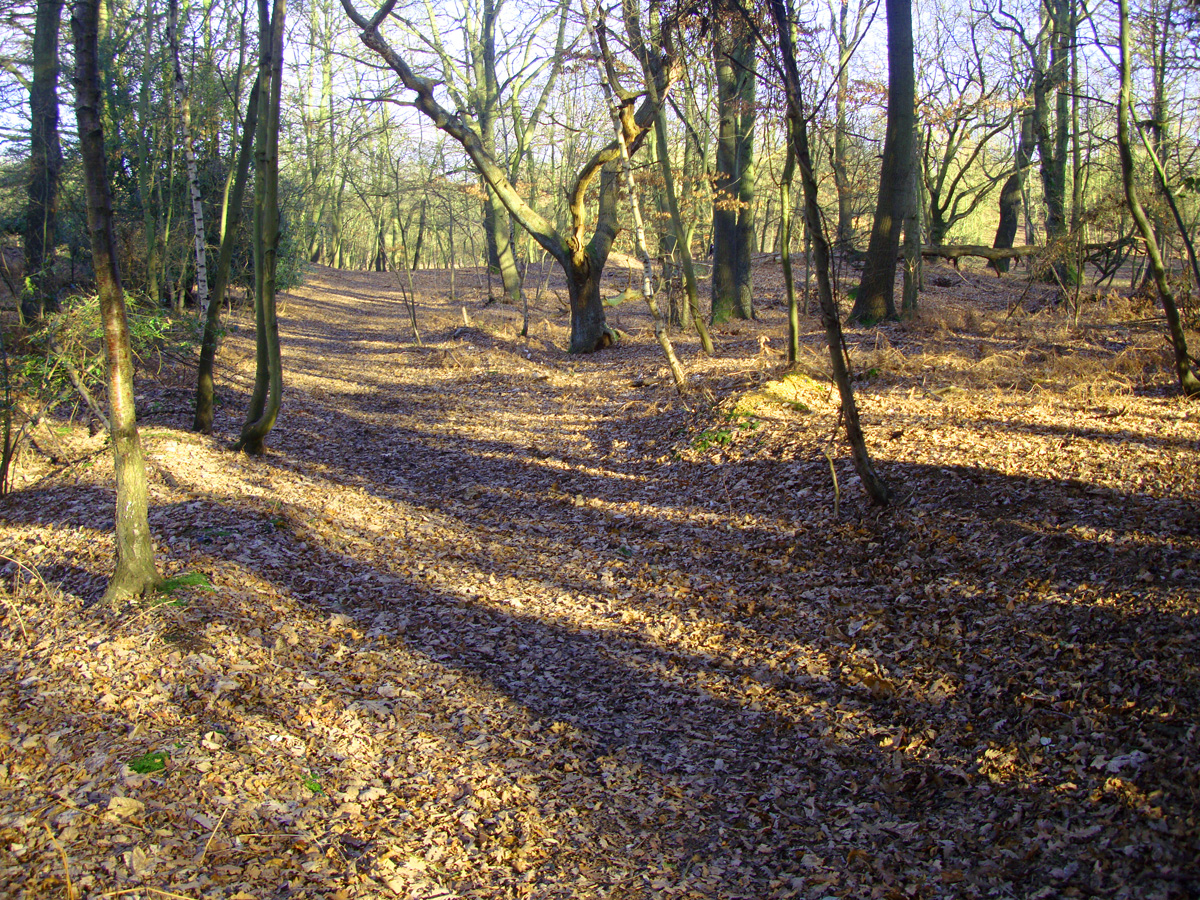
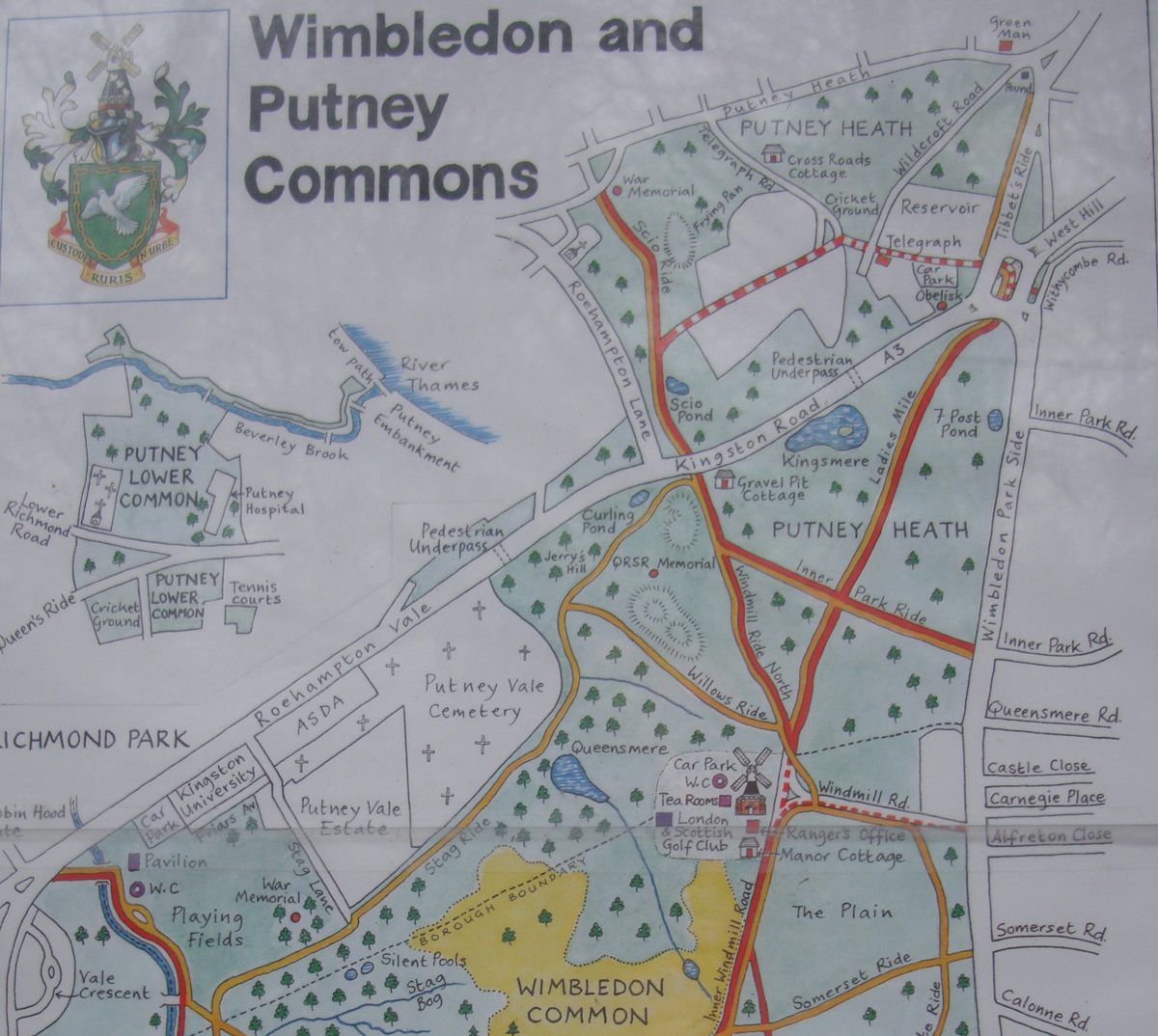
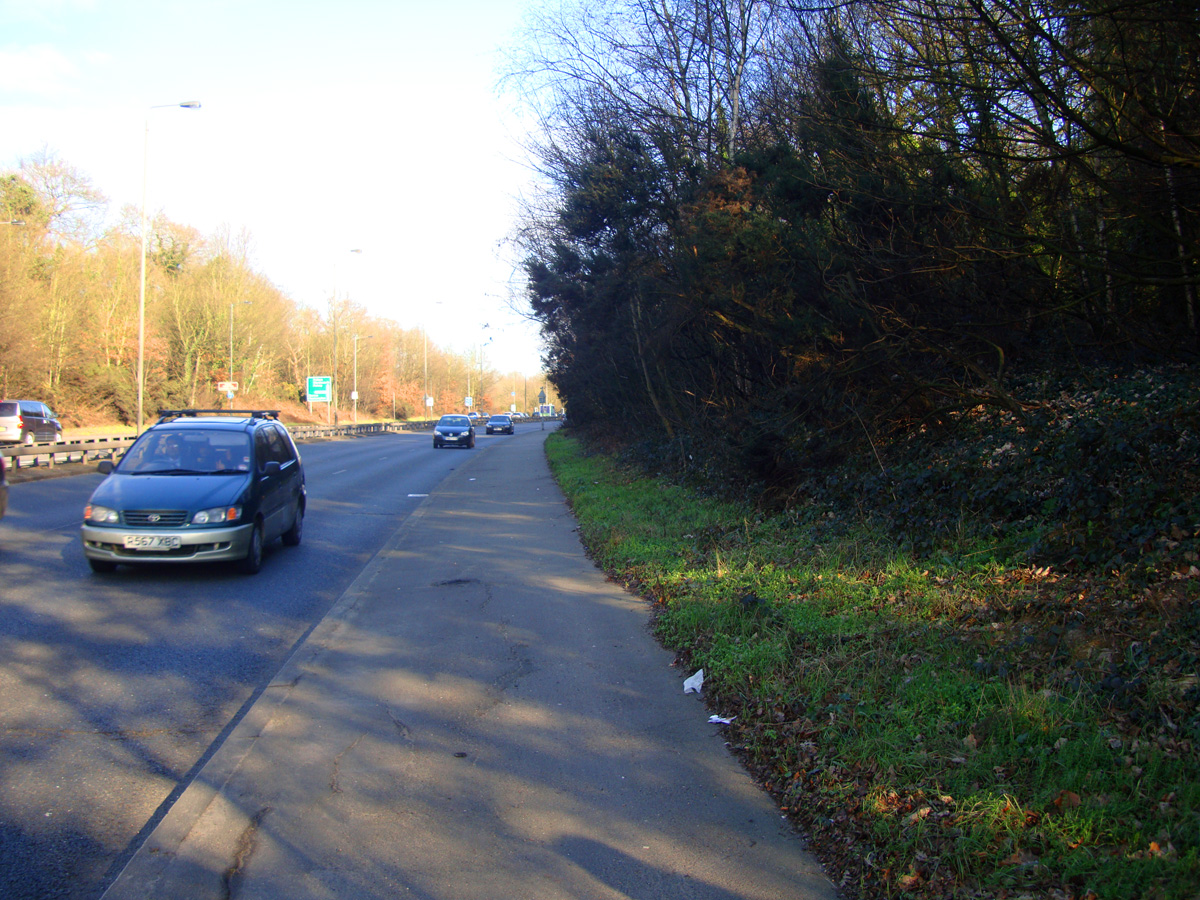
Not far from where I live, on the edge of Wimbledon Common where the Kingston Road passes, are some trees on the side of a small rise of ground. This part of the common is called Jerry’s Hill. It is named after the 18th-century highwayman called Jerry Abershawe, who frequented those parts and held up carriages on their way between Kingston and London. He was one of the last highwaymen.

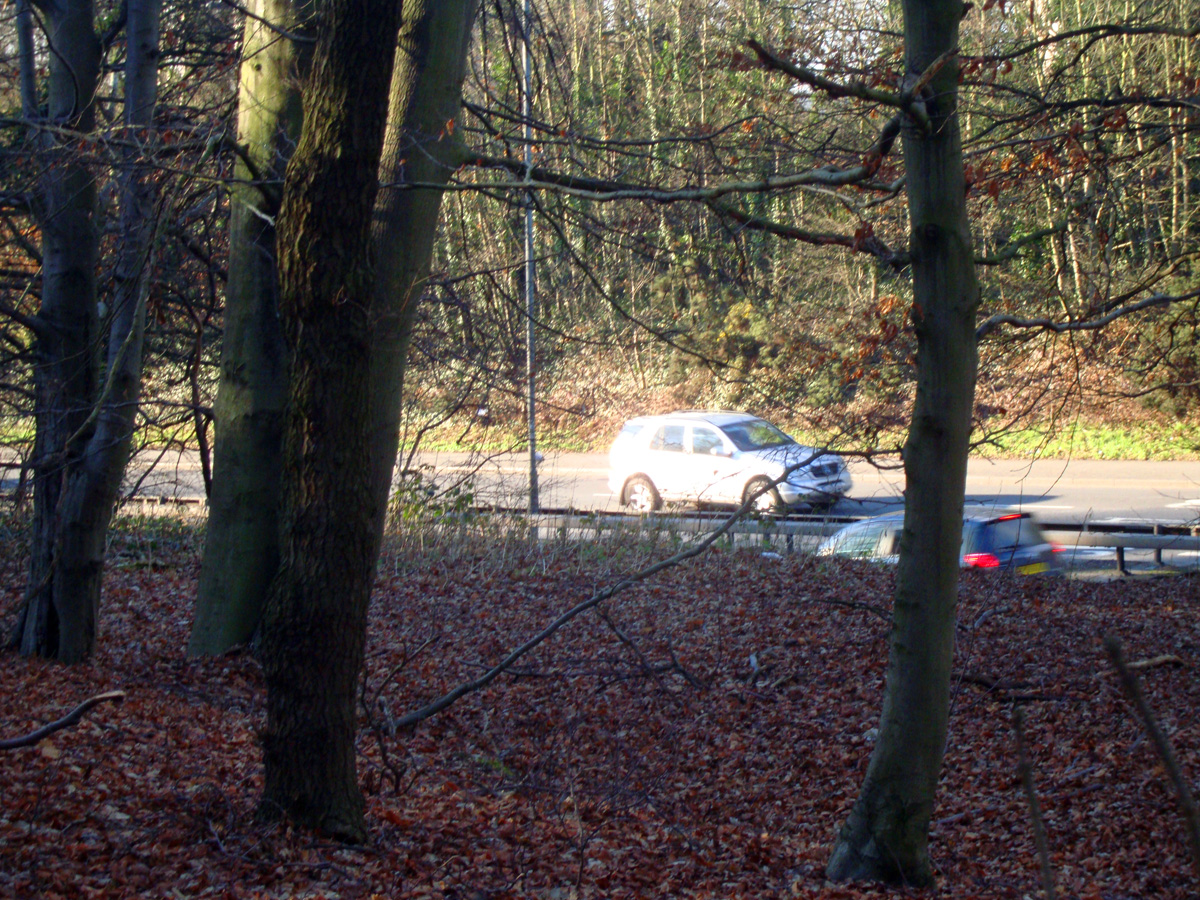
Jerry's hill. The gibbet was near here. Image @Tony Grant

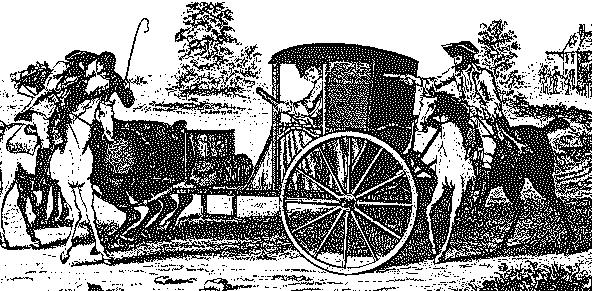
A highwayman was a thief who held up passers by, usually people travelling in carriages, at gun point or blunderbuss point, and relieved the passengers of their valuables. Some attacks on coaches were brutal and people were killed. Highwaymen weren’t all the dashing handsome masked desperados of fiction with the manners of a lord and a twinkle in the eye for a beautiful lady. “Stand and deliver!” was their traditional call. They chose lonely remote stretches of the highways to perform their dastardly deeds, but they also had to be sure they chose an area where there was regular traffic going to and fro or their despicable mission would be pointless. They chose places just outside towns and cities where there was a constant flow of people travelling. Wimbledon, then a small rural village on the outskirts of London and with a vast area of wild untamed common land around it, was an ideal spot.

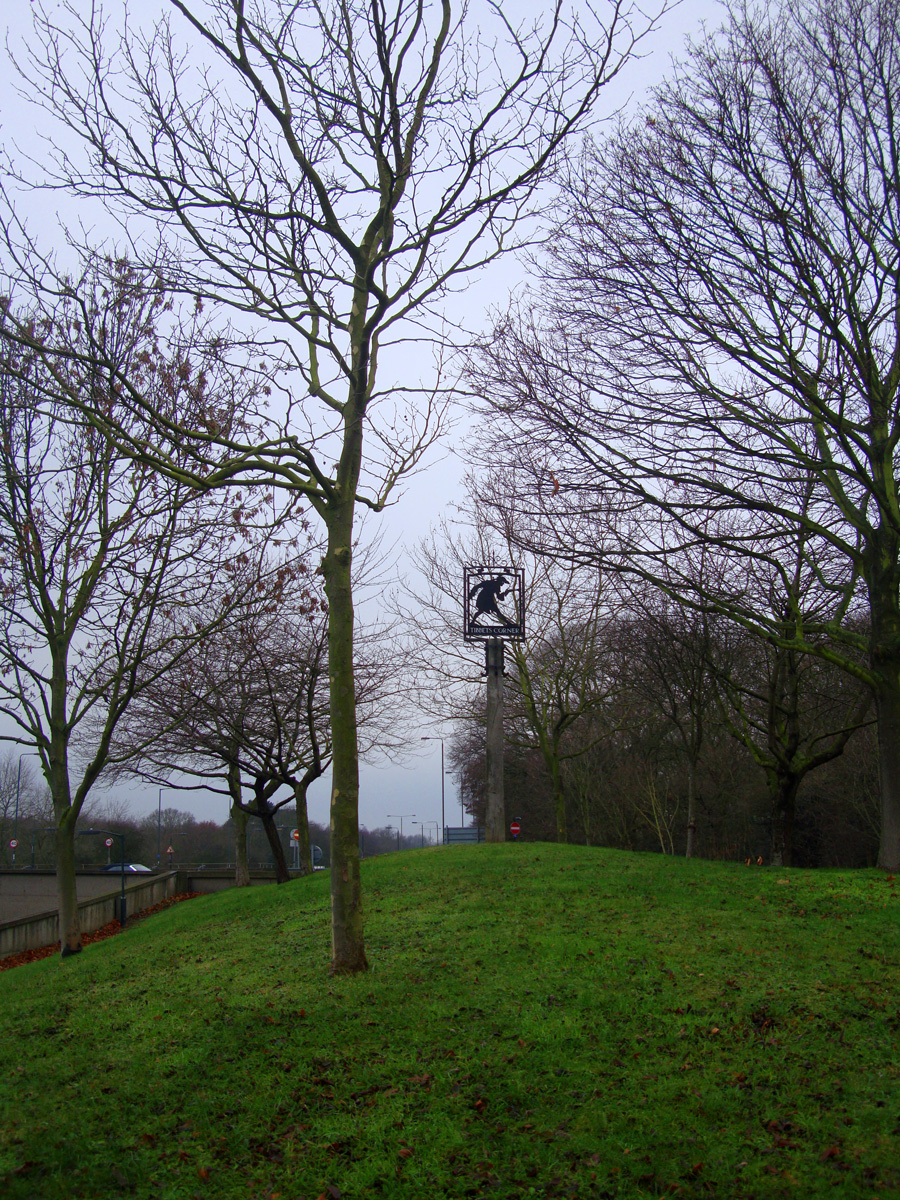
Gibbet post at Tibbet's Corner. Image @Tony Grant

Jane Austen was travelling to London from Steventon in 1796 the year after Jerry Abershawe was executed. They were about the same age, 20 and 22 years old.

To Cassandra Austen Thursday 15 – Friday 16th September:

“….As to the mode of our travelling to Town, I want to go in a Stage Coach, but Frank will not let me. As You are likely to have the Williams’ & Lloyds with You next week, You would hardly find room for us then-. If anybody wants anything in Town, they must send their Commissions to Frank, as I shall merely pass thro’ it- The Tallow Chandler is Penlington, at the Crown & Beehive Charles Street, Covent garden.”

Travelling from Steventon, Jane would not have gone through Kingston upon Thames and the London Road leading out of Kingston where Jerry Abershawe plied his highwayman trade. However, you can understand Frank’s concerns for Jane using the stagecoach. A stagecoach carrying a variety of passengers, some undoubtedly wealthy, would have been a target for a highwayman.

From Steventon, the most direct route to London would have taken her through Basingstoke, Virginia Water, Staines, Richmond upon Thames, Hammersmith and on to Westminster and the centre of London. From Staines she would have been travelling on what was known as The Great West Road which lead directly to the second most important city after London, in Georgian times, Bristol, the centre of the slave trade. Some very wealthy merchants and members of the aristocracy would have travelled this road. It must have had its fair share of highway robbers. Stagecoaches on this road would most certainly have been prime targets. So Frank was right to refuse Jane her wish. But maybe the excitement and the risk appealed to Jane. She was young after all. It does not say in Jane’s letter how they did get to Town, but I presume it was in less conspicuous transport and with her brother.

Wimbledon Common showing Jerry's Hill

In 1813, Jane did travel along the London Road leading out of Kingston, Jerry Abershawe’s haunt. She did this many times from Chawton. There is no hint in her letters of any possible dangers but by the time she was living in Chawton, although the Kingston route was now her most direct route to Town, highwaymen were all but extinct. The toll roads had made highway robbery very difficult. Roads were manned every few miles and the people on them had paid to use them. This made it very difficult for highway robbers to make their escape along these routes so this crime virtually died out.

Jerry's Hill, London Road. Image @Tony Grant

To Cassandra Austen Wednesday 15 – Thursday 16 September 1813 Henrietta Street (1/2 past 8-)

Here I am, my dearest Cassandra, seated in the Breakfast, Dining, sitting room, beginning with all my might. Fanny will join me as soon as she is dressed & begin her Letter. We had a very good journey- Weather & Roads excellent – the three first stages for 1s – 6d & our only misadventure the being delayed about a quarter of an hour at Kingston for Horses, & being obliged to put up with a pr belonging to a Hackney Coach & their Coachman, which left no room on the Barouche Box for Lizzy, who was to have gone her last stage there as she did the first;- consequently we were all four within , which was a little crowd;-We arrived at quarter past 4 …”

This time there was no sense of Jane’s brothers putting their foot down and refusing this time to let her travel in what appeared to them in the past in an inappropriate mode of transport. The party Jane travelled with appeared to be Henry, Lizzy and Fanny. There was no sense of danger, just the excitement of the journey, and from Kingston on their last stage, the cramped conditions of four of them inside the barouche. (Imagine being squashed inside a barouche with Jane Austen. What a thought.)

The women would have passed the inn at the bottom of Kingston Hill, where Jerry Abershawe made his headquarters, before their barouche made the long rising trek up the hill onto Wimbledon Common, going past Jerry’s Hill, where I am sure the gibbet would still have been displayed on the right hand side of the road. There probably was no sign of the remains of Jerry Abershawe by that time though. His body had been pecked clean by the crows and his bones had been taken as souvenirs. His finger bones and toes bones were used in candleholders. Jerry Abershawe was the last person to have his body displayed like this on a gibbet.

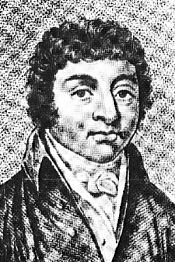
Jerry Abershawe

Louis Jeremiah Abershawe(1773-3 August 1795), better known as Jerry Abershawe, terrorised travellers between London and Portsmouth in the later 18th century. He was born in Kingston upon Thames and at the age of 17 began his life of crime. He formed a gang, which was based at an inn on the London Road between Kingston and Wimbledon, at the bottom of Kingston Hill called the Bald Faced Stag. I am sure, as well as his primary occupation of highway robbery, Jerry Abershawe also managed to gain the odd carcase of a King’s deer from Richmond Park, which backed on to the Bald Face Stag Inn. The inn no longer exists, but there was a very large and comfortable pub and restaurant built there in the early 1900’s that, just a few years ago, was demolished for new housing built on the site.

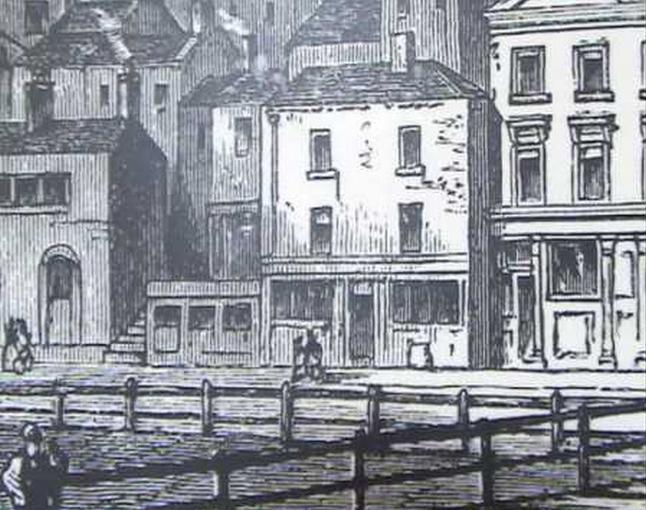
Jerry had other places of refuge at Clerkenwell near Saffron Hill. He used a house called the Old House in West Street. Other highwaymen also used this house. Jack Sheppard and Jonathan Wild were known to have stayed there. It was a house renowned for its dark closets, trap doors, and sliding panels.

Clerkenwell

All attempts to bring Jerry Abershawe to justice failed until in January 1795, when he shot dead one of the constables sent to arrest him in Southwark and badly injured the other constable sent along too. Abershawe was arrested at a pub in Southwark called The Three Brewers. He was brought to trial at Surrey Assizes in July of 1795, and convicted and sentenced to death. On Monday 3 August 1795, Jerry Abershawe was hung on Kennington Common, a couple of miles from Wimbledon and then his body was set up on a gibbet on the hill overlooking the Kingston Road, which was more commonly known then as the London Road, next to Wimbledon Common near the scene of many of his highway robberies. It remained there for all passers by to see and be warned about the price to pay for evil ways.

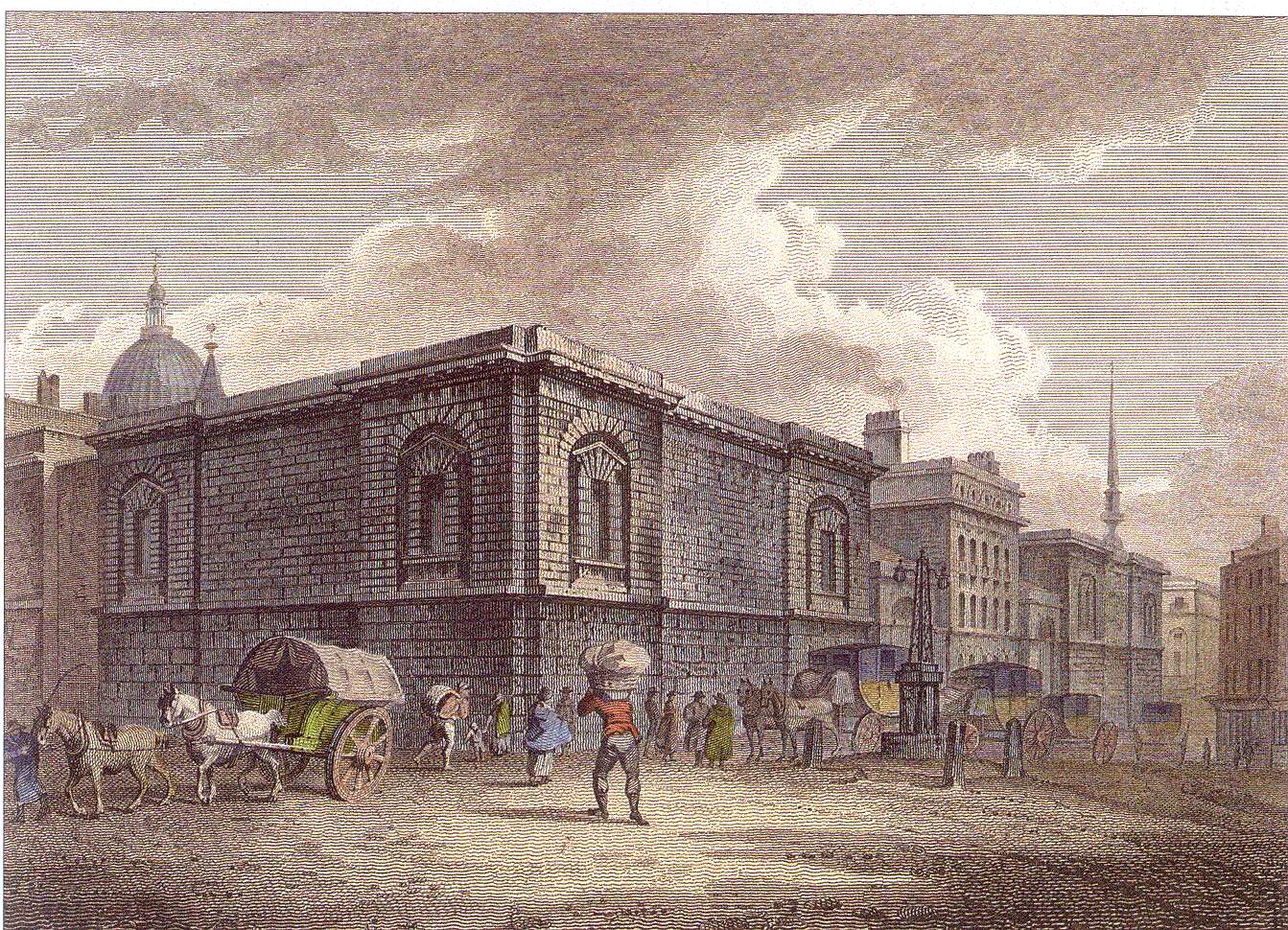
Newgate Prison

The Newgate Calendar for 1795 describes the manner of his being found guilty of murder. Newgate prison was a notorious London prison in which criminals waiting for trail would be held, and it was there that Jerry Abershawe was incarcerated before his execution.

When the judge appeared in his black cap, the emblem assumed at the time of passing sentence on convicted felons, Abershaw, with the most unbridled insolence and bravado, clapped his hat upon his head, and pulled up his breeches with a vulgar swagger; and during the whole of the ceremony, which deeply effected all present except the senseless object himself, he stared full into the face of the judge with a malicious sneer and affected contempt, and continued this conduct till he was taken, bound hand and foot from the dock, venting curses and insults on the judge and jury for having consigned him to, “murder.”

The Newgate Calendar also describes his execution on Kennington Common.

He was executed on Kennington Common, on the 3rd of August, 1795 in the presence of an immense multitude of spectators, among whom he recognised many acquaintances and confederates, to whom he bowed, nodded, and laughed with the most unfeeling indifference. He had a flower in his mouth, and his waistcoat and shin were unbuttoned, leaving his bosom open in the true style of vulgar gaiety; and talking to the mob, and venting curses on the officers, he died, as he had lived, a ruffian and a brute!”

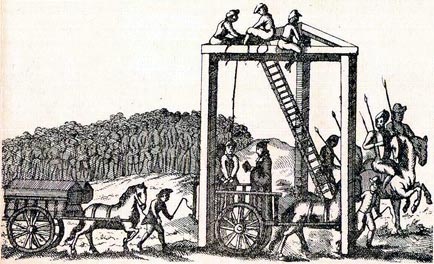
A hanging at Tyburn 17th c.

Highwaymen especially were supposed to affect an attitude and a jocular type of behaviour called gallows humour. It seems that Jerry Abershawe went to his death displaying ribald and stentorious gallows humour.

Jerry's hill view. Image @Tony Grant

At least Jane was now safe on her journeys to London. But I wonder if she had just a small wish for the thrill of danger and would have loved to encounter Jerry on the wild wilderness of Wimbledon Common and ,”stand and deliver,” to him. If it had happened, would her novels have turned out differently in some ways?

Jane was 20 years old when Jerry died at the age of 22. Just maybe Jane would have loved the thrill of adventure on a journey with the threat of Jerry Abershawe round the next bend.

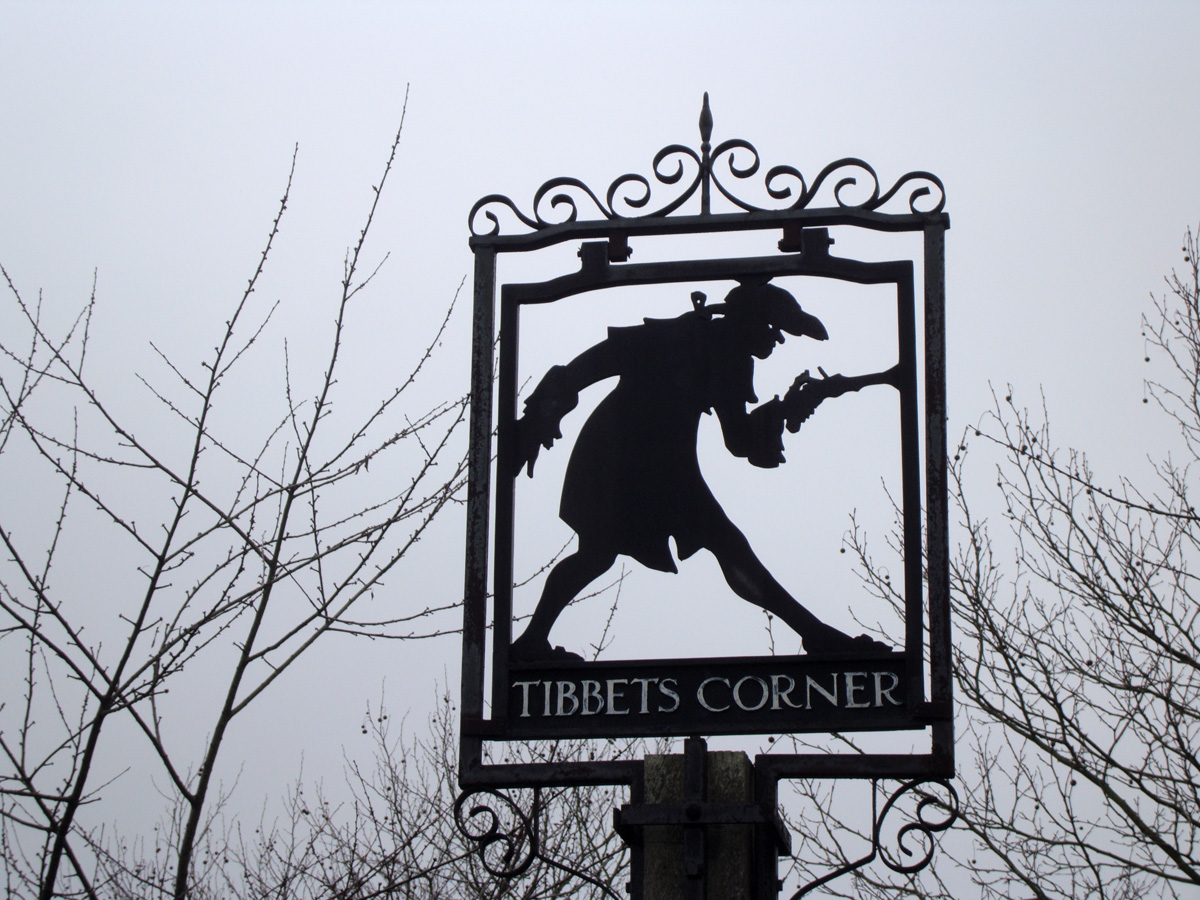
Tibbets Corner. A stylized sign commemorating Jerry Abershaw. Image @Tony Grant

Post script:

After writing this article I just couldn’t get a nagging thought out of my head.

Why and how did Jerry end up as a highway robber?

I know he was young, 22 years of age when he was caught and executed. There is no mention of family or wife or children or any sort of familial attachments. I can imagine him being brought up, an orphan, perhaps on the market streets of Kingston having to survive and live by his wits. It doesn’t take much to imagine the step into criminality to survive. He got in with the wrong lot obviously. An intelligent, bitter, hard done by, street wise kid gone wrong and obviously with a big personality. We can compare him with those who go off the tracks in our own society today. The forces for evil don’t change apparently. Obviously this is a total surmise but I feel better for it.

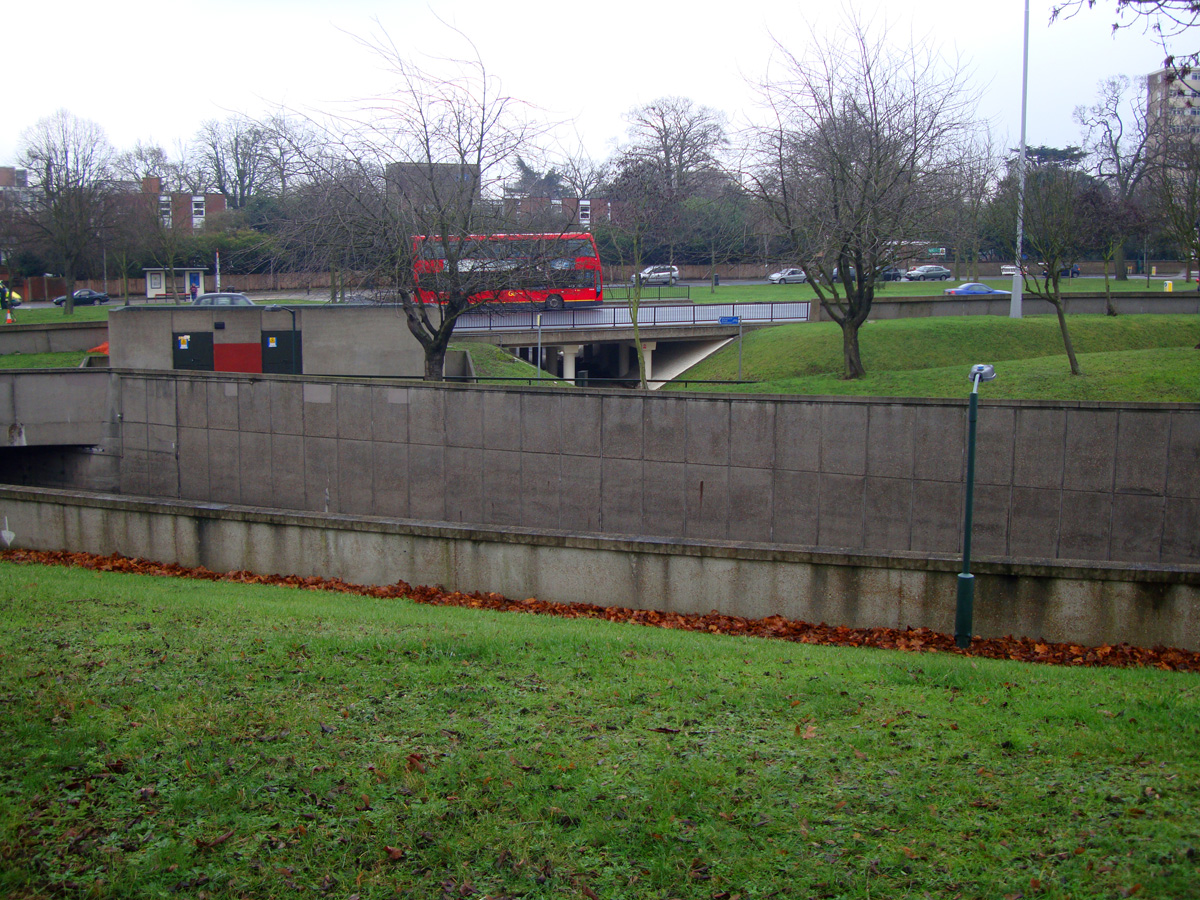
Tibbets Corner today - where Abershawe held up coaches. Image @Tony Grant

Read Full Post »

Inquiring readers,

For those of you who have not yet visited Nancy Mayer’s beautiful website, you are in for a treat. Click here to enter Nancy Mayer, Regency Researcher: A most proper authority on all things Regency. Nancy has been a member of JASNA (Jane Austen Society of North America) for some time. She was a member of a local chapter in 1990-1994, then started up a new chapter in 1996, and has been the regional coordinator for northern Georgia since then. Nancy has been researching Regency England for more than twenty years, and finds Google books a big help. While she is responsible for the text on her website, Susan Newman designed the web pages and added the illustrations. Nancy graciously agreed to answer a few of my questions:

1. How and when did you become interested in Jane Austen’s novels?

This is probably heresy, but I came to Austen and her novels because I wanted to learn more about Regency life. I had heard of Pride and Prejudice and seen the old Lawrence Olivier movie, but hadn’t gone any further with it or the other novels until I became interested in the Regency period. After reading Jane Austen’s letters, and some biographical data on her, I started in on her novels. I joined a discussion group in Atlanta around 1990 and haven’t looked back since. Even after twenty years of discussing the novels there is always something new to be found. I am not one who has memorized the books and don’t read them all over every year, but I usually find some new insight each time I do.

2. Which is your favorite Jane Austen book and/or character, and why?

Persuasion. Anne Elliot is my favorite character. She is more mature than the other heroines and so doesn’t make the mistakes they do. One seldom has to blush for her. I also think Wentworth is more romantic than Darcy, but I wouldn’t want to be a sailor’s wife.

3. You are considered an authority on the topic of Jane Austen and the Regency period, and your breadth of knowledge about the era astounds me. What are some of your favorite topics to research and why?

You flatter me. The more I research the more I discover what I don’t know. I like to research marriage, titles, peerage, the law, and mourning rules. I find property law most confusing, and barely know a VanDyke fringe from a scalloped one.

One can find all sorts of period books on Google books.

I am also interested in Lord Byron who was Jane Austen’s contemporary, His life gives the masculine and aristocratic elements missing in Jane Austen’s life. Though they both were alive from 1809 to 1817, one could sometimes think they lived at different times.

4. For the casual (but avid) Jane Austen reader, what are some sources you would recommend for further reading?

  • My Dear Cassandra:The letters of Jane Austen, Selected and introduced by Penelope Hughes Hallet. Clarkston Potter Publishers or Collins & Brown 1990, ISBN 0-51758312-7
  • Some might want the complete letters edited by Deirdre Le Faye, or the ones edited by John Chapman.
  • The novels published by Oxford have great appendices. Some of the Critical editions of the novels have appendices. One should have a copy of Lover’s Vows in one’s Copy of Mansfield Park. There are annotated versions of the stories with explanations of obscure and not so obscure points, and there are even comic book editions of Pride and Prejudice and Sense and Sensibility. No matter one’s taste or interests, one should be able to find a connection with Jane Austen.
  • Mrs. Hurst Dancing by Diana Sperling. This isn’t about Jane Austen but the illustrations of the Sperling family could be those of the Younger Dashwoods or the Bennets. # ISBN-10: 0575030356 # ISBN-13: 978-0575030350. Some are exceedingly expensive, but there are remaindered copies and second-hand copies at reasonable prices.
  • Jane Austen and Her times by G.E. Mitton, originally published 1905, 2007 Barnes and Noble.
  • Also there are probably fifty books out there covering everything from Jane Austen and Art to Jane Austen and Zombies. I know of book on Jane Austen and Food, Jane Austen and Crime, Jane Austen and fashion, ( and Fashion in the Time of Jane Austen).
  • Those who like quizzes and challenges might like: Jane Austen Challenge by Helen Barton: BartonBooks (June 2009) # ISBN-10: 0952725754 # ISBN-13: 978-0952725756
  • Also, So you Think You Know Jane Austen? By John Sutherland and Deidre le Faye Oxford University press, ISBN 0-19-280440-5

5. Would you like to share a common misconception about the Regency period with our readers, one that is wrongly perpetuated by book sources, websites, and blogs?

A general error I have found is thinking that the marriage laws, the church, and laws of inheritance were the same then as they are now. Many think the regency period was just like today, but in costume and with horses.

Nancy, thank you for sharing your wonderful insights. I hope readers will bookmark your website and visit it often. It’s best feature, as far as I am concerned, is your answers to their specific questions, like a personal researcher.

Read Full Post »

« Newer Posts - Older Posts »