Feeds:
Posts
Comments

Archive for the ‘Jane Austen Novels’ Category

Gentle Readers, I am spending July 4th with my family. We will picnic, eating a variety of collations, both hot and cold, and enjoying time with our extended family, including mothers, fathers, children, nieces and nephews, grandparents and great grandchildren.

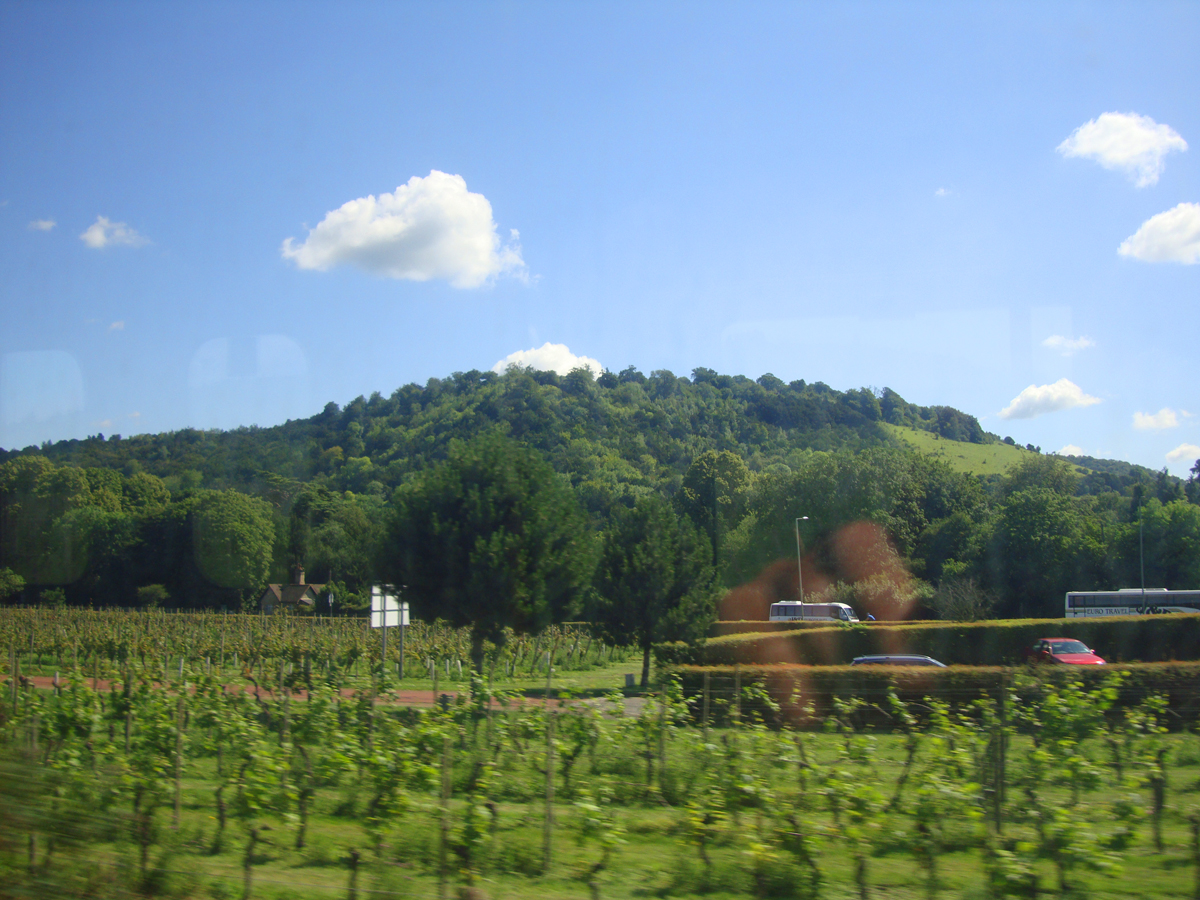
Box Hill, view from the train. Image @Tony Grant

Because I am a Jane Austen aficionado, I am reminded of Emma’s picnic on Box Hill, which couldn’t be further from the closeness that my family will feel on the day we celebrate America’s birth.

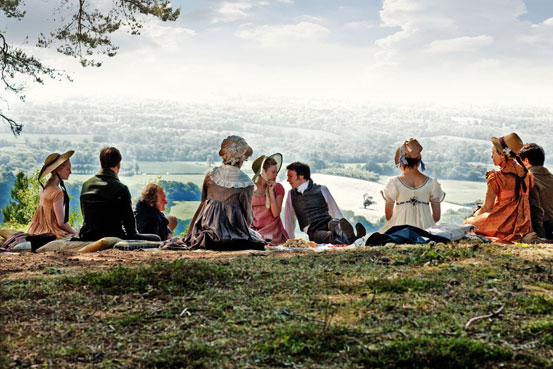
View from Box Hill, Emma 2009

The wretchedness of a scheme to Box Hill was in Emma’s thoughts all the evening. How it might be considered by the rest of the party, she could not tell. They, in their different homes, and their different ways, might be looking back on it with pleasure; but in her view it was a morning more completely misspent, more totally bare of rational satisfaction at the time, and more to be abhorred in recollection, than any she had ever passed. – Emma, Jane Austen, Chapter 44

No one was quite satisfied with Emma’s planned outing, least of all Miss Bates, Mr. Knightley, and Emma. The Eltons wandered off bored and disappointed, and Miss Fairfax keenly felt the insults that Emma and Frank Churchill hurled her way.

Box Hill, Emma 2009. Fabulous view.

Yet Box Hill was a beautiful location, with a view that wouldn’t quit. It is still a tourist destination, and a place that offers peace and quiet to those who would enjoy its beauty.  Unlike Emma, I am prepared to enjoy my picnic with my family. Happy July 4th, all!


Read Full Post »

Contributed by Tony Grant, all rights reserved. Images by Tony Grant.
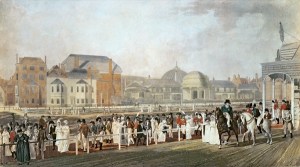
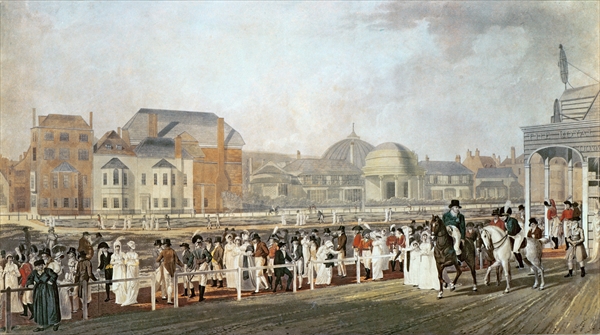
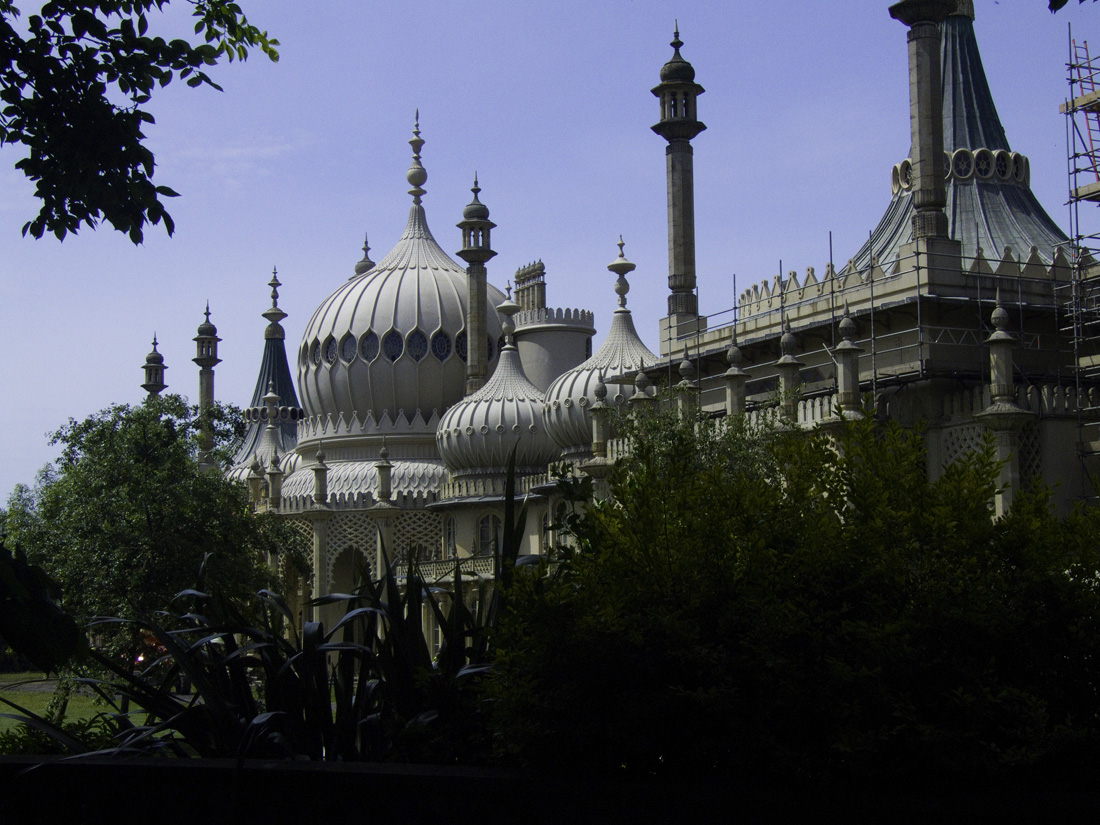
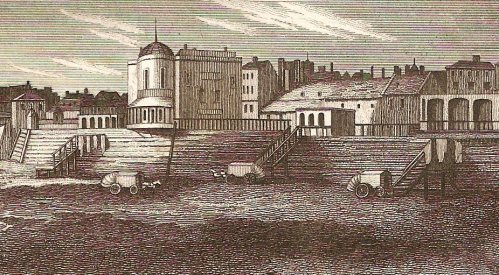
Brighton, the old Pavilion and Steyne, Charles Richards

Towards the end of her life Jane Austen was writing a new sort of novel, Sanditon. It appears to have been, in it’s far from completed form, an analysis of change going on in the world of the 18th century.The main female character in this story, Charlotte Heywood, is an observer of Sanditon, its development and its occupants. Through her eyes we the reader can see the social and environmental forces that are unfolding at Sanditon and the forces that act on its attempts to be attractive to people.
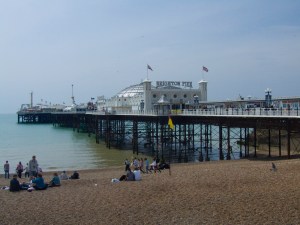
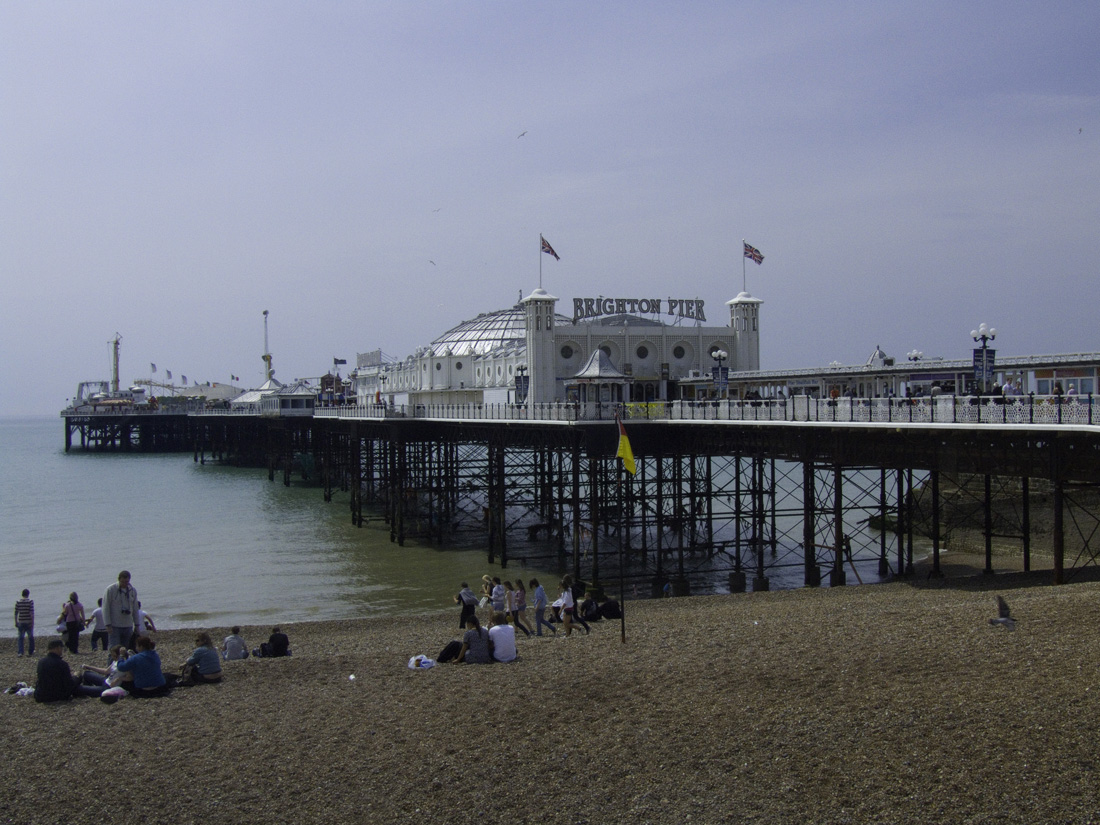
Brighton pier

In our own day we are creating new communities that we hope will be sustainable in materials, energy production and lifestyle. A community called Bedzed, near Croydon in Surrey, is just such a new development.
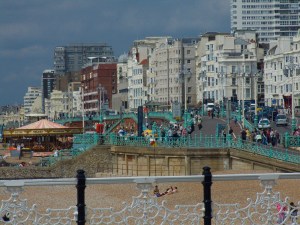
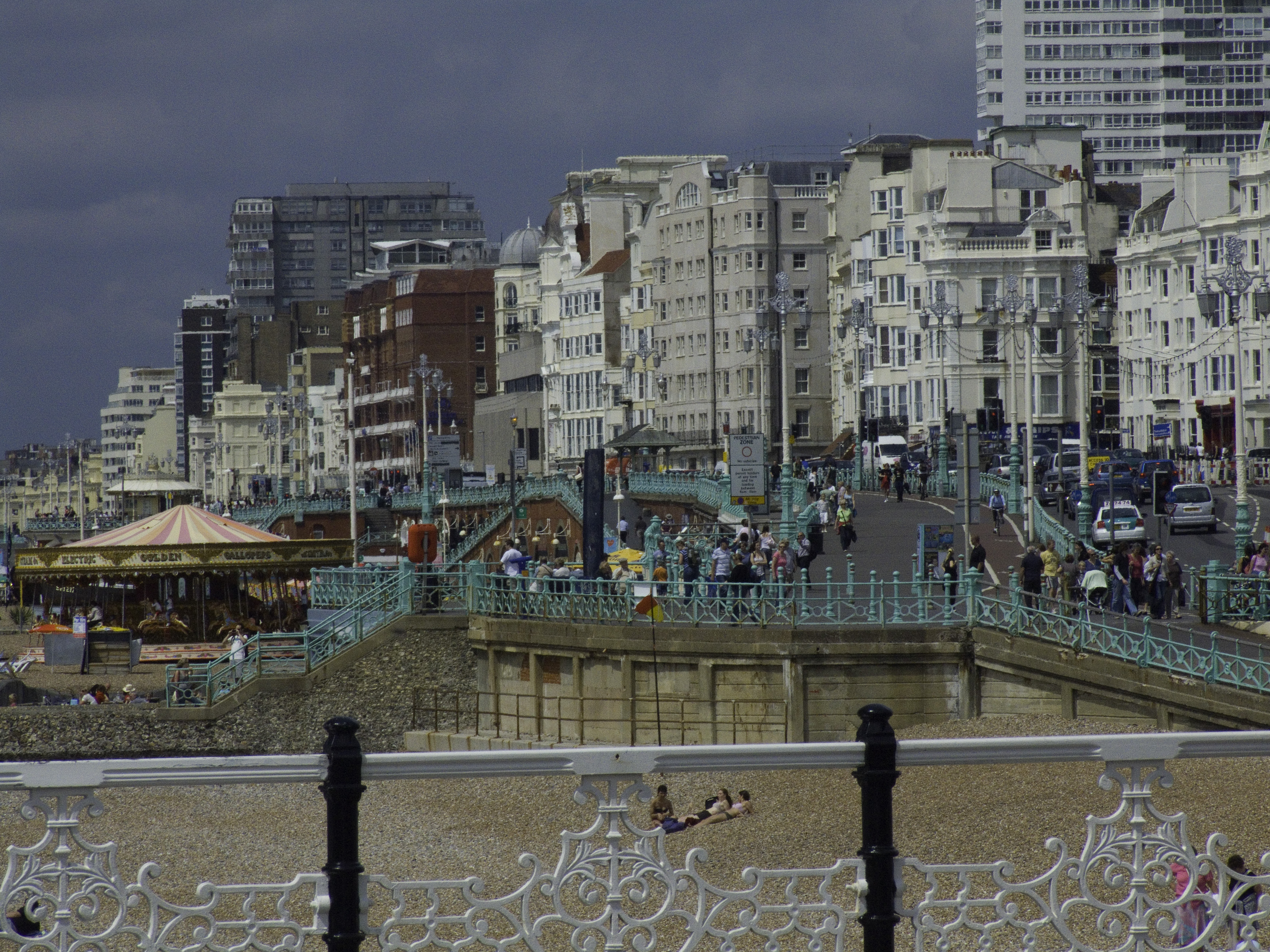
Brighton today

Sanditon is an 18th century exploration of how a new settlement may have occurred and mistakes made and Bedzed is a modern version showing how we can learn from the past.
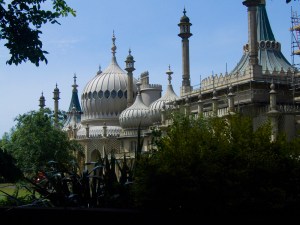
Royal Pavilion at Brighton

Charlotte soon learns on her way to Sanditon that there are two Sanditons. There is the old fishing village set in a sheltered valley leading down to the sea and there is the new Sanditon high on a hill with cliffs overlooking the sea. The old home of the Parkers is set in the valley just outside the fishing village and it has orchards, gardens and meadows, all the resources for self-sufficient living and it is in a sheltered aspect away from gales and the worst of the elements.
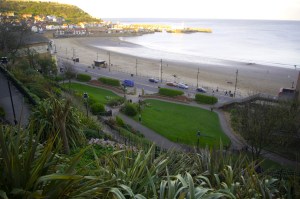
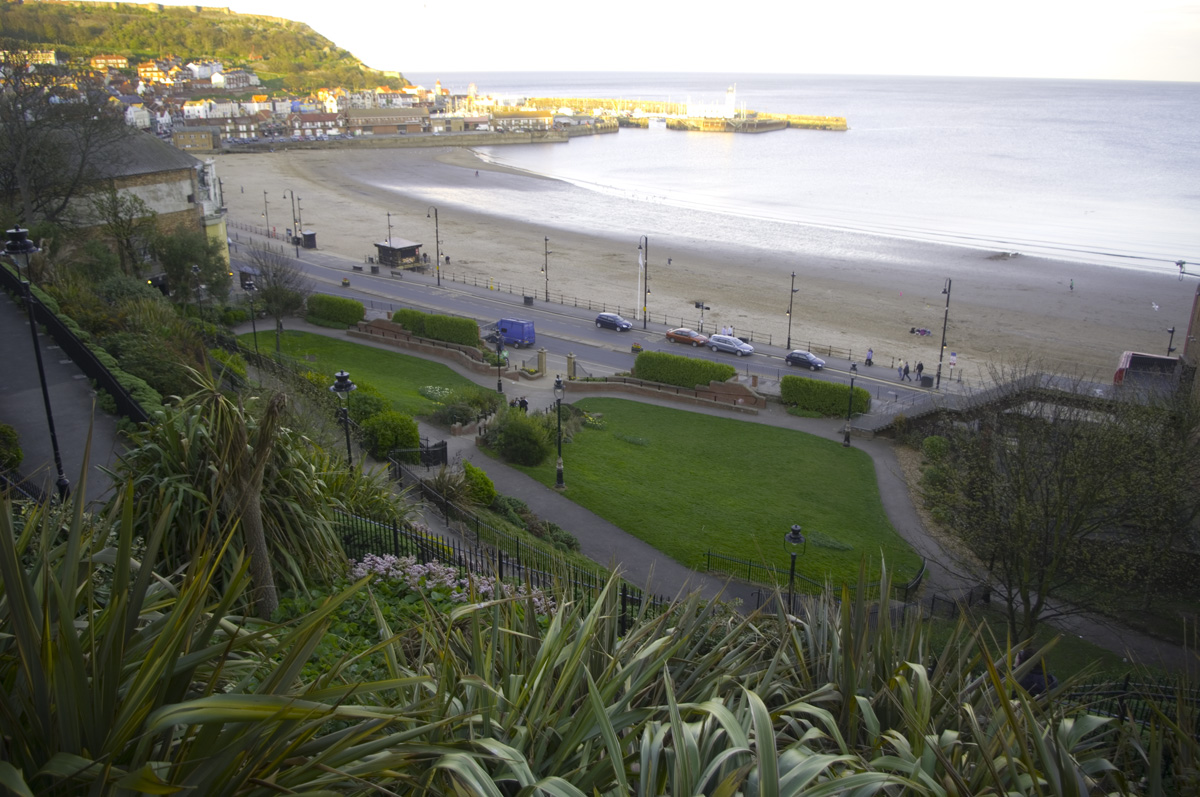
Scarborough Beach

..in a shelterd dip within 2 miles of the sea, they passed by a moderate-sized house,well fenced and planted,and rich in the garden,orchard and meadows which are the best embelilishments of such a dwelling.”
The new Parkers home, Trafalgar House, is set high on a hill with no orchards and meadows and gardens and when they first arrive is being windswept by a minor gale.

Mr Parker has a concept of a seaside settlement centred around fresh air and spectacular views. Two very good ideals but missing many other requirements for a comfortable community to work.

Trafalgar House ,on the most elevated spot on the down, was a light elegant building, standing in a small lawn with a very young plantation around it about a hundred yards from the brow of a steep, but not very lofty cliff.”
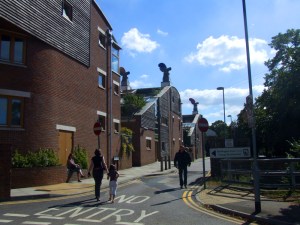
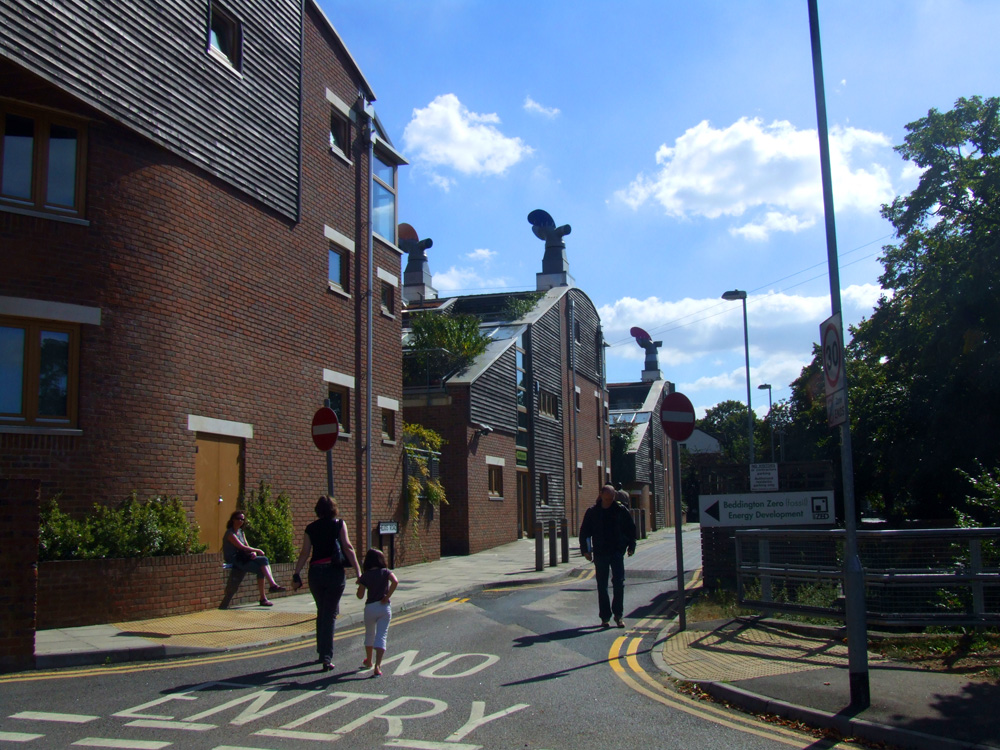
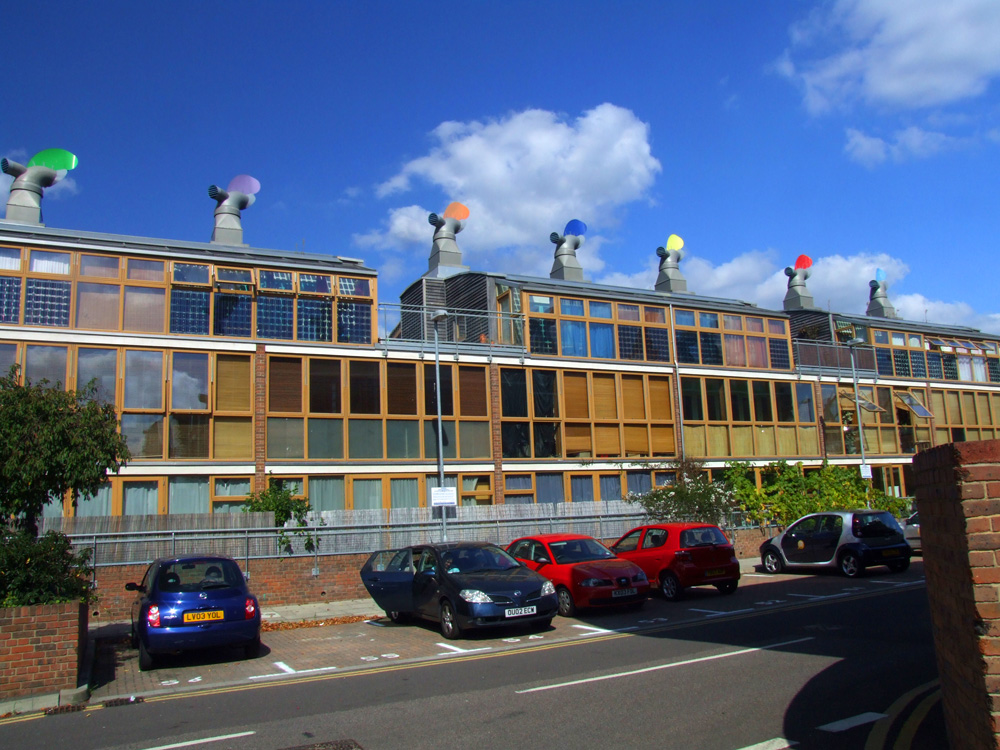
Bedzed

Bedzed, near Croydon, has been created to revolutionise people’s lives enabling them to live without wasting the resources of this planet and to live sustainably. It is situated outside a well-established town with major roads and rail links very close by. It is for people who live ordinary lives and it is designed to help them improve those ordinary lives and the planet they live on.

People move to Bedzed with typical lifestyles, and over the years change their behaviour significantly.”

The purpose of Sandition was to attract people to the seaside for health reasons. Seawater and sea air were considered, in the 18th century, the panaceas for all known ailments. They were the elixir of life. While people were there it was also hoped by Mr Parker, that they would spend their money in the new shops, buy the latest fashions, stay in the smart hotels and take part in the events of the new town, billiards, going to the library, buying presents in the gift shops, hiring bathing machines and eating the local produce.
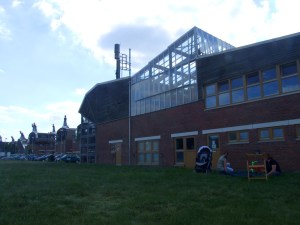
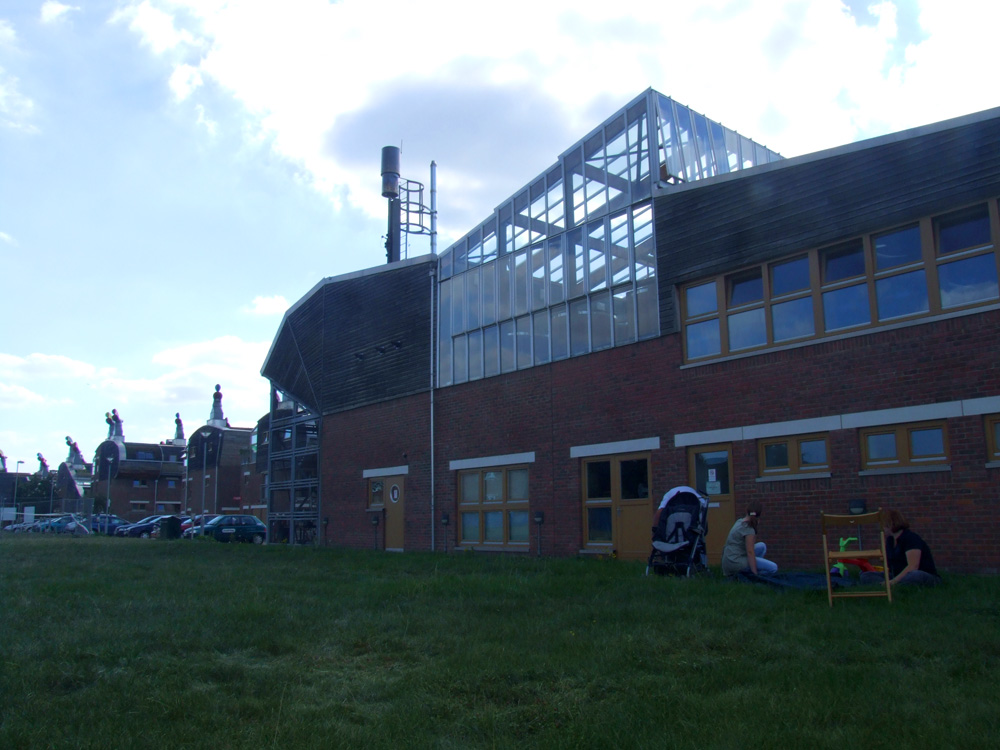
Bedzed

Bedzed was designed for people to interact in ways that improve their lives. Much of what is hoped for Bedzed are things that communities over the ages have provided for their people. It is small enough and big enough to create what is termed a,” a community spirit.” People come together in sports teams, community events such as fetes and to meet and make community decisions; a sort ground level politics. What is necessary for our modern age is to do it sustainably.

the community have created their own facilities and groups to improve quality of life and reduce their environmental impact.”

Sustainability in the 18th century has many of the elements we think of today as sustainability. People grew their own produce, many house roofs were made from straw or reeds, recycled waste was used as food for animals or dug it into the soil to fertilise it, as with human waste and they used the natural elements as a power source. The wind to dry clothes, animals to move machinery and dead wood or sustainable forestry were used to provide fuel. Clay for bricks, rocks, slate and large amounts of wood were also taken for building and these might not have been sustainable practices even the 18th century. The increasingly massive use of coal certainly was not.
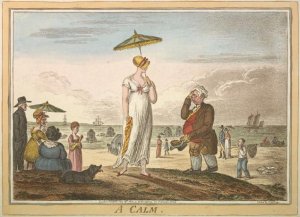
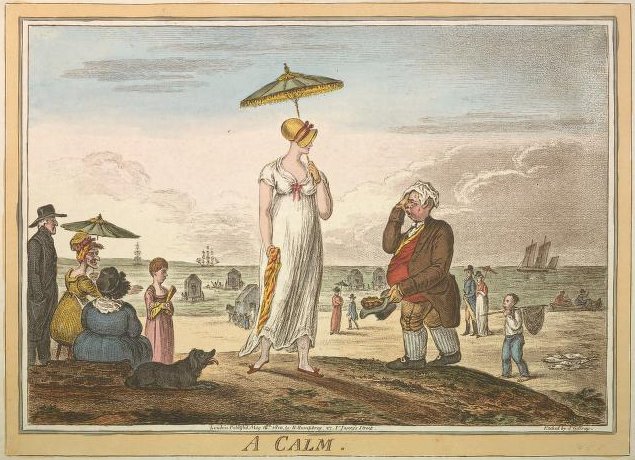
A calm, Gillray, 1810

The old fishing village of Sanditon and the Parkers first home, set snuggly in the valley, kept to these mostly sustainable principles. The new Sanditon, on the hill got rid of many of these essential practices. All the services, shops, hotels houses and transport were imposed on the hill and materials had to be got up there.
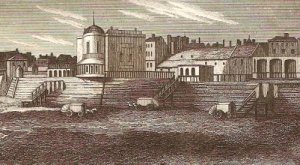
Ramsgate

People become the secondary thought in that they were expected to fit in. The new Sanditon is what Mr Parker thinks people want. It is an example of modernisation removing peoples connection with the world they live in. It is an example of the designers of our world not listening to the people they are providing for. The new Sanditon is a vision of the way the world has gone. The old Sanditon is an example of where we could go.
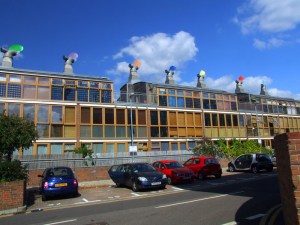
Bedzed

Total sustainabliltiy in our modern age is technically possible. Bedzed is run completely on sustainable practices. Water is recycled, the use of insulation, materials from sustainable sources, some of it recycled, the use of local materials as much as possible to reduce transport costs and pollution, the sharing of electric cars and the provision of sustainable energy from it’s own pwoerplant fuelled by waste materials are all sustainable practices. What is most important of all, the people who live in Bedzed make the choices and think of the ideas that create the world they live in.

the design solves problems such as heating and water usage.” And “the design and services offered help people make sustainable choices such as walking rather than driving.”
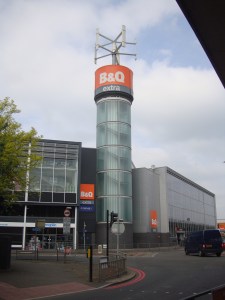
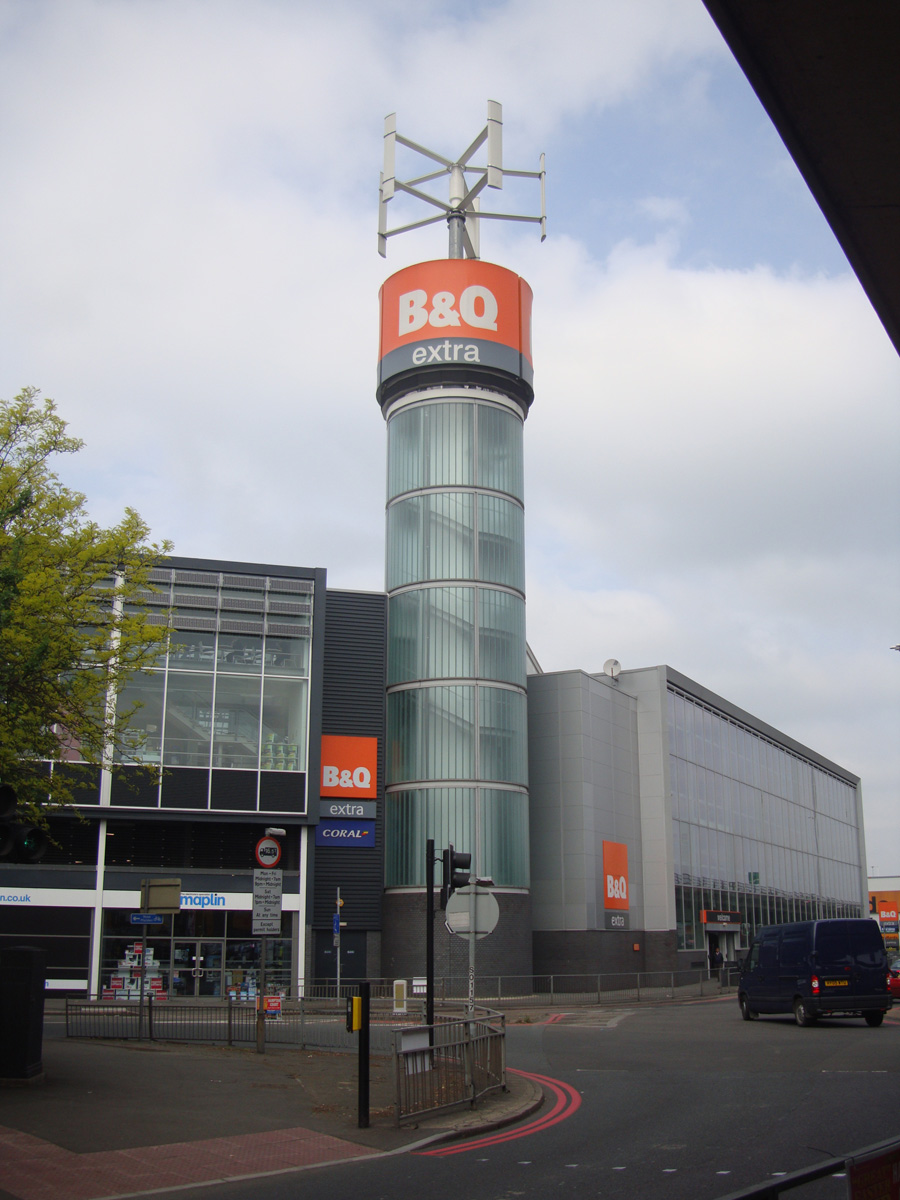
Windmill, sphagnum moss roof, recycled water

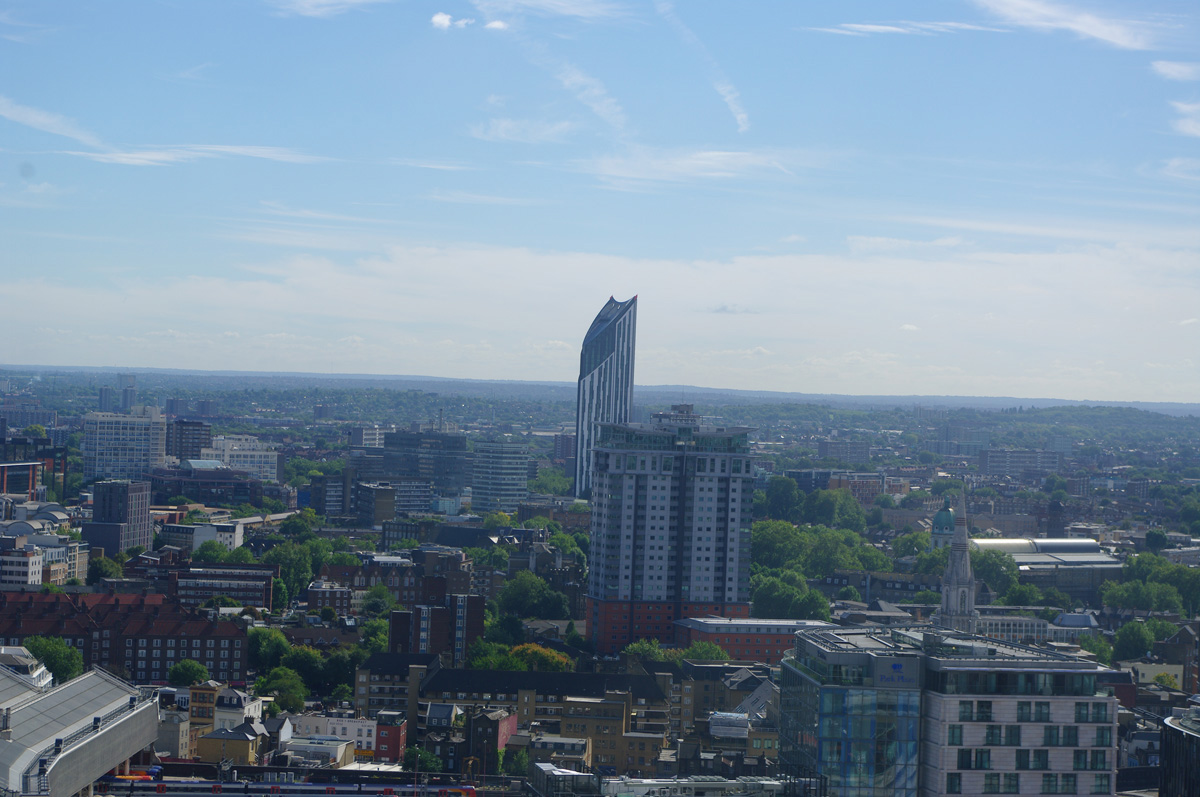
One of the most encouraging things I have seen in recent years in south London, is an enormous DIY store that has recently been built about half a mile from where I live. It uses rain water to flush the toilets, has a sphagnum moss roof, triple glazing for extra insulation, solar panels, a heating system where water is heated naturally through underground pipes, and one enormous windmill surmounting the lot. Impressive? You bet!!!!!! There is a new high rise office tower in central London that looks as though a knife has sliced off the top at a sharp angle. There are three gigantic oval holes in this angular top. Each oval hole contains a wind turbine. The world really is adapting.
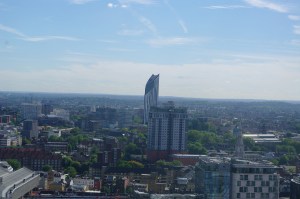
Sliced off top and wind turbines

Read Full Post »
Gentle Readers, Laurel Anne from Austenprose and I were chatting the other day about this, that, and the other, for we are both a bit Jane Austen nutty (if you haven’t noticed.) As you continue reading, you will need to know only one thing:  we are just a wee bit longer in the tooth than Jane’s young heroines:

LA: Vic and I were chatting on the phone today. Over the course of our three plus year Austen-inspired friendship we have mostly emailed, so this was a treat. She has the most infectious laugh which made me laugh too. Of course we were talking about our favorite author and she remarked that Austen excelled at humor and the amazing secondary characters she developed. Somehow it just popped out and I boldly asked her what Jane Austen character she most identified with. Without hesitation she replied, Lady Russell from Persuasion. “Lady Russell?” I replied in surprise! “Well, yes.”

Jane Rus.., er, Mrs. Russell

She then revealed that she is often wrong about the advice she gives people. At work she gathers the young-uns around her and freely offers opinions, whether they are solicited or not. When she gives wrong counsel – which she admits is more often than not – she torpedos herself in a most spectacular fashion. “The error of my ways does not go unnoticed by this unforgiving crowd. Unlike Lady Russell, I will own up to a misteak, er, mistake or two, and apologize for having interfered, but I hold the line at groveling.”

Another reason why she identifies with this character is her independence. Lady Russell is a widow with a healthy income and she has no intention of remarrying and being subjugated by a man. “I am a divorced woman who has discovered the joys of living singly on my own terms and by my own schedule. Ah, what total, selfish bliss!”

Vic further admitted that at a party, or when she lets her hair loose, she starts to resemble Mrs. Jennings. You know the type: a bit vulgar, out for a good time, giggling at precisely the wrong moments, and making those with a more composed nature feel uncomfortable with crass jokes and loud language. “Like Mrs. Jennings, I have a good heart. But I can be out there and in your face too. I might seem unseemly to a quieter person like Elinor, and be totally disliked by the likes of a Marianne, but my friends and family get me, and that’s what counts.”

Oh Vic! You are such a card. Lady Russell and Mrs. Jennings? She then turned the tables on me. “Now, who do you identify with in Jane’s novels? Are you like me, a bossy and interfering carouser? Or are your a bit more sedate and ladylike?”

Harriet Smith (Tony Collette) patiently poses for Emma

Vic: “Sedate. A total Harriet Smith,” LA replied. Many years ago a dear Janeite friend tagged her as a Harriet to her Emma. “It seemed appropriate since I was often asking for advice and was very mailable to change.” In her view, Harriet was a bit of a ditz and gullible which she has been accused of too. The thing she liked about being a Harriet is that Austen gave her such a great ending. She is resilient, and after being tossed about in love no less than three times in a year, Harriet gets the man she wanted in the first place and proves Emma, with her self-important airs, was totally clueless about the human heart. “I like having the last laugh, and being right.” ;-)

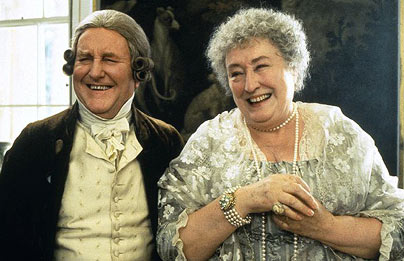
Sir John Middleton (Robert Hardy) and Mrs. Jennings (Elizabeth Spriggs)

Lately LA thinks she has evolved into Sir John Middleton from Sense and Sensibility. He was the Dashwood’s cousin and landlord of Barton Cottage. He is very gracious and likes to pop in and make sure his tenants are comfortable and entertained. He is a bit of a bore and talks too much about things that are not of interest to his young companions, but he likes dogs, has a good heart and loves to laugh. “As an enthusiastic bookseller, I like to inform customers of their choices and make suggestions. I am also a bit of an organizer and enjoy planning events on my blog, and orchestrating the 23 authors in my anthology. It is like herding cats, but I like being the boss of my own world!”

One man’s ways may be as good as another’s, but we all like our own best. Persuasion, Ch 13

Now our question. Which Jane Austen character do you, estimable viewer, most identify with, or which character are you afraid of becoming? Feel free to leave your comments!

Read Full Post »
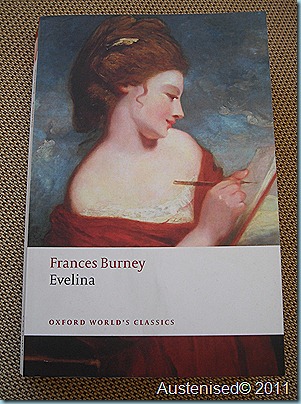
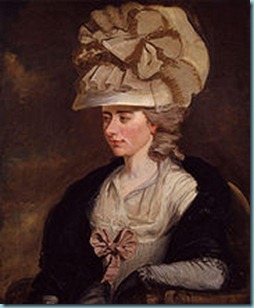
It is interesting to know that the 18th Century author, Fanny Burney, introduced several new words into the English language through the literary form. Through Evelina, she is the first known person to use words which are still so commonplace now, such as a-shopping, seeing sights, break down and grumpy.


Have you ever wondered what inspired Jane Austen to use dialogue as a clever way to personify her characters? Was the romantic charlatan, Mr Willoughby, a product of Jane’s imagination or an imprint of her early reading? Read on!

In her novels and letters, Jane Austen made several references to her favourite authors, and amongst her favourites were always Frances (Fanny) Burney and Maria Edgeworth. Fanny Burney wrote Evelina in the 1770’s, when Jane Austen was still an infant, and Cecilia soon after, and Jane grew up reading these stories. As you read through her novels, it becomes evident that Jane Austen drew inspiration from them.

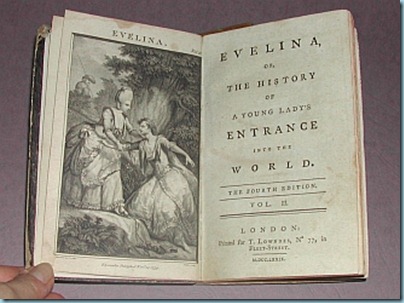
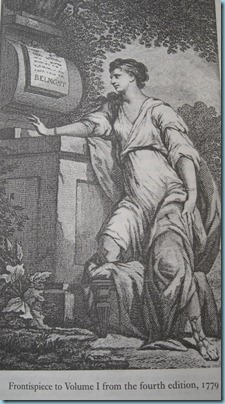
Evelina is a lengthy novel, which was originally written in 3 volumes, according to the custom of the time. Like Northanger Abbey, Evelina is a coming-of-age novel, with the apt subtitle “The History of the Young Lady’s Entrance Into the World”. The heroine is a girl of obscure birth who has been raised by her loving foster father, Mr Villars, in a comfortable home. Like Catherine, Evelina is set to ‘come out’ and enter the society to lure the attentions of eligible young men.

Evelina is chaperoned to London, where she visits the numerous theatres, operas and pleasure gardens frequented by fashionable society. As Evelina enters into society, she comes across one odious character after another and must defend her virtue against characters of low morals. Not unlike Catherine, Evelina is all innocence and youthfulness and is shocked to experience the realities of London society. She is repulsed by the lewd behaviour of men that she meets and soon wishes that she had never left Berry Hill, her home. In short, her trips are a journey from innocence to experience (to quote Blake).

Evelina is a satire of fashionable life. Like Jane Austen, Frances Burney is an excellent satirist and parodies characters through her excellent mimicry. It is in the dialogue that she really shows her ingenuity. In the preface of Evelina, Burney describes her style as follows:

To draw characters from nature, though not from life, and to mark the manners of the times, is the attempted plan…”

As a key component of her style, Burney reveals personality through her use of language. Her highest-ranking characters (e.g. Lord Orville, Lady Louisa) use extremely formal register, as opposed to the lower-ranking, more vulgar characters (e.g. Captain Mirvan, Madame Duval), who Burney mimics endlessly.

The grotesque Captain Mirvan who enjoys abusing the would-be French woman, Madame Duval, uses crass language with plenty of nautical references.

The old buck is safe – but we must sheer off directly, or we shall be all aground.”

On the other hand, Madame Duval’s bad grammar reveals her lack of breed and education.

This is prettier than all the rest! I declare, in all my travels, I never see nothing eleganter.”

As Evelina meets her ‘vulgar’ cousins in London, the scene reminds me of Mansfield Park where Fanny meets her real family in Portsmouth after several years and feels out of place, having got used to the genteel, polished manners of a country house (Burney uses the word “low-bred” to describe Evelina’s relatives).

Like Austen’s novels, Evelina too is written in somewhat archaic 18th Century language with a preference for long, complex sentences – a style that Jane Austen certainly assumed. Thankfully, this Oxford edition has been carefully edited by Edward Bloom, with detailed notes on 18th Century vocabulary and manners… to read the rest of the post, click here to enter Austenised by Anna.

Thank you, Anna, for giving me permission to link to your post!

Read Full Post »

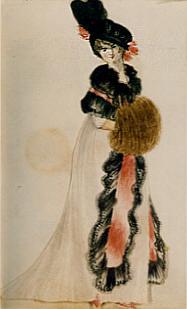
Watercolor, James Stanier Clarke. Portrait of Jane Austen?, 1816

For those who mistakenly think that Jane Austen wrote frothy romances, let her words speak for her. Jane had been invited to view the Prince’s library in Carlton House just before the publication of Emma and had been “encouraged” to dedicate her book to the Prince, which she did reluctantly, for she was no great admirer of his. She had written about the Prince’s long-suffering wife, Caroline: “Poor woman, I shall support her as long as I can, because she is a Woman and because I hate her Husband.”

While visiting Carlton House, she was escorted by Rev. James Stanier Clarke, the Prince’s librarian, who was so struck by her that he painted her watercolor image from memory and kept up a correspondence afterwards. Eventually, Rev. Clarke had the audacity to suggest how Jane might proceed in her next novel. In March 1816, he wrote: “Perhaps when you again appear in print … chuse to dedicate your Volumes to Prince Leopold: any Historical Romance illustrative of the History of the august house of Cobourg, would just now be very interesting.”

Jane penned this terse reply 195 years ago on April 1st:

MY DEAR SIR, — I am honoured by the Prince’s thanks and very much obliged to yourself for the kind manner in which you mention the work. I have also to acknowledge a former letter forwarded to me from Hans Place. I assure you I felt very grateful for the friendly tenor of it, and hope my silence will have been considered, as it was truly meant, to proceed only from an unwillingness to tax your time with idle thanks. Under every interesting circumstance which your own talents and literary labours have placed you in, or the favour of the Regent bestowed, you have my best wishes. Your recent appointments I hope are a step to something still better. In my opinion, the service of a court can hardly be too well paid, for immense must be the sacrifice of time and feeling required by it.

You are very kind in your hints as to the sort of composition which might recommend me at present, and I am fully sensible that an historical romance, founded on the House of Saxe-Cobourg, might be much more to the purpose of profit or popularity than such pictures of domestic life in country villages as I deal in. But I could no more write a romance than an epic poem. I could not sit seriously down to write a serious romance under any other motive than to save my life; and if it were indispensable for me to keep it up and never relax into laughing at myself or at other people, I am sure I should be hung before I had finished the first chapter. No, I must keep to my own style and go on in my own way; and though I may never succeed again in that, I am convinced that I should totally fail in any other.

I remain, my dear Sir,
Your very much obliged, and sincere friend,
J. AUSTEN.

Chawton, near Alton, April 1, 1816.

It is so very telling (is it not?), that Jane did not characterize her own novels as serious romance. To whit, I must agree with her self-assessment.

Gentle reader: My April Fool’s joke is subtle. Those who came over after reading my tweet and compared it to the date of the letter will see that I made the announcement five years off.

More on the Topic:

Read Full Post »

« Newer Posts - Older Posts »