Feeds:
Posts
Comments

Archive for the ‘jane austen’ Category

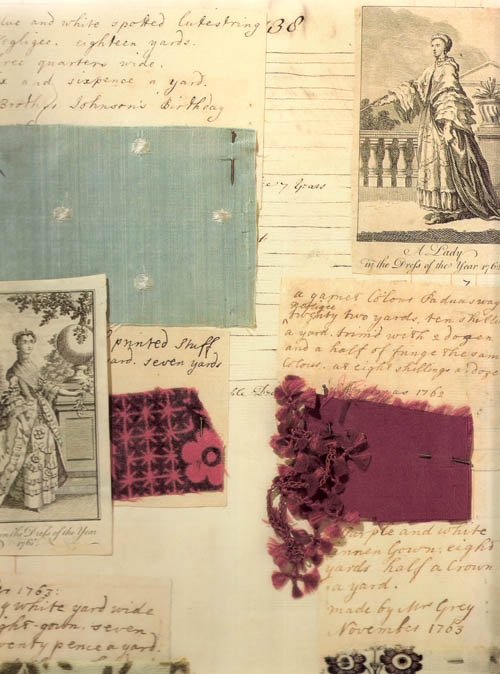
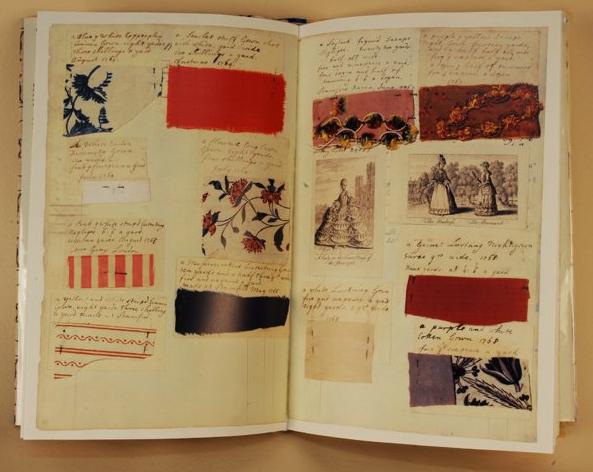
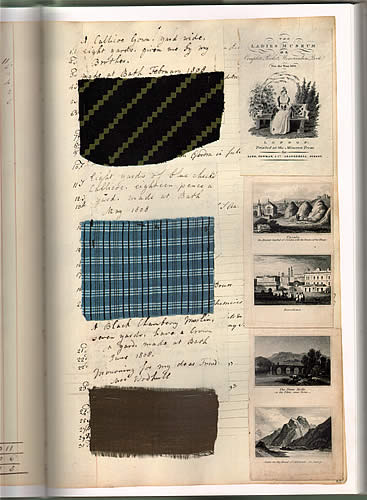
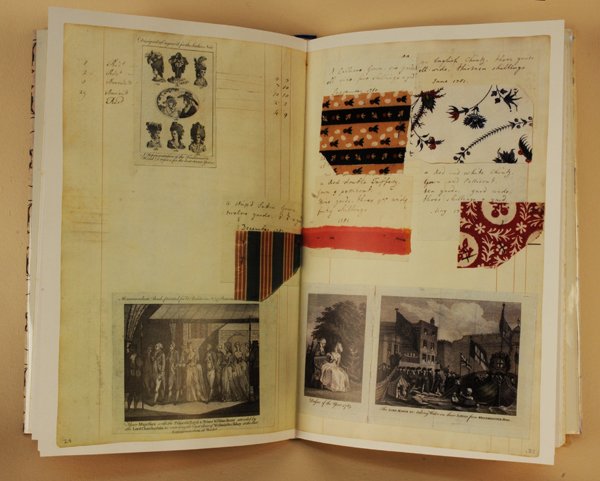
Gentle readers, this YouTube video and these images provide only a sampling of the content of this remarkable book, edited by Natalie Rothstein, who worked in the textile department of the Victoria and Albert Museum before her death. During her lifetime Barbara Johnson (1738-1825) kept a meticulous record of the dresses that were made for her, attaching swatches of fabric and including images from ladies magazines.

Sample pages from the book

Read Full Post »

At Home With the Georgians: A Man’s Place, the BBC2 special, is hosted by Professor Amanda Vickery, who shares her expertise and unique knowledge gleaned from diaries written during that fascinating era. In the series about Georgian houses, shown in three installments in Great Britain, Dr. Vickery provides a fascinating insider’s view of what home and hearth meant to the individuals she showcases.
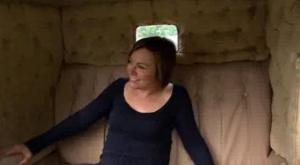
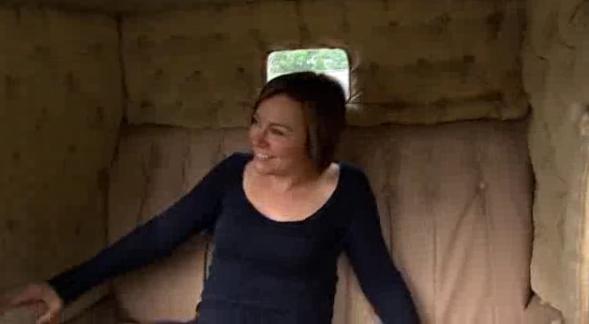
Host and scholar, Dr. Amanda Vickery in carriage

An 18th century gentleman, it seemed, yearned as much for domesticity as the Georgian woman. During this period the middle class began to earn enough money to purchase houses and furnish them in a style that reflected the owner’s tastes, character and moral values. Until a man could afford to head a household, his place in society as a full citizen was not fulfilled.
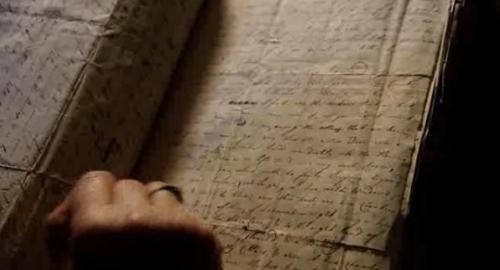
Dr. George Gibbs's letters to Miss Vickery

Take George Gibbs, a West Country doctor, for instance, who worked hard to woo his sweetheart, Miss Vickery. His future domicile and its furnishings were topics of much conversation in his letters to her. He looked for a house all over Exeter that would satisfy her as much as himself – “one with a good parlor with sashed windows and painted blue and with two chambers, tolerably good, and one hung with paper.”
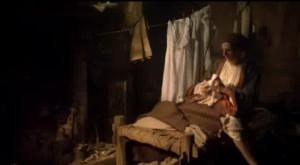
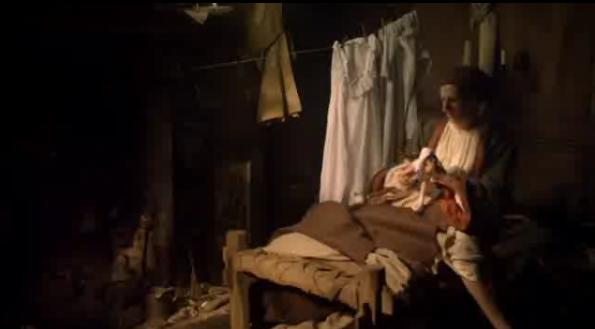
Dudley Ryder fantasizes about a home and family in his humble one-room bachelor pad

Twenty-three year old Dudley Ryder, law student and son of a tradesman, yearned in his diaries for a wife to soothe his lonely nights and take care of him. He lived in squalid lodgings while studying law, eating his meals in chop houses and living a lonely bachelor existence.
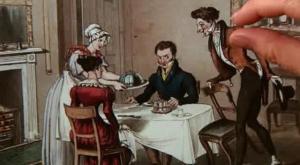
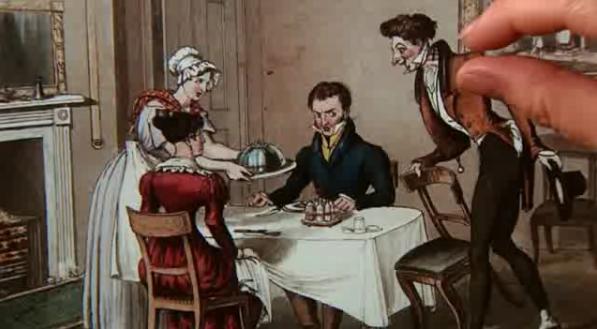
In a contemporary cartoon, a bachelor cadges a meal from an irritated married friend

His dreams would not be realized for another twenty years when he married the daughter of a rich West Indian merchant.
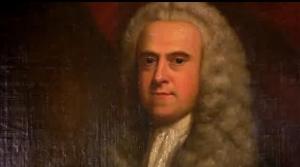
Dudley Ryder as a respectable married man

Dudley not only came into his own later in life, but managed to acquire a quite handsome estate.
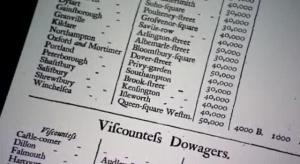
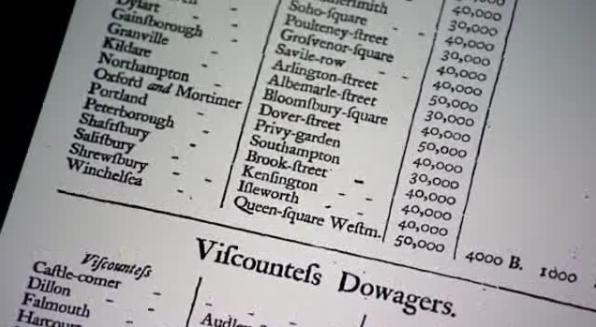
The Master Key to the Rich Ladies Treasures listed eligible ladies according to region and type

For these men, eligible brides were at a premium. A book, “Master Key to the Rich Ladies Treasures”, listed all the eligible women (and their incomes) in the land.

A lady's fortune and other assets could be consulted

Today, we think of the marriage mart in that long ago age as a “meat market” in which the bride went to the best prospect. Yet Georgian women longed as much for domesticity as the man yearned for a wife to complete his ambitions in becoming head of a household with a family.
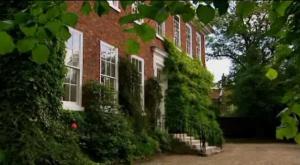
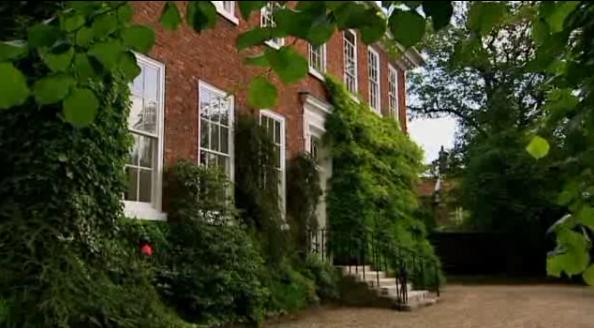
John Courtney's house had curb appeal, unlike its master

Some men had more difficulty than others in acquiring a proper mate. John Courtney, who lived in a handsome house in the market town of Beverley in Yorkshire with his mama, was rejected eight times during his search for a wife. In this instance, Dr. Vickery makes the point that there was more to wooing a future wife than the prospect of living in a fine house – the man himself needed to have some finesse in the ritual of courtship and show some self-awareness.
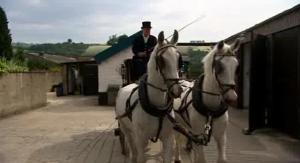
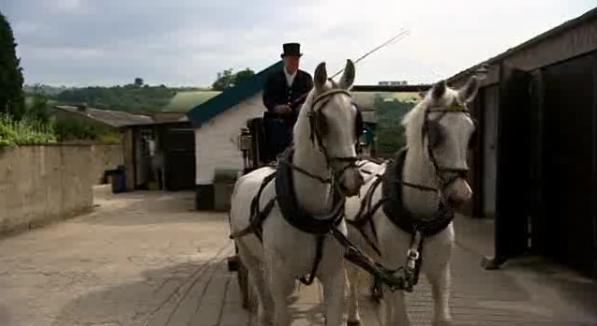
The cost and maintenance of a carriage and horses was the equivalent of a helicopter today

Once the couple was married, the man could spend the family money as he wished. Much of a man’s financial outlay was on himself and his interests, such as horses, carriages, and leather (symbols of speed and virility) and on the sort of equipment that would be the equivalent of today’s laptops and flat screen tvs.
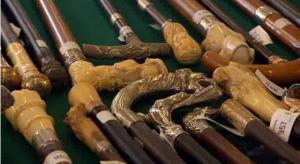
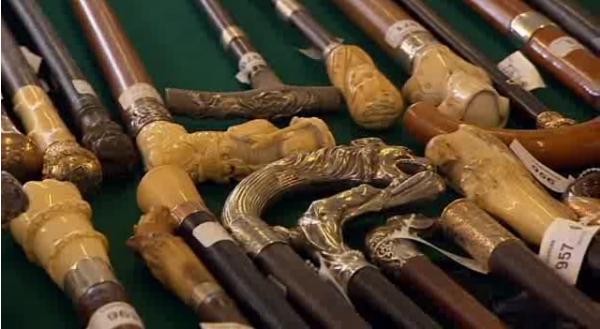
18th c. male items for sale today

Not surprisingly, the personalities of Georgian women varied. Not all were meek and mild. Miss Mary Martin from Essex was a rather complicated (and very bossy) individual. She was capable and demanding, yet womanly.
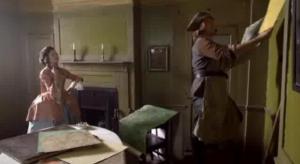
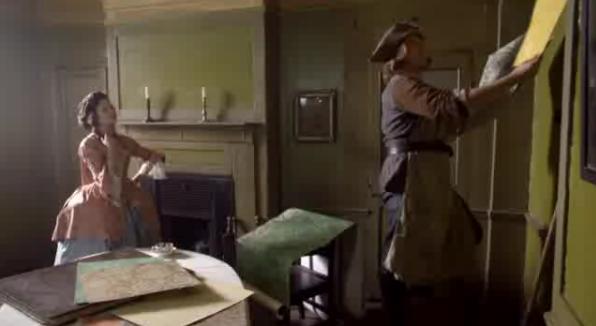
Miss Mary Martin oversees renovations

Engaged for seven years to her cousin, Colonel Isaac Rebow, she took care of his interests when he was away on garrison duty, jokingly writing to him, “I will only add that my breeches hang extremely well.” She was a powerful fiancee, able to oversee the hiring and firing of servants, look after storing Isaac’s wigs, and see after his provisioning. After they were married, she made sure that her husband was as happy in bed as out of it.
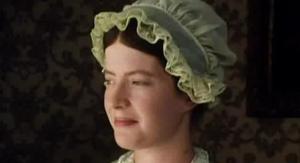
Charlotte Lucas was quietly content with her decision

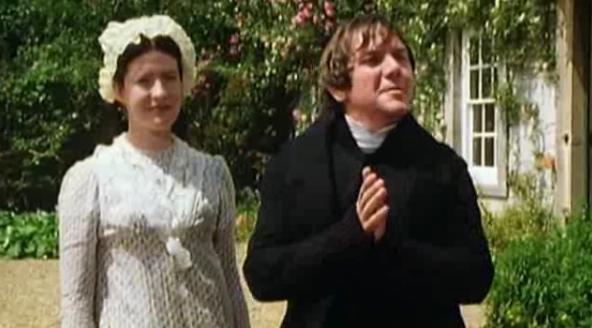
At this juncture, Dr. Vickery points out that Charlotte Lucas in Pride and Prejudice, chose the security and status of a married woman, knowing she would be married to a buffoon. Through marriage she gained status and respectability. But what happened to a woman who never married? Unfortunately, as Jane Austen sagely wrote, “ There are not so many men of fortune in the world as there are pretty girls who deserve them.” In the 18th century, Dr. Vickery states, one out of three artistocratic girls were never married, for there were not enough estates to go around.
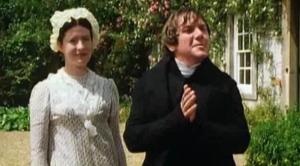
Even a buffoon of a husband did not detract from Charlotte's pride of home

And, indeed, Jane Austen in Mansfield Park wrote vividly about Fanny Price’s mother, who married down the social ladder. She took on her husband’s status, that of a lowly lieutenant, and lived a life of misery, poverty and want. Her tablecloths were surely dirty, whereas in the Georgian age a clean one was considered a sign of virtue.
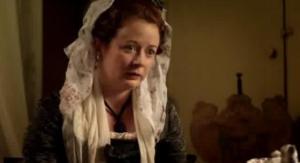
Gertrude Savile, unhappy spinster

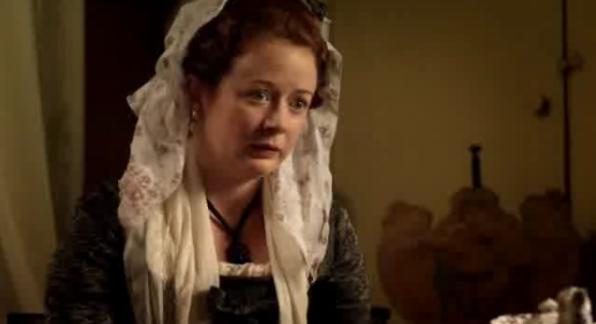
Dr. Vickery talks in detail of a lonely spinster, Gertrude Savile, who lives on sufferance in Rufford Abbey, her brother’s grand house in Nottinghamshire. Timid, shy, and pox marked, she hated her gilded caged life and struggled to find some social and emotional meaning in an existence that forced her to beg for “every pin and needle” and “every pair of gloves”.  Even the servants treated her with contempt and thus she chose to remain within her rooms, with her cat her only comfort. In her diary she poured out her anger and sadness, using words like “miserable”, “unhappy”, “extremely miserable”, and “very unhappy”.
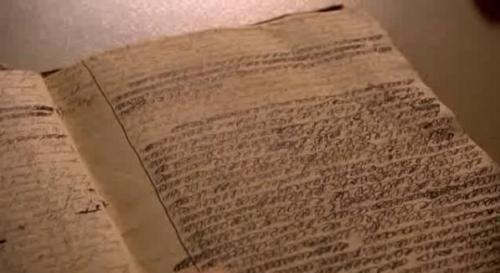
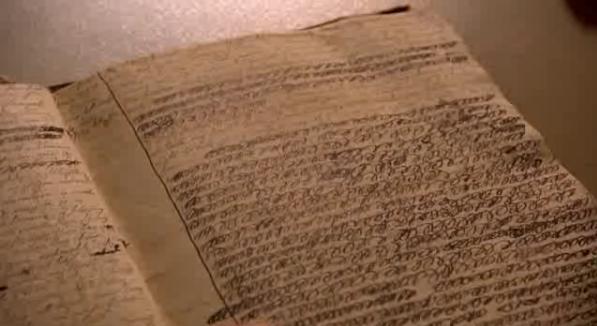
Gertrude Savile's agitated scribbles and crossings

Poor, poor Gertrude would never know the joys of managing her own household and overseeing her own brood. Her scribbled screams of rage and crossings leapt out from the pages of her journals.
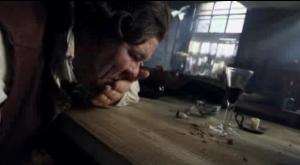
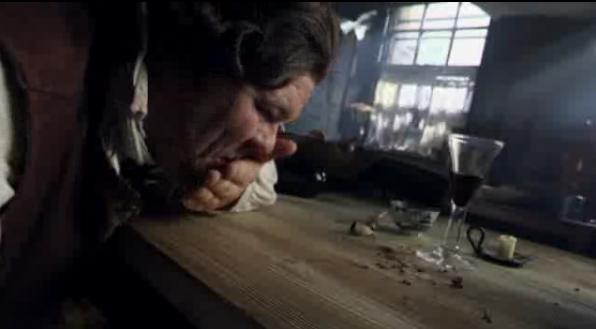
George Hilton was full of self-loathing for his inability to control his base habits

Lifelong bachelors also felt the bitter pangs of loneliness. George Hilton, a dissolute 27-year-old squire, never married. He spent his time carousing in taverns, drinking to so much excess that he “fell paralytically drunk 220 times in eight years”. Even the men he drank with had no desire to introduce George to their eligible female relations.  Graceless George had a house filled with pewter and devoid of womanly touches. His only female companions were prostitutes, which in a Christian society meant that he lived in sin. George died alone and was buried in an unmarked grave on the fells.
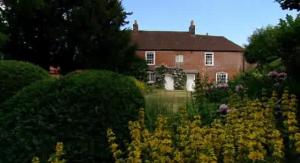
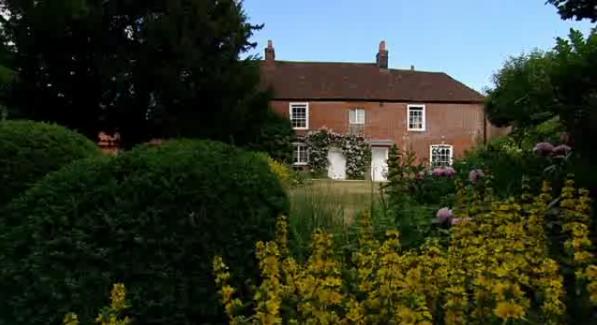
A serene view of Chawton Cottage

Romance and marriage for the Georgians was as complicated in a different way from courtship today. Women had fewer choices to make their way in the world, as poor Gertrude Savile situation as a spinster without prospects demonstrated, but many Georgian men yearned for domestic bliss as much as their women. Dr. Vickery ended the episode in Chawton Cottage, reminding us that another spinster, Jane Austen, chose to live a creative and productive life. Gertrude, who wallowed in her misery and anger, likely did not have the family support or innate talent that Jane had, and thus she was doomed to sit in her rooms alone.
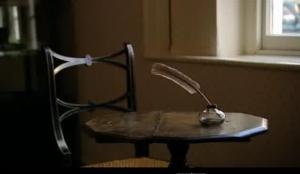
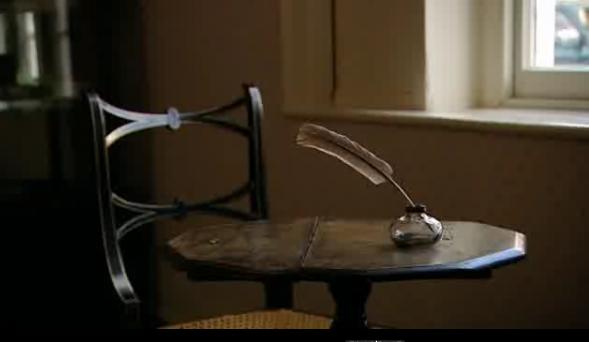
Jane Austen's writing table, Chawton Cottage

I enjoyed this first installment by Dr. Vickery thoroughly. Her approach to what could have been a very dry topic was refreshingly unscholarly and accessible to even the most historically challenged (yet her script is backed up by impeccable sources.) While actors portrayed the diarists in various settings, we are shown the portraits of the actual individuals (when possible), and are shown their homes or a close facsimile.
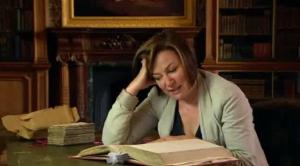
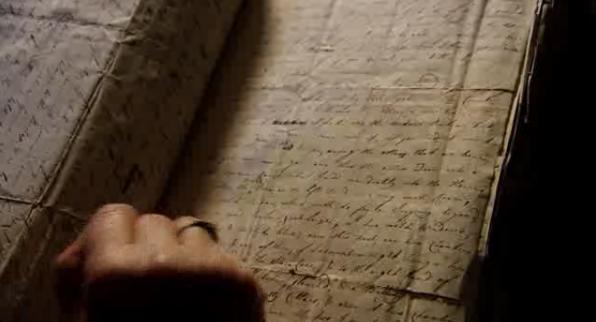
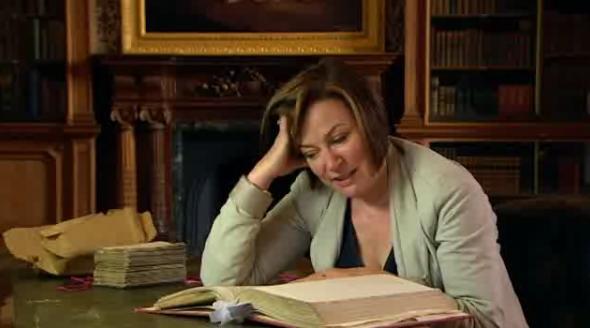
Amanda Vickery reads Dudley Ryder's diaries

I did wonder, however, how on earth Dr. Vickery was allowed to handle valuable manuscripts with her bare hands. (Does not the oil on our fingertips eventually eat into the parchment? Are scholars exempt from having to wear gloves as they handle rare diaries that are stored in archival boxes?)
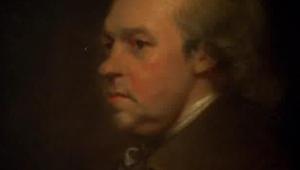
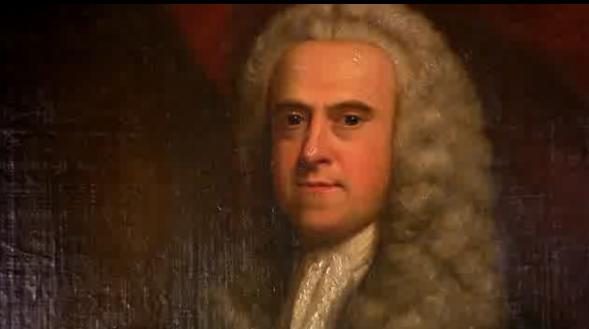
Portrait of Dr. George Gibbs

And I was a bit taken aback at her reaction to Dr. Gibbs’s portrait. Yes, he was a jowly man and did not resemble her fantasized movie star hero, but his lack of handsome looks in no way detracted (in my mind) from his tender feelings and consideration towards his wife and children. See this clip on YouTube. Still, this special made history come alive in a way that made me feel that I had met several people from a former time, and gave me a more complete understanding of their yearning for domestic bliss.
Next episode: A Woman's Touch, 9 Dec

BBC 2 will air the second installment, A Woman’s Touch, on Thursday evening at 9 PM. Viewers in countries round the world can only sit back and patiently wait for this excellent series to head their way.

More reading:

Read Full Post »
Copyright @Jane Austen’s World. Post written by Tony Grant, London Calling.

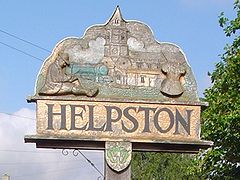
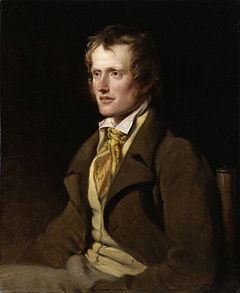
John Clare (1793-1864) was born at Helpston, a village in Northamptonshire on July 13th 1793. Jane Austen was 18 years old and living in the south in an equally rural setting of the parsonage at Steventon, Hampshire. Her family and life was very different to John Clare’s. His father was a farm labourer, a fairground wrestler and a ballad singer. The ballad singing was John’s first introduction to verse, rhythm and rhyme.

John Clare was at first educated at a dame school in his native village between 1798 and 1800. Then he went to Glinton school in the next village.

John Clare, Poet

He had a need to write poetry and his first poems were based on his father’s songs. People said of him at the time and nowadays that he was a self-taught poet. It’s difficult to imagine anybody being taught to be a poet. John Clare could hear the rhythms and rhymes in his father’s songs and he did read quite extensively. He was able to think in rhythms and find the right words to say what he wanted by writing poetry. He was sensitive to the sounds and meanings of words and was able to put them together. Great writers don’t learn to be great writers. They have certain skills but the rest is innate. They can hear and find things in words that is very difficult for the rest of us. Otherwise we could all do it. People have struggled to explain the genius of Shakespeare and perhaps Jane Austen. They didn’t come from the aristocracy or were particularly well educated. It was part of their inner selves. That can be the only explanation. Great lawyers or accountants or architects are taught the knowledge they need and some skills but something innate can only make them great.

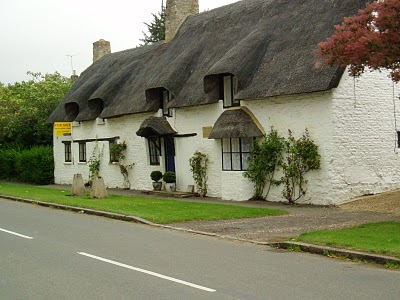
John Clare's cottage

John Clare’s father became rheumatic and couldn’t work in the fields and so John had to take his place so the family could eat. He worked as a horse boy, a ploughboy and then became a gardener at Burley House. In 1812 he joined the local militia returning home 18 months later.
When he returned he took up lime burning. Lime was very useful for building purposes. It was and is a necessary ingredient for cement and concrete. It can also be spread on fields to keep pests down.

In Casterton, a village nearby, he met Martha Turner. She became his wife and they had eight children together.

John Clare’s first book of poems was called “Poems Descriptive of Rural Life.” This was published in 1820 by Hessey and Taylor who were Keats publisher. The volume ran to four editions and Clare began to become famous in London literary circles. They called him, the, “peasant poet,” a rather derogatory title in many ways. In 1821 he published “The Village Minstrel,” and in 1827 The Shepherds Calendar,” came out. The success of his first volume, which was obviously a curio, eluded these following books. In 1835, “The Rural Muse,” was produced and hardly sold at all. John Clare and his family had no money and were virtually destitute.

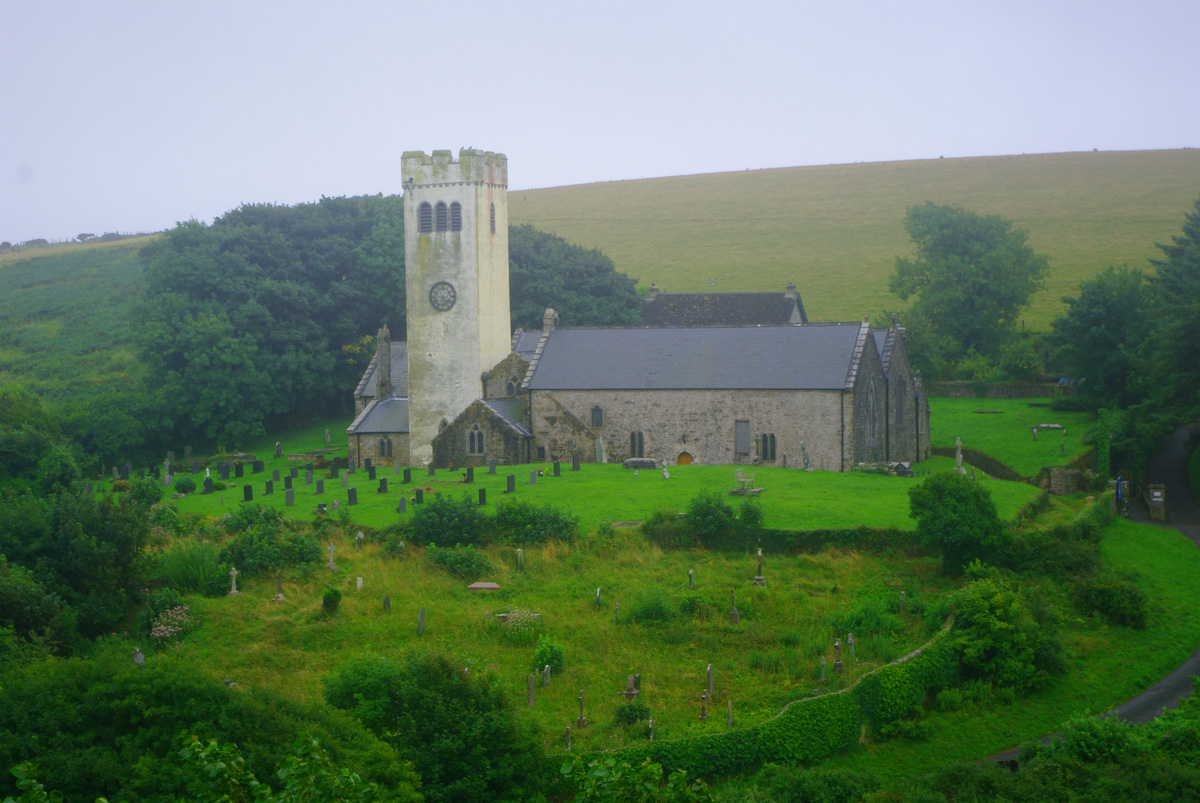
Country Church. Image @Tony Grant

In 1837 John Clare was admitted to Matthew Allen’s private asylum of High Beech in Epping Forest. He was there for four years. He had begun to have delusions. He thought he was Shakespeare for a while. His family couldn’t cope with him. The mental strain of being torn between two worlds was destroying him. After four years he was discharged and had to walk the eighty miles home, which took him three days. He ate grass along the way. When he got home he wrote two long poems based on Byron’s poems Don Juan and Childe Harold.These two poems described his state of mind. Again in December 1841 he was certified insane by two doctors. He was admitted to St Andrew’s County Lunatic Asylum in Northampton where he was treated well. He was able to continue writing poetry. He died there in 1864.

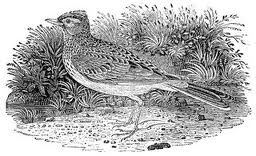
Skylark

The Skylark

THE rolls and harrows lie at rest beside
The battered road; and spreading far and wide
Above the russet clods, the corn is seen
Sprouting its spiry points of tender green,
Where squats the hare, to terrors wide awake,
Like some brown clod the harrows failed to break.
Opening their golden caskets to the sun,
The buttercups make schoolboys eager run,
To see who shall be first to pluck the prize–
Up from their hurry, see, the skylark flies,
And o’er her half-formed nest, with happy wings
Winnows the air, till in the cloud she sings,
Then hangs a dust-spot in the sunny skies,
And drops, and drops, till in her nest she lies,
Which they unheeded passed–not dreaming then
That birds which flew so high would drop again
To nests upon the ground, which anything
May come at to destroy. Had they the wing
Like such a bird, themselves would be too proud,
And build on nothing but a passing cloud!
As free from danger as the heavens are free
From pain and toil, there would they build and be,
And sail about the world to scenes unheard
Of and unseen–Oh, were they but a bird!
So think they, while they listen to its song,
And smile and fancy and so pass along;
While its low nest, moist with the dews of morn,
Lies safely, with the leveret, in the corn.

John Clare

John Clare often wrote in Iambic pentameter, that most used metre in the English language. Shakespeare and Milton and many poets since have found iambic pentameter the best form to use. It is a ten-syllable line with pared, soft and strong beat pulses. It’s like an inner natural force. It is the most natural rhythm pattern to use because it is close to a conversational style; it’s like our heartbeat and our breathing patterns. It is most apt for conveying every sort of meaning in the English Language. It’s easy and smooth and a real joy to say.

John Clare moves straight into this perfect rhythm in the first two lines of The Skylark with these rhyming couplets.

The rolls and harrows lie at rest beside
The battered road: and spreading far and wide”

The iambic pentameter mesmerises us, carries us along, and Clare enters right into the detail of the countryside with “rolls,” “harrows” and “the battered road.” We are there immediately with him on his walk or ramble about his village.

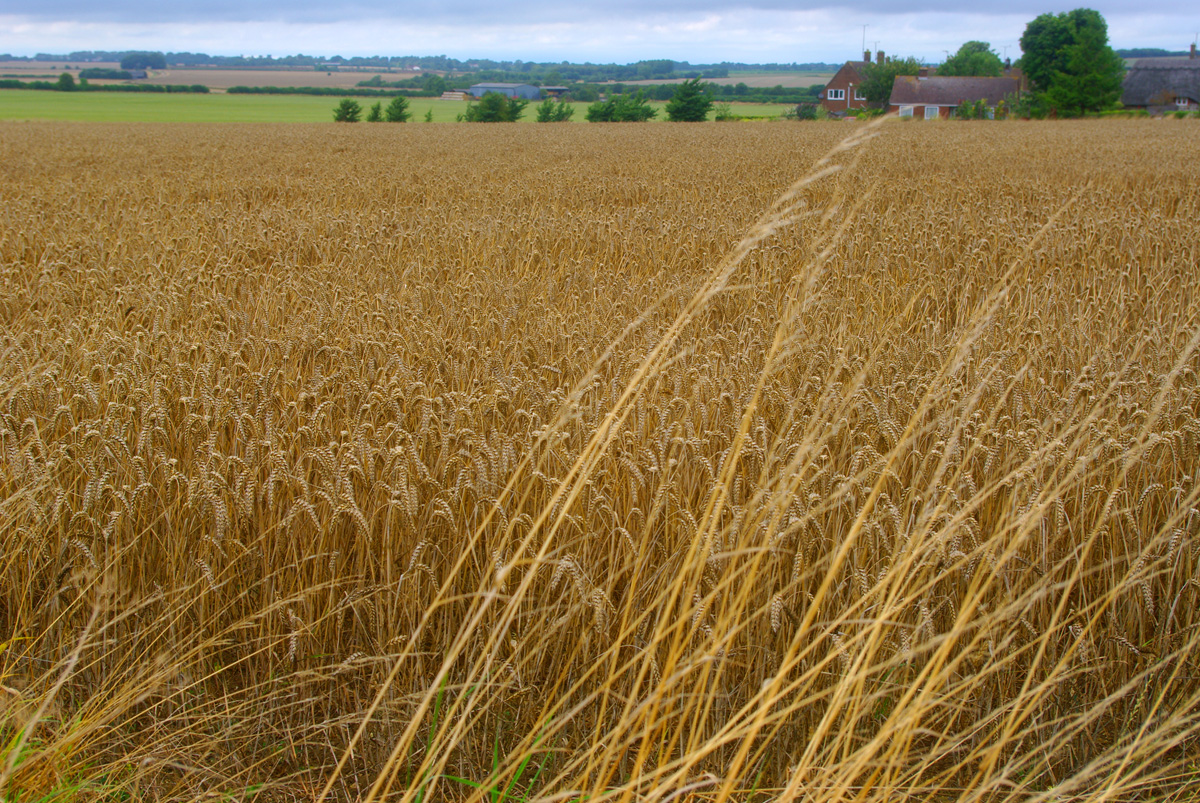
Wheat field. Image @Tony Grant

In this poem, John Clare shows his detailed knowledge of the countryside where he lives and his knowledge about country practices and farming equipment. “Rolls and harrows lie at rest,” “ the battered road,” presumably cut deep and rutted by cartwheels are there for him to see. He describes the colour of the clods of clay, a russet colour, and we learn the season when the events of this poem happen, in his description of the growing corn, “sprouting spiry points of tender green.” It’s the time of year the buttercups are, “ opening their golden caskets to the sun.”

The introduction of humans, in Clare’s poetry, always brings foreboding, fear and the possibility of danger and destruction. In the Skylark “schoolboys eager run, to see who shall be first to pluck the prize.” The boys are not there to admire and be sensitive to nature they want to, “pluck,” it, tear it from it’s place and use it for their own fun and amusement. Are they, the boys, the, “anything,” that, “may come at to destroy?”

Clare shows his closeness and affinity with nature and the world of the countryside with words and phrases such as,

…harrows lie at rest,”

“Where squats the hare, to
terrors wide awake,”

“…the skylark flies,
And oe’r her half formed nest, with happy wings
Winnows the air, till in the cloud she sings.”

We are so used to using the word, sings, to describe the sounds a bird makes. Clare has used, in this poem, words to describe country objects and nature; rest, terror, winnows and happy. This is personification. It shows his relationship, his emotional attachment to nature and wild animals. He is part of it and it is part of him.

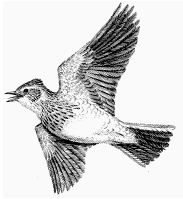
Skylark in flight

There is a very powerful section in the poem which describes a certain fear and dislocation in the life of the skylark which the schoolboys create.
Clare describes the skylark suddenly and abruptly flying high to distract them from it’s weak, fragile and vulnerable nest on the ground.

The line starts abruptly:

Up from their hurry, see, the
Skylark flies,
And oe’r her half formed nest, with happy wings
Winnows the air, till in the cloud she sings
Then hangs a dust spot in the sunny skies
And drops, and drops, till in her nest she lies,”

The boys have passed by unaware, and the skylark feels safe to return to her nest and probably her eggs or new laid chicks. She has flown high and put on a happy and joyous show, an act, a false hood, all the time terrified about her nest being discovered. Just as suddenly she drops back down to the nest when the coast is clear. It’s a sudden dramatic,reversal and change of positions.

The description of the skylark being, “a dust spot,” adds to this sense of dislocation. I thought it a strange description of the skylark high in the sky. In a literal sense the skylark might look like a dark spot against the bright blue spring sky. However, a dust spot is dirt that needs to be removed, swept away. It’s out of place. The beauty of the skylark reduced to something dirty. This description has a strange resonance. Why should Clare think of the skylark as a piece of dirt?

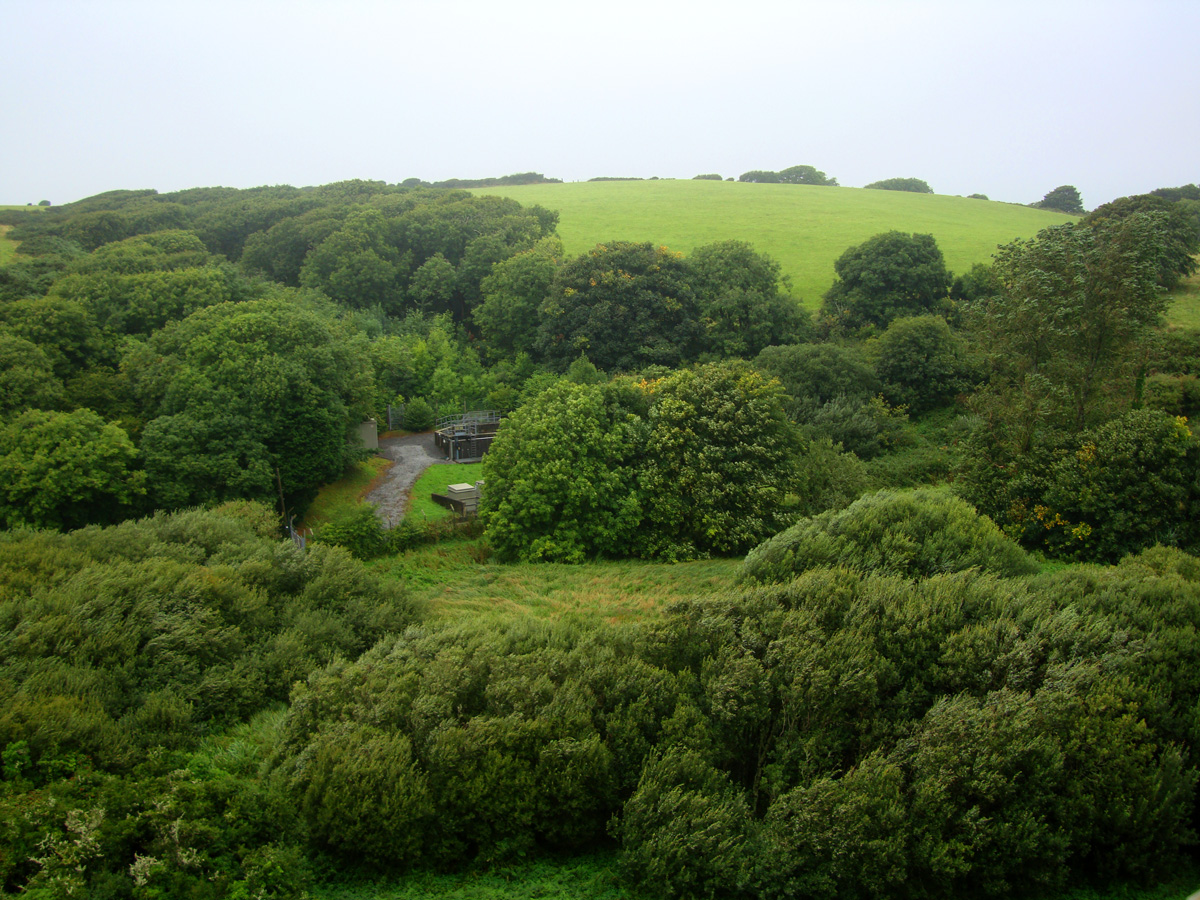
Woodland. Image @Tony Grant

To relieve us from all this dire, stark reality, Clare, describes at the end of the poem his idea of perfection. His thoughts are about the schoolboys but this is Clare’s hope. It is sad to think that freedom for Clare can only be in death and the hope of heaven. Only there can the skylark, it’s, “low nest, moist with the dew of morn,” be safe.

Like such a bird themselves
Would be too proud

And build on nothing but a passing cloud!
As free from danger as the heavens are free
From pain and toil, there would they build and be.”

It is very easy to compare the events in this poem with Clare’s own life and perhaps his feelings about himself. Is he the skylark torn between heaven and earth, the heights of the literary world where many regarded him as a curio, a country yokel, a,”dust spot?” Is the skylark’s vulnerable nest his own vulnerable family and fragile existence back home in his Northamptonshire village?

Read Full Post »

Copyright @Jane Austen’s World

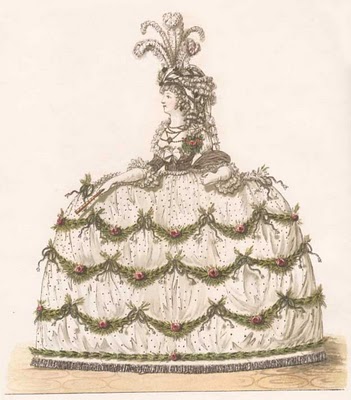
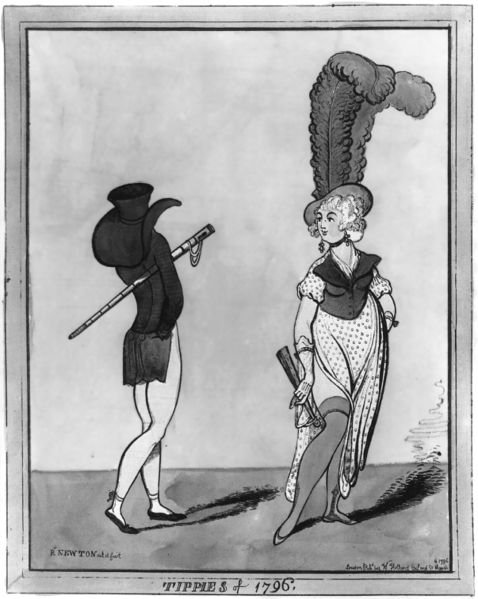
Looking at the images in this post, one can only imagine how difficult it was for a woman in full evening dress (or court dress) to move around. Between taking care of her shawl, reticule, dance card, and fan, she had to walk upright and sedately so that her head feathers did not topple over after an abrupt movement or caught fire under chandeliers ablaze with candles.

1794-95 Court Dress

Examining the above image, one can readily see that these costumes were designed for high-ceilinged rooms that were opened by high double doors.

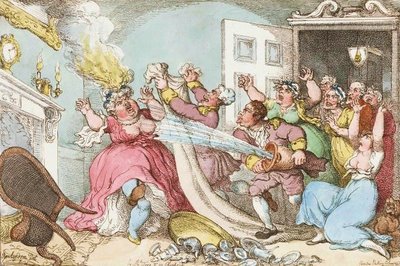
A lady's wig catches fire. Thomas Rowlandson. Image @Yale University

In this dramatic image, Thomas Rowlandson catches a moment of real danger both for the lady whose wig (and feathers) caught fire, and for the guests, who might have been trapped in a house fire, for water to put out flames was not easily obtained.  In the late 18th century The London Times reported on several more incidents in which ladies found ways to accommodate their head feathers, or in which the feathers (and mother nature) got the best of them.

Lady Godina's Rout

At all elegant Assemblies there is a room set apart for the lady visitants to put their feathers on, as it is impossible to wear them in any carriage with a top to it. The lustres are also removed upon this account, and the doors are carried up to the height of the ceiling. A well-dressed Lady who nods with dexterity can give a friend a little tap upon the shoulder across the room without incommoding the dancers. The Ladies feathers are now generally carried in the sword case at the back of the carriage.  – Times,  Dec 29, 1795.

Tippies of Newton, 1796 caricature by Richard Newton. Image @Wikimedia Commons

A young lady only ten feet high was overset in one of the late gales of wind in Portland Place, and the upper mast of her feather blown upon Hampstead Hill.  “The maroon fever has been succeeded by a very odd kind of light-headedness, which the physicians call ptereo mania, or feather folly.” The Ladies now wear feathers exactly of their own length, so that a woman of fashion is twice as long upon her feet as in her bed. –  Times, Dec 30, 1795.

1796, High Change in Bond Street, Gillray

We saw a feather in Drury Lane Theatre yesterday evening that cost ten guinea. We should have thought the whole goose not worth the money.  – Times, Jan 6, 1796.

A Modern Belle Going to the Rooms at Bath, James Gillray, 1796. Image @Wikimedia Commons

Here is a contrivance by which A Modern Belle going to the Rooms or Balls can go fully dressed with her feathers fixed. There is to be seen in Gt Queen Street a Coach upon a new construction. The Ladies set in this well and see between the spokes of the wheels. With this contrivance the fair proprietor is able to go quite dressed to her visits, her feathers being only a yard and a half high. –  Times, Jan 22, 1796.

Vis a vis Ladies Coop, 1776

The Times described predicaments regarding head feathers that were not new. Note how twenty years before, both high wigs AND feathers were accommodated. And, indeed, feathers, whether made from ostrich, emu, goose, or peacock, remained popular as a head dress for years to come.

The headdress, while always including a veil, also required feathers as part of it, although, the number and size of the feathers varied with the Monarchy. At the time of Queen Charlotte, young ladies wore one single towering ostrich feather, but through the years, the number of feathers required increased. By the Edwardian Era, the widespread use of feathers to decorate hats and bonnets began the passage of laws that restricted using certain types of bird’s feathers.*

Queen Victoria hated small feathers, so orders were issued that Her Majesty wanted to see the feathers as the young lady approached. Later in Queen Victoria’s reign, as well as in the court of Edward VII, the mandated headdress was three feathers arranged in a Prince of Wales plume–that is, the center feather was higher than the two on each side of it–and it was worn slightly on the left side of the head. Tiaras were worn by married women, and it was extremely difficult to keep the feathers in place, especially during the curtsy.

More on the topic:

Read Full Post »
The environs of London changed dramatically during the 18th and 19th century.

Map of London, Fairburn, 1795

Find them here: Maps of the city are clickable for closer views.  Click on this link: Old London Maps.

List of maps and views in chronological order on the site:

1702
St. Paul’s Cathedral. Pieter Schenk c. 1702. A colourised view of St Paul’s from Westminster.
1720
John Stow (John Strype, editor, and Richard Blome, engraver), maps and plans from the 1720 edition of The Survey of the Cities of London and Westminster.
1750
A map of the Thames between the Tower and Blackwall, giving soundings at low tide, and showing stairs and windmills. Printed in the late 18th century, but showing the Thames as it was in 1750.
1753
A map showing the new roads etc. from Westminster Bridge in May 1753, taken from the Gentleman’s Magazine.
1756
The Proposed New Road from Paddington to Islington 1756 in London.
1786
John Carey’s beautiful Actual Survey of the Country Fifteen Miles Around London, 1786 (which now, of course, includes most of London). This incorporates 24 maps of all eighteenth-century London’s satellite villages and many contemporary views.
1792-99
Richard Horwood’s 1792-1799 Plan of London and Westminster – quite simply, the most detailed map of Georgian and Regency London you will ever find. It shows every house (with numbers), every alley, every tavern, every work and alms house. Magnificent.
1801 John Fairburn’s Plan of Westminster and London, 180

Read Full Post »
« Newer Posts - Older Posts »