Feeds:
Posts
Comments

Archive for the ‘Regency style’ Category

Gentle readers, Tony Grant kindly rewrote an article that he had originally written for JASA (Jane Austen Society of Australia), adding more images and new information. Tony has also resurrected his blog, London Calling (thank you, Tony).

Jane Austen lived in Southampton between 1806 and 1809. She stayed in a rented house in Castle Square.

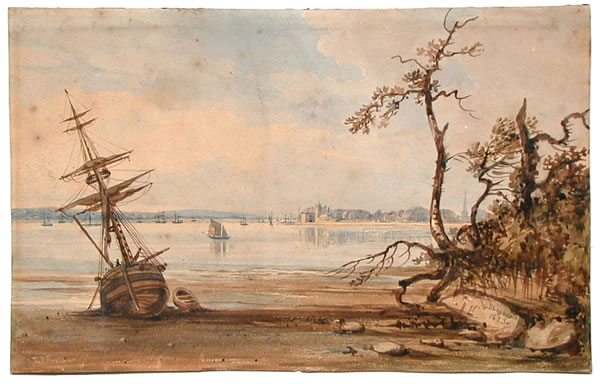
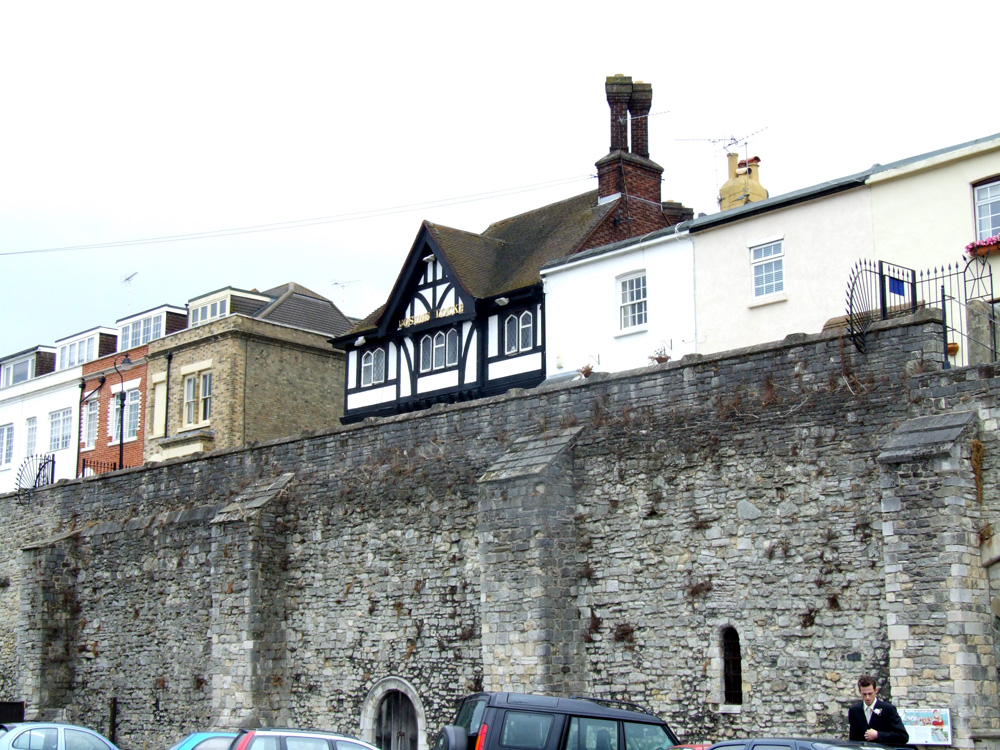
Southampton sea walls

In 1806 Francis Austen married Mary Gibson. As he was to be away at sea a lot he made the suggestion that Mary and his mother, Jane, Cassandra and Martha Lloyd should share a house together. Southampton was a good choice because it was near to Portsmouth, where Frank was based and was a pleasant town set within medieval walls. It was also surrounded by picturesque countryside.
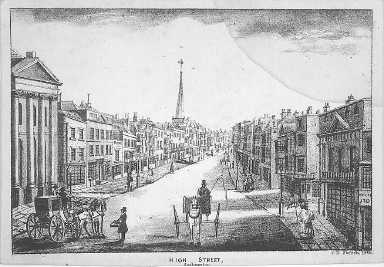
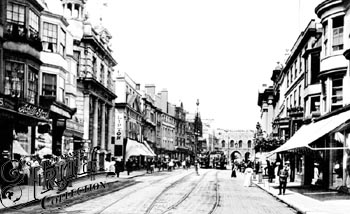
Southampton High Street, 19th C.

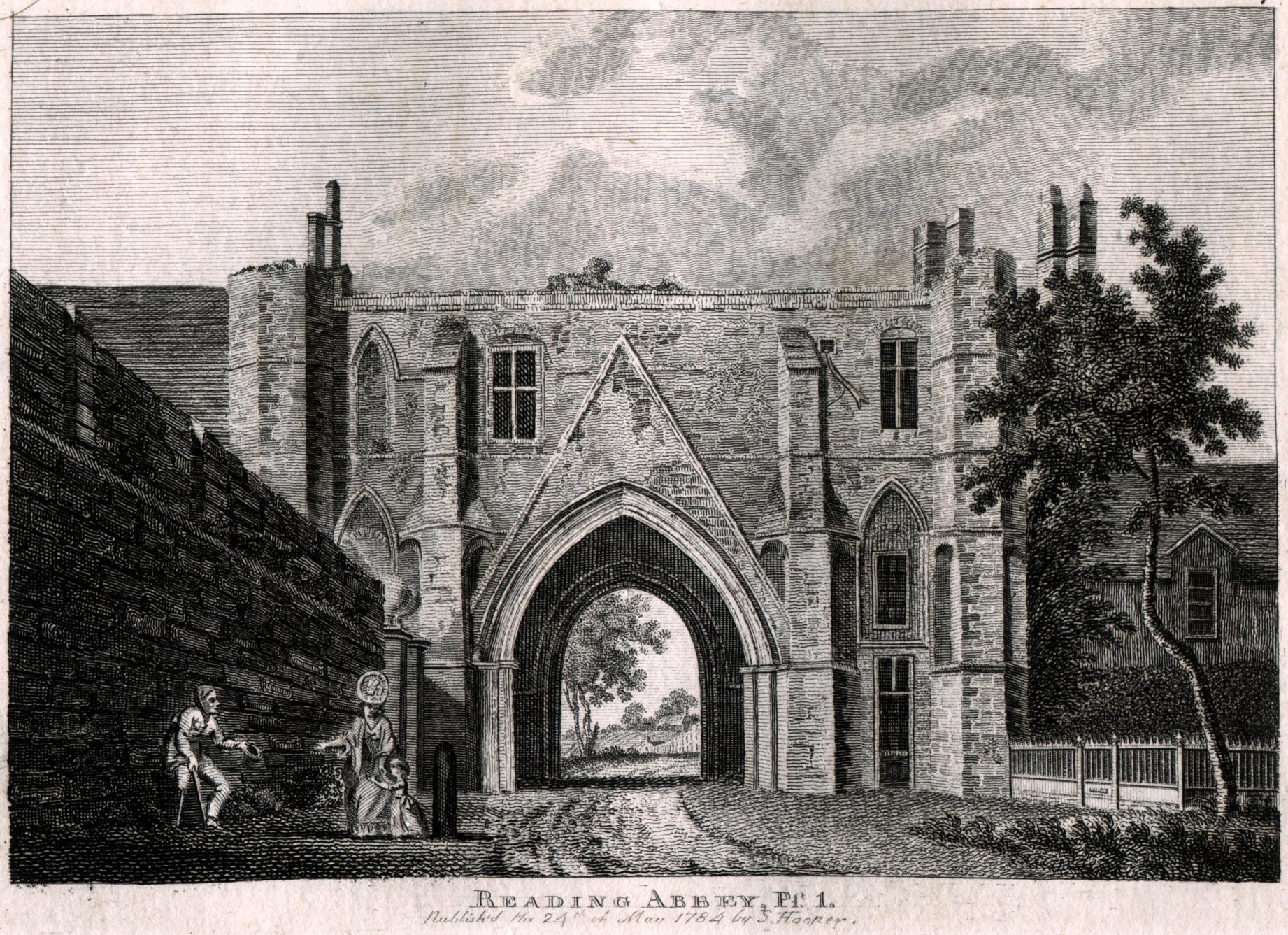
Jane had been to Southampton twice previously. First when she was eight years of age to attend Mrs Cawley’s school with Cassandra and her cousin Jane Cooper. This was a disaster. Mrs Austen , in her wisdom, had decided to send Cassandra away to school to attend Mrs Cawleys academy in Oxford in the Spring of 1783. Jane didn’t want to be left out. She wanted to be with her beloved sister and insisted on going. What the reasoning of Mrs Austen was in allowing a seven year old to be away from home for an extended period of time is anybody’s guess. Mrs Cawley removed her school to Southampton that same year.
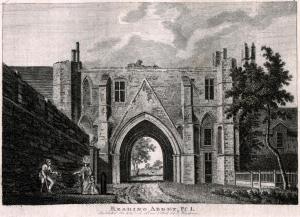
Reading Abbey, Mrs Cawley's school in Southampton

Unfortunately, because Southampton was a port it was often one of the first places that diseases and infections from abroad would first take hold. Cassandra, Jane Cooper and Jane became gravely ill. It was not until Jane Cooper, writing to her mother in Bath, alerted Mrs Cooper and Mrs Austen to the problem. Both mothers removed their children promptly and nursed them back to health.
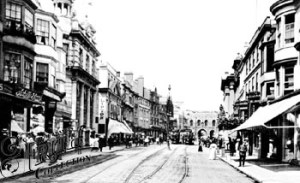
How Southampton would have looked in Jane's time

The second time Jane stayed in Southampton when was when she was eighteen. She stayed with her cousin Elizabeth.

Elizabeth Austen from Tonbridge had married money and moved to Southampton where her husband was…the Sherrif.” (from Claire Tomlin, Jane Austen A Life)

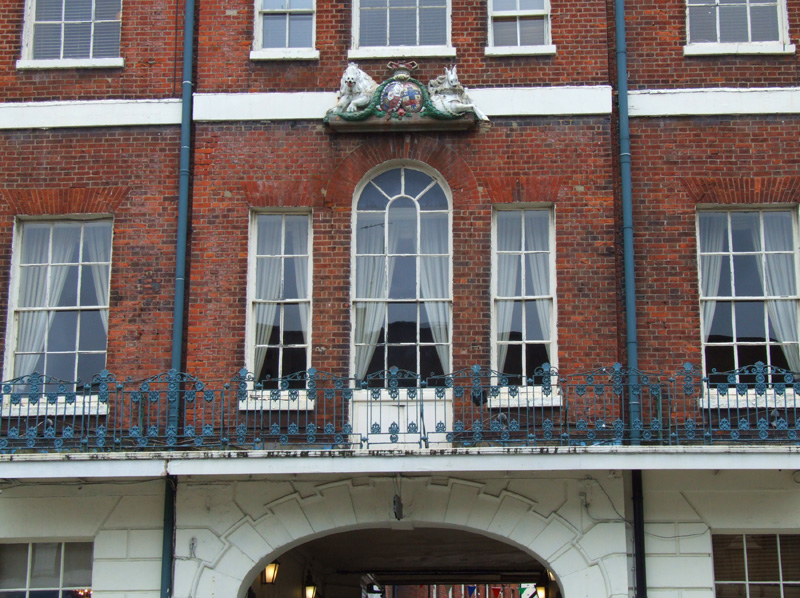
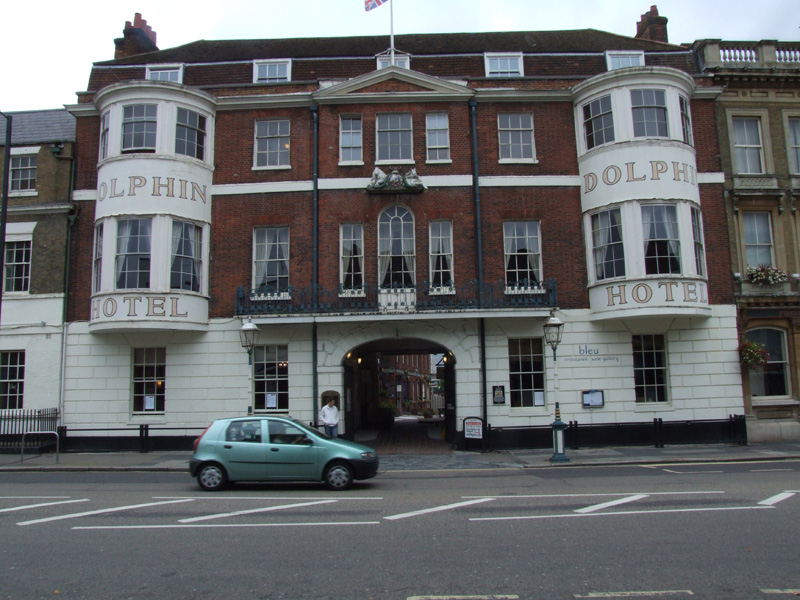
This branch of the Austen family lived in St Mary’s Street in the St Mary’s district of Southampton. While staying with their cousin, Jane and Cassandra attended a ball at the Dolphin Hotel.
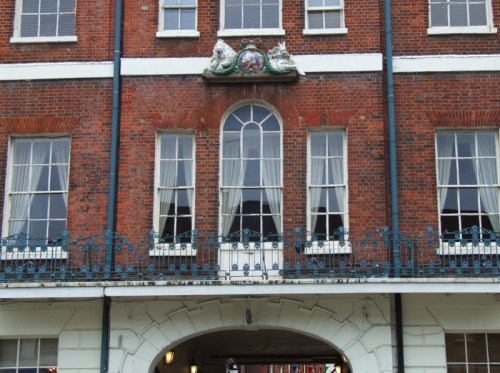
Ball room at the Dolphin Hotel. Image @Tony Grant

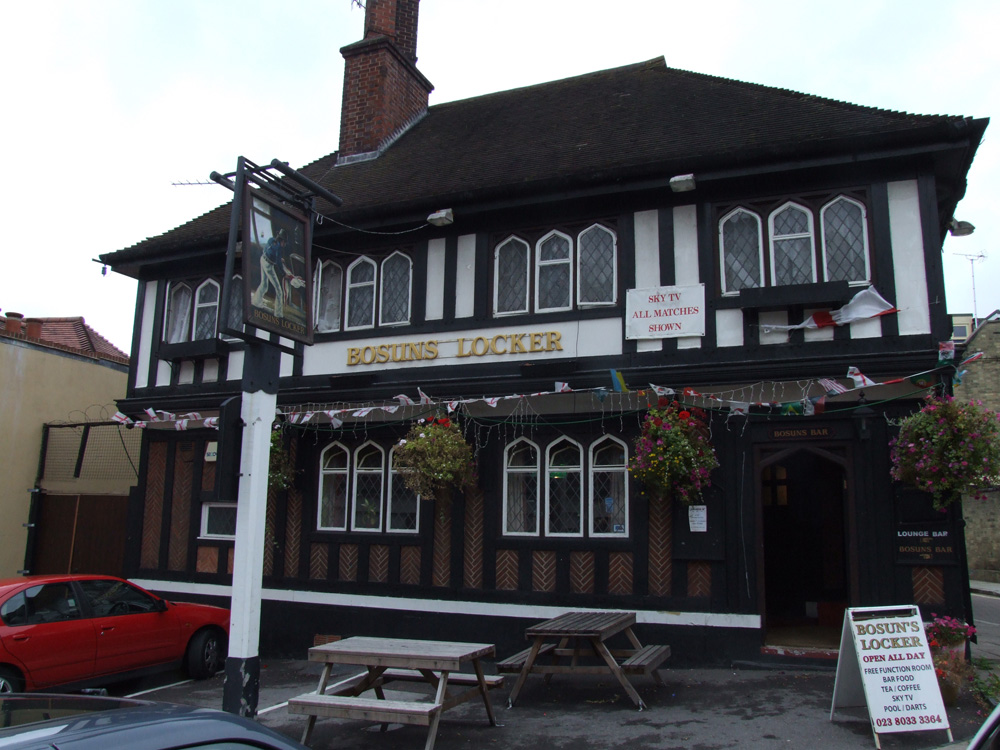
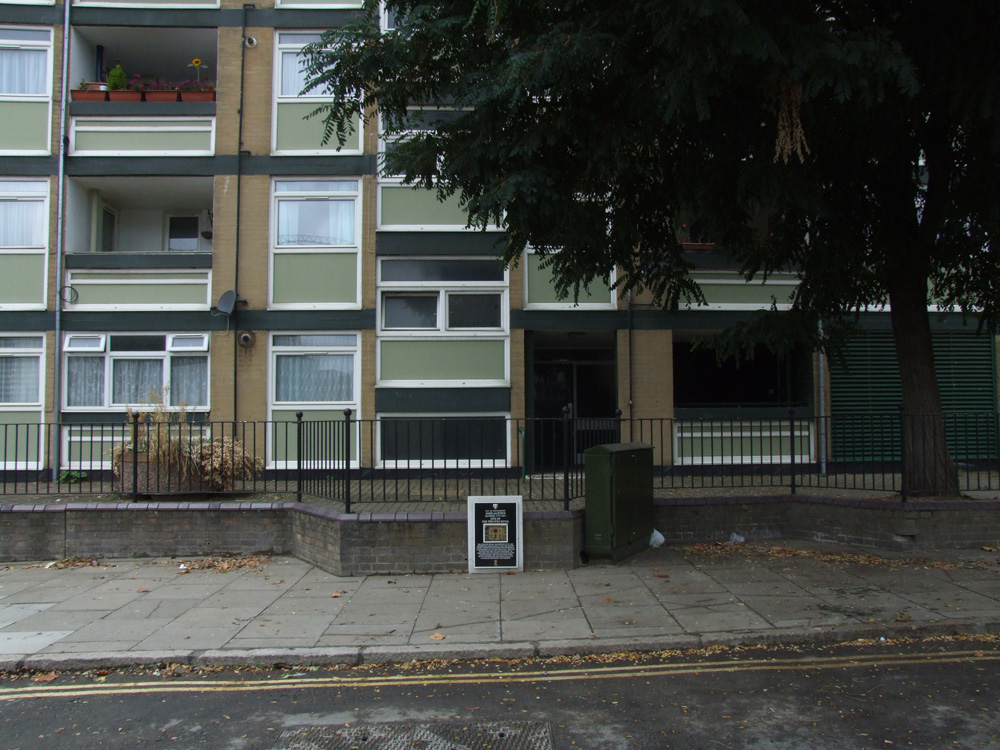
Castle Square today consists of recently built housing, flats built in the 1960’s and some buildings built in the 1940’s and 1930’s. A pub, originally called The Juniper Berry later called The Bosun’s Locker and now renamed The Juniper Berry, is on the site of the house Jane lived in.
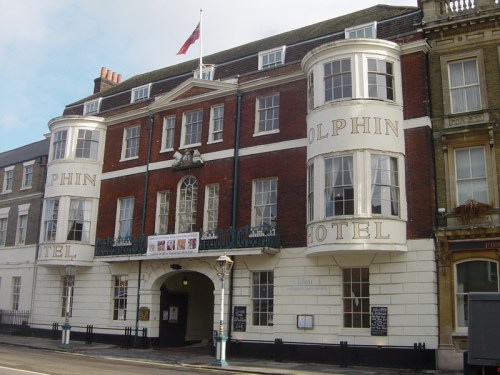
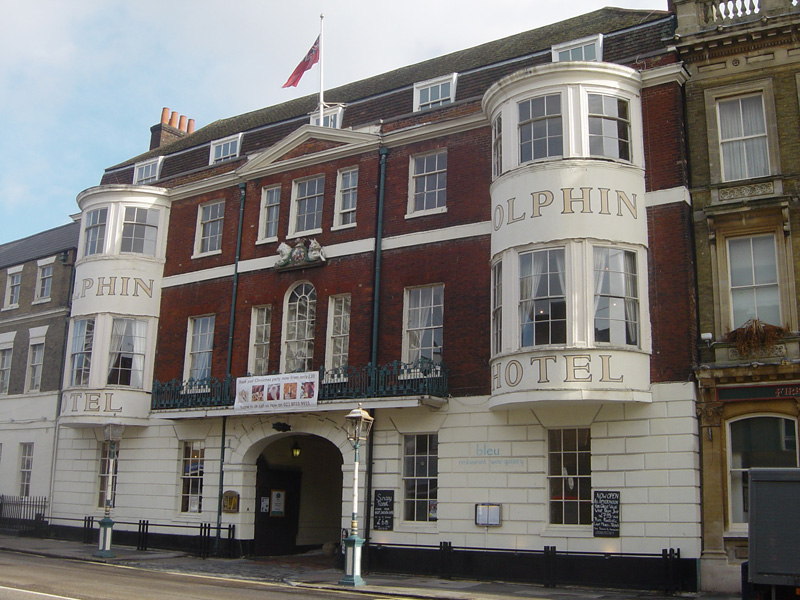
The Dolphin Hotel. Image @Tony Grant

To Cassandra Austen who was staying at Godmersham to help with the forthcoming baby: Friday 20 – Sunday 22 February 1807

“ We hear that we are envied our House by many people, & that the Garden is the best in Town.”
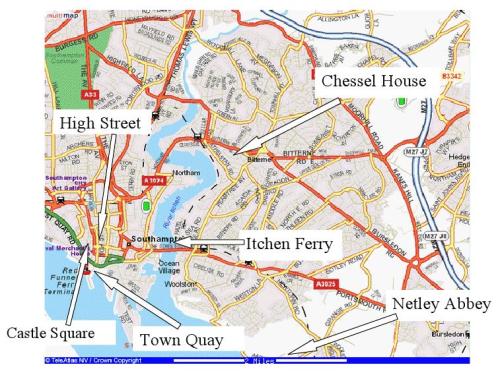
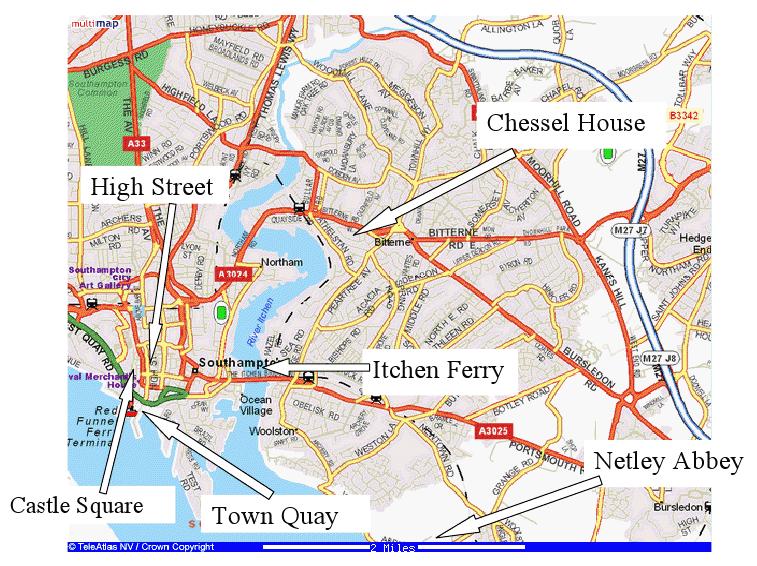
Jane Austen map of Southhampton

Jane also enjoyed the fact that the house in Castle Square had a garden. Something she had not been able to enjoy when living in Bath. She wanted to improve what was already there and the family hired a gardener. She didn’t think much of the roses that already existed,

we mean to get a few of a better kind therefore & the latter of an indifferent sort,—we mean to get a few of a better kind therefore & at my own particular desire he procures us some syringas…”

Jane also mentions getting a laburnum and having currants, gooseberry bushes and raspberries planted.
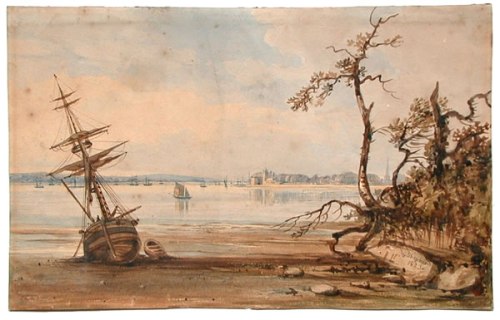
Site of the Itchen ferry in the 18th C.

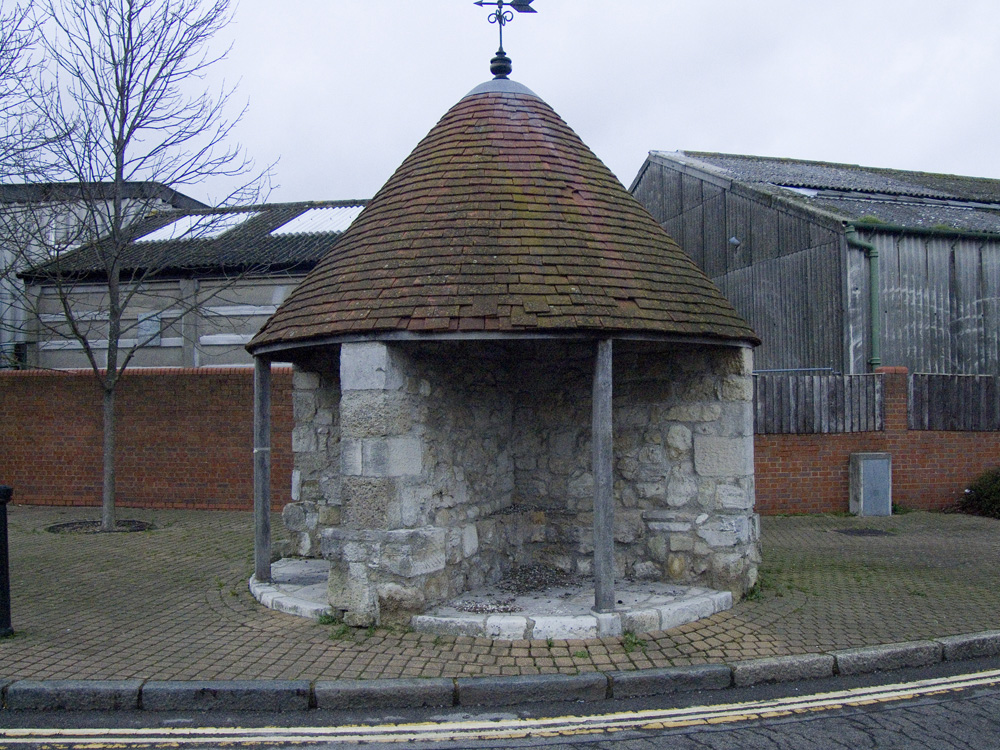
Jane refers to, “The Beach,” in her letters from Castle Square to Cassandra. This was a stretch of land that bordered the Itchen River between the Town Quay and Cross House, which was a sort of Medieval shelter.
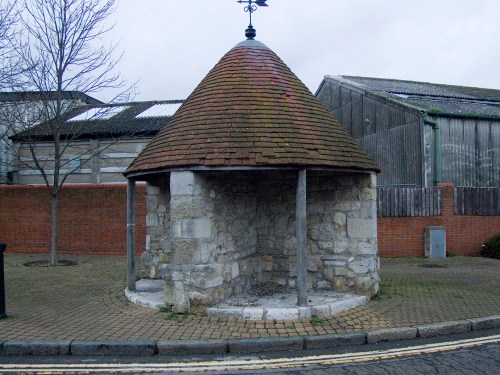
Cross House, a medieval shelter for Itchen ferry travelers. Image @Tony Grant

The shelter was built to shield passengers from inclement weather waiting to be rowed across the Itchen by ferrymen from The Itchen Ferry community situated on the Woolston side of the river. Jane probably sat here waiting for the ferrymen on the various trips she took on the river. (Click here to learn more about the fishermen and ferrymen at Itchen Ferry.)
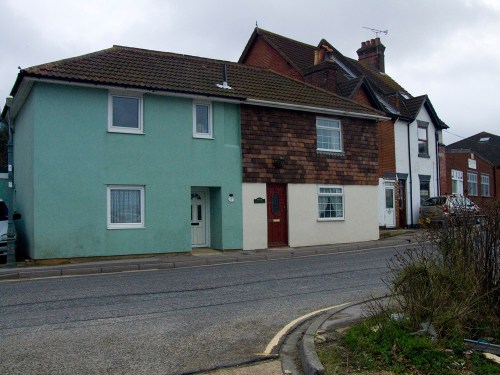
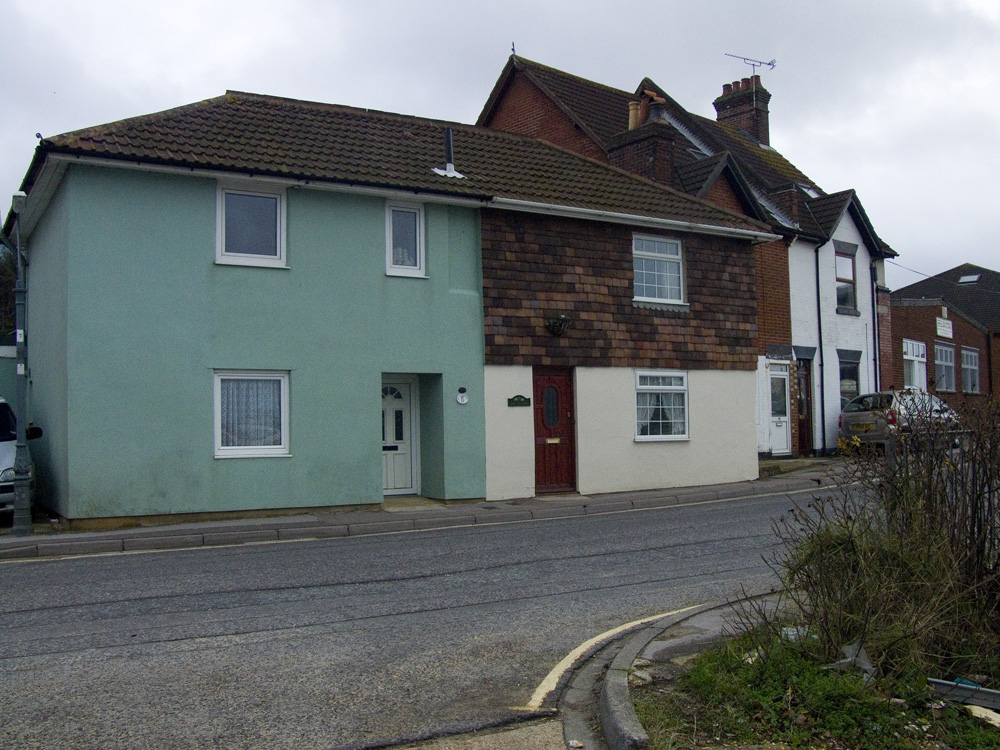
Itchen Ferry cottages. Image @Tony Grant

“The Beach,” no longer exists. In the late Victorian period a large area of land was reclaimed stretching out into Southampton Water. Southampton Docks was built on this reclaimed land.
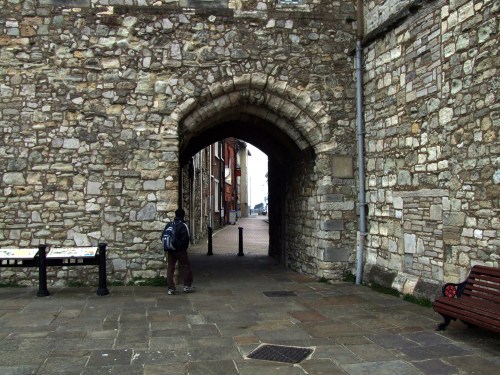
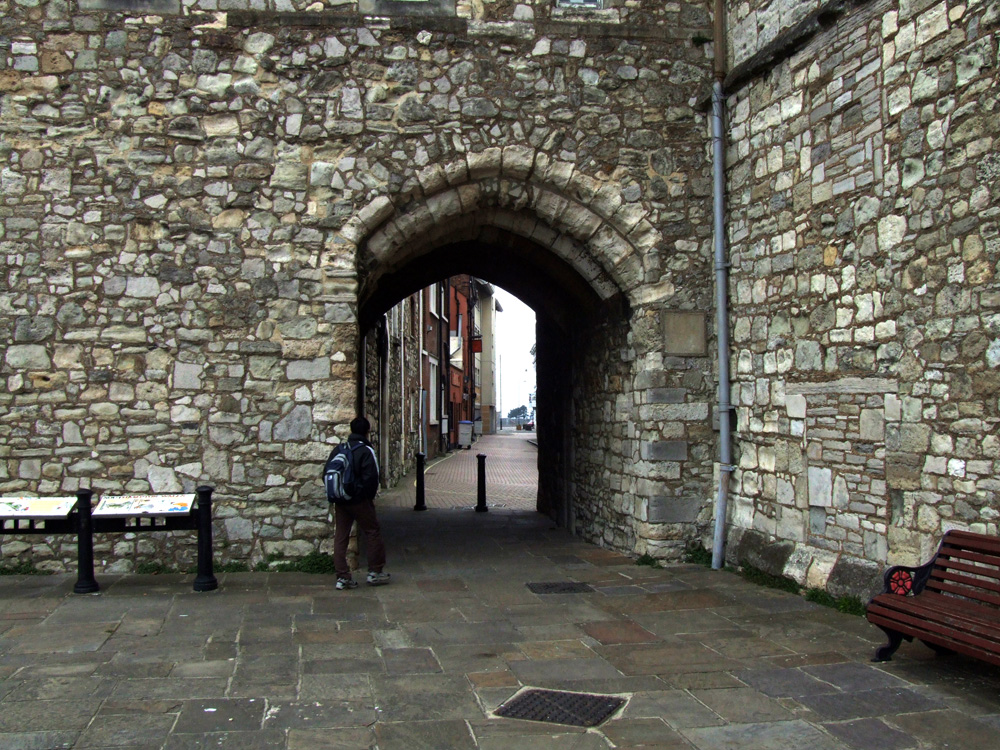
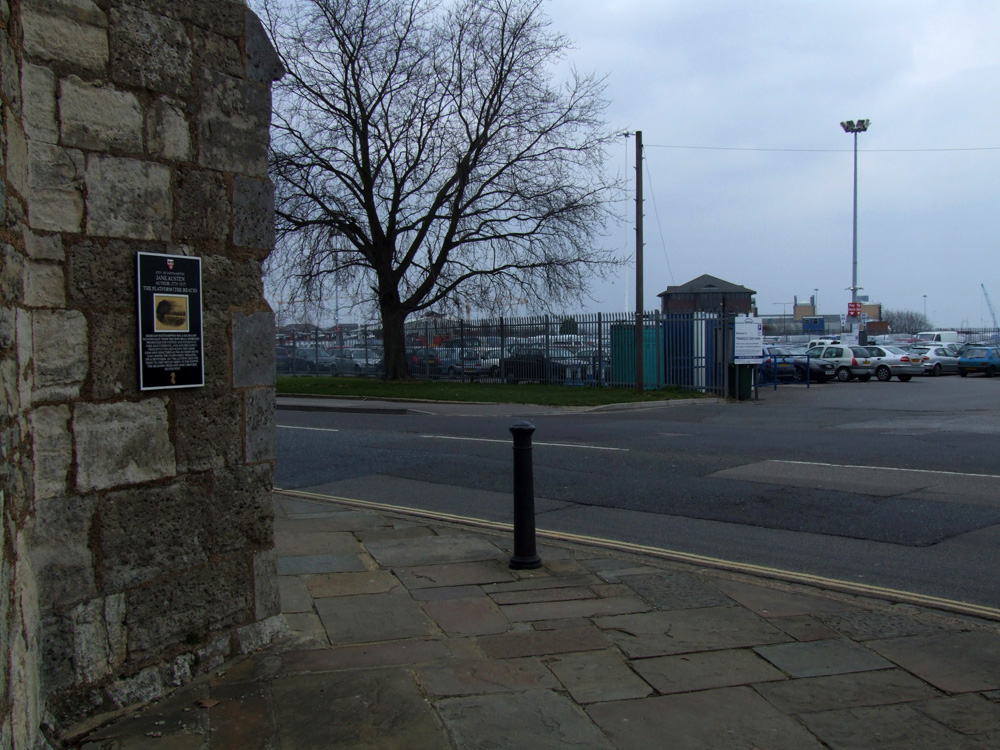
God's House gateway. Image @Tony Grant

The gateway through Gods House Tower, a medieval section of Southampton’s town walls, would have been the entrance through which Jane and her family accessed The Beach.
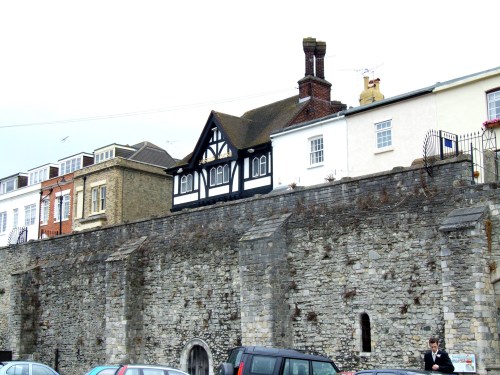
Southampton's town wall. Image @Tony Grant

On the 7th October 1808, Edward’s wife Elizabeth died soon after giving birth to her eleventh child. Ten days after this sad occurrence their two boys, Edward and George, travelled to Southampton to stay with their aunt Jane.
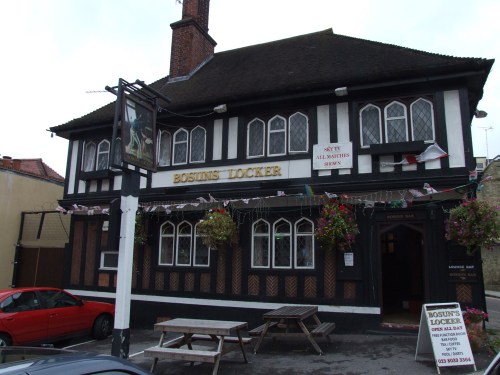
The Bosun's Locker, a pub that sits on the site of Jane's house. Image @Tony Grant

Jane did well in occupying their minds and played games with them and took them on excursions.

To Cassandra Austen at Godmersham: Wednesday 7 – Thursday 8 January 1807

We did not take our walk on Friday, it was too dirty, nor have we yet done it; we may perhaps do something like it today, as after seeing Frank skate, which he hopes to do in the meadows by the beach, we are to treat ourselves with a passage over the ferry.”

The Itchen has been industrialised now for a long time. The area was badly bombed during the war because there was a shipyard in that part of the river,called Thorneycrofts, which built minesweepers and destroyers. In Jane’s time Thorneycrofts were there but they built fishing boats and sailing boats, perhaps even the rowing boats Jane rowed in with her nephews.
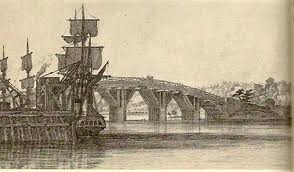
Northam Bridge in the 18th C.

On one occasion Jane took Edward and George on the Itchen up as far as Northam Bridge where they saw a battle ship being fitted out.

To Cassandra Austen at Godmersham: Monday 24 – Tuesday 25th October 1808

“We had a little water party yesterday: I and my two nephews went from the Itchen Ferry up to Northam, where we landed, looked into the 74, and walked home, and it was so much enjoyed that I had intended to take them to Netley today; the tide is just right for our going immediately after noon shine but I am afraid there will be rain; if we cannot get so far, however, we may go round from the ferry to the quay. I had not proposed doing more than cross the Itchen yesterday, but it proved so pleasant, and so much to the satisfaction of al, that when we reached the middle of the stream we agreed to be rowed up the river; both the boys rowed a great part of the way, and their questions and remarks, as well as their enjoyment, were very amusing; George’s enquiries were endless, and his eagerness in everything reminds me often of his uncle Henry.”
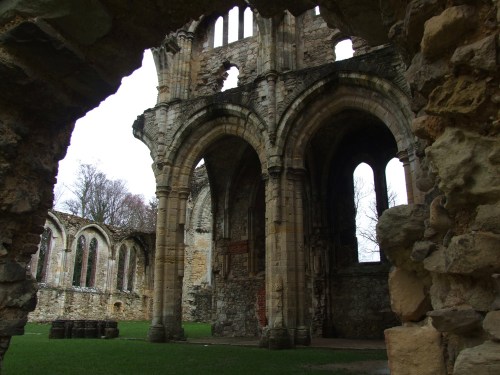
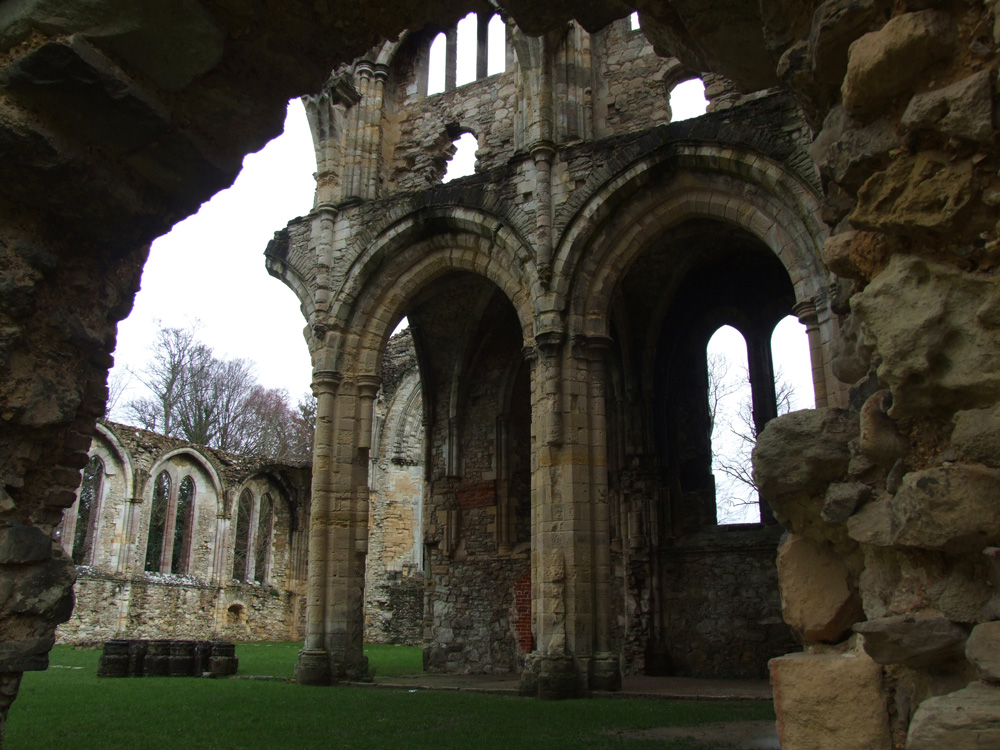
Netley Abbey, south transept. Image @Tony Grant

Netley Abbey appears to have been a popular place for the Austens to visit. This is a quote from Claire Tomlin’s “Jane Austen A Life.” Tomlin also quotes Fanny, who shows a great enthusiasm for Netley Abbey.
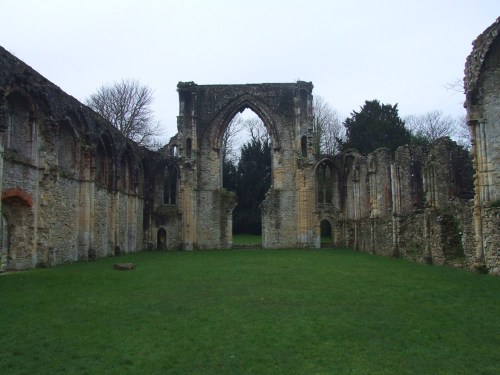
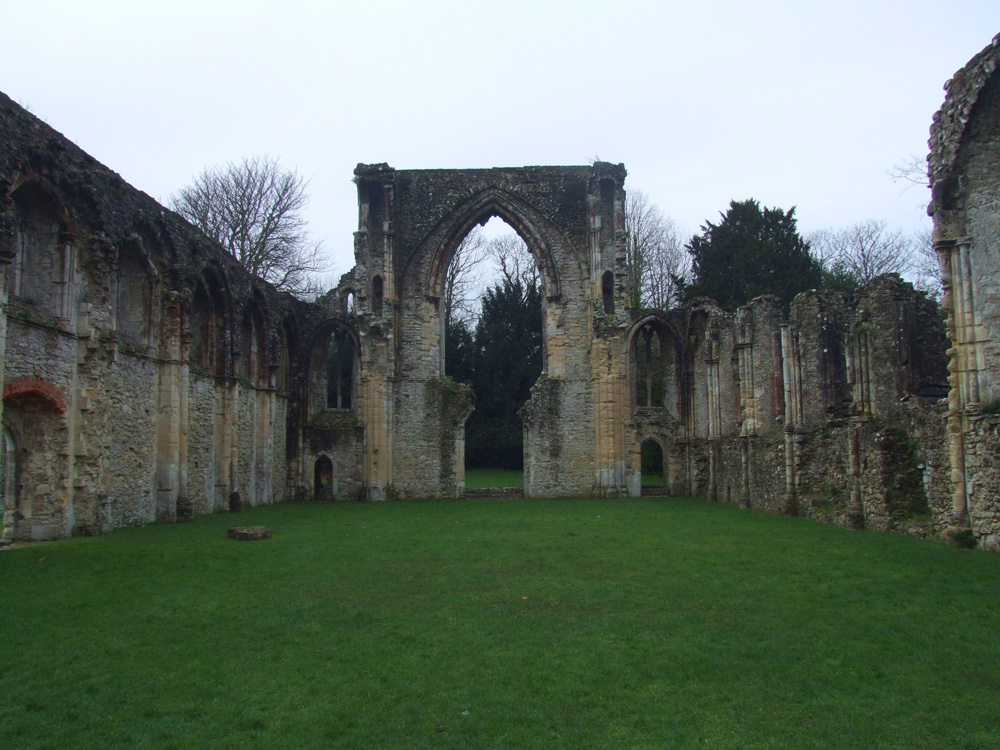
Netley Abbey, church nave. Image @Tony Grant

Claire Tomlin writes, “ There was a boat trip to Hythe and another to see the picturesque ruins of Netley Abbey; (Fanny is quoted as writing)

we were struck dumb with admiration, and I wish I could write anything that would come near to the sublimity of it.”
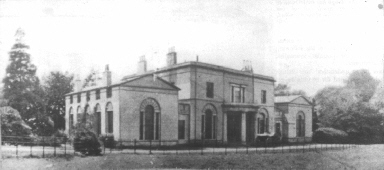
Chessel House, home of the Lances

During their time in Southampton they made new friends. Some did not make a good impression on Jane at first. A Mrs Lance, who lived at Chessel House on the other side of the Itchen, was not approved of. The Austens received cards from the Lances and presumed that they were acting on orders from Mr Lance of Netherton. Frank and Jane went to call on Mrs Lance. They would have got a ferry across the Itchen to the Itchen Ferry Village side and then would walked over Peartree Green, past the chapel on Peartree Green and along Sea Road to get to the Lance’s Chessel Estate at what is now Bitterne.
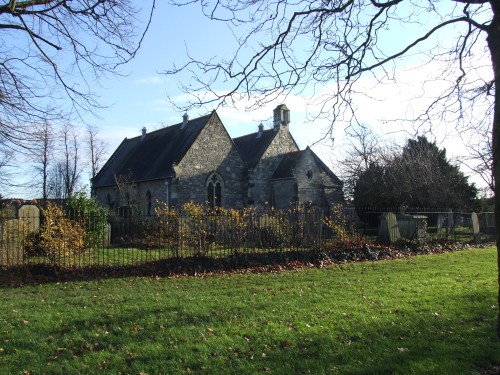
Peartree Church. Image @Tony Grant

The gate posts to the drive, which Frank and Jane would have walked through and the gatehouse to the estate which they would have walked past, are still there.
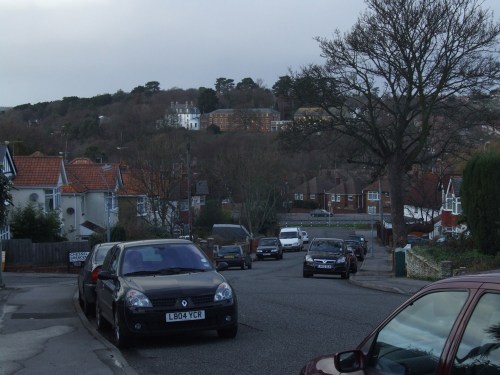
Little Lances Hill. Image @Tony Grant

The gate posts have been moved further apart to allow a modern road to pass through. Two of the local roads, Lances Hill and Little Lances Hill remind us of the Lance family.
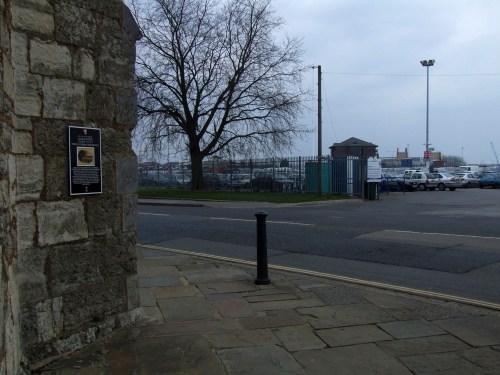
Site fo the beach from God's House Tower gateway. Image @Tony Grant

To Cassandra Austen at Godmersham: Wednesday 7th – Thursady 8th January 1807:

“We found only Mrs Lance at home, and whether she boasts any offspring beside a grand pianoforte did not appear. She was civil and chatty enough, and offered to introduce us to acquaintance in Southampton, which we gratefully declined…………………They will not come often, I dare say. They live in a handsome style and are rich, and she seemed to like to be rich, and we gave her to understand we were far from being so; she will soon feel therefore that we are not worth her acquaintance.”

This does not turn out quite as Jane predicted. They did meet again. Mrs Lance visited Castle Square and the Lance daughters were part of their social circle at the Dolphin Balls. The importance of the pianoforte to Mrs Lance has echoes in Jane’s novel, Emma.

One, maybe slightly salacious story, emerges while Jane, Martha and her mother are in Southampton. Jane, perhaps a little teasingly, relates a relationship between Dr Mant, the rector of All Souls Church in the High Street and Martha Lloyd.
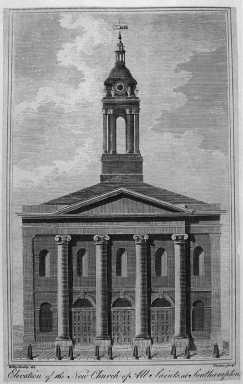
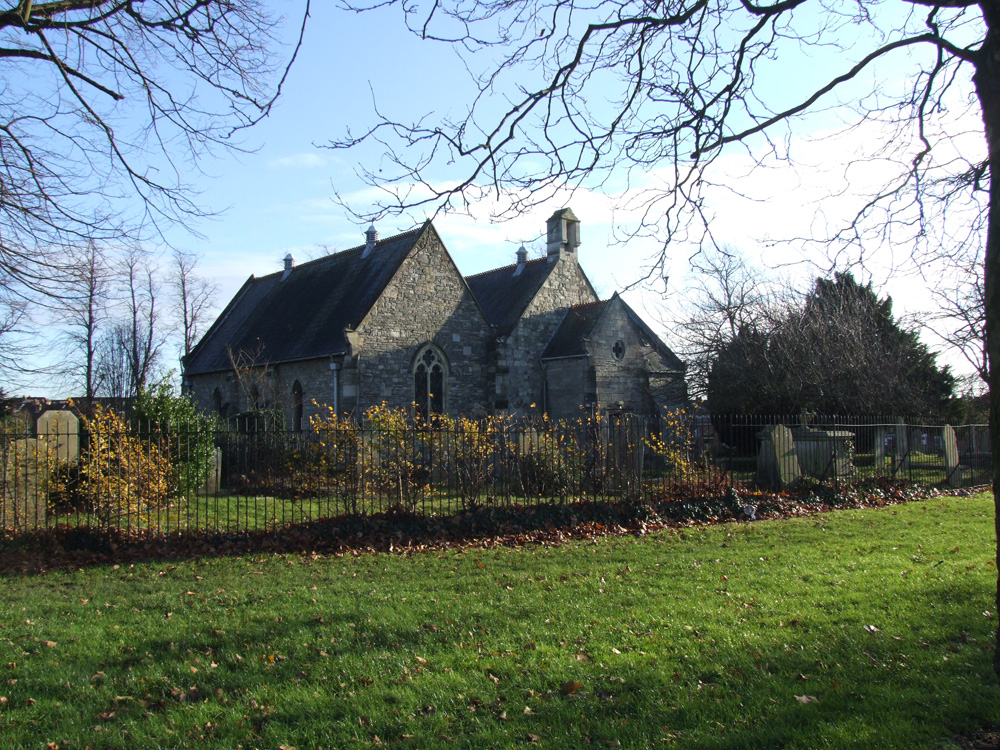
All Saint's Church, Southampton

Dr Mant was well known in Southampton. He had been the headmaster of King Edward VII’s Grammar School in the town . King Edwards Grammar School is now situated in the north part of the city. It has beautiful, extensive playing fields and an iconic, elegant, brick 1930’s style main building. It provides a very high standard of education and all pupils expect to go to university, many go on to Oxford and Cambridge and the other top universities in the country. In Jane’s day the grammar school was in French Street, very close to Castle Square, in a small medieval building. The ruins of it still exist. Dr Mant had also been a professor of Divinity at Oxford and written religious discussion pamphlets. He was a super star in the firmament of vicars. He was a very charismatic preacher too. Dr Mant had his following of inspired young ladies. Martha was apparently a besotted member of this clan.

Tuesday 17th January 1809 from castle Square to Cassandra.

“Martha & Dr Mant are as bad as ever; he runs after her in the street to apologise for having spoken to a Gentleman while she was near him the day before. – Poor Mrs Mant can stand it no longer; she is retired to one of her married Daughters.”

The Dolphin Hotel, which still stands today, was the venue for Balls in Jane’s time. The Dolphin is within easy walking distance of Castle Square and it would have taken no more that six or seven minutes to walk there.
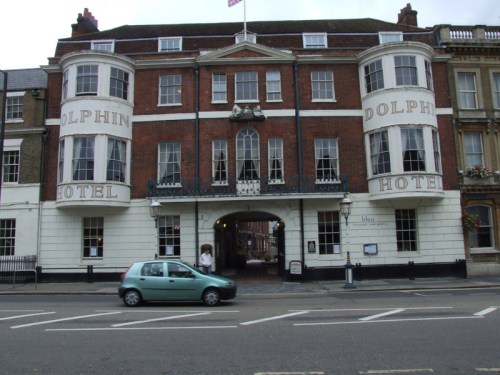
The Dolphin Hotel, where Jane Austen attended balls

To Cassandra Austen at Godmersham: Friday 9th December 1808:

“ The room was tolerably full & there were perhaps thirty couples of dancers; The melancholy part was to see so many dozen young Women standing by without partners & each of them with two ugly naked shoulders! It was the same room we danced in fifteen years ago! – I thought it all over – & in spite of the shame of being so much older felt with thankfulness that I was quite as happy now as then.”
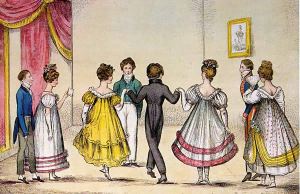
Quadrille, 1820

Also within easy walking distance of Castle Square was Southampton’s theatre. Jane is a little dismissive of the Theatre when she writes:

To Cassandra Austen at Godmersham: Sunday 20th November 1808:

Martha ought to see the inside of the Theatre once while she lives in Southampton & I hardly think she will wish to take a second view.”
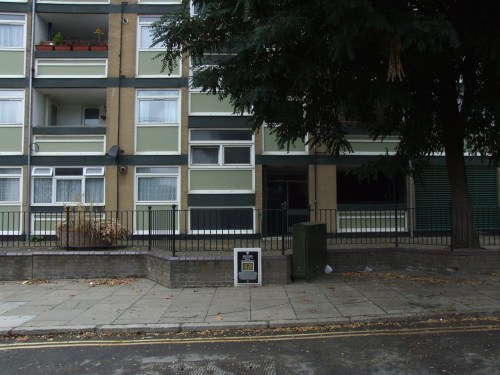
Site of the Southampton Theatre where Jane took Martha Lloyd. Image @Tony Grant

Southampton was a place Jane preferred to Bath. She appears to have had some enjoyable experiences there. It was obviously not a place she felt settled enough to write. Although, I am sure she used her experiences there in her novels.

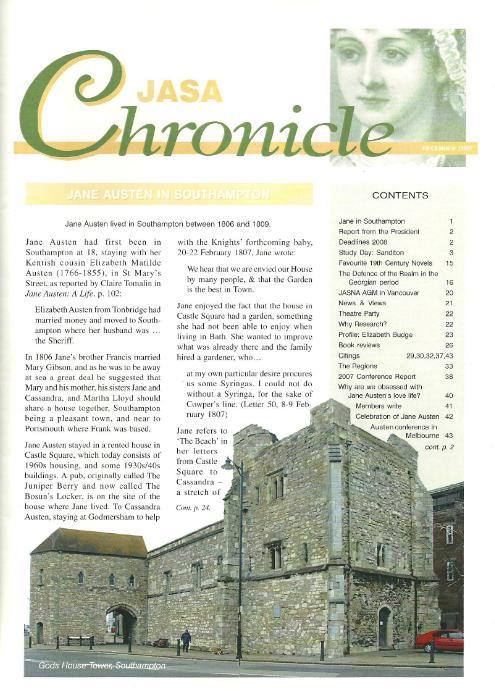
Tony’s article in the JASA Chroniclem December, 2007.
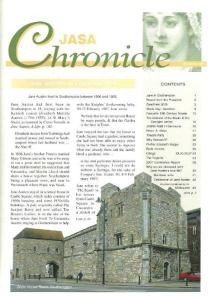
Click on image to enlarge.

Read Full Post »

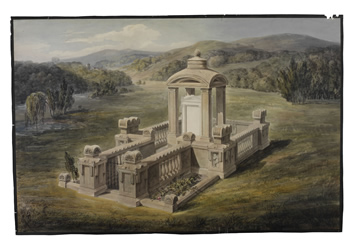
Soane Monument, 1816. Image @Sir John Soane's Museum online collection

Sir John Soanes’s architectural drawings, including his designs for the Bank of England and Dulwich Picture Gallery, have been made available online by the Sir John Soane’s Museum. Included is the design for his family tomb in St Pancras Gardens, which inspired Gilbert Scott’s prototype for the red telephone box.

Tim Knox, Director of Sir John Soane’s Museum, explains:

Sir John Soane was responsible for some of the greatest buildings of his age and this project offers us all a glimpse of the evolution of these masterpieces.

Soane wanted his unique house and its incredible collection to be preserved.” – Soane’s Regency London Revealed

Front entrance of Pitzhanger Manor, 1800. Image @Sir John Soane's Museum online collection

Read Full Post »
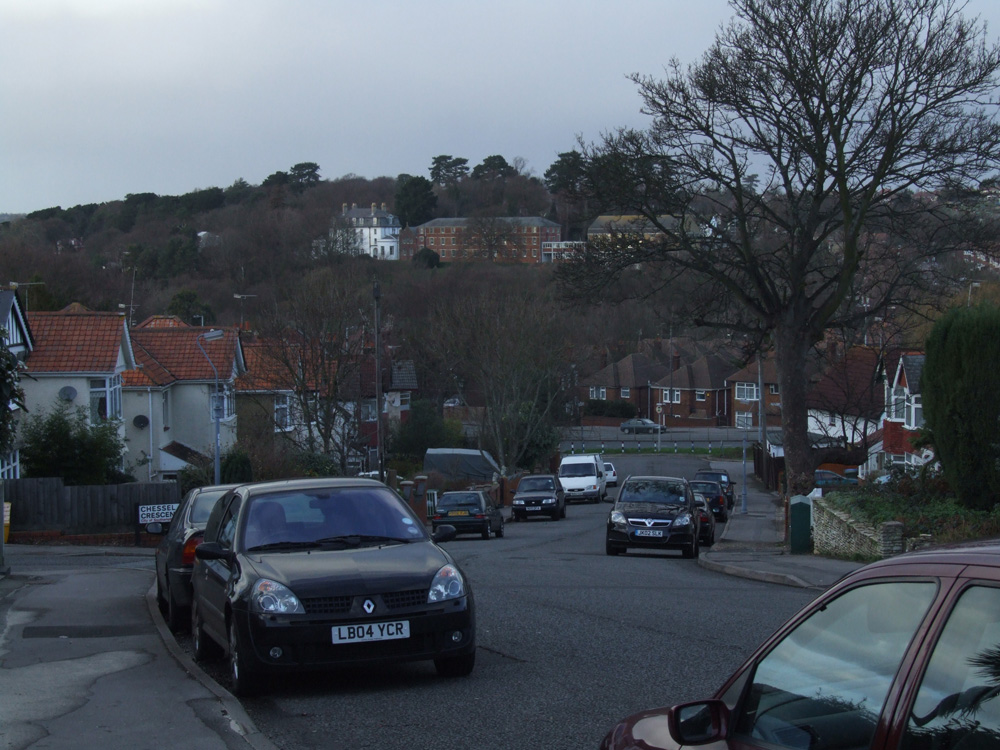
By Tony Grant. All rights reserved

Jane Austen knew Brighton. In Pride and Prejudice it is the place Lydia Bennett rushes off to, enamoured of the regimental officers who had inhabited Meryton for a while before being moved to Brighton, especially Wickham. It is the place she elopes with Wickham from.

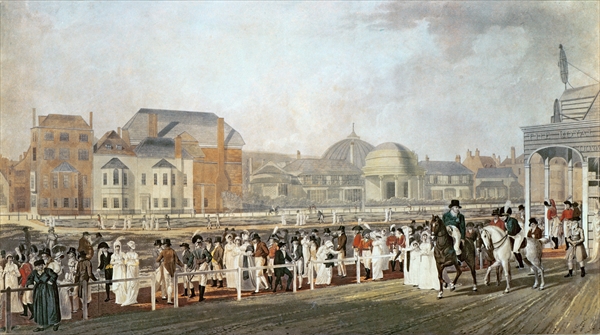
Brighton as it looked in Jane Austen's day. Charles Richards

It could be interpreted that Brighton is Jane’s symbol of profligacy and impulsive actions. It could be argued that this was so especially as the Prince Regent used Brighton in this way. The regiment Lydia has gone to be near is there to defend the coast against invasion. This is the time of the Napoleonic Wars when invasion is a threat and the total disruption of the world Lydia, the Bennet sisters and Jane herself knew.

Brighton Beach, John Constable, 1824

Brighton was also a new type of place. Jane begins to explore the development of seaside resorts in her unfinished novel Sanditon. It was the sort of place that people came from far afield and from various points of the compass, strangers, to be thrown together for short periods of time. It is interesting to see Jane begin to explore the loosening of moral codes and social rules within this sort of setting. Beau Nash invented his own code for these places at Bath and Tunbridge Wells. He had to invent a way for people to socialise.

Brighton Museum, The Pavilion Stable Block. Image @Tony Grant

Lydia Bennet has been shopping in the scene where Brighton is introduced in Pride and Prejudice and has obviously come back from her expedition with something not at all suitable.

“ Besides, it will not much signify what one wears this summer, after the — shire have left Meryton, and they are going in a fortnight.”

“Are they indeed?” cried Elizabeth, with the greatest satisfaction.

“They are going to be encamped near Brighton: and I do so want papa too take us all three for the summer! It would be such a delicious scheme, and I dare say would hardly cost anything at all. Mamma would like to go too of all things! Only think what a miserable summer else we shall have!”

“Yes,” thought Ellizabeth,”that would be a delightful scheme, indeed, and completely do for us at once. Good Heaven! Brighton, and whole campful of soldiers, to us, who have been overset already by one regiment of militia, and the monthly balls of Meryton.”

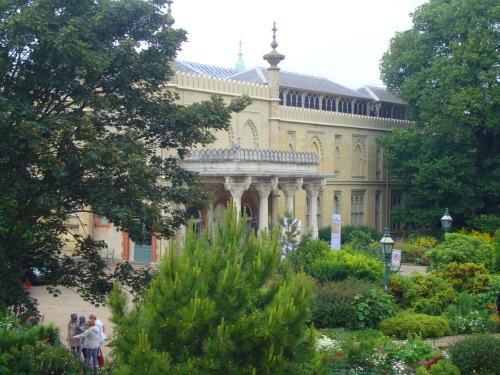
Brighton Pavilion close up. Image @Tony Grant

So it appears that Lydia wants to go to Brighton and Elizabeth does not. In each case, to be fair to Brighton, their reasoning comes from a consideration of the military presence there. Lydia wants to go because of the regiment she has become acquainted with near Meryton and Elizabeth doesn’t want to, because of the same reason. Their views are not formed here by Brighton itself. At this time Brighton was becoming a very popular seaside resort frequented by no less a profligate person as the Prince Regent himself.

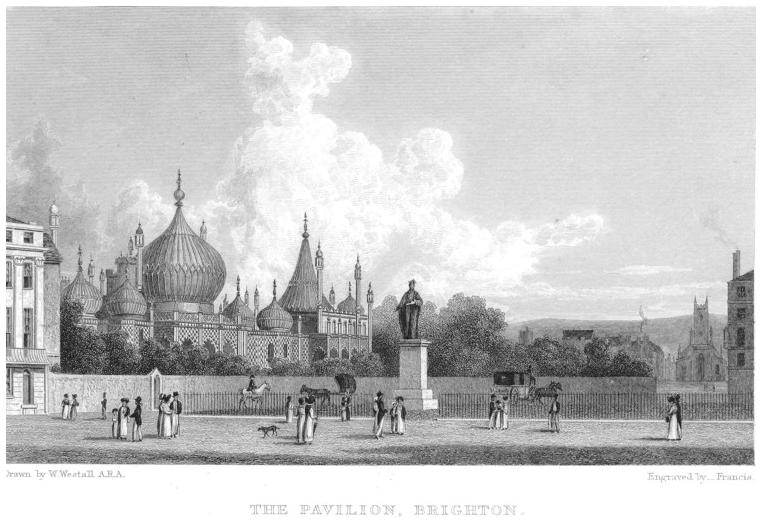
The Pavilion, Brighton by Westall

There he built a magnificent palace called The Brighton Pavilion. As for Jane Austen’s personal opinion we can only conjecture. She liked fun and dancing. Brighton had an abundance of these. She also enjoyed the seaside. The Austens visited Lyme and other seaside places in Devon and Cornwall and possibly South Wales.

The stable block from the Pavilion. Image @Tony Grant

Brighton Pavilion was begun in 1787. It was a farm house which the Prince Regent bought. There, he could have liaisons with Mrs Fitzherbert, his secret lover, away from the glare and attention of London. He got the architect Henry Holland, who had designed Carlton House , to develop it for him.

Brighton Beach today. Image @Tony Grant

Between 1815 and 1822, the designer John Nash redesigned and extended the Pavilion. It is the work of Nash which we see today.

On bank Holiday Monday, 30th May, Marilyn, myself, Emily and Abigail drove down to Brighton from Wimbledon. It was a lovely sunny day. Brighton sea front was a little breezy and the water was too cold to go in for a dip but it was one of those bright sparkling days fresh and invigorating
and to be in Brighton was glorious. We went into the Pavilion to explore the magnificent interiors.

Dining table at Royal Pavilion. Image @Stay in Sussex

Photography is not allowed inside the pavilion. They are very strict about this. We saw some professional photographers, who queued at the entrance in front of us, turned away amidst quite a hullaballoo. They said they had received permission to come and photograph the interior of the pavilion. The security people argued they had not been informed and had no paper work to confirm their assertions. When we got inside, I had put my DSLR safely away in its bag and zipped it up firmly.

The retiring room after dinner. Image @Tony Grant

However, I slipped a small SONY digital camera inside my sleeve just in case an opportunity to snap a furtive, clandestine picture arose. There are a lot of security cameras around the pavilion so I had to position myself out of view of the cameras to take the pictures I did take. Some are blurred because of my hurried attempts. A person near me was asked to put their camera away but I escaped notice.

Upstairs inside the Pavilion. Image @Tony Grant

I think the city council of Brighton and Hove, who own the pavilion, don’t want some plastic copy of the pavilion ending up as a casino in Las Vegas. Ha! Ha!

Car parking. Image @Tony Grant

Brighton today is a glorious mixture of the brash, the tacky, and the brilliant. It has a very special feel to it like no other place. You can feel a very creative energy about the city.

Church Street. Image @Tony Grant

There is some magnificent graffiti , great restaurants and pubs and a whole community of new artistic entrepreneurs starting businesses connected with fashion, music, art and theatre.

Cafe society. Image @Tony Grant

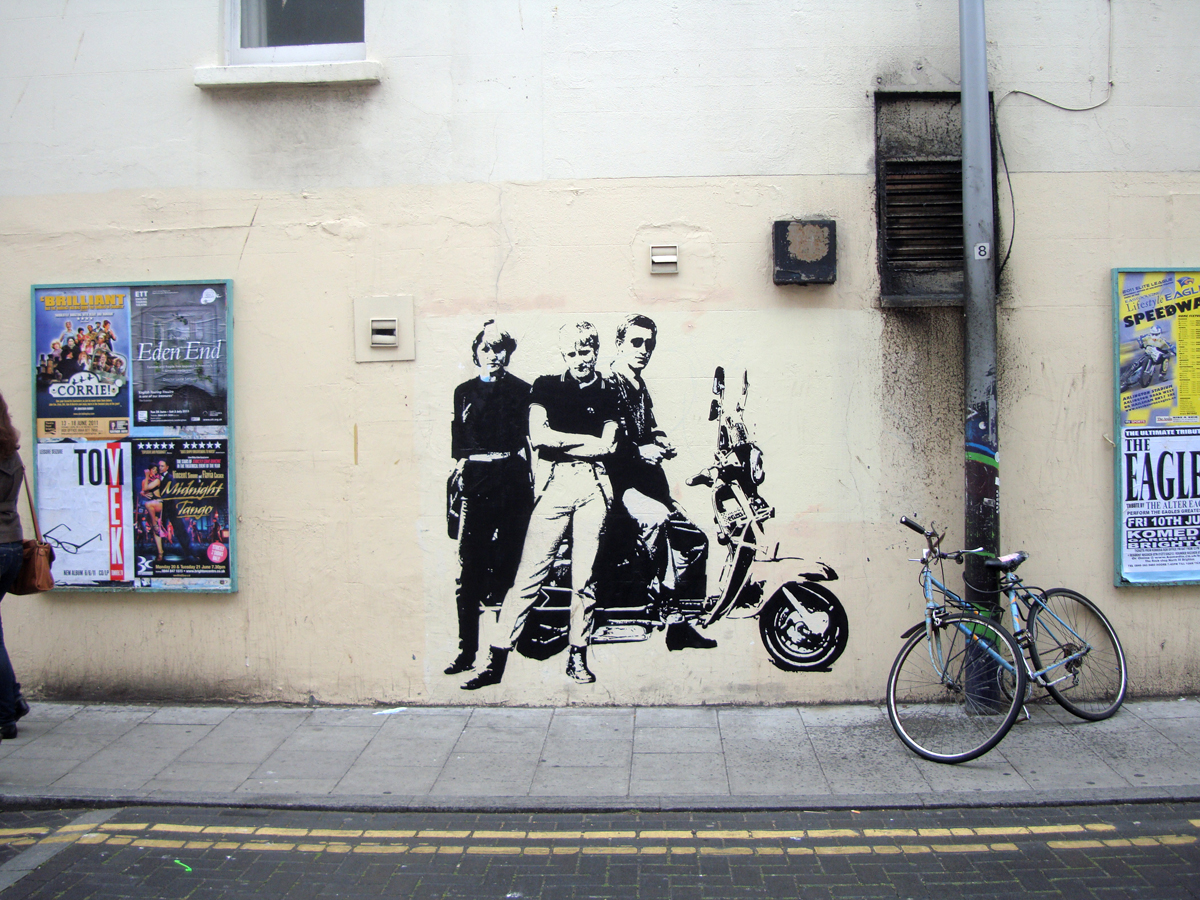
I found one piece of graffiti that made my heart beat that little bit faster. Compared to most graffiti in Brighton it looked understated but I think it must be an original Banksy. Nobody has ever interviewed Banksy and obviously that is not his real name. Nobody knows what he looks like. He is
a mystery to the public. Since the 1990’s, from his first wall cartoons in Bristol where he originates he has made social , religious and political comments through his art. His graffiti appears in the most unusual places. He has had books of his work published and art galleries show his work all over Europe.

Banksy's Mods Reduced. Image@Tony Grant

So I had found an iconic Banksy!!! Across the road and down an alleyway from a café we were having a cup of tea in. It shows some Mods. The Mods were a subculture of youth that originated in the early to mid sixties. They wore smart clothes with military style parkas and RAF, red, white
and blue roundels on their backs.

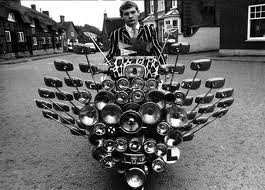
Mod on his bike

They rode motor scooters, Vespas and such like. They listened to Pete Townsend and the WHO. The Who were a MOD group and their lyrics reflect the MOD culture.

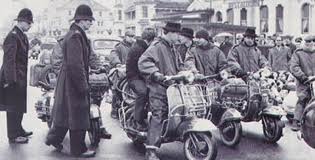
Smart MODS and their scooter

They were working class youth, factory workers, with their girlfriends, who challenged society in their own special way through clothes, music and lifestyle. Brighton and Margate were two coastal resorts they frequented, especially on Bank Holidays and weekends in the summer.

MODS and the police

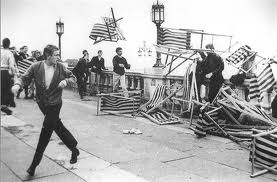
They would gather in their thousands. In opposition, the Rockers, leather clad and motorbike riders who rode BSA and Triumph 650’s, another sub culture of the time who listened to Elvis music, would come and challenge them on the beaches of Brighton and Margate. There would be pitched battles on the beach at Brighton using, stones, chains, knives and deck chairs.

MODS deck chairs

Deck chairs were always readily at hand on the beach. People would end up in hospital. The WHO film, Quadrophenia, is about one such MOD group coming to Brighton. A pitched battle on the beach is portrayed in the film and of course the music is The Who. So you can imagine my excitement seeing a real Banksy recalling those times and the meaning it has for Brighton.

Brighton has other memories too. Our political parties have a conference every year to discuss any progress made, to air views and opinions and to announce new policies. The conferences are held at the major seaside resorts around the country, Blackpool, Brighton and Bournemouth. Each political party takes it in turn to congregate in each resort.

The Grand Hotel. Image @Tony Grant

You might remember on the 12th October 1984 at The Grand Hotel in Brighton, The Provisional IRA blew up the Conservative Party. Margaret Thatcher was working late in the hotel when the bomb went off. They wanted to assassinate Thatcher. They failed to kill any government minister
but Norman Tebbits wife was crippled for life. Some other officials were killed and thirty four were badly injured and rushed to hospital. The Grand Hotel has been rebuilt and extended and presents a magnificent structure right on the seafront.

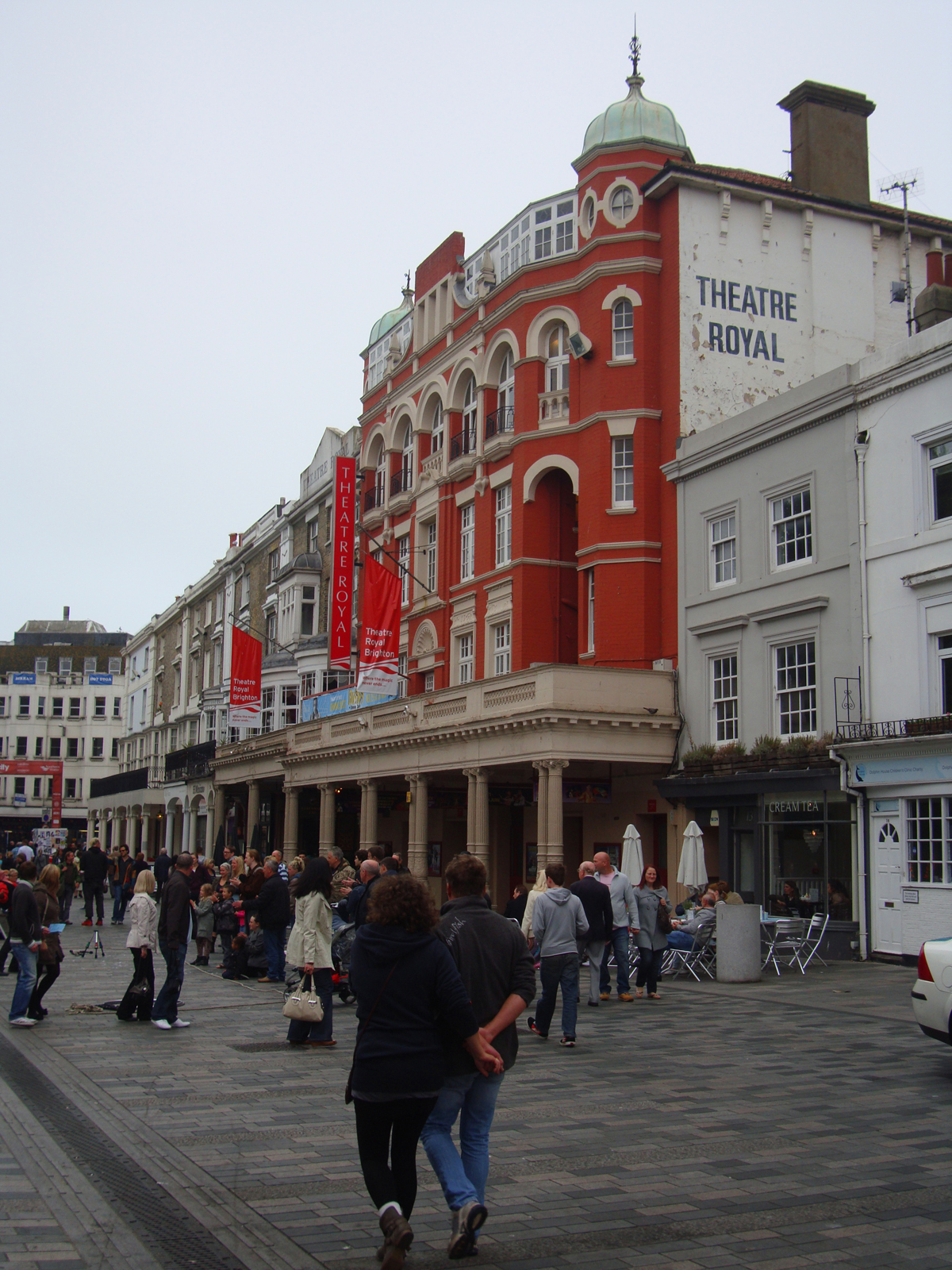
Theatre Royal. Image @Tony Grant

Brighton is famous as a film set. Apart from The Who’s Quadrophenia, some minor B comedy movies from the fifties were filmed there starring Norman Wisdom. Oh What A Lovely War, directed by Richard Attenborough used Brighton Pier extensively and just recently the dark and sinister,
Brighton Rock starring Helen Mirren, based on Graham Greens novel of the same name is set there.

Brighton. Image @Tony Grant

Some film clips:

Brighton shop, 1930z styles. Image @Tony Grant

Purple Heart. Image @Tony Grant

The Sussex. Image @Tony Grant

Read Full Post »
Last week I featured the book, The History of Little Goody Two-Shoes, a moralizing children’s book that Jane Austen kept all through her lifetime. As she was growing up, she was probably familiar with the Cinderella fairytale. Hundreds of versions of the folk tale from a variety of European sources exist, but the myth goes as far back as ancient Greece and China.  The story of the cinder maid and the glass slipper was popularized in 1697 by Charles Perrault in Histoires, ou Contes du Temps Passè.  

Written for the aristocratic Salons of C17th French society, Perrault’s ‘Cendrillon’ is stripped of all violent, bawdy or socially moralizing material and is instead focused primarily on entertaining. – The Origins of the Cinderella Story

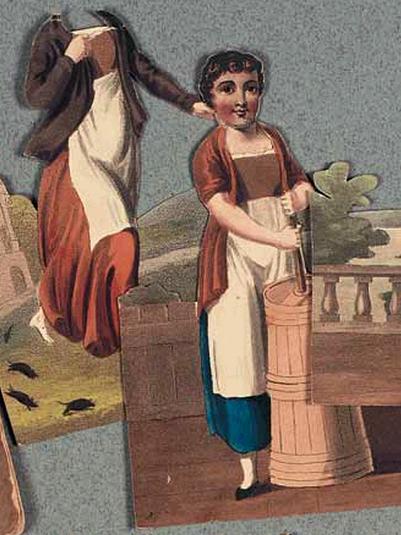
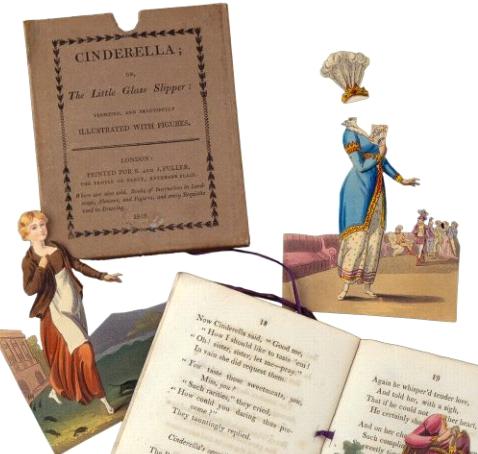
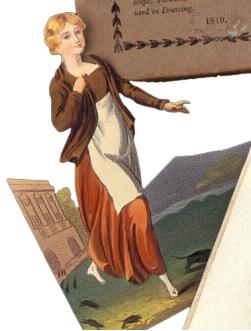
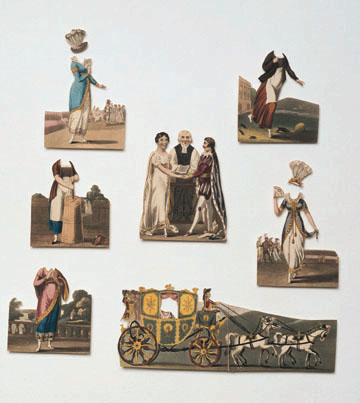
The images in this post show the paper dolls based on Perrault’s tale that were popular during Jane Austen’s time.

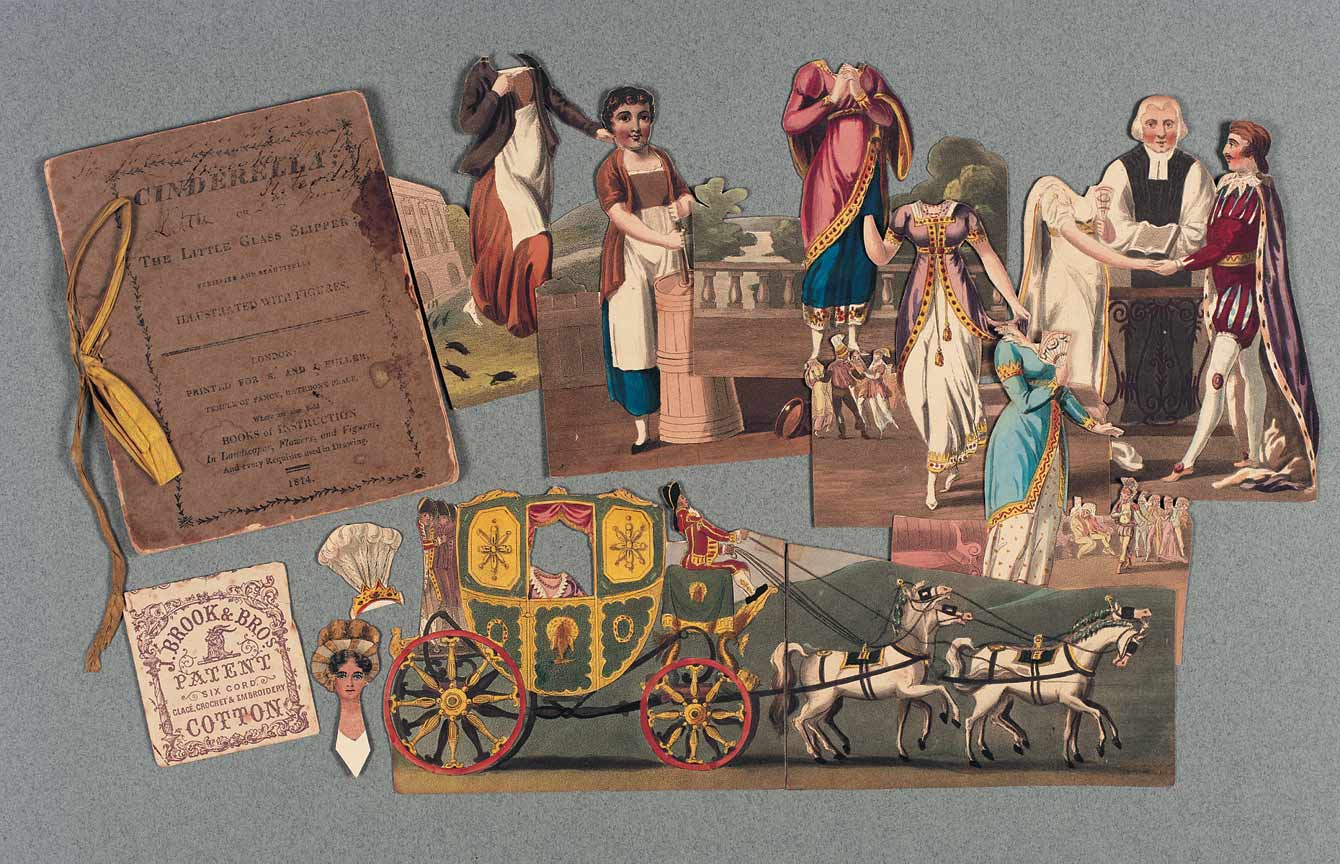
1814, Cinderella or the Glass Slipper. Image @Theriault's.

The images shown above and below are for sale at Theriault’s: The Doll Masters

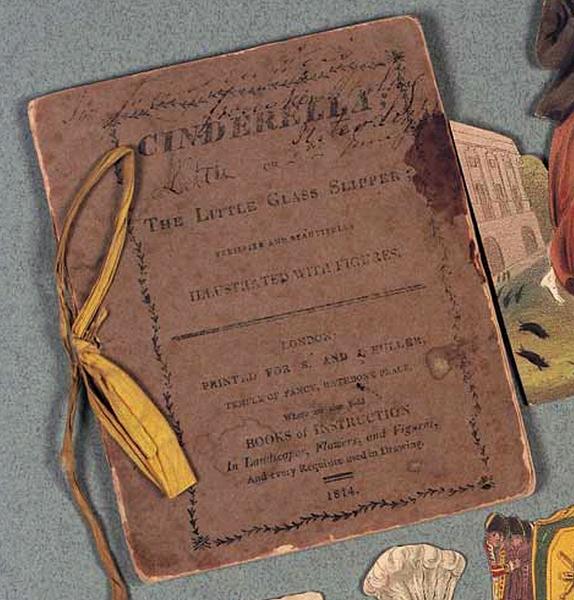
Lot: 17. An 1814 English Paper Doll and Book “Cinderella” by S&J Fuller
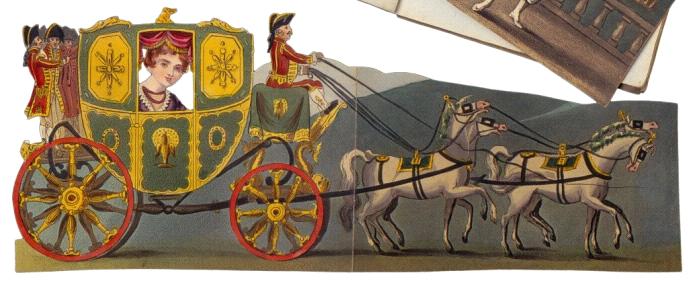
A paper bound miniature book,5″ x 4″,recounts in “beautifully versified” form the favored fairy tale,and was designed to be read while playing with the paper dolls,vignettes and accessories that illustrate the tale,comprising six costume scenes including the wedding,and Cinderella’s coach and horses (in two sections). An inscription inside the front cover reads “To my dear little niece Constance Foley”. S&J Fuller,Temple of Fancy,Rathbone Place,London,1814. Structure and lovely delicate colors of paper dolls and scenes well preserved,coachman’s head missing,one hand missing,stain on book cover. England,1814.

Image @Theriault's.

Around 1810, the London firm of  S. & J. Fuller published books with paper dolls. The 1814 book (or Book of Instruction, as printed on the cover) relates the Cinderella story in verse and is illustrated with cut out figures.

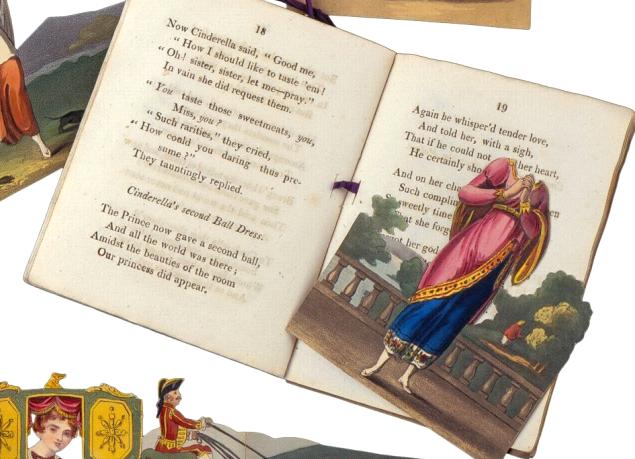
It is interesting to note that Cinderella’s head is removable and can be placed on various paper cut bodies. You see her in the image below walking through a town scape and churning butter. Children could arrange the characters in the paper sets, or drama sheets, and reenact the story.

While these scenic play books became increasingly popular, I imagine that they must have been very expensive and affordable only by the well-to-do.

Image @Theriault's.

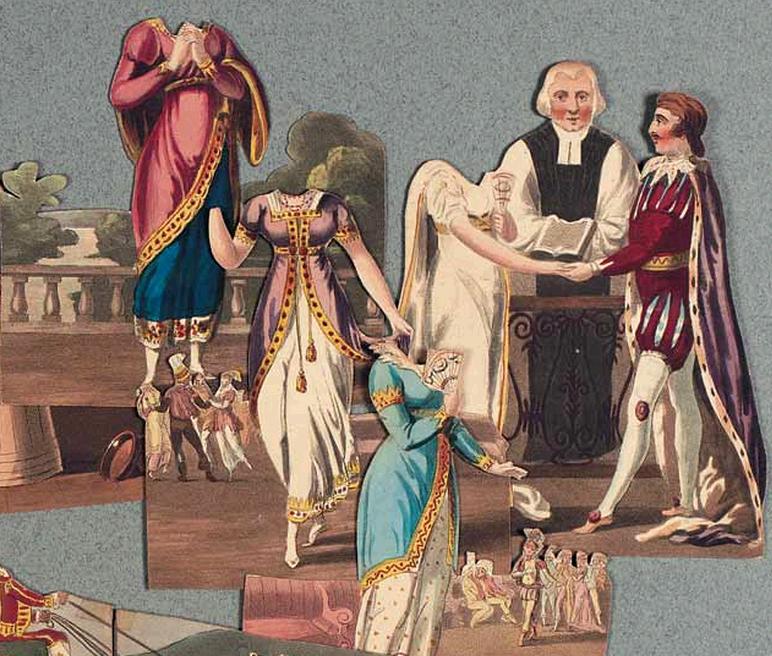
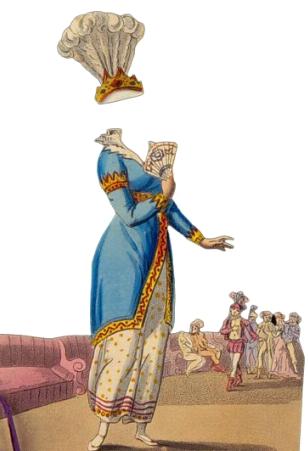
The image below contains fancy gowns and the marriage ceremony in which Cinderella marries her prince. Cinderella’s high-waisted costumes have a decided Renaissance influence, and the prince could have doubled for Romeo.

Image @Theriault's.

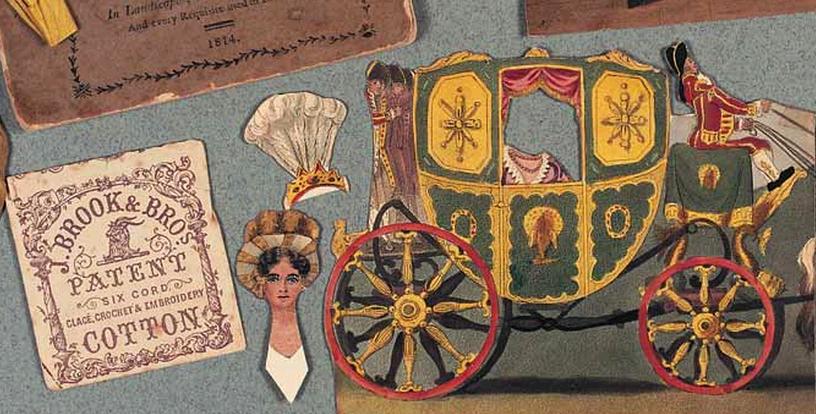
Cinderella’s head becomes much more refined once she hooks up with the prince, as you can see below. She is given a fashionable hat and a jeweled tiara with feathers. The head can also be placed on the figure in the carriage, when the Cinderella story has come full circle.

Image @Theriault's.

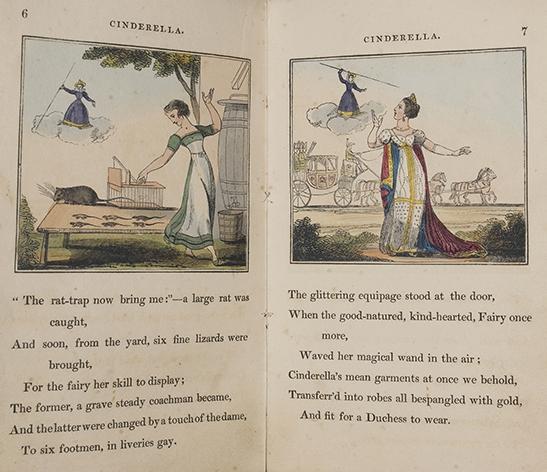
The beautiful versified edition of Cinderella below was donated in 1991 by Ms. Julia P. Wightman to the  The Morgan Library in New York.  Printed in 1819, the paper cut dolls seem more refined than in the 1817 version, especially Cinderella’s head, which has blond hair. Click on the open book images to read portions of the verse.

Image @Morgan Library.

Image @Morgan Library.

Image @Morgan Library.

Image @Morgan Library.

Image @Morgan Library.

The image below is from Picturing Childhood: The evolution of the illustrated children’s book.  Therieaults the Doll Master, Cinderella Paper Dolls, 1814, Published by S. and J. Fuller, London, 5 3/4 in. (14.6 cm) (approx.) Note that Cinderella’s elegant head is placed in the wedding scene. In this instance her hair is dark again..

Image @Picturing Childhood

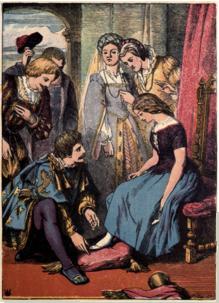
Below is a more traditional children’s book version of Cinderella. It was published in 1827 and illustrated with hand–colored woodcuts. By the mid-19th century, lithography and printing were being used routinely in book illustrations, but such drawings were still rare when this book came out.

Cinderella, John Harris, London. 1827

In 1812, the Brothers Grimm wrote the Cinderella story that seems more familiar to readers today. By the end of the 19th century, over 300 versions of the Cinderella story existed in Europe. In those years:

The Fairy–Godmother seems more frightening than her later benevolent renderings, such as in Disney’s film version of the story. – Past Times: Cinderella :18th and 19th century Cinderella books.

More on the Topic:

Read Full Post »
Lady Catherine de Bourgh's formal table: Pride and Prejudice 2005

When dinner is announced, the mistress of the house requests the lady first in rank, in company, to shew the way to the rest, and walk first into the room where the table is served; she then asks the second in precedience to follow, and after all the ladies are passed, she brings up the rear herself. The master of the house does the same with the gentlemen. Among the persons of real distinction, this marhalling of the company is unnecessary, every woman and every man present knows his rank and precedence, and takes the lead, without any direction from the mistress or the master.

When they enter the dining-room, each takes his place in the same order; the mistress of the table sits at the upper-end, those of superior rank next [to] her, right and left, those next in rank following, the gentlemen, and the master at the lower-end; and nothing is considered as a greater mark of ill-breeding, than for a person to interrup this order, or seat himself higher than he ought. – John Trusler, 1791

The Bennets seated at table en famille, with the two oldest daughters next to their father at the head of the table. Mrs. Bennet sits at the lower end. Pride and Prejudice 1995

As the eldest daughter, Jane and Elizabeth sat nearest their father during family meals, with Jane to his right. When Lydia returns as Mrs. Wickham, she unceremoniously bumps Jane to a position towards the middle of the table, for her married state gave her a higher rank than her eldest sister:

Elizabeth could bear it no longer. She got up and ran out of the room; and returned no more till she heard them passing through the hall to the dining parlour. She then joined them soon enough to see Lydia, with anxious parade, walk up to her mother’s right hand, and hear her say to her eldest sister, ‘Ah, Jane I take your place now, and you must go lower, because I am a married woman.’ – Jane Austen, Pride and Prejudice

Sumptuous dining table at Castle Howard. Image @Tony Grant

As hostess at her father's table, young Emma Woodhouse sat opposite her father at the upper end of the table. The ladies sit next to Mr. Woodhouse in hierarchy. As in the description by John Trusler, the gentlemen are seated nearest Emma's end of the table.

Emma Woodhouse (Kate Beckinsale)

Custom, however, has lately introduced a new mode of seating. A gentleman and a lady fitting alternately round the table, and this, for the better convenience of a lady’s being attended to, and served by the gentleman next to her. But notwithstanding this promiscuous seating, the ladies, whether above or below, are to be served in order, according to their rank or age, and after them the gentlemen, in the same manner. – John Trusler, p 6

From: The honours of the table, or, Rules for behaviour during meals : with the whole art of carving, illustrated by a variety of cuts. Together with directions for going to market, and the method of distinguishing good provisions from bad; to which is added a number of hints or concise lessons for the improvement of youth, on all occasions in life. By the author of Principles of politeness, &c. … For the use of young people, John Trusler

Other posts on this blog:

Read Full Post »
« Newer Posts - Older Posts »