Feeds:
Posts
Comments

By Brenda S. Cox

“I have this moment received £5 from kind, beautiful Edward. Fanny has a similar Gift.”—Jane Austen, Letters, Sept. 15-16, 1813

Gifts are a way of showing how much we love and appreciate the special people in our lives. Of course, our tradition of giving gifts at Christmastime goes back to the story of the “wise men from the East” who brought gifts of gold, frankincense, and myrrh to the baby Jesus. Most of us can’t afford to give such precious gifts today, but we can give gifts that fit the interests, joys, and passions of our friends and relations.

Austen mentions gifts multiple times. She, of course, received a gift of a topaz cross and gold chain from her seafaring brother Charles. In Mansfield Park, Fanny Price’s brother William similarly gives his sister “a very pretty amber cross,” a perfect gift for a woman of deep faith. Her cousin Edmund then gives her another gift suited to her style and personality, “a plain gold chain, perfectly simple and neat.” Fanny responds, “This is the only ornament I have ever had a desire to possess. It will exactly suit my cross. They must and shall be worn together.”

Mary Crawford’s gift, an underhanded way of giving Fanny a gift from Henry, does not fit Fanny’s cross. Symbolically, Austen shows, through these gifts, that soon-to-be-clergyman Edmund is the right husband for Fanny, not immoral Henry Crawford.

Whether for Christmas, a birthday, or another holiday or occasion, it’s easy to find gifts for anyone in your life who loves Jane Austen. Or who you think might love Jane Austen, given the chance. (Or perhaps you want a gift for yourself since, as Vic pointed out to me, you might receive a gift card!) Consider what other interests the person has, and choose something specifically for her or him! I’ll just list a few favorites in each category, and give you links to search for more options.

Let’s shop!

Where To Buy Jane Austen-related Gifts

In the US, you might start by searching Jane Austen Books for whatever type of gift you want.

In the UK, start with the Jane Austen Centre and Jane Austen’s House.

They all have wonderful gifts, and will also ship internationally (though it’s a little too late to do that for this Christmas, probably!). Due to UK postal strikes, anything shipped from the UK may be delayed this month.

Of course, you can also find many, many Jane Austen items on Amazon and Etsy.

Books and Movies

Let’s start with the obvious. Perhaps the person already has all of Austen’s novels, which are freely available in digital formats. But they might like a quality copy of their favorite, with a beautiful cover and illustrations. My favorite is the “Peacock” Pride and Prejudice, with Hugh Thomson’s delightful illustrations. Your local bookstore may have other beautiful versions.
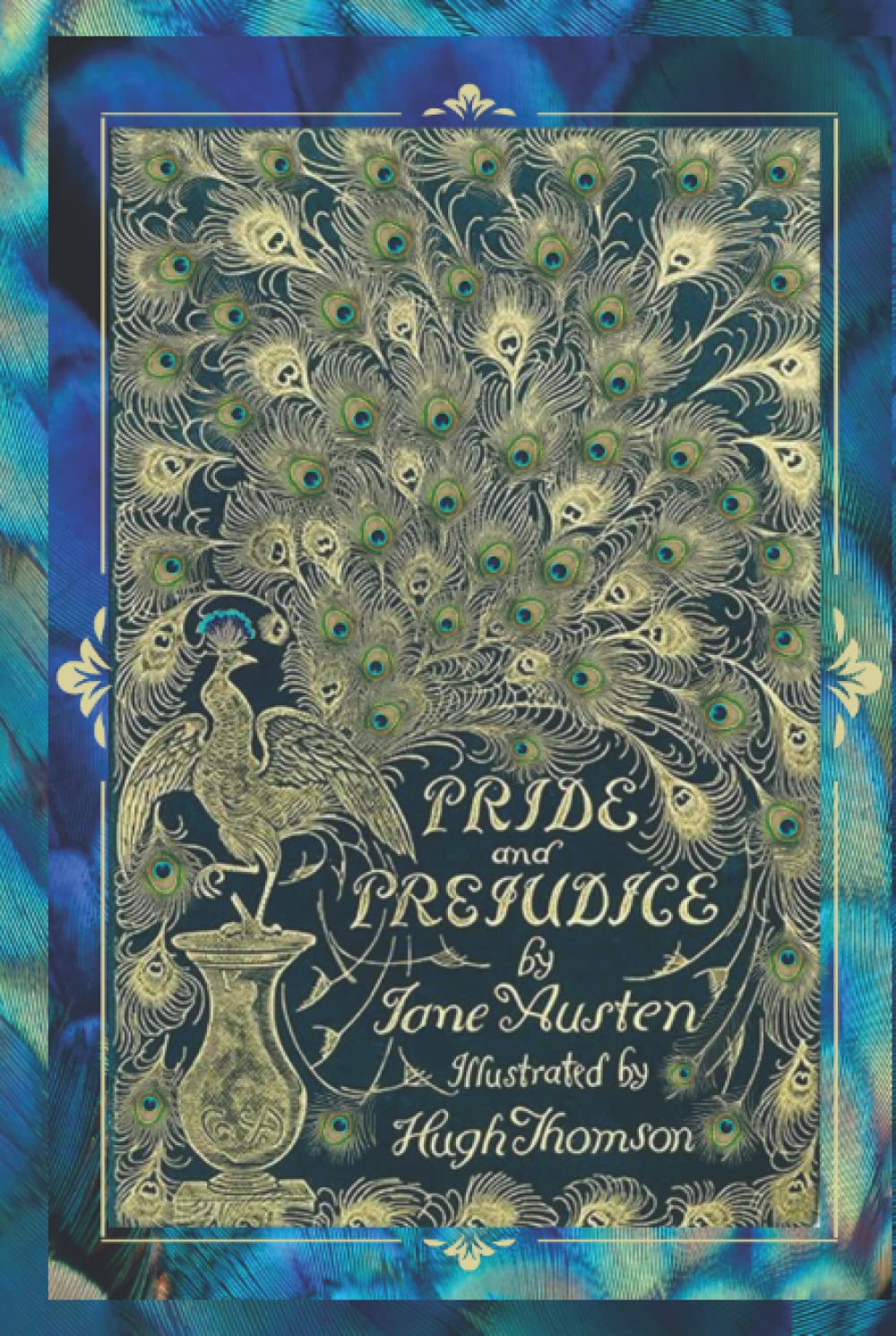
I love my “Peacock” Pride and Prejudice, with Hugh Thomson’s hilarious illustrations! A great gift.

Or, they might enjoy a well annotated version, giving lots of new insights. The Cambridge editions like this one are a great scholarly resource. Copies of the Juvenilia, the Letters, or the Later Manuscripts might also be welcomed by series Austen enthusiasts.

DVDs of Austen adaptations might be a good gift, if you’re sure they don’t already have the one you’re giving.

There are so many books about Austen and her novels that I won’t even try to list them. However, Jane Austen Books lists them by subject, with 42 topics to choose from, each including an impressive list of books!
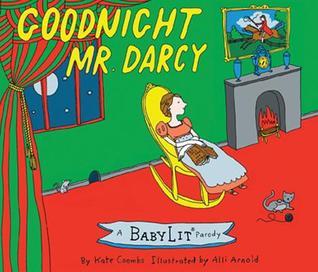
You can find versions of Jane Austen for all ages, including this board book parody, Goodnight Mr. Darcy!

Children

Are you looking for gifts for children? You can find lovely books introducing Jane Austen to teens, children, even babies! Here are a few of my favorites:

  • Pride and Prejudice: A BabyLit Storybook, and other BabyLit board books; my grandchildren loved this one.
  • Goodnight, Mr. Darcy, also from BabyLit, is a “parody board book,” based on Goodnight, Moon and Pride and Prejudice. I think it’s delightful, though I’m not sure toddlers would understand it! So maybe for an Austen-loving mom who has small children.
  • Cozy Classics board books Pride and Prejudice and Emma tell the stories for very young readers, in only twelve words, with felt figures. (They do other classics, too, if you think the child would prefer, perhaps, Huckleberry Finn or Moby Dick.)
  • For ages 8-12, Gil Tavner’s series of adaptations is fun. Northanger Abbey, for example, is a delight.
  • For more reluctant older readers, including boys, this graphic version of Pride and Prejudice is beautifully illustrated and sticks fairly close to the novel. Search on Amazon for other Pride and Prejudice graphic novels. (There’s even one of Pride and Prejudice with Zombies, which wouldn’t appeal to me, but some might love it!)
  • For teenage girls, you can easily find new or used copies of Austen’s novels. Northanger Abbey is a good one to start with, since the heroine is a teenager figuring out her place in the world.
  • Austen-themed puzzles, find-it books, paper dolls, craft books, sewing books, and coloring books are other great choices; see below and read my post on  Jane Austen Gifts for Children and Teens for man options.

Puzzles

Does the person you want to give a gift to love puzzles?

I’m looking forward to doing this 1000 piece puzzle with Austen quotes (I usually prefer 500 piece puzzles, but this looks like so much fun!). My friend owns it and she and her daughters work it repeatedly.  Or you might try this 1000 piece puzzle with Austen book covers. Or this one with Austen scenes and characters to find. Or others; search Amazon or Etsy for Jane Austen puzzles.

For those who prefer word puzzles, PuzzleBook for Readers of Emma, including the alphabet game, looks entertaning. The series includes PuzzleBooks for the other novels, also. An Amazon search for Jane Austen word puzzles gives many more options.

In this puzzle, you can find Jane Austen and characters from all of her novels!

Games

My granddaughters (ages 10 and 14) and I keep playing Marrying Mr. Darcy, a fun card game for girls and ladies. You choose which female character you want to be (ranging from Lydia Bennet to Georgiana Darcy), then take cards that give you points for things like character, wit, and cunning. Cards might also take you to parties or on elopements. At the end you see which suitors you have qualified for (ranging from Mr. Wickham to Mr. Darcy), then roll to see who proposes to you and decide who to accept! Add up your character points and marriage points to see who wins.

There are plenty more games to choose from. Or you might want to try some games Austen herself played, with Jane Austen’s Card Games.

Coloring

I’m sure you know that coloring is not just for kids. It’s a relaxing pastime for adults as well. I have several Jane Austen coloring books, and sometimes I color them while listening to music, and sometimes my grandchildren color them while I read to them (from Jane Austen, of course!).

Music

For the lover of music and dance, what about CDs of Austen music? You can get music from her collections, from her church, and from Regency dances, as well as soundtracks of the movies.

Sewing and Embroidery

I love cross-stitching Jane Austen projects. I’ve done a project or two from the wonderful book, Jane Austen Embroidery. My granddaughter is now working on one from Embroider the World of Jane Austen. I’ve given more ideas here. Jane Austen Books lists titles on Needlework and Quilting, and a few on Knit and Crochet.

I have a Pride and Prejudice needle minder, a magnet that holds my needle to my sewing project when I’m not sewing. I love it! Etsy offers a variety of them. This book stack is a cute one.
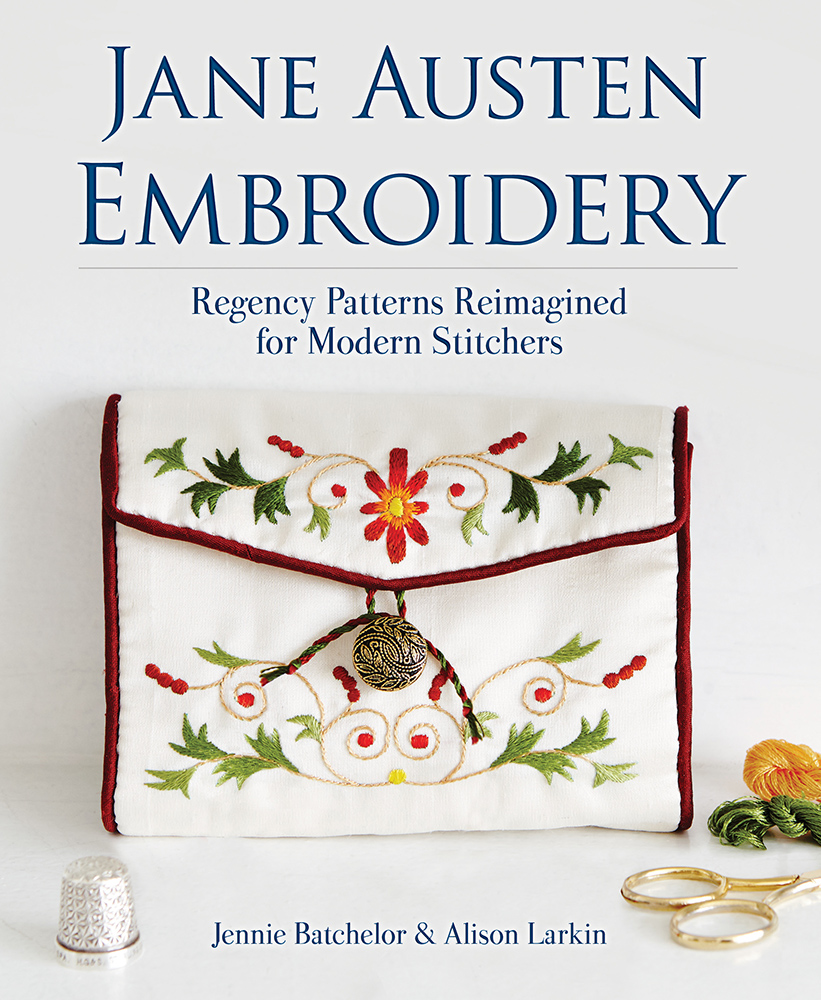
Jane Austen Embroidery offers lovely projects for beginning stitchers to advanced.

Clothing and Costumes

This site gives sources and ideas for inexpensive ways to dress in Regency costumes. Recommended items could be valued gifts for the Janeite who likes to dress up for festivals and meetings.

Jane Austen t-shirts and sweatshirts are fun for everyday wear. You can even get Austen socks and scarves. (I have a pair of these socks, but when I wear them under pants or a Regency dress, who sees them??)

Jewelry

The Jane Austen Centre in Bath carries a lovely line of Austen-themed jewelry, if you’re looking for something classy.

Gardening

The gardening Janeite might enjoy Kim Wilson’s In the Garden with Jane Austen, which includes ideas for creating Austen-style gardens, or other books on gardening in Austen’s time.

Food

For the Janeite who loves to cook, a book about food in Austen’s England, or an Austen cookbook, might bring them joy.

Faith

A devotional based on Jane Austen’s prayers, such as our own Rachel Dodge’s Praying With Jane, or Shannon Winslow’s Prayer and Praise, would be a precious gift to a person of faith. Rachel’s other devotionals would also be good gifts for those who love The Secret Garden, Anne of Green Gables, or Little Women.

Or you could give my new book, Fashionable Goodness: Christianity in Jane Austen’s England, to anyone who wants to see more about how the church of Austen’s day affected her life, novels, and world.

For more books related to faith and Austen, or for books related to science and Austen, see the post on my blog

Praying with Jane is a book of devotionals based on Jane Austen’s own prayers.

Fiction

Many Janeites love Austen variations, and a subscription to Kindle Unlimited would be a good way to give them the opportunity to read many. Here are a very few of my personal favorites:

Journals

Journals and Notebooks can be good gifts for those who like to write. I’ve used a Jane Austen Daybook year after year, writing down things I’m thankful for every night, since it has a space for each date.

Calendars

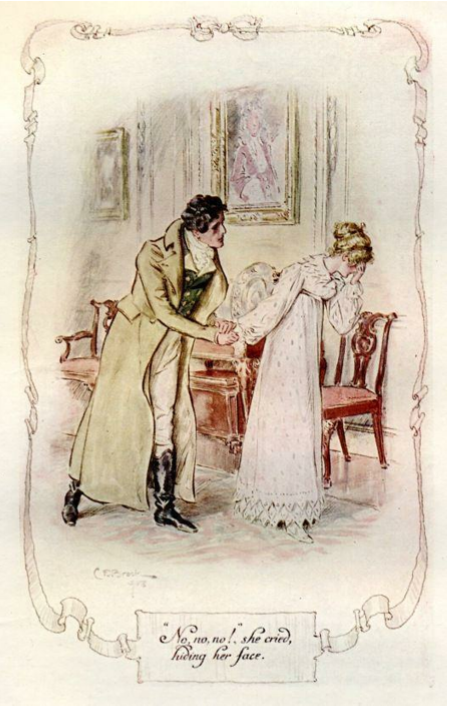
Every year JASNA Wisconsin creates a Jane Austen calendar with lovely pictures (this year’s are from C. E. Brock’s Pride and Prejudice illustrations). Each date gives one or more events from Austen’s life, letters, or novels. I love these!

Mugs, phone covers, etc.

You can, of course, find many other choices: mugs (I confess I own several, which I use for pens and pencils since I’m afraid if they’re used daily they’ll break!), phone cases, Kindle covers, magnetic poetry, even Christmas tree ornaments.

Subscriptions, Donations, and Gift Cards

Sometimes it’s easiest to give money, but of course you want to give it in a way that will bless that specific person, and possibly others.

You can give a membership to their national Jane Austen Society (North America, UK, Australia, or others.)

You can give a donation in their name to an Austen-related institution, such as Jane Austen’s House in Chawton, Chawton House, or Austen family churches.

Or you can let them pick out their own special Austen gifts by sending a gift card for Jane Austen Books or the Jane Austen Centre (UK only).   

By now your wish list is probably a mile long! Mine, too. But rejoice in what you have. Think about your Austen-loving friends’ interests and joys, and give gifts they’ll love, to show your love for them!

What is your favorite Jane Austen gift that you have received or given?

.Brenda S. Cox writes on Faith, Science, Joy, and Jane Austen. Her new book, Fashionable Goodness: Christianity in Jane Austen’s England is available on amazon and at Jane Austen Books. :-)
by Brenda S. Cox

Happy Jane Austen’s Birthday! 247 years and still going strong (at least through her books)!

Born Dec. 16, 1775, Jane was a month later than expected. Her father joked that he and his wife had become “bad reckoners” in their “old age”–he was 44 and Jane’s mother was 36. Jane was their seventh child, but only the second girl. The delivery went quickly and safely.

It was a very cold winter, so Jane was baptized privately at home the next day, and not presented in church (St. Nicholas’ at Steventon, where her father was rector) until April 5, 1776.

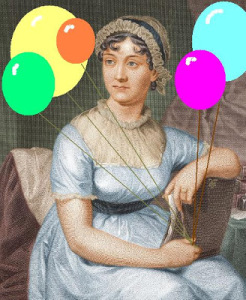
Image of Jane Austen holding balloons
Jane Austen doesn’t look very happy in this birthday picture, but her parents were delighted at her arrival! Her father said they would call her Jenny, and she would be a playmate for her older sister Cassy (Cassandra) who ended up being her lifelong friend.

Jane Austen Society groups around the world are celebrating today and tomorrow, so see what your local group is doing! Here are a couple of online events that look fun:

Jane Austen’s House, Chawton, Hampshire, England (virtual)

What is it about Jane? at the New York Public Library (virtual)

Also, a brand-new volume of Persuasions On-Line is now available, with articles from this year’s AGM, and other delights! Easily accessed by everyone, thanks to JASNA’s generosity! You’ll find articles on gender and the decorative arts, the education of daughters, information and privacy in S&S and P&P, “Kitty, a Fair but Frozen Maid” in Emma, costume design in Austen films, my own article on faith words in S&S, and many more fascinating topics. 

Happy Birthday, Jane!


Brenda S. Cox writes on Faith, Science, Joy, and Jane Austen. Her new book, Fashionable Goodness: Christianity in Jane Austen’s England is available on amazon and at Jane Austen Books, and would make a great birthday or Christmas present! :-)

When I hosted a read-along of The Secret Garden by Frances Hodgson Burnett earlier this fall, we spent time discussing the wonderful personality, character, and symbolism of the robin “who showed the way” to the secret garden. After hearing many intriguing tales that members of the group had heard about robins at Christmas time, I decided to read more for myself. I especially wanted to know why the robin features so often on British Christmas cards, tins, and decorations – especially those that have a more vintage feel.

And, of course, I wanted to know if Robin Redbreast was part of the Christmas season during Jane Austen’s lifetime or if that came about later. What I found was fascinating!

Robins as Symbols of Good Will

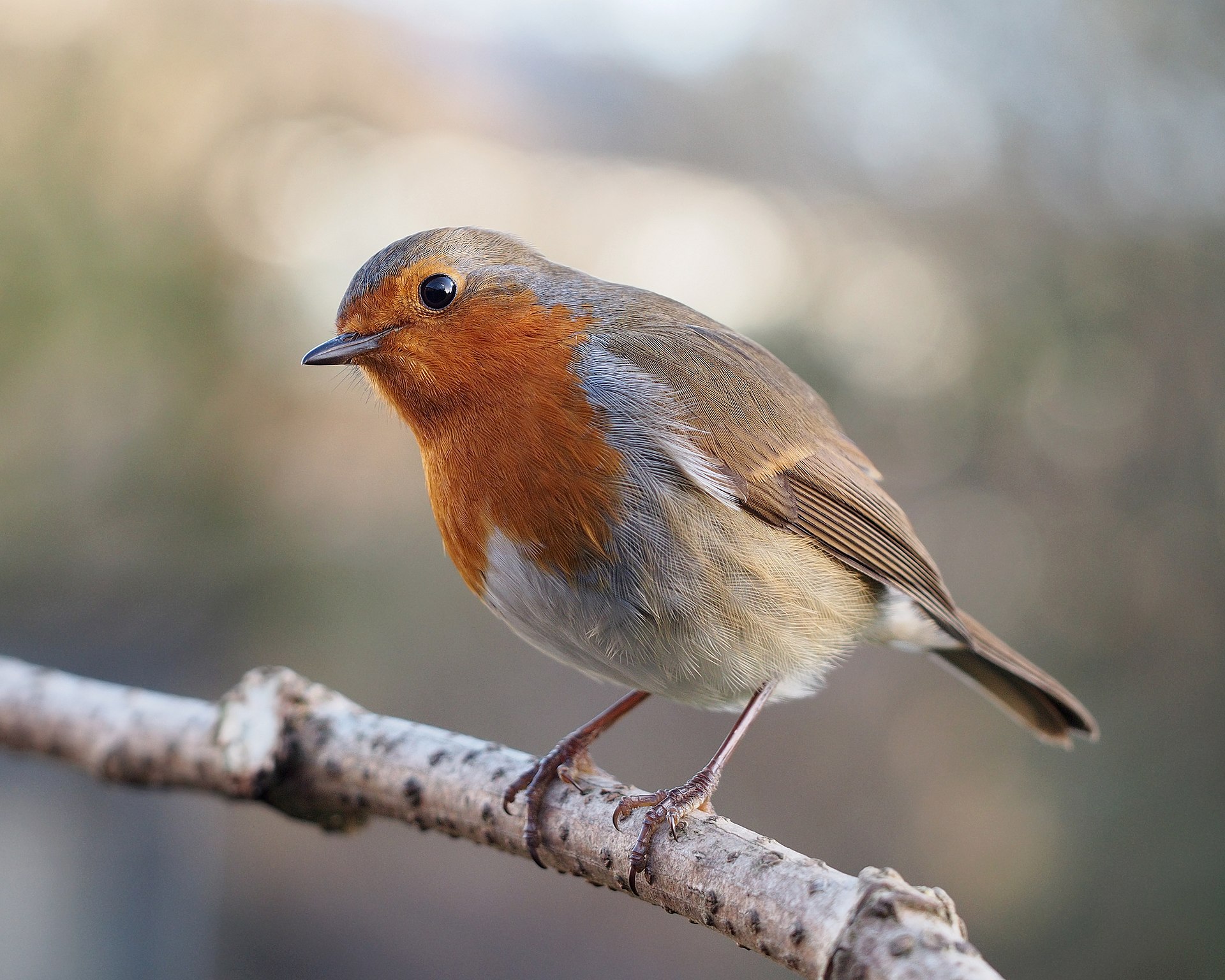
If you’ve ever seen a robin, you’ll notice that the friendly brown bird’s breast is more of an orange color than a reddish hue. Apparently, the color orange didn’t originally have a name in the UK. Thus, according to tradition, the robin was named for its “red” breast and it stuck.

Robins in art and literature are always associated with good will and friendliness. They are known to be the gardener’s friend. They are intelligent, happy birds who almost seem as though they are communicating. Robins also symbolize spring, good fortune, new beginnings, and rebirth.

Robins are so generally known as happy, cheerful birds that many field guides even say that the robin’s call sounds like this: “Cheer up! Cheerily! Cheer up! Cheerily!”

Wikipedia Commons, European Robin.

Robins as Guides in Literature

Robins feature throughout British folklore, stories, and classic literature. They are usually bright, friendly, happy, cheerful birds. They are often depicted as clever and intelligent birds.

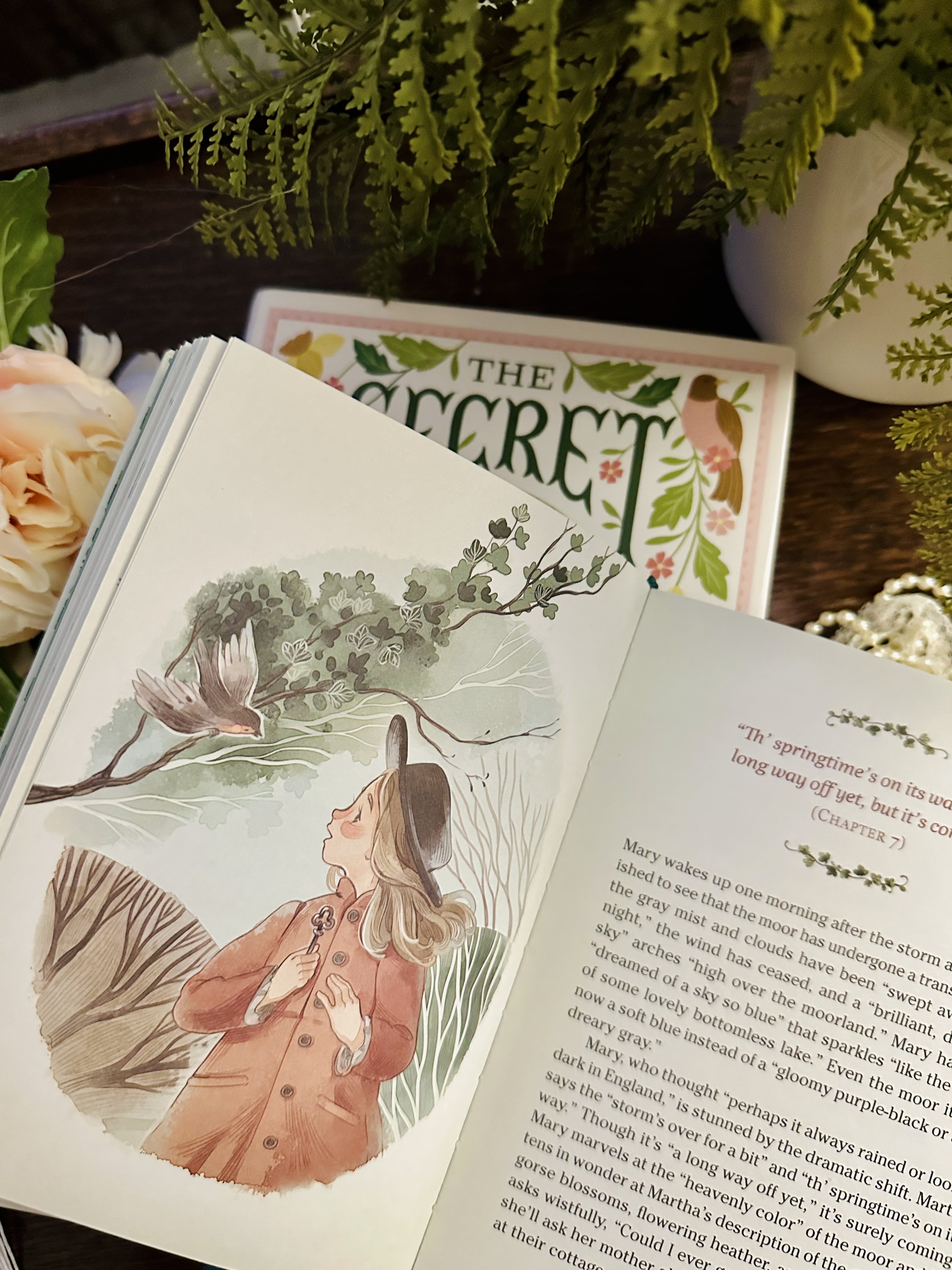
The robin features in The Secret Garden as Mary Lennox’s first friend in England and the one who shows the way to the door of the mysterious garden and to the key to the locked door:

“You showed me where the key was yesterday,” Mary said. “You ought to show me the door today; but I don’t believe you know!”

The robin flew from his swinging spray of ivy on to the top of the wall and he opened his beak and sang a loud, lovely trill, merely to show off. Nothing in the world is quite as adorably lovely as a robin when he shows off—and they are nearly always doing it.

One of the nice little gusts of wind rushed down the walk, and it was a stronger one than the rest. It was strong enough to wave the branches of the trees, and it was more than strong enough to sway the trailing sprays of untrimmed ivy hanging from the wall. Mary had stepped close to the robin, and suddenly the gust of wind swung aside some loose ivy trails, and more suddenly still she jumped toward it and caught it in her hand. This she did because she had seen something under it—a round knob which had been covered by the leaves hanging over it. It was the knob of a door.

The Secret Garden

In C.S. Lewis’ Chronicles of Narnia, a robin is a guide once again, helping the Pevensies find their way:

They were all still, wondering what to do next, when Lucy said, “Look! There’s a robin, with such a red breast. It’s the first bird I’ve seen here. I say!—I wonder can birds talk in Narnia? It almost looks as if it wanted to say something to us.” Then she turned to the Robin and said, “Please, can you tell us where Tumnus the Faun has been taken to?” As she said this she took a step towards the bird. It at once hopped away but only as far as to the next tree. There it perched and looked at them very hard as if it understood all they had been saying. Almost without noticing that they had done so, the four children went a step or two nearer to it. At this the Robin flew away again to the next tree and once more looked at them very hard. (You couldn’t have found a robin with a redder chest or a brighter eye.)

“Do you know,” said Lucy, “I really believe he means us to follow him.”

“I’ve an idea he does,” said Susan, “what do you think, Peter?”

“Well, we might as well try it,” answered Peter.

The Robin appeared to understand the matter thoroughly. It kept going from tree to tree, always a few yards ahead of them but always so near that they could easily follow it. In this way it led them on . . .

The Lion, the Witch, and the Wardrobe

In fact, robins are so well known as symbols of goodness, when Edmund asks Peter, “How do we know which side that bird is on? Why shouldn’t it be leading us into a trap?” Peter replies, “That’s a nasty idea. Still—a robin you know. They’re good birds in all the stories I’ve ever read. I’m sure a robin wouldn’t be on the wrong side.

Robins and December

Robins in the UK (European Robins) don’t migrate; they stay in England year-round. They are territorial birds and they do not often leave their homes or nesting areas. It’s common to see them out and about during the winter because that is when they begin to look for mates. This is another reason robins have become synonymous with December and winter time.

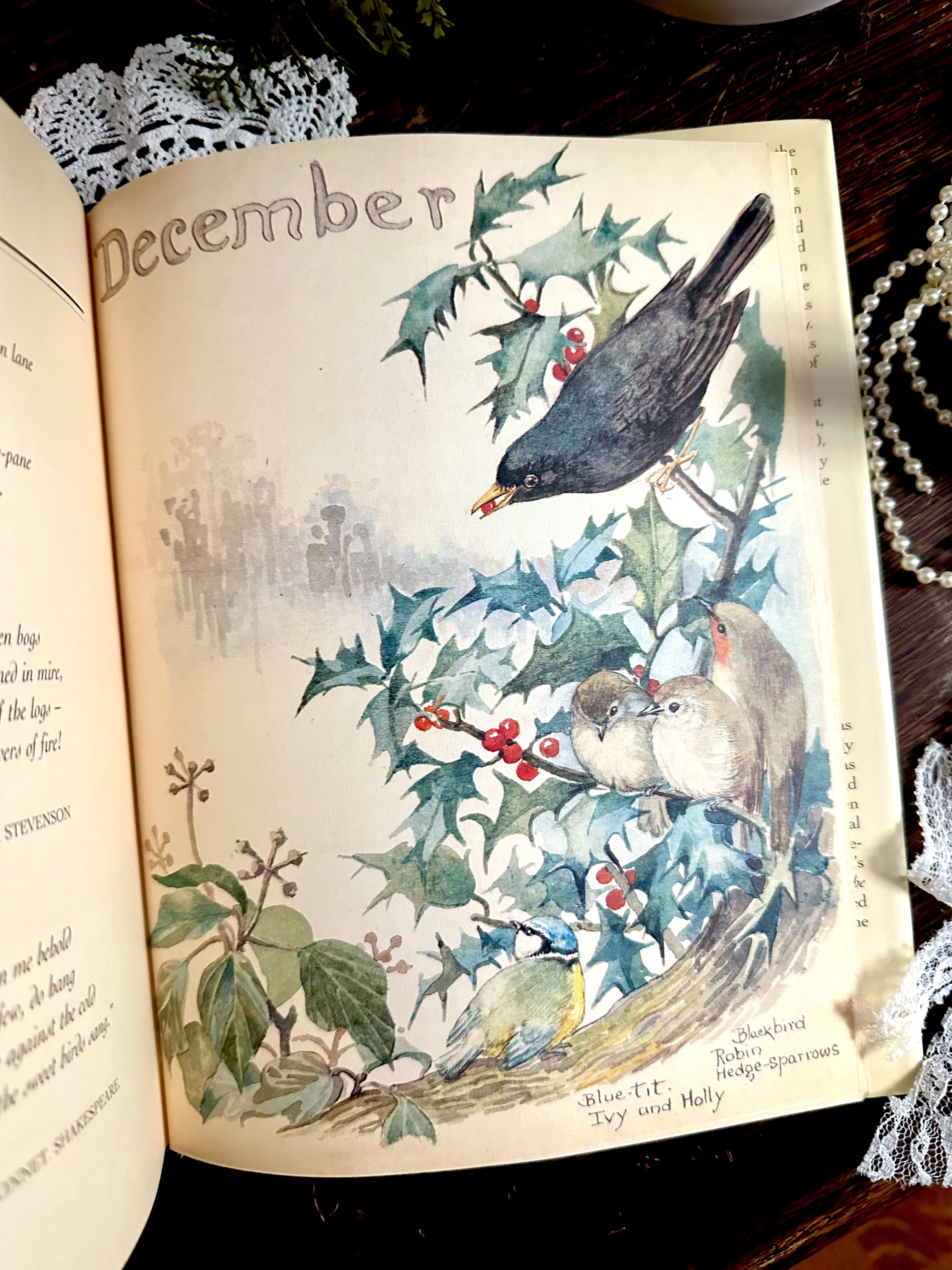
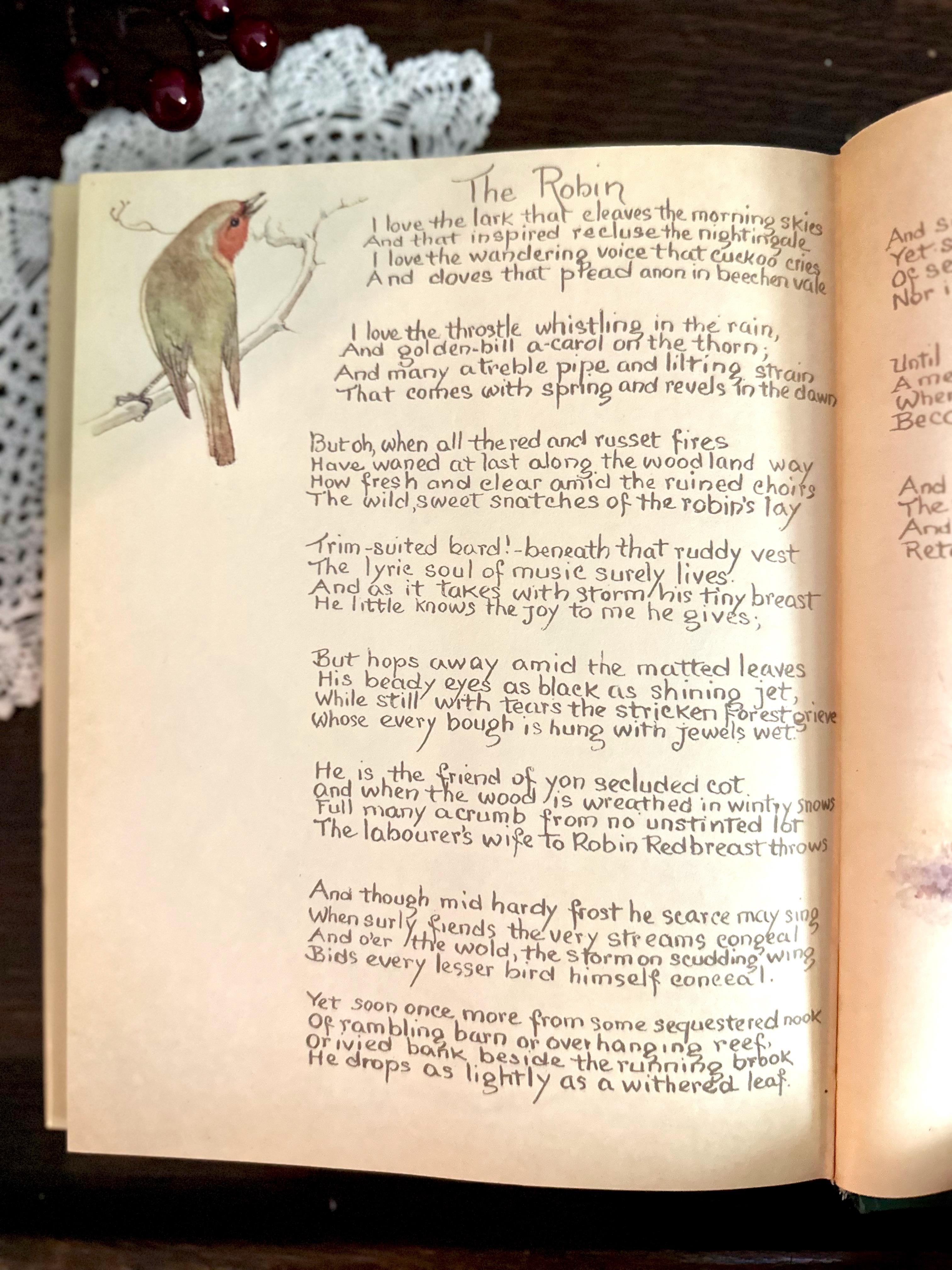
In The Nature Notes of an Edwardian Lady (1905) by Edith Holden, a journal of watercolor paintings of flowers, plants, birds and butterflies, along with poems and anecdotes, the author has a section devoted to each month of the year. For December, she includes this watercolor of several birds, including a robin. She also includes a poem about robins.

Robins and Christianity

Several old English fables and folk tales link the robin to Christianity. There are many versions of the tales told, but there are two that are quite popular. The first one explains that the robin used to be a plain, brown bird with no red breast, but it went to sing to Jesus when he was dying on the cross. The blood from Jesus’ wounds are said to have stained the bird’s breast, thereby giving it a red breast.

In another tale, the robin was present at the birth of Jesus. It was a cold night in Bethlehem, and the story goes that a brown bird came near and fanned the flames of a small fire to help keep the baby Jesus warm. His breast was scorched by the flames and turned red thereafter.

There are other similar old fables and tales that link robins with Christmas in the Christian tradition. Perhaps you’ve heard one. (If so, please share it in the comments.) There have been many stories told and written since that feature the robin or other friendly birds at Christmas.

Photo by Rachel Dodge, 2022

Robins and Victorian Christmas Cards

If you’ve seen Christmas cards and decorations featuring a robin redbreast, it most likely came about during the Victorian era.

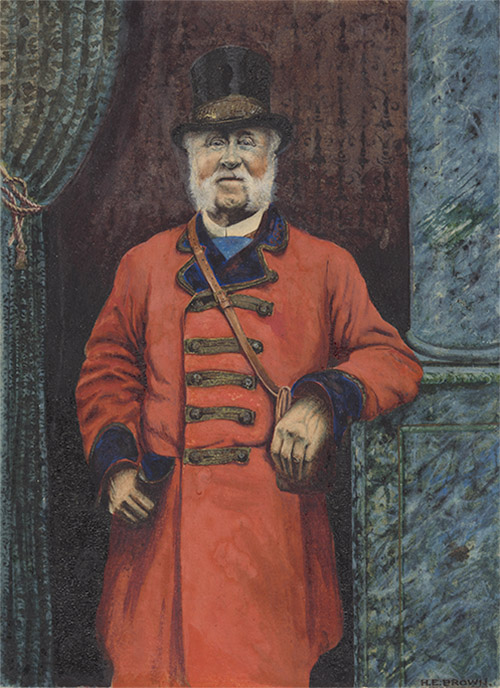
During the mid-1800s in England, Christmas cards became popular. People even began to send Christmas greetings by post. At the time, Victorian postmen wore red coats. Tradition has it that these “red breasted robins” went from house to house and from street to street, delivering season’s greetings and well-wishes.

Moses James Nobbs: (Last of the Mail Coach Guards), Watercolour by H E Brown. C 1890. Courtesy of The Postal Museum.

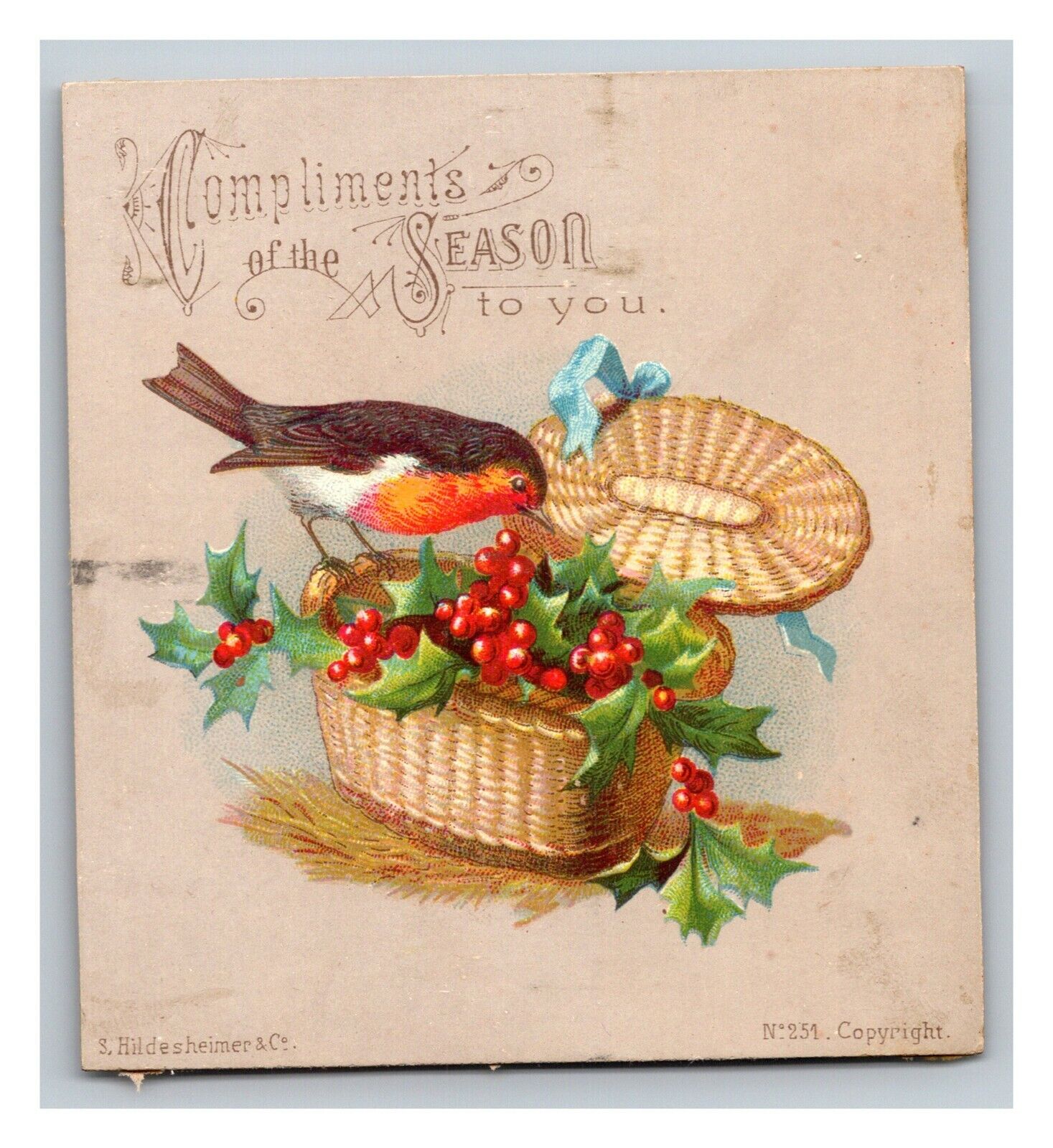
Ever since the days of these red-breasted mail carriers, robins have been featured on Christmas cards. Many vintage Christmas cards from that era even have drawings of a robin with a letter in its mouth. Robins delivering the mail – even sometimes dressed as mail carriers – has been part of traditional Christmas culture ever since!

Victorian Christmas Card, Ebay.

Robins and Jane Austen

Would Jane Austen have sent Christmas cards or been familiar with the robin red-breast at Christmas time? No, she would not. She definitely would not have sent cards at Christmas. However, she may have been familiar with some of the old tales about the robin. And of course, I’m sure she met many robins on her rambles through the country lanes of Hampshire.

Yet again, the Victorians introduced another beloved Christian tradition and symbol that we’ve all come to enjoy and recognize.

If you’re feeling blue this Christmas or winter, try some bird-watching. It’s such fun and you just might hear a friendly, “Cheer up! Cheerily! Cheer up! Cheerily!”


RACHEL DODGE teaches college English classes, gives talks at libraries, teas, and book clubs, and writes for Jane Austen’s World blog. She is the bestselling author of The Little Women DevotionalThe Anne of Green Gables Devotional and Praying with Jane: 31 Days Through the Prayers of Jane Austen. Now Available: The Secret Garden Devotional! You can visit Rachel online at www.RachelDodge.com.

By Brenda S. Cox

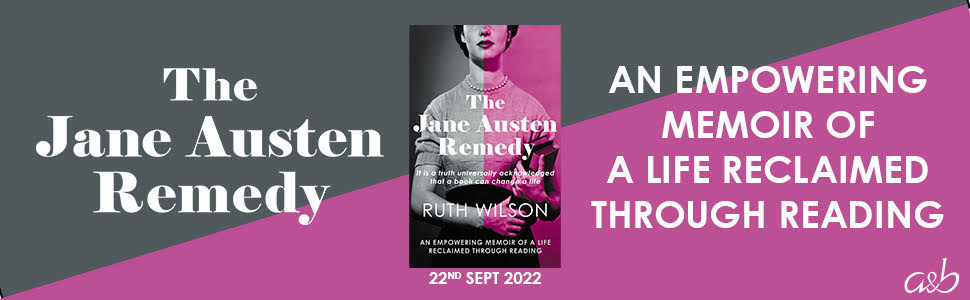
“It is a truth universally acknowledged that a book can change a life.”—The Jane Austen Remedy, by Ruth Wilson

I’ve certainly found this true in my life; haven’t you? This statement opens Ruth Wilson’s memoir of how a “careful re-reading of Jane Austen’s six novels” enabled her to “re-examine [her] lived life in the context of [her] reading life.”

In The Jane Austen Remedy, by Ruth Wilson, the author explores her life through the lens of Jane Austen’s novels.

When Wilson turned sixty, she realized she was “out of love with the world and . . . not happy.” She says, “my body was telling me that my soul, however such an entity is conceptualised, was ailing.” She grieved for herself, for what she had not achieved, and for “the years that lay ahead.” She identified with Elizabeth Bennet who says, “The more I see of the world, the more I am dissatisfied with it.”

So, Wilson bought a small cottage two hours from her home in Sydney, Australia. Her goal was to have “a room of one’s own,” as Virginia Woolf puts it in her book with that title (which I highly recommend, by the way). Woolf is talking about women writers, but Wilson says, “All women need their own space to inhabit, their own air to breathe.” She hoped, in that place “to find a happier way of being.”

Wilson left her husband and family for a time and determined to re-read Austen’s novels. She says,

I was making Austen’s novels a starting point for exploring the satisfactions and dissatisfactions of my own life, framed and illuminated by her fictional universe.

The Jane Austen Remedy takes readers along with Ruth Wilson on this journey through her life. She discusses many books that impacted her, some of which were familiar to me and some not. But the Austen novels were at the heart of her journey.

Wilson begins with her own discovery of literature and how it impacted her life. Her “reading life truly began with Pride and Prejudice,” which made reading into “a source of nourishment and imaginative expansion” for her. She says from that point on, Austen’s novels

shaped the course of my future: because of them, I became a lover of language, a teacher of literature, a parent-reader, and, in a broader sense, an educator. My inner life has been nourished, illuminated and comforted by the empathetic voices, the complex characters and the challenging ideas in Austen’s novels – and they have changed, as I have done, over a lifetime.

As Ruth Wilson was growing up, Austen filled personal needs that her family and the people around her could not fill. She says, “I think of Jane Austen as a writer whose novels never stop helping readers to grow up.”


Northanger Abbey covers, like this one from Barnes and Noble Classics, tend to emphasize the Gothic connection. But Wilson suggests a different emphasis for teenage readers.

Northanger Abbey

When she set out to re-read Austen, she began with Northanger Abbey, since it was the one she remembered the least. She discussed it with an English teacher, who taught it with a focus on the Gothic novel. (I have taught it that way myself, I confess.)

However, Wilson says we should teach literature by helping students look for ways the story relates to their own lives. I love this idea! She says, “The nature and authenticity of friendship and romantic intimacy are central ideas that shape the events of Catherine’s holiday in Bath.” Friendship and romantic relationships are likely to be the most relevant issues for young people reading the novel.

Re-reading Northanger Abbey led Wilson to consider her own friendships throughout her life. She identifies herself as being, like her father, “both Jewish and Australian.” She meditates on how those parts of her identity affected her relationships.

Pride and Prejudice

In Pride and Prejudice, Wilson found “an exploration of what it means to be human, of the consequences of daring to make bold choices about how to live.” She repeatedly finds new insights and new connections to her own life as she re-reads it. Elizabeth became her heroine as soon as Elizabeth laughed when telling Charlotte about Darcy refusing to dance with her. When you think about that, what an amazing and joyful response it was!

Sense and Sensibility

The Dashwood family’s displacement in Sense and Sensibility led Ruth Wilson to consider her own family’s displacement when they moved to Israel for some years. This move had repercussions for her children, her marriage, and her extended family. She considered her expectations, losses, and gains as she read about Elinor and Marianne’s experiences. This chapter also delves into the implications of Austen’s grammar and use of free indirect discourse to share the Dashwoods’ experiences.

Fanny Price shows her “strength of character” in refusing Henry Crawford.

Mansfield Park

Wilson looks at the moral dilemmas raised in Mansfield Park. She points out that many readers are drawn to the Crawfords, “despite continuing evidence that pursuit of their own happiness inflicts pain on those they call their friends.” Fanny’s “strength of character” shows up in strong contrast. Wilson appreciates Fanny’s “bold” claim that:

“it ought not to be set down as certain, that a man must be acceptable to every woman he might happen to like himself”!

Wilson also considers times of displacement in her own childhood as she sees young Fanny’s homesickness and adjustments.  

Emma

Wilson’s reading of Emma is subtitled “A Critique of Love.” She found that each time she re-read one of Austen’s novels, she connected with “a different stage of [her] life” and found “a different significance in each novel.” She thought about Emma’s early loss of her mother, and how her indulgent governess might have encouraged Emma toward self-love and slowed her emotional progress toward loving others. Emma investigates “filial love, neighbourly love, romantic love, love of others, self-love, and love of self.” Since Emma treats her self-centered father with love and respect, her story led Wilson to examine her relationship with her own father.

In thinking about film adaptations of Emma, Wilson makes a telling comment:

The point of making a film about a novel, surely [is] to illuminate or enrich or comment intelligently on the novel that is being glossed.

I suppose this is why we react strongly to some Austen adaptations; they may not fit our own understanding or interpretation of the novel, or they may give us new ideas about it which we love or don’t.

Persuasion

Wilson reads Persuasion with an old friend. They examine choices they have made and what second chances might look like. A theme of feminism runs through this book, and her friend Tamar has chosen a more independent course than Wilson has, but both have struggles and regrets. Wilson concludes that the people who love us can help us change. They can teach us how to love ourselves.

Conclusions

Wilson rebuilt her life in new ways. She began her PhD at age 84 and completed it at age 88. She researched “how and why Jane Austen’s novels were read and studied at school.” She says,

Fiction shows us possibilities; in real life we make our own choices and learn to live with them, one way or another.

She ends with a series of “Jane Austen remedies” for various maladies. For example, she prescribes Pride and Prejudice for “heartache” and Mansfield Park for “anxiety.” You’ll need to read the book to find the relevant symptoms, treatments, dosage, side effects, and benefits!

I found this book enjoyable and interesting. It does ramble, as the author takes us with her on her personal journey. Occasionally, she went off on tangents related to books and ideas I didn’t connect with, and I was lost for a bit. However, she soon returned to Austen, her own life, and how those intersected. The idea that Jane Austen can help us grow personally, at different stages in our lives, appeals to me and will probably appeal to most of our “gentle readers.” So, I recommend The Jane Austen Remedy to you all. 

Please tell us in the comments:

What is something new you’ve learned this year from Jane Austen?

Or, for what situations or feelings would you recommend a particular Jane Austen novel as a remedy?


From the press release:

An uplifting memoir of love, self-acceptance and the curative power of reading, The Jane Austen Remedy raises big questions about truth and memory, personal loyalty and betrayal, prudence and risk, reason and passion. It is an inspirational account of recovery and self-discovery. Ruth travels through nine decades of living, loving and learning, unravelling memories of relationships and lived experiences, looking for small truths that help explain the arc of a life that has been both ordinary and extraordinary.


Ruth Wilson, author of The Jane Austen Remedy

Ruth Wilson read her first Jane Austen novel in 1947 and in 2021 completed her PhD on reading and teaching Austen fiction. In between, she taught English and worked on oral history projects including one with Holocaust survivors. She encourages her four children, five grandchildren and eight great-grandchildren to read widely, wisely and well. She and her husband are a married couple who live apart together.


Brenda S. Cox writes for Jane Austen’s World and for her own blog, Faith, Science, Joy, and Jane Austen. Her book, Fashionable Goodness: Christianity in Jane Austen’s England is now available.

Rachel Dodge’s Book Debut November 1st

Our very own author and contributor to this blog, Rachel Dodge, debuts yet another devotional on November 1st. Entitled The Secret Garden Devotional, the book offers inspiration that explores the themes of faith, family, contentment, wisdom, and joy based on the classic Frances Hodgson Burnett novel, cherished by generations. Purchase this book at stores near you or online in a variety of formats. Read the outstanding reviews on Goodreads. Average stars: Five!

Learn more about Rachel’s books in this link.

Student Contribution To Our Blog

Several weeks ago Mr Philip Turner, who volunteers with a children’s history club, described independently researched projects and presentations on topics of the children’s choosing. One group chose 19th century England. Their presentation was so successful and interesting that Mr Turner reports he learned a great deal of new information!

Screen Shot 2022-10-30 at 6.37.05 PMThe students used our links page (https://janeaustensworld.com/links/) for their research. One of the kids, Alice, suggested that our blog add a link to an article they found about the History of Big Ben

They thought that our readers would find this site interesting. I love that they wanted to share  their find!

Mr Turner, and a number of other teachers and students over the years, have regularly sent their appreciation of our links. We are more than happy to include Alice’s suggestion! Thank you for contacting us, Mr. Turner, and please let your class know we’ve included the link in our list!

Pride & Prejudice 1995 China Pattern

Inquiring readers, Krissy, who enjoys our blog’s posts, alerted us to yet another china pattern used in the 1995 film that featured Jennifer Ehle as Elizabeth and Colin Firth as Mr Darcy. She writes: “I‘ve especially enjoyed reading the articles about the china patterns in the 1995 adaptation of Pride and Prejudice, so when I came across the breakfast set used by the newly minted Mrs. Charlotte Collins at Hunsford Parsonage I thought I’d send it in!

image0

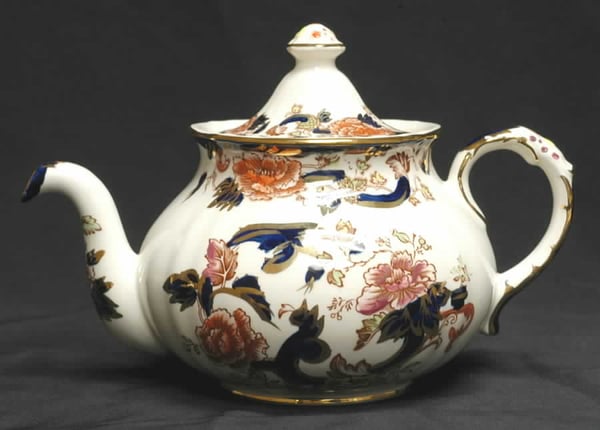
This Mandalay Blue Multicolor set by Mason’s was, no doubt, suggested by Lady Catherine herself as we all know that nothing is too small to be beneath her notice. (The photo is from Replacements.com.)

Where’s Jane? Find Jane Austen Hidden in Her Novels

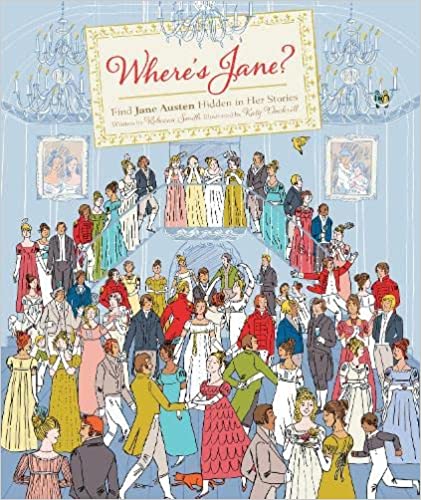
Where's Jane bookThis book, published in 2018, and written by Rebecca Smith and illustrated by Katy Dockrill, is still available. I purchased mine at the Walters Art Museum gift shop recently. Amazon still sells it (although with postage added, it is the same cost as the museum’s). The reading age is for 6-9 year olds. What a perfect time to introduce Austen to children!

Images below show how the main plot of Pride and Prejudice (one of six novel examples) is introduced in comic book form, as are the characters in oval vignettes. Part One introduces the first half of the book, then provides two pages of wonderful images. Readers are asked to find the characters, as well as Jane Austen, whose image sits on the ‘About this Book’ page. 

The solutions sit at the very end.

This slideshow requires JavaScript.

Images from Amazon.com from a preview of the book.

Part Two introduces the last half of the novel and more characters. As a tutor of adults, adult literacy, and children, I found this book not only a delightful introduction to Austen’s novels, but also a perfect way for a child to interact with texts and images, and provide them to answer question and ask questions of customs 200 years ago.