Feeds:
Posts
Comments

Posts Tagged ‘PBS Masterpiece Classic’

Lady Almina

Lady Almina, the Countess of Carnarvon, who lived at Highclere Castle during the turn of the century and through World War 1, had many qualities in common with the fictional Cora, Countes of Grantham in Downton Abbey. Upon Lady Almina’s marriage, her fortune staved off financial ruin for the 5th Earl of Carnarvon and helped to renovate the mansion.

Like Lady Cora, she allowed her house to be turned into a hospital for wounded soldiers, running it at her own expense.

WW1 soldier recuperating at Highclere Castle

On her orders, each wounded officer had the luxury of his own room, with down pillows and linen sheets. She  made beds and dressed wounds” (The Daily Mail).

Lady Almina put together a skilled orthopedic operation at Highclere Castle and she had very good nursing skills, so good that she was often sent some of the hardest cases.

Soldiers were nursed back to health on fresh linen sheets, propped up on fat down pillows so they could gaze out over a beautiful country park. Silver service dinners were followed by a game of cards in the library while sipping a glass of beer, naturally from the house’s very own brewery. A butler was even on hand to pour the convalescents a nip of whisky before dinner. – The Real Downton Abbey: How Highclere Castle Became a World War 1 Hospital (includes a video).
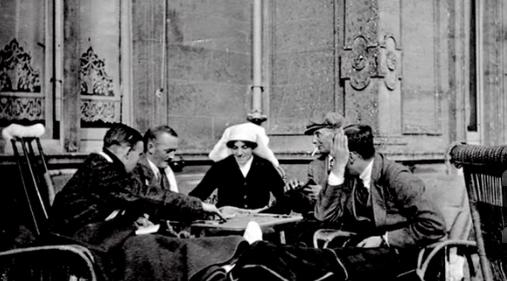
Playing games at Highclere Castle and enjoying home brewed beer

In this matter, Almina showed one of her kinder sides, for she was reportedly a terrible mother and lived largely a selfish and extravagant life until her fortune ran out. The war touched all lives and all class stratas, and not a family was left standing at its end that did not experience a loss:

“All their young men are gone,” lamented the architect Sir Edwin Lutyens of the sons of  Mells Manor, one super-romantic house in Somerset. That was in 1919 when he went to help choose the site of the village war memorial – a figure of St George on a column. The pain of the Horner family at the loss of their son Edward, the last of the male line, can be seen from his monument in the church: a moving statue of the young cavalry officer by Munnings. – The Telegraph, What Next For Downton Abbey?

For several centuries during wars and conflict, great country houses had been conscripted for medical services. One of the earliest country houses to be used as a hospital was Greenwich Palace, which was converted to a navel hospital in 1694.

During World War One:

A genuine sense of wanting to help led to many owners voluntarily turning over their houses as hospitals including the Earl of Harewood offering Harewood House, Lord Howard of Glossop Carlton Towers, Lady Baillie lent Leeds Castle and the 4th Marquess of Salisbury offering Hatfield House as he had done during WWI. – Houses as Hospital: the country house in medical service

The numbers of wounded soldiers who were returned from the battlefields of northern France and Belgium were unprecedented. It was enormously difficulty to remove wounded men from battlefields riddled with shell pocks and guarded by staggered rows of  barbed wire barriers that were miles long. Scores of soldiers who could have survived under immediate medical attention were left to die unattended.  Medics practiced triage, making instant decisions and leaving behind those who stood little chance of surviving or who could not withstand the rigors of being carried to safety. Even when soldiers were successfully brought back to camp, many had to suffer a long wait, for doctors and nurses were overwhelmed, supplies were short, and field hospital conditions were ghastly. A large number died behind the front waiting to be transported.

The soldiers who were brought back to England overwhelmed the hospitals and medical staff that were available. Auxiliary hospitals exploded around England,  many of them the country homes of aristocrats. These houses were not ideally suited for their new positions. During the late 19th century, Florence Nightingale influenced the design of hospitals, noting the importance of separating unsanitary scullery sinks from patient beds, for example, and improving cleanliness and introducing hygiene. While country houses did not provide antiseptic conditions, they became ideal havens for convalescents and for those who suffered from tuberculosis, for these patients required clean country air.

In the second episode of Series 2, the less seriously wounded soldiers or those whose injuries were healing and who needed convalescence were sent to Downton Abbey.  In real life, hospitals and convalescent houses were staffed by a commandant in charge, a quartermaster in charge of provisions, a matron in charge of the nursing staff, and the local voluntary aids, who were trained in first aid and home nursing.

To accommodate the soldiers, family members were confined and restricted to certain rooms in their own home. One would assume this would not be a hardship, since the houses were so large, but the labor shortage and the need for injured soldiers to be housed in large rooms without going up the stairs would most likely necessitate some appropriation of a family’s favorite rooms.  Lord Grantham’s library was divided, so that most of the room became a recreational space and a small section was left to him. Downton Abbey’s central hall became a dining area. Such changes must have grated on the privileged class, who, while wanting to perform their patriotic duty, could not escape encountering the hoi polloi in their daily routine.

With so many men serving as soldiers, servants were stretched thin and forced to perform duties that normally were outside of their scope and that stepped over the boundaries of etiquette. Anna helped to serve at dinner, which would have been totally unacceptable during peace time. Carson, in an effort to maintain the status quo, ruins his health and thus worsens the situation when he is laid low in bed.

Due to the war and its many effects, society was in turmoil. Social change happened on many fronts and class barriers began to blur. As men fought and died in France, women, including those who formerly worked as servants, filled their positions in factories, corporations, and farms. Great houses began to feel the pinch of being short staffed, and genteel ladies who were accustomed to being served had to cook and sew for themselves.

To feed the army, country estates converted their flower gardens to grow fruits and vegetables. At Hatfield House, the Cecil family’s “fields and private golf course were filled with trenches and a man-made swamp to create a maneuvering ground for an experimental weapon under development, the tank.”*

Isobel Crawley, once a working middle class wife – until her son, Matthew, was suddenly propelled into the position of heir to the Earl of Grantham –  finds her true calling in ministering to injured soldiers. She was trained as a nurse and had performed charity work in caring for the sick. The need for her professional services made her feel like a valued woman again. Isobel’s zealousness in converting Downton Abbey into a convalescent home placed her in direct conflict with Cora, Lady Grantham, and continued her battle of wills with Violet, the dowager Countess. Isobel’s situation was not unusual, for during this war many people of the working classes who were professionally trained found themselves in positions of superiority over gently bred women who volunteered as nurses aids.  One Indian soldier remarked with some awe that a noble British lady had ministered to his wounds and treated him as an equal.*

It was only because of the war that a former footman like Thomas would dare enter through the front door or that a doctor could serve as head of the hospital and make decisions that overrode those of the owners of the house. Lady Sybil, whose support of the suffragettes was revealed in the first series, became a VAD (Voluntary Aid Detachment Nurse), for there simply weren’t enough professional nurses to go around.
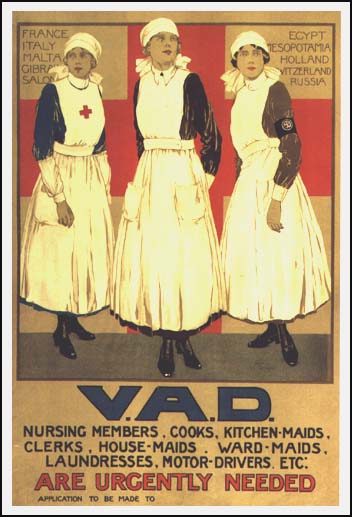
VAD Poster

In many cases, women in the neighbourhood volunteered on a part-time basis, although they often needed to supplement voluntary work with paid labour, such as in the case of cooks. Medical attendance was provided locally and voluntarily, despite the extra strain that the medical profession was already under at that time. – History of British Red Cross

VADs were trained for only a few weeks before working under professional nurses.

Only the middle and upper classes could afford to work for free, and to pay for the courses and exams that were required to become a VAD. Growing up with servants, many of these young women had never had to wash a plate or boil an egg. One girl related how amusing it was to serve tea at the hospital and then return home to have her own tea served by the parlour maid. – The Great War As You May Not Know It

VADs changed linens, sterilized equipment, and served meals, but many were also exposed to the rawer side of war and at times, when the influx of casualties overwhelmed the staff, VADs were expected to perform the duties of a professional nurse.
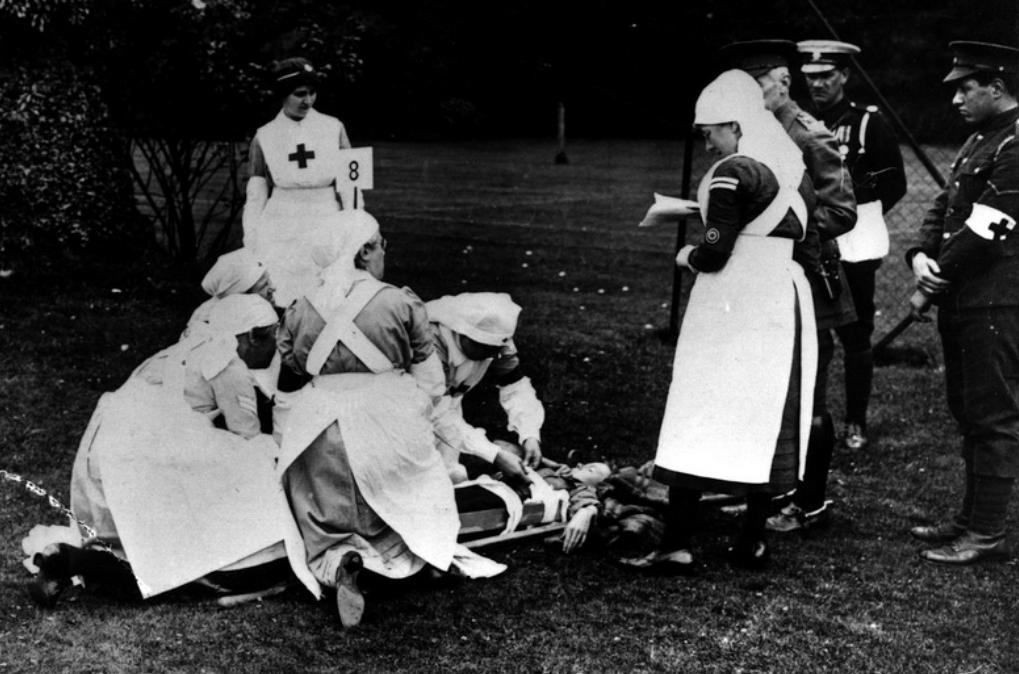
Red Cross VADs

VADs were generally from genteel, sheltered, and chaperoned backgrounds. Some were aristocrats, like Lady Diana Manners – the “Princess Di” of her day – reputedly the most beautiful woman in England and expected to marry the Prince of Wales. Her mother was very much against Diana becoming a VAD, as Diana states in her memoir, The Rainbow Comes and Goes. “She explained in words suitable to my innocent ears that wounded soldiers, so long starved of women, inflamed with wine and battle, ravish and leave half-dead the young nurses who wish only to tend them,” The Duchess gave in, but “… knew, as I did, that my emancipation was at hand,” Diana says, and goes on to admit, “I seemed to have done nothing practical in all my twenty years.” Nursing plunged her and other young women into a life-altering adventure. – The Great War As You May Not Know It
Serving as a VAD changes Lady Sybil, giving her a direction and purpose. Lady Edith, too, finds new meaning in an otherwise predictable life consisting of dinners, parties, and long stretches of boredom. Lady Sybil advised her sister to find her talent and pursue it, which Edith did. One wonders if Lady Mary will  find a similar passion before she throws her life away and marries a man she does not love or (we suspect) respects.

The strength of Downton Abbey’s plot threads this year is how they incorporate the roiling changes in class structure during a complex political time in which the necessities of war, the dissatisfaction of the working classes, and the continued growth of the women’s movement influenced the lives of the series’ characters. More on this topic later.

If you missed Episodes 1 & 2, they can be viewed on PBS’s site through March, 2012 at this link: http://www.pbs.org/wgbh/masterpiece/watch/index.html

Please note: You can watch Downton Abbey Season 1 on Netflix as a DVD or streaming.

Other links and references:

Read Full Post »

The third episode of Upstairs Downstairs will be shown this Sunday. Will you tune in?  (Watch all three episodes from April 25 through May 24 at this link.) Better yet, the BBC will make the DVD available for sale Tuesday, April 26th.

BBC’s Upstairs Downstairs DVD is available for purchase!

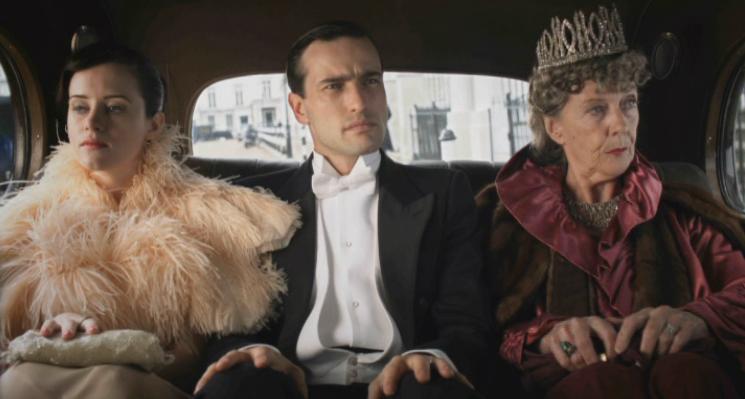
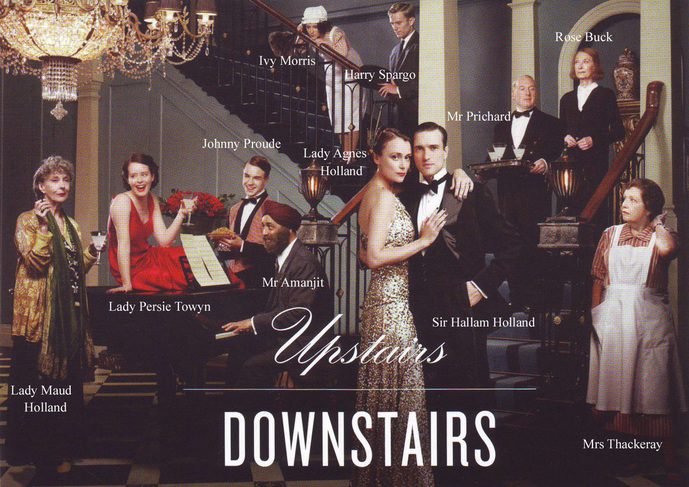
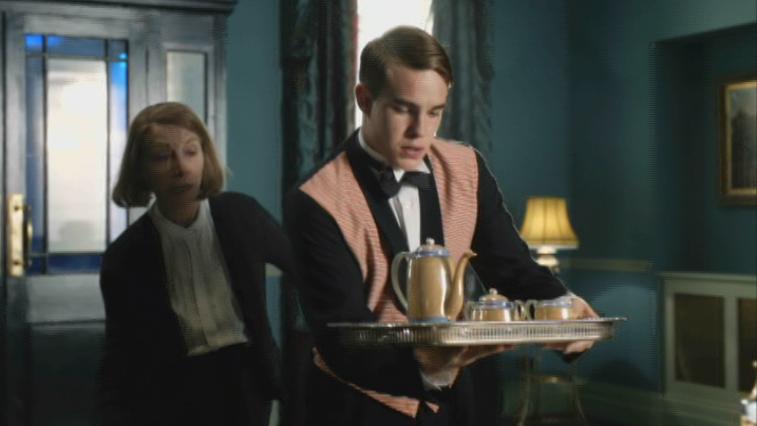
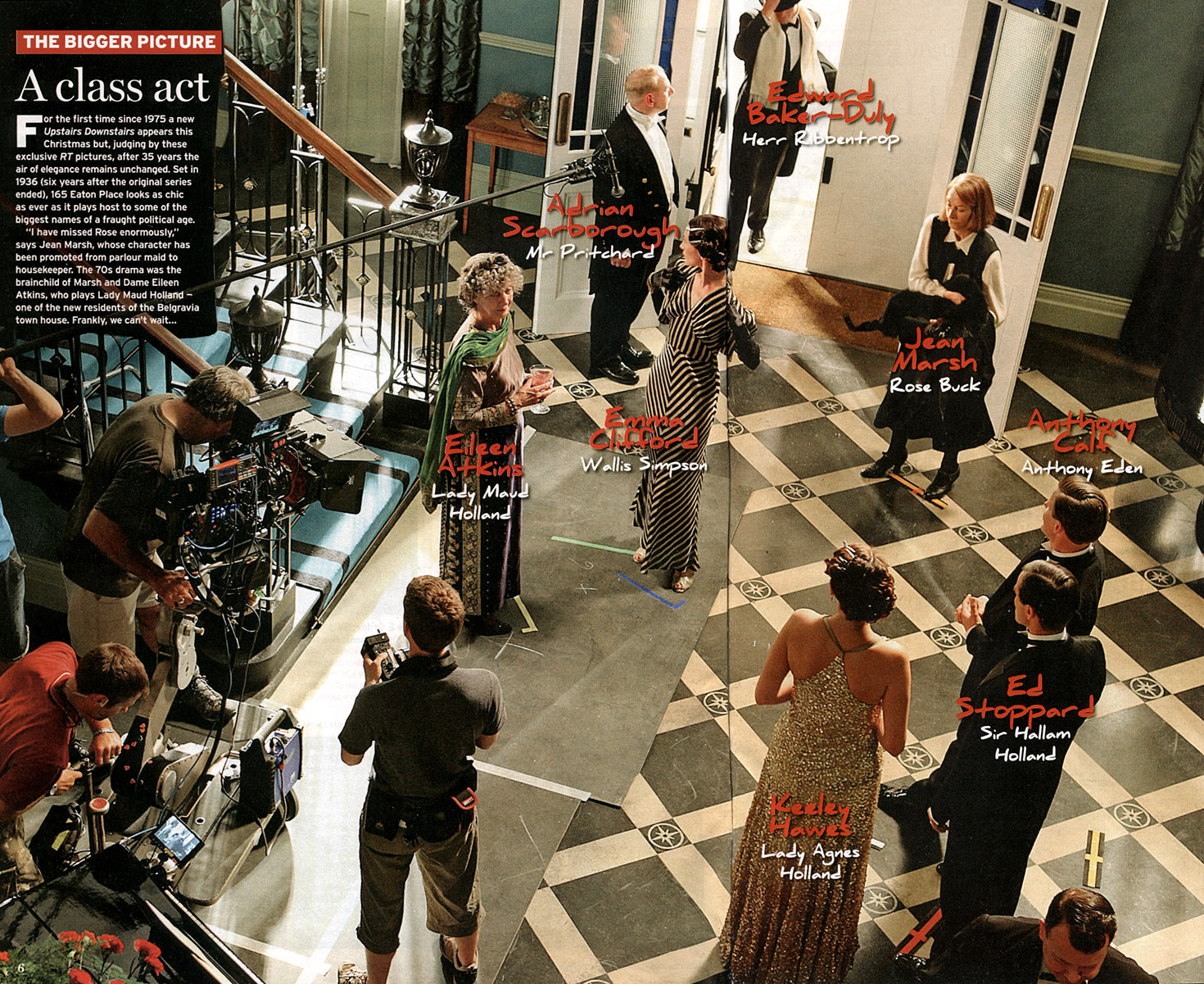
Upstairs Downstairs has been brought back with a fresh new cast. It is 1936 and six years since parlormaid Rose (Jean Marsh) left 165 Eaton Place. Fate brings her back to the house and its new owners, Sir Hallam Holland (Ed Stoppard), his wife Lady Agnes (Keeley Hawes), and his mother, Lady Maud Holland (Eileen Atkins). Rose recruits a new “downstairs” family to help run the elegance and finery of the “upstairs” world. Set against the historical backdrop of a pre-World War II Britain with a new King on the throne, with Fascism on the rise on the continent, and with sexual, social and political tensions at 165 Eaton Place, this new series provides an evocative take on the master-servant relationship.

In honor of the U.S Premiere on PBS’s Masterpiece Classic, the BBC is giving away a free DVD just two days following the conclusion of the third episode. This DVD includes the making-of featurette Upstairs Downstairs – Behind Closed Doors. (SRP: $34.98 ($43.98 in Canada)

CONTEST is CLOSED. The winner is Felicia!!: For an opportunity to win the DVD, all you need to do is leave a comment stating what you liked best about this 2010 series! The drawing (by random number) will be held on Tuesday, April 26th at 11:59 PM, EST.

Read this blog’s reviews of UpDown in these posts:

Read Full Post »

Oh, my, Upstairs Downstairs turned down a darker road in the second episode, which can be seen online this week until May 24th.

The arrival of parlor maid, Rachel Perlmutter, changes the mood of the show from light-hearted to somber. She is a Jewish refugee from Germany who is forced to work as a maid, a career that is dangerous to her asthmatic condition.

Rachel (Helen Bradbury) suffers from asthma, which strikes her at the most unexpected moments.

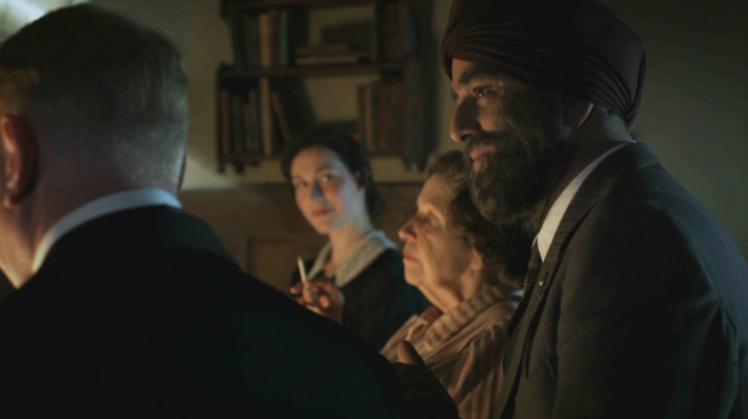
Race and prejudice are the very obvious subtexts of this episode, in which Mr. Amanjit, who at first lived apart from the staff, is slowly accepted downstairs.

This scene, in which Mr. Amanjit was invited to listen to music on the radio, was most gratifying

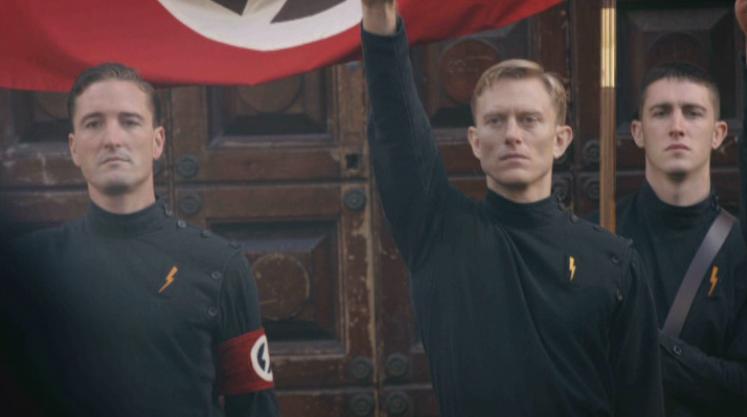
Harry Spargo, the chauffeur, has developed a political interest that is typical of many people in the 1930’s, but his leanings are towards the far right and with the black shirts of Oswald Mosley’s fascist party.

Harrys social politics will place him at odds with the family and lead to tragedy belowstairs

A bored Ladie Percie flirts with danger as she pursues the chauffeur and his interests.

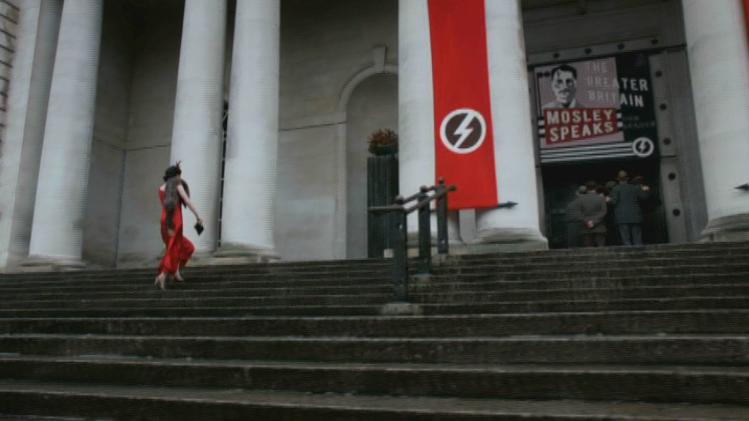
Bored and rebellious are not a good combination in the mind of a none too bright woman. Lady Percie races up the stairs to join an unsuspecting Harry at a far right rally.

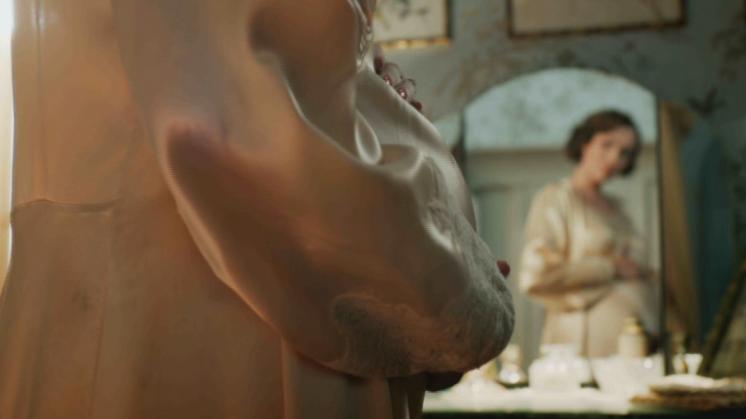
And Agnes, the mistress, is pregnant.

A montage shows the stages of Agness pregnancy in swift succession

While I liked that Upstairs Downstairs embraced the many social upheavals of pre-war Britain, the one hour format is too rushed for these complex plot developments. I know the original series was based on one-hour shows, but back then each episode centered on one plot line that was often developed over several episodes. There were too many holes in the various plots that have been introduced and this series seems rushed, giving almost no time to character development. I hope that the pace slows down in Season 2 next year. Meanwhile, I can’t wait to see what develops in Episode 3, for at this point the twists and turns have intrigued me.

I must admit to being disappointed with the costumes, which did not appeal to me at all.

Other Upstairs Downstairs posts on this blog:

Read Full Post »

Upstairs Dowstairs returns

Coming to PBS this Sunday, April 10th,  is Upstairs Downstairs, the newly minted series. Except for Rose, the characters have completely changed, but the nature of the program, following the family and the servants who cater to them, has not.

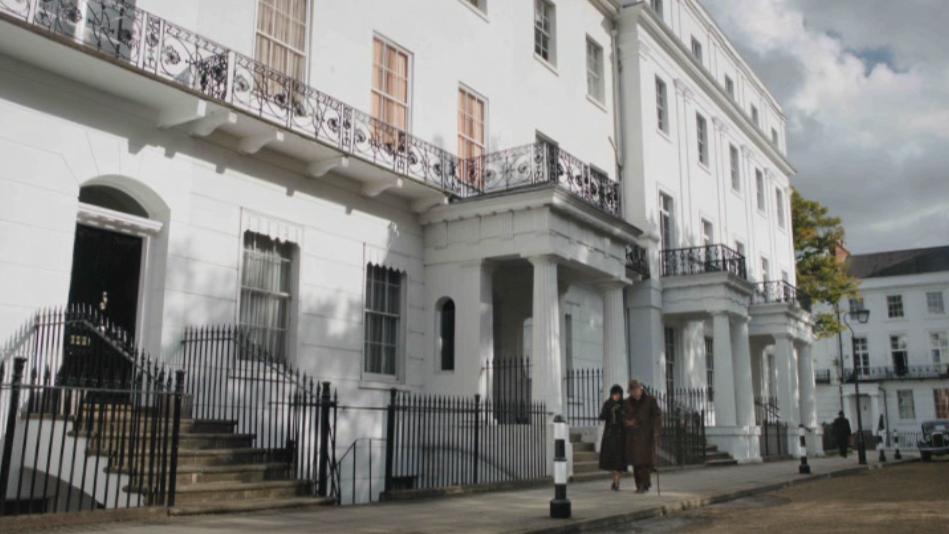
165 Eaton Place

It is 1936, and only six years have passed by since the Bellamys last lived at 165 Eaton Place. The townhouse is an abandoned shell when Lady Agnes Holland (Keely Hawes) and her diplomat husband, Sir Hallam Holland (Ed Stoppard), arrive from abroad to renovate it as their first home in England.

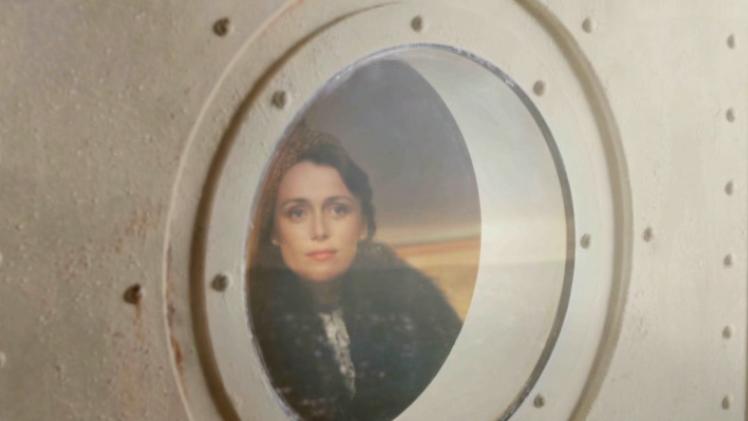
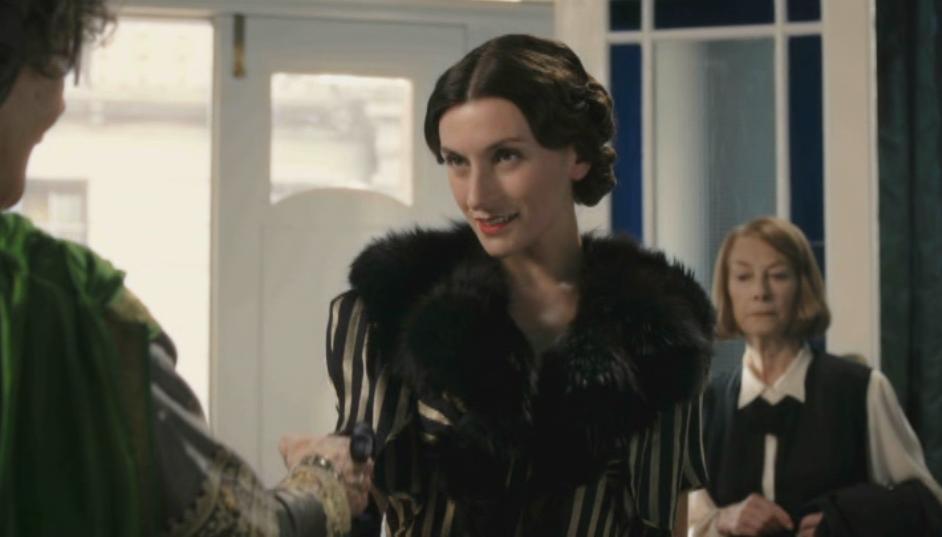
Keely Hawes as Lady Holland looks towards a new future

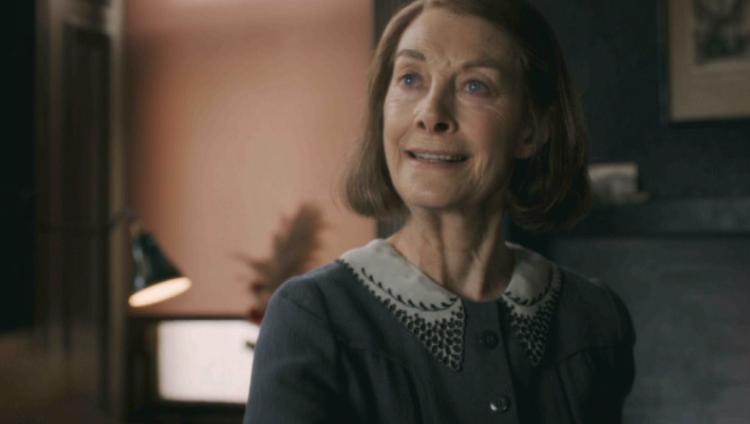
Rose (Jean Marsh), the only holdover from the original series, has left service to care for a sick aunt and is now self-employed, finding work for other domestics. A frugal Lady Holland solicits her to fill her house with servants. This means she does not mind employing help with little experience and who need training.

Young Johnny (Nico Mirallegro) needs training

Heidi Thomas, who also wrote the script for Cranford, delivered a crisp, intelligent, and witty script that draws viewers in right away, preserving the elements that drew us to the original show. This series (which has been renewed for a second season) stacks up well against its parent very well indeed. (Although my heart will always be with Hudson, the first butler.)

Jean Marsh as Rose

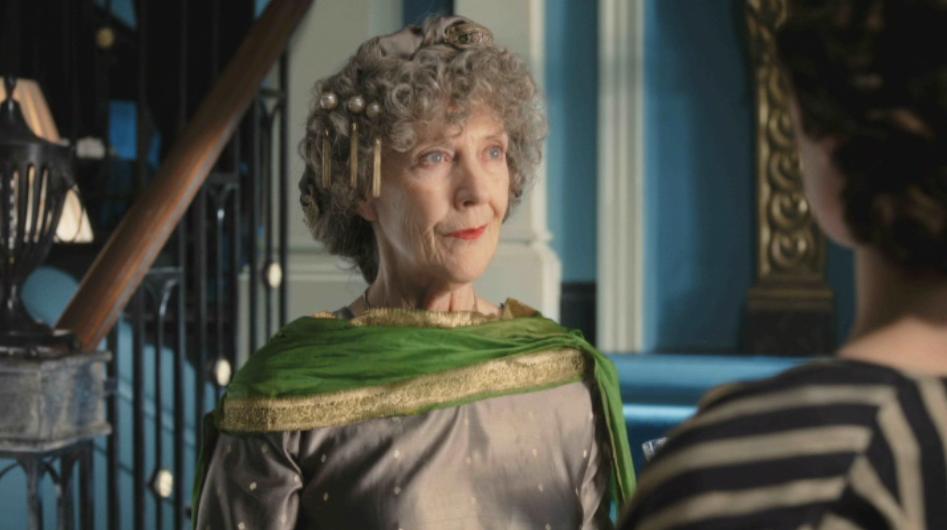
Thirty years or so ago, Upstairs, Downstairs was a television sensation, and rightly so. The series had been conceived by Jean Marsh and Eileen Atkins, who was working on another project when filming began, and so she did not play a maid alongside her friend, Jean. Thankfully so, for Ms. Atkins has returned as Maude, Lady Holland a character who lights up the screen as delightfully as Maggie Smith’s dowager Countess  in Downton Abbey.

Eileen Atkins as Lady Maud Holland

In this year of The King’s Speech, it is interesting to note that Wallis Simpson makes an appearance in the first episode and that the cast listens to Edward’s first radio speech as king. The story of the king and his abdication has long legs this season (he and Wallis were also featured in Any Human Heart, also shown on PBS)

Although invited to the party, Wallis Simpson's (Emma Clifford) appearance is not welcome.

Comparisons of Upstairs Downstairs to Downton Abbey are inevitable, but this is unfair. After all, Upstairs, Downstairs arrived on the scene decades earlier and provided the template for all the master/servant stories that followed. Viewers will not be disappointed with the renewal of a most beloved series. I certainly wasn’t.

Image @Radio Times

Read Full Post »

A good reviewer is not supposed to give the game away early, but I can’t help but gush: If you haven’t seen Any Human Heart when it aired on PBS, you will have an opportunity to watch the episodes online the Monday after its initial showing, from Feb 14 to March 22, and two more weeks to catch the last two episodes on screen (February 20 & February 27).

Some critics have dismissed this mini-series as another Forrest Gump story, wherein the fictional hero moves through the 20th century and rubs shoulders with famous people. I can assure you that this is the only trait that these two movies have in common, for one is filmed from the perspective of magic realism and the other is a gritty view of a man’s life and his failures and successes. I began to watch the first episode of Any Human Heart when I had the time to view the DVD from start to end. I was glad that I had five free hours, for I could not stop watching it. The opening credits had a similar feel to the opening of Mad Men, which clued me in that this mini-series would not offer a one-note plot (I have not read William Boyd’s book, but intend to), and that cigarettes would be used as a prop. I was right.

We meet Logan Mountstuart almost immediately in all of his personifications (in misty watercolor memories) – from childhood,

Conor Nealon as Logan Mountstuart, youth

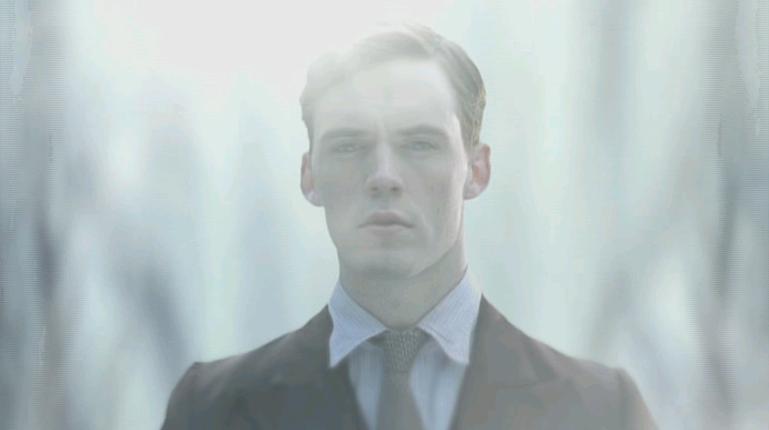
to young man,

Sam Claflin as Logan Mounstuart, young man

to mature man,

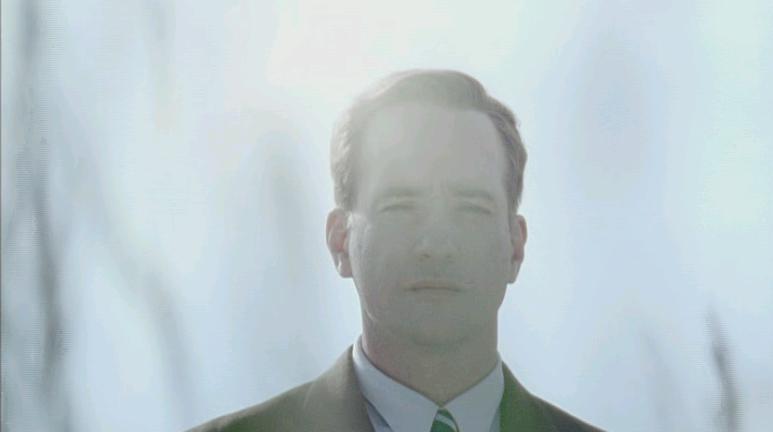
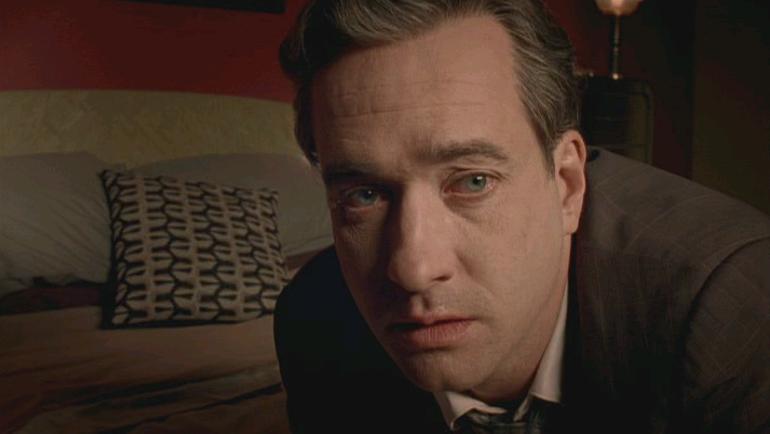
Matthew MacFadyen as Logan, mature man

to an old man reminiscing about his life.

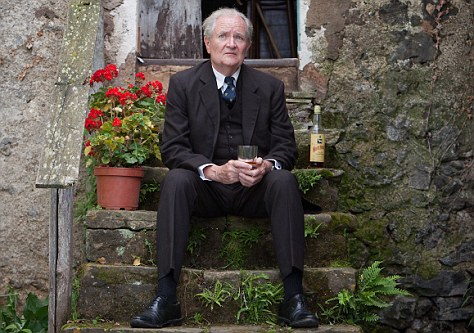
Jim Broadbent as an old Logan

“I’m all these different people,” he thinks as the camera pans to a misty scene of a river bank. “Which life is truly mine?”

The three Logans on the river bank

Logan rummages through the detritus of his life, burning memories (much as Cassandra Austen burned her sister Jane’s letters) and looking over his journals. “Your past never leaves you,” he says early on.

Burning memories

There are many reasons to watch Any Human Heart, not the least of which are the performances.

Matthew MacFadyen


Logan is a flawed, egotistical man whose ambition to write his great novel eludes him. Too often he is ruled by his heart, not his head, and he is easily influenced by external events and his own and other peoples’ desires. Matthew captures this man perfectly. We see him happy and content only with Freya.

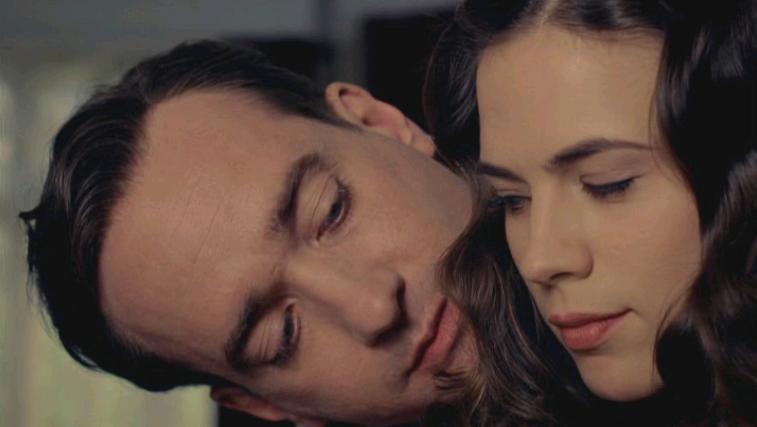
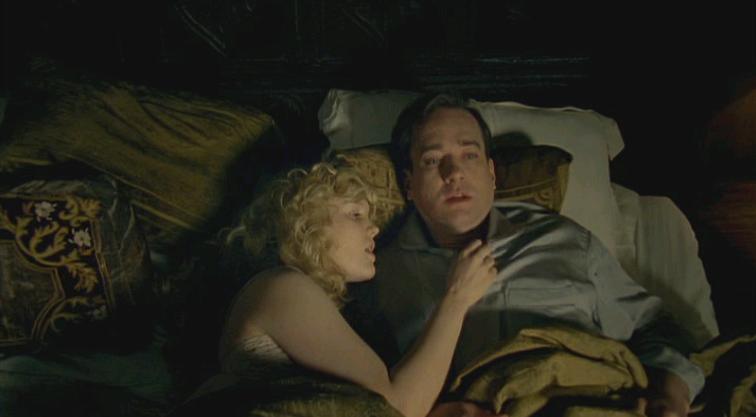
Freya (Haley Atwell) and Logan

For the rest of his life he compromises, and it becomes a struggle. Not that his love story with Freya is without fault, for Logan leaves his wife and son to be with her. I am a child of divorce whose father never bothered to come and visit, and so I thought myself incapable of feeling much empathy for a man who abandons his son and sleeps with his friend’s girlfriend and wife, but Matthew MacFadyen’s performance had me riveted.

End of Logan's first marriage with wife #1, Lottie (Emerald Fennell)

Logan’s character is complex, and Matthew portrays all his shades in such a way that, although I found Logan’s actions often repellent, I also felt sorry for the choices he made and how the plans of his youth unraveled. “Life has to be encountered with an ignorance of sheer faith.” Ah, Logan.

Jim Broadbent

During the first two episodes, Broadbent’s role as Logan in old age is largely silent, but in this actor’s skilled hands, the viewer knows exactly what is happening and why.

Mature Logan (Jim Broadbent) in France

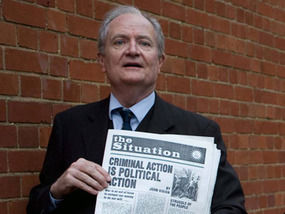
When Broadbent finally takes center stage in the third episode, the final chapter of Logan’s life is told. Now old and bent and poor again (for his assignments as a reporter have dried up), he has taken to eating dog food to stay alive and selling newspapers for a radical group.

Logan selling radical newspapers

The older Logan reviews his life through the lens of knowledge and experience, and what he sees and remembers makes him wince. “We never stay the same person. We change as we grow older. It’s part of the story of our life.”

Gillian Anderson

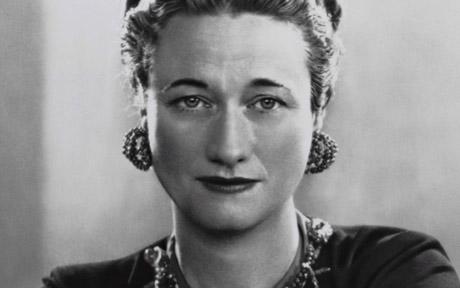
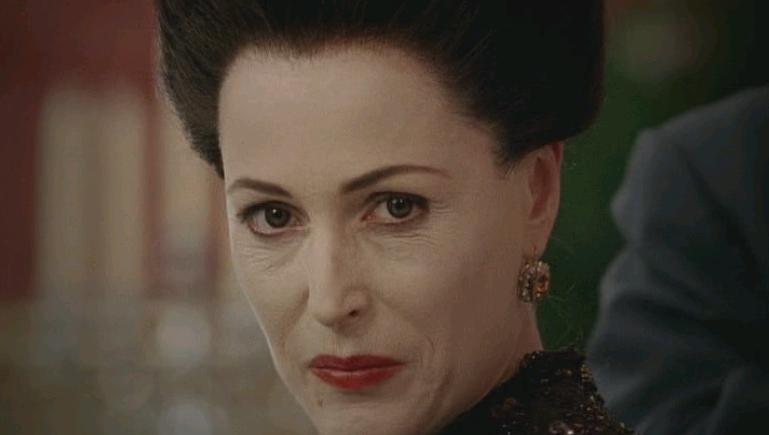
With The King’s Speech up for a gazillion awards, this is a propitious time to portray Wallis Simpson, and Gillian has taken on the part with gusto.

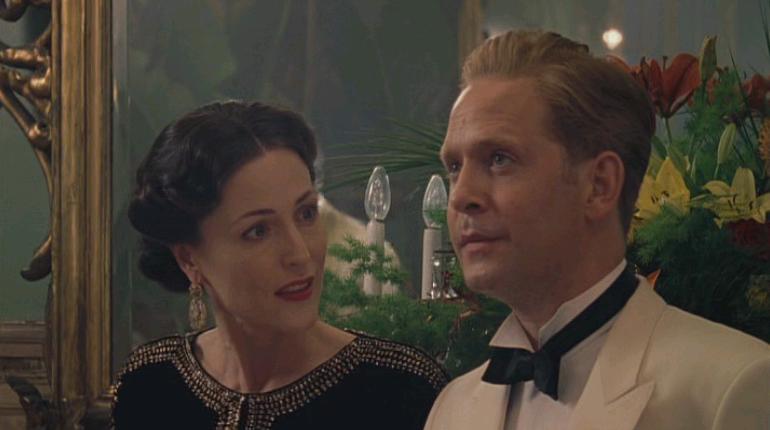
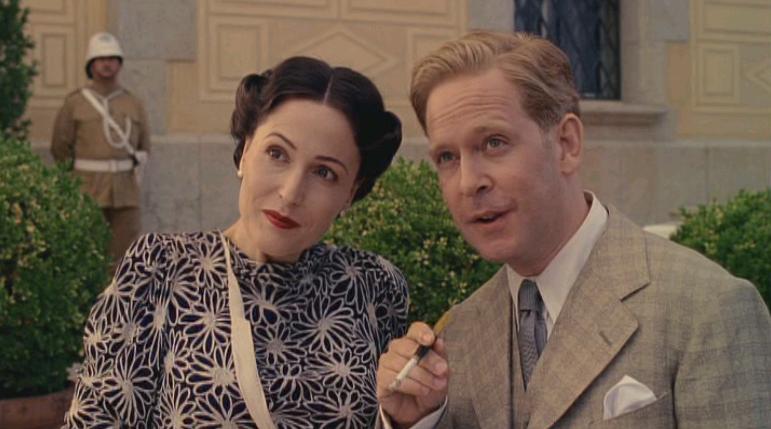
Wallis Simpson, Duchess of Windsor

Gillian Anderson as Wallis Simpson

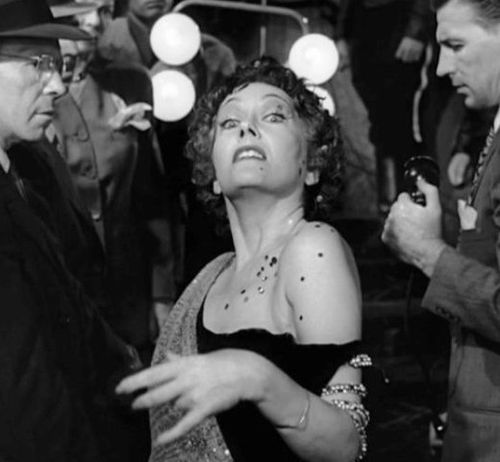
Gloria Swanson in Sunset Boulevard

At any moment I expected her to morph into Gloria Swanson and say “All right, Mr. DeMille, I’m ready for my closeup” or perhaps Morticia, I can’t decide. Not a single person in my social group admires Wallis Simpson, for her reputation as a sexual predator and icy fashionista, and knowledge of her dominatrix control over David have preceded her. Neither the Duchess nor Duke of Windsor come off well in this production.

Wallis spies Logan at a gathering and spews venom

The viewer can think of their story line as Chapter 2, after David abdicated as king in The King’s Speech. As for Gillian, she is carving out quite a career for herself in these spectacular BBC and PBS dramas, and I can’t wait to see more from her. Her performance in this series is over-the-top dramatic, but then wasn’t Wallis herself?

Kim Cattrall

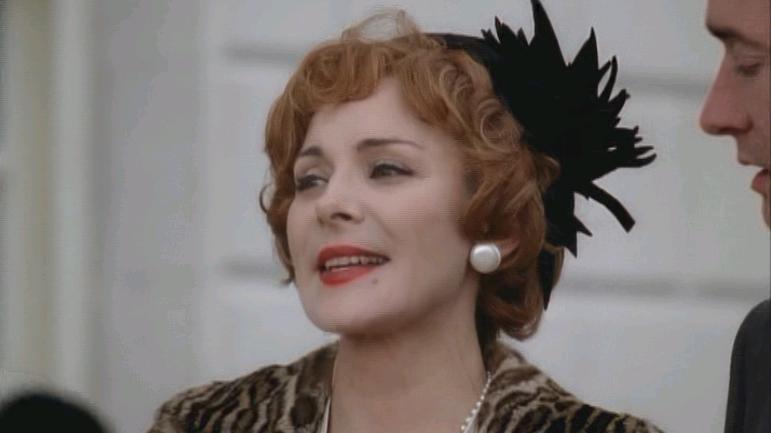
The same goes for Kim, who has recently been flexing her acting muscles onstage in London and in substantial parts such as My Boy Jack and as Gloria Scabalius in this production. She (and Gillian for that matter) show no vanity, allowing themselves to be filmed with makeup that is too white and heavy, as middle aged women who were once beautiful are often wont to do, and play the parts of cougars.

Kim Cattrall as Gloria Scabius, predatory female

In Kim’s case this is literal, as her character, Gloria, has the habit of leaving her mark on her men. She cheats on her husband (Peter Scabius, Logan’s friend), and goes after Logan like a heat-seeking missile.

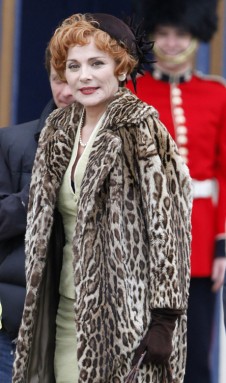
Kim as Gloria in full cougar regalia

Her final scenes with Logan are full of pathos. (I could not help but think of an ailing Liz Taylor or Zsa Zsa Gabor.) Perhaps Kim will shrug off the bad after effects of that excruciatingly awful film, Sex in the City 2, and accept only meatier roles from now on.

Tom Hollander

Gillian Anderson as Wallis and Tom Hollander as the Duke of Windsor, who needs reminding that he has met Logan before.

You just have to love an actor who is willing to play a weak, self-indulgent, and dangerous man, and capture that personality to a tee. Tom Hollander’s performance as The Duke of Windsor personifies what I think of the former king. As a teenager I read several biographies about the Windsors, thinking like so many others that the king’s willingness to abdicate his throne for the woman he loved was romantic. Well, it was not.

The odd, self-important couple in Nassau.

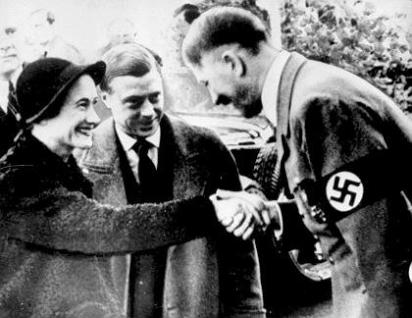
The Duke and Duchess of Windsor toadying up to Adolph Hitler

In this series we see the Windsors for what they are: willing to ruin other peoples’ lives and to use others in order to maintain their self-important but insignificant status. They were stupid and dangerous snobs who hobnobbed with carpet baggers, the nouveau riche and dangerous factions. Tom Hollander portrays the duke as a mighty mite, and he does it perfectly.

Haley Atwell

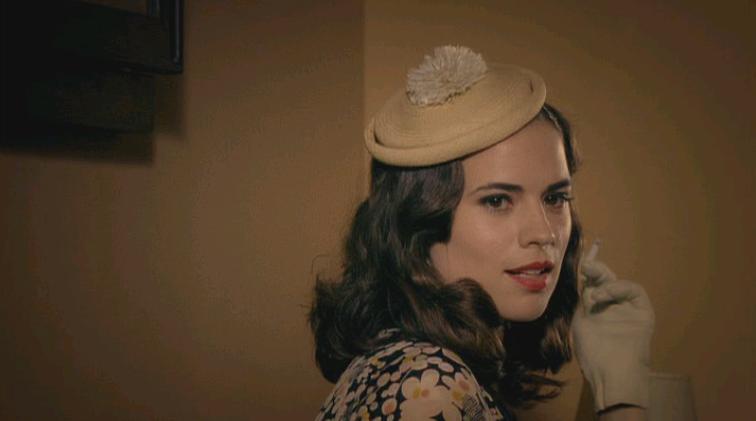
Haley Atwell as Freya Deverell, Logan's wife #2

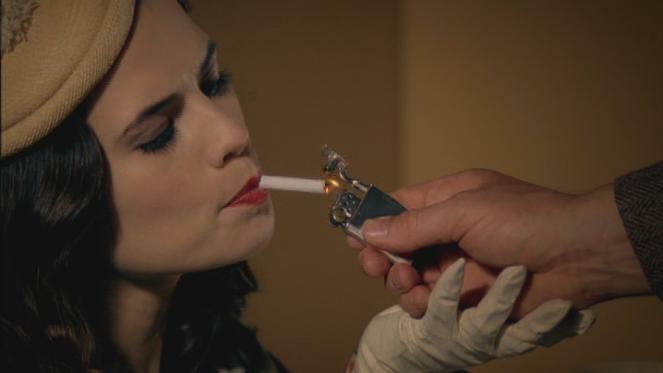
One can believe that a man can lose his head, senses, and heart to a woman as beautiful as Freya (Haley). She’s smart, totally in love with her man, and too good to be true. Plus, she smokes as much as Logan. (Some of the scenes were so Bette-Davis-1930’s, where the man offers to light the woman’s cigarette, and so much can be said cinematically through the gestures of a cupped hand touching the other and looks of longing behind curtains of smoke.)

Logan meets Freya, a smoking hot newspaper woman

I don’t think I have ever seen an actress look lovelier in 1940’s dresses than Haley, and in this role she is the personification of Logan’s idea of a perfect woman. As he said,  “Time away from Freya is time lost forever.”

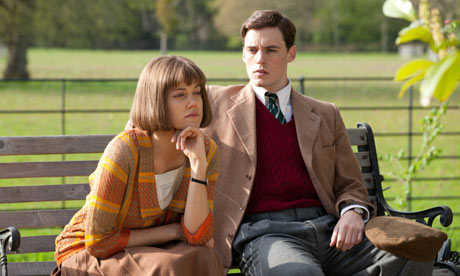
Charity Wakefield as Land Fothergill (Logan's first love) and Sam Claflin as young Logan

The cast of Any Human Heart is so strong that I could continue gushing for another hour. I suppose this mini-series might not be everyone’s cup of tea, but I certainly will be watching it again. Simply put, I found it outstanding.

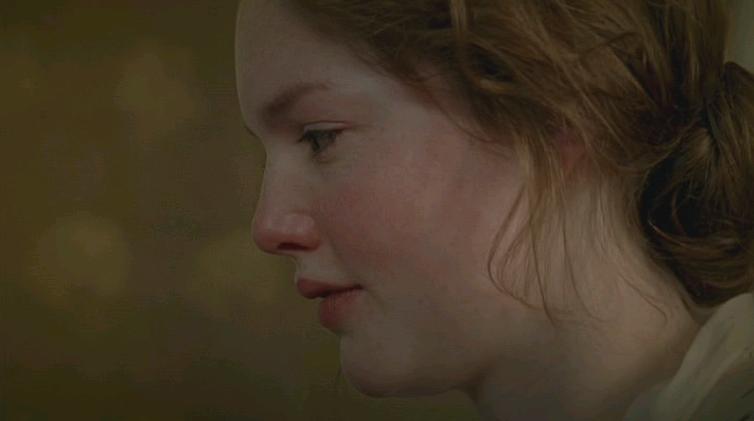
Tess (Holliday Grainger), Logan's first lover

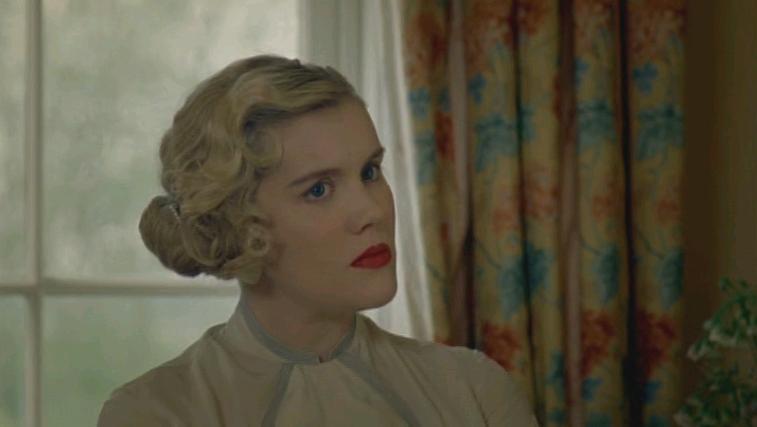
Emerald Fennell as Lottie, Logan's first wife

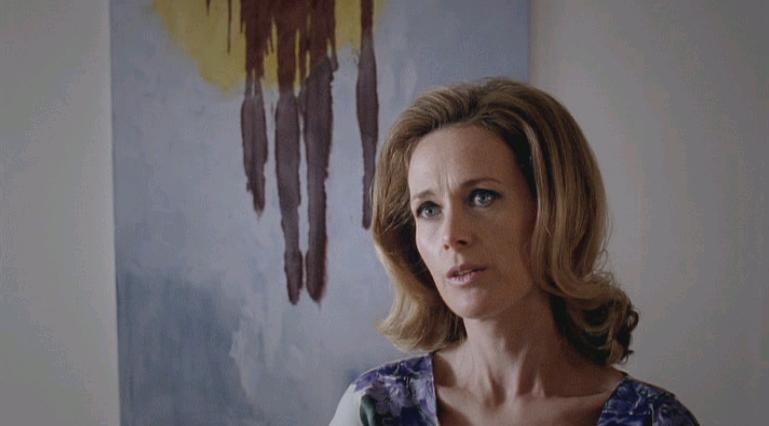
Natasha Little as Allanah Mountstuart, Logan's 3rd wife

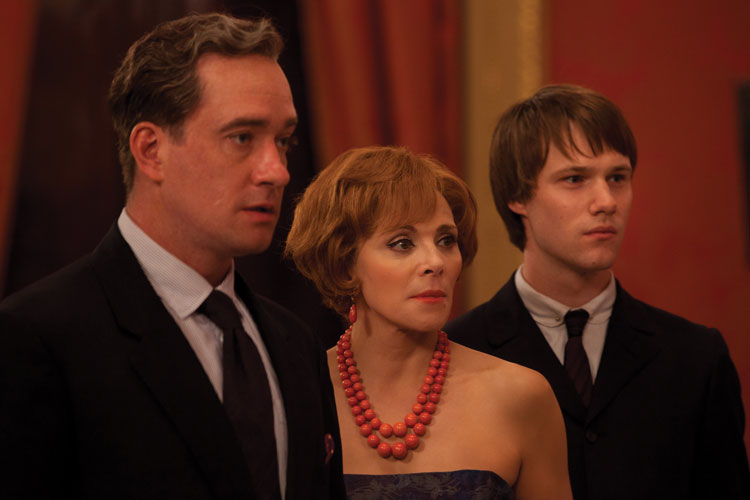
Logan, Gloria, and Lionel, Logan's son (Hugh Skinner)

Tobias Menzies as Ian Fleming

Julian Ovenden as Ernest Hemingway

Samuel West as Peter Scabius, Logan's successful friend

More on the topic:

Read Full Post »

« Newer Posts - Older Posts »