Feeds:
Posts
Comments

Posts Tagged ‘Tony Grant’

Inquiring readers: Once upon a time, road travel was fraught with danger and a traveler could be held up by a highwayman at any time. Jerry Abershawe was such a man. Tony Grant (London Calling) writes about him in this post.

Not far from where I live, on the edge of Wimbledon Common where the Kingston Road passes, are some trees on the side of a small rise of ground. This part of the common is called Jerry’s Hill. It is named after the 18th-century highwayman called Jerry Abershawe, who frequented those parts and held up carriages on their way between Kingston and London. He was one of the last highwaymen.
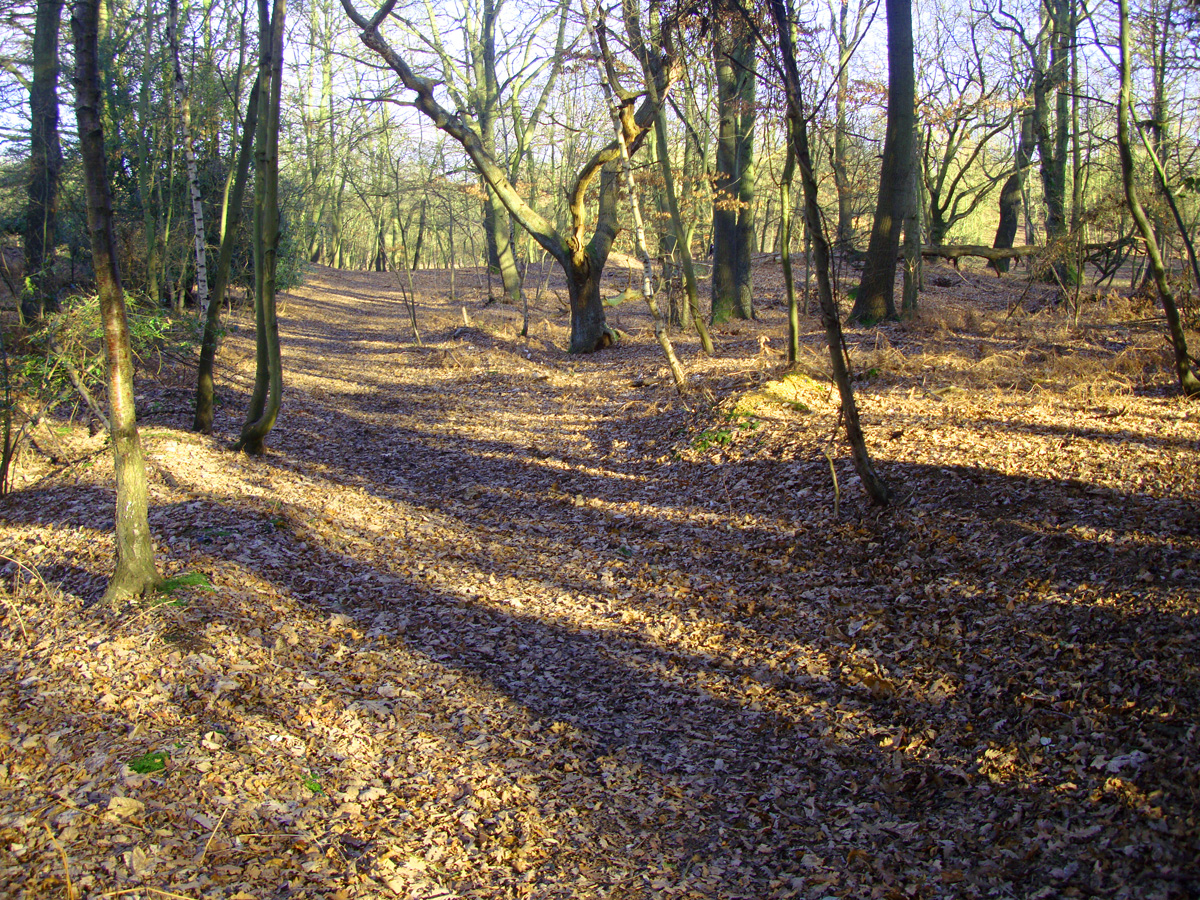
Jerry's hill. The gibbet was near here. Image @Tony Grant

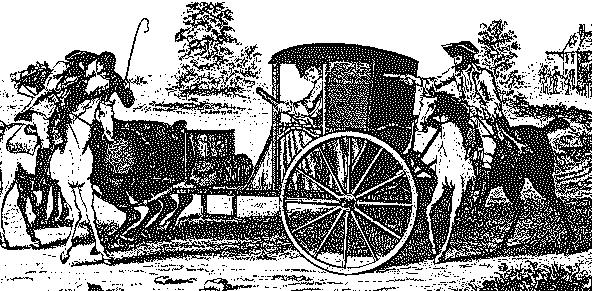
A highwayman was a thief who held up passers by, usually people travelling in carriages, at gun point or blunderbuss point, and relieved the passengers of their valuables. Some attacks on coaches were brutal and people were killed. Highwaymen weren’t all the dashing handsome masked desperados of fiction with the manners of a lord and a twinkle in the eye for a beautiful lady. “Stand and deliver!” was their traditional call. They chose lonely remote stretches of the highways to perform their dastardly deeds, but they also had to be sure they chose an area where there was regular traffic going to and fro or their despicable mission would be pointless. They chose places just outside towns and cities where there was a constant flow of people travelling. Wimbledon, then a small rural village on the outskirts of London and with a vast area of wild untamed common land around it, was an ideal spot.
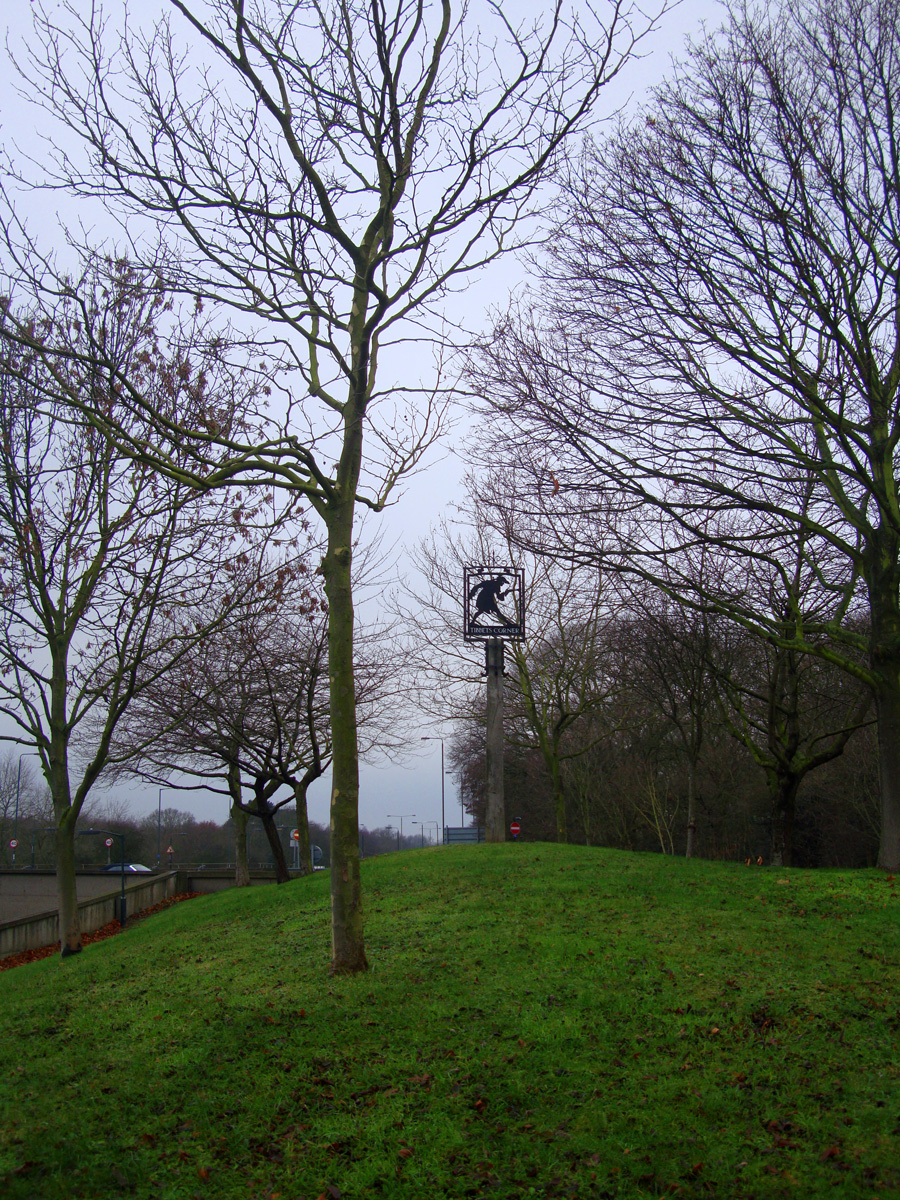
Gibbet post at Tibbet's Corner. Image @Tony Grant

Jane Austen was travelling to London from Steventon in 1796 the year after Jerry Abershawe was executed. They were about the same age, 20 and 22 years old.

To Cassandra Austen Thursday 15 – Friday 16th September:

“….As to the mode of our travelling to Town, I want to go in a Stage Coach, but Frank will not let me. As You are likely to have the Williams’ & Lloyds with You next week, You would hardly find room for us then-. If anybody wants anything in Town, they must send their Commissions to Frank, as I shall merely pass thro’ it- The Tallow Chandler is Penlington, at the Crown & Beehive Charles Street, Covent garden.”

Travelling from Steventon, Jane would not have gone through Kingston upon Thames and the London Road leading out of Kingston where Jerry Abershawe plied his highwayman trade. However, you can understand Frank’s concerns for Jane using the stagecoach. A stagecoach carrying a variety of passengers, some undoubtedly wealthy, would have been a target for a highwayman.
From Steventon, the most direct route to London would have taken her through Basingstoke, Virginia Water, Staines, Richmond upon Thames, Hammersmith and on to Westminster and the centre of London. From Staines she would have been travelling on what was known as The Great West Road which lead directly to the second most important city after London, in Georgian times, Bristol, the centre of the slave trade. Some very wealthy merchants and members of the aristocracy would have travelled this road. It must have had its fair share of highway robbers. Stagecoaches on this road would most certainly have been prime targets. So Frank was right to refuse Jane her wish. But maybe the excitement and the risk appealed to Jane. She was young after all. It does not say in Jane’s letter how they did get to Town, but I presume it was in less conspicuous transport and with her brother.
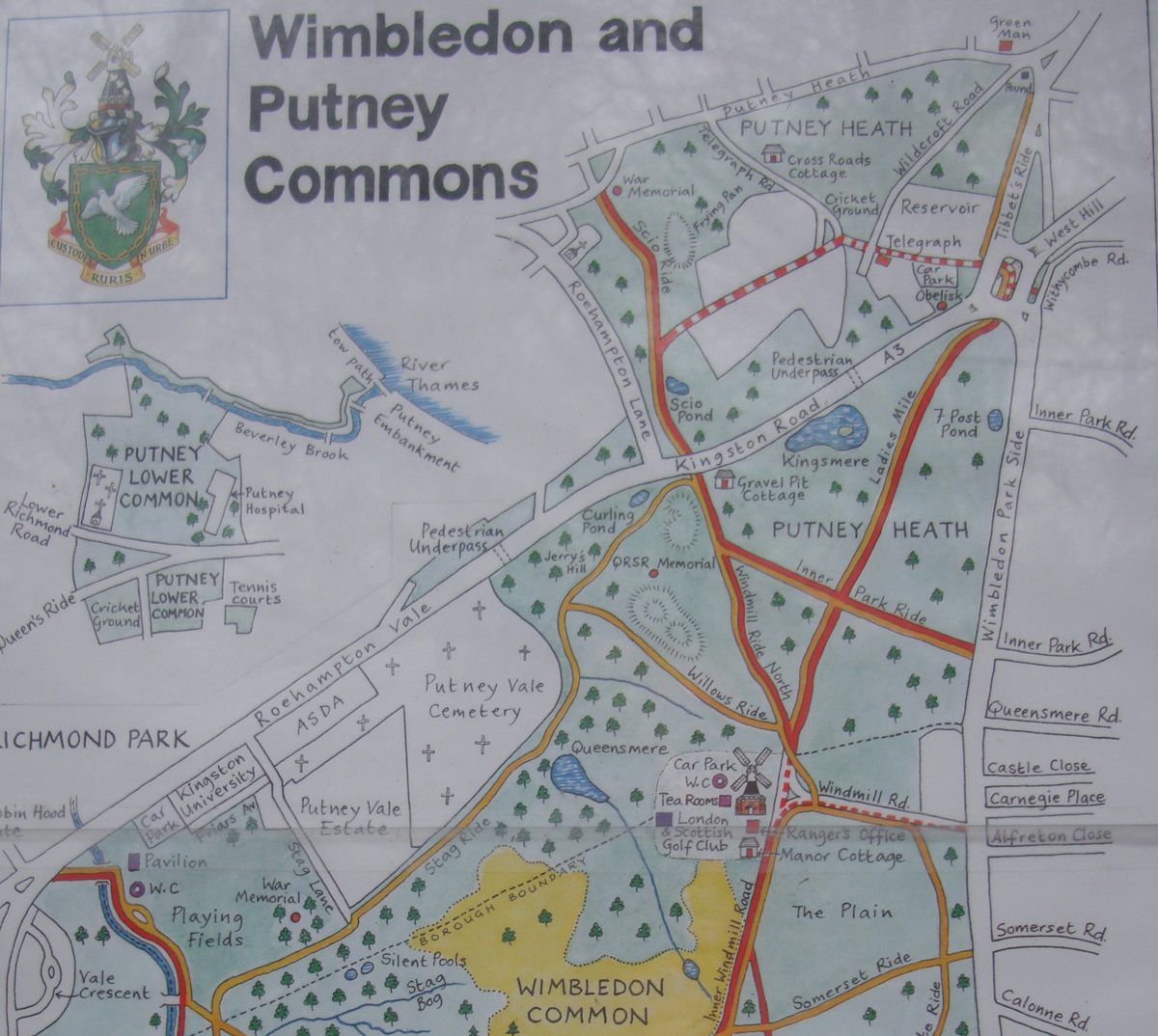
Wimbledon Common showing Jerry's Hill

In 1813, Jane did travel along the London Road leading out of Kingston, Jerry Abershawe’s haunt. She did this many times from Chawton. There is no hint in her letters of any possible dangers but by the time she was living in Chawton, although the Kingston route was now her most direct route to Town, highwaymen were all but extinct. The toll roads had made highway robbery very difficult. Roads were manned every few miles and the people on them had paid to use them. This made it very difficult for highway robbers to make their escape along these routes so this crime virtually died out.
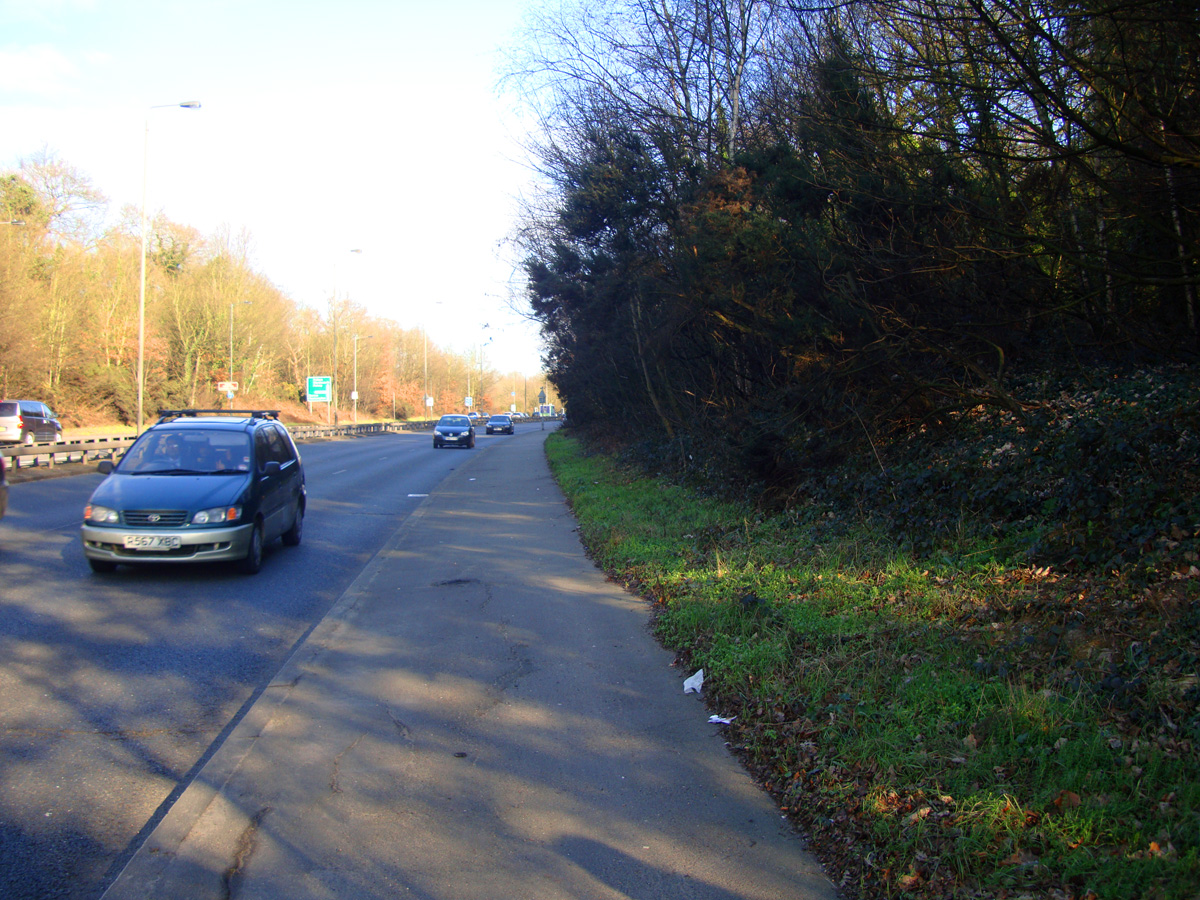
Jerry's Hill, London Road. Image @Tony Grant

To Cassandra Austen Wednesday 15 – Thursday 16 September 1813 Henrietta Street (1/2 past 8-)

Here I am, my dearest Cassandra, seated in the Breakfast, Dining, sitting room, beginning with all my might. Fanny will join me as soon as she is dressed & begin her Letter. We had a very good journey- Weather & Roads excellent – the three first stages for 1s – 6d & our only misadventure the being delayed about a quarter of an hour at Kingston for Horses, & being obliged to put up with a pr belonging to a Hackney Coach & their Coachman, which left no room on the Barouche Box for Lizzy, who was to have gone her last stage there as she did the first;- consequently we were all four within , which was a little crowd;-We arrived at quarter past 4 …”

This time there was no sense of Jane’s brothers putting their foot down and refusing this time to let her travel in what appeared to them in the past in an inappropriate mode of transport. The party Jane travelled with appeared to be Henry, Lizzy and Fanny. There was no sense of danger, just the excitement of the journey, and from Kingston on their last stage, the cramped conditions of four of them inside the barouche. (Imagine being squashed inside a barouche with Jane Austen. What a thought.)

The women would have passed the inn at the bottom of Kingston Hill, where Jerry Abershawe made his headquarters, before their barouche made the long rising trek up the hill onto Wimbledon Common, going past Jerry’s Hill, where I am sure the gibbet would still have been displayed on the right hand side of the road. There probably was no sign of the remains of Jerry Abershawe by that time though. His body had been pecked clean by the crows and his bones had been taken as souvenirs. His finger bones and toes bones were used in candleholders. Jerry Abershawe was the last person to have his body displayed like this on a gibbet.
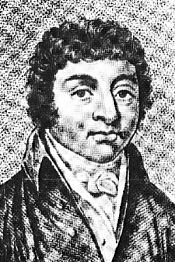
Jerry Abershawe

Louis Jeremiah Abershawe(1773-3 August 1795), better known as Jerry Abershawe, terrorised travellers between London and Portsmouth in the later 18th century. He was born in Kingston upon Thames and at the age of 17 began his life of crime. He formed a gang, which was based at an inn on the London Road between Kingston and Wimbledon, at the bottom of Kingston Hill called the Bald Faced Stag. I am sure, as well as his primary occupation of highway robbery, Jerry Abershawe also managed to gain the odd carcase of a King’s deer from Richmond Park, which backed on to the Bald Face Stag Inn. The inn no longer exists, but there was a very large and comfortable pub and restaurant built there in the early 1900’s that, just a few years ago, was demolished for new housing built on the site.

Jerry had other places of refuge at Clerkenwell near Saffron Hill. He used a house called the Old House in West Street. Other highwaymen also used this house. Jack Sheppard and Jonathan Wild were known to have stayed there. It was a house renowned for its dark closets, trap doors, and sliding panels.
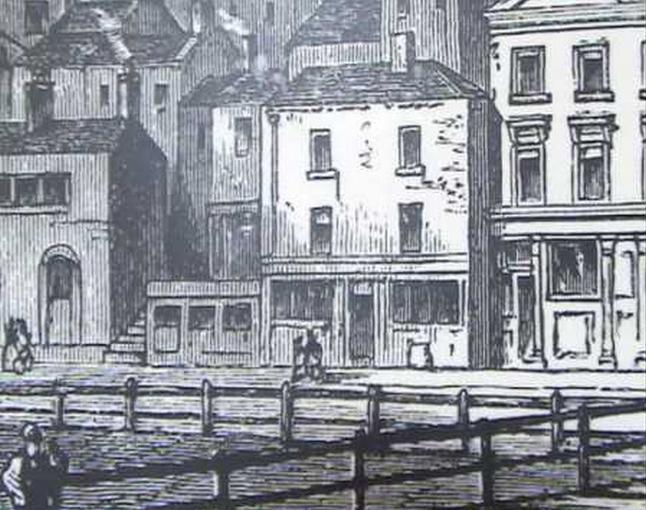
Clerkenwell

All attempts to bring Jerry Abershawe to justice failed until in January 1795, when he shot dead one of the constables sent to arrest him in Southwark and badly injured the other constable sent along too. Abershawe was arrested at a pub in Southwark called The Three Brewers. He was brought to trial at Surrey Assizes in July of 1795, and convicted and sentenced to death. On Monday 3 August 1795, Jerry Abershawe was hung on Kennington Common, a couple of miles from Wimbledon and then his body was set up on a gibbet on the hill overlooking the Kingston Road, which was more commonly known then as the London Road, next to Wimbledon Common near the scene of many of his highway robberies. It remained there for all passers by to see and be warned about the price to pay for evil ways.
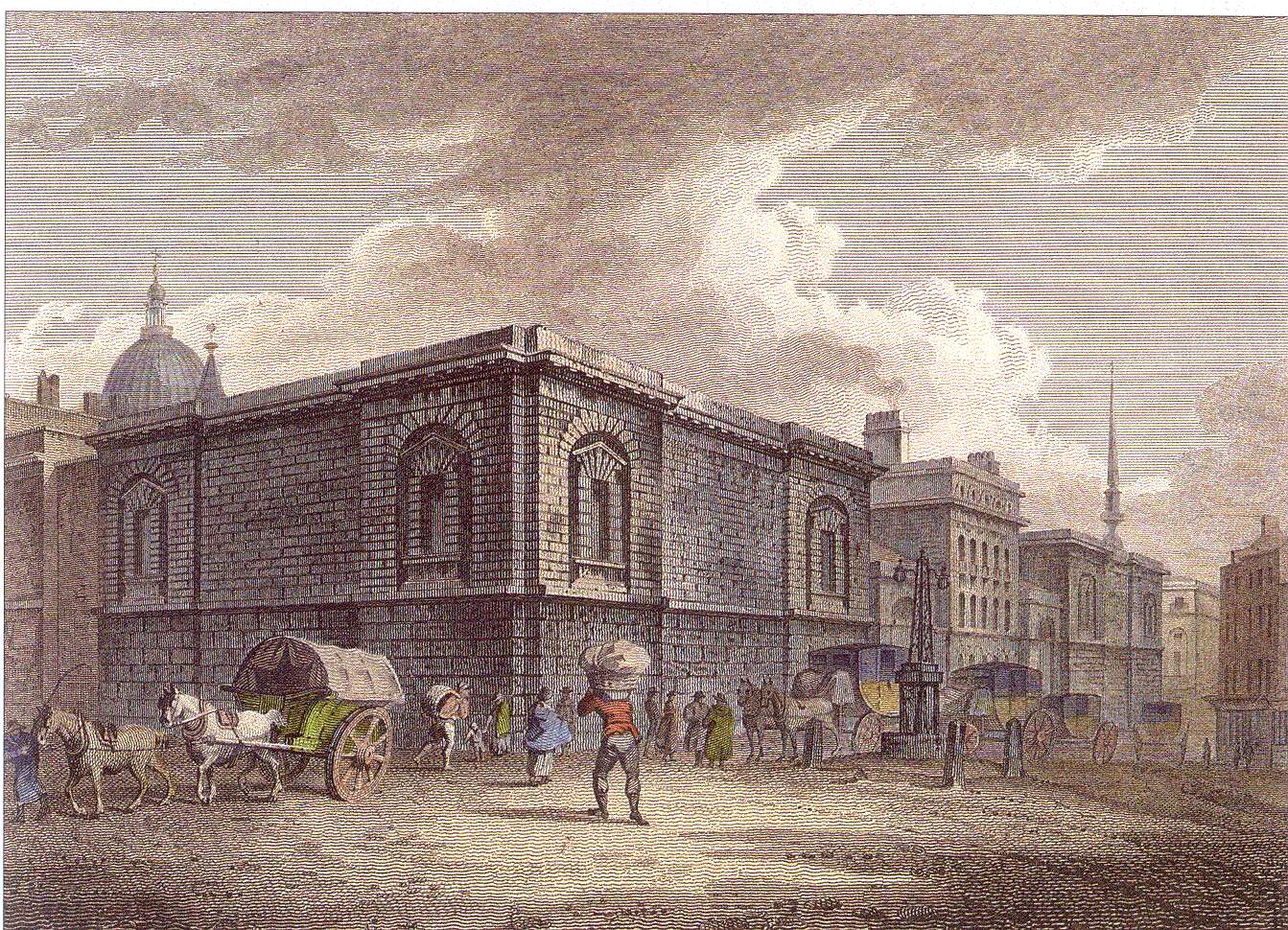
Newgate Prison

The Newgate Calendar for 1795 describes the manner of his being found guilty of murder. Newgate prison was a notorious London prison in which criminals waiting for trail would be held, and it was there that Jerry Abershawe was incarcerated before his execution.

When the judge appeared in his black cap, the emblem assumed at the time of passing sentence on convicted felons, Abershaw, with the most unbridled insolence and bravado, clapped his hat upon his head, and pulled up his breeches with a vulgar swagger; and during the whole of the ceremony, which deeply effected all present except the senseless object himself, he stared full into the face of the judge with a malicious sneer and affected contempt, and continued this conduct till he was taken, bound hand and foot from the dock, venting curses and insults on the judge and jury for having consigned him to, “murder.”

The Newgate Calendar also describes his execution on Kennington Common.

He was executed on Kennington Common, on the 3rd of August, 1795 in the presence of an immense multitude of spectators, among whom he recognised many acquaintances and confederates, to whom he bowed, nodded, and laughed with the most unfeeling indifference. He had a flower in his mouth, and his waistcoat and shin were unbuttoned, leaving his bosom open in the true style of vulgar gaiety; and talking to the mob, and venting curses on the officers, he died, as he had lived, a ruffian and a brute!”
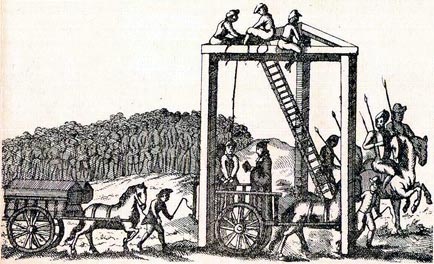
A hanging at Tyburn 17th c.

Highwaymen especially were supposed to affect an attitude and a jocular type of behaviour called gallows humour. It seems that Jerry Abershawe went to his death displaying ribald and stentorious gallows humour.
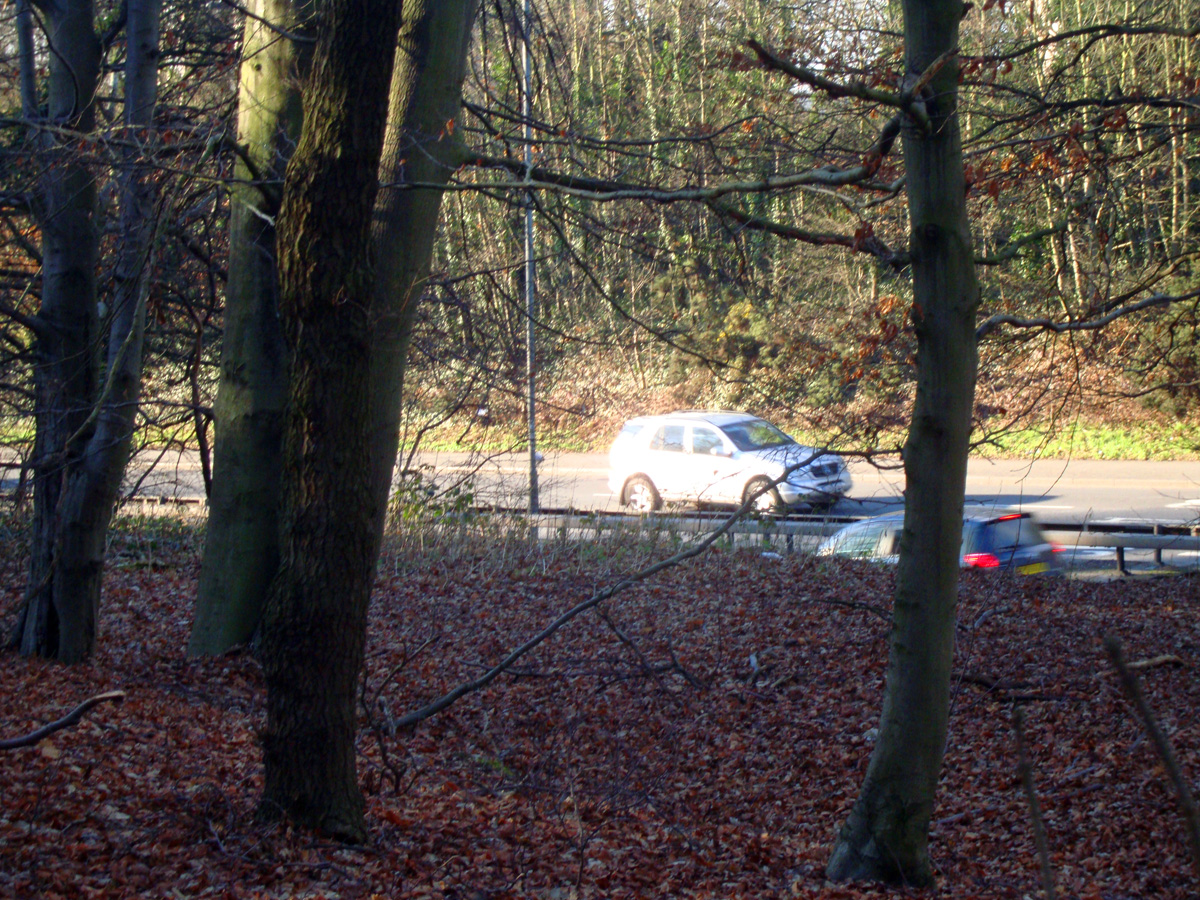
Jerry's hill view. Image @Tony Grant

At least Jane was now safe on her journeys to London. But I wonder if she had just a small wish for the thrill of danger and would have loved to encounter Jerry on the wild wilderness of Wimbledon Common and ,”stand and deliver,” to him. If it had happened, would her novels have turned out differently in some ways?

Jane was 20 years old when Jerry died at the age of 22. Just maybe Jane would have loved the thrill of adventure on a journey with the threat of Jerry Abershawe round the next bend.
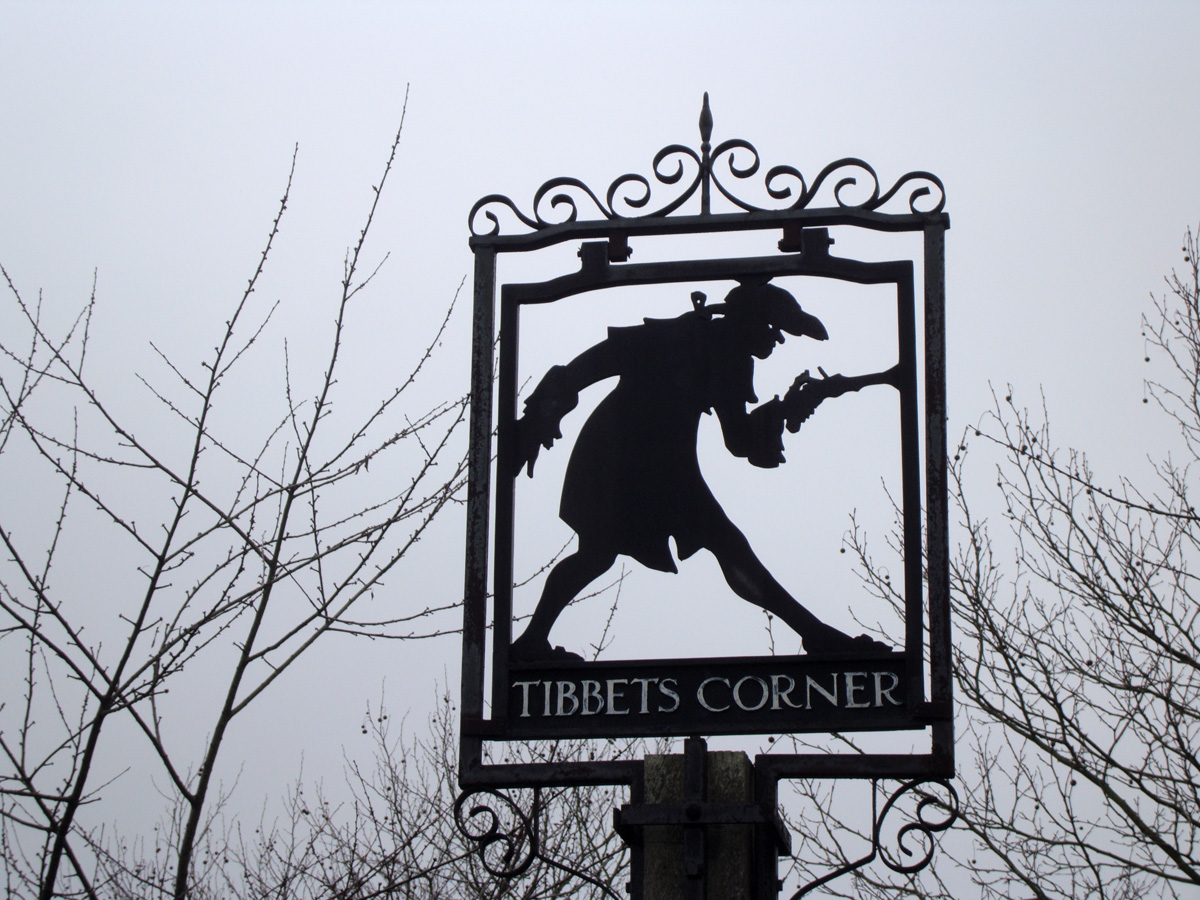
Tibbets Corner. A stylized sign commemorating Jerry Abershaw. Image @Tony Grant

Post script:

After writing this article I just couldn’t get a nagging thought out of my head.

Why and how did Jerry end up as a highway robber?

I know he was young, 22 years of age when he was caught and executed. There is no mention of family or wife or children or any sort of familial attachments. I can imagine him being brought up, an orphan, perhaps on the market streets of Kingston having to survive and live by his wits. It doesn’t take much to imagine the step into criminality to survive. He got in with the wrong lot obviously. An intelligent, bitter, hard done by, street wise kid gone wrong and obviously with a big personality. We can compare him with those who go off the tracks in our own society today. The forces for evil don’t change apparently. Obviously this is a total surmise but I feel better for it.
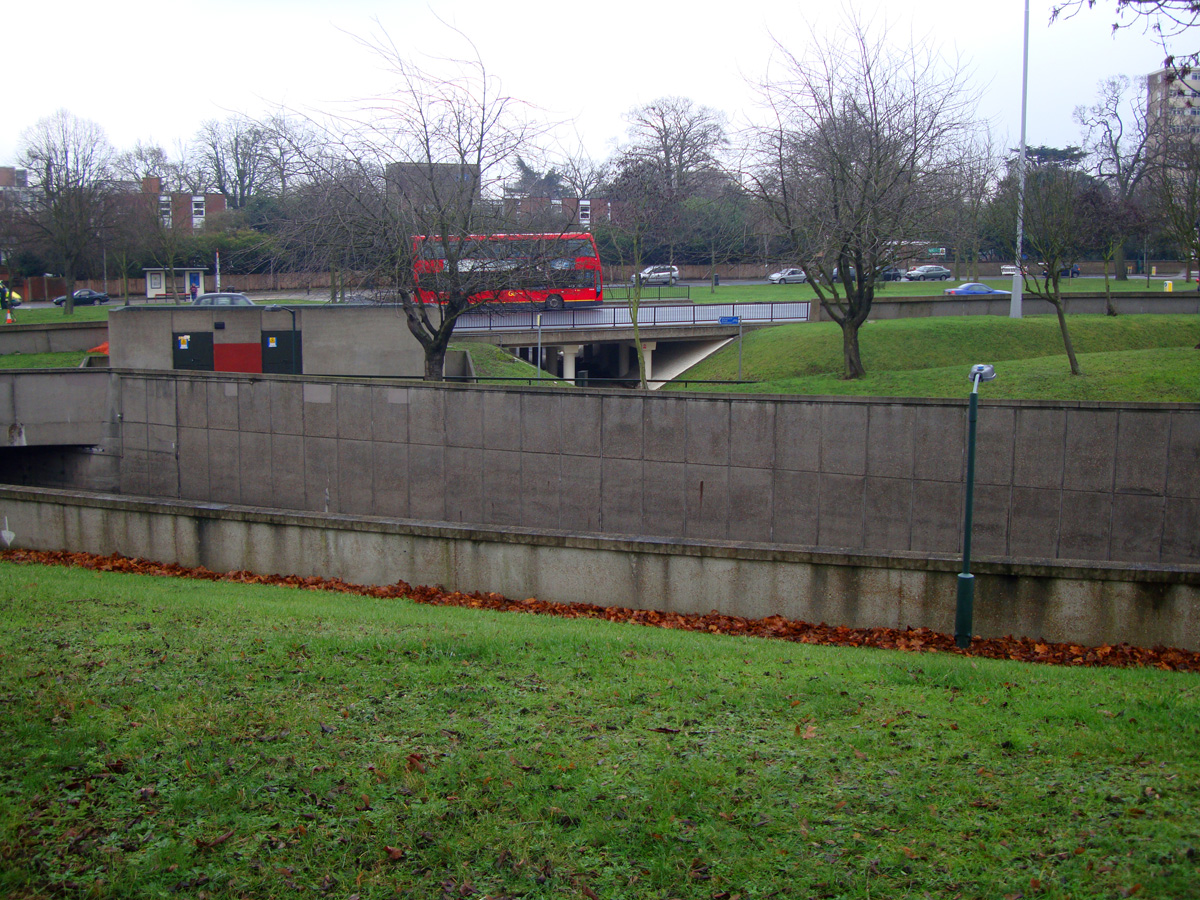
Tibbets Corner today - where Abershawe held up coaches. Image @Tony Grant
Read Full Post »

Scheduled for this week are:

  • A review of Mr. Darcy’s Secret and interview with author Jane Odiwe on February 7th
  • A post by Tony Grant about the highwayman, Jerry Abershawe
  • And an interview with Darcy and Fitzwilliam author Karen V. Wasylowski on February 10th.

Stay tuned for more!

Read Full Post »

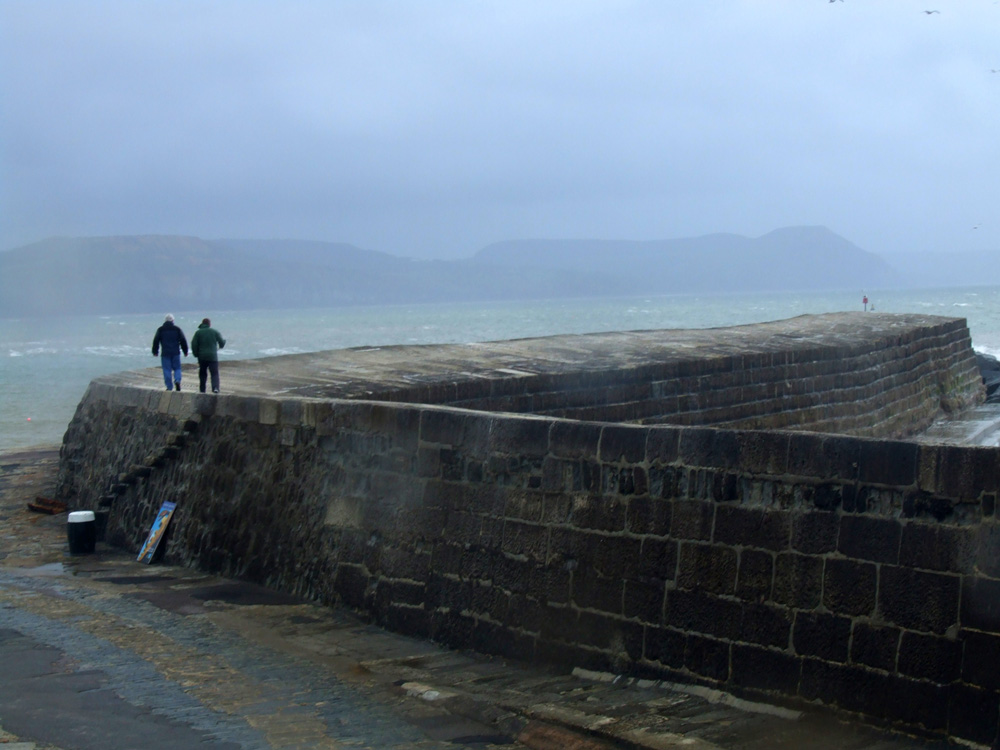
From Tony Grant, whose contributions to this blog are numerous: “Two years ago some of my friends wanted a weekend away so we decided on Lyme. Our wives went off to New York for the shopping. We tend to go to places more for the local beer than the literary connections, I must admit. Lyme has some very nice pubs and also we wanted somewhere where we could take a brisk walk. We thought of the Undercliff.”

The Cobb at Lyme Regis. Image @Tony Grant
It depends on the weather conditions but the Cobb at Lyme can look and behave like an evil spirited leviathan; a Moby Dick. It’s a savage beast. At other times it can be a gentle, peaceful and calm creature.

Jane Austen used the Cobb at Lyme for the setting of an integral scene in her novel, Persuasion.

The accident on The Cobb, to Louisa Musgrove, brings Anne Elliot to the fore. She is the one looked to by Captain Wentworth and the others to take charge.

John Fowles, who lived in Lyme for most of his life, used Lyme , The Cobb and The Undercliff as the settings for his novel ,The French Lieutenants Woman.Indeed these topographical elements of Lyme are like a group of brooding characters within the novel and shape the action as much as the human characters…” Read the rest of the post at Tony Grant’s blog, London Calling.

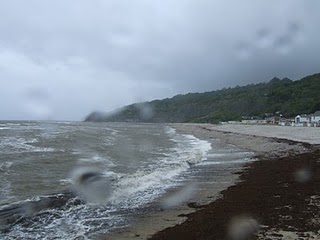
View of the Undercliff from the Cobb. Image @Tony Grant
Read Full Post »

Update: New Photos! Inquiring readers: Tony Grant (London Calling), who lives in England, has graciously reviewed the third (and final) episode of Amanda Vickery’s At Home With the Georgians: Safe as Houses, and pulled images for us to view.

In the first episode, A Man’s Place, we were introduced, by the delectable, Amanda Vickery, to the Georgian concept of owning your own house, no longer an elite aspiration but now a desire and need of the,”middling,” classes too. Then in the second episode , A Woman’s Touch, we were shown how decorating the interiors of these homes began a revolution in society. It introduced us to the concept of taste, affordability through mass production, advertising and in essence the beginning of the modern world. Now, in this the third and final episode Amanda Vickery introduces us to the concept of safety, security and personal space and through our homes, the invention of the family and individuality. The ideas we have today of what modern man and woman are, of how we see ourselves and what our personal needs are, the Georgians began.

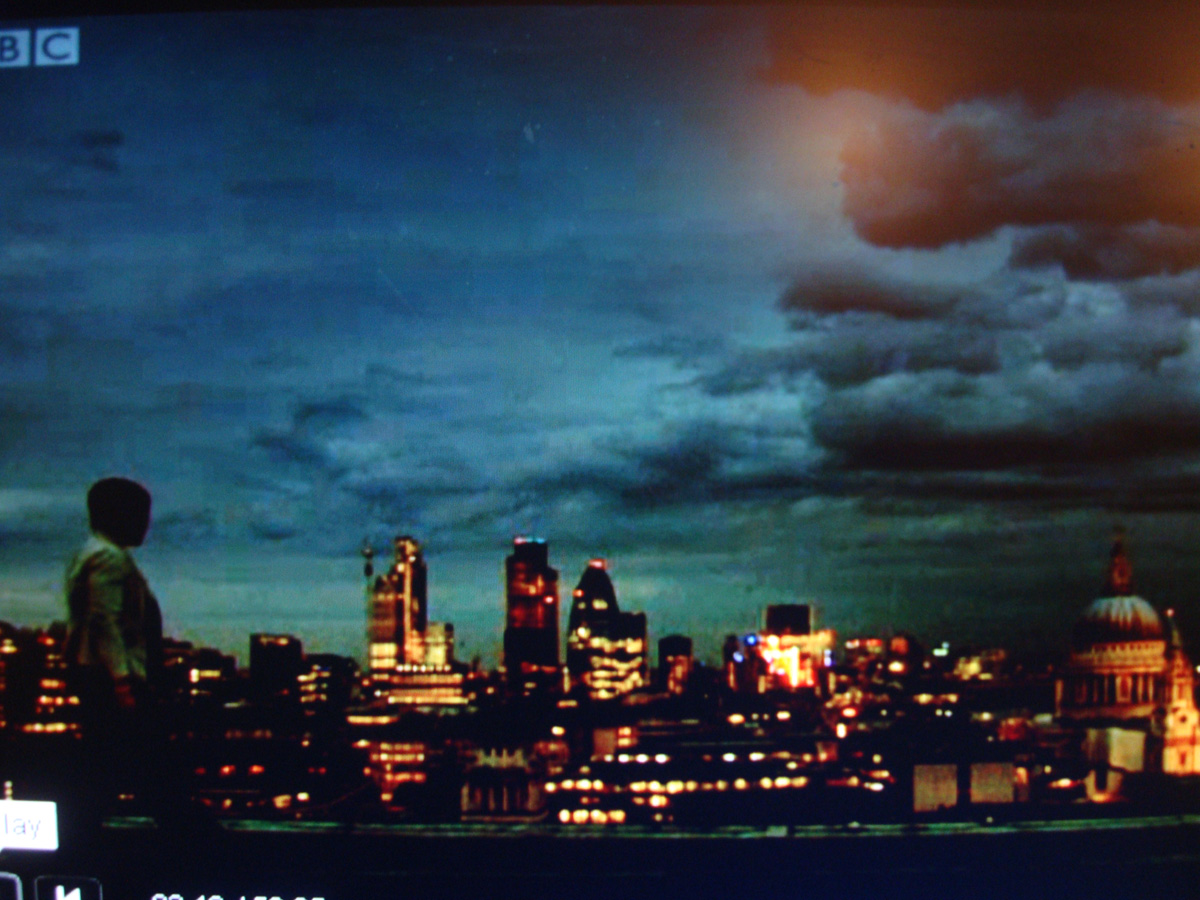
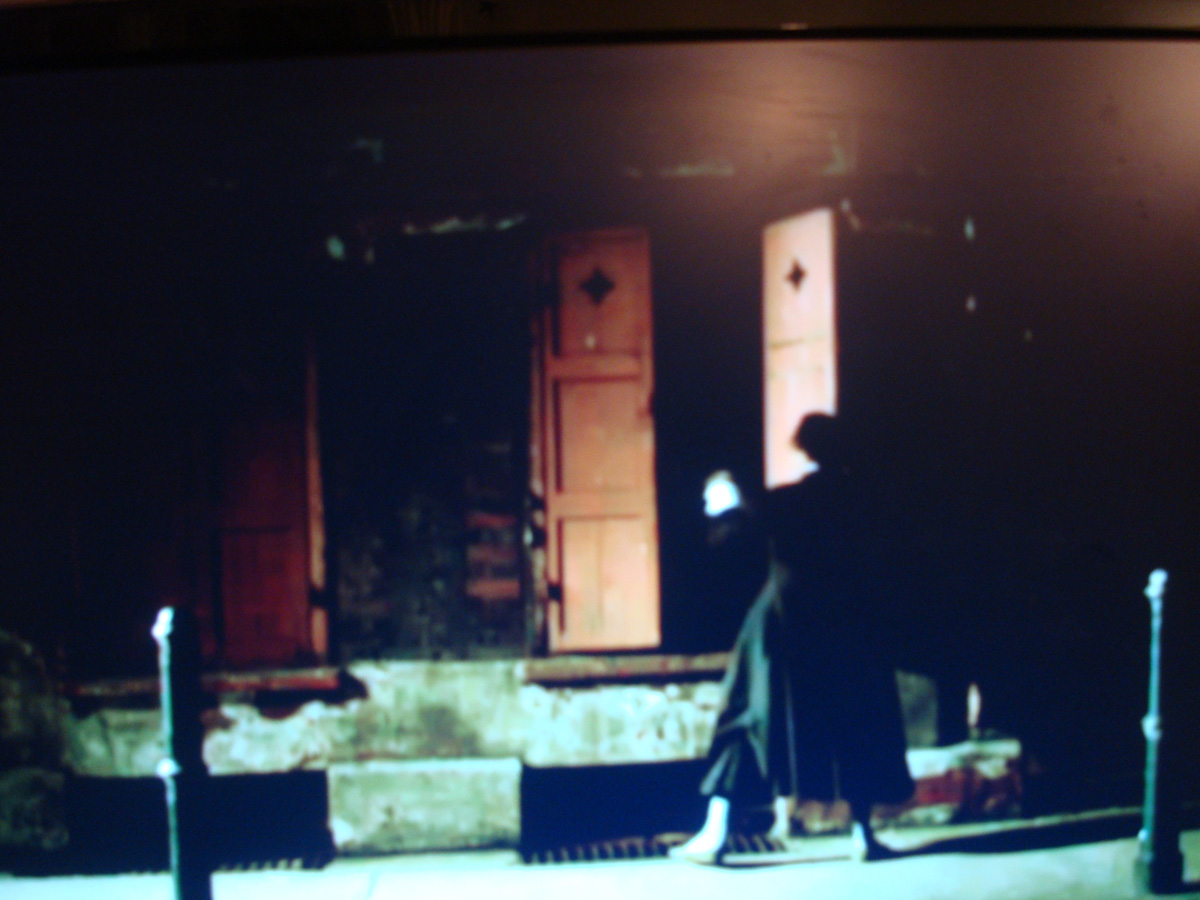
Amanda Vickery surveys London at night

The opening shots of this programme show Amanda in shadowy profile on the rooftops of nigh time London contemplating the scene as indeed Batman does over Gotham City in those nightmarish films. Both contemplate the evils that lurk, the crimes that could happen, and the monsters that might perpetrate these horrors. We often think of Batman and Gotham City as a sort of Gothic nightmare but as this programme unfolds we might consider that Batman surveys the same fears and possibilities of crime the Georgians did in their cities, towns, villages and homes. This is what Amanda is introducing us to, the Georgian preoccupation with crime, especially against the householder.

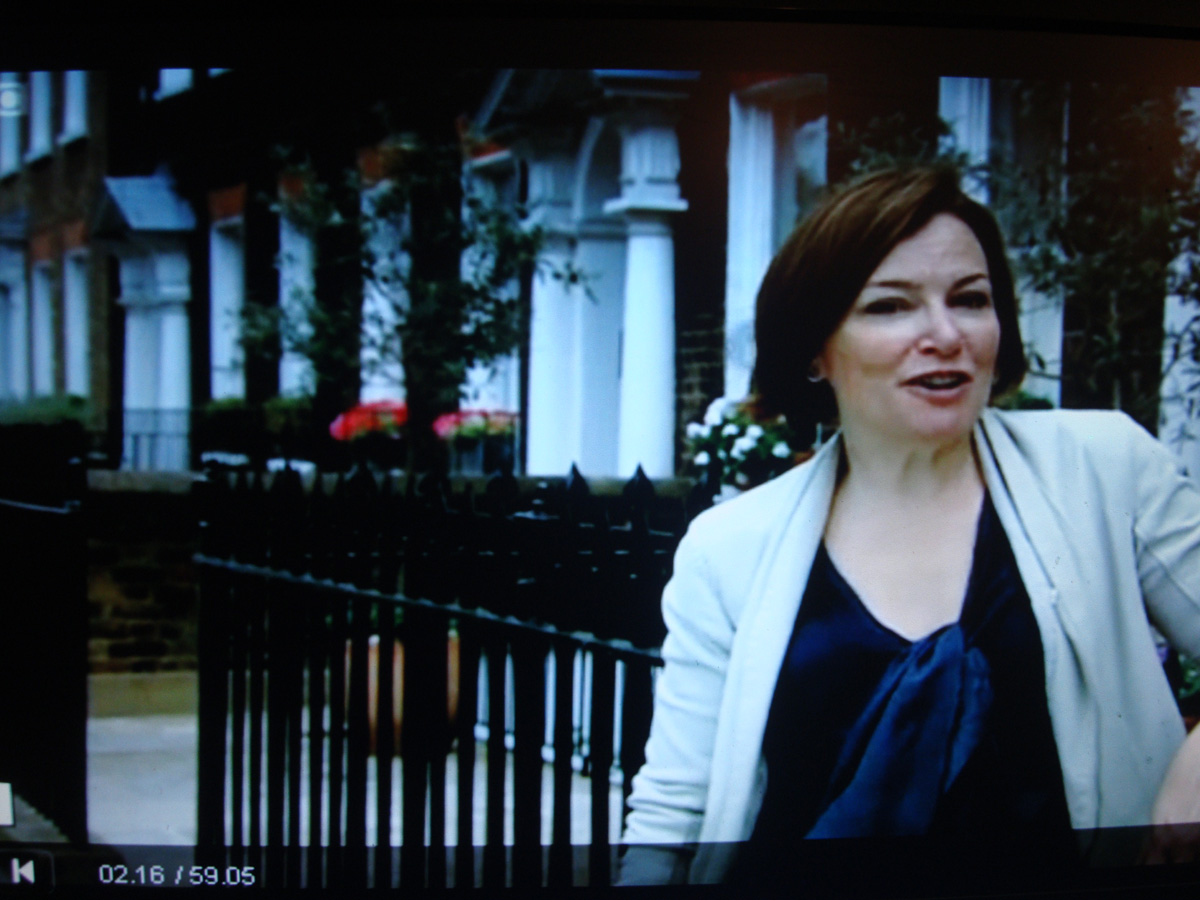
Amanda Vickery outside the fortified Georgian house

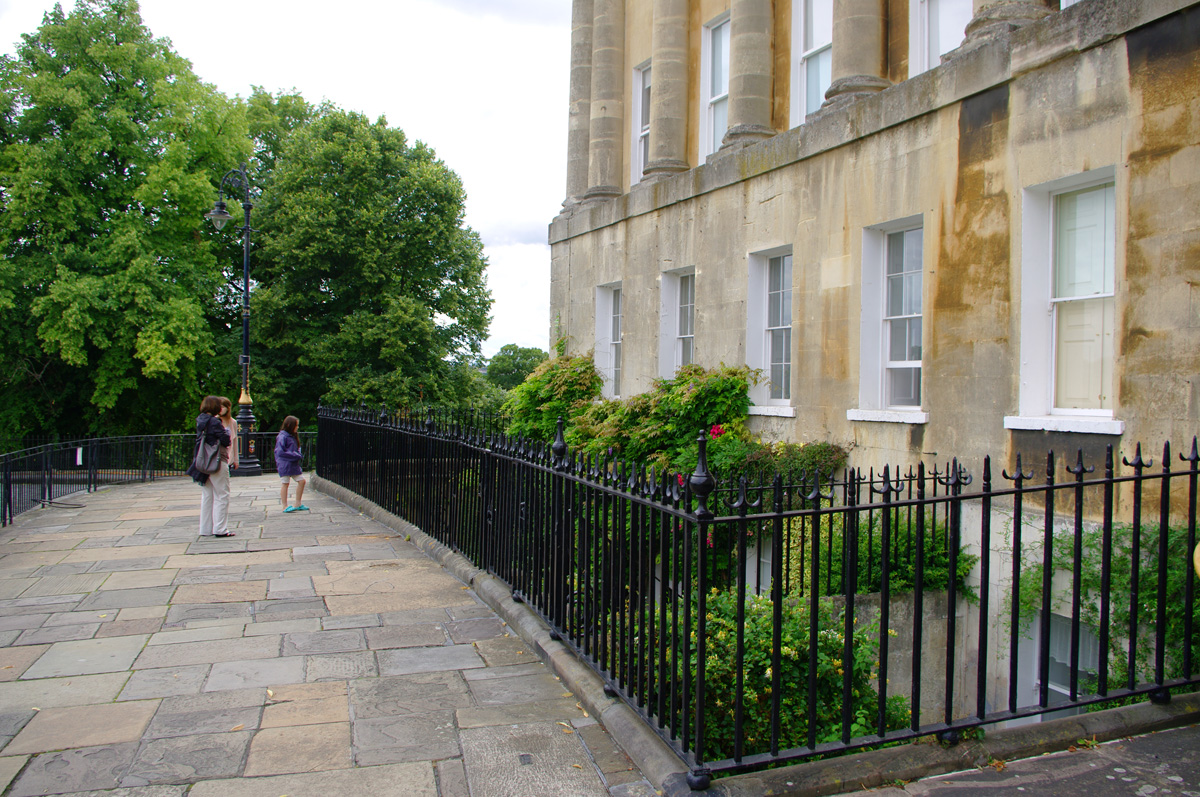
The Georgians had their homes with beautiful interiors but “the Georgian idle was hedged with nightmares.” Dangers were without and within the home. Privacy and security were their greatest challenge. Walk past any Georgian terraced house and it is easy to notice the similarities between the exterior of a Georgian house and a castle. There are wrought iron palisades with sharp-pointed spearheads along the front of most Georgian houses.

Georgian House defenses, The Royal Crescent

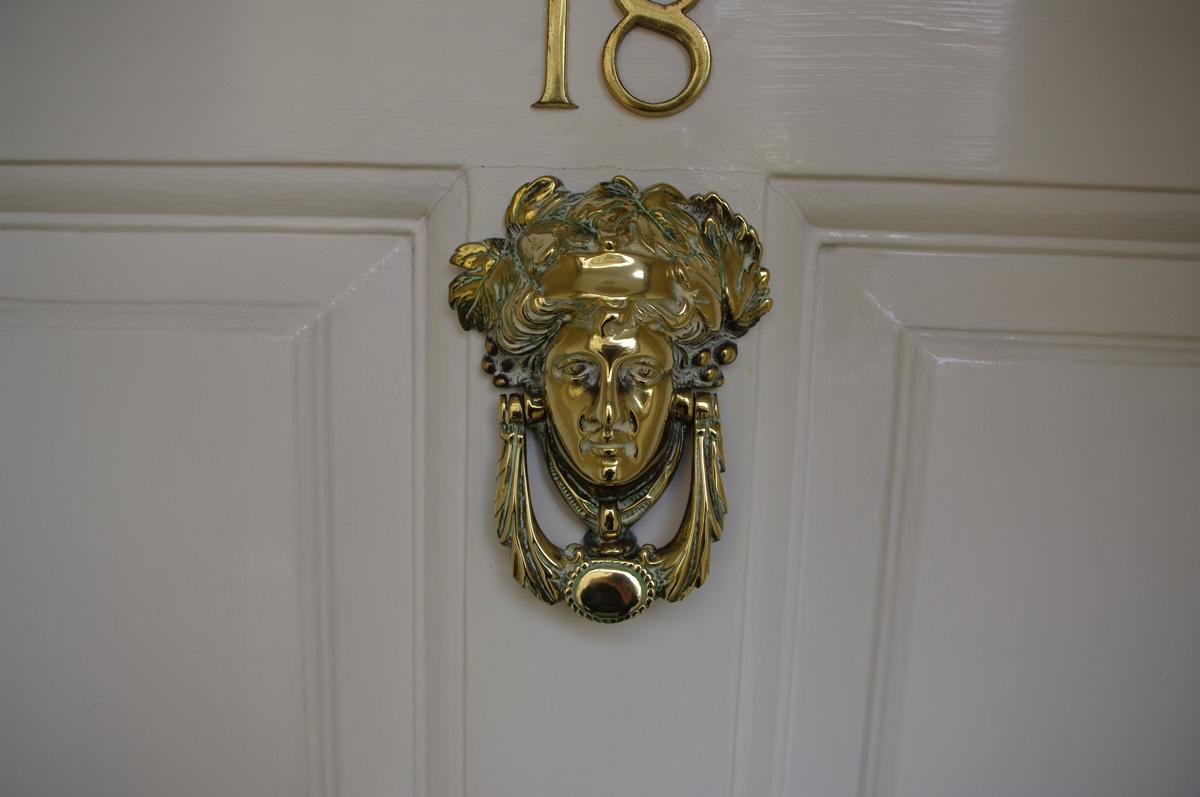
Between the fence and the house exterior wall there is often a deep drop down to a basement floor where the servants live and work. This is like a moat, a further protection. There are often steps up to a massive front door, often studded with iron nail heads but always very sturdy. This is like a castle gate or portcullis. On the door often there are heavy brass knockers resembling a lion or Greek Goddess. This is perhaps the Greek gods of antiquity providing protection or a sign of aggressive protection by the lion. The door furniture inside the Georgian front door is very impressive. Amanda enjoys having a go with numerous bolts, top and bottom, massive locks that need hefty looking keys and that take some strength to wield and bars that have to be eased into place, slotting into iron slots.

Georgian door knockers, to keep evil at bay, perhaps

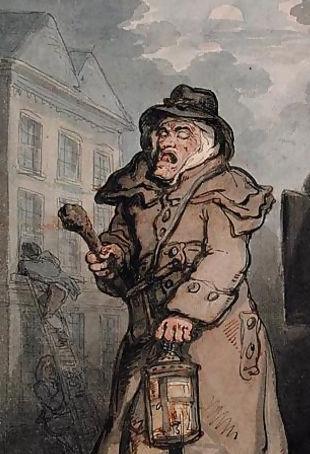
In Georgian times there were no insurance policies to cover crime and theft. There was not much of a police force. A town or district might have a night watchman who patrolled for part of the night along a few given roads. There was no official curfew although most people were locked up and in bed by 11 o’clock. Stories of horrors were rife in the cities. Journalists, as nowadays, loved a good story and would stoke the fuels of fear and neuroses.

Locking up at night

Amanda explains how this need to protect the home, which was seen as sacrosanct, by society and the law, was taken very seriously. A man’s home was his castle. The judiciary was keen to create laws to protect the householder. In Georgian times the number of crimes that could carry the death penalty increased from 50 to 200. It became known as The Bloody Code. Breaking and entry into a man’s home whether anything was taken or not, carried the death penalty. Mere theft on the street might not.

On a dark night, the light from the nightwatchman's lantern is so ineffective that he fails to see the burglars behind him. Image-detail of a Rowlandson caricature.

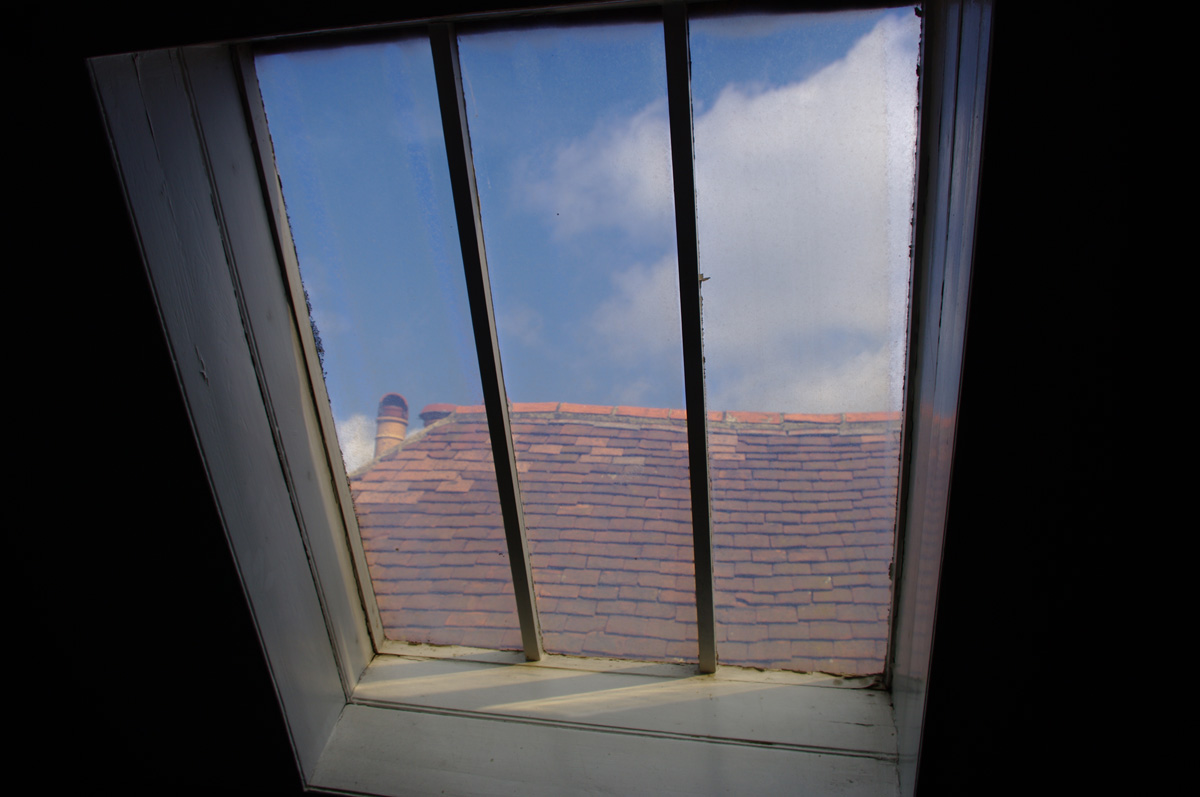
No fortress is totally impregnable. There were always weaknesses The roofs or as they were known, “the leads,” were a way into houses. Roof tiles can be removed and sky lights were weak.

Skylight, a possible thieves entrance

Some dire and extreme measures were taken to protect homes. Servants might sleep across doorways with a blunderbuss beside them. The interior doors to each room were locked. At nighttime a Georgian house became like a prison with the inmates locked into their cells. The owners of large estates might set mantraps within their grounds. This was a vicious spring-loaded contraption with a set of iron-serrated jaws that could sever a man’s leg and at least smash the shinbone. These were chained to stakes anchored in the ground so the poor unfortunate caught by one of these was trapped like a hunted animal.

For the so-called Age of Enlightenment, the Georgians were rather prone to neuroses and imaginings of all sorts. They believed in poltergeists, ghosts and all sorts of nocturnal occult beasts. Their homes had to be protected from these sorts of intruders. The chimney was open to the sky so this was a way for evil spirits to invade their homes and it had to be protected. A tender scene in the programme shows Amanda discussing with an expert in the field of the occult some of the personal objects the Georgians would hide in what they thought were vulnerable places where these spirits of the night might get in. Recesses up chimneys and cavities within walls and under the stairs were filled with items, often over generations. The occupants thought they would deter things of the occult. A little child’s shoe might for instance attract a poltergeist and distract it from attacking the child itself. So these things were seen as spoilers or like lightning conductors that misdirected an evil force.

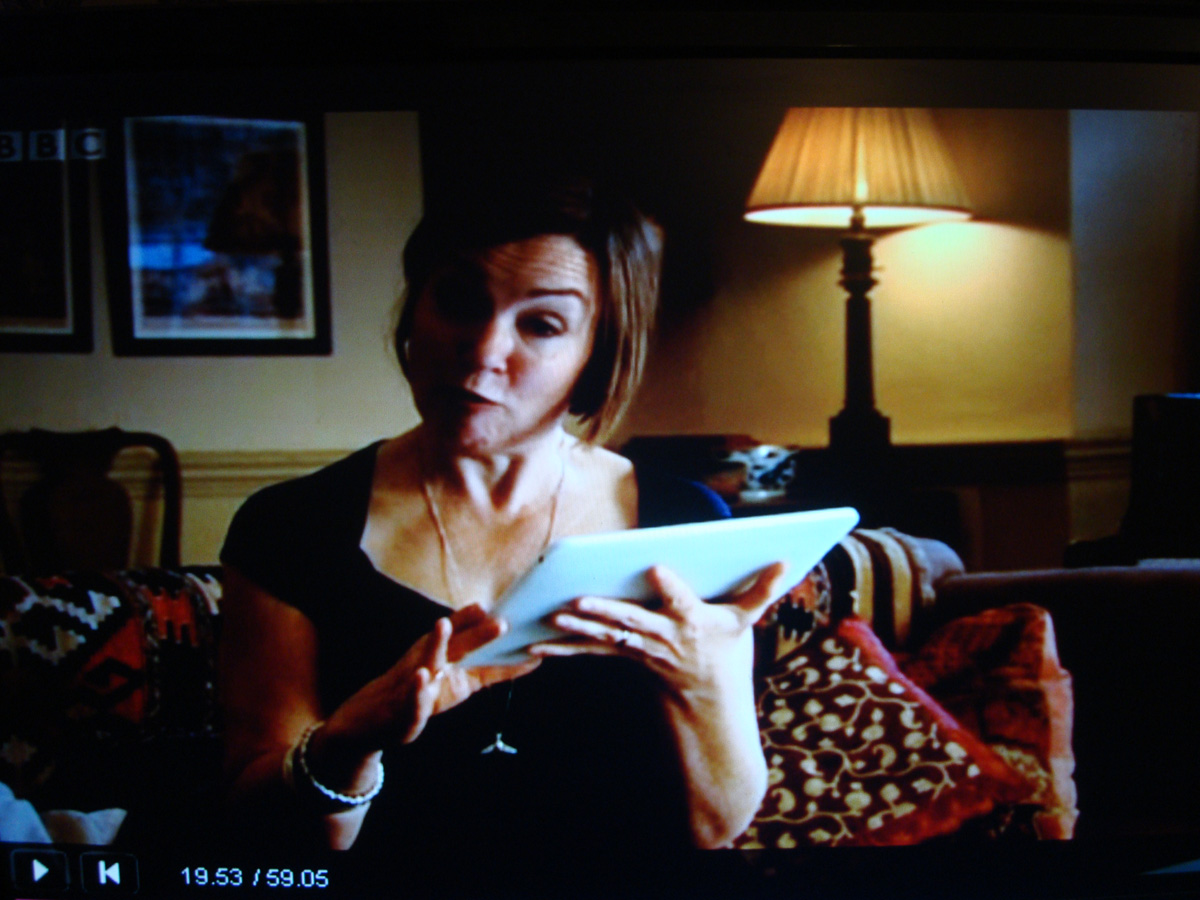
Amanda Vickery showed many documents from her iPad

The way a Georgian household was formed also had its dangers. The patriarch of the house, the owner, perceived dangers from the very people in side his house. Who could he trust? Mr Fenner of Salisbury Court in Spitalfields had a family of nine. These were not a wife and seven children, he had a wife, but he had three lodgers, three servants and one apprentice. This was classed as his family. It was very hierarchical. Mr Fenner was the lord or King of the household, his wife was second in charge and then everybody else had their place, with the apprentice at the bottom of the pile. A house was a microcosm of Georgian society. Amanda tells us that we know about the Fenners only because there was a fire in Salisbury Court. It was taken to court and the apprentice and the Fenner’s cat were the suspects. The cat may have been seen as the embodiment of a witch.

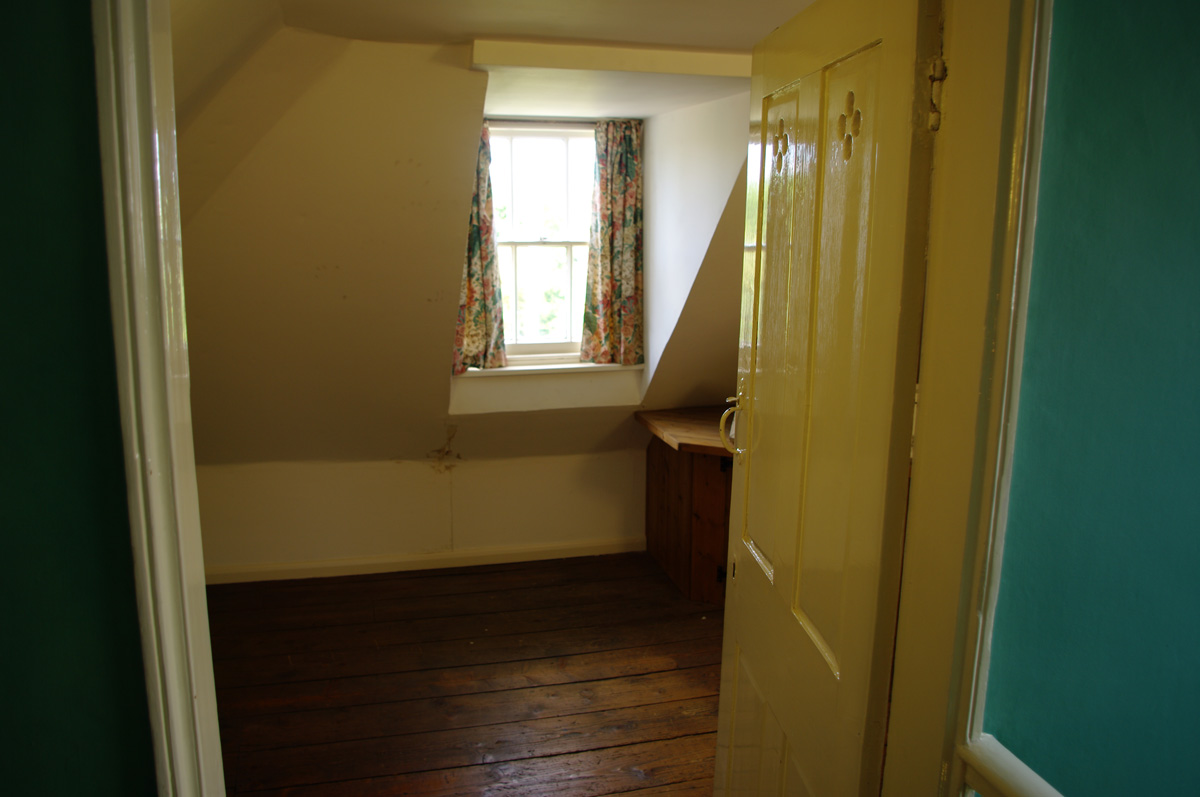
A garrett. Image @Tony Grant
Houses were designed to enforce this hierarchy or sort of apartheid. The poor servants lived in the basement and in the garret at the top of the house. Large houses incorporated separate staircases; separate living rooms, essentially separate houses within the whole structure of a mansion or large house. New laws helped enshrine the separation and bolster the security of the owner. There was a law against the theft by a servant and theft by a lodger.

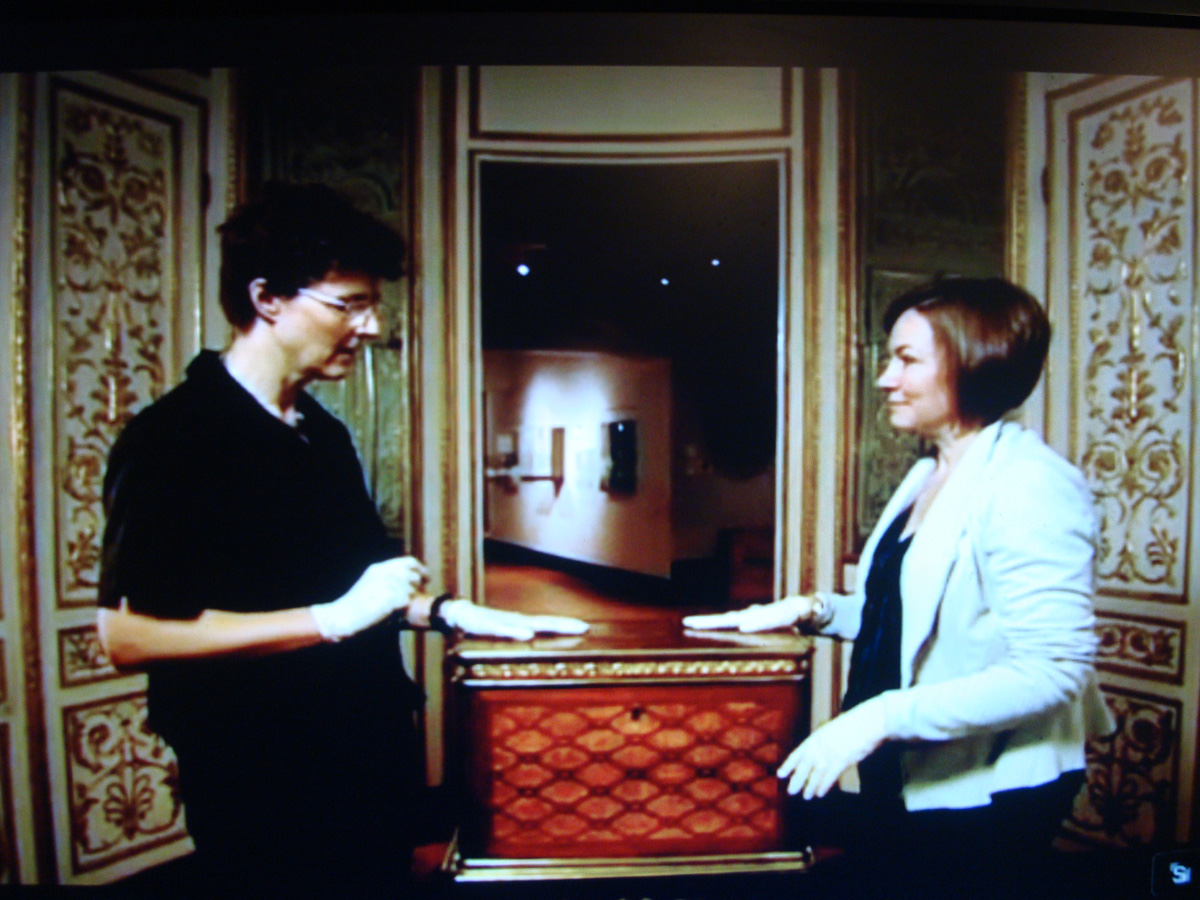
A secretaire

Servants were not only considered to give lip service but eye service too. A householder could not guarantee the thoughts and schemes of the people under him. All sorts of inventions were created to keep things secret and personal so prying eyes and fingers could not steal and find out things they should not. Right into the very heart of the Georgian household, secrecy and personal security was a concern and could never be guaranteed but it was strived for, vigorously.

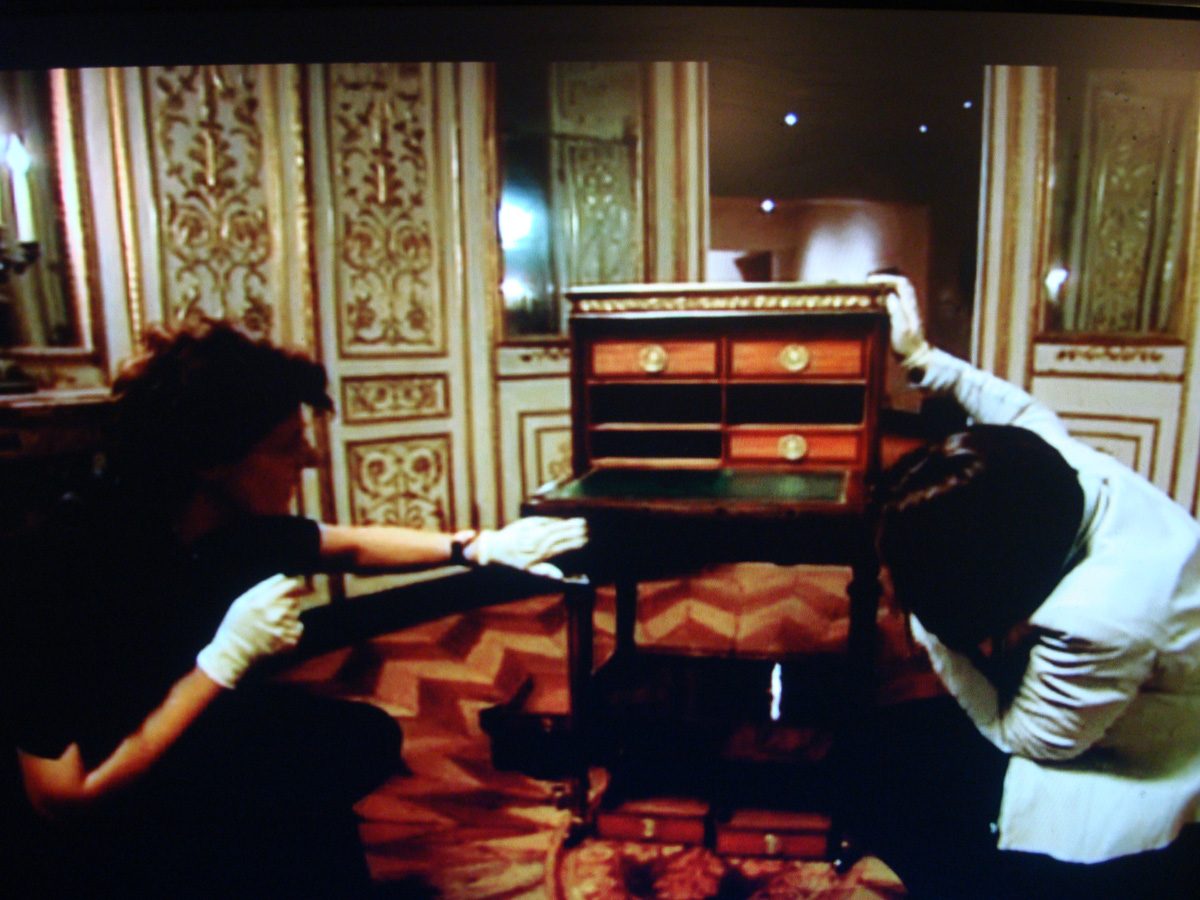
Examining the compartments of a secretaire

One piece of furniture Amanda shows us is a secretaire, a French invention. It is a writing desk with secret compartments to keep notes and letters safe. It has draws and sections accessible by servant to fill the ink well or replace the quill but the written thoughts of the owner are in compartments not accessible to any old so and so.

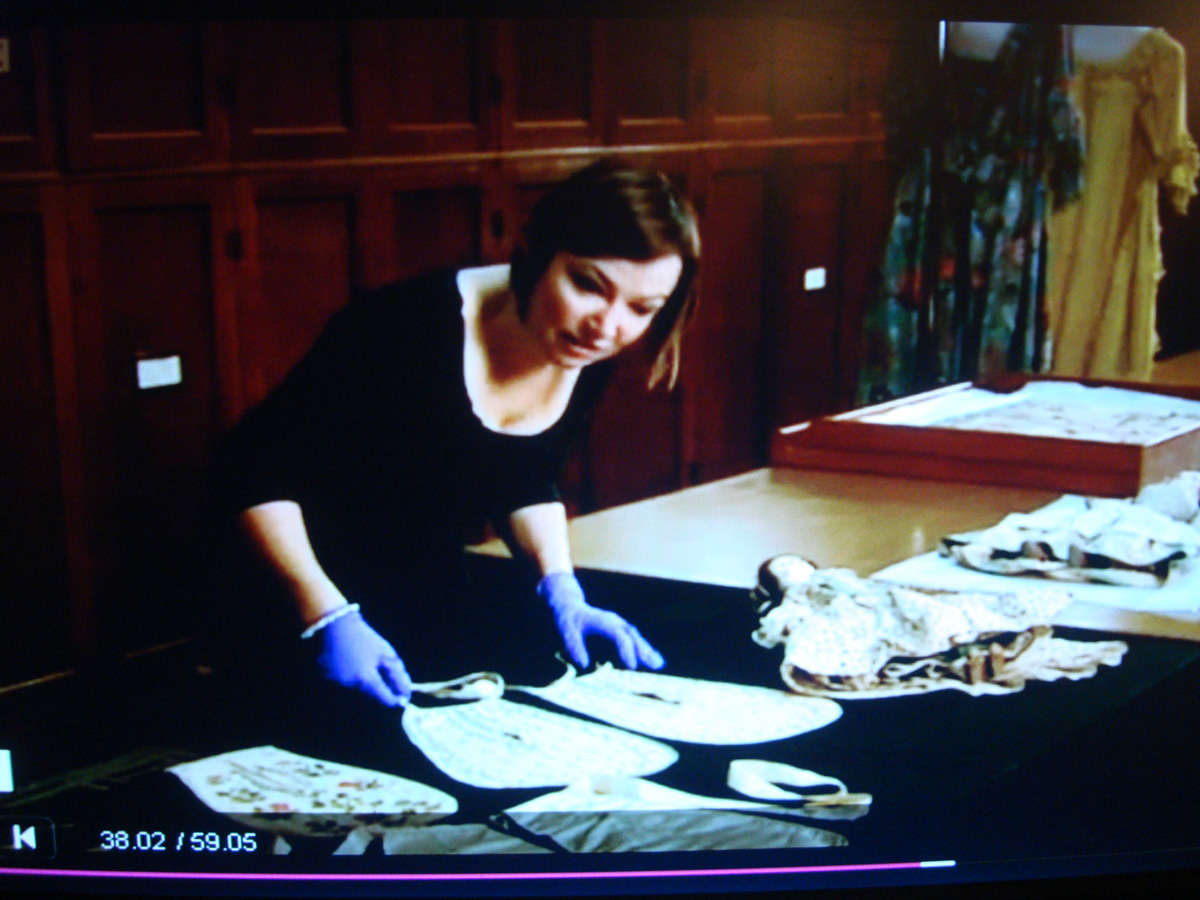
Examining ladies pockets

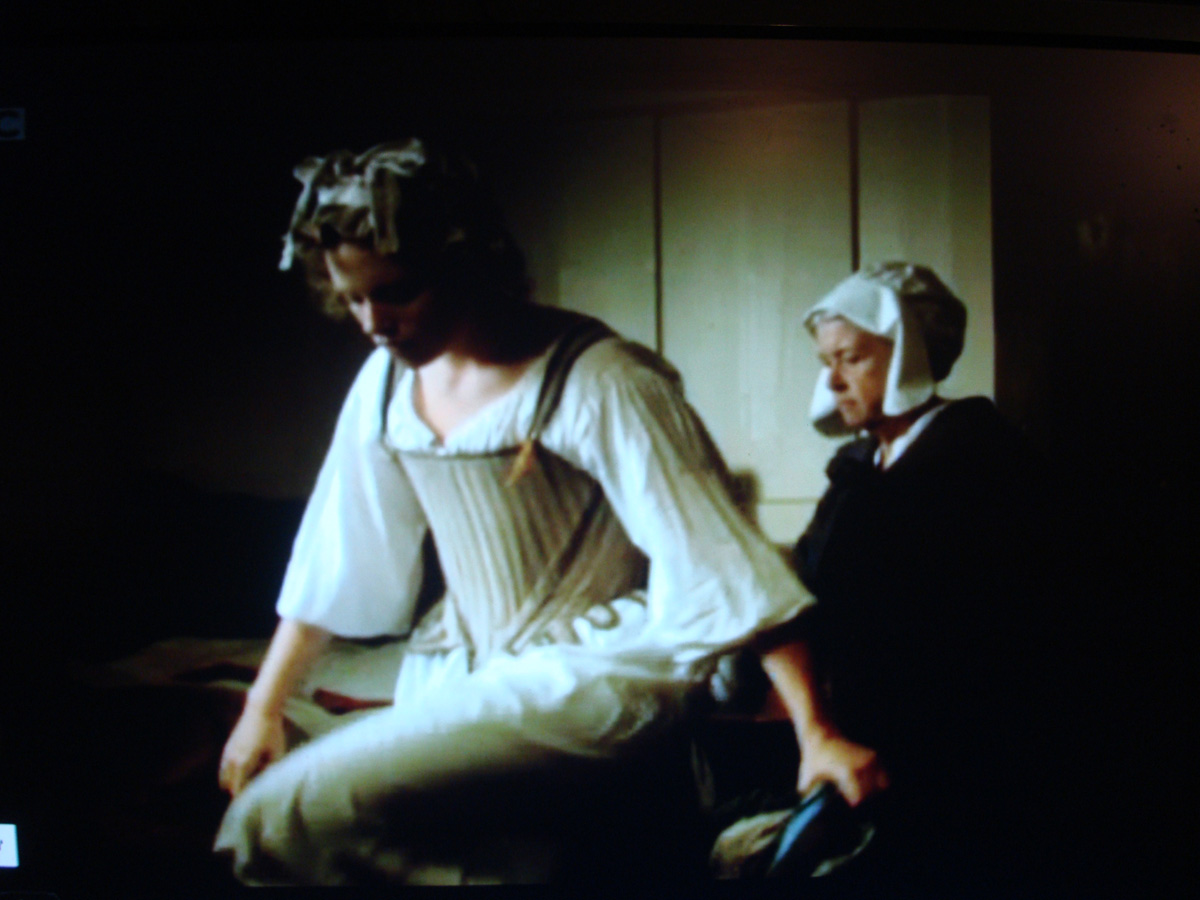
Even clothing was designed to keep personal items safe. Women had large pockets attached to a belt fastened around their waist underneath two or three layers of outer garments. A slit in their outer dress allowed them to slip their hands into these copious and deep pockets within their clothing.

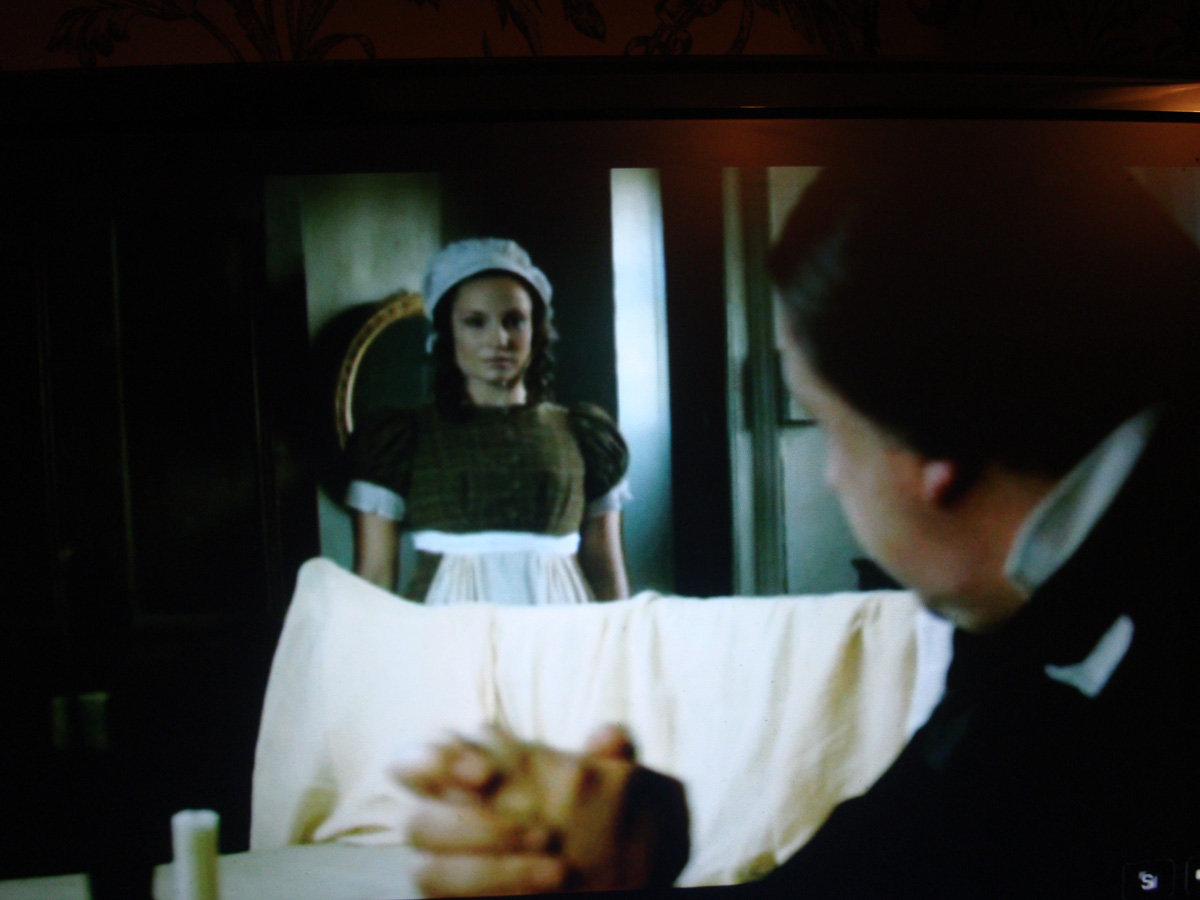
House holders, created strict rules for their servants and lodgers. No part of a house belonged to an employee or lodger. Apartheid had to be maintained and a strict ladder of authority had to be maintained. Amanda in her inimitable way finds the exceptions when this hierarchical structure could have been broken and all could have been destroyed. One, Benjamin Smith, a Leicestershire solicitor and a widower had a sexual relationship with a servant he called Newbat (her surname).  He wrote about this in detail  in his diaries. “He was lonely and had a cold bed,” Amanda described. He couldn’t help himself. This liaison threatened to destroy his whole world. Newbat began to control him with her sexual wiles. Eventually Benjamin found a new wife and Newbat was given her marching orders.

Benjamin Smith and Newbat

Oh dear me, the weaknesses of men!!!!!

This brings us to the most poignant and I think the most important part of this third episode. Amanda discusses what individuality and personal freedom really mean and how it developed in Georgian times. We all might, if we are lucky, consider that personal space, time to ourselves, privacy, when we need it, as very important even essential to us as individuals. It was not certain that you would have this sort of freedom if you were a Georgian.

The Georgians believed that you should have somewhere private. The King James Bible decreed that individuals should have a room set aside for personal private prayer twice a day. Large houses had small rooms built into them called closets. These rooms at first were specifically for prayer but very quickly they became used for private moments of all sorts. A place to keep personal objects, paintings, or even pornography. It could be place where a woman or man might have clandestine affairs.

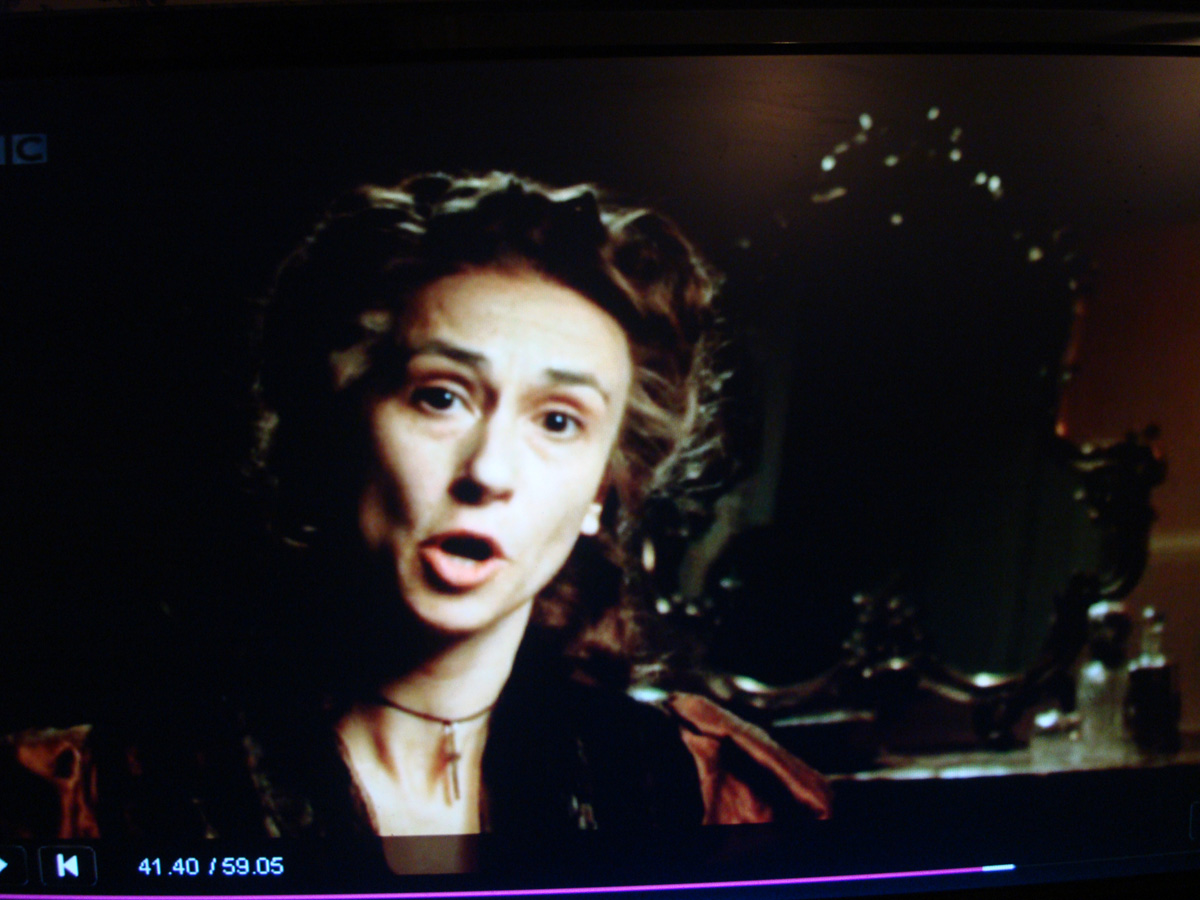
Anne Dormer entrapped in her marriage

Amanda , as always, has uncovered the sad painful examples through her thorough reading and research into Georgian diaries. Anne Dormer and Robert Dormer lived in a beautiful Jacobean Mansion. They were in the top two percent of the wealthy of the country. Robert was intensely jealous. He stalked his wife’s every movement. When she walked in the grounds of the estate he would count her steps and watch her from a window. If she paused to look at anything he would question her intensely about it. She had no privacy. Her home was worse than a prison. The experience took its toll on her health. She could only be free when her husband died.

Servants shared rooms

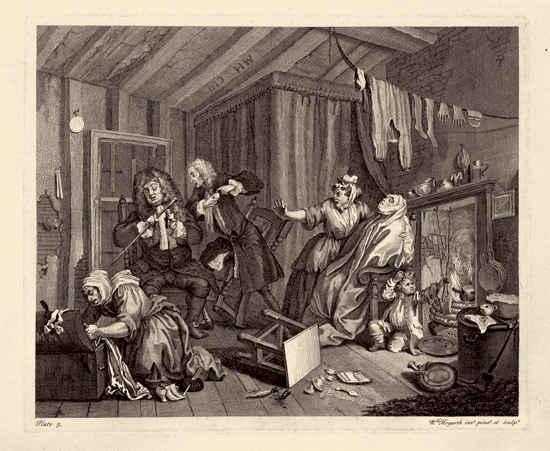
Amanda discusses the apt question, “What about the serving classes who owned no property, had no closets, shared bedrooms, and had no personal space or time? What of them?” Servants all owned what was called a locking box. Within this they kept their personal items, the items, which gave them an identity. Their house, their room, their home was reduced to a small box. Amanda poignantly relates how some of these boxes were wallpapered inside. That tells you volumes. We are shown some of Hogarth’s pictures portraying the life of Moll Flanders. In the final scene when Moll is dying you can see in the picture that another maid or prostitute has broken into Moll’s locking box. At the end of her life even her most intimate personal possessions are now no longer private, no longer hers. She has lost everything.

Hogarth, A Harlot's Progress, Plate 5. Image @Tate Britain

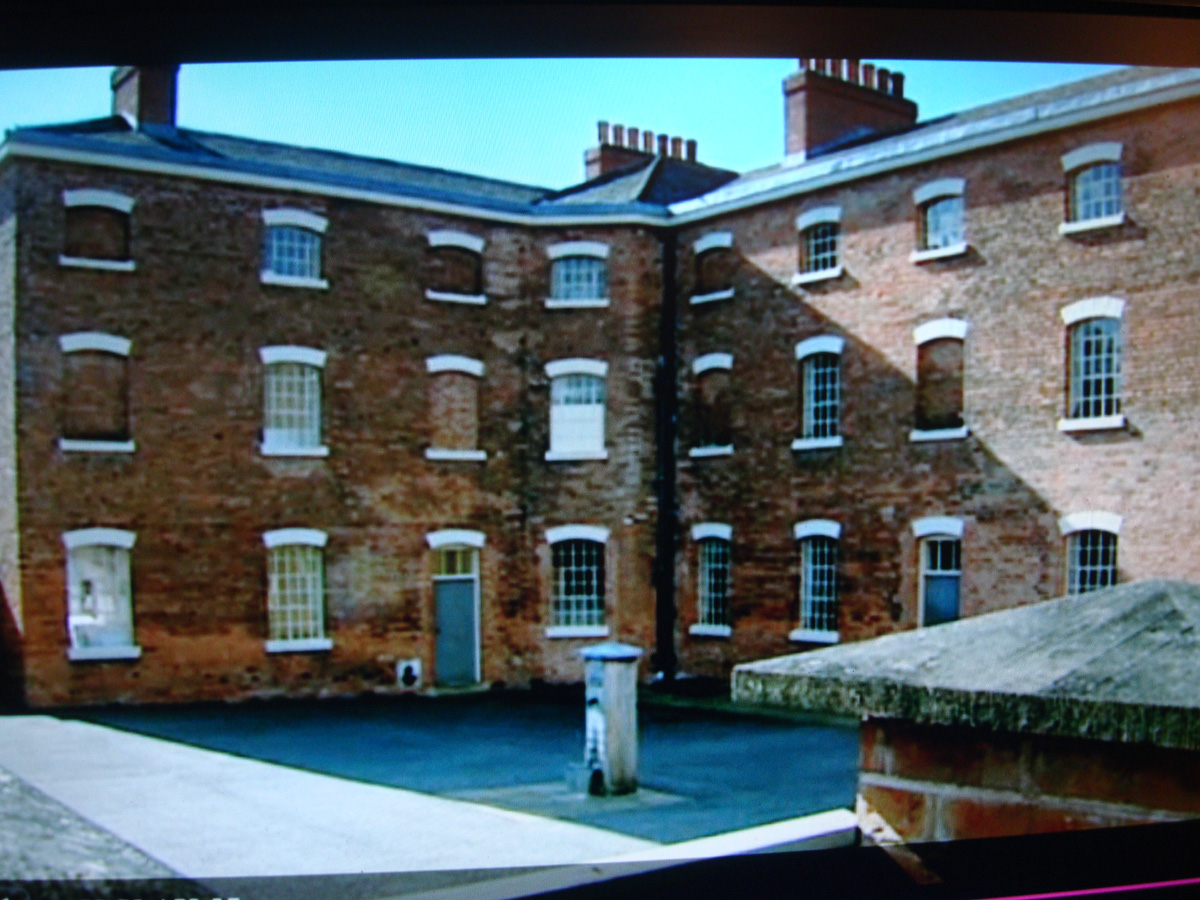
So what happens if the wealthy, the householder, falls from grace and loses everything. In many towns, wealthy, Christian minded, merchants, would build what were called alms houses. These were small, quite comfortable houses, which provided some security and enabled families to stay together and offered some aspects of comfort and privacy. With this charitable act not all was lost. However towards the end of the 18th century a new form of provision was created for those who had fallen on hard times. This was the workhouse. A pitiless, regimented institution that stripped people of all privacy and independence. Almost anything was preferable to the workhouse.

A workhouse

The buildings of many Victorian workhouses remain today in towns and cities throughout England. They are put to other uses now. They were solidly built and once converted and modernised actually make great office space or trendy apartments. I wouldn’t like to live in one because of the memories and the history.

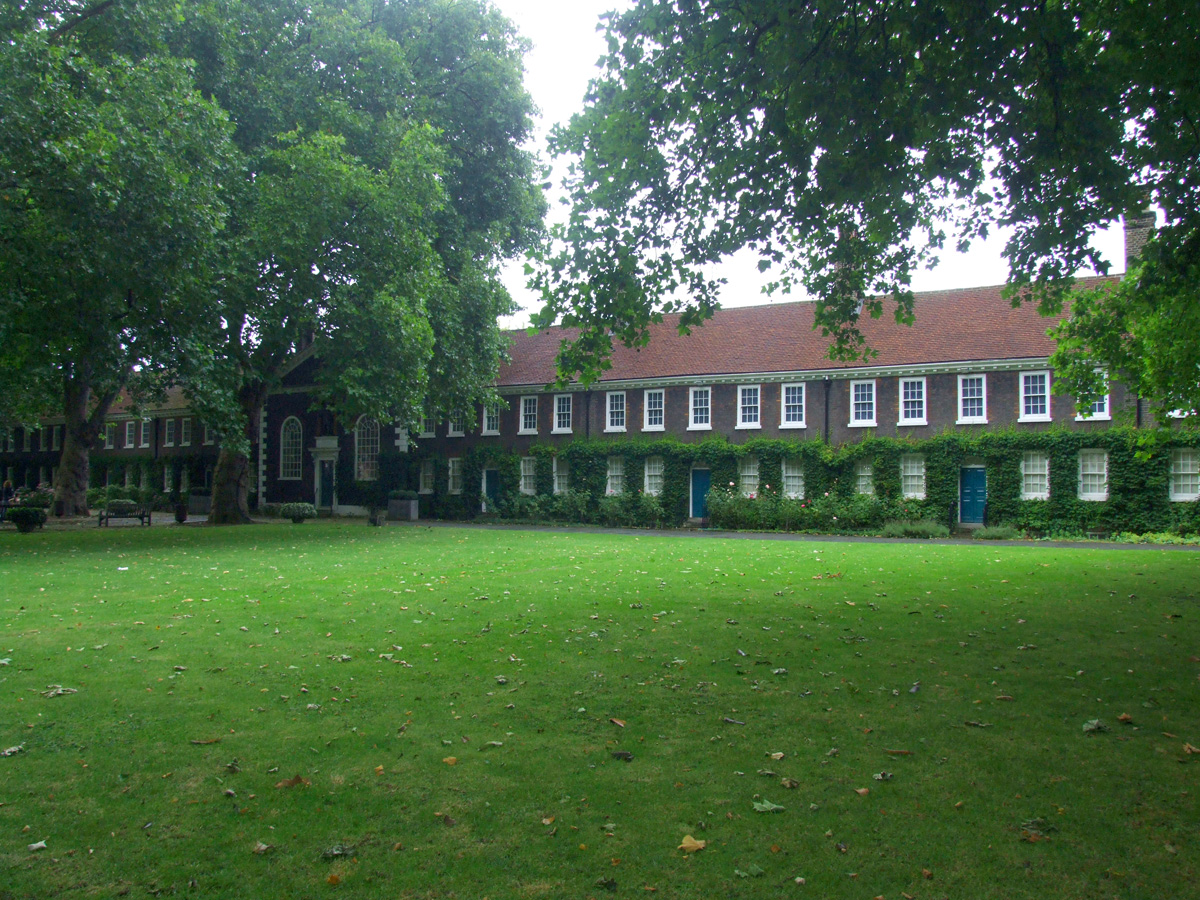
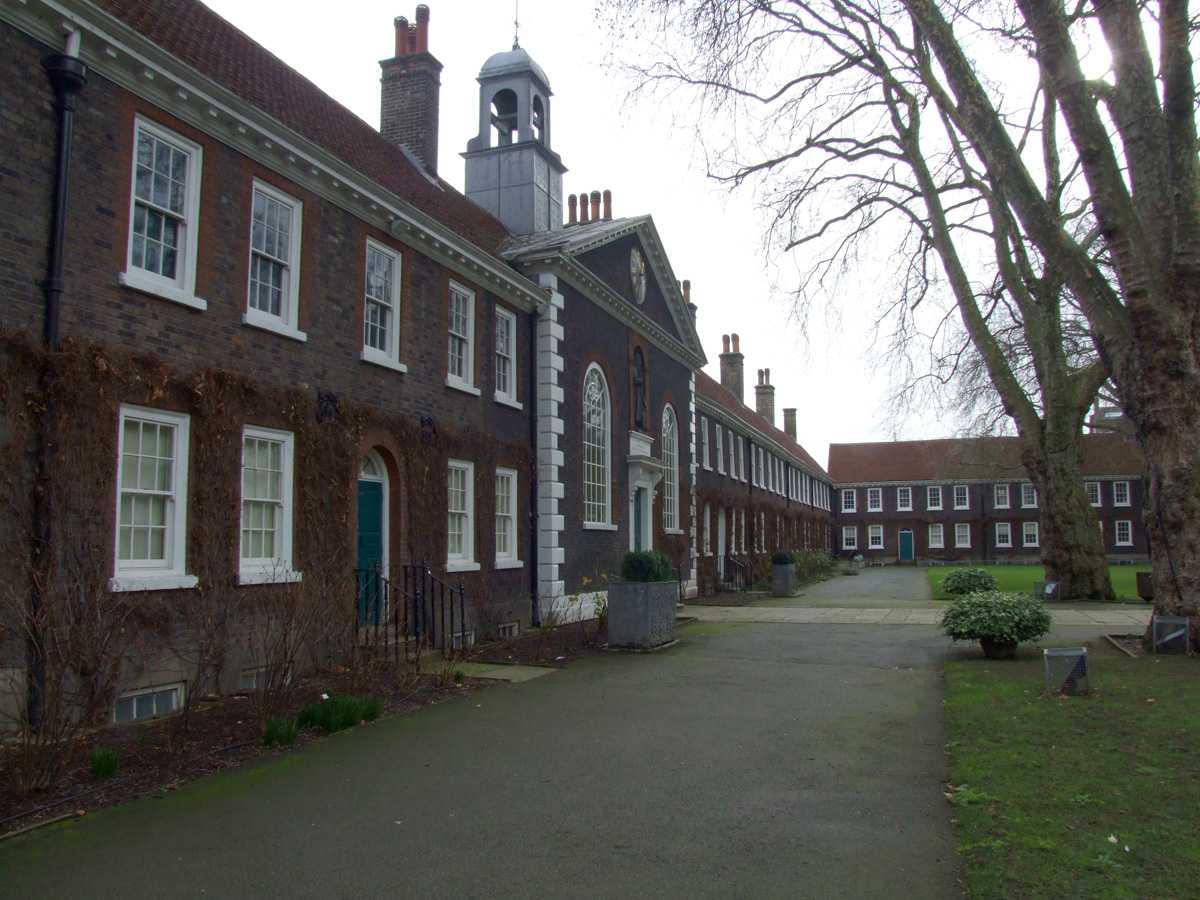
Geffrey Alms Houses (museum), Shoreditch

There are times in this series that I could cry for these very real people who Amanda reveals to us through their diaries. Amanda Vickery more than once pauses, a lump in her throat, as she finds it difficult to continue because of the rawness of some of the lives she has uncovered.

Geffrey Alms Houses, Shoreditch

Over these three episodes Amanda Vickery takes us through a journey showing how the creation of the modern household was invented. The concept of family was different in Georgian times but we can see how it developed and how we have got to where we are now from this Georgian starting point. The concept of personal freedom and personal space was in it’s infancy, struggling for acceptance. Amanda has described to us in this series the start of the modern world. The programmes are good at showing how marriage and relationships between men and women were changing and developing. I think it is worthwhile watching. I hope Amanda creates more programmes of this sort. They are thought-provoking. They make us ask questions about our world and ourselves.

Amanda Vickery and the actors who helped the Georgian Era come alive

More on the topic:

Read Full Post »

In the second episode of At Home With the Georgians: A Woman’s Touch, Amanda Vickery mentioned metamorphic furniture and (remarkably) turned a desk into a bed. A visitor to Tony Grant’s excellent post left this question: What is metamorphic furniture?

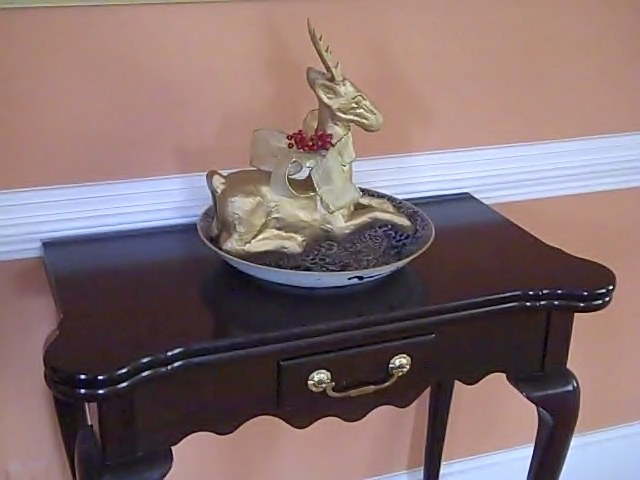
Modern example of metamorphic furniture: hall table/card table

Tony answered the question admirably. This mechanical furniture, wide-spread in Georgian times, had a dual use. A small folding staircase could be transformed into chair or desk, such as a writing table, library table, or card table. These pieces of furniture were great space savers, as I can attest. Only last week I transformed my faux-Georgian hall table into a card table for my guests. I never guessed until Tony’s post that I owned an example of mechanical furniture. Sweet!

The only change I would make in the video (besides the annoying lilt in my voice) is to make sure that the next time I film an example of my furniture, it is thoroughly dusted and cleaned! Extra points if you can spot my pooch in one of the scenes. His hang dog expression tells me that he was out of sorts, having been told to stay put.

This Victorian piano at the Brooklyn Museum pulls out into a bed. Fascinating. The video is available to view until March 2011.

READ MORE: If your interest in the topic is piqued, Clive Taylor (who also left a comment on the previous post) has written a dissertation on the topic (click here to read The Regency Period Metamorphic Chair) and sells metamorphic library chairs/stairs in his shop, Parbold Antiques.

Read Full Post »

« Newer Posts - Older Posts »