Feeds:
Posts
Comments

Archive for the ‘18th Century England’ Category

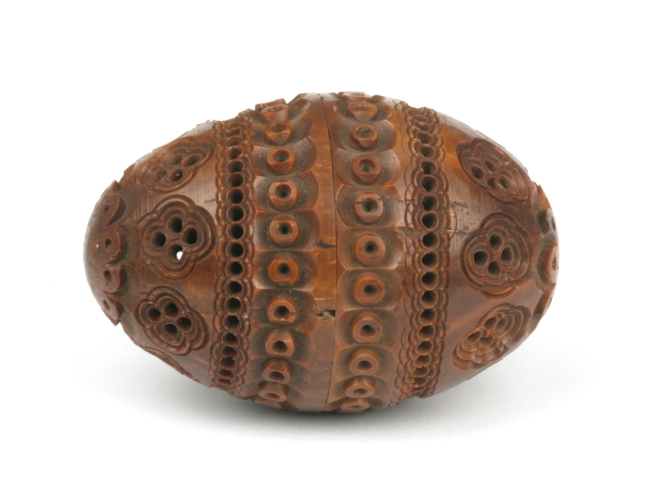
Coquilla nut ink stand, late 18th- early 19th c. Image @Antiques Atlas

Yesterday I came across an interesting description in Ackermann’s Repository of Arts, Literature, Commerce, Manufactures, Fashions, and Politics, April, 1812, about coquilla nuts, which a certain Mr. R. Ackermann displayed at his Repository, No 101, Strand (having purchased a considerable quantity of this fruit).

From whence the Portuguese obtained it, is so little known, that even the botanical library of Sir Joseph Banks cannot ascertain the circumstance. The probable conjecture, however, is, that it is the produce of the Portuguese possessions in Africa. It is, in a great measure, unknown in this country, nor can it be otherwise, as it is near sixty years since the custom-house entries mention an importation of it…”

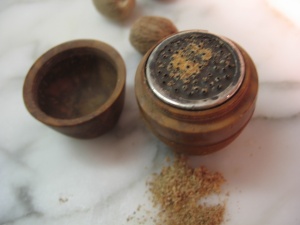
19th c. coquilla nut pounce pot or spice shaker. Image @Ruby Lane

The coquilla nut is in fact the fruit of the Brazilian Palm, which is closely related to the coconut palm. The nut is 3-4 inches long, and has a very hard, richly streaked brown shell that is capable of taking a fine polish. It is a source of palm oil. The tree also offers up a stiff, wiry leaf fiber that is used for making brooms and rope. Coquilla nuts were routinely converted into a variety of highly ornamental articles:

The uncommonly pleasing colour of the  shell, the hardness and the native mottle which appears when it is highly polished, renders it capable of being employed, with the most agreeable effect, as it is susceptible of the most tasteful forms — on the writing-table, in wafer-boxes and seals, pounce, sand-boxes, &c. — on the ladies’ work-table, in needle-cases and thimble-cases, cotton-boxes, pincushions, &c. — or on the toilette and dressing-table, in boxes for lip-salve, rouge, scented sponges, and every kind of pomade. In the form of egg-cups, the nuts will be found to decorate the eating ‘table. As bell-pulls, they are very elegant.

19th c. coquilla nut pomander and nutmeg grater. Image @Christie's.

Coquilla nuts were also made into umbrella handles, candlesticks, and dice cups. The carved product was combined with ivory, or in the case of jewelry, with jade. I could find no examples of jewelry, and wonder it the nut was widely used for such a use.

As they appear to great advantage when worked up into beads, rosaries, and crosses, they will, doubtless, give a pleasing variety to personal decoration, when shaped into necklaces, bracelets, ear-rings, and other trinkets. Little useful pocket articles, as nutmeg-graters, cases for smelling-bottles, and other similar portable conveniences ; in short, whatever has been formed from ivory, may be produced from the shell of the Coquilla, whose beauty will not fail to attract, while the price of the article will satisfy the purchaser.”

Coquilla nutmeg grater. Image @Historic Cookery

Antique coquilla nut items are still quite reasonably priced, as this nutmeg grater from Historic Cookery attests. The Ackermann’s description indicated that the item was carried in the owner’s pocket, in order to season food ordered at a chopping house or club, no doubt.

19th century coquilla nut flea trap. Image @Physick.com

The most interesting coquilla nut item is this one: a flea trap.

It is easy to forget the squalor, poor hygiene, stench and infestations which our forefathers endured. In the 18th and 19th century flea traps were filled with a few drops of blood and honey or resin, depending on your financial means. Supposedly, fleas attracted by the blood would enter the trap and get stuck to the honey or resin. They were hung around the neck, worn in ladies clothes or kept in bed. – Physick.com

Coquilla nut flask. Image @Millers Antiques Guide

This coquilla nut flask seems a relatively simple item (One wonders how much liquid such a small flask would contain, unless it was whiskey or laudanum, or some other potent substance). Examining it closely, one can read inscribed on its top:

 ‘In the West Indies, I did grow upon a tree so high a negro come and cut me down a soldger…did me buy.., H. Neal, 35, Royal Sussex’. – Millers Antiques Guide 

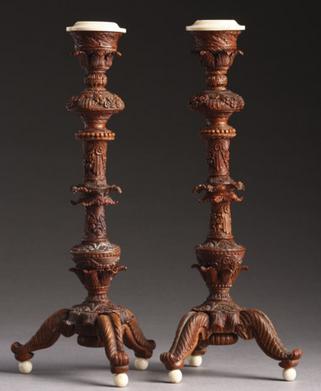
Some coquilla nut items were larger and more elaborate. One surmises that a series of nut carvings were joined and glued together to create these beautiful candlesticks carved by Indian artisans in Bengal, who worked from designs supplied by locally based European tradesmen.

Late 18th C. Anglo Indian coquilla nut and ivory table candlesticks. Image@Online Galleries: The Antique Portal

…these candlesticks typical of the Murshidabad workshops delicately carved decoration, may have stood on an ivory ‘teapoy’, whose form was directly taken from a European candlestand.” – The Antique Portal

Carved 19th c. coquilla nut case thread, thimble holder. Image @WorthPoint

More about the featured items:

Read Full Post »

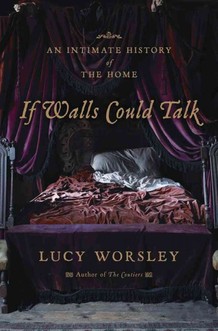
I love to listen to Fresh Air when I am walking my dog. On March 13, I had a most delightful listen when Terry Gross interviewed Lucy Worsley, the author of If Walls Could Talk: An intimate History of the Home. This interview came almost a year after the book was introduced in the UK. The video series was also shown on BBC last fall. As is often the case, I am among the last to know.

I listened to Terry’s interview with Lucy and was mesmerized. First, a bit about Ms. Worsley and her work:

Lucy Worsley works as the chief curator in several palatial buildings in London, including Kensington Palace, Hampton Court Palace and the Tower of London. In contrast, she lives in what she calls a “normal, boring modern flat.”

The differences between her home and her workplace inspired Worsley to research the history of the home, which she details in her new book If Walls Could Talk. The book answers questions like: Why did the flushing toilet take two centuries to catch on? Why were kitchens cut off from the rest of a home? And did strangers really share beds as recently as a century ago? (Yes, they did.) – If Walls Could Talk

This video provides a perfect introduction to the book:

In Austenonly, Julie Wakefield discusses the evolution of the kitchen.  Click here to read her excellent post, The Georgian Kitchen.

I was struck by the evolution of the bedroom. Until quite recently in historic terms, there were not enough rooms in a house to provide a separate room for sleeping. The bedroom was a crowded and semi-public space. A bed was for sleeping; people had sex elsewhere.  In medieval times, the family often shared their bedroom with people they did not know. It wasn’t until Georgian times that a couple began to expect privacy as they slept. Even then, children were expected to share a bed.

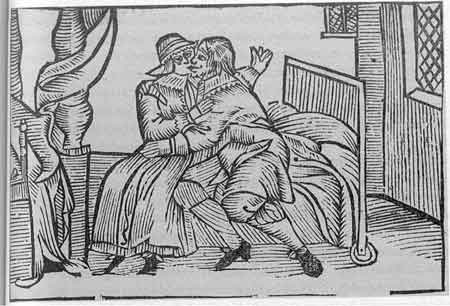
18th century woodcut of a bundling couple.

Parents were realistic about the hot blood coursing through a courting couple’s veins and their need to be together.  Considering that a couple could not marry until they could afford to set up house, the average bride and groom to be had to wait years before they were wedded. Bundling was considered a sensible alternative to an amorous man and woman going off to a shed or field to follow their biological instincts. It was a custom followed by the lower levels (certainly not by the upper classes, where a woman’s chaste reputation was highly prized) and practiced in rural areas of England through the 18th century.

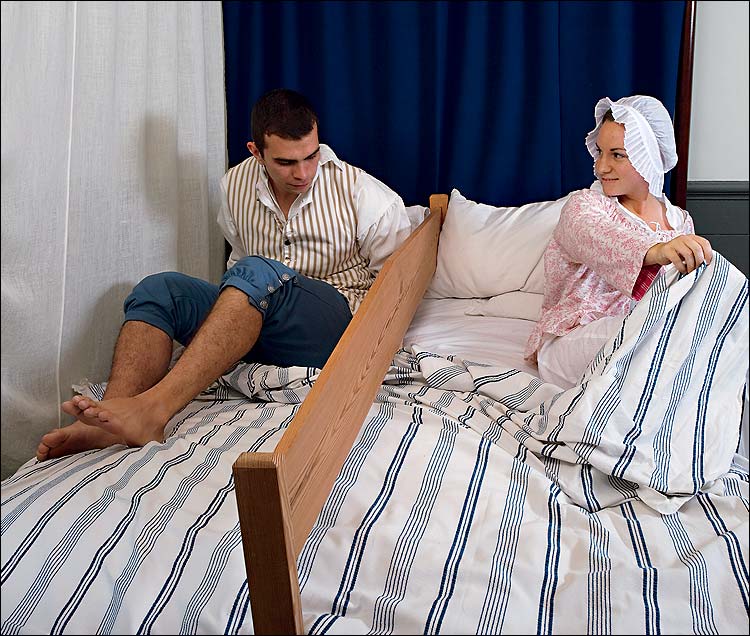
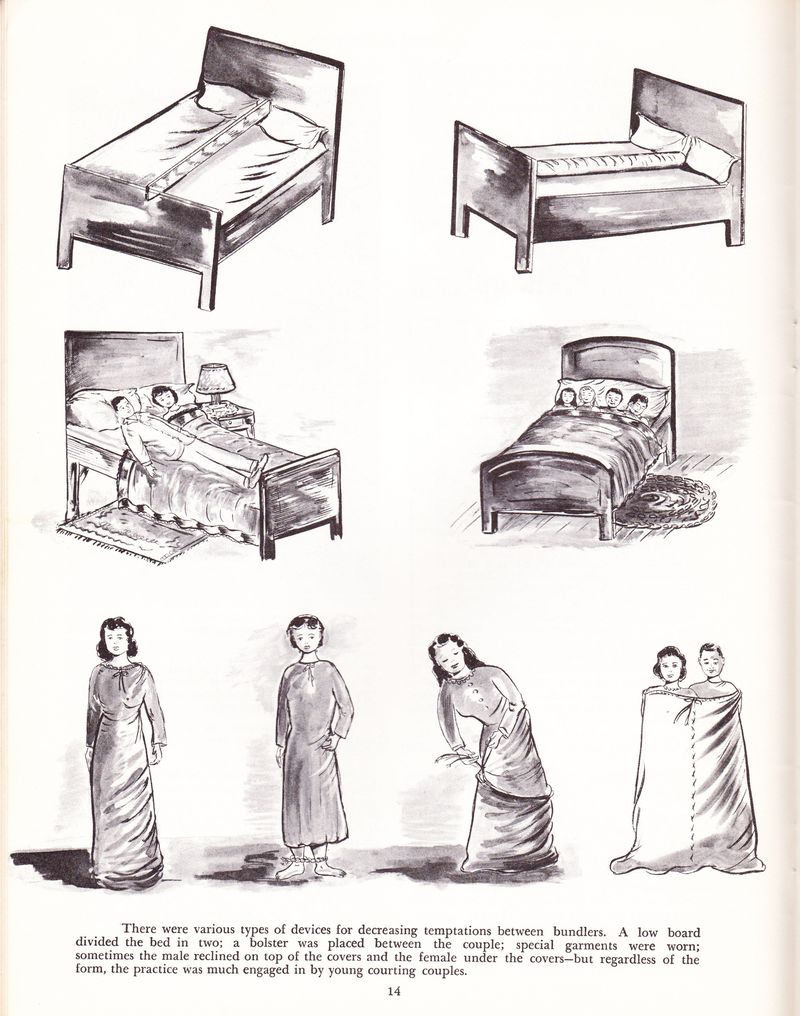
The practice was called “bundling” because the young man and young lady were each fully clothed, each had a separate set of linens, and the couple was usually separated by a board or bolster. Since all was done openly, with family members often helping the young woman by knotting her securely in her clothes, it was assumed that such courtships would remain chaste; and, quite often, they did.

But, youngsters then were no different from youngsters today, and temptation was not always fully resisted. As the numbers of premarital pregnancies rose in the 18th century, some people maintained that bundling was at least partially to blame. And, as homes were gradually being equipped with improved lighting, parlor stoves, and comfortable furniture, bundling gradually faded from practice. By the early 1800’s only couples in the most remote rural areas were still courting beneath a quilt. – The Curious Courtship Practice Known as Bundling

A bundling couple. He lies on top of the bed, she is under the covers. Image @History.org

After a night spent in bed together, the young couple did not have to marry (unless the woman somehow became pregnant). Bundling was a way of getting to know each other better and to see if they were compatible. Ms. Worsley identified the practice as a level of supervision by the family. This practice was not fool-proof, however.

Although sex was theoretically not involved, the practice coincided with a huge increase in premarital pregnancy. By the end of the century, 1/3 of all brides were pregnant by the time they reached the altar: The History of Courtship

Image @Fresh Vintage. Bundling was practiced in the U.S. a long time after the custom died in the U.K. Click on image to enlarge.

As a means of saving money, travelers would opt to share a bed. In some inns, a bundling board was used to separate the strangers. This poem describes bundling in quite some detail. In the U.S., the Amish and Mennonites practiced bundling well into the 20th century and, it is said, even today.

THE BUNDLING BAG
Where might young lovers better be,
Than right at home in bed?
Some giddy youth might care disdain,
And occasionally break the enchanted chain;
But most kept faith, ’tis said.
Some folks think it quite a risk,
But others make calm reflection:
We have men as husbands for our girls to get,
That they then might have naught to fret.
So few youngsters raised objection.
The bundling bag was just the thing
For young folks “on the go;”
It made matters safe, for man and maid;
Old folks retired, quite unafraid.
All these things are truly so. – Little Known Facts about Bundling in the New World, by A. Monroe Aurand, Jr.

Lucy Worsley

More on the topic: If you are as fascinated with this topic as I am, click on the links below to learn more about this custom in both Great Britain and the U.S.

Read Full Post »

From the first page, William Holland had me hooked with his diary. His daily notations are not erudite. He does not wax eloquently about politics, philosophy, religion, or science, but with observations like these, who cares? Our parson has a way of planting us right in the middle of his little village:

Friday November 1 [1799]  The Clerk in the yard wheeling dung and Robert [Holland’s servant] looking about him and moving like  a snail. The Clerk cleared the liney and fetched three bushells more of pease for the sow. One of the Miss Chesters died yesterday, quite young, not ill above ten days. Poor girl her state of probation was soon over.

Then there are these short gems:

Wednesday November 6   Little Lewis the Apothecary came to me, rubbing his hands and moving his retreating chin in and out of his stock — attentive bur rather avaricious, mean and trifling.”

“Saturday November 9  Mr Robert has been wearing my spurs — now I have found out the method to get his horse on. Tis a difficult thing to get a servant worth anything. His slowness and laziness and want of method puts me out of patience. When the year is out he must go.”

Our country parson isn’t loquacious. Anita N writes about him on an online forum: “Apparently not the most charming man–but honest in his political and social views, and detailed about his daily life. That’s what I want to read: life sketches, muck, vitriol and common views of the time.”

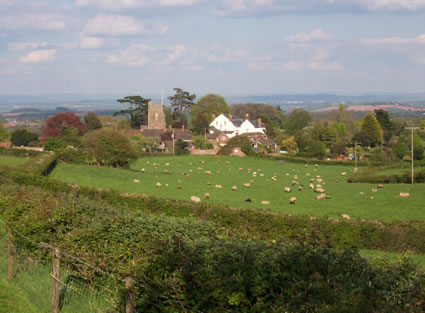
Our parson lived in Over Stowey in  Somerset. Even today the village is described as having “no commercial centre because there is virtually no commerce – not a pub, post office or shop” – only farms lying in the outer districts of the village. There are few area descriptions in Holland’s observations, since his purpose is to focus on the people he encounters each day. From what I have read so far, his diaries simply record the mundane events in his life. He is not a particularly good writer, and his usage of punctuation is minimal at best.

View of Over Stowey. Image @The Quantock Online Community

Holland held the opinions of an old-fashioned High Church Tory. The following definition serves well enough for readers who do not much about Tories:

Tories conceive of sovereignty as residing in rulers and view “the people” as subjects whose duty is to obey. Tories are thus identified with a system of hereditary power–exercised especially by monarchs and the established Church. – Historical Outline of Restoration and 18th Century British Literature

James Woodforde, 1740-1803, an amiable country clergyman, also wrote a diary. His is the image of a typical country parson of his day. Image @History Today.

Our country parson despised Democrats and took many swipes at them. One imagines that he must have shuddered at the very thought of Thomas Paine, the epitome of a Democrat and a radical, if ever there was one. Paine was against:

kingcraft, lordcraft and priestcraft. An original thinker far ahead of his time, he sought to redress poverty (seemingly endemic in advanced European societies) through an interventionist programme of welfare redistribution, including old-age pensions, marriage allowances and maternity benefits. – Thomas Paine, Citizen of the World, BBC History

In the Diaries’ opening observation on Wednesday October 23, 1799, our parson writes:

Saw that Democratic hoyden Mrs Coleridge who looked so like a friskey girl or something worse that I was not surprised that a Democratic Libertine should choose her for a wife. The husband gone to London suddenly, no one here can tell why. Met the patron of democrats, Mr Thos Poole who smiled and chatted a little. He was on his gray mare, Satan himself cannot be more false and hypocritical. “

Yet Holland was a compassionate man. He is constantly worried about the poor.

Thursday November 7   Still more rain, where will it end? The Poor, the Poor, how are they to live this winter? we must do all we can to assist and Providence will do the rest.

This series of observations about a mad man gives one a good sense of how a village takes care of its own:

Thursday December 5   The madman in the Poorhouse outrageous. Farmer Morle’s behaviour is absolutely scandalous but I’ll make him know his duty e’er long. The man is chained and lies on straw, shocking situation. Alas poor human nature how many afflictions art thou liable to.

Saturday December 7  Went to the Messrs Riches this evening about the man in the Workhouse, both determined to join in sending him to the Mad House in Bristol be the expence what it will. Says Master James ‘Mr Holland I reckon it be a bad business, he is a very bad fellow, there is something more in it than madness.’ Mr James thinks, in my opinion, that he is possessed by the Devil or bewitched.”

The parson then thinks about calling on the Vestry about the madman, but puts this off.

Monday December 9 Were alarmed with an account of the madman in the Workhouse having got loose and threatening everyone around with destruction. We procured two men to sit up with him and secure him from doing mischief till morning.

Holland writes that the madmen is quiet for two days, then he raves again. It seems that he uses the terms Poorhouse and Workhouse interchangeably. Finally, the men in the village decide what to do with the mad man:

Monday December 16 Went to Mr Ruscomb Poole at Marsh Mill to consult about the pauper in the Workhouse. Farmer Morle and Mr Lewis came in the evening and we went to the Poorhouse, examined the man, he had a fit at the time. We do not think him properly insane to be an object for a Madhouse. We shall try some other Methods.

Rev. Holland describes the days leading up to Christmas, including a little impromptu dance party that his daughter holds for her friends. There are 18 more years to read. Although this is not a review of the book, per se, I highly recommend it. I found my copy in a second-hand shop on Amazon. All I can say is that our Somerset Parson makes the early 19th century come alive from a male perspective. Between the diary of William Holland and Jane Austen’s letters, one gains a good sense of how different the life of a country woman is from that of a country parson. Next on my book wish list: The Diary of James Woodforde. I understand that this man loved his food.

More on the topic:

Read Full Post »

Image recently added to @Wikimedia Commons

Prostitutes were regarded with mixed feelings in the 18th century. An awareness of the vulnerability of women who had few economic options for making their way in the world owed much to the sentimental view taken of prostitutes. Ladies of pleasure were generally born into poverty and had little education or work skills. The sentimental prostitute narrative, which was common at the time, rarely condemned these women. These narratives, whether in print or on canvas, tell the story of a prostitute’s career and sexual fall, and generally end their tales in two ways: happily, through her marriage or finding acceptable employment, or tragically with her death.

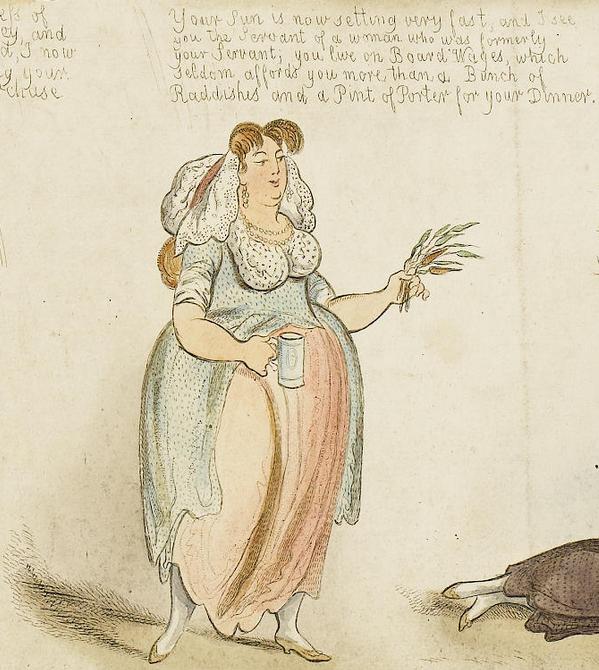
The Progress of a Woman of Pleasure was drawn by Richard Newton, a young artist who died at 21 in 1798, two years after making this illustration. The “Progress” formula, which Newton used for a variety of prints, is a familiar one to those who have viewed William Hogarth’s The Rake’s Progress, Marriage a la Mode, Industry and Idleness and A Harlot’s Progress. Progress series demonstrate in a progression of satirical paintings and prints how lives were transformed by temptation, bad luck and poor choices.

A closer look at Progress of a Woman of Pleasure reveals Newton’s sentimental take of the prostitute theme, as well as details about the life of an 18th Century lady of  ill repute. For many 18th century prostitutes, their occupation was transitional, meant to economically tide them over a particularly bad hump in their lives. Many eventually married or found another occupation.

Your first step for preferment will be to a great lady in King's Place.

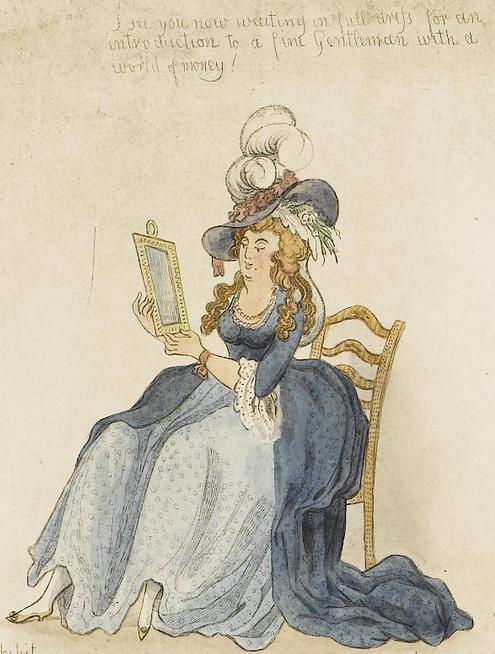
“A great lady in King’s Place” refers to Charlotte Hayes, who ran a high-class brothel in King’s-Place off Pall Mall. Gentlemen of the upper classes frequented this brothel located in london’s tony west end. With the use of the term ‘preferment’,  Newton makes it obvious that this woman has set her sights high. Her clothes are rather simple and plain as compared to the second scene below.

We see you now waiting in full dress for an introduction to a fine gentleman with a world of money!

London was a notorious hot bed for prostitutes. Fully one in five women in London (50,000) worked as ladies of the night. Many of them worked alone, plying their trade on the streets, in their own rooms, or in brothels. One foreign traveler was amazed at the variety of ways a man could have a woman:

…dressed, bound up, hitched up, tight-laced, loose, painted, done up or raw, scented, in silk or wool, with or without sugar. – Daily Life in 18th Century England, Kirsten Olsen, p. 49

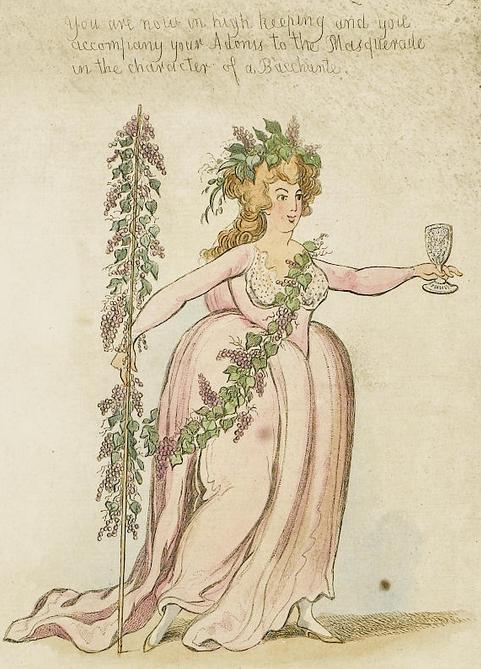
You are now in high keeping and you accompany your Adonis to the Masquerade in the character of a Bacchante.

Masquerades were wildly popular in 18th century London. Hidden behind masks and disguised in costumes, people from varying social classes freely intermingled at these events, where licentious behavior was common. Prostitutes attended these events in order to attract customers, or, as in this instance, were brought there by their benefactors.

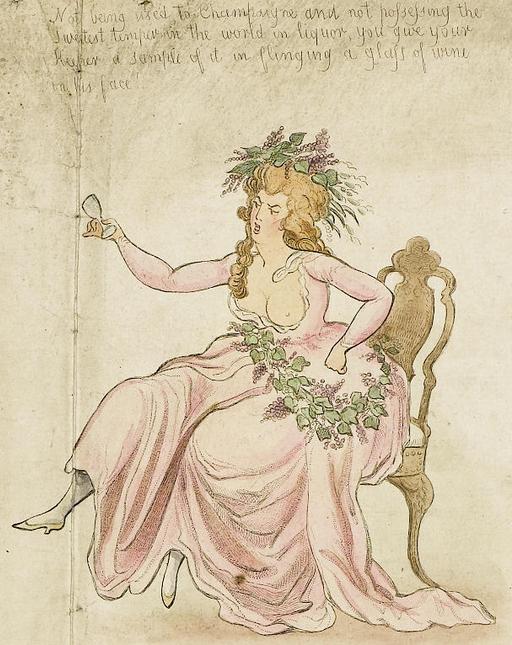
Not being used to champagne and not possessing the sweetest temper in the world in liquor, you give your keeper a sample of it by flinging a glass of wine to his face.

As this courtesan finds out the hard way, she is with her companion for only as long as she is useful to him. In this instance, her outrageous behavior causes him to cast her off.  The aim of the successful prostitute/mistress/courtesan was to find a benefactor from the highest echelons of society and to make a long-lasting arrangement that created a financially fruitful association for her. For the number of women who rose in the ranks of serving as mistress to important men, there was an equal number that had no place to go but down. The idea was to extend your association for as long as possible and retire in comfort.

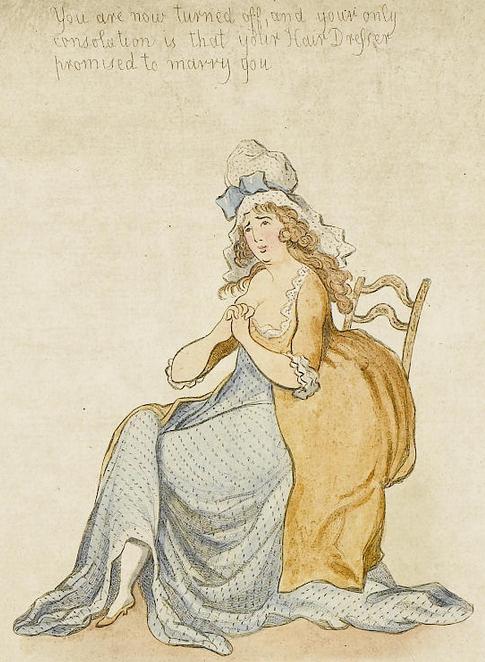
You are now turned off and your only consolation is that your hair dresser promised to marry you.

Newton’s prostitute must have been a pretty woman indeed if the hair dresser was willing to marry her. The attitude towards prostitutes in the 18th century was more forgiving that it would be in the 19th century, and a former courtesan could still attain a certain level of social acceptance. At this stage, Newton could have ended his sentimental “Progress” with a happy ending and shown our heroine as being reformed and leading a happy life. Note how simple and plain her dress is compared to the previous three drawings.

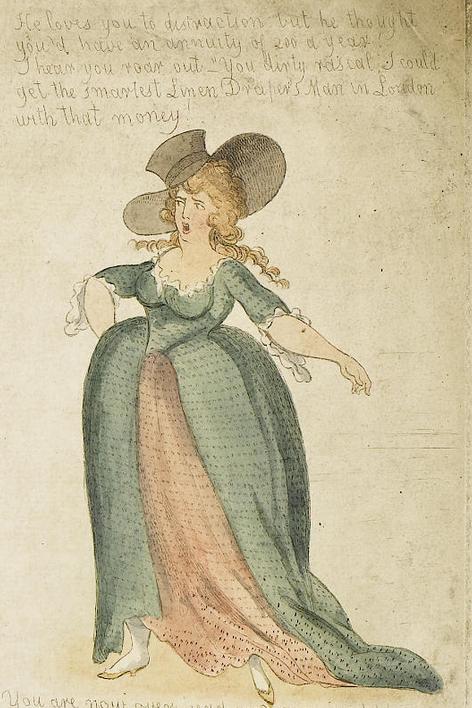
He loves you to distraction but he thought you'd have an annuity of 200 a year! I hear you roar out -- "You dirty rascal! I could get the smartest linen draper's man in London with that money."

Newton’s prostitute was not only a bit dim, but her huge ego stood in the way of her success. Two hundred a year was a huge sum of money for that day and age. A single gentleman in London could live very comfortably on that sum, although it would not allow him to keep a horse in Town. Nevertheless, such an amount would have been considered staggering for a prostitute and her working class husband. Newton’s contemporary audience would have understood this. Note how much more social caché a draper’s man had over a mere hair dresser! (Well, at least for a woman of her station. A lady wouldn’t have bothered to tell the difference, I’m sure.)

Our prostitute’s  pride ruins any chance of happiness she might have found as a respectable married woman. This up and down course of events is not unusual. Many prostitutes in their (generally) short careers went from rags to riches and back to rags and riches again. The cycle, in Newton’s instance, is ever downward.

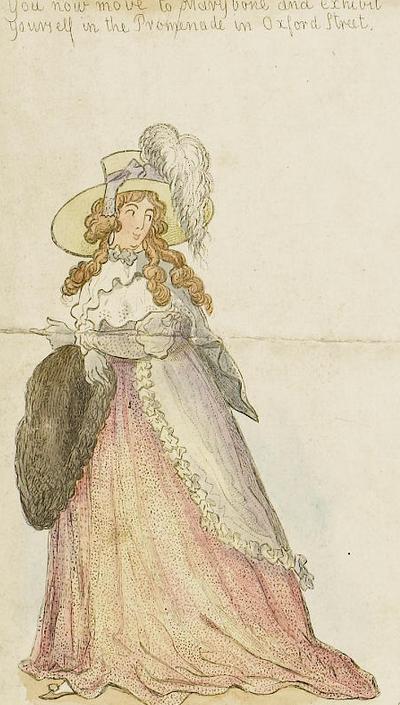
You move to Marybone and exhibit yourself in the Promenade in Oxford Street.

Marylebone was once a Georgian estate in London that was developed into housing tracts. By 1792-99, Richard Horwood’s map showed that the area from Oxford Street to the Marylebone Road was covered with houses. (The Heart of Marylebone.) Prostitutes were scattered throughout London, including the “Marybone” area (as many as 30,000 in Marylebone alone by one count):

They tended to gather in areas with looser police control; when the police became stricter in the City of London in the eighteenth century, the prostitutes gravitated toward the west and east ends of the city; when police control loosened in the early nineteenth century, they returned to the City. Prostitutes also tended to congregate in areas with cheap lodging houses and lots of men. St. Giles and St. James, home to many cheap boardinghouses, were popular with prostitutes in Westminster; the Docks, where many sailors disembarked, was popular on the east side of the city. – Prostitutes in 18th-Century London

It is interesting to note that William Holland, the artist’s publisher, had his shop on 50 Oxford Street.

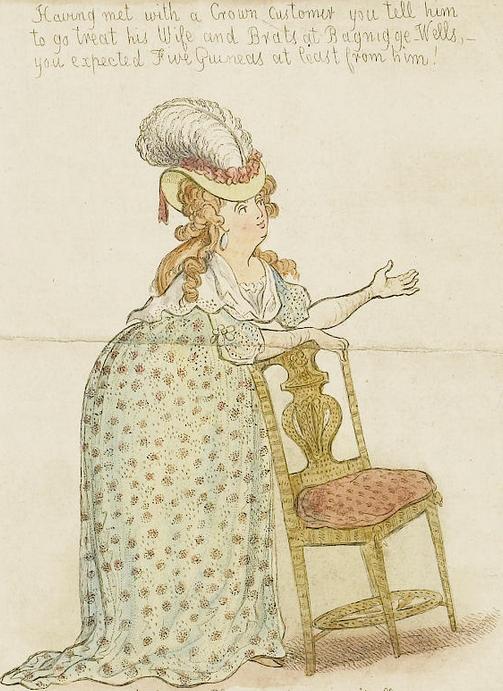
Having met with a Crown Customer, you tell him to go treat his Wife and Brats at Bagnigge Wells, you expected Five Guineas at least from him.

Bagnigge Wells no longer exists. It was a spa for the “middling sort”, located on the River Fleet near St. Pancras. The River Fleet is now one of London’s underground rivers. The guinea’s value was more than a pound. The coin itself was valuable, for it was made of gold and the value of a 5 guinea piece fluctuated during the 18th century. A crown was a silver coin worth five shillings, considerably less than a five guinea piece.

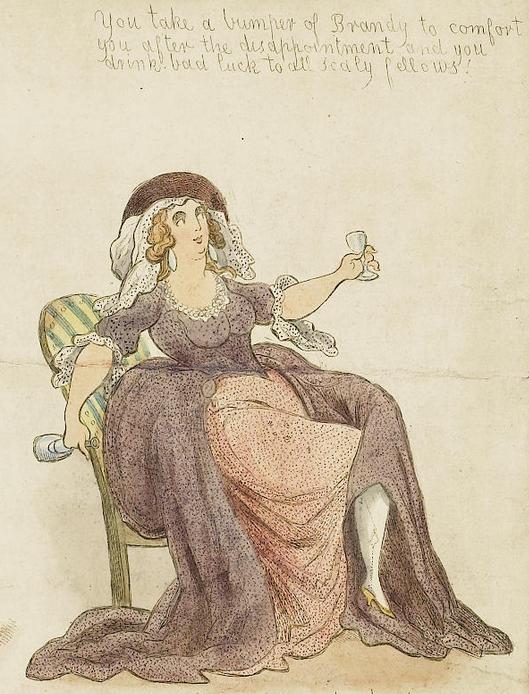
You take a bumper of Brandy to comfort you after the disappointment and you drink bad luck to all scaly fellows.

We already know that our prostitute does not take to drink well. She now turns to brandy. A bumper of brandy is no small amount, as you can see from the bottle in her hand. The Book of Scottish Anecdotes contains this little tale:

While Burns was at Moffat once with Clark the composer, the poet called for a bumper of brandy. “Oh, not a bumper,” said the musician. “I prefer two small glasses.”

“Two glasses?” cried Burns; “Why, you are like the lass in Kyle, who said she would rather be kissed twice bare-headed than once with her bonnet on.” – p81.

Scaly fellows were the lowest of the low. Also note the clocks (embroidery) on the prostitute’s stockings, which were quite fashionable in her day.

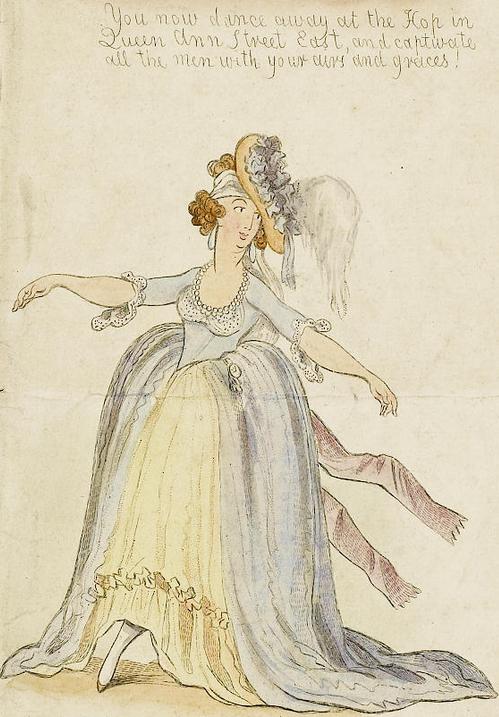
Harris’s List of Covent Garden Ladies contained a description of Miss Devonshire on Queen Anne Street. At this point, our lady of pleasure has gravitated towards a tavern on a street near Marlebone .

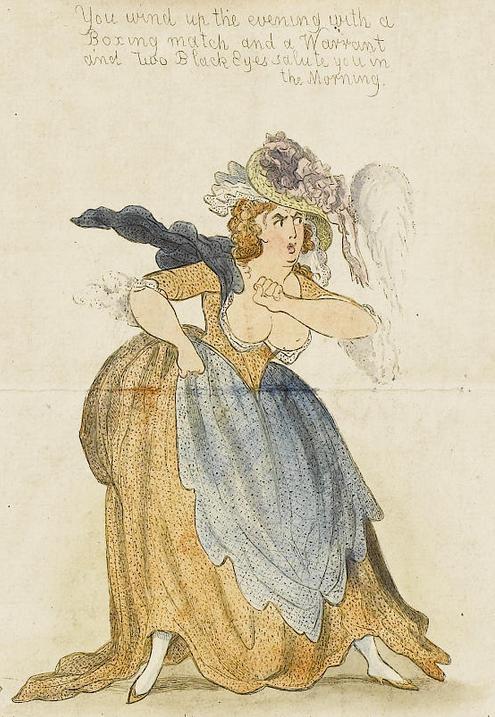
You wind up the evening with a boxing match and a Warrant and two Black Eyes salute you in the Morning.

Due to her inability to hold her temper, our lady’s downhill slide is guaranteed. Richard Newton was known for his drawings of bare-breasted ladies. It could not have been hard to tug a woman’s chemise down over her bosom in those days.

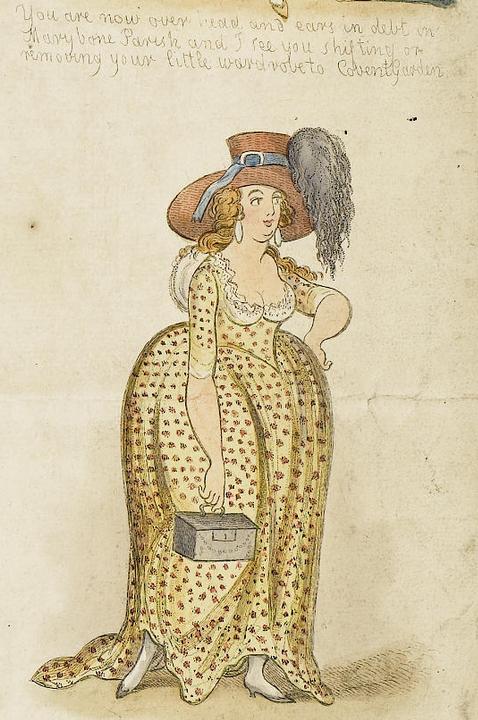
You are now over head and ears in debt in Marybone Parish and I see you shifting and removing your little wardrobe to Covent Garden.

Our lady of pleasure has moved from the West End to Covent Garden.

By the middle of the 18th century Covent Garden was full of seedy lodging houses and an astonishing number of Turkish baths, many of which were brothels.

Sir John Fielding, the magistrate, called Covent Garden ‘the great square of Venus’. He said, ‘One would imagine that all the prostitutes in the kingdom had picked upon the rendezvous’. – Prostitution in Maritime London

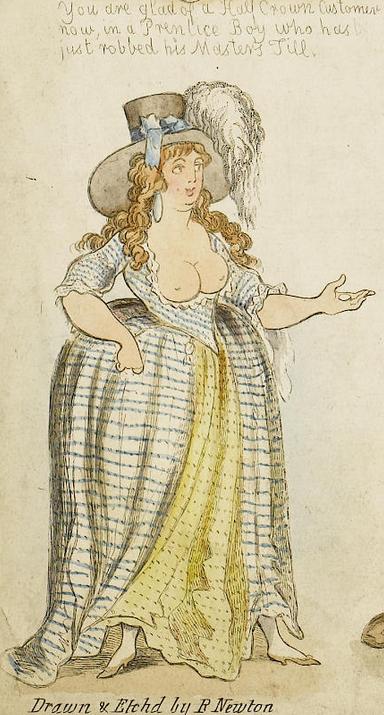
You are glad of a half-crown customer now, in a Prentice Boy who has just robbed his master's till.

And so our prostitute has fallen further. She is attracting customers of a lower sort, such as an apprentice who has taken to thievery to afford her wares. It is obvious that she no longer holds herself out for the highest bidder.

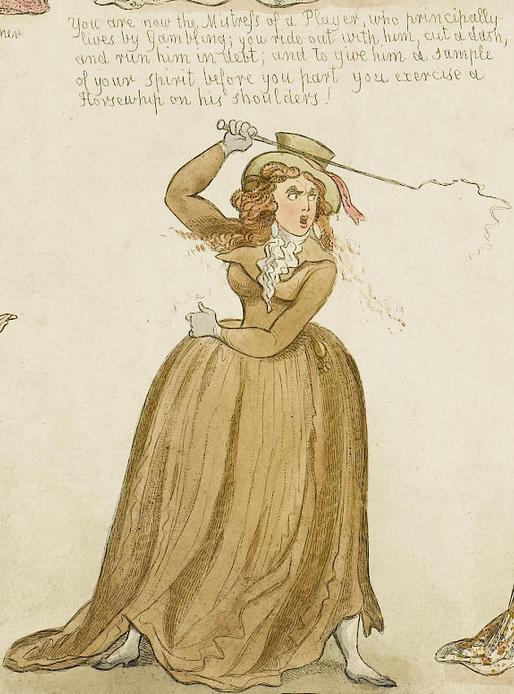
You are now the mistress of a Player, who principally lives by Gambling; you ride out with him, cut a dash, and run him in debt; and to give him a sample of your spirit before you part you exercise a Horsewhip on his shoulders.

Our lady of pleasure is on a slight uptick again, having become the mistress to a gambler. Riding outfits, made by tailors, were quite expensive. To cut a dash was to make a fine figure and to look quite smart. One assumes that the gambler took his mistress horse back riding in London’s Hyde Park, which meant that he kept her in fancy digs until his luck ran out. Once again, our lady of the night shows poor judgment and gives him a physical memory of her temper, flogging him with her riding whip.

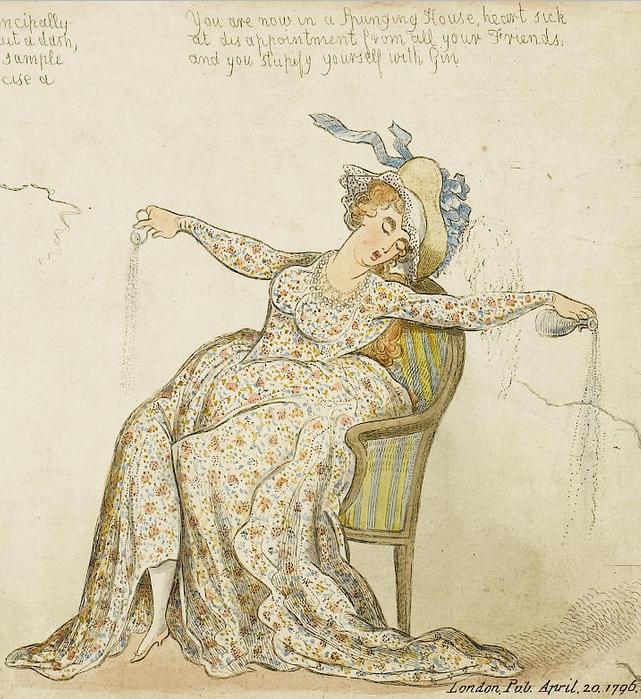
You are now in a Sponging House, heart sick at disappointment from all your Friends, and you stupefy yourself with Gin.

One can only imagine that this prostitute is reaping what she sowed, and that she made quite a few enemies when her luck ran high. Now that she is in debt herself, she has no one to turn to.

The normal process was for the debtor to be arrested by a bailiff or sheriff’s officer, and then taken to what was called a sponging-house, usually the officer’s own house. There, the debtor would be persuaded that they should pay their debts, otherwise, they faced a court appearance, and a debtors’ prison. – The Real Little Dorrit

Gin was also known as blue ruin. Before 1734 it was the drink of choice for poor people.

Along with promiscuous and adulterous behavior, gin became associated with prostitution, an issue that ranked high on the agenda of moral reformers. The association between gin and prostitution came about because gin-shops were public places that brought prostitute and customer together. It is important to note however that gin-shops were simply places where ordinary people gathered in a city where there were few other social spaces. As such, gin-shops were perhaps unfairly associated with prostitution in the sense that prostitution occurs where people happen to frequently gather. – The Gin Craze

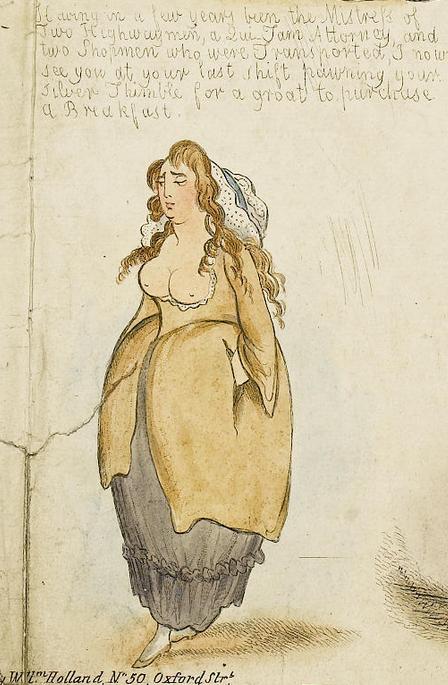
Having in two years been the mistress of a Two Highwaymen, a Qui Tam Attorney, Two Shopmen who were Transported, I now see you at your last shift, pawning your silver thimble for a groat to purchase your breakfast.

Our whore is so down on her luck, she’ll take any man as a customer, even criminals. Her two shopmen have been transported, to Australia no doubt.  She’s most likely working in back alleys and near the ports of London. Her jewelry is gone and her clothes are old-fashioned rags. Selling her thimble, an important item for sewing, for food means that she has no resources left.  I know little about ‘qui tam’ attorneys except to say that their practice had fallen into disrepute in England by the 19th century.

A groat was worth only four pence in the 1700s.

Your sun is now setting very fast, and I see you the servant of a woman who was formerly your Servant, you live on Board Wages, which seldom affords you more than a Bunch of Radishes and a Pint of Porter for your dinner.

Board wages mean that our prostitute worked very hard to earn enough money for her room, but had barely enough left over for food. Porter during this time was a strong dark beer. It was a good thing that she could afford alcohol, for I imagine that the wells in her neighborhood were contaminated with fecal matter. Water was a dangerous substance in the poorer sections of London. This prostitute’s narrative provides a cautionary tale for viewers. Her actions caused her downfall; her inability to hold her temper or her drink led to her ruin.

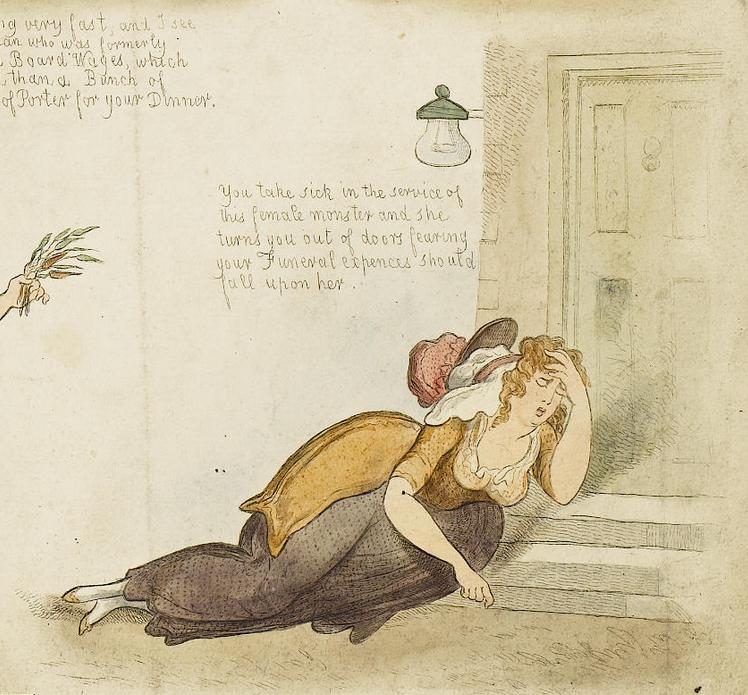
Our “heroine” falls sick and dies outdoors, to be buried in a potter’s field. Nothing could have been said more clearly about this unfortunate woman’s social worthlessness than her degrading end: No one, not even her former servant, now mistress, is willing to put up a single pence for her funeral.

You take sick in the service of this female monster and she turns you out of doors fearing your Funeral expenses should fall upon her.

More on the topic:

Read Full Post »

Oak cask for making vinegar. Image @Taste of Croatia

Vinegar has had a long and noble history of uses for mankind. Since ancient times it has been used as a preservative. Delicate fruits and berries were ripe for such a short season that vinegar, with its acetic acid content, was used to to preserve them. (Blackberry vinegar recipe)

Add sugar and water, to the mixture and one had created a tart and pleasing beverage. Mix it with alcohol, and this sweet concoction became a tasty mixer! Vinegar Cocktails Are Making the Rounds 

As vinegar is so necessary an article in a family, and one on which so great a profit is made, a barrel or two might always be kept preparing, according to what suited.” – A new system of domestic cookery: formed upon principles of economy, and adapted to the use of private families (Google eBook), Maria Eliza Ketelby Rundell, Printed by Norris & Sawyer, 1808.
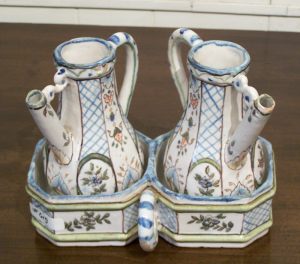
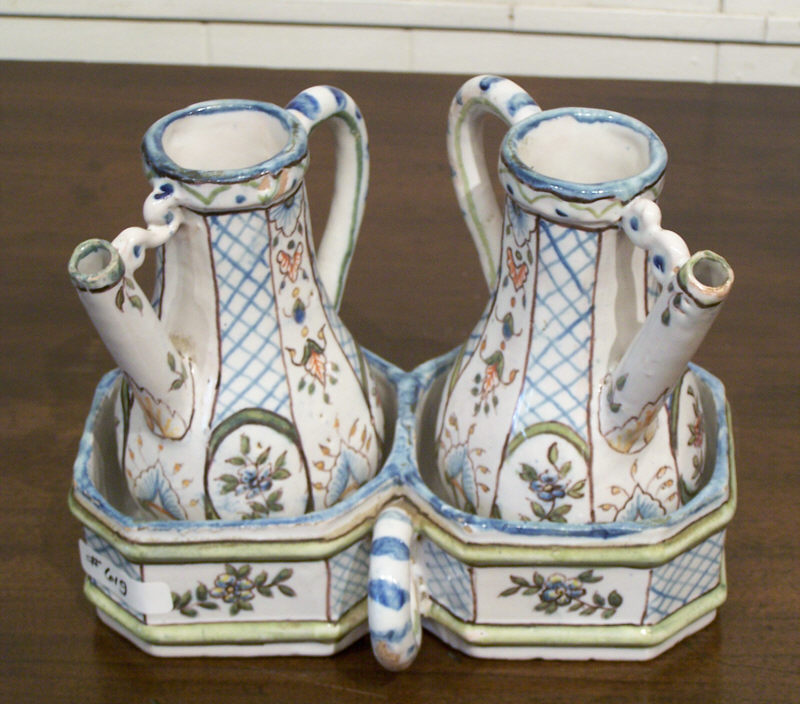
18th century French faience oil and vinegar set

Vinegar is made from many sources: grapes, apples, sugar cane, or malted barley or oats.

In foods it is used for its antibacterial properties, as an acidity stabiliser, diluting colourings, as a flavouring agent and for inhibiting mould growth in bread. In brewing it is used to reduce excess losses of carbohydrate from the germinated barley and to compensate for production variations, so producing a consistent quality beer.

It can be found in beer, bread, cheese, chutney, horseradish cream, pickles, salad cream, brown sauce, fruit sauce, mint sauce and jelly and tinned baby food, sardines and tomatoes.” – La Leva di Archimede

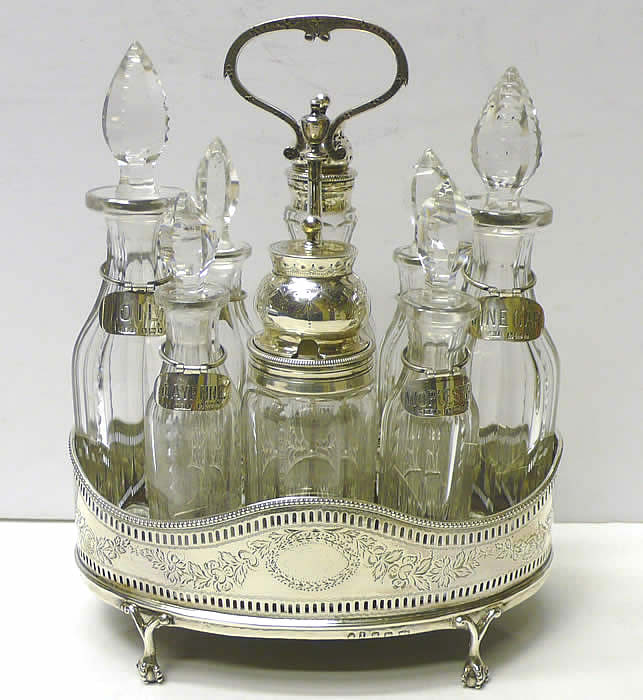
George III condiment set, silver 1782 Sheffield

Herbs, fruits and spices have long been added to vinegar for flavor, and recipes for infused vinegars were handed down for generations. ‘Sugars of lead,’ a sweet tasting substance, was made by pouring vinegar over lead. This liquid would be used to sweeten harsh cider, but as every self-respecting 21st century reader knows, this substance was quite poisonous. One can only conclude that sugars of lead must have been quite deadly to Europeans addicted to drinking cider. – Enzyme facts, vinegar history 

Recipes for vinegar are found as early as the 17th century. In the Delightes for Ladies (1602), Sir Hugh Plats offers this recipe for distilling and purifying vinegar. Notice his caution of the use of lead.

How to distill wine vinegar or good Aligar that it may be both cleare and sharpe

I Know it is an usuall manner among the Novices of our time to put a quart or two of good vinegar into an ordinay leaden stil, and so to distill it as they doe all other waters. But this way I do utterly dislike, both for that heere is no separation made at all, and also because I feare that the Vinegar doth carry an ill touch with it, either fro the leaden botto or the pewter head or both. And therefore I could wish rather that the same were distilledin a large bodie of glasse with a head or receiver, the same beeing placed in sand or ashes. Note that the best part of the vinegar is the middle part that ariseth, for the first is fainte and phlegmatick, and the last will taste of adustion, because it groweth heavie toward the latter end, and must be urged up with a great fire, and therefore you must now and then taste of that which commeth both in the beginning & towardes the latter end, that you may receive the best by it selfe.
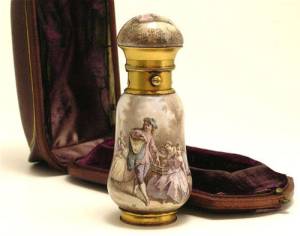
18th C. French vinaigrette bottle

Aromatic vinegar in the minds of 17th-19th century users had many medicinal purposes for preventing infections and megrims (headaches), reviving a fainting person, and covering bad odors. It was used to treat dropsy, croup, stomach aches, as well as sore throats. Vinegar teas were consumed by diabetics, and the liquid was used to heal wounds and fight infections. (Bragg, Health Information.) Vinegar was also a well-known cleaning agent and furniture polish, although it was not recommended for polishing marble, since the acid would eat into the smooth surface, leaving it pockmarked over time.

Vinegar was considered an indispensable item in the 18th century for arousing a fainting person or masking foul odors. When the sponge was soaked only in vinegar, its original use, it could help prevent the wearer from fainting. A person stepping outside a crowded London street might carry aromatic soaked sponges to hold close to the nose to mask the odor of raw sewage and rotting garbage.
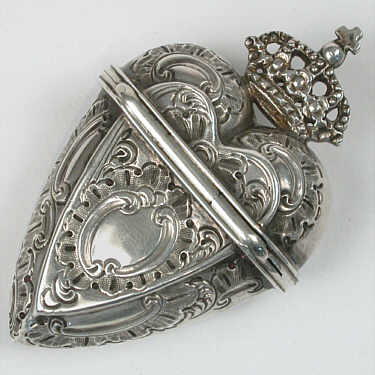
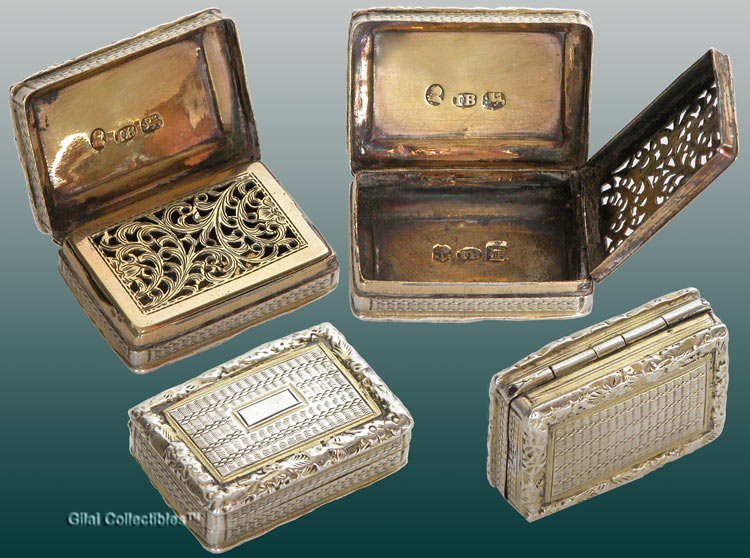
19th c. Victorian silver vinaigrette

In the early 19th century, there wasn’t garbage men that carted away the trash. People threw the stuff out the window. Slop pails went out the window in the 18th century. And when you left your house, you would encounter odors that made you just choke. So they invented a device called the vinaigrette. And it was a box or a little trinket carried to revive oneself if one felt faint.

So now they can’t breathe, they go outside, they smell the rotten garbage and the sewage, and they think they’re going to faint. They opened up their vinaigrette, which they held in their hand, and inside is a gold-pierced grill with beautiful decoration. But underneath the grill is a sponge. They would soak that sponge in an aromatic solution, sort of a mixture of perfume and ammonia, like smelling salts.” – Barry Weber, Antiques Road Show 
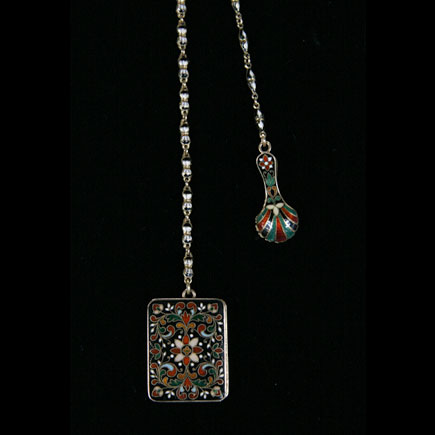
Vinaigrette and train holder. Image @Antiques Road Show

That was the concept of the vinaigrette. But the other end of this, you seldom see these all together. This is called a train holder. And this is shaped like a shell. When you squeeze it, it opens. The train was the long part of the ball gown. And they didn’t want it to drag in the dirt and be soiled. So they would hook the train holder onto the edge of the train, and then they would hold the vinaigrette in their hand, and this kept the train from dragging behind them.” Barry Weber, Antiques Road Show 

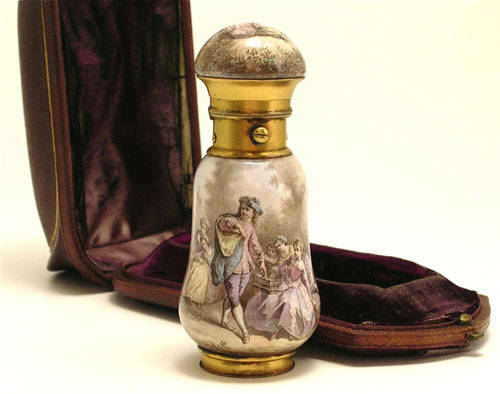
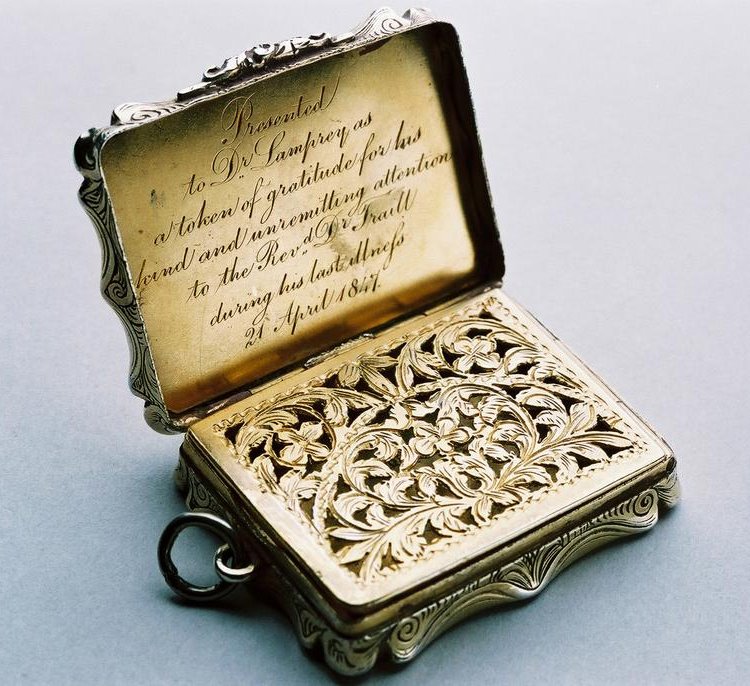
Vinaigrettes were small decorative containers that held the vinegar-soaked sponges. The inside of the vinaigrette would be gilded to protect the silver from staining.

Used by both men and women, vinaigrettes were suspended from chatelaines, placed in pockets, hung from long chains, bracelets or finger rings. Often designed in the shape of a rectangular box, the more spectacular vinaigrettes took on the look of a vase of flowers, a purse, an urn, almost any contemporary theme. Made from multicolored gold or silver and sometimes silver-gilt, many were decorated with Italian mosaics, mother-of-pearl or other gem materials. – Antique Jewelry University
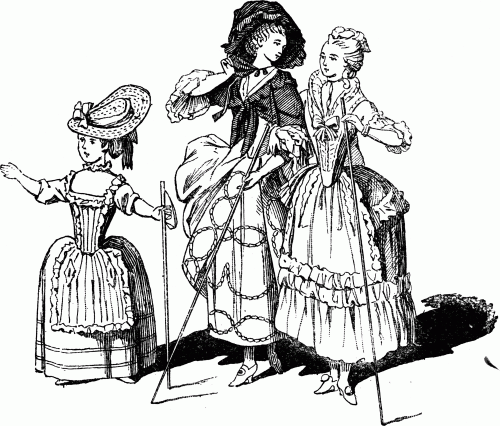
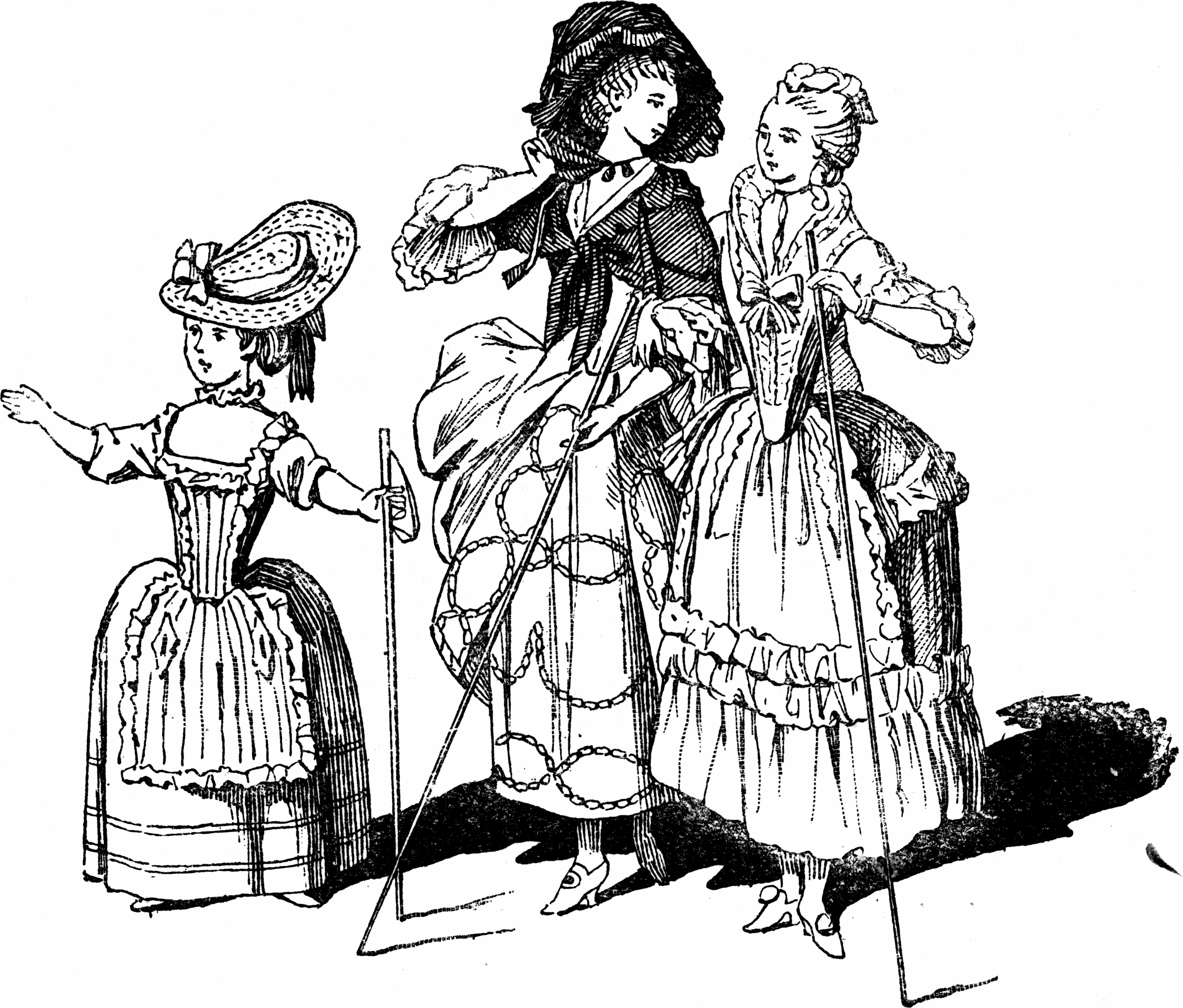
18th century French ladies carrying canes

The soaked sponges were also carried in a compartment in the head of walking canes.

…many ladies of the 18th and 19th centuries carried a “vinaigrette” cane to protect them from a variety of ailments. Throughout history, vinegar has been heralded for its medicinal qualities. A sponge soaked in the healing liquid was placed in a small container with holes in it on the handle of the cane. Should a lady’s tight corset cause her to faint or should she encounter someone with a dreaded illness, her vinaigrette tucked into her cane was close at hand to protect her.” – Collecting Antique Walking Sticks or Canes 

Vinaigrette, Nathaniel Mills. Image @Leopard Antiques

Often spices such as cinnamon, lavender, roses, or orange were added to sweeten the smell.

The vinaigrette was a most necessary adjunct to the toilette in the late eighteenth and early nineteenth centuries, when it was considered the correct thing for a lady to show symptoms of fainting on occasion. The little boxes with a grating inside—through which the essence contained in a saturated sponge could be inhaled— are of all sorts and conditions. Some are quite plain, others have delicately chased or monogrammed tops, or views engraved on the lids; others, again, are of fantastic shapes. The vinaigrette was the descendant of the old pomander, and the forerunner of the midVictorian smelling bottle; but whereas the vinaigrette is accessible to the most modest purse for a very small sum, the real old genuine pomander is very scarce indeed, and it means a lot of money to come by one at all. The pomander was round, and often of china, and contained a wonderfully strong-smelling ball, compounded of spices and pungent scents which could hardly fail to bring round the most upset of ladies. – Byways of Collecting, 1908, Ethel Deane, Pp 170-172.

The small containers known as vinaigrettes were actually an English invention. The French called them “boite de perfum”. They came in many shapes and sizes, and eventually became decorative items that lovers exchanged as tokens of affection. (Limoges Boxes: A Complete Guide)
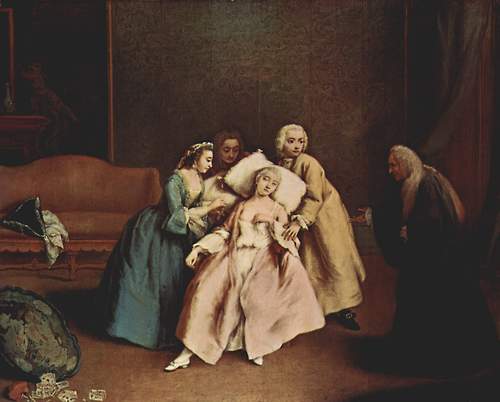
The vapours from a vinaigrette caused the person to inhale sharply and then breathe more rapidly. Restoratives carried different names and were made from various recipes, not just with vinegar: In addition to vinaigrettes, there are smelling-salts, hartshorn, and Hungary water or lavender water. Ladies prone to fainting would also keep a bottle of laudanum nearby. Laudanum, a painkiller, was an alcoholic herbal preparation that containing approximately 10% powdered opium. Smelling-salts were an infusion made with ammonium carbonate and alcohol and scented with lemon or lavender oil. Hartshorn (aqueous ammonia)was made from carbonate of ammonia distilled from the shaved or powdered horns of a male deer. Hartshorn and smelling salts or sal volatile could be mixed with water and drunk as a restorative. Hungary water was a perfumed restorative made with distilled water and sweet-smelling herbs and flowers. This was dabbed on the skin of a person suffering from “nerves.”- Jennifer Kloester, Georgette Heyer’s Regency World, 157-58

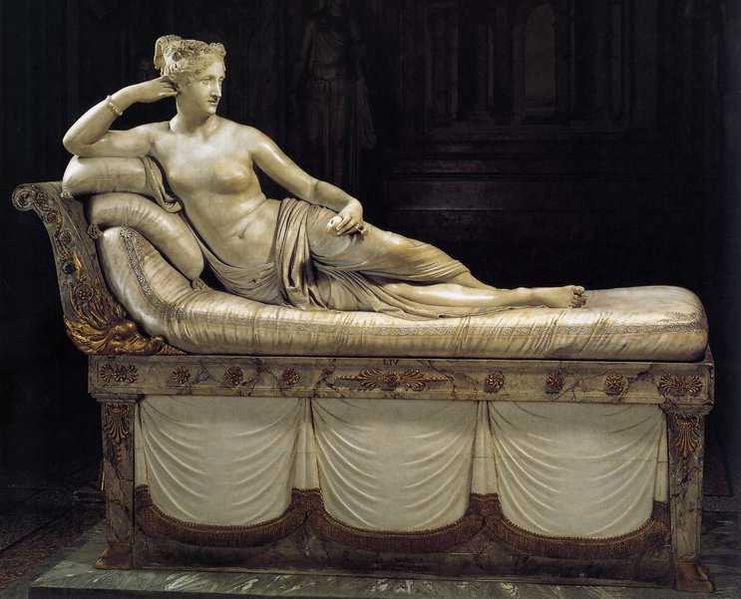
Pauline Bonaparte transformed into a goddes of antiquity on her day couch. Neoclassical statue by Canova, 1805-1808, @ Borghese Gallery

And so we finally come to the fainting couch or a chaise longue, or a reclining chair with a long seat that supported the legs of the fainting person. These couches were placed in drawing rooms and dressing rooms, and were used for relaxation as well.
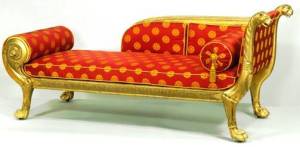
Early 19th century Recamier day bed. Image @Victoria & Albert Museum

This post will not go into the myriad reasons why women of this era fainted with such regularity. Tightly laced corsets certainly had something to do with the condition, but with so few rights and options open to them in their life’s choices, one cannot blame women of that time for reacting to the child-like treatment their husbands and fathers accorded them with fits, vapours, nerves, and fainting spells.
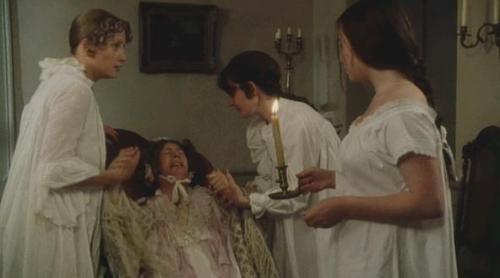
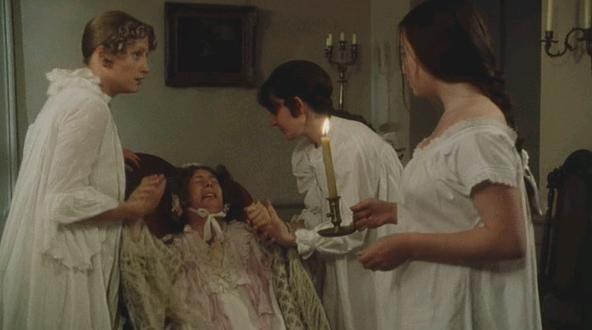
The Bennet family is well acquainted with Mrs. Bennet's nerves. Pride and Prejudice 1995

A character like Mrs. Bennet, who had her origins in Jane Austen’s real life observations, did not have many opportunities for maturing or turning into a well-educated and sensible woman. Mr. Bennet had given up on her and her childish behavior was enabled by her caring daughters and siblings.
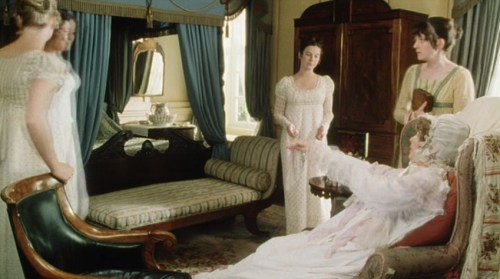
Scene from 1995 Pride and Prejudice. Mrs. Bennet is overcome from the thought of Lydia's elopement. Note that she is not using the day bed but has a chair propped under her feet.

Vinegar had many other uses:

A recipe for black dye

Let one pound of chopped logwood remain all night in one gallon of vinegar. Then boil them, and put in a piece of copperas, as large as a hen’s egg. Wet the articles in warm water, and put them in the dye, boiling and stirring them for fifteen minutes. Dry them, then wet them in warm water, and dip them again. Repeat the process, till the articles are black enough. Wash them in suds, and rinse them till the water comes off clear. Iron nails, boiled in vinegar, make a black dye, which is good for restoring rusty black silks. – A Treatise on domestic economy for the use of young ladies at home and at school, by Catharine Esther Beecher, 1849, p. 299-303

For whitening scorched articles of  clothing

Scorched articles can often be whitened again by laying them in the sun wet with suds. Where this does not answer, put a pound of white soap in a gallon of milk and boil the article in it. Another method is to chop and extract the juice from two onions and boil this with half a pint of vinegar, an ounce of white soap, and two ounces of fuller’s earth. Spread this when cool on the scorched part, and when dry, wash it off in fair water. Mildew may be removed by dipping the article in sour buttermilk, laying it in the sun, and after it is white, rinsing it in fair water. Soap and chalk are also good, also soap and starch, adding half as much salt as there is starch, together with the juice of a lemon. Stains in linen can often be removed by rubbing on soft soap, then putting on a starch paste, and drying in the sun, renewing it several times. Wash off all the soap and starch in cold fair water. – A Treatise on domestic economy for the use of young ladies at home and at school, by Catharine Esther Beecher, 1849  p 296.

Reviving a person overcome with fumes:

In case of stupefaction from the fumes of charcoal or from entering a well, limekiln, or coal mine, expose the person to cold air; lying on his back, dash cold water on the head and breast, and rub the body with spirits of camphor vinegar or Cologne water. Apply mustard paste to the pit of the stomach, and use friction on the hands feet and whole length of the back bone. Give some acid drink, and when the person revives, place him in a warm bed in fresh air. Be prompt and persevering. – A Treatise on domestic economy for the use of young ladies at home and at school, by Catharine Esther Beecher, 1849 p. 243.

This late 19th century poem by Edith Willis Linn talks nostalgically about vinaigrettes as a thing of the past. At this time, lovers gave each other these small decorative items as tokens of affection:

AN OLD VINAIGRETTE – Poem by  Edith Willis Linn, C. W. Moulton, 1892.

LITTLE gleaming box of silver

Wrought in flowery design;

Drifted down the silent ages

To this humble hand of mine;

From the days of kingly France,

From the days of minuet dance,

From the days of stately graces,

Powdered hair and painted faces;

Bring a shining thread of story

To this all-prosaic hour;

From those castles proud and olden,

Those salons of wit and power.

You have known the love and woe

Of fair dames of long ago;

Round you like a love-tale wreathing

Is the perfume of their breathing.

Silent! Not a word to give me!

See, I raise your flowery lid;

Whisper in your heart my secret

Knowing you will keep it hid.

An Old Vinaigrette.

One more life now leaves its trace;

One more love has lent its grace;

Keep it sacred down the ages

On your shining silver pages.

Now my imprint I have given

Though you never bear my name:

Graven with your silver roses

Are all lives of praise or blame.

All things that we touch or wear

Must the spirit’s impress bear.

Every hand that ever won you

Left a fadeless mark upon you.

Love and hate and jealous passion,—

All I feel have been your own;

Shall my life not breathe about you

Purer love than you have known?

Nobler grows this life with years,

Grander grow earth’s hopes and fears;

May the traces of my living

Make this heirloom worthier giving.

Whence and Whither.

Read Full Post »

« Newer Posts - Older Posts »