Feeds:
Posts
Comments

Archive for the ‘19th Century England’ Category

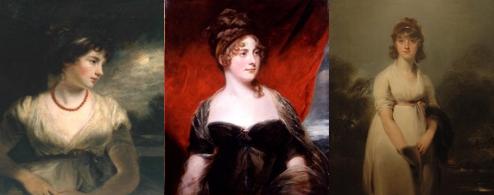
Several years ago I wrote a post on Regency Hairstyles and their Accessories. This series of images starts much earlier than the Regency. Jane Austen, who was born in 1775, would have been familiar with the hairstyles depicted here up to 1817, the year of her death. Her mother and aunts would have worn longer curls and powdered hair in her childhood. As teenagers and young women just coming on the marriage mart, she and Cassandra would have worn their hair much like the women in the 1790s.

Jane Austen's World image

1780s, 1781, 1790

As can be seen from the paintings, hairdos were elaborate in the 1780s and 1790s. Wigs made from real human hair were often used to build up elaborate hair structures. These confections took so many hours to create that a woman would wear them for days on end, protecting the hairdo at night.

Wigs and hair were covered with hair powder made of starch (potato or rice flour, not wheat flour). Oily pomades applied to the hair allowed the powder to stick and fragrant oils masked odors.

Jane Austen's World image

1790, 1792, 1795

Jane Austen's World image

1795, 1796, 1797

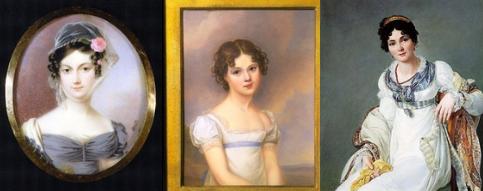
Hairdos became increasingly less elaborate and by the end of the 18th century women began to look to antiquity for role models.  (Regency Hairstyles and their Accessories.) A woman’s natural hair color was allowed to shine. More often than not, women tied back their hair in chignons that exposed the neck. In some instances, hairdos were cut boyishly short. Lady Caroline Lamb cut her hair short, as did the two girls shown in 1810.

Jane Austen's World image

1797, 1800, 18001801, 1801, 1802 1801, 1801, 1802

I cannot anyhow continue to find people agreeable; I respect Mrs. Chamberlayne for doing her hair well, but cannot feel a more tender sentiment – Jane Austen, 1801

1802, 1802-1804, 1804

1802, 1802-1804, 1804

1804, 1804, 1804

1804, 1804, 1804

1804, 1805, 1804-1806

1804, 1805, 1804-1806

1806, 1906, 1807

1806, 1906, 1807

1807, 1807, 1808

1807, 1807, 1808

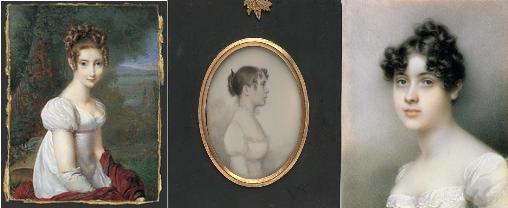
Even when wearing hats, curls were coaxed out to frame the face. The woman below right with straight hair pulled back into a severe chignon wears curls in front of her ears. Curling tongs were very much in use during this era, as were paper and cloth curlers worn at night.

1809, 1809, 1809

1809, 1809, 1809

1810, 1810, 1810

1810, 1810, 1810

1810, 1810, 1810

1810, 1810, 1810

1810, 1810, 1810

1810, 1810, 1810

1810, 1811, 1812

1810, 1811, 1812

She looks very well, and her hair is done up with an elegance to do credit to any education.” – Jane Austen, 1813

1813, 1813, 1815

1813, 1813, 1816

1816, 1816, 1816

1816, 1816, 1816

Jane Austen wore caps over her light brown hair, but allowed curls to peep out from under them. I imagine that her nieces at a ball looked much like the young miss at top left in 1813. Hairdos became slowly more elaborate as dresses as dresses were embellished with frills, lace, and other furbelows. Jane would not have recognized the more elaborately decorated dresses and stylized hairstyles of the mid-1820s and 1830s, in which natural flowing lines were taken over by elaborately ruffled collars and skirt hems. Had she lived, she might even have made a joke at the expense of ladies who wore  the popular but elaborately built-up hairstyles at the crown, with ringlets cascading down the sides, and flowers and feathers arranged artfully into the curls. (Modes des Paris image.)

1818, 1819, 1820

1818, 1819, 1820

1824, 1825, 1825

1824, 1825, 1825

1828, 1828-1833, 1830

1828, 1828-1833, 1830

1831, 1834, 1835

1831, 1834, 1835

Modes des Paris image, 1832

Modes des Paris image, 1832

More on the topic

To see a Regency timeline of headresses and hairstyles for Regency evenings and their descriptions, click here.

Read Full Post »

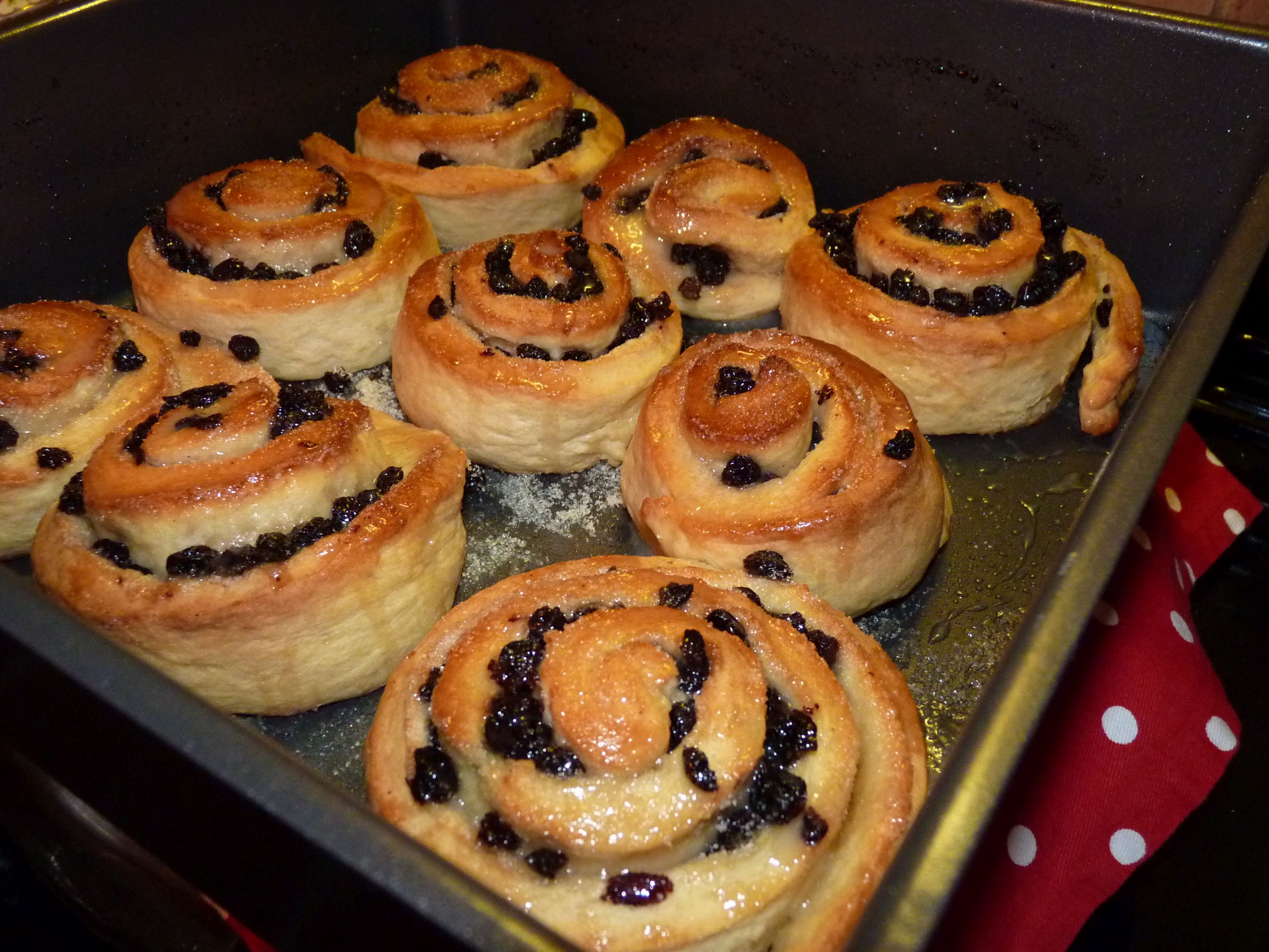
Chelsea Buns. Image courtesy @

Chelsea Buns. Image courtesy @Kathleen Corfield, The Ordinary Cook (Click on blog for the British recipe.)

Our crocuses and daffodils are blooming in Richmond, making me realize that Easter and spring and hot cross buns are just around the corner. Back in Jane Austen’s day, the Chelsea bun was the treat of choice.  These sticky sweet buns, filled with raisins and currants and topped with a sugary glaze, were sold by the tens of thousands at the famous Chelsea Bun-House on Pimlico Road near Sloane Square in London (technically Pimlico, not Chelsea), which was frequented by Royalty and the public alike.

During the last century, and early in the present, a pleasant walk across green fields, intersected with hedges and ditches, led the pedestrian from Westminster and Millbank to “The Old Bun House” at Chelsea. This far-famed establishment…stood at the end of Jew’s Row (now Pimlico Road), not far from Grosvenor Row. The building was a one-storeyed structure, with a colonnade projecting over the foot pavement, and was demolished in 1839, after having enjoyed the favour of the public for more than a century and a half. ” – Old and New London: Volume 5, Edward Walford, 1878, British History Online, Chelsea

“I soon turned the corner of a street which took me out of sight of the space on which once stood the gay Ranelagh. … Before me appeared the shop so famed for Chelsea buns, which for above thirty years I have never passed without filling my pockets. In the original of these shops—for even of Chelsea buns there are counterfeits—are preserved mementoes of domestic events in the first half of the past century. The bottle-conjuror is exhibited in a toy of his own age; portraits are also displayed of Duke William and other noted personages; a model of a British soldier, in the stiff costume of the same age; and some grotto-works, serve to indicate the taste of a former owner, and were, perhaps, intended to rival the neighbouring exhibition at Don Saltero’s. These buns have afforded a competency, and even wealth, to four generations of the same family; and it is singular that their delicate flavour, lightness, and richness, have never been successfully imitated.” – Sir Richard Phillips,  “Morning’s Walk from London to Kew,” 1817.

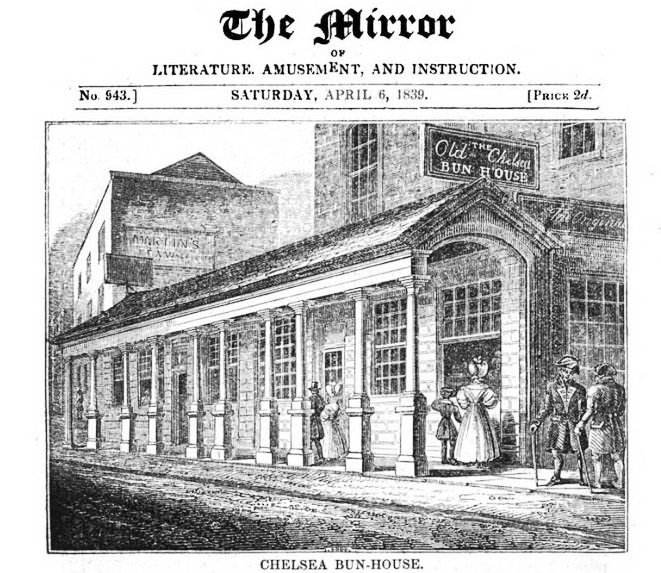
Chelsea Bun-House image from The Mirror, Google eBook

Chelsea Bun-House image from The Mirror, Google eBook

The building was fifty-two feet long, by twenty-one feet wide. The colonnade e xtended over the foot pavement into the street, and afforded a tempting shelter and resting-place to the passenger to stop and refresh himself. Latterly the floor of the colonnade was level with the road, which has probably been considerably raised; as in the old print it is represented as a platform with steps at the three doors for company to alight from their carriages. – The Gentleman’s Magazine and Historical Chronicle, Volume 11, 1839

Not all of the bun house’s customers enjoyed the sweet sticky buns, as Dean Swift attests in 1711: “Pray, are not the fine buns sold here in our town? was it not R-r-r-r-r-r-r-r-r-rrare Chelsea buns ? I bought one today in my walk ; it cost me a penny ; it was stale, and I did not like it, as the man said, [R-r-r-r-rnre] Sec.” – (Journal to Stella. May 2, 1711.)

It is not to be wondered at, that the witty Dean did not relish his stale bun ; for, to be good, it should be made with a good deal of butter, be very light, and eat hot. Chelsea Buns formed a frequent cry in the streets of London during the last century, and were as popular as the Bath Buns of the present time. The cry (or rather song) was ” Chelsea Buna, hot Cheheii Buns, rare Chelsea Buns! ” Good Friday was the day in all the year when they were most in request; and the crowds that frequented the Bunhouse on that day, is almost past belief. – Gentleman’s Magazine

The following account was written in The Mirror, April 6, 1839, the year that the original Bun-House was demolished for improvements.

CHELSEA BUN-HOUSE. This Bun-House, whose fame has extended throughout the land, was first established about the beginning of the last century; for, as early as 1712, it is thus mentioned by the celebrated Dean Swift:—”Pray are not the fine buns sold here in our town, as the rare Chelsea buns ? I bought one to-day in my walk,” &c.

The building consists of one story, fifty feet long, and fourteen feet wide. It projects into the high-way in an unsightly manner, in form of a colonade, affording a very agreeable shelter to the passenger in unfavourable weather.

The whole premises are condemned to be pulled down immediately, to make way for the proposed improvements of Chelsea and its neighbourhood, the bill for which is in committee of the House of Commons, under the superintendance of that most active member, Sir Matthew Wood.

It was the fashion formerly for the royal family, and the nobility and gentry, to visit Chelsea Bun-House in the morning. His Majesty King George the Second, Queen Caroline, and the Princesses, frequently honoured the elder Mrs. Hand with their company.

Their late Majesties King George III, and Queen Charlotte, were also much in the habit of frequenting the Bun-House when their children were young, and used to alight and sit to look around and admire the place and passing scene. The Queen presented Mrs. Hand with a silver half-gallon mug, richly enchaced, with five guineas in it, as a mark of her approbation for the attentions bestowed upon her during these visits: this testimonial was kept a long time in the family.

On the morning of Good Friday, the Bunhouse used to present a scene of great bustle; it was opened as early as four o’clock j and the concourse of people was so great, that it was difficult to approach the house; it has been estimated that more than fifty thousand persons have assembled in the neighbourhood before eight in the morning; at length it was found necessary to shut it up partially, in order to prevent the disturbances and excesses of the immense unruly and riotous London mob which congregated on those occasions. Hand-bills were printed, and constables stationed to prevent a recurrence of these scenes.

Whilst Ranelagh was in fashion, the BunHouse was much frequented by the visitors of that celebrated temple of pleasure ; but after the failure of Ranelagh, the business fell off in a great degree, and dwindled into insignificance.

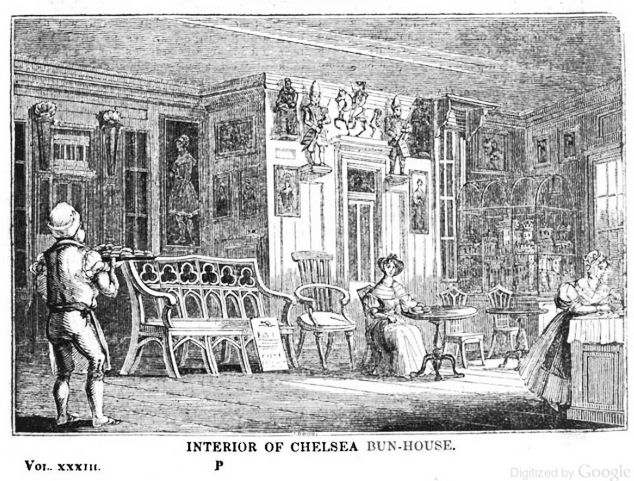
Interior of Chelsea Bun-House. Image from 1839 edition of The Mirror, Google eBook

Interior of Chelsea Bun-House. Image from 1839 edition of The Mirror, Google eBook. The inside of the Bun-House was fitted up as a museum. It might have contained some very curious articles, but the most valuable had long since disappeared.The materials of the building, with the relics of the museum, were sold by auction April 18, 1839, and the whole was immediately cleared away. – Gentleman’s Magazine

Click here to see a color drawing of the Bun-House interior at the British Museum

See another image of the Bun-House at Swann Galleries

INTERIOR Of CHELSEA BUN-HOUSE. The interior was formerly fitted up in a very singular and grotesque style, being furnished with foreign clocks, and many natural and artificial curiosities from abroad ; but most of these articles have disappeared since the decease of Mrs. Hand.

At the upper end of the shop is placed, in a large glass-case, a model of Radcliffe Church, at Bristol, cut out very curiously and elaborately in paste-board ; but the upper towers, pinnacles, &c. resemble more an eastern mosque than a Christian church.

Over the parlour door is placed an equestrian coloured statue, in lead, of William, the great Duke of Cumberland, in the military costume of the year 1745, taken just after the celebrated battle of Culloden: it is eighteen inches in height.

On each side stand two grenadier guards, presenting arms, and in the military dress of the above period, with their high sugarloaf caps, long-flap coats, and broad gerilles, and old-fashioned muskets, presenting a grotesque appearance, when compared with the neat short-cut military trim of the present day. These figures are also cast in lead, and coloured; are near four feet high, and weigh each about two hundred weight.

Underneath, on the wall, is suspended a whole-length portrait, much admired by connoisseurs, of Aurengzebe, Emperor of Persia. This is probably the work of an Italian artist, but his name is unknown.

After the death of Mrs. Hand, the business was carried on by her son, who was an eccentric character, and used to dress in a very peculiar manner,; he dealt largely in butter which he carried about the streets in a basket on his head; hot or cold, wet or dry, throughout the year, the punctual butterman made his appearance at the door, and gained the esteem of every one by his cheerful aspect and entertaining conversation ; for he was rich in village anecdote, and could relate all the vicissitudes of the neighbourhood for more than half a century.

After his decease, his elder brother came into the possession of the business; he had been bred it soldier, and was at that time one of the poor knights of Windsor, and was remarkable for his eccentric manners and costume. He left no family, nor relations, in consequence of which his property reverted to the crown…A writer in the Gentleman’s Magazine, vol. LIU. for July 1783, p. 578, speaking of Cross Buns in Passion week, observes, that ” these being, formerly at least, unleavened, may have a retrospect to the unleavened bread of the Jews, in the same manner as Lamb at Easter to the Pascal Lamb. “

Chelsea Bun-House, image @ Gentleman's Magazine and Historical Chronicle, Volume 11

Chelsea Bun-House, image @ Gentleman’s Magazine and Historical Chronicle, Volume 11. One can see the raised steps leading to three doors where ladies and gentlemen could alight comfortably from their carriages.


Apparently when Chelsea Buns were invented there were two rivals who vied for the honor of selling the best buns: the Old Chelsea Bun House or the “Real Old Original Chelsea Bun-house.” On Good Friday, long lines of people waited to purchase the buns. In 1792, the Good Friday line was so long that the Bun-House skipped selling them the following year. A notice stated:

“Royal Bun House, Chelsea, Good Friday.—No Cross Buns. Mrs. Hand respectfully informs her friends and the public, that in consequence of the great concourse of people which assembled before her house at a very early hour, on the morning of Good Friday last, by which her neighbours (with whom she has always lived in friendship and repute) have been much alarmed and annoyed; it having also been intimated, that to encourage or countenance a tumultuous assembly at this particular period might be attended with consequences more serious than have hitherto been apprehended; desirous, therefore, of testifying her regard and obedience to those laws by which she is happily protected, she is determined, though much to her loss, not to sell Cross Buns on that day to any person whatever, but Chelsea buns as usual.”

Forty six years later, the Bun-House closed its doors for good. One has to wonder today if during her many trips to London Jane Austen traveled to the Bun-House on Pimlico Road to purchase a half-dozen of these fresh-baked delicacies.

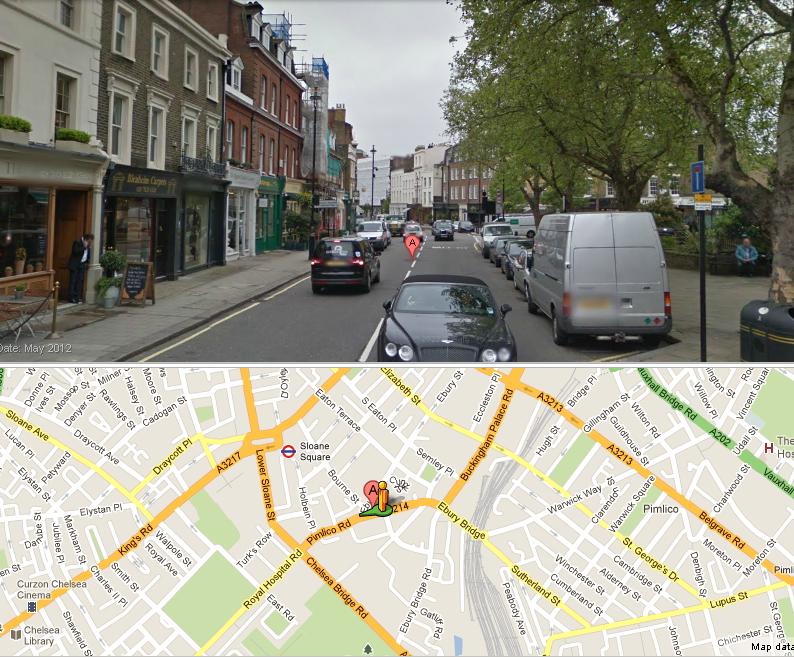
Pimlico Road in 2012

Google map image of Pimlico Road in 2012 London, near what was once Grosvenor Row.

Read more on the topic:

Read Full Post »

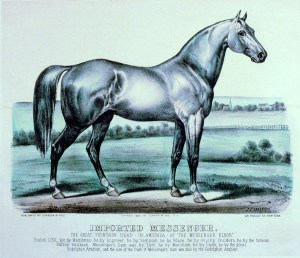
Dear readers, This is the latest article from frequent contributor, Patty Saffran, the Contributing Editor for Horse Directory Magazine, about the last surviving harness racing track on LI. One aspect is about the English Thoroughbred stallion Messenger, bred by Richard Grosvenor, First Earl of Grosvenor in the 18th C. The magnificent horse came to the US in 1788 and was the foundation stud of just about every important US Thoroughbred and Standardbred you’ve ever heard of including Seabiscuit, Man o’ War, Secretariat, Seattle Slew, etc. Messenger is buried on LI with a memorial plaque.
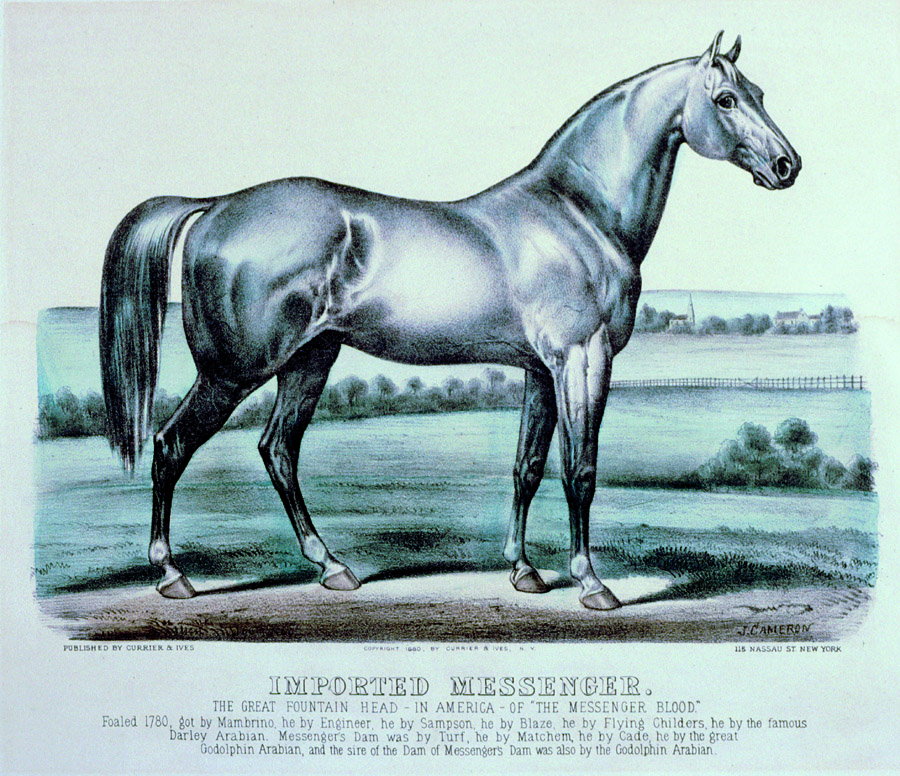
messenger-by-currier-and-ives-courtesy-of-the-harness-racing-museum-and-hall-of-fame-goshen-ny-public-domain.jpg

Messenger by Currier and Ives, courtesy of the Harness Racing Museum and Hall of Fame, Goshen, NY,-public domain image.

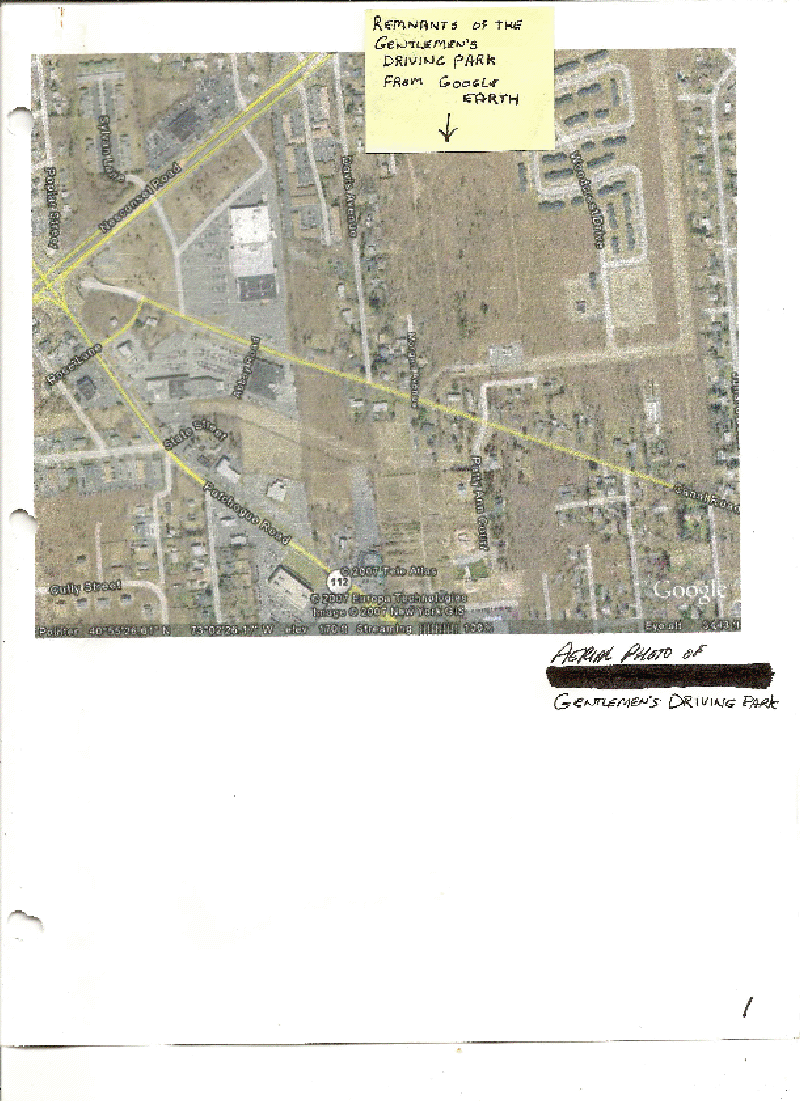
Port Jefferson Station, LI residents were once so wild about harness racing that they originally named their village Echo after their local hero, the famous bay gelding harness horse named Echo. Echo won many races at nearby harness tracks located in villages like Setauket, Huntington, and Smithtown and on his local track, the Gentlemen’s Driving Park, which was founded around 1880. There were twenty five harness tracks on LI in the 1880’s. While Echo and his contemporary harness horses may have been pushed aside for the auto and cement roads, the track where he raced, the Gentlemen’s Driving Park has miraculously survived. The Park is the only harness racing track left on Long Island and Jack Smith, President of the Cumsewogue Historical Society of Port Jefferson Station, and many other civic- minded residents are determined to preserve it.
harpers-weekly-trot-1881-wood-engraving-public-domain.jpg

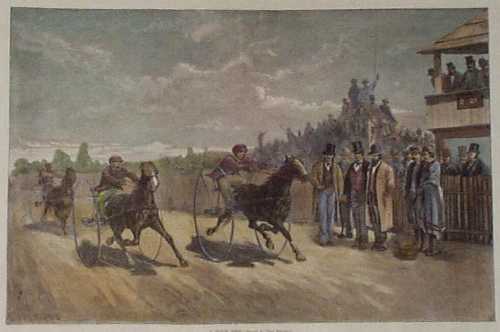
Harpers Weekly trot, 1881, wood engraving, public-domain image.

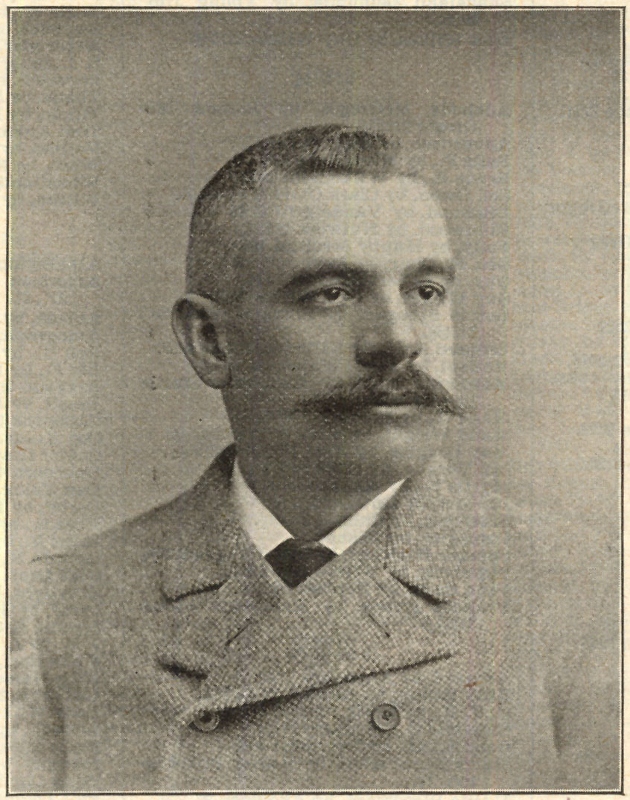
Mr. Smith recently gave us a tour of the race track, now in a wooded area and hidden from the main road. While the half mile oval is overgrown in the center and on the perimeter, the track is still visible. As we walked around the track, he explained, “The Driving Park was once part of the Grand Circuit of Harness Racing Tracks of the North East and a member of the National Trotting Association. It was the site of many exciting races in its day. Adjacent to the track was the site of legendary owner and trainer Robert L. Davis’s Cumsewogue Training Stables – he also oversaw the race track. Today that land is occupied by the Davis Professional Park. The track itself is located in the woods east of Morgan Avenue and northeast of Canal Road. The oval track is clearly evident in aerial photos of the area.”

53_currier__ives_a_race_from_the_word_go_b.jpg

Currier and Ives, A race from the word go

Mr. Smith continued, “The Driving Park was in use for harness racing until about 1946, but most of the racing was up until about the time of WWI. The reason this track has survived is that until the mid 1950’s teenagers used to race jalopies there. Now, our township is in the process of acquiring the property and, to date, has purchased about half of the acreage. Our Councilman, Steve Fiore-Rosenfeld, has been very diligent in pursuing the acquisition of this historic property. It is being preserved and the land purchased through open space funding.”

On our tour, Mr. Smith said that he has found an actual ticket stub from a race day from July 4, 1892. Also, while looking for horseshoes with a metal detector, he found a pair of period field glasses. These and other items about the Gentlemen’s Driving Park were on recently on display during October-November 2012 at the town library.
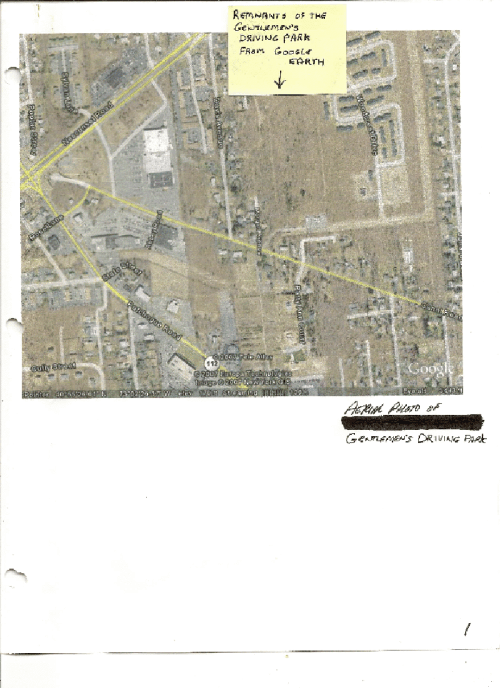
viewer

In 1892,The Port Jefferson Echo (named after the town hero, Echo) reported: “The trotting and running events on the Gentlemen’s Driving Park [later called the Herman Floyd Race Track] on Thursday afternoon, attracted a large attendance, and the number no doubt would have been greatly augmented had the condition of weather been more favorable. Many ladies were present. The fact that no liquor is sold at the park and the absence of its attendant demoralizing scenes have made it possible for ladies to enjoy the races quite as well as their husbands or sweethearts”. Further back, it was reported that Decoration Day, now called Memorial Day, were special race days at the Park in the late 1880’s with ladies admitted free.

The revered local trotter, Echo, a bay gelding was originally bred and owned by Captain Nathaniel Dickerson. Dickerson’s breeding book has yet to be discovered but from the number of races Echo won and the price that Dickerson sold him to D.B. Goff for in 1881, $1,500. (over $34,000. today), he was considered a quality horse. At some point, Echo was sold to Frank Edsall of New York City, a known owner of harness horses who was such a racing devotee that when he died in 1898, he was buried in the famous harness racing town of Goshen, NY. Edsall owned Echo when he was finally defeated on August 9, 1884 in Smithtown by his arch rival Fredonia Boy owned by Colonel Beecher and George Ticehurst of Smithtown.
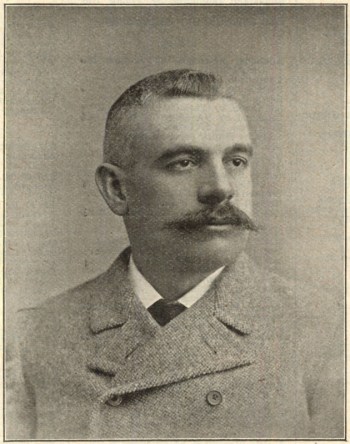
robert_l-_davis_robert-l-davis-owner-of-cumsewogue-training-stables-who-also-oversaw-the-adjacent-gentlemens-driving-park.jpg

Robert L. Davis, owner of Cumsewogue training stables, who also oversaw the adjacent gentlemens driving park

The Port Jefferson Times from August 2, 1884, describes Echo, with affection, something that is rarely seen anymore with reporting on horse racing, “Echo is the pet of the local turf, and the pride of Capt. Dickerson’s heart. A horse that defeats him, will be a good’un. It is doubtful that Solon can do it – ’tis possible that Fredonia Boy may.” The actual race on August 9, 1884 had the crowd in a stir, with lots of money bet on Echo. It was run at the distance of a mile in five heats. There was a judge’s dispute concerning two of the heats, resulting in one judge so disgusted he left the stand and had to be replaced. When it was all over, Fredonia Boy edged out his rival Echo in three out of five heats with Solon third. The analysis was, “The pride of Capt. Dickinson’s heart was broken” and the loss was pinned to Echo being “out of form”, and Fredonia Boy’s driver, Ticehust, being “the best in the county”. Times were between 2:40 and 2:33, with slower high wheelers. (After 1900, many races were run in faster smaller sulkies with tires and more aerodynamic lower driver positions, and the times started dropping.)

Edsall later entered Echo in another race he did not win at Narraganset in September 1884. A few months later, Edsall sold Echo. In The American Gentlemen’s Newspaper, NYC in November 1884, “By Frank Edsall of this city, has sold, through D. B. Goff. [Echo’s previous owner] to Mr. Wm. C. France, the bay gelding Echo, 2:28)4, by Regulus. He was bred by Captain Dickerson, of Port Jefferson. L. Echo was tried to the pole with F. D., 2244, last Saturday, and they speeded a quarter in 31 seconds.” This period sale notice is actually an exciting find today because it mentions Echo’s sire – Regulus. While the records seem to have been lost for Echo, Regulus has turned up in a stud book, Wallace’s American Trotting Register, Vol. 4. It turns out that Captain Dickerson bred possibly his unnamed mare to “Regulus (Suffolk Chief) foaled in 1864, got by Hambletonian 10, dam by American Star, bred by George Lorillard, N. Y. and owned by Joseph Rowland of Miller’s Place, LI [right next to Port Jefferson Station]”. With Echo’s pedigree going back to Hambletonian10, his sire, Abdullah, and thus also to Messenger, Echo is officially descended from the famous foundation sires of the Standardbred, horse royalty. The get from these sires had a natural ability to trot and pace fast. Even the sire of Messinger, Mambrino in England, was noted as preferring to trot around the pasture. Researchers today have discovered that a horse’s ability to trot or pace and to maintain that gait is genetically determined.
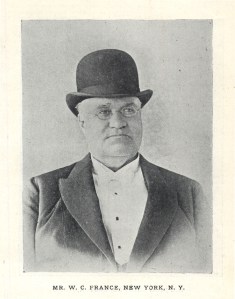
william-c-france-in-the-december-25-1894-edition-of-american-horse-breeder-magazine-public-domain.jpg

William C. France in the December 25 1894 edition of American Horse Breeder Magazine, public domain image

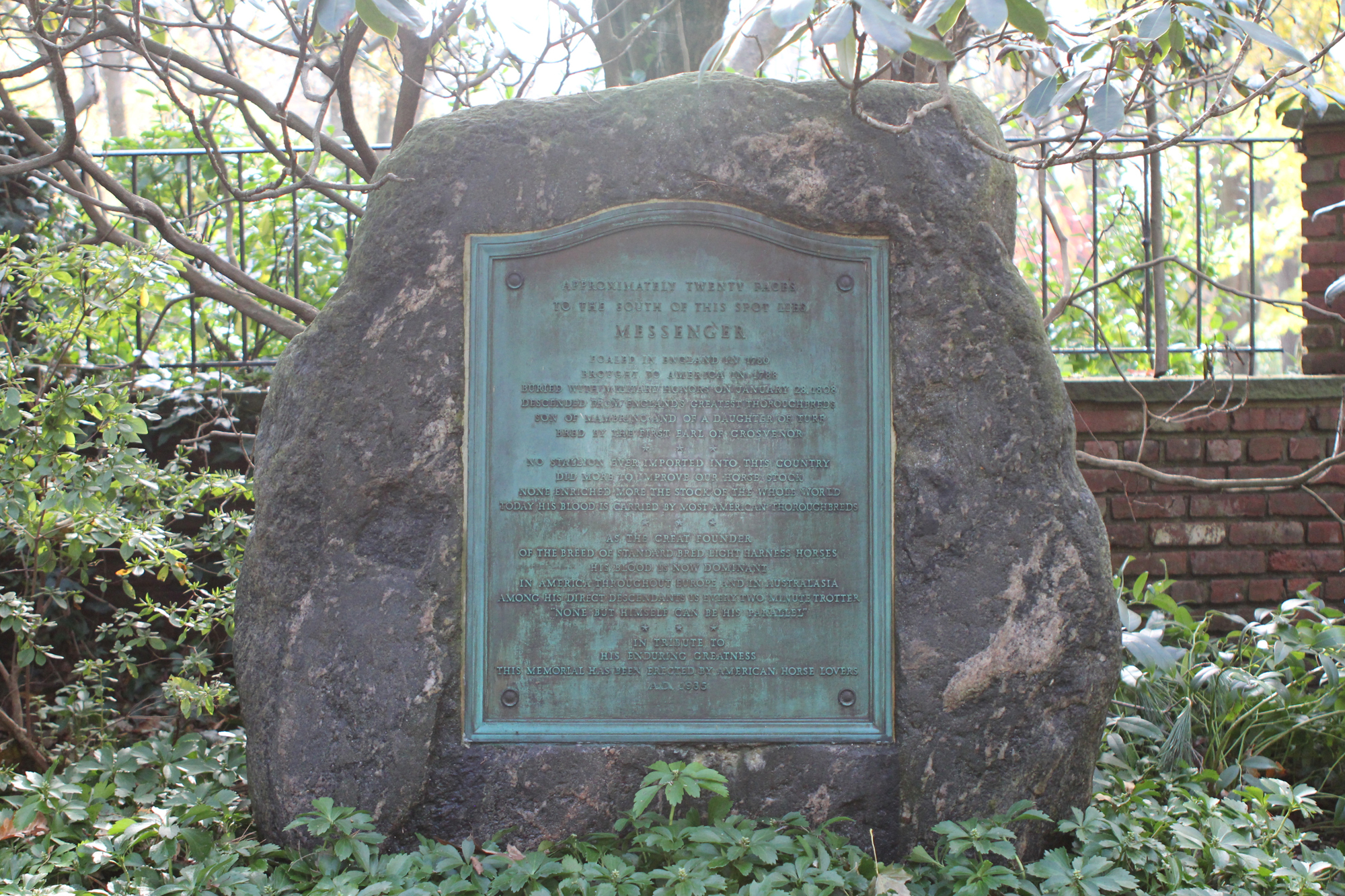
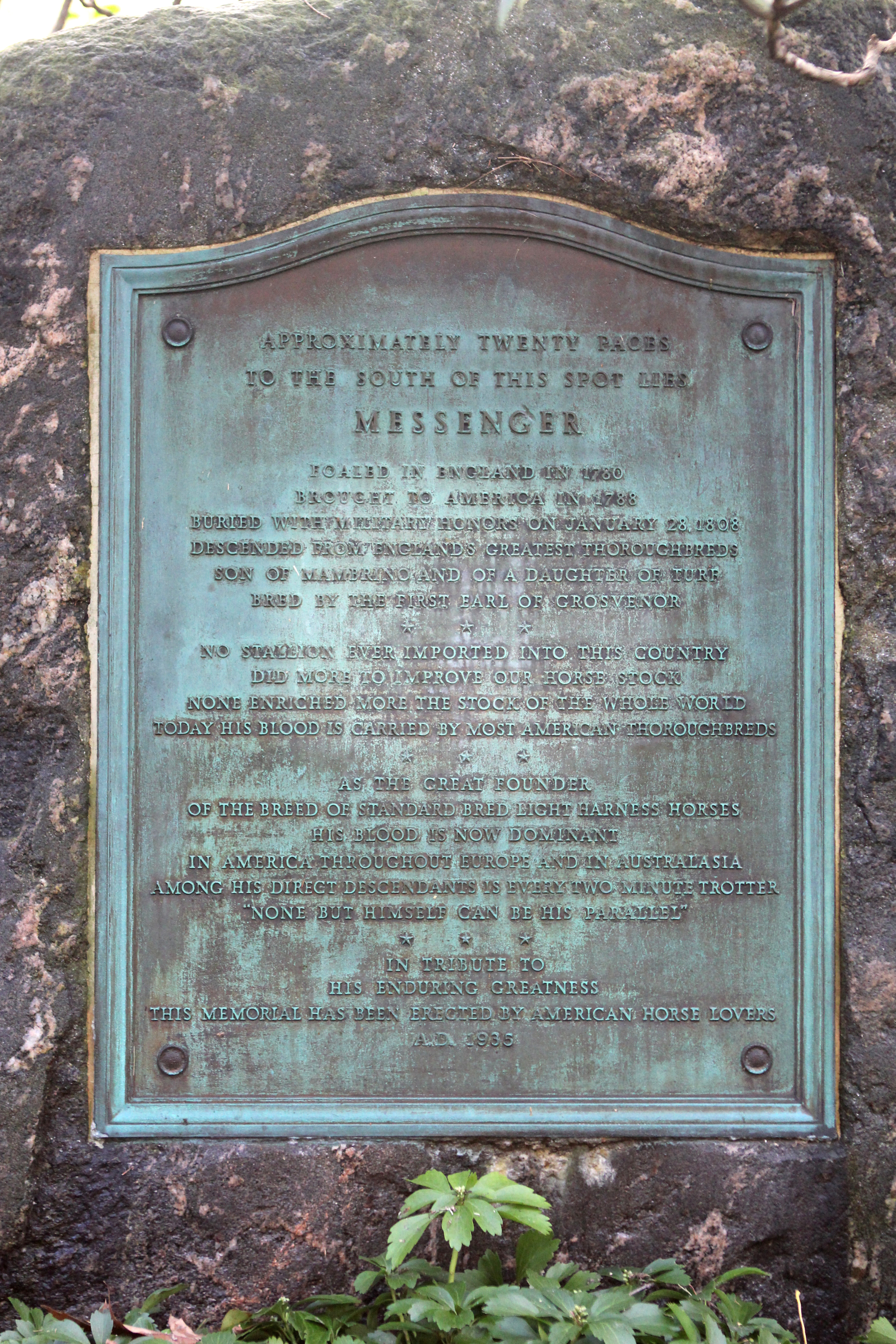
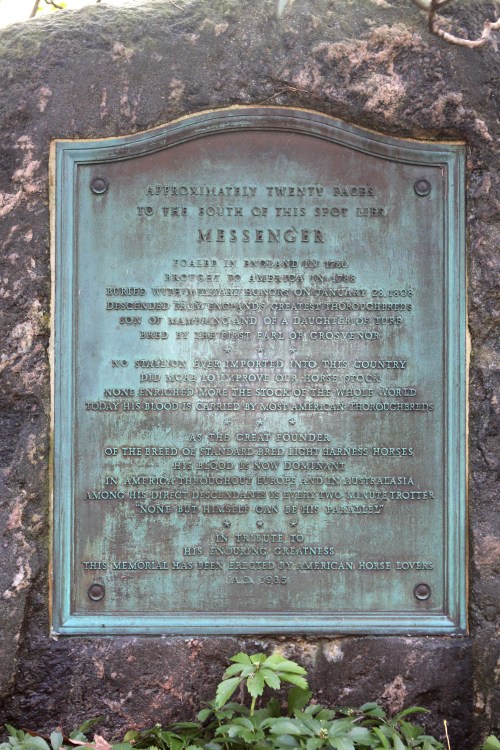
It turns out that Long Island turns is rich in horse history and figures in the saga of Messenger. The great Messenger was brought over from England by Irish sportsman Thomas Benger to stand at stud in Philadelphia in 1788 for $15. (Top Thoroughbred stud fees today are from $10,000. to over $100,000.) The gray Messenger was in demand as a sire for pacers, trotters and Thoroughbreds. Messenger was sold, resold and eventually retired to the Townsend Cock farm, Locust Valley, LI after a life at stud in nearby states and locally at the Philip Platt farm in Flushing LI. Messenger colicked and died at the Cock farm in 1808. At what is now called Messenger Hill Farm, a beautiful memorial bronze plaque to this stallion may be found sitting on a large rock along Duck Pond Road, just east of the Piping Rock Road intersection, opposite the Friends Meeting House. The text says:

“Approximately twenty paces to the south of this spot lies MESSENGER, Foaled in England in 1780, brought to America in 1788, Buried with military honors on January 28, 1808, Descended from England’s greatest Thoroughbreds, Son of Mambrino and of a daughter of turf, Bred by the First Earl of Grosvenor, No stallion ever imported into this country, Did more to improve our horse stock, None enriched more the stock of the whole world, Today his blood is carried by most American Thoroughbreds, As the great founder, Of the breed of Standard Bred light harness horses, His blood is now dominant, In America throughout Europe and in Australia, Among his direct descendants is every two minute trotter, ‘None but himself can be his parallel’, [Homer describing Hercules] In tribute to, His enduring greatness, This memorial has been erected by American horse lovers. A.D. 1935”.
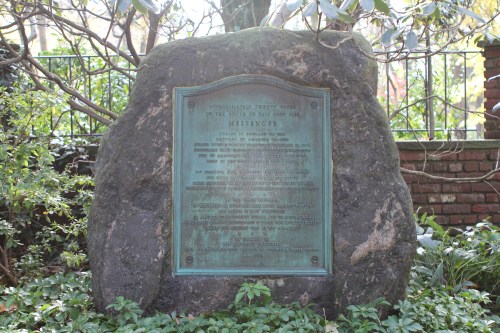
messenger-rock-photos-by-amanda-fisk-courtesy-of-friends-academy-locust-valley-li.jpg

Messenger rock photos by Amanda Fisk, courtesy of Friends Academy, Locust Valley

Messenger’s line is through two of the Thoroughbred foundation sires on both sides (the Darley Arabian on the sire line and the Godolphin Arabian on the dam line). There is a bit of confusion concerning Messenger because Messinger’s sire is Mambrino and one son is also Mambrino. The son was bred in the US to Amazonia, possibly a daughter of a Messenger son, Saratoga. The mare was not beautiful but she was a speedy natural trotter. Amazonia contributed much to the eventual Standardbred’s impulse to trot or pace. Amazonia and Mambrino (US) produced Abdullah, also a homely horse but an incredibly fast trotter. The sires’ line of descent is as follows: Mambrino b. England 1768 – Messenger b. England 1780 – Mambrino b. US 1807 – Abdullah b. US 1823 – Hambletonian 10 b. US 1849, the most important North American sire of harness horses who was born in Orange Country, NY and sired 1,335 offspring for a stud fee of approximately $500. (Top Standardbred stud fees today are around $15,000.) Messenger’s descendants include the Thoroughbreds American Eclipse, Man o’ War, Kelso, Seattle Slew and Secretariat and the Standardbreds Niatross, Dan Patch, Greyhound and Bret Hanover.

Brookhaven

Messenger’s grandson Abdullah (sire of Hambletonian 10) was foaled in 1823 at the Tredwell farm, Salisbury Place, LI. Later in November 1854, Abdullah died later on LI of a not so fortunate fate. The horse’s brilliance and strength in a way condemned him. S.W. Parlin writes in The American Trotter 1905, “The man who took care of him [Abdullah] at one time stated to the writer that the cause of his lack of patronage late in life was the fact that many of his get, though good-gaited trotters, were inclined to pull too strongly on the bit when speeding on the road for the comfort of their drivers. [This made him a fantastic sire for racing harness horses.] It is said that the owner of Abdallah finally gave the horse to a farmer on Long Island, with the understanding that the farmer should care for the horse properly as long as the animal lived. The farmer became tired of his bargain, so the story goes, and sold the old horse to a fish peddler for thirty-five dollars. The fish broker hitched Abdallah to his cart, but the horse did not take kindly to that occupation and kicked himself free. The peddler then turned Abdallah loose, and he finally died on Long Island from neglect and starvation”.
Messenger Rock, photos by Amanda Fisk, courtesy of Friends Academy, Locust Valley, LI  2

Echo, the hero of Port Jefferson Station, who through Regulus was descended from the illustrious Messenger, Abdullah and Hambletonian 10, won races at the Gentleman’s Driving Park and on many other race tracks. As mentioned in the sale notice of 1884, Echo was sold by to William C. France. France at the time was a well known breeder of Standardbreds and Thoroughbreds. A few years before he died in New Rochelle in 1901 at his son’s home, France had financial difficulties. It was reported in his NY Times Obituary that he had been forced to sell his 387 Thoroughbreds [!] from his Highland Stock Farm in KY. France was known for having bred the famous trotters Fred Wilkes and Allie Wilkes at this same farm. After the sale notice for Echo, the trail runs cold for now as to where William C. France ran or retired Echo. Hopefully, more articles will turn up on Echo as well as period photographs of him and the Gentlemen’s Driving Park. Port Jefferson Station should be proud of its efforts to save this historic harness racing track from intrusive development.

Read Full Post »

Fabulous Dr. Lucy Worsley discusses the Regency Era in these videos. Wonderful.

drush76's avatarThe Rush Journals

Below are links to a BBC documentary called “ELEGANCE AND DECADENCE – The Age of the Regency”. The documentary is hosted by historian Dr. Lucy Worsley, author of the 2011 book, “If Walls Could Talk, An Intimate History of the Home”.

“ELEGANCE AND DECADENCE – The Age of the Regency”

Here are the links to the documentary hosted by Dr. Worsley:

Part 1 – “Warts and All – Portrait of a Prince”

Part 2 – “Developing the Regency Brand”
Part 3 – “The Many and the Few – A Divided Decade”

View original post

Read Full Post »

Inquiring readers, Every once in a while a writer from another website contributes an article that is custom made for this blog.  Jennifer Vishnevsky, a writer for TopDentists.com, writes about false teeth and dentistry in an era when anesthetics were not yet available.

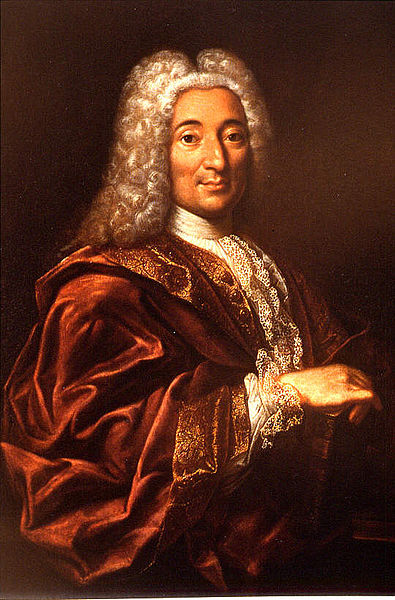
Pierre Fauchard. Image @Wikimedia

Pierre Fauchard. Image @Wikimedia

The 18th Century was a major time for advances in dentistry. It is believed that the French physician Pierre Fauchard started dentistry science as we know it today. In 1723, Fauchard published “The Surgeon Dentist, a Treatise on Teeth.” His book was the first to describe a comprehensive system for caring and treating the teeth. Thus, he is considered the father of modern dentistry. Fauchard was responsible for many developments, including the introduction of dental fillings and the use of dental prosthesis.

In 1760, John Baker, the earliest medically-trained dentist to practice in America, emigrated from England and set up practice. In the same decade, Paul Revere placed advertisements in a Boston newspaper offering his services as a dentist.

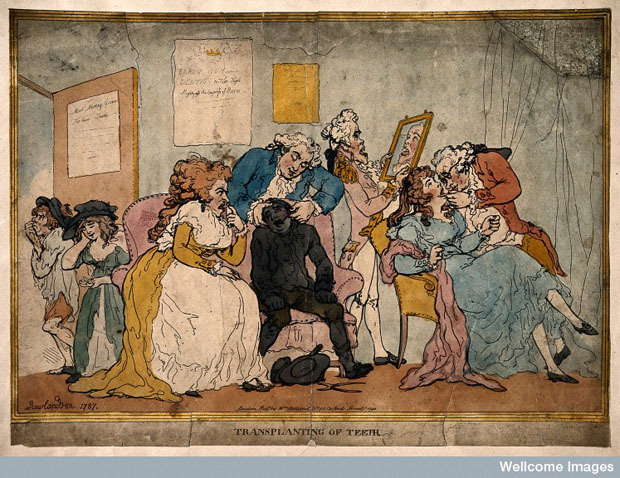
This print is by Thomas Rowlandson (1756-1827) and is dated 1787. It is a satirical comment upon the real practice of rich gentlemen and ladies of the 18th century paying for teeth to be pulled from poor children and transplanted in their gums. Image @Children and Youth in History

This print is by Thomas Rowlandson (1756-1827) and is dated 1787. It is a satirical comment upon the real practice of rich gentlemen and ladies of the 18th century paying for teeth to be pulled from poor children and transplanted in their gums. Image @Children and Youth in History

In 1790, the first dental foot engine was built by John Greenwood, son of Isaac Greenwood and one of George Washington’s dentists. It was made from an adapted foot-powered spinning wheel. This was also the year that the first specialized dental chair was invented by Josiah Flagg, who made a wooden Windsor chair with a headrest attached.

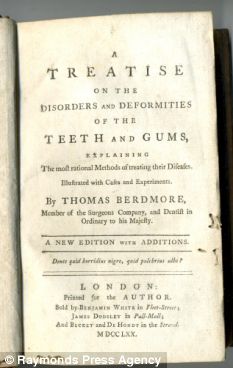
Even those treated by the best dentists were in for an agonizing time. “A Treatise on the Deformities and Disorders of the Teeth and Gums” was written in 1770 by Thomas Berdmore, who was considered to be an outstanding dentist in England. “Pass gold wire from the neighbouring teeth on either side, in such a manner as to press upon what stands out of the line.” The alternative, Berdmore suggested, was to ‘break the teeth into order by means of a strong pair of crooked pliers.”

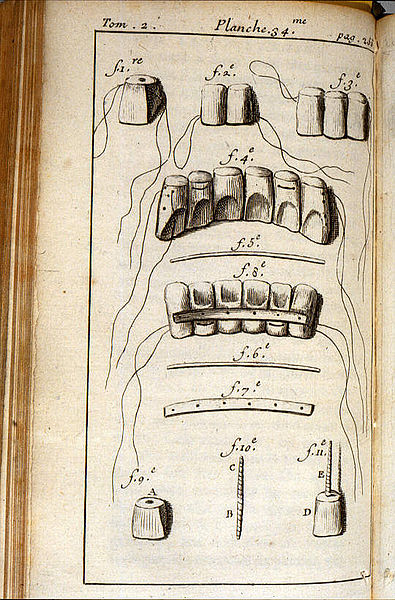
Fauchard, procedure for teeth restoration. Image @Wikimedia

Fauchard, procedure for teeth restoration. Image @Wikimedia

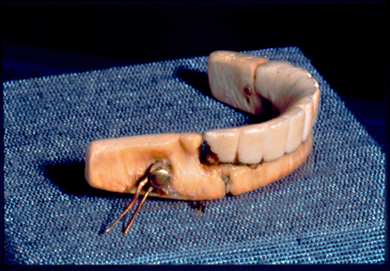
For those who could afford it, the European diet grew sweeter during the 18th Century as the use of sugar became more widespread. This exposure to sugar meant more instances of tooth decay. These dietary changes were a major factor in the development of dentures. Dentists began to experiment with ivory in order to create a better foundation for dentures. Due to advances in technology, dentists could also add gold springs and plates to the new dentures. False teeth were a novelty that was mostly unheard of in earlier centuries. Previously, problematic teeth were pulled but almost never replaced. Ivory dentures were popular in the 1700s, made from natural materials including walrus, elephant, or hippopotamus. For the wealthy, human teeth were high in demand as the preferred material for the creation of dentures. However, the teeth used in 18th Century dentures eventually rotted. There was a high demand for teeth that were deemed healthy, such as from criminals.

George Washington's dentures. Image @Samuel D. Harris National Museum of Dentistry, Baltimore

George Washington’s dentures. Image @Samuel D. Harris National Museum of Dentistry, Baltimore

One of the most famous early denture wearers was the first U.S. President George Washington. Washington began losing his teeth in his 20s, probably due to a combination of frequent illness and treatment with a medication called calomel that damaged the enamel of the teeth. Contrary to popular belief, however, Washington’s dentures were not made of wood. Washington sported some of the highest quality false teeth of the time, consisting of a denture plate made of carved hippopotamus ivory into which human teeth (along with parts of both horse and donkey teeth) were fitted. He had several other pairs of dentures during his presidency, none of which included wood in their construction.

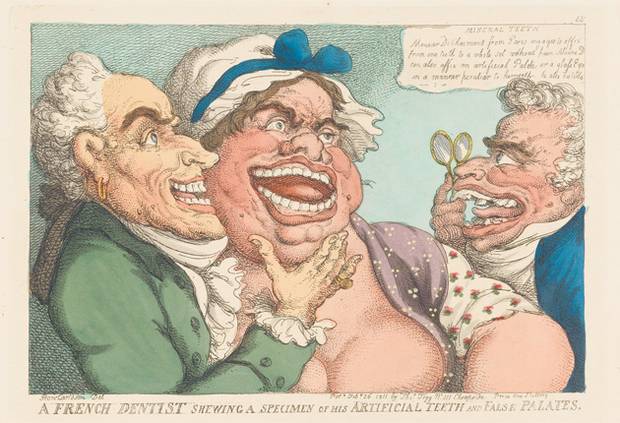
A French Dentist Showing a Specimen of His Artificial Teeth and His False Palates, Thomas Rowlandson, 1811. Image @The Independent

A French Dentist Showing a Specimen of His Artificial Teeth and His False Palates, Thomas Rowlandson, 1811. Image @The Independent

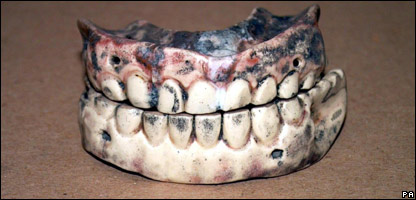
18th century porcelain dentures Image @CBBC

18th century porcelain dentures Image @CBBC

Full or even partial dentures were properly developed only during the course of the 18th Century. Dentists became better at making them fit, coming up with stronger adhesives to keep the teeth attached to them and designing them so as to prevent them from flying out of their patients’ mouths. By the late 18th century, there were yet more developments. Around 1774, Alexis Duchâteau crafted the first porcelain dentures. But these were prone to chip and also tended to appear too white to be convincing. Porcelain shaped teeth were placed onto gold plates. These were the first dentures that look similar to modern dentures. They were very white in color, but could be made in different shades.

Guest contributor Jennifer Vishnevsky is a writer for TopDentists.com, an Everyday Health website on dental health, as well as a freelancer for other lifestyle media sites.

Read Full Post »

« Newer Posts - Older Posts »