Feeds:
Posts
Comments

Archive for the ‘Old English Customs’ Category

Jane Austen’s mother, Cassandra’s

features were aristocratic; her hair was dark and her eyes an unusual tint of grey. She had an instinctive tendency to depreciate her own appearance; it was her elder sister Jane, she always insisted, who was the beauty of the family. But Cassandra did admit to a certain vanity concerning her fine patrician blade of a nose.” – Jane Austen, a family record by Deirdre Le Faye, William Austen-Leigh

However, by 1782, when her daughter Jane was only 7 years old, she was described as having lost several foreteeth, which made her look old.

Cassandra Leigh Austen, Jane Austen's mother, with her patrician nose and missing foreteeth

Modern dentistry was still in its infancy when Cassandra Austen gave birth to her eight children. While the wealthy could afford dentists, rural folks still depended on the village blacksmith, who only knew how to pull teeth. Market fairs sold tinctures, toothpowders and abrasive dentifrices.

Lucy Baggott, of Wychwood Books, says: ‘It was not uncommon for the local farrier to draw teeth to relieve toothache of those in desperate pain, for then the blacksmith in many rural communities doubled as a tooth drawer. ‘There were many dubious practices adopted: hot coals, string, forceps, and pliers to name a few. Children were lured to sacrifice their teeth for the supposed benefit of the wealthy in exchange for only a few shillings. One print reads: “Most money given for live teeth”. – Dental Quackery Captured in Print
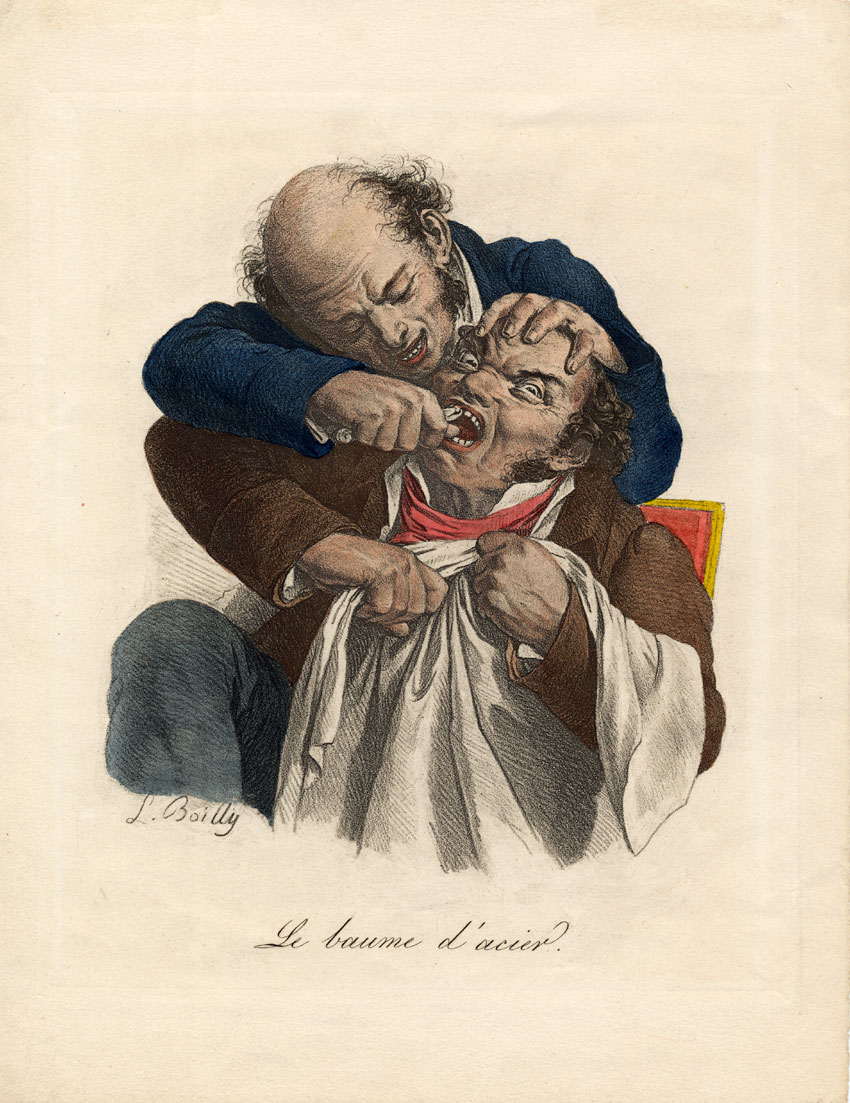
Louis-Leopold Boilly (1761-1845), Dentist Teeth Patient, 1827

We do know this: tooth extraction was painful and a most unpleasant affair before the age of ether and anesthetics.

In two letters to Cassandra, on Wednesday 15 & Thursday 16 September 1813, Jane [Austen] describes in some detail accompanying her young nieces Lizzy, Marianne and Fanny, on a visit to the London dentist Mr Spence. It was, she relates, ‘a sad business, and cost us many tears’. They attended Mr Spence twice on the Wednesday, and to their consternation had to return on the following day for yet another ‘disagreeable hour’ . Mr Spence remonstrates strongly over Lizzy’s teeth, cleaning and filing them and filling the ‘very sad hole’ between two of the front ones. But it is Marianne who suffers most: she is obliged to have two teeth extracted to make room for others to grow. – The Poor Girls and Their Teeth, A Visit to the Dentist, JASA
Tooth maintenance and dental hygiene were not a new concept. The aristocrats suffered more cavities, for they could afford sweets and foods that would eat into enamel, but they did use tooth powders, tooth picks, and toothbrushes to keep their teeth clean.

The ancient Chinese made toothbrushes with bristles from the necks of cold climate pigs. French dentists were the first Europeans to promote the use of toothbrushes in the seventeenth and early eighteenth centuries. William Addis of Clerkenwald, England, created the first mass-produced toothbrush. Toothpaste: modern toothpastes were developed in the 1800s. In 1824, a dentist named Peabody was the first person to add soap to toothpaste. John Harris first added chalk as an ingredient to toothpaste in the 1850s.- History of Dentistry
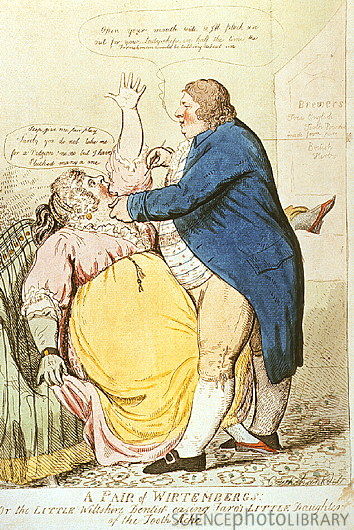
Isaac Cruikshank

The caption to the above cartoon states: Dentist. 18th century caricature of a fat dentist with his struggling, overweight female patient. The patient is begging the dentist not to pluck her teeth out like he would the feathers of a pigeon. People who eat large amounts of sugary food are often both overweight and suffer from dental decay. Image drawn in 1797 by British artist Isaac Cruikshank (1756-1811). – Science Photo Library

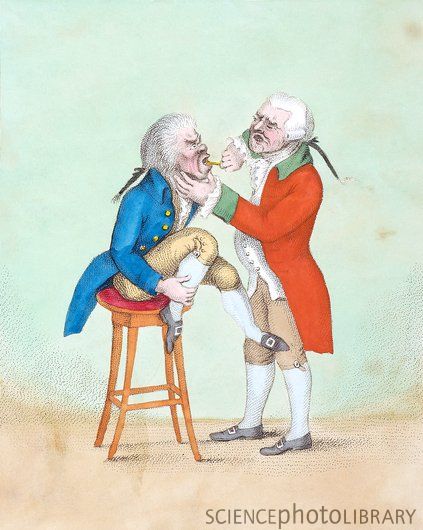
Tooth Extraction, William Henry Bunbury, mid-18th century

Extractions were by forceps or commonly keys, rather like a door key…When rotated it gripped the tooth tightly. This extracted the tooth – and usually gum and bone with it…Sometimes the jaws were also broken during an extraction by untrained people.”- BBC

A timeline of dentistry in the 18th and 19th centuries:

1780 – William Addis manufactured the first modern toothbrush. 1789 – Frenchman Nicolas Dubois de Chemant receives the first patent for porcelain teeth. 1790 – John Greenwood, one of George Washington’s dentists, constructs the first known dental foot engine. He adapts his mother’s foot treadle spinning wheel to rotate a drill. 1790 – Josiah Flagg, a prominent American dentist, constructs the first chair made specifically for dental patients. To a wooden Windsor chair, Flagg attaches an adjustable headrest, plus an arm extension to hold instruments. 19th Century 1801 – Richard C. Skinner writes the Treatise on the Human Teeth, the first dental book published in America. 1820 – Claudius Ash established his dental manufacturing company in London. 1825 – Samuel Stockton begins commercial manufacture of porcelain teeth. His S.S. White Dental Manufacturing Company establishes and dominates the dental supply market throughout the 19th century. – Nambibian Dental Association
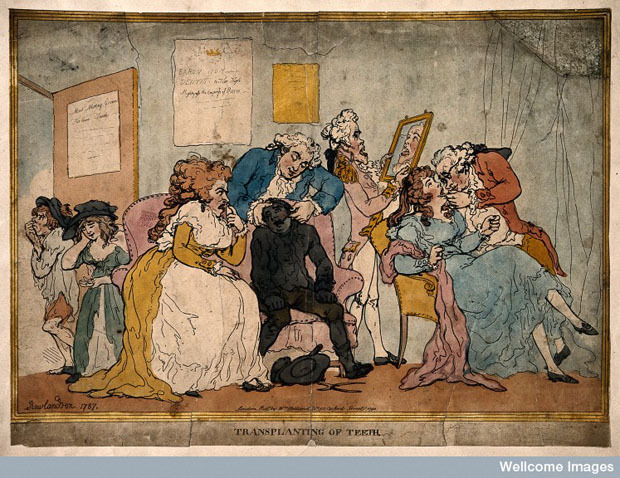
Annotation of the above cartoon by Thomas Rowlandson:

This print is by Thomas Rowlandson (1756-1827) and is dated 1787. It is a satirical comment upon the real practice of rich gentlemen and ladies of the 18th century paying for teeth to be pulled from poor children and transplanted in their gums. The dentist present is portrayed as a quack. There are even two quacking ducks on the placard advertising his fake credentials. He is busy pulling teeth from the mouth of a poor young chimney sweep. Covered in soot and exhausted, he slumps in a chair. Meanwhile the dentist’s assistant transplants a tooth into a fashionably dressed young lady’s mouth. Two children can be seen leaving the room clutching their faces and obviously in pain from having their teeth extracted. As people lost most of their teeth by age 21 due to gum disease, teeth transplants were popular for some time in England although they rarely worked. – Wellcome Images

Thomas Rowlandson – A French dentist showing a specimen of his artificial teeth and false palates Coloured engraving 1811 Image @ Rowlandson, Wellcome Library

Dentures did exist:

Perhaps the most famous false-toothed American was the first president, George Washington. Popular history gave Mr. Washington wooden teeth, though this was not the case. In fact, wooden teeth are impossible; the corrosive effects of saliva would have turned them into mushy pulp before long. As a matter of fact, the first president’s false teeth came from a variety of sources, including teeth extracted from human and animal corpses. – A Short History of Dentistry
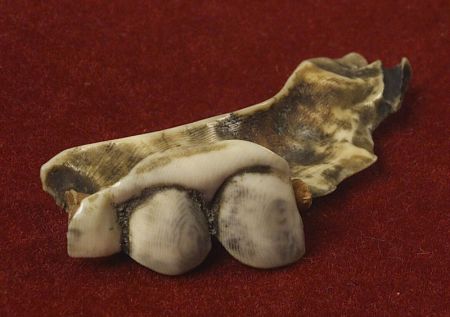
Carved ivory upper denture, late 18th century. Image @Skinner Auctioneers

As always, the upper classes had the upper hand:

The upper classes could afford a greater range of treatments, including artificial teeth (highly sought after by the sugar- consuming wealthy). Ivory dentures were popular into the 18th century, and were made from natural materials including walrus, elephant or hippopotamus ivory. Human teeth or ‘Waterloo teeth’ -sourced from battlefields or graveyards- were riveted into the base. These ill fitting and uncomfortable ivory dentures were replaced by porcelain dentures, introduced in the 1790’s. These were not successful due to their bright colours, and tendency to crack.Before the 1800’s, the practice of dentistry was still a long way from achieving professional status. This was to change in the 19th century – the most significant period in the history of dentistry to date. By 1800 there were still relatively few ‘dentists’ practicing the profession. By the middle of the 19th century the number of practicing dentists had increased markedly, although there was no legal or professional control to prevent malpractice and incompetence. Pressure for reform of the profession increased. – Thomas Rowlandson, “Transplanting Teeth (c.1790) [Engraving],” in Children and Youth in History, Item #164, http://chnm.gmu.edu/cyh/primary-sources/164 (accessed August 10, 2011). Annotated by Lynda Payne
More on This Topic:

Read Full Post »

Imagine that your beloved husband or son suddenly disappeared after meeting friends at a neighborhood bar, and that you would not know for months what had happened to them. You fear that he has been taken by a pressgang.

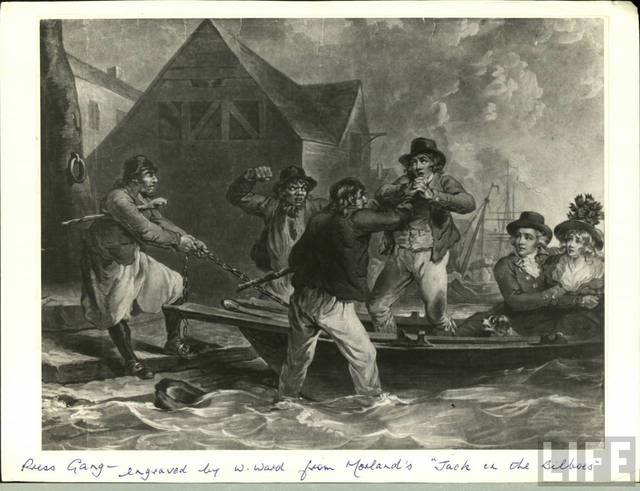
Press gang taking unwilling men

Such was the case in Jane Austen’s time, when Great Britain fought long wars over land and sea. Since medieval times it had been the royal prerogative to impress free men into a seamen’s service. The custom was roundly condemned, except in cases of “necessity of the sudden coming in of strange enemies into the kingdom.”* During times of war, “the tempation of impressment” was “too strong to be resisted by Parliament.”* And so pressgangs would roam towns and the countryside to take men against their will to serve in His Majesty’s navy.

“The class on whom it fell, however, found little sympathy from society. They were rogues and vagabonds, who were held to be better employed in defence of their country, than in plunder and mendicancy. During the American war, impressment was permitted in the case of all idle and disorderly persons, not following any lawful trade or having some substance sufficient for their maintenance. Such men were seized upon, without compunction, and hurried to the war. It was a dangerous license, repugnant to the free spirit of our laws; and, in later times, the state has trusted to bounties and the recruiting sergeant, and not to impressment, — for strengthening its land forces.” – The constitutional history of England since the accession of George Third, 1760-1860, Volume 2 (Google eBook), Thomas Erskine May, 1866 p 261-262

Press Gang. Image @LIFE magazine

During the Napoleonic wars, the need for sailors was great, and larger numbers of free men (including Americans) were forced into service. They were taken in any way, usually at night, through violence, entrapment, and fraud. Before anyone could discover their absence, they were taken on board and locked up until the ship sailed from port. The captured men were often wounded and would die from lack of treatment.

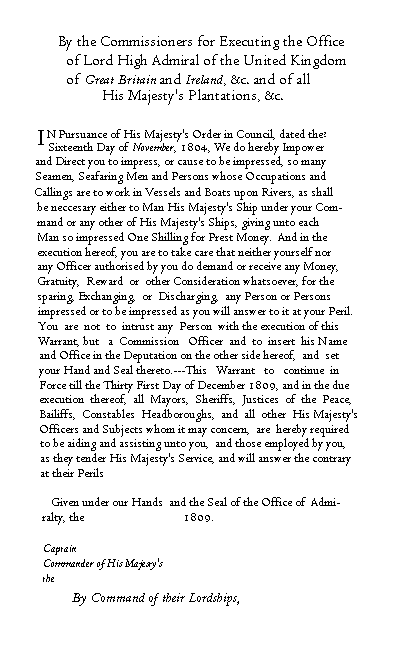
Press warrant. Image @Nelson's Navy**

“Impressment was restricted by law to seamen, who, being most needed for the fleet, chiefly suffered from the violence of the press-gangs. They were taken on the coast, or seized on board merchantships, like criminals: ships at sea were rifled of their crews, and left without sufficient hands to take them safely into port. Nay, we even find soldiers employed to assist the pressgangs: villages invested by a regular force: sentries standing with fixed bayonets; and churches surrounded, during divine service, to seize seamen for the fleet.

The lawless press-gangs were no respecters of persons. In vain did apprentices and landsmen claim exemption. They were skulking sailors in disguise, or would make good seamen at the first scent of salt-water; and were carried off to the sea ports. Press-gangs were the terror of citizens and apprentices in London, of laborers in villages, and of artisans in the remotest inland towns. Their approach was dreaded like the invasion of a foreign enemy. To escape their swoop, men forsook their trades and families and fled, — or armed themselves for resistance. Their deeds have been recounted in history, in fiction, and in song. Outrages were of course deplored; but the navy was the pride of England, and every one agreed that it must be recruited. In vain were other means suggested for manning the fleet, — higher wages, limited service, and increased pensions. Such schemes were doubtful expedients: the navy could not be hazarded: press-gangs must still go forth and execute their rough commission, or England would be lost. And so impressment prospered. – The constitutional history of England since the accession of George Third, 1760-1860, Volume 2 (Google eBook), Thomas Erskine May, 1866 p 261-262

May’s words in 1866 seem a bit overwrought, but one can only imagine how awful impressment must have been for the families who did not know what happened to their men, and for the men who were bound into service against their will.

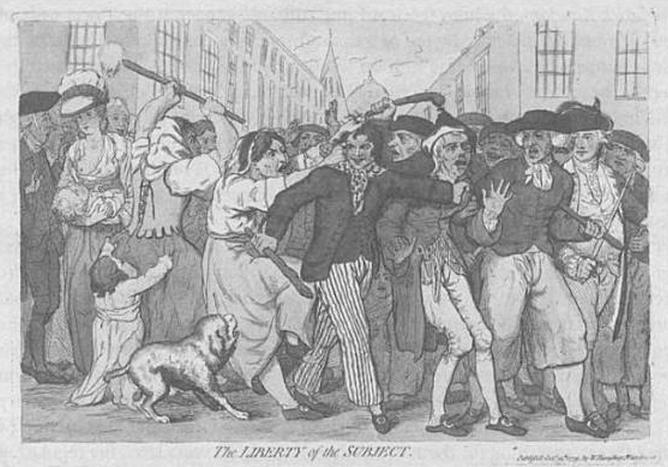
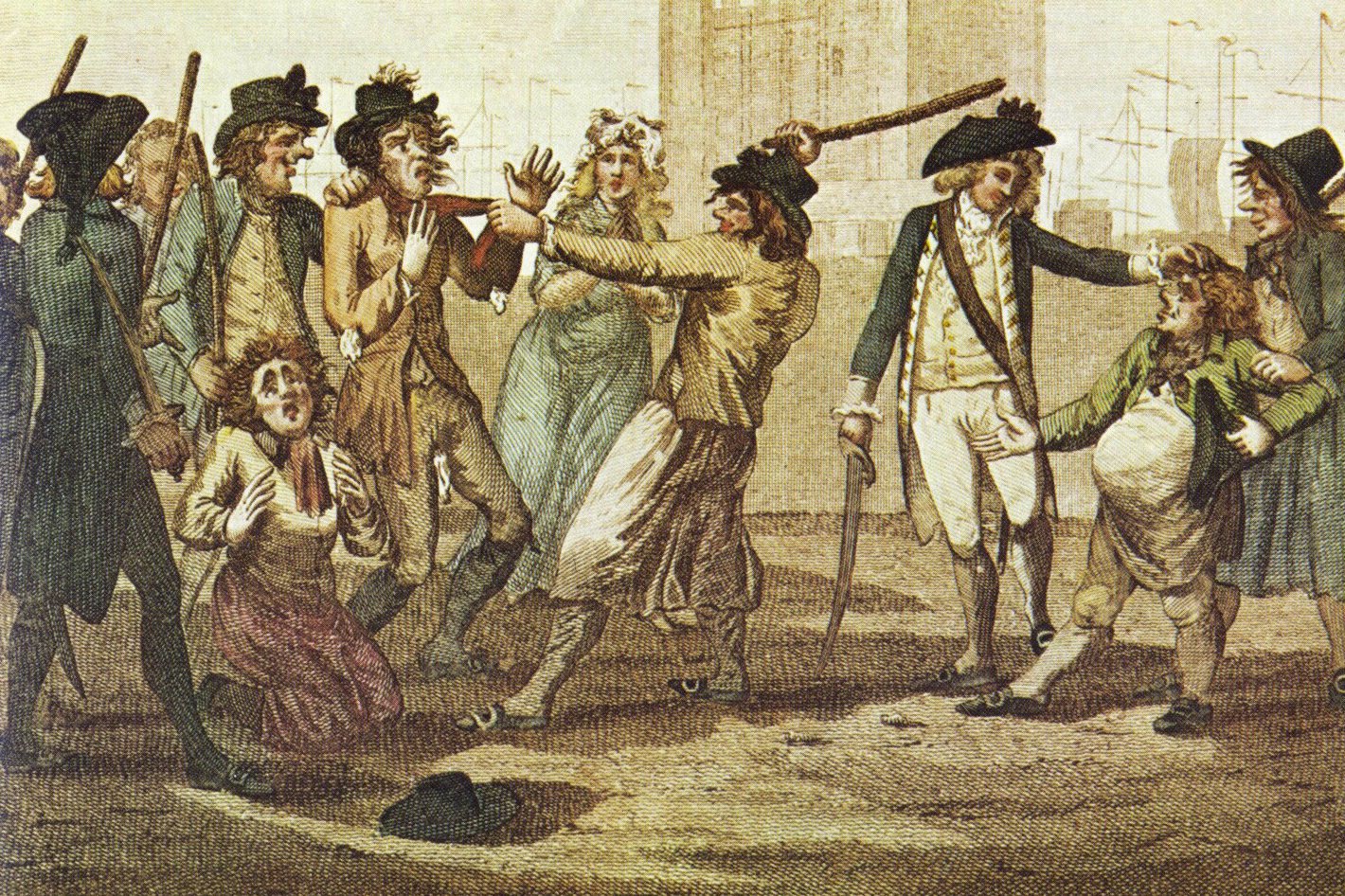
Towns people, including women, opposing the press gang, 1779

Although authorities would do all they could to prevent impressment, the Georgian police force was still primitive compared to what it would become in the Victorian era. Still, local townsmen would fight off the press gangs to save a hapless man from impressment.

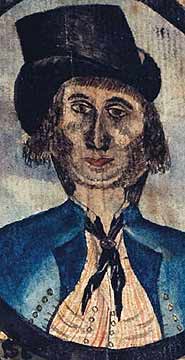
George Hodge, sailor in Nelson's navy

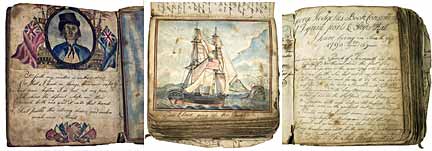
Even sailors who had served their term of duty were in danger of being pressed into service again. It was not unusual for a sailor to join, be captured, find freedom, run from the press gangs, be impressed, and then join the navy of their own free will again.  George Hodge left a remarkable diary of his years as a sailor.

He was captured again in 1797, but was returned home and then spent months on the run from press gangs…But in 1798 he was caught and joined HMS Lancaster, which had 64 guns.   For the next nine years he served mainly along the west African coast. But he also went to Ceylon and the East Indies.

In 1808 he joined HMS Marlborough, 74 guns, and spent the years until 1812 mostly on blockade duty around Europe. – Daily Mail

George Hodge's remarkable diary

In 1795, William Pitt introduced a Quota Act, which stated how many men each county had to provide for service. Convicted men were given the option to serve out their harsh sentences in prison, or serve in the navy. While this Act did not end the practice of impressment, it served to reduce it. Impressment virtually ended with the Napoleonic Wars in 1814. By the mid-19th century the custom had disappeared.

Press Gang – words to the song

As I walked out on London Street
A press gang there I chanced to meet
They asked me if I’d join the fleet
On board of a man-o-war, boys

Come brother shipmates tell to me
What kind of treatment they give you
That I may know before I go
On board of a man-o-war, boys

When I got there to my surprise
All they had told me was shocking lies
There was a row and a bloody old row
On board of a man-o-war, boys

The first thing they done they took me in hand
They lashed me with a ‘tar of a strand’
They flogged me till I could not stand
On board of a man-o-war, boys

Now I was married and me wife’s name was Grace
‘Twas she that led me to shocking disgrace
It’s oft I’d curse her ugly face
On board of a man-o-war, boys

When next I get may foot on shore
To see them London girls once more
I’ll never go to sea no more
On board of a man-o-war, boys

More on the topic:

Read Full Post »

“Heigh ho! sing heigh ho! unto the green holly:
Most friendship is feigning, most loving mere folly:
Then, heigh ho, the holly!
This life is most jolly.”
– William Shakespeare, As You Like It

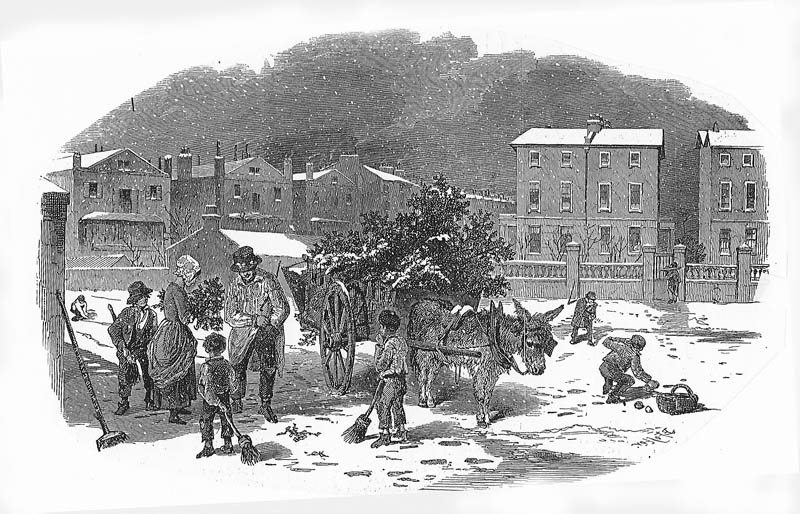
Decorating one’s house with natural boughs has been a Christmas tradition since Celtic times. Boughs of holly with their bright red berries were especially coveted. (Read Mythology and the Folklore of Holly.) One understands how easily people in rural areas could obtain these bright green leaves, but what about those who lived in London? This image of a holly cart pulled by a donkey provides a solution.

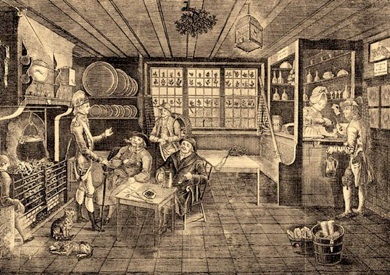
Note that the customer purchases a small amount of boughs. Christmas decorations in the 19th century were modest to none compared to ours. In this 18th-century print of a coffee house or chocolate shop, one can see small leaves of holly placed in each window pane and a bough hanging from the center of the ceiling. (One cannot imagine that mistletoe would  be hung in a public setting.)

Bowles and Carver print, London. Circa 1775

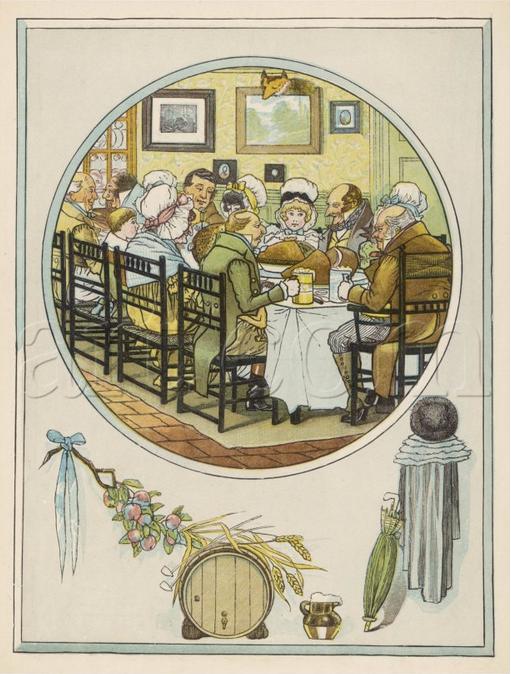
In this image of a lavish family dinner by Cruikshank, not a single bough of holly decorates the room. Most likely a wreath had been hung on the front door or some boughs had been hung from the ceiling. With holly hard to obtain in metropolitan areas, one imagines that the spare use of decorations was as much from necessity as from tradition.

Image: Art.com

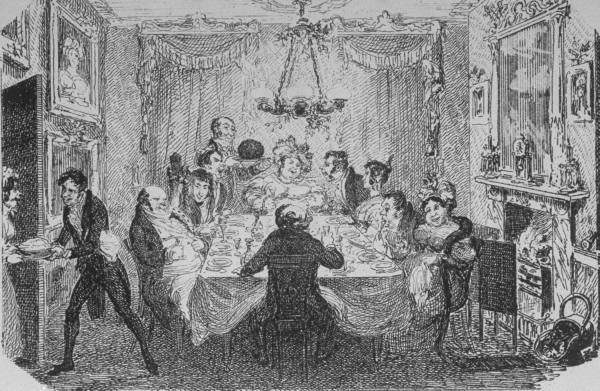
This image by Cruikshank of a family celebrating Christmas during early Victorian times  shows a few boughs inserted into the chandelier, a roaring fire, and the Christmas pudding about to be served to the hostess. This year, I have taken the Regency approach to decorating my house, emphasizing the season with just a few well placed decorations. And I love it.

Other Christmas Posts on this blog:

Read Full Post »

Copryright (c) Jane Austen’s World. This post is in honor of Thanksgiving and all the cooks, feminine or masculine, who toil hard in the kitchen to feed their families on this special holiday.

I am sure that the ladies there had nothing to do with the mysteries of the stew-pot or the preserving-pan” – James Edward Austen-Leigh, writing about his aunts, Jane and Cassandra Austen, and grandmother, Mrs Austen, when they lived at Steventon Rectory.

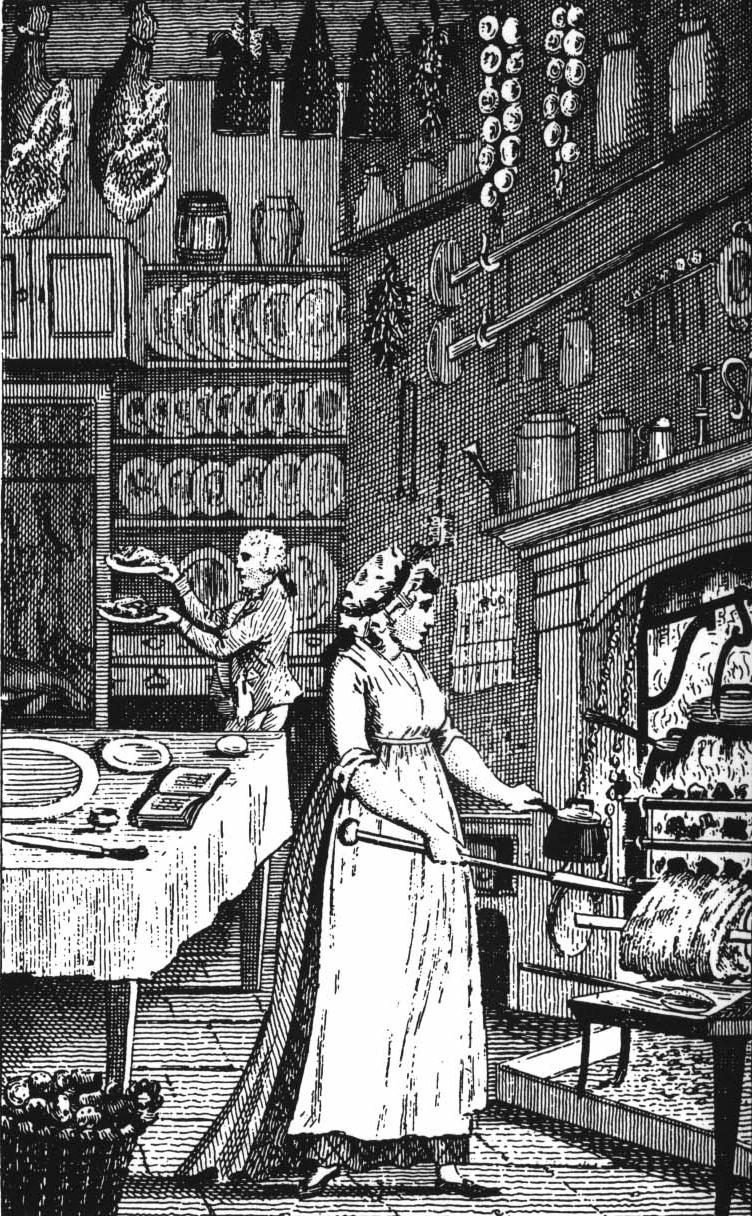
18th century kitchen servants prepare a meal. Image @Jane Austen Cookbook

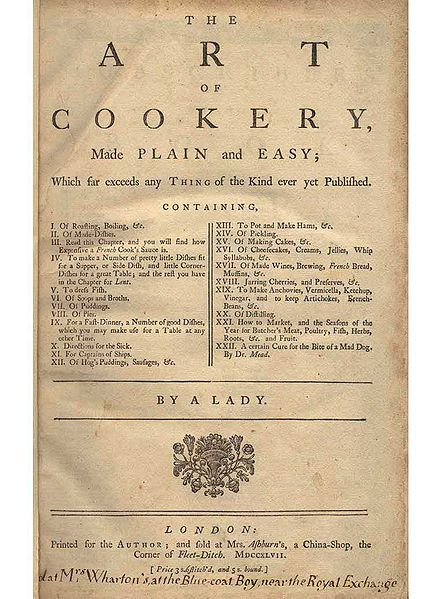
In 1747, Mrs.Hannah Glasse wrote her historic The Art of Cookery Made Plain and Easy, an easy-to-understand cookbook for the lower class chefs who cooked for the rich. Her recipes were simple and came with detailed instructions, a revolutionary thought at the time.

The Art of Cookery’s first distinction was simplicity – simple instructions, accessible ingredients, an accent on thrift, easy recipes and practical help with weights and timing. Out went the bewildering text of former cookery books (“pass it off brown” became “fry it brown in some good butter”; “draw him with parsley” became “throw some parsley over him”). Out went French nonsense: no complicated patisserie that an ordinary cook could not hope to cook successfully. Glasse took into account the limitations of the average middle-class kitchen: the small number of staff, the basic cooking equipment, limited funds. – Hannah Glasse, The Original Domestic Goddess forum

Hannah Glasse's The Art of Cookery Made Plain and Easy

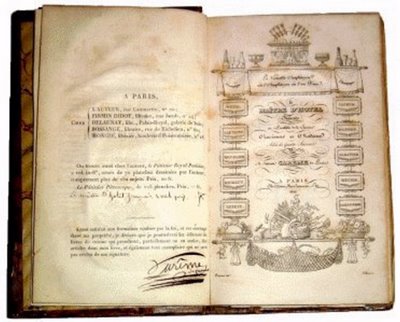
Until Mrs. Glasse wrote her popular cookery book (17 editions appeared in the 18th century), these instructional books had been largely written by male chefs who offered complicated French recipes without detailed or practical directions. (To see what I mean, check Antonin Careme’s recipe for Les Petits Vol-Au-Vents a la Nesle at this link.) Like Jane Austen, Hannah signed her books “By a Lady”.

Antonin Careme's cookbook

Mrs. Glasse had always intended to sell her cookery book to mistresses of gentry families or the rising middle class, who would then instruct their cooks to prepare foods from her simplified recipes, which she collected. “My Intention is to instruct the lower Sort [so that] every servant who can read will be capable of making a tolerable good Cook,” she wrote in her preface.

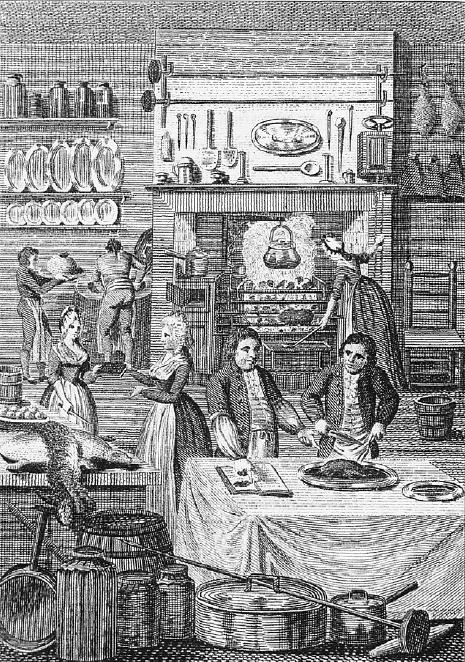
Frontispiece from William Augustus Henderson, The Housekeeper’s Instructor, 6th edition, c.1800. This same picture appeared in the very first edition of c.1791and it shows the mistress presenting the cookery book to her servant, while a young man is instructed in the art of carving with the aid of another book.*

Hanna’s revolutionary approach, which included the first known printed recipe for curry and instructions for making a hamburger, made sense. In the morning, it was the custom of the mistress of the household to speak to the cook or housekeeper about the day’s meals and give directions for the day. The servants in turn would interpret her instructions. (Often their mistress had to read the recipes to them, for many lower class people still could not read.)

In theory, the recipes from Hannah’s cookbook would help the lady of the house stay out of the kitchen and enjoy a few moments of free time. But the servant turnover rate was high and often the mistress had to roll up her sleeves and actively participate in the kitchen. Many households with just two or three servants could not afford a mistress of leisure, and they, like Mrs. Austen in the kitchens of Steventon Rectory and Chawton Cottage, would toil alongside their cook staff.

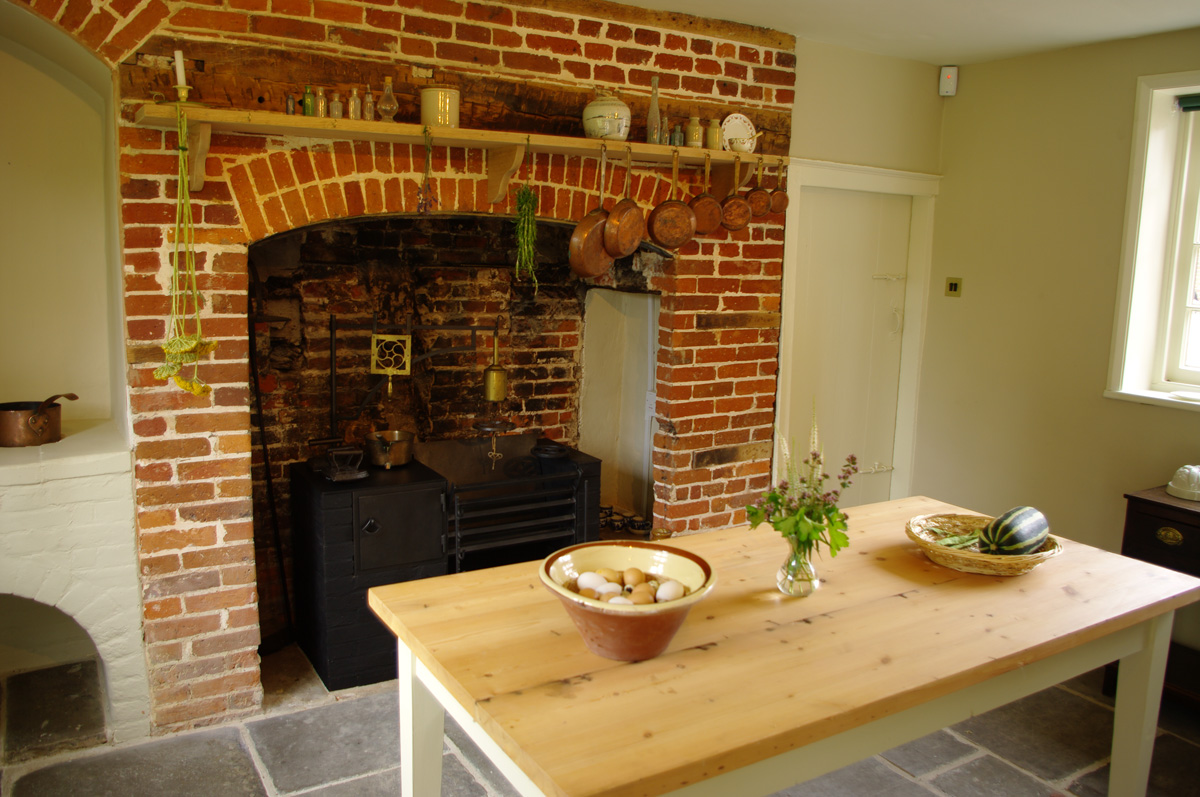
The simple kitchen at Chawton cottage. Image @Tony Grant

At the start of the 18th century the French courtly way of cooking still prevailed in genteel households. As the century progressed, more and more women like Hannah Glasse began to write cookery books that offered not only simpler versions of French recipes, but instructions for making traditional English pies, tarts, and cakes as well. Compared to the expensive cookbooks written by male chefs, cookery books written by women were quite affordable, for they were priced between 2 s. and 6 d.

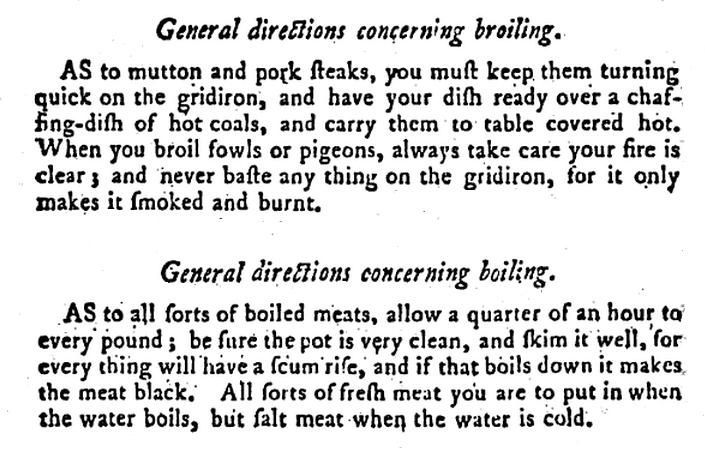
Hannah Glasse's practical directions for boiling and broiling

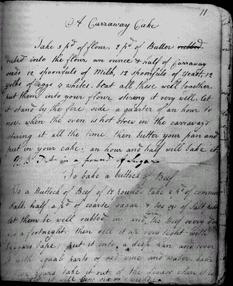
Publishers took advantage of the brisk trade, for with the changes in agricultural practices,  food was becoming more abundant for the rising middle classes. Large editions of cheap English cookery books by a variety of female cooks were distributed to a wide new audience of less wealthy and largely female readers who had money to spend on food. Before Hannah Glasse and her cohort, cooks and housewives  had been accustomed to sharing recipes in private journals (such as Marthat Lloyd’s) or handing them down by word-of-mouth.

Martha Lloyd's recipe for caraway cake written in her journal.

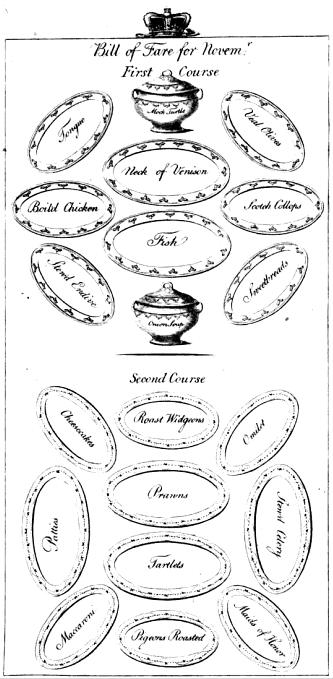
Female authors tended to share their native English recipes in their cookery books. As the century progressed, the content of these cookery books began to change. Aside from printing recipes, these books began to include medical instructions for poultices and the like; bills of fare for certain seasons or special gatherings; household and marketing tips; etc.

Bill of fare for November, The Universal Cook, 1792

By the end of the 18th century, cookery books also included heavy doses of servant etiquette and moral advice. At this time plain English fare had replaced French cuisine, although wealthy households continued to employ French chefs as expensive status symbols.  In the mid-19th century cookery books that targeted the working classes, such as Mrs. Beeton’s famous book on Household Management, began to be serialized in magazines, as well as published in book form.

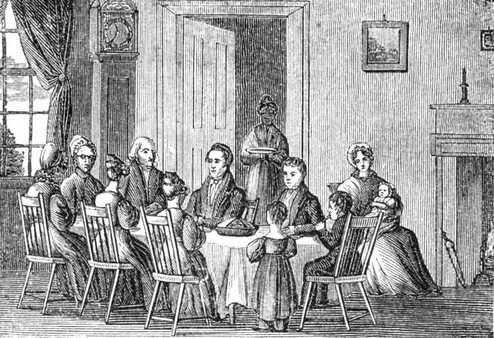
Family at meal time

Before ending this post, I would like to refer you back to James Edward Austen-Leigh’s quote at top. In contrast to what he wrote (for he did not know his aunts or grandmother well), Jane Austen scholar Maggie Lane reminds us that housewives who consulted with their cook and housekeeper  about the day’s meals still felt comfortable working in the kitchen. She writes in Jane Austen and Food:

“though they may not have stirred the pot or the pan themselves, Mrs. Austen and her daughters perfectly understood what was going on within them…The fact that their friend and one-time house-mate Martha Lloyd made a collection of recipes to which Mrs. Austen contributed is proof that the processes of cookery were understood by women of their class.”

More on the topic:

Read Full Post »

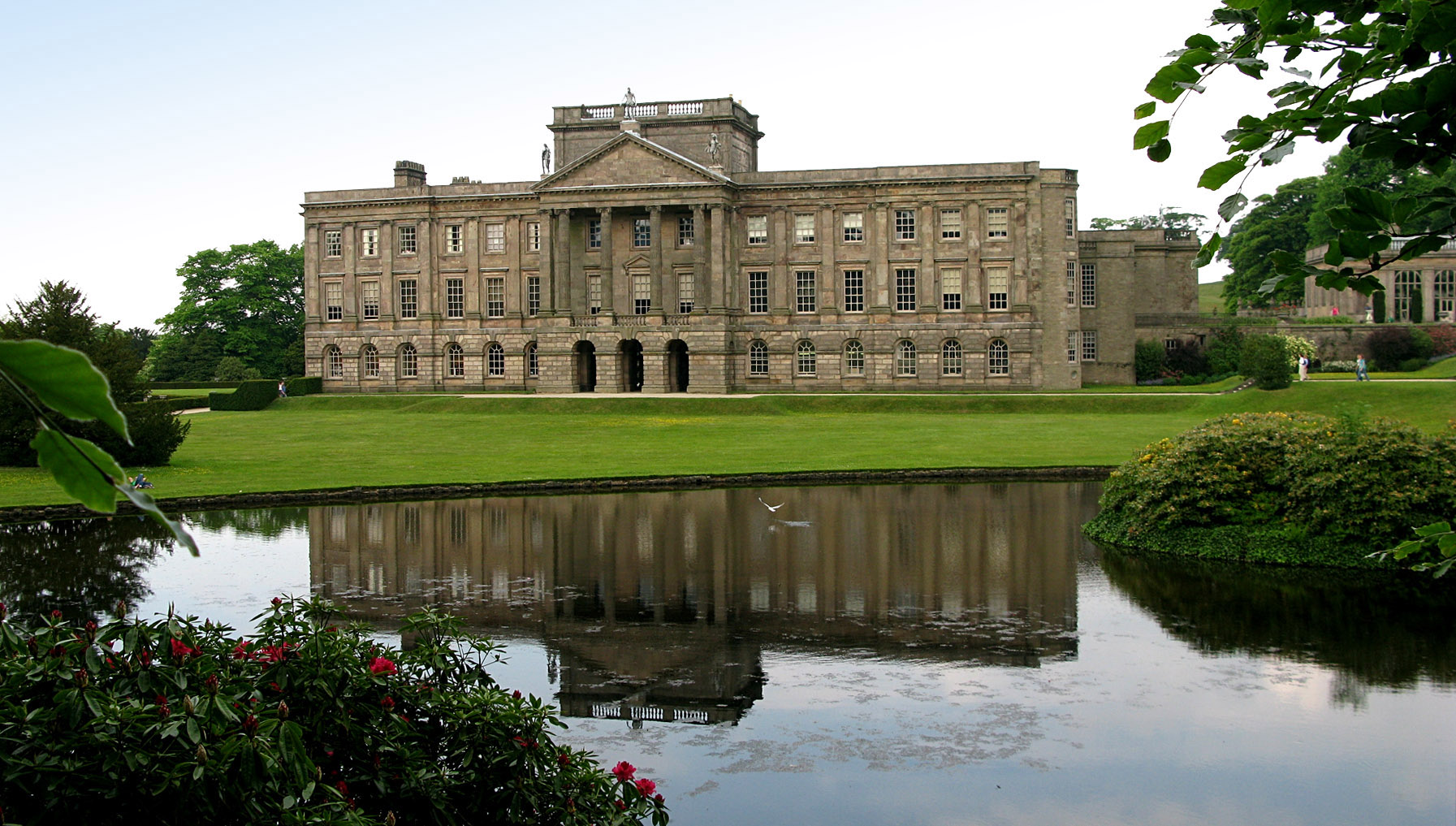
Copyright (c) Jane Austen’s World. Lyme Park in Chesire is best known today as the exterior of Pemberley in Pride and Prejudice 1995. The house, situated near the village of Disley, was the principal seat of the ancient family of Leghs, whose ancestor fought bravely in the battle of Cressy. Once a hunting lodge, the building dates back to Elizabethan times. Its classical facade was designed in the 1720’s by the famed Venetian architect, Giacomo Leoni. The lake made famous by Colin Firth’s dip was once the source of a cascade, or a staircase with water running down it, from 1703-1818.

Lyme Park. Image @Lesley Rigby, Panoramio

The vast moors and lands of Lyme Park housed herds wild cattle and fallow and red deer, which had roamed the area for around five hundred years. Lyme Park’s stags were famous for their size and fierceness, but their wildness did not prevent them from being driven annually across the water. The two sources below do not list the reason for this custom, but one imagines it was to drive the herds to “greener” pastures.

Manners & Customs of all Nations

CURIOUS CEREMONY OF DRIVING DEER THROUGH THE WATER (FORMERLY PRACTISED) IN LYME PARK CHESHIRE

(For the Mirror)

ORMEROD, in his splendid History of Cheshire, says, “The park of Lyme, which is very extensive, is celebrated for the fine flavour of its venison, and contains a herd of wild cattle, the remains of a breed which has been kept here from time immemorial, and is supposed indigenous. In the last century a custom was observed here of driving the deer round the park about Midsummer, or rather earlier, collecting them in a body before the house, and then swimming them through a pool of water, with which the exhibition terminated.”

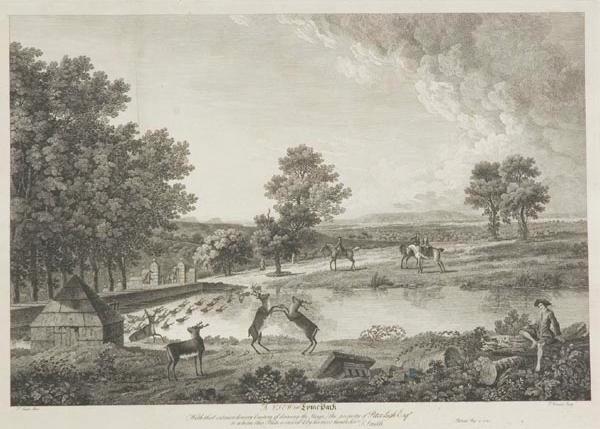
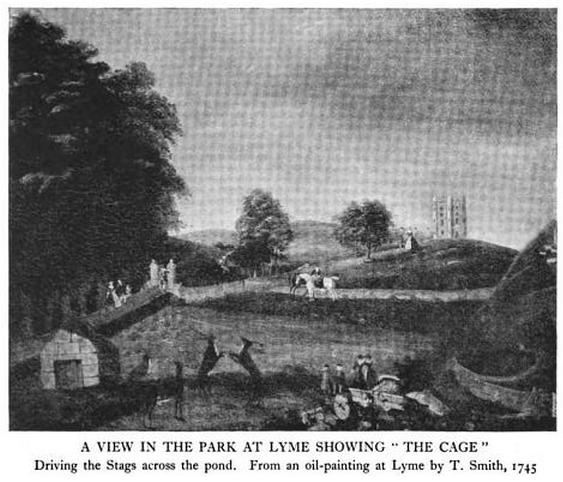
Driving the stags, a view of Lyme Park, 1745. Engraved by F. Vivares after a painting by Thomas Smith. Notice the differences in details between the print and the painting.

There is a large print of it by Vivares, after a painting by T. Smith, representing Lyme Park during the performance of the annual ceremony, with the great Vale of Cheshire and Lancashire as far as the Rivington Hills in the distance, and in the foreground the great body of the deer passing through the pool, the last just entering it, and the old stags emerging on the opposite bank, two of which are contending with their forefeet, the horns at that season being too tender to combat with. This art of driving the deer like a herd of ordinary cattle, is stated on a monument at Disley, to have been first perfected by Joseph Watson, who died in 1753, at the age of 104, “having been park keeper at Lyme more than sixty four years.”

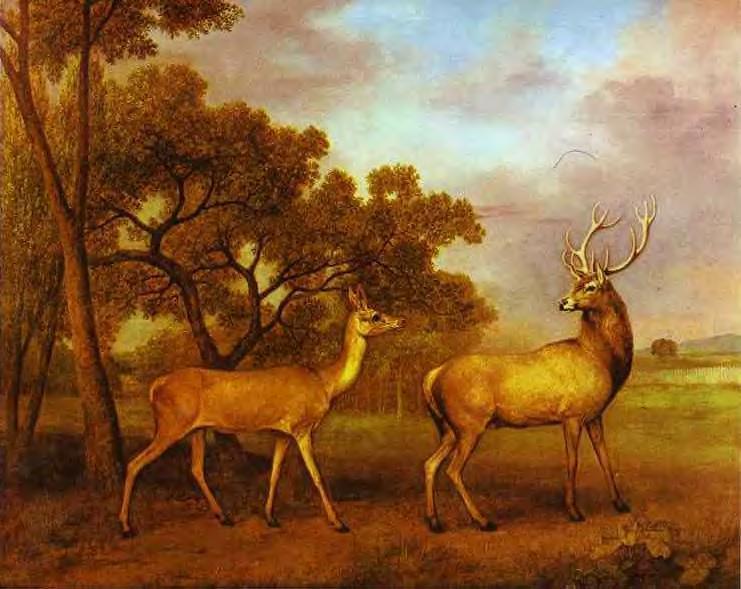
Red deer stag and hind, George Stubbs, 1792

The custom however appears not to have been peculiar to Lyme, as Dr Whitaker describes, in his Account of Townley, ( the seat of a collateral line of Legh,) near the summit of the park, and where it declines to the south, the remains of a large pool, through which tradition reports that the deer were driven by their keepers in the manner still practised in the park at Lyme.” – The Mirror of Literature, Amusement, and Instruction, Vol 14, Percy and Timbs, 1829, p 101-102

In connexion with these deer a very curious custom prevailed at Lyme from earliest times, namely, the driving of the stags at midsummer across a pond, called the Stag Pond — now no longer in existence. This performance was attended by a certain amount of ceremony, it formed a species of entertainment, and neighbours and friends from a distance were invited to be present and to take part in the chase. Vivares,* in a print after a picture by T. Smith,| still preserved at Lyme, represents the stags swimming across the pond, those in the foreground emerging from the water and fighting with their forefeet, the horns being in velvet : in the background are the ladies and gentlemen following the hunt on horseback, dressed in eighteenth-century costume. The print is inscribed :

A View in Lyme Park
With that extraordinary Custom of driving the Stag,

the property of Peter Legh Esqr

to whom this plate is inscribed by his most humble

servant T. Smith

Published Aug : 17. 1745.

* Fran9ois Vivares (1709-1780), a French landscape engraver; came to London 1727 ; kept a print shop, 1750-1780. – The House of Lyme, From its Foundation to the end of the Eighteenth CenturyEvelyn Caroline Bromley-Davenport Legh Newton (baroness), Lady Newton, G.P. Putnam, 1917

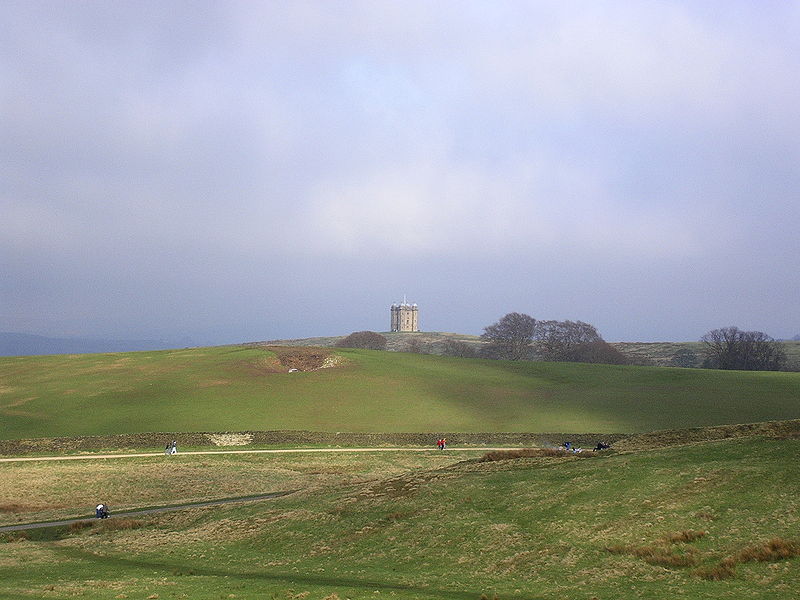
The Cage at Lyme Park overlooking the moors. Image @Wikimedia Commons. The structure was built as a hunting lodge and later used as a lockup for poachers.

More on the topic:

Read Full Post »

« Newer Posts