This Jane Austen blog brings Jane Austen, her novels, and the Regency Period alive through food, dress, social customs, and other 19th C. historical details related to this topic.
This is the time of year when I start to dream of traveling to England or other beautiful places over the summer. I know just how Elizabeth Bennet felt when looking forward to her trip with her Uncle and Aunt Gardiner.
What a delightful thought! Anticipation is half the joy of any exciting pursuit. Her words could not be more true:
Her tour to the Lakes was now the object of her happiest thoughts: it was her best consolation for all the uncomfortable hours which the discontentedness of her mother and Kitty made inevitable; and could she have included Jane in the scheme, every part of it would have been perfect.
“But it is fortunate,” thought she, “that I have something to wish for. Were the whole arrangement complete, my disappointment would be certain. But here, by carrying with me one ceaseless source of regret in my sister’s absence, I may reasonably hope to have all my expectations of pleasure realized. A scheme of which every part promises delight can never be successful; and general disappointment is only warded off by the defence of some little peculiar vexation.”
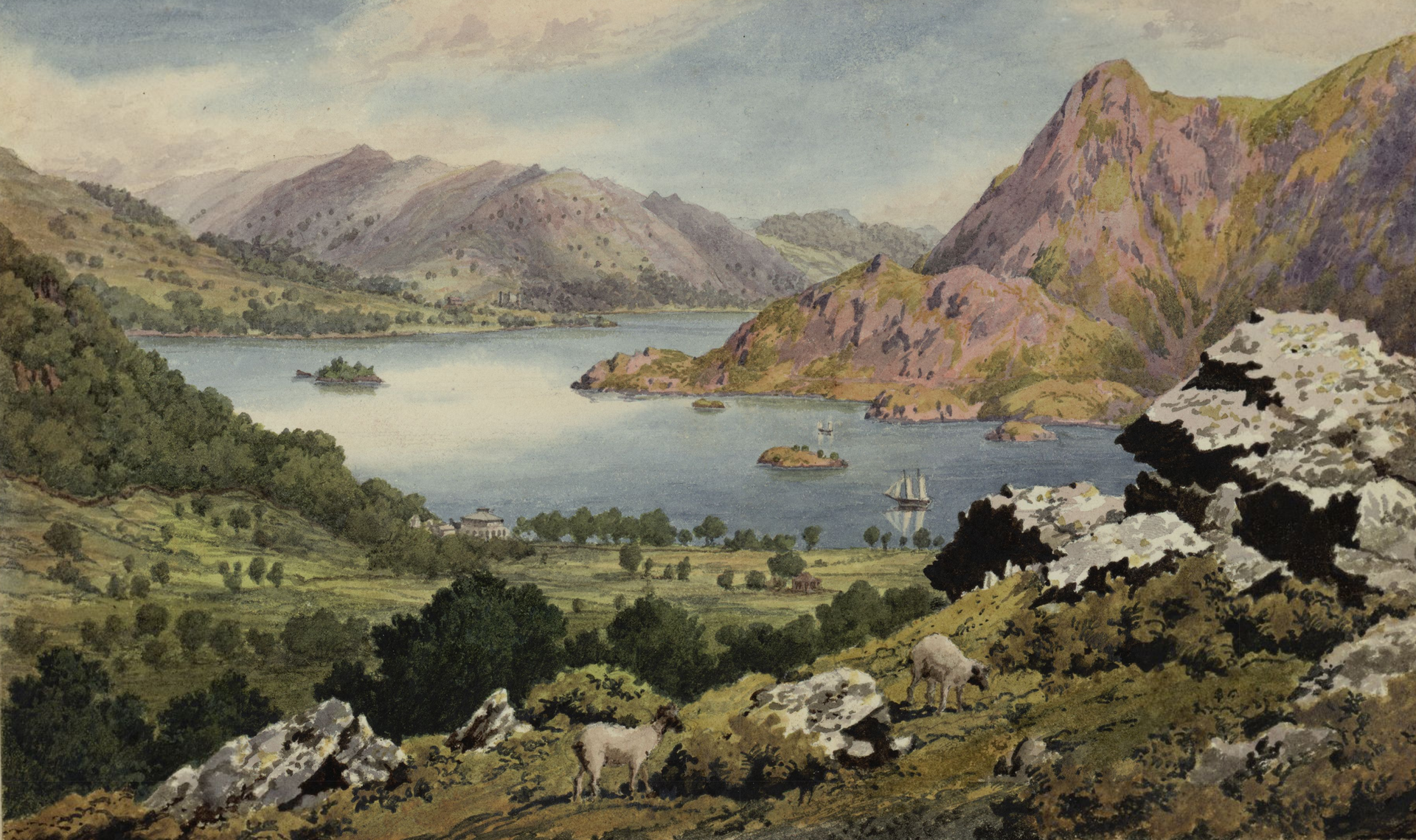
A view of the Lake District: Parker, John. Ullswater from Above Patterdale. 1825. Wikimedia Commons.
Travel Plans
Like many of us who have had our plans amended, Elizabeth has high expectations of all they might see on their trip, but eventually she finds contentment in the final plans to visit Derbyshire and the Peak District but not venture to the Lakes:
…they were obliged to give up the Lakes, and substitute a more contracted tour; and, according to the present plan, were to go no farther northward than Derbyshire. In that county there was enough to be seen to occupy the chief of their three weeks; and to Mrs. Gardiner it had a peculiarly strong attraction. The town where she had formerly passed some years of her life, and where they were now to spend a few days, was probably as great an object of her curiosity as all the celebrated beauties of Matlock, Chatsworth, Dovedale, or the Peak.
Most of us can relate to Elizabeth’s feelings on the topic:
Elizabeth was excessively disappointed: she had set her heart on seeing the Lakes; and still thought there might have been time enough. But it was her business to be satisfied—and certainly her temper to be happy; and all was soon right again.
Wright of Derby, Joseph. Dovedale by Moonlight. c.1784–1785, oil on canvas. Wikimedia Commons.
Travel Route
Her trip was revised, but there was still much for her to see. I’ve always been intrigued by this paragraph that tells us about the route they took on their way to Derbyshire, for there would have been many interesting sights along the way:
It is not the object of this work to give a description of Derbyshire, nor of any of the remarkable places through which their route thither lay—Oxford, Blenheim, Warwick, Kenilworth, Birmingham, etc., are sufficiently known. A small part of Derbyshire is all the present concern.
If Elizabeth and the Gardiners stopped along the way, what might these locations have looked like at the time? Most scholars agree that this trip would have taken several days, which means they would have had to change horses several times and stop for food and rest and lodging. It’s fun to imagine what all they saw and where they stopped, though we know they would have wanted as much time as possible in Derbyshire.
For anyone curious about how far and how fast people could travel in Jane Austen’s England, I highly recommend Wade H. Mann’s article, “Distance and Time in Regency England” on Quills & Quartos. It breaks down the realities of journeying by carriage, horseback, and foot, giving a clear sense of the distances and travel times that shaped the world Austen’s characters inhabited.
Pollard, James. London to Brighton Stage Coach. c. 1822, coloured aquatint, engraved by Matthew Dubourg (attributed), Wikimedia Commons.
Oxford
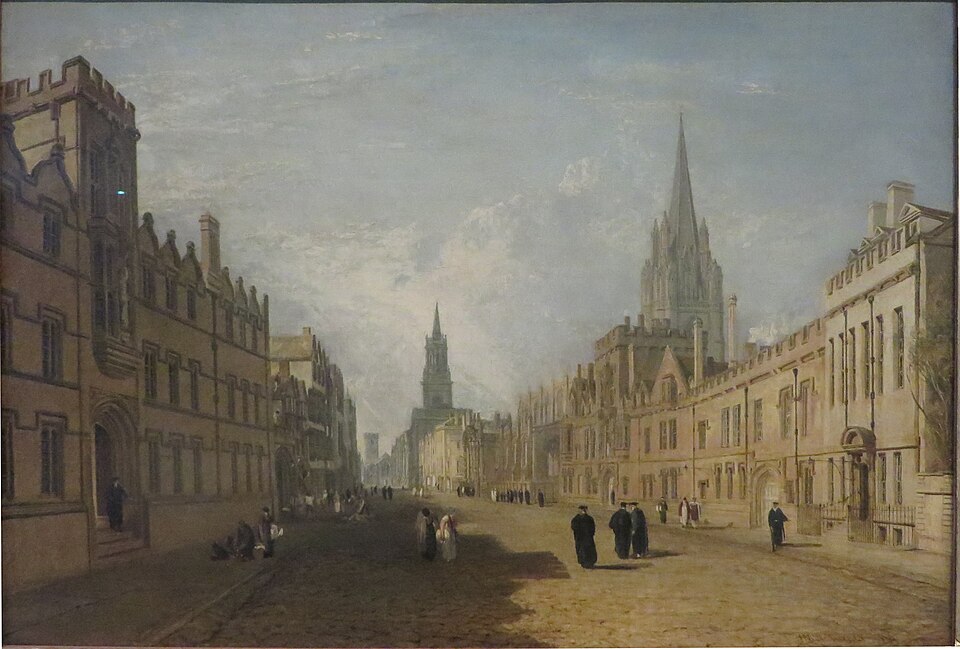
Austen’s contemporary readers would have recognized Oxford as a center of learning and culture. High Street and Cornmarket Street bustled with shops, inns, and markets. The architecture would have also been of interest. There are many gardens and parks to explore and walk, museums and libraries, and several religious sites. There would have been much for Elizabeth and the Gardiners to experience along the way.
High Street, Oxford, J. M. W. Turner, Wikipedia, 1810.
Blenheim
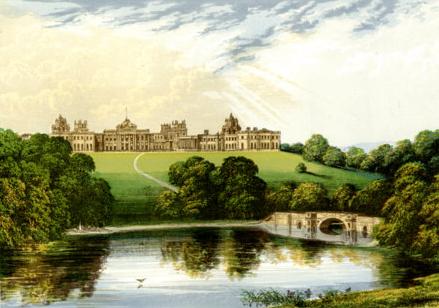
Blenheim Palace, the seat of the Dukes of Marlborough (which would later become the birthplace of Winston Churchill), was also on the route. As we see later when Elizabeth and the Gardiners visit Pemberley, by the late 18th and early 19th centuries, many famous estates in England had become informal tourist attractions. Wealthy travelers, and even respectable middle-class visitors, often toured grand houses while traveling through the countryside.
Morris, F. O. Blenheim Palace. 1880. Wikimedia Commons.
Warwick
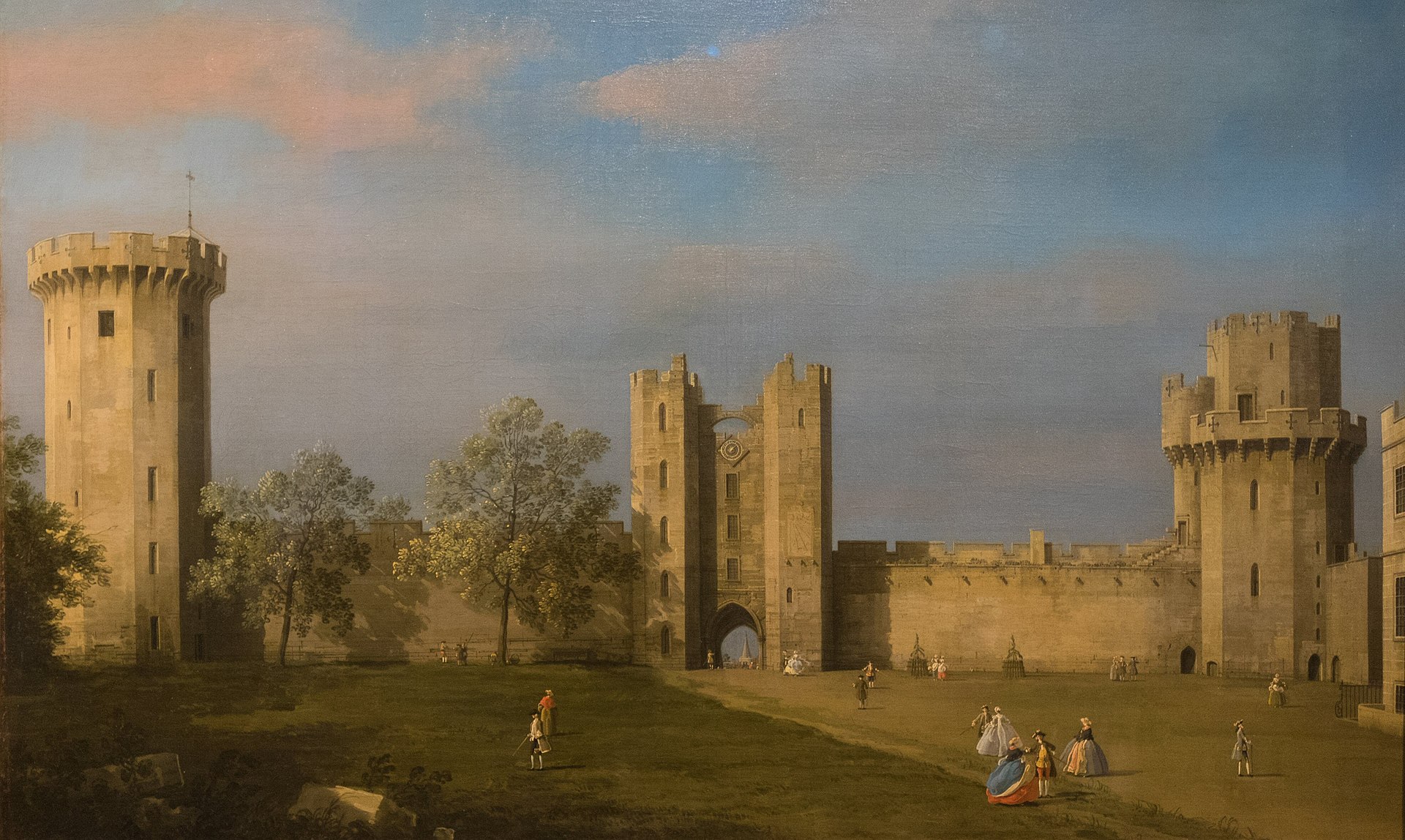
Today, Warwick is a lovely little village, and the castle is one of my favorite sites to visit. During Austen’s time, Warwick Castle would have boasted recent new landscaping by Lancelot “Capability” Brown (1716–1783). Warwick Castle’s grounds were redesigned in the 18th century, and Brown’s landscapes created sweeping lawns, gentle vistas, and picturesque trees. Visitors like Elizabeth Bennet might have enjoyed exploring the grounds.
Canaletto. Warwick Castle, the East Front from the Courtyard. Birmingham Museum and Art Gallery, Wikimedia Commons.
Kenilworth
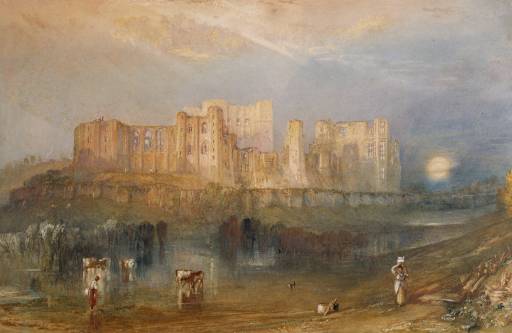
Kenilworth Castle, already a famous historic ruin during the Regency Era, offered visitors sweeping views, crumbling walls, and picturesque gardens. Tourists like Elizabeth Bennet might have strolled the grounds and enjoyed the romantic, dramatic scenery that made it a highlight of Warwickshire travel.
Turner, Joseph Mallord William. Kenilworth Castle. c. 1830, watercolour, bodycolour, and graphite on paper. Fine Arts Museums of San Francisco. Wikimedia Commons.
Finally, in Austen’s day, Birmingham was a bustling market and industrial town rather than a landscaped estate. Travelers might stop for lodging, shopping, or supplies, experiencing the commerce of an emerging urban center instead of picturesque grounds or aristocratic architecture.
Derbyshire
Once they arrive in Derbyshire, we know whom Elizabeth and the Gardiners visit and what they see. Unlike Elizabeth Bennet, most of us will never enjoy living at such a glorious estate as Pemberley. But we can visit many of the real, historic sites. And if we’re very lucky, perhaps we might be invited to visit a historic estate or home one day, such as my visit to Sherbourne Park.
Most of all, Elizabeth’s travels remind us that the journey is often just as important and interesting as the destination. Unless, of course, Mr. Darcy is waiting at one of those destinations.
Tune in for more about Elizabeth’s travels in the coming months!
Hello, dear readers! This month, I’m featuring this new edition of Pride and Prejudice, a Handwritten Classics edition. This is a luxurious collector’s edition in two volumes, featuring Austen’s complete novel. Inside, you’ll find a collection of characters’ letters and papers, written and folded by hand.
This new collector’s edition offers a luxurious cloth binding, deluxe paper, and new printed ephemera that lend an additional dimension to the reading experience. Examples include a newspaper clipping announcing that Netherfield Park is available to let, an invitation to the ball at Netherfield, an illustrated guide to Pemberley, Darcy and Elizabeth’s marriage license, and so forth.
This collector’s edition invites fans inside the world of Jane Austen’s Elizabeth Bennet. A deluxe, cloth-bound, two-volume set includes gorgeous replicas of the characters’ letters, plus all-new mementos, such as the Darcys’ marriage certificate and an invitation to the ball at Netherfield.
Heller’s specially curated edition, first published in 2020, brought these epistles to life and became a fan favorite. Pockets throughout the novel contain handwritten replicas of nineteen letters, from Mr. Collins’s unctuous letter of introduction to Jane’s urgent missive announcing Lydia’s elopement. Readers can pull out each piece, peruse its contents, and feel transported to the breakfast table at Longbourn.
Heller’s research notes shed fascinating light on how she imbued each letter with the character’s unique personality and recreated historical postage marks. Delve deeper into the history with guest essays by Philip Palmer, curator and department head at the Morgan Library & Museum, and Dr. Juliette Wells, curator of the Morgan’s 2025 exhibition of Austen’s own letters, A Lively Mind: Jane Austen at 250. For anyone who loves Austen, and for anyone who still cherishes the joy of letter writing or collects printed memorabilia, this book offers an immersive experience of a favorite story.
You can revisit Austen’s original text and experience it in a unique way with physical ephemera that links you directly to the world of Elizabeth Bennet and Mr. Darcy. From the masterful calligraphy and the painstaking attention to historical detail to the hand-folding of the letters and other paper memorabilia—this book is an object made by fans for fans.
The novel is presented in two volumes, cloth-bound, foil-stamped, and housed in an elegant slipcase. It offers an exceptional reading experience, stands apart on the shelf, and makes for a truly lovely gift and keepsake.
Barbara Heller
Barbara Heller is a set decorator for film and television, including The Americans and When They See Us, and a writer and director of award-winning short films that have screened at festivals around the world (Cannes, Berlin, Sundance). She graduated from Brown University with a degree in English Literature. Her previous books include special editions of Pride and Prejudice, Little Women, Persuasion, and Anne of Green Gables. You can read about her work and visit her online HERE.
How the Series Began
Heller, an avid Austen fan, shares about creating this series of handwritten editions of classic books and how it all started:
“I was re-reading Pride and Prejudice for the gazillionth time, savoring my favorite passages in Mrs. Gardiner’s “long, kind, satisfactory” letter to Elizabeth, when a sudden desire to have that letter in my hand came over me. To hold the very letter that Elizabeth Bennet once received – ink faded, paper yellowed – would be utterly satisfying. In truth, I wanted to possess the originals of all the letters in Pride and Prejudice. A vision of myself at a flea market, happening upon the letters, was so real that I experienced the twin electric thrills of discovery and possession. I became determined to transform reverie into reality.
“[It took] three fascinating years during which I examined hundreds of letters written in early 19th century England; dove deep into their cryptic postal marks; agonized mightily over each character’s handwriting, and met the talented scribes who could write a period hand.
“I was extraordinarily lucky to find a home amongst the Austen lovers at Chronicle Books. In this special edition, each letter is tucked inside a glassine envelope bound at the appropriate place in the novel. I have now read the letters so many times I practically have them memorized; and yet, with every re-read, I still get caught up in the story, discover something new, and marvel at (and feel grateful for) the genius of Jane Austen.”
Jane Austen Book Collecting
I personally think this is an edition for serious book collectors and Jane Austen collectors. The price point is high, but it’s currently on sale right now on Amazon (subject to change). It would make a lovely gift or a fun splurge for yourself. It is truly an immersive experience.
As I thought about how I would use this book, I think it would make a wonderful display at a Jane Austen party, book club, program, or exhibit. I can imagine gathering a group of Austen friends together to dress up, have tea, and read the letters and papers out loud together.
As we step into Fall over the next few months, I look forward to sharing several new books that are releasing this year in celebration of Jane Austen’s 250th! I hope you’ve found a few books to add to your shelves along the way.
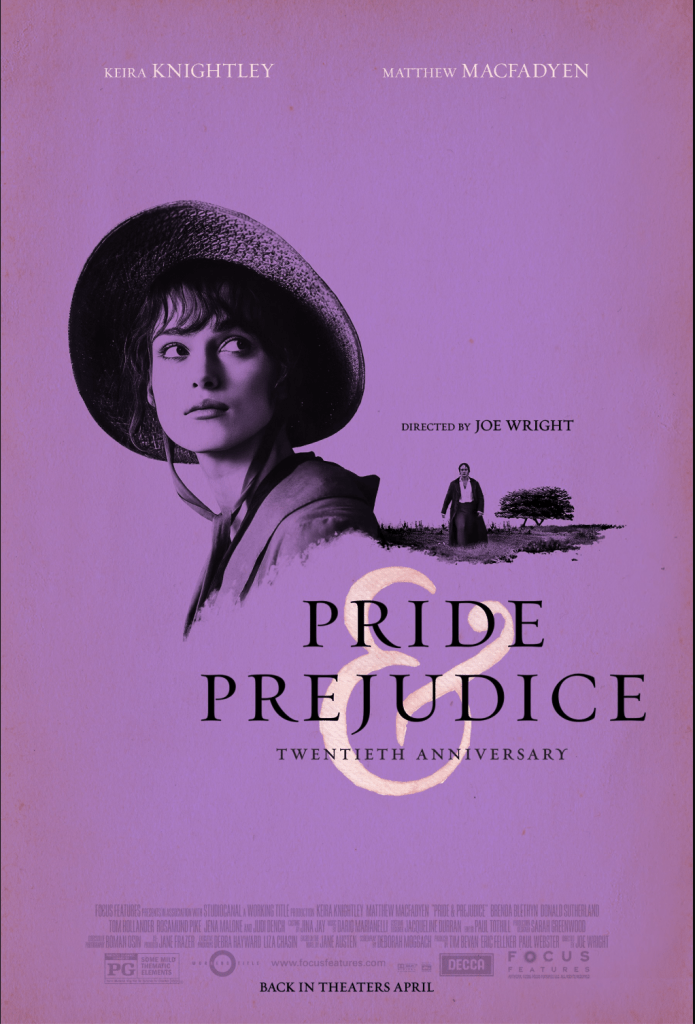
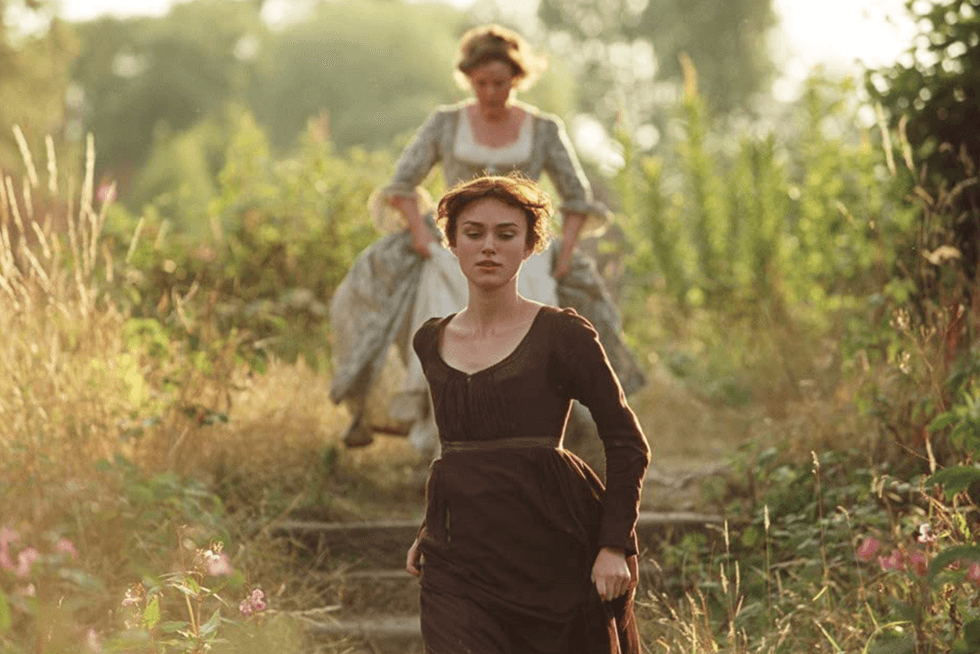
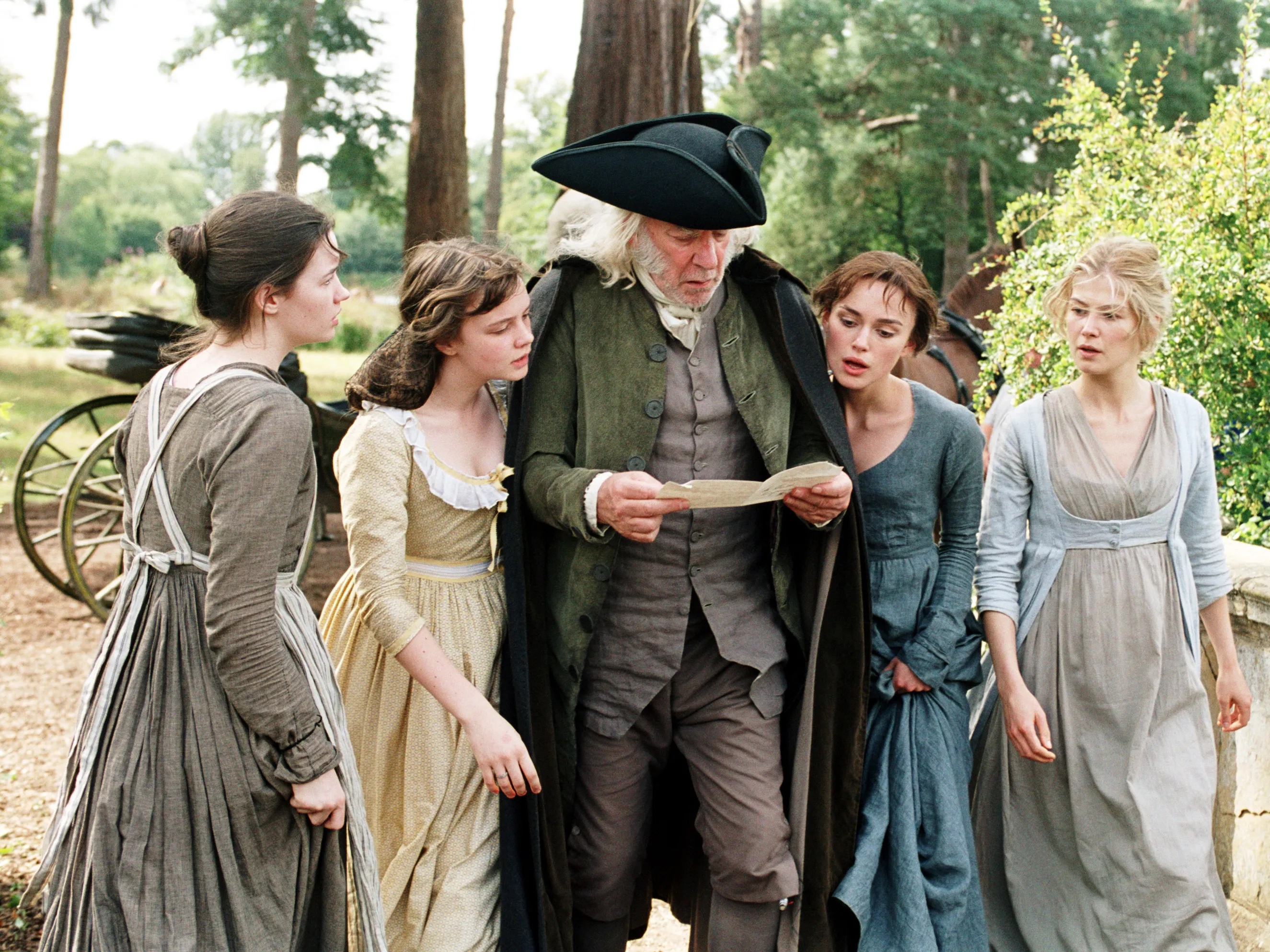
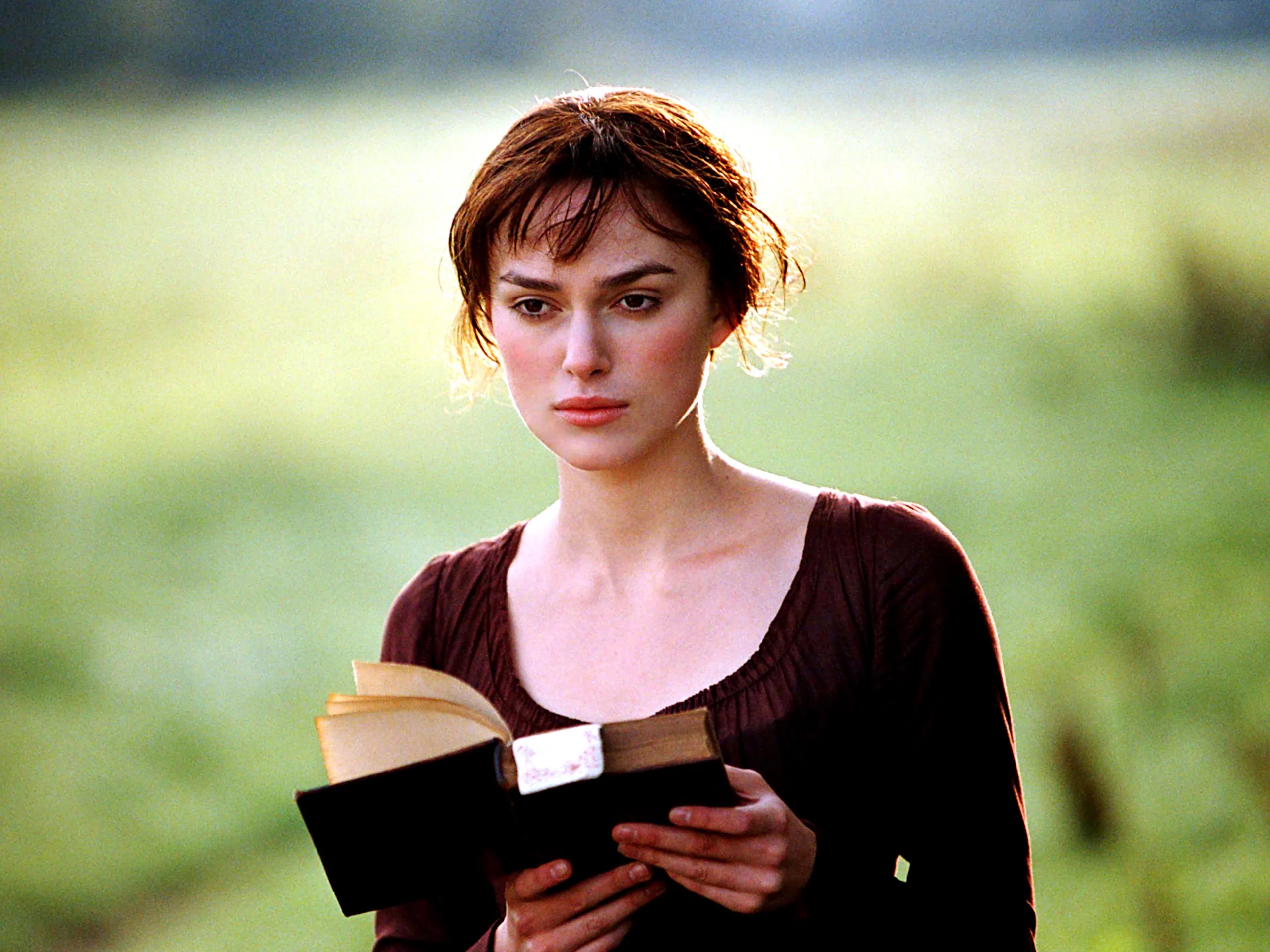
Jane Austen fans are flocking to theaters to watch the 2005 Pride and Prejudicefilm in theaters to celebrate its 20th anniversary. And what perfect timing with Jane’s own 250th celebration!
The film’s re-release in theaters was originally set for April 18-24, 2025, but it was extended to April 25-30, 2025 due to its success. It’s a limited engagement, primarily in the U.S., so Jane Austen friend groups, book clubs, and JASNA regional groups are taking advantage of this special event and gathering at movie theaters nationwide to watch it together.
Some, in Regency garb!
Pop Culture Craze
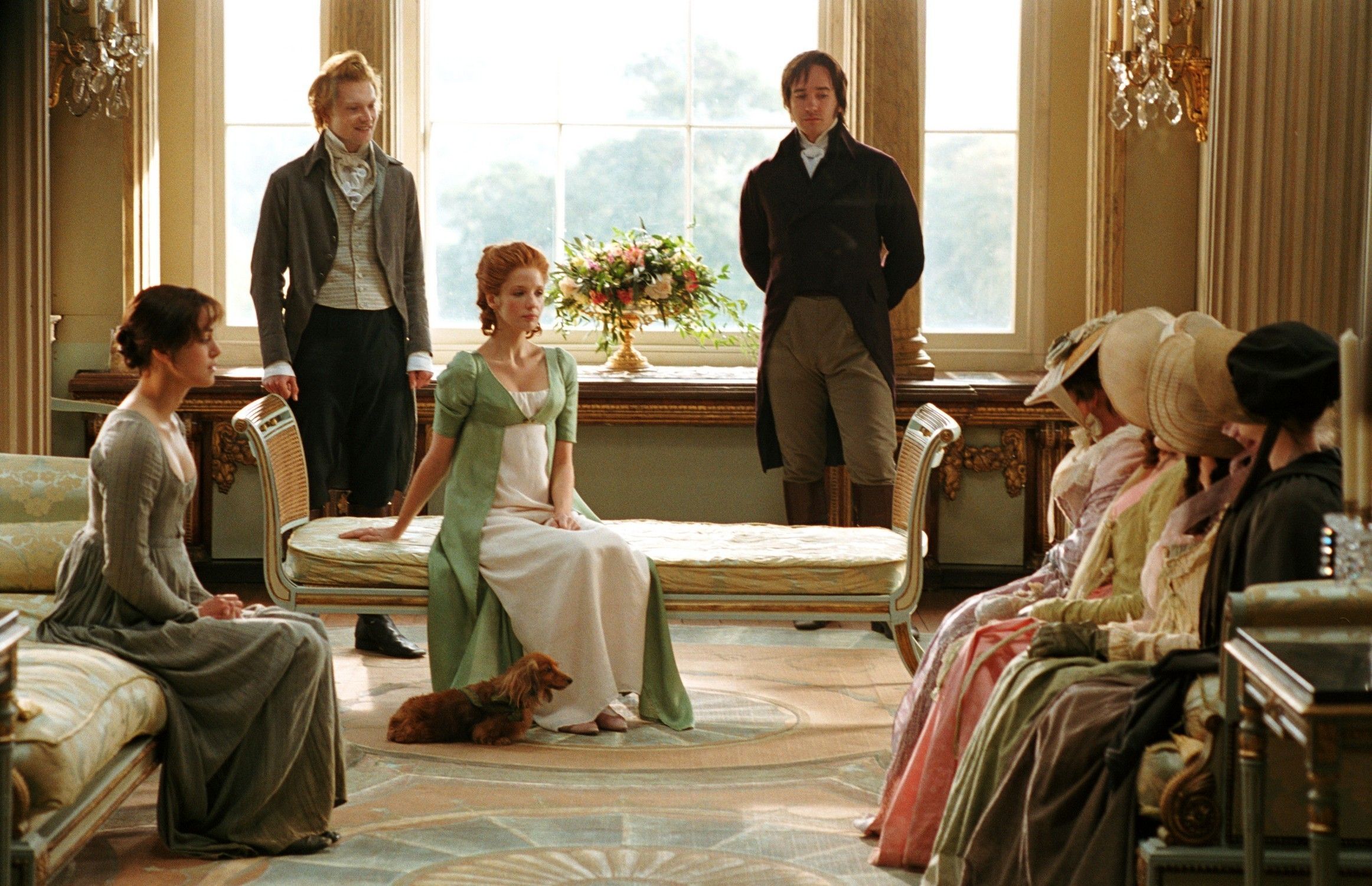
While the 2005 film version of Pride and Prejudice isn’t a favorite with some Jane Austen fans, who argue that it’s a very loose interpretation of the novel (and rife with historical inaccuracies), it’s been a huge sensation with a whole new wave of Austen fans since it first released 20 years ago. P&P 2005 fans discuss it non-stop online and have created fan groups and an endless library of memes, edits, reels dedicated to it. An entire fandom has formed itself around the film and its actors.
Hand Flex
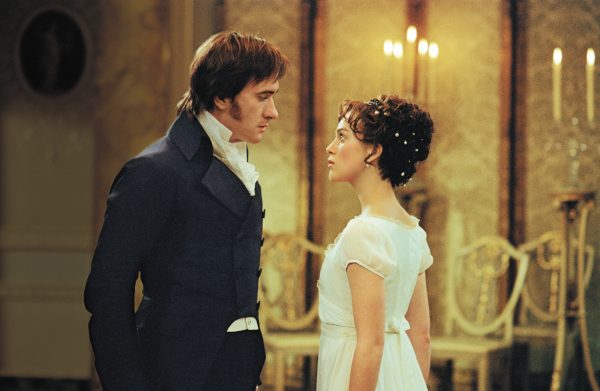
And its popularity shows no sign of stopping. From Macfadyen’s emotionally complex portrayal of Mr. Darcy, the electricity between Knightley and Macfadyen, and the famous “hand-flex” scene, this highly romanticized adaptation of Austen’s novel is a cultural phenomenon in its own right.
Musical Score
The musical score alone is beloved by fans everywhere. Composed by Dario Marianelli and performed by Jean-Yves Thibaudet (piano) and the English Chamber Orchestra), the music is one of the reasons people love the film so much. The title track “Dawn” is just about as dreamy as it can get:
Awards and Nominations
After its release, the film won or was nominated for endless awards from the film industry, including Oscar nominations for Best Performance by an Actress in a Leading Role (Keira Knightley), Best Achievement in Art Direction (Sarah Greenwood, art director and Katie Spencer, set decorator), Best Achievement in Costume Design (Jacqueline Durran), and Best Achievement in Music Written for Motion Pictures (Original Score, Dario Marianelli).
Joe Wright, the film’s director and the 2006 Winner Carl Foreman Award for the Most Promising Newcomer, joined a Q&A several days ago at a special screening of the re-release. Of his directorial debut, he said, “I’m actually prouder of the film tonight than I think I’ve ever been.” (@focusfeatures)
The 2005 Pride and Prejudice is often compared to the 1995 sweeping BCC version with Colin Firth and Jennifer Ehle, but it’s a bit like comparing apples and oranges. They are both so vastly different in every way. Nonetheless, fans have been debating this topic for 20 years now and will probably continue for another 20 years at least.
People outside the Jane Austen fandom probably won’t ever understand why we all feel so passionate about the different film versions of Austen’s novels, but in the words of Mr. Bennet, “For what do we live, but to make sport for our neighbours, and laugh at them in our turn?”
Re-Watching
Jane Austen fans LOVE to re-watch the films over and over. Have you been to the theater to watch the 2005 P&P re-release? Are you planning to go? (Did you / Will you dress up?) Which version do you prefer? Please comment below!
If you’d like to check showtimes in your local village theater, you can search AMC’s listings HERE. I’m hoping to see it before it’s gone. I can’t pass up the chance to watch a movie with other die-hard Janeites at the theater!
“My dear child, commend Dr. Grant to the deanery of Westminster or St. Paul’s, and I should be as glad of your nurseryman and poulterer as you could be.”—Mrs. Grant to Mary Crawford, Mansfield Park, chapter 22
Churches Mentioned in Mansfield Park
Four real churches are mentioned in Mansfield Park, which talks extensively about the church and clergy. I’ve written about the Garrison Chapel, where the Prices and Henry Crawford went to church. A few days ago, I posted about a church in London, St. George’s, Hanover Square, the wedding venue that Mary Crawford wants to show Fanny.
Two more real London churches are mentioned in Mansfield Park. Mrs. Grant speaks of the two most well-known churches in England, Westminster Abbey and St. Paul’s Cathedral. Mary Crawford tells her sister to greet the nurseryman (who took care of plants) and the poulterer (who provided poultry), but her sister tells her there are no such people in Mansfield. The Grants will need to move to the big city to get such help. She hopes that someone will “commend Dr. Grant to the deanery of Westminster or St. Paul’s,” so they can move to London.
The “deanery” is the office of the dean, the head clergyman of a major church.
Mrs. Grant finally gets that opportunity:
“Dr. Grant, through an interest on which he had almost ceased to form hopes, succeeded to a stall in Westminster, which, as affording an occasion for leaving Mansfield, an excuse for residence in London, and an increase of income to answer the expenses of the change, was highly acceptable to those who went and those who staid.”— Mansfield Park, chapter 48
Dr. Grant, as he had hoped, moves up in the church hierarchy to a prestigious church. He’s been the rector of a small country church at Mansfield Park. He will still receive the tithe income from that church until he dies, when Edmund will become rector. But Dr. Grant has connections to people with influence who can get him a higher church position. The church worked much like the Navy, where Henry Crawford’s uncle, the Admiral, gets William Price a promotion.
Westminster Abbey
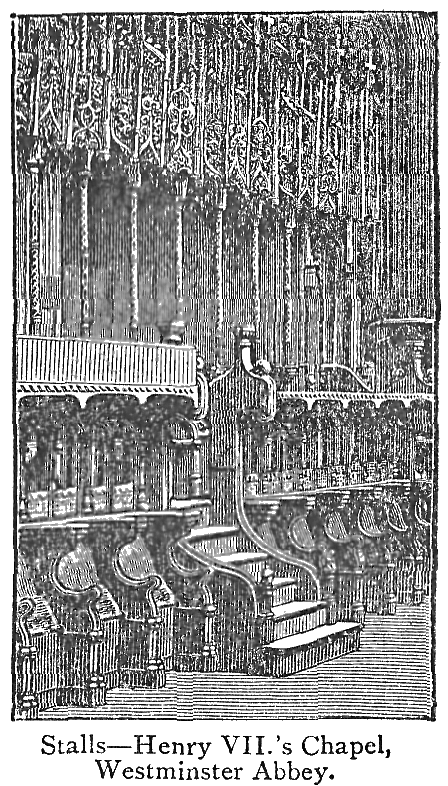
One of Dr. Grant’s friends, or more likely a friend of a friend, gets him a “stall in Westminster,” meaning a position as a prebendary. A prebendary was a church official who sat in a prebendal stall, a seat of honor in the church. The position came with income from a “prebend,” specific church possessions.
Stalls in Westminster Abbey, 1908. Image Credit: Rev. Thomas Davidson 1856-1923 (ed.), Public domain, via Wikimedia Commons
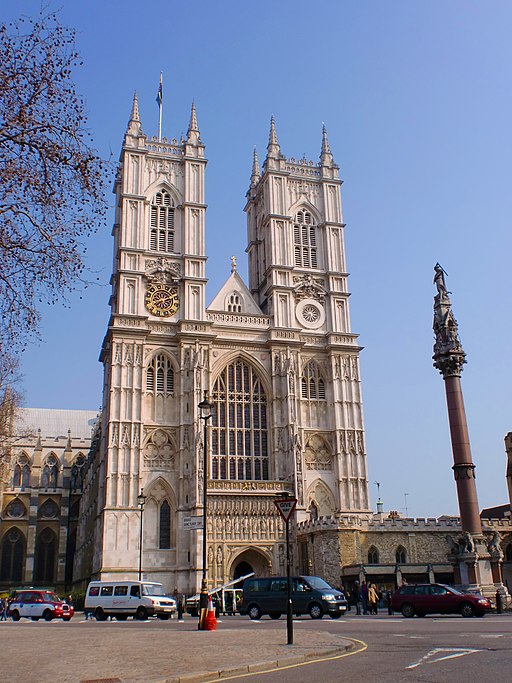
Westminster Abbey is, of course, the church in London where monarchs are crowned, as King Charles III was not long ago. All English coronations have taken place there since 1066. It is not a cathedral or a parish church. Instead it is a “Royal Peculiar,” with a dean like other large churches, but under the direct supervision of the monarch rather than a bishop or archbishop.
Westminster Abbey in London, a “Royal Peculiar” directly under the Crown. Credit: Σπάρτακος, CC BY-SA 3.0, via Wikimedia Commons
Westminster Abbey is also, of course, a place where many famous people are buried and memorialized. While Jane Austen is buried in Winchester Cathedral, there is a small plaque commemorating her in Poet’s Corner in Westminster Abbey, adjacent to Shakespeare’s memorial.
St. Paul’s Cathedral
St. Paul’s Cathedral, the other place where Dr. Grant hoped to get a position, is the cathedral of the diocese of London. (A diocese is a geographical group of parishes, led by a bishop, whose “seat” is at the cathedral for the diocese.) The history of the church reflects the history of London.
One interesting fact: women were first ordained as priests in the Church of England in 1994, and St. Paul’s first clergywoman was appointed in 1997. Now the Lord Bishop of London is a woman, installed in 2018, with her seat, of course, at St. Paul’s. She is called the Right Reverend and Right Honorable Dame Sarah Mullally, and she is a member of the House of Lords. No doubt Jane Austen would be amazed.
One more London church is mentioned in Jane Austen’s novels. In Pride and Prejudice, Lydia tells her sisters,
“We were married you know, at St. Clement’s, because Wickham’s lodgings were in that parish. And it was settled that we should all be there by eleven o’clock.”
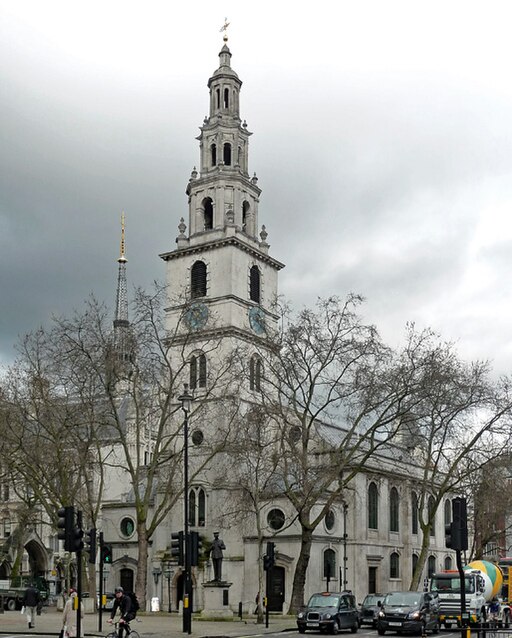
We don’t know for sure which St. Clement’s in London Austen has in mind. An old nursery rhyme goes, “Oranges and lemons, say the bells of St. Clement’s,” and two churches claim to be the St. Clement’s in the rhyme.
It seems most likely that Austen was referring to St. Clement Danes in the Strand, which served a large parish. The parish included areas of cheap lodgings and less savory areas, where Wickham could have afforded lodgings. It was also some distance from Gracechurch Street where the Gardiners lived, better concealing Wickham and Lydia from her family. (Source: Pat Rogers, editor of the Cambridge Pride and Prejudice.)
Another option, according to Rogers, is St. Clement’s Eastcheap on the east side of Clement’s Lane. However, this was a tiny parish only a block from Gracechurch Street, so was less likely to be the parish Wickham chose to lodge in.
The rhyme goes on to talk about not being able to pay a debt until one gets rich, at some unknown future time. Quite appropriate for Wickham, who was deep in debt but always hoping to get rich.
St. Clement Danes in the Strand, possible location for Lydia and Wickham’s wedding. Image credit: Stephen Richards / St Clement Danes, Strand / CC BY-SA 2.0
Faith in London Today
Another surprise for Jane Austen: In Mansfield Park, Edmund Bertram states, “We do not look in great cities for our best morality.” He implies that there was more virtue in the countryside and more vice in London. That was probably true in Austen’s time, according to all I have read.
However, a survey a few years ago indicated that the opposite is now true: “London is now more religious and socially conservative than the rest of Britain.” According to that survey, Londoners pray more, attend religious services more, and are more conservative on moral questions than those outside London. Also, Christian Londoners help their neighbours and give to charity more than non-religious Londoners. Of course, London is also a diverse religious environment, with people practicing various religious faiths, which are less common outside of the capital.
The London churches Austen mentions in Mansfield Park are still thriving.
Other churches mentioned by name in Jane Austen’s novels and letters
“Had Elizabeth’s opinion been all drawn from her own family, she could not have formed a very pleasing opinion of conjugal felicity or domestic comfort. Her father, captivated by youth and beauty, and that appearance of good humour which youth and beauty generally give, had married a woman whose weak understanding and illiberal mind had very early in their marriage put an end to all real affection for her. Respect, esteem, and confidence had vanished for ever; and all his views of domestic happiness were overthrown.”—Pride and Prejudice, chapter 42
Mr. and Mrs. Bennet’s Courtship
Have you ever wondered how on earth intelligent Mr. Bennet came to marry a woman of “weak understanding” and an “illiberal” [uncultured, unrefined] mind? Jane Austen gives us a brief explanation above: he was “captivated by youth and beauty” and an “appearance of good humour.” But what was their courtship like? Emma Wood has imagined that in the play Mr. Bennet’s Bride. First, let’s think a little more about what Austen tells us.
Mr. and Mrs. Bennet, an ill-assorted pair. Hugh Thomson, 1894, public domain.
It’s often been pointed out that Mrs. Bennet, silly as she seems, has some worldly wisdom. She has legitimate concerns about providing for herself and her children after Mr. Bennet’s death. It seems that Mr. Bennet had earlier considered this, but now has more or less given up. In chapter 50, when Lydia is to marry Wickham, we read:
“Mr. Bennet had very often wished before this period of his life that, instead of spending his whole income, he had laid by an annual sum for the better provision of his children, and of his wife, if she survived him. He now wished it more than ever. . . .
“When first Mr. Bennet had married, economy was held to be perfectly useless, for, of course, they were to have a son. The son was to join in cutting off the entail, as soon as he should be of age, and the widow and younger children would by that means be provided for. Five daughters successively entered the world, but yet the son was to come; and Mrs. Bennet, for many years after Lydia’s birth, had been certain that he would. This event had at last been despaired of, but it was then too late to be saving. Mrs. Bennet had no turn for economy, and her husband’s love of independence had alone prevented their exceeding their income.
“Five thousand pounds was settled by marriage articles on Mrs. Bennet and the children. But in what proportions it should be divided amongst the latter depended on the will of the parents.”
So Mrs. Bennet did have some fortune, enough to give her about £250 a year (5% of £5,000). Not enough for a gentry family to live on, but not poverty, either. However, divided between five daughters, once their father died and his estate went to Mr. Collins, it was insignificant.
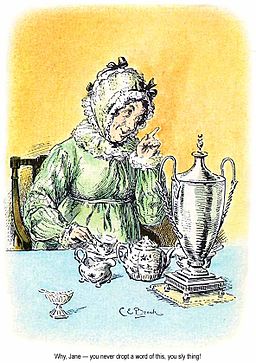
Mrs. Bennet has some valid concerns mixed with her foolishness. C.E. Brock, 1895, public domain
While her family’s future is uncertain, Mrs. Bennet does not recognize, as her husband does, that saving money would be a help. Her extravagant plans for Lydia’s wedding clothes, and for Lydia and Wickham’s future house, servants, and carriages, show that she has no conception of limiting expenditures according to income. It is her husband whose “love of independence” (desire to avoid debt) has kept their family solvent. Mr. Bennet was at least better than that “foolish, spendthrift baronet,” Sir Walter Elliot of Persuasion, “who had not had principle or sense enough to maintain himself in the situation in which Providence had placed him.”
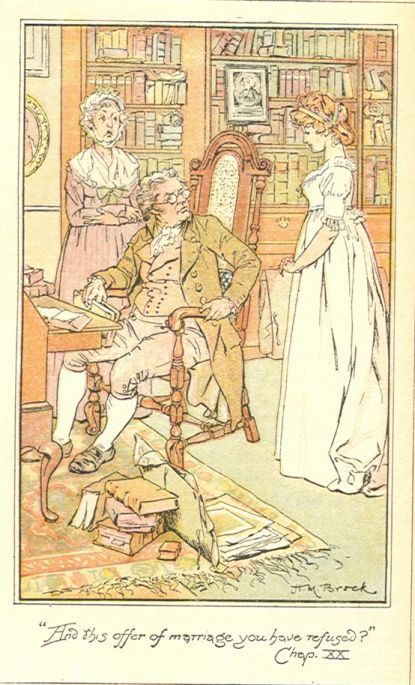
Mr. Bennet wishes he had saved money to provide for his daughters, but he has not. H. M. Brock, public domain
Mrs. Bennet, when she was lovely young Miss Gardiner, had enough sense to get the attention of young Mr. Bennet, heir to Longbourn estate, and wheedle him into marrying her.
And that’s where the imagination of Emma Wood, an Australian playwright, took off.
The Play, Mr. Bennet’s Bride
Wood says,
“I began to imagine the details of their courtship. I knew the end, but how did the story begin? The characters flew onto the page. It was such a joy to write. Imagining the earlier lives of the ill-suited couple and peopling the stage with other characters in the previous generation to the novel was an adventure. . . . I felt a deep sense of obligation to honour the characters and style of the novel as I wrote, aware that audiences would expect to see people and situations they recognized in a loving tribute to the novel.”
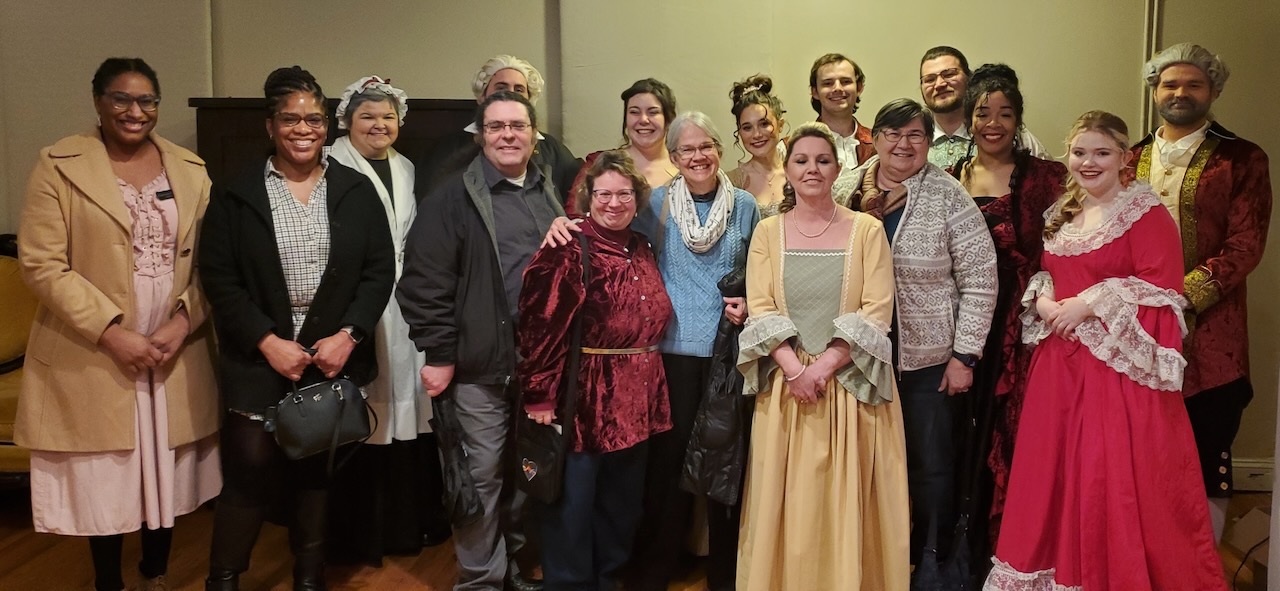
Mr. Bennet’s Bride is a fun play by Australian playwright Emma Wood. Its US premiere was this month in Cartersville, GA. Photo by Brenda S. Cox
Wood’s play, Mr. Bennet’s Bride, has been delighting audiences in Australia and the U.K. since 2014. This February it premiered in the United States, in the small town of Cartersville on the outskirts of Atlanta, Georgia. I was privileged to attend a performance with a group of JASNA friends. We all loved it. The characters were engaging and fun, and the dialogue sparkled. A few little “Easter eggs” were thrown in, Austen quotes that fit well. One started with “It is a truth universally acknowledged . . .”; I won’t give away the others.
The Plot (Includes spoilers)
Here’s how Ms. Wood imagines the story:
We have James Bennet, age 29. His mother died giving birth to him, and his father has been distant all his life. His father’s sister, Aunt Mary, has raised James. His father is pressuring him to marry and produce an heir for Longbourn. His father’s cousin, Benedict Collins, has just produced his own heir, William Collins, and looks on Longbourn as William’s future inheritance.
First we see James hiding behind a sofa, reading a book. When he is discovered, he is forced to make small talk with one of the appropriate young ladies his father has been trying to set him up with. She is no more interested than he is.
Afterwards, his father lays down an ultimatum: Get married within six months, or you’ll be kicked out and have to make your own way in the world. To get James to take him seriously, he puts it into a contract, involving his lawyer (solicitor), Mr. Gardiner.
Jolly Mr. Gardiner and his wife—an earlier incarnation of Mrs. Bennet—take advantage of the situation. In a hilarious scene, Mr. Gardiner manages to introduce James to their beautiful but air-headed daughter Emily. She is in love with an officer but is savvy enough to quickly replace him in her affections with the heir to Longbourn. The story continues with much laughter.
In a serious scene, the elder Mr. Bennet has a touching reconciliation with his son, then allows him to choose his own bride. He chooses Emily. Only at the end does James get an inkling of what he’s gotten himself into.
Some flashed scenes show the new Bennet couple’s future.
The cast and director of Mr. Bennet’s Bride with some visiting Janeites, Feb., 2024. Photo by Brenda S. Cox
“One of the reasons why I have fallen in love with Mr. Bennet’s Bride is how James (our Mr. Bennet), Emily (Mrs. Bennet), and their families are written. They bring another level of depth and understanding for the matriarch and patriarch we’ve come to know in the classic tale. It’s clear both families want the best for their children and I think it’s so important that they admit their faults too when need be. . . . I hope that our production . . . makes you get those warm fuzzy feelings of love and laughter during this Valentine’s season.”
Renata Dennis, Regional Coordinator of JASNA Georgia, and Imani Anderson, director of Mr. Bennet’s Bride. Photo by Brenda S. Cox
The play did indeed give a deeper understanding of Mr. and Mrs. Bennet and how their family came to be what it was.
Gentle readers, how do you imagine Mr. and Mrs. Bennet’s courtship?
Fashionable Goodness: Christianity in Jane Austen's England is now available! By JAW contributor Brenda S. Cox. See Review. Available from Amazon and Jane Austen Books.
Available through December 31st, 2025. Click on image for details, and share this poster with other teachers and students!
The Obituary of Charlotte Collins by Andrew Capes
Click on image to read the story.
Comments
“My idea of good company…is the company of clever, well-informed people, who have a great deal of conversation.” – Jane Austen, Persuasion
Gentle readers: Please feel free to post your comments and continue the conversation! Due to SPAM, we will no longer accept comments on posts after 30 days of publication. In some instances, links will be removed from comments as well.
Administrators and Contributors
Vic Sanborn, founder of this blog, is supported by a team of talented and knowledgeable writers about Jane Austen and the Regency era. They are:
Tony Grant, who now contributes his photos from London and England
Click on their names to enter their own blogs.
In addition, we thank the many experts and authors who frequently contribute their posts and opinions, and who continue to do so freely or at our request.
Click here to enter the page. Topics include Regency fashion, historic foods, Jane Austen societies, British sites, related topics. Click on image.
May we suggest?
Hello, my name is Vic and I live in Maryland, USA. I have adored Jane Austen almost all of my life. I am a proud lifetime member of the Jane Austen Society of North America. This blog is a personal blog written and edited by me and my team. We do not accept any form of cash advertising, sponsorship, or paid topic insertions. However, we do accept and keep books and CDs to review.
If you would like to share a new site, or point out an error, please email us. (Yes, we are fallible. We'll own up to our mistakes and will make the corrections with a polite smile on our faces.) Write us at
Thank you for visiting this blog. Your comments and suggestions are most welcome.
Project Gutenberg: eBook of Stage-coach and Mail in Days of Yore, Volume 2 (of 2), by Charles G. Harper
STAGE-COACH AND MAIL IN DAYS OF YORE: A PICTURESQUE HISTORY
OF THE COACHING AGE, VOL. II, By CHARLES G. HARPER. 1903. Click on this link.


















 Jane Austen's World