Feeds:
Posts
Comments

Archive for the ‘Regency society’ Category

Lady Catherine de Bourgh's formal table: Pride and Prejudice 2005

When dinner is announced, the mistress of the house requests the lady first in rank, in company, to shew the way to the rest, and walk first into the room where the table is served; she then asks the second in precedience to follow, and after all the ladies are passed, she brings up the rear herself. The master of the house does the same with the gentlemen. Among the persons of real distinction, this marhalling of the company is unnecessary, every woman and every man present knows his rank and precedence, and takes the lead, without any direction from the mistress or the master.

When they enter the dining-room, each takes his place in the same order; the mistress of the table sits at the upper-end, those of superior rank next [to] her, right and left, those next in rank following, the gentlemen, and the master at the lower-end; and nothing is considered as a greater mark of ill-breeding, than for a person to interrup this order, or seat himself higher than he ought. – John Trusler, 1791

The Bennets seated at table en famille, with the two oldest daughters next to their father at the head of the table. Mrs. Bennet sits at the lower end. Pride and Prejudice 1995

As the eldest daughter, Jane and Elizabeth sat nearest their father during family meals, with Jane to his right. When Lydia returns as Mrs. Wickham, she unceremoniously bumps Jane to a position towards the middle of the table, for her married state gave her a higher rank than her eldest sister:

Elizabeth could bear it no longer. She got up and ran out of the room; and returned no more till she heard them passing through the hall to the dining parlour. She then joined them soon enough to see Lydia, with anxious parade, walk up to her mother’s right hand, and hear her say to her eldest sister, ‘Ah, Jane I take your place now, and you must go lower, because I am a married woman.’ – Jane Austen, Pride and Prejudice

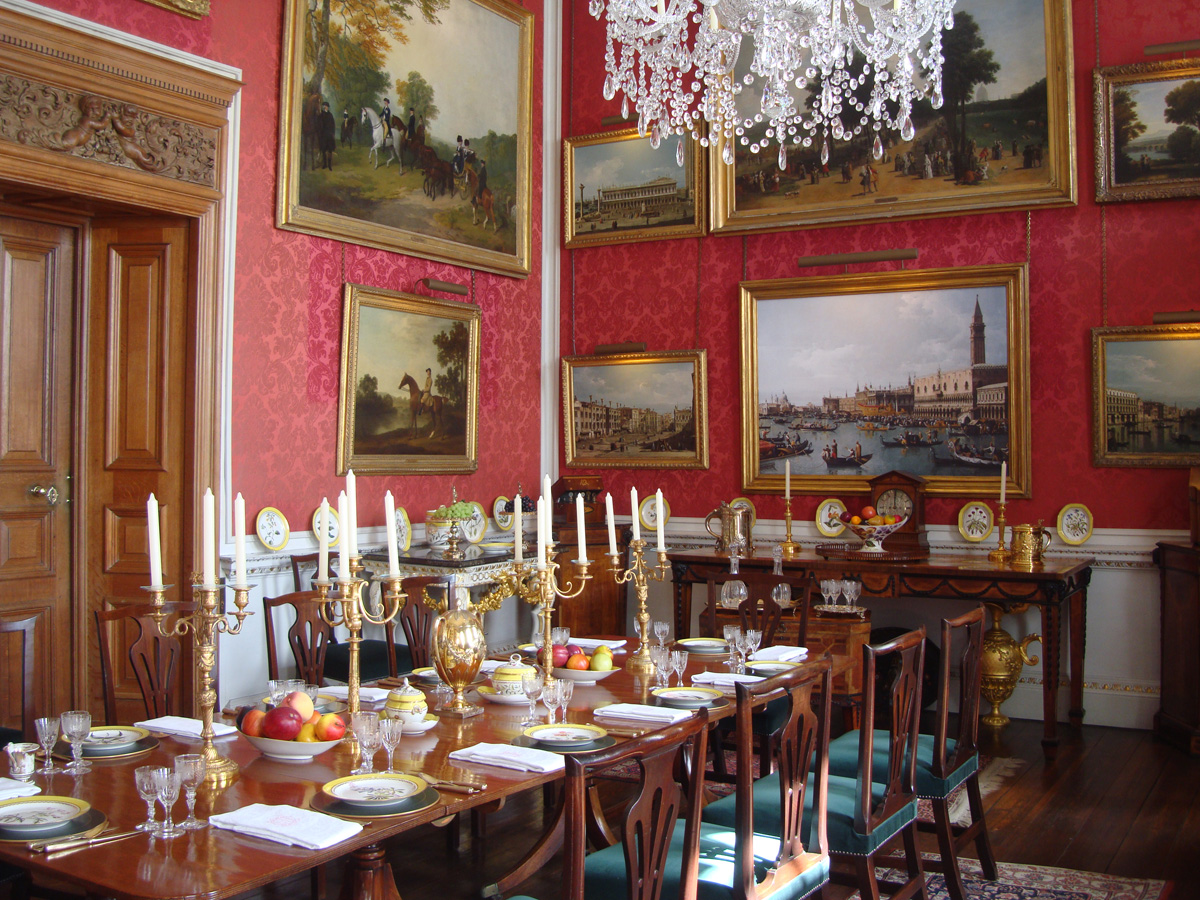
Sumptuous dining table at Castle Howard. Image @Tony Grant

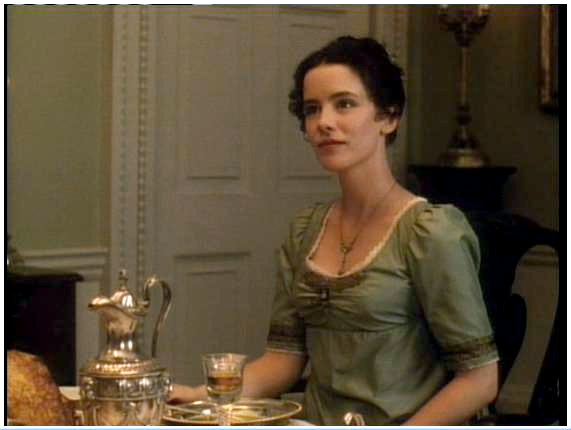
As hostess at her father's table, young Emma Woodhouse sat opposite her father at the upper end of the table. The ladies sit next to Mr. Woodhouse in hierarchy. As in the description by John Trusler, the gentlemen are seated nearest Emma's end of the table.

Emma Woodhouse (Kate Beckinsale)

Custom, however, has lately introduced a new mode of seating. A gentleman and a lady fitting alternately round the table, and this, for the better convenience of a lady’s being attended to, and served by the gentleman next to her. But notwithstanding this promiscuous seating, the ladies, whether above or below, are to be served in order, according to their rank or age, and after them the gentlemen, in the same manner. – John Trusler, p 6

From: The honours of the table, or, Rules for behaviour during meals : with the whole art of carving, illustrated by a variety of cuts. Together with directions for going to market, and the method of distinguishing good provisions from bad; to which is added a number of hints or concise lessons for the improvement of youth, on all occasions in life. By the author of Principles of politeness, &c. … For the use of young people, John Trusler

Other posts on this blog:

Read Full Post »

Jane Austen’s novels did not ignore the rising middle class and successful merchants and tradesmen, the nouveau riche of her era. Mr. Bingley and his sisters were the fortunate offspring of a tradesman. Mrs. Bennet’s,  Mrs. Jennings’, and Mrs. Elton’s vulgarities cannot be denied and add spice to her tales.  A real life representative of the rich bourgeois class was Mrs. Smith, once married to a trader named Kinnear. I would imagine that if a stranger met her, there would be no mistake from her demeanor and accent where her origins lay. She dressed well, according to an eye witness, and managed to live out her years in comfort.

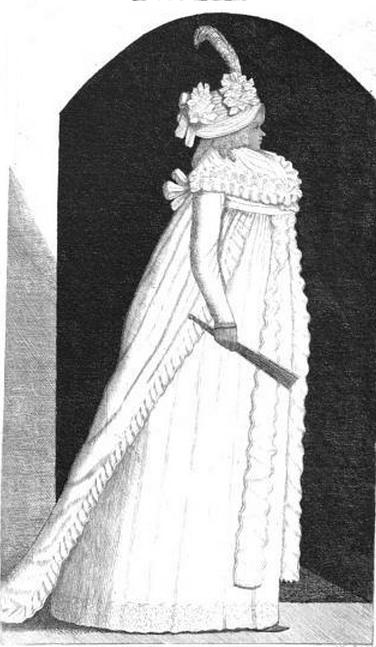
Mrs. Smith, 1795

MRS SMITH IN THE COSTUME OF 1795. That this Portraiture was sketched without a sitting may be conjectured from a memorandum by the artist, which states that when the lady heard of his intention to publish her likeness, she sent for him to come and get a proper look at her, but he did not choose to accept the invitation. Those who remember Mrs Smith will have little difficulty in recognising a strong likeness to her in the Etching. Mrs, or rather Luckie Smith, for so in her later years she was uniformly styled, is dressed in the somewhat ridiculous fashion prevailing towards the close of [the] last century. The Print bears the date 1795, and at that period she resided in South Bridge Street. Some years afterwards, she removed to a house purchased for her in Blackfriar’s Wynd. Mrs Smith was a native of Aberdeen, and had in early life been married to a trader of the name of Kinnear, by whom she had a son and two daughters. After the death of her husband, she resumed her maiden name of Smith. Her favourite walk was the Meadows. She was a stout, comely looking woman, and usually dressed well. She lived to old age in the enjoyment of two annuities, one of which she derived from a gentleman of fortune, the husband of one of her daughters. The other daughter was also well married, and we believe is now in America. Mrs Smith died in January, 1836. – A series of original portraits and caricature etchings, Volume 2, Part 2 (Google eBook), John Kay, 1838, p425.

The description might remind Georgette Heyer fans of Mrs. Floore from Bath Tangle. That “redoubtable old lady had inherited, besides two fortunes, considerable interest in her father’s soap factory, and her husband’s shipyard.” Hah!

Here is another telling description of Mrs. Floore, and how an aristocrat, comfortable in her own skin, would find such a creature fascinating:

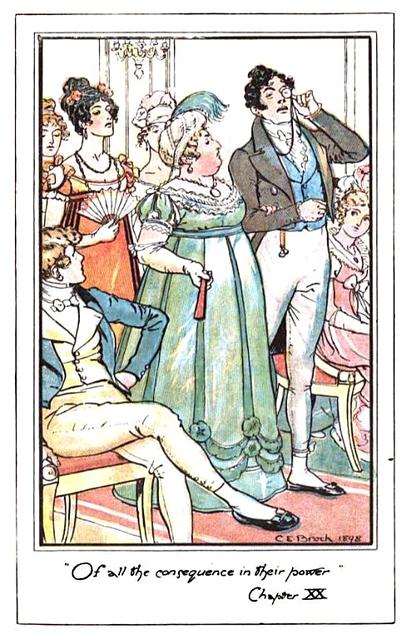
Upon several occasions, both [Serena} and Fanny had been diverted by the startling appearance presented by an elderly female of little height but astonishing girth, who, while she adhered, perhaps wisely, to the fashions of her youth, was not wise enough to resist the lure of bright colours. She had a jolly, masterful countenance, with three chins beneath it, and a profusion of improbable black ringlets above it, imperfectly confined by caps of various designs, worn under hats of amazing opulence. Serena drew giggling protests from Fanny by asserting that she had counted five ostrich plumes, one bunch of grapes, two of cherries, three large roses, and two rosettes on one of these creations. An inquiry elicited from Mr King the information that the lady was the widow of a rich merchant of Bristol—or he might have been a shipowner: Mr King could not take it upon himself to say. No doubt a very good sort of a woman in her way, but (her la’ship would agree) sadly out of place in such a select place as Bath.” – Chapter 6

Can you imagine the Miss Bingleys hobnobbing with Mrs. Floore, or Sir Walter Elliot entertaining her in his house in Bath?

Can you imagine Sir Walter Elliot or Lady Dalrymple conversing with Mrs. Smith or Mrs. Poole? (Hugh Thompson, Persuasion)

In Bath Tangle, an adventurous Serena is quite taken by Mrs. Floore, whereas her timid stepmother, Fanny, is aghast:

‘Serena!’ breathed Fanny. ‘What an extraordinary creature!

‘Yes, but quite delightful, I promise you!’

‘But, Serena, she is dreadfully vulgar! You cannot really mean to visit her!’

Serena did visit Mrs. Floore, which few ladies of refinement would do, but she was secure in her position in Society and bored out of her gourd, and Mrs. Poole, besides being a nice and sensible person, provided her with entertainment. A reluctant Fanny accompanies her:

The call was paid, though without the suggested prelude; and the welcome accorded to the ladies was so good-natured and unaffected that Fanny was brought to acknowledge that however vulgar Mrs Floore might be she had a great deal of drollery, and was certainly no toad-eater. She declined a civil invitation to return the visit, saying, with paralysing candour, that it was one thing for their ladyships to visit in Beaufort Square whenever they felt so inclined, and quite another for them to be entertaining her in Laura Place, and very likely making all their acquaintance wonder what kind of company they had got into. – Chapter 7

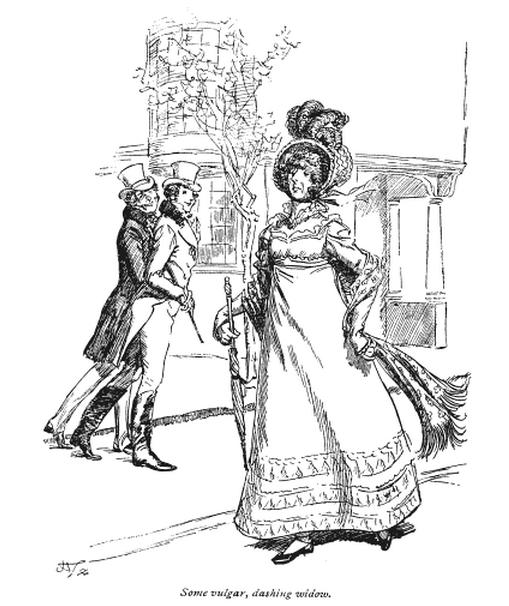
Hugh Thompsons illustration of a vulgar, dashing widow. (Emma)

Times were a-changing. The rising middle classes were able and willing to lay out ready cash to move up in the world. What they lacked (aside from refinement) were land and a nice title. The aristocrats had these aplenty. Since many a landed family had squandered their fortunes, it was inevitable that the lines of distinction would begin to blur as the nouveau riche began to snap up estates in foreclosure or shove their very rich daughters in front of impoverished heirs.

Read Full Post »

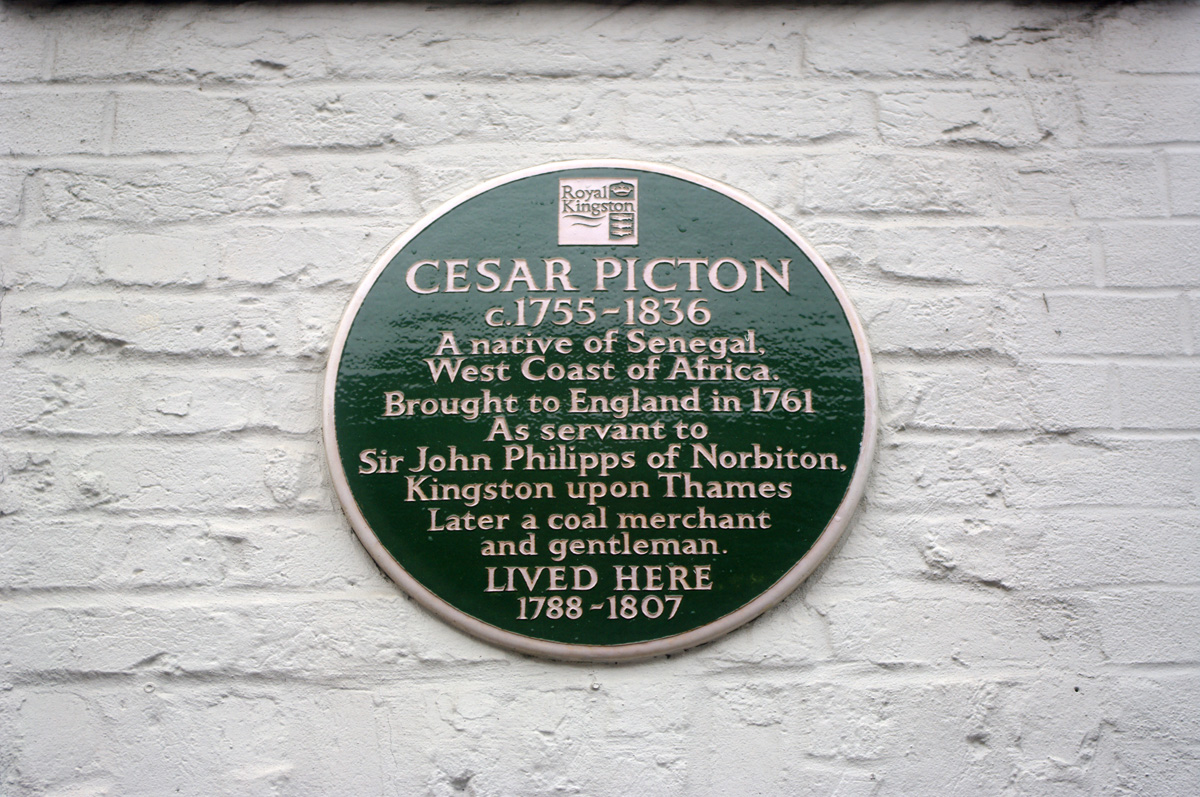
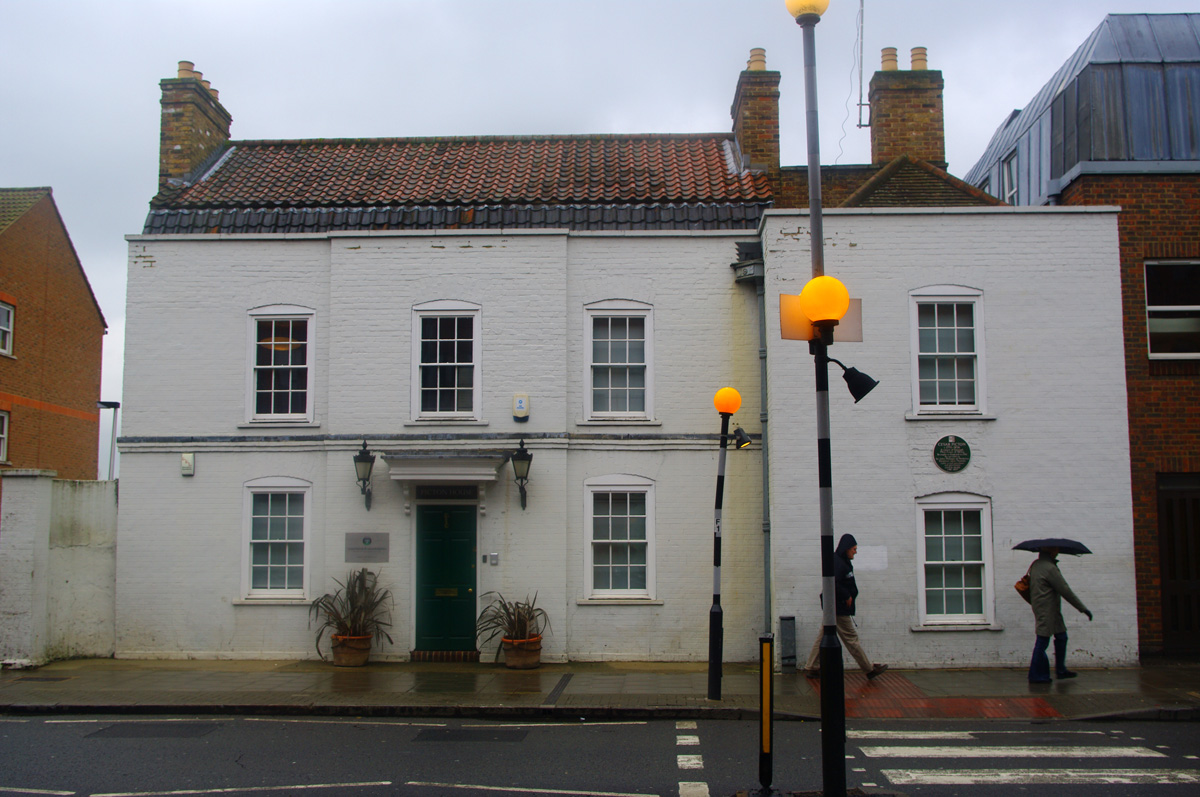
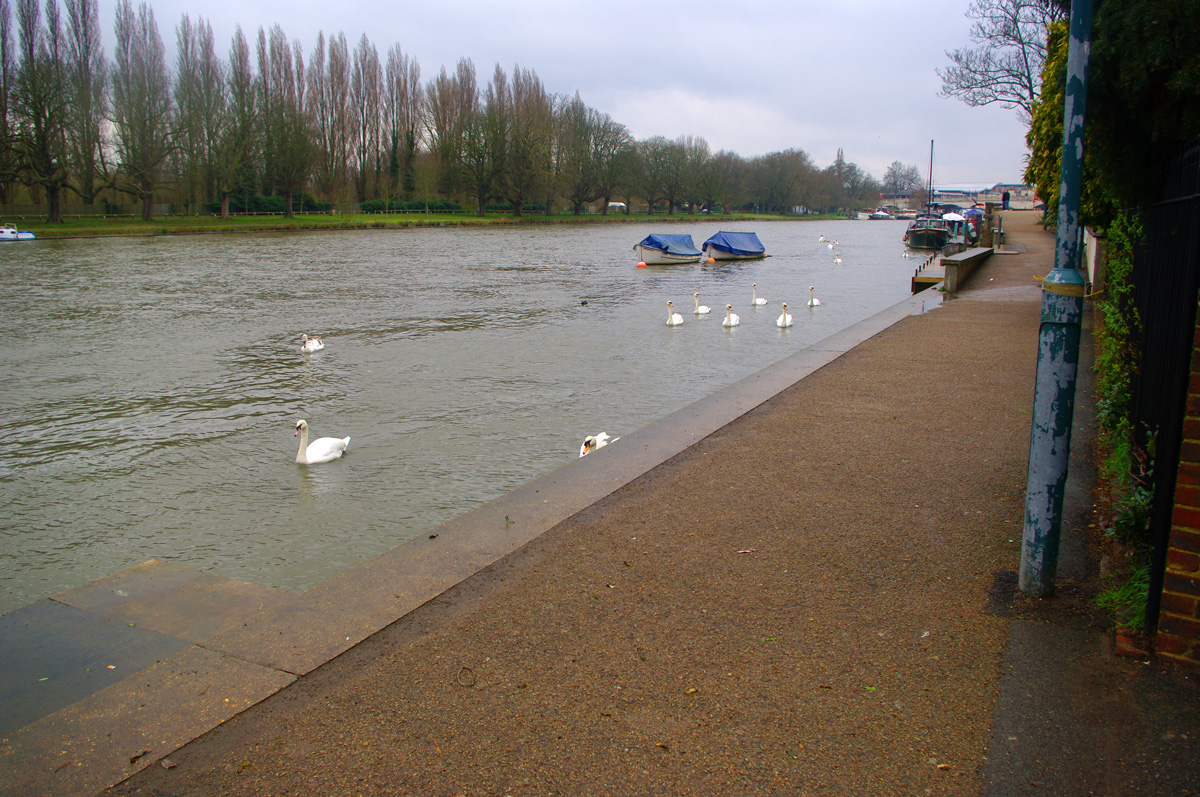
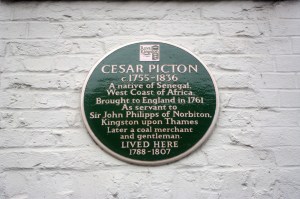
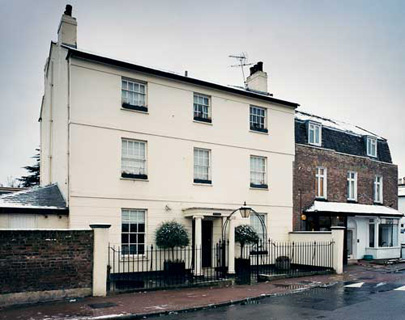
There is an old 18th century white washed house in The High Street of Kingston upon Thames that backs on to the river. On the road side there is a large circular green plaque positioned on the outside wall of this house that reads:

“ Cesar Picton
c1755-1836.
A native of Senegal
West Coast of Africa.
Brought to England in 1761
as servant to Sir John Philips of Norbiton
Kingston upon Thames.
Later a coal merchant and gentleman.
Lived here 1788 – 1807.”
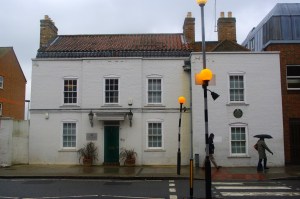
Cesar Picton's house, front. Image @Tony Grant

Cesar Picton was a slave in the ownership of Sir John Philips, and was made a freed man. It is interesting to note that 1807, the last year Cesar Picton lived in this house, before he moved to Thames Ditton, a few miles away,  the year the slave trade was abolished in Britain. It would be another twenty-six years before slavery itself would be abolished.
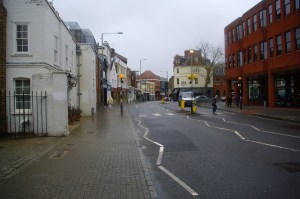
The road outside Cesar Picton's house. Image @Tony Grant

Cesar Picton

But Cesar Picton was a freed man long before this  event and already a prosperous merchant. His freedom had to do with Sir John Philips and what he and his family believed. Jane Austen would have passed through Kingston at the time Cesar Picton was a gentleman and merchant there. I wonder if she saw him in the streets? Jane’s family must have had close connections with slavery. Her brother Henry was a banker. Most of the wealth of Britain at the time came from slavery. Her brother Charles was a Royal Naval captain and was stationed on the North American station, often calling into Bermuda. His ship must have been used to protect the slaving ships that the fictional SirThomas Bertram, in Mansfield Park, relied on for his wealth in the plantations.
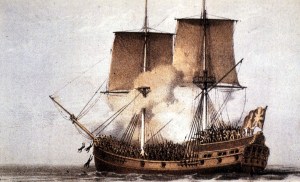
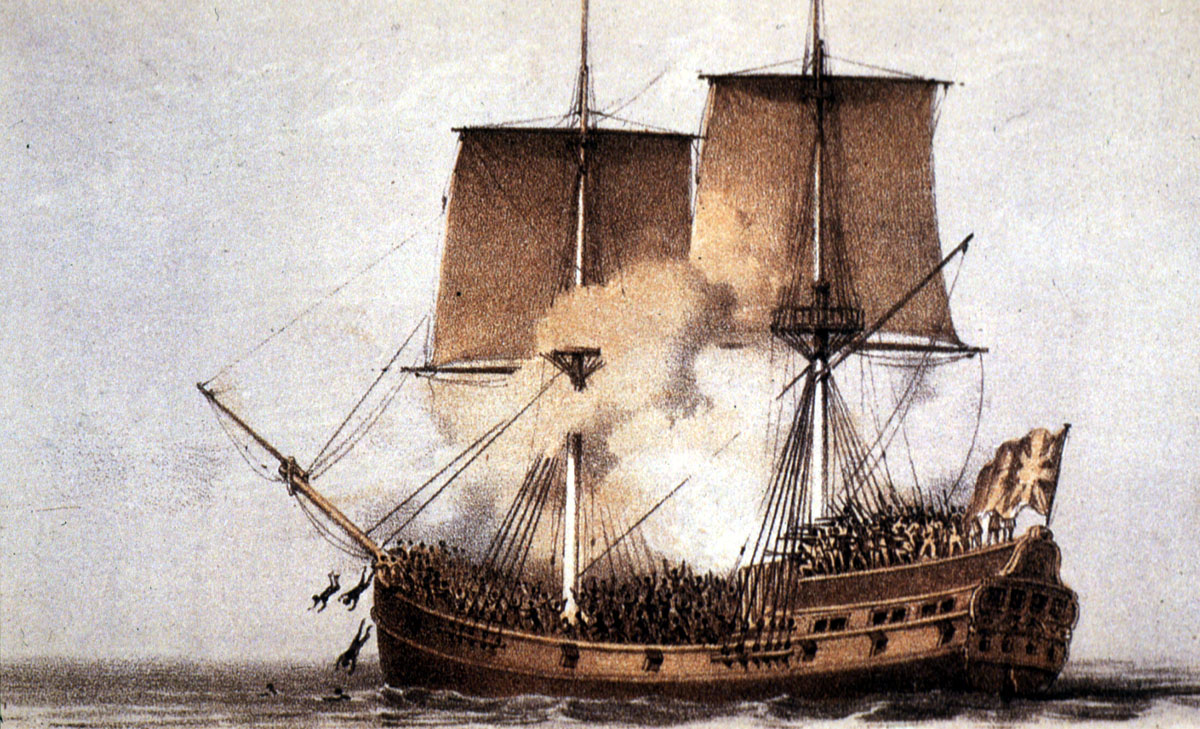
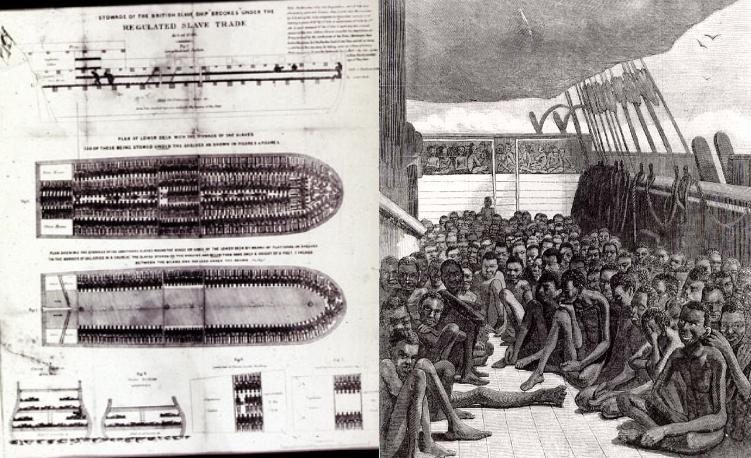
Slave ship, Bristol

Apart from this oblique reference in Mansfield Park, Jane never mentions slavery or her views about it. During her lifetime the slave trade was abolished but not slavery itself. But change was happening, and by the time Cassandra died slavery was seen as a repugnant thing and was abolished. Was it one of the reasons Jane’s letters were culled by Cassandra in later life? Did she try to hide Jane’s – perhaps – unpopular views in the tide of anti slavery? We will never know.

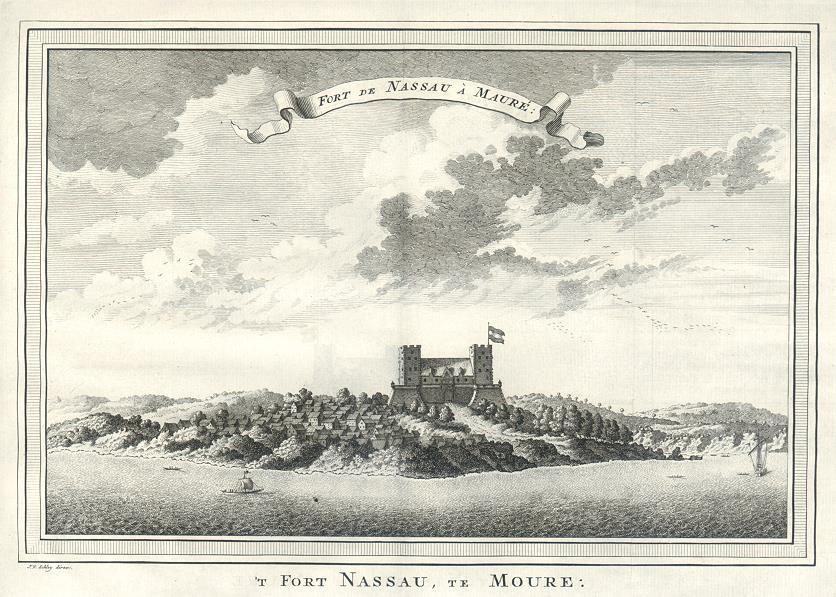
The year 1761, when Cesar Picton was brought to Britain by Captain Parr of the British Army especially for Sir John Phillips,  is an interesting one. Senegal had been British up to 1677, when the French took it over. France and Britain had been at war in the late18th and early 19th centuries. Goree, the island just off Senegal that was used for trading slaves, changed hands briefly during these wars back and forth between the British and French. It could well have been during one of these brief spells in charge by the British that Cesar Picton was bought as a promising servant for a wealthy man back in England.
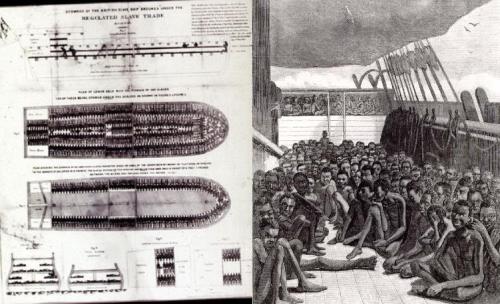
There must have always been an element in British religious and moral sensibilities that saw these African slaves as equal human beings and at a high government level. In 1788 Britain set up a settlement for freed slaves further along the coast from Senegal to accommodate slaves from the plantations of Virginia and Carolina. They had helped the British fight The War of Independence against the Americans, and a place for them to live had to be found after the British retreated from America. Nova Scotia was their first settlement, but the climate was too cold.

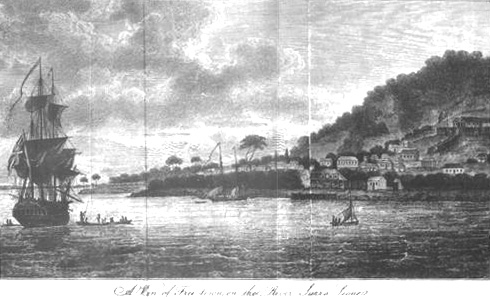
Freetown, Sierra Leone, 1803

Sierra Leone on the West African coast was set up for them, and Freetown, the capital, was established. But slavery was a vital element in the Empire for trade and financial wealth. It couldn’t be given up that easily, no matter how much it pricked certain people’s consciences, and the majority of people in England were kept ignorant of what went on in the slave plantations.
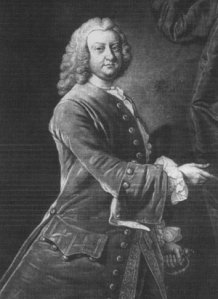
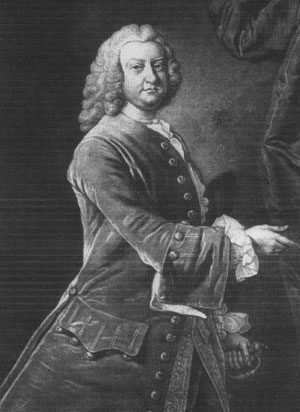
Sir John Philipps

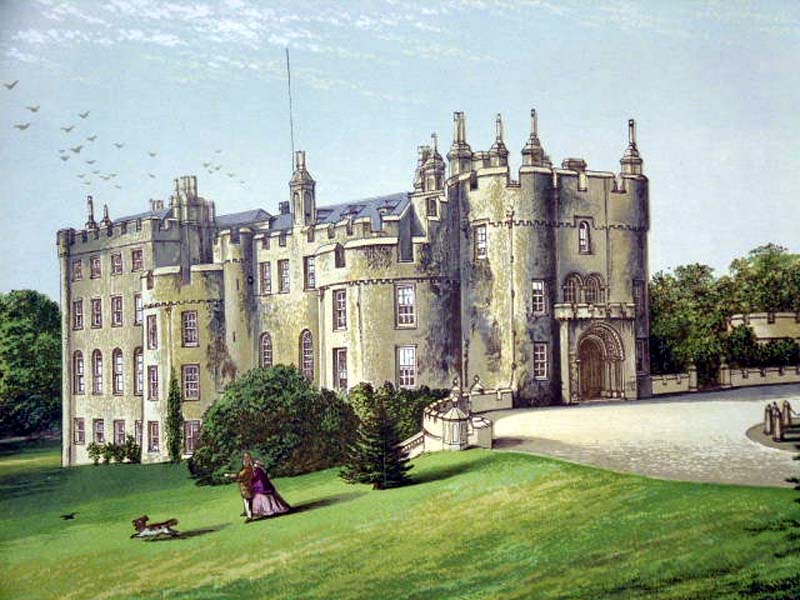
Sir John Philipps (1666 – 1773), the gentleman who obtained Cesar Picton, was a member of an illustrious family whose main seat was Picton Castle, near Haverfordwest in Pembrokeshire, South Wales. In the 18th century, the Philips family was the most powerful family in the political, social, and economic arenas  in Pembrokeshire. Sir John Philips, who owned large areas of land in Wales, was a philanthropist who supported the building of schools. He built twentythree of them in Pembrokeshire alone. He also built schools in Camarthenshire.
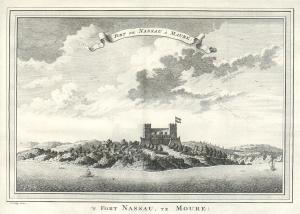
Fort Nassau, Senegal, 1760

It was to Picton Castle in Wales that Cesar Picton was first brought from Senegal. He then took the name of the castle as his surname.
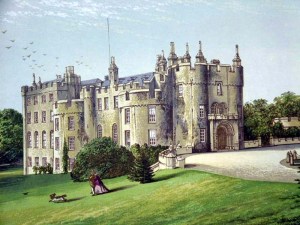
Picton Castle, Pembrokeshire, 1865

Sir John Philipps attended Westminster public school in 1679 when he was 13 years of age. He went on to Trinity College, Cambridge between 1662 to 1664, and was admitted to Lincolns Inn in 1683. He did not complete his degree at Cambridge, and he was not called to the bar either. Sir John appears to have wasted his time and seemed to have enjoyed a frivolous life style when he was young. However by 1695 he became the Member of Parliament for Pembrokeshire. He remained a Member of Parliament until 1702. He then later returned to parliament for Haverfordwest and remained there until 1772. On the 18th January, 1697, Sir John’s father died, and he became the 4th baronet. In the same year he married Mary, the daughter and heiress of Anthony Smith, a rich East India merchant. Sir John had influential friends and great wealth. His sister Elizabeth’s daughter married Horace Walpole in 1700.

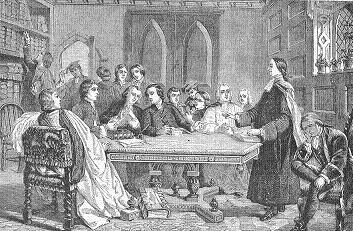
The Oxford Holy Club

From 1695 to 1737, Sir John was a leading figure in many religious and philanthropic movements. Most important of all, in relation to Cesar Picton, Sir John was a member of The Holy Club. The Holy Club had many religious reformers amongst its numbers, A.H. Francke, A.W. Boehme, J.F. Osterwald, John and Charles Wesley and George Whitefield. These were Evangelists, Methodists and Quakers. It was from amongst these religious colleagues that the anti slavery movement found it’s strength and became an unstoppable force. Sir John was part of a group therefore that constructed the legislation to abolish the save trade and eventually abolish slavery. In his treatment of Cesar Picton we can see these beliefs in early action. It might have been that Sir John Picton actively sought a slave from Senegal with the express purpose of freeing him once back in England and supporting him to become a wealthy esteemed member of society. Maybe Cesar Picton was his proof that slaves were his equal. This is what happened to Cesar Picton.
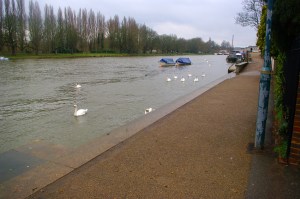
Cesar Picton's coal wharf site. Image @Tony Grant

Cesar Picton was six years old when he was brought to England by Captain Parr , an British Army officer who had been serving in Senegal.. He was given to Sir John Philips along with a parakeet. Cesar was born a Muslim but soon after arriving in Sir John’s household at Picton Castle he was baptised and given the name of Cesar on the 6th December 1761. He was dressed as a servant wearing a velvet turban, which cost 10 shillings and sixpence. It was fashionable for black servants to be richly dressed. There were very few black servants in England. Only very rich merchants and the wealthy aristocracy would have them. They were not treated the same as slaves which were used in their tens of thousands on the sugar, tobacco and cotton plantations of the West Indies and the mainland coast of America. Normally a black servant would have been the personal servant of the male head of the household but Cesar became the favourite of Lady Philips. He mixed with the family on equal terms. Sir John’s philanthropic and religious beliefs were applied to the treatment of Cesar.
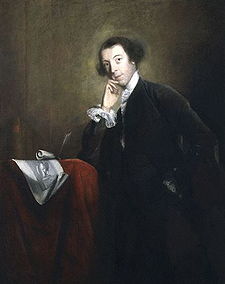
Horace Walpole

Horace Walpole, the younger son of the first British Prime Minister Robert Walpole. who married Elizabeth the sister of Sir John, wrote in a letter to a friend in 1788,

“I was in Kingston with the sisters of Lady Milford; they have a favourite black, who has been with them a great many years and is remarkably sensible.”

Sir John died in 1764 and his son became Lord Milford. Milford is the area in Wales where Picton Castle is situated. Lady Milford made a new will in which she left Cesar £100. Her son sold Norbiton Place near Kingston. With the money he was given, Cesar was able to rent a coach house and stables next to the Thames in Kingston. This building today is called Picton House.
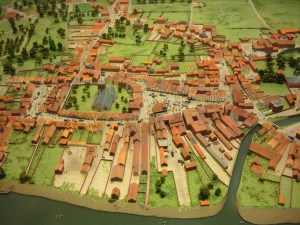
Kingston Upon Thames, 18th century

After paying a corporation tax of £10 to trade, Picton set himself up as a coal merchant. By 1795 he had made enough money to buy Picton House, a wharf for his coal barges, and a malt house for brewing beer. In 1801, one of the Philips daughters died and left him a further £100. He was wealthy by now on his own terms. In 1807,when he was 52, he let his properties in Kingston and lived in Tolworth neaby to Kingston for a while.
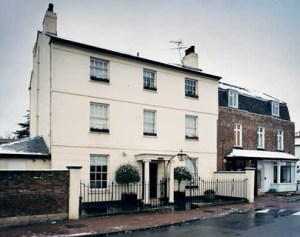
Picton House, Thames Ditton

In February 1816 he bought a house in Thames Ditton, down river from Kingston, for the then massive sum of £4000. He lived there for the next twenty years until his death. When he died the list of the contents of his house included a horse and chaise, two watches, with gold chains, seals, brooches, gold rings, a tortoiseshell tea chest, silver spoons and tongs. There were also paintings of his friends hanging in his house including a portrait of himself.

While Picton was living in Thames Ditton, the other two Philips daughters died in Hampton Court. Joyce left him £100 and Katherine left him £50 and a legacy of £30 per year for life. Cesar himself died in 1836 aged 81. He did not marry and had no heirs,  and was buried in All Saints Church, Kingston upon Thames on the 16th June, 1836. He had become very fat in his old age and his body had to be taken to the church on a four-wheeled trolley.
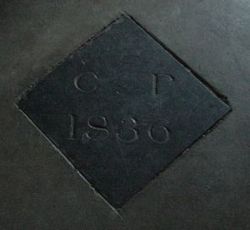
Cesar Picton Gravestone. Image @Find a Grave

Unlike some of the other freed slaves in England at the time, Cesar did not make his thoughts known about slavery and the slave trade. He was happy to lead a comfortable life. Olaudah Equiano wrote a book about his experiences and actively took part in the campaigning of William Wilberforce and Thomas Clarkson. Others, like Briton Hammon and Ukawsaw Gronniosaw, made oral accounts that were transcribed. Letters were written by Ignatius Sancho to help bolster the anti slavery cause.

Jane Austen wrote in Mansfield Park,

These opinions had been hardly canvassed a year, before another event arose of such importance in the family, as might fairly claim some place in the thoughts and conversation of the ladies. Sir Thomas had found it expedient to go to Antigua himself, for the better arrangement of his affairs, and he took his eldest son with him in the hope of detaching him from some bad connections at home. They left England with the probability of being nearly a twelve month absent.”
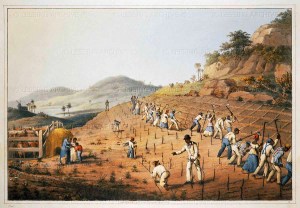
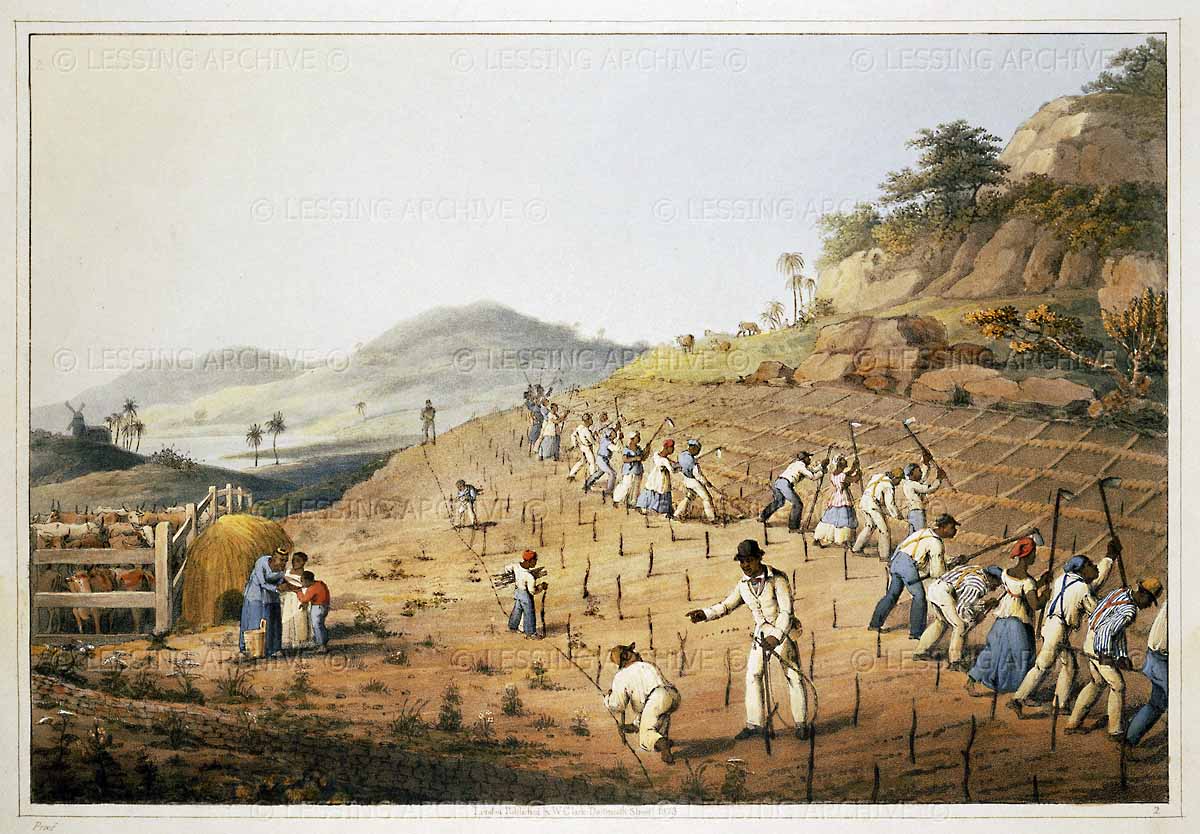
Slaves digging the cane holes, Antiqua, 1823

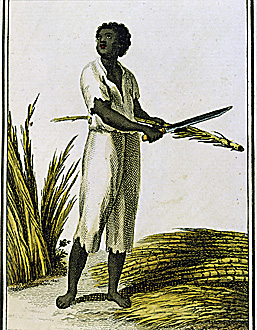
Sir Thomas Bertram’s affairs in Antigua could only have referred to his sugar plantations, the source of all his wealth and the financial source of Mansfield Park itself.
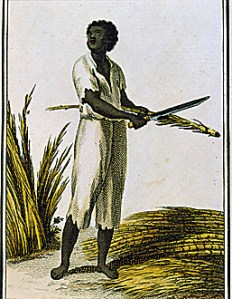
Slave cutting sugar cane, 1799

Jane’s own brothers, Frank and Charles would have been amongst the captains with their warships used to protect the likes of Sir Thomas Bertram’s trading ventures, which must have included slaves for his plantations in Antigua. Henry, Jane’s favorite brother, would have invested the proceeds of this trade through his bank. It is very possible that Jane caught sight of the famous Cesar Picton, wealthy merchant and freed man, walking in the streets of Kingston upon Thames. I wonder what her opinion was?
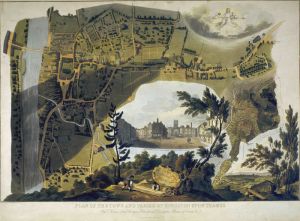
Kingston Upon Thames, Thomas Hornor, 1813

Post written by Tony Grant, London Calling.

More on the topic:

Read Full Post »

Inquiring readers: Recently I ran across the Contracts Prof Blog, a member of the Blog Professor Blogs network. Professor Franklin G. Snyder kindly granted me permission to reprint in full the post contributed by Professor Jeremy Telman of Valparaiso University on March 18, 2010. Professor Telman discusses a promise made in Chapter 22 of Persuasion:

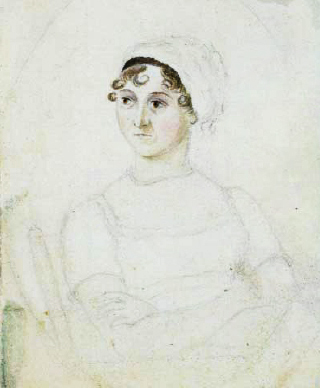
Cassandra Austen's watercolor of her sister Jane, c. 1810. Image at the National Portrait Gallery, London

Promise and Contract: Jane Austen’s Take

While thinking about the problems relating to promise and contract explored by Michael Pratt, I came across this scene from Chapter 22 of Jane Austen’s Persuasion. The setting, of course, is Bath. The characters are Charles Musgrove and his wife, Mary, the pathetic, self-pitying and miserable sister of Jane Austen’s protagonist, Anne Elliot. Charles has just announced, with something like triumph, that he had procured tickets for them all to go to the theater the following evening. His wife interrupts him:

Good heavens, Charles! how can you think of such a thing? Take a box for to-morrow night! Have you forgot that we are engaged to Camden Place to-morrow night? and that we were most particularly asked to meet Lady Dalrymple and her daughter, and Mr Elliot, and all the principal family connexions, on purpose to be introduced to them? How can you be so forgetful?”

“Phoo! phoo!” replied Charles, “what’s an evening party? Never worth remembering. Your father might have asked us to dinner, I think, if he had wanted to see us. You may do as you like, but I shall go to the play.”

“Oh! Charles, I declare it will be too abominable if you do, when you promised to go.”

“No, I did not promise. I only smirked and bowed, and said the word `happy.’ There was no promise.”

To me, this example illustrates the tension between our ordinary language sense of what it means to make a promise and Professor Pratt’s focus on promissory intent. As the doctrine of promissory estoppel recognizes, manifestations that could be reasonably expected to induce reliance and do induce such reliance can create a legal obligation. But we ordinarily think of promissory estoppel as an equitable supplement to contracts law that addresses our moral intuition that, even absent a contract, it is wrong to allow people to induce others to rely to their detriment on one’s representations. I substitute the word “manifestations” for “promise” here because I think Professor Pratt is right that what the law enforces are not “promises” but legal undertakings — that is, expressions of intent to be legally bound by a statement of future intention.

So, Charles Musgrove did not “promise” in Professor Pratt’s sense, but he may have promised in the sense of the law. His manifestations might also be regarded by others in his social circle as a promise, which suggests some tension between our intuitions about what constitutes promising and Professor Pratt’s understanding of that phenomenon. I think this places me in the camp that Professor Pratt labels “deflationist.” I suppose I’ve been called worse.

In short, we might use the word “promise” to describe both statements that bind us because through them we undertake a moral obligation and moral obligations that arise because others reasonably rely on our representations regardless of our intent. Professor Pratt thinks there are good reasons for keeping these different types of moral obligation separate, but I am not persuaded that anything is gained from the distinction.
[Jeremy Telman]

Estoppel (definition from the Business Dictionary):

Legal rule of evidence (and not a cause of action) which (1) prevents a party from making an allegation or denial that contradicts what it had previously stated, or what has been legally established, as the truth, (2) supports a claim for damages of the party that had a good-faith reliance on a misleading representation of another party.

Read Full Post »
Inquiring readers: Once upon a time, road travel was fraught with danger and a traveler could be held up by a highwayman at any time. Jerry Abershawe was such a man. Tony Grant (London Calling) writes about him in this post.

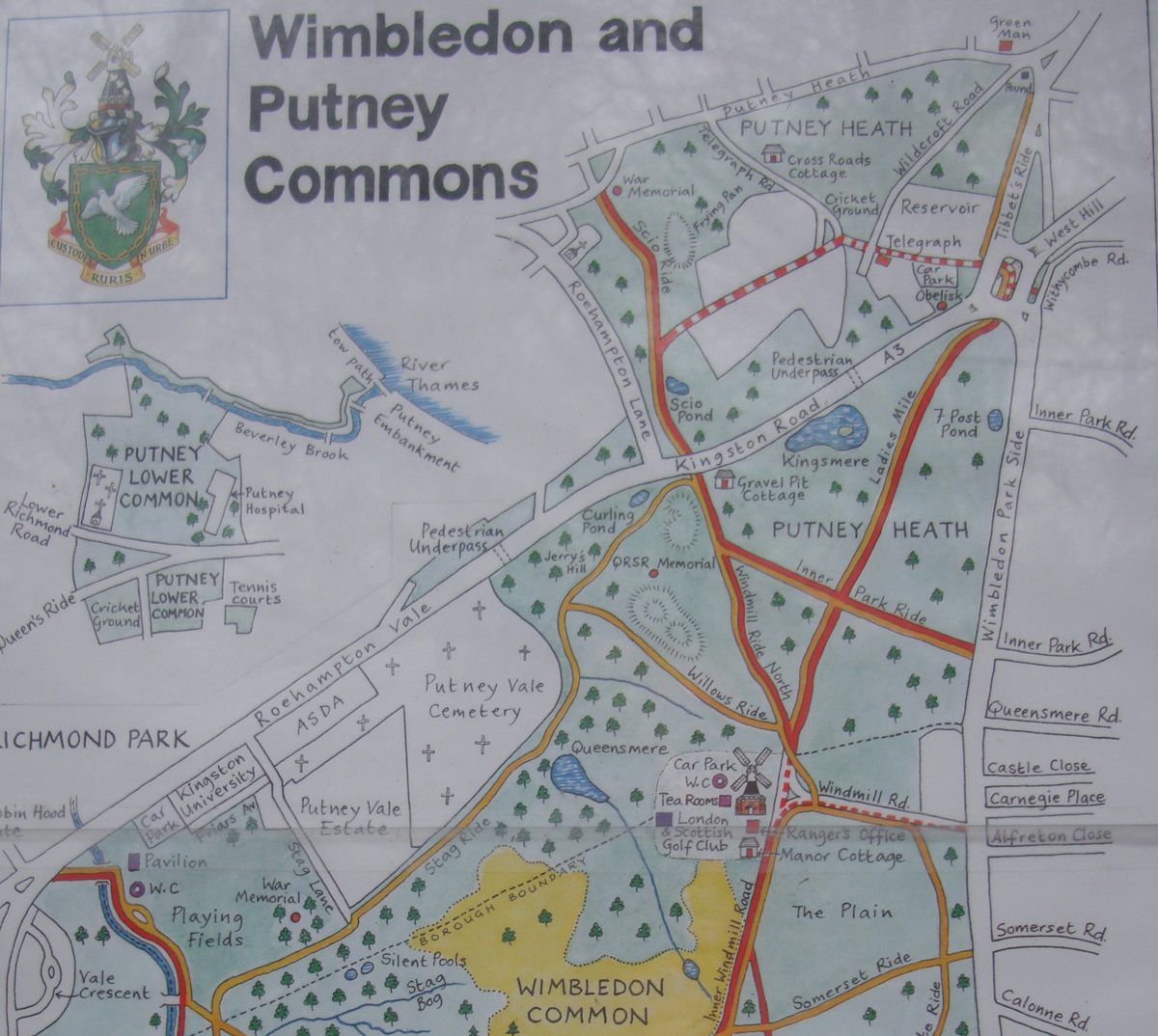
Not far from where I live, on the edge of Wimbledon Common where the Kingston Road passes, are some trees on the side of a small rise of ground. This part of the common is called Jerry’s Hill. It is named after the 18th-century highwayman called Jerry Abershawe, who frequented those parts and held up carriages on their way between Kingston and London. He was one of the last highwaymen.

Jerry's hill. The gibbet was near here. Image @Tony Grant

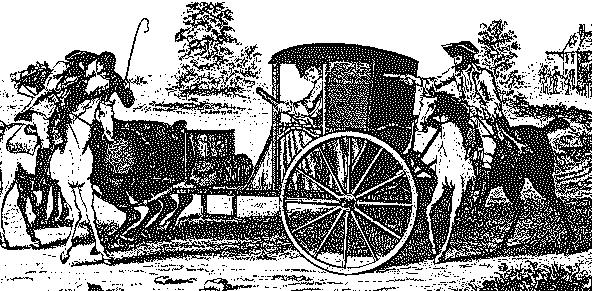
A highwayman was a thief who held up passers by, usually people travelling in carriages, at gun point or blunderbuss point, and relieved the passengers of their valuables. Some attacks on coaches were brutal and people were killed. Highwaymen weren’t all the dashing handsome masked desperados of fiction with the manners of a lord and a twinkle in the eye for a beautiful lady. “Stand and deliver!” was their traditional call. They chose lonely remote stretches of the highways to perform their dastardly deeds, but they also had to be sure they chose an area where there was regular traffic going to and fro or their despicable mission would be pointless. They chose places just outside towns and cities where there was a constant flow of people travelling. Wimbledon, then a small rural village on the outskirts of London and with a vast area of wild untamed common land around it, was an ideal spot.

Gibbet post at Tibbet's Corner. Image @Tony Grant

Jane Austen was travelling to London from Steventon in 1796 the year after Jerry Abershawe was executed. They were about the same age, 20 and 22 years old.

To Cassandra Austen Thursday 15 – Friday 16th September:

“….As to the mode of our travelling to Town, I want to go in a Stage Coach, but Frank will not let me. As You are likely to have the Williams’ & Lloyds with You next week, You would hardly find room for us then-. If anybody wants anything in Town, they must send their Commissions to Frank, as I shall merely pass thro’ it- The Tallow Chandler is Penlington, at the Crown & Beehive Charles Street, Covent garden.”

Travelling from Steventon, Jane would not have gone through Kingston upon Thames and the London Road leading out of Kingston where Jerry Abershawe plied his highwayman trade. However, you can understand Frank’s concerns for Jane using the stagecoach. A stagecoach carrying a variety of passengers, some undoubtedly wealthy, would have been a target for a highwayman.

From Steventon, the most direct route to London would have taken her through Basingstoke, Virginia Water, Staines, Richmond upon Thames, Hammersmith and on to Westminster and the centre of London. From Staines she would have been travelling on what was known as The Great West Road which lead directly to the second most important city after London, in Georgian times, Bristol, the centre of the slave trade. Some very wealthy merchants and members of the aristocracy would have travelled this road. It must have had its fair share of highway robbers. Stagecoaches on this road would most certainly have been prime targets. So Frank was right to refuse Jane her wish. But maybe the excitement and the risk appealed to Jane. She was young after all. It does not say in Jane’s letter how they did get to Town, but I presume it was in less conspicuous transport and with her brother.

Wimbledon Common showing Jerry's Hill

In 1813, Jane did travel along the London Road leading out of Kingston, Jerry Abershawe’s haunt. She did this many times from Chawton. There is no hint in her letters of any possible dangers but by the time she was living in Chawton, although the Kingston route was now her most direct route to Town, highwaymen were all but extinct. The toll roads had made highway robbery very difficult. Roads were manned every few miles and the people on them had paid to use them. This made it very difficult for highway robbers to make their escape along these routes so this crime virtually died out.

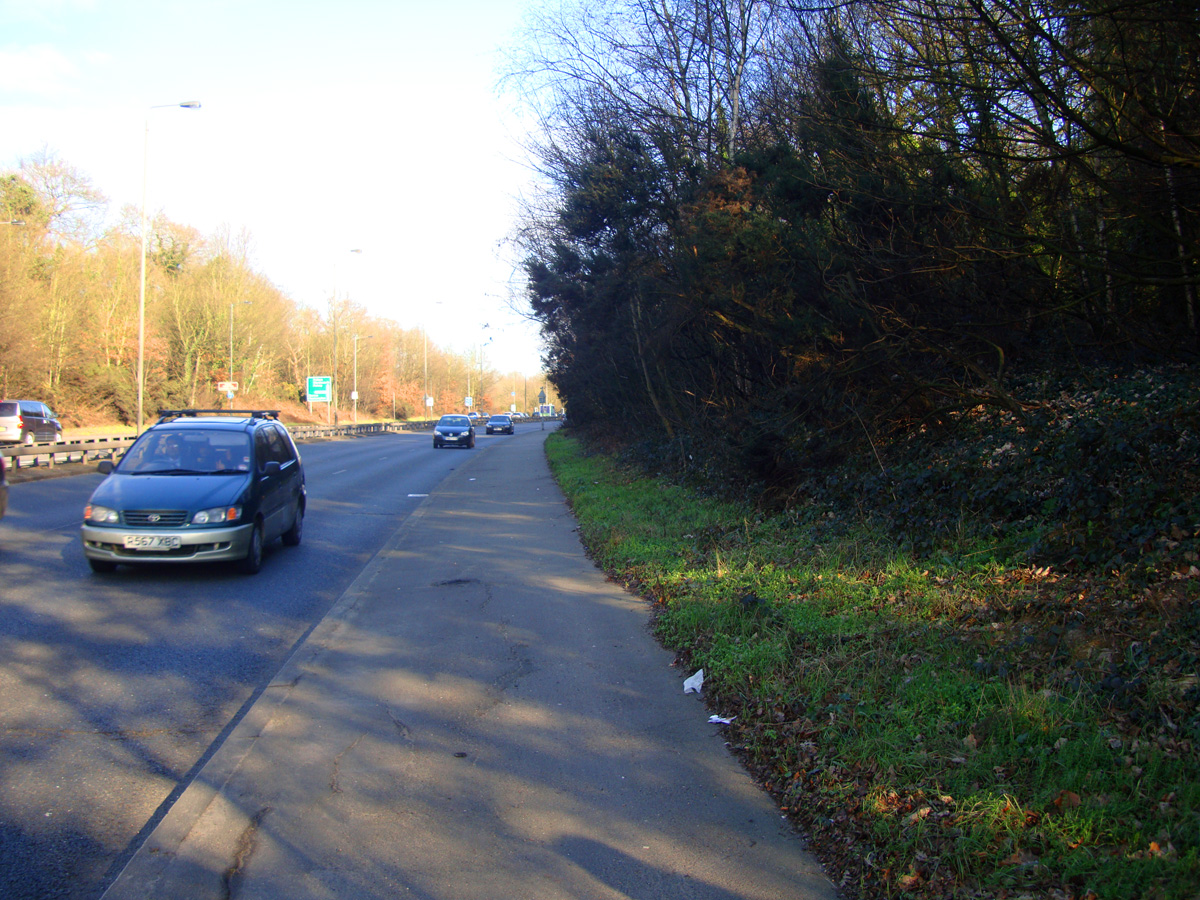
Jerry's Hill, London Road. Image @Tony Grant

To Cassandra Austen Wednesday 15 – Thursday 16 September 1813 Henrietta Street (1/2 past 8-)

Here I am, my dearest Cassandra, seated in the Breakfast, Dining, sitting room, beginning with all my might. Fanny will join me as soon as she is dressed & begin her Letter. We had a very good journey- Weather & Roads excellent – the three first stages for 1s – 6d & our only misadventure the being delayed about a quarter of an hour at Kingston for Horses, & being obliged to put up with a pr belonging to a Hackney Coach & their Coachman, which left no room on the Barouche Box for Lizzy, who was to have gone her last stage there as she did the first;- consequently we were all four within , which was a little crowd;-We arrived at quarter past 4 …”

This time there was no sense of Jane’s brothers putting their foot down and refusing this time to let her travel in what appeared to them in the past in an inappropriate mode of transport. The party Jane travelled with appeared to be Henry, Lizzy and Fanny. There was no sense of danger, just the excitement of the journey, and from Kingston on their last stage, the cramped conditions of four of them inside the barouche. (Imagine being squashed inside a barouche with Jane Austen. What a thought.)

The women would have passed the inn at the bottom of Kingston Hill, where Jerry Abershawe made his headquarters, before their barouche made the long rising trek up the hill onto Wimbledon Common, going past Jerry’s Hill, where I am sure the gibbet would still have been displayed on the right hand side of the road. There probably was no sign of the remains of Jerry Abershawe by that time though. His body had been pecked clean by the crows and his bones had been taken as souvenirs. His finger bones and toes bones were used in candleholders. Jerry Abershawe was the last person to have his body displayed like this on a gibbet.

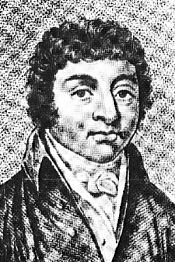
Jerry Abershawe

Louis Jeremiah Abershawe(1773-3 August 1795), better known as Jerry Abershawe, terrorised travellers between London and Portsmouth in the later 18th century. He was born in Kingston upon Thames and at the age of 17 began his life of crime. He formed a gang, which was based at an inn on the London Road between Kingston and Wimbledon, at the bottom of Kingston Hill called the Bald Faced Stag. I am sure, as well as his primary occupation of highway robbery, Jerry Abershawe also managed to gain the odd carcase of a King’s deer from Richmond Park, which backed on to the Bald Face Stag Inn. The inn no longer exists, but there was a very large and comfortable pub and restaurant built there in the early 1900’s that, just a few years ago, was demolished for new housing built on the site.

Jerry had other places of refuge at Clerkenwell near Saffron Hill. He used a house called the Old House in West Street. Other highwaymen also used this house. Jack Sheppard and Jonathan Wild were known to have stayed there. It was a house renowned for its dark closets, trap doors, and sliding panels.

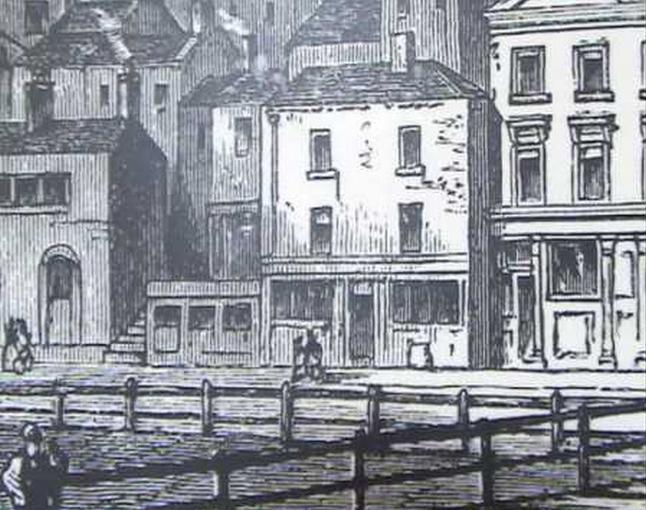
Clerkenwell

All attempts to bring Jerry Abershawe to justice failed until in January 1795, when he shot dead one of the constables sent to arrest him in Southwark and badly injured the other constable sent along too. Abershawe was arrested at a pub in Southwark called The Three Brewers. He was brought to trial at Surrey Assizes in July of 1795, and convicted and sentenced to death. On Monday 3 August 1795, Jerry Abershawe was hung on Kennington Common, a couple of miles from Wimbledon and then his body was set up on a gibbet on the hill overlooking the Kingston Road, which was more commonly known then as the London Road, next to Wimbledon Common near the scene of many of his highway robberies. It remained there for all passers by to see and be warned about the price to pay for evil ways.

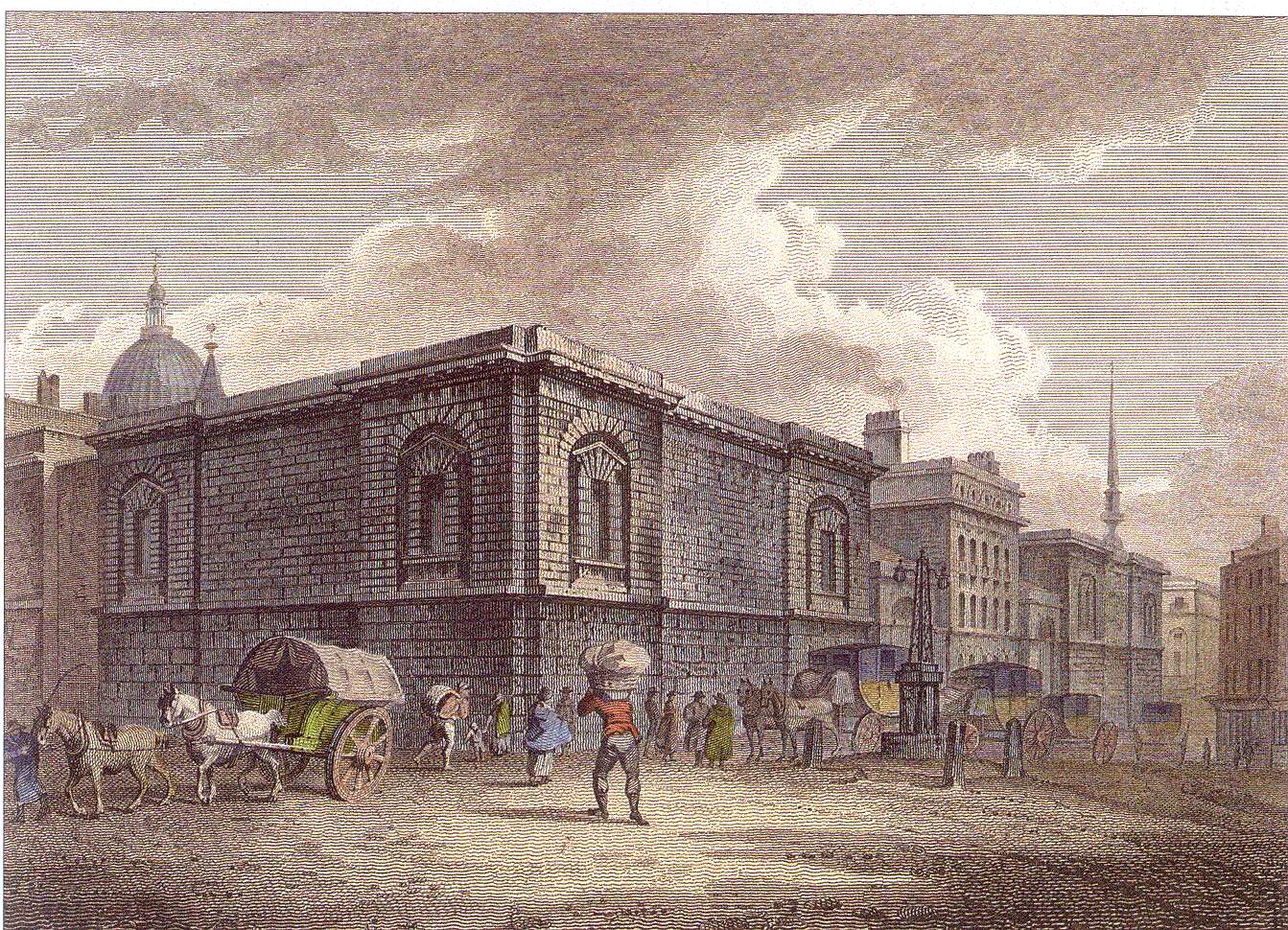
Newgate Prison

The Newgate Calendar for 1795 describes the manner of his being found guilty of murder. Newgate prison was a notorious London prison in which criminals waiting for trail would be held, and it was there that Jerry Abershawe was incarcerated before his execution.

When the judge appeared in his black cap, the emblem assumed at the time of passing sentence on convicted felons, Abershaw, with the most unbridled insolence and bravado, clapped his hat upon his head, and pulled up his breeches with a vulgar swagger; and during the whole of the ceremony, which deeply effected all present except the senseless object himself, he stared full into the face of the judge with a malicious sneer and affected contempt, and continued this conduct till he was taken, bound hand and foot from the dock, venting curses and insults on the judge and jury for having consigned him to, “murder.”

The Newgate Calendar also describes his execution on Kennington Common.

He was executed on Kennington Common, on the 3rd of August, 1795 in the presence of an immense multitude of spectators, among whom he recognised many acquaintances and confederates, to whom he bowed, nodded, and laughed with the most unfeeling indifference. He had a flower in his mouth, and his waistcoat and shin were unbuttoned, leaving his bosom open in the true style of vulgar gaiety; and talking to the mob, and venting curses on the officers, he died, as he had lived, a ruffian and a brute!”

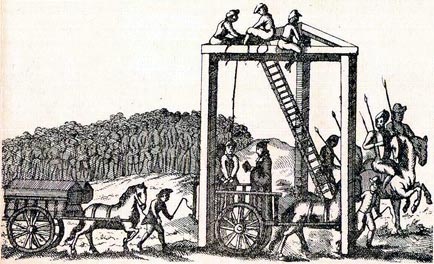
A hanging at Tyburn 17th c.

Highwaymen especially were supposed to affect an attitude and a jocular type of behaviour called gallows humour. It seems that Jerry Abershawe went to his death displaying ribald and stentorious gallows humour.

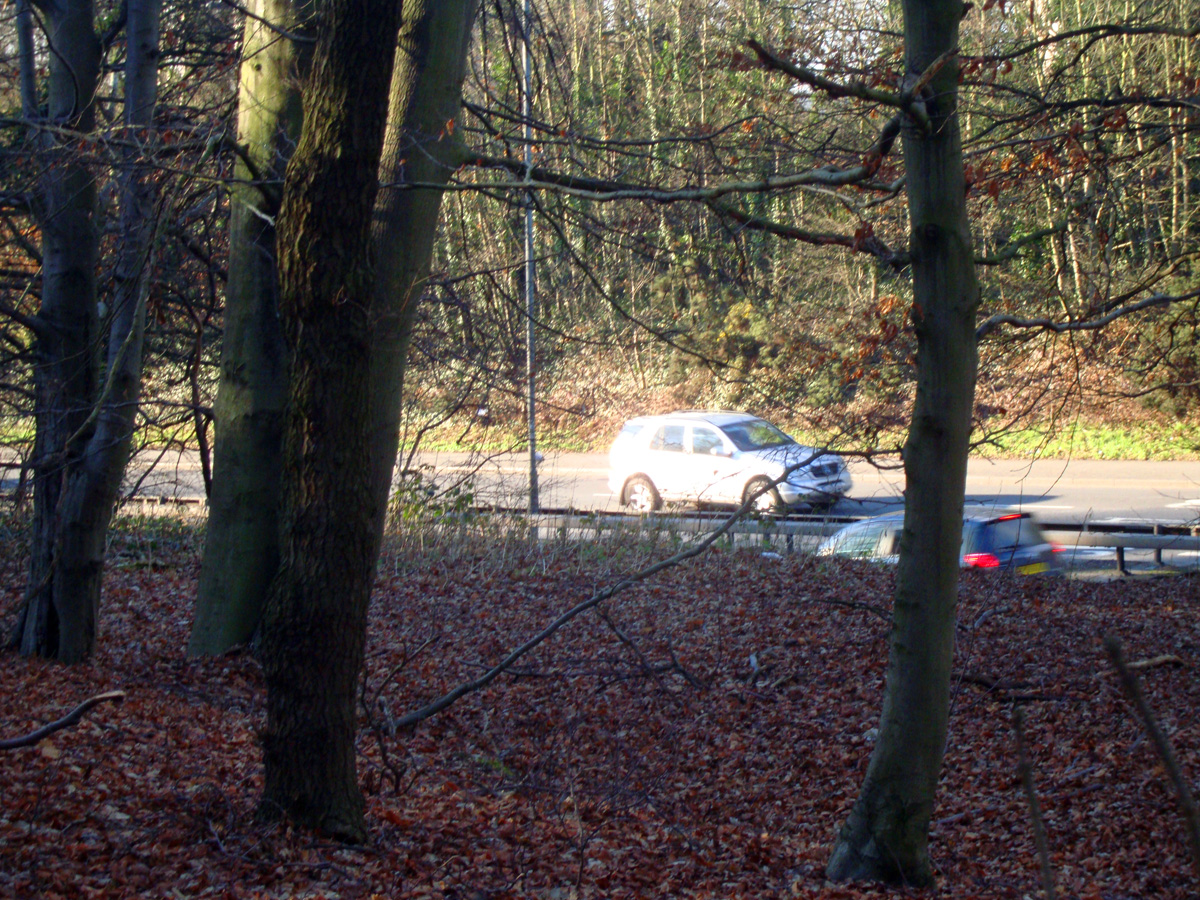
Jerry's hill view. Image @Tony Grant

At least Jane was now safe on her journeys to London. But I wonder if she had just a small wish for the thrill of danger and would have loved to encounter Jerry on the wild wilderness of Wimbledon Common and ,”stand and deliver,” to him. If it had happened, would her novels have turned out differently in some ways?

Jane was 20 years old when Jerry died at the age of 22. Just maybe Jane would have loved the thrill of adventure on a journey with the threat of Jerry Abershawe round the next bend.

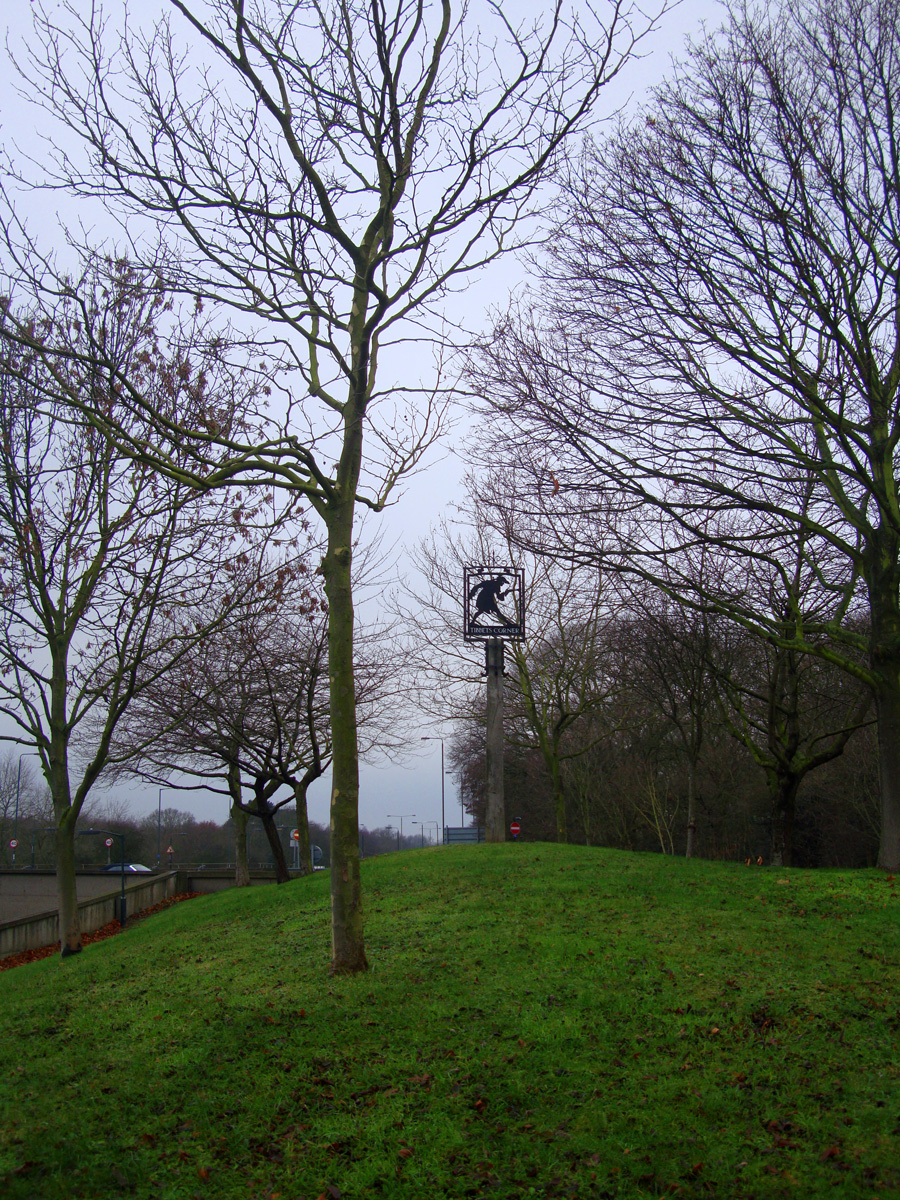
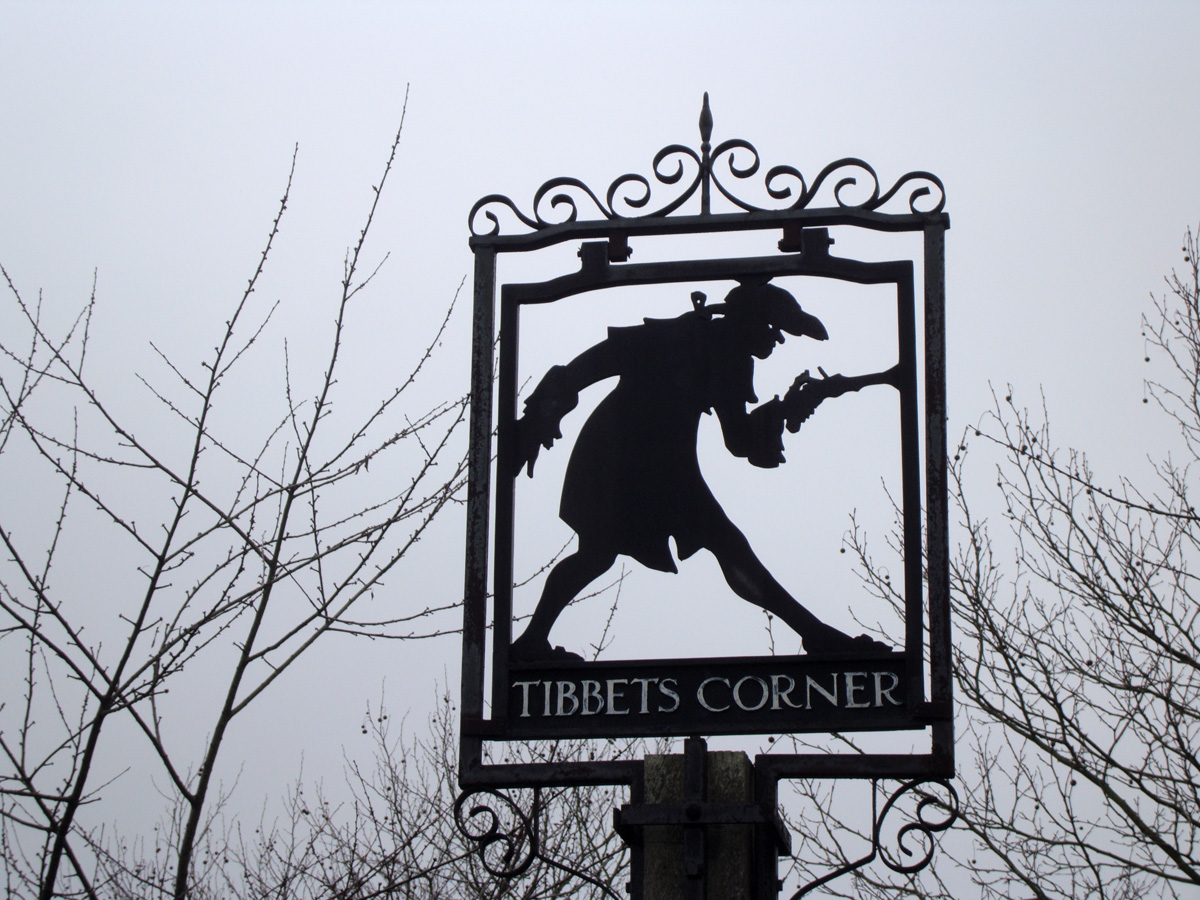
Tibbets Corner. A stylized sign commemorating Jerry Abershaw. Image @Tony Grant

Post script:

After writing this article I just couldn’t get a nagging thought out of my head.

Why and how did Jerry end up as a highway robber?

I know he was young, 22 years of age when he was caught and executed. There is no mention of family or wife or children or any sort of familial attachments. I can imagine him being brought up, an orphan, perhaps on the market streets of Kingston having to survive and live by his wits. It doesn’t take much to imagine the step into criminality to survive. He got in with the wrong lot obviously. An intelligent, bitter, hard done by, street wise kid gone wrong and obviously with a big personality. We can compare him with those who go off the tracks in our own society today. The forces for evil don’t change apparently. Obviously this is a total surmise but I feel better for it.

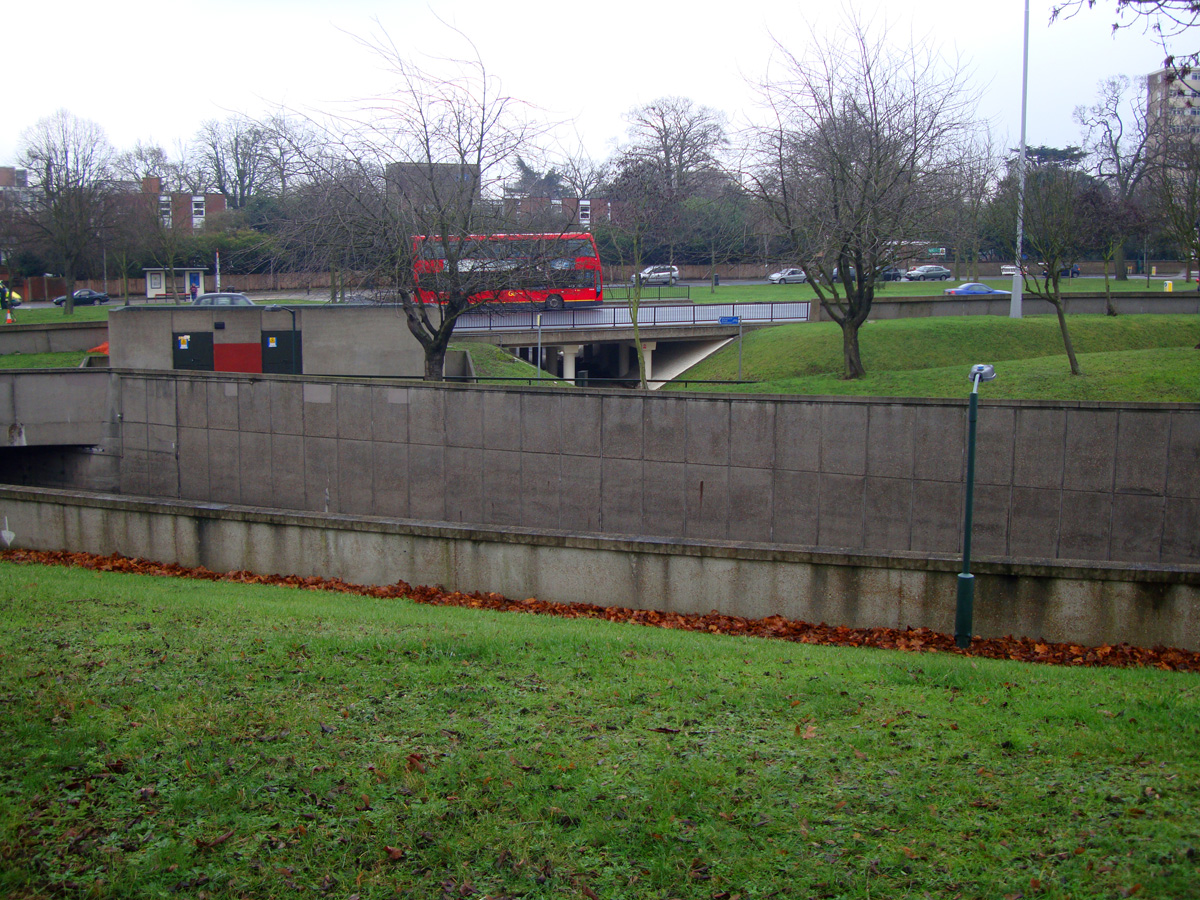
Tibbets Corner today - where Abershawe held up coaches. Image @Tony Grant

Read Full Post »

« Newer Posts - Older Posts »