Feeds:
Posts
Comments

Archive for the ‘Regency World’ Category

Since the 18th century, satirists have had a fun time mocking dandies. In Hogarth to Cruickshank: social change in graphic satire, 1967, (Walker Publishing)  Mary Dorothy George classified 3 different kinds of print-shop dandies: 1.) the notorious dandy, 2) the effeminate dandy, and 3) dandies who were slavish in their imitation of  Beau Brummel.
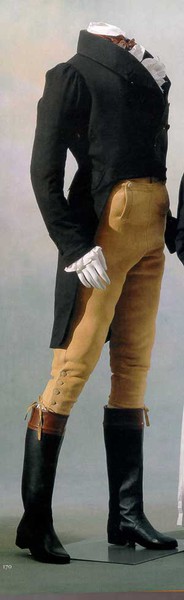
Buckskin breeches, clawhammer coat, and riding boots. This ensemble from the Kyoto Costume Institute could well have been worn by Mr. Darcy as he toured the grounds of Pemberley.

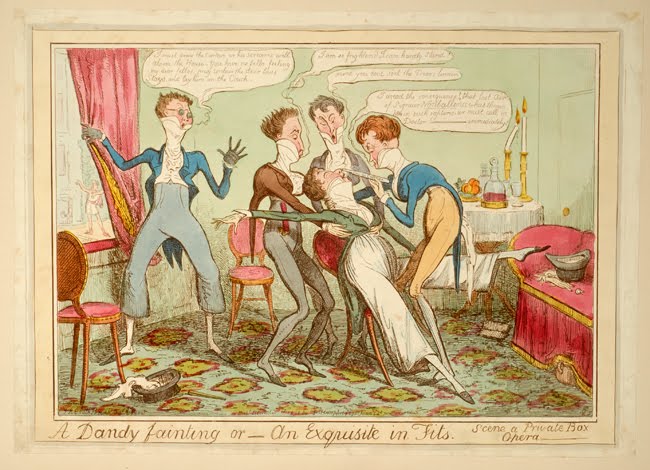
I would add to those categories two more distinctions: the powerful dandy and the ridiculous dandy, or one who, from behavior or social standing, is a wholly ridiculous and insignificant creature. The latter exquisites, along with the slavish imitators and effeminate dandies, were fodder for cartoonists, especially Robert and Isaac Cruikshank, who took great glee in lampooning them in a series of hand colored engravings.

This exquisite was a wholly ridiculous creature, a true fashion victim.

According to Jane Rendell in a Pursuit of Pleasure, the word dandy may have originated from “jack-a-dandy”, a Scottish description of a person dressing up at a fair. The word dates back to the late 18th century/early 19th centuries. In the Dictionary of the Vulgar Tongue, published in 1788, Francis Grose describes the dandy:

Dandy.  That’s the dandy;  i.e. the ton, the clever thing

Dandy.  grey Russet. A dirty brown. His coat’s dandy grey russet the colour of the Devil’s nutting bag.

Dandy. Prat. An insignificant or trifling fellow.
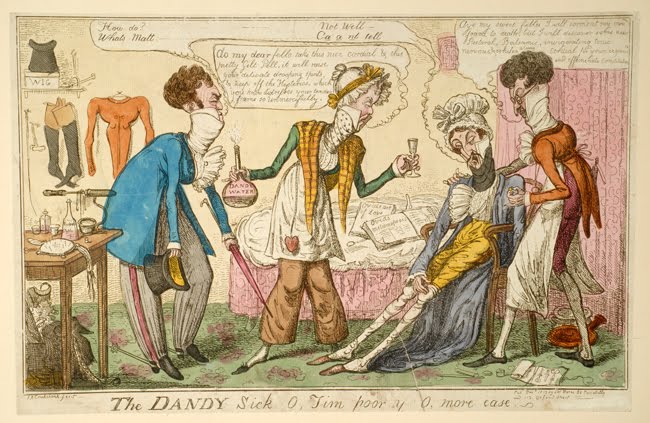
An effeminate dandy required a great deal of care. Cruikshank.

Much later, the word “dandy” is used to describe “Satinist” – Obs. rare”1, [f. Satin sb. + -ist.] A wearer of satin, a dandy. A new English dictionary on historical principles: founded mainly on the materials collected by the Philological Society, Volume 8, Part 2, 1914.

Beau Brummel’s influence in modifying men’s behavior and dress ranged far and wide, influencing the Prince Regent and his set.
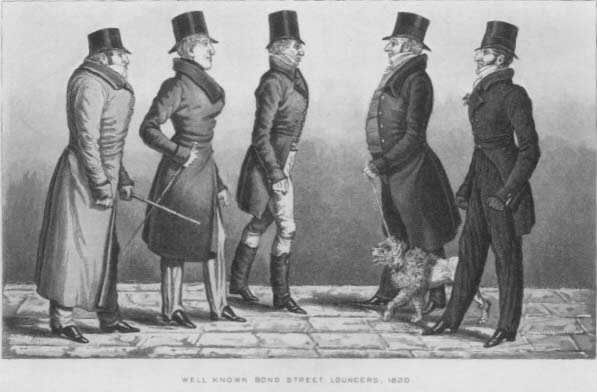
Prinny’s set, or the Prince Regent’s friends, consisted of the Earl of Sefton, the Duke of Devonshire, Lord Manners, “Poodle” Bing, and the Duke of Beaufort, serious dandies all. Somber and rich, these men epitomized the powerful, restrained dandy. Image @The Georgian Index

In Jane Austen and Representations of Regency England, Issue 33; Issue 61, Roger Sales identifies Henry Crawford and Tom Bertram of Mansfield Park as dandies: Tom because he is the quintessential Regency sports man, as well as rich and handsome; Henry, because of his mode of address, which shows a haughty attitude towards rural workers, and because he fashions his conversation “into exquisity little mirrors to reflect his own sense of superiority.” Henry makes elegant bows and frequently mocks others. His manners, like Beau Brummel’s, verge frequently on insolence – his stance is one of ennui and superiority at the same time. While Henry is not as handsome as Tom, he commands a room with his personality. I would classify Tom and Henry as notorious dandies, for both pushed the limits of what was considered proper behavior. The more modest Edmund Bertram would never behave like either man.

Hessian boots

John Thorpe of Northanger Abbey belongs in the category of the ridiculous dandy. He drives a gig, but imagines it to rival a phaeton, which is like comparing a toyota corrolla to a sleek jaguar. John uses cant, and one imagines that his clothes are too loud and his shirt points too high.

Great coat with numerous capes, a favorite menswear item described by romance writers.

As for Mr. Darcy, his looks and dress are effortlessly elegant. He doesn’t try to impress; he simply is a superior man. His arrogance, which Elizabeth Bennet found so off putting at first, comes naturally, for he is placed securely high in society. His inheritance and the cares, responsibilities and duties that great wealth bring exemplify the qualities of a gentleman who is a cut above the rest.  Beau Brummel, I imagine, would have found very little fault with Mr. Darcy.
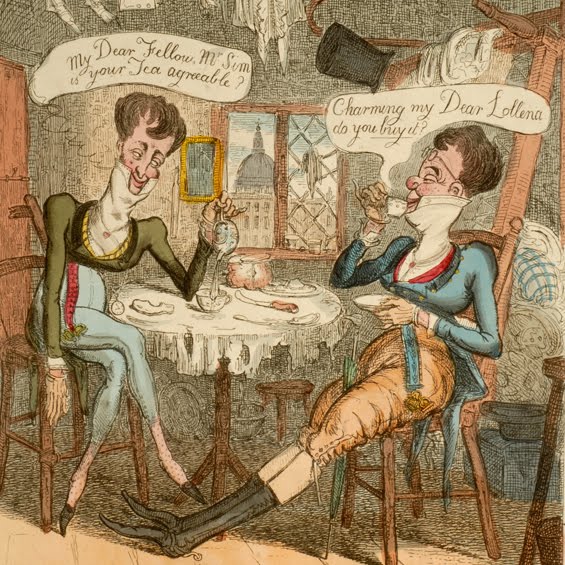
Two dandies by Cruikshank dresssed to the nines. While exquisitely rigged out, they take tea in a mean hovel of a room. Note the ragged curtains and table cloth, the dishes on the floor and the wash hanging on the line overhead.

While the term dandy has come to mean many things, among my favorite cartoons of the Regency era are those that make sport of them. These caricatures must have been popular then, and are irresistible to view now.

A Dandy Fainting, or an Exquisite in Fits, Cruikshank. This scene at a private box at the opera gives one a sense of how similar it is to today’s private boxes at a stadium. Note the table with food and drink; the couch, and the curtain that allowed for privacy.
Read Full Post »

Inquiring readers, guest blogger Tony Grant is a marvelous photographer, as you might have discovered from the images that accompany his posts. A week or so ago he wrote a post about door knockers. He provided only two original images: the rest came from the web. Last weekend he rectified the situation, saying:

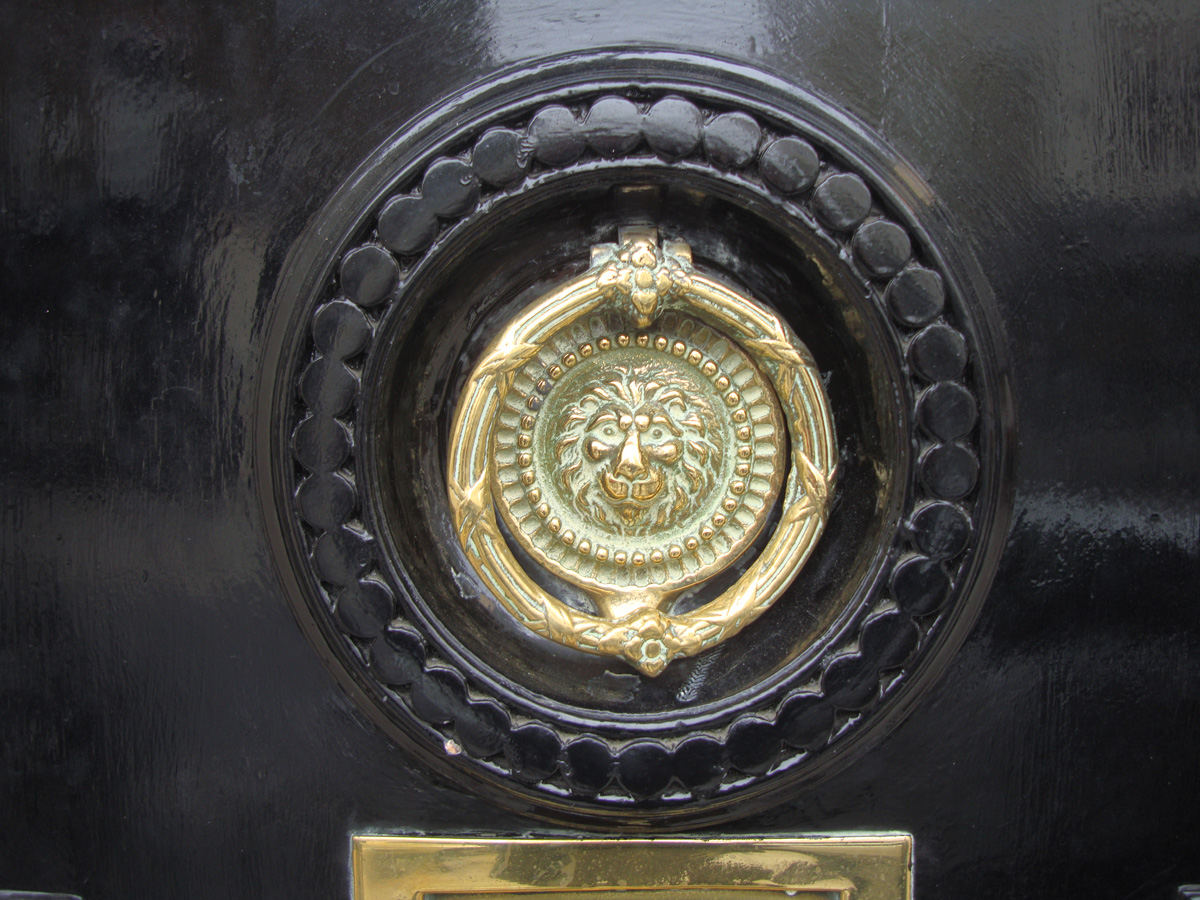
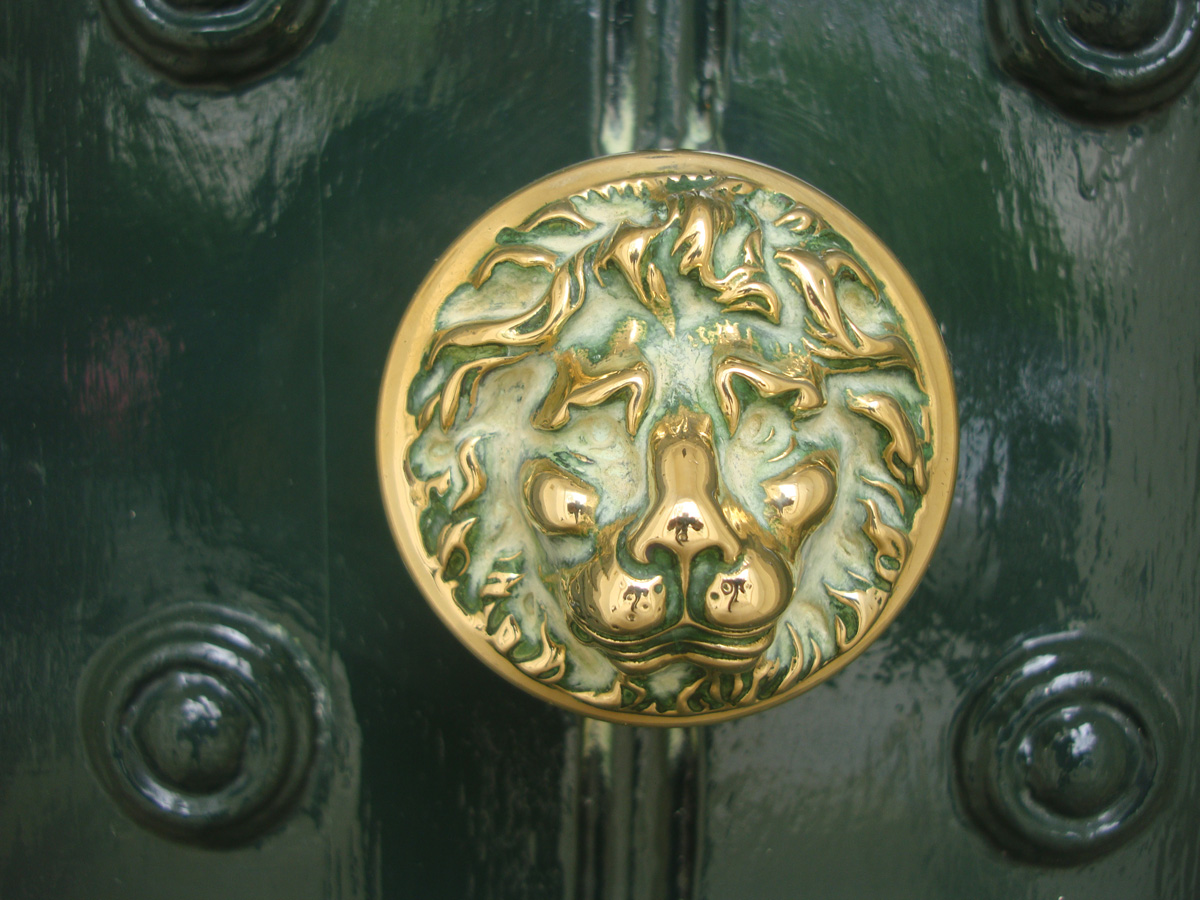
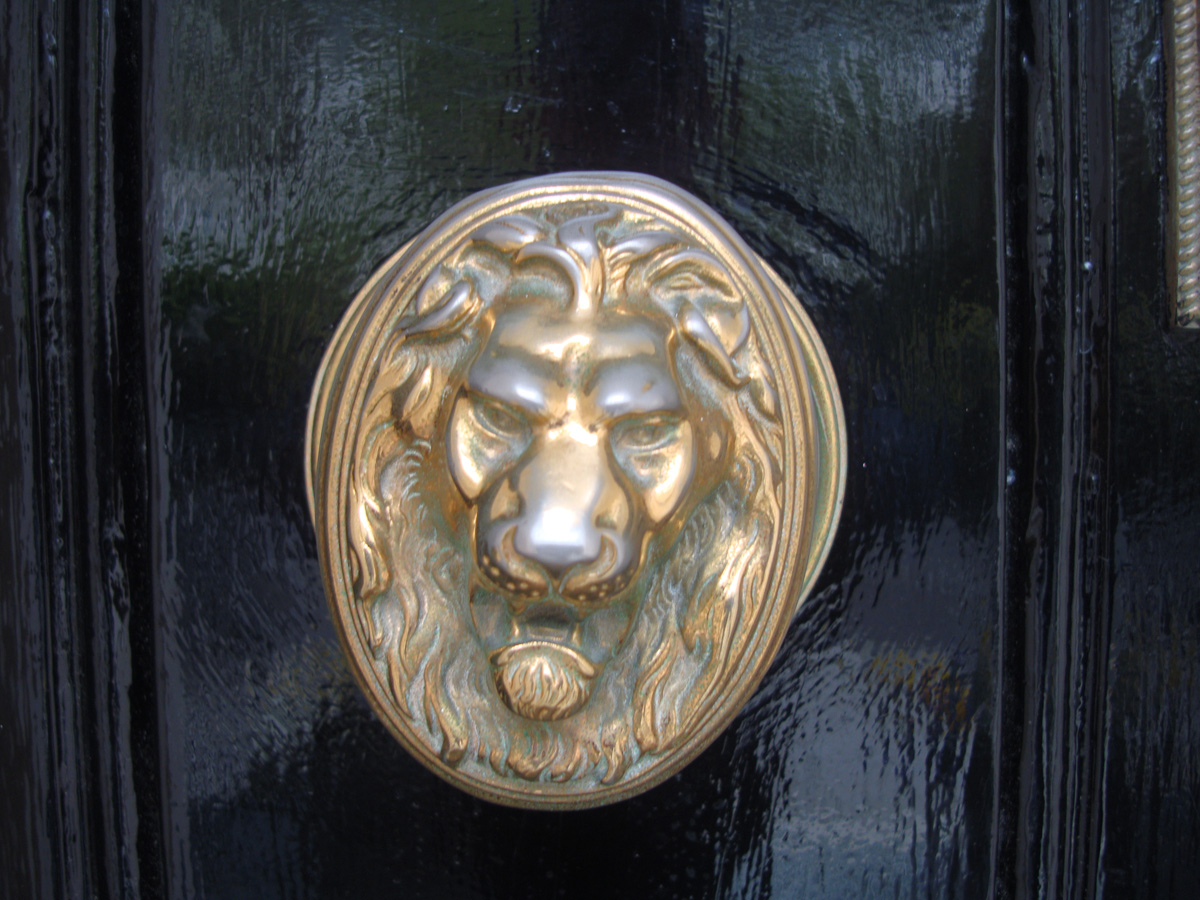
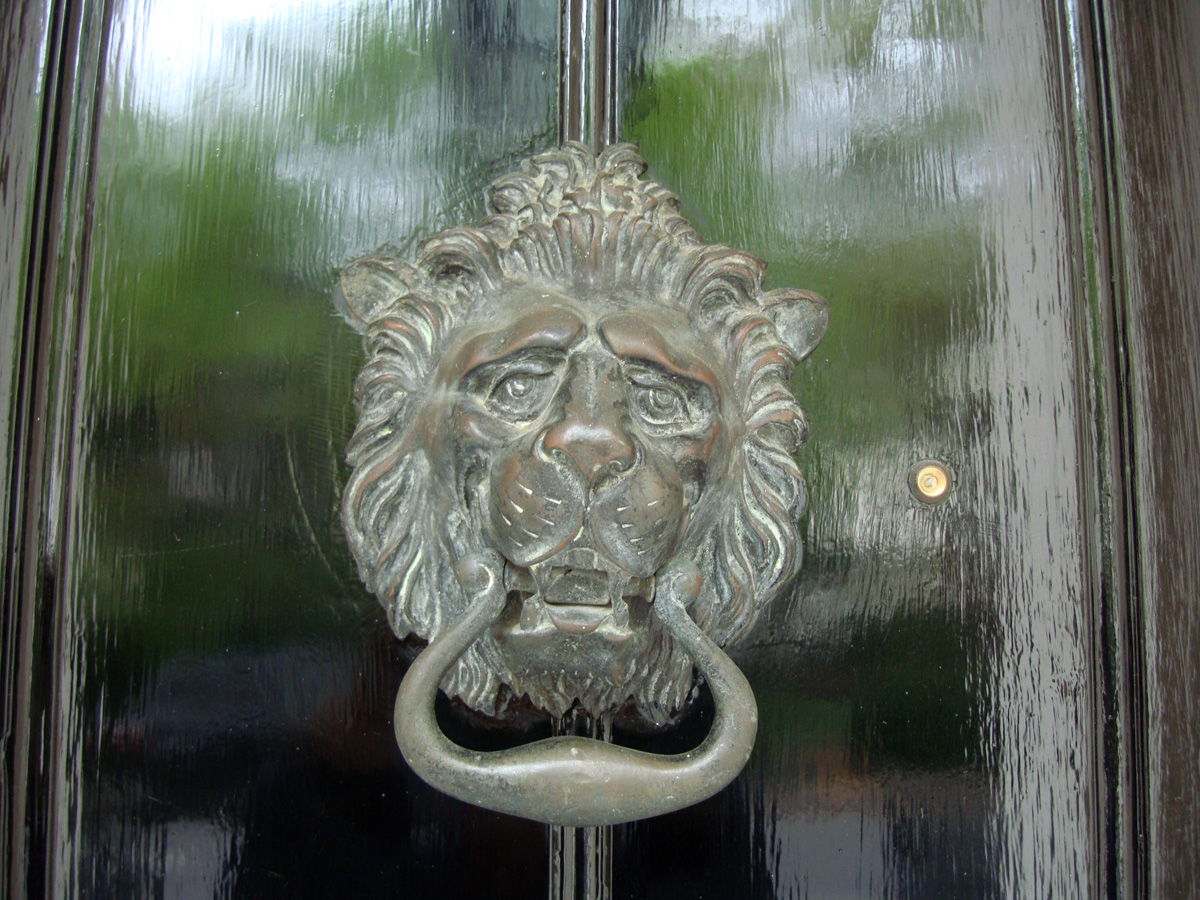
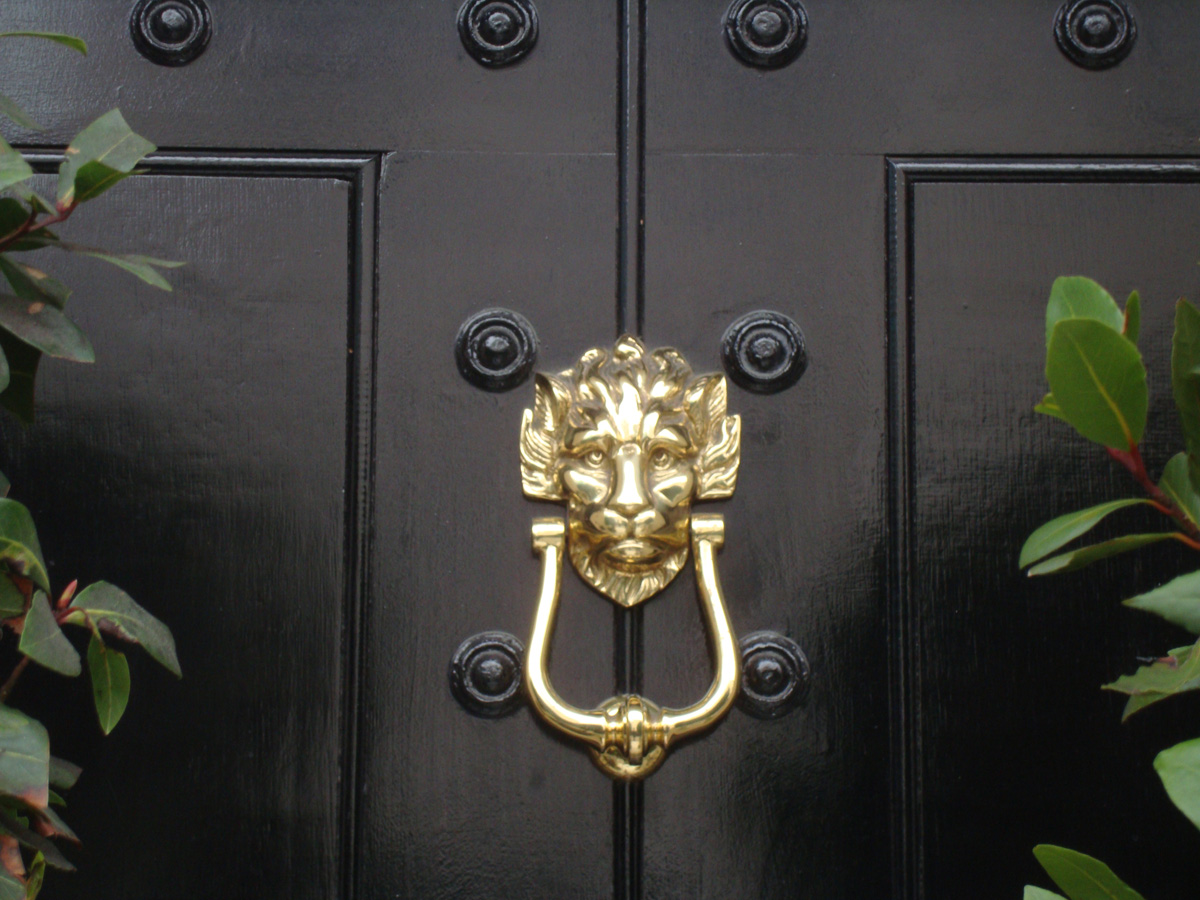
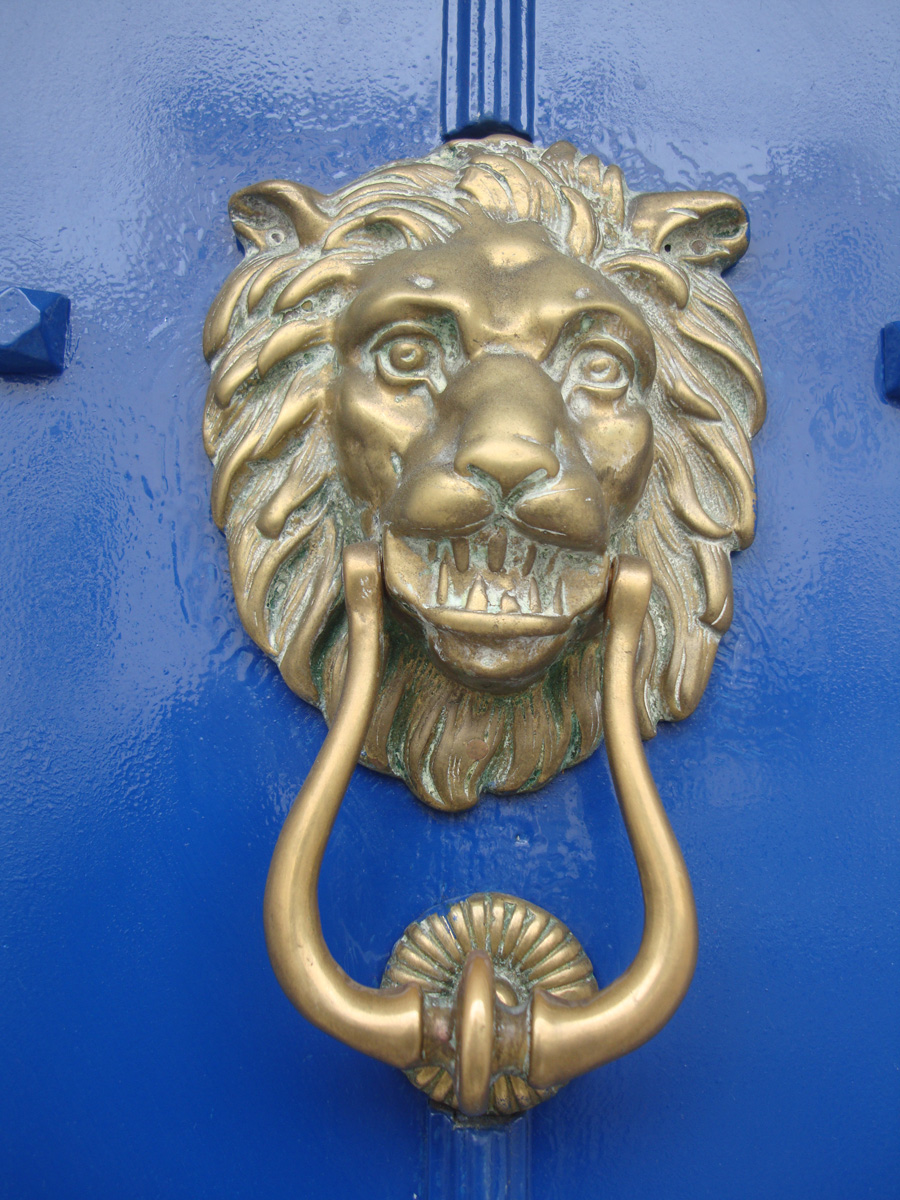
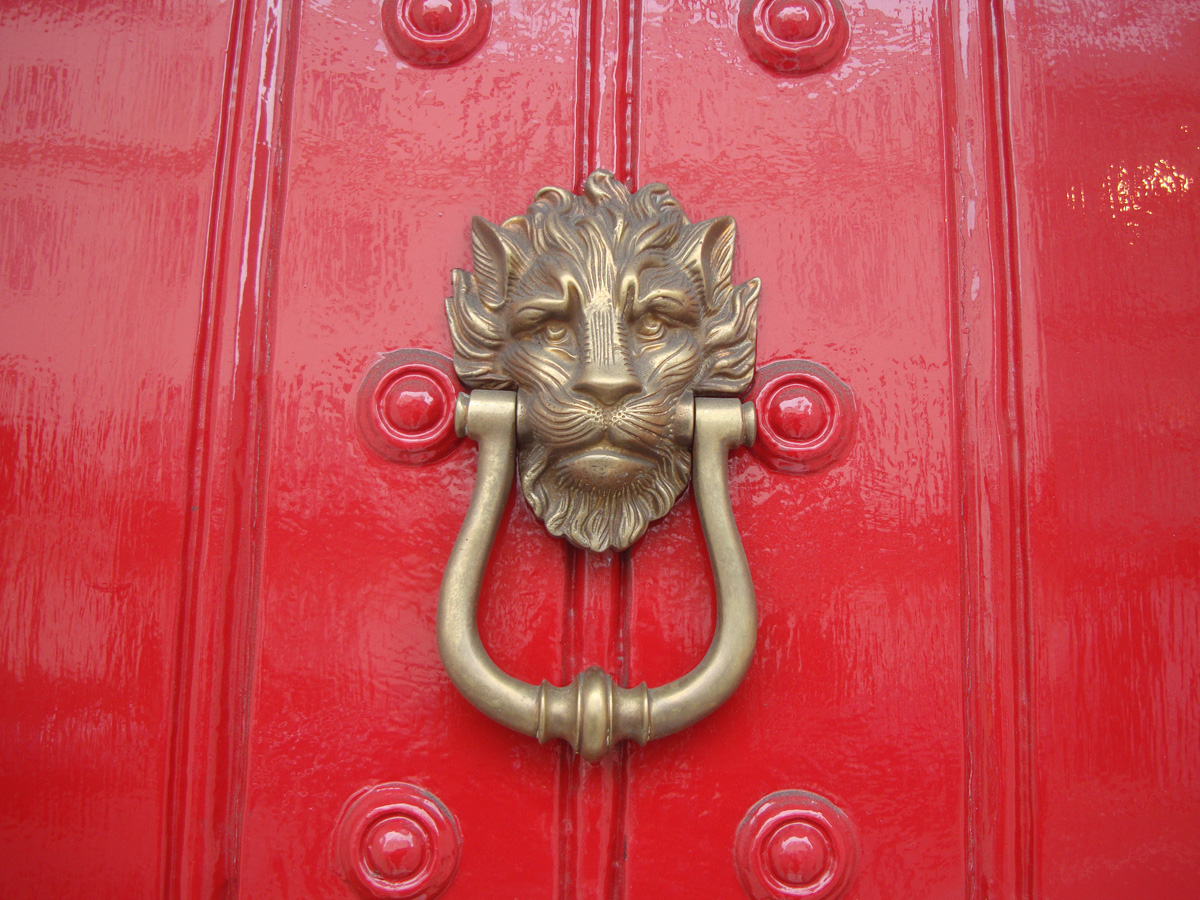
I drove into London to meet my daughter off the Cardiff coach at Victoria Coach Station today. I think I did an article on Belgravia once connected with the upstairs Downstairs series. Victoria is in Belgravia.To cut this story short, I had time to have a walk around Belgravia and along Eaton Square. The doors to those houses have a superfluity of Lion head door knockers.
What I have discovered taking these photographs is that  each lion head has it’s  own personality. They are all different which means they were all made individually, each from their own unique mould.

What struck me in viewing those photos is how beautifully painted the doors are. Tony is right – the lions all have their own personalities! Enjoy. Click on each image to view the larger photo.

Read Full Post »

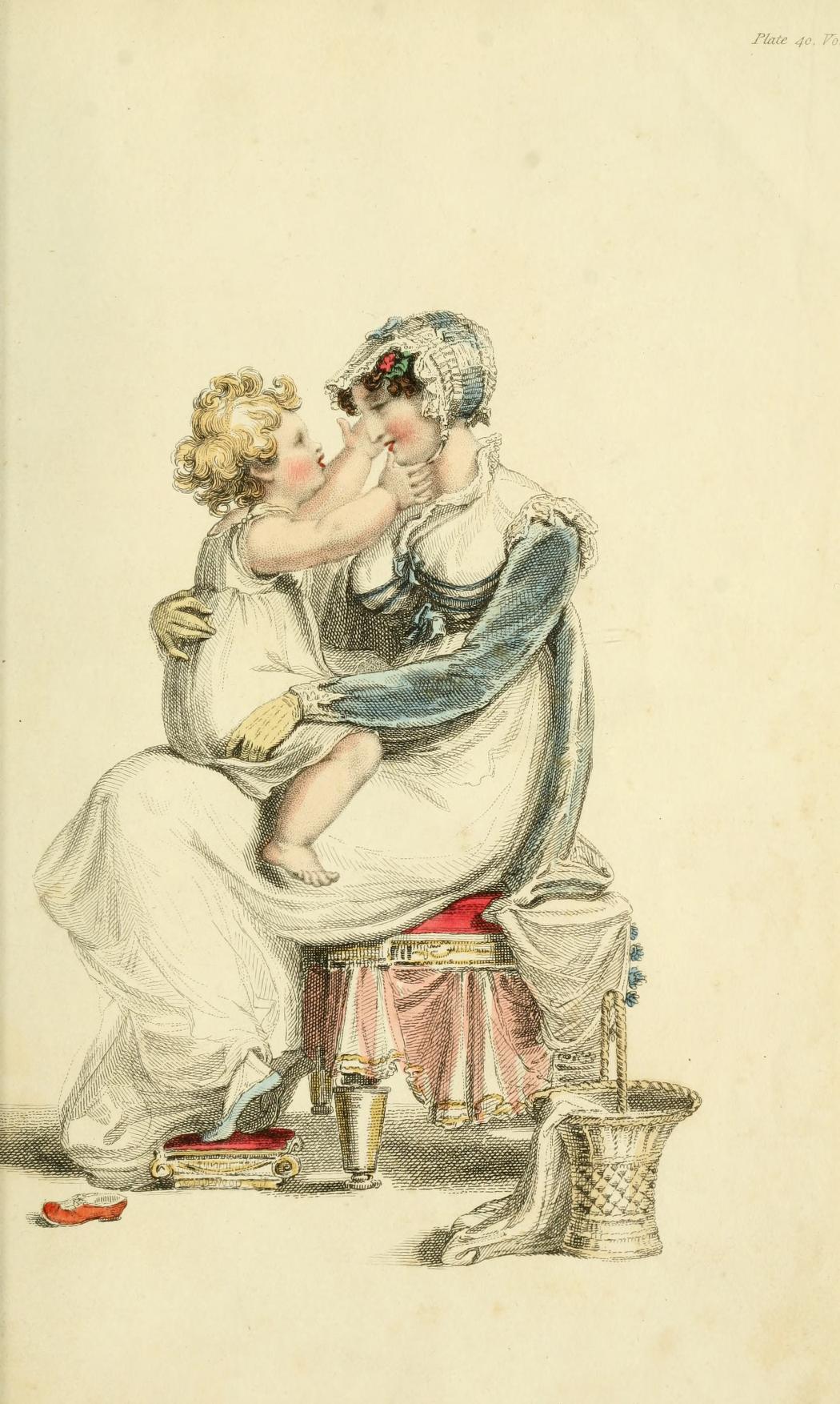
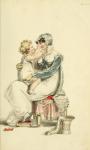
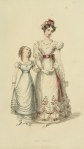
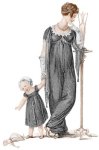
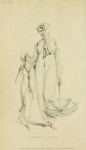
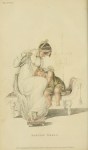
I’ve placed these gorgeous Ackermann fashion plates here  to wish my readers who are mothers a Happy Mother’s day. Aren’t these images precious?

1812 morning dress or domestic dress.

Click on images to enlarge.

1826 evening gowns, March.

Read Full Post »

Elegancy and Decadence: The Age of the Regency is a BBC production hosted by Lucy Worsley, the author of If Walls Could Talk: An Intimate History of the Home. The video is one hour long. So, sit back and enjoy.

Read Full Post »

Gentle Readers, Frequent contributor Tony Grant has supplied us with yet another treat: a post about door knockers. After you have read it, you will want to hop on over to his blog, London Calling, in which he describes his trip to Venice. 

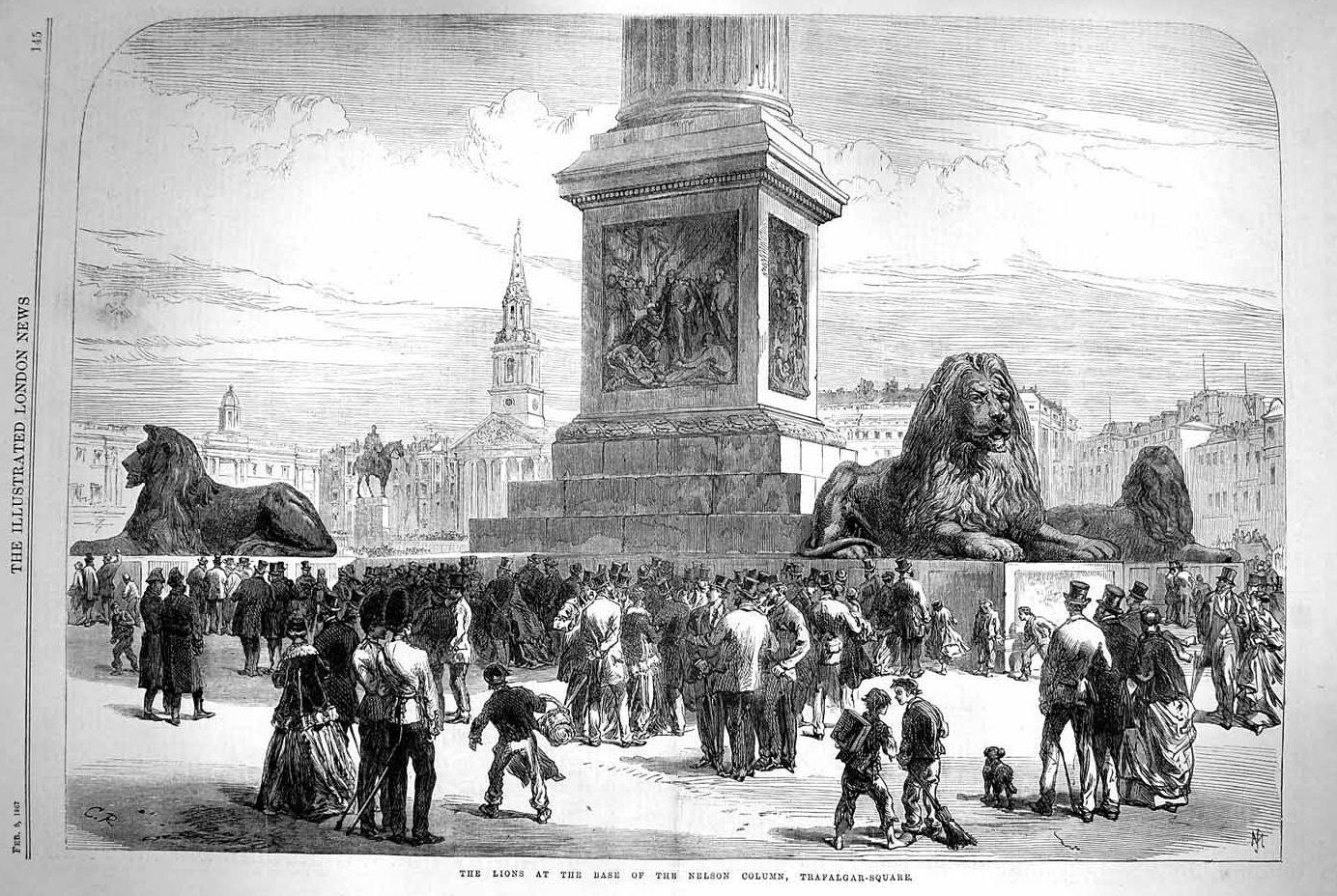
The quintessential door knocker in Georgian architecture is the brass lion head with a large brass ring gripped in its mouth. It has been used as a symbol of Great Britain for centuries. Trafalgar Square has four enormous bronze lions positioned on great granite plinths at the four corners of the base of Nelson’s Column. They are made from the melted down bronze from canons captured from French ships at The Battle of Trafalgar.

Lions at the base of Nelson's Column, Trafalgar Square. Image @The Illustrated London News

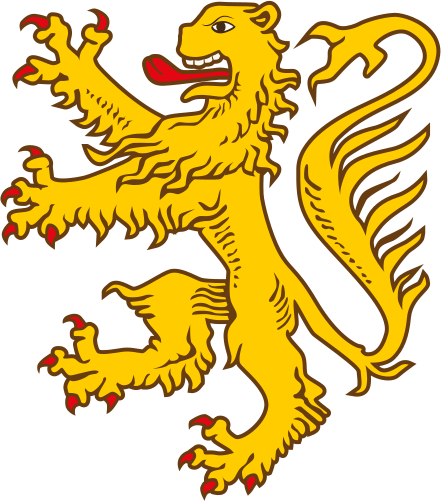
All coats of arms relating to the monarchy have lions as a prominent feature of their design, usually rampant. Lions have been used symbolically since the Paleolithic period.

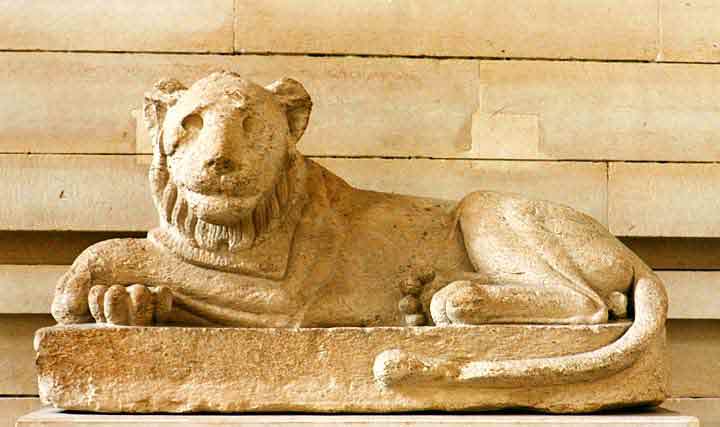
Egyptian lion sculpture carved out of limestone, Louvre

The Egyptians carved sphinxes, half man, half lion. They symbolise power and strength, courage and fortitude.

Heraldic lion

You can go to any part of London and you will come across Victorian or Georgian housing still with their original door furniture. Very often the door furniture will include a brass lion head door knocker. This could be a sign of Victorian and Georgian confidence. A sign for people of the greatest and largest empire the world has ever known. For the visitor it is their first contact with the house and a way of communicating their arrival by lifting the knocker and rapping it smartly against its back plate. The back plate to a lion head knocker is the lion’s head.

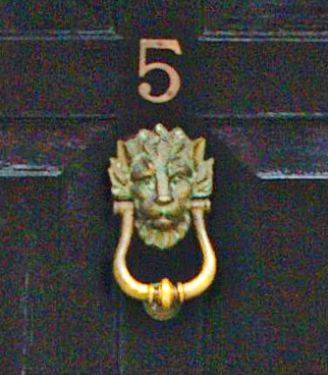
Lion door knocker. Image @Tony Grant

Knocking on a door does two things. First it makes the visitor take hold of the house. The hand grips the knocker. It is a like a handshake; a very English form of greeting. Secondly, through the sound of the knock it communicates to the occupants that somebody is visiting. The way the door is knocked can express other things too like haste, frustration, timidity or confidence.

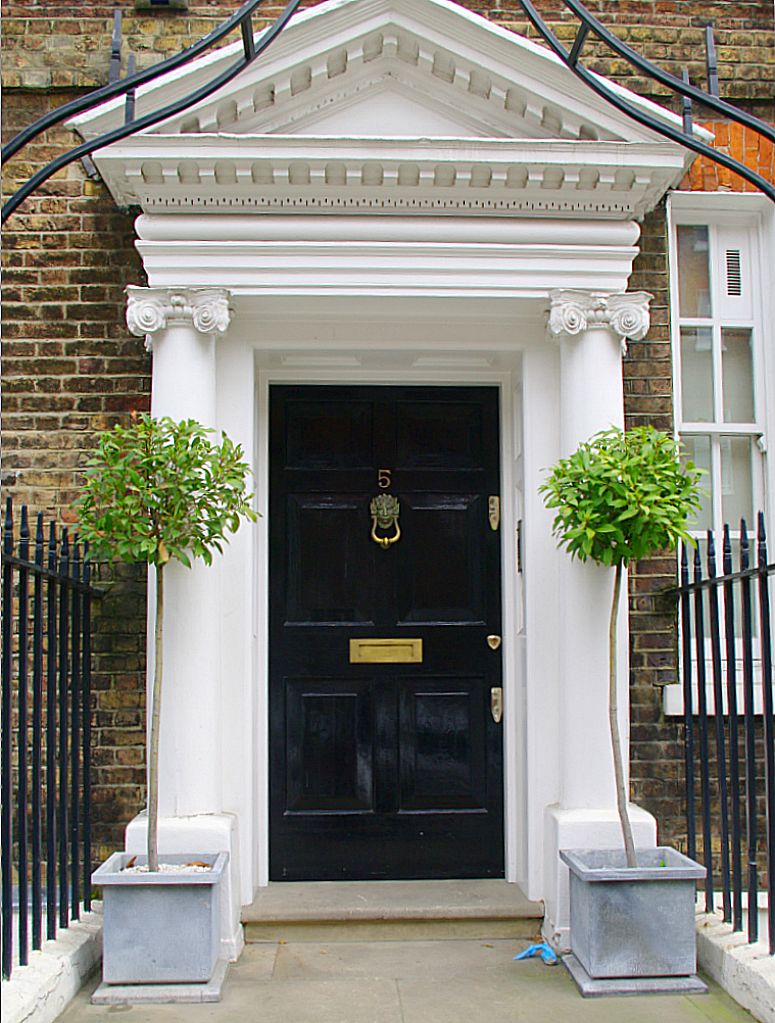
Front door with lion knocker. Image @Tony Grant

The fact that many Georgian houses have door knockers that are the originals means that we today in the 21st century, who are still using these door knockers to gain entrance, have a palpable, physical connection to people from past generations and from all classes of a past society.

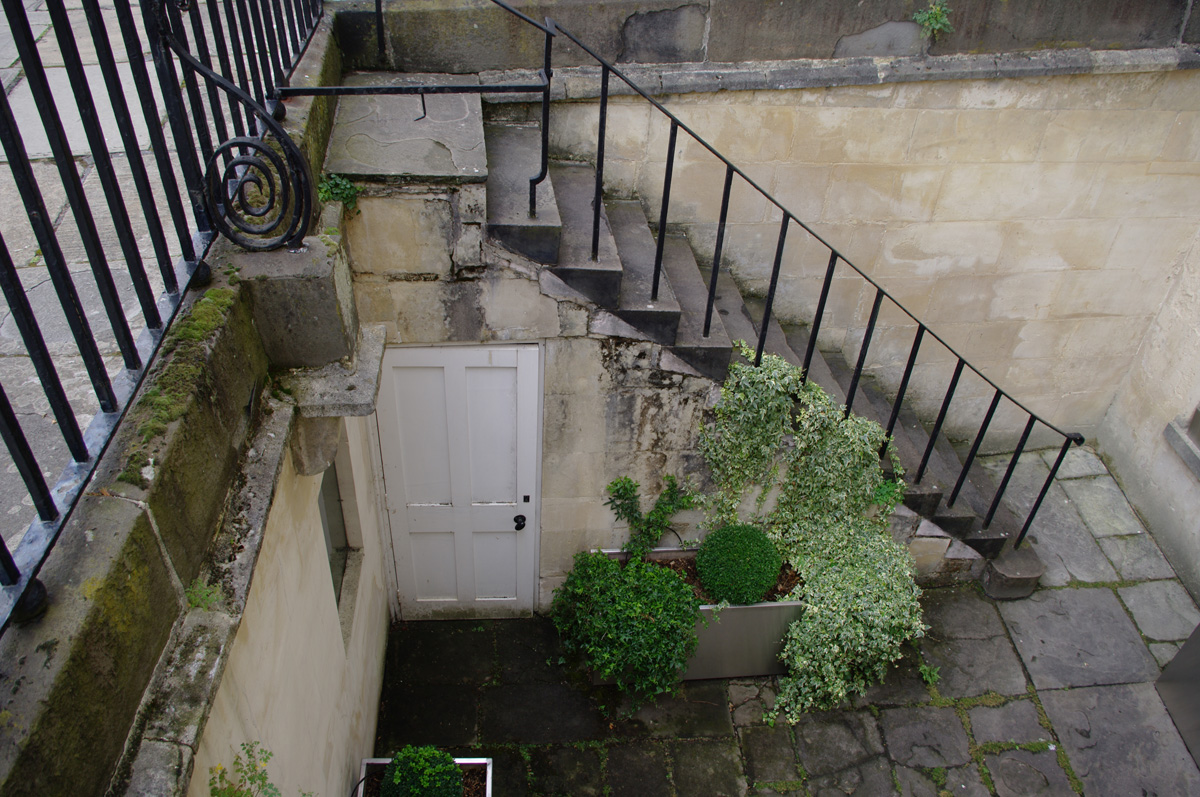
Downstairs to the servant's quarters, Bath. Image @Tony Grant

The servants belonging to the Georgian household would not have used the doorknocker of their own house. They would have slipped down the flight of stone steps near the front gate, to the servant’s quarters in the basement. However a footman or servant sent with a message or communication from another household would have used the front door knocker. The owners of the house would have knocked to alert their footman to open the door to them and their friends would have knocked to gain entrance too.

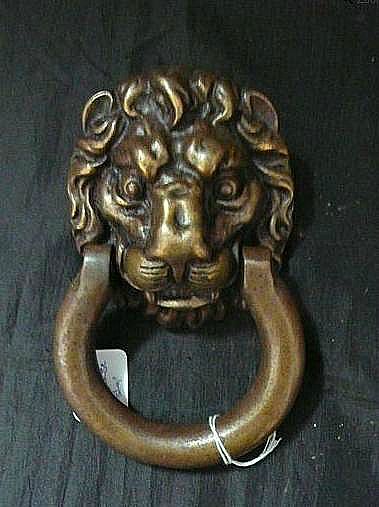
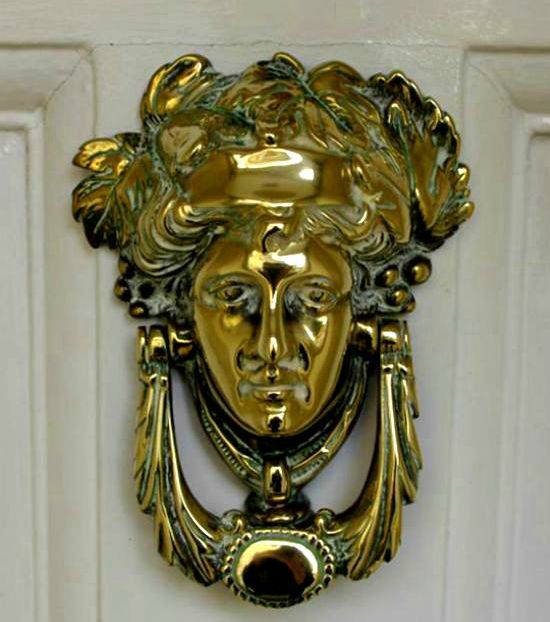
Door knocker made of brass. Image @Ruby Lane

A lot of door knockers are made from brass. Some are iron. Brass is a very special metal. It has a golden lustre when polished and expresses wealth, a friendly glow and a welcoming feel. Iron on the other hand can be aggressive and harsh. Iron against iron can cause a spark. It can rust and have unfriendly qualities. Brass on the other hand is benign. It is a malleable metal and has acoustic properties. In fact the brass door knocker on a Georgian front door can almost be regarded as a percussion instrument. The solid wooden door is the drum skin and the entrance hall behind it is the chamber within which the sound resonates and vibrates.

J. L. Settle door knocker at Portsmouth

Brass is used for many purposes, including bullet cases, artillery shell casings, horse accoutrements, locks, bearings, gears, musical instruments, horns and bells. It does not create a spark. It is low friction.

Brass is an alloy, which almost makes it a magical thing. It is an alloy of copper and zinc. The proportions can vary between the two metals to create different qualities in the brass. It is a substitutional alloy. This means that when the copper and zinc are melted together they replace some of each other’s atoms with their own atoms. Brass has been made since Roman times. You can imagine in the middle ages or earlier and perhaps even up to Georgian times people regarded blacksmiths and workers of metals almost as magicians being able to smelt ores and extract pure metals from their furnaces to make the most magical things. Brass is a difficult alloy to make, even more so than other alloys. Copper can be smelted easily but zinc cannot be smelted from it’s ore. Brass has to be created through what is called a cementation process. This is when smelted copper is mixed with the unsmelted zinc ore. This means that many impurities are included and the slag that is created has to be carefully separated during the alloy creating process. Zinc comes from rocks called hemimorphite and smithsonite. Lead is something that is also added to some brass alloys to create a different quality. However, sometimes, the lead leaches from the finished brass. Imagine that rubbing onto some unsuspecting visitors hands. Particles of lead unseen on the hands and transferred to the mouth and the digestive system.


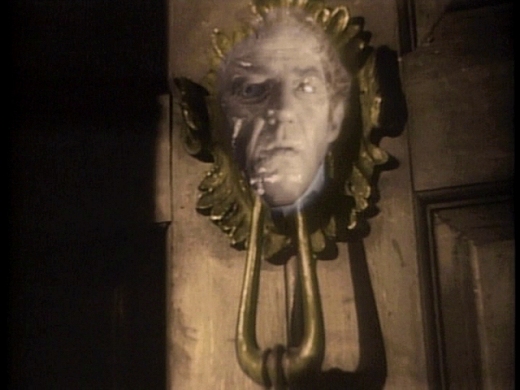
That thought lends new credence to the famous scene in Charles Dickens a Christmas Carol when Scrooge returns home on a cold misty winters night,

Now, it is a fact, that there was nothing at all particular about the knocker on the door, except that it was very large.  It is also a fact, that Scrooge had seen it, night and morning, during his whole residence in that place; also that Scrooge had as little of what is called fancy about him as any man in the city of London, even including — which is a bold word — the corporation, aldermen, and livery.  Let it also be borne in mind that Scrooge had not bestowed one thought on Marley, since his last mention of his seven years’ dead partner that afternoon.  And then let any man explain to me, if he can, how it happened that Scrooge, having his key in the lock of the door, saw in the knocker, without its undergoing any intermediate process of change — not a knocker, but Marley’s face.

Marley’s face.  It was not in impenetrable shadow as the other objects in the yard were, but had a dismal light about it, like a bad lobster in a dark cellar.  It was not angry or ferocious, but looked at Scrooge as Marley used to look: with ghostly spectacles turned up on its ghostly forehead.  The hair was curiously stirred, as if by breath or hot air; and, though the eyes were wide open, they were perfectly motionless.  That, and its livid colour, made it horrible; but its horror seemed to be in spite of the face and beyond its control, rather than a part or its own expression.

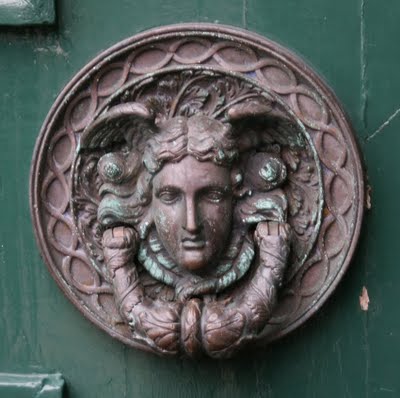
Another form of door knocker - that of a Roman god wearing a laurel wreath, Bath. Image@Tony Grant

As Scrooge looked fixedly at this phenomenon, it was a knocker again.

To say that he was not startled, or that his blood was not conscious of a terrible sensation to which it had been a stranger from infancy, would be untrue.  But he put his hand upon the key he had relinquished, turned it sturdily, walked in, and lighted his candle.”

Was it lead poisoning that was rotting Scrooges brain or just tiredness, misery, the cold and mist and darkness playing tricks with his imagination and senses?

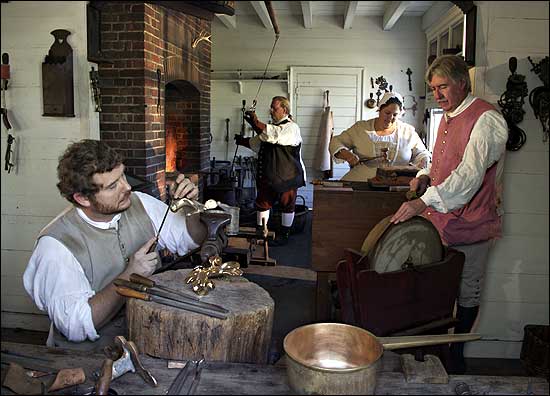
Filing a door knocker. Image @History.org Foundation Journal

To make a lion head door knocker a few technical and difficult processes have to be carried out. A mould has to be made. A carver carves a lion head pattern out of wood. A mould maker uses a box filled with a mixture of sand and clay to make a fire-proof  mould. The wooden pattern is pressed into the sand and clay composite and a lion head knocker mould is thus created. The molten alloy of copper and zinc that creates the brass is then poured into the mould and left to cool and solidify. When cold the brass knocker can be extracted and filed and sanded down to get rid of any rough surfaces. In this process, craftsmen, metal workers geologists and miners would form a trail of work and economy. Finally the finished  door knocker would have been sold to a carpenter making a door to then be sold to a builder who would fix the door in the house he made for a new purchaser.

Door knocker at the Brighton dome at the Brighton Pavilion, early 19th c.

More on the topic:

Read Full Post »

« Newer Posts - Older Posts »