Feeds:
Posts
Comments

Archive for the ‘18th Century England’ Category

Gentle readers, I have been staying inside during this week’s heatwave, which shows no signs of letting up. As I showered, I wondered how people in days of yore dealt with their sweat and overheated bodies. Karl Philipp Moritz’s excellent and delightful travel journal from 1782, ‘Travels in England’, gave me a clue. Here are some excerpts from his account of wandering through the British countryside.
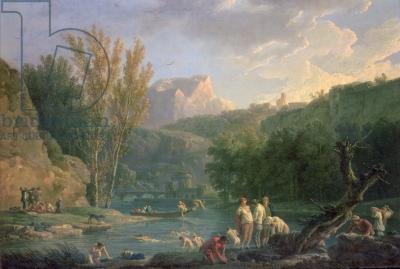
River Scene with Bathers, 18th century (oil on canvas), Vernet, Claude Joseph (1714-89) Image @Bridgeman

Now it is a pleasing exchange to find that in two hours I can walk eight miles.  And now I fancy I was about seventeen miles from London, when I came to an inn, where, for a little wine and water, I was obliged to pay sixpence.  An Englishman who happened to be sitting by the side of the innkeeper found out that I was a German, and, of course, from the country of his queen, in praise of whom he was quite lavish, observing more than once that England never had such a queen, and would not easily get such another.

It now began to grow hot.  On the left hand, almost close to the high road, I met with a singularly clear rivulet.  In this I bathed, and was much refreshed, and afterwards, with fresh alacrity, continued my journey.
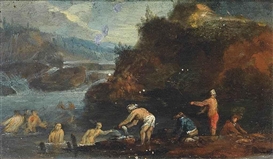
A river landscape with bathers, Dutch 18th c. painting. Such scenes were common throughout Europe.

Karl, a romanticist, read Milton as he rested in between long walks. His account bears witness to his love of the British countryside, despite the poor manners of inn keepers, who were wary of a man on foot. (Those who traveled on horseback or in a carriage received preferential treatment. )The following description shows how people during the Georgian era were not as deprived of baths as we thought, or as adverse to bathing!

I went down into the coffee-room, which is immediately at the entrance of the house, and told the landlord that I thought I wished to have yet one more walk.  On this he obligingly directed me to stroll down a pleasant field behind his house, at the foot of which, he said, I should find the Thames, and a good bathing place.

I followed his advice; and this evening was, if possible, finer than the preceding.  Here again, as I had been told I should, I found the Thames with all its gentle windings.  Windsor shone nearly as bright over the green vale as those charming houses on Richmond Hill, and the verdure was not less soft and delicate.  The field I was in seemed to slope a little towards the Thames.  I seated myself near a bush, and there waited the going down of the sun.  At a distance I saw a number of people bathing in the Thames.  When, after sunset, they were a little dispersed, I drew near the spot I had been directed to; and here, for the first time, I sported in the cool tide of the Thames.  The bank was steep, but my landlord had dug some steps that went down into the water, which is extremely convenient for those who cannot swim.  Whilst I was there, a couple of smart lively apprentice boys came also from the town, who, with the greatest expedition, threw off their clothes and leathern aprons, and plunged themselves, head foremost, into the water, where they opposed the tide with their sinewy arms till they were tired.  They advised me, with much natural civility, to untie my hair, and that then, like them, I might plunge into the stream head foremost. Refreshed and strengthened by this cool bath, I took a long walk by moonlight on the banks of the Thames.  To my left were the towers of Windsor, before me a little village with a steeple, the top of which peeped out among the green trees, at a distance two inviting hills which I was to climb in the morning, and around me the green cornfields.  Oh! how indescribably beautiful was this evening and this walk!
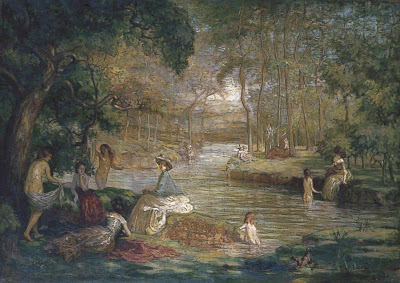
Women Bathers by a River, Tharp, 1900. This painting was made over 100 years after Karl’s journey. Notice the segregation of the women from the men, which held true over a century before this painting was made.

About Karl Philipp Moritz (from Wikipedia): Karl was a German author, editor and essayist of the Sturm und Drang, late enlightenment, and classicist periods, influencing early German Romanticism as well. He led a life as a hatter’s apprentice, teacher, journalist, literary critic, professor of art and linguistics, and member of both of Berlin’s academies. Karl traveled through England in his 20s; he died young, when he was 37.

This scene in Pride and Prejudice 1995 might not have been in Jane’s book, but Darcy’s desire to cool off in his stream-fed pond made sense and was historically accurate.

You can download Karl Philipp Moritz’s book for free into your Kindle or Kindle app. [Moritz, Karl Philipp, 1757-1793. Travels in England in 1782 by Karl Philipp Moritz (Kindle Locations 987-992). Mobipocket (an Amazon.com company).]
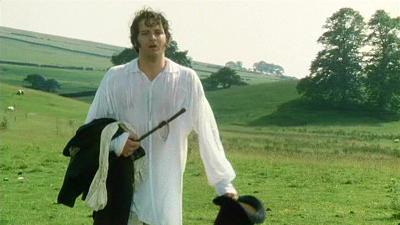
Colin Firth in a wet shirt.
Read Full Post »

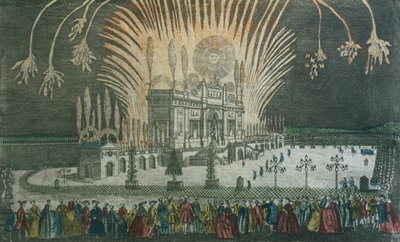
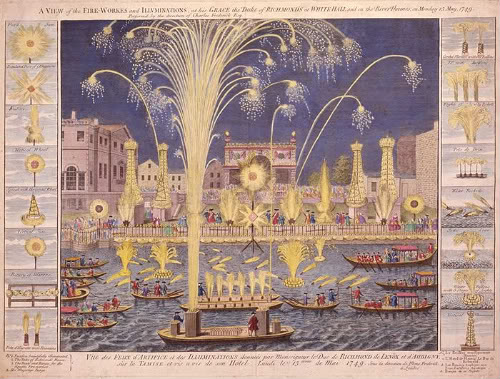
Today U.S. citizens are celebrating July 4th and the independence of our nation from Great Britain. Grand firework displays will play a pivotal role in our national revelry tonight, culminating a day long celebration. Fireworks were not unknown during the Georgian Era, and were used for grand effect in public celebrations. I will point out only a few instances in London.

The picture above is of the firework display held by the Duke of Richmond at Richmond House near the Thames in Whitehall, London [May 1749] and shows both the whole effect of all the fireworks and also, very interestingly, gives individual details [on the side] of the individual fireworks which made up the whole display. – Austenonly

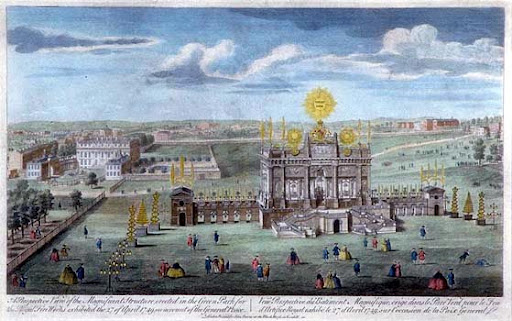
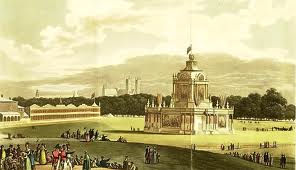
Temple of Peace in Green Park.

Early view of Green Park and the Temple of Peace.

Green Park was readied for a grand fireworks display in 1763 to celebrate the Treaty of Paris, which ended the French and Indian War in North America. The park had attracted firework displays before:

The Green Park was used for a national party in 1746 to celebrate the end of the War of Hanoverian Succession. The royal family arranged a great firework display and commissioned the composer, Handel, to write his Music for the Royal Fireworks. A vast Temple of Peace was built in the park to store the fireworks. But early on a stray rocket hit the temple. Three people died and 10,000 fireworks were destroyed in the fire that followed. – The Green Park

Temple of Peace in Green Park lit up by fire works.

The Treaty of Paris  granted Great Britain control of all land to the east of the Mississippi River, a cause for a grand celebration and a good reason for building a ceremonial temple. (View a print of the scene here.)

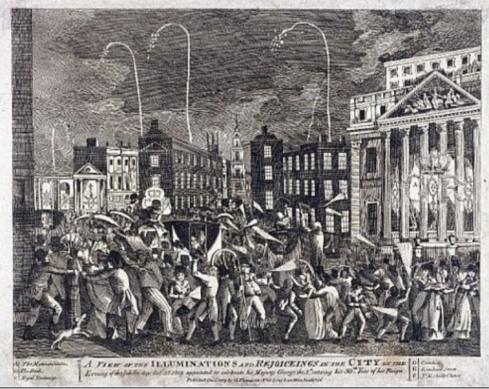
Another cause for creating massive firework displays was the long reign of George III. The details of  the Golden Jubilee celebrations are beautifully described at Austenonly.

Fireworks in London in celebration of King George III Golden Jubilee in 1809

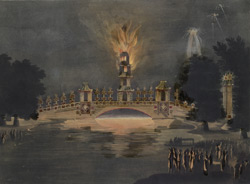
Fireworks were quite dangerous, and so were  gas lit fires. In 1814, another grand celebration was planned in St. James Park (which lies close to Green Park) to commemorate 100 years of the Hanoverian royal family. A seven-story pagoda was erected on a Chinese-style bridge spanning the canal in St. James’s Park.

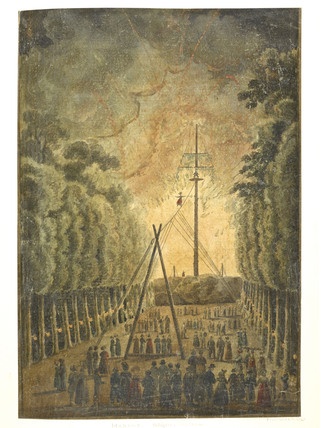
A view of the Chinese pagoda burning. Image @British Library

The splendid gala was organized for the joint August first celebration of the Hanoverian Centenary and the anniversary of the Battle of the Nile. The brilliant and daring tactics of Lord Nelson at the Battle of the Nile were represented by rowboats upon the canal. A disaster occurred when the gas lit pagoda caught fire and burned. Two men were killed and a number injured trying to put out the fire. A number of the Royal swans succumbed to smoke and fire. The crowd unaware that this was an accident took the occurrence to be part of the spectacle and applauded wildly. – The Georgian Index

When the Napoleonic Wars came to an end, famed rope walker, Madame Squi, could finally cross the English Channel in  1816 to perform at Vauxhall Gardens for the first time.

Madame Saqui illuminated by the bursts of fireworks, Vauxhall, 1816. Copyright Museum of London*

‘In the midst of a great burst of fireworks, Bengal lights glimmering faintly in the clouds of smoke, she (Saqui) stands on a rope, sixty feet up, and follows a narrow and difficult path to the end of her journey. Sometimes she is completely hidden from our eyes by the billowing waves, but from the way she walks, so self-assured, one would think an Immortal was walking peacefully towards her celestial home.’ [Lerouge on Madam Saqui at Vauxhall] – Rope Walkers and Equillibrists

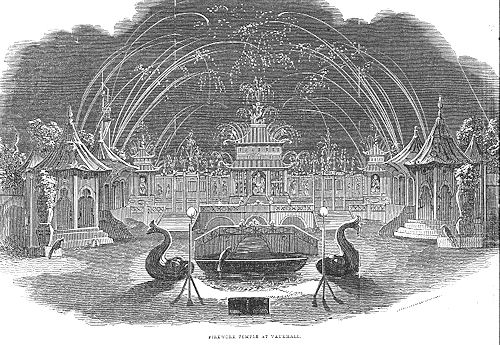
Firework displays were no novelty at Vauxhall Gardens, or any of the major gardens where people congregated to walk along grand promenades, dance publicly to music, eat, drink, and enjoy an evening out in the open.

Fireworks display at Vauxhall, 1800s.

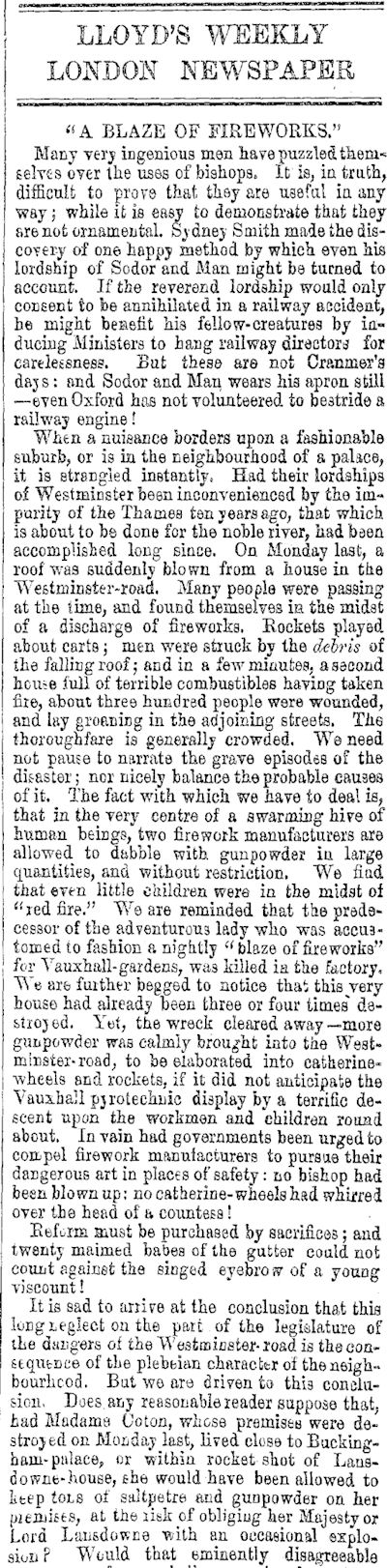
There were terrible accidents then as now with fireworks. Here is an account from  an 1858 newspaper** about an accident in central London:

All over the U.S. we will be enjoying various kinds of firework displays. Those in Washington D.C. and the major cities will be the grandest, I am sure. I recall an intimate firework display along a small lake in Vermont one year, in which only a few fireworks were set off. Interestingly, of all the firework displays I have seen, that is the one I tend to recall. Happy Birthday, America! Stay safe.

*Museum of London Prints

**Newspaper Account of Vauxhall accident.

More about Green Park at this link.

Read Full Post »

Inquiring readers: This article from frequent contributor, Patricia Saffran from Brandy Parfums, describes the exhibit at the British Museum, which opened in London on May 24. These exquisite works of art, along with others, will be on view through September 30th. With this exhibit, the upcoming Olympic Games, and the Diamond Jubilee Celebration, what a sterling year it has been thus far for Great Britain.

Queen Elizabeth’s love of horses is well-known. As part of the Queen’s Diamond Jubilee Celebration, an exhibition has been created in her honor on the history of the horse in civilization. Opening May 24, 2012 at the British Museum in London, the emphasis in this exhibition is on the domestication of horses and the revolutionary impact of horses on ancient civilizations. Artifacts and art from the Museum’s extensive collection, as well as various loans on display depict the horse in its early use in farming, hunting and warfare. In the exhibition, the role of horses in the history of the Middle East is examined with an emphasis on the breeding of the Arab as a foundation of the Thoroughbred. Britain’s long equestrian tradition figures prominently in the show.

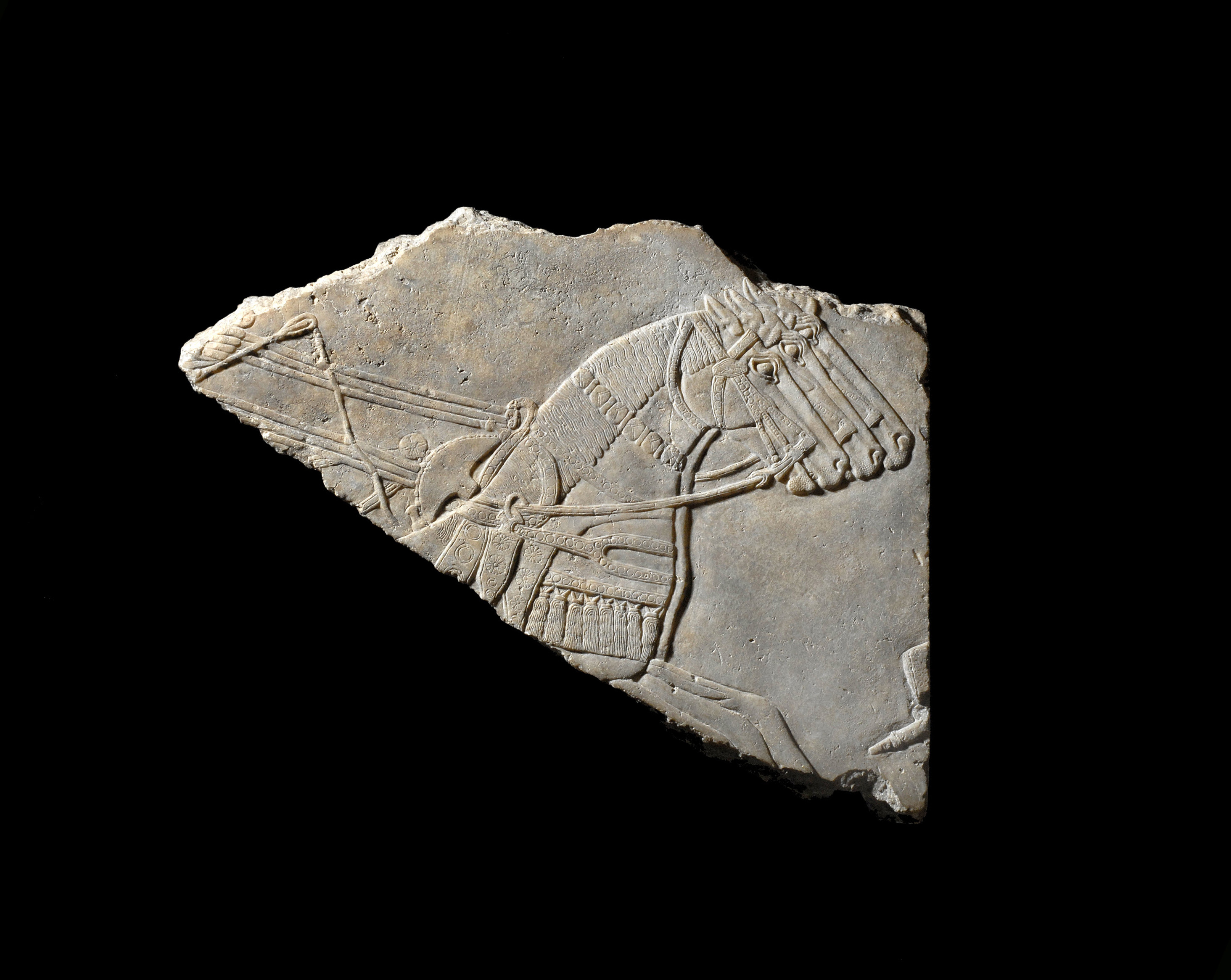
253093: Fragment of carved limestone relief featuring the heads and foreparts of three horses drawing a chariot with reins, hands of
charioteer and whip, 9thC BC, Neo-Assyrian. Copyright the Trustees of the British Museum.

The genus Equus, including all current species such as horses, asses and zebras, is native to North America. During the first major glaciations of the Pliocene, around 2.6 million years ago, certain species crossed the Bering Land Bridge. From there they spread out, some to Africa diversifying into zebras. Other species spread to Asia, the Mideast and North Africa as desert asses. The modern horse, equus caballus, migrated to Asia, Europe and the Mideast. Other Equus species drifted toward South America.

Due to the possible change in grasses, forage, or the threat of hunting, it is believed that horses, asses and zebras remaining in North and South America died out at the end of the last glaciations of the Pleistocene around 10,000 years ago, but there is no definitive proof. Some horses may have stayed and survived in the Great Plains or elsewhere in the Western Hemisphere. Horses were reintroduced into the Americas by the Spanish about five hundred years ago, and possibly before that by the Vikings and Asians.

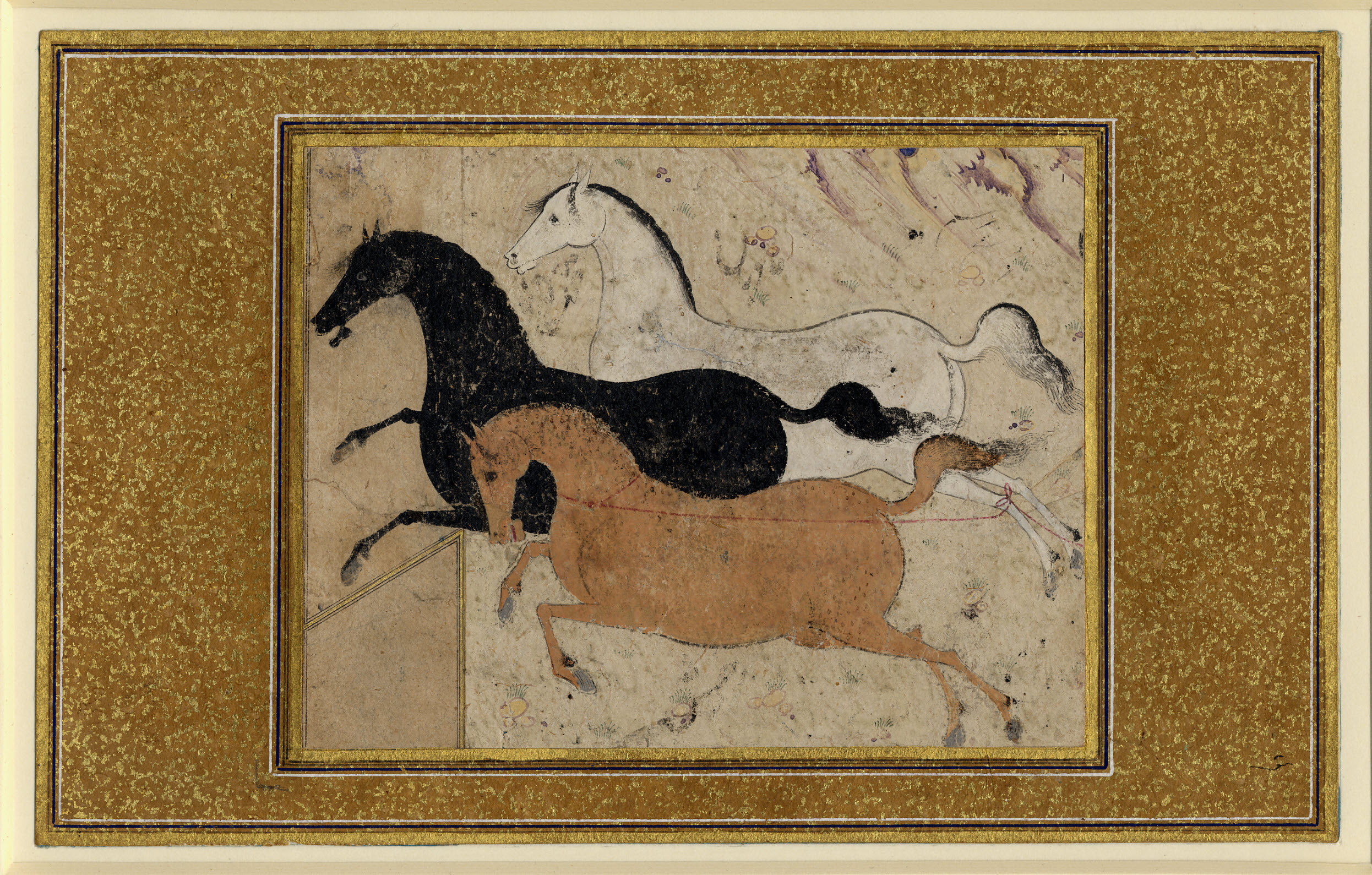
90313: Three horses (white, black and chestnut) galloping across a bare landscape, chestnut horse has a lasso round its neck and white horse round its hind legs. mid-16thC, Persian. Copyright the Trustees of the British Museum.

As horses moved toward the rich grasslands in the steppes of southern Russia around 5,000 years ago, their domestication occurred – the wild Przewalski’s horse in Central Asia is an exception.

Horses were introduced to the Ancient Near East in about 2,300 BC. Before this time donkeys, asses and oxen pulled crude carts in this area. Technological advances later on saw swifter carts and chariots pulled by horses, and the development of horseback riding. The history of conquest utilizing horses along with advancements in writing, art, architecture and agriculture were all part of the culture of these ancient lands.

The following are highlights of the exhibition with some of the history attached to the objects and art on display.

The famous standard of Ur, a Sumerian mosaic from 2,400- 2,600 BC with chariots drawn by equines is on display.

One of the earliest known representations of a horse and rider will be shown – a terracotta mould from Old Babylonia (Iraq) from about 2000-1800 BC. The rider sits well to the back of the horse where there is very little control. Later in the ninth century BC, Assyrian cavalrymen brought horses that may have been bred to be finer and faster. They sat forward on the horse for better maneuverability, and the calvary charge was born.

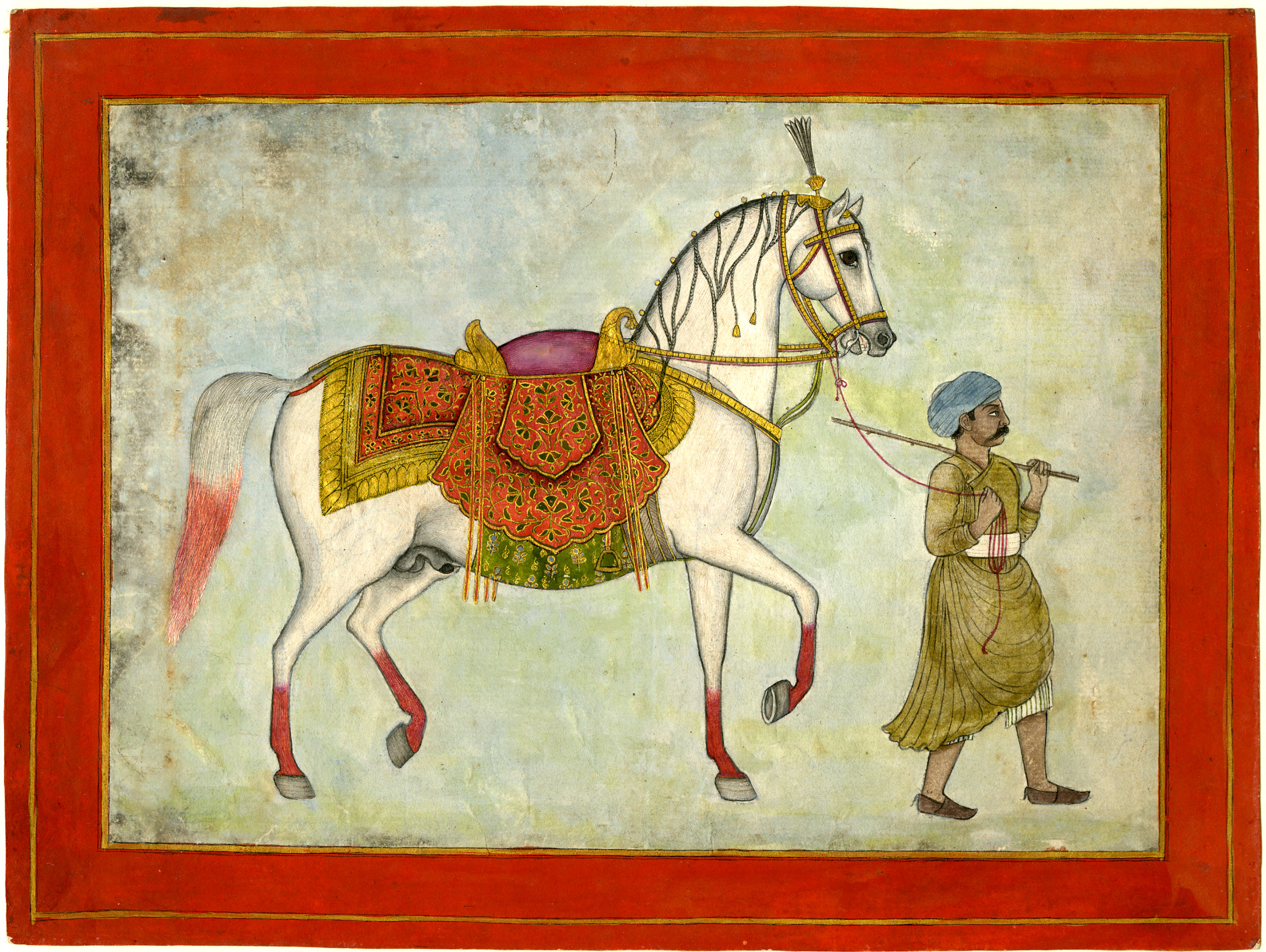
265010: Album leaf. A horse with elaborate saddle and harness being led by a groom. On paper. Copyright the Trustees of the British Museum.

Horses were highly prized and given as gifts in the Ancient Near East around 2000 BC according to ancient texts. Also, around this time what appears to be an Arab type can be seen in Egyptian tomb paintings – horses with a short back, high tail and large eyes. In about 1,600 BC the use of the faster, superior chariot ushered in the Chariot age – which was to have a profound effect on warfare, even reaching later on to China and elsewhere. Particularly among the ancient Hurrians, between the Tigris and Euphrates, a system of royal patronage developed with an aristocratic military.

The Assyrians reveled in the horse as a source of prestige and created meticulously crafted horse trappings. A Neo-Assyrian carved relief from Nimrud(Iraq) from the 9th century BC shows the intricate detail in these chariot horse trappings.

The Achaemenid King Darius was known to hunt fast game like lions from a fast-moving chariot and a seal of this image is on display. Darius was better known for developing a system similar to the Pony Express where horses were changed at intervals to deliver mail along the improved Royal road, stretching 1000 miles long. It was Herodotus who wrote, “nothing stops these couriers from covering their allotted range in the quickest possible time. Neither snow, rain, heat nor darkness.” (Sound familiar?) – Herodotus, the Histories, Book VIII, 5th century BC.

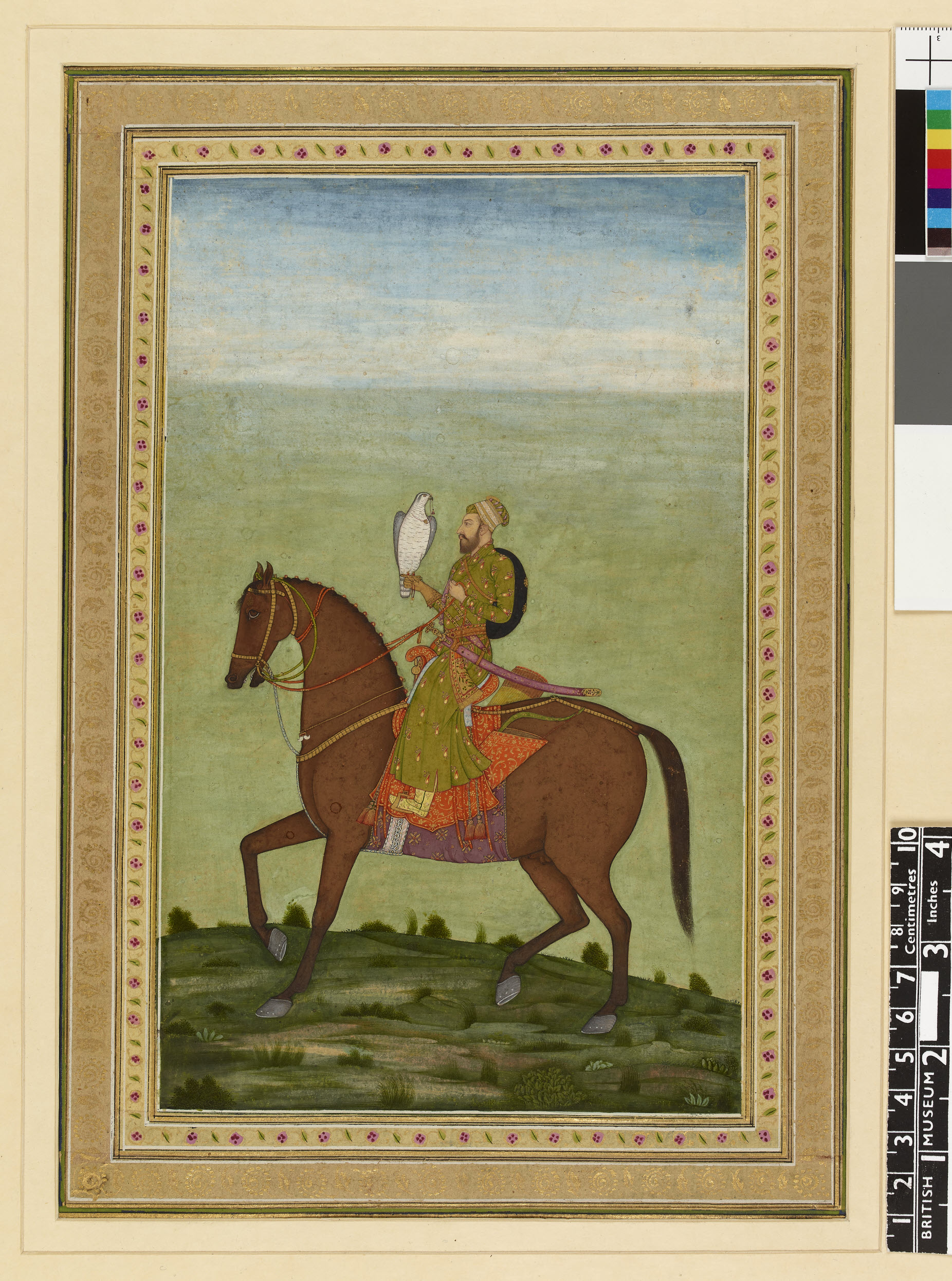
948688: Man on horseback, with a falcon, early 18th century, India. Copyright the Trustees of the British Museum.

The Parthian Empire 3rd century BC to 3rd century AD, saw more developments in horse combat. They were famous for the “Parthian shot” – pretending to flee while on horseback, then turning around shooting an arrow backwards. We now use the expression, “Parting shot” that comes from this manoeuvre.

Under the Parthians and later Sassanian Dynasty in 224 AD horses and riders started to wear armor for battle. While we think of jousting as quintessentially European with its armored horses and riders, the sport was actually practiced early on by the Parthians and Sassanians.

The horse grew in importance in the world across what is now Arabia, India and Turkey with numerous depictions in paintings and ceramics. Lovely Mughal miniatures from the 7th century AD reveal the high status of horses. Many show an owner and his beloved horse with delicate detail. The famous
Furusiyya manuscript from the 14th century AD is on display with its text on horsemanship.

Fine horses in the Middle East are explored in the Abbas Pasha manuscript from the 19th century. This document is the main text to describe the lineage of the purebred Arabian horses acquired by Abbas Pasha (the viceroy of Egypt). The Arab is the result of deliberate selective breeding.

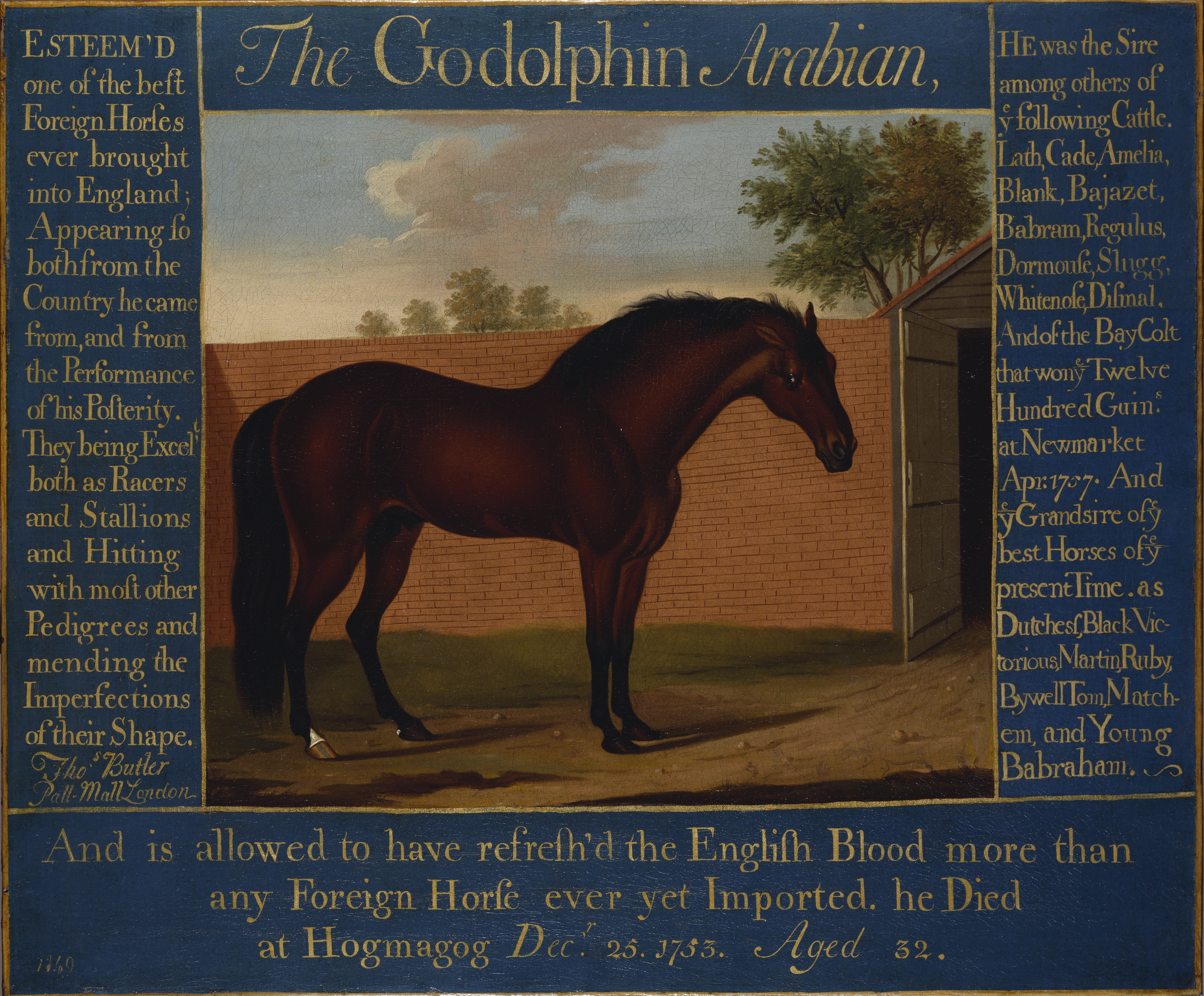
406001: The Godolphin Arabian, Butler, T, 1750-55: Copyright of the Royal Collection

This exhibition includes the famous painting of the Godolphin Arabian by Thomas Butler, painted around 1750- 1755. The Godolphin Arabian was one of three foundation stallions (the other two being the Byerly Turk and the Darley Arabian) brought to England in the 18th century and bred to native
English horses to eventually become the Thoroughbred. The majority of modern Thoroughbreds (95%) are descended from these stallions. Those readers who saw the fantastic exhibition, All the Queen’s Horses, at the Kentucky Horse Park in 2003, will be familiar with this painting, which is on loan from
the Royal Collection.

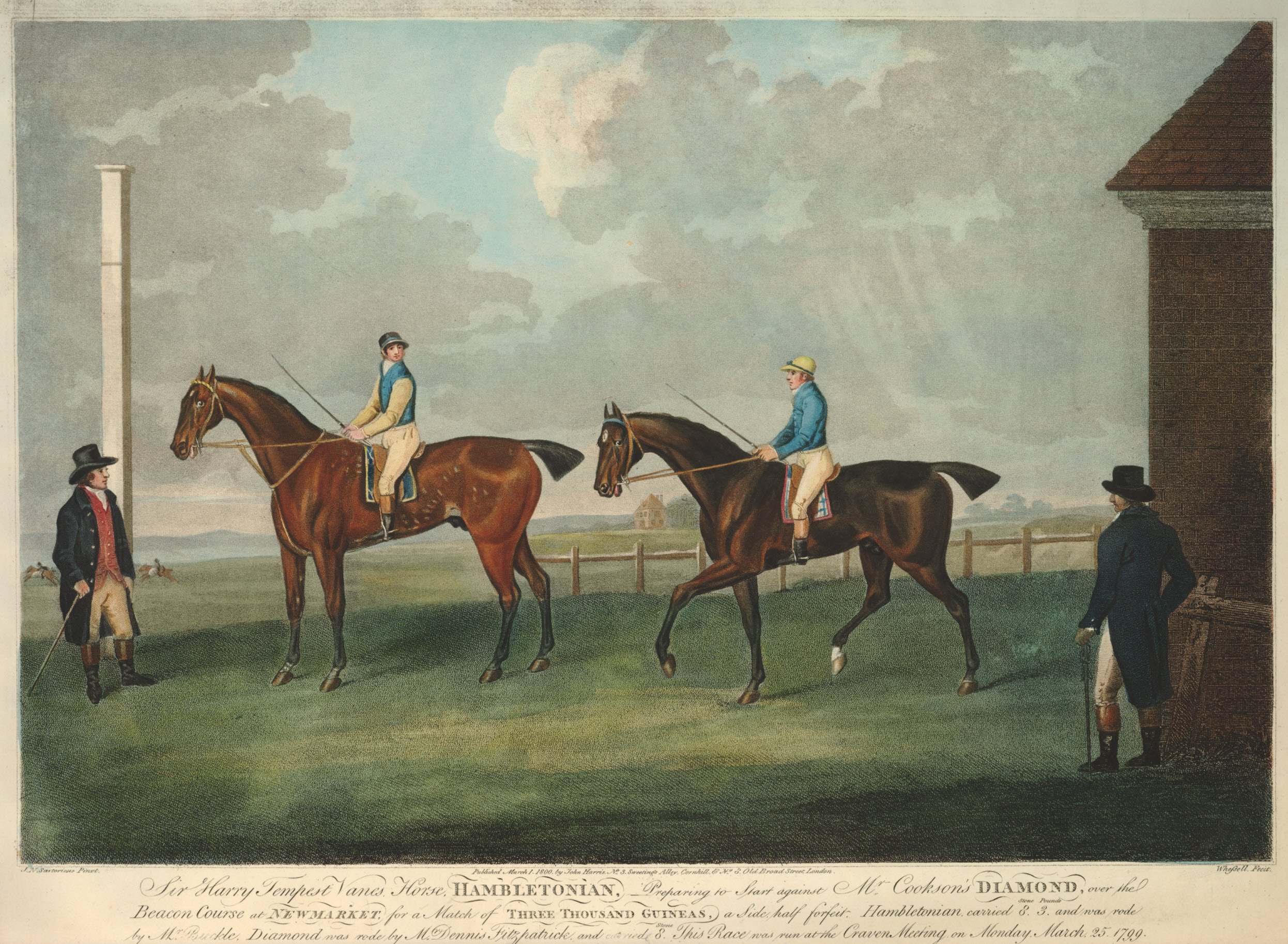
185544: Hambletonian and Diamond at Newmarket.1800, by John Whessell, Copyright the Trustees of the British Museum

Also from the Royal Collection is a silver Faberge sculpture of the race horse Persimmon who had been owned by the Queen’s great-grandfather, Edward VII. The horse created a sensation by winning the 1896 Doncaster, St. Leger and Epsom Derby, the Epsom Derby being shown around the world in an
early newsreel.

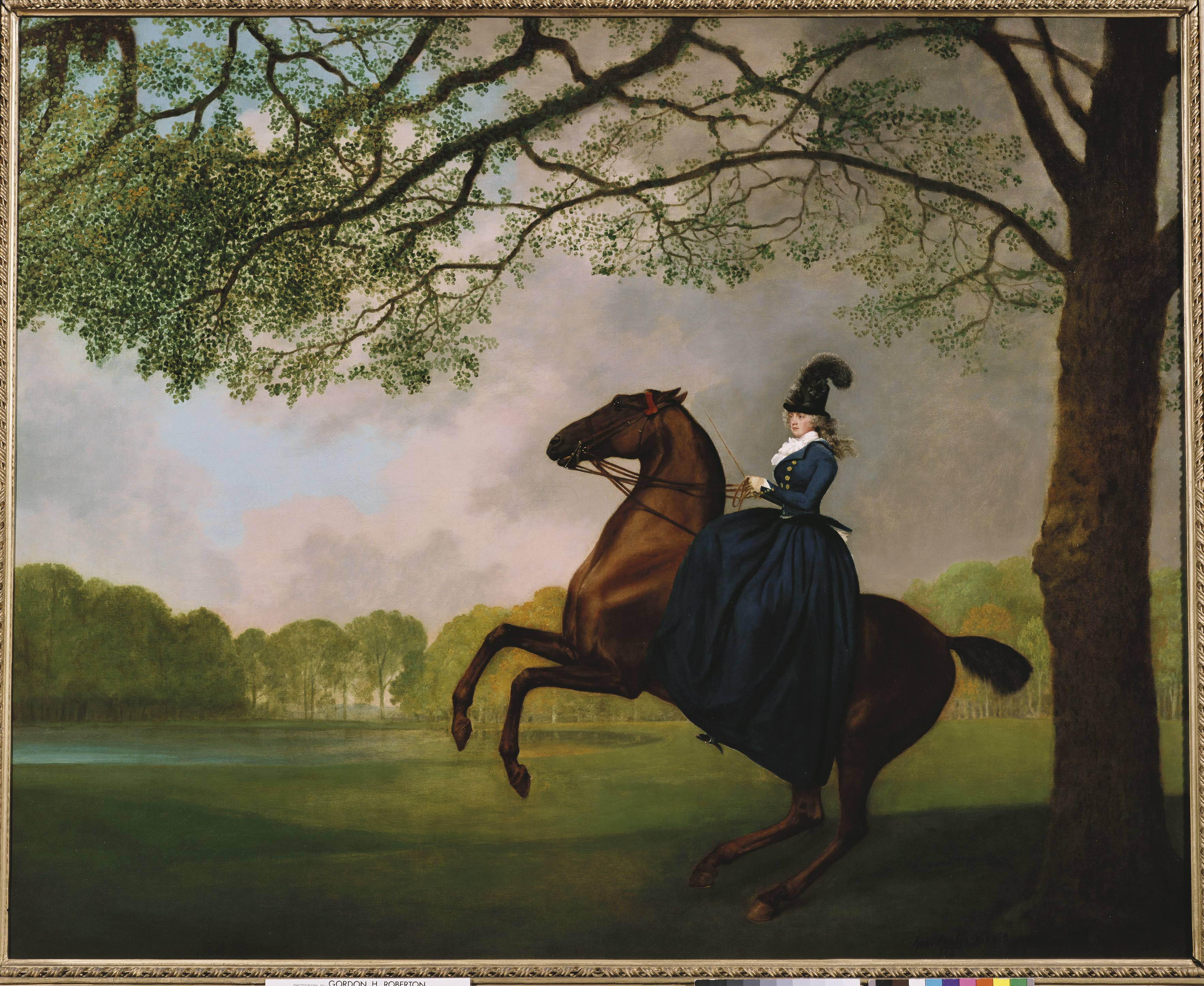
400997: Lady Laetitia, Stubbs, G, 1793: Copyright of the Royal Collection

Normally hanging in the private quarters of Windsor, a George Stubbs portrait of Laetitia, Lady Lade on horseback will be on display. Lady Lade was a somewhat controversial figure, who swore among other things, but who was a gifted horsewoman. This painting from 1793, was commissioned by George IV who was smitten with Laetitia, the wife of his racing manager. The pleasure-loving George IV was himself an expert horseman, whip and breeder of racehorses.

Discussing the exhibition, curator John Curtis told The Guardian, “There are probably horses somewhere in every gallery in the museum, from Assyrian sculptures to coins. They’re so familiar and ubiquitous they mostly go unnoticed. We want to bring them together and show their importance in
history. The horse was an engine of human development…..”

For more information: britishmuseum.org Admission is free. The exhibition runs from May 24 – September 30.
While in the Museum, be sure to see the Elgin Marbles, a must for horse enthusiasts.

Read Full Post »

Inquiring readers: Paul Emanuelli has frequently contributed his comments on this blog. Little did I know that he was an author! He has graciously sent in his thoughts about Bath, the city in which he has set his historical crime novel. Paul writes about Bath in his own blog, unpublishedwriterblog. It is well worth a visit!

Beau Nash turned the city of Bath into the most fashionable resort in 18th-century England. In his role as Master of Ceremonies he organised the premier social events in the city and chose who should, and should not be invited. He established a select list of people who he defined as the cream of Society, and more importantly he changed the social conventions of the city.

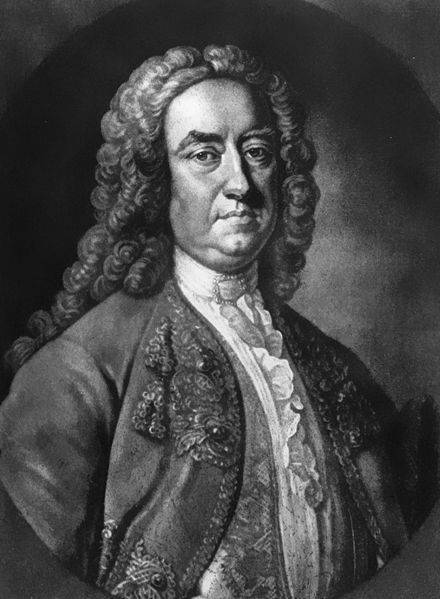
Richard Beau Nash

Nash broke down the old order dominated by the nobility and gentry, and promoted the nouveaux- riches. Whereas in other cities the growing number of wealthy industrialists and tradespeople were still looked down on because of their background, in Bath, Nash welcomed them as elite members of society.

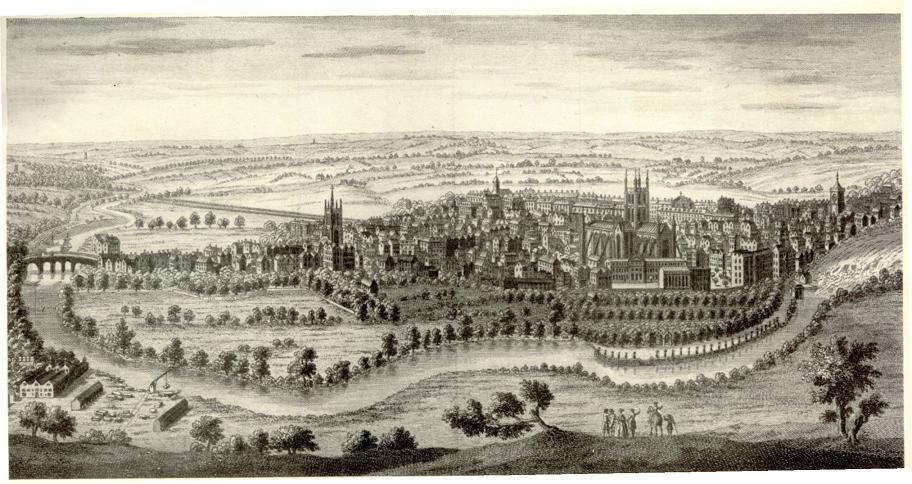
Bath in the 18th century at the time of Beau Nash

For years the city thrived on the wealth of visitors who stayed for the Season. The affluent tourists rented houses and apartments and all the trappings that went with them; crockery and cutlery, silver-ware and ornaments, horses and carriages, servants and attendants. Prominent architects designed fine buildings and the city grew. Milsom Street became one of the most prestigious shopping areas in the country.

Milsom Street and Bond Street with Portraits of Bath Swells.

By 1801, when Jane Austen moved to Bath, the city was the 9th largest in England, with a population of 33,000. Yet the city’s fortunes had already begun to decline. Bath had changed in character and atmosphere. It was becoming less fashionable and the wealthy were visiting less often, and their stays were becoming shorter.

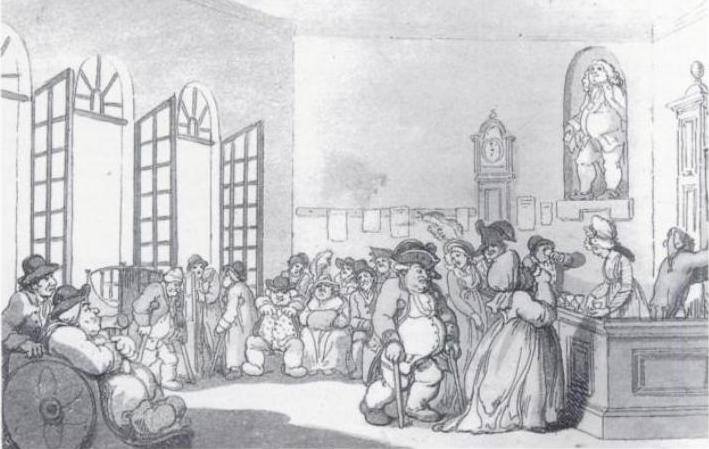
Thomas Rowlandson’s caricature of the Comforts of Bath. The classes noticeably mingled as they awaited drinking the waters in the Pump Room. (Notice the patient in the wheel chair on the left and the sedan chair next to him, which was carried inside the room.) Nash’s statue is in the niche at the top right. You can still see it today.

Built in a bowl of seven hills, Bath’s ever-growing population was increasingly crowded into a relatively small area. It’s little wonder that when Jane Austen moved to the city, she wrote to her sister, Cassandra saying, “The first view of Bath in fine weather does not answer my expectations; … the appearance of the place from the top of Kingsdown was all vapour, shadow, smoke, and confusion.”

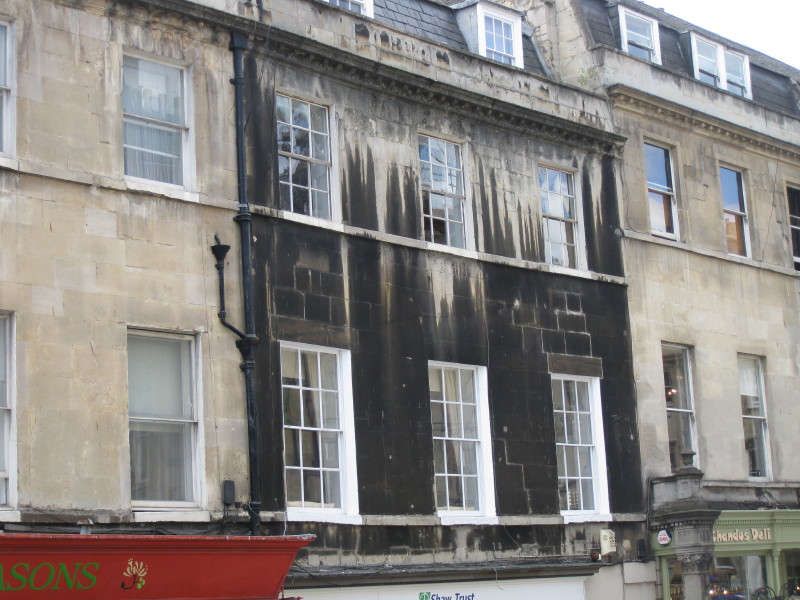
Coal soot darkened the creamy colored stone of the buildings.

Perhaps it is unsurprising that it seemed, “all smoke” when every household depended on coal fires for warmth, that it was “all confusion” when its roads were congested with carts and carriages. And in Georgian cities, once you set foot on the streets there was no escaping the poor drainage and lack of decent sanitation and sewerage systems. As Austen said in a letter to her sister, “We stopped in Paragon (a prestigious address where her wealthy uncle lived) as we came along, but it was too wet and dirty for us to get out.”

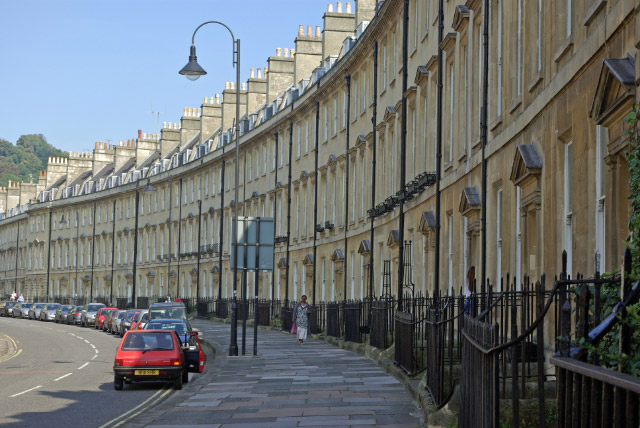
The Paragon, Bath.

By the time Persuasion was published in 1817, the larger part of Bath’s population was working class. Industry was thriving in the city, supplying the many fine shops in Milsom Street and drawing people from the countryside to fill the jobs created. Yet the people who worked in the factories and sweat-shops, the costermongers and shop-assistants, the building labourers and hotel staff were, for the most part, poorly paid.

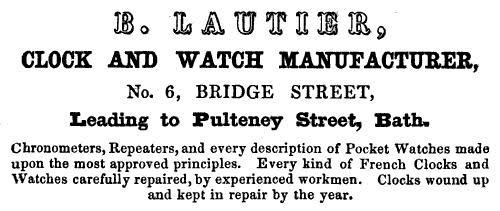
Advertisement for B. Lautier Goldsmith Shop in Bath, 1848

The only housing they could afford was overcrowded and poorly maintained, and the slum areas around Avon Street were increasing in size, as quickly as they were deteriorating in quality and appearance. By 1850, the rookery of hovels and cheap boarding-houses in and around Avon Street were home to almost a quarter of the Bath’s population.

Bath had grown considerably by the 1850’s, the date of this illustration.

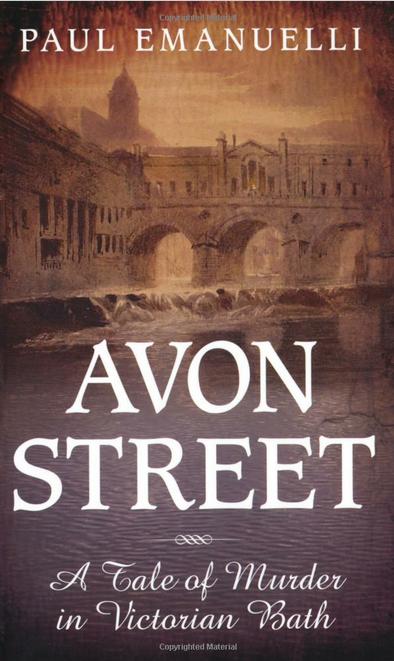
My novel, Avon Street is set in Bath in 1850. But Bath isn’t just a setting. It is a character in its own right. In writing Avon Street, I have tried to take the reader beyond the Georgian facades, and reveal a city, where wealth and elegance were never far from poverty and squalor. Bath was a city, where things were often not as they seemed, where people as Austen said, could “be important at comparatively little cost.” In short it is the ideal setting for a story of confidence tricksters and crime, intrigue and betrayal. A city where enemies can seem all-powerful, and friends are sometimes found where least expected.

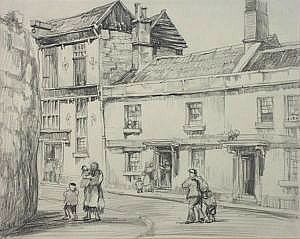
Image of Avon Street.

In Persuasion Anne Elliot visits a friend in Westgate Buildings despite Sir Walter’s warning of its unsuitableness – “Everything that revolts other people, low company, paltry rooms, foul air, disgusting associations are inviting to you.” (Click here to see an image of Westgate Buildings in 1900.) It seemed only fitting that the first chapter of my book be set in the same location, on the borders of the Avon Street area.

Pickwick Mews, Avon Street, in 1923. Image @The Victoria Art Gallery

More about Avon Street and Paul Emanuelli: Why Avon Street?

Avon Street: Purchase information

Paperback: 352 pages

Publisher: The History Press Ltd (1 Feb 2012)

Language English

ISBN-10: 0752465546

ISBN-13: 978-0752465548

Read Full Post »

As a blogger who is curious about all things in Jane Austen’s world and customs in her past that might have influenced her, I am still amazed at how one tiny clue points to another until I land on a series of sites that open up a whole new topic. While history foodies probably know about the elaborate lengths that pastry chefs took to please their patrons, the visual results of a full banquet are simply astounding. I can only assume that Georgian taste buds were equally pleased.

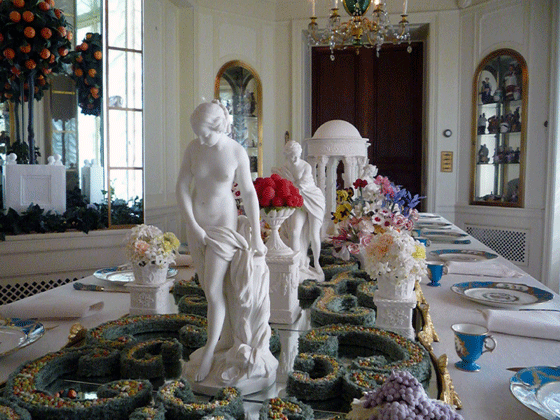
Modern chef and historian, Ivan Day, recreated a feast from the past using sugar structures and porcelain figures to arrange a fanciful garden centerpieces for the table.

I already knew about The Prince Regent’s elaborate 1811 dinner at Carlton House, which was described as thus:

“Along the centre of the table about six inches above the surface, a canal of pure water continued flowing from a silver fountain beautifully constructed at the head of the table. Its banks were covered with green moss aquatic flowers; gold and silver fish swam and sported through the bubbling current, which produced a pleasing murmur where it fell, and formed a cascade at the outlet.” – The Gentleman’s Magazine, describing the Prince Regent’s fete at Carlton House, June 19, 1811 in honor of the exiled French royal family.

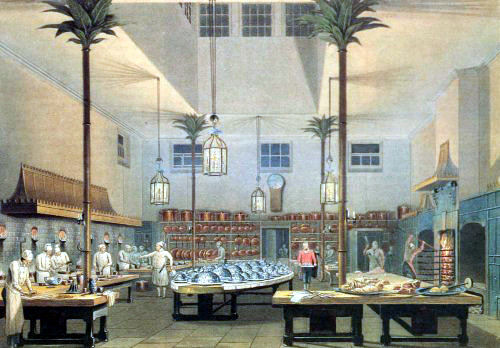
The great kitchen at the Prince Regent’s Pavilion at Brighton could accommodate creating dishes for huge and fanciful banquets.

So great was the interest that the doors of Carlton House were opened for three days in a row. But instead of satisfying the curiosity of the masses, the result was ever-increasing crowds. Chaos ensued.

‘The condescension of the Prince in extending the permission to view the arrangements for the late fete at Carlton House has nearly been attended with fatal consequences,’ reported one newspaper. Read more: http://www.dailymail.co.uk/news/article-1039063/As-Queen-opens-Palace-Ballroom-public-story-decadent-royal-banquet-ever.html#ixzz1s7ijkAEv

Detail of the design for an elaborate garden centerpiece. These engravings were showcased in Le Cannameliste Français by famed confectionary chef, Joseph Gilliers, in the mid-18th century. View the entire centerpiece here: Click on this link.

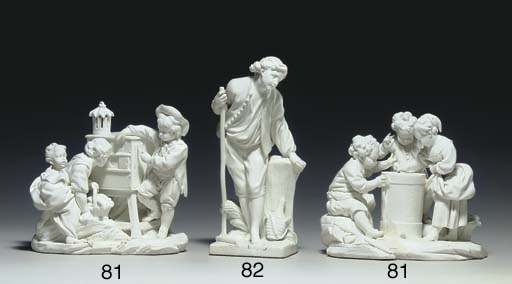
The banquet featured a recreation of a landscape at its center. Such a method of decorating a table was not new, especially when it came to desserts. Elaborate set pieces with architectural French influence were created for tables using spun sugar and Sevres bisque figures to create fantasy landscapes. Before the Napoleonic Wars, travel over the English Channel between British and French courtiers and diplomats was common, and thus the French chef’s custom of creating these elaborate centerpieces became well-known in England. Upper class households vied for highly paid (and desired) French chefs, and by the 1820s these gentlemen had by and large invaded British upper class kitchens. Their ability to create dishes that feasted both the eyes and the stomach was unrivaled.

 SEVRES BISCUIT FIGURES CIRCA 1755, Modeled after François Boucher. Image @Christies.

This was an era when confectionary was considered as much a branch of the decorative arts as of cuisine, and porcelain for the table represented prestige as well as a demonstration of power. The combination of French chef, porcelain, and fanciful confectionary desserts served as symbols of prestige and wealth, for no ordinary household could offer such an extravagant display of food and panoply. (View this porcelain table centerpiece set.)

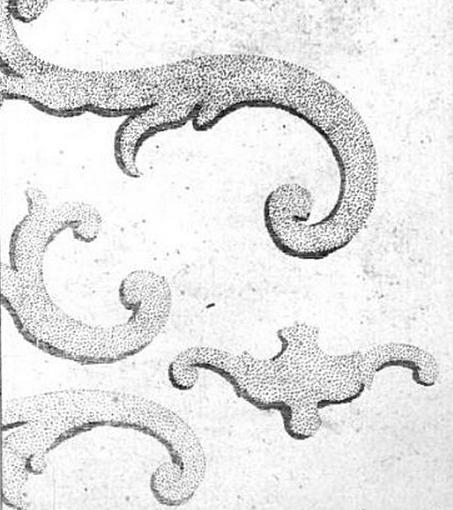
Detail of Gilliers’ templates for cut outs.

Most of the images of the banquets and figurines are copyrighted. I encourage you to click on the links to view the spectacular results of sugar and porcelain table centerpieces that mimic gardens, sculptures, and figures based on famous paintings. The fanciful recreation included redesigning tables as well.

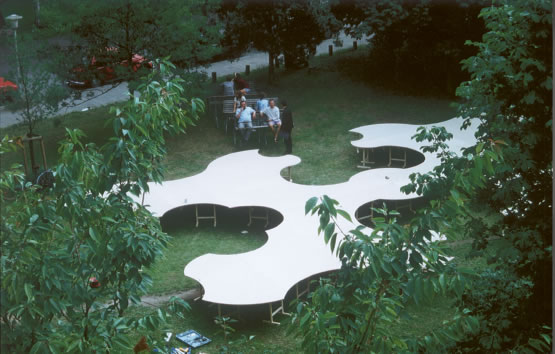
Modern version of Gilliers table. Image @Simon Beer.

Gilliers’ 1751 sketch of the table, plus seating.

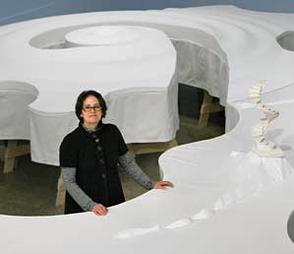
Amy Hauft, VCU sculpture department. Confectioner Joseph Gilliers conceived his 100-seat rococo fantasy for the serving of a single course — dessert — in a garden setting. The centerpiece atop the tailored white tablecloth was to be a sculpture made of sugar paste fortified with dried sturgeon bladder. There is no record that this table was ever built by Gilliers. Image@Richmond Times Dispatch

More on this fascinating topic:

Ivan Day’s  pavilion made from a “pastillage sugar paste for an exhibition at the Met in NYC two years ago. They were exact replicas of ones made for Maria Theresa, the Empress of Austria in 1740. “

Read Full Post »

« Newer Posts - Older Posts »