Feeds:
Posts
Comments

Archive for the ‘Jane Austen’s life’ Category

Today marks the start of a new month-by-month series, “A Year in Jane Austen’s World,” in which I highlight several important events and details that happened in Jane Austen’s novels, letters, and lifetime during each month of the year.

We’ll kick off Jane Austen January (aka “Jane-uary”) by examining passages and situations in each of her novels that occur in January. While some of the novels have no mention of January, others do—with interesting results! Next, we’ll note where Austen was and what she was doing in January by checking her letters for January dates and details. Finally, we’ll highlight events and anniversaries that occurred in January that directed affected Jane Austen or her family.

All of this can help us better understand Austen’s life and times as we look at specific dates, events, and details in the context of months and seasons.

Snowdrops at Chawton House in January, courtesy of Chawton House.

January in Regency Times

One of the highlights of January for Jane Austen’s family was surely Twelfth Night (also known as Epiphany), which falls on January 5th.

Maria Grace, in her article “Celebrating Twelfth Night–Jane in January and You,” explains its religious importance: “Epiphany or Twelfth Night … was the exciting climax of the Christmastide season… It was a feast day to mark the coming of the Magi bearing gifts to the Christ child, and as such was the traditional day to exchange gifts.”

She also explains the social side of Twelfth Night: “In Jane Austen’s day, the party of the year would generally be held on Twelfth Night.” (Austen Variations)

During the Regency Era, people hosted parties and balls to celebrate Christmas and especially the last day of the Christmas season. The entertainment often involved guests playing assigned parts for the evening, dressing up in costumes, eating “Twelfth Cake,” and eating and drinking.

Rowlandson, “Twelfth Night Characters,” Creative Commons, 1811.

In a letter to Cassandra on December 27, 1808, Austen writes about an upcoming ball between Christmas and “Twelfth-day” at Manydown:

I was happy to hear, chiefly for Anna’s sake, that a ball at Manydown was once more in agitation; it is called a child’s ball, and given by Mrs. Heathcote to Wm. Such was its beginning at least, but it will probably swell into something more. Edward was invited during his stay at Manydown, and it is to take place between this and Twelfth-day. Mrs. Hulbert has taken Anna a pair of white shoes on the occasion.

Austen’s Letters (December 27, 1808)

Later, on January 10, 1809, she writes, “The Manydown ball was a smaller thing than I expected, but it seems to have made Anna very happy. At her age it would not have done for me.”

Manydown Great House, Wikipedia Commons, 1833.

January Travel in Jane Austen’s Novels

In Austen’s novels, January is primarily mentioned in the context of parties and travel. Anne Elliot goes to Bath for January and February, Miss Crawford is invited for “a long visit” to see her friend in London in January, Mrs. Jennings goes to her own house in London in January, and Mr. Bingley, Mr. Darcy, and Bingley’s sisters all go to London (when Bingley leaves Netherfield) and stay for the winter.

In Sense and Sensibility, Lucy Steele and her sister, Anne, go to “town” (London) in January to stay with relatives (and subsequently move from house to house throughout the season as socially advantageous opportunities become available):

I had quite depended upon meeting you there. Anne and me are to go the latter end of January to some relations who have been wanting us to visit them these several years! But I only go for the sake of seeing Edward. He will be there in February, otherwise London would have no charms for me; I have not spirits for it.

Sense and Sensibility

Mrs. Jennings, who “resided every winter in a house in one of the streets near Portman Square,” invites Elinor and Marianne to come with her to London in January when her thoughts begin to turn toward home after Christmas.
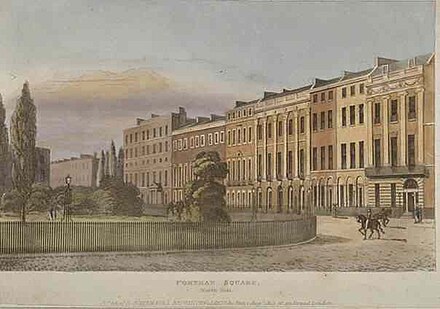
Portman Square, London, Wikipedia Commons, 1813.

The London Season

So why do so many of Austen’s characters travel to London in January? Wouldn’t the weather make travel difficult? Wouldn’t they prefer to stay home (and inside) where it’s cozy?

These are fair questions, but after Christmas, a large portion of the genteel class moved “to town” during the winter months for the London Season, which coincided with England’s political schedule, for entertainment and socializing. The Season had previously started in the fall, meaning most people went to London before the bad weather set in, but with the improvement of roads and travel during Austen’s day, the season slowly shifted later.

Here’s an explanation of the London Season from Jane Austen’s House Museum:

The London season coincided with the sitting of Parliament, beginning at some point after Christmas when fashionable families would move into their London houses. The men would attend Parliament, whilst the women shopped, visited, and found husbands for themselves or their daughters. It lasted until early summer, when the ‘beau monde’ would return to their country estates, escaping the city’s stifling heat and pungent smells.

The season was a whirlwind of court balls and concerts, private balls and dances, parties and sporting events. On a typical day, ladies would rise early to go riding in Hyde Park, before returning home to breakfast and spending the day shopping, dealing with correspondence and paying calls.

The Season, Jane Austen’s House Museum

Most villages had assemblies and balls during the winter, but all of the most important social occasions happened “in town.” In Pride and Prejudice, we’re told that the Bennet sisters have little to do “beyond the walks to Meryton” in January and February, when conditions are “sometimes dirty and sometimes cold” (Ch. 27). It makes sense that many young women longed to go to town in the winter, at the height of the London Season and “marriage market,” when the majority of the parties, balls, and social events were held.

Rowlandson, Drawing Room at St. James’s Palace in London, Wikimedia Commons, 1810.

January in Jane Austen’s Letters

January often brings rain, cold weather, and even snow to the various locations where Austen lived and traveled. Austen kept her spirits up, but January in England, especially in homes without central heating or today’s insulation, could not have been entirely comfortable. Balls and assemblies, visits and travel, kept Austen busy and content during the winter months.

Austen’s entries follow below and give us a glimpse into the miserable weather conditions during one particularly snowy and wet January:

17 January 1809 (Castle Square):
“Yes, we have got another fall of snow, and are very dreadful; everything seems to turn to snow this winter.”

24 January 1809 (Castle Square):
“This day three weeks you are to be in London, and I wish you better weather; not but that you may have worse, for we have now nothing but ceaseless snow or rain and insufferable dirt to complain of; no tempestuous winds nor severity of cold. Since I wrote last we have had something of each, but it is not genteel to rip up old grievances.”

In the same letter, Austen describes her writing:
“I am gratified by her having pleasure in what I write, but I wish the knowledge of my being exposed to her discerning criticism may not hurt my style, by inducing too great a solicitude. I begin already to weigh my words and sentences more than I did, and am looking about for a sentiment, an illustration, or a metaphor in every corner of the room. Could my ideas flow as fast as the rain in the store-closet, it would be charming.”

On the topic of the store-closet, she writes this:
“We have been in two or three dreadful states within the last week, from the melting of the snow, etc., and the contest between us and the closet has now ended in our defeat. I have been obliged to move almost everything out of it, and leave it to splash itself as it likes.”

30 January 1809 (Castle Square):
“Here is such a wet day as never was seen. I wish the poor little girls had better weather for their journey; they must amuse themselves with watching the raindrops down the windows. Sackree, I suppose, feels quite broken-hearted. I cannot have done with the weather without observing how delightfully mild it is; I am sure Fanny must enjoy it with us. Yesterday was a very blowing day; we got to church, however, which we had not been able to do for two Sundays before.”

And a final update on the flooded closet:
“The store-closet, I hope, will never do so again, for much of the evil is proved to have proceeded from the gutter being choked up, and we have had it cleared. We had reason to rejoice in the child’s absence at the time of the thaw, for the nursery was not habitable. We hear of similar disasters from almost everybody.”

If you’ve ever dealt with water damage or burst pipes due to cold weather, you know how awful and destructive it can be. Austen makes light, but one can imagine it caused quite a bit of damage.

Snow at Jane Austen’s House Museum, January 2021.

January in Jane Austen’s Lifetime

And finally, let us turn our attention to some of the most important dates and events that happened (or were celebrated) during the first month of the year in Jane Austen’s lifetime. In December 1800, Reverend Austen decided to retire and remove his family to Bath. Austen’s letters in January 1801 prove an interesting read as she and the Austen family prepare to move later in the year:

3 January 1801 (Steventon):
Austen writes that her mother wants to keep two maids and quips about their plans to have “a steady cook and a young giddy housemaid, with a sedate, middle-aged man, who is to undertake the double office of husband to the former and sweetheart to the latter.”

Austen discusses three parts of Bath where they might live:
“Westgate Buildings, Charles Street, and some of the short streets leading from Laura Place or Pulteney Street.” She writes extensively about each neighborhood and several others, giving her opinion and hopes about each. She details which pictures, furniture, and beds they are choosing to keep or leave behind and asks Cassandra’s advice. And she shares plans for the family to travel to Bath a few weeks from then.

Austen shares own thoughts on their move to Bath:
“I get more and more reconciled to the idea of our removal. We have lived long enough in this neighborhood: the Basingstoke balls are certainly on the decline, there is something interesting in the bustle of going away, and the prospect of spending future summers by the sea or in Wales is very delightful. For a time we shall now possess many of the advantages which I have often thought of with envy in the wives of sailors or soldiers. It must not be generally known, however, that I am not sacrificing a great deal in quitting the country, or I can expect to inspire no tenderness, no interest, in those we leave behind…”

The letter is full of useful information and well-worth a read. You can access it HERE.

14 January 1801 (Steventon):
Austen speaks of the many visitors they’ve received in response to the news that Rev. Austen is retiring and the family is moving to Bath. She says, “Hardly a day passes in which we do not have some visitor or other: yesterday came Mrs. Bramstone, who is very sorry that she is to lose us, and afterwards Mr. Holder, who was shut up for an hour with my father and James in a most awful manner.”

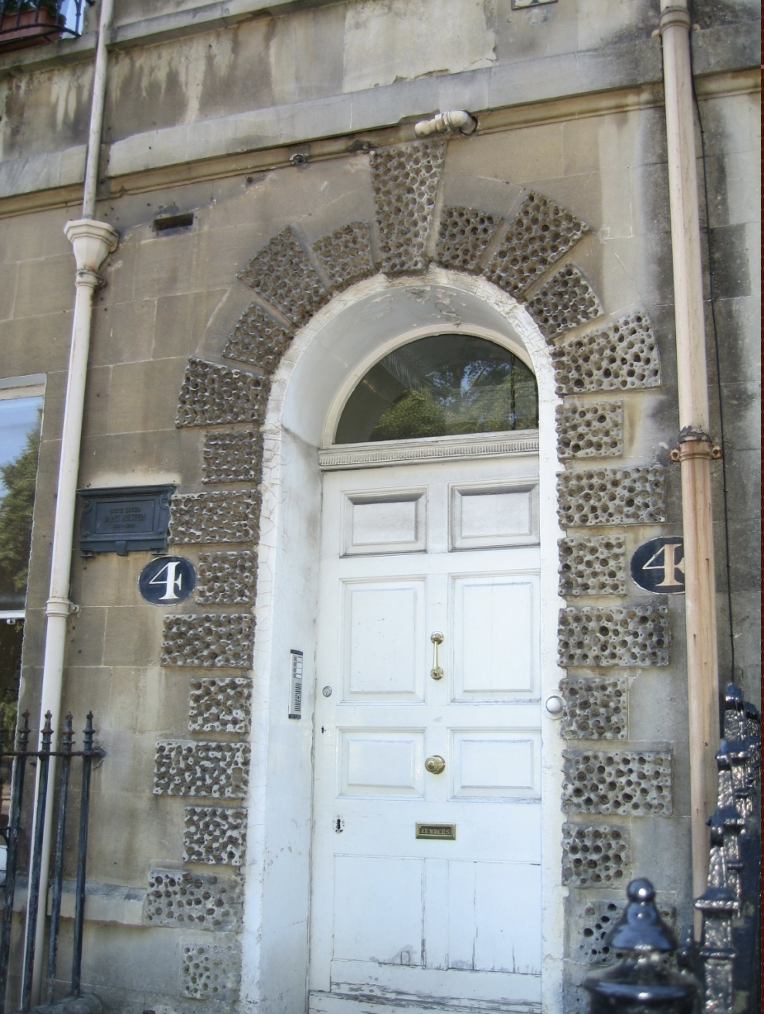
4 Sydney Place, Bath.
Plaque outside 4 Sydney Place, Bath.

January Dates of Importance

This brings us now to several dates that would have been quite important to Austen personally:

Celebrations/Birthdays:

9 January 1773: Jane Austen’s sister, Cassandra Elizabeth Austen, born.

23 January 1793: Edward Austen’s first child, Fanny, born.

Goodbyes/Sorrows:

January 1796: Tom Lefroy leaves Ashe for London (and never returns) and Tom Fowle (Cassandra’s fiancé) sets sail for the Indies, where he later dies.

21 January 1805: Rev. George Austen (Jane’s father) dies suddenly in Bath.

Writing:

28 January 1813: Pride and Prejudice was published, by Thomas Egerton (Whitehall, London).

21 January 1814: Austen begins writing Emma.

The Joys of Sleuthing

I hope you’ve enjoyed this first installment of our month-by-month exploration of Jane Austen’s world. I was pleasantly surprised to find that there was so much more to research and explore about the month of January than I anticipated. I enjoyed sleuthing around, following my nose, and discovering what I could uncover–just with the word “January.” If you have ideas about what I might pursue for February in Jane Austen’s World, please share your ideas in the comments.


RACHEL DODGE teaches college English classes, gives talks at libraries, teas, and book clubs, and writes for Jane Austen’s World blog. She is the bestselling author of The Little Women DevotionalThe Anne of Green Gables Devotional and Praying with Jane: 31 Days Through the Prayers of Jane Austen. Now Available: The Secret Garden Devotional! You can visit Rachel online at www.RachelDodge.com.
Read Full Post »

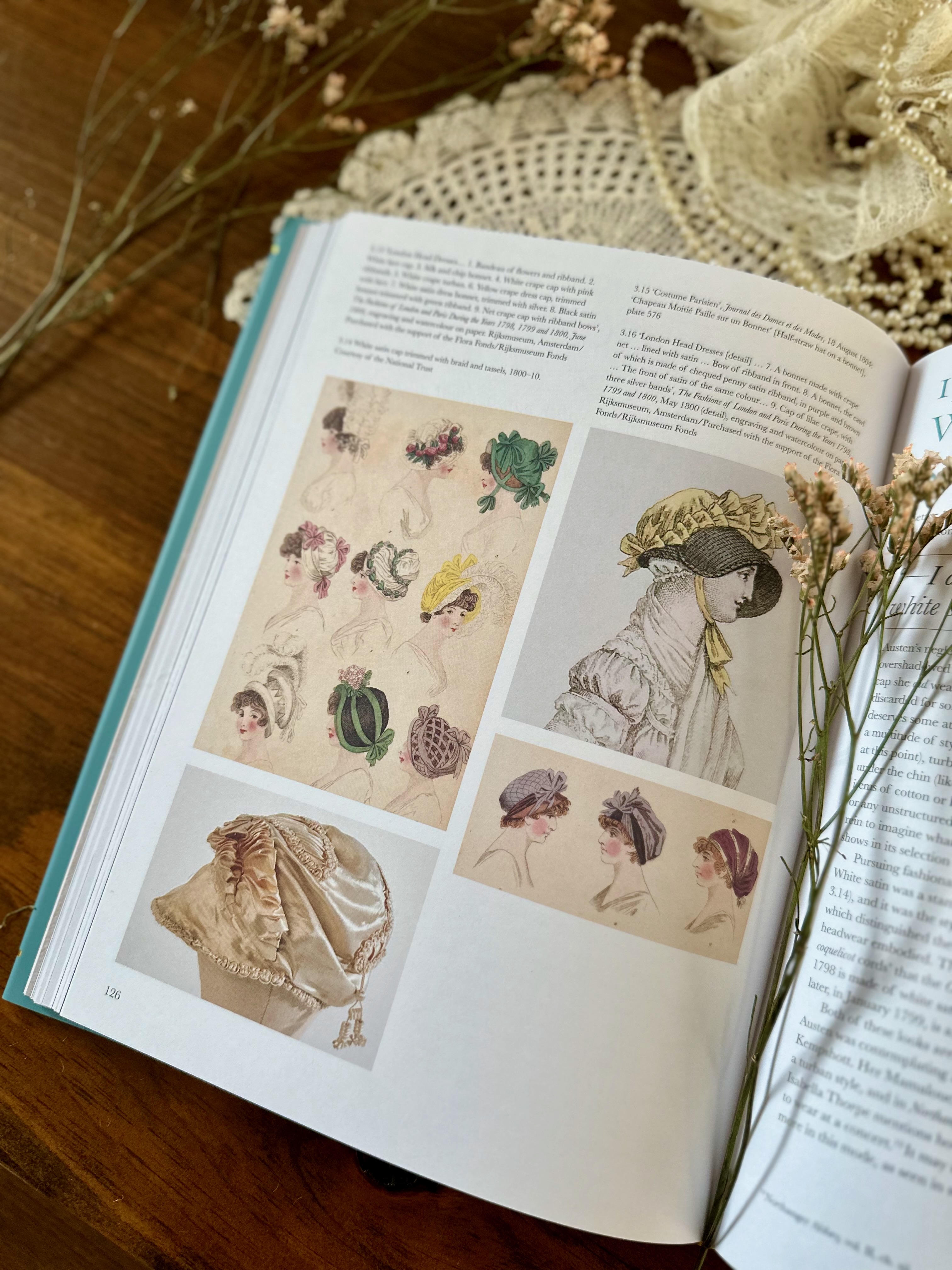
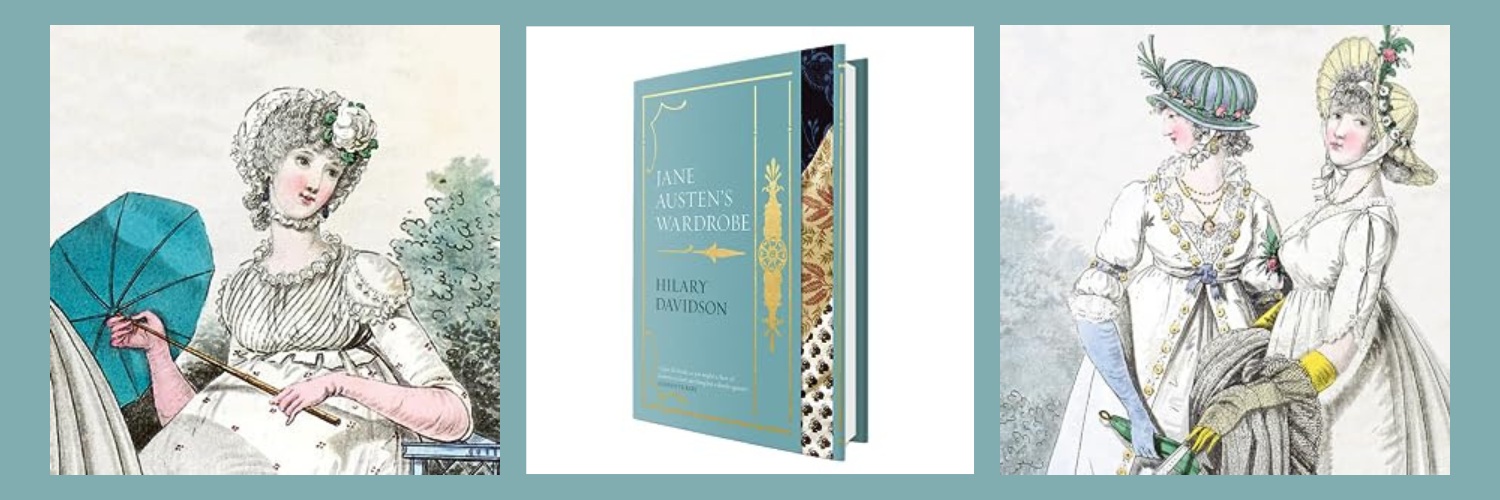
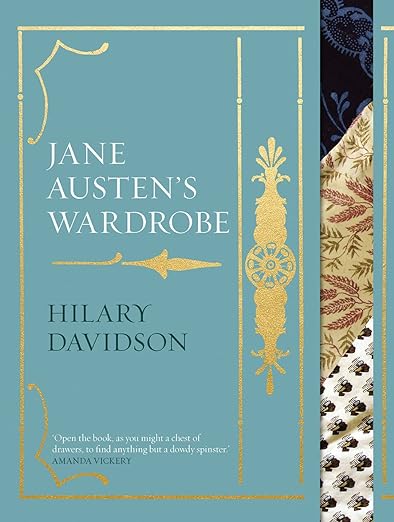
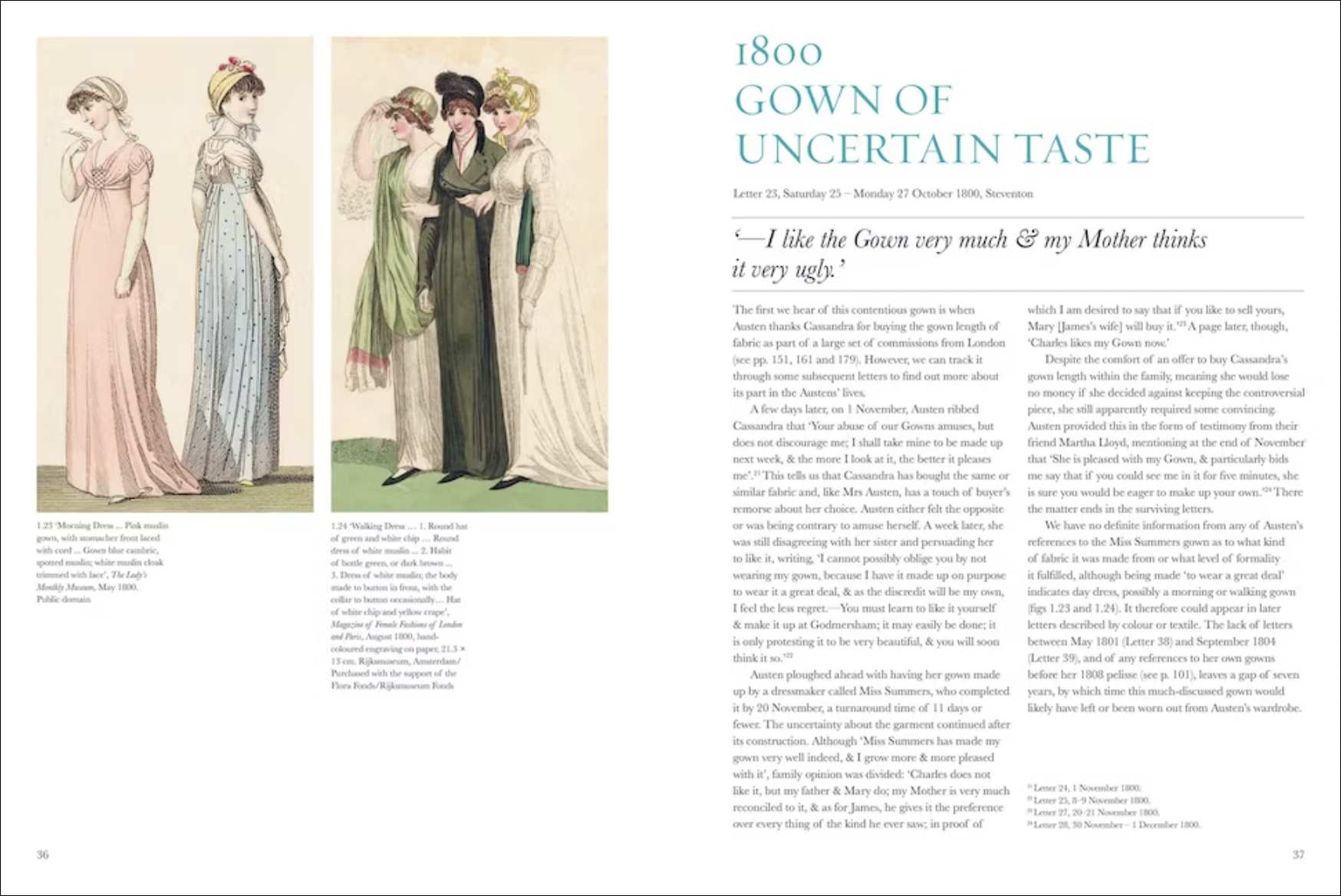
Dear readers, I have an exquisite new book to share with you today: Jane Austen’s Wardrobe by Hilary Davidson!

Filled with incredible photos and written information, it’s one of the most detailed books I’ve seen in a long time on this topic. Not only is it beautiful, it is filled with fascinating information on one of my most favorite topics.

This is my new favorite book on Jane Austen’s Regency Fashion. I know I’ll continue to pour over it for years to come!

Austen’s Wardrobe by Category

Within the pages of this lovely book, Davidson works her way through Austen’s personal wardrobe chronologically, from head to toe. Davidson’s system for cataloging Austen’s wardrobe is fascinating! For those of us who delight in a linear and/or chronological order to a wide and varied topic, Davidson definitely checks all the boxes.

First, she breaks all of Austen’s clothing down into the following categories:

  • Clothes Press: Gowns
  • Closet: Spencers, Pelisses and Outer Garments
  • Band Box: Hats, Caps and Bonnets
  • Shelves: Shawls, Tippets, Cloaks and Shoes
  • Dressing Table: Gloves, Fans, Flowers, Trims and Handkerchiefs
  • Jewelery Box: Necklaces, Rings and Bracelets
  • Drawers: Undergarments and Nightwear

Davidson even includes several pages of sketches, descriptions, and explanations for Jane’s “Portrait Gown” – which I found completely engrossing.

Austen’s Letters Quoted

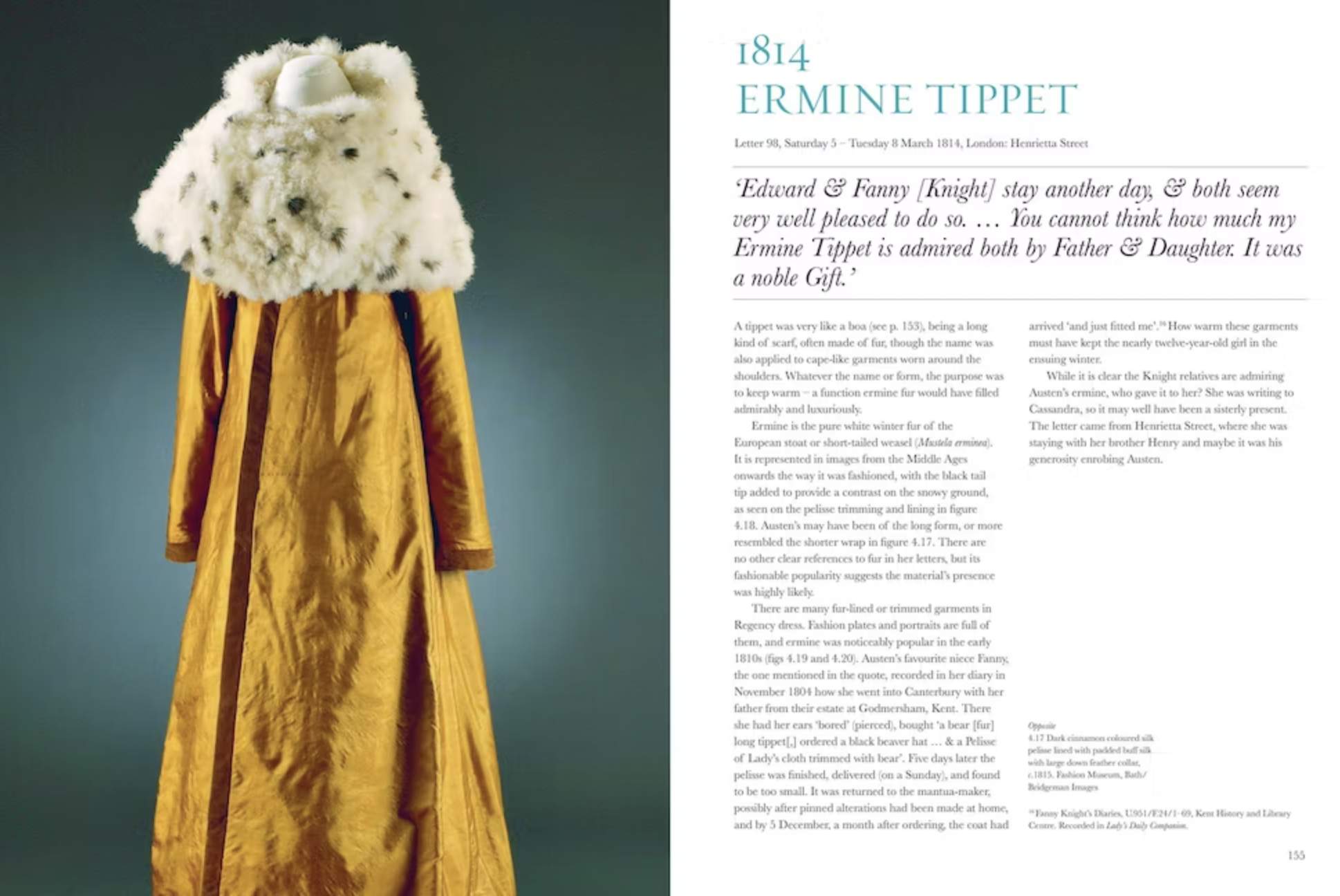
Next, Davidson utilizes Austen’s personal letters to explore every inch of Austen’s wardrobe, working her way through each category in chronological order. To do this, she shares one quote at time, citing portions of letters that mention Austen’s clothing. Then, for each article of clothing, every hat, and every piece of jewelry, she explains that quote in great detail and provides photos to aid our understanding.

For instance, Austen writes this in Letter 65:

“I can easily suppose that your six weeks here will be fully occupied, were it only in lengthening the waists of your gowns. I have pretty well arranged my spring & summer plans of that kind, & mean to wear out my spotted Muslin before I go. –You will exclaim at this–but mine has signs of feebleness, which with a little care may come to something.”

Tuesday 17 – Wednesday 18 January, 1809, Castle Square

Davidson provides photos of spotted muslin fabric swatches and a photo of a dress made of spotted muslin, dated 1805-10. Then she explains the muslin fabric, provides quotes from Austen’s novels about muslin dresses, and explains Austen’s quote. She goes over the dress styles, what was involved in “lengthening the waist” of a gown, the meaning of “worked” fabric, and the ins and outs of fragile fabrics of that time period, including how women used belts to cover holes in the fabric when a waist was lengthened.

I found this incredibly interesting because I’ve always been curious about Austen’s extensive quotes about her dresses and hats in her letters. The result is a delightful (and sometimes hilarious) tour through Jane Austen’s closet in her own words, with pictures and explanations to match!

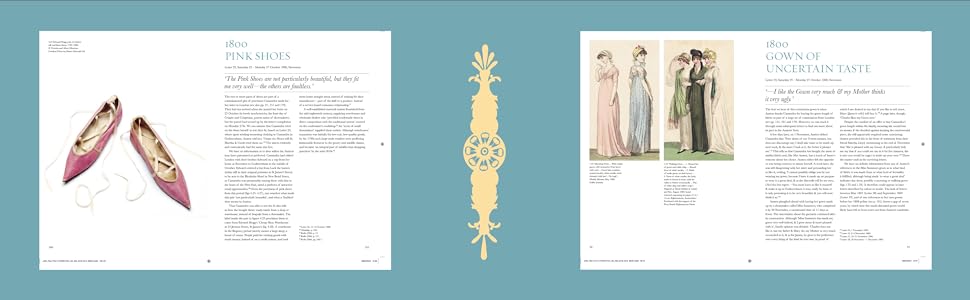
Here are several more examples, provided by Yale University Press:

Informative and Beautiful

Like many of Austen’s heroines, this book is both intelligent and beautiful. Inside and out, this book is absolutely stunning. The photos provide a detailed look into Jane Austen’s clothing that is hard to find, especially all in one place. This book feels like a worldwide museum tour of all the most exquisite clothing artifacts from Austen’s time.

This is the perfect addition to any Jane Austen library – and it will look gorgeous on your coffee table!

Book Description

Hilary Davidson delves into the clothing of one of the world’s great authors, providing unique and intimate insight into her everyday life and material world.
 
Acclaimed dress historian and Austen expert Hilary Davidson reveals, for the first time, the wardrobe of one of the world’s most celebrated authors. Despite her acknowledged brilliance on the page, Jane Austen has all too often been accused of dowdiness in her appearance. Drawing on Austen’s 161 known letters, as well as her own surviving garments and accessories, this book assembles examples of the variety of clothes she would have possessed—from gowns and coats to shoes and undergarments—to tell a very different story.

The Jane Austen Hilary Davidson discovers is alert to fashion trends but thrifty and eager to reuse and repurpose clothing. Her renowned irony and wit peppers her letters, describing clothes, shopping, and taste. Jane Austen’s Wardrobe offers the rare pleasure of a glimpse inside the closet of a stylish dresser and perpetually fascinating writer.

About the Author

Hilary Davidson is a dress, textile and fashion historian and curator. Her work encompasses making and knowing, things and theory, with an extraordinary understanding of how historic clothing objects come to be and how they function in culture.

Hilary is equally skilled in analysing historical and archaeological material culture artefacts; presenting engaging, fascinating talks to diverse audiences; and producing influential academic research.

Her extensive experience includes:

  • Scholarly research
  • Lecturing, teaching and public talks
  • Broadcasting and journalism
  • Historic dressmaking

Hilary trained as a bespoke shoemaker in her native Australia before completing a Masters in the History of Textiles and Dress at Winchester School of Art (University of Southampton) in 2004. Since graduating, Hilary’s practice has concerned the relationship between theoretical and highly material approaches to dress history, especially in the early modern and medieval periods.

As a skilled and meticulous handsewer, she has created replica clothing projects for a number of museums, including a ground-breaking replication of Jane Austen’s pelisse. At the same time she lectured extensively on fashion history, theory and culture, on semiotics, and cultural mythologies, especially red shoes.

In 2007 Hilary became curator of fashion and decorative arts at the Museum of London. She contributed to the £20 million permanent gallery redevelopment opening in 2010, and curated an exhibition on pirates, while continuing to publish, teach and lecture in the UK and internationally. In collaboration with Museum of London Archaeology, Hilary began analysing archaeological textiles and continues to cross disciplines by consulting in this area in England and Australia. She also worked on the AHRC 5-star rated Early Modern Dress and Textiles Network (2007-2009) and from 2011 has appeared as an expert on a number of BBC historical television programmes, and as a frequent radio guest speaker in London and Sydney.

From 2012 Hilary worked between Sydney and London as a freelance curator, historian, broadcaster, teacher, lecturer, consultant and designer, while working on a PhD in Archaeology at La Trobe University, Melbourne. In addition to historical studies she has been a jewellery designer, graphic designer, photographer, gallerist, and worked in retail fashion and vintage clothing. In 2022 she moved to New York City to take up the role of Associate Professor and Chair of the MA Fashion and Textile Studies: History, Theory, Museum Practice at the Fashion Institute of Technology.

Hilary has taught and lectured extensively, including at the University of Southampton, Central St Martins, the University of Cambridge, the University of Glasgow, New York University London, The American University Paris, Fashion Design Studio TAFE Sydney and the National Institute of Dramatic Art (NIDA), Sydney. She speaks regularly at academic conferences and to the public. Her first monograph book was Dress in the Age of Jane Austen (2019) followed by Jane Austen’s Wardrobe in 2023. Her extensive publications can be found on Academia and ResearchGate.

To Order the Book:

You can order the book by clicking HERE
or by clicking the image below:

Recommended Book Gift

I hope you’ve enjoyed this short tour of this stunning new book by Hilary Davidson. If you’re looking for a gift for a fellow Jane Austen fan, or if your friends or family members need an idea for a gift for you this holiday season, I highly recommend this one!


RACHEL DODGE teaches college English classes, gives talks at libraries, teas, and book clubs, and writes for Jane Austen’s World blog. She is the bestselling author of The Little Women DevotionalThe Anne of Green Gables Devotional and Praying with Jane: 31 Days Through the Prayers of Jane Austen. Now Available: The Secret Garden Devotional! You can visit Rachel online at www.RachelDodge.com.

Read Full Post »

On January 9, 1773, Jane Austen’s older sister Cassandra Austen was born – 250 years ago – and we Austen fans are celebrating her life worldwide!

The two Austen sisters were nearly inseparable, from the time Jane was born until she passed away. She was the yin to Austen’s yang . . . or to put it in Regency terms, she was the darning needle to Jane’s stockings, the saucer to her tea cup. If you love Jane, then you would have undoubtedly loved Cassandra!

A Friend and Companion

When Jane was born, her father famously wrote: “We have now another girl, a present plaything for her sister Cassy, and a future companion.”

Reverend Austen was right on both counts. When the girls were young, Jane was extremely attached to Cassandra. So much so that when Cassandra went away to school, Jane was allowed to go as well. Not because she was necessarily ready for school, but because, as their mother said, “if Cassandra’s head had been going to be cut off, Jane would have hers cut off too.”

As they grew up, the sisters became the closest of companions and the dearest of friends. Of particular note, Cassandra is known for her sketches and watercolor paintings, particularly those believed to be of Jane and those that accompany Jane’s History of England.

Excerpt from the History of England by Jane Austen, illustrated by Cassandra Austen, the British Library.

Cassandra and Jane

Much of what we know about Austen’s personal life is largely due to the letters Jane wrote to her sister. Though Cassandra destroyed many of Jane’s letters after her death, there is still much we can find out about the two sisters through reading Jane Austen’s letters. Cassandra’s own letters about Jane’s illness and death provide a tender glimpse into the love and closeness of the Austen sisters.

I have lost a treasure, such a sister, such a friend as never can have been surpassed. She was the sun of my life, the gilder of every pleasure, the soother of every sorrow; I had not a thought concealed from her, and it is as if I had lost a part of myself… I thank God that I was enabled to attend her to the last…

Cassandra Austen to Fanny Knight, July 18, 1817
Jane Austen by Cassandra

A Year of Cassandra

To honor Cassandra’s life and legacy, Jane Austen’s House Museum launched its “Year of Cassandra,” during which the museum will feature special events and exhibitions to celebrate her life.

If you’re like me and you want to be part of this special celebration but don’t live close enough to participate in person, the Museum is planning a “Cassandra-themed” Virtual Tour of the museum in March. The tour description is as follows: “Find out about Cassandra’s life at Chawton Cottage and discover objects related to her on a lively, fact-filled tour that you can enjoy from the comfort of your own home.” You can find the details HERE.

Cassandra’s Orchard

Of special note is the commemorative orchard being planted in Cassandra Austen’s honor, which has been named “Cassandra’s Orchard.” The name itself certainly makes me want to visit Chawton Cottage again one day soon, but the descriptions are even more intriguing:

Jane’s letters to her are filled with references to plants, flowers and fruits from the orchard, now sadly lost from the grounds of the House.

We will recreate this lost orchard, using dwarf varieties suitable for growing in containers. There will be a tree for every novel, and donors’ names will be recorded on plaques for each tree. The orchard will provide blossom in the spring, delicious shade in the summer, and fruits in the autumn. We will underplant the trees with plants for pollinators, turning this empty space into a haven for people and wildlife alike.

Jane Austen’s House Museum
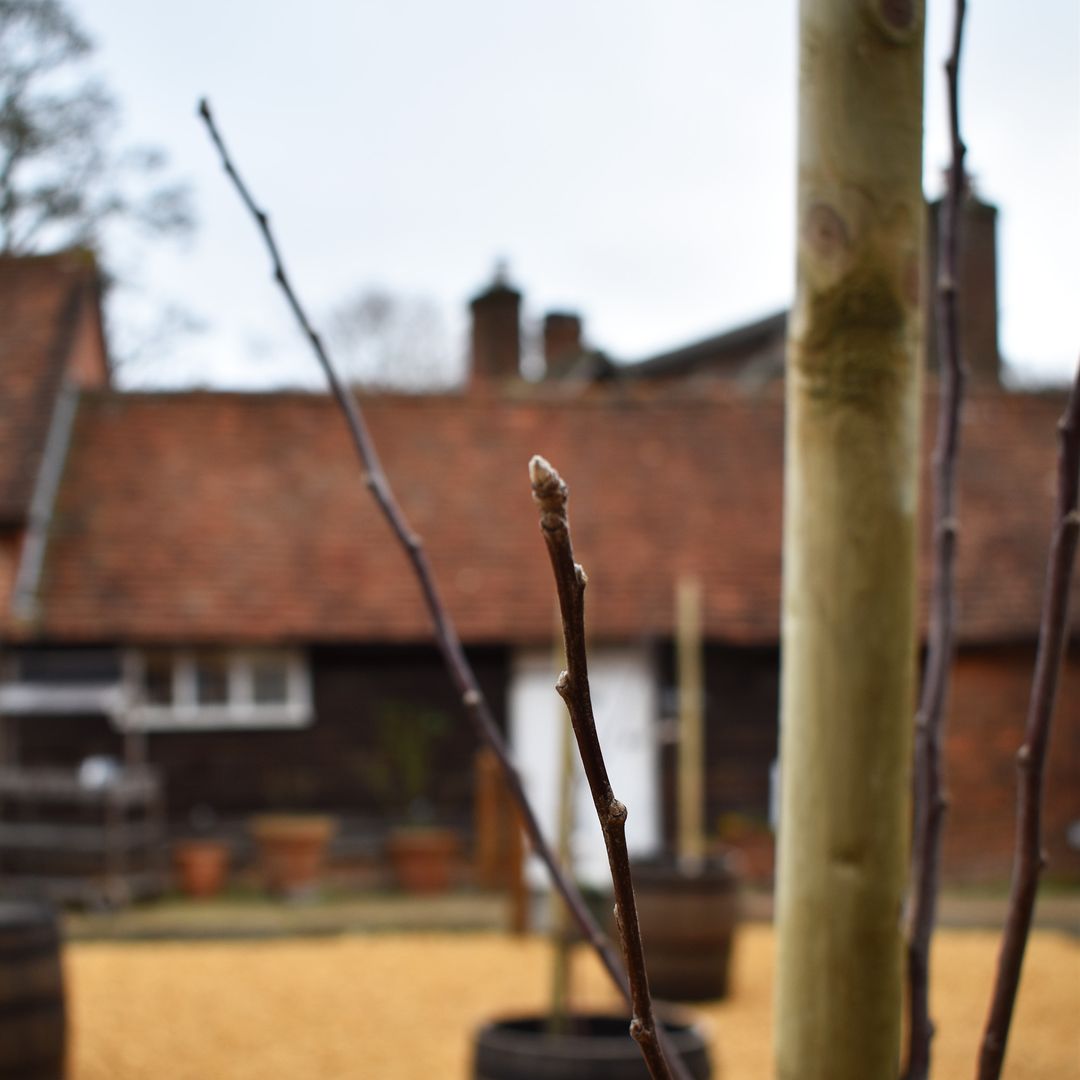
Cassandra’s Orchard, Photo courtesy of Jane Austen’s House Museum.

More About Cassandra

I’ve been following along with the progress of the Cassandra’s Orchard project, and I was delighted when the museum announced in December (on Jane’s birthday) that it had reached its fundraising goal. I can just imagine what a wonderful addition this little orchard will make to Jane Austen’s house.

I’m thankful for Cassandra Austen because I know that having someone who believes in you, supports you, and challenges you intellectually is important in every person’s life – but especially in the lives of writers, artists, and creatives. The very fact that she was so loved by Jane means that Cassandra must have been quite a remarkable person.

If you’d like to know more about Cassandra Austen’s life, Vic here at Jane Austen’s World has built quite the catalog of articles over the years. You can access those articles HERE. Of particular note is the article entitled, “Cassandra Austen: Jane’s confidante, supporter and helpmate” that is well worth your time.

More links about this topic:


RACHEL DODGE teaches college English classes, gives talks at libraries, teas, and book clubs, and writes for Jane Austen’s World blog. She is the bestselling author of The Little Women DevotionalThe Anne of Green Gables Devotional and Praying with Jane: 31 Days Through the Prayers of Jane Austen. Her newest release is The Secret Garden Devotional! You can visit Rachel online at www.RachelDodge.com.
Read Full Post »

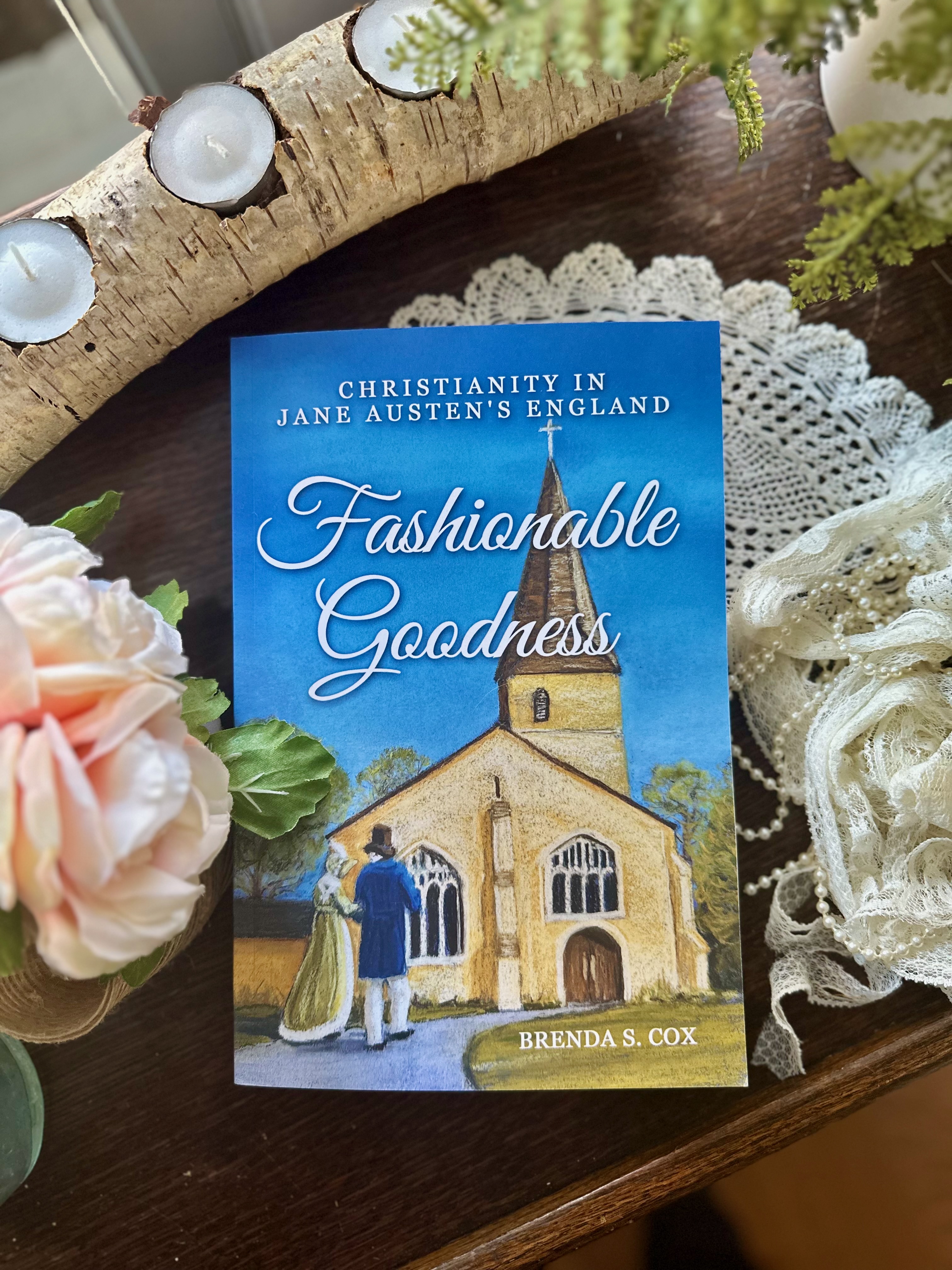
Our very own Brenda S. Cox has just published her new book Fashionable Goodness: Christianity in Jane Austen’s England. It’s already receiving a wonderful reception, and I know it will continue. For those of us who are always expanding our understanding of Jane Austen’s life, and particularly her personal life and faith, this new book is an essential resource.

When I was writing my book Praying with Jane: 31 Days Through the Prayers of Jane Austen, I read every article and book I could find on the topic of religion and faith as it related to Austen and her family. I scoured every available resource on Austen’s personal faith, her family’s daily and weekly religious habits, and the Anglican church at large. I discovered many wonderful details about her religious life, but as I worked, I always felt as though I was putting together a giant puzzle. And when it came to understanding more fully the implications of her religious beliefs and background in her novels, I felt as though the puzzle was missing many important pieces.

In Fashionable Goodness: Christianity in Jane Austen’s England, Brenda has finally put the puzzle pieces in their rightful places and collected all of the information one might want to know about Jane Austen’s religious life in one handy place. This book covers a broad range of topics that any Jane Austen lover can benefit from knowing, especially for those of us who enjoy looking into the varied layers and greater context of her writing.

Of particular interest is the clever manner in which Brenda has organized the information in this book. Each chapter is easy to find, plus she has included many helpful resources at the end of the book, including handy tables with income information, terminology, ranks within the church, and denominations; several appendices; detailed chapter notes; a hefty bibliography; a glossary of terms; and a topical index. You can read this book cover-to-cover or you can pick and choose the topics that interest you most.

I highly recommend this book for any Austen fan or scholar. Without this book, you can only know part of what makes Jane Austen’s characters and plots so intriguing. Thank you Brenda for creating this invaluable resource!

(See below for giveaway details.)

St. Nicholas Church, Steventon
Photo: Rachel Dodge

About the Book:

“Brenda Cox’s Fashionable Goodness is an indispensable guide to all things religious in Jane Austen’s world. . . . a proper understanding of 18th century Christianity is necessary for a full appreciation of Austen’s works. Cox provides this understanding. . . . This work will appeal to novice readers of Austen as well as scholars and specialists.”

Roger E. Moore, Vanderbilt University, Jane Austen and the Reformation

The Church of England was at the heart of Jane Austen’s world of elegance and upheaval. Fashionable Goodness: Christianity in Jane Austen’s England explores the church’s role in her life and novels, the challenges that church faced, and how it changed the world. In one volume, this book brings together resources from many sources to show the church at a pivotal time in history, when English Christians were freeing enslaved people, empowering the poor and oppressed, and challenging society’s moral values and immoral behavior.

Readers will meet Anglicans, Dissenters, Evangelicals, women leaders, poets, social reformers, hymn writers, country parsons, authors, and more. Lovers of Jane Austen or of church history and the long eighteenth century will enjoy discovering all this and much more:

  • Why could Mr. Collins, a rector, afford to marry a poor woman, while Mr. Elton, a vicar, and Charles Hayter, a curate, could not?
  • Why did Mansfield Park‘s early readers (unlike most today) love Fanny Price?
  • What part did people of color, like Miss Lambe of Sanditon, play in English society?
  • Why did Elizabeth Bennet compliment her kind sister Jane on her “candour”?
  • What shirked religious duties caused Anne Elliot to question the integrity of her cousin William Elliot?
  • Which Austen characters exhibited “true honor,” “false honor,” or “no honor”?
  • How did William Wilberforce, Hannah More, and William Cowper (beloved poet of Marianne Dashwood and Jane Austen) bring “goodness” into fashion?
  • How did the French Revolution challenge England’s complacency and draw the upper classes back to church?
  • How did Christians campaigning to abolish the slave trade pioneer modern methods of working for social causes?
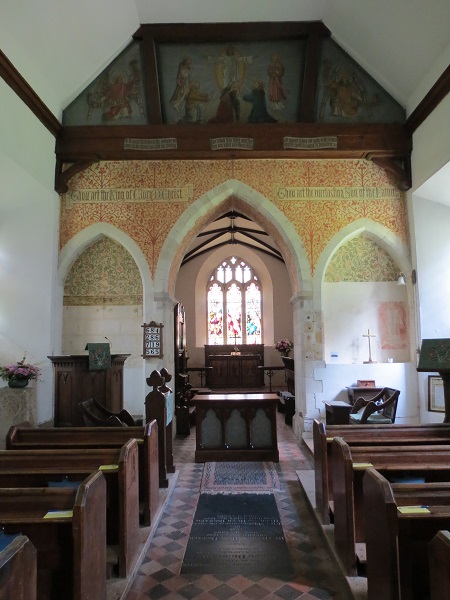
Interior of St. Nicholas Church, Steventon
Photo: Rachel Dodge

About the Author, Brenda S. Cox:

Brenda S. Cox has loved Jane Austen since she came across a copy of Emma as a young adult; she went out and bought a whole set of the novels as soon as she finished it! She has spent years researching the church in Austen’s England, visiting English churches and reading hundreds of books and articles, including many written by Austen’s contemporaries. She speaks at Jane Austen Society of North America meetings (including three AGMs) and writes for Persuasions On-Line (JASNA journal) and the websites Jane Austen’s World and her own Faith, Science, Joy, and Jane Austen.

Buy the Book:

You can purchase Fashionable Goodness: Christianity in Jane Austen’s England here:

Amazon and Jane Austen Books
International: Amazon


Book Giveaway:

To enter for a chance to win a copy of Brenda’s book Fashionable Goodness: Christianity in Jane Austen’s England, please leave a comment below with an answer to this question:

What is one question you’ve always had about Jane Austen’s faith or the role religion plays in her novels?

Giveaway Details: This giveaway is for ONE (1) print copy and ONE (1) ebook (Kindle) edition for readers of this blog. The winners will be drawn by random number generator on November 18, 2022.

Note: This giveaway is limited to addresses in the U.S., U.K., Australia, Canada, Germany, Spain, France, or Italy for a print copy of the book. The author can only send a giveaway ebook (Kindle) to a U.S. address. (However, both the ebook and paperback are available for sale to customers from any of these countries, and some others that have Amazon.)


Blog Tour Schedule


RACHEL DODGE teaches college English classes, gives talks at libraries, teas, and book clubs, and writes for Jane Austen’s World blog. She is the bestselling author of The Little Women DevotionalThe Anne of Green Gables Devotional and Praying with Jane: 31 Days Through the Prayers of Jane Austen. Coming soon: The Secret Garden Devotional! You can visit Rachel online at www.RachelDodge.com.
Read Full Post »

Having just made a big move myself, I was intrigued by the thought that Jane Austen herself—not to mention several of her characters—knew what it took to move an entire household from one place to another.

One of the best resources available to us regarding a big move is the letter Austen wrote to Cassandra on January 3, 1801, prior to their family’s move to Bath from Steventon. From it, and from the details in her novels, we learn many interesting details about what a big move entailed.

If you’ve ever wanted some Regency advice on moving house, this is for you!

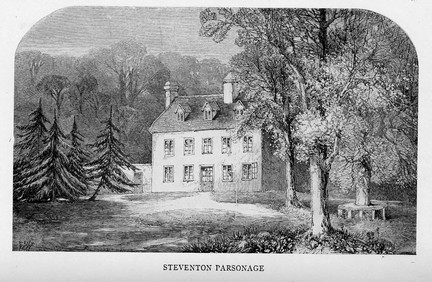
Image of Steventon Rectory, Wikimedia Commons
Steventon Rectory, Wikimedia Commons

Send Your Servants Ahead

In terms of logistics, members of the genteel class usually sent servants ahead of them when they went from one house to another, as we see when Mr. Bingley goes to Netherfield:

Why, my dear, you must know, Mrs. Long says that Netherfield is taken by a young man of large fortune from the north of England; that he came down on Monday in a chaise and four to see the place, and was so much delighted with it that he agreed with Mr. Morris immediately; that he is to take possession before Michaelmas, and some of his servants are to be in the house by the end of next week.

Pride and Prejudice

Similarly, Elinor and Marianne, when arriving in London with Mrs. Jennings after three days of travel, are greeted by “all the luxury of a good fire.” The house is “handsome, and handsomely fitted up.” Elinor writes to her mother before a dinner that will not “be ready in less than two hours from their arrival.” It’s clear that Mrs. Jennings employs servants who clean, cook, shop, and prepare the house for her visits.

Hire Good People

When preparing to move to Bath, Jane Austen’s mother wanted to keep two maids: “My mother looks forward with as much certainty as you can do to our keeping two maids; my father is the only one not in the secret.”

With her typical flair for humor, Austen hoped to engage other servants as well: “We plan having a steady cook and a young, giddy housemaid, with a sedate, middle-aged man, who is to undertake the double office of husband to the former and sweetheart to the latter. No children, of course, to be allowed on either side.”

Do Your Research

In Austen’s letter, she talks about several areas of Bath where they hoped to find a house: Westgate Buildings, Charles Street, and “some of the short streets leading from Laura Place or Pulteney Street.”

About Westgate Buildings, Austen wrote: “though quite in the lower part of the town, are not badly situated themselves. The street is broad, and has rather a good appearance.” Regarding Charles Street, she thought it “preferable”: “The buildings are new, and its nearness to Kingsmead Fields would be a pleasant circumstance.” And concerning the third area: “The houses in the streets near Laura Place I should expect to be above our price. Gay Street would be too high, except only the lower house on the left-hand side as you ascend.”

4 Syndey Place, Bath

Mrs. Austen seemed to have a preference: “her wishes are at present fixed on the corner house in Chapel Row, which opens into Prince’s Street. Her knowledge of it, however, is confined only to the outside, and therefore she is equally uncertain of its being really desirable as of its being to be had.”

None of the Austens were in favor of Oxford Buildings: “we all unite in particular dislike of that part of the town, and therefore hope to escape.”

Bring Your Art

We know from Austen’s letter that they planned to take the following pictures and paintings from Steventon to Bath: “[T]he battle-piece, Mr. Nibbs, Sir William East, and all the old heterogeneous miscellany, manuscript, Scriptural pieces dispersed over the house, are to be given to James.”

Good artwork is hard to find.

Of special note, Jane tells Cassandra, “Your own drawings will not cease to be your own, and the two paintings on tin will be at your disposal.”

Good Furniture is Worth Moving

Apparently, Rev. and Mrs. Austen had a very good bed that was irreplaceable: “My father and mother, wisely aware of the difficulty of finding in all Bath such a bed as their own, have resolved on taking it with them…” Austen wrote this about the rest of the household beds: “all the beds, indeed, that we shall want are to be removed — viz., besides theirs, our own two, the best for a spare one, and two for servants; and these necessary articles will probably be the only material ones that it would answer to send down.”

When it came to their dressers, they decided it was time for an upgrade: “I do not think it will be worth while to remove any of our chests of drawers; we shall be able to get some of a much more commodious sort, made of deal, and painted to look very neat…”

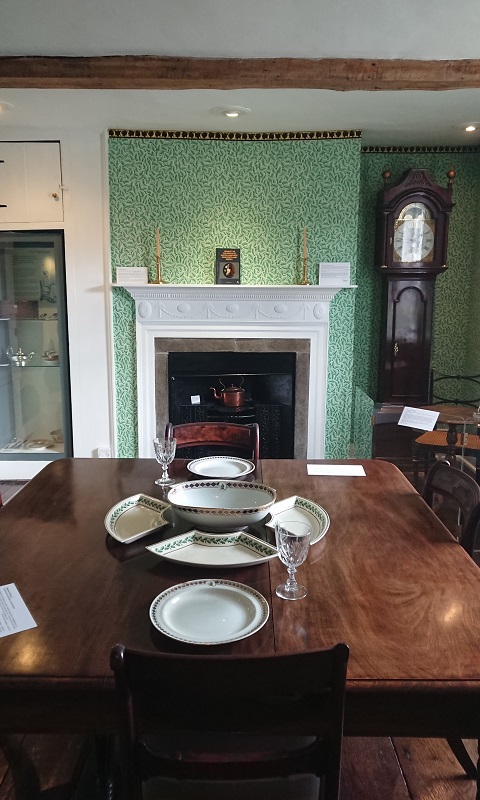
Image of dining room at the Jane Austen House Museum
Jane Austen’s House Museum in Chawton.

As to the rest of their furniture, they decided it would be better to replace most of it in Bath: “We have thought at times of removing the sideboard, or a Pembroke table, or some other piece of furniture, but, upon the whole, it has ended in thinking that the trouble and risk of the removal would be more than the advantage of having them at a place where everything may be purchased. Pray send your opinion.”

Jane’s final comments to Cassandra are amusing as ever: “My mother bargains for having no trouble at all in furnishing our house in Bath, and I have engaged for your willingly undertaking to do it all.”

Visit People on the Way

In Austen’s letter, she explains their family travel plans: “[M]y mother and our two selves are to travel down together, and my father follow us afterwards in about a fortnight or three weeks. We have promised to spend a couple of days at Ibthorp in our way. We must all meet at Bath, you know, before we set out for the sea, and, everything considered, I think the first plan as good as any.”

Ibthorpe, Photo by Rachel Dodge

Not So Different

Moving house in Jane Austen’s day was not quite so different from today. Though the modes of transportation and the methods of research and communication were somewhat different, I was delighted to find that the Austens’ moving plans were surprisingly applicable to mine! (Except for the servants.)


RACHEL DODGE teaches college English classes, gives talks at libraries, teas, and book clubs, and writes for Jane Austen’s World blog. She is the bestselling author of The Little Women DevotionalThe Anne of Green Gables Devotional and Praying with Jane: 31 Days Through the Prayers of Jane Austen. Coming this fall: The Secret Garden Devotional. You can visit Rachel online at www.RachelDodge.com.

Read Full Post »

« Newer Posts - Older Posts »