Feeds:
Posts
Comments

Archive for the ‘Popular culture’ Category

(Hint: for quicker download, click on title of this article.) As viewers of Downton Abbey, we think we have gotten to know Highclere Castle and its setting well.  Sir Barry remodelled Highclere Castle for the third earl of Carnarvon from 1839 to 1842. The architect had just finished building the Houses of Parliament. The house once looked quite different and was Georgian in feature, as this image shows.

highclere-castle-in-the-18th-century

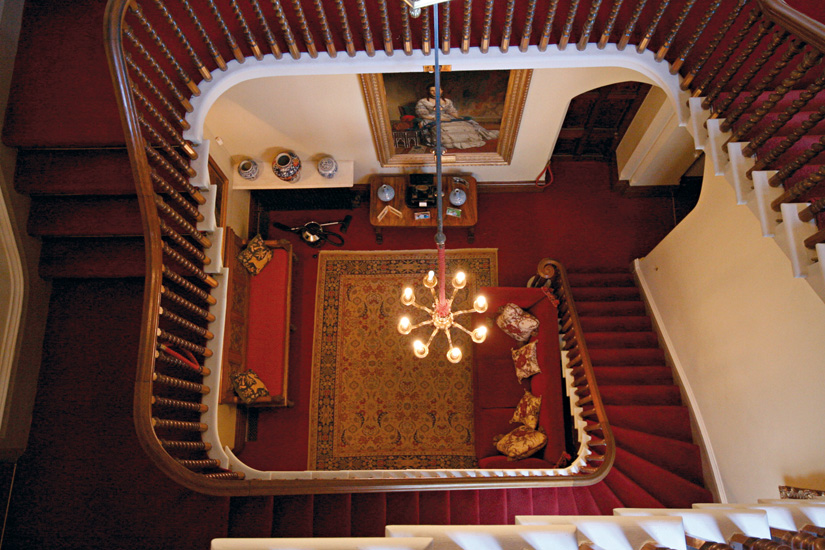
Extensive renovations were made during the late 18th and early 19th centuries. In the mid-19th century, Henry, the 3rd earl of Carnarvon, transformed the house into a grand mansion with 60- 80 bedrooms (the sum varies according to the source) and over 120,000 square feet. The staircase, also designed by Thomas Allom, sits in the tower designed by Charles Barry.

Highclere Castle after renovation

Highclere Castle after renovation. Sir Charles Barry’s renovation was in the “High Elizabethan” style. The building was faced in Bath stone.

The Architectural Design

Architectural design for the tower of Downton Abbey by Sir Charles Barry, 1842. Image@Christie’s

The BBC said about Barry’s Houses of Parliament:

A good example of the period’s confused love affair with the past, it was summed up earlier this century as classic in inspiration, Gothic in detailing, and carried out with scrupulous adherence to the architectural detail of the Tudor period. – BBC, A British History of Architecture

This description can easily be applied to Highclere Castle with its whimsical look back to Tudor times.

The term “Jacobethan” refers to the Victorian revival of English architecture of the late 16th century and early 17th century, when Tudor architecture was being challenged by newly arrived Renaissance influences. During the 19th century there was a huge Renaissance revival movement, of which Sir Charles Barry was a great exponent – Barry described the style of Highclere as “Anglo-Italian”.[3] – Wikipedia

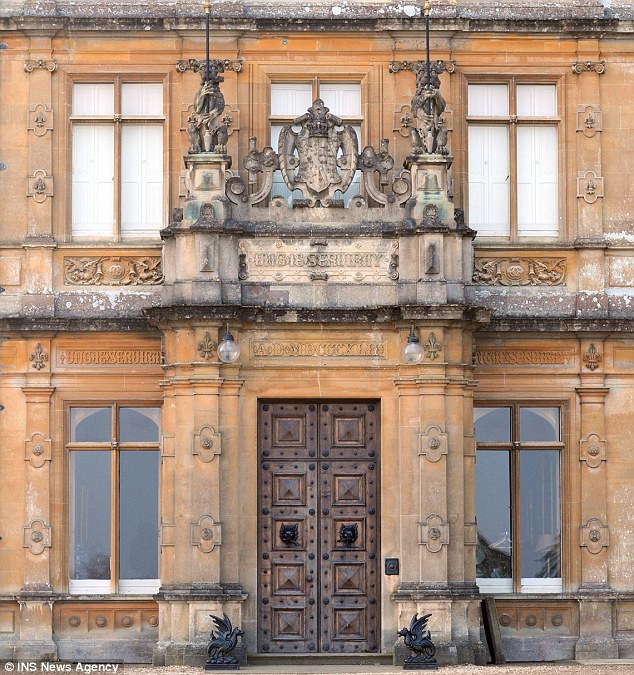
The Facade and Front Door

The front door

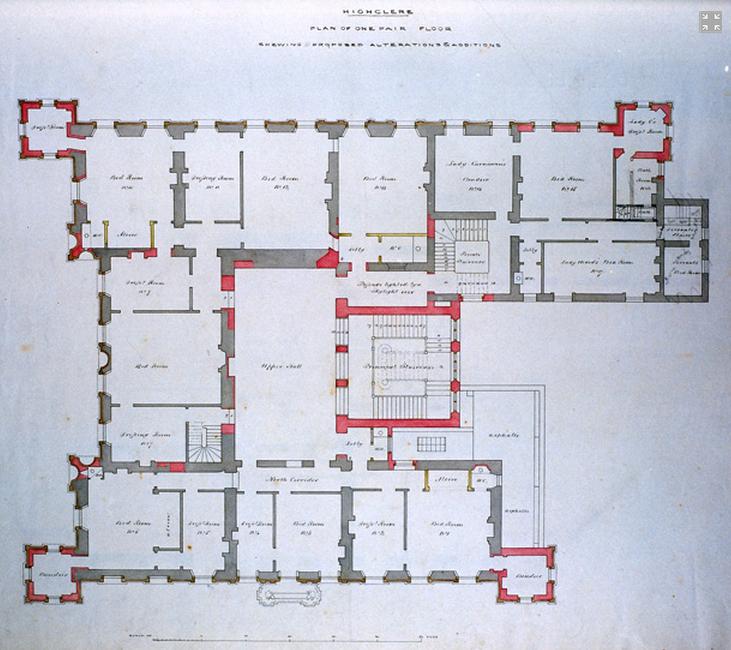
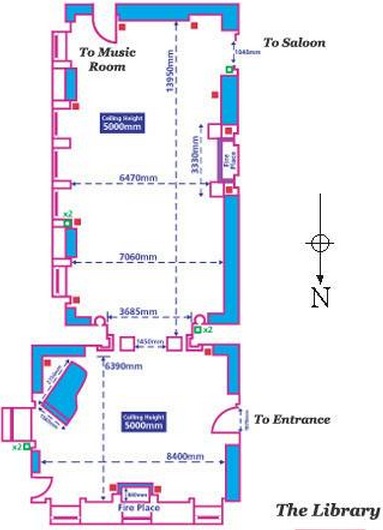
Many visitors come to this blog looking for a floor plan of Highclere Castle. This one depicted below sits on the Highclere Castle website and is a bit hard to read. Not all the rooms are currently in use, and a number, such as the music room, are available to be rented as conference rooms.

The House Plan

In the television series, the servant quarters and kitchens were not filmed at the Castle, but were constructed at Ealing studios in West London.

From The Victorian Country House by Mark Girouard.

Entrance Hall and Saloon

stairs and hall

Stairs and hall

Red stairs birds eye view

Red stairs birds eye view

Pillars

Pillars

Passage above saloon leading to the bedrooms

Interior of Highclere Castle

Saloon from gallery above. The room was designed by Thomas Allom and completed in the 1860s.

Saloon seating space Picture by Paul Hilton ©

Saloon seating space Picture by Paul Hilton ©

Salloon

Saloon

Detail of saloon ceiling

Detail of saloon ceiling

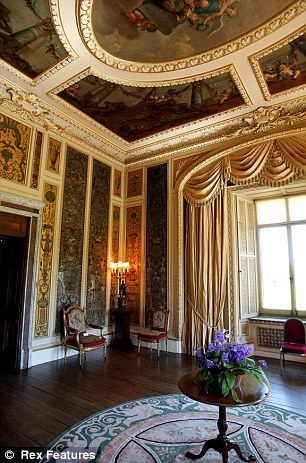
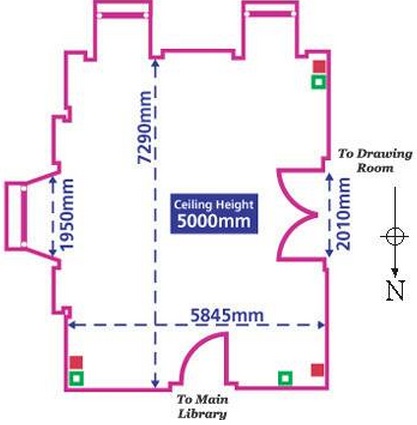
The Music Room

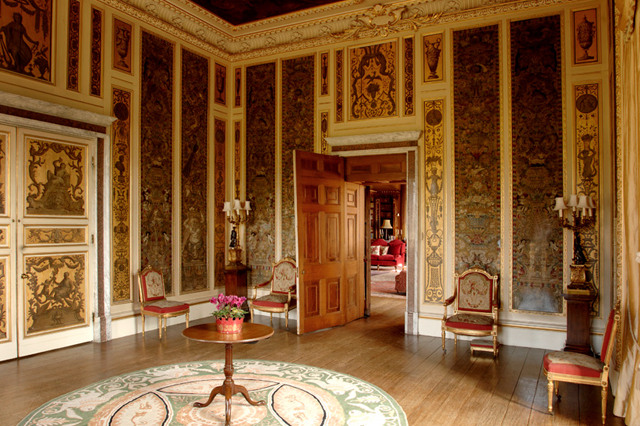
Music room

Music room

Music room

These days the music room is available as a conference room.*

The Library

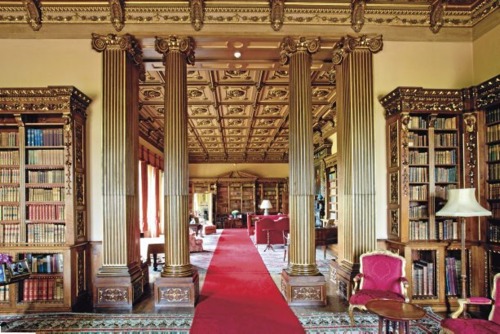
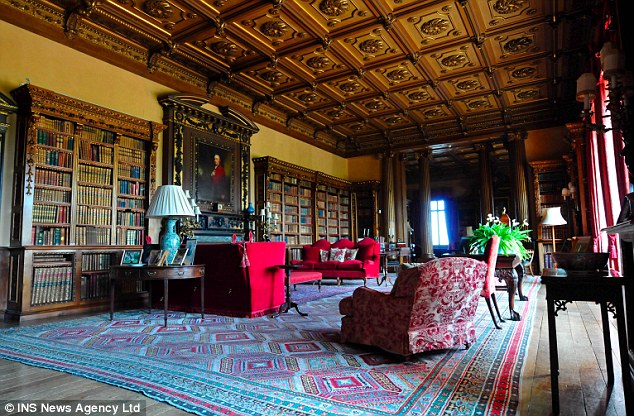
Double library

Double library with coffered celings holds over 5,000 books.

Comfortable seating within the library

Comfortable seating within the library

The library is unusual in that it consists of a two part room. The opening between the two areas is featured by columns. This room is also available to rent as a conference room.*

The Drawing Room

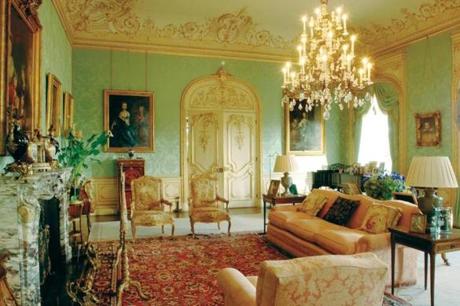
The drawing room image @Boston Globe. The drawing room was designed by Almina, the 5th Countess of Carnarvon,  in the "rococo revival" style .

The drawing room image @Boston Globe. The drawing room was designed by Almina, the 5th Countess of Carnarvon, in the “rococo revival” style .

The Dining Room

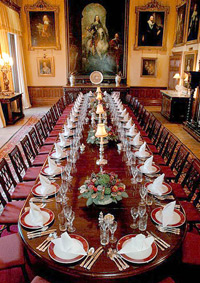
Much drama is centered in the dining room. The actors often took days to film a scene, and it was quite a feat to keep the food looking fresh and to maintain continuity in both the drinking glasses and on the plates. Read Downton Abbey: Dining in Splendor for more information.

The dining room

The dining room

diningroom-highclere

Image @Conferences UK

Bedrooms

Modern bedroom

Renovated bedroom

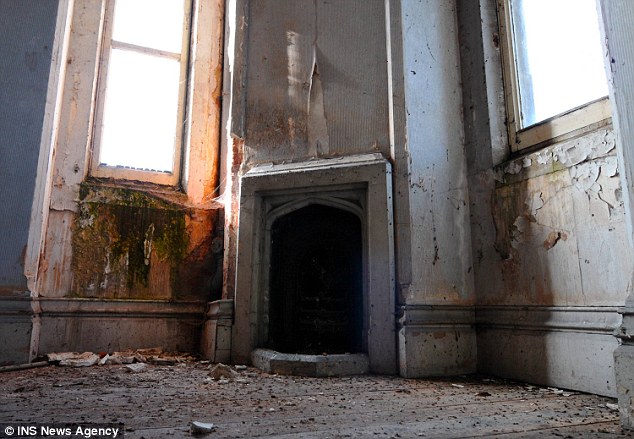
One of the bedrooms in need of renovation. Image @Daily Mail

One of the bedrooms in need of renovation. Image @Daily Mail

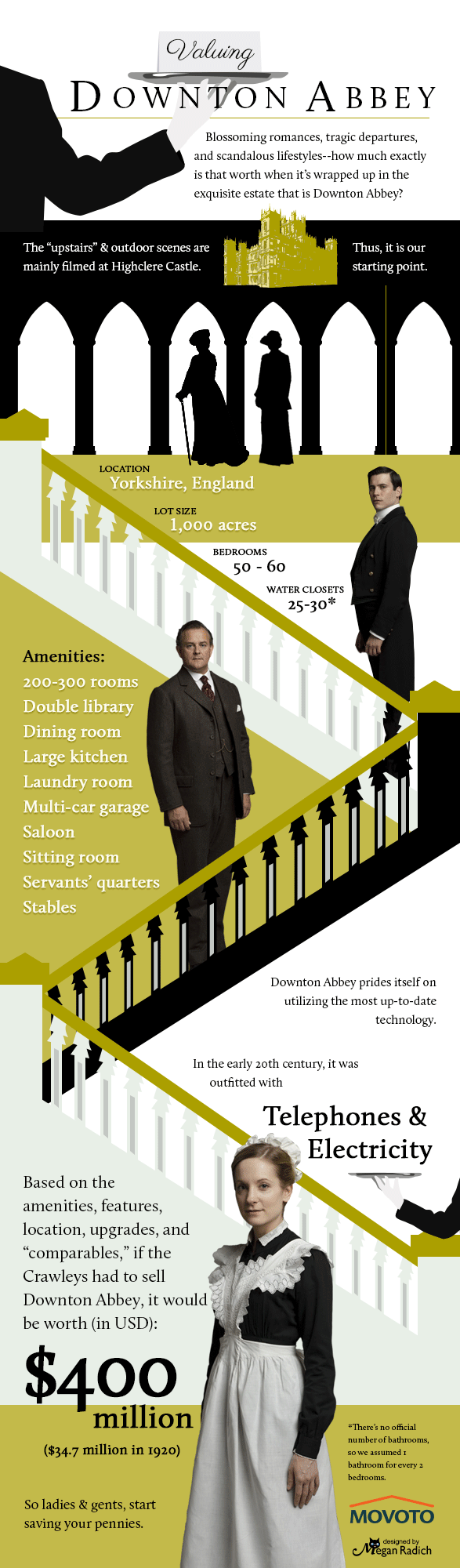
This image on Huffington Post shows more details about Downton Abbey/Highclere Castle and values the mansion:

valuingdowntonabbey

More on the topic:

Read Full Post »

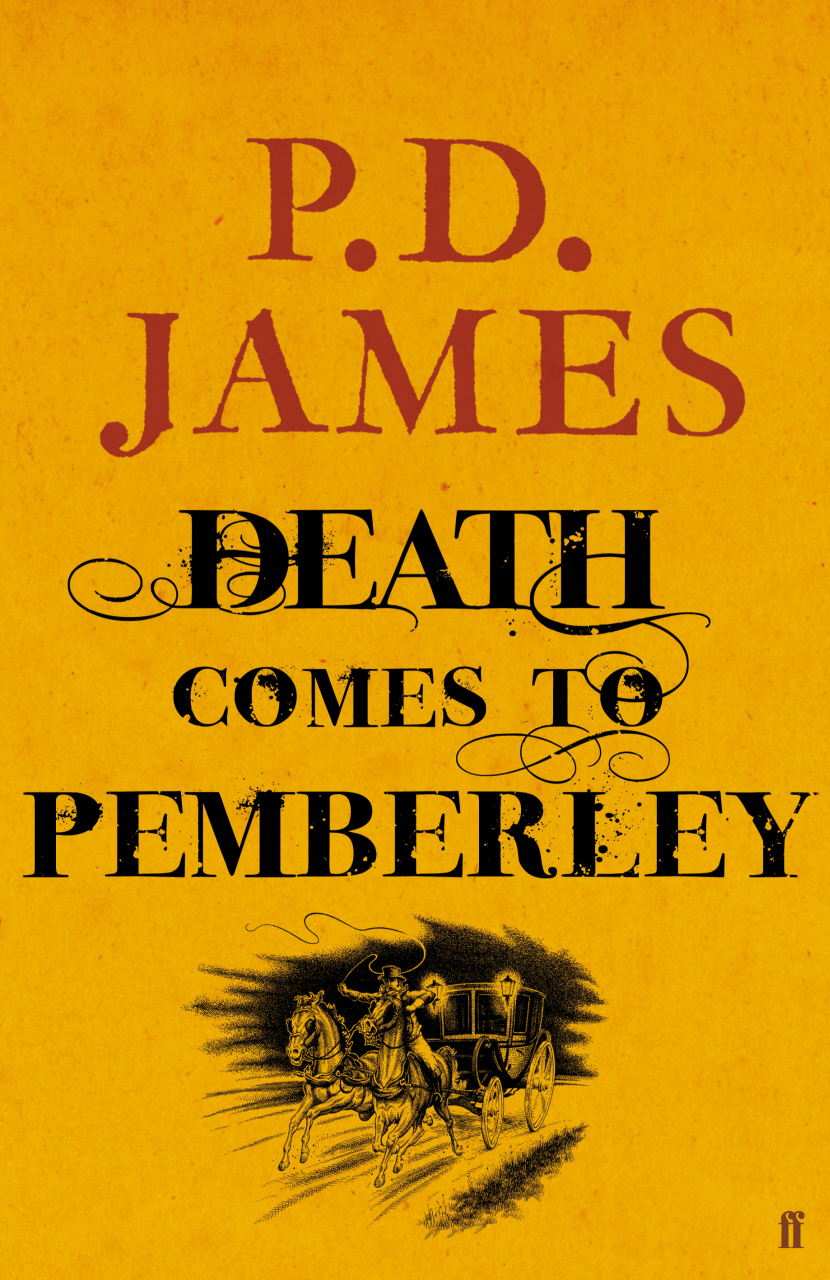
It’s rare that I purchase a Jane Austen sequel. Generally, publishers will send books for review or I’ll pick up a copy at the library. When Death Comes to Pemberley was announced I did not hesitate to purchase a copy for my Kindle. P.D. James, the book’s author, is a highly regarded mystery writer with a solid record for selling mystery books to discerning mystery fans. (The book placed third on the NY Times best seller list this weekend.)

A good friend of mine, whose judgment I value, owns every single P.D. James novel and was overall satisfied with this novel. I had never read a P.D. James novel before, and she was curious to know what I thought of this book. Another Janeite friend had read it and remarked that it was very well done and followed the forensic detective work of its time. They waited to discuss the book with me until after I had finished reading it and could give my opinion. Last weekend the three of us came to the same conclusion, which was that the mystery was weak and a bit lame, and that the actual murderer was so preposterous as to be unbelievable. My question to them was: “Why would a famous author like P.D. James waste her time writing a Jane Austen sequel, especially if the mystery was less than sterling?” Both defended her decision to write this book, while I was not particularly swayed. Both were ecstatic that she had written one more book, for they fear that their author, being 90+ years old, might not have too many novels left to write. To that I said she shouldn’t have bothered.

My suspicion is that had P.D. James been an unknown author peddling her manuscript for the first time to publishers and agents, Death Comes to Pemberley would have been tossed on the slush pile and she would have received a slew of the rejection letters,  one of which might have looked like this:

Dear Ms. P.D. James,

Thank you for your submission of Death Comes to Pemberley, which we read with interest, for your writing style is quite extraordinary. I’m sorry to say that  our interest in your manuscript was killed by its long talky scenes and sparseness of  mystery plot. I don’t need to hear about the crime from potential witnesses, then learn the same information during the inquiry and then again during the trial.

You will need to solve a major  problem with the plot by writing the denouement towards the end of the story, rather than 2/3 of the way through.  After I discovered who the murderer was, I frankly did not care to sift through another five chapters so that you could tie up loose plot threads. Let me make a few suggestions for improvement before you send the manuscript on to others:

1. Check your facts. In the first chapter on the first page you referred to Mr. Collins as Mr. Bennet’s nephew. He is Mr. Bennet’s cousin.  I almost stopped reading the book right then, for the mistake and others made me wary of the quality of your research or understanding of Pride and Prejudice and its characters.

2. Show don’t tell. Yes, I understand that this is a Jane Austen sequel and that you are working with familiar characters, but you slowed your plot to a crawl with your reams of exposition at the start of the novel and, strangely, at the end. Also, your men were too talky. While I appreciate the fact that they might have spoken more formally two hundred years ago, men don’t as a general rule talk in long unbroken sentences, especially to each other.

3. Write an original novel with your own characters. Whenever you deviated from Mr. Darcy and Elizabeth and other Pride and Prejudice characters, your novel jumped to life.

Sincerely, Vic @Jane Austen’s World

Death Comes to Pemberley is yet another instance of a famous author joining the Jane Austen bandwagon. Some of you might remember Colleen McCullough jumping into the fray with her detestable The Independence of Mary Bennet, which must have garnered riches for the publisher before readers caught on. (Read my review here.) These two best-selling authors, while they rightly have earned their literary reputations, fell down in my opinion when they so cynically wrote novels that, to put it kindly, barely scraped bottom when compared to Jane Austen’s own brilliant work. Besides, what business had they to write a Jane Austen sequel? Do they really think it is all that easy?

The career of a Jane Austen sequel writer is not an easy one. Most write their books out of love for Jane Austen and her characters. Those that I have come to know through correspondence are earnest about their desire to continue Jane’s stories. They work hard for very little recompense. Unless a publisher anticipates a blockbuster novel (such as Pride and Prejudice and Zombies, a concept novel if ever there was one), most provide book advances that barely cover the cost for postage or time spent researching a topic. Once upon a time book publishers, editors, and agents invested in long-term relationships with new authors, building their reputations up slowly and giving them time to develop their talents.

Image @New Yorker

This is no longer the case. A writer has only two or three years to make money back for the publisher.*(See Laurel Ann’s comments below.)  That is a lot of pressure, considering that royalties on the published price of trade books ranging from 10%-12.5% and on paperbacks from 7.5% to 10%. Many first time authors fail to realize any profit on their books. The average first novel sells around 2,000 – 4,000 books, but the break even for publishers is around 5,000 books. Four out of five first novels fail to make money for the publisher. Authors might only earn the total amount of their advance, minus the cost of extra copies of books they have purchased for giveaways and bookmarks, and the loss of spare time as they visit book stores, libraries, reading clubs, and groups and attend conferences all over creation in order to publicize their books will never be made up. These days authors are expected to oversee their own blog, and a Facebook and twitter account as well. Many spend hours writing down answers to interview questions or being interviewed online.

As readers you will notice a big push for books several times a year, when many new titles are competing with each other. Before the holiday season this year, P.D. James received an automatic “in” from most of the major book critics; she received extremely kind reviews in my estimation. It’s almost as if even the most discerning critics didn’t bother to read her entire book. The ordinary sequel writer gets no such first-class treatment. Their eyes are glued on Amazon’s rankings, hoping they will break free from the midlist and sell enough volumes to give them a second contract for another book.

One author I talked to said she made almost no income from writing; another said she was unlikely to collect royalties this year. Another author, who lives in my city, was dropped by her publisher despite glowing reviews, only to be picked up by another publisher. For these authors, their writing careers must seem like an unpredictable roller coaster ride.

While I am not a great fan of Jane Austen sequels and prequels, I do salute these writers, who follow their passion. Many have written a truly enjoyable story that I can wholeheartedly promote. I can’t exactly say the same of Death Comes to Pemberley. Sorry Ms. James, but I give this book only 2 out of 5 regency tea cups.

For more information about the life of a writer, read The New Literary Lottery. This NY Magazine article by Alex Williams is a bit dated, but fascinating.


Read Full Post »

Dear Readers, this article, written by Tony Grant, continues on his blog, London Calling. Tony recalls events that actually happened to his great grant uncle, William McGinn.

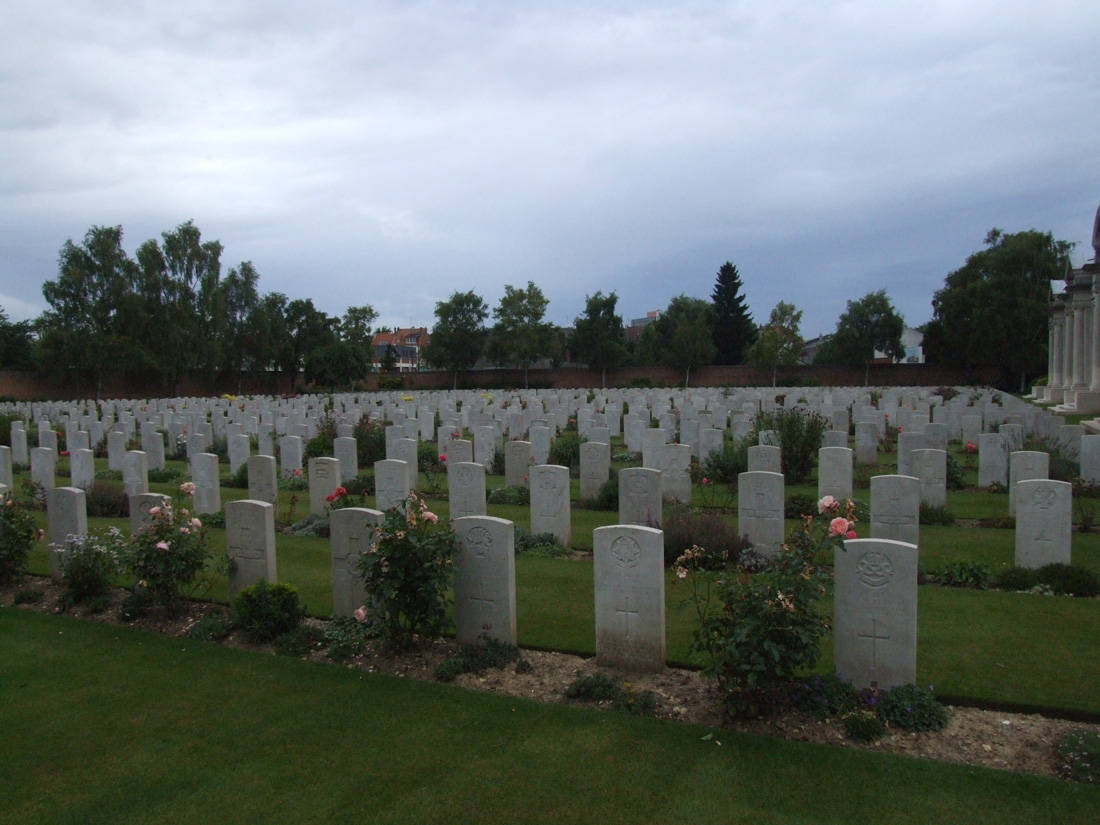
Arras British Cemetery

Graves at the Arras British cemetery. There are about three thousand graves here.

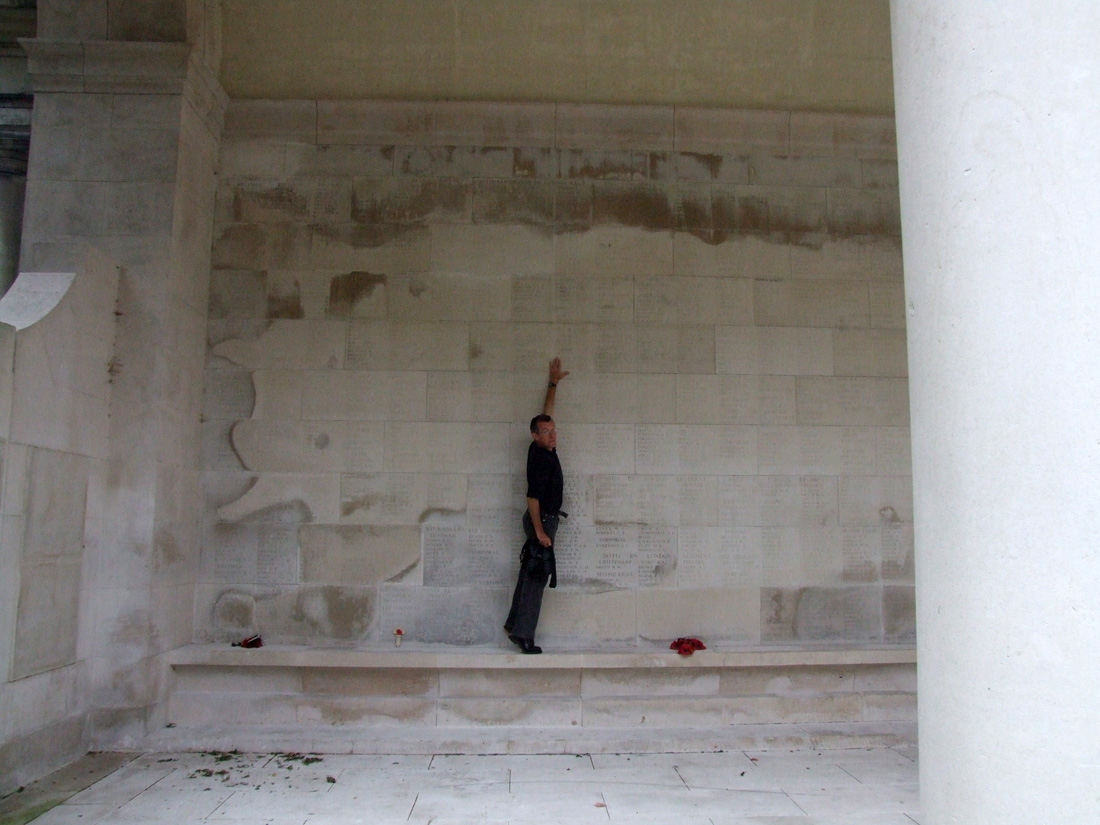
Tony Grant touches his great uncle's name

It took Marilyn, Alice, Emily, Abigail and myself well over an hour to find Williams name on the Lutyens monument. There are 35,000 names of the missing carved on this monument.Here I am reaching up to touch his name.

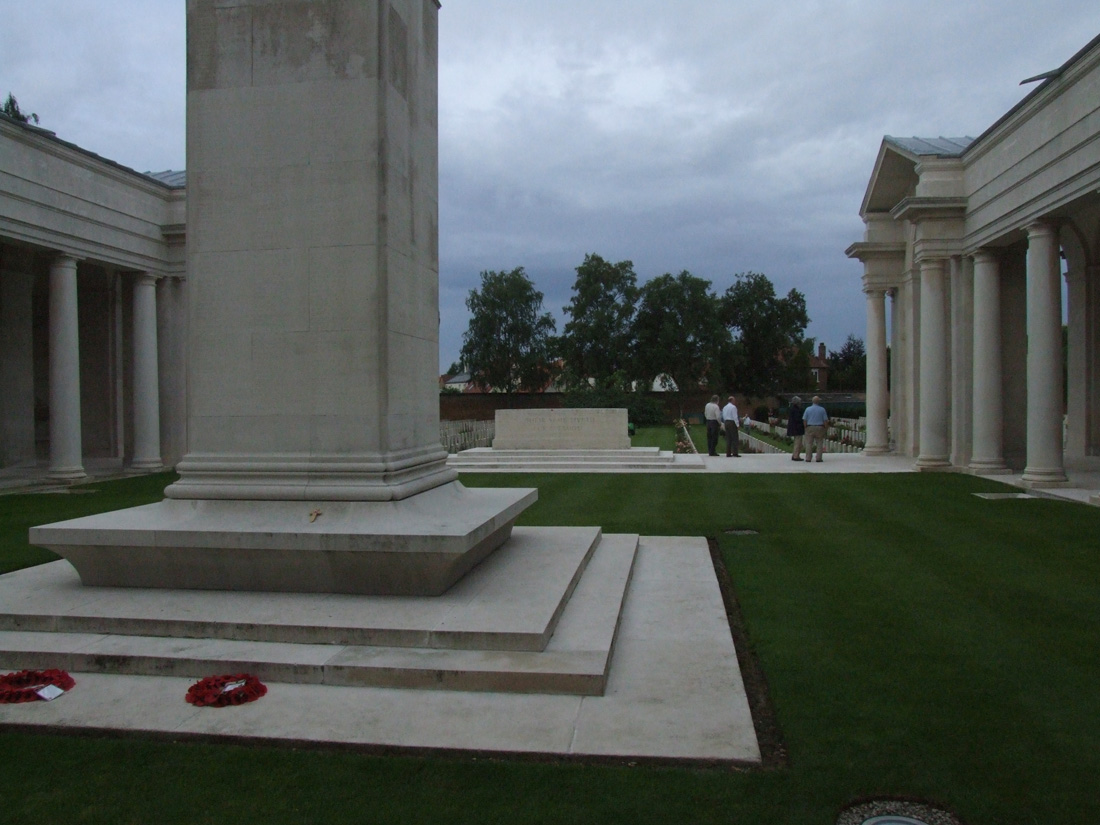
Lutyens monument

The entrance to Lutyens monument to the British dead who were killed in the fields around Arras.
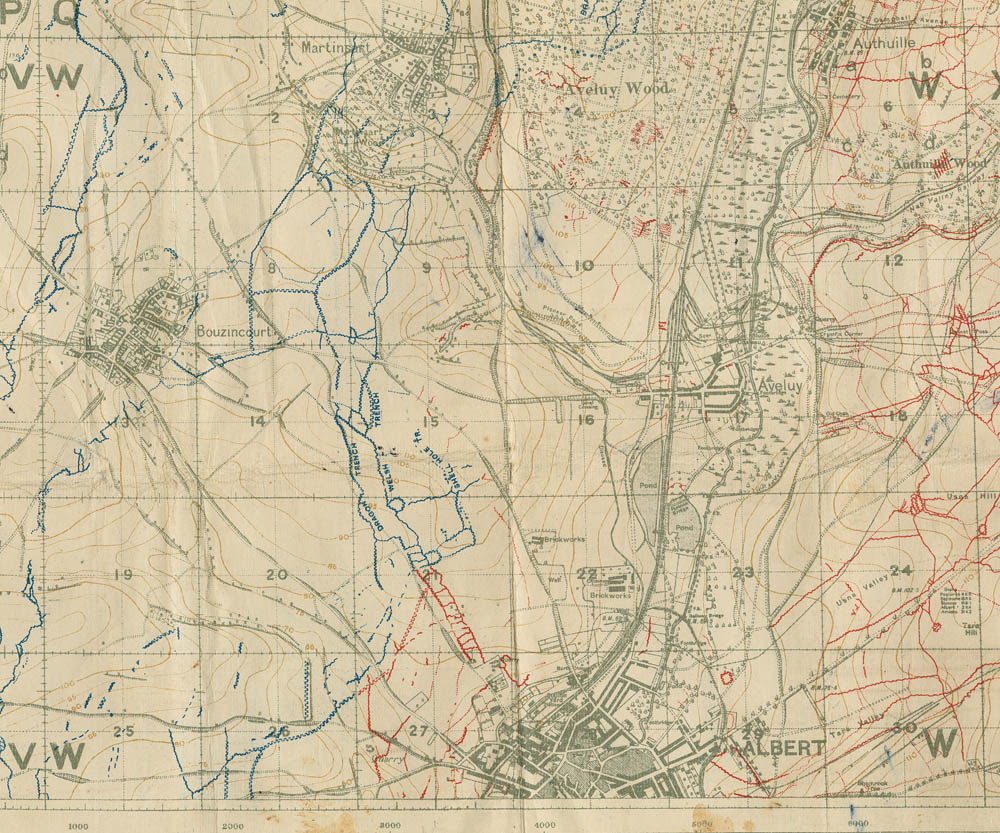
A map, showing Aveluy Woods , south of Arras where my great uncle William McGinn was killed.

Aveluy Wood

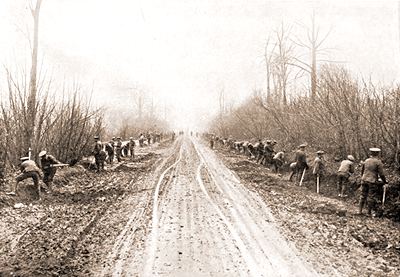
This picture of soldiers working on the road that passed through Aveluy Woods was taken about a month before my uncle was killed.
A map showing the German advance during the last great Battle of the Somme. The last great battle of this terrible war on the Western Front.
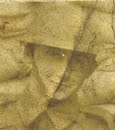
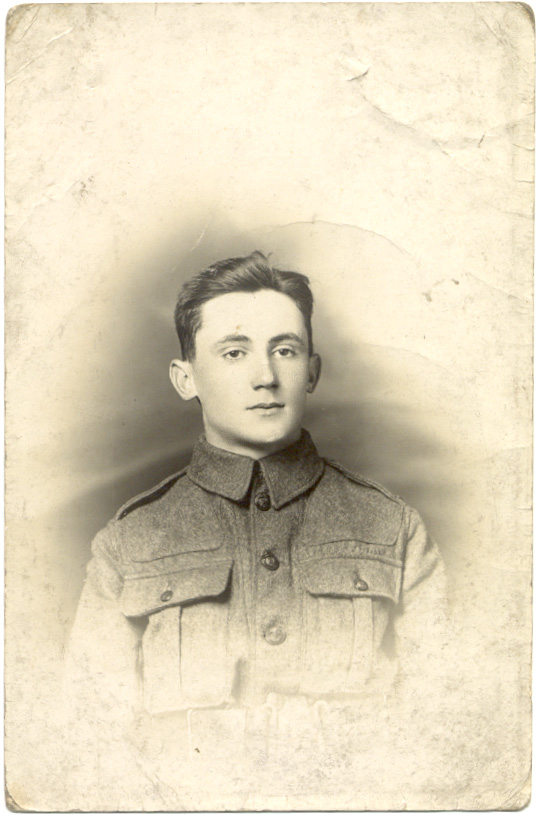
My greatuncle William McGinn, taken in France.

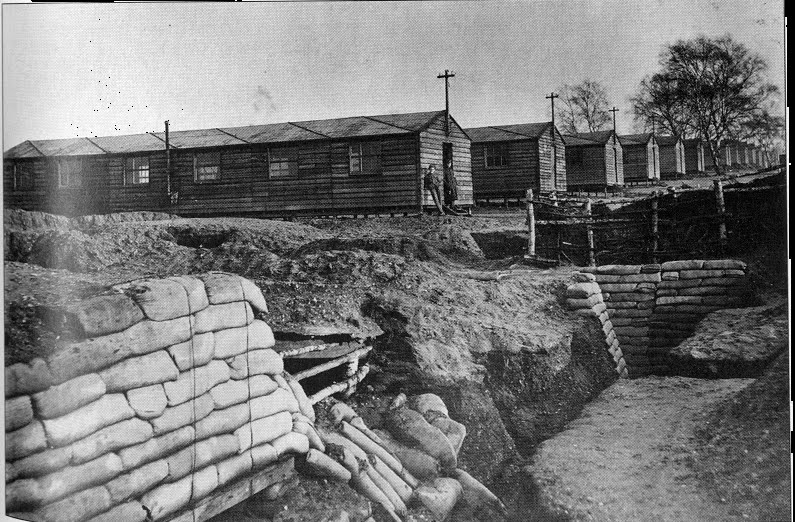
Wimbledon camp where William trained

The military camp on Wimbledon Common where many rifle regiments trained before going to France. My uncles regiment, The Civil Service Rifles trained here.

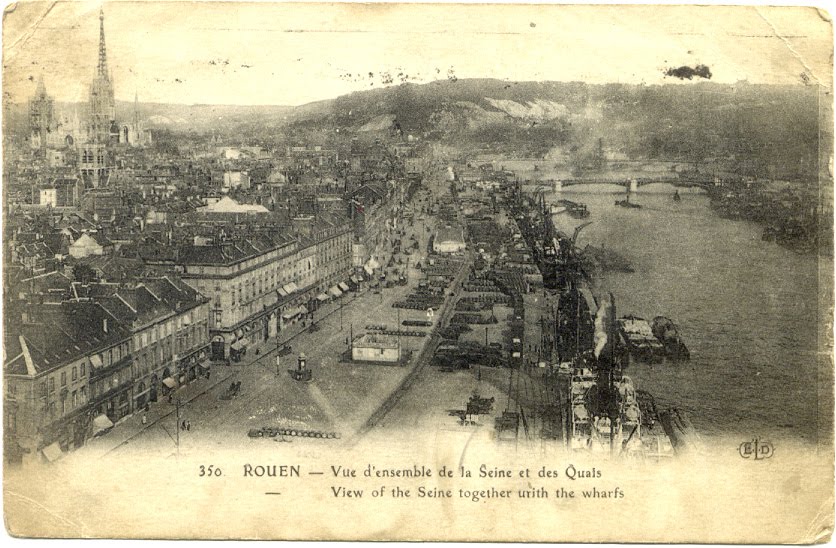
William McGinn disembarked in Rouen, 1918

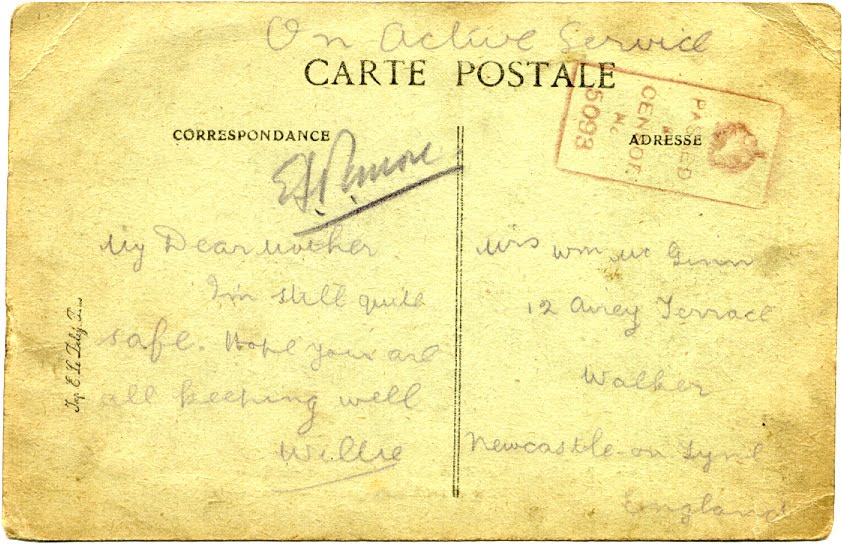
The last postcard my great uncle wrote from France. This is the port of Rouen a great embarkation point for Brtiish troops on their way to the Western Front.

This is what he wrote to my great Grandmother.
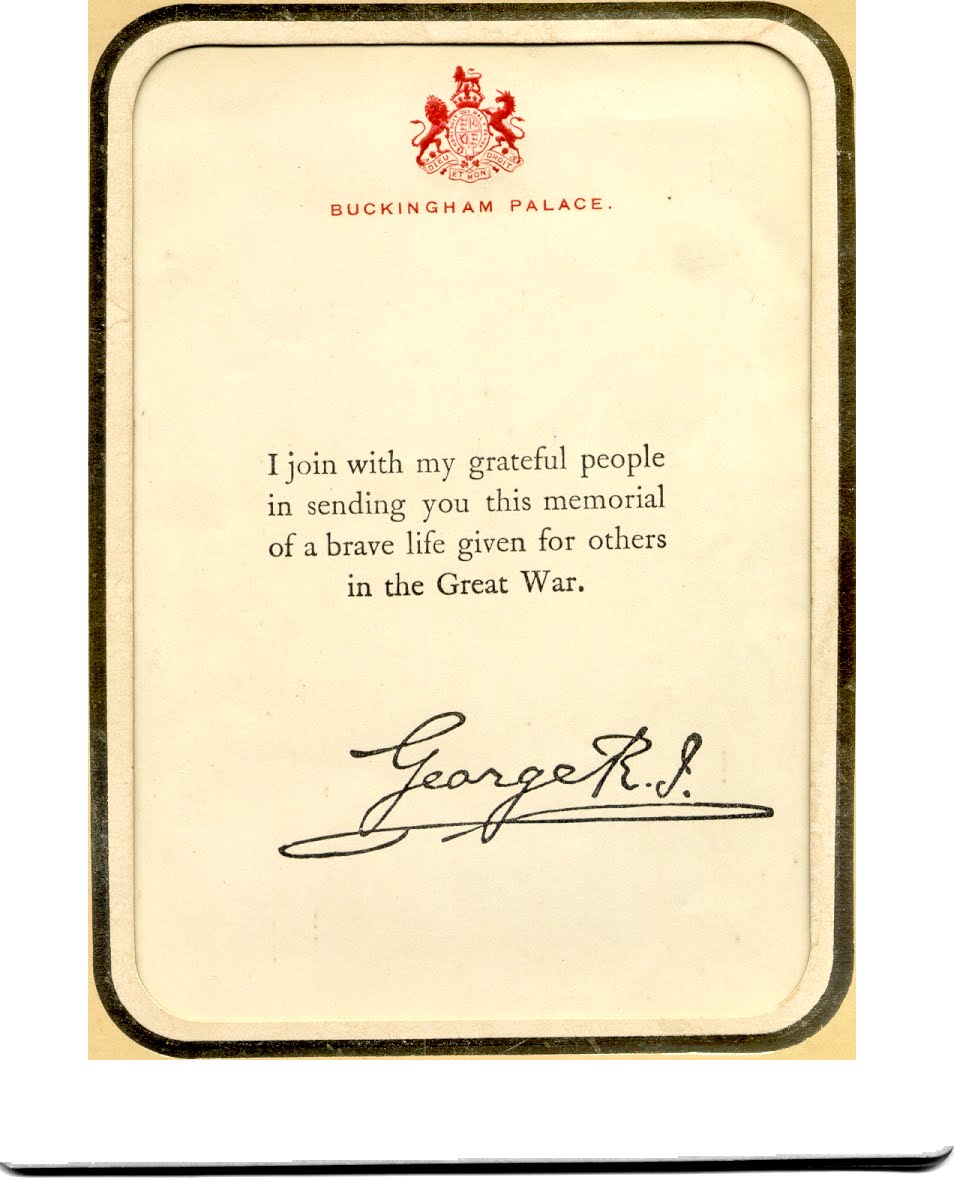
All the families of soldiers who died on the Western Front received a message from the King.

William McGinn at nineteen

William McGinn, before embarking for France. He was 19 years old. He survived in France for three weeks.

WORLD WAR I, AN OVERVIEW OF THE POLITICAL, THE HOME FRONT AND THE MILITARY.

World War I is coming to our screens through the medium of Downton Abbey. The series has reached the Summer of 1914, a time of shifting tectonic plates in the power of nations and Empires, very much like the time we live in now, brought on by the great financial crisis we are all living through. This present series is a reminder to us all.

My own family have been very much part of the terrible traumas of the past two world wars. Close members of my family have died in action in both wars. In 1914, at the start of the First World War, my maternal great grandmother and grandfather, Susie and William McGinn moved from County Limerick, in the South of Ireland, to Newcastle upon Tyne in the north of England. The move was to enable my great grandfather to get work in the shipyard, Swan Hunters, on the Tyne. They lived in a three story house,a pigeon loft installed in the roof, at 12 Airey Terrace Walker, close to the River Tyne and Swan Hunter’s yard.

Their son, also called William, was a very bright lad and passed his civil service exams to get him a prized job with the civil service. At the age of 18 he returned to Ireland to work in the post office in Dublin as a clerk. It was the moment the IRA was preparing for the Easter Uprising against British rule in Ireland. Although my great uncle was a true Irishman, born in Ireland, but because he had emigrated to England and his parents were living in England, he and his family were regarded as traitors and he was threatened with the message, “Your next McGinn,” meaning the IRA would kill him. He wrote home and my Great-grandmother sent him the money to return to Newcastle.

To read the rest of the story, click on this link to London Calling.

Gentle Readers, please note that I make no money from my blog. The advertisement you see has been generated by WordPress, not by me.

Read Full Post »

People simply can’t get enough of Downton Abbey, as my site meter tells me. Everything we bloggers write about the costumes, actors, and historical details is lapped up by eager readers and on nights when the series is aired, my visitor count goes through the roof.

People just can’t get enough of the Crawley family and the servants who cater to them. Not everyone goes online for information.  For those who prefer to receive their information in print, The World of Downton Abbey might be the perfect companion piece to their Downton Abbey viewing experience. The text is by Jessica Fellowes, niece of writer Julian Fellowes, who writes the  foreword. The book is lavishly filled with photographs and illustration, and covers such topics as Family Life, Society, Change, Life in Service, Style, House to Estate, Romance, War, and Behind the Scenes. If you are intrigued but aren’t sure about purchasing this book, you can find a sneak peek at Amazon.com.

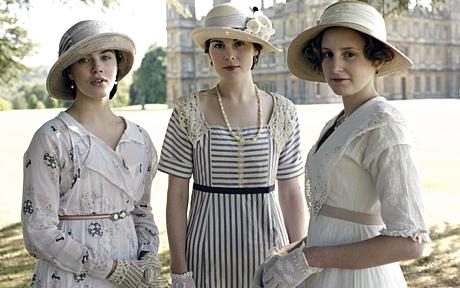
Sybil, Mary and Edith. Credit: Courtesy of © Carnival Film & Television Limited 2012 for MASTERPIECE

You’ll find wonderful details in The World of Downton Abbey that you can’t get any where else. Take this picture of the Crawley sisters, for instance, which was used to promote season one. It turns out that the dress for Mary was a costume designed to fit the actress, that Edith’s was a retread from the Merchant Ivory production of A Room With a View, and that Sybil wore an original Edwardian dress.

The World of Downton Abbey is lavishly illustrated

I purchased the book for my Kindle touch, and at $14.99 I found it quite reasonably priced. But here was the problem: my Kindle offers only black and white text and the photos look grainy. Only Kindle Fire offers a full spectrum of colors. And so I have to read the book on my PC or laptop, which is no big deal, for the images are glorious on my 20″ monitor and, unlike many people of my acquaintance, I don’t mind reading from a screen.

Click here to purchase The World of Downton Abbey.

Read my Downton Abbey articles here.

Read my Downton Abbey Series 2 articles at this link.

Read Full Post »

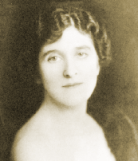
Lady Almina

Lady Almina, the Countess of Carnarvon, who lived at Highclere Castle during the turn of the century and through World War 1, had many qualities in common with the fictional Cora, Countes of Grantham in Downton Abbey. Upon Lady Almina’s marriage, her fortune staved off financial ruin for the 5th Earl of Carnarvon and helped to renovate the mansion.

Like Lady Cora, she allowed her house to be turned into a hospital for wounded soldiers, running it at her own expense.
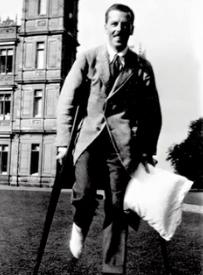
WW1 soldier recuperating at Highclere Castle

On her orders, each wounded officer had the luxury of his own room, with down pillows and linen sheets. She  made beds and dressed wounds” (The Daily Mail).

Lady Almina put together a skilled orthopedic operation at Highclere Castle and she had very good nursing skills, so good that she was often sent some of the hardest cases.

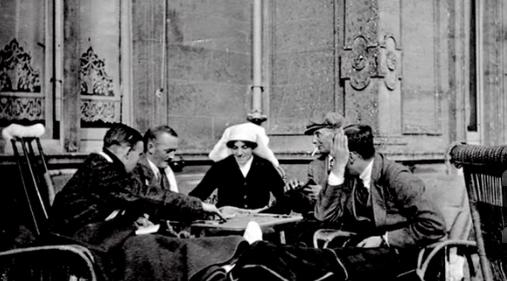
Soldiers were nursed back to health on fresh linen sheets, propped up on fat down pillows so they could gaze out over a beautiful country park. Silver service dinners were followed by a game of cards in the library while sipping a glass of beer, naturally from the house’s very own brewery. A butler was even on hand to pour the convalescents a nip of whisky before dinner. – The Real Downton Abbey: How Highclere Castle Became a World War 1 Hospital (includes a video).
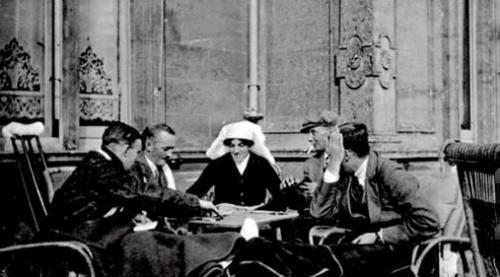
Playing games at Highclere Castle and enjoying home brewed beer

In this matter, Almina showed one of her kinder sides, for she was reportedly a terrible mother and lived largely a selfish and extravagant life until her fortune ran out. The war touched all lives and all class stratas, and not a family was left standing at its end that did not experience a loss:

“All their young men are gone,” lamented the architect Sir Edwin Lutyens of the sons of  Mells Manor, one super-romantic house in Somerset. That was in 1919 when he went to help choose the site of the village war memorial – a figure of St George on a column. The pain of the Horner family at the loss of their son Edward, the last of the male line, can be seen from his monument in the church: a moving statue of the young cavalry officer by Munnings. – The Telegraph, What Next For Downton Abbey?

For several centuries during wars and conflict, great country houses had been conscripted for medical services. One of the earliest country houses to be used as a hospital was Greenwich Palace, which was converted to a navel hospital in 1694.

During World War One:

A genuine sense of wanting to help led to many owners voluntarily turning over their houses as hospitals including the Earl of Harewood offering Harewood House, Lord Howard of Glossop Carlton Towers, Lady Baillie lent Leeds Castle and the 4th Marquess of Salisbury offering Hatfield House as he had done during WWI. – Houses as Hospital: the country house in medical service

The numbers of wounded soldiers who were returned from the battlefields of northern France and Belgium were unprecedented. It was enormously difficulty to remove wounded men from battlefields riddled with shell pocks and guarded by staggered rows of  barbed wire barriers that were miles long. Scores of soldiers who could have survived under immediate medical attention were left to die unattended.  Medics practiced triage, making instant decisions and leaving behind those who stood little chance of surviving or who could not withstand the rigors of being carried to safety. Even when soldiers were successfully brought back to camp, many had to suffer a long wait, for doctors and nurses were overwhelmed, supplies were short, and field hospital conditions were ghastly. A large number died behind the front waiting to be transported.

The soldiers who were brought back to England overwhelmed the hospitals and medical staff that were available. Auxiliary hospitals exploded around England,  many of them the country homes of aristocrats. These houses were not ideally suited for their new positions. During the late 19th century, Florence Nightingale influenced the design of hospitals, noting the importance of separating unsanitary scullery sinks from patient beds, for example, and improving cleanliness and introducing hygiene. While country houses did not provide antiseptic conditions, they became ideal havens for convalescents and for those who suffered from tuberculosis, for these patients required clean country air.

In the second episode of Series 2, the less seriously wounded soldiers or those whose injuries were healing and who needed convalescence were sent to Downton Abbey.  In real life, hospitals and convalescent houses were staffed by a commandant in charge, a quartermaster in charge of provisions, a matron in charge of the nursing staff, and the local voluntary aids, who were trained in first aid and home nursing.

To accommodate the soldiers, family members were confined and restricted to certain rooms in their own home. One would assume this would not be a hardship, since the houses were so large, but the labor shortage and the need for injured soldiers to be housed in large rooms without going up the stairs would most likely necessitate some appropriation of a family’s favorite rooms.  Lord Grantham’s library was divided, so that most of the room became a recreational space and a small section was left to him. Downton Abbey’s central hall became a dining area. Such changes must have grated on the privileged class, who, while wanting to perform their patriotic duty, could not escape encountering the hoi polloi in their daily routine.

With so many men serving as soldiers, servants were stretched thin and forced to perform duties that normally were outside of their scope and that stepped over the boundaries of etiquette. Anna helped to serve at dinner, which would have been totally unacceptable during peace time. Carson, in an effort to maintain the status quo, ruins his health and thus worsens the situation when he is laid low in bed.

Due to the war and its many effects, society was in turmoil. Social change happened on many fronts and class barriers began to blur. As men fought and died in France, women, including those who formerly worked as servants, filled their positions in factories, corporations, and farms. Great houses began to feel the pinch of being short staffed, and genteel ladies who were accustomed to being served had to cook and sew for themselves.

To feed the army, country estates converted their flower gardens to grow fruits and vegetables. At Hatfield House, the Cecil family’s “fields and private golf course were filled with trenches and a man-made swamp to create a maneuvering ground for an experimental weapon under development, the tank.”*

Isobel Crawley, once a working middle class wife – until her son, Matthew, was suddenly propelled into the position of heir to the Earl of Grantham –  finds her true calling in ministering to injured soldiers. She was trained as a nurse and had performed charity work in caring for the sick. The need for her professional services made her feel like a valued woman again. Isobel’s zealousness in converting Downton Abbey into a convalescent home placed her in direct conflict with Cora, Lady Grantham, and continued her battle of wills with Violet, the dowager Countess. Isobel’s situation was not unusual, for during this war many people of the working classes who were professionally trained found themselves in positions of superiority over gently bred women who volunteered as nurses aids.  One Indian soldier remarked with some awe that a noble British lady had ministered to his wounds and treated him as an equal.*

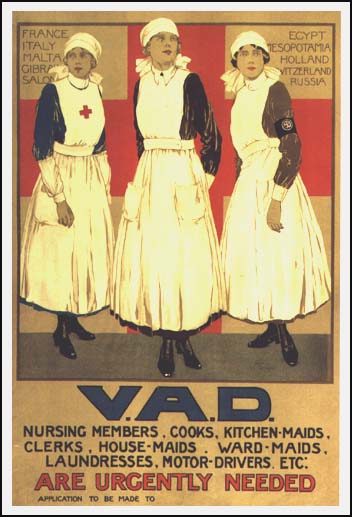
It was only because of the war that a former footman like Thomas would dare enter through the front door or that a doctor could serve as head of the hospital and make decisions that overrode those of the owners of the house. Lady Sybil, whose support of the suffragettes was revealed in the first series, became a VAD (Voluntary Aid Detachment Nurse), for there simply weren’t enough professional nurses to go around.
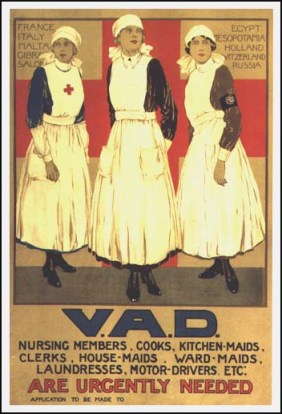
VAD Poster

In many cases, women in the neighbourhood volunteered on a part-time basis, although they often needed to supplement voluntary work with paid labour, such as in the case of cooks. Medical attendance was provided locally and voluntarily, despite the extra strain that the medical profession was already under at that time. – History of British Red Cross

VADs were trained for only a few weeks before working under professional nurses.

Only the middle and upper classes could afford to work for free, and to pay for the courses and exams that were required to become a VAD. Growing up with servants, many of these young women had never had to wash a plate or boil an egg. One girl related how amusing it was to serve tea at the hospital and then return home to have her own tea served by the parlour maid. – The Great War As You May Not Know It

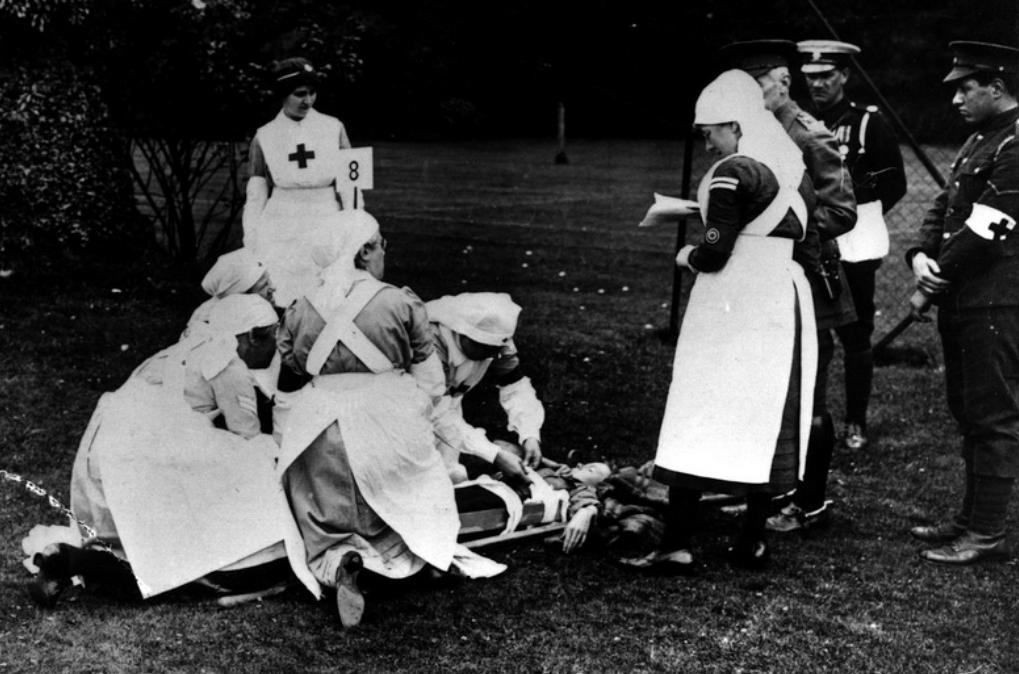
VADs changed linens, sterilized equipment, and served meals, but many were also exposed to the rawer side of war and at times, when the influx of casualties overwhelmed the staff, VADs were expected to perform the duties of a professional nurse.
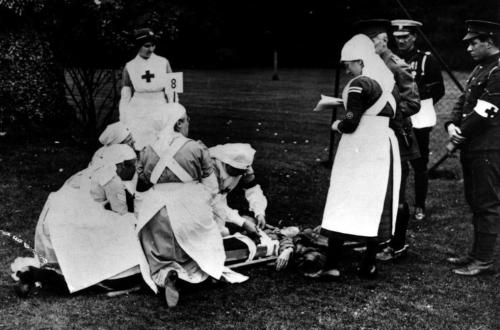
Red Cross VADs

VADs were generally from genteel, sheltered, and chaperoned backgrounds. Some were aristocrats, like Lady Diana Manners – the “Princess Di” of her day – reputedly the most beautiful woman in England and expected to marry the Prince of Wales. Her mother was very much against Diana becoming a VAD, as Diana states in her memoir, The Rainbow Comes and Goes. “She explained in words suitable to my innocent ears that wounded soldiers, so long starved of women, inflamed with wine and battle, ravish and leave half-dead the young nurses who wish only to tend them,” The Duchess gave in, but “… knew, as I did, that my emancipation was at hand,” Diana says, and goes on to admit, “I seemed to have done nothing practical in all my twenty years.” Nursing plunged her and other young women into a life-altering adventure. – The Great War As You May Not Know It

Serving as a VAD changes Lady Sybil, giving her a direction and purpose. Lady Edith, too, finds new meaning in an otherwise predictable life consisting of dinners, parties, and long stretches of boredom. Lady Sybil advised her sister to find her talent and pursue it, which Edith did. One wonders if Lady Mary will  find a similar passion before she throws her life away and marries a man she does not love or (we suspect) respects.

The strength of Downton Abbey’s plot threads this year is how they incorporate the roiling changes in class structure during a complex political time in which the necessities of war, the dissatisfaction of the working classes, and the continued growth of the women’s movement influenced the lives of the series’ characters. More on this topic later.

If you missed Episodes 1 & 2, they can be viewed on PBS’s site through March, 2012 at this link: http://www.pbs.org/wgbh/masterpiece/watch/index.html

Please note: You can watch Downton Abbey Season 1 on Netflix as a DVD or streaming.

Other links and references:

Read Full Post »

« Newer Posts - Older Posts »