Feeds:
Posts
Comments

Archive for the ‘Popular culture’ Category

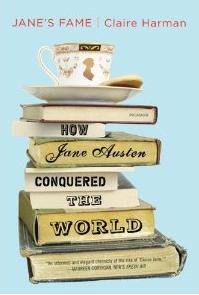
It is not often that a much-hyped book or film lives up to its reputation, as with The King’s Speech and Jane’s Fame: How Jane Austen conquered the world , the book by Claire Harman and the subject of this review. I’ll admit to being a wee bit partial to any book that mentions my blogs – Jane Austen’s World and Jane Austen Today – but this is not the sole reasons for my gushing over Ms. Harman’s lucid and accessible account of the slow rise of Jane’s Austen’s literary fame in the 19th century to her near rock-star status as a popular cultural icon today.

Jane’s Fame was published in 2009 amidst much controversy. Accusations of heavy borrowing and plagiarism flew from the mouth and pen of Ms. Harman’s former friend,  Kathryn Sutherland, who had published Jane Austen’s Textual Lives, from Aeschylus to Bollywood in 2005. Ms. Harman countered the accusations with equally strong words, saying she had followed the standard practice of sourcing all quotes and citing the earliest sources for her information. With this controversy in mind, I read Jane’s Fame with the same morbid curiosity that Two and a Half Men fans are reading articles about Charlie Sheen’s downward spiraling career today. I am delighted to announce that I think Jane’s Fame stands on its own, paying due homage to Jane Austen’s Textual Lives, but making what could have been a dry tale into an exciting read  for the modern audience.

Laurie Kaplan, who reviewed Sutherland’s book for the Jane Austen Society of Northern America, wrote:

Through an examination of biographies, portraits, manuscripts, films, and editions of the novels, Sutherland tracks the creation of Jane Austen as “a special cultural commodity.” From James Edward Austen- Leigh’s Memoir of Jane Austen (1870), which presents a “family-managed” biography of his relation, to the films, which sometimes bear only a passing relation to the novels, biographers, editors, and directors have “marketed” their own versions of “Jane Austen” to the public.”

I agree with this assessment of Sutherland’s book. Several years back I had read portions of Jane Austen’s Textual Lives and from it learned much about Jane’s slow rise in literary reputation and in the estimation of her peers. However, in my opinion Dr. Kathryn Sutherland’s revelations were not entirely new. Any Janeite who has read a number of Jane Austen biographies would have known that Jane’s literary reputation stagnated in the years after her death. The facts were scattered in a number of sources and Dr. Sutherland was astute enough to pull them together. She chronicled Jane’s rise in academic order, and had her efforts rewarded with the publication of her book by Oxford University Press. While her richly footnoted tome is perfectly suited for the shelves of a university library, her professorial writing style would in no way appeal to Mr & Mrs John Q Public.

Enter Ms. Harman.

One cardinal rule of copyright laws is that facts and historical events belong to the public domain. One cannot patent the dates of a person’s life or historic events. Ms. Harman, with her easy and accessible writing style and her academic knowledge, pounced on the Jane Austen bandwagon and came up with a runaway hit. In fact, Ms. Harman makes the rise of Jane’s fame seem exciting. Here is an excerpt of her description of James Edward Austen-Leigh’s attempt to take a look at Fanny Knatchbull’s letters from her Aunt Jane:

In 1869 Fanny’s sister Elizabeth Rice warned him not to wait for a sight of the letters, as there was virtually no chance of it. Lady Knatchbull, she said, was prone to giddiness and confusion, an impression of advancing senility confirmed by fanny’s daughter Louisa, who protested that her mother would have been only too delighted to assist James Edward ten years earlier, but it was too late now.”
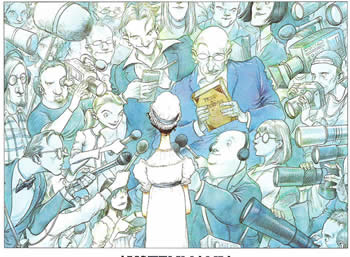
Chris Riddell's cover from the April 2009 issue of The Literary Review

It is universally acknowledged that Edward Austen-Leigh’s Memoirs of his aunt in 1869 (and quickly again in 1871) piqued the Victorian public’s curiosity, and that his biography prompted the buying public to purchase Jane’s novels in droves. In the first half of the 20th century, academics and the public alike discovered the rich literary minefield that Jane’s novels represented. Film adaptations only served to boost her reputation, and by 1995, when A&E presented a 6-part series of Pride and Prejudice and the Internet began to be embraced by non-geek users, the stage had been set for world-wide Austen adoration.

My major complaint about Jane’s Fame is that I suspect this book was written to meet a publisher’s deadline. The first 2/3 of its pages are rich with facts and anecdotes, with fully developed topics that satisfied my curiosity about Jane’s rise in popularity. But then the book’s pace speeds up and the last few chapters seemed rushed and thin. The most recent years of Jane’s popularity are barely covered, as if the author (and publisher) lost focus. Be that as it may, I read Jane’s Fame in two or three sittings and recommended it to my Janeite book club. They LOVED it. I am confident that you will too.

Please note: the ads at the end of this blog are a feature from WordPress. I do not make money from them.
Read Full Post »

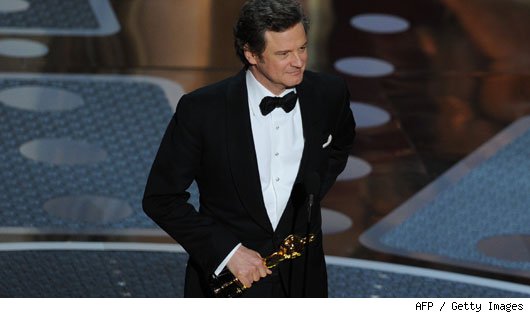
The King’s Speech: Best actor, Best film, Best director, Best screenplay. Best all around.

Colin Firth and his Oscar.

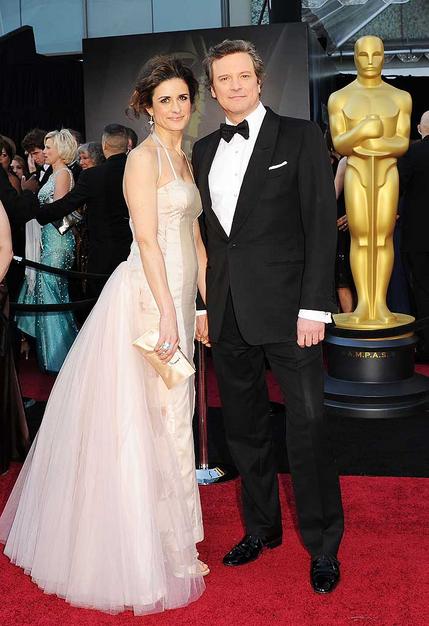
Colin Firth and wife Livia on the red carpet

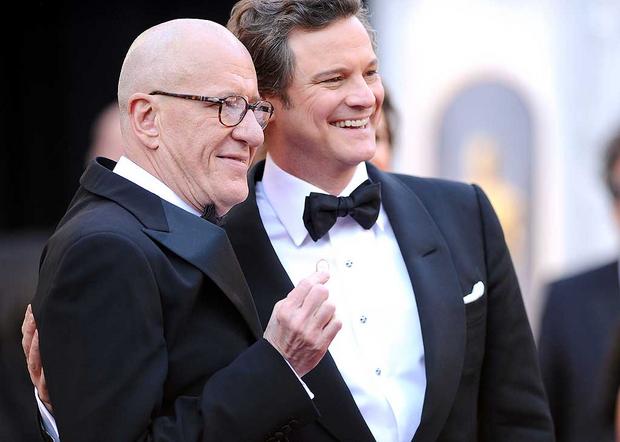
Geoffrey Rush and Colin Firth, red carpet

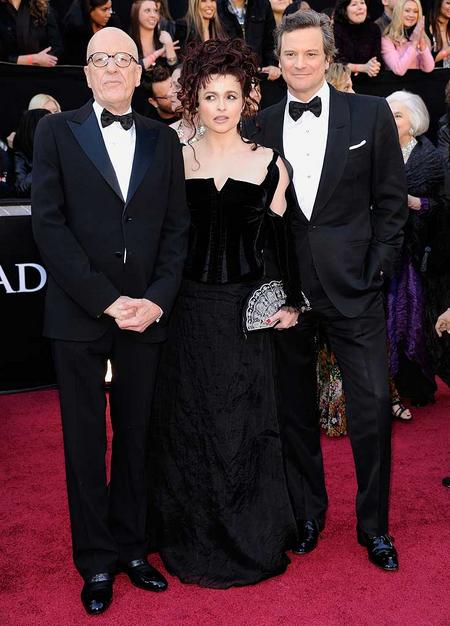
Geoffrey Rush, Helena Bonham-Carter, and Colin Firth

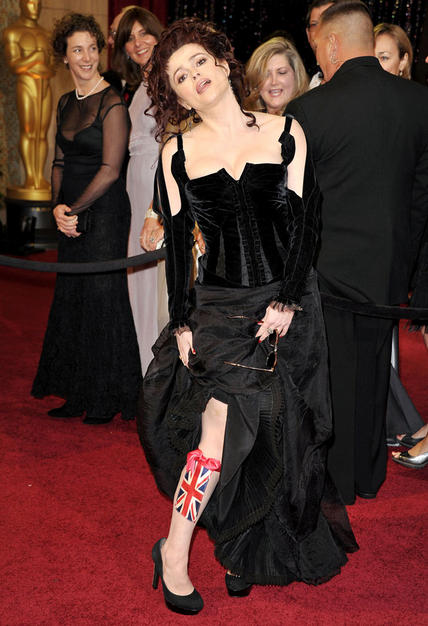
Helena shows where her loyalty lies

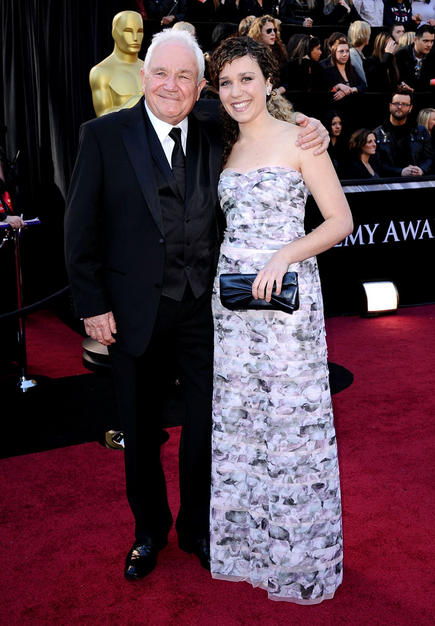
A much deserved win for writer David Seidler (and guest)

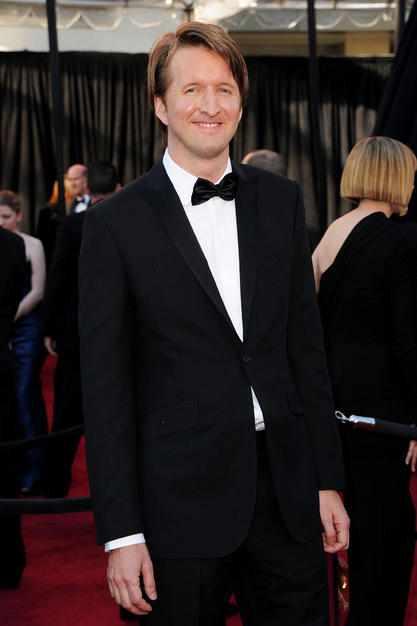
Tom Hooper, director

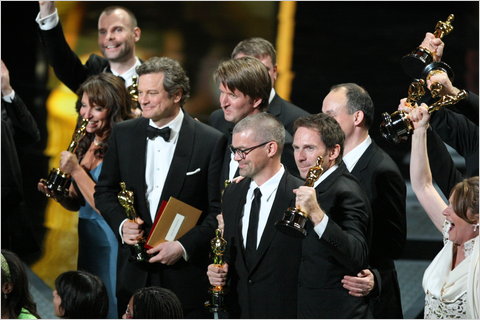
Oscar winners 2011 emerge onstage

Read Full Post »

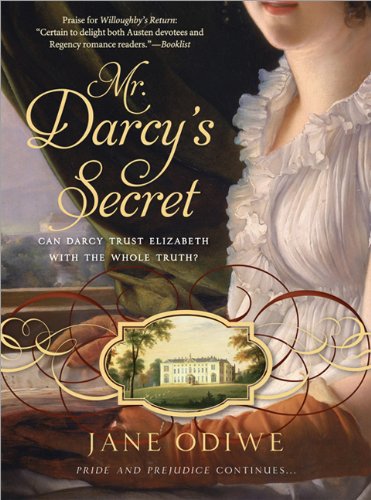
Mr. Darcy’s Secret is Jane Odiwe’s third Jane Austen sequel for Sourcebooks. The story picks up after the Darcys’ marriage and Elizabeth’s introduction as Lady of the Manor. Lizzy is a quick study, for it is not easy for someone to pick up on all the intricacies of managing such a great house as Pemberley, but through her natural grace she quickly gains the respect of the staff and villagers and settles into her new home – where she uncovers a secret, one that places her relationship with Darcy in emotional jeopardy.

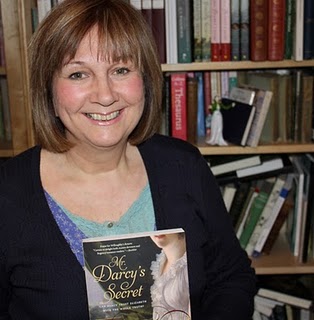
The delightful author Jane Odiwe has done it again – created a novel using Jane Austen’s characters that leaves you turning the pages to find out how the story will end. Jane Odiwe lives in Bath and London, and travels extensively all over England. This is obvious, as she is able to single out details as only someone who is intimately acquainted with the regions can. She has also researched Jane Austen and the Regency era for many years, so that the facts ring true and are sometimes surprising, as with the ability for people during that era to marry without posting the banns in one church in Derbyshire, a legacy from the days of King Charles 1.

In so many ways, Ms. Odiwe gets the characters right, which makes reading her books so enjoyable. Take Lady Catherine de Bourgh, for instance:

Lady Catherine de Bourgh looked Mrs Darcy up and donw with such an expression of horror and contempt it was all Lizzy could do to keep her nerve. “Does your husband know that you are running around the countryside dressed as a gypsy riding in a donkey cart, Miss Bennet?” she asked in scolding tones. “What on earth can you mean by disgracing Mr Darcy in such a fashion? Have you no idea of decorum, are you insensible to the honours bestowed on you by him, that fool of a nephew of mine who has singled you out above all other women to bear his name?”

Wickham remains his dastardly self; Lydia is still immature and silly. We learn more about Darcy’s sister, Georgiana, and how she is influenced by Lizzy, with whom she falls in love, and about her backstory with her governess, a most nasty creature named Mrs Younge. Miss Caroline Bingley provides comic relief in a funny story line, as does the ever reliably silly Mrs Bennet. In short, devotees of Jane Austen sequels will not be disappointed with Jane Odiwe’s latest venture in Austen territory. Reading Mr Darcy’s Secret prompted me to ask the author a few questions, and she graciously answered them.

1. Why did you wait until your third book to write about Darcy and Elizabeth?

For me, it was just a natural progression. Initially, I hadn’t wanted to write their story because I really wanted to do something different from the books that were being published. But, after writing Lydia Bennet’s Story, and Willoughby’s Return, I wanted to set myself a real challenge. I felt absolutely compelled to write Darcy and Elizabeth’s story, and also wanted to give Georgiana a happy ending. I’m a great believer in letting things happen organically, and perhaps I wasn’t really ready to write their story until now. I wanted to do justice to the characters, and have the kind of twisting plot with humour, surprises and shocks along the way that Jane Austen liked to write herself, which I hope I’ve achieved.

2. Does living in England give you a different perspective on how Jane Austen’s environment influenced her work?  If so, how does this knowledge affect your own writing about her characters?

Perhaps it does, but if so, I think it is an unconscious perspective. This country is the place of my birth; I am English, and the feelings of connection to its people, landscape and history are very strong. It’s a part of who I am. I was a teacher, and consider myself very lucky and fortunate to have had the joy of teaching pupils from every walk of life, which means I have witnessed the behaviour and customs of a vast cross-section of society from the very poor to the very rich. I’m just an ordinary person, but I have been able to witness first-hand what it’s like to attend high society balls (a long time ago now) and enjoy 20th/21st century equivalents of the kind of experiences that Jane Austen would have done. Rather like Jane too, feeling apart from that world, not really belonging, made the observation of it all the more fun. I’ve seen a world of privilege, I’ve seen the extreme opposite, and everything in between. I think all of life’s experiences and the knowledge gained help to inform your writing, but whether this means that I am successful in writing about Jane’s characters, I will leave my readers to decide.

3. For you, which comes first? The plot or the characters? How long does it take for you to outline your book before you start writing, or do you just dive in and plot as you go along?

Now that is a tricky one, but I think it’s been different for every book. I generally think about what I’m going to write for a long time, several months usually,  before I commit any thoughts to paper, though occasionally I might jot down a few initial ideas or key words. I think the idea for Mr Darcy’s Secret was really started by thinking about what we knew about Mr Darcy, or rather, what Elizabeth did not know. It occurred to me that she really didn’t know him very well at all. Jane Austen gives us no clues about his past, and so that set me thinking.
I used to meticulously write out the plot from start to finish before I commenced writing, but I’ve discovered that for me it doesn’t really work because the characters always do their best to take me away from what I’ve originally planned. So now I have a general idea of where I want to story to go, and have an idea of the ending, but the journey is always an adventure! The characters always want to tell their own story, and I let them.
4. What research  for your book surprised you the most? Did you leave out any material that you found fascinating but couldn’t use? If so, please give an example and tell us why you decided not to use this bit of information.

The research that surprised me most was the fact there was a Gretna Green of Derbyshire. In the village of Peak Forest its church is dedicated to ‘Charles, King & Martyr’ (King Charles 1) and until an Act of Parliament was passed in 1804 its minister was able to perform marriages without having the banns read.

I really enjoyed all the research into Derbyshire which I’ve visited many times from school trips as a child to spending holidays with my sister.
There is a lovely tradition of ‘well-dressing’ which I would have liked to include, but I couldn’t fit it into the timeline or plot – unlike Jane, I decided we’d spend more time in the Lake District.

I remember as a child being disappointed not to see any of the villages we passed in Derbyshire decorated with flowers. The pagan custom started many years ago with blessing the water supply, and there is a history of making clay plaques pressed with flower petals to ornament the wells, which they still carry on today. I would have liked to have included a lot more of the folklore in the book. The area is well known for its stone circles, petrified rocks, witches and ghosts! Maybe next time…

5. Have you plotted your next novel?

I have written another novel, but I’m still tinkering with it…not quite there yet. It’s not a sequel, and it’s a bit off the wall, but I’ve really enjoyed writing it. It’s inspired by Bath, Jane Austen and Persuasion, my great passions after my family.

Oooh, you have me intrigued already! As always, Jane, it is a pleasure talking with you. I wish you much success with this book and the next, and thank you for stopping by .

Read my reviews of Jane Odiwe’s other books and interviews with the author in the following links:

Read Full Post »

Highclere Castle as Downton Abbey was a beautiful setting

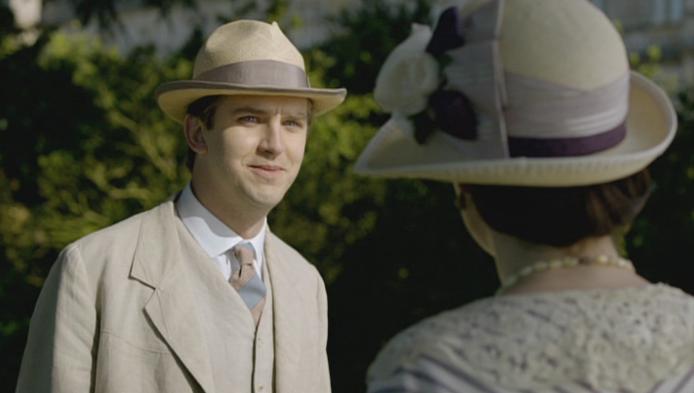
Now that the last episode of Downton Abbey has aired, I can reflect back on the series and revisit some of the most surprising scenes. Indeed, the unexpected plot developments, which kept the viewers on their toes,  helped to make this series so unforgettable. Throw luscious costumes into the mix, stunning locations, a wealth of detail about Edwardian life, and great acting and you get one of the best costume dramas in recent years. Oh, the series had its faults with one or two too many stereotypical characters, but overall I give it a grade of A.

Reader alert: Spoilers!!

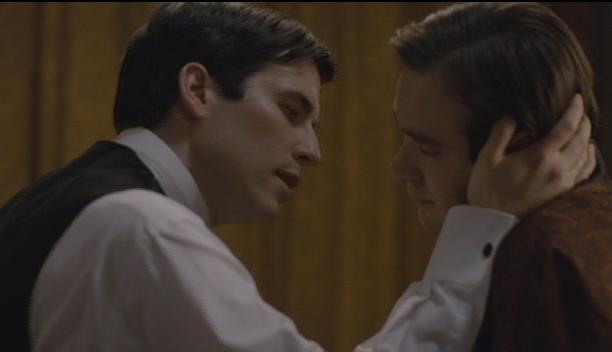
Surprise #1: Thomas kisses the Duke

Thomas (Rob James-Colier) and the Duke of Crowborough (Charley Cox)

This scene, which upset parents watching with their children, helped to seal the character of Thomas, the first footman, and clued the viewer into the the Duke’s motives for hightailing it to Downton Abbey when he thinks Mary will come into a boatload of money.

The duke learns the true situation of Lady Mary's finances from Lord Grantham.

The Duke finds and burns Thomas’s letters, which were the footman’s only means of blackmailing him, and then he scurries away the moment he discovers that Lord Grantham’s estate is entailed to the closest male heir, making his chance to marry into the Grantham fortune less than zero. Thomas goes on to demonstrate his sleazy character in many more ways, but his move on the Duke packed a real punch.

Surprise #2: Lady Mary is not just another cookie cutter heroine

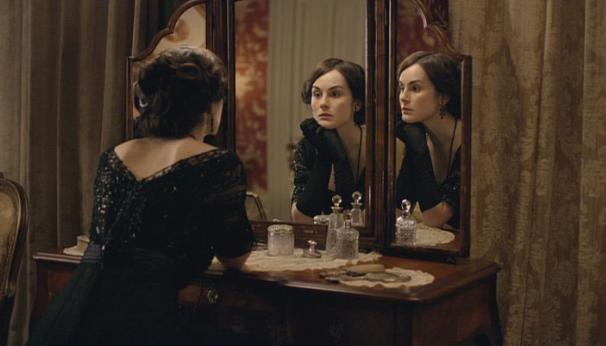
Michelle Dockery as Lady Mary Crawley

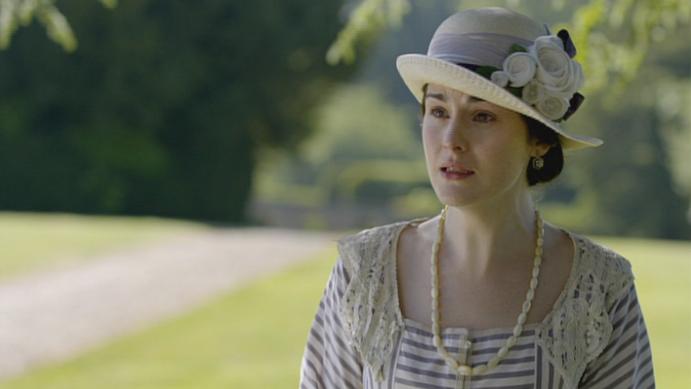
From the moment we meet her, Lady Mary comes off as a cold, calculating, and complex woman, whose vulnerability does not come into full view until the third episode. When the viewer meets her, she worries about having to wear black after the death of her fiance on the Titanic and only mourns the fact that she cannot mourn him. Haughty and immodestly aware of her attraction to men, her pursuit of a wealthy and titled husband begins to take on a hint of desperation, which is why her fall from grace with Evelyn Napier’s attractive Turkish friend, Kemal Pamuk (Theo James), is even more shocking.

Surprise #3: Lady Mary, Lady Cora, and Anna share a terrible secret that cannot be contained

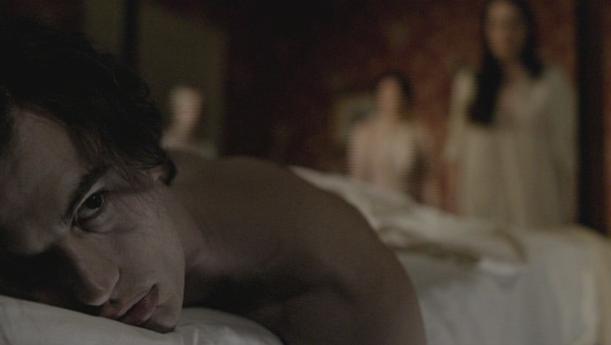
Lady Mary is in deep trouble after Pamuk dies in her bed.

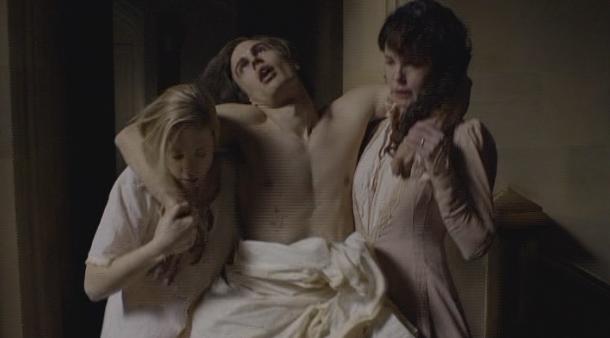
The scene in which Pamuk dies in Lady Mary’s bed and the women secretly carry him back to his bedroom could have descended into slapstick comedy, but it did not due to great directing and acting. As I watched, I didn’t know whether to laugh, cry, or whoop it up. All I knew was that in no way did I anticipate this plot development, which would affect Mary’s story arc and uneasy relationship with her mother for the rest of the mini-series.

Consequences of Lady Mary's fall from grace. Anna and Cora carry Pamuk back to the bedroom.

Handsome Pamuk is reduced to a limp corpse. And Mary? What on earth was she thinking? When Matthew finally proposes, Cora reveals to Violet that Mary wants to confess about the circumstances of Pamuk’s death, prompting the dowager to exclaim:  “She reads too many novels. One way or the other, everyone goes down the aisle with half the story hidden!”

Surprise #4: The Enjoyable Saga of One Upmanship Between Two Well-Matched Battle Axes

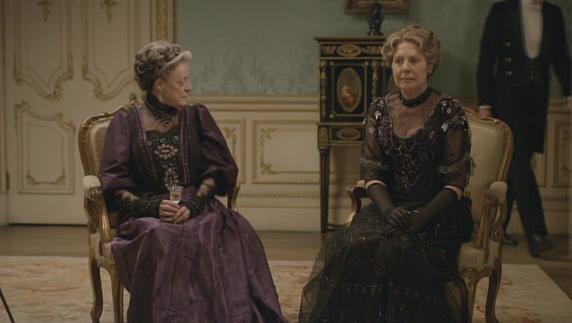
Violet, the dowager countess (Maggie Smith) and Isobel Crawley (Penelope Wilton), Matthew's mama

Violet and Isobel: Two strong-willed women, both firm in their belief that they are right, one with modern notions, the other clinging to old-fashioned ways, provide a colorful but minor story line. Isobel Crawley, despite her comparative lack of social status (when matched against the Dowager Countess), manages to make her will known and felt. Violet can only sputter and rage at Isobel’s interference, and she finds scant satisfaction in proving Isobel’s diagnosis and treatment of Molesley’s skin condition wrong. But Isobel was not born yesterday, and at the Flowershow Death Match she shames Violet into giving the trophy for best roses to Molesley’s papa, instead of appropriating it as her own for the umpteenth time.

Violet graciously gives this year's prize to old Mr. Molesley.

In their scenes together,  Penelope Wilton  gave the incomparable Maggie Smith a run for her money. The enjoyable interplay between these two marvelous actresses was as surprising as it was worth watching.

Surprise #5: Cora’s Pregnancy

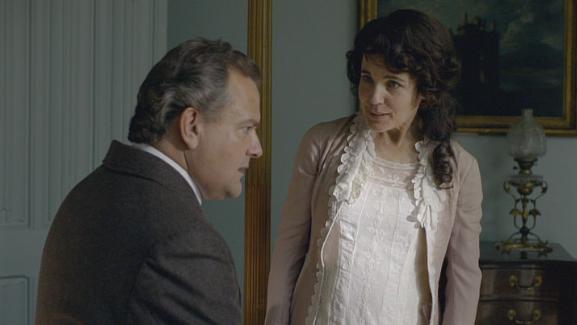
Lord Grantham's surprise at learning of Cora's pregnancy. (Hugh Bonneville and Elizabeth McGovern)

Did you see this scene coming? I did not, although it made sense, for this unexpected pregnancy explains much about the entail and why Matthew Crawley was only the presumptive heir and therefore essentially helpless in changing his situation. As long as the earl could possibly sire a son, Matthew’s claim to the inheritance would remain tenuous. The entail could not be broken for the Grantham was still  a healthy and virile man, as this scene shows. The pregnancy led us to discover…

Surprise #6:  O’Brien’s True Malevolent Impulses

Cora (Elizabeth McGovern) holds the fatal bar of soap

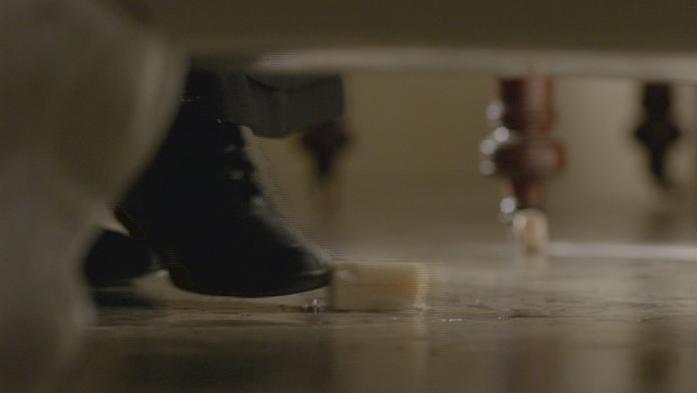
O'Brien shoves the bar of soap in harm's way.

Cora’s fatal flaw was in thinking that she and O’Brien had developed a mutual friendship and trust. While Cora receives glimpses of O’Brien’s true character, she never fully understood the anger and insecurity that her ladies maid harbored. O’Brien’s pang of conscience about shoving the broken half of the bar of soap from under the bath tub came too late, and Cora slipped and fell, losing the male heir that she and Lord Grantham so desperately wanted.  O’Brien’s dark impulse was for naught. Cora wasn’t actively looking to replace her, but only helping her mother-in-law in hiring a new ladies maid. This surprising news hit the viewer at the same time as it did O’Brien.

O’Brien’s momentary second thought comes too late. (Siobhan Finneran)

Surprise #8: The Spiteful Tug of War Between Two Sisters

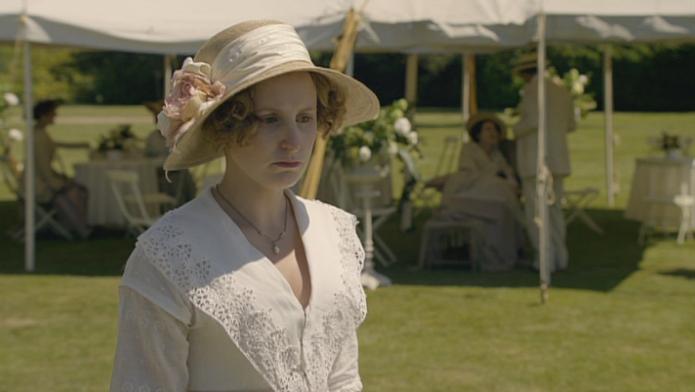
Lady Edith (Laura Carmichael) realizes that her sister Mary was behind Lord Strallan's cool departure.

At first the viewer felt a great deal of sympathy towards plain Lady Edith, who was only to happy to go after Lady Mary’s leavings. But as the mini-series progressed, the viewer came to understand just how much animosity the two women felt towards one another and how far they would go to extract their revenge, Lady Edith writing the Turkish embassy about Mary’s part in Pamuk’s death, and Lady Mary sabotaging Lady Edith’s happiness with Sir Anthony Strallan, who was about to propose.

Lady Mary salutes her triumph over Lady Edith.

In the end, neither sister came up smelling like a rose. The surprise was that their story line was written so well that many viewers came away feeling sympathy towards both women.

Surprise #9: Lady Sybil’s Firm Stance Behind Women’s Rights

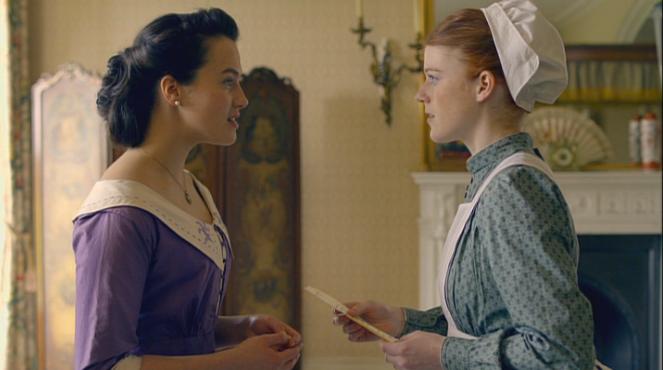
Lady Sybil (Jessica Brown-Findlay) urges Gwen (Rose Leslie) to keep trying to find a job as a secretary

Lady Sybil’s story arc did not truly begin until the second episode and reached its full glory in episode four, when she is struck during an election rally and is carried from the scene bleeding.

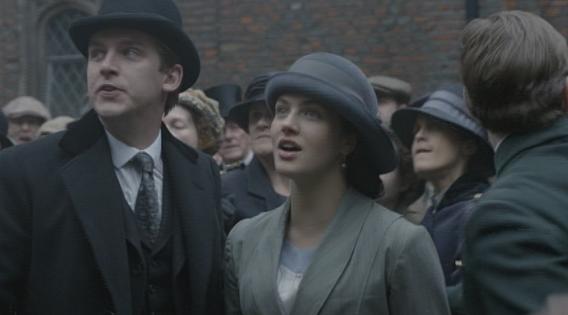
Matthew Crawley and Lady Sybil at the election rally

A smart, independent, and kind woman, one can only hope that Lady Sybil’s character gains traction in the second series that is currently being filmed. The surprise here is that quiet, sweet Lady Sybil is truly the most daring and courageous of the three sisters. Jessica Brown-Findlay has true star status, and any time she came on the small screen, she lit it up.

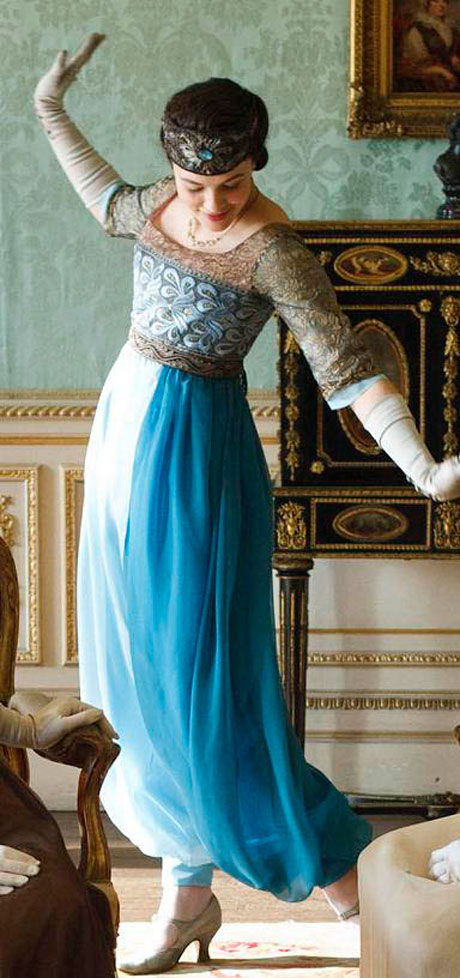
Lady Sybil's daring new harem pants.


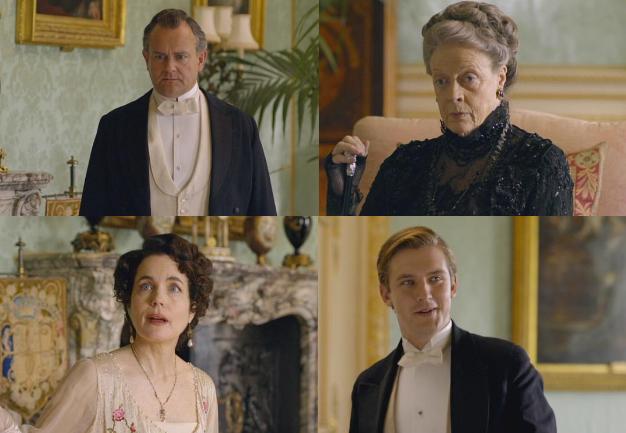
The family reacts to Lady Sybil's harem pants. Priceless.

Surprise #10: The ending


Lord Grantham, "I regret to announce we are at war with Germany."

Obviously a second series is in the works, for the story line is left hanging. World War I has broken out, causing consternation among the group.

Matthew refuses Lady Mary's acceptance of his proposal after her baby brother's death, and vows to leave Downton Abbey to make his own way.

Lady Mary accepts Matthew’s proposal, but he refuses her, unsure of whether the baby’s death had anything to do with her acceptance, and he declares his intention to leave Downton Abbey and make his own way in the world. Lady Mary, in a Scarlet O’Hara moment, realizes too late that she waited too long to accept Matthew.

Lady Mary understands she has made a mistake in waiting so long to accept Matthew's proposal.

Bates,  who cares for Anna as much as she cares for him, refuses to discuss his wife’s whereabouts with her.

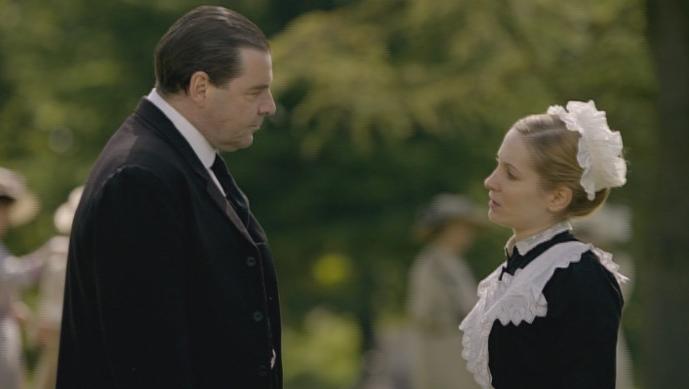
Bates (Brendan Coyle) and Anna (Joanne Froggat) find themselves in the throes of bittersweet love.

And so, the viewer must wait an entire year to see what will happen to the characters in Downton Abbey, testing our patience sorely.

None too soon, Thomas announces his resignation to Mr. Carson and Mrs. Hughes

In addition to my ten choices, there were other surprises and great story arcs in Downton Abbey: Cook’s failing eyesight and the operation that saved it, Daisy’s blindness towards Thomas’s true character, which leads her to lie,

Daisy is haunted by what she saw in the corridor and her lies about Bates.

Mrs. Hughes’s longing for her own family, which made her momentarily receptive to an old flame’s advances, and Mr. Carson’s past as a performer, of which he is ashamed.

Mrs. Hughes says no to Joe, an old flame (Bill Fellows).

For those of you who missed certain episodes or who would like to watch the series again, PBS has made it available for online viewing until February 22. DVD’s are also available for sale.

My question to you is this: Of all the characters and story lines, which was your favorite? Please feel free to leave a comment.

Read Full Post »

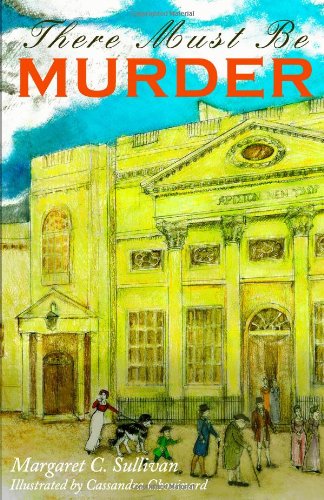
There Must Be Murder, a very nice story by Margaret C. Sullivan,

It is one year after Catherine has married her Henry. She still is sweet and naïve, but she now possesses the womanly knowledge that every bride with an adoring husband soon comes to know. Henry Tilney is as charming as ever and clearly loves his pretty Cat. The couple, only one year married, live in Woodston Parish with a cat named Ruby Begonia and an assortment of dogs, including a Newfoundland named MacGuffin. Catherine has redecorated the pretty parsonage, and the couple has a habit of cozying up together as Henry reads passages from The Mysteries of Udolpho. During one such occasion, Catherine fondly recalls her introduction to Henry in Bath by the Master of Ceremonies, Mr. King, and in no time Henry has arranged for a visit to that ancient city.

“Henry, you know perfectly well that I keep no journal. Besides, I did not know then that you were my future husband.”

“Some husbands would be injured at such an admission, but not I; after all, I did not know that you were my future wife. I remember that I was wandering about the Rooms like a lost soul, having no acquaintance there. The master of ceremonies, Mr. King, took pity upon me and asked if I would like an introduction to a clergyman’s daughter who was in need of a partner. In Christian charity, I could not decline; though from my past experiences of ladies described as ‘clergymen’s daughters,’ I expected to be presented to an elderly spinster with a squint. You may imagine my relief when Miss Morland turned out to be rather a pretty girl, and I considered myself fortunate that no other gentleman had already claimed the honour of dancing with her.”

Catherine’s eyes were shining. “You thought me pretty?”

“Indeed.” Henry reached for her hand and kissed it.

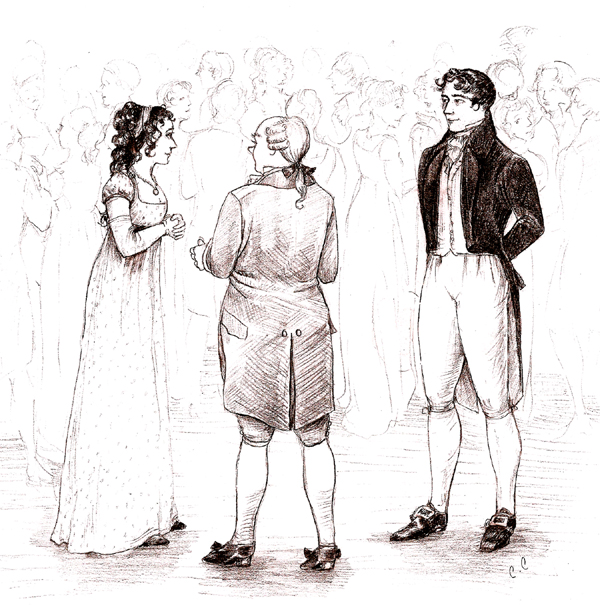
Margaret C. Sullivan, the author of this charming tale, deftly combines old characters (General Tilney and Henry’s sister, Eleanor) with the new – an apothecary named Mr. Shaw, a pretty but calculating woman named Judith Beauclerk, her mother, Lady Beauclerk, and Sir Philip, to name a few. Ms. Sullivan takes us on a sweet journey over familiar territory, paying homage to Jane’s characters while staying true to her own writing style. The book is illustrated with pen and ink drawings by Casandra Chouinard, which certainly enhance one’s enjoyment of the novella.

Catherine, Mr. King, and Henry Tilney. Image @There Must Be Murder

Fans of Jane Austen will recognize Margaret as the editrix of Austenblog, the longest surviving Jane Austen blog on the blogosphere, and as one whose knowledge of Jane and the Regency period is that of an expert. And thus the details set down in this tale are accurate and true to the time, including the use of arsenic in beauty potions. Margaret’s humor also shines through, and I found myself turning page after page until I had finished the story in one sitting.

Here’s her bio, with an example of her humor: Margaret C. Sullivan is the author of numerous Jane Austen sequels and editrix of AustenBlog. Her first book, The Jane Austen Handbook: A Sensible yet Elegant Guide to Her World, will be in bookstores this spring. She likes to think that Henry Tilney would dance with her at the Lower Rooms, although she is an almost-middle-aged spinster with a squint.

If you are intrigued by my short review, you may purchase the book in several ways. Girlebooks, an excellent source of free Ebooks, now offers original eBooks that have never been published, such as There Must be Murder. You have a choice of several platforms in which to download the book or purchase a printed copy. It is available for $9.99 at Amazon paperback and for free at Smashwords at this link .

The novella was first commissioned by the Jane Austen Centre, and you may read the book chapter by chapter in this link.

Enjoy! I certainly did.

Book Giveaway (Closed – congratulations to winner, Cecilia): If you leave a comment, you have a chance to win my hard copy of the book with all its charming illustrations. The drawing (by random number) will be held on February 5th.

Read Full Post »

« Newer Posts - Older Posts »