Feeds:
Posts
Comments

The third year of Downton Abbey Mania is about to commence. I am fully prepared to devote the next 7 Sundays sitting in front of PBS to join the Crawleys, their friends, and relatives and watch this high-end dramatic soap plot unfold (January 6th – February 17th).  The action has moved from the Edwardian Era and the carnage of World War I and entered the 1920s – the jazz age, the flapper age, and the first generation in which youth held sway in music, the arts, and fashion, influencing their elders in the process.

The lawn in front of Downton Abbey is getting crowded!

The lawn in front of Downton Abbey is getting crowded! Credit: Courtesy of © Carnival Film & Television Limited 2012 for MASTERPIECE

Scores of young men are now dead and mourned in burial grounds across Europe. The young, angry at the carnage and destruction and irreplaceable loss of life and limb, turned away from their parents’ rules and adopted a looser, more flamboyant lifestyle. Women voted, drove cars, drank, had affairs, attended jazz clubs, and skirted convention.  The youth culture was in full sway, and for the first time adults began to ape their youngers.

1348118014184.cached

The Edwardian fashion silhouette included restrictive corsets, long skirts, and trussed up bosoms. Credit: Courtesy of © Carnival Film & Television Limited 2012 for MASTERPIECE

Adolescence became the new standard of beauty – youthful adolescence, or the “garconne” look. Thin was in, and the idea was to appear small bosomed, small hipped, and boyish.

The prepubescent girl look became popular, including flattened breasts and hips, and bobbed hair. Fashions turn to the “little girl look” in “little girl frocks”: curled or shingled hair, saucer eyes, the turned-up nose, bee-stung mouth, and de-emphasized eyebrows, which emphasize facial beauty. Shirt dresses have huge Peter Pan collars or floppy bow ties and are worn with ankle-strap shoes with Cuban heels and an occasional buckle. Under wear is fashionable in both light colors and black, and is decorated with flowers and butterflies. – Women’s Fashion 1920

Gabrielle Chanel, Evening Dress in Crepe Georgette with Silver Lamé Sash. France, c. 1923.

Gabrielle Chanel, Evening Dress in Crepe Georgette with Silver Lamé Sash. France, c. 1923. Image @canalblog.com

Hems rose, bras were condemned, and fabrics swayed and shimmered. Unchaperoned dates became de rigueur. And hair was worn short or bobbed.  Gone were the restrictive corsets of their mothers and grandmothers. Hemlines began to rise so that by 1924, skirts stopped at the knee (displaying the entire lower leg) and waistlines dropped below the hips.  Slits, pleats, and skirt gathers allowed for freedom of movement. Fabrics for evening wear shimmered with metallic thread, beads, and sequins. Dance clothes were made of gold lame or flowy fabrics cut on the bias. Fringes showed movement, and the craze for new dances like the Charleston and Tango, was in full swing.
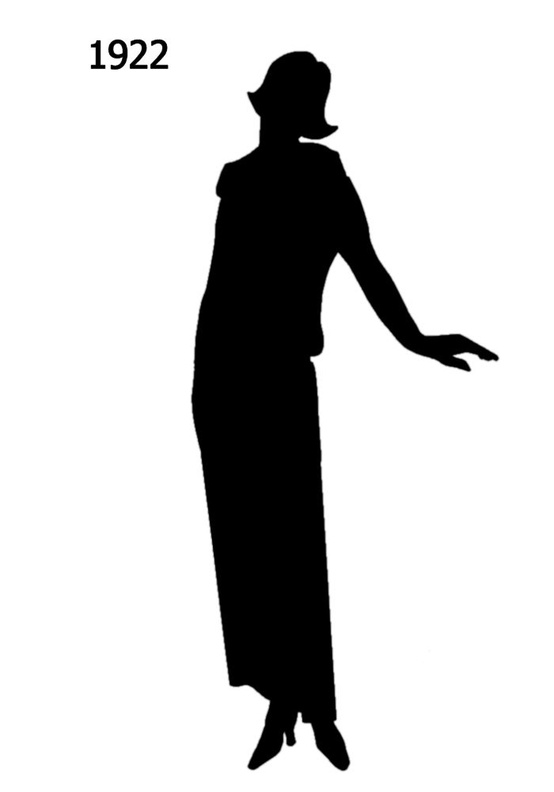
Fashion silhouette for 1922

Fashion silhouette for 1922. Image @Pauline Thomas  fashion-era.com


How did the women of Downton Abbey fare in this new liberated age? Let’s look, shall we?

Lady Edith

First, Lady Edith, who we last saw straddling a tractor in pants and learning to drive an automobile, is still trying to find a relevant place in the world. Stuck in the middle of two beautiful sisters, she has yet to find her unique position.
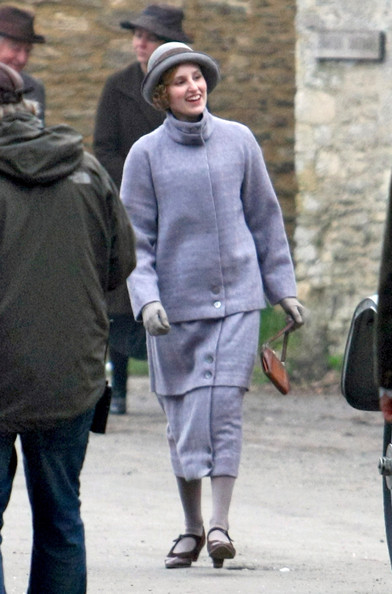
Season-3-downton-abbey-29843535-392-594

Lady Edith wears a relaxed, straightlined look popularized by Chanel. The outfit is early 1920’s, before the hemlines started to rise dramatically. Her cloche hat closely fits her head, and she wears her crimped hair short. As skirts shortened, shoes and hose began to play a more important role in fashion. Edith’s outfit is a bit clunky. Will she do better with time? Credit: Courtesy of © Carnival Film & Television Limited 2012 for MASTERPIECE
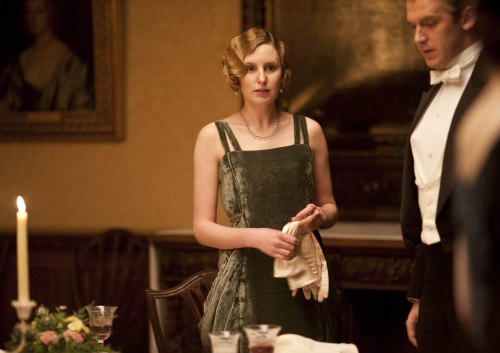
Season-3-downton-abbey-32083595-3852-2720

Lady Edith’s dinner dress exposes her arms and much of her shoulders, but does not emphasize her waist or bosom. The rich fabric and color is typical of the 1920s. Credit: Courtesy of © Carnival Film & Television Limited 2012 for MASTERPIECE
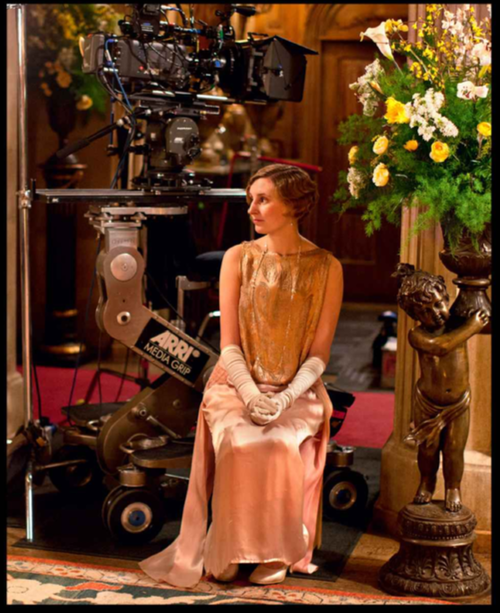
Season-3-downton-abbey-32171034-500-613

The gorgeous shimmering fabric with panels hangs loosely over Lady Edith’s fit frame. Madeleine Vionnet was especially adept with the art of bias-cutting and diagonal seaming. This sleeveless dinner dress is typical of the era. Credit: Courtesy of © Carnival Film & Television Limited 2012 for MASTERPIECE

Credit: Courtesy of © Carnival Film & Television Limited 2012 for MASTERPIECE
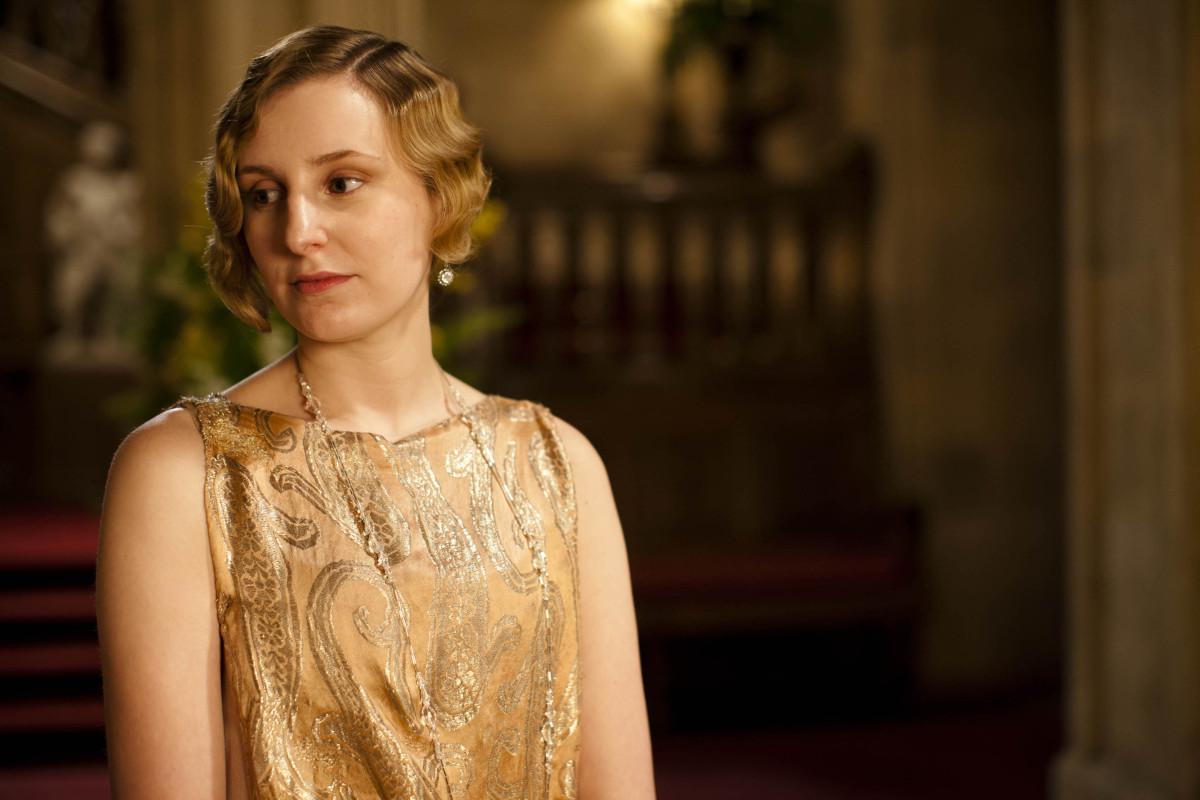
lady edith2

Close up one can see the beautiful shimmering metallic thread details. Lady Edith’s crimped hair is fashioned to look short. Note the delicate long necklace. Credit: Courtesy of © Carnival Film & Television Limited 2012 for MASTERPIECE

edith s3

This Callot Soeurs gown reminds me of the cut of Lady Edith’s dress. You can find it on my Pinterest Board: http://pinterest.com/pin/236509417903111924/ Credit: Courtesy of © Carnival Film & Television Limited 2012 for MASTERPIECE

Coco Chanel strongly  influenced fashion throughout the 20th century. Her dresses for working women and women on the go sported functional features and lacked superficial decorations. Her fashions were clean, sleek, and monotone. In the image below, Edith, who has found a job as a columnist, visits her editor in a practical yet fashionable gown.
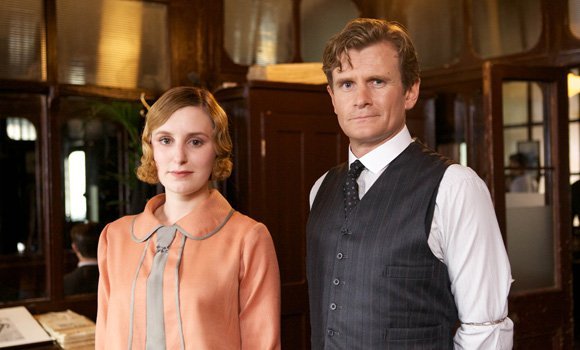
Lady Edith in her work outfit, London

Lady Edith in her “little boy” work outfit, London. Credit: Courtesy of © Carnival Film & Television Limited 2012 for MASTERPIECE

Lady Mary

Unlike Lady Edith, Lady Mary has everything, including access to funds. In order to become rich, she has to look the part. It helps enormously that Lady Mary’s figure is thin, elegant, and small-bosomed. Her future assured, she spends no time worrying about the cost of her wardrobe and indulges herself royally before the wedding.
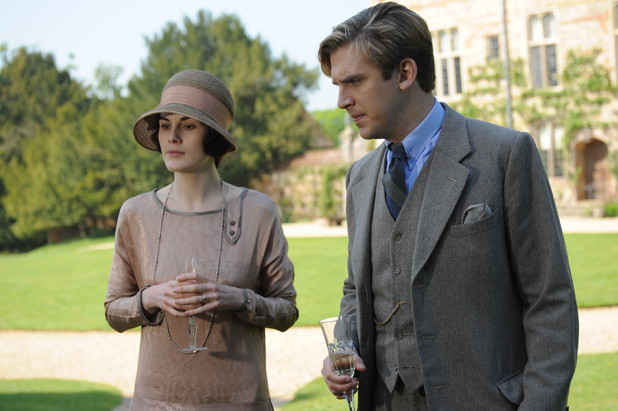
mary and matthew s3

The cloche hat, dropped waist, restrained colors, and well placed details of her day gown bespeak a quality that ready-made or homemade garments did not have. Credit: Courtesy of © Carnival Film & Television Limited 2012 for MASTERPIECE
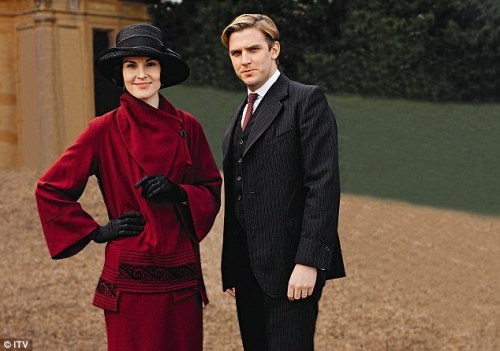
Season-3-downton-abbey-32104297-634-446

Rich, lush fabric, dramatic sleeves and neckline, and black embroidered detailing. Matthew’s suits are also beginning to look more relaxed and modern. Credit: Courtesy of © Carnival Film & Television Limited 2012 for MASTERPIECE
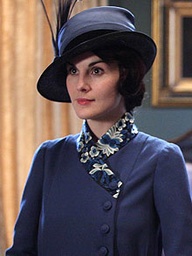
lady mary

An extraordinarily attractive day suit. The hat is dramatic (not cloche) and sports a feather. Note that clothes tend to be color coordinated. Credit: Courtesy of © Carnival Film & Television Limited 2012 for MASTERPIECE
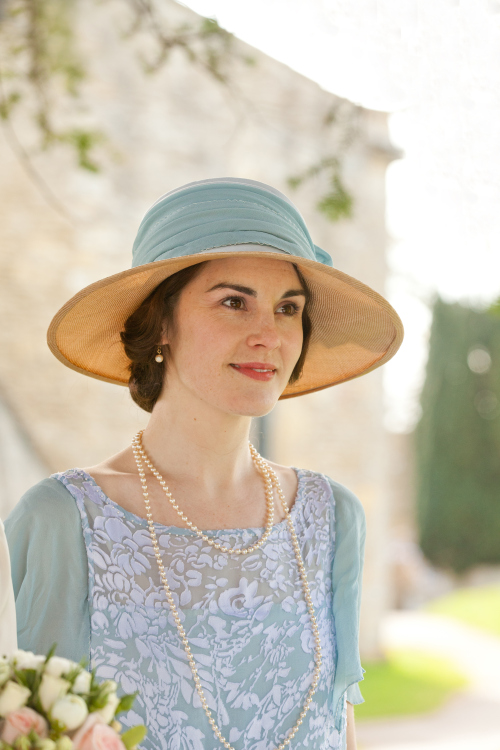
Downton Abbey Series 3

An utterly romantic and refined outfit. Mary is elegant, and certainly not a flapper of the speak-easy kind. Credit: Courtesy of © Carnival Film & Television Limited 2012 for MASTERPIECE
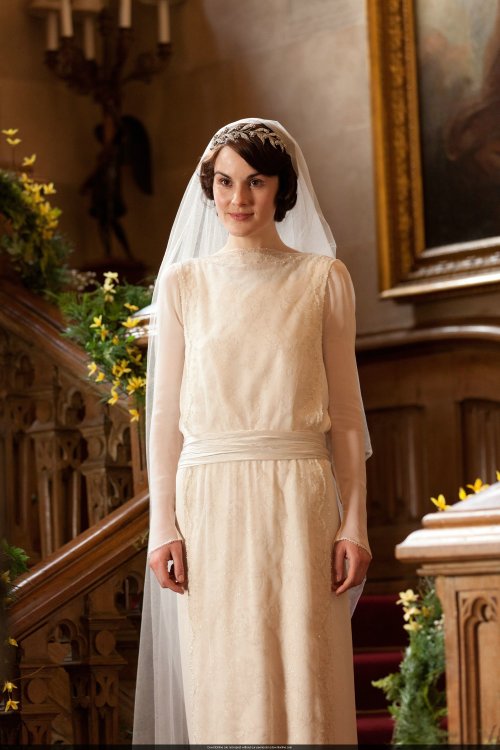
Mary-and-Matthew-Crawley-Wedding-downton-abbey-32428299-2000-3000

With so many young men killed during WW I, Lady Mary is lucky to be married at all. This romantic wedding gown echoes the romanticism of the era. The tiara is an especially beautiful and authentic detail. Credit: Courtesy of © Carnival Film & Television Limited 2012 for MASTERPIECE
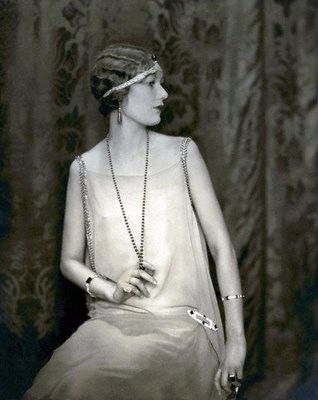
1920 head piece

Simplicity and elegance are the hallmarks of early 1920s fashion. 1920 photograph.
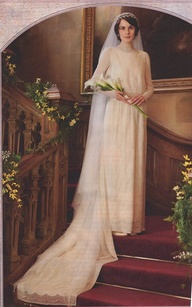
188447565628995144_yrxizrVv_b

Long flowing lines and drop waist. Credit: Courtesy of © Carnival Film & Television Limited 2012 for MASTERPIECE
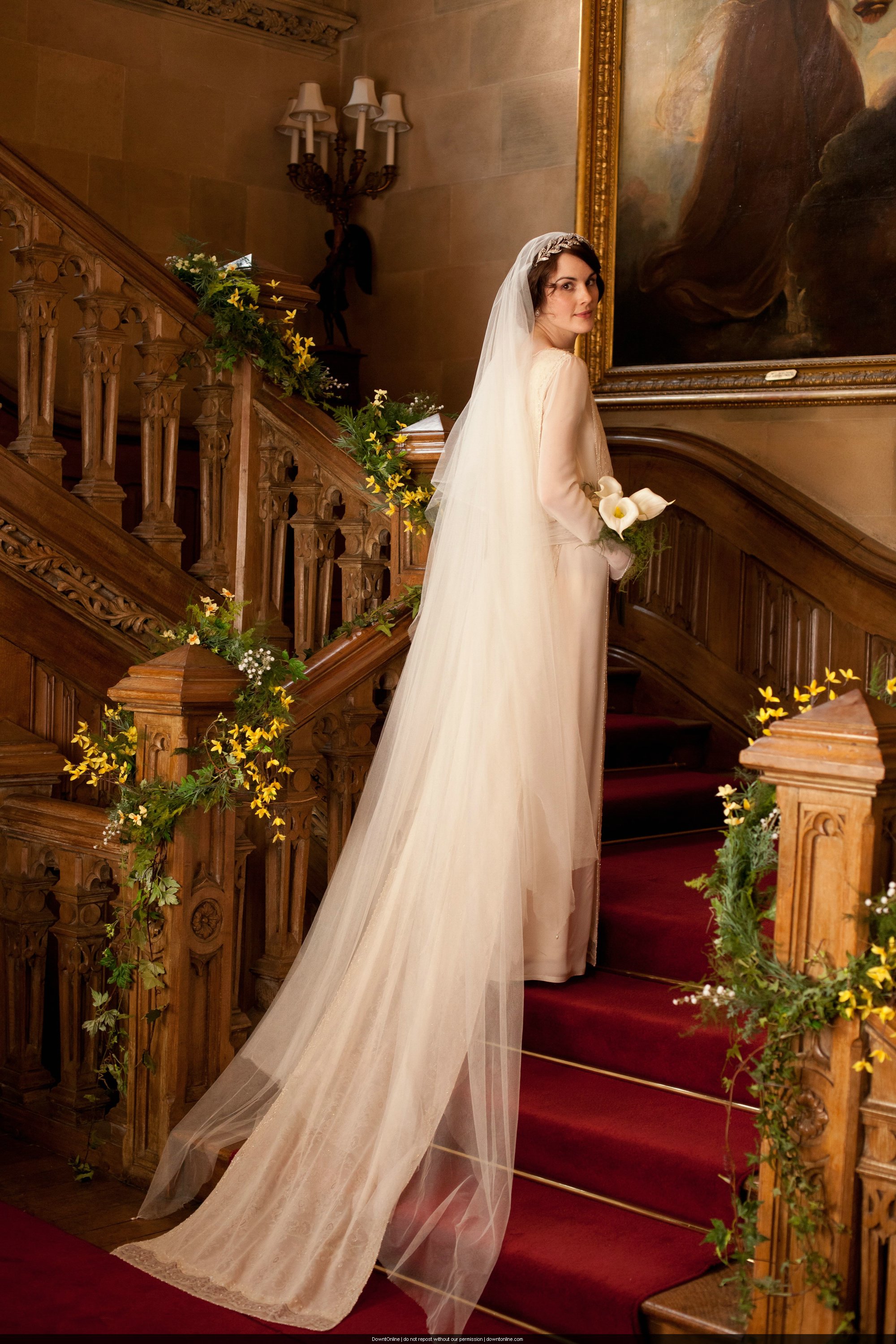
Mary-and-Matthews-Wedding-lady-mary-crawley-32438022-2000-3000

Breathtakingly gorgeous gown. Credit: Courtesy of © Carnival Film & Television Limited 2012 for MASTERPIECE
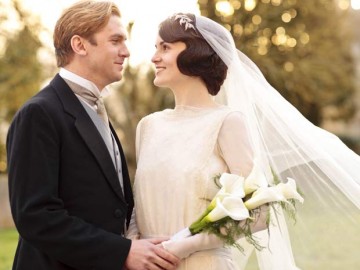
Downton-Abbey-Ep1---Lady-Mary-and-Matthew-Crawley

Mr and Mrs Matthew Crawley. Awww. Credit: Courtesy of © Carnival Film & Television Limited 2012 for MASTERPIECE
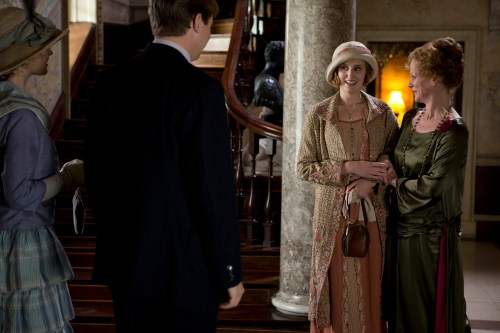
Finale-1

Wide collared coat and cloche hat. Long beaded necklaces. How very elegant and modern. Credit: Courtesy of © Carnival Film & Television Limited 2012 for MASTERPIECE
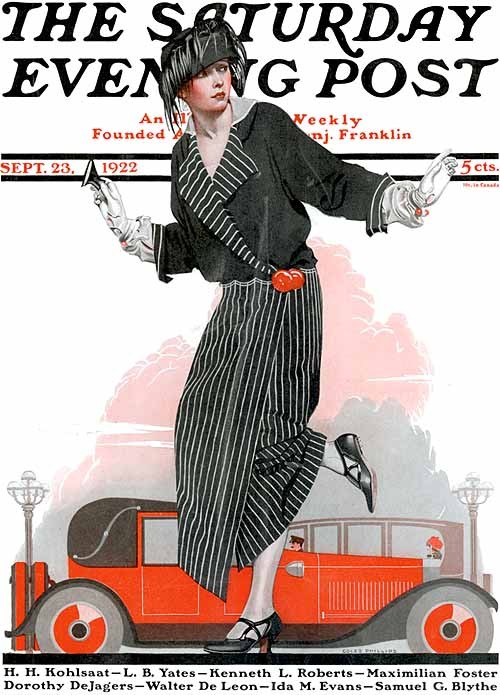
Saturday Evening Post, 1922

Saturday Evening Post, 1922

Lady Rosamund, Isobel Crawley, and Lady Rose
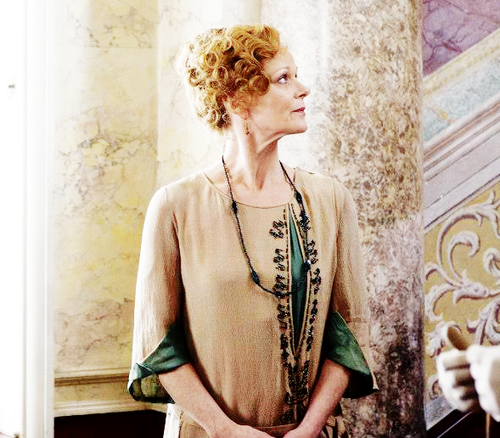
Aunt Rosamund

Aunt Rosamund wears a dress with asymmetrical details and loose sleeves that allow for freedom of movement. Her dress echoes that of the younger set and she has most definitely discarded her Edwardian clothes. Credit: Courtesy of © Carnival Film & Television Limited 2012 for MASTERPIECE

DOWNTON-31

Rosamund’s 1920s gown looks downright dowdy next to Lady Rose’s youthful, modern sailor-collared dress. Her hat has more dash and elan than Edith’s simple monotone cloche. Credit: Courtesy of © Carnival Film & Television Limited 2012 for MASTERPIECE
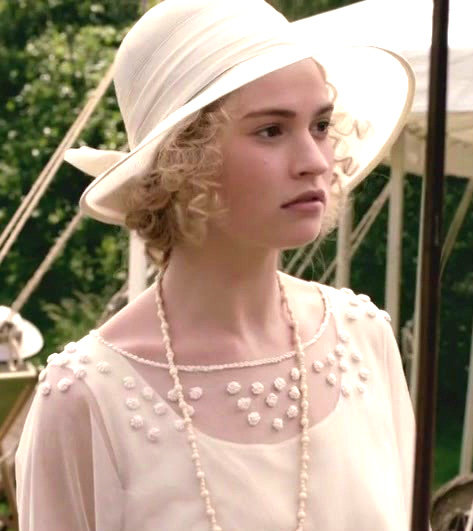
Lily James as Lady Rose MacClare

Lady Rose is the youthful ideal. Her clothes are shorter and flowier than those of her elders. Credit: Courtesy of © Carnival Film & Television Limited 2012 for MASTERPIECE

Lady Rose MacClare (Lily James)4

Young and impetuous Lady Rose MacClare wearing a flapper dress. Credit: Courtesy of © Carnival Film & Television Limited 2012 for MASTERPIECE
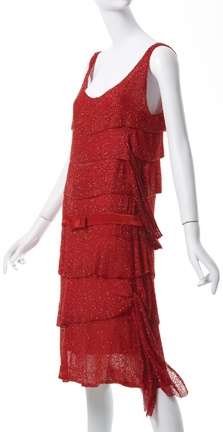
Gabrielle “Coco” Chanel (French, 1883-1971). Dress, 1925, crystal beads on silk chiffon. Collection of Phoenix Art Museum, gifts of Mrs. Wesson Seyburn. Photographs by Ken Howie.

Gabrielle “Coco” Chanel (French, 1883-1971). Dress, 1925, crystal beads on silk chiffon. Collection of Phoenix Art Museum, gifts of Mrs. Wesson Seyburn. Photographs by Ken Howie.

isobel crawley

While the older set, like Isobel Crawley, wore fashion influenced by the young, their outfits were decidedly conservative in comparison. Credit: Courtesy of © Carnival Film & Television Limited 2012 for MASTERPIECE

Martha Levinson
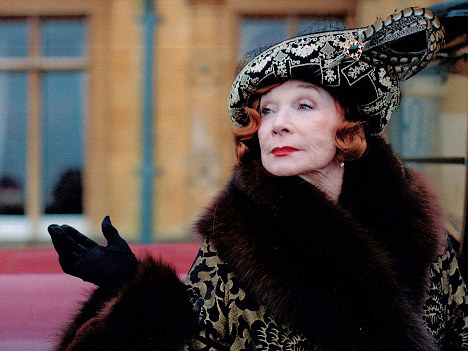
shirley-maclaine-downton-abbey

Shirley Maclain as Martha Levinson, Cora’s American mother. Her clothes are expensive and extremely fashionable when compared to Isobel and Violet. Martha tends to overdress according to British standards. Credit: Courtesy of © Carnival Film & Television Limited 2012 for MASTERPIECE
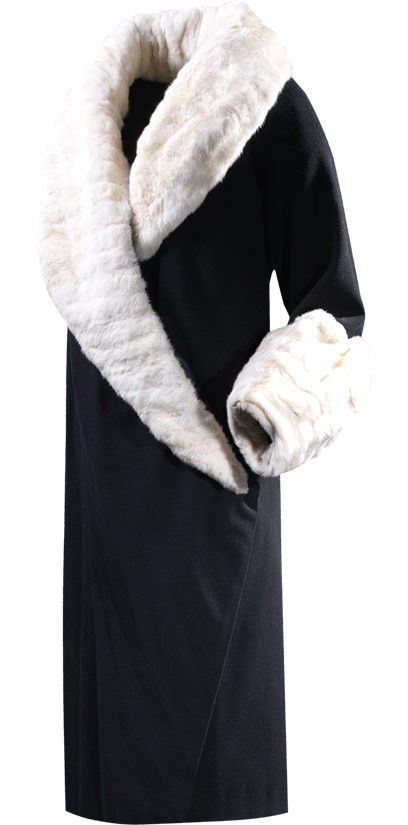
Balenciaga Coat 1927
Balenciaga Coat 1927

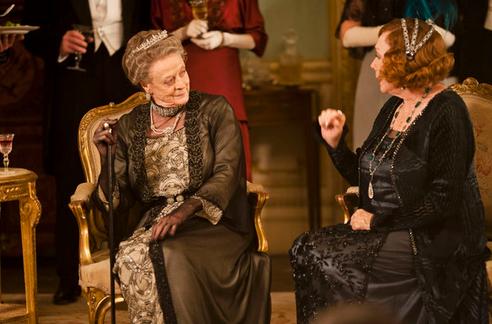
dowagers

The contrast between Martha and Violet cannot be more stated than in this image. Violet wears old-fashioned clothes and a tiara that has probably been handed down for generations. Martha is a walking advertisement for nouveau clothes. Her headband is extremely fashionable and she wears an outfit dictated by the preferences of the young. Credit: Courtesy of © Carnival Film & Television Limited 2012 for MASTERPIECE
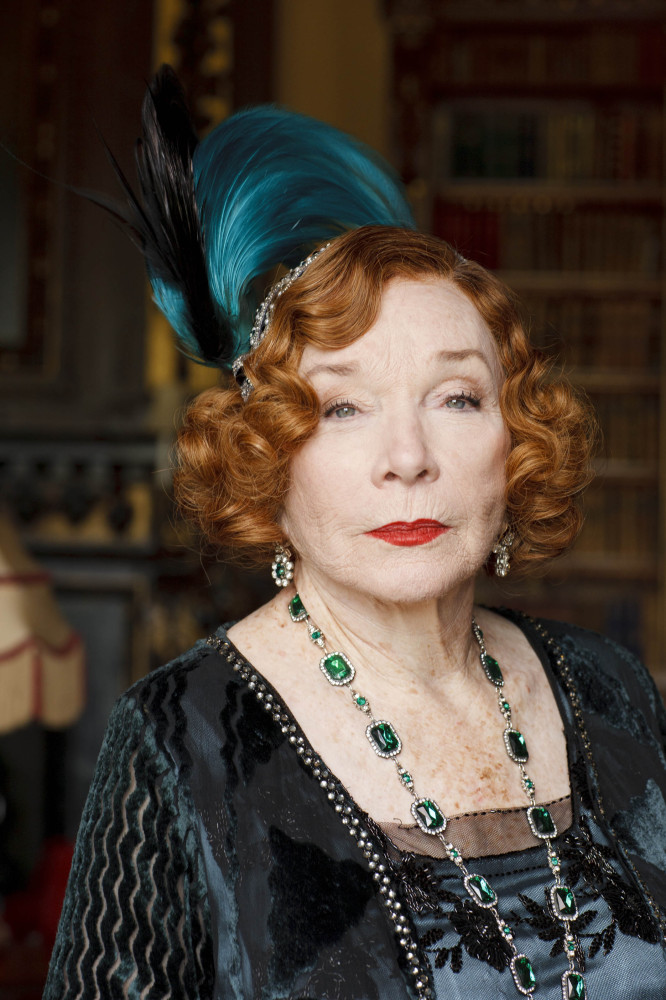
slide_248339_1466694_free

Martha’s jewels and headbands match each outfit. Credit: Courtesy of © Carnival Film & Television Limited 2012 for MASTERPIECE
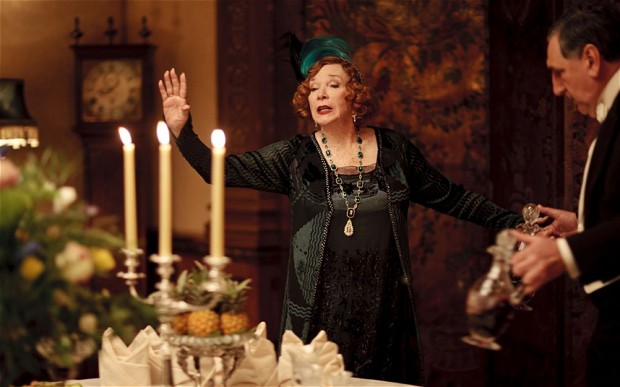
Martha's clothes are as flamboyant as her personality

Martha’s clothes are as flamboyant as her personality. Credit: Courtesy of © Carnival Film & Television Limited 2012 for MASTERPIECE
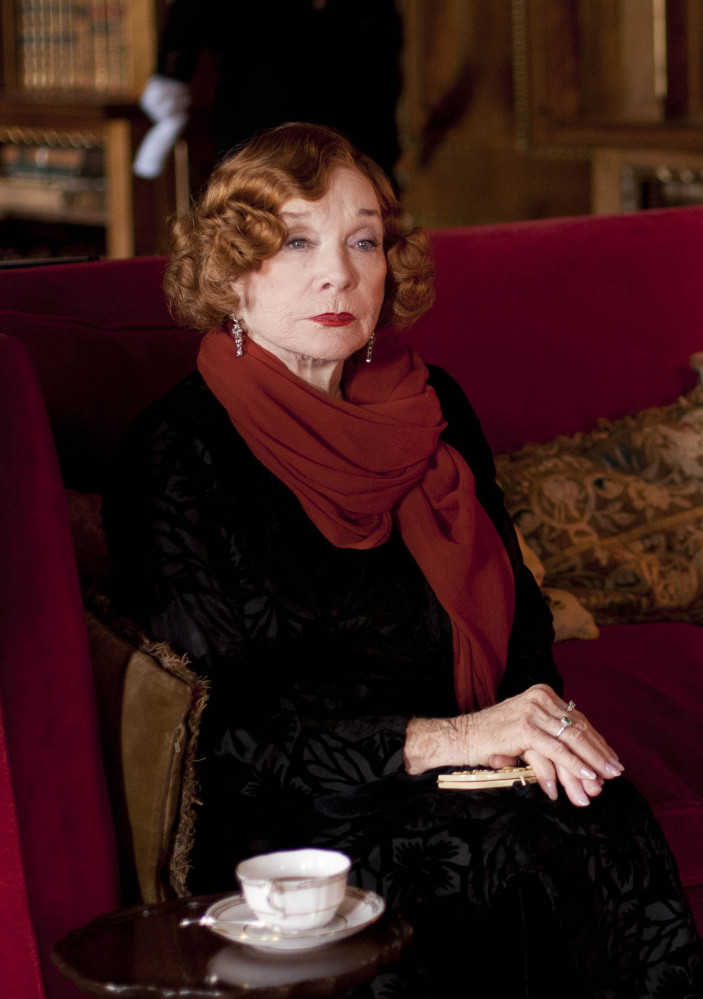
shirley

This is a rather restrained look for Martha, who sports a short crimped haircut. Credit: Courtesy of © Carnival Film & Television Limited 2012 for MASTERPIECE

Season-3-downton-abbey-32083569-3500-2492

Mary, Martha, and Cora: 3 generations. The clothes are simple in this scene, and the details are exquisite. While Lady Mary’s hair is long, the hairstyle mimics a shorter bob. Credit: Courtesy of © Carnival Film & Television Limited 2012 for MASTERPIECE

Cora, Lady Grantham
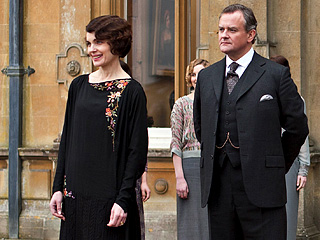
Image credit_Nick Briggs_PBS

Cora strikes the right balance between current fashion and her position as countess. The earl, who values tradition, wears traditional clothes. Credit: Courtesy of © Carnival Film & Television Limited 2012 for MASTERPIECE
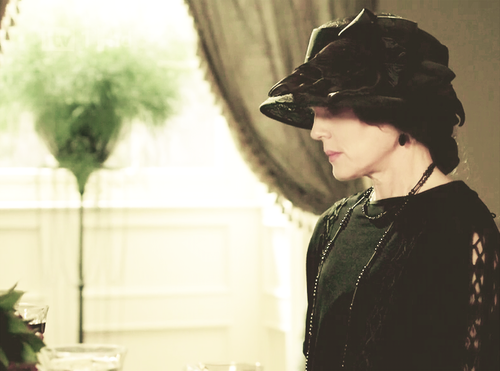
cora in black

Cora in black. Fashionable, yet restrained and somber. Credit: Courtesy of © Carnival Film & Television Limited 2012 for MASTERPIECE
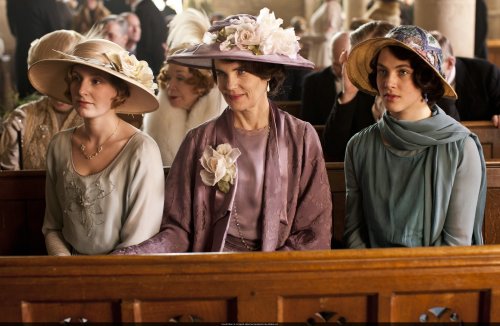
Season-3-downton-abbey-32238709-3000-1957

The Crawley women at Lady Mary’s wedding to Matthew. Note the elaborate hats. Credit: Courtesy of © Carnival Film & Television Limited 2012 for MASTERPIECE

132152570286761121_XoStm6PY_c

Cora looking regal in a richly colored and detailed gown. Credit: Courtesy of © Carnival Film & Television Limited 2012 for MASTERPIECE
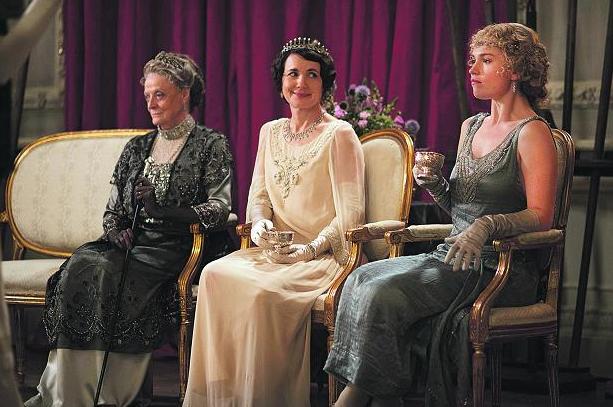
Ladies of the night... Maggie Smith, Elizabeth McGovern and Lily James

Characters as defined by fashion: Violet in Edwardian clothes, Cora in a conservative 1920s evening gown, and the very young racy Lady Rose in a flapper sleeveless evening gown. Credit: Courtesy of © Carnival Film & Television Limited 2012 for MASTERPIECE

Lady Sybil
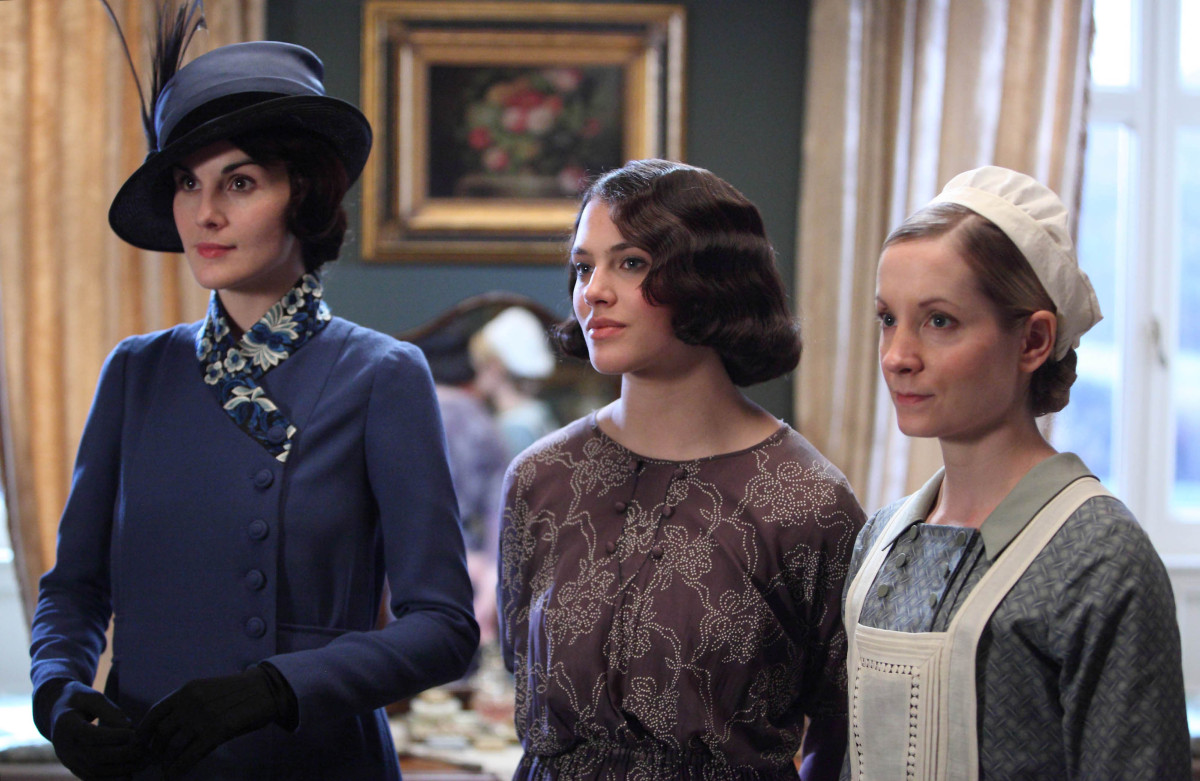
mary sybil anna

This interesting image shows the very elegant Mary standing next to Lady Sybil, whose wardrobe reflects her new status as the wife of a working man. Anna is in uniform. Credit: Courtesy of © Carnival Film & Television Limited 2012 for MASTERPIECE
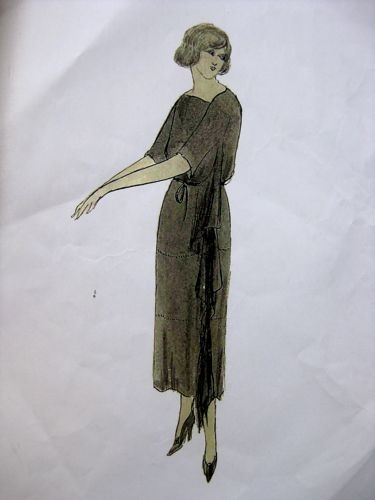
Vionnet chiton dress

The lines of Lady Sybil’s simple gowns remind me of Madeline Vionnet’s chiton gown.
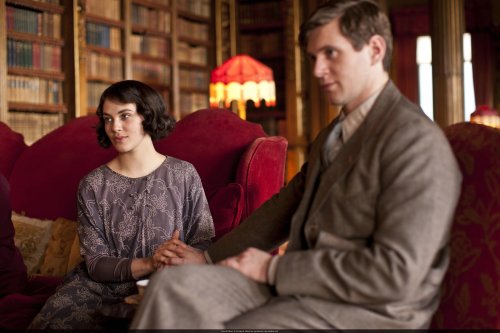
Season-3-downton-abbey-32238724-3000-2000

Early 1920s fashions were influenced by many cultures – Egypt, Greece, Japan, and Mexico.The monastic style was also fashionable. Tom Branson’s suits are ill-fitting in comparison to the earl’s and Matthew’s suits. Credit: Courtesy of © Carnival Film & Television Limited 2012 for MASTERPIECE

sybil pregnant

Lady Sybil’s pregnancy was easily accommodated in this loosely flowing gown. Credit: Courtesy of © Carnival Film & Television Limited 2012 for MASTERPIECE
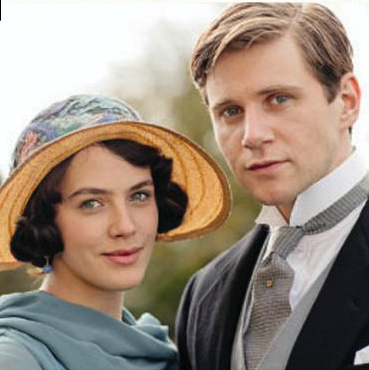
Tom-S-lady-sybil-crawley-31850055-369-370

Tom and Sybil spruced up for Lady Mary’s wedding to Matthew. Credit: Courtesy of © Carnival Film & Television Limited 2012 for MASTERPIECE
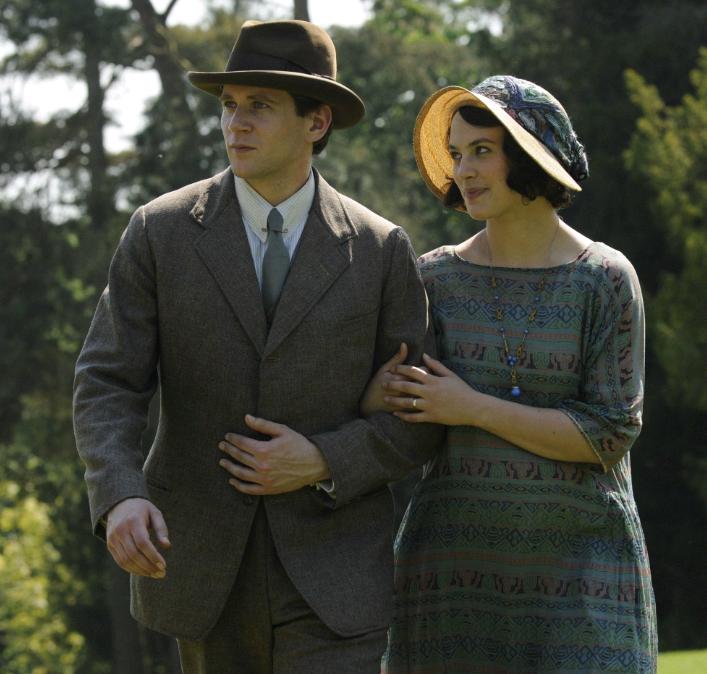
3x04-the-men-of-downton-abbey-32366905-3000-1996 (1)

Lady Sybil’s gown is made of fabric with an exotic fabric. This was an era that harmonized art with fashion. Rayon, known as “artificial silk”, gained great popularity with the public. Credit: Courtesy of © Carnival Film & Television Limited 2012 for MASTERPIECE

Team Bates

One simply cannot ignore the servants, although a uniform is a uniform. Let’s see what else the hoi polloi wears, shall we?

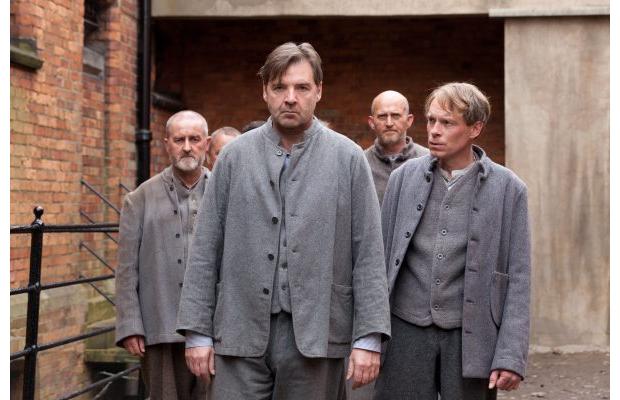
downton-abbey-season-3-brendan-coyle

Poor unfortunate Bates. Forced to wear prison garb. Oh, woe is he. Credit: Courtesy of © Carnival Film & Television Limited 2012 for MASTERPIECE

Brendan Coyle Bates in prison

This grey ensemble does poor Bates no justice. When will he be released? Credit: Courtesy of © Carnival Film & Television Limited 2012 for MASTERPIECE
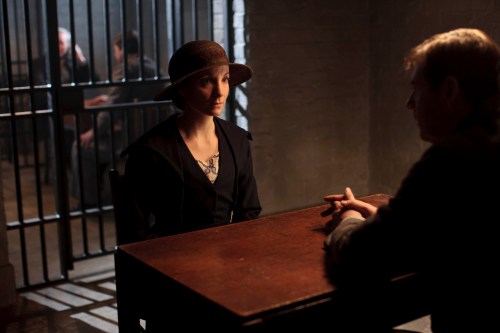
Downton-Abbey-Season-3-downton-abbey-32011699-1280-853

Mrs. Bates in a fighting mood for her man. She will move heaven and earth to prove his innocence. Her version of 1920’s flapper style is somber indeed. Her clothes are probably homemade and sewn from a pattern. Credit: Courtesy of © Carnival Film & Television Limited 2012 for MASTERPIECE
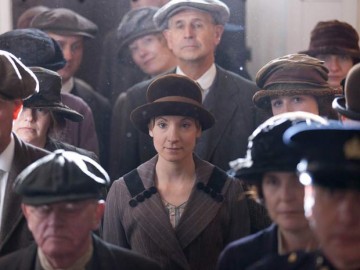
Downton-Abbey-Ep5-4---Anna-Bates

With only modest resources, Anna Bates manages to look primly stylish. Credit: Courtesy of © Carnival Film & Television Limited 2012 for MASTERPIECE
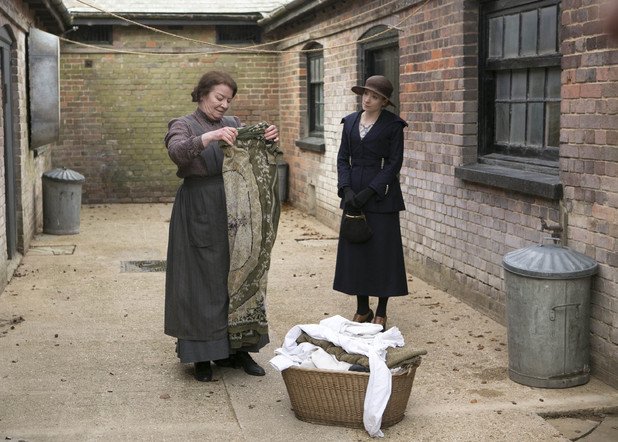
anna bates

Detective Anna Bates prying information from a reluctant witness. Her coat is conservative and long. And is she wearing clogs? Credit: Courtesy of © Carnival Film & Television Limited 2012 for MASTERPIECE
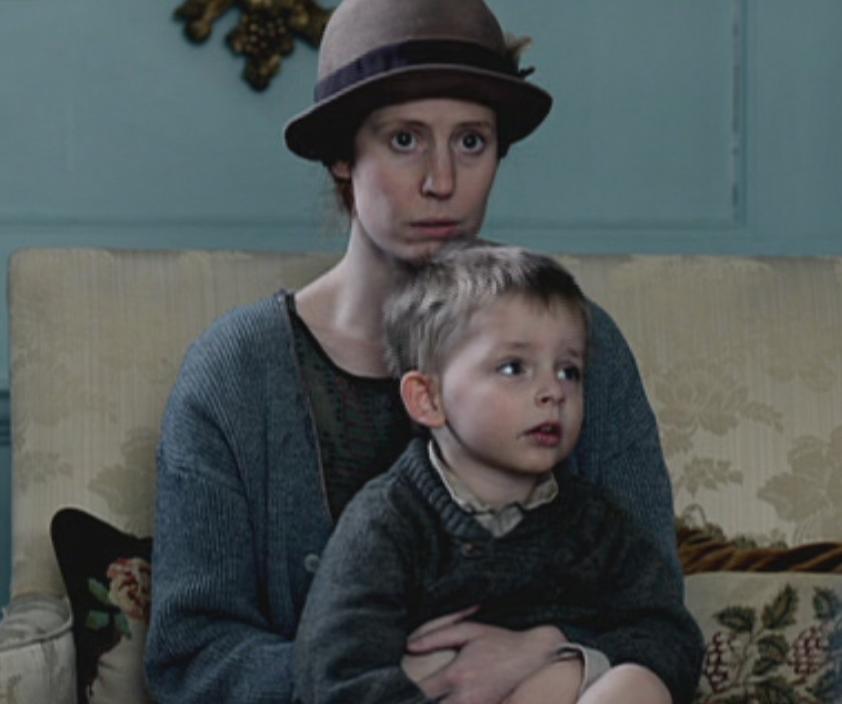
mother and child

Another woe is me character – Ethel. Poor poor Ethel is trying to make do in life while taking care of her bastard son Charlie. She still manages to afford a cloche hat. Ethel’s colors of choice are somber, sober, and solemn. Credit: Courtesy of © Carnival Film & Television Limited 2012 for MASTERPIECE

Phyliis Logan as Mrs. Hughes and Lesley Nicol as Mrs. Patmore

Phyllis Logan as Mrs. Hughes and Lesley Nicol as Mrs. Patmore. Very little in their wardrobes has changed. Credit: Courtesy of © Carnival Film & Television Limited 2012 for MASTERPIECE
For those whose interests in 1920’s fashion has reached new heights, click here to visit my Pinterest board entitled 1925: http://pinterest.com/janeaustenworld/1925/. For more about avant-garde dresses of the 20’s, google Coco Chanel, Madeleine Vionnet, Lavin (and his robes de style), Paul Poiret (who lost his leadership position in fashion during this era, but who was heavily influenced by Japanism), and Liberty and Co. of Paris and London.

Next week: My review of the first 3 hours of Season Three of Downton Abbey. PLEASE, in your comments do not reveal spoilers. We in the U.S. have not yet seen the series. Thank you!

More on the topic. 

Images courtesy of © Carnival Film & Television Limited 2012 for MASTERPIECE
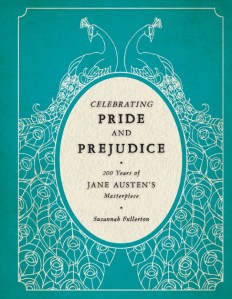
9780760344361Happy 200th year anniversary, Pride and Prejudice! Much to my delight, author Susannah Fullerton has written a comprehensive homage to the novel to start off a year-long celebration. Celebrating Pride and Prejudice: 200 Years of Jane Austen’s Masterpiece is chock full of new and old information about Jane Austen’s most popular and beloved work. Written in Susannah’s breezy style (reading the book is like hearing Susannah talk enthusiastically about one of her favorite authors in person), the book follows the creation, writing,  and publication of Pride and Prejudice; examines the appeal of its hero and heroine minutely; analyzes other major and minor characters; and discusses translations, illustrators, sequels and adaptations, films and theatricals, and P&P paraphernalia in some depth. In other words, Celebrating Pride and Prejudice is a one-stop reading shop for P&P enthusiasts.

Gough2 (1)

Copyrighted Gough image courtesy Voyageur Press.

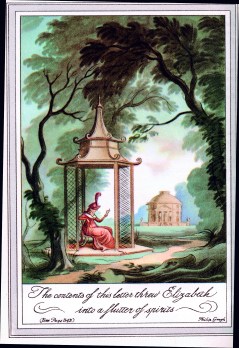
Fullerton’s book is lavishly illustrated, with a number of images not well-known in the Austen cannon, such as Philip Gough’s lovely colored images which have been hidden from contemporary view for too long (unless one purchases an expensive out of print 1951 edition – if one can be found!), and also those from Robert Ball, Rhys Williams, Joan Hassal, and Isabel Bishop. Modern illustrators like Jane Odiwe, Liz Monahan, and Anne Kronheimer are also included.

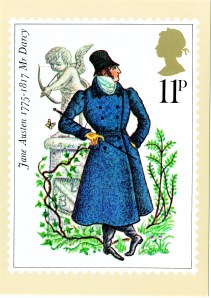
DarcyStamp

Mr. Darcy on a UK stamp commemorating Jane Austen. Copyrighted image courtesy Voyageur Press.

Fullerton enlivens her chapter with interesting details, such as the location of Lydia’s wedding, Mrs. Bennet’s housekeeping skills, what other critics say about Lizzy and Darcy, and Christmas in Austen’s day. She also includes an interesting theory about Mr. Darcy (with which I vehemently disagree), which describes him as being “slightly autistic”. (Note that Fullerton merely introduces a theory proposed by Phyllis Ferguson Bottomer in her book, So Odd a Mixture.) Such details add a little peppery spice to this celebration of P&P. There are many more insights, but I particularly liked Fullerton’s own conclusion about Elizabeth and Lydia:

Ghastly as Lydia Bennet is, she and Elizabeth make credible sisters; Jane Austen has taken genetics into account. Both are attracted to Wickham, both break society’s rules (Elizabeth walks alone through the countryside), both have high energy levels,… and they share the same thoughts about Miss King (‘nasty little freckled thing’).”

google image pride and prejudice

Shot of google page with Pride and Prejudice book covers.

Celebrating P&P includes an extensive listing of British, American, and foreign film and television productions of P&P. As a would-be purchaser you might ask yourself: Does Fullerton offer new insights about P&P in her new book? Not for the more seasoned Janeite, but that isn’t its purpose. It’s meant to be an homage and celebration, much as the title states. Fullerton concludes her book with “Pride and Prejudice as bibliotherapy” and an essay from Elsa Solender, past president of JASNA. For those of us who eat, breathe, sleep, and dream Pride and Prejudice and all things Jane Austen,  Reading Celebrating Pride and Prejudice: 200 Years of Jane Austen’s Masterpiece is exactly the bibliotherapy we need to start 2013 off right. I congratulate Susannah Fullerton for a job well done and thank her for an enjoyable three evenings of reading this holiday season.

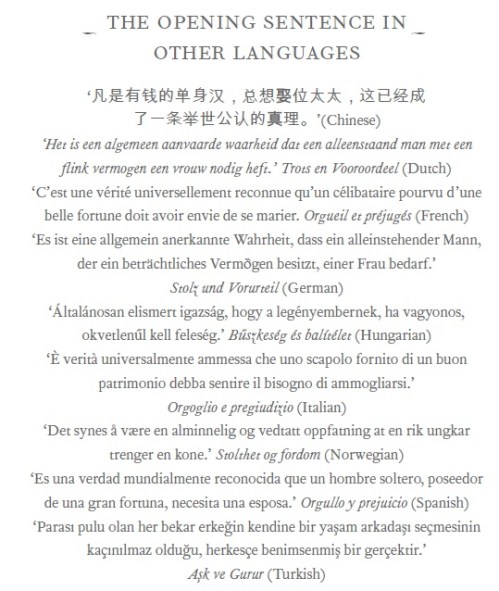
Opening sentence of Pride and Prejudice in different languages. Fullerton discusses its meaning in quite some detail.

Opening sentence of Pride and Prejudice in different languages. Fullerton discusses its meaning in quite some detail.

Susannah Fullerton

Susannah Fullerton is also the author of A Dance with Jane Austen

The book is on sale today:

ISBN: 9780760344361

Item # 210748

240 pages, 35 color, 35 b/w photos

http://www.voyageurpress.com

More with Susannah Fullerton

Inquiring readers: This is the first of many posts I’ll be writing about “Pride and Prejudice” in honor of that novel’s 200 year anniversary in 2013. Enjoy.

Cheapside in 1823. Engraved by T.M. Baynes from a drawing by W. Duryer.JPG

Cheapside in 1823. Engraved by T.M. Baynes from a drawing by W. Duryer. Image @Wikipedia

Some London streets seem determined never to distinguish themselves. No mediaeval scuffle has ever occurred in them; no celebrated church hoards its monuments; no City hall cherishes its relics there; no celebrated person has honoured it by birth or death. Gracechurch Street is one of these unambitious streets. It derived its name, says Stow, from the grass or herb market there kept in old time, and which gave its name to the parish church of St. Bennet. – British History Online,

It is a woeful fact that I most likely crossed Gracechurch Street on my first visit to London and never new it. We had just visited Tower Hill and were heading for St. Paul’s Cathedral on foot. My husband and I wandered here and there and got lost, no nearer to our destination. This part of London seemed a mismash of old and mostly modern buildings, with wide and narrow streets, some twisting and winding, others straight. It was nothing like the old London my 24-year-old self had expected to see, for at that time I did not fully realize the extent of the devastation that the great fire of 1666 had wrought. Those changes were compounded by the London Blitz during WWII and recent modernization.

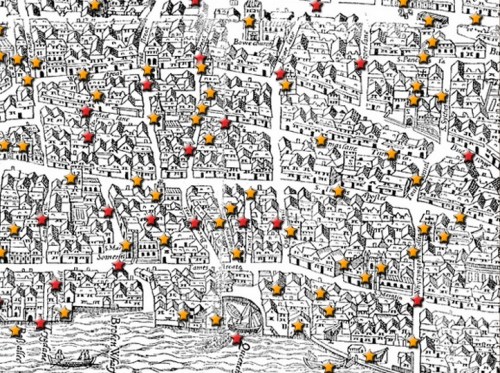
Early modern map of Cheapside. Image @The Map of Early Modern London

Early modern map of Cheapside. Image @The Map of Early Modern London One can see Bow Church at the top center.

We finally boarded a transit bus and missed noticing Gracechurch Street. Not that I would have searched for it. At that time I would not have recalled the few references in Pride and Prejudice to the street where Lizzy Bennet’s aunt and uncle Gardiner lived.

Mr. Gardiner was a sensible, gentlemanlike man, greatly superior to his sister, as well by nature as education. The Netherfield ladies would have had difficulty in believing that a man who lived by trade, and within view of his own warehouses, could have been so well bred and agreeable. Mrs. Gardiner, who was several years younger than Mrs. Bennet and Mrs. Philips, was an amiable, intelligent, elegant woman, and a great favourite with all her Longbourn nieces. Between the two eldest and herself especially, there subsisted a very particular regard. They had frequently been staying with her in town.

The first part of Mrs. Gardiner’s business on her arrival, was to distribute her presents and describe the newest fashions.

I love the Gardiners, two sane people in a novel filled with characters and oddballs. They provide ballast and sound advice to Elizabeth, who wisely turned to Mrs. Gardiner, not her mother, when mulling a problem about love and life. Mr. Gardiner was a merchant who lived close to his warehouse. Despite their middle class background, the Gardiners are more refined and sensible than many of their social betters. Elizabeth is proud to introduce them to Mr. Darcy when visiting his estate, knowing that their restrained behavior would not make him (or her) cringe.

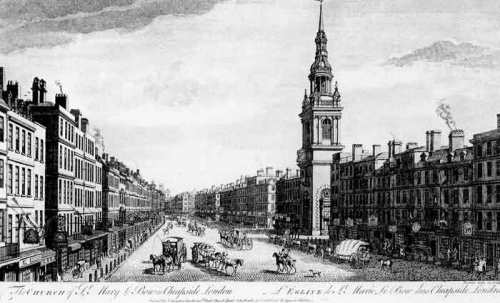
Cheapside in the mid 18th century. Image @Republic of Pemberley

Cheapside in the mid 18th century. Image @Republic of Pemberley

Caroline Bingley, whose snobbishness was evident when she paid Jane a hasty courtesy call at Gracechurch Street, demonstrated a decided lack of class when she all but wrinkled her nose at a neighborhood she had probably managed to avoid all her life, an interesting attitude considering her family’s wealth came from trade and she was but one generation away from the “stench” of the merchant class. Social calls, their timing and length – or lack thereof – could be used to extend a friendship or give the cut direct, which in this instance Miss Bingley chose to do to Jane. Her lack of civility and coolness before and during the visit finally opened Jane’s eyes to Caroline’s desire to end their friendship. This was an event that Mrs. Gardiner and Lizzy correctly predicted beforehand:

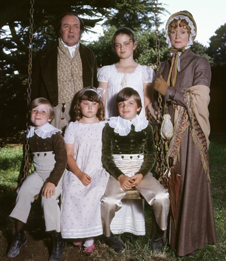
The Gardiners and their brood, Pride and Prejudice, 1995

The Gardiners and their brood, Pride and Prejudice, 1995

Chapter 25:  [Mrs. Gardiner] Poor Jane! I am sorry for her, because, with her disposition, she may not get over it [her failed love affair with Bingley] immediately. It had better have happened to you, Lizzy; you would have laughed yourself out of it sooner. But do you think she would be prevailed on to go back with us? Change of scene might be of service — and perhaps a little relief from home, may be as useful as anything.”

Elizabeth was exceedingly pleased with this proposal, and felt persuaded of her sister’s ready acquiescence.

“I hope,” added Mrs. Gardiner, “that no consideration with regard to this young man will influence her. We live in so different a part of town, all our connexions are so different, and, as you well know, we go out so little, that it is very improbable they should meet at all, unless he really comes to see her.”

“And that is quite impossible; for he is now in the custody of his friend, and Mr. Darcy would no more suffer him to call on Jane in such a part of London! My dear aunt, how could you think of it? Mr. Darcy may, perhaps, have heard of such a place as Gracechurch Street, but he would hardly think a month’s ablution enough to cleanse him from its impurities, were he once to enter it; and, depend upon it, Mr. Bingley never stirs without him.”

“So much the better. I hope they will not meet at all. But does not Jane correspond with the sister? She will not be able to help calling.”

“She will drop the acquaintance entirely.”

Dennis Severs house, a Georgian merchant's house. Image @photographsRoelof Bakker, www.rbakker.com

Dennis Severs house, a Georgian merchant’s house in Spitalsfield. Image @photographs
Roelof Bakker, http://www.rbakker.com

“…lessen their chance of marrying men of any consideration in the world.

With this phrase, Austen gives us a clue about the Bennet girls’ situation, but, as we know, the ending of Pride and Prejudice proves this forecast wrong (for Lizzy and Jane, at least).

Lizzy is right about Caroline Bingley, but not about Darcy. In the following scene her prejudice towards that proud man comes to the fore. She assumes that Mr. Darcy’s attitude towards Gracechurch Street will echo that of Caroline Bingley, for this bustling shopping district simply wasn’t an area that the upper crust tended to visit. Caroline, Darcy and Bingley made their observations about the Bennet family during their stay at Netherfield:

Darcy and Caroline at breakfast

Darcy and Caroline at breakfast

“I think I have heard you say that their uncle is an attorney in Meryton”

“Yes; and they have another, who lives somewhere near Cheapside.”

“That is capital,” added her sister, and they both laughed heartily.

“If they had uncles enough to fill all Cheapside,” cried Bingley, “it would not make them one jot less agreeable.”

“But it must very materially lessen their chance of marrying men of any consideration in the world,” replied Darcy.

Darcy, it turns out, is made of finer stuff than Caroline Bingley, for when he visits the Gardiners in his quest to find Wickham, his attitude is anything  but snobbish – stubborn, as Mrs. Gardiner later relates, but not snobbish. While arranging Wickham’s marriage to Lydia, he visits Gracechurch Street on several occasions and even dines with the Gardiners, leaving them with a very positive impression of his character:

Chapter 51 [Letter from Mrs. Gardiner to Lizzy after Lydia revealed Darcy’s part in her marriage to Wickham] He dined with us the next day, and was to leave town again on Wednesday or Thursday. Will you be very angry with me, my dear Lizzy, if I take this opportunity of saying (what I was never bold enough to say before) how much I like him. His behaviour to us has, in every respect, been as pleasing as when we were in Derbyshire. His understanding and opinions all please me; he wants nothing but a little more liveliness, and that, if he marry prudently, his wife may teach him. I thought him very sly;—he hardly ever mentioned your name. But slyness seems the fashion.

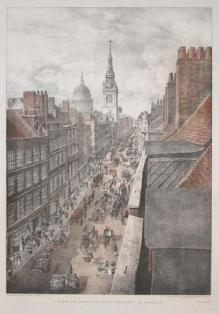
Mansion House, Cheapside. Image @Darvill's Rare Prints

Mansion House, Cheapside. Image @Darvill’s Rare Prints

At the time that Jane Austen wrote Pride and Prejudice, Cheapside was a very elegant thoroughfare with many sumptuous warehouses, convenient coffee houses, and  smart shops. In Real Life in London, Pierce Egan writes a passage in which Tom and Bob walk through this area filled with shopkeepers, bankers, merchants, shoppers, and “walking” billboards:

“Neither,” replied Dashall; “this is no other than the shop of a well-known dealer in stockings and nightcaps, who takes this ingenious mode of making himself popular, and informing the passengers that

“Here you may be served with all patterns and sizes,
From the foot to the head, at moderate prices;”

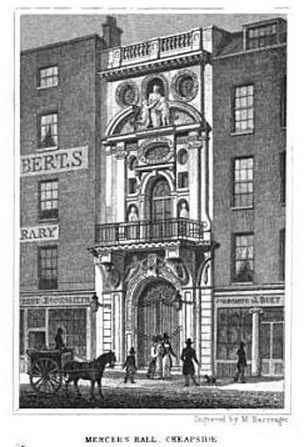
Mercer's Hall, Cheapside. Image @London and Its Environs

Mercer’s Hall, Cheapside. Image @London and Its Environs in the Nineteenth Century

with woolens for winter, and cottons for summer—Let us move on, for there generally is a crowd at the door, and there is little doubt but he profits by those who are induced to gaze, as most people do in London, if they can but entrap attention. Romanis is one of those gentlemen who has contrived to make some noise in the world by puffing advertisements, and the circulation of poetical handbills. He formerly kept a very small shop for the sale of hosiery nearly opposite the East-India House, where he supplied the Sailors after receiving their pay for a long voyage, as well as their Doxies, with the articles in which he deals, by obtaining permission to style himself “Hosier to the Rt. Hon. East India Company.” Since which, finding his trade increase and his purse extended, he has extended his patriotic views of clothing the whole population of London by opening shops in various parts, and has at almost all times two or three depositories for Romanis, the eccentric Hosier, generally places a loom near the door of his shops decorated with small busts; some of which being attached to the upper movements of the machinery, and grotesquely attired in patchwork and feathers, bend backwards and forwards with the motion of the works, apparently to salute the spectators, and present to the idea persons dancing; while every passing of the shuttle produces a noise which may be assimilated to that of the Rattlesnake, accompanied with sounds something like those of a dancing-master beating time to his scholars. his stock. (sic) At this moment, besides what we have just seen, there is one in Gracechurch Street, and another in Shoreditch, where the passengers are constantly assailed by a little boy, who stands at the door with some bills in his hand, vociferating—Cheap, cheap.”

“Then,” said Bob, “wherever he resides I suppose may really be called Cheapside?”

“With quite as much propriety,” continued Ton, “as the place we are now in; for, as the Irishman says in his song,

“At a place called Cheapside they sell every thing dear.”

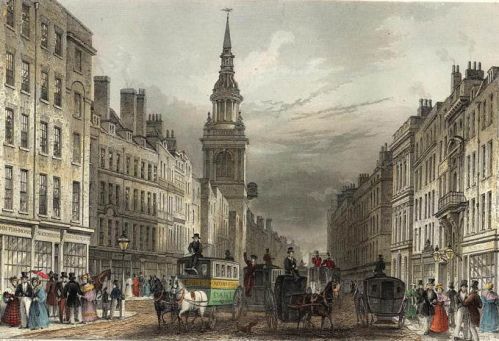
During this conversation, Mortimer, Merrywell, and Harry were amusing themselves by occasionally addressing the numerous Ladies who were passing, and taking a peep at the shops—giggling with girls, or admiring the taste and elegance displayed in the sale of fashionable and useful articles—justled and impeded every now and then by the throng. Approaching Bow Church, they made a dead stop for a moment.

“What a beautiful steeple!” exclaimed Bob; “I should, though no architect, prefer this to any I have yet seen in London.” – Real Life in London, Egan

Cheapside and Bow Church engraved by W.Albutt after T.H.Shepherd publ 1837 edited. The pretty steeple is visible in this image. (wikipedia)

Cheapside and Bow Church engraved by W.Albutt after T.H.Shepherd publ 1837 edited. The pretty steeple is visible in this image. (wikipedia)

Once upon a time, Cheapside and Gracechurch Street were in the commercial heart of the city of London. It was the main shopping district in Jane Austen’s day. She describes the journey to Gracechurch street and Lizzy’s visit with the Gardiners in this lively scene:

Chapter 27: It was a journey of only twenty-four miles, and they began it so early as to be in Gracechurch Street by noon. As they drove to Mr. Gardiner’s door, Jane was at a drawing-room window watching their arrival; when they entered the passage she was there to welcome them, and Elizabeth, looking earnestly in her face, was pleased to see it healthful and lovely as ever. On the stairs were a troop of little boys and girls, whose eagerness for their cousin’s appearance would not allow them to wait in the drawing-room, and whose shyness, as they had not seen her for a twelvemonth, prevented their coming lower. All was joy and kindness. The day passed most pleasantly away: the morning in bustle and shopping, and the evening at one of the theatres.

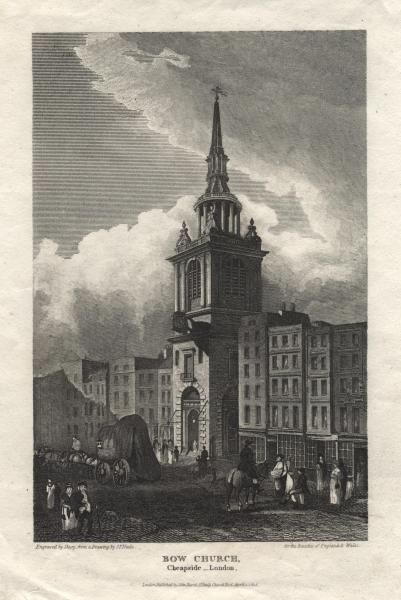
steel engraving of the Bow Church on Cheapside Street in London (the Bow Church is probably better known as Saint Mary's Le Bow and it is said that all true Cockneys were born within the sounds of this church's bells)

Steel engraving of the Bow Church on Cheapside Street in London (the Bow Church is probably better known as Saint Mary’s Le Bow and it is said that all true Cockneys were born within the sounds of this church’s bells) Image @bouletfermat.com

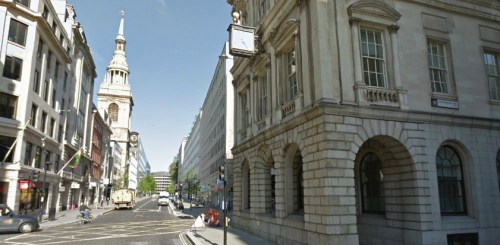
Gracechurch Street means grass-church and was thus named because of a hay market nearby (1680-1868). The distinctive steeple of  St Mary-le-Bow Church is the only structure remaining today that Jane Austen would have recognized. A church has stood on this ground since Saxon times. After the Fire of 1666, Christopher Wren designed a new structure, which was destroyed during a 1941 bombing was and carefully reconstructed during the 1950s. Today, Gracechurch Street largely resembles a modern office block.

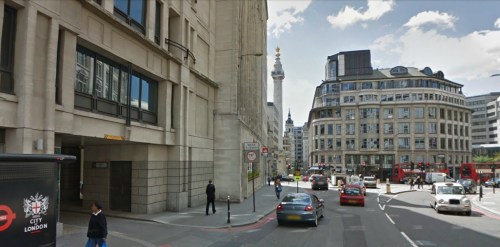
Gracechurch street today (Google maps)

Gracechurch street today (Google maps)

In the 17th century, coffeehouses arrived in the City and these soon became the place to pick up news. Some houses became the makeshift offices of the trades they served, giving birth to some of the world’s greatest financial institutions – the London Stock Exchange started in Jonathan’s Coffeehouse in Change Alley and Lloyds of London takes its name from Edward Lloyd, the proprietor of a coffeehouse in Tower Street. This, coupled with the founding by Royal Charter of the Bank of England in 1694, was the catalyst for the development of the City as a financial centre. – History of Cheapside

Cheapside was anything but cheap, the name “cheap” being the Saxon term for market. (Learn more about Cheapside Street here.) The names of the streets in that section of the City described the trades contained within this district: Wood Street, Milk Street, Bread Street, Honey Lane, Poultry and Friday Street for fish.

Today plans are afoot to revitalize this section of London and return it to its glory as a major shopping destination. History of Cheapside

More on the topic:

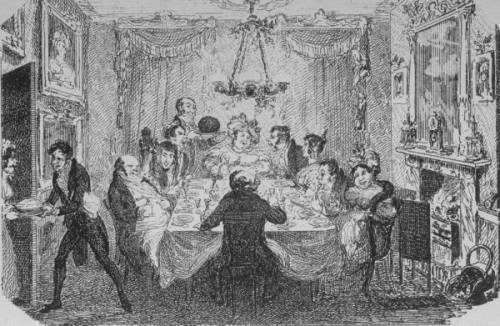
The week of Christmas and the new year has been traditionally a time for joy and celebration. In Jane Austen’s day, the decorations and celebrations weren’t quite so over-the-top commercial as they are today. Mistletoe, holly, and evergreen boughs decorated the halls, while roaring fires warmed hearth and home. Fine foods were prepared for friends and family at holiday gatherings, and gift giving was considered optional and not mandatory.

Cruikshank image. Holiday dinner party. Image @LIFE magazine.
Cruikshank image. Holiday dinner party. Image @LIFE magazine.

In her letters, Jane mentioned making wine. She was also  known to imbibe a glass or two, as did many Regency ladies. One can imagine that she heartily enjoyed a glass of homemade wine during long winter evenings. A Regency household in the country was akin to a cottage factory, processing freshly picked fruits and vegetables in summer and fall for consumption during the winter months.

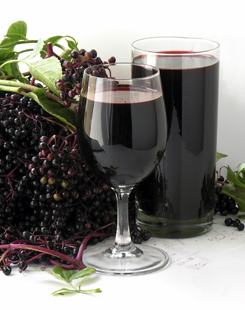
Elderberry bushes, native to both Europe (Sambucus nigra)  and North America (Sambucus canadensis), ripened in August and September. The American elderberry can be found growing in old fields and meadows. The European elderberry blooms earlier than its American counterpart, with some sporting pink flowers. By Christmas, the first flasks of elderberry wine could be served at the table.  Some elder wines (depending on their strength) were ripened until spring. (Edible Landscaping)

Elderberry wine has a rich red color.

Elderberry wine has a rich red color.

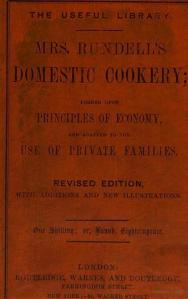
Mrs. Maria Eliza Ketelby Rundell’s elder wine recipe, written over two hundred years ago, reflects how housewives made the wine back then, using ingredients and kitchen supplies that were readily available. In 1806, John Murray (who published Emma, a second edition of Mansfield Park, Persuasion and Northanger Abbey)  published  A New System of Domestic Cookery: Founded up Principles of Economy; and Adapted to the Use of Private Families. Rundell’s cookbook became wildly popular in the first half of the 19th century in both England and America. One imagines that the Austen women were well aware of its existence.

Mrs. Rundell

Mrs. Rundell

According to Mrs. Rundell:

English wines would be found particularly useful, now foreign are so high priced, and though sugar is dear, they may be made at a quarter of the expense. If carefully made, and kept three or four year,s a proportionable strength being given, they would answer the purpose of foreign wines for health, and cause a very considerable reduction in the expenditure.”

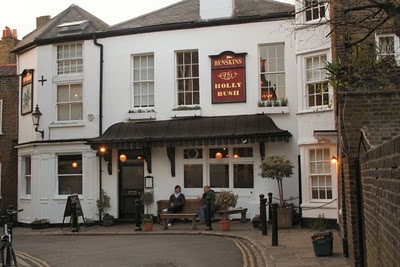
Holly Bush Inn, where Mrs. Rundell, it is speculated, wrote her recipes.

Holly Bush Inn, where Mrs. Rundell, it is speculated, wrote her recipes. Image @Persephone books (Link below)

Rundell’s book of recipes went through dozens of editions in Britain and the United States, where it was published in 1807. The following recipe for Elder Wine comes from the Google eBook 1857 edition:

Rundell Domestic Cookery

Elder Wine.

To every quart of berries put two quarts of water, boil half an hour, run the liquor, and break the fruit through a hair sieve; then to every quart of juice put three quarters of a pound of Lisbon sugar, coarse but not the very coarsest. Boil the whole a quarter of an hour with some Jamaica peppers, gingers, and a few cloves. Pour it into a tub, and when of a proper warmth, into the barrel, with toast and yeast to work, which there is more difficulty to make it do than most other liquors. When it ceases to hiss, put a quart of brandy to eight gallons, and stop up. Bottle in the spring or at Christmas. The liquor must be in a warm place to make it work.

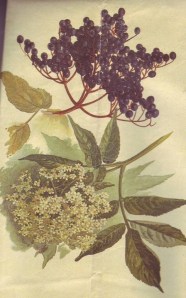
Elder berries and elder flowers. Public domain image

Elder berries and elder flowers. Public domain image

While Rundell’s recipe seems simple, some terms require explanation. In those days, sugar was classified according to place of origin, such as Brazil, or entrepot, a place of entry without excise duties, such as Lisbon. (Richard Bradley, 1736) Prospect book glossary.

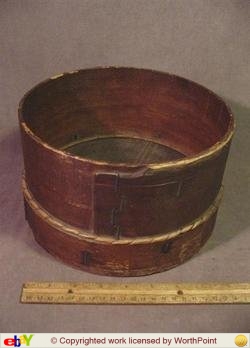
19th c. hair sieve

19th c. hair sieve

Image of Hair Sieve at Worth Point

The hair sieve mentioned by Rundell was most likely made with coarse horse hair, as shown in the above image. The mesh is quite fine. Sugar was an expensive commodity (Jane Austen was in charge of the tea and sugar stores in Chawton cottage, keeping the keys, no doubt, to the locked containers), but as previously explained, making your own wine provided a cost saving measure. The High Price of Sugar.

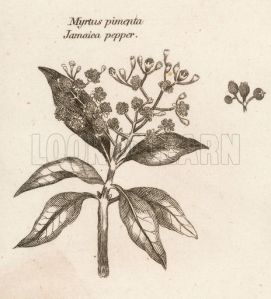
Jamaica peppers are generally known today as allspice. The peppers are larger than peppercorns and were gathered from Jamaica pepper trees. The “toast and yeast” mentioned in the recipe most likely meant bread yeast. Elder wine ferments particularly well in oak casks.

Jamaica pepper

Jamaica pepper

One can only guess what Mrs. Rundell’s elder wine, which was fortified with brandy, tasted like – strong, sweet, alcoholic, and fruity. The clusters of berries, dark purple when ripe, had many uses:

Elderberry bushes … [have] a long history of use for food, drink and medicinal purposes. Elderberry pie, jam and jelly, tarts, flavored drinks, and of course wine are a few of its better known uses.

Elderberry wine has a unique flavor that changes considerably over time. When too few berries are used, the wine is thin and unlikely to improve. When too many berries are used, the tannins and other flavor constituents may overpower the palate and require dilution, blending or prolonged aging to mellow. Between these extremes are wines that often offer exceptional enjoyment. – Winemaker Magazine

It seems that the berries had to be processed as quickly as possible after picking. There were times, I imagine, that the Austen women were busy working alongside their servants in the kitchen, processing foods, canning and pickling, and making wines and ales from recently harvested produce.

Another “job” that the Regency housewife assumed was that of nurse. Recipes for cough lozenges and simple medicinals made from herbs and plants were passed down through the generations. Elder berries were known to have many medicinal benefits:

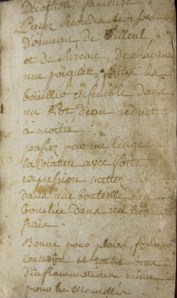
Recipe for a "Decoction fameuse," which contains elderberry (among other ingredients). Image @MCRS Rare Book Blog

Recipe for a “Decoction fameuse,” which contains elderberry (among other ingredients). Image @MCRS Rare Book Blog

Recent research shows that elder builds up the immune system and directly inhibits the influenza virus. Elder contains an enzyme that smoothes the spikes on the outside of the virus, which the virus uses to pierce through cell walls. Elderberries have also been recommended in cases of bronchitis, sore throat, coughs, asthma, colds and constipation.” – The Health Benefits of Elderberry Wine

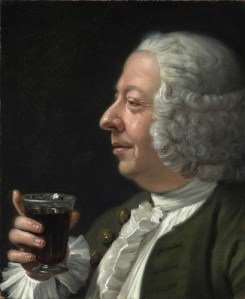
18th century red wine drinker, Franz Laktanz Graf Von Firmian

18th century red wine drinker taking his “medicine”, Franz Laktanz Graf Von Firmian

What better way to soothe one’s respiratory condition than with a nice glass of elder wine!

Ma(i)sonry Maisonry - Vintage 18th Century Wine Bottles - 1stdibs

This article from KansasCity.com, “Elderberry wine as a medicinal: A recent USDA reaction,” shows how ridiculous current U.S. health laws can be on the use of medication:

Federal authorities have seized bottles and drums of elderberry juice concentrate from a Kansas winery, contending that the company’s claims of its benefits for treating various diseases make the product a drug.

…”Products with unapproved disease claims are dangerous because they may cause consumers to delay or avoid legitimate treatments, Dara Corrigan, the FDA’s associate commissioner for regulatory affairs, said in a news release. “The FDA is committed to protecting consumers from unapproved products on the market.”

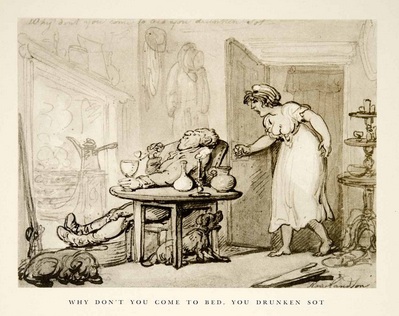
Aquatint, Rowlandson. Image @Amazon

Aquatone, Thomas Rowlandson. Image @Amazon

Wine was reserved not only for medicinal purposes or family gatherings, but for daily consumption. Bumpers of wine, or a tankard or cup filled to the brim, were common quantities.  The Georgians were notorious drinkers, for alcohol was safer than unboiled water and contaminated city or town wells.

London society of the Georgian period was renowned for its heavy consumption of alcohol. Poor people tended to drink beer or gin, but a wider range of alcoholic drinks was available to the rich. These included wines such as French claret; fortified wines such as sherry, port or Madeira; and spirits such as brandy and rum. It is noted in the text that Mr Stryver and Sydney Carton have wine, brandy, rum, sugar and lemons with which to concoct their punch.

During the Georgian period, beer might be drunk from pewter tankards, and other drinks, from glass goblets or tumblers.- Bookdrum

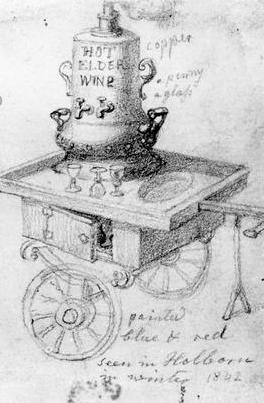
Detail, Elder Win Stand in Holborne, by George Scharff, 1842

Detail, Elder Wine Stand in Holborne in Winter, by George Scharff, 1842

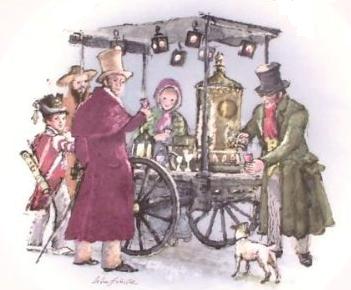
In winter, elder wine heated in coppers was sold for a penny per wine glass from portable wood stands that contained glassware. (See image above.) This tradition lasted at least through the Victorian era, as attested by the modern Wedgewood scene below.

More About the Topic

Wedgewood. Victorian scene of an elder wine stand

Wedgewood. Victorian scene of an elder wine stand

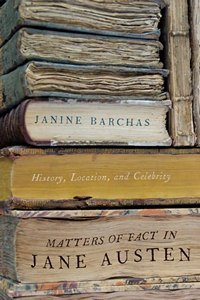
matters-of-fact-in-jane-austen-2012-x-2001Jane Austen scholars and fans have always known that there’s so much more to her novels than the mere surface description of a romantic tale. Janine Barchas, author of Matters of Fact in Jane Austen, points out that in addition to Jane’s wit, intelligence , humor, and creativity in penning her novels, she associated her fictional characters with famous British families.  For the contemporary Regency reader, the Woodhouses, Fitzwilliams, Wentworths, and Dashwoods were the celebrities of their day. In  choosing famous names, Jane Austen ramped up her readers’ interest in her fictional characters by associating them with notable names, places, and events.

In her book, Barchas examines genealogy, history, and geography and comes up with some fascinating information that has recently surfaced via online documents and texts. I had always assumed that Jane pulled names out of a hat, or picked them for how well they fit the character. (Mr. Wickham for the charming villain, Mr. Knightley, who is kind and good and a bit of a knight in shining armor.) According to Barchas, that is not necessarily the case. Take Northanger Abbey, for instance. Among Bath’s wealthiest residents n the 18th century were the Allens from Prior Park, a grand and beautiful Palladian mansion that was visible from #4 Sydney Place, the house in which the Austens resided before Rev. Austen’s death.

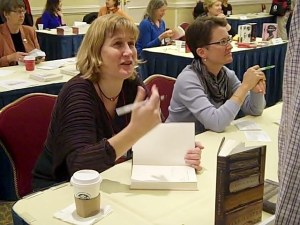
Janine Barchas (l) and Juliette Wells (r) at the Brooklyn JASNA AGM.

Janine Barchas (l) and Juliette Wells (r) at the Brooklyn JASNA AGM.

The Dashwood family gained a notorious reputation, with one of its members, Sir Francis Dashwood, becoming a prominent libertine in the Hell-Fire Club. The garden in his mansion, West Wycombe Park, featured risqué statues and Hell Fire caves. In contrast, the Ferrars (Ferrers) lived staunch Catholic lives in their medieval manor, Baddesley Clinton. Interestingly, Stoneleigh Abbey, where Jane stayed with her mother, whose family were the Leighs of Stoneleigh Abbey, is only a half day’s ride from Baddesley Clinton.

And then there are the Wentworths, the grandest family of them all. Names seen on the Wentworth genealogy tree include Woodhouse, D’arcy, Bertram, Watson, and Fitzwilliam. Wentworth House in Yorkshire is quite grand, with vast grounds and public paths. After the “real” Frederick Wentworth died in 1799, his estate was passed on to the Vernons. (Shades of Lady Susan!) The contemporary Regency reader would have known that the Whig Wentworths resided in Wentworth House, while the Tory Wentworths lived in Wentworth Castle.

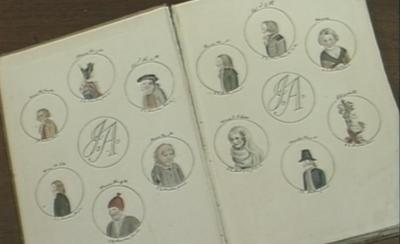
history of england_jane_cassandraThe History of England from the reign of Henry the 4th to the death of Charles the 1st, by a partial, prejudiced, and ignorant historian.

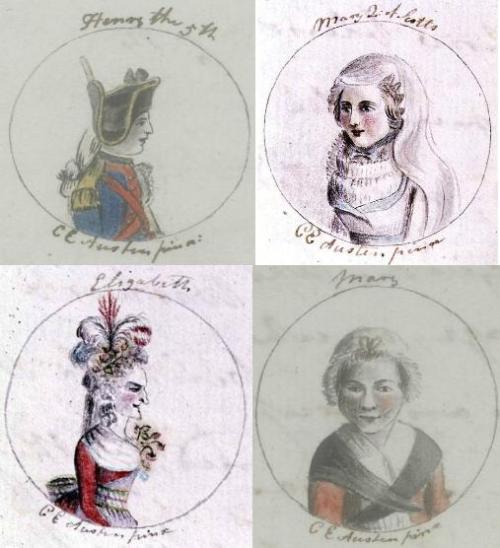
At the books beginning, Barchas mentions Jane Austen’s love for word play, riddles, and puzzles. The History of England, written when Austen was 15, was illustrated with 12 small watercolor portraits by Cassandra, Jane’s older sister.

CassandraAusten-JaneAusten(c.1810)reversed

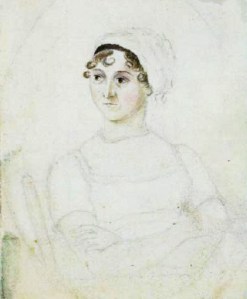
Portrait of Jane Austen by Cassandra, 1810.

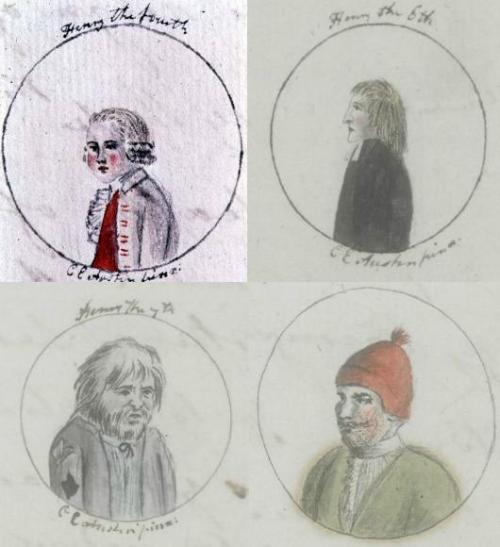
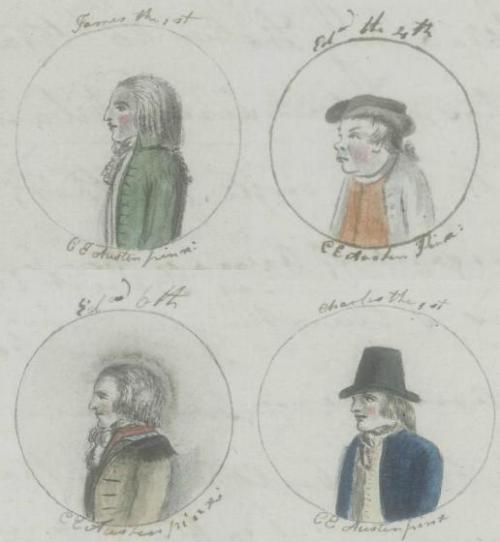
According to Annette Upfal and Christine Alexander: “the portraits which Cassandra drew into her sisters’ historical satire are encoded with veiled meaning.”

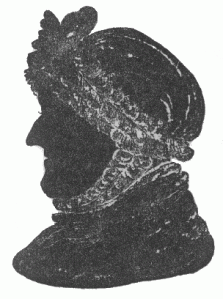
Mrs Casandra Austen

Mrs Cassandra Austen

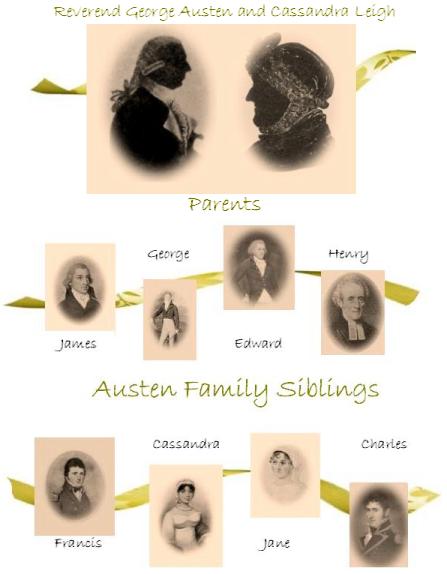
They argue that Austen’s summary discussion of kings and queens was comically interpolated with recognizable portraits of namesakes: brothers Edward, Henry, and James Austen, for example, stand in for Edward VI, Henry V, and James I, respectively. Similarly, cousins Mary Lloyd and Edward Cooper may have served Cassandra as models for Mary I and Edward IV. “

Upfal and Alexander also matched the profiles and portraits of Jane and her mother to those of Mary, Queen of Scots (Jane) and that of Elizabeth I (Mrs Austen). Barchas devotes scarcely a full page to this information and yet, as you can see, one can spend many minutes trying to decide how Jane and Cassandra used their family members and friends as models for the historical characters.

The Nenries

The Henries: the 4th, 6th, 7th, and 8th. Images from Jane Austen Fiction Manuscripts.

Marys Elizabeth and Henry

Henry the 5th, Elizabeth the 1st, Mary Queen of Scots, and Mary I. Some images from Wikimedia Commons. All others from Jane Austen Fiction Manuscripts.

cassandra james edward charles

James the 1st, Edward the 4th, Edward the 6th, and Charles the 1st

Austen family

Austen family

Matters of Fact in Jane Austen is not an easy read, for the book is crammed with facts, information, and new insights. One simply cannot skim over its pages, but should read each new chapter closely in order to learn what Jane’s contemporaries knew readily and well. Imagine an author writing a satirical novel today about a family going bankrupt and the daughters having to work for a living, using the Kardashian/Jenner family names and Los Angeles as a setting, and throwing in a crooked politician, lobbyist, Wall Street banker, and well-known radio talk show host. We would laugh and guffaw and understand the associations and jokes, but two hundred years from now, readers would be left clueless. In this book Barchas acts as our Regency guide, pointing out to us what was once obvious.

This is a serious, scholarly work, one that I highly recommend to readers who enjoy new and illuminating perspectives about Austen’s novels and life.

Janine Barchas is an associate professor of English at the University of Texas, Austin. She is the author of Graphic Design, Print Culture, and the Eighteenth-Century Novel.

Order the book here:

More on the topic: