Feeds:
Posts
Comments

Archive for the ‘jane austen’ Category

Copyright (c) Jane Austen’s World.

Jane Austen fans are more familiar with Adam Buck’s small watercolor portraits on pin up print cards than the artist’s name. This format was popular during the Regency era.

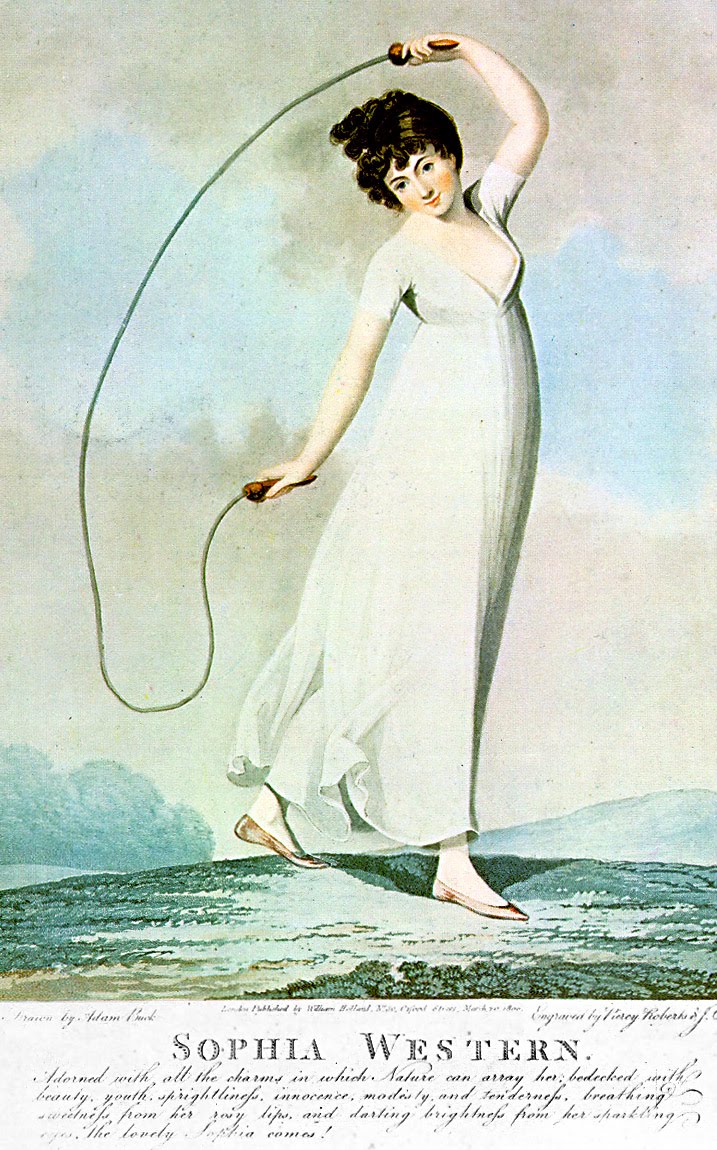
Sophia Western, Adam Buck

Sophia Western, an 1800 engraving after an Adam Buck drawing, depicts a Tom Jones heroine with a jumping rope. She wears a Regency gown, rather than a costume from 1749, when Fielding’s book was published.

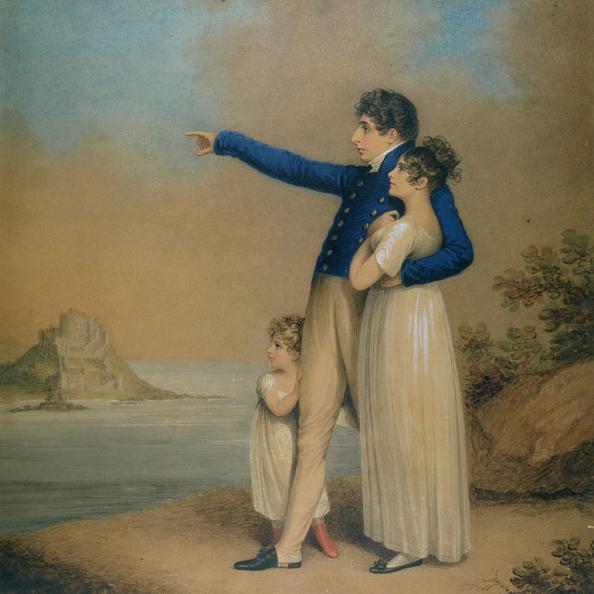
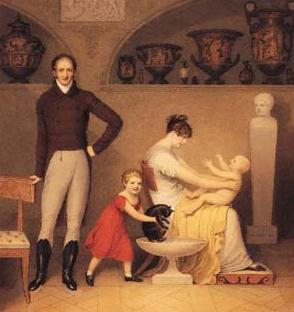
Roberth Southey with Daughter and Son, Adam Buck

Born in 1759 in Ireland, Buck left his native land in 1795 to establish a studio in London, where his small portraits in pencil, oil, crayons, or watercolour were quite popular. His linear, lightly colored neoclassical drawings and paintings showed scenes of domesticity and motherhood in classic attitudes that resembled those on Greek vases. The artist is said to be largely self-taught.

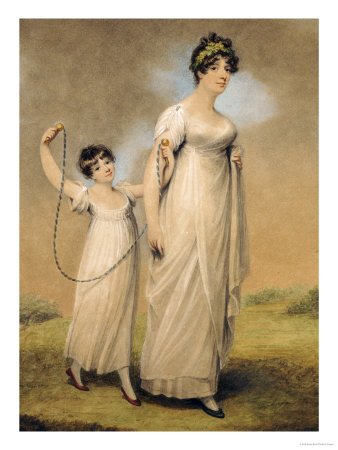
Portrait of a mother and her daughter, Adam Buck

Two … Irish artists brothers of the name of Buck deserve attention. Their pencil groups, slightly coloured, were very popular ,and especially those in which the sitters were grouped in classic attitudes resembling those on Greek vases. The reason for the existence of these portraits was the love that Adam Buck especially had for Greek art. He issued a book on the paintings on Greek vases ,and he modelled many of his best miniatures, as well as his pencil groups, on the classic scenes so dear to him. His work, as a rule, can be distinguished by the exquisite drawing of the profile. His brother, Frederick, who commenced in his profession by painting portraits in crayon, also painted miniatures following on the lines of Adam Buck. Neither of the men were very good col ourists but both were accurate draughtsmen.” – How to Identify Portrait Miniatures, George Charles Williamson, Alyn Williams

Mother and Child, Adam Buck, Victoria and Albert Museum

Buck produced a book in 1812, “Paintings on Greek Vases”, that contained 100 plates designed and engraved by himself. He exhibited his work at the Royal Academy between 1795 and 1833.

Adam Buck, Self portrait with wife and children, 1813.

Buck’s distinctive linear designs were also used on China ware and in fashion plates. See the Adam Buck inspired bat-printed porcelain images on Candice Hern’s site.

Herculaneum Pottery with Children at Play Pattern in the style of Adam Buck

More on the topic:

Read Full Post »

Copyright (c) Jane Austen’s World. Post written by Tony Grant, London Calling.

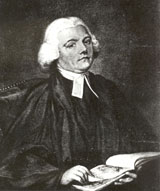
Gilbert White

Claire Tomlin’s biography of Jane Austen called Jane Austen A Life begins with:

The Winter of 1775 was a hard one. On 11th November the naturalist, Gilbert White saw that the trees around his Hampshire village of Selborne had almost lost all their leaves. “Trees begin to be naked,” he wrote in his diary. Fifteen miles away, higher up in the Downs, in the village of Steventon, the rectors wife was expecting the birth of her seventh child from day to day as the leaves fell.”

And thus we have the first introduction to Jane, still inside her mother’s womb, with a reference to the reverend Gilbert White of Selborne.

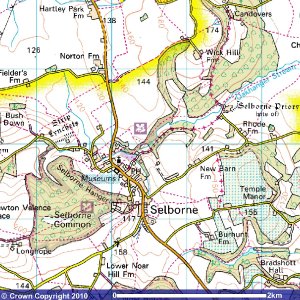
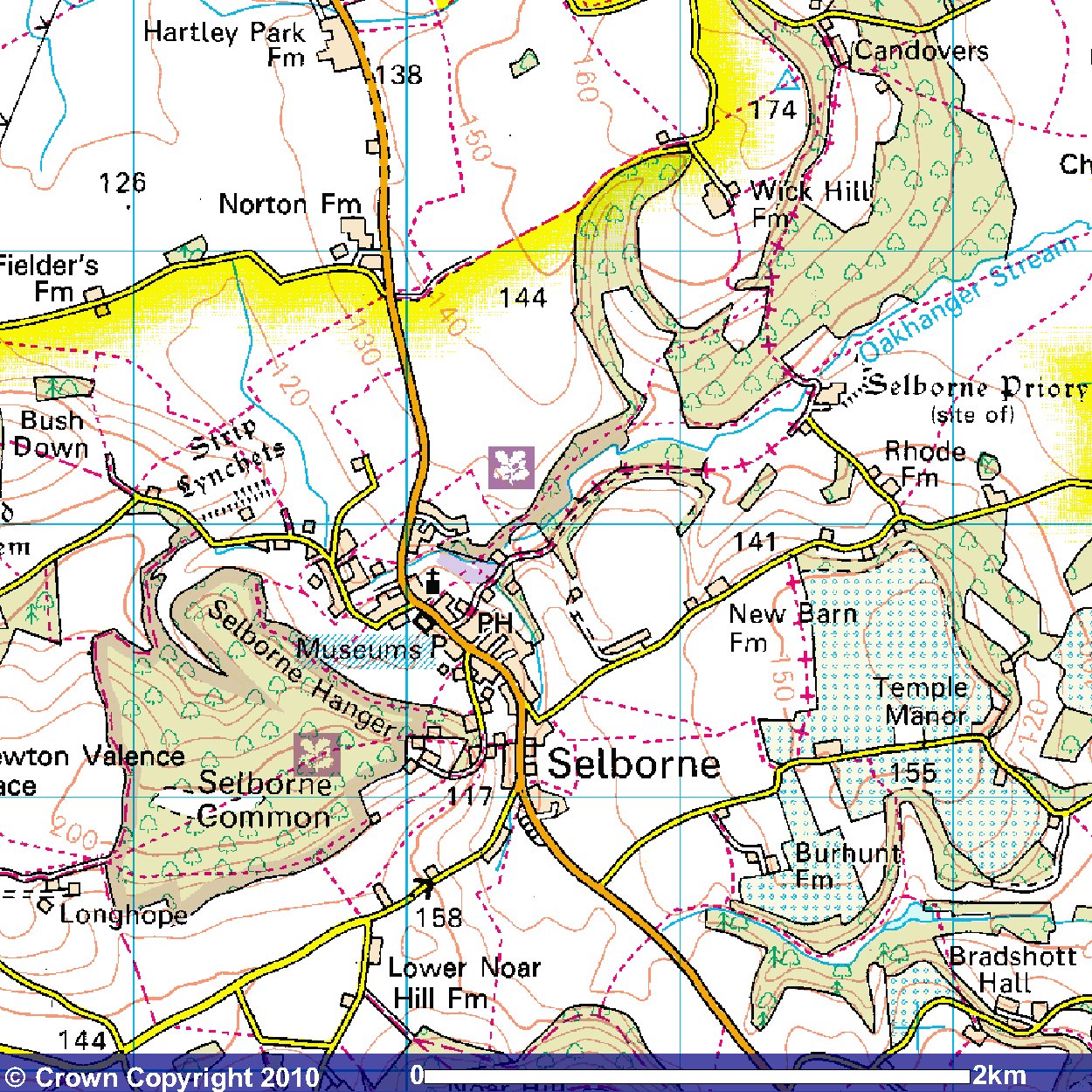
Map of Selborne

Selborne is a village about five miles to the east of Chawton. Gilbert White was in his 55th year just as Jane began her first year. His writing was to become the most continuously published piece of writing in the English language. It has been published more often than Jane’s own writing and the Bible. It is still on the shelves of all good bookshops today and new editions are always being prepared.

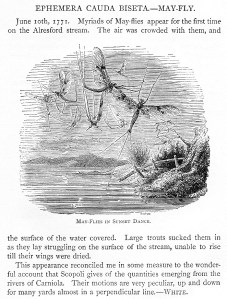
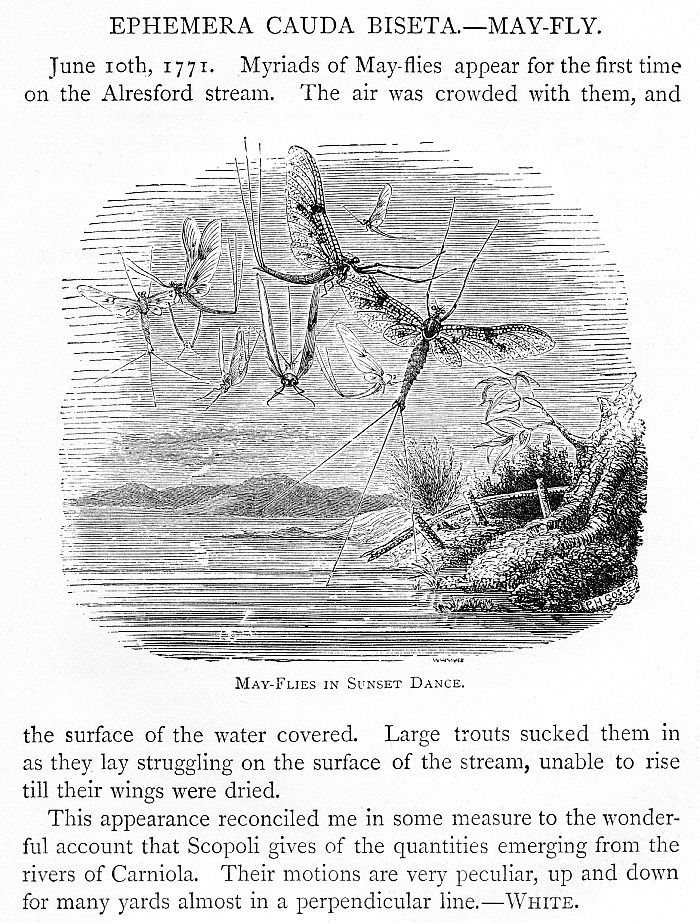
Mayflies, Gilbert White, 1771

Gilbert White was born in 1720. He was educated in the town of Basingstoke, the town Jane knew well. Thomas Wharton was his schoolmaster. He then embarked on an academic career at Oriel College Oxford. Following his grandfather and uncle into the church, he became ordained as a church of England priest. From an early age he took a deep interest in the natural history and the plants and animals in his native Hampshire.

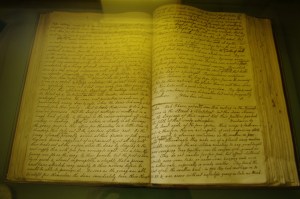
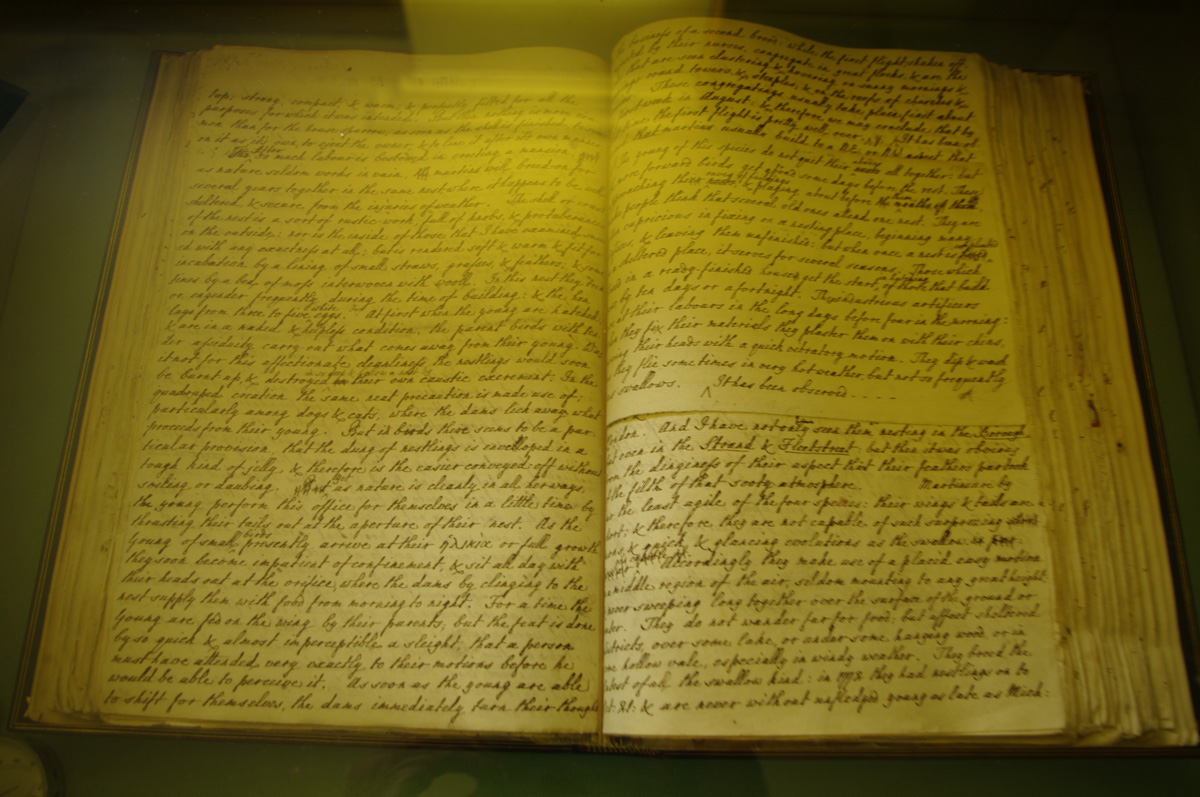
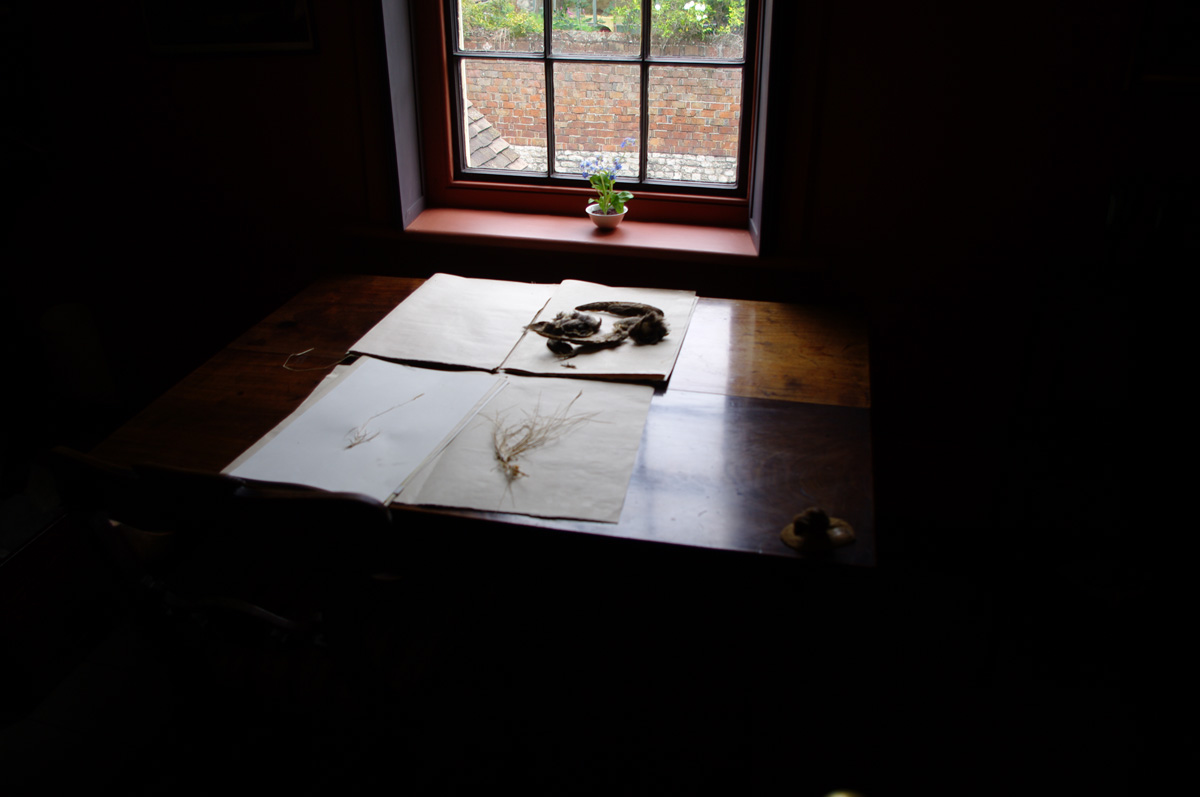
Gilbert White's journal. Image @Tony Grant

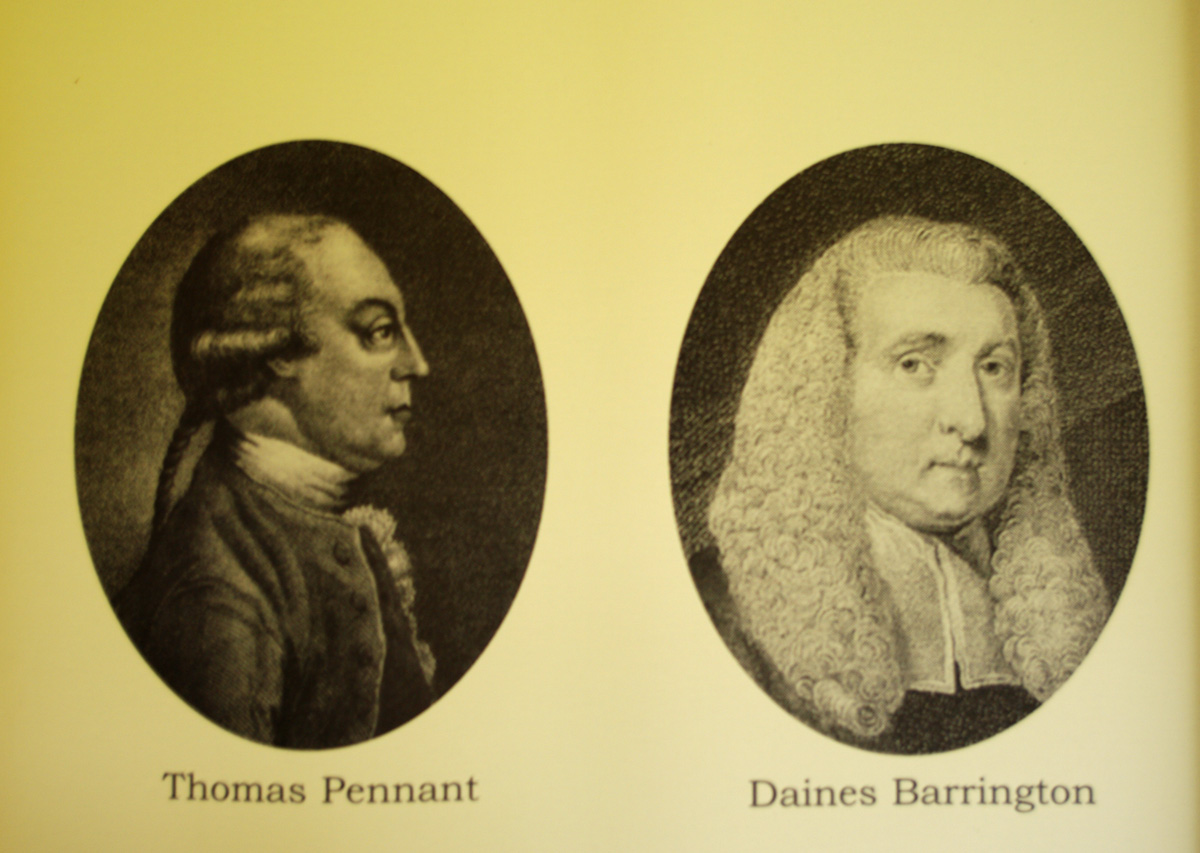
Gilbert White is best known for his collection of letters compiled in a volume called Natural History and Antiquities of Selborne, (1789) The book comprised his correspondence with two of the leading naturalists of the time, Thomas Pennant and Daines Barrington. In the letters White discussed his theories about the local flora and fauna.

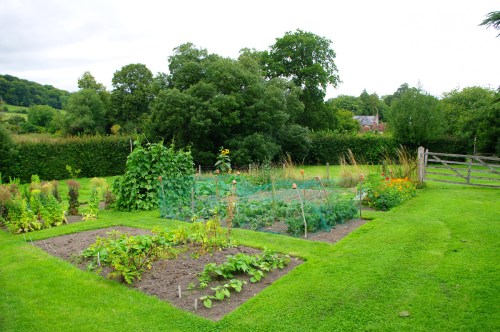
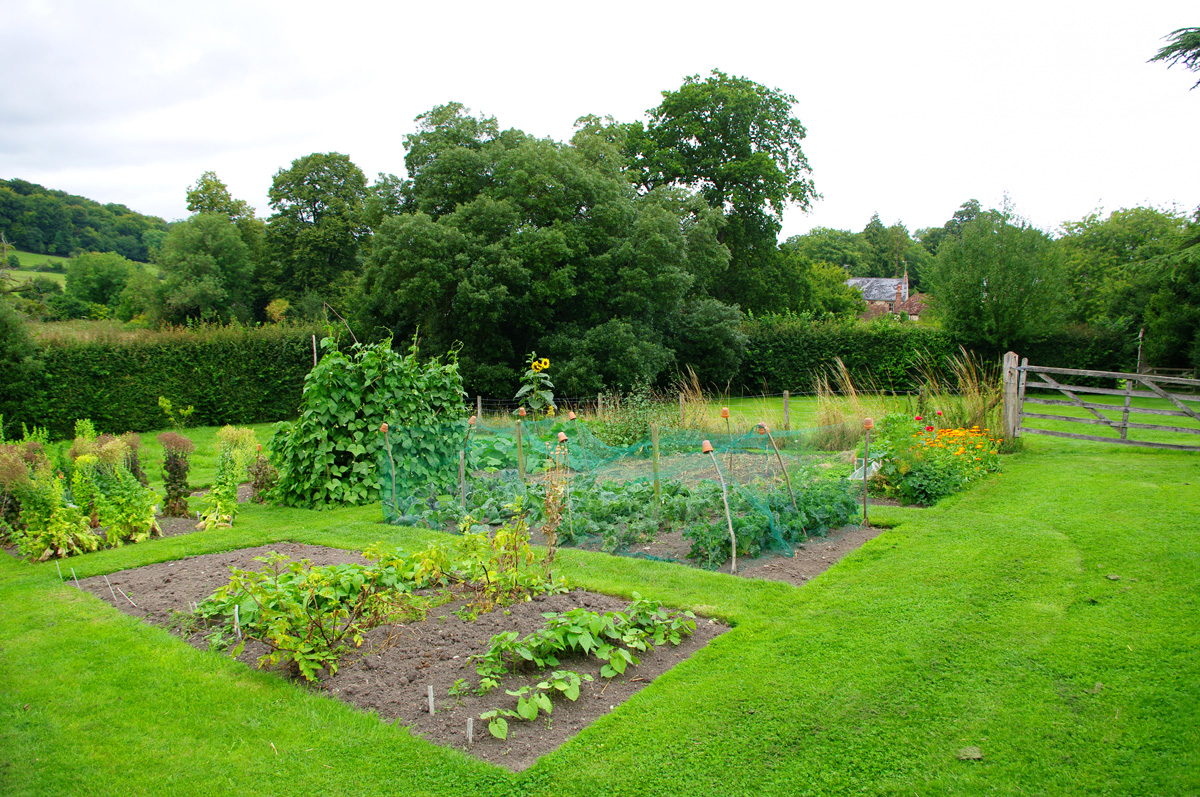
Vegetable garden. Image @Tony Grant

Gilbert White was also a keen gardener and grew many species of flowers, vegetables and fruit. What made him different and unique and applicable to naturalists today was that he observed things closely in their natural state. Naturalists, during his lifetime and before him, tended to examine the dead carcasses of animals brought to them.

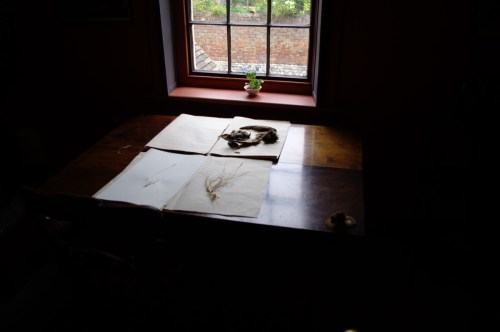
Natural collection. Image @Tony Grant

They would dissect and examine in detail the animal or plant before them; dead, cut off, out of it’s natural environment, there, on their table or desk. White performed some of this type of research, but what really made him different was his observations of animals and plants in their natural habitat. We would not think of studying an animal today without knowing it’s habitat, life cycle, and breeding habits. This is what made White unique for his time. His records are unique also in the length of time he kept them and the systematic detail of his observations. Darwin quoted some of Gilbert White’s observations in his own research.

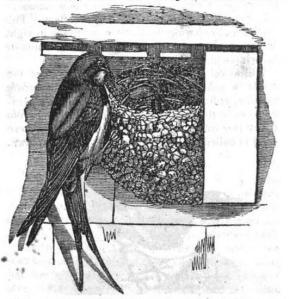
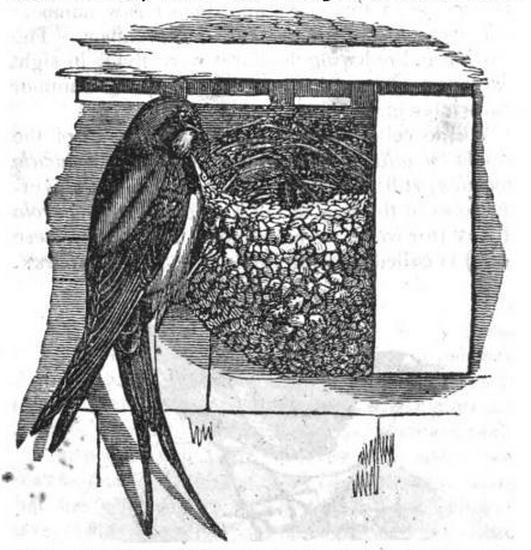
Martin, The Natural History of Selborne, Gilbert White

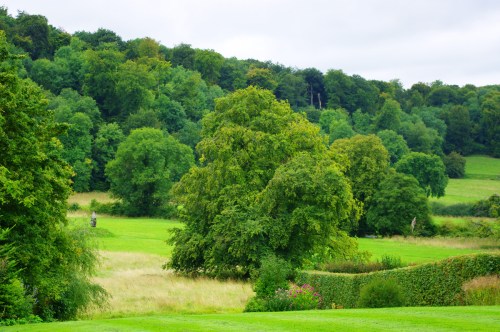
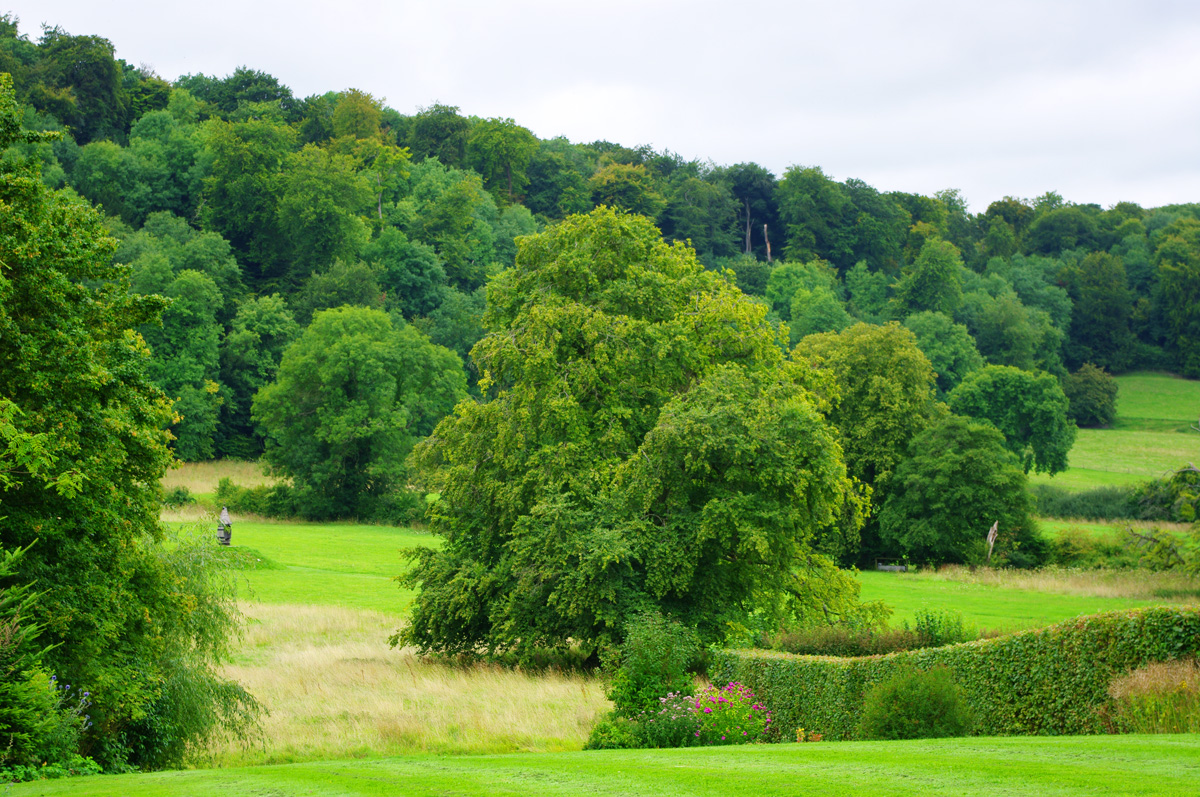
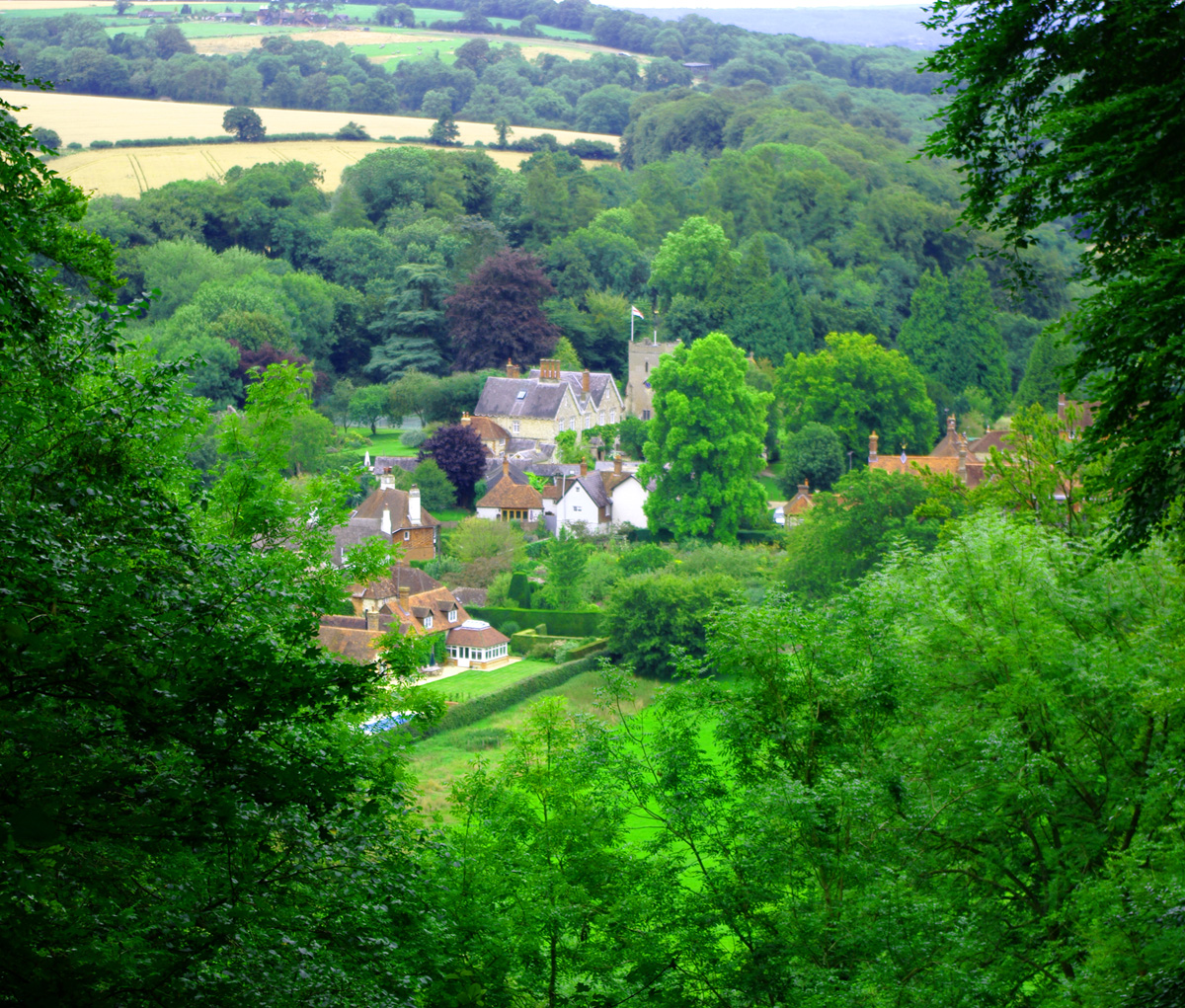
Gilbert White especially studied the species known as hirundines. These are what we know as swallows, house martins and swifts. He observed them flying, soaring, whirling about the great hanger that stood behind the village of Selborne . The base of the hanger was literally at the bottom of his garden. A hanger is a large, very steep hill, with almost vertical sides. Trees adorn its face and seem to ”hang” there. The hanger at Selborne was home to a vast variety of flora and fauna. It is very much the same today as it was in Gilbert White’s time.

The hanger at Selborne. Image @Tony Grant

In fact, by using his letters as guides, you can follow the very same paths and walks he took all those years ago and see the plants and wild life he observed. And, yes, you can still see his beloved hirundines, whirling and twirling and flickering , darting and swooping about the hanger in the springtime and summer months.

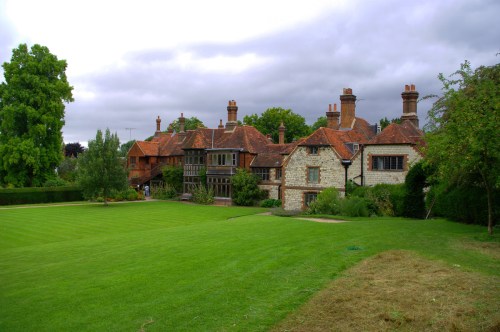
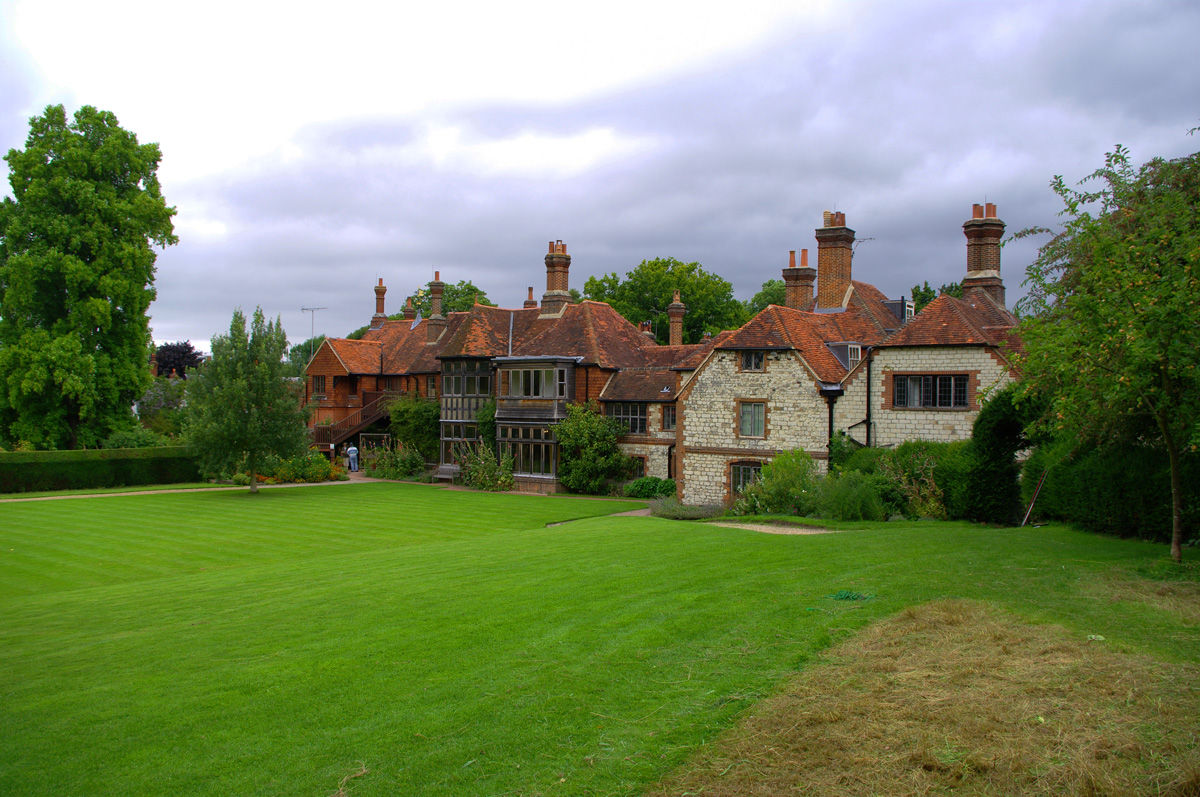
Gilbert White's house at Selborne. Image @Tony Grant

Most of Gilbert White’s contemporaries were convinced that swallows hibernated during the winter months in hollows and under the mud of local ponds. White disputed this and tried throughout his life to gain evidence to prove or disprove this. Unfortunately he never reached a definitive conclusion.

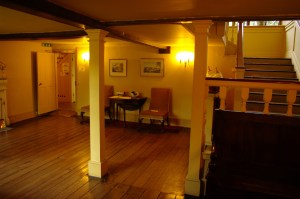
Interior, Gilbert White's house. Image @Tony Grant.

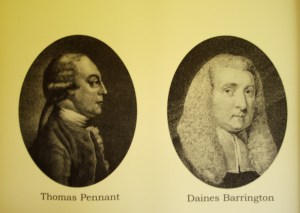
Gilbert White’s brother, Benjamin, who was a publisher of natural history, introduced him to Thomas Pennant, the foremost zoologist of the time, and to Daines Barrington. He corresponded with them and other naturalists, such as Joseph Banks and Daniel Solander.

Pennant and Barrington

In his first letter to Thomas Pennant,  White describes Selborne and it’s situation.

At the foot of this hill, one stage or step from the uplands lies the village, which consists of one straggling street, three quarters of a mile in length, in a sheltered vale and running parallel with the hanger. The houses are divided from the hill by a vein of stiff clay (good wheat land), yet stand a rock of white stone, little in appearance removed from chalk; but seems so far from being calcareous, that it endures extreme heat.”

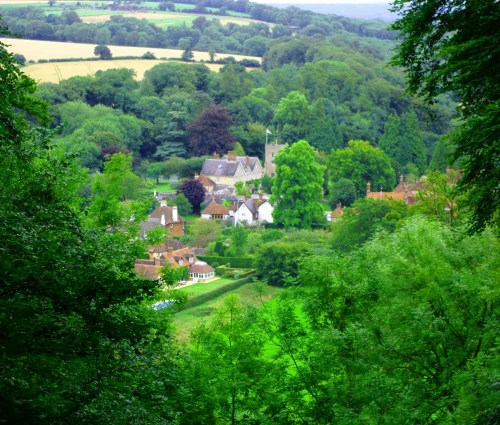
Selborne from the hanger. Image @Tony Grant

Just in this short extract we can see White’s eye for detail, his wondering mind, and his clarity of recording.

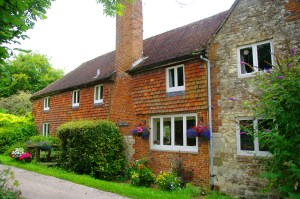
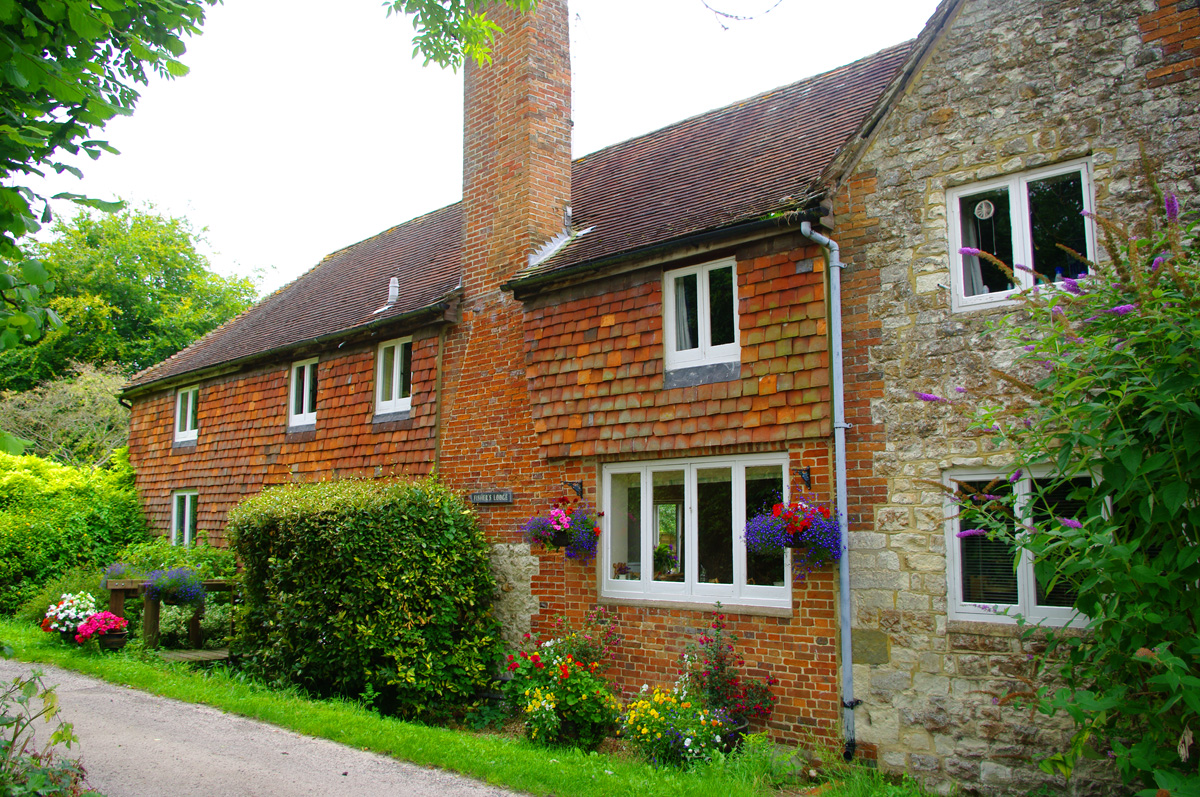
Selborne cottage. Image @Tony Grant.

In LetterXL to Thomas Pennant on September 2nd, 1774, White writes:

Nightingales, when their young first come abroad, and are helpless, make a plaintive and jarring noise; and also a snapping or cracking, pursuing people along the hedges as they walk; these last sounds seem intended for menace and defiance.”

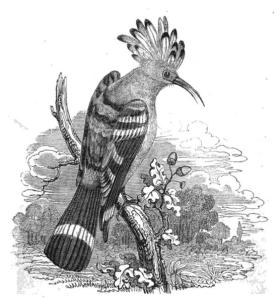
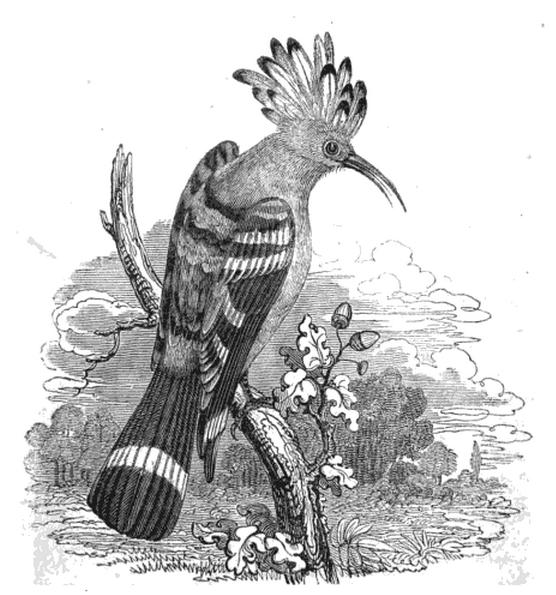
The Hoopoe, The Natural History of Selborne, Gilbert White

You can imagine Gilbert White being hounded and bothered in this way as he walked the lanes around Selborne, and being utterly fascinated and engrossed in this behaviour. Maybe our beloved Jane experienced such sights with the same wildlife too on her daily walks in Chawton five miles away?

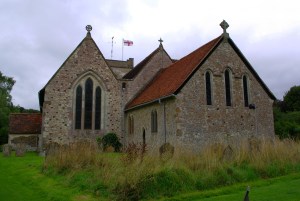
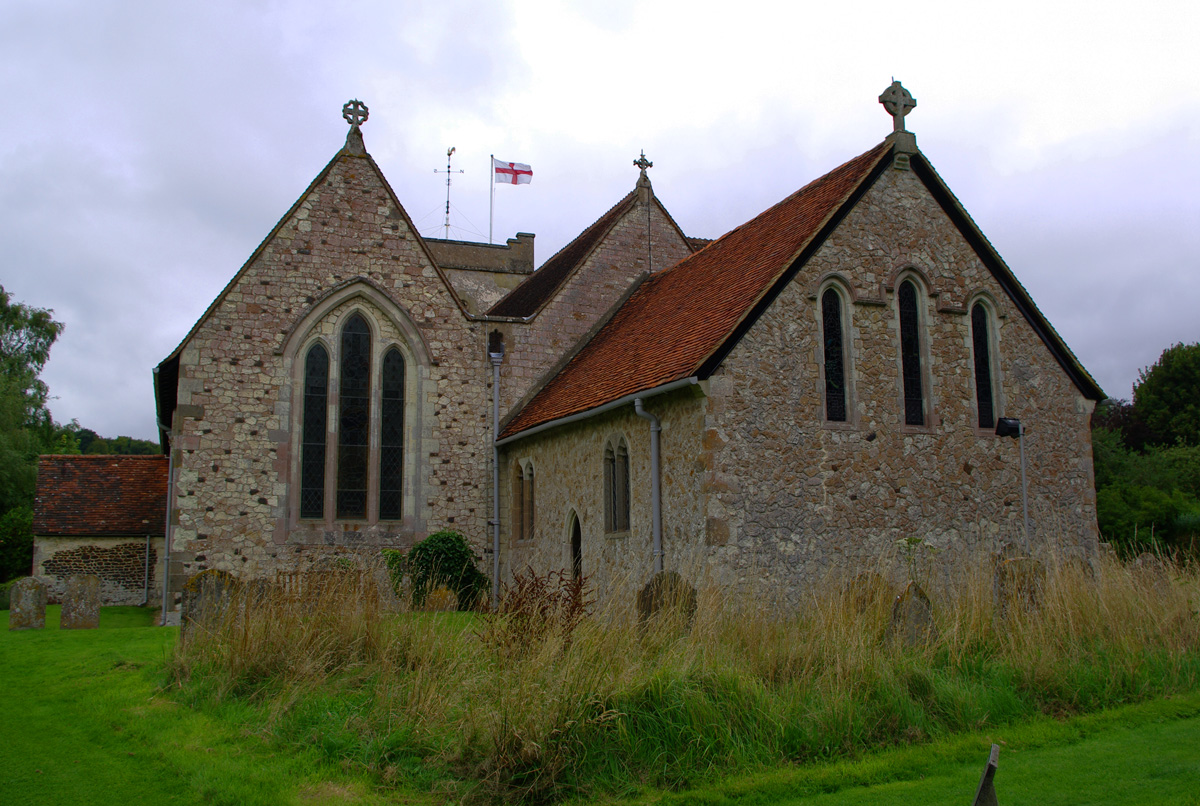
Selborne Church. Image @Tony Grant

In a letter to Danes Barrington November 20th, 1773, Gilbert White writes about house martins.

A few house- martins begin to appear about the sixteenth of April; usually some few days later than the swallow. For some time after they appear the hirundines in general pay no attention to the business of nidification ( the act of building a nest), but play and sport about either to recruit from the fatigue of their journey, if they do migrate at all, or else that their blood may recover it’s true tone and texture after it has been so long benumbed by the severities of the winter.”

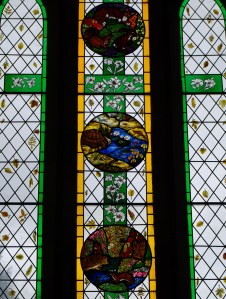
Church window. Image @Tony Grant

Gilbert is not sure, do they migrate or do they hibernate? This is the crux of his life long investigation.

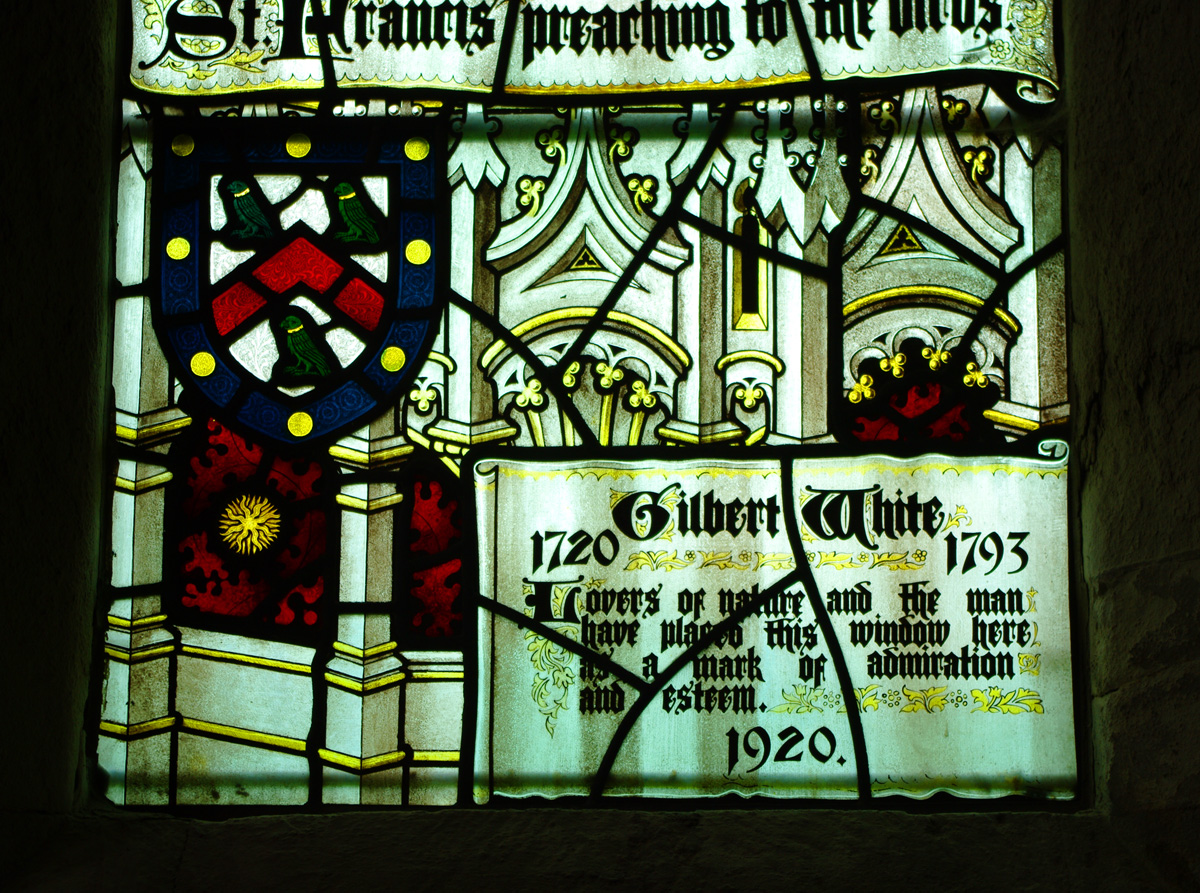
Memorial window dedication. Image @Tony Grant

Every Spring, Gilbert White looked forward to the return of the hirundines and when reading his letters at that time of the year you can sense his uplifted spirits. His friends have returned.

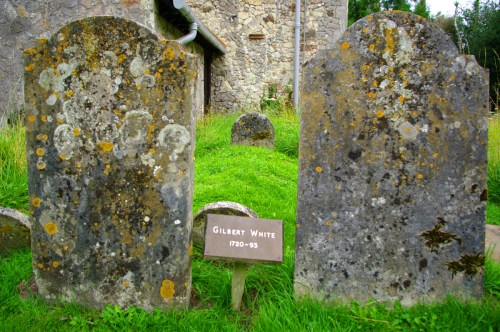
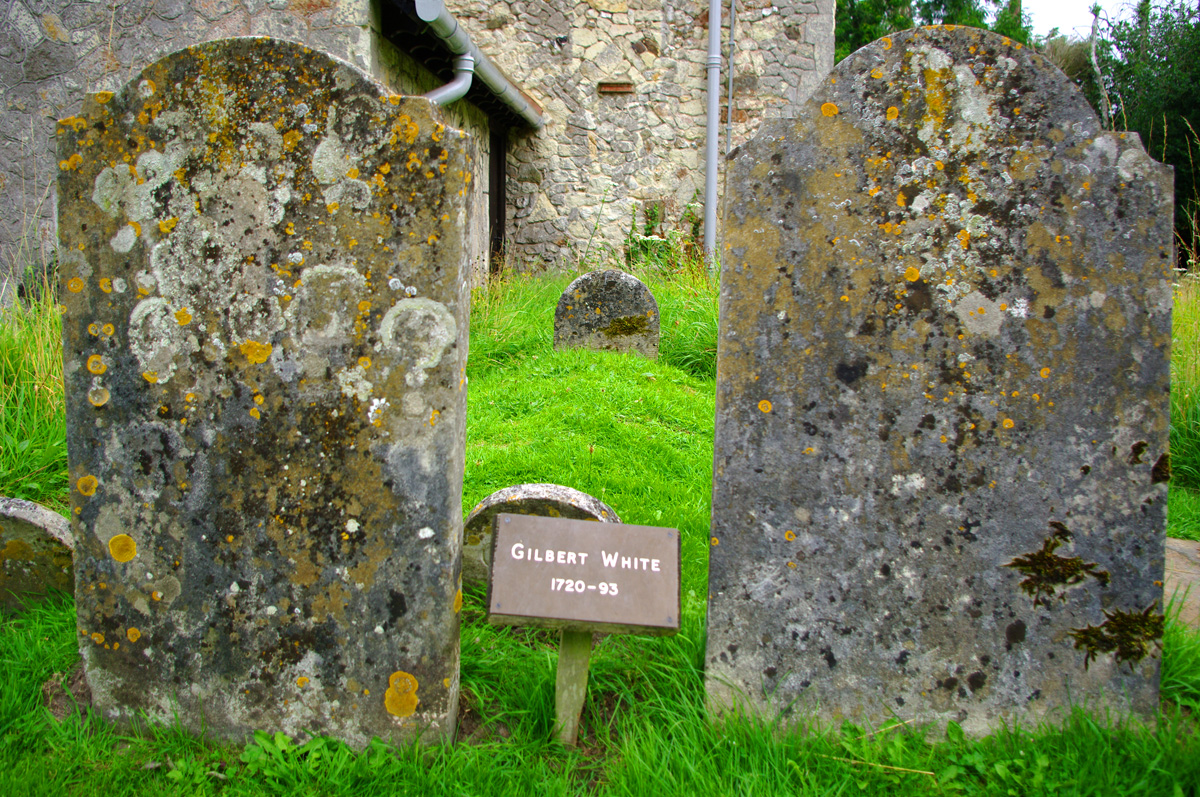
Gilbert White's grave. Image @Tony Grant

Bibliography:

Claire Tomalin, Jane Austen A Life, Penguin Books, 1998 (revised edition 2000). Read Chapter One here.

Gilbert White, The Natural History of Selborne (First published 1788-9). Reprinted by Penguin Classics, 1987.

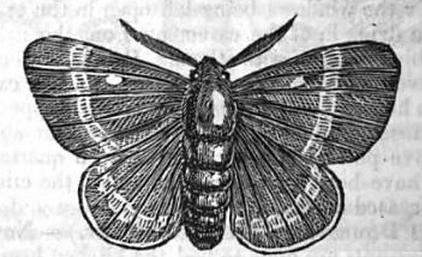
Cimex linearus

Read Full Post »

Copyright (c) Jane Austen’s World. In A Triple Tragedy: How Princess Charlotte’s Death in 1817 Changed Obstetrics, I discussed the two approaches to obstetrics in the early 19th century – the conservative approach, which meant no intervention, and the more radical intervention approach. I included no image of a physician examining a woman.

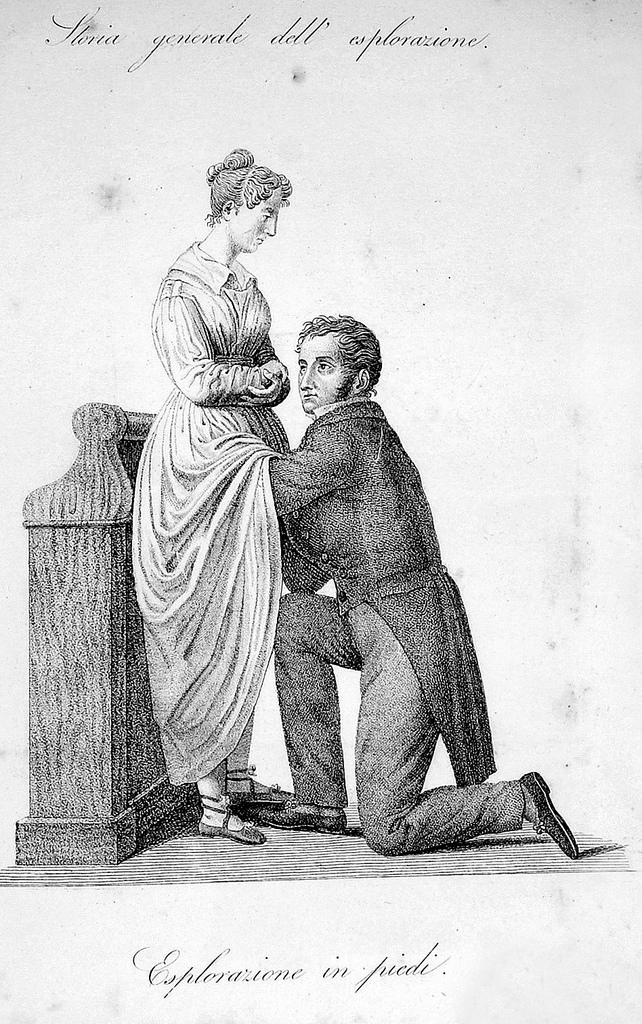
Morbid Anatomy, one of my new favorite sites, features three images of a physician examining a woman (circa 1800). These images came without attribution, but are interesting nevertheless. Click here to see them all.

Internal examination of a woman, circa 1800

In the early 1800’s there was also a growing number of formally trained doctors who took great pains to distinguish themselves from the host of lay practitioners. The most important real distinction was that the formally trained, or “regular” doctors as they called themselves, were male, usually middle class, and almost always more expensive than the lay competition. The “regulars'” practices were largely confined to middle and upper class people who could afford the prestige of being treated by a “gentleman” of their own class. By 1800, fashion even dictated that upper and middle class women employ male “regular” doctors for obstetrical care—a custom which plainer people regarded as grossly indecent.” – Witches, Midwives, and Nurses A History of Women Healers by Barbara Ehrenreich and Deirdre English

More on the topic:

Read Full Post »

Copyright (c) Jane Austen’s World. Post written by Tony Grant, London Calling.
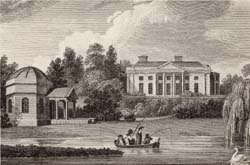
In 1754 David Garrick became the lessee first and finally bought the house, which was to become his villa beside The Thames.

Garrick's villa, 1783

It became his country retreat and the place where he and his wife entertained friends. He began to alter the original building, which had parts that dated back to the middle ages, and employed his friend Robert Adam to redesign the façade in a classical style.Capability Brown advised on the layout of the gardens. The Kingston to Staines Road runs outside the front of the house today and it did also in the 18th century.

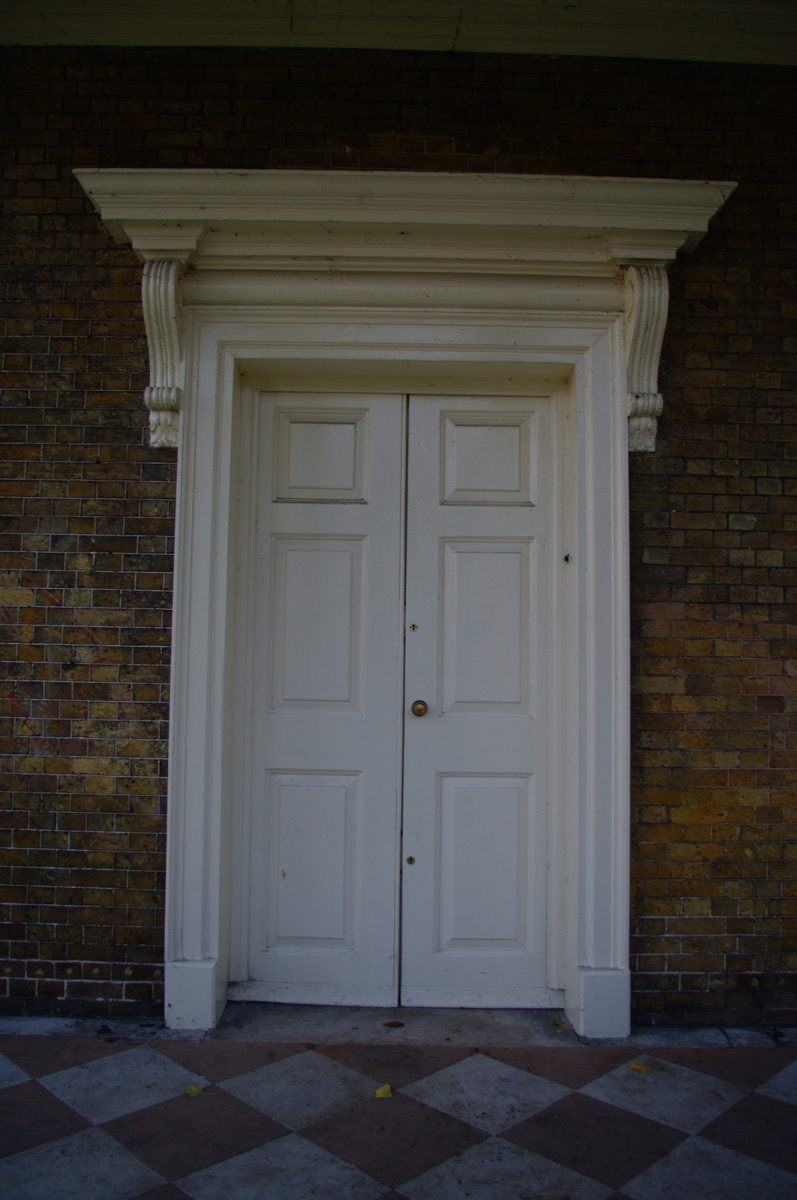
Temple doorway. Image @Tony Grant

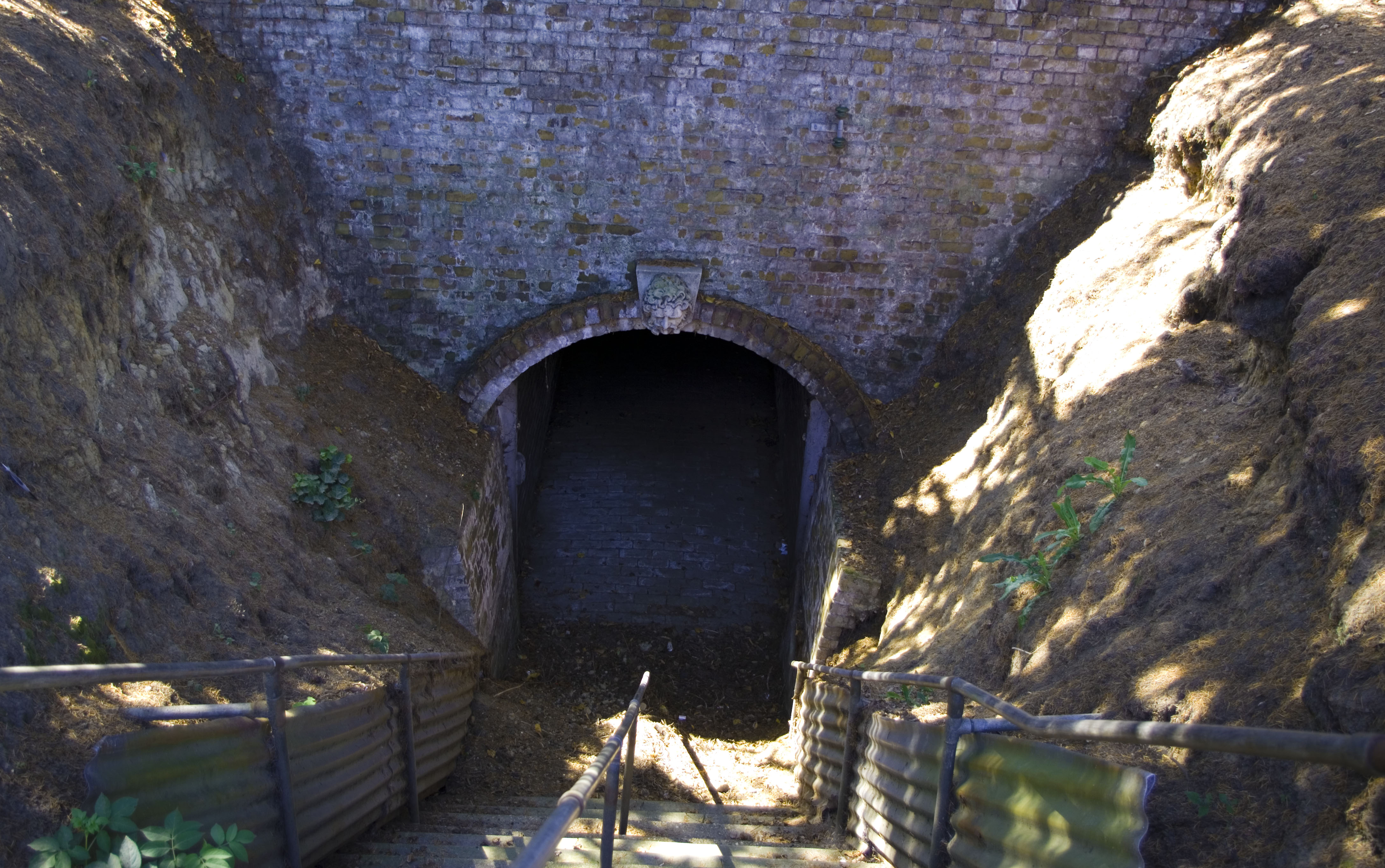
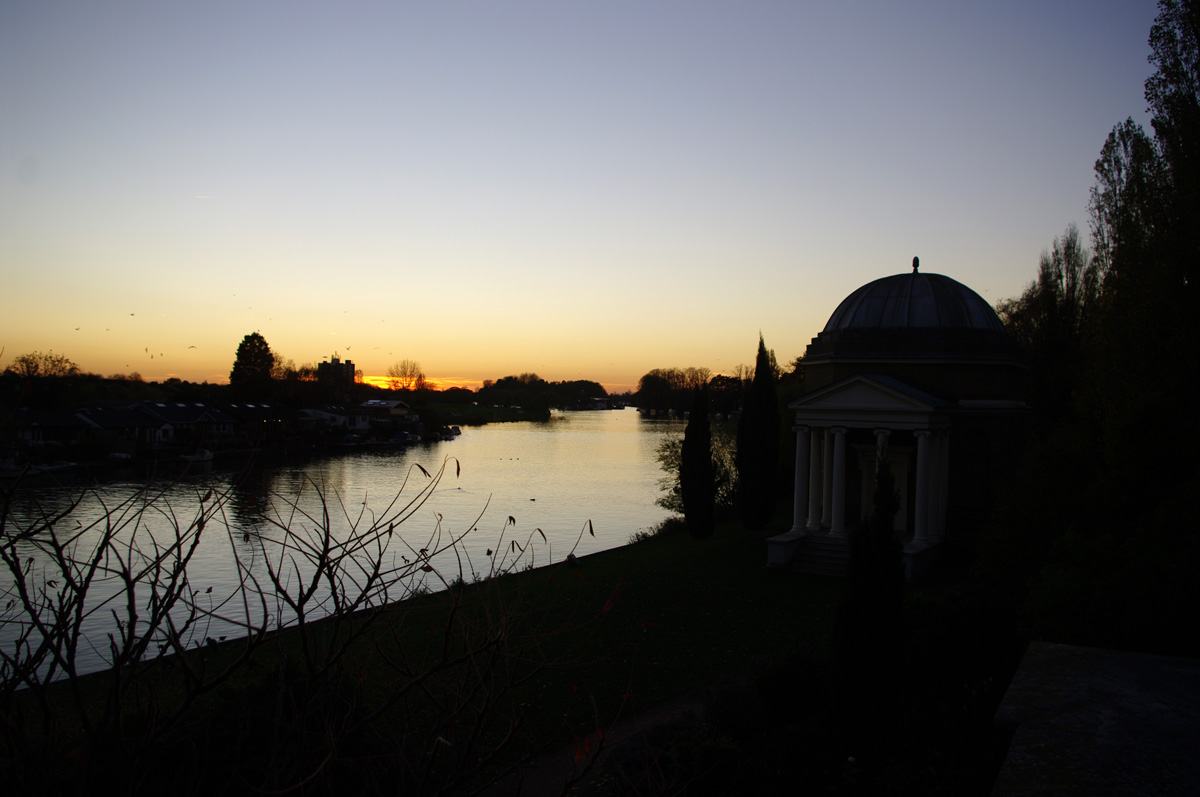
Garrick had a tunnel dug  from the front of his villa under the road to his gardens beside The Thames which today is called, Garrick’s Lawn. On this lawn, beside The Thames, Garrick had a temple to Shakespeare built. Inside was placed a very fine statue of Shakespeare designed by Roubiliac, another friend. When Garrick died, his wife Eva, gave it to the British Museum. A copy of the statue now has been placed inside the temple.

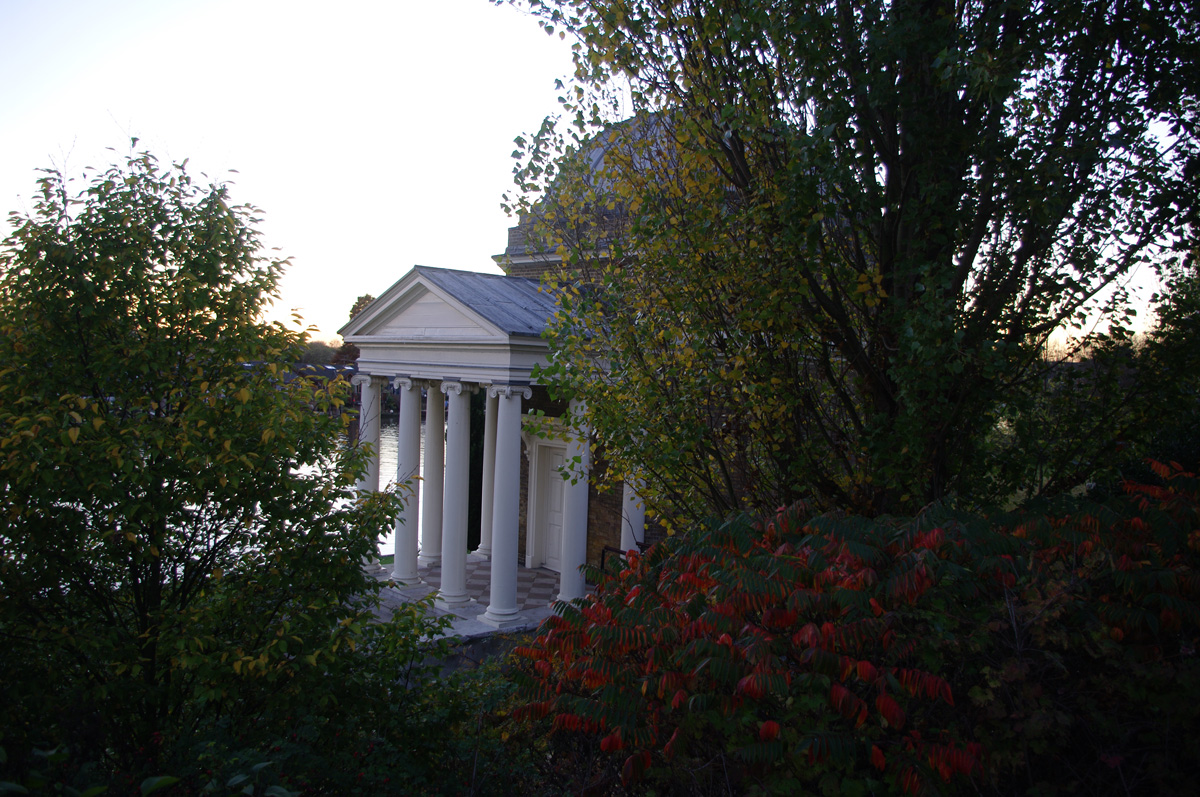
Garrick's dorric Temple. Image @Tony Grant

Garrick  added an orangery at the far end of the main garden which backs onto Bushy Park. Adam also designed the orangery in the main garden with a corinthian façade and classical entablature. Garrick owned much of the farmland, which is now Bushy Park. He also bought other houses in Hampton, including Orme House in Church Street, The Six Bells pub, later named The White Heart, Garrick’s Ait, the island opposite the temple and the villa and three other aits on The Thames. Just before his death, Garrick bought The Cedars, now called Garrick House, which you drive past on the Kingston Road.

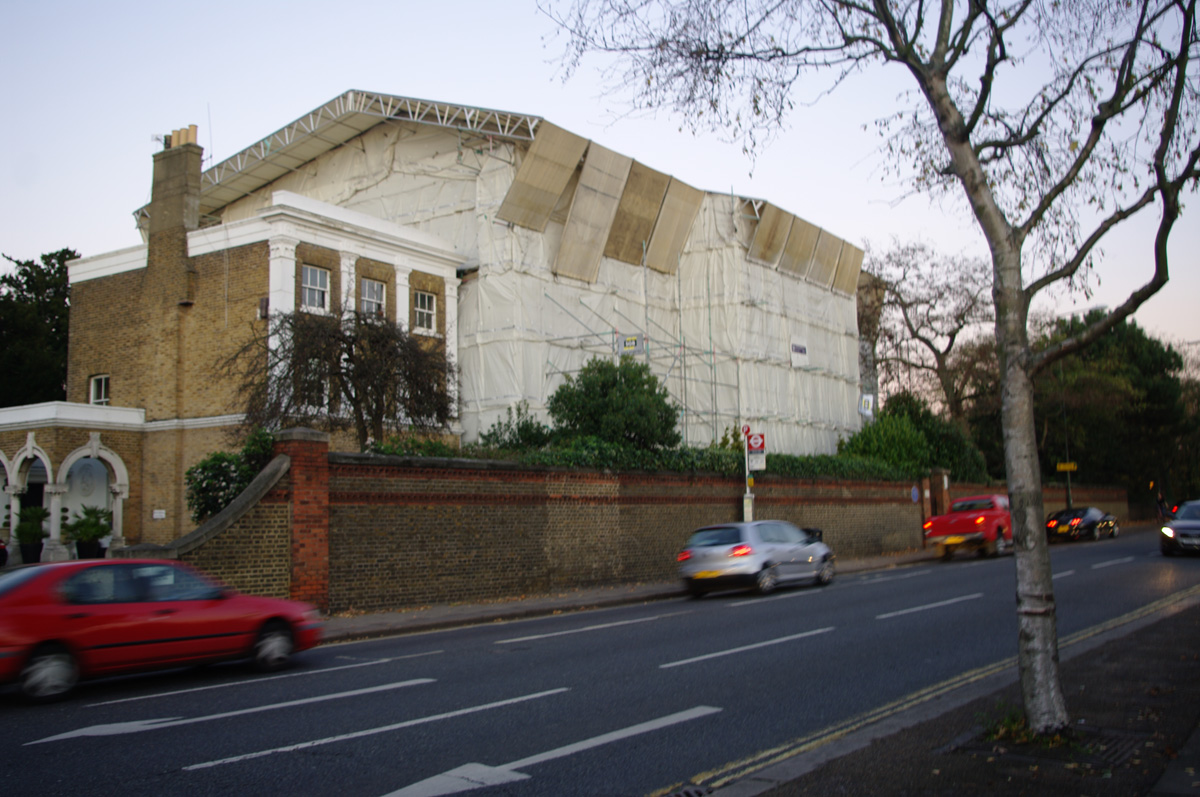
The villa under wraps after the fire. Image @Tony Grant

In 2008 some work was being done on the villa when a fire broke out. The entire roof of the grade 1 listed building collapsed. The second floor also caught fire. It took ten fire engines to bring the blaze under control and save the shell of the house. It is now undergoing extensive rebuilding. The house is a symbol  of the English Theatre and must not be lost to the nation and the world.

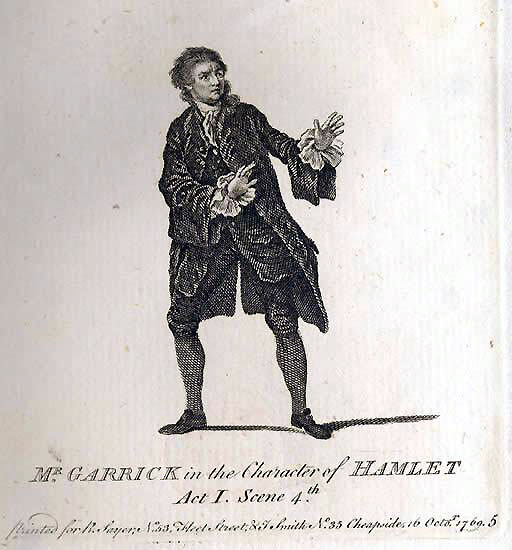
David Garrick in Hamlet. Image @Wikimedia Commons

David Garrick came from humble origins in Leicestershire. His family were Huguenot immigrants who had to struggle and fight for their survival and success. Garrick  continued this need for success. He had an incredible talent as writer, actor and innovator. His greatness can only be measured by his influence on theatre and acting today.

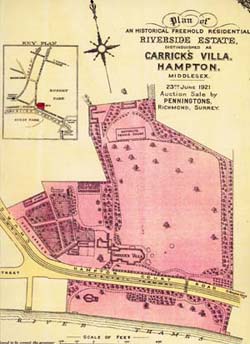
Garrick Estate Auction, 1921

What is interesting is his need to acquire property and land, to have the best in architecture and to keep acquiring, throughout his life. Was this the sign of an inner drive to stay successful, to gain security, to not allow himself to revert to lowly circumstances? Was he a driven personality? This reminds me of another driven personality, Charles Dickens, who literally worked himself to death. He too saw property and one house in particular, as a sign to himself and others that he was at the top, that he had made it.

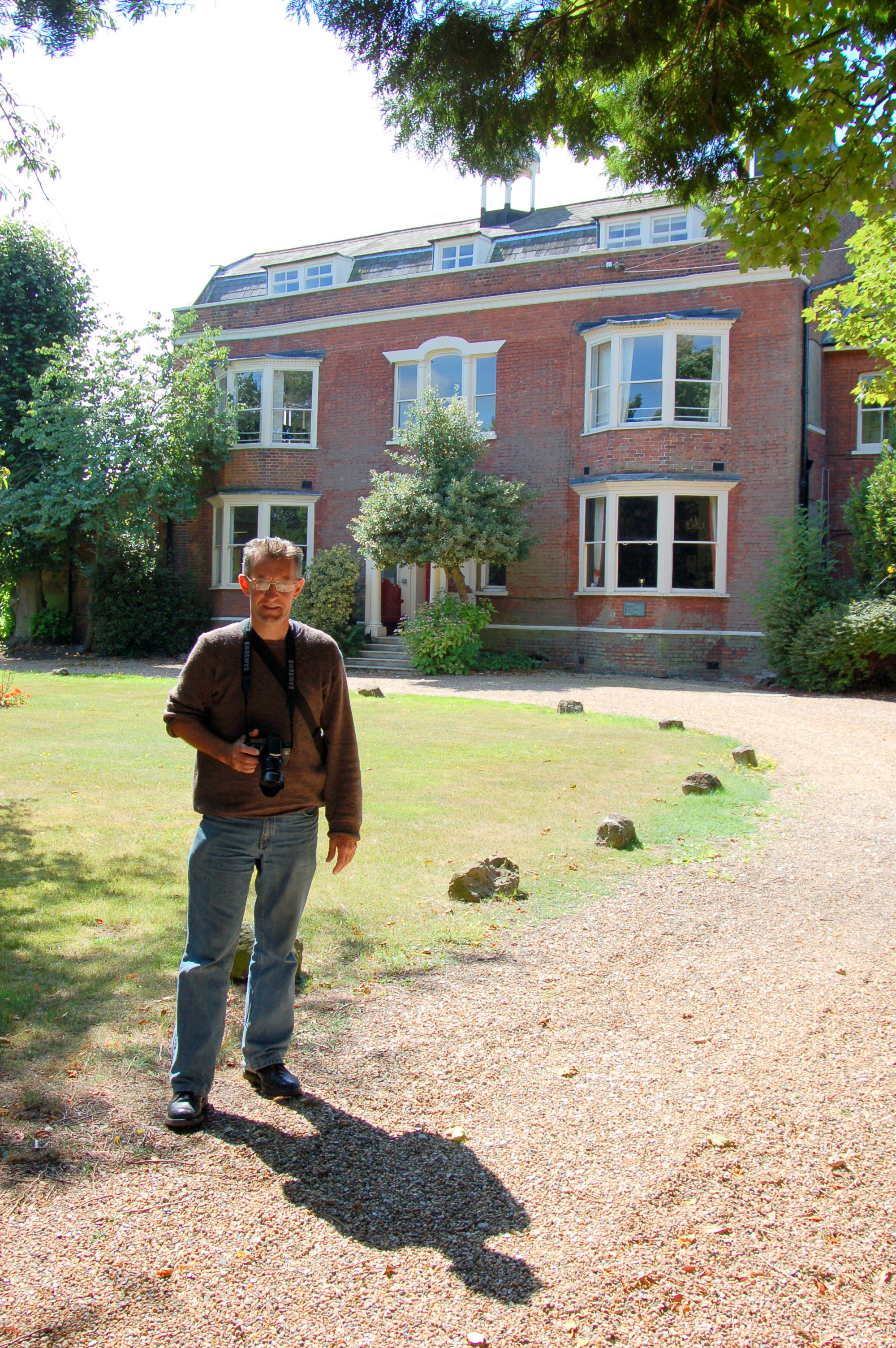
Tony Grant at Gads Hill. Image @Tony Grant

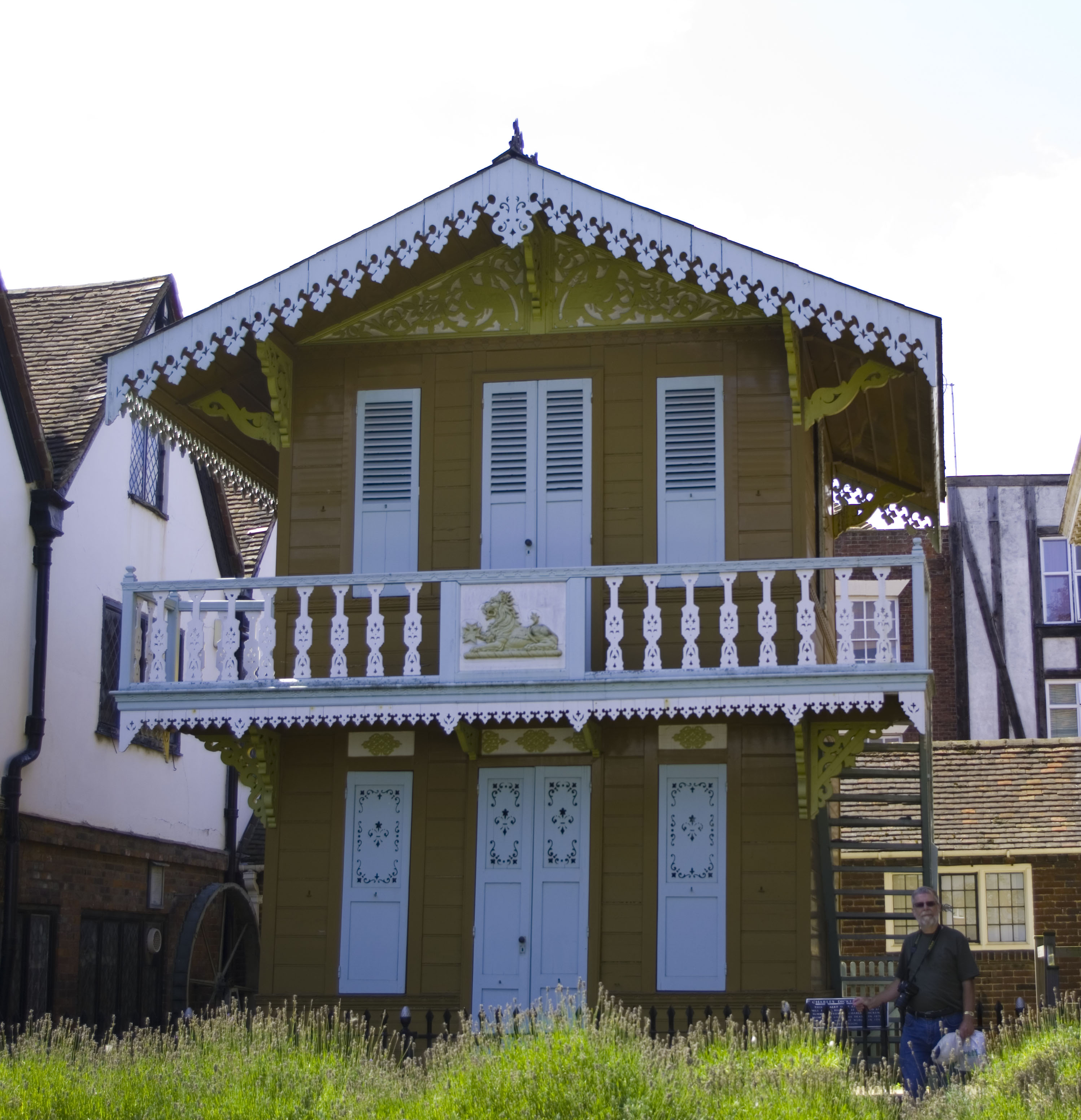
The house was Gads Hill in Kent just outside of Rochester and Chatham. After Dickens death, John Foster, a great publishing friend of Dickens wrote, “ upon first seeing it (Gads Hill) as he came from Chatham with his father and looking upon it with much admiration he had been promised that he might himself live in it or in some such house when he came to be a man, if he would only work hard enough.”

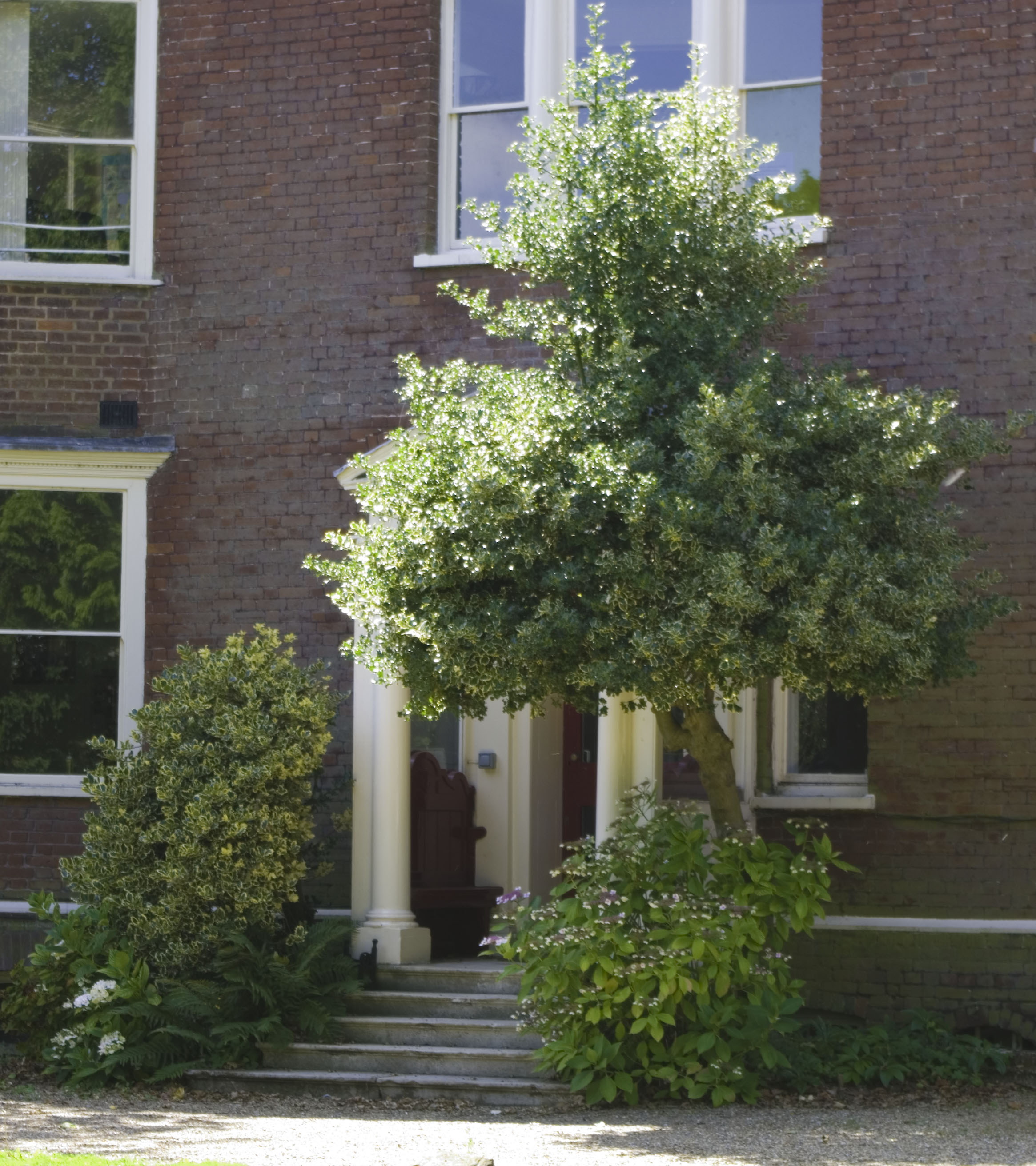
Gads Hill front door. Image @Tony Grant

Of course Dickens did work. He probably had more need to stay at the top than even Garrick. His father was notorious for getting into debt and had ended up in debtors prison. Cahrles Dickens had had to work in a blacking factory in almost slave like conditions. This affected Dickens for the rest of his life.

Ducks on the Thames. Image @Tony Grant

Both Dickens and Garrick were influenced greatly by Shakespeare. Garrick as actor and theatre owner. Garrick’s greatest performance was playing Richard III. Dicken’s house at Gads Hill was the very spot, in Henry IV part I, where Prince Hal waylays and robs Falstaff as a  prank or joke. Of course Dickens absolutely loved this connection. There is another rather obscure link with Garrick. David Garrick had a tunnel dug under the road in front of his villa to get to his garden beside The Thames. Dickens purchased the land on the opposite side of the road to his house at Gads Hill and had a tunnel dug in front of his house under the road to get to it.

Gads Hill tunnel. Image @Tony Grant

Dickens had a small wooden Swiss Chalet built on the other side of the road where, towards the end of his life, he wrote. Passing through a tunnel to the beautiful scenery of The Thames or to a place to work could be read as having deep psychological meaning I am sure.

Dickens's Swiss Chalet. Image @Tony Grant

David Garrick’s  villa can be seen as his badge of success. A symbol of all his striving and hard work.

Where do our middle class ambitions get us? Are we driven? Where have we come from and where do we want to go? Are we working like Garrick and Dickens to prove something? How desperate are we and are we happy with it? I wonder if Dickens was ever happy? Maybe in the heightened hyper reality that he achieved  in his live readings, but that was fleeting. He was driven, so was Garrick and are we?

Garrick's villa, 1824

I know this an odd request on this site but you never know who might read this stuff. To any Hollywood Super Star out there. You owe everything, your whole profession, to David Garrick. If you have some spare cash, go on, pay for the refurbishment of Garrick’s Villa. It could be your real contribution to the world.

Garrick's temple, sunset. Image @Tony Grant

More on the topic:

Read Full Post »
Copryright (c) Jane Austen’s World. This post is in honor of Thanksgiving and all the cooks, feminine or masculine, who toil hard in the kitchen to feed their families on this special holiday.

I am sure that the ladies there had nothing to do with the mysteries of the stew-pot or the preserving-pan” – James Edward Austen-Leigh, writing about his aunts, Jane and Cassandra Austen, and grandmother, Mrs Austen, when they lived at Steventon Rectory.

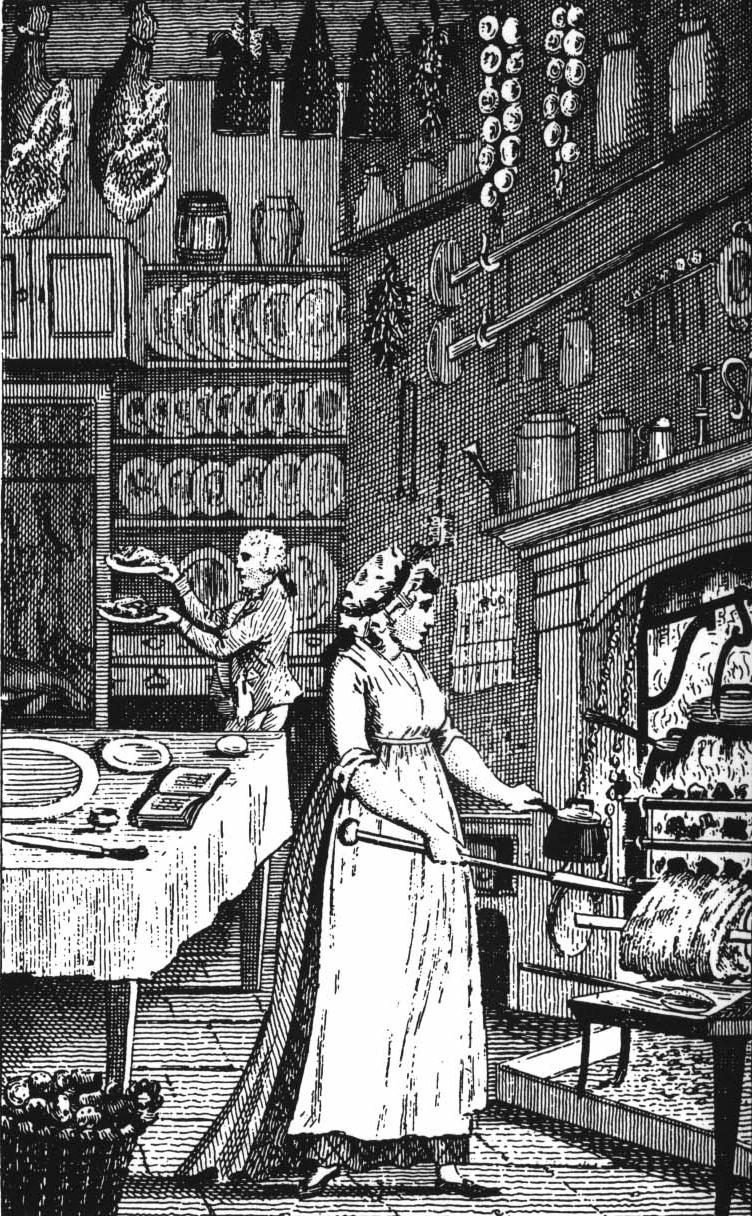
18th century kitchen servants prepare a meal. Image @Jane Austen Cookbook

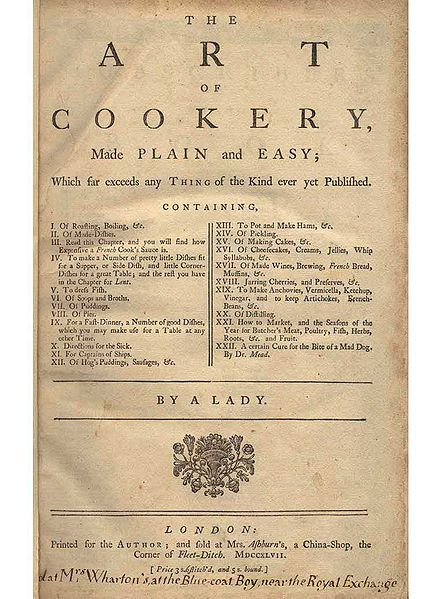
In 1747, Mrs.Hannah Glasse wrote her historic The Art of Cookery Made Plain and Easy, an easy-to-understand cookbook for the lower class chefs who cooked for the rich. Her recipes were simple and came with detailed instructions, a revolutionary thought at the time.

The Art of Cookery’s first distinction was simplicity – simple instructions, accessible ingredients, an accent on thrift, easy recipes and practical help with weights and timing. Out went the bewildering text of former cookery books (“pass it off brown” became “fry it brown in some good butter”; “draw him with parsley” became “throw some parsley over him”). Out went French nonsense: no complicated patisserie that an ordinary cook could not hope to cook successfully. Glasse took into account the limitations of the average middle-class kitchen: the small number of staff, the basic cooking equipment, limited funds. – Hannah Glasse, The Original Domestic Goddess forum

Hannah Glasse's The Art of Cookery Made Plain and Easy

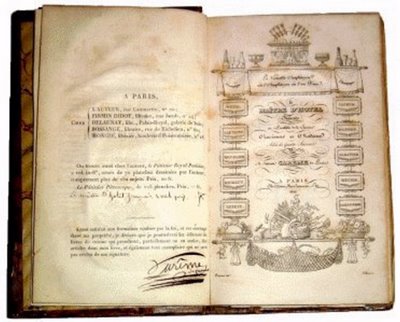
Until Mrs. Glasse wrote her popular cookery book (17 editions appeared in the 18th century), these instructional books had been largely written by male chefs who offered complicated French recipes without detailed or practical directions. (To see what I mean, check Antonin Careme’s recipe for Les Petits Vol-Au-Vents a la Nesle at this link.) Like Jane Austen, Hannah signed her books “By a Lady”.

Antonin Careme's cookbook

Mrs. Glasse had always intended to sell her cookery book to mistresses of gentry families or the rising middle class, who would then instruct their cooks to prepare foods from her simplified recipes, which she collected. “My Intention is to instruct the lower Sort [so that] every servant who can read will be capable of making a tolerable good Cook,” she wrote in her preface.

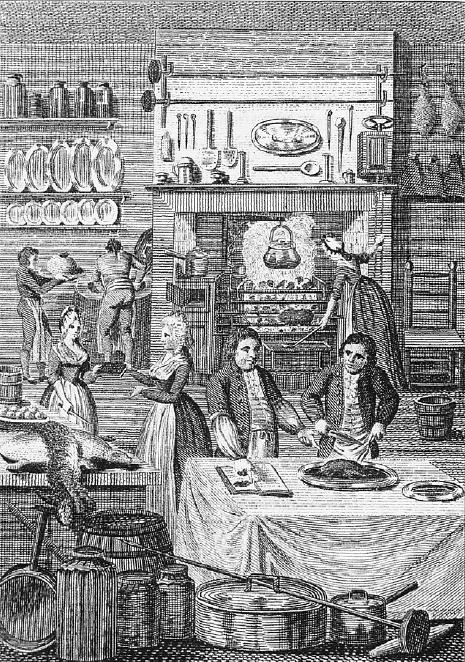
Frontispiece from William Augustus Henderson, The Housekeeper’s Instructor, 6th edition, c.1800. This same picture appeared in the very first edition of c.1791and it shows the mistress presenting the cookery book to her servant, while a young man is instructed in the art of carving with the aid of another book.*

Hanna’s revolutionary approach, which included the first known printed recipe for curry and instructions for making a hamburger, made sense. In the morning, it was the custom of the mistress of the household to speak to the cook or housekeeper about the day’s meals and give directions for the day. The servants in turn would interpret her instructions. (Often their mistress had to read the recipes to them, for many lower class people still could not read.)

In theory, the recipes from Hannah’s cookbook would help the lady of the house stay out of the kitchen and enjoy a few moments of free time. But the servant turnover rate was high and often the mistress had to roll up her sleeves and actively participate in the kitchen. Many households with just two or three servants could not afford a mistress of leisure, and they, like Mrs. Austen in the kitchens of Steventon Rectory and Chawton Cottage, would toil alongside their cook staff.

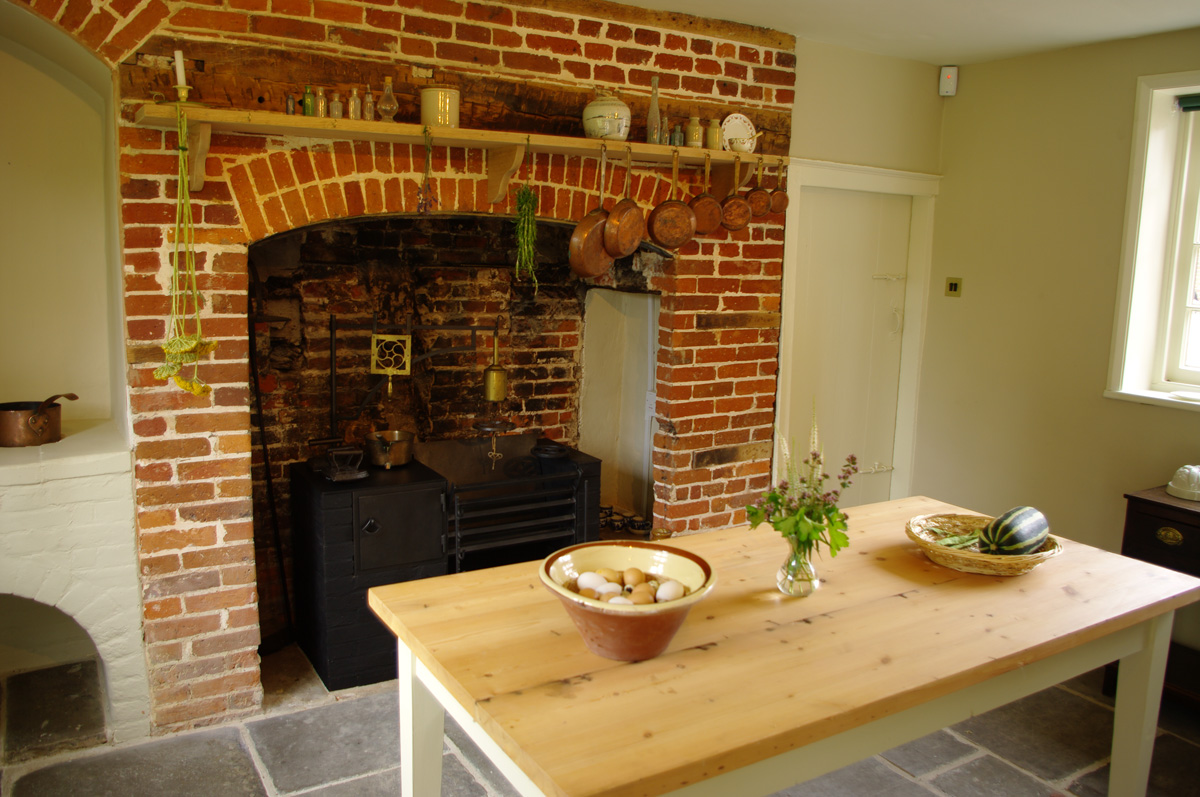
The simple kitchen at Chawton cottage. Image @Tony Grant

At the start of the 18th century the French courtly way of cooking still prevailed in genteel households. As the century progressed, more and more women like Hannah Glasse began to write cookery books that offered not only simpler versions of French recipes, but instructions for making traditional English pies, tarts, and cakes as well. Compared to the expensive cookbooks written by male chefs, cookery books written by women were quite affordable, for they were priced between 2 s. and 6 d.

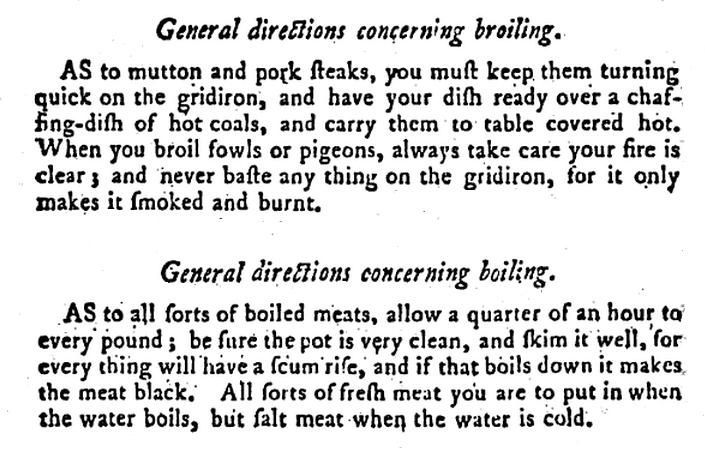
Hannah Glasse's practical directions for boiling and broiling

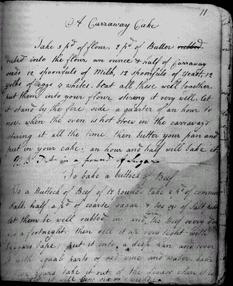
Publishers took advantage of the brisk trade, for with the changes in agricultural practices,  food was becoming more abundant for the rising middle classes. Large editions of cheap English cookery books by a variety of female cooks were distributed to a wide new audience of less wealthy and largely female readers who had money to spend on food. Before Hannah Glasse and her cohort, cooks and housewives  had been accustomed to sharing recipes in private journals (such as Marthat Lloyd’s) or handing them down by word-of-mouth.

Martha Lloyd's recipe for caraway cake written in her journal.

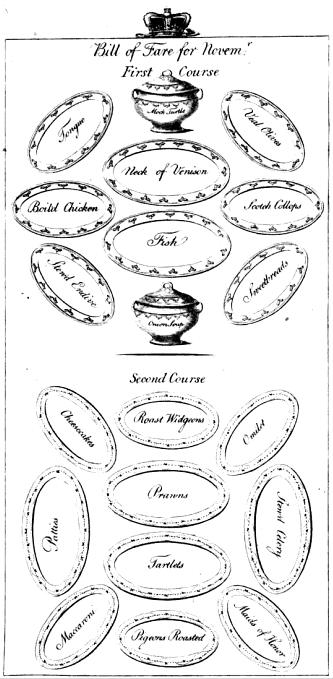
Female authors tended to share their native English recipes in their cookery books. As the century progressed, the content of these cookery books began to change. Aside from printing recipes, these books began to include medical instructions for poultices and the like; bills of fare for certain seasons or special gatherings; household and marketing tips; etc.

Bill of fare for November, The Universal Cook, 1792

By the end of the 18th century, cookery books also included heavy doses of servant etiquette and moral advice. At this time plain English fare had replaced French cuisine, although wealthy households continued to employ French chefs as expensive status symbols.  In the mid-19th century cookery books that targeted the working classes, such as Mrs. Beeton’s famous book on Household Management, began to be serialized in magazines, as well as published in book form.

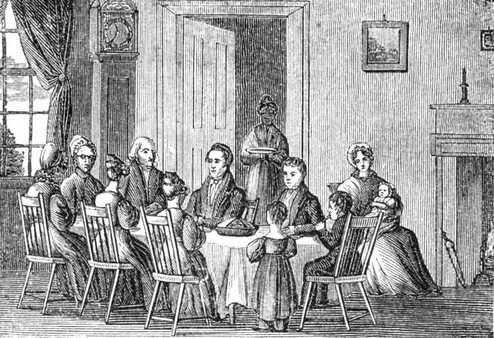
Family at meal time

Before ending this post, I would like to refer you back to James Edward Austen-Leigh’s quote at top. In contrast to what he wrote (for he did not know his aunts or grandmother well), Jane Austen scholar Maggie Lane reminds us that housewives who consulted with their cook and housekeeper  about the day’s meals still felt comfortable working in the kitchen. She writes in Jane Austen and Food:

“though they may not have stirred the pot or the pan themselves, Mrs. Austen and her daughters perfectly understood what was going on within them…The fact that their friend and one-time house-mate Martha Lloyd made a collection of recipes to which Mrs. Austen contributed is proof that the processes of cookery were understood by women of their class.”

More on the topic:

Read Full Post »
« Newer Posts - Older Posts »