Feeds:
Posts
Comments

Copyright @Jane Austen’s World. Post written by Tony Grant, London Calling.
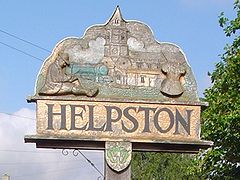
John Clare (1793-1864) was born at Helpston, a village in Northamptonshire on July 13th 1793. Jane Austen was 18 years old and living in the south in an equally rural setting of the parsonage at Steventon, Hampshire. Her family and life was very different to John Clare’s. His father was a farm labourer, a fairground wrestler and a ballad singer. The ballad singing was John’s first introduction to verse, rhythm and rhyme.

John Clare was at first educated at a dame school in his native village between 1798 and 1800. Then he went to Glinton school in the next village.
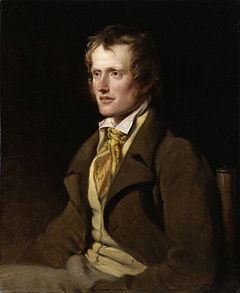
John Clare, Poet

He had a need to write poetry and his first poems were based on his father’s songs. People said of him at the time and nowadays that he was a self-taught poet. It’s difficult to imagine anybody being taught to be a poet. John Clare could hear the rhythms and rhymes in his father’s songs and he did read quite extensively. He was able to think in rhythms and find the right words to say what he wanted by writing poetry. He was sensitive to the sounds and meanings of words and was able to put them together. Great writers don’t learn to be great writers. They have certain skills but the rest is innate. They can hear and find things in words that is very difficult for the rest of us. Otherwise we could all do it. People have struggled to explain the genius of Shakespeare and perhaps Jane Austen. They didn’t come from the aristocracy or were particularly well educated. It was part of their inner selves. That can be the only explanation. Great lawyers or accountants or architects are taught the knowledge they need and some skills but something innate can only make them great.
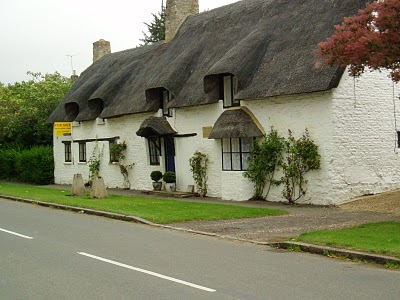
John Clare's cottage

John Clare’s father became rheumatic and couldn’t work in the fields and so John had to take his place so the family could eat. He worked as a horse boy, a ploughboy and then became a gardener at Burley House. In 1812 he joined the local militia returning home 18 months later.
When he returned he took up lime burning. Lime was very useful for building purposes. It was and is a necessary ingredient for cement and concrete. It can also be spread on fields to keep pests down.

In Casterton, a village nearby, he met Martha Turner. She became his wife and they had eight children together.

John Clare’s first book of poems was called “Poems Descriptive of Rural Life.” This was published in 1820 by Hessey and Taylor who were Keats publisher. The volume ran to four editions and Clare began to become famous in London literary circles. They called him, the, “peasant poet,” a rather derogatory title in many ways. In 1821 he published “The Village Minstrel,” and in 1827 The Shepherds Calendar,” came out. The success of his first volume, which was obviously a curio, eluded these following books. In 1835, “The Rural Muse,” was produced and hardly sold at all. John Clare and his family had no money and were virtually destitute.
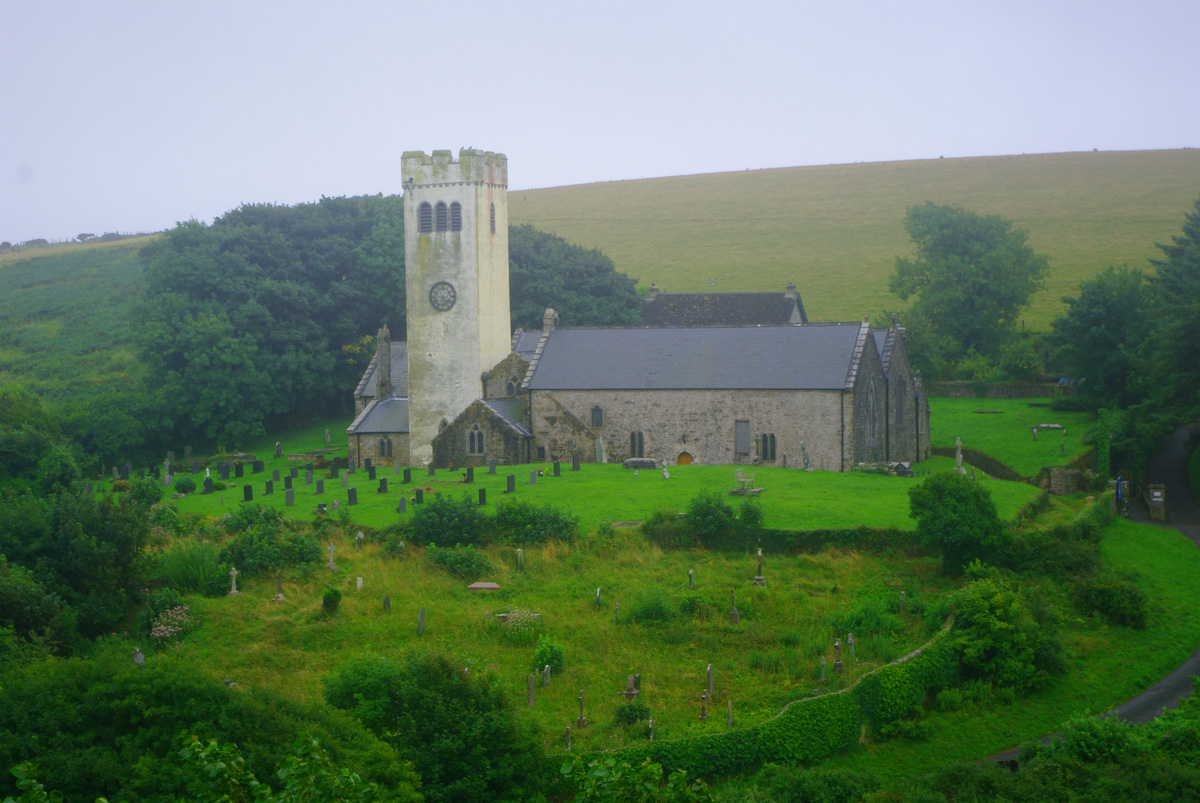
Country Church. Image @Tony Grant

In 1837 John Clare was admitted to Matthew Allen’s private asylum of High Beech in Epping Forest. He was there for four years. He had begun to have delusions. He thought he was Shakespeare for a while. His family couldn’t cope with him. The mental strain of being torn between two worlds was destroying him. After four years he was discharged and had to walk the eighty miles home, which took him three days. He ate grass along the way. When he got home he wrote two long poems based on Byron’s poems Don Juan and Childe Harold.These two poems described his state of mind. Again in December 1841 he was certified insane by two doctors. He was admitted to St Andrew’s County Lunatic Asylum in Northampton where he was treated well. He was able to continue writing poetry. He died there in 1864.
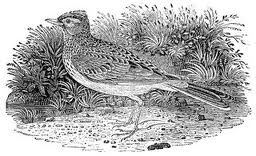
Skylark

The Skylark

THE rolls and harrows lie at rest beside
The battered road; and spreading far and wide
Above the russet clods, the corn is seen
Sprouting its spiry points of tender green,
Where squats the hare, to terrors wide awake,
Like some brown clod the harrows failed to break.
Opening their golden caskets to the sun,
The buttercups make schoolboys eager run,
To see who shall be first to pluck the prize–
Up from their hurry, see, the skylark flies,
And o’er her half-formed nest, with happy wings
Winnows the air, till in the cloud she sings,
Then hangs a dust-spot in the sunny skies,
And drops, and drops, till in her nest she lies,
Which they unheeded passed–not dreaming then
That birds which flew so high would drop again
To nests upon the ground, which anything
May come at to destroy. Had they the wing
Like such a bird, themselves would be too proud,
And build on nothing but a passing cloud!
As free from danger as the heavens are free
From pain and toil, there would they build and be,
And sail about the world to scenes unheard
Of and unseen–Oh, were they but a bird!
So think they, while they listen to its song,
And smile and fancy and so pass along;
While its low nest, moist with the dews of morn,
Lies safely, with the leveret, in the corn.

John Clare

John Clare often wrote in Iambic pentameter, that most used metre in the English language. Shakespeare and Milton and many poets since have found iambic pentameter the best form to use. It is a ten-syllable line with pared, soft and strong beat pulses. It’s like an inner natural force. It is the most natural rhythm pattern to use because it is close to a conversational style; it’s like our heartbeat and our breathing patterns. It is most apt for conveying every sort of meaning in the English Language. It’s easy and smooth and a real joy to say.

John Clare moves straight into this perfect rhythm in the first two lines of The Skylark with these rhyming couplets.

The rolls and harrows lie at rest beside
The battered road: and spreading far and wide”

The iambic pentameter mesmerises us, carries us along, and Clare enters right into the detail of the countryside with “rolls,” “harrows” and “the battered road.” We are there immediately with him on his walk or ramble about his village.
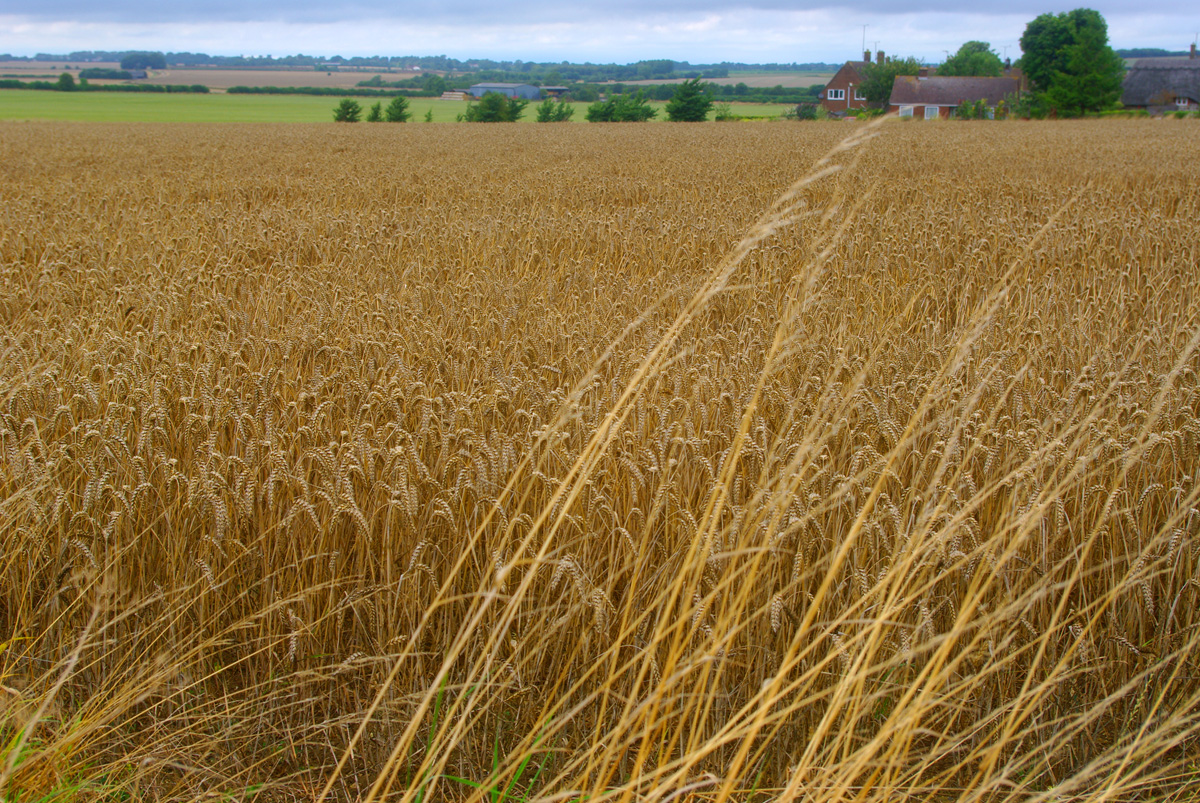
Wheat field. Image @Tony Grant

In this poem, John Clare shows his detailed knowledge of the countryside where he lives and his knowledge about country practices and farming equipment. “Rolls and harrows lie at rest,” “ the battered road,” presumably cut deep and rutted by cartwheels are there for him to see. He describes the colour of the clods of clay, a russet colour, and we learn the season when the events of this poem happen, in his description of the growing corn, “sprouting spiry points of tender green.” It’s the time of year the buttercups are, “ opening their golden caskets to the sun.”

The introduction of humans, in Clare’s poetry, always brings foreboding, fear and the possibility of danger and destruction. In the Skylark “schoolboys eager run, to see who shall be first to pluck the prize.” The boys are not there to admire and be sensitive to nature they want to, “pluck,” it, tear it from it’s place and use it for their own fun and amusement. Are they, the boys, the, “anything,” that, “may come at to destroy?”

Clare shows his closeness and affinity with nature and the world of the countryside with words and phrases such as,

…harrows lie at rest,”

“Where squats the hare, to
terrors wide awake,”

“…the skylark flies,
And oe’r her half formed nest, with happy wings
Winnows the air, till in the cloud she sings.”

We are so used to using the word, sings, to describe the sounds a bird makes. Clare has used, in this poem, words to describe country objects and nature; rest, terror, winnows and happy. This is personification. It shows his relationship, his emotional attachment to nature and wild animals. He is part of it and it is part of him.
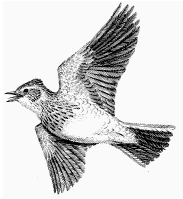
Skylark in flight

There is a very powerful section in the poem which describes a certain fear and dislocation in the life of the skylark which the schoolboys create.
Clare describes the skylark suddenly and abruptly flying high to distract them from it’s weak, fragile and vulnerable nest on the ground.

The line starts abruptly:

Up from their hurry, see, the
Skylark flies,
And oe’r her half formed nest, with happy wings
Winnows the air, till in the cloud she sings
Then hangs a dust spot in the sunny skies
And drops, and drops, till in her nest she lies,”

The boys have passed by unaware, and the skylark feels safe to return to her nest and probably her eggs or new laid chicks. She has flown high and put on a happy and joyous show, an act, a false hood, all the time terrified about her nest being discovered. Just as suddenly she drops back down to the nest when the coast is clear. It’s a sudden dramatic,reversal and change of positions.

The description of the skylark being, “a dust spot,” adds to this sense of dislocation. I thought it a strange description of the skylark high in the sky. In a literal sense the skylark might look like a dark spot against the bright blue spring sky. However, a dust spot is dirt that needs to be removed, swept away. It’s out of place. The beauty of the skylark reduced to something dirty. This description has a strange resonance. Why should Clare think of the skylark as a piece of dirt?
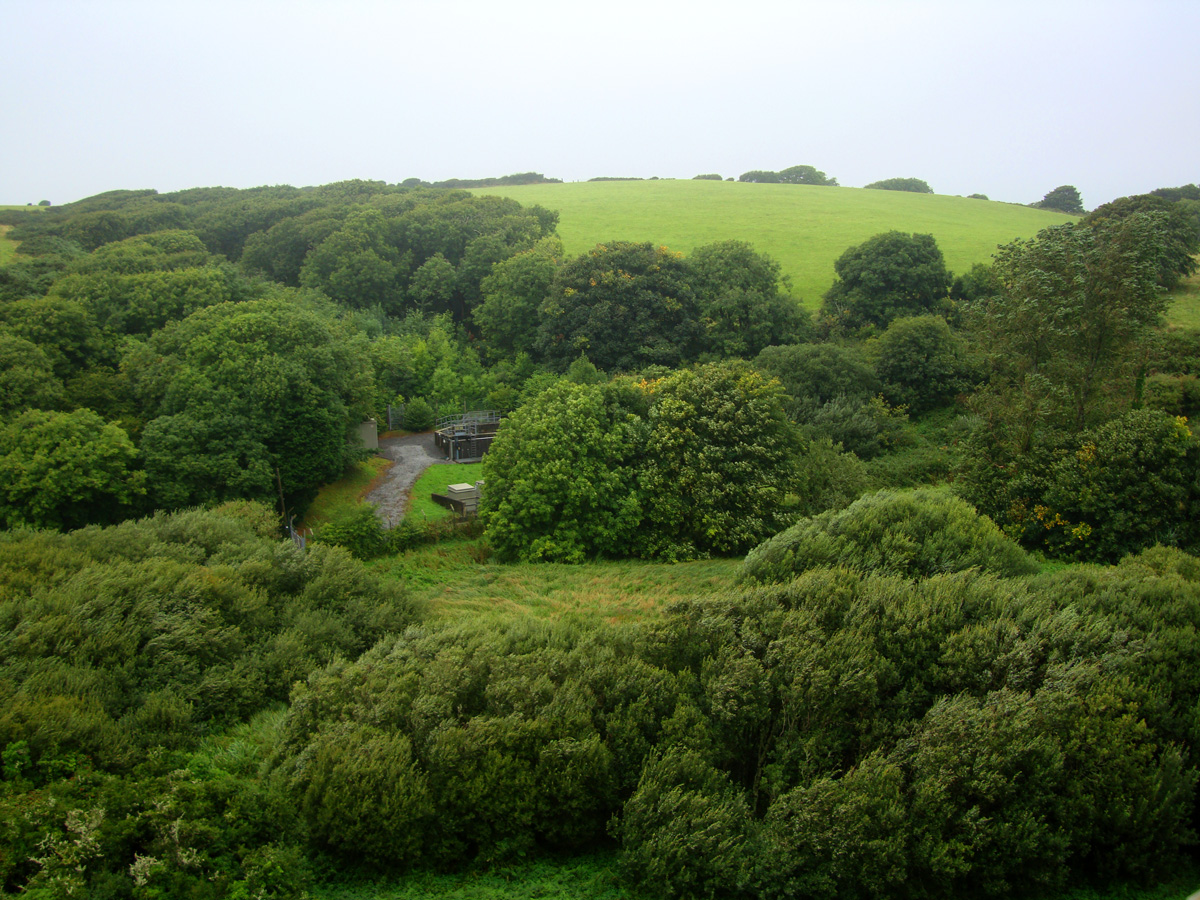
Woodland. Image @Tony Grant

To relieve us from all this dire, stark reality, Clare, describes at the end of the poem his idea of perfection. His thoughts are about the schoolboys but this is Clare’s hope. It is sad to think that freedom for Clare can only be in death and the hope of heaven. Only there can the skylark, it’s, “low nest, moist with the dew of morn,” be safe.

Like such a bird themselves
Would be too proud

And build on nothing but a passing cloud!
As free from danger as the heavens are free
From pain and toil, there would they build and be.”

It is very easy to compare the events in this poem with Clare’s own life and perhaps his feelings about himself. Is he the skylark torn between heaven and earth, the heights of the literary world where many regarded him as a curio, a country yokel, a,”dust spot?” Is the skylark’s vulnerable nest his own vulnerable family and fragile existence back home in his Northamptonshire village?
Copyright @Jane Austen’s World

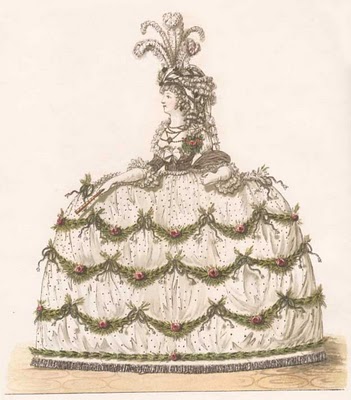
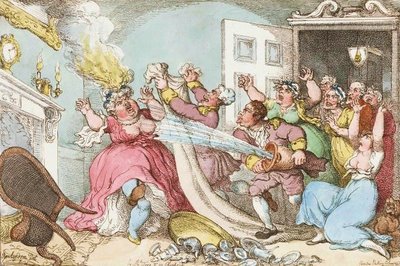
Looking at the images in this post, one can only imagine how difficult it was for a woman in full evening dress (or court dress) to move around. Between taking care of her shawl, reticule, dance card, and fan, she had to walk upright and sedately so that her head feathers did not topple over after an abrupt movement or caught fire under chandeliers ablaze with candles.

1794-95 Court Dress

Examining the above image, one can readily see that these costumes were designed for high-ceilinged rooms that were opened by high double doors.

A lady's wig catches fire. Thomas Rowlandson. Image @Yale University

In this dramatic image, Thomas Rowlandson catches a moment of real danger both for the lady whose wig (and feathers) caught fire, and for the guests, who might have been trapped in a house fire, for water to put out flames was not easily obtained.  In the late 18th century The London Times reported on several more incidents in which ladies found ways to accommodate their head feathers, or in which the feathers (and mother nature) got the best of them.

Lady Godina's Rout

At all elegant Assemblies there is a room set apart for the lady visitants to put their feathers on, as it is impossible to wear them in any carriage with a top to it. The lustres are also removed upon this account, and the doors are carried up to the height of the ceiling. A well-dressed Lady who nods with dexterity can give a friend a little tap upon the shoulder across the room without incommoding the dancers. The Ladies feathers are now generally carried in the sword case at the back of the carriage.  – Times,  Dec 29, 1795.

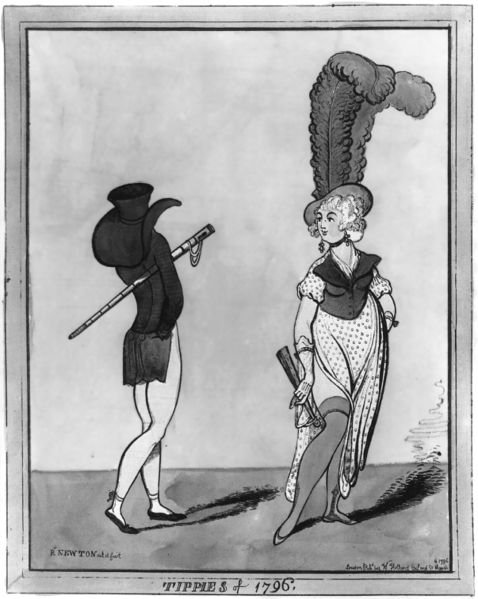
Tippies of Newton, 1796 caricature by Richard Newton. Image @Wikimedia Commons

A young lady only ten feet high was overset in one of the late gales of wind in Portland Place, and the upper mast of her feather blown upon Hampstead Hill.  “The maroon fever has been succeeded by a very odd kind of light-headedness, which the physicians call ptereo mania, or feather folly.” The Ladies now wear feathers exactly of their own length, so that a woman of fashion is twice as long upon her feet as in her bed. –  Times, Dec 30, 1795.

1796, High Change in Bond Street, Gillray

We saw a feather in Drury Lane Theatre yesterday evening that cost ten guinea. We should have thought the whole goose not worth the money.  – Times, Jan 6, 1796.

A Modern Belle Going to the Rooms at Bath, James Gillray, 1796. Image @Wikimedia Commons

Here is a contrivance by which A Modern Belle going to the Rooms or Balls can go fully dressed with her feathers fixed. There is to be seen in Gt Queen Street a Coach upon a new construction. The Ladies set in this well and see between the spokes of the wheels. With this contrivance the fair proprietor is able to go quite dressed to her visits, her feathers being only a yard and a half high. –  Times, Jan 22, 1796.

Vis a vis Ladies Coop, 1776

The Times described predicaments regarding head feathers that were not new. Note how twenty years before, both high wigs AND feathers were accommodated. And, indeed, feathers, whether made from ostrich, emu, goose, or peacock, remained popular as a head dress for years to come.

The headdress, while always including a veil, also required feathers as part of it, although, the number and size of the feathers varied with the Monarchy. At the time of Queen Charlotte, young ladies wore one single towering ostrich feather, but through the years, the number of feathers required increased. By the Edwardian Era, the widespread use of feathers to decorate hats and bonnets began the passage of laws that restricted using certain types of bird’s feathers.*

Queen Victoria hated small feathers, so orders were issued that Her Majesty wanted to see the feathers as the young lady approached. Later in Queen Victoria’s reign, as well as in the court of Edward VII, the mandated headdress was three feathers arranged in a Prince of Wales plume–that is, the center feather was higher than the two on each side of it–and it was worn slightly on the left side of the head. Tiaras were worn by married women, and it was extremely difficult to keep the feathers in place, especially during the curtsy.

More on the topic:

The environs of London changed dramatically during the 18th and 19th century.

Map of London, Fairburn, 1795

Find them here: Maps of the city are clickable for closer views.  Click on this link: Old London Maps.

List of maps and views in chronological order on the site:

1702
St. Paul’s Cathedral. Pieter Schenk c. 1702. A colourised view of St Paul’s from Westminster.
1720
John Stow (John Strype, editor, and Richard Blome, engraver), maps and plans from the 1720 edition of The Survey of the Cities of London and Westminster.
1750
A map of the Thames between the Tower and Blackwall, giving soundings at low tide, and showing stairs and windmills. Printed in the late 18th century, but showing the Thames as it was in 1750.
1753
A map showing the new roads etc. from Westminster Bridge in May 1753, taken from the Gentleman’s Magazine.
1756
The Proposed New Road from Paddington to Islington 1756 in London.
1786
John Carey’s beautiful Actual Survey of the Country Fifteen Miles Around London, 1786 (which now, of course, includes most of London). This incorporates 24 maps of all eighteenth-century London’s satellite villages and many contemporary views.
1792-99
Richard Horwood’s 1792-1799 Plan of London and Westminster – quite simply, the most detailed map of Georgian and Regency London you will ever find. It shows every house (with numbers), every alley, every tavern, every work and alms house. Magnificent.
1801 John Fairburn’s Plan of Westminster and London, 180

Copyright (c) Jane Austen’s World.

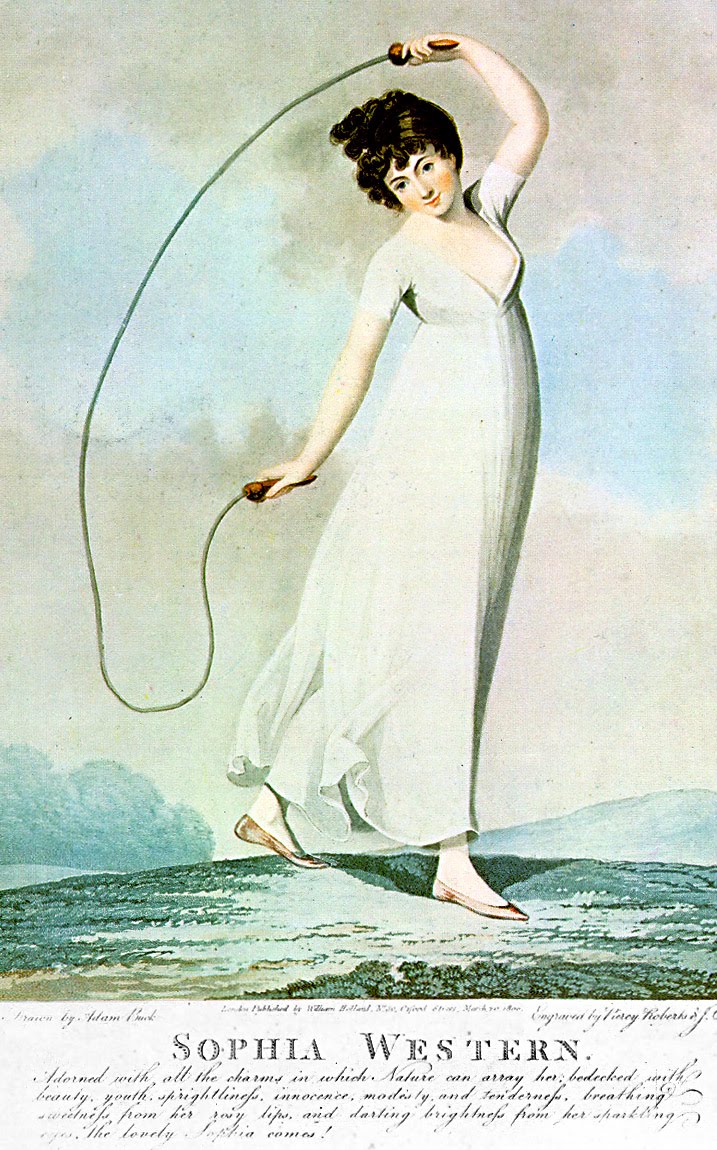
Jane Austen fans are more familiar with Adam Buck’s small watercolor portraits on pin up print cards than the artist’s name. This format was popular during the Regency era.

Sophia Western, Adam Buck

Sophia Western, an 1800 engraving after an Adam Buck drawing, depicts a Tom Jones heroine with a jumping rope. She wears a Regency gown, rather than a costume from 1749, when Fielding’s book was published.

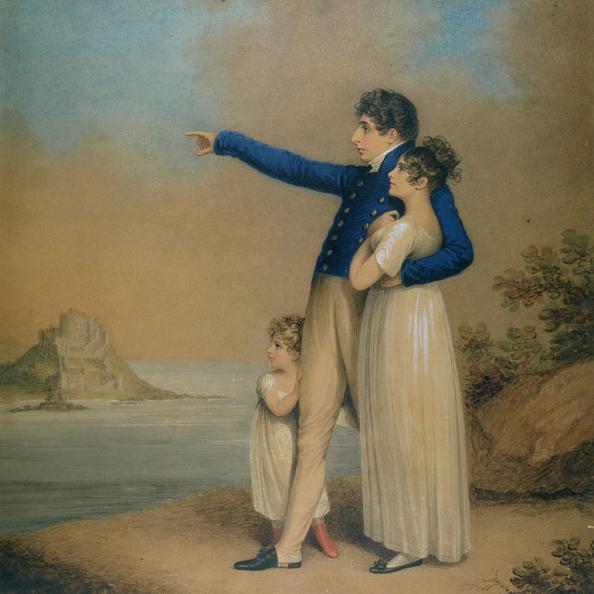
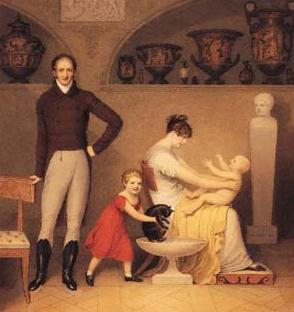
Roberth Southey with Daughter and Son, Adam Buck

Born in 1759 in Ireland, Buck left his native land in 1795 to establish a studio in London, where his small portraits in pencil, oil, crayons, or watercolour were quite popular. His linear, lightly colored neoclassical drawings and paintings showed scenes of domesticity and motherhood in classic attitudes that resembled those on Greek vases. The artist is said to be largely self-taught.

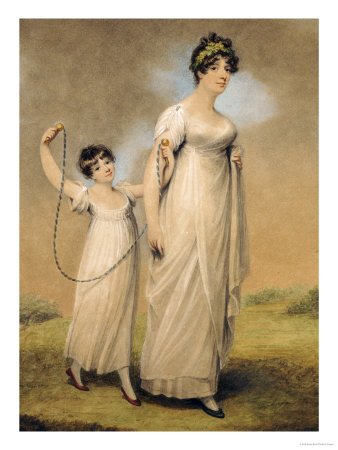
Portrait of a mother and her daughter, Adam Buck

Two … Irish artists brothers of the name of Buck deserve attention. Their pencil groups, slightly coloured, were very popular ,and especially those in which the sitters were grouped in classic attitudes resembling those on Greek vases. The reason for the existence of these portraits was the love that Adam Buck especially had for Greek art. He issued a book on the paintings on Greek vases ,and he modelled many of his best miniatures, as well as his pencil groups, on the classic scenes so dear to him. His work, as a rule, can be distinguished by the exquisite drawing of the profile. His brother, Frederick, who commenced in his profession by painting portraits in crayon, also painted miniatures following on the lines of Adam Buck. Neither of the men were very good col ourists but both were accurate draughtsmen.” – How to Identify Portrait Miniatures, George Charles Williamson, Alyn Williams

Mother and Child, Adam Buck, Victoria and Albert Museum

Buck produced a book in 1812, “Paintings on Greek Vases”, that contained 100 plates designed and engraved by himself. He exhibited his work at the Royal Academy between 1795 and 1833.

Adam Buck, Self portrait with wife and children, 1813.

Buck’s distinctive linear designs were also used on China ware and in fashion plates. See the Adam Buck inspired bat-printed porcelain images on Candice Hern’s site.

Herculaneum Pottery with Children at Play Pattern in the style of Adam Buck

More on the topic:

Copyright (c) Jane Austen’s World. Post written by Tony Grant, London Calling.

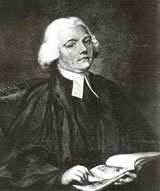
Gilbert White

Claire Tomlin’s biography of Jane Austen called Jane Austen A Life begins with:

The Winter of 1775 was a hard one. On 11th November the naturalist, Gilbert White saw that the trees around his Hampshire village of Selborne had almost lost all their leaves. “Trees begin to be naked,” he wrote in his diary. Fifteen miles away, higher up in the Downs, in the village of Steventon, the rectors wife was expecting the birth of her seventh child from day to day as the leaves fell.”

And thus we have the first introduction to Jane, still inside her mother’s womb, with a reference to the reverend Gilbert White of Selborne.

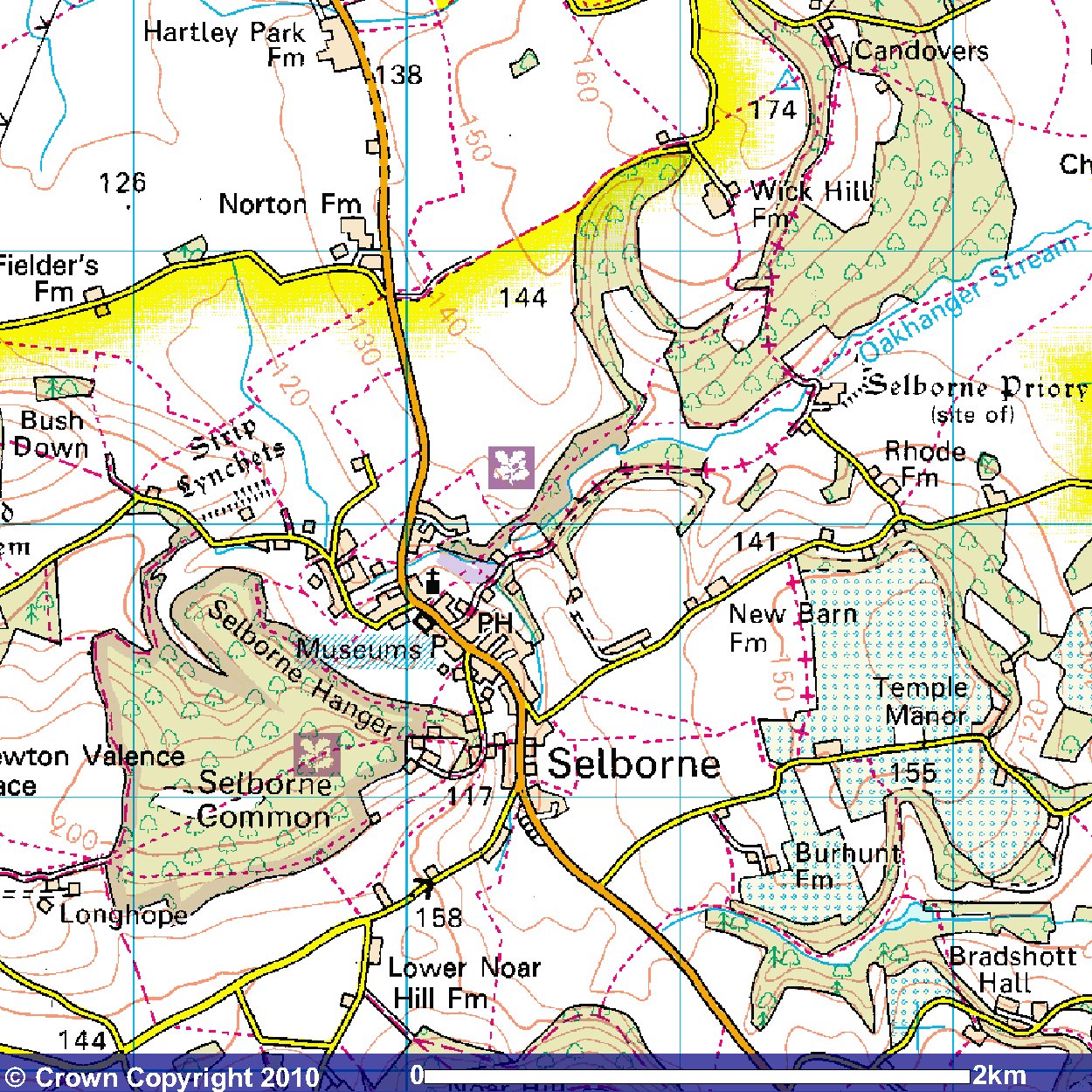
Map of Selborne

Selborne is a village about five miles to the east of Chawton. Gilbert White was in his 55th year just as Jane began her first year. His writing was to become the most continuously published piece of writing in the English language. It has been published more often than Jane’s own writing and the Bible. It is still on the shelves of all good bookshops today and new editions are always being prepared.

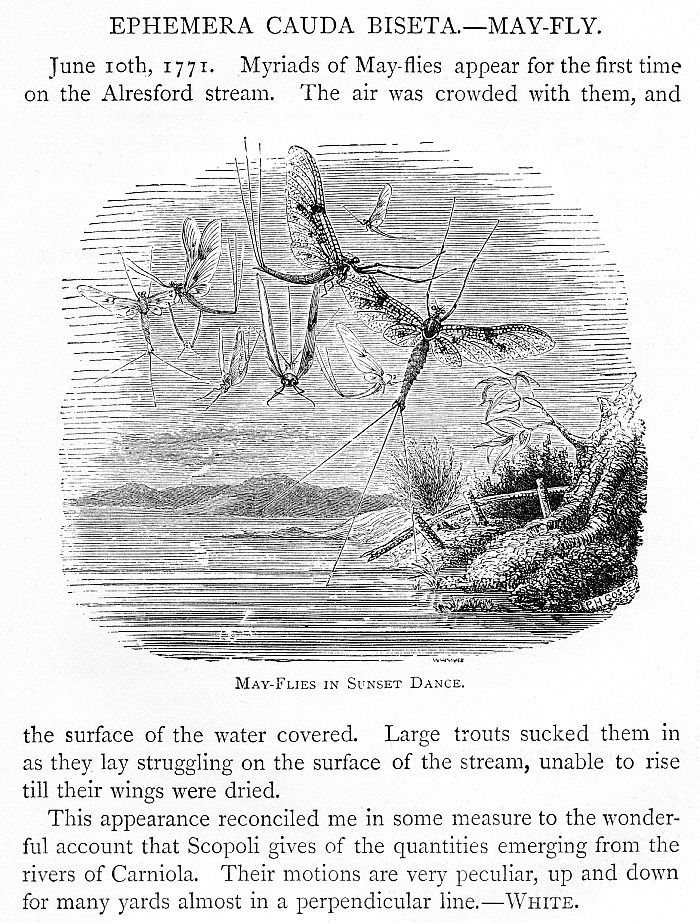
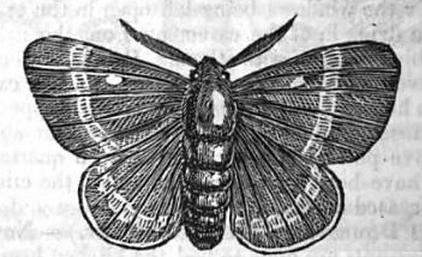
Mayflies, Gilbert White, 1771

Gilbert White was born in 1720. He was educated in the town of Basingstoke, the town Jane knew well. Thomas Wharton was his schoolmaster. He then embarked on an academic career at Oriel College Oxford. Following his grandfather and uncle into the church, he became ordained as a church of England priest. From an early age he took a deep interest in the natural history and the plants and animals in his native Hampshire.

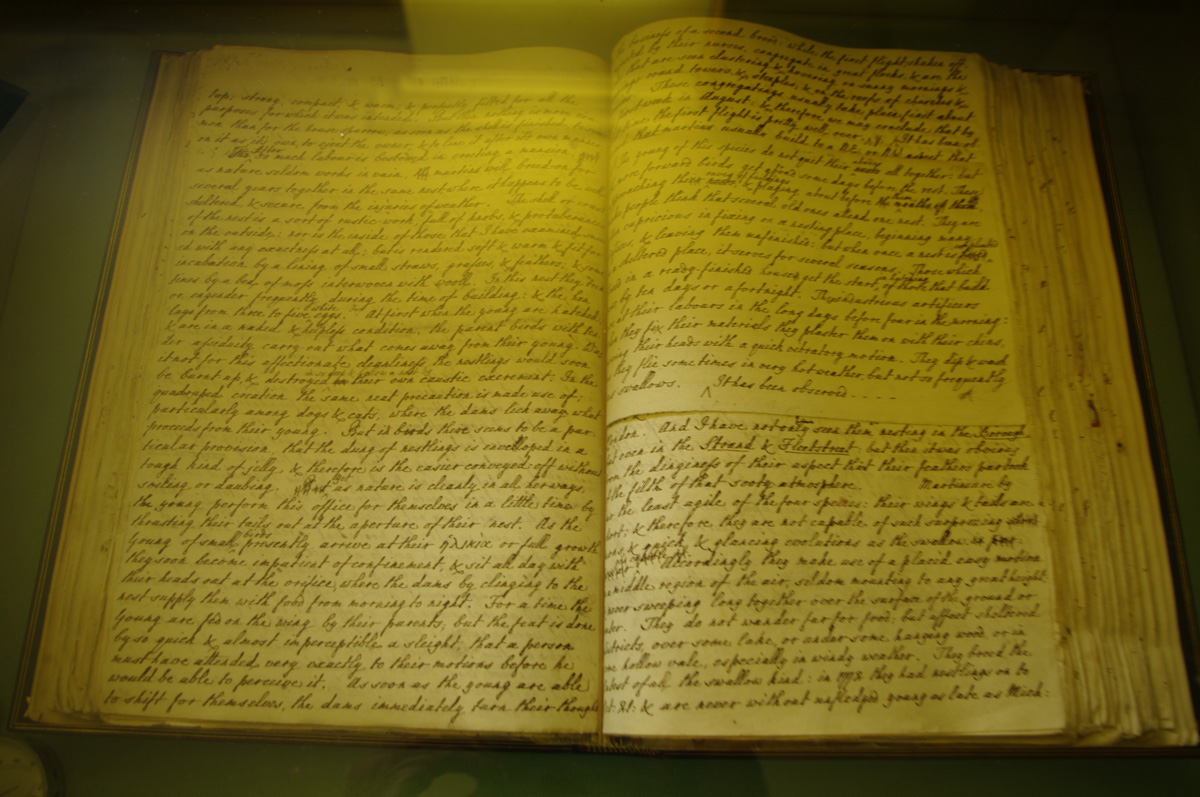
Gilbert White's journal. Image @Tony Grant

Gilbert White is best known for his collection of letters compiled in a volume called Natural History and Antiquities of Selborne, (1789) The book comprised his correspondence with two of the leading naturalists of the time, Thomas Pennant and Daines Barrington. In the letters White discussed his theories about the local flora and fauna.

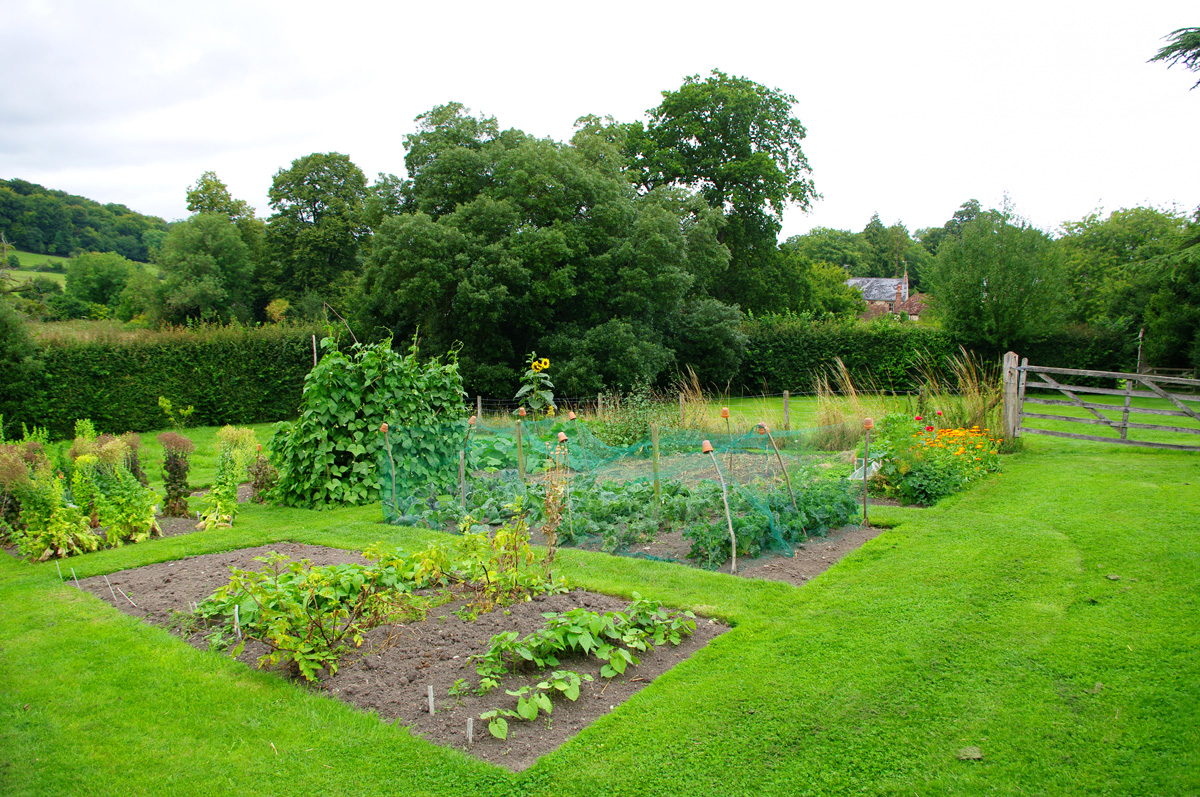
Vegetable garden. Image @Tony Grant

Gilbert White was also a keen gardener and grew many species of flowers, vegetables and fruit. What made him different and unique and applicable to naturalists today was that he observed things closely in their natural state. Naturalists, during his lifetime and before him, tended to examine the dead carcasses of animals brought to them.

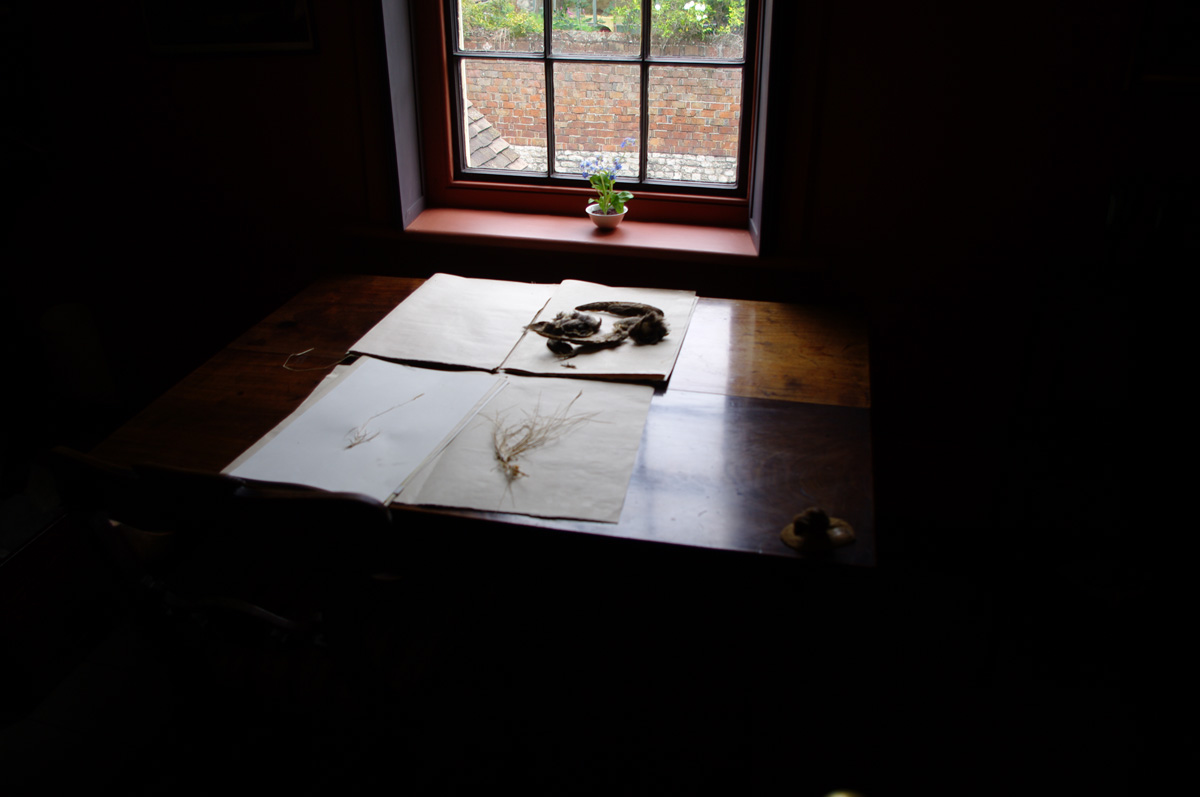
Natural collection. Image @Tony Grant

They would dissect and examine in detail the animal or plant before them; dead, cut off, out of it’s natural environment, there, on their table or desk. White performed some of this type of research, but what really made him different was his observations of animals and plants in their natural habitat. We would not think of studying an animal today without knowing it’s habitat, life cycle, and breeding habits. This is what made White unique for his time. His records are unique also in the length of time he kept them and the systematic detail of his observations. Darwin quoted some of Gilbert White’s observations in his own research.

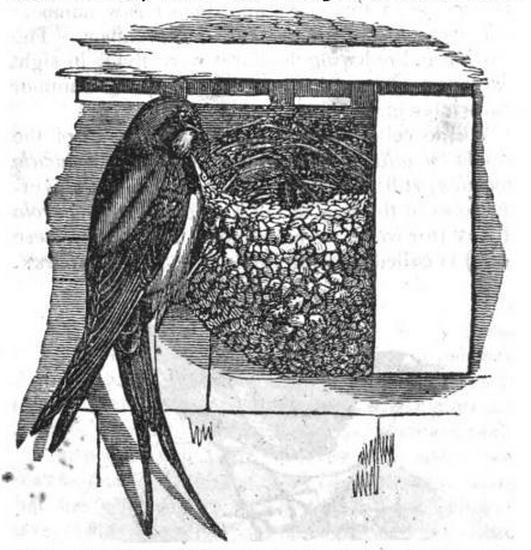
Martin, The Natural History of Selborne, Gilbert White

Gilbert White especially studied the species known as hirundines. These are what we know as swallows, house martins and swifts. He observed them flying, soaring, whirling about the great hanger that stood behind the village of Selborne . The base of the hanger was literally at the bottom of his garden. A hanger is a large, very steep hill, with almost vertical sides. Trees adorn its face and seem to ”hang” there. The hanger at Selborne was home to a vast variety of flora and fauna. It is very much the same today as it was in Gilbert White’s time.

The hanger at Selborne. Image @Tony Grant

In fact, by using his letters as guides, you can follow the very same paths and walks he took all those years ago and see the plants and wild life he observed. And, yes, you can still see his beloved hirundines, whirling and twirling and flickering , darting and swooping about the hanger in the springtime and summer months.

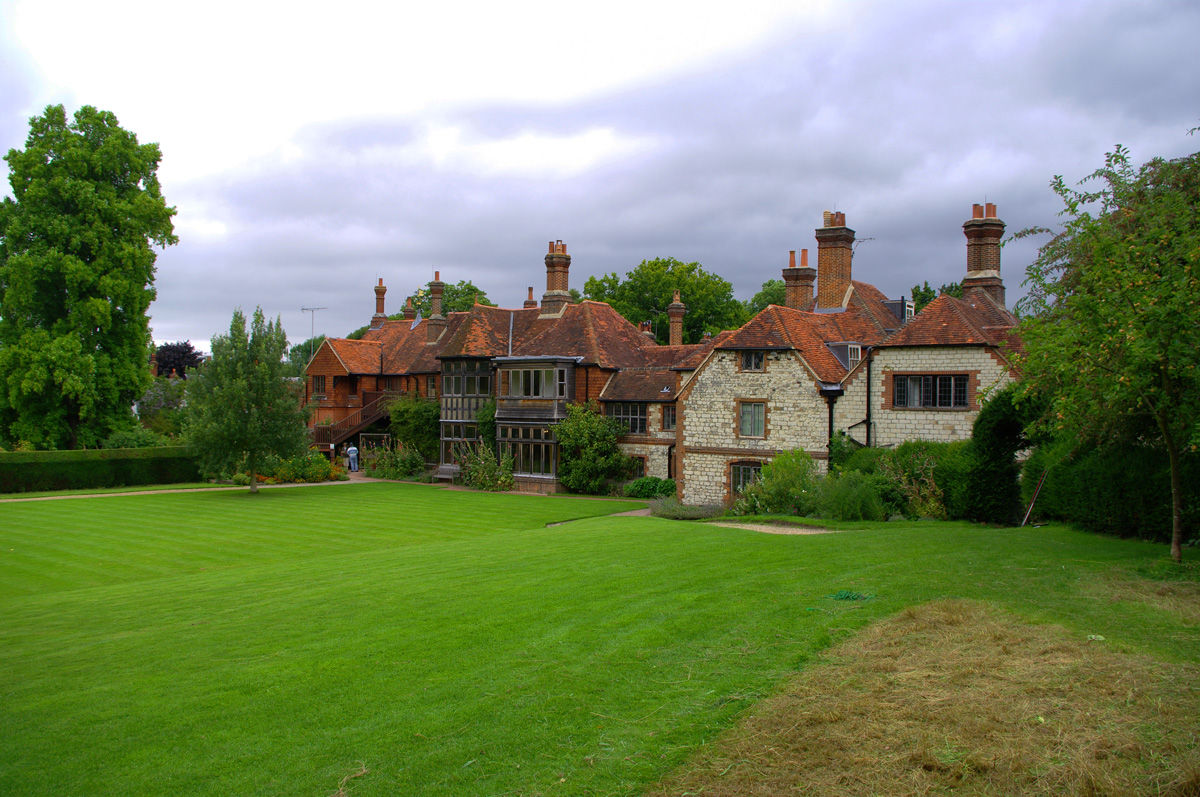
Gilbert White's house at Selborne. Image @Tony Grant

Most of Gilbert White’s contemporaries were convinced that swallows hibernated during the winter months in hollows and under the mud of local ponds. White disputed this and tried throughout his life to gain evidence to prove or disprove this. Unfortunately he never reached a definitive conclusion.

Interior, Gilbert White's house. Image @Tony Grant.

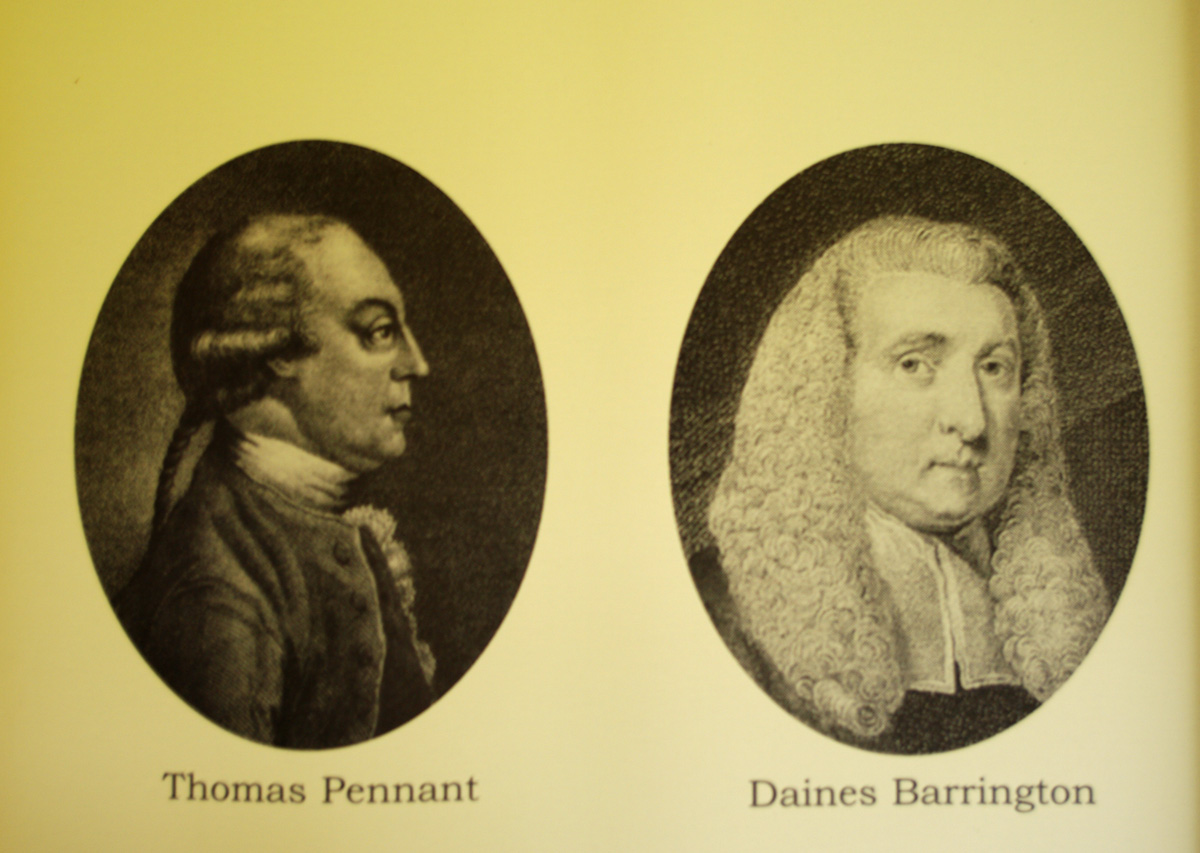
Gilbert White’s brother, Benjamin, who was a publisher of natural history, introduced him to Thomas Pennant, the foremost zoologist of the time, and to Daines Barrington. He corresponded with them and other naturalists, such as Joseph Banks and Daniel Solander.

Pennant and Barrington

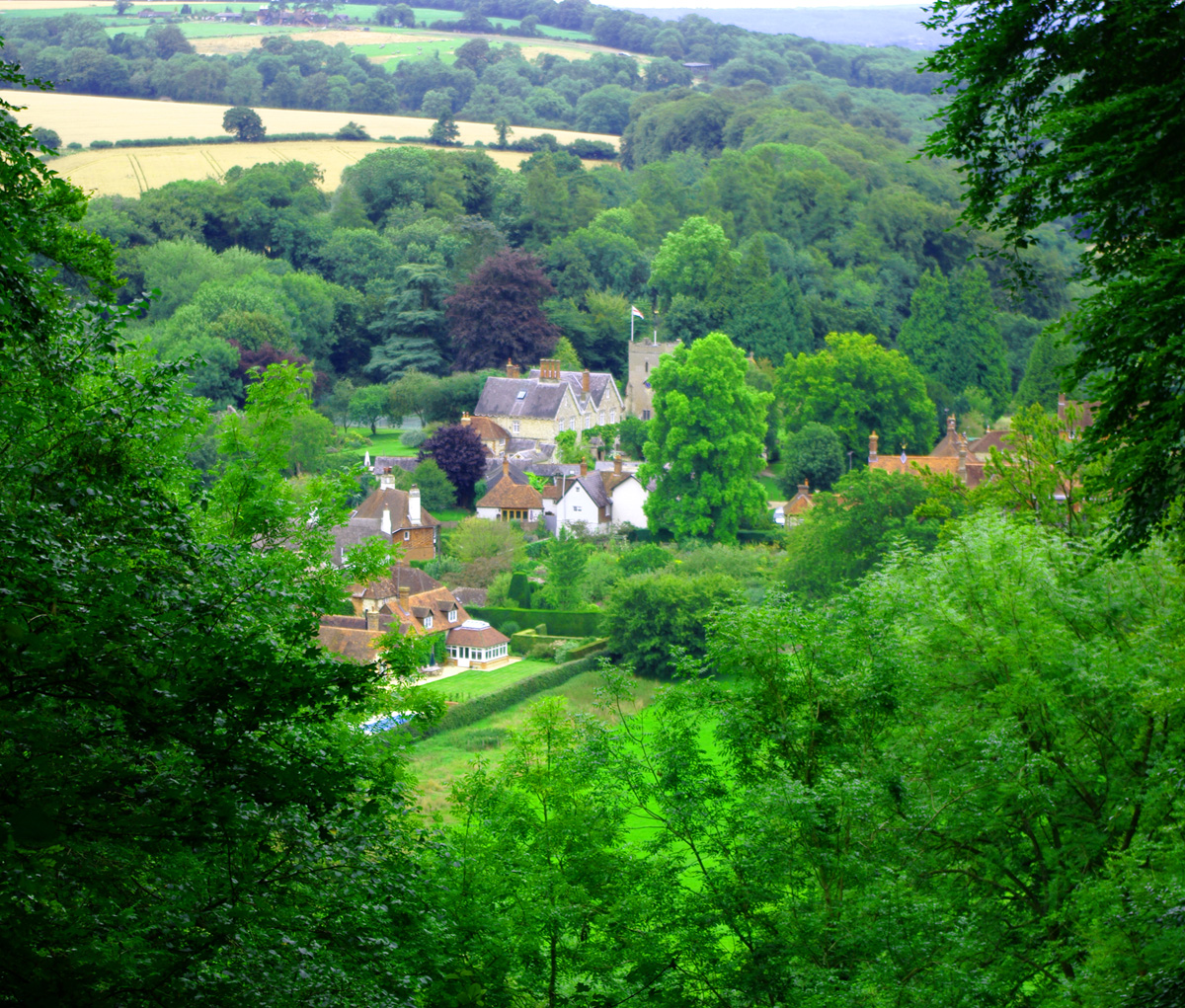
In his first letter to Thomas Pennant,  White describes Selborne and it’s situation.

At the foot of this hill, one stage or step from the uplands lies the village, which consists of one straggling street, three quarters of a mile in length, in a sheltered vale and running parallel with the hanger. The houses are divided from the hill by a vein of stiff clay (good wheat land), yet stand a rock of white stone, little in appearance removed from chalk; but seems so far from being calcareous, that it endures extreme heat.”

Selborne from the hanger. Image @Tony Grant

Just in this short extract we can see White’s eye for detail, his wondering mind, and his clarity of recording.

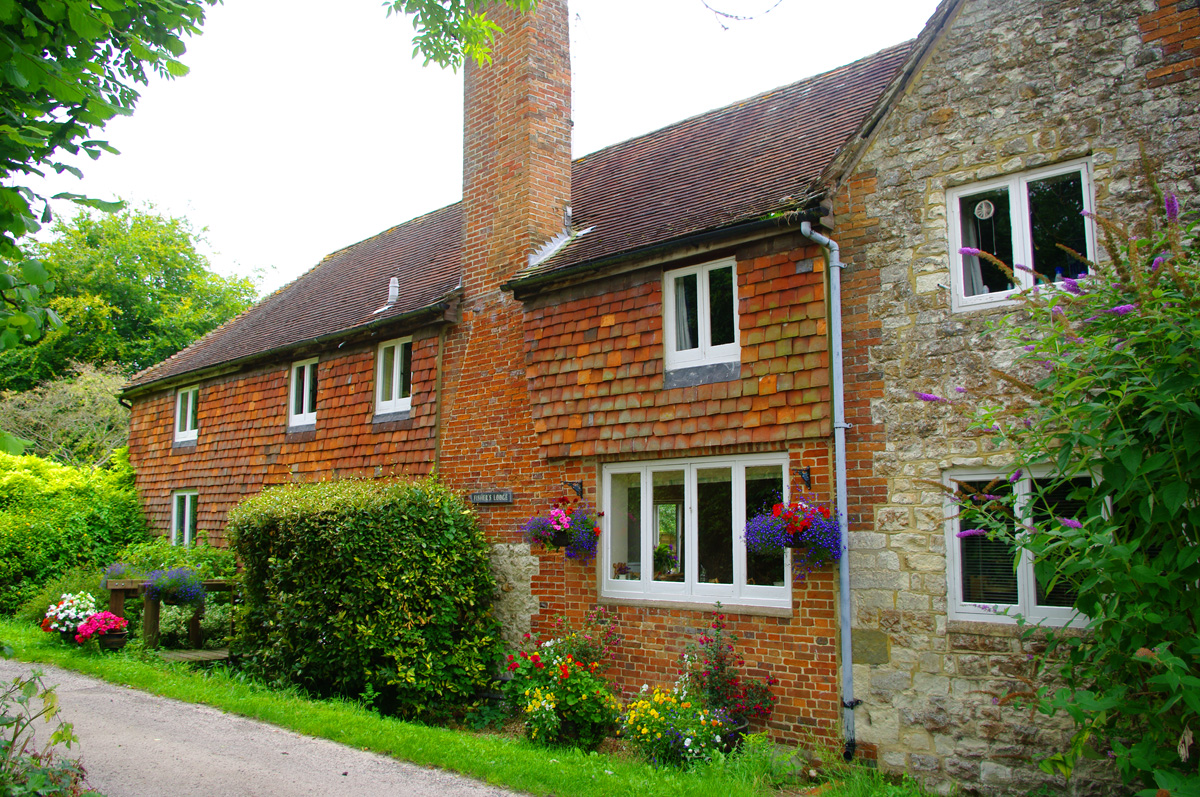
Selborne cottage. Image @Tony Grant.

In LetterXL to Thomas Pennant on September 2nd, 1774, White writes:

Nightingales, when their young first come abroad, and are helpless, make a plaintive and jarring noise; and also a snapping or cracking, pursuing people along the hedges as they walk; these last sounds seem intended for menace and defiance.”

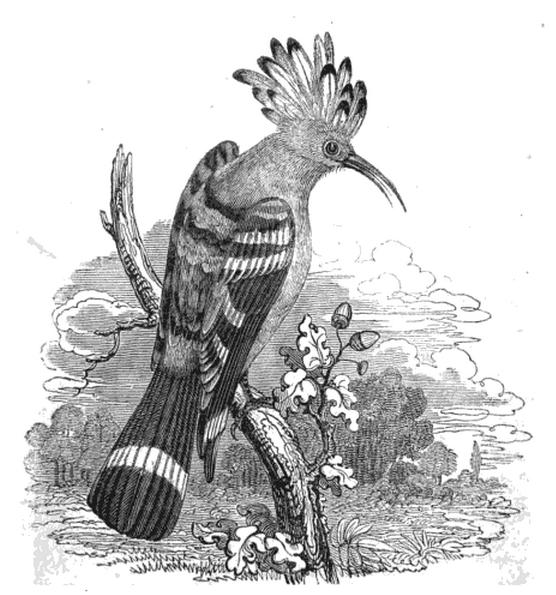
The Hoopoe, The Natural History of Selborne, Gilbert White

You can imagine Gilbert White being hounded and bothered in this way as he walked the lanes around Selborne, and being utterly fascinated and engrossed in this behaviour. Maybe our beloved Jane experienced such sights with the same wildlife too on her daily walks in Chawton five miles away?

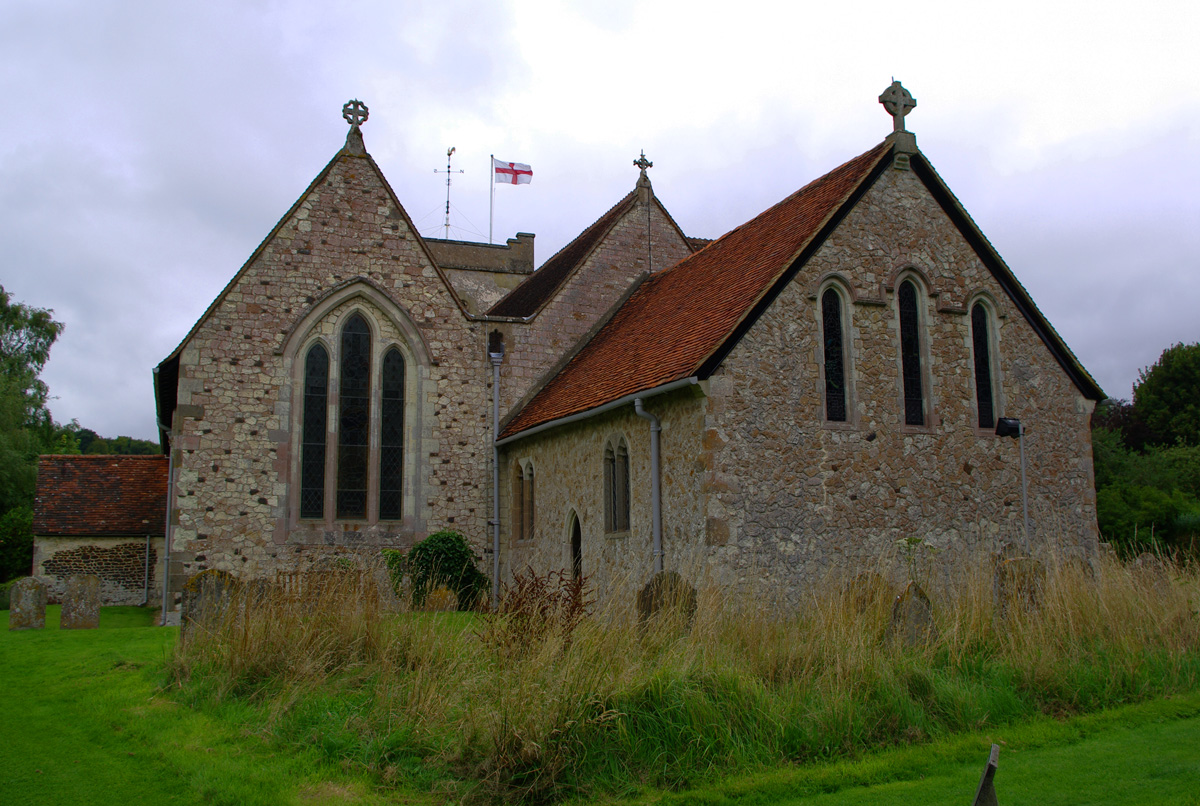
Selborne Church. Image @Tony Grant

In a letter to Danes Barrington November 20th, 1773, Gilbert White writes about house martins.

A few house- martins begin to appear about the sixteenth of April; usually some few days later than the swallow. For some time after they appear the hirundines in general pay no attention to the business of nidification ( the act of building a nest), but play and sport about either to recruit from the fatigue of their journey, if they do migrate at all, or else that their blood may recover it’s true tone and texture after it has been so long benumbed by the severities of the winter.”

Church window. Image @Tony Grant

Gilbert is not sure, do they migrate or do they hibernate? This is the crux of his life long investigation.

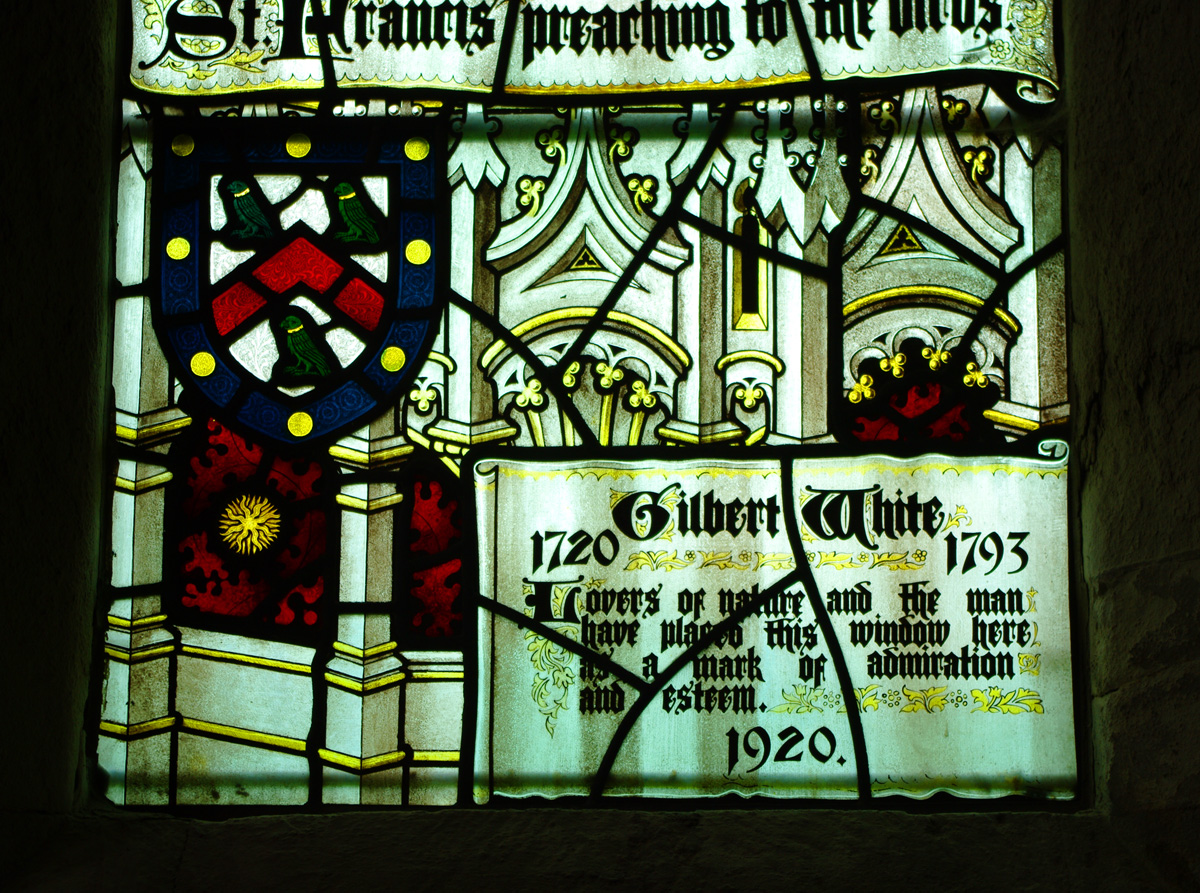
Memorial window dedication. Image @Tony Grant

Every Spring, Gilbert White looked forward to the return of the hirundines and when reading his letters at that time of the year you can sense his uplifted spirits. His friends have returned.

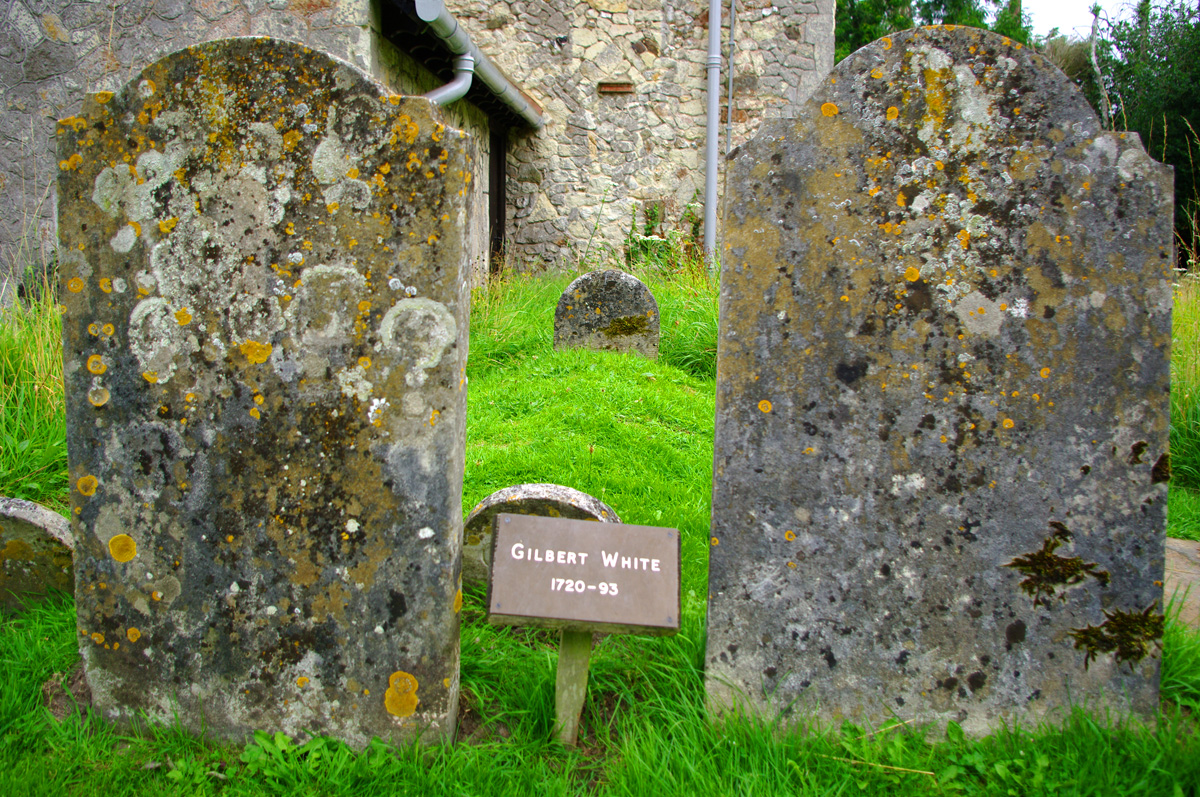
Gilbert White's grave. Image @Tony Grant

Bibliography:

Claire Tomalin, Jane Austen A Life, Penguin Books, 1998 (revised edition 2000). Read Chapter One here.

Gilbert White, The Natural History of Selborne (First published 1788-9). Reprinted by Penguin Classics, 1987.

Cimex linearus