Feeds:
Posts
Comments

Archive for the ‘19th Century England’ Category

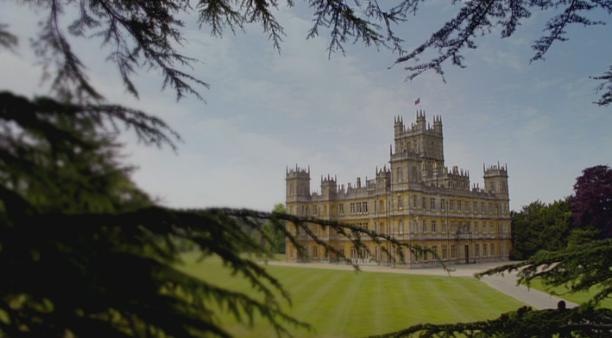
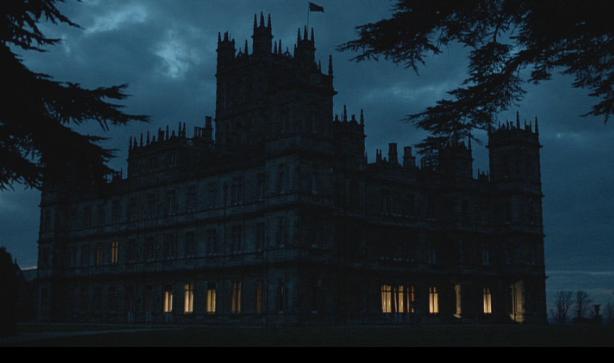
Highclere Castle as Downton Abbey

Downton Abbey’s connection to Jane Austen is through Lord Carnarvon, whose descendents still own Highclere Castle, where the PBS Masterpiece Classic mini-series’ interior and exterior shots of the fictional country house were filmed. (Read about Andrew Lloyd Weber’s recent attempt to purchase the castle.) In Jane’s day, Lord Carnarvon was Henry, the 1st Earl. Jane wrote in a letter to Cassandra Austen, Saturday25 – Monday 27 th,  October 1800 :

“This morning we called at the Harwood’s & in their dining room found Heathcote & Chute for ever – Mrs Wm Heathcote & Mrs Chute – the first of whom took a long ride in to Lord Carnarvons Park and fainted away in the evening…”

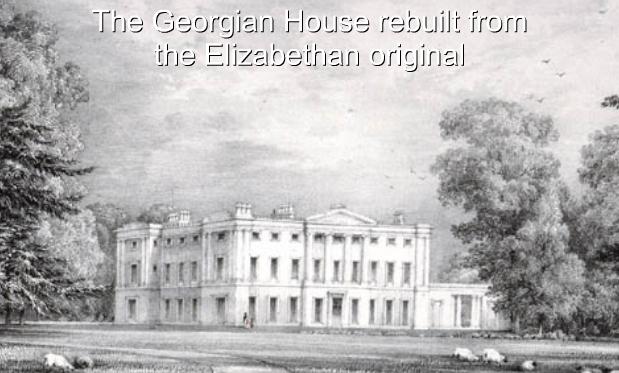
Highclere Castle as it looked in Jane Austen's day

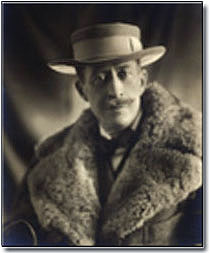
The 5th Earl

Lord Carnarvon’s park, which Jane writes of, is the grounds to Highclere Castle. The Carnarvon family has lived at Highclere since 1679, although the Castle as we see it today sits on the site of an earlier house. (Click here to view a short film about the Castle’s history.) A beautiful 6,000 acre park designed by Capability Brown between 1774-7 surrounds the Castle.

In 1842, the 3rd Earl commissioned architect Sir Charles Barry (also responsible for building the Houses of Parliament in Westminster) to redesign the Castle.

One of the most interesting fact about Highclere Castle is that the golden death mask of King Tutankhamun is featured in its gallery today.

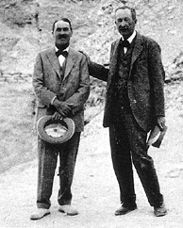
Howard Carter and Lord Carnarvon in Egypt

Lord Carnarvon of Tutankhamun fame (George, the 5th Earl) was an Egyptologist who sponsored Howard Carter,  the archaeologist who discovered Tutankhamun’s tomb in the Valley of the Kings in 1922. It is said that when Canarvon and Carter broke into Tut’s tomb, they unleashed the mummy’s curse. But the story goes more like this:


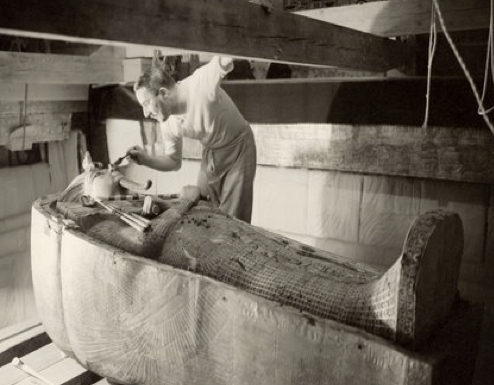
Howard Carter cleans the second coffin. Image @Harry Burton

This popular legend was born when Lord Carnarvon, the English Earl who funded the Tutankhamun expedition, died less than six months after the opening of the tomb. Despite the fact that Lord Carnarvon was a sickly individual, and that no such “hieroglyphic curse” was found inscribed on the tomb, this legend persists today. . . Lord Carnarvon had been in a car accident many years earlier and had never fully recovered. About a month after entering the tomb, he cut open a mosquito bite while shaving and infection set in. Blood poisoning and pneumonia quickly followed, and within a few weeks, he passed away. Newspapers reported that mysterious forces unleashed from the mummy and its trappings had caused his death. – King Tut

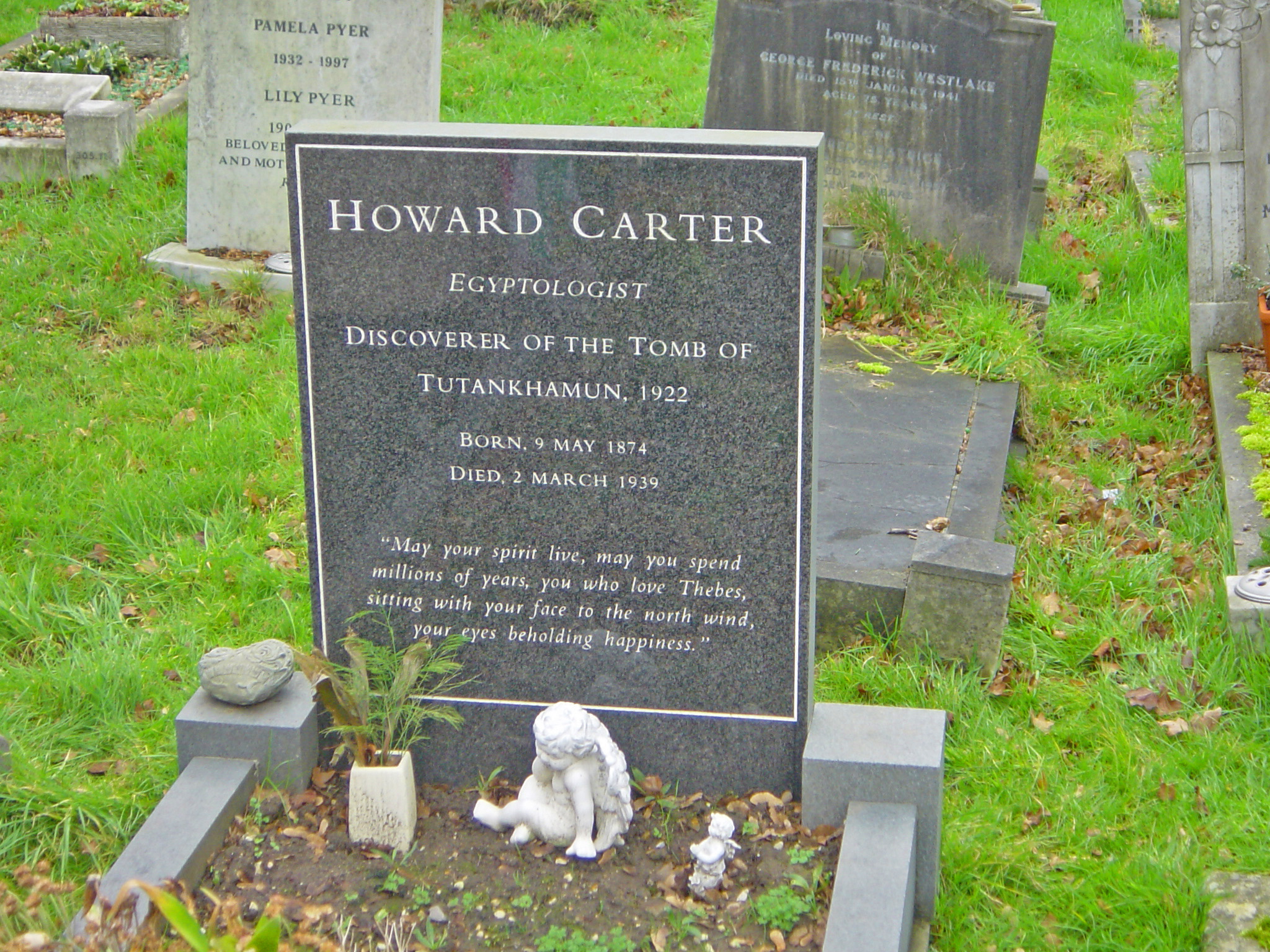
This image of Howard Carter’s grave was taken by Tony Grant, who lives near the cemetery in London. (Thank you, Tony, for the photo and for the quote from Jane Austen’s letter!)

Howard's grave. Image @Tony Grant

Watch Downton Abbey at your local PBS station Sundays, January 9, 16, 23, and 30, 2011 at 9 PM. Read my other posts:

More on the topic:

Read Full Post »

Copyright @Jane Austen’s World. From the desk of Shelley DeWees, The Uprising

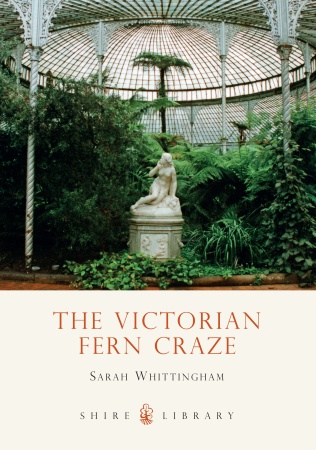
Jane Austen's WorldEvery once in a while, it seems, I stumble upon something I had absolutely no idea existed. I remember discovering something called a “thumb drive” stashed in my friend’s pen, on which she’d stored everything she’d ever written, and I distinctly recall the first time I tried a roasted beet (why didn’t anybody tell me about the most delicious vegetable in the world?). Reading The Victorian Fern Craze by the highly-qualified writer and lecturer Sarah Whittingham was one of these moments, one of these special blips that caused a true case of head scratching and verbal claims of “WOW! I had no idea about this!”

This slender little book is aptly named. People really were crazy for ferns during the Victorian years, its gradual growth a perfect example of cultural snowball effect. Passion for gardening was filtering down from the rich into the middle classes of people, who wished to beautify their houses and back yards with small, precious plots. “They were assisted by technical and chemical advances,” explains Whittingham, “together with endless advice and instruction in a proliferation of new gardening literature.”


Jane Austen's World

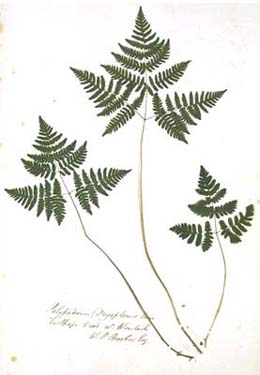
Pressed fern, 1840

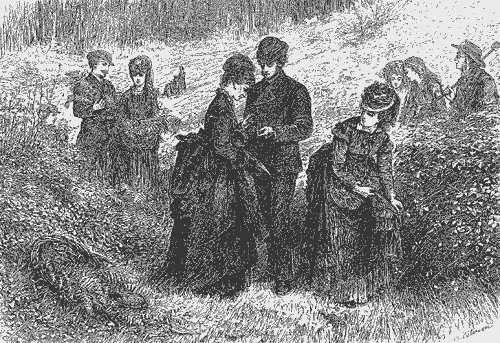
Passions combined with literature, then support from the church emerged, touting fern collecting as a moral, healthy, educational activity that might “lead through nature to nature’s God.” Young people loved to have a reason to go somewhere, anywhere, especially with the mind of digging under rocks and climbing into caves to reach a fern, and women found themselves with a special opportunity to mix with the opposite sex. This, on top of major strides in transport and housing of these special plants, brought ferns into the hearts and homes of Victorian England with abandon.


Jane Austen's World

Gathering Ferns, Illustrated London News, 1871

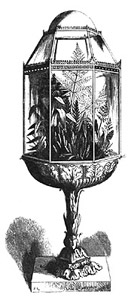
Whittingham spends a great deal of time speaking about the nature of the fern and its particular needs, and focuses particularly on the creation of a controlled environment meant to support their delicate constitutions. Invented by Nathaniel Bagshaw Ward (1791-1868), the Wardian Case was the result of years of experimentation and trial-and-error research into how one might keep a fern alive in a world of pollution, variable temperatures, and low lighting. The sealed, glazed glass boxes became very popular and grew in size and splendor, eventually turning into hothouses, plant conservatories, shadehouses, glasshouses that could be built into the side of existing homes. Some of the fancier tabletop Wardian cases might even include aquarium space, aviaries, or terrariums, and it became fashionable to keep animals alongside ferns in general (Henry Boyle kept alligators in his Lake District hothouse). These Wardian cases were a huge part of the fern craze, and Whittingham gives them the ample page space they deserve without boring the reading to death. In fact, the images and illustrations of the cases are quite extraordinary, and I found myself in another moment of, “Wow! Look how cool that is!” A Wardian case…who knew?

Jane Austen's World

Victorian wardian case

The book is, in general, expertly researched and chock full of inspiring photographs. While the writing can be a bit dry at times, the material is engaging and interesting, positively brimming with opportunities to absorb some out-of-the-ordinary knowledge. If you’ve ever wondered why every fashionable house in England has space for plants, or why ferns keep popping up in décor from all across the 19th century, this book is for you. One warning though: you’ll start to see ferns everywhere and you’ll want to talk about them when you do. Your friends may think you’re crazy, but you can just say, “Nope. I’m just crazy for ferns!”

Read Full Post »

Copyright @Jane Austen’s World. Written by Tony Grant, London Calling.

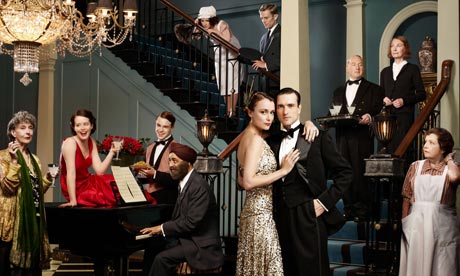
2010 Upstairs Downstairs cast

Last night, Tuesday 27th December, saw the final episode of the three-part revival of Upstairs Downstairs (2010). It was shown on BBC 1. This new reincarnation saw the action move on in time, from the final years portrayed in the original series, to the years between the two World Wars.

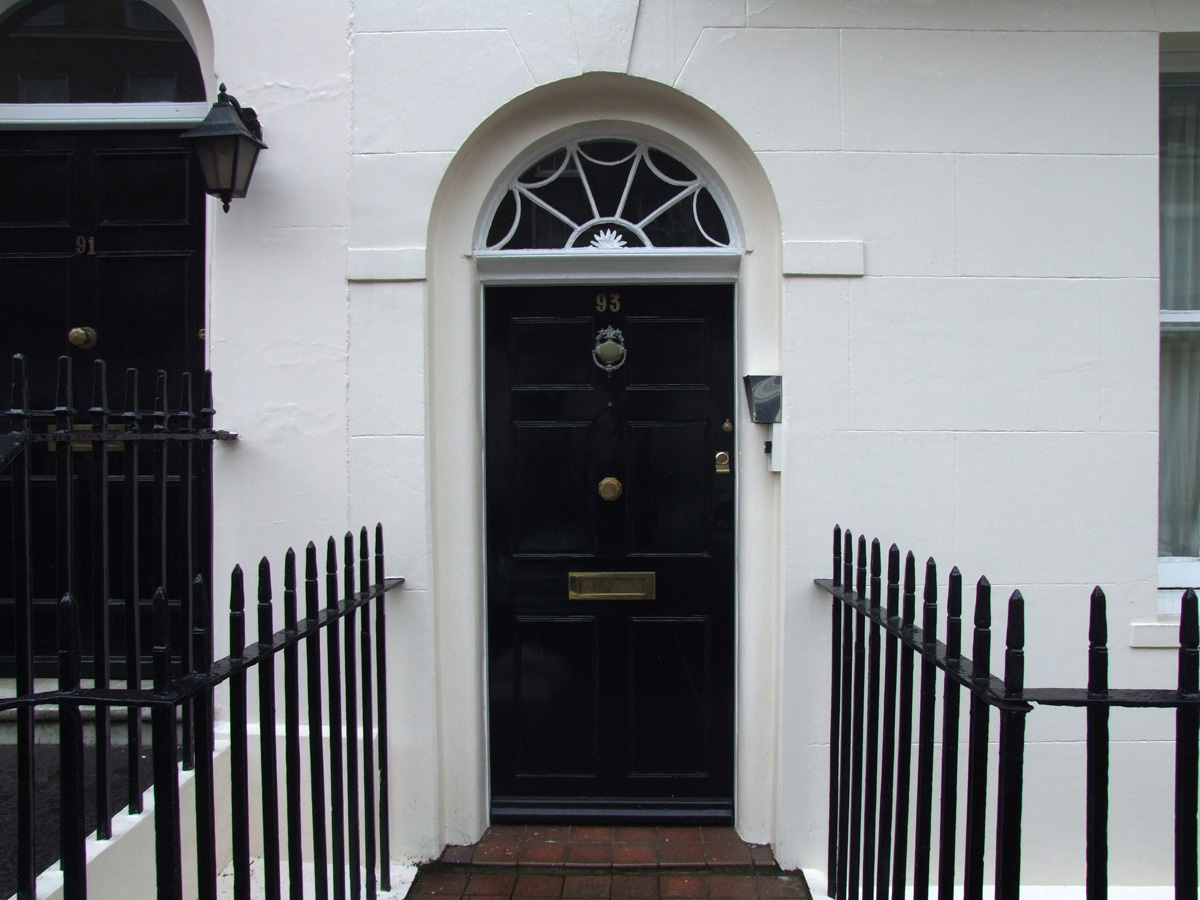
Front door. Image @Tony Grant

Upstairs Down stairs was the idea of two actress friends, Jean Marsh and Eileen Atkins. Eileen Atkins was not able to take part in the original series because of acting commitments in the West End at the time. In this new version she plays the part of Lady Agnes, the dowager head of the household. Jean Marsh reprises her role as Rose from the original series. Now she has become the head of a servants letting agency.

Eileen Atkins and Jean Marsh in Upstairs Downstairs 2010

The series portrays the lives of people from two different strata of society, the servants and the aristocracy. One of the main themes reveals how these two social groups are closely entwined and rely on each other. It is interesting to note the period, between the two wars, when the action takes place in this new series was the time when the relationship between the classes and indeed the classes themselves changed. One class serving another class that intimately was near its end. A new world was being born out of the necessities of war.

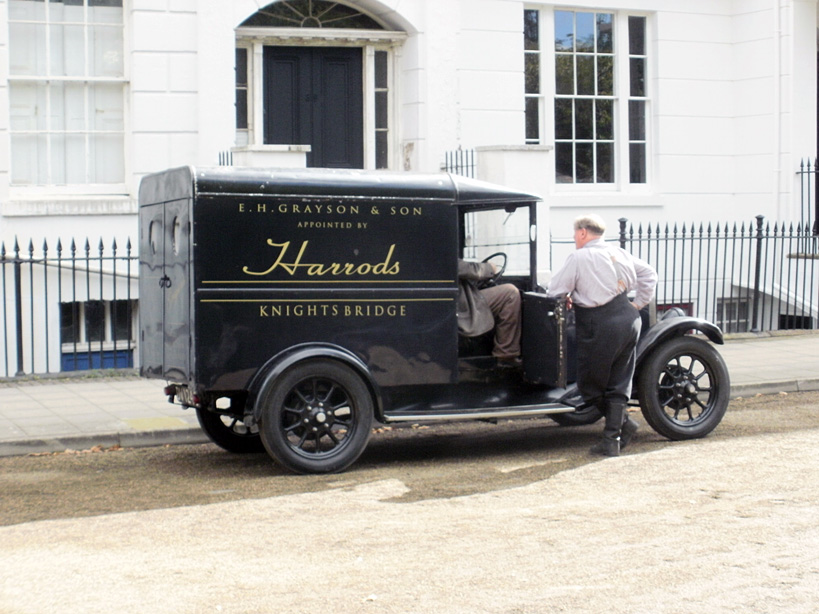
Harrods truck

My own roots lie with the working and servant classes of that era. My Great Aunt Kate, my Great Grandmothers sister, worked as a nanny for the Chamberlain family and lived in a flat in one of the Chamberlain family houses in Cheney Walk, Chelsea. Neville Chamberlain was the prime minister at the start of the second world war. Neville Chamberlain himself lived in a house in Eaton Square, the main square in Belgravia.

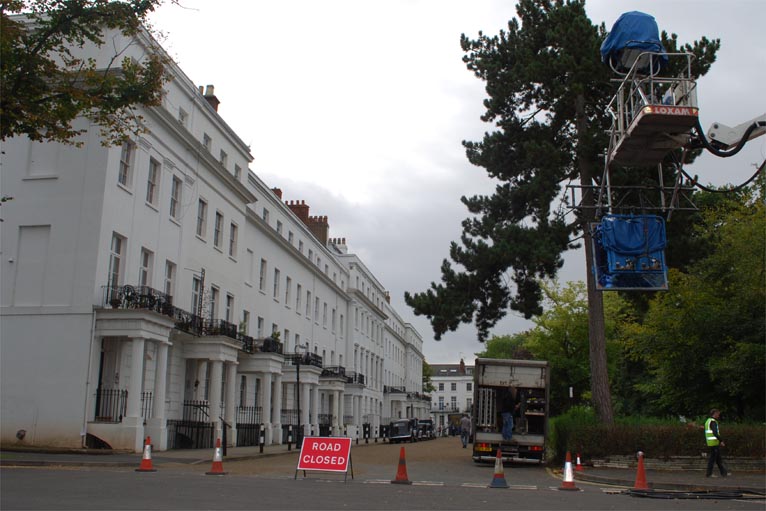
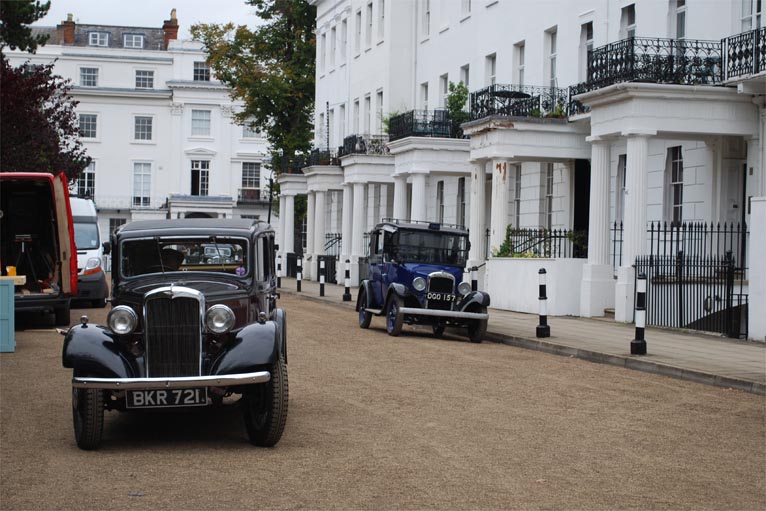
Transformation of Clarendon Square in Leamington Spa for Upstairs Downstairs 2010

My grandfather, on my father’s side, had been a guardsman fighting in France during the First World War. After the First World War he became the head barman of the Cunard Line, serving the famous and the elite on the transatlantic ships crossing to New York in the interwar years. My other grandfather, on my mother’s side, was a skilled draughtsman and worked in shipyards on the Tyne River in Newcastle upon Tyne and later, because of the depression, moved south to work in a shipyard in Southampton.

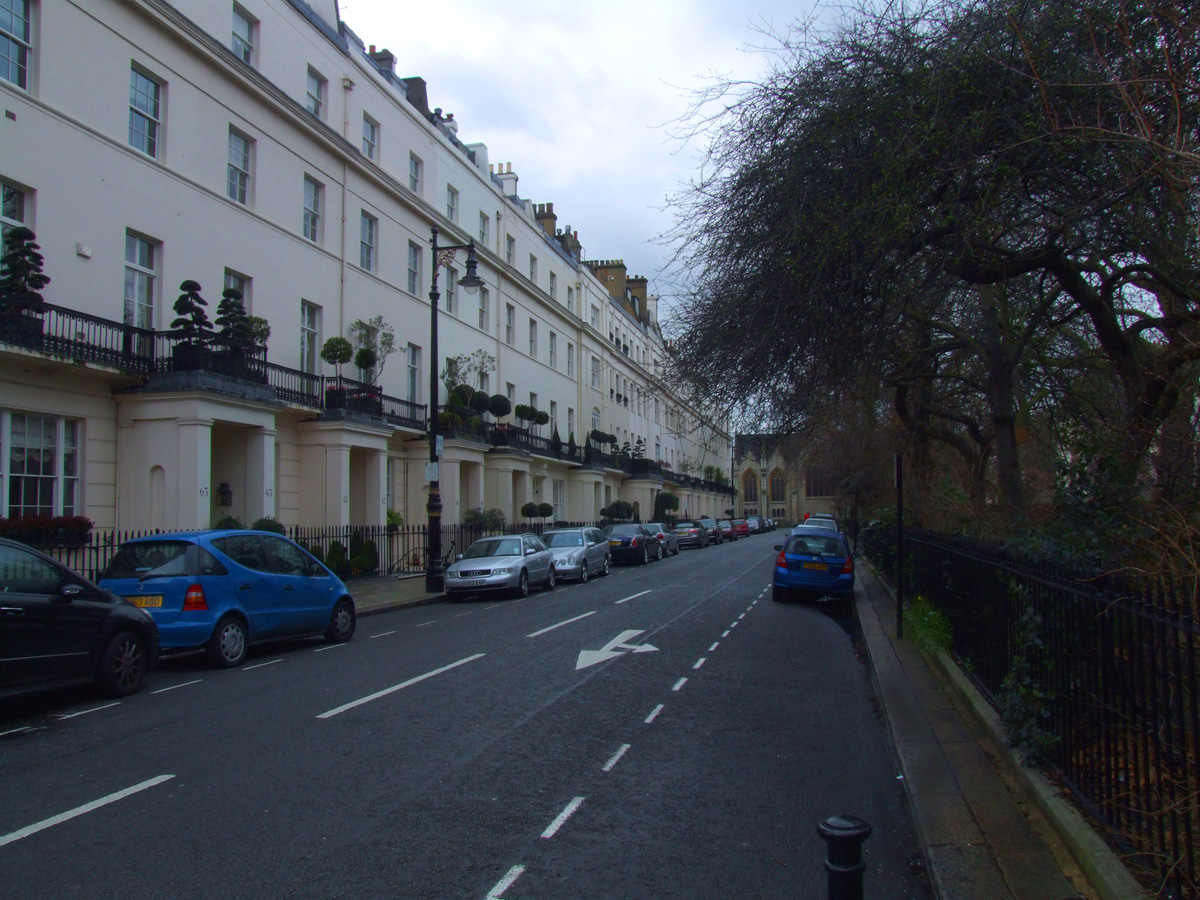
Belgravia and park. Image @Tony Grant

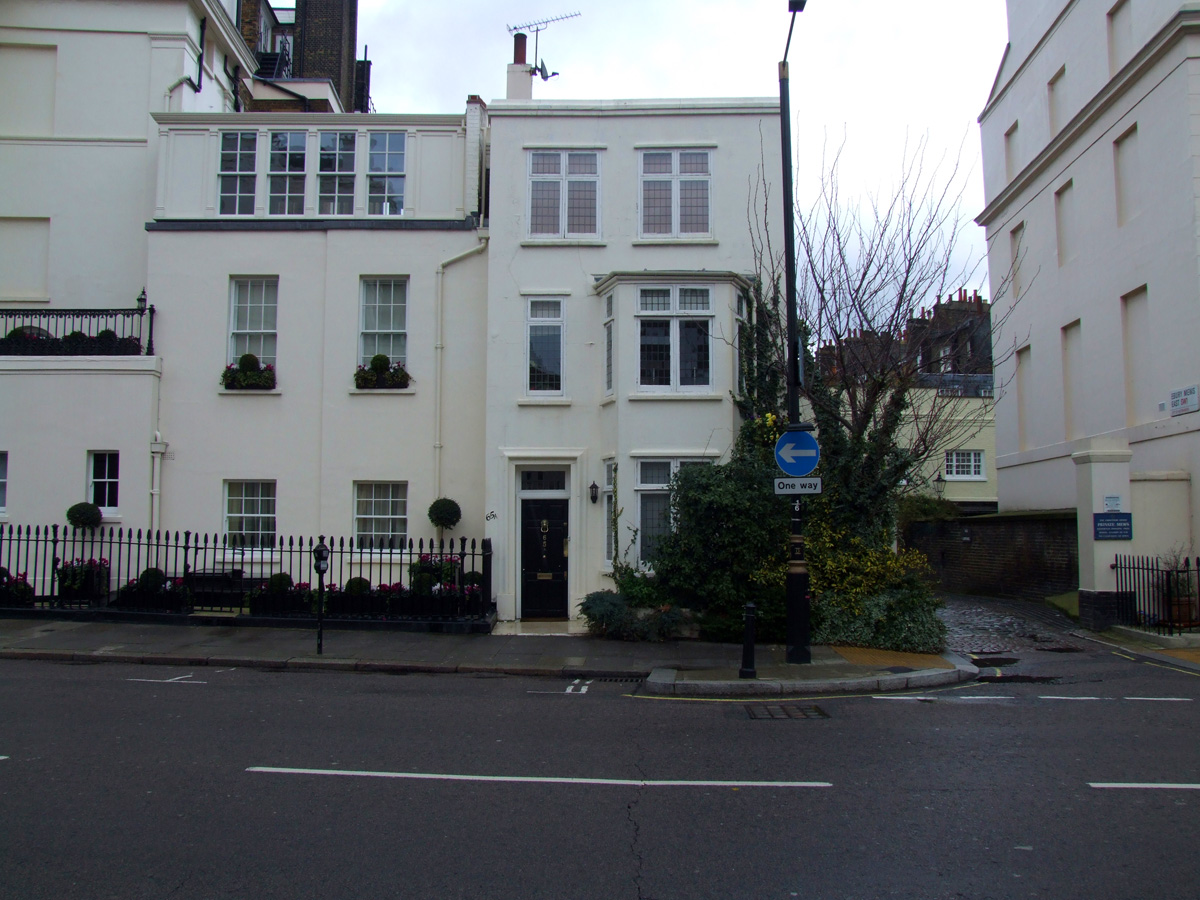
The action to Upstairs Downstairs is set in a house in Belgravia, number 165 Eaton Place.

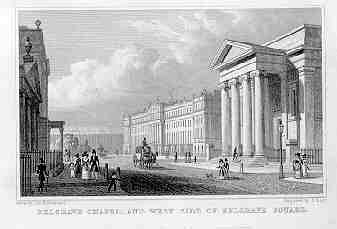
West side of Belgrave Square, 1828. Thomas Hosmer Shepherd.

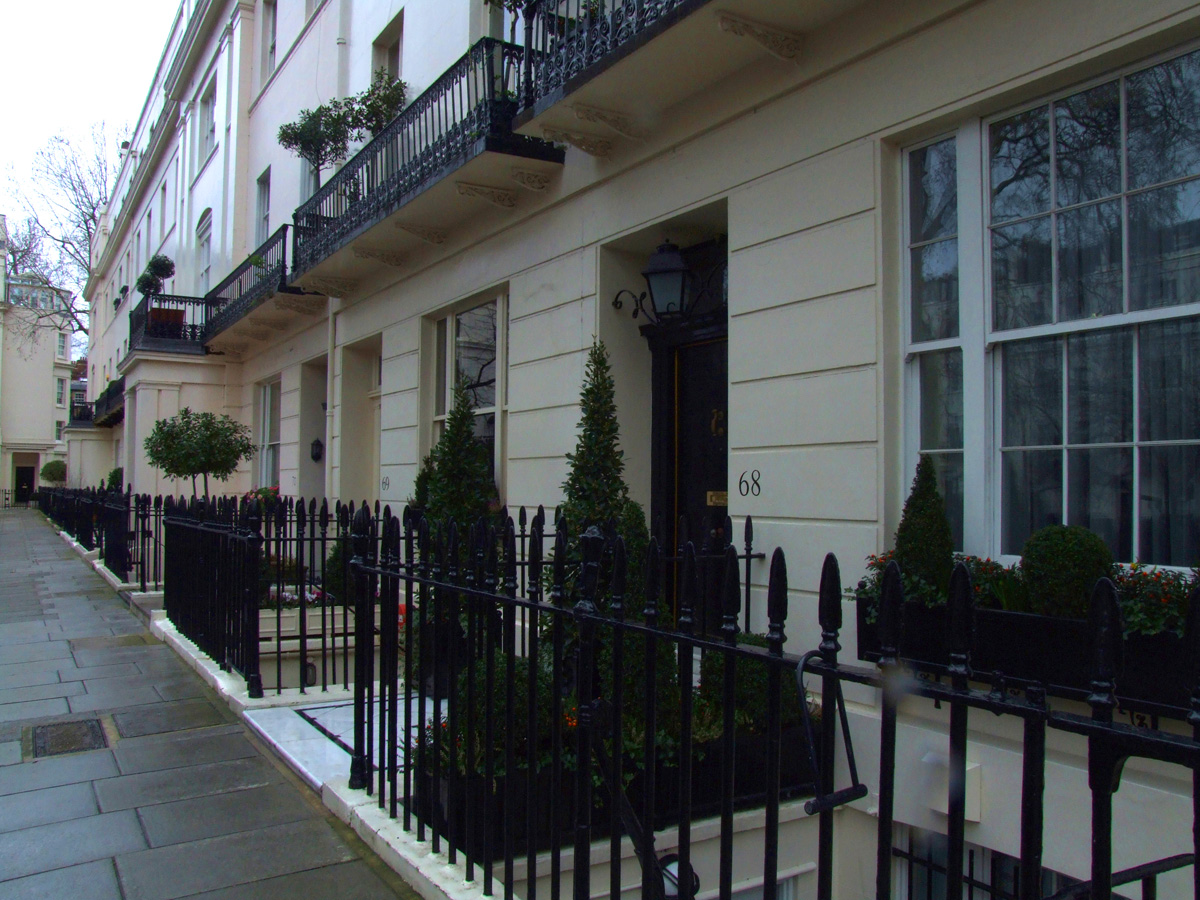
Belgravia, is the most salubrious address in the United Kingdom and one of the top addresses in the world to this day. The Duke of Westminster owns the land and many of the freeholds and leaseholds on the property in Belgravia. In the 1820’s the then Duke of Westminster, Richard Grosvenor, had as one of his titles, Viscount Belgrave, and it was this name he gave to the area.

Belgravia House. Image @Tony Grant

To the north is Buckingham Palace but to the east side is Victoria Railway Station with it’s grand railway hotel looking like an old French Chateaux. This symbol of steam and industrialisation represented the Victorians desire to see and conquer the world. From here the boat trains would leave London for the ferries at Dover and Folkestone and the route to Europe. Many of the rich who lived nearby in Belgravia would leave London on the Orient Express for Paris, Rome, Athens, and Istanbul, and take tours to The East. Victoria Station is a symbol of the growing desire for travel and to see the world. The Belgravia set got there first.

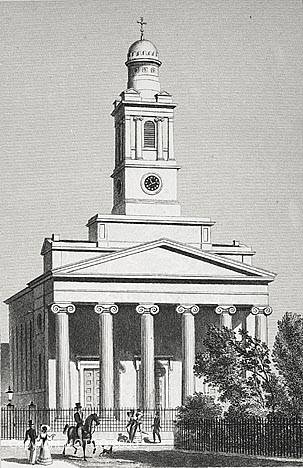
St. Peters, Eaton Square, Belgravia. 1827.

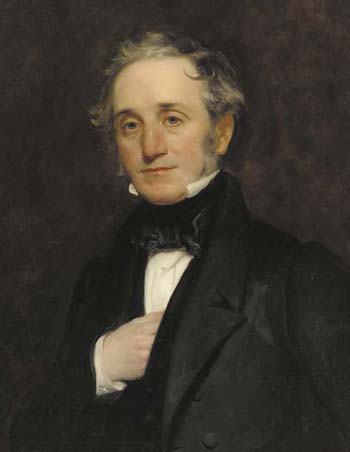
The Duke of Westminster employed Thomas Cubitt – who built mostly grand terraces with white stuccoed fronts – to develop the area. Construction was focused around Belgrave Square and Eaton Square.

Thomas Cubbitt, 1788-1855

From the start the super rich and the aristocracy bought properties in this area and used the land for their town houses. This part of London has remained exclusive to this day. The Queen lives in Buckingham Palace bordering the north part of Belgravia; and Roman Abramovich, the Russian oil oligarch, has a property in Lowndes Square. He is the owner of Chelsea Football Club and one the richest men in the world. The average price of a property in Belgravia today is £6.6 million pounds. But prices going up to and above £100 million pounds have been known. Apart from the very rich, many famous actors, film stars, writers and politicians have lived and still choose to live in this area.

Image @Tony Grant

Margaret Thatcher lives in Chester Square and Joan Collins lives in Eaton Place. Elle MacPherson, the model; Arcelor Mittal, the Indian Steal producer magnet; and Christopher Lee, the horror film star, all live in Belgravia.

Dame Edith Evans' house in Belgravia. Image @Tony Grant

In the past, both Mozart and Chopin stayed there. Other more recent tenants include: Dame Edith Evans;Vivien Leigh; Ian Flemming, the writer of the James Bond books and, indeed, Sean Connery himself; Roger Moore; Tennyson, the poet; Mary Shelley, who wrote Frankenstein; Noel Coward; Henry Gray, famous for his Grays Anatomy; the Beatles manager, Brian Epstein – the list could go on.

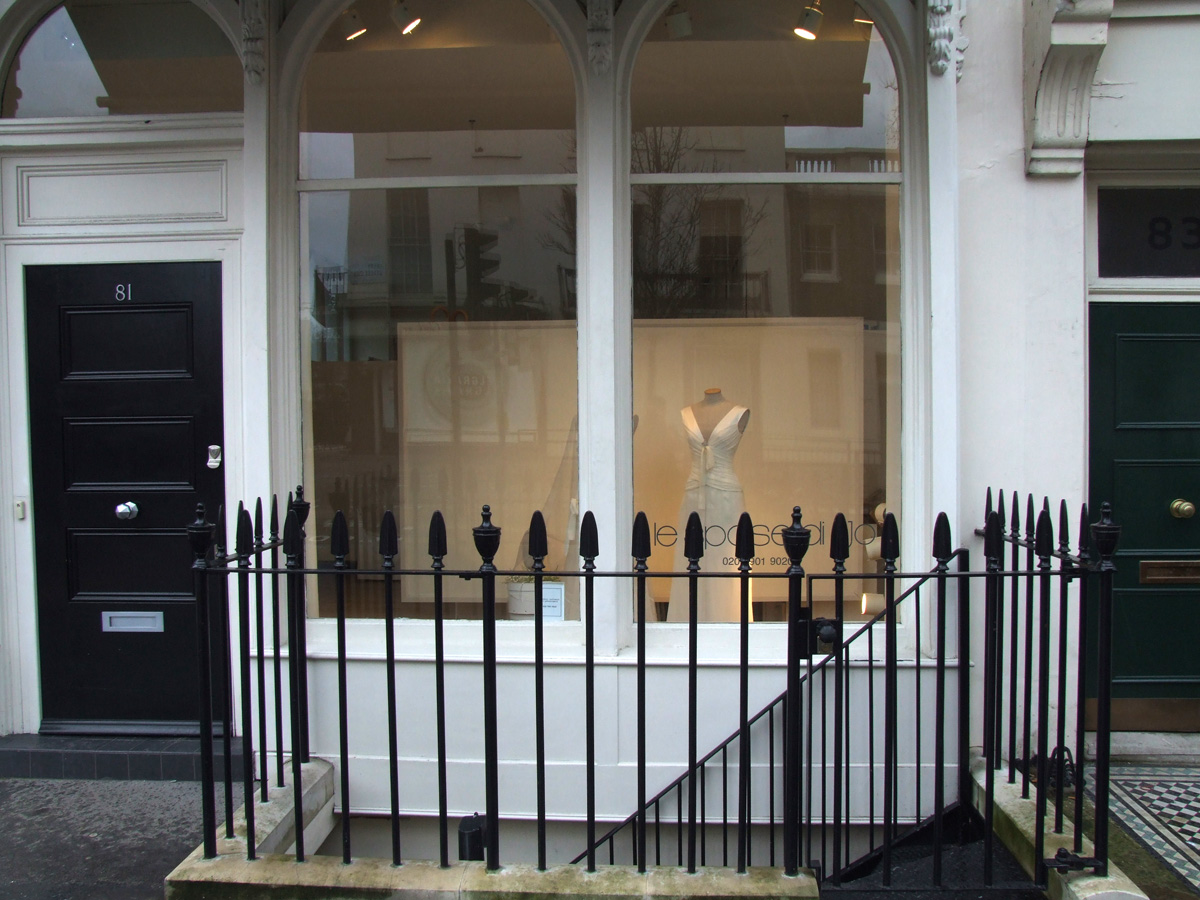
Dress shop in Belgravia. Image @Tony Grant

After the Second World War many of the houses in Belgravia became embassies, company offices or the headquarters of charities, and the number of houses owned by a single family reduced. However, since the year 2000 many houses are now being converted back into family homes, a visible sign that the number of rich in the world has increased.

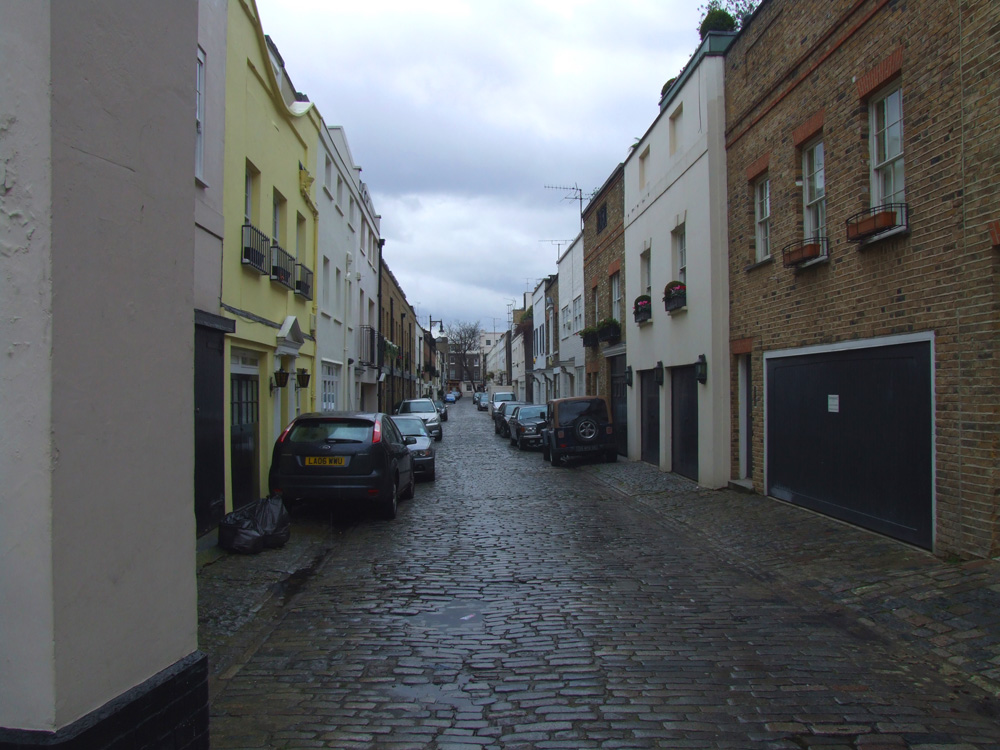
Mews houses in Belgravia. Image @Tony Grant

Mews houses sit behind the great terraced houses fronting the squares. When the properties were originally built in the 1820s, these were the stables that once housed the horses and carriages used by the rich for transport. As cars became fashionable, the mews were turned into garages. Nowadays many have been converted into very desirable homes. To own a mews house in Belgravia is nearly as posh as owning one of the grand terrace houses.

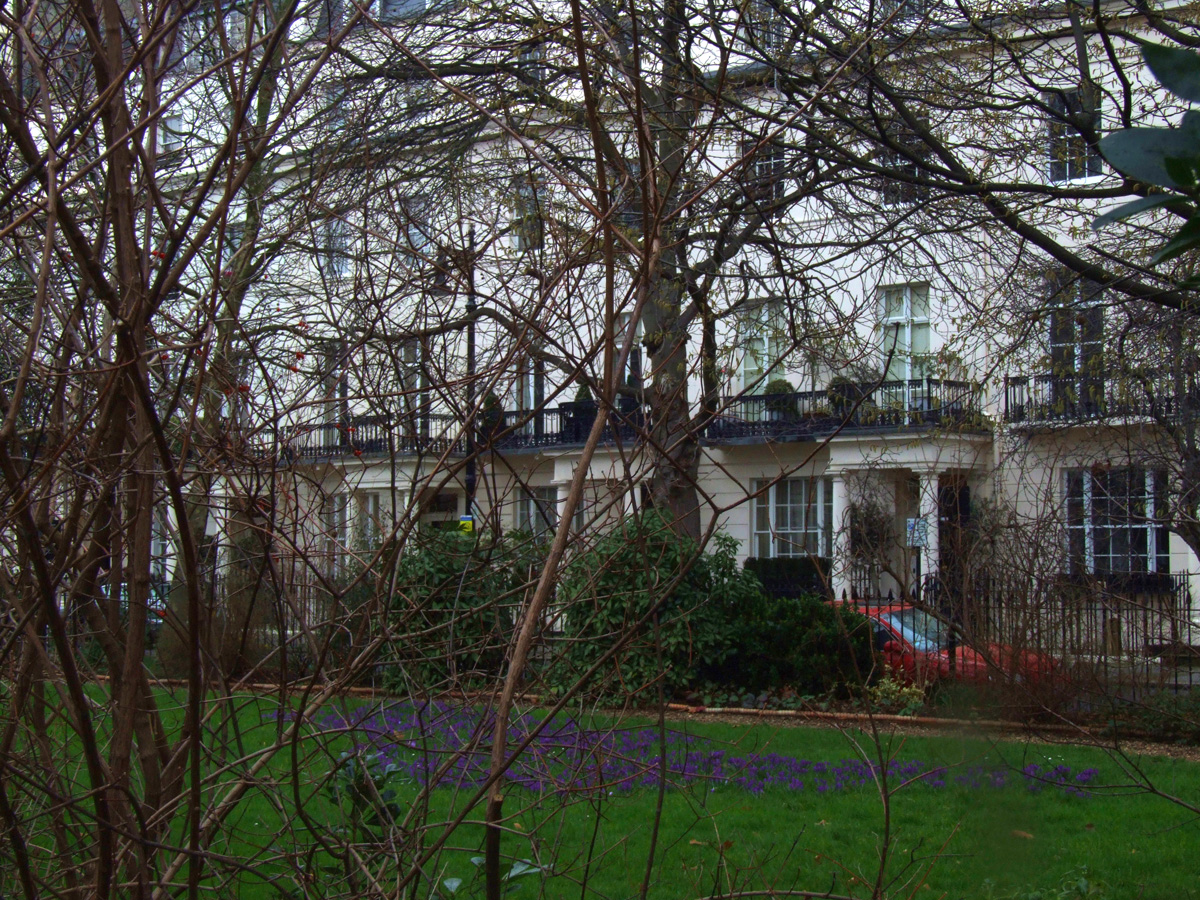
Belgravia through the trees. Image @Tony Grant

The area has not changed much since it was developed in the 1820’s. Except for modern transportation, the streets and house exteriors are the same.

Leamington Spa street transformed for Upstairs Downstairs 2010. Image @BBC

As you walk around Belgravia today, try and imagine the area as it was in the 1820’s. In your mind’s eye, you can still imagine the servants disappearing down the stone stairs behind the black ornate iron railings into the basements. You might be lucky enough to glimpse a Lord or Lady, or even Margaret Thatcher mounting the steps to her front door and seeing it opened by a starch-collared butler. Pick a door yourself, take the large black, iron hoop suspended from the jaws of an angry looking iron lion’s head, rap it smartly, and the door might be opened by Mr. Hudson himself.

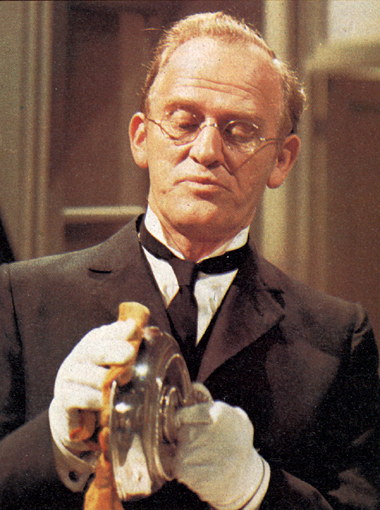
Mr. Hudson, 1970s series

Upstairs Downstairs 2010 will be aired on PBS Masterpiece Classic in April, 2011. It was recently aired on BBC One in the U.K.

Read Full Post »

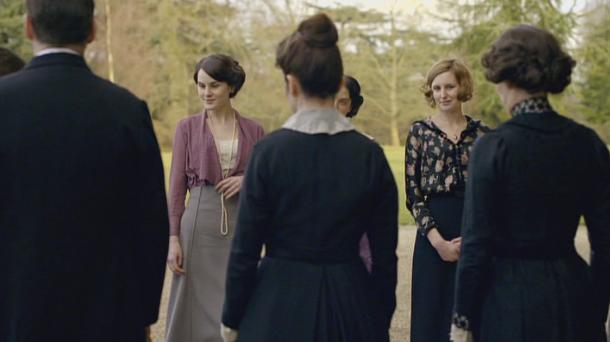
Downton Abbey, a PBS Masterpiece Classic mini-series, is as much a tale about the servants below stairs as about the noble Earl of Grantham and his family who employed them. With the recent airing of the updated version of Upstairs Downstairs in Great Britain, I am sure a debate will long rage about which series portrayed their eras and class differences better. In both cases, the viewer is the winner.

Downton Abbey. Credit: Courtesy of © Carnival Film & Television Limited for MASTERPIECE

Downton Abbey (Highclere Castle, an “Elizabethan Pile”) Credit: Courtesy of © Carnival Film & Television Limited for MASTERPIECE

Images Credit: Courtesy of © Carnival Film & Television Limited for MASTERPIECE

No matter how expertly this mini-series of Downton Abbey tries to portray this bygone era, it is nearly impossible to capure life in an Edwardian country house exactly as it once was. The viewer should be aware that we can glimpse only a faint, musty, museum shadow of the complex and thriving community that a great English estate once supported.

Downton Abbey. Jane Austen's World. Credit: Courtesy of © Carnival Film & Television Limited for MASTERPIECE

The Crawleys and the servants of Downton Abbey. Credit: Courtesy of © Carnival Film & Television Limited for MASTERPIECE

Images Credit: Courtesy of © Carnival Film & Television Limited for MASTERPIECE

It is a well-known fact that grand country houses could only be run with a great deal of help. As early as the 18th century, Patrick Colquhoun estimated that there were around 910,000 domestic servants (in a population of 9 million). By 1911, the number of domestic servants had risen to 1.3 million. Eighty percent of the land during the Edwardian era was owned by only 3% of the population, yet these vast estates were considered major employers.

Downton Abbey. Credit: Courtesy of © Carnival Film & Television Limited for MASTERPIECE

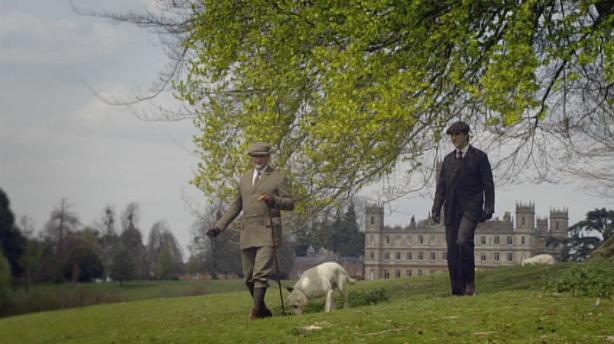
The earl (Hugh Bonneville) and his heir, Matthew Crawley (Dan Stevens), survey his vast estate. Credit: Courtesy of © Carnival Film & Television Limited for MASTERPIECE

In the grander and larger houses, the ratio of servants (both indoor and outdoor) to the family could approach 1:7 or 1:10, but as the industrial revolution introduced improvements in laundering, lawn maintenance, and cooking, the number of servants required to run a great estate was greatly reduced.
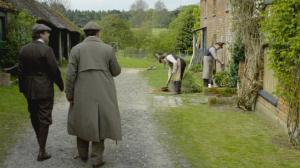
Credit: Courtesy of © Carnival Film & Television Limited for MASTERPIECE

The earl and his heir, Matthew Crawley, survey the cottages and outer buildings on his estate. Credit: Courtesy of © Carnival Film & Television Limited for MASTERPIECE

After World War One and the rise in taxes for each servant employed, many great families no longer kept two sets of house staff. They began to bring servants from their country house to their house in Town, leaving only a skeleton crew behind to maintain the family seat in their absence.
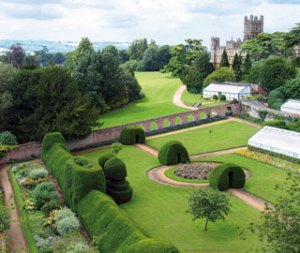
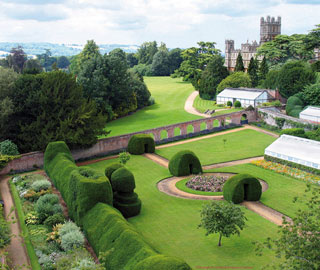
Grounds of Downton Abbey (Highclere Castle)

Country estates were designed to showcase the owner’s wealth via collections of art, furniture and other luxurious possessions, such as carriages, lawn tennis courts, and the like. The main house sat at the end of a long and winding drive through acres of beautifully landscaped park lands.

Downton Abbey.

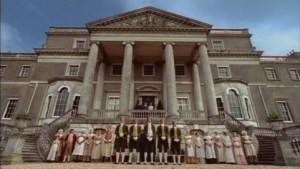
The Duke is greeted by both the family and the servants. Credit: Courtesy of © Carnival Film & Television Limited for MASTERPIECE

The spectacle did not end there, for approaching the house, guests would see a grand facade or an equally imposing flight of stairs that led to the first floor (or both). In Downtown Abbey, the family awaited the arrival of the Duke of Crowborough (Charlie Cox) along with their servants, who were arrayed in line according to their station.
Downton Abbey. Jane Austen's World

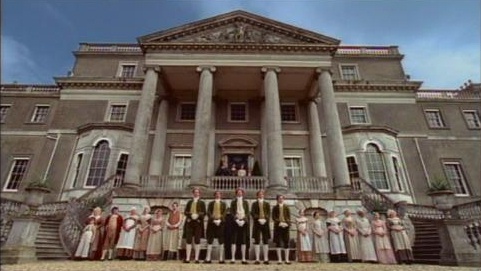
The servants await their new masters at Norland. Sense and Sensibility, 2008.

Such a display of staff was also evident in the 2008 adaptation of Sense and Sensibility, when Fanny and Robert Dashwood arrived to claim Norland Park.

Downton Abbey. Credit: Courtesy of © Carnival Film & Television Limited for MASTERPIECE

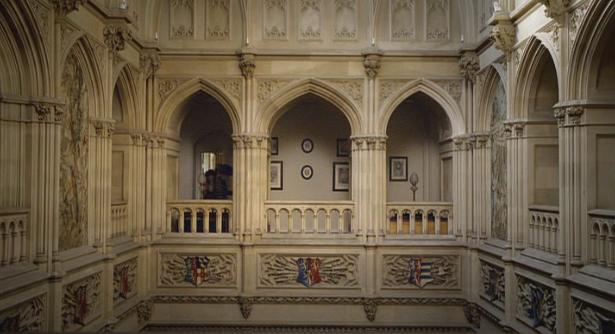
Grand interior hall of Downton Abbey, floor leading to the private rooms. Credit: Courtesy of © Carnival Film & Television Limited for MASTERPIECE

Once introductions had been made, the guests would ascend the imposing stairway and enter an equally impressive high-ceilinged hall that contained yet another grand staircase, which led to the private rooms upstairs. The ladies customarily brought their own maids, who would also require lodging. (In Gosford Park, a poor female relation had to make do with one of the hostesses’ house maids to help her with her dress and hair.)
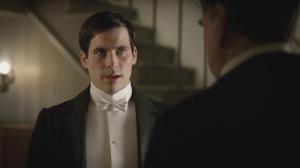
Downton Abbey. Credit: Courtesy of © Carnival Film & Television Limited for MASTERPIECE

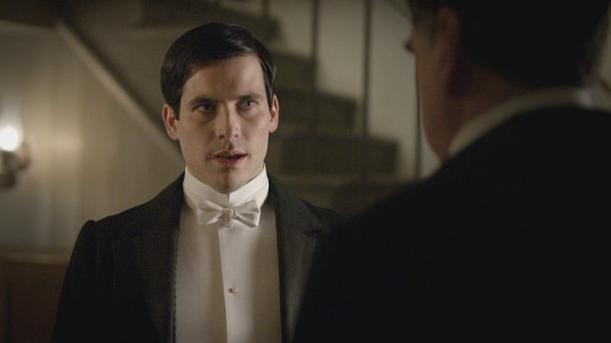
Thomas (Rob James-Collier), the first footman, is chosen to act as valet to the duke. Credit: Courtesy of © Carnival Film & Television Limited for MASTERPIECE

The guests’ servants were expected to enter the house through a separate, back servant’s entrance, and shared quarters with the regular staff. The host supplied his own butler or footmen to help serve as valet to his male guests.
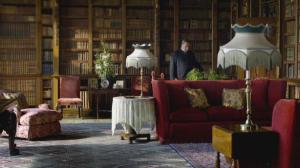
Downton Abbey. Credit: Courtesy of © Carnival Film & Television Limited for MASTERPIECE

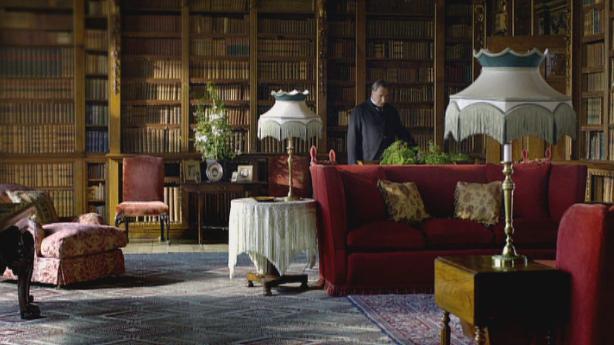
The Earl of Grantham’s impressive library/study. Credit: Courtesy of © Carnival Film & Television Limited for MASTERPIECE

A host’s willingness to lavishly entertain his guests did not necessarily reflect the family’s daily schedule:

In 1826 a German visitor to England remarked that: it requires a considerable fortune here to keep up a country house; for custom demands… a handsomely fitted-up house with elegant furniture, plate, servants in new and handsome liveries, a profusion of dishes and foreign wines, rare and expensive desserts… As long as there are visitors in the house, this way of life goes on; but many a family atones for it by meagre fare when alone; for which reasons, nobody here ventures to pay a visit in the country without being invited, and these invitations usually fix the day and hour… True hospitality this can hardly be called; it is rather the display of one’s own possessions, for the purpose of dazzling as many as possible.(3)” – The Country House: JASA

Downton Abbey. Jane Austen's World

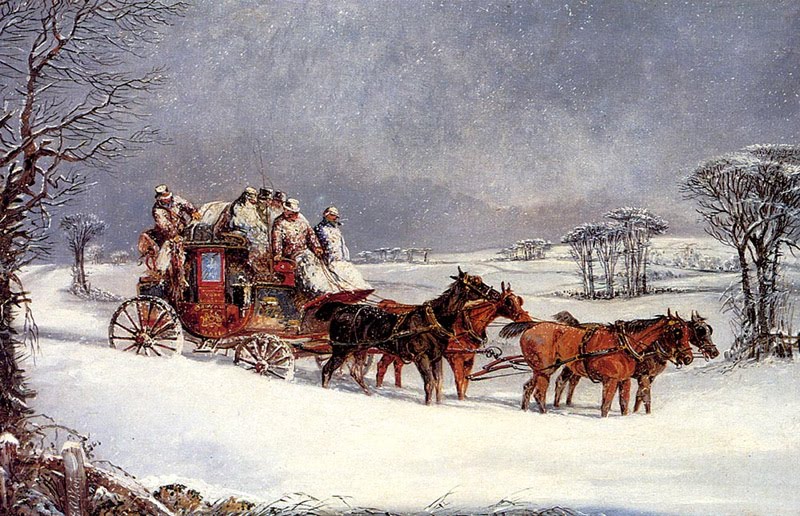
Travel in winter, Henry Alken, 1785

Guests stayed for a long time for a variety of reasons. In the 17th and 18th centuries, travel over a long distance was laboriously slow and difficult, for roads were notoriously poor and dangerous. Long visits, such as Cassandra Austen’s visits to her brother Edward in Godmersham Park, became a custom. Even during the Edwardian age, when travel was much improved, guests tended to stay for the weekend (Saturday through Monday). In Downton Abbey, the Duke of Crowborough arrived amidst much hope and anticipation, until he discovered that the estate had been entailed to a third cousin not the earl’s daughter, whom he had come to woo, and he cut his visit to one short day and evening, making an excuse that did not hold water.
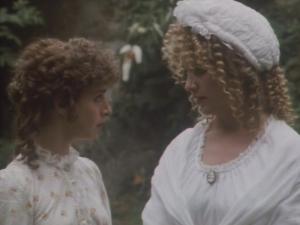
Downton Abbey. Jane Austen's World

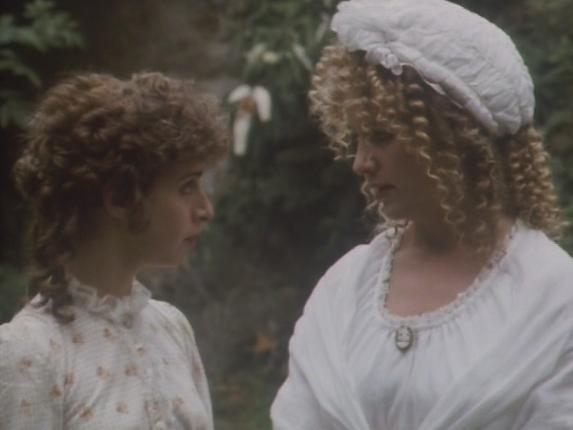
Catherine Morland (Katherine Schlessinger) and Eleanor Tilney (Ingrid Lacey), Northanger Abbey 1986

Even during the 18th century, when long-term guests were expected, some overstayed their welcome, like Jane Austen’s anti-heroine, Lady Susan Vernon, whose hostess (sister-in-law) despised her but was forced to tolerate her because she was ‘family.’ Desirable guests, like Catherine Morland of Northanger Abbey, were invited to extend their visit. In Catherine’s instance, Eleanor Tilney, a motherless young lady who lived without a female companion, found the young girl’s company delightful. By the time General Tilney discovered that Catherine was no heiress, she had been with the Allens in Bath and the Tilneys in Northanger Abbey for a total of 11 weeks. As previously noted, Edwardian hosts, while generous, expected house guest to stay for only three days. During this time every luxury was lavished upon them, but it was considered bad form if they stayed longer than arranged or without invitation.

Downton Abbey. Credit: Courtesy of © Carnival Film & Television Limited for MASTERPIECE

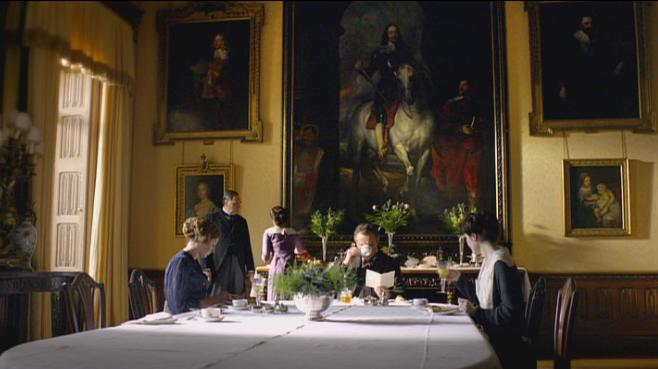
Breakfast was a substantial meal served at 9:30 a.m. Credit: Courtesy of © Carnival Film & Television Limited for MASTERPIECE

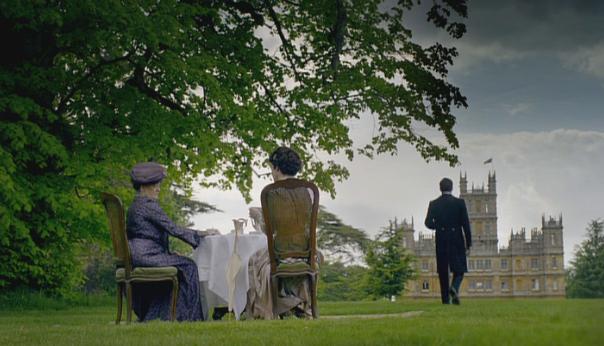
At set times, Edwardian guests would congregate in the common rooms, which included the drawing room, music room, dining room and breakfast room, the library or study, the gallery (where ancient family portraits were hung), the billiard room, and the conservatory. Vast lawns and gardens were laid out for promenading; guests could ride or walk through the parklands to view picturesque follys or dine alfresco (outdoors), take tea under an awning, or paint a vista or two.

Downton Abbey. Credit: Courtesy of © Carnival Film & Television Limited for MASTERPIECE

Taking tea alfresco. Credit: Courtesy of © Carnival Film & Television Limited for MASTERPIECE

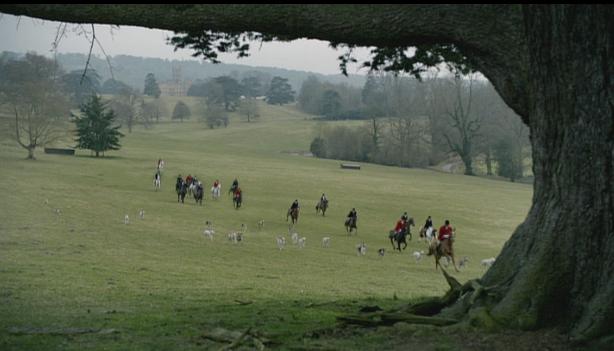
The reputation of a host rested on the entertainments, which helped to pass the time – walking, riding, shooting (in winter), and hunting (in fall) for outdoor activities; and card parties, musicales, and dances for indoor festivities. A fox hunt, such as the one depicted in Downton Abbey, required riding skill and stamina, for the chase would take riders over hills and dales, and hedges, and over long distances for much of the day.

Downton Abbey. Credit: Courtesy of © Carnival Film & Television Limited for MASTERPIECE

The hunt required riding skills and stamina.Credit: Courtesy of © Carnival Film & Television Limited for MASTERPIECE

Billiards made an appearance during the 17th century, and by the 19th century billiard rooms had become a staple. Private libraries offered a variety of books and periodicals. In the summer, Edwardians enjoyed lawn tennis, croquet, cricket, and golf (by the men).

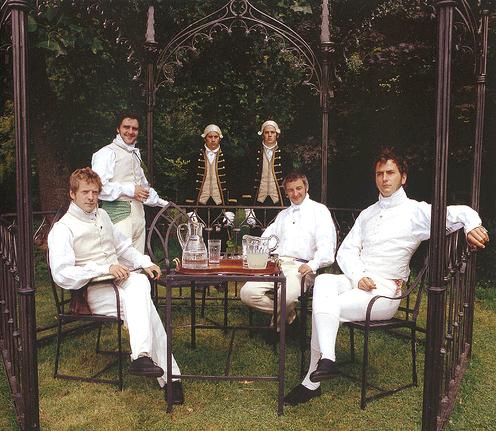
The male guests in Regency House Party (2004) could pretty well behave and move around as they pleased.

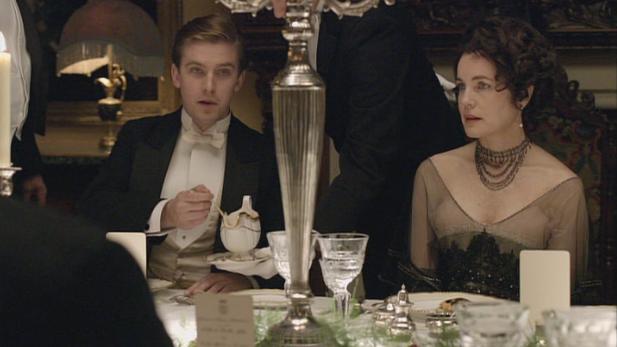
Ladies and gentlemen tended to spend the day apart. Male guests were more active and could engage in almost any activity during the day, except at the time reserved for dinner, when they were expected to show up. In an Edwardian house, men did not escort their female dining partners into the dining room. Rather, after the host served cocktails in the drawing room a half hour before the meal, the group moved to the dining room where they were seated according to a set pattern, with guests sitting between members of the family and their neighbors.
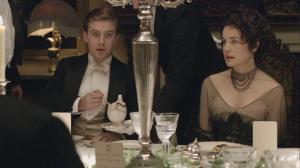
Downton Abbey. Credit: Courtesy of © Carnival Film & Television Limited for MASTERPIECE

The new heir of Downton Abbey (Dan Stevens) sits next to his hostess, the Countess of Grantham (Elizabeth McGovern). Credit: Courtesy of © Carnival Film & Television Limited for MASTERPIECE

After dinner, the ladies would remove to the drawing room, which became increasingly larger and more feminine over time, while the gentleman relaxed at the dining room table, drinking port, smoking their cheroots, and discussing manly topics.

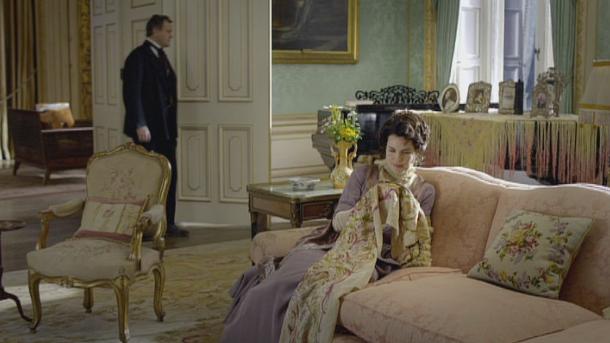
Downton Abbey. Credit: Courtesy of © Carnival Film & Television Limited for MASTERPIECE

The drawing room at Downton Abbey was large and feminine. Credit: Courtesy of © Carnival Film & Television Limited for MASTERPIECE

While an 18th century gentlemen would have talked about horse flesh and carriages, Edwardian guests would have included automobiles and their rapidly changing technology, road improvements, and the availability of petrol as well.

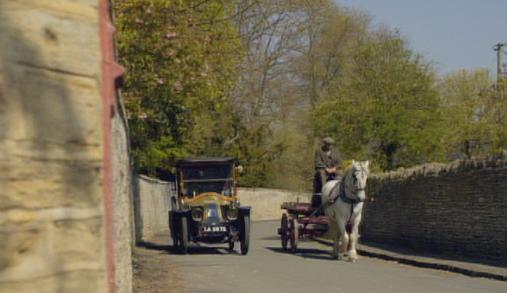
Downton Abbey. Credit: Courtesy of © Carnival Film & Television Limited for MASTERPIECE

Transportation was changing rapidly at the turn of the 20th century. Credit: Courtesy of © Carnival Film & Television Limited for MASTERPIECE

Unlike the gentlemen, a lady’s day was more restricted and confined. She spent her day following a set routine, starting with breakfast, and wearing appropriate outfits and getting into them and out of them. Mothers spent some time overseeing the nannies and the care of their children (if they were brought along). Ladies, married or not, would also receive visitors, sew, gossip, read, walk, participate in charity work, observe the men at sport (if invited) or take a ride in the carriage. They did join in on more active, outdoor games at set times during the appropriate season, such as cricket, croquet, lawn tennis, lawn bowling, and the like, but they would have been properly dressed for the occasion.

Downton Abbey. Credit: Courtesy of © Carnival Film & Television Limited for MASTERPIECE

The head maid (Joanne Froggatt) dresses Lady Mary’s (Michelle Dockery) hair for dinner. Credit: Courtesy of © Carnival Film & Television Limited for MASTERPIECE

Imagine poor Eleanor Tilney in the late 18th century, alone in a grand house without female companionship, having no-one to talk to and forced to live a constricted life. No amount of walking, charity work, practicing the piano, or overseeing the household would have made up for her boredom, and thus Catherine Morland’s companionship was so welcome.

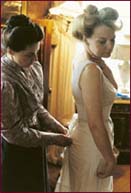
Manor House (2002), dressing Lady Olliff-Cooper. Image @PBS

In Regency House Party (the 2004 mini-series), the modern women who portrayed Regency ladies chafed under the strict rules of protocol, forced chaperonage, and daily tedium. A lady’s routine did not much improve during the Edwardian era, although towards the end of this period changing one’s gown for afternoon tea became obsolete.
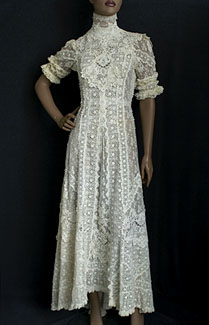
Tea gown, circa 1908. Image @Vintage Textiles

In Manor House, the 2002 mini-series set in the Edwardian era, Lady Olliff-Cooper’s spinster sister, the lowest-ranking member of the family, had so little to do and so little say in how she could spend her time, that Avril Anson (who in real life is a professor) left the series for a few episodes to maintain her sanity.

Downton Abbey. Credit: Courtesy of © Carnival Film & Television Limited for MASTERPIECE

Evelyn Napier (Brendan Patricks) and Matthew Crawley (Dan Stevens) eye their rival before dinner. Credit: Courtesy of © Carnival Film & Television Limited for MASTERPIECE

Lady Olliff-Cooper … [needed] to change her clothes five or six times a day. And very few of these dresses would be what today we’d call practical. Not only did each meal carry its own dress code, but if she needed to receive a visitor, pay a call or go riding, she’d have to change both her clothes and often her hairstyle as well.” Manor House, clothes

Anna Olliff-Cooper, who portrayed the lady of the house in Manor House, spent an enormous amount of her day changing into new gowns and having her hair dressed. She would stand passively as her maid did all the work. Anna noted how constricting the dresses were, and cried as she described how the tight sleeves of her gowns prevented her from raising her arms above her shoulders or from closely hugging her eleven-year old son. Even the fashions conspired to keep a women passive!

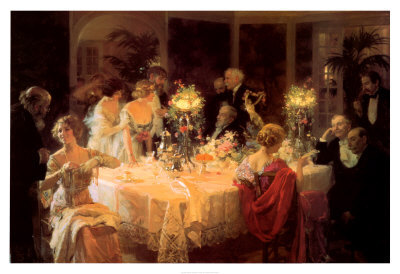
The Dinner Party, 1911, Jules Alexandre Grun

After they had finished their cigars and port, the gentlemen were obligated to rejoin the ladies for cards or music, or both, to while away the evening. The Duke’s behavior in Downton Abbey was egregious, for instead of joining the group for the rest of the evening, he went to bed early. The house party would stay up until 10:30 or so (unless a grand ball had been arranged, and then the guests would stay up until the wee hours of the morning).
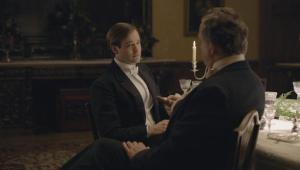
Downton Abbey. Credit: Courtesy of © Carnival Film & Television Limited for MASTERPIECE

Male conversation after dinner over port and cigars. The duke and earl have a frank conversation. Credit: Courtesy of © Carnival Film & Television Limited for MASTERPIECE

In either case, the last people in the house to retire for the night would be the servants, but their lives and schedule will be described in another post.

Look for Downton Abbey, Part One to air on PBS Masterpiece Classic on Sunday, January 9th! Once again PBS will host a twitter party! Stay tuned for details.

Downton Abbey. Credit: Courtesy of © Carnival Film & Television Limited for MASTERPIECE

End of the day at Downton Abbey. Credit: Courtesy of © Carnival Film & Television Limited for MASTERPIECE

More on the topic:

Images of Downton Abbey Season 1: Credit Courtesy of © Carnival Film & Television Limited for MASTERPIECE

Read Full Post »
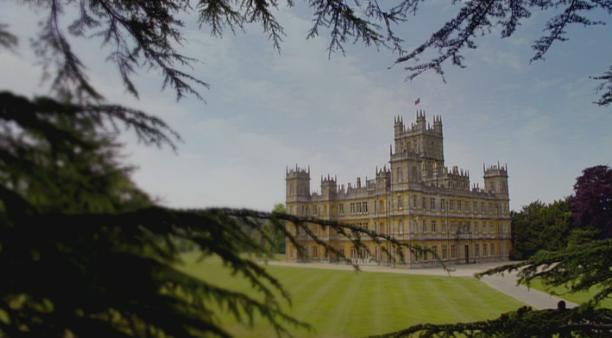
Copyright @Jane Austen’s World. Gentle readers, as you know, the northeast has been socked in by snow, ice, gale winds, and bitterly cold temperatures today.

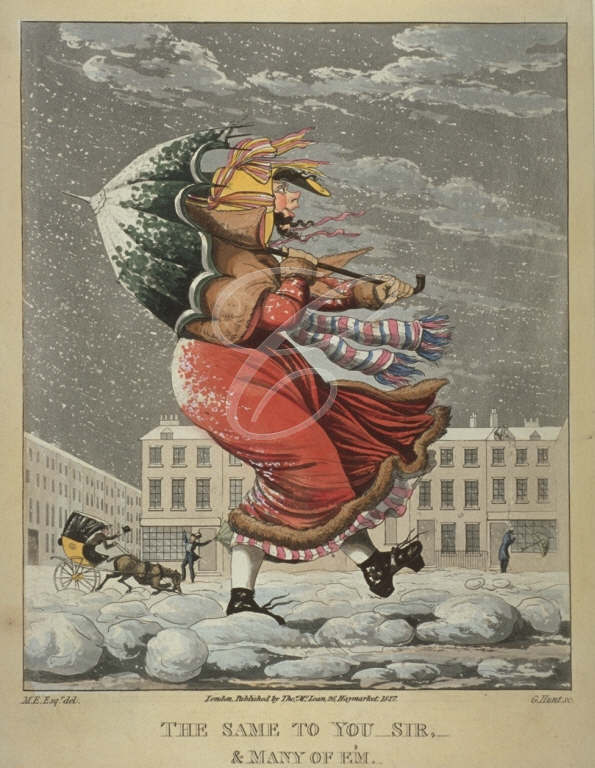
George Scharf, Sketches of People in Snow. Some scenes of winter have never changed.

This is a perfect time for hunkering inside and drinking hot chocolate. Or is it?

Image @City of London. This young lady is wearing pattens to protect her shoes.

My nephew’s children will go sledding, others will go ice skating, and my dog will bound through the snow drifts with undisguised glee, as people have done for ages.

Winter Amusement, Hyde Park, after Ibbetson, 1789. Note the bare feet on the young child in rags. (Foreground)

As early as the 17th century, the noted diarist John Evelyn noted: ” Having seen the strange and wonderful dexterity of the sliders on the new canal in St James’s Park, performed before their Ma[ties] by divers gentlemen, and others with Scheetes, after the manner of the Hollander,s with what swiftnesse they passe, how suddainely they stop in full carriere upon the ice, I went home by water, but not without exceeding difficultie,s the Thames being frozen, greate flakes of ice incompassing our boate. Pepys entry is as follows: St James’s Park Dec 1 1662. “Over the Park where I first in my life it being a great frost did see people sliding with their skeates, which is a very pretty art.”


Dutch steamers on the frozen Zuyder Zee. The leather straps are quite visible on these skates.

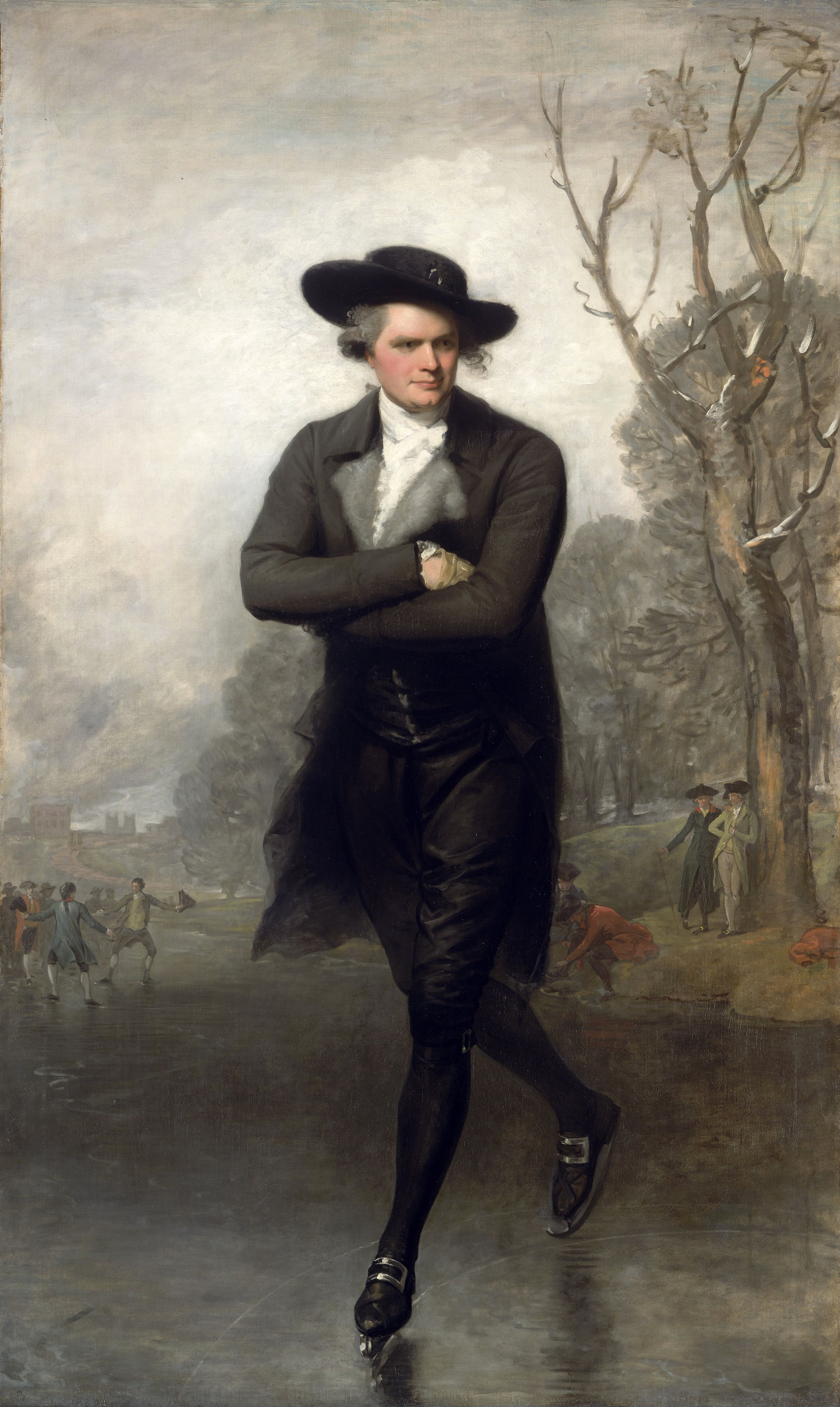
Skating has been around since 3,000 BC or thereabouts and stone age skates have been uncovered in bogs. But it was the lowlanders who took to the sport with glee, using wooden platform skates with iron runners as early as the 14th century. At first, skaters strapped their skates around their shoes with leather straps and propelled themselves forward with wooden poles.


William Grant, The Skater, 1782

Then, the Dutch invented a narrower double-edged metal blade that allowed them to glide with their feet, and the poles became obsolete.

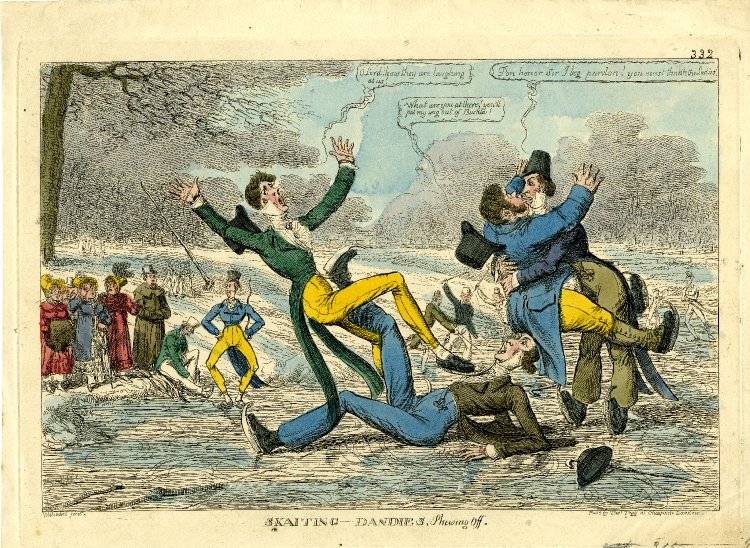
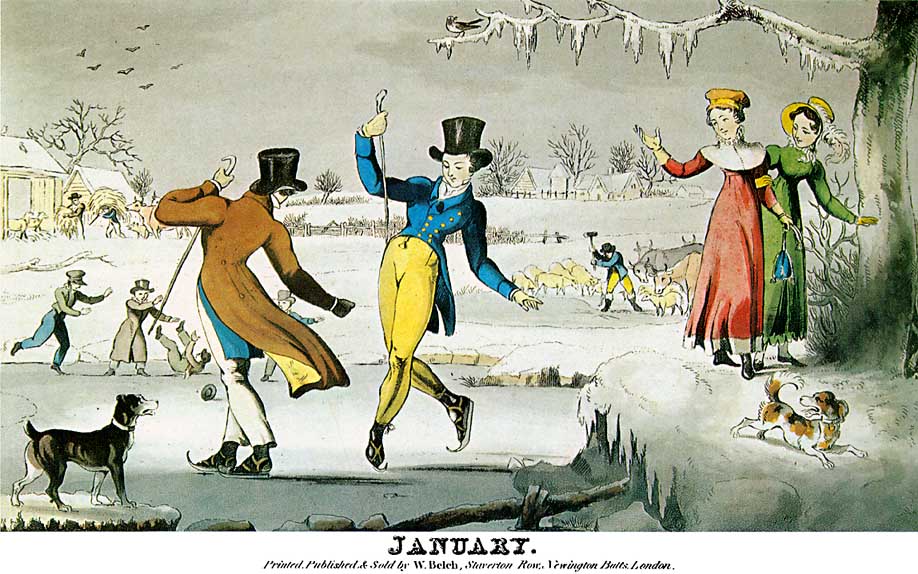
1824 Skating Dandies Showing Off

Many 19th century images exist of people skating on frozen streams and ponds, and sledding or sleighing.


1820. In the distance on the right, one can see a man chopping through the ice to allow his cattle to drink water. On the left, another man is spreading grain to feed his animals.

“..moderns sledges are used, which being extended from a centre by the means of a strong rope, those who are seated in them are moved round with great velocity, and form an extensive circle. Sledges of this kind were set upon the Thames during the hard frost in the year 1716 as the following couplet in a song written upon that occasion 1plainly proves:

“While the rabble in sledges run giddily round
And nought but a circle of folly is found” – The sports and pasttimes of the people of England

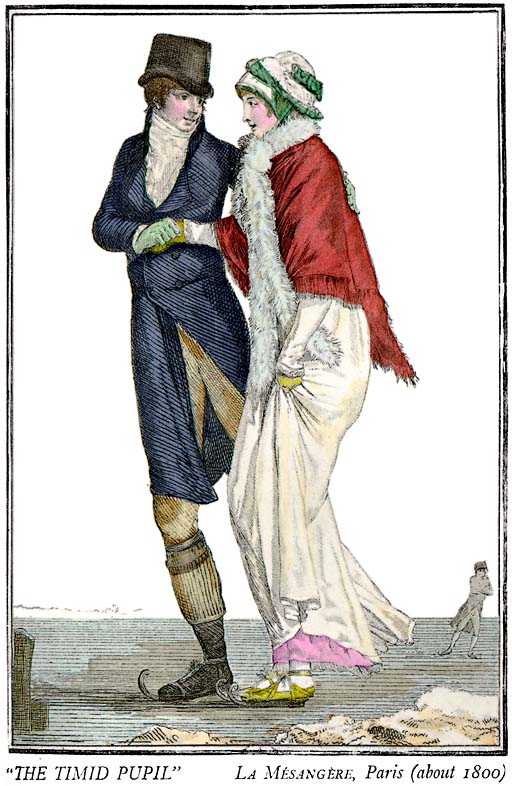
By the mid 18th century, Robert Jones described paired ice skating, or figure skating in A Treatise on Skating (1772).


The Timid Pupil, 1800. Both this ladies feet are placed together, as her escort gently leads her over the ice.

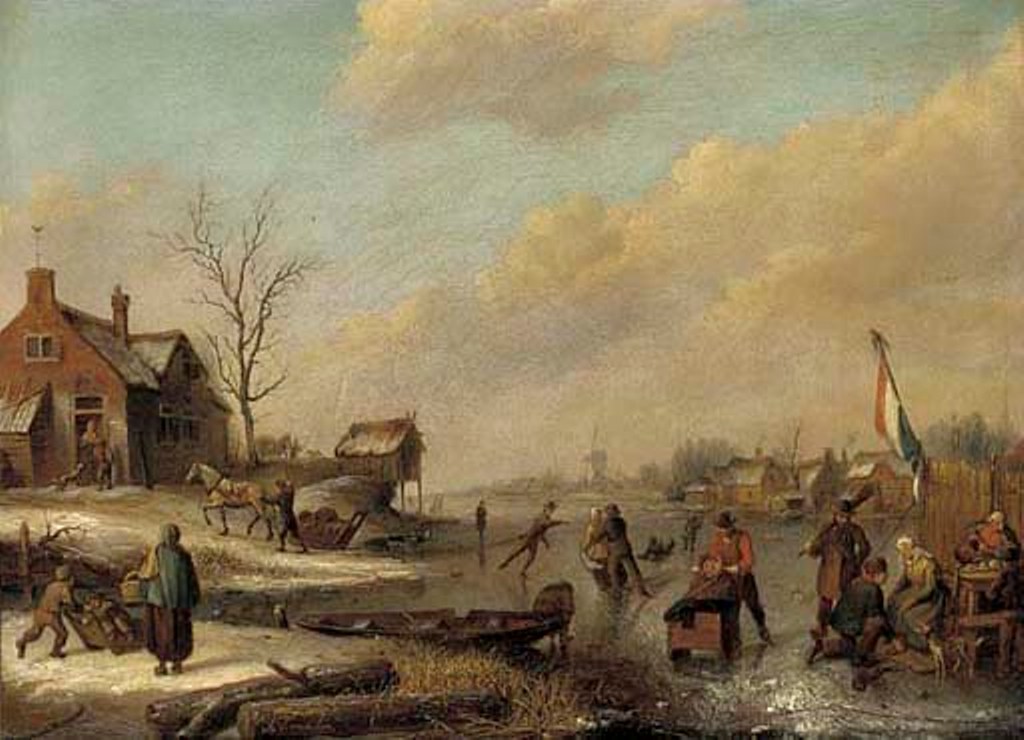
Sleds and sleighs have been used for centuries to transports logs, people, and good over frozen waters all over northern Europe for centuries.


Frozen river in The Netherlands with townsfolk skating and sledging using various forms of sleds pushed by people, and one pulled by a horse. By Vermeulen

Called coasting, sliding down hills and inclines on hand sleds or sledges provided hours of pleasure, as well as a practical way to get around over frozen landscapes and water. Wooden sleds pulled by a rope are still a familiar sight today.

19th century porcelain (figures in 18th century dress): man pushing woman on a sleigh

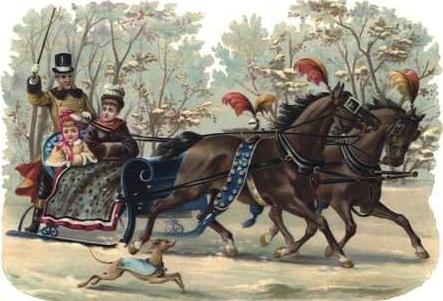
Fancy sleighs pulled by horses (or reindeer in the frozen north) transported groups of people, often in comfort, for their feet were placed upon footwarmers that were heated with hot coals, and their bodies were covered by thick furs or blankets.


Victorian sleigh. The travelers are protected from the cold by muffs and a thick blanket. Even the dog wears a coat. Note the bells on the horses.

More on the topic:

Read Full Post »
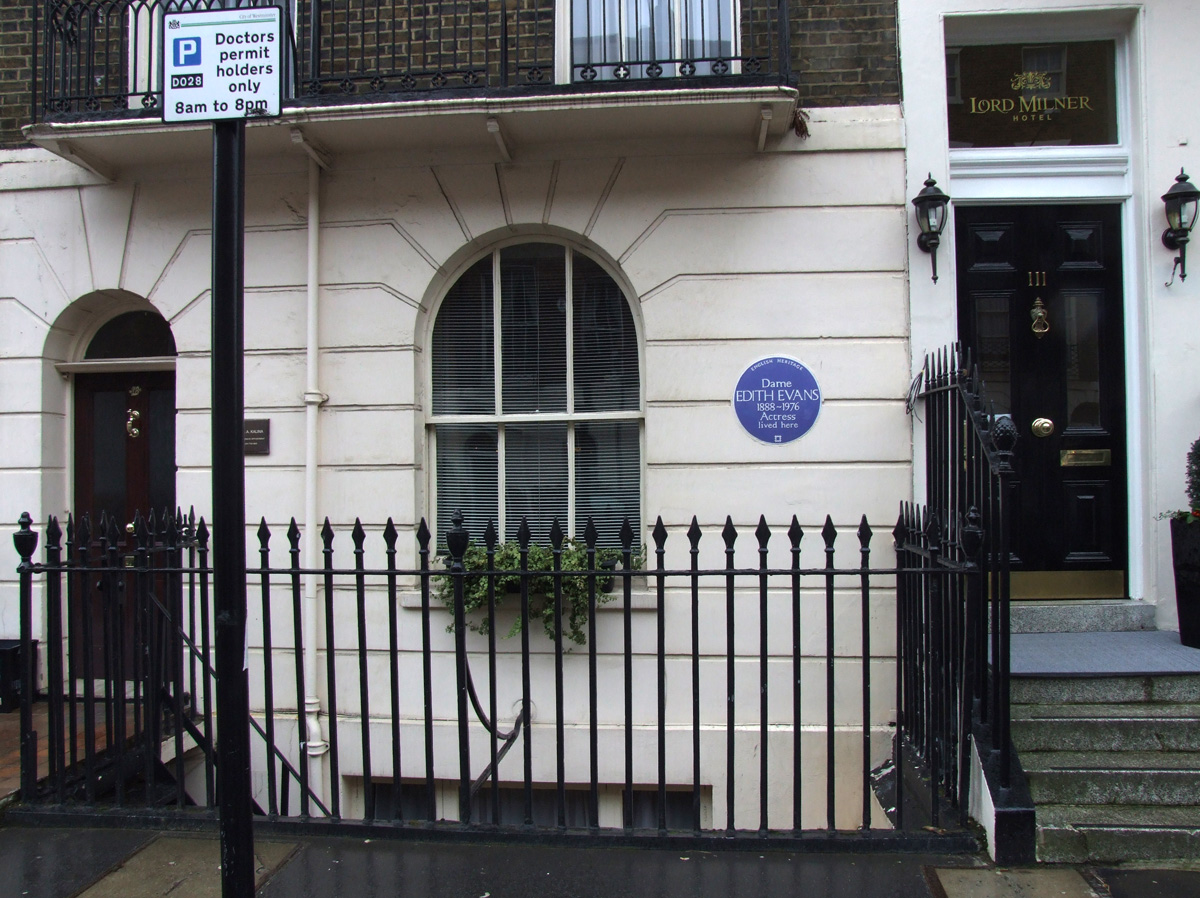
« Newer Posts - Older Posts »