Feeds:
Posts
Comments

Archive for the ‘Regency Life’ Category

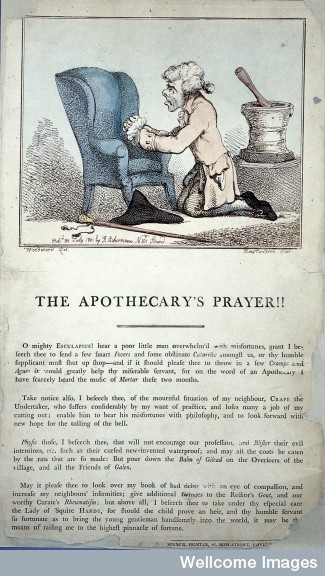
Caricatures from the late 18th- early 19th century always pique my interest. In this instance, Rowlandson’s apothecary (1801) is praying deeply. But what for? Skills to heal more efficiently and better, or for a slew of customers whose illnesses will help fill his coffers with lucre?

Knowing Rowlandson’s outrageous penchant for irony, I am willing to bet it is the latter. So I entered a few phrases into my trusty Google search bar and found this cached explanation of the prayer:

A prayer with a mischievous aim: This example is a sarcastic Apothecary’s Prayer, which was accompanied by a Thomas Rowlandson caricature. 12

“Oh mighty Esculapius! Hear a poor little man overwhelm’d with misfortunes, grant I beseech thee to send a few smart Fevers and some obstinate Catarrhs amongst us or thy humble supplicant must shut up shop…”

“and if it would please thee to throw in a few Cramps and Agues, it would greatly help thy miserable servant, for on the word of an apothecary, I have scarcely heard the music of Mortar these two month…”

“Physic those, I beseech thee, that will not encourage our profession, and blister their evil intentions, viz, such as their cursed new-invented waterproof…”

This was a weatherproof material which was expected to keep the wearer dry and hence free from colds and coughs and other diseases. – Wright, David. Some Prayers and Oaths from the History of Medicine, cached page.

The entire prayer:

O mighty Esculapius! hear a poor little man overwhelm’d with misfortunes, grant I beseech thee to send a few smart Fevers and some obstinate Catarrhs amongst us, or thy humble supplicant must shut up shop–and if it should please thee to throw in a few Cramps and Agues it would greatly help thy miserable servant, for on the word of an Apothecary I have scarcely heard the music of Mortar these two months.

Take notice also, I beseech thee, of the mournful situation of my neighbour, Crape the Undertaker, who suffers considerably by my want of practice, and loses many a job of my cutting out; enable him to bear his misfortunes with philosophy, and to look forward with new hope for the tolling of the bell.

Physic those, I beseech thee, that will not encourage our protection, and Blister their evil intentions, viz. such as their cursed new-invented waterproof; and may all the coats be eaten by the rats that are so made: But pour down the Balm of Gilead on the Overseers of the village, and all the Friends of Galen.

May it please thee to look over my book of bad debts with an eye of compassion, and increase my neighbours’ infirmities; give additional twinges to the Rector’s Gout, and our worthy Curate’s Rheumatism; but above all, I beseech thee to take under thy special the Lady of Squire Handy, for should the child prove an heir, and thy humble servant so fortunate as to bring the young gentleman handsomely into the world, it may be the means of raising me to the highest pinnacle of fortune.

I looked up the word Galen. He was the physician who succeeded Hippocrates and who described cancer as an excessive black bile.  Until the 17th century it was believe that the bile coursed throughout the entire body. Even if a tumor was removed, the black bile remained to create more tumors. Not a nice prayer, n’est-ce pas?

More on the topic:

Image Credit: Wellcome Library, London
An apothecary praying for a host of illnesses to descend on his customers so that he can make more money. Coloured etching by T. Rowlandson, 1801, after G.M. Woodward.
Coloured etching and text 1801 By: George Moutard Woodward after: Thomas Rowlandson
Published: R. Ackermann,[London] (101 Strand) :  30 July 1801
Printed: [E.] Spragg)(London :
Size: border 18.7 x 23 cm.
Collection: Iconographic Collections
Library reference no.: ICV No 11040
Full Bibliographic Record Link to Wellcome Library Catalogue

Copyrighted work available under Creative Commons by-nc 2.0 UK: England & Wales, see http://images.wellcome.ac.uk/indexplus/page/Prices.html
Previous Ref: D5459/2/146

Read Full Post »

I came across this print by Isaak Cruikshank and was instantly captivated. Instead sketching studies of rich and influential people, Cruikshank used the images of ordinary folks. The study of physiognomy goes back a long time, but as early as the 18th century, it was regarded as a dangerous “science.”

Click on image for a larger view.

Physiognomy was regarded by those who cultivated it as a twofold science: (i) a mode of discriminating character by the outward appearance, and (2) a method of divination from form and feature. On account of the abuses of the latter aspect of the subject its practice was forbidden by the English law. By Ihe act of parliament 17 George II. c. 5 (1743) all persons pretending to have skill in physiognomy wore deemed rogues and vagabonds, and were liable to be publicly whipped, or sent to the house of correction until next sessions.1 The pursuit thus stigmatized as unlawful is one of great antiquity, and one which in ancient and medieval times had an extensive though now almost forgotten literature. It was Very early noticed that the good and evil passions by their continual exercise stamp their impress on the face, and that each particular passion has its own expression”. – The Encyclopedia Britannica, a dictionary of arts and sciences, Vol 21, Google eBook

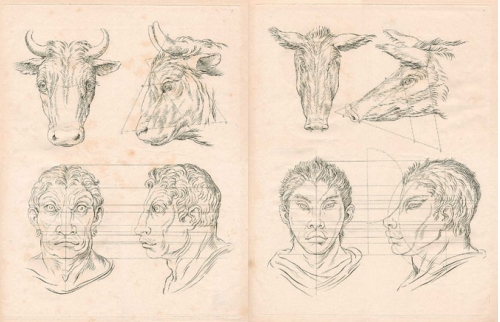
Physiognomy studies, Charles LeBrun, 17th C

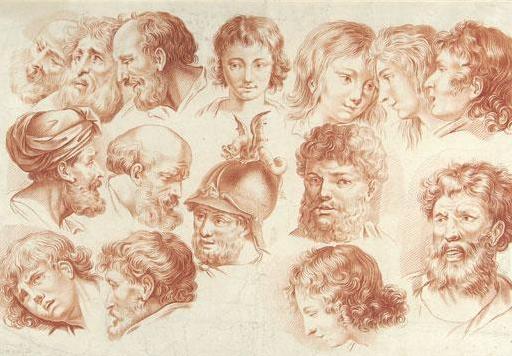
In About faces: physiognomy in nineteenth-century Britain, 2010 ,  Sharrona Pearl discusses the study of facial features and their relationship to character during Jane Austen’s and Charles Dickens’ day. Caricaturists felt the license to distort and exaggerate features, much as Cruikshank did. Portrait artists especially “learned how to communicate internal character and lived experience, while adhering strictly to the viewed external appearance.”

While Cruikshank’s images represented a fascinating study that provided a handy visual bank of expressions and features for the caricaturist, the study of physiognomy could take people down a dangerous path of fostering stereotypes.  Hitler took to this practice to an extreme when he offered descriptions of ideal Aryan features and contrasted them to the facial features of the “typical Jew”.  LeBrun’s image (above) compared people’s facial features to animals. There was nothing fun or funny about such sketches, which were more about prejudiced viewpoints than a reflection of  reality.

Physiognomy Studies after Pierre Thomas Le Clerc, 1760

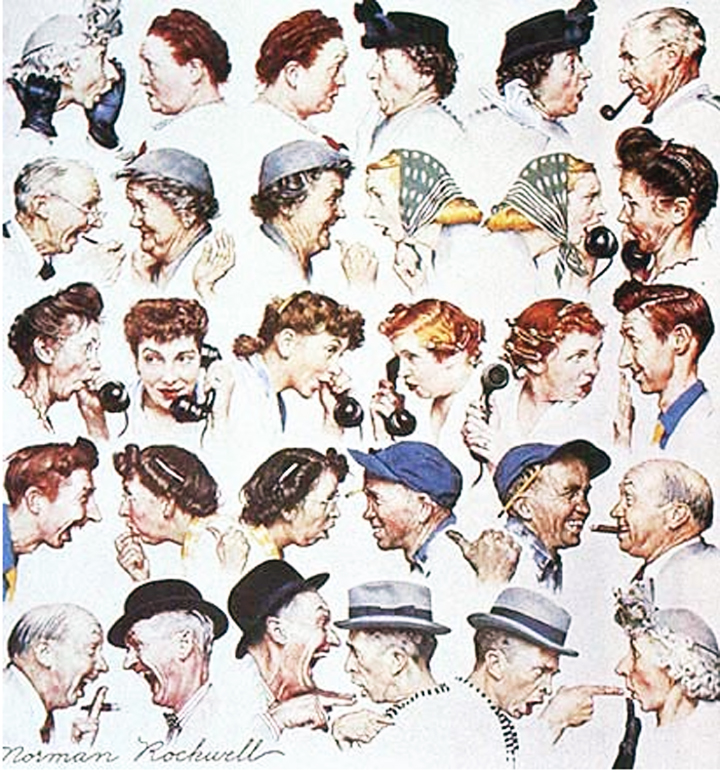
While it is hard for humans to escape first impressions and to be judged by looks alone,  one has to tread carefully in making assumptions based on regular or irregular features. In the hands of a talented artist, however, one can tell much about the sitter’s character through the skilled manipulation of features and expression. Norman Rockwell tells a delightful tale about the nature of gossip in this masterful 20th century caricature. He needed no words to tell his humorous story.

Click on image for a larger view.

First image: Eighty-four physiognomic caricatures of English eighteenth century types. Etching by I. Cruikshank after G.M. Woodward.
1796 By: George Moutard Woodward after: Isaac Cruikshank
Published: Allen & West,London (15, Paternoster Row) : 1 August 1796
Size: platemark 24.9 x 37.1 cm.
Collection: Iconographic Collections
Library reference no.: ICV No 9699
Full Bibliographic Record Link to Wellcome Library Catalogue

Copyrighted work available under Creative Commons by-nc 2.0 UK: England & Wales, see http://images.wellcome.ac.uk/indexplus/page/Prices.html

Read Full Post »

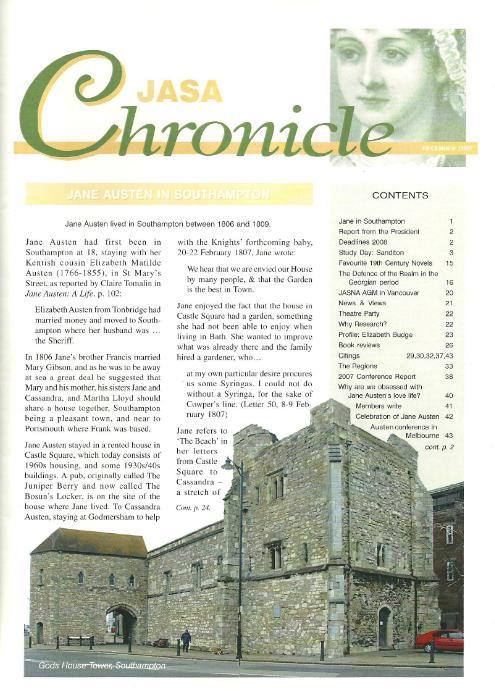
Gentle readers, Tony Grant kindly rewrote an article that he had originally written for JASA (Jane Austen Society of Australia), adding more images and new information. Tony has also resurrected his blog, London Calling (thank you, Tony).

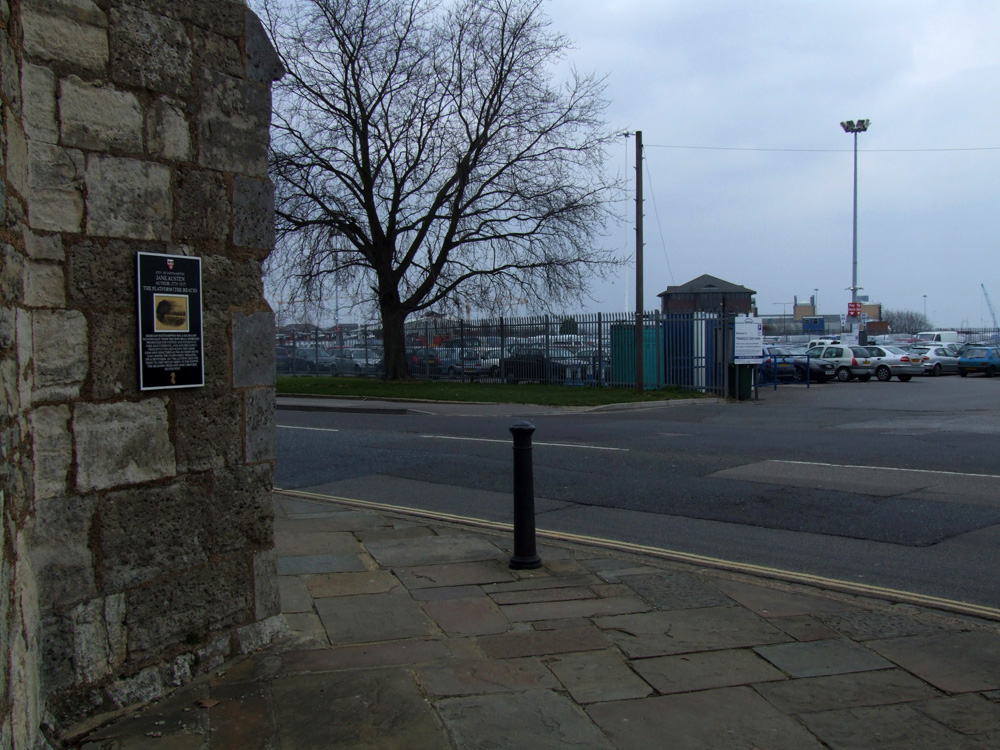
Jane Austen lived in Southampton between 1806 and 1809. She stayed in a rented house in Castle Square.

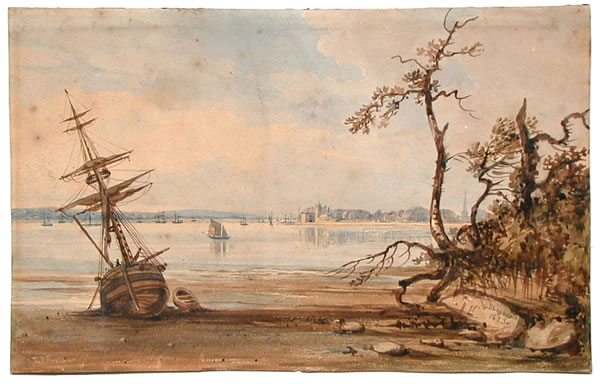
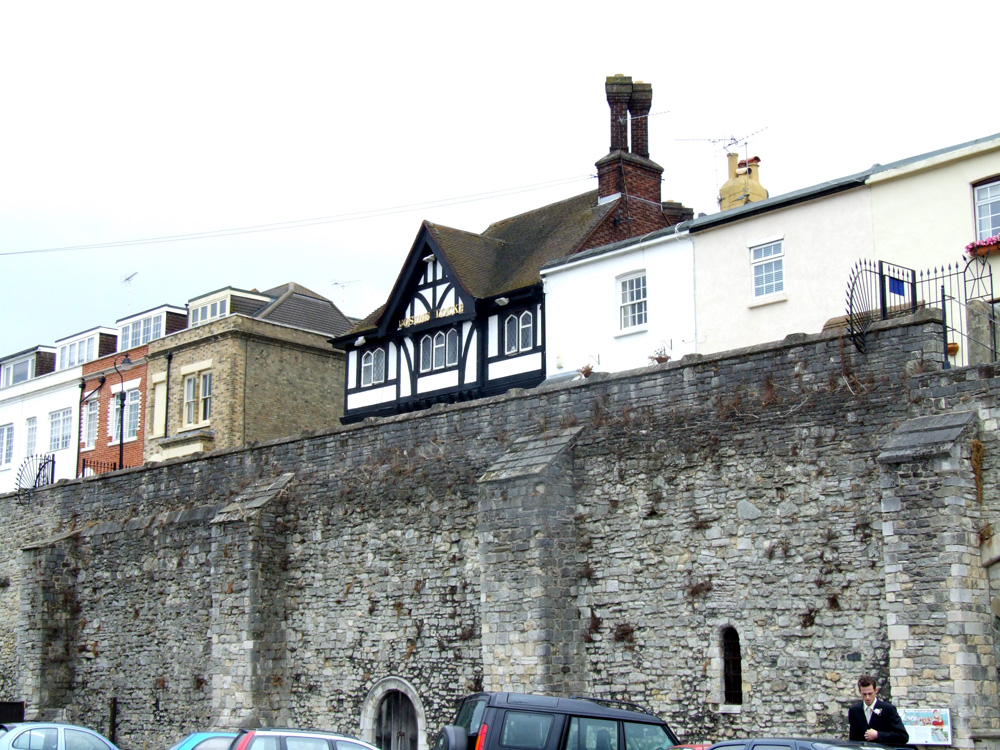
Southampton sea walls

In 1806 Francis Austen married Mary Gibson. As he was to be away at sea a lot he made the suggestion that Mary and his mother, Jane, Cassandra and Martha Lloyd should share a house together. Southampton was a good choice because it was near to Portsmouth, where Frank was based and was a pleasant town set within medieval walls. It was also surrounded by picturesque countryside.
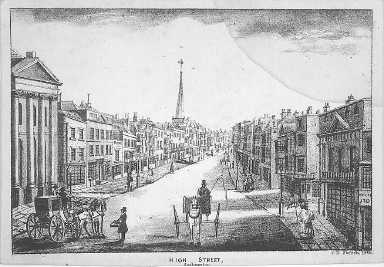
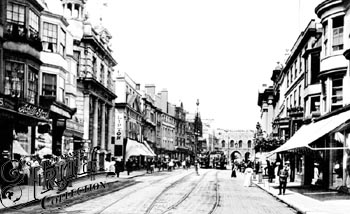
Southampton High Street, 19th C.

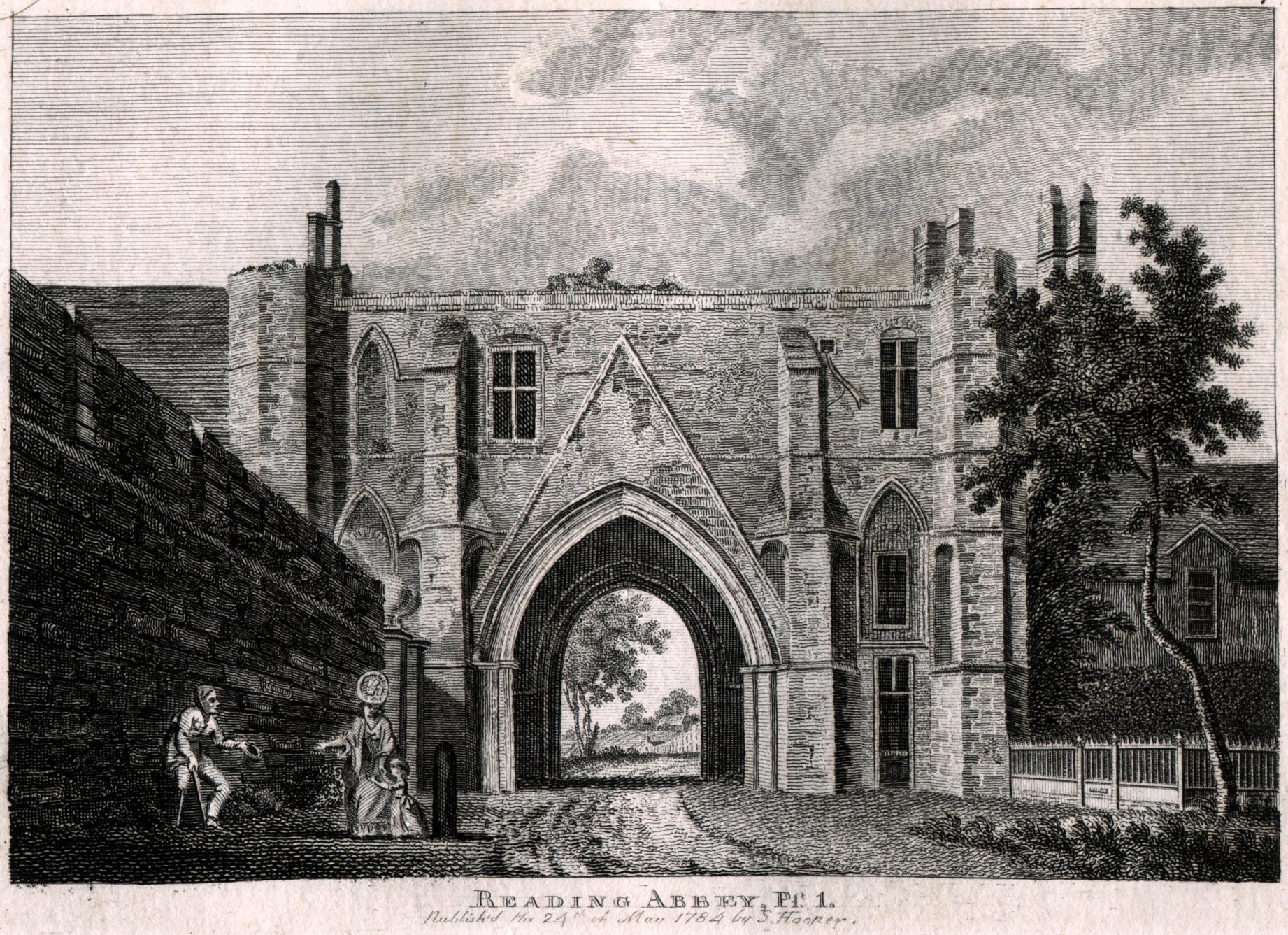
Jane had been to Southampton twice previously. First when she was eight years of age to attend Mrs Cawley’s school with Cassandra and her cousin Jane Cooper. This was a disaster. Mrs Austen , in her wisdom, had decided to send Cassandra away to school to attend Mrs Cawleys academy in Oxford in the Spring of 1783. Jane didn’t want to be left out. She wanted to be with her beloved sister and insisted on going. What the reasoning of Mrs Austen was in allowing a seven year old to be away from home for an extended period of time is anybody’s guess. Mrs Cawley removed her school to Southampton that same year.
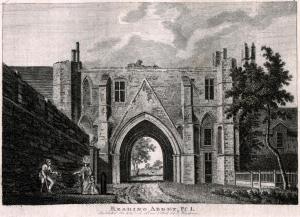
Reading Abbey, Mrs Cawley's school in Southampton

Unfortunately, because Southampton was a port it was often one of the first places that diseases and infections from abroad would first take hold. Cassandra, Jane Cooper and Jane became gravely ill. It was not until Jane Cooper, writing to her mother in Bath, alerted Mrs Cooper and Mrs Austen to the problem. Both mothers removed their children promptly and nursed them back to health.
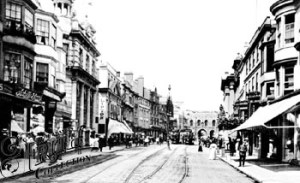
How Southampton would have looked in Jane's time

The second time Jane stayed in Southampton when was when she was eighteen. She stayed with her cousin Elizabeth.

Elizabeth Austen from Tonbridge had married money and moved to Southampton where her husband was…the Sherrif.” (from Claire Tomlin, Jane Austen A Life)

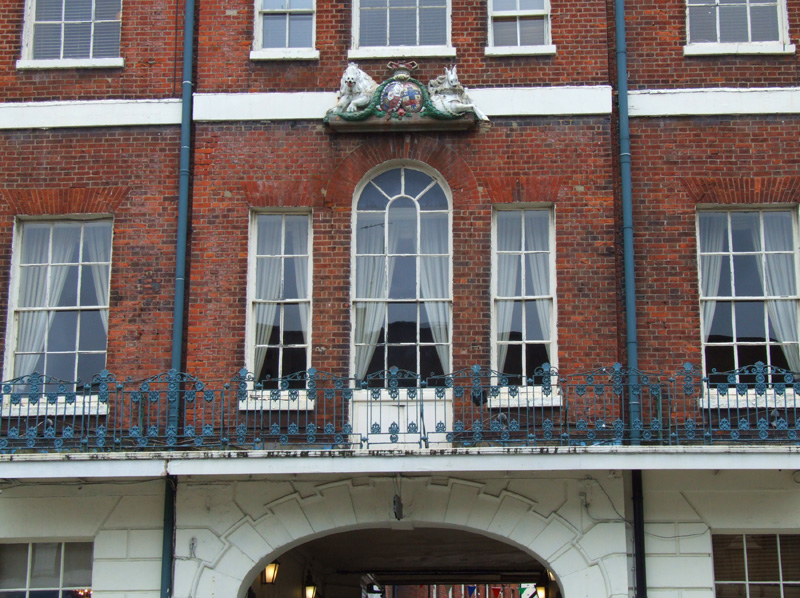
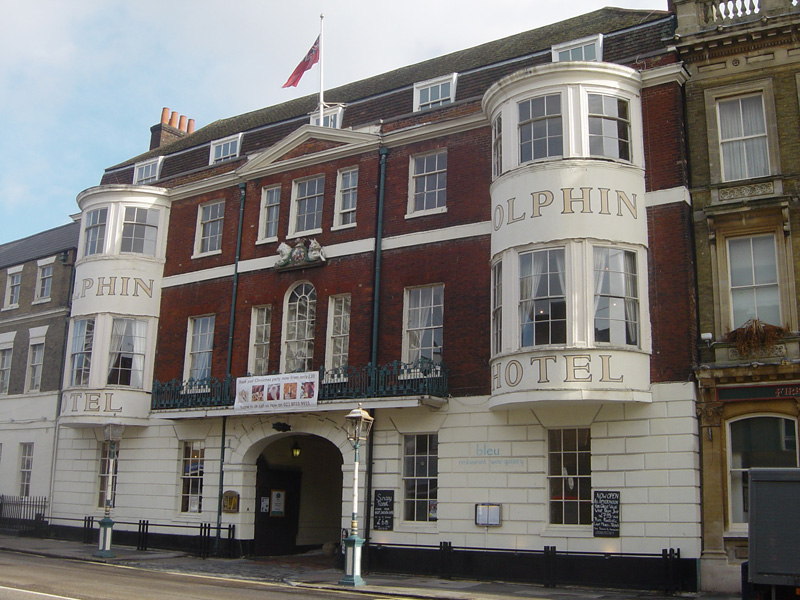
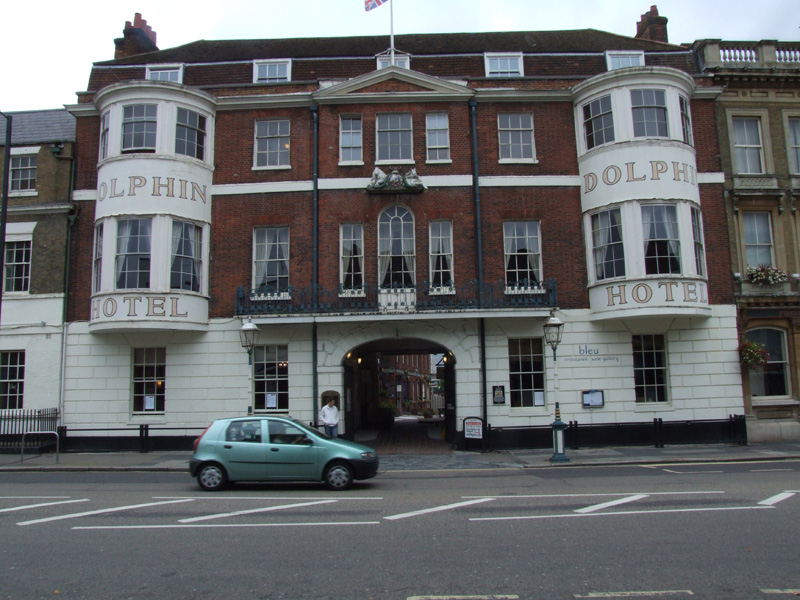
This branch of the Austen family lived in St Mary’s Street in the St Mary’s district of Southampton. While staying with their cousin, Jane and Cassandra attended a ball at the Dolphin Hotel.
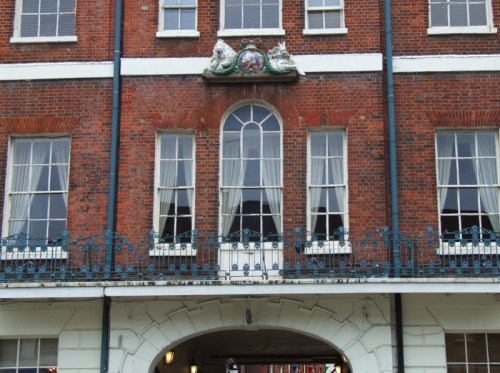
Ball room at the Dolphin Hotel. Image @Tony Grant

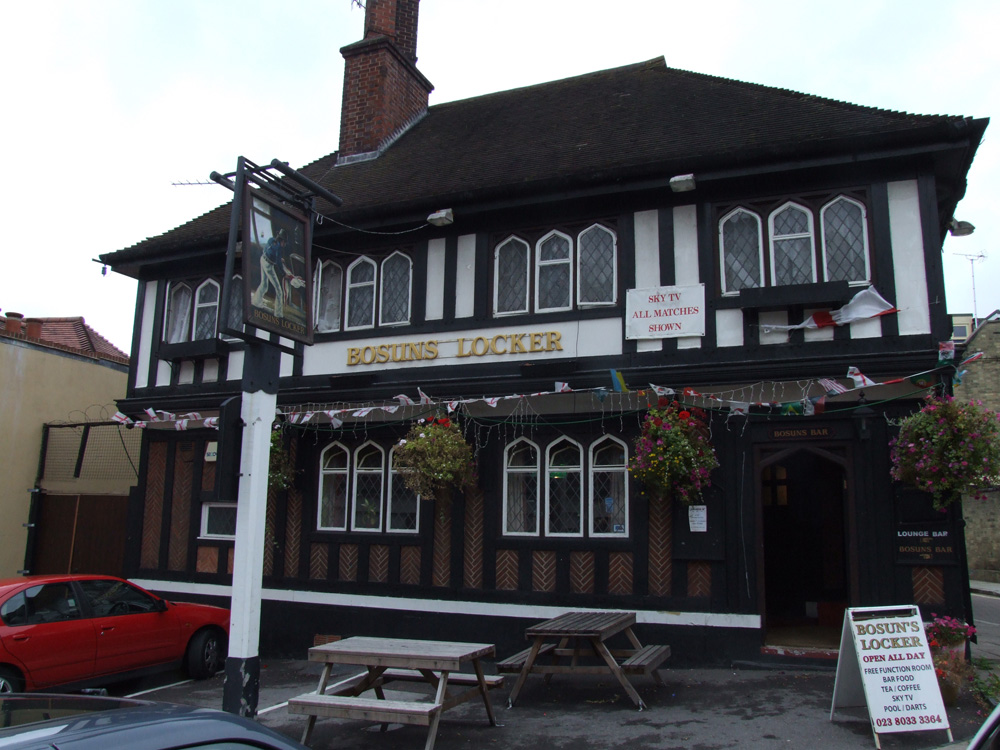
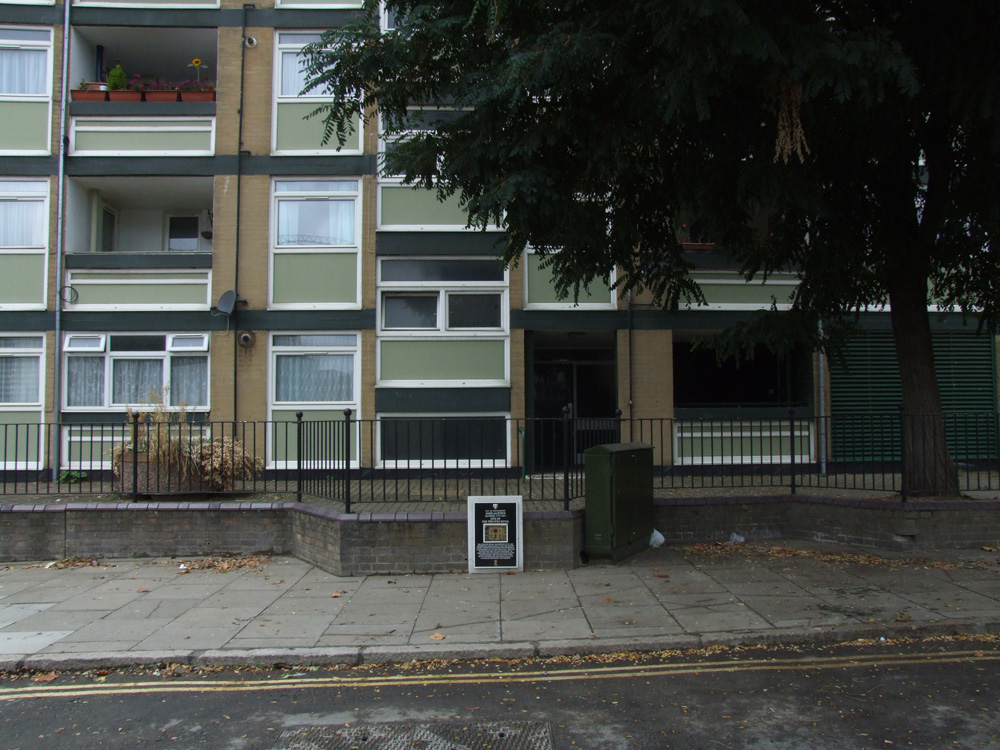
Castle Square today consists of recently built housing, flats built in the 1960’s and some buildings built in the 1940’s and 1930’s. A pub, originally called The Juniper Berry later called The Bosun’s Locker and now renamed The Juniper Berry, is on the site of the house Jane lived in.
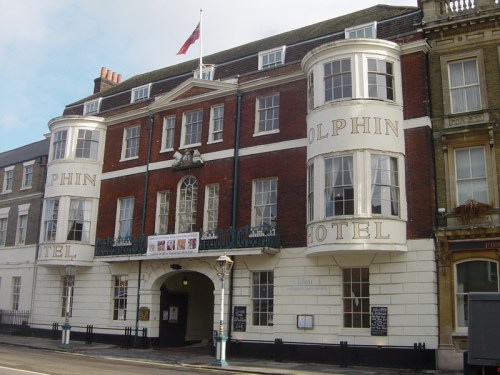
The Dolphin Hotel. Image @Tony Grant

To Cassandra Austen who was staying at Godmersham to help with the forthcoming baby: Friday 20 – Sunday 22 February 1807

“ We hear that we are envied our House by many people, & that the Garden is the best in Town.”
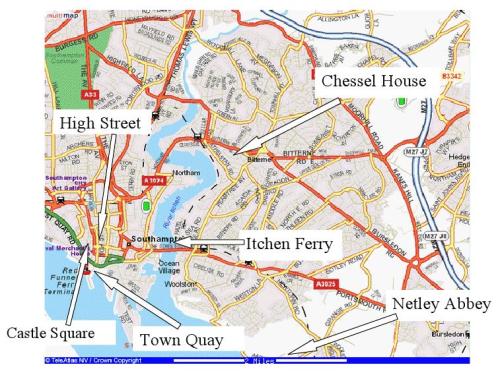
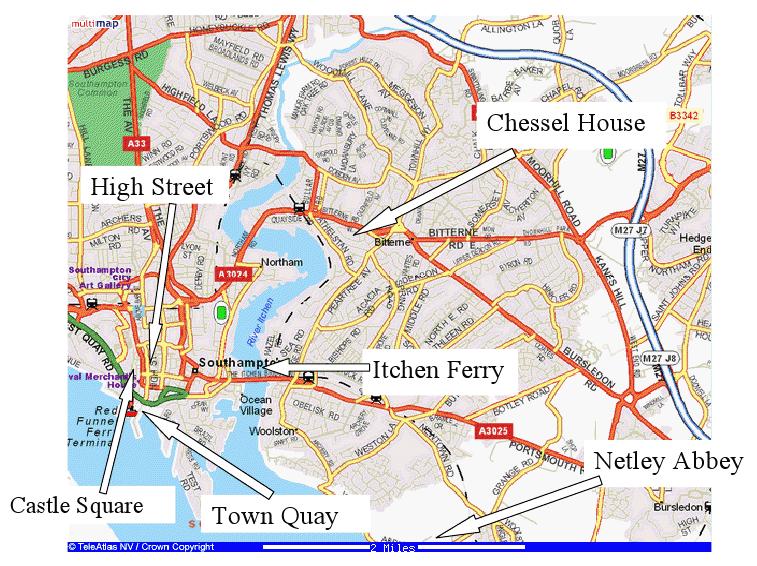
Jane Austen map of Southhampton

Jane also enjoyed the fact that the house in Castle Square had a garden. Something she had not been able to enjoy when living in Bath. She wanted to improve what was already there and the family hired a gardener. She didn’t think much of the roses that already existed,

we mean to get a few of a better kind therefore & the latter of an indifferent sort,—we mean to get a few of a better kind therefore & at my own particular desire he procures us some syringas…”

Jane also mentions getting a laburnum and having currants, gooseberry bushes and raspberries planted.
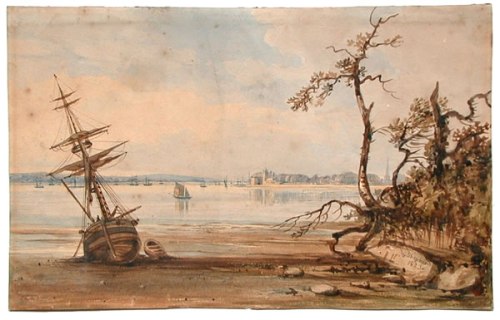
Site of the Itchen ferry in the 18th C.

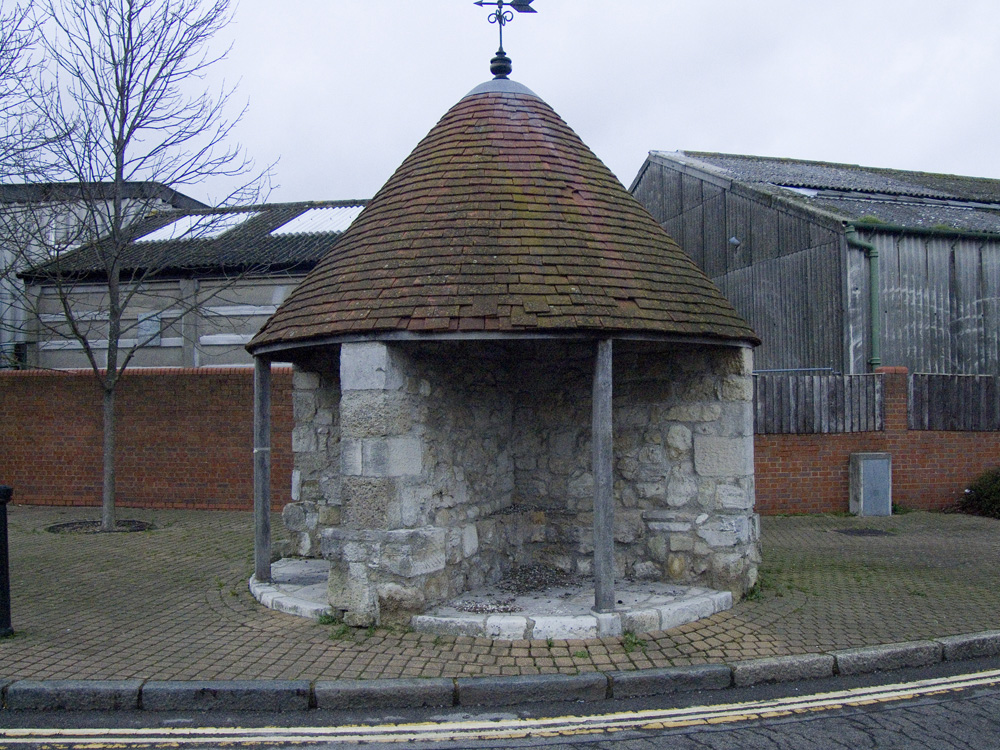
Jane refers to, “The Beach,” in her letters from Castle Square to Cassandra. This was a stretch of land that bordered the Itchen River between the Town Quay and Cross House, which was a sort of Medieval shelter.
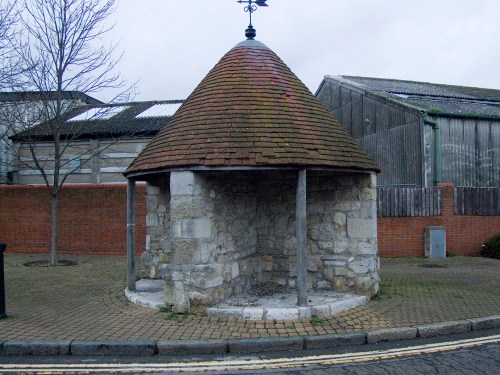
Cross House, a medieval shelter for Itchen ferry travelers. Image @Tony Grant

The shelter was built to shield passengers from inclement weather waiting to be rowed across the Itchen by ferrymen from The Itchen Ferry community situated on the Woolston side of the river. Jane probably sat here waiting for the ferrymen on the various trips she took on the river. (Click here to learn more about the fishermen and ferrymen at Itchen Ferry.)
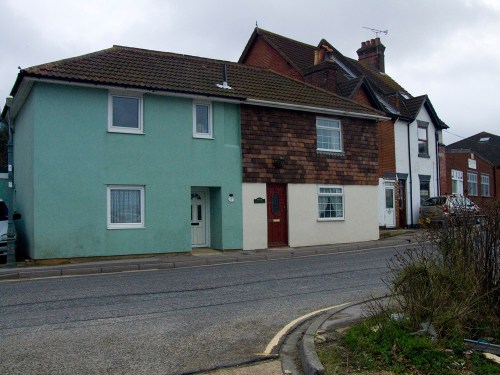
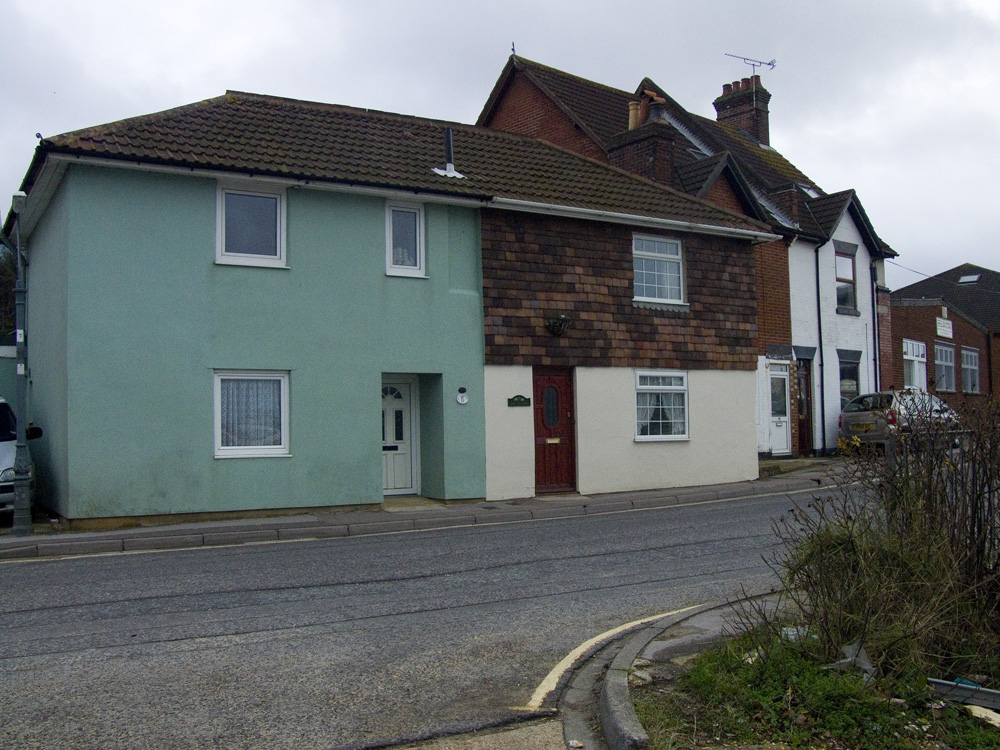
Itchen Ferry cottages. Image @Tony Grant

“The Beach,” no longer exists. In the late Victorian period a large area of land was reclaimed stretching out into Southampton Water. Southampton Docks was built on this reclaimed land.
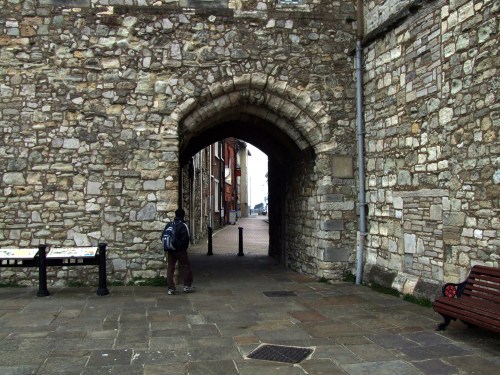
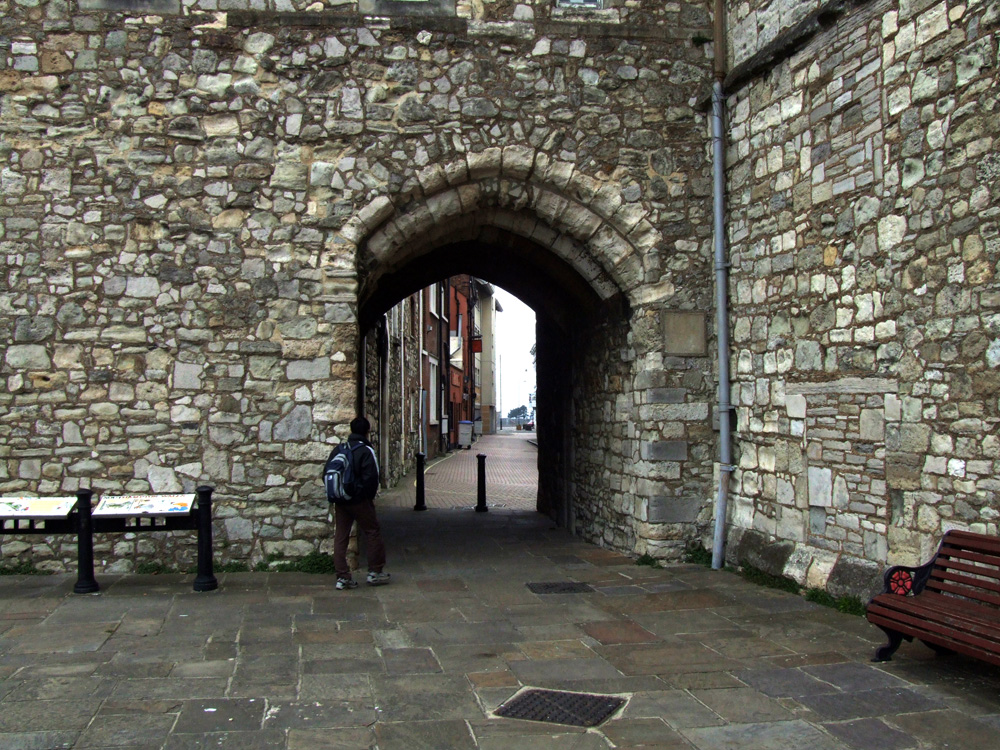
God's House gateway. Image @Tony Grant

The gateway through Gods House Tower, a medieval section of Southampton’s town walls, would have been the entrance through which Jane and her family accessed The Beach.
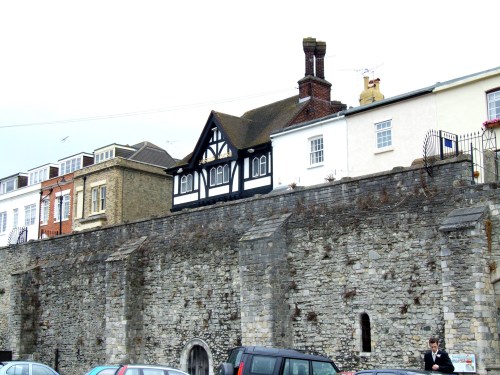
Southampton's town wall. Image @Tony Grant

On the 7th October 1808, Edward’s wife Elizabeth died soon after giving birth to her eleventh child. Ten days after this sad occurrence their two boys, Edward and George, travelled to Southampton to stay with their aunt Jane.
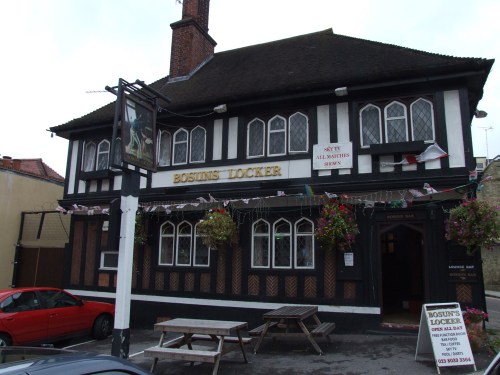
The Bosun's Locker, a pub that sits on the site of Jane's house. Image @Tony Grant

Jane did well in occupying their minds and played games with them and took them on excursions.

To Cassandra Austen at Godmersham: Wednesday 7 – Thursday 8 January 1807

We did not take our walk on Friday, it was too dirty, nor have we yet done it; we may perhaps do something like it today, as after seeing Frank skate, which he hopes to do in the meadows by the beach, we are to treat ourselves with a passage over the ferry.”

The Itchen has been industrialised now for a long time. The area was badly bombed during the war because there was a shipyard in that part of the river,called Thorneycrofts, which built minesweepers and destroyers. In Jane’s time Thorneycrofts were there but they built fishing boats and sailing boats, perhaps even the rowing boats Jane rowed in with her nephews.
Northam Bridge in the 18th C.

On one occasion Jane took Edward and George on the Itchen up as far as Northam Bridge where they saw a battle ship being fitted out.

To Cassandra Austen at Godmersham: Monday 24 – Tuesday 25th October 1808

“We had a little water party yesterday: I and my two nephews went from the Itchen Ferry up to Northam, where we landed, looked into the 74, and walked home, and it was so much enjoyed that I had intended to take them to Netley today; the tide is just right for our going immediately after noon shine but I am afraid there will be rain; if we cannot get so far, however, we may go round from the ferry to the quay. I had not proposed doing more than cross the Itchen yesterday, but it proved so pleasant, and so much to the satisfaction of al, that when we reached the middle of the stream we agreed to be rowed up the river; both the boys rowed a great part of the way, and their questions and remarks, as well as their enjoyment, were very amusing; George’s enquiries were endless, and his eagerness in everything reminds me often of his uncle Henry.”
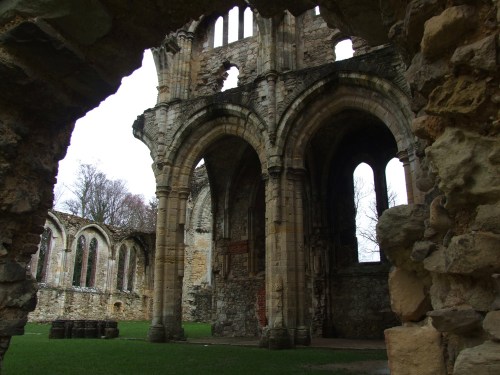
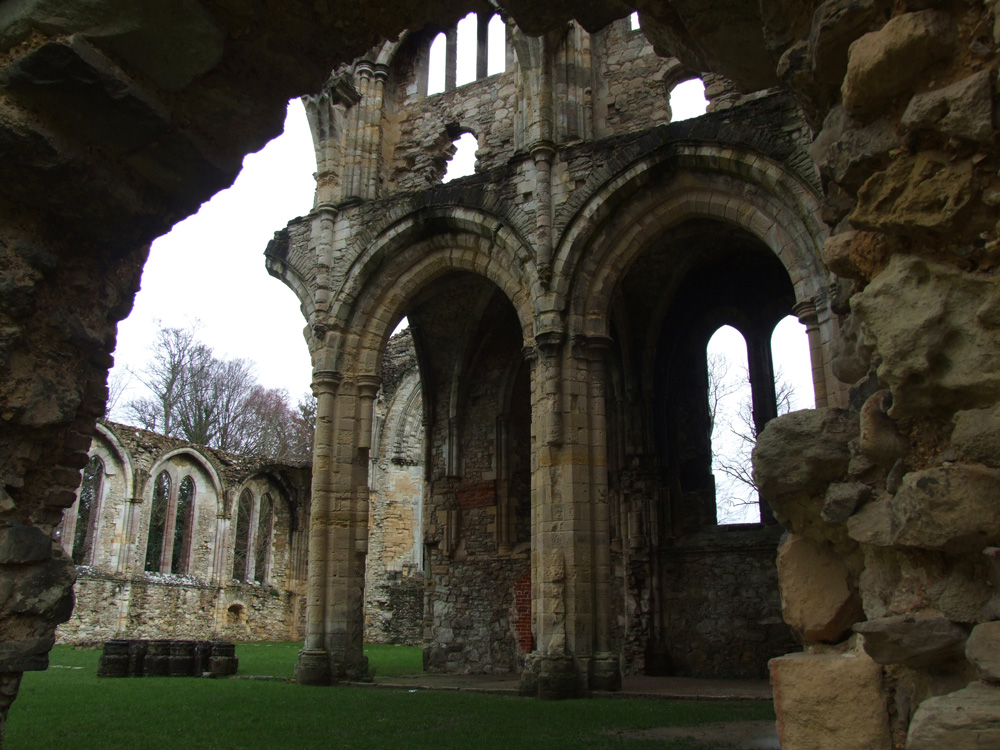
Netley Abbey, south transept. Image @Tony Grant

Netley Abbey appears to have been a popular place for the Austens to visit. This is a quote from Claire Tomlin’s “Jane Austen A Life.” Tomlin also quotes Fanny, who shows a great enthusiasm for Netley Abbey.
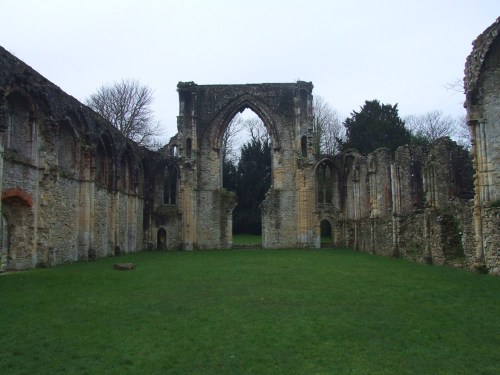
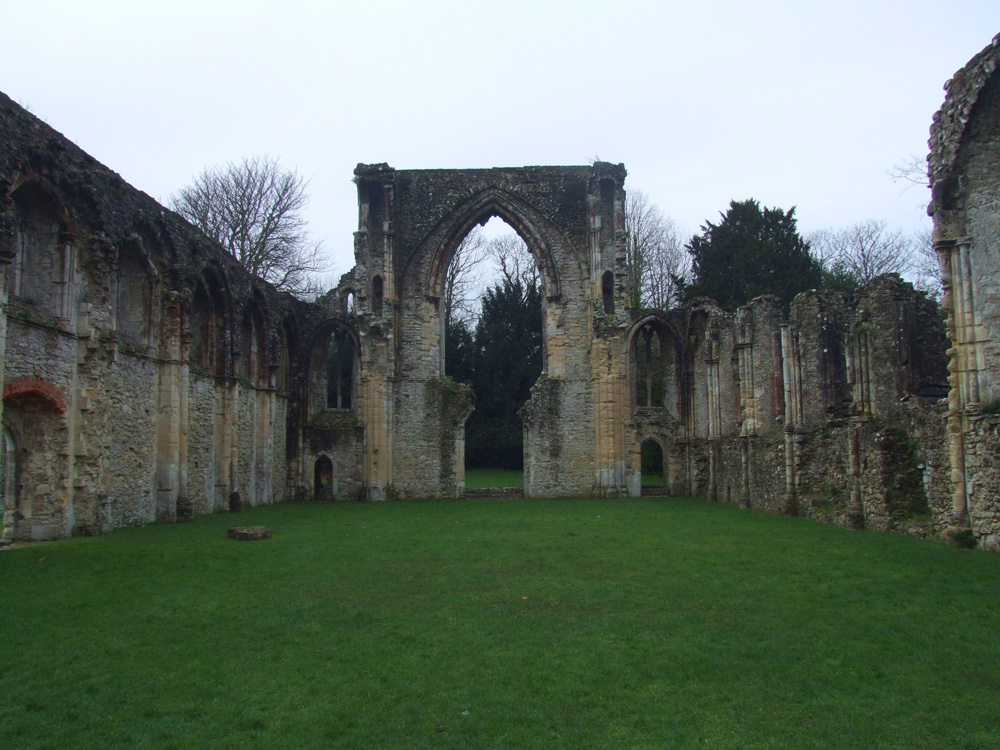
Netley Abbey, church nave. Image @Tony Grant

Claire Tomlin writes, “ There was a boat trip to Hythe and another to see the picturesque ruins of Netley Abbey; (Fanny is quoted as writing)

we were struck dumb with admiration, and I wish I could write anything that would come near to the sublimity of it.”
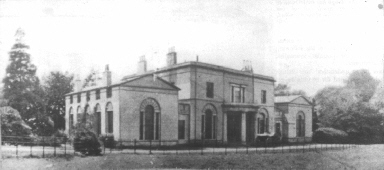
Chessel House, home of the Lances

During their time in Southampton they made new friends. Some did not make a good impression on Jane at first. A Mrs Lance, who lived at Chessel House on the other side of the Itchen, was not approved of. The Austens received cards from the Lances and presumed that they were acting on orders from Mr Lance of Netherton. Frank and Jane went to call on Mrs Lance. They would have got a ferry across the Itchen to the Itchen Ferry Village side and then would walked over Peartree Green, past the chapel on Peartree Green and along Sea Road to get to the Lance’s Chessel Estate at what is now Bitterne.
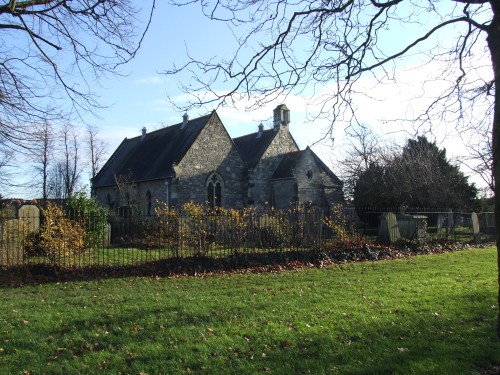
Peartree Church. Image @Tony Grant

The gate posts to the drive, which Frank and Jane would have walked through and the gatehouse to the estate which they would have walked past, are still there.
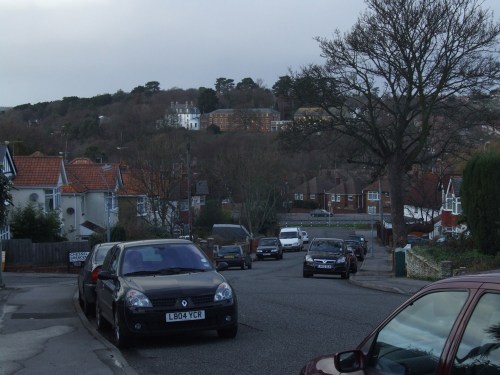
Little Lances Hill. Image @Tony Grant

The gate posts have been moved further apart to allow a modern road to pass through. Two of the local roads, Lances Hill and Little Lances Hill remind us of the Lance family.
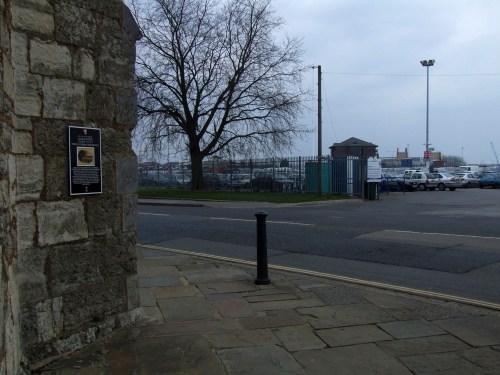
Site fo the beach from God's House Tower gateway. Image @Tony Grant

To Cassandra Austen at Godmersham: Wednesday 7th – Thursady 8th January 1807:

“We found only Mrs Lance at home, and whether she boasts any offspring beside a grand pianoforte did not appear. She was civil and chatty enough, and offered to introduce us to acquaintance in Southampton, which we gratefully declined…………………They will not come often, I dare say. They live in a handsome style and are rich, and she seemed to like to be rich, and we gave her to understand we were far from being so; she will soon feel therefore that we are not worth her acquaintance.”

This does not turn out quite as Jane predicted. They did meet again. Mrs Lance visited Castle Square and the Lance daughters were part of their social circle at the Dolphin Balls. The importance of the pianoforte to Mrs Lance has echoes in Jane’s novel, Emma.

One, maybe slightly salacious story, emerges while Jane, Martha and her mother are in Southampton. Jane, perhaps a little teasingly, relates a relationship between Dr Mant, the rector of All Souls Church in the High Street and Martha Lloyd.
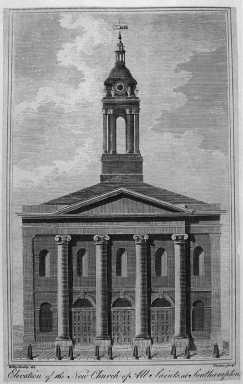
All Saint's Church, Southampton

Dr Mant was well known in Southampton. He had been the headmaster of King Edward VII’s Grammar School in the town . King Edwards Grammar School is now situated in the north part of the city. It has beautiful, extensive playing fields and an iconic, elegant, brick 1930’s style main building. It provides a very high standard of education and all pupils expect to go to university, many go on to Oxford and Cambridge and the other top universities in the country. In Jane’s day the grammar school was in French Street, very close to Castle Square, in a small medieval building. The ruins of it still exist. Dr Mant had also been a professor of Divinity at Oxford and written religious discussion pamphlets. He was a super star in the firmament of vicars. He was a very charismatic preacher too. Dr Mant had his following of inspired young ladies. Martha was apparently a besotted member of this clan.

Tuesday 17th January 1809 from castle Square to Cassandra.

“Martha & Dr Mant are as bad as ever; he runs after her in the street to apologise for having spoken to a Gentleman while she was near him the day before. – Poor Mrs Mant can stand it no longer; she is retired to one of her married Daughters.”

The Dolphin Hotel, which still stands today, was the venue for Balls in Jane’s time. The Dolphin is within easy walking distance of Castle Square and it would have taken no more that six or seven minutes to walk there.
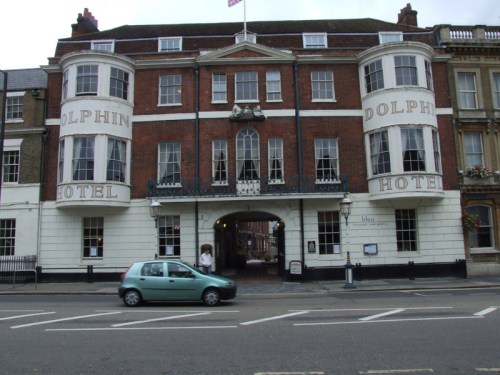
The Dolphin Hotel, where Jane Austen attended balls

To Cassandra Austen at Godmersham: Friday 9th December 1808:

“ The room was tolerably full & there were perhaps thirty couples of dancers; The melancholy part was to see so many dozen young Women standing by without partners & each of them with two ugly naked shoulders! It was the same room we danced in fifteen years ago! – I thought it all over – & in spite of the shame of being so much older felt with thankfulness that I was quite as happy now as then.”
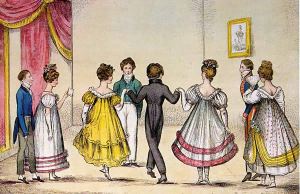
Quadrille, 1820

Also within easy walking distance of Castle Square was Southampton’s theatre. Jane is a little dismissive of the Theatre when she writes:

To Cassandra Austen at Godmersham: Sunday 20th November 1808:

Martha ought to see the inside of the Theatre once while she lives in Southampton & I hardly think she will wish to take a second view.”
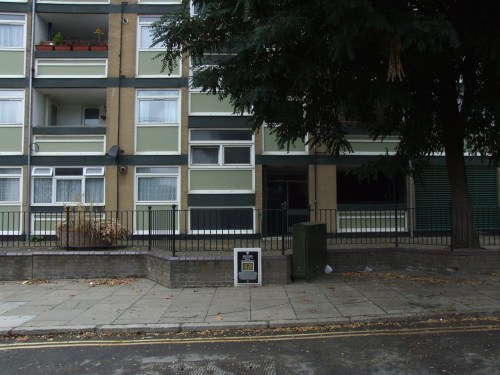
Site of the Southampton Theatre where Jane took Martha Lloyd. Image @Tony Grant

Southampton was a place Jane preferred to Bath. She appears to have had some enjoyable experiences there. It was obviously not a place she felt settled enough to write. Although, I am sure she used her experiences there in her novels.

Tony’s article in the JASA Chroniclem December, 2007.
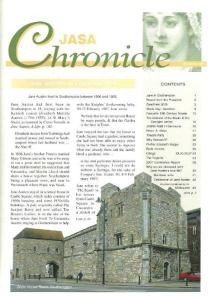
Click on image to enlarge.

Read Full Post »
Gentle readers,

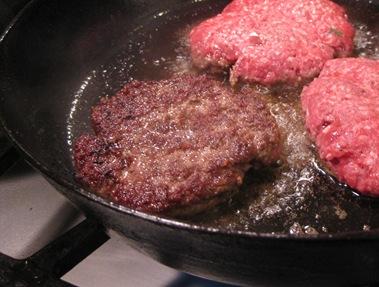
Summer means long, lazy afternoons lounging in the yard or by the pool side, grilling meats like hamburgers, sausages, and hot dogs. The hamburger has had a long tradition.

In 1802, the Oxford English Dictionary defined Hamburg steak as salt beef. It had little resemblance to the hamburger we know today. It was a hard slab of salted minced beef, often slightly smoked, mixed with onions and breadcrumbs. The emphasis was more on durability than taste. “ – Hamburger History 

Sailors from Hamburg, Germany, crossed the Baltic Sea regularly and returned with a taste for the minced raw beef dishes served up in Russian ports. The German haus-frau’s interpretation of these Baltic dishes was to fry or broil the patties. And voila! The Hamburg steak was born. By the late 1700’s the British knew them as Hamburg sausages.

Enter Hannah Glasse and her famous Art of Cookery book, which featured a recipe for Hamburgh sausage.

Hannah Glasse's recipe for Common Sausages

“By the mid-18th century, German immigrants also begin arriving in England. One recipe, titled “Hamburgh Sausage,” appeared in Hannah Glasse’s 1758 English cookbook called The Art of Cookery Made Plain and Easy. It consisted of chopped beef, suet, and spices. The author recommended that this sausage be served with toasted bread. Hannah Glasse’s cookbook was also very popular in Colonial America, although it was not published in the United States until 1805. This American edition also contained the “Hamburgh Sausage” recipe with slight revisions.” – History and Legends of Hamburger 

By 1834, the menu of Delmonico’s in New York City advertised a Hamburger steak. And the rest, as they say, is history. Today the humble hamburger is popular the world over due to the marketing genius (or avarice?) of McDonald’s and other fast food chains.

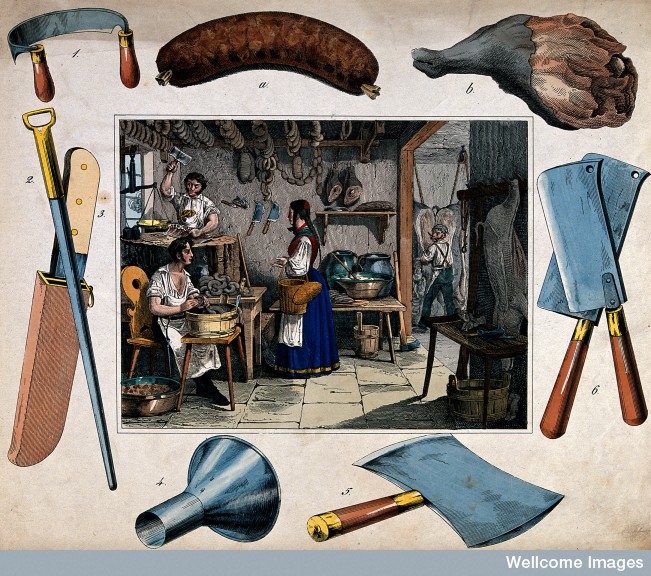
18th c. Sausage shop. Image © Wellcome Trust

Image description: Two men are working with knives and cleavers as another makes sausages, a woman has come to buy and is holding some money in her hand. Coloured etching. A pork-butcher’s shop: two butchers are working with knives and cleavers as another makes sausages, a woman has come to buy and is holding some money in her hand. Coloured etching, 18-. 19th c.” – Wellcome Trust

More on the topic:

Read Full Post »
Vendors set up their carts and booths hours before execution time, doing a roaring trade selling food, drink, souvenirs, even pornographic material, to a frenzied crowd. Minstrels and jugglers entertained the crowd. With the advent of cheap printing in the 16th and 17th centuries, touts created lurid “broadsheets” detailing the supposed history and scandalous crimes of the victim, the precursors to modern day tabloids. These “broadsheets” sold like hotcakes to an excited audience. – The History of Executions in Olde London Towne– Roy Stevenson

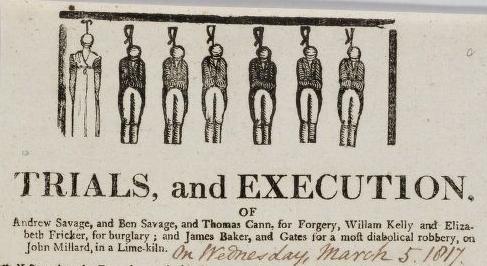
Detail of an execution broadside purchased March 5, 1817. Image @Harvard Law School Library


Life was cheap in Georgian England as this 1817 broadside attests. Five criminals were executed in March 1817 for forgery, burglary, and robbery. Poor Elizabeth Fricker protested her innocence, but to no avail.  Executions were public events, even during Jane Austen’s day, and one wonders if she ever saw a body left to rot on a gibbet, or if she cautiously avoided such sights and averted her eyes.  In any event, crowds would gather early at the execution spot to witness the hanging. They came in droves especially if the execution was of a notorious person.

Vendors set up stalls, selling drinks and refreshments to the large crowd, which, as the Hogarth illustration shows, were stacked on top of each other. The atmosphere must have been festive and somber at the same time, for even though there were jugglers and entertainers to amuse the crowd, a certain “execution” protocol was followed. Criminals were expected to speak to the crowd and to die well.

Broadsides, which were purchased for a pittance (in this instance a penny) described the crimes in detail, and were purchased much like programs to sporting events are purchased today.  Read the entire broadside here. This particular broadside was printed by J. Pitts of Seven Dials. Like other broadsides, it featured an illustration of the execution. Someone (the purchaser?) carefully penned in the date below the image.

Hogarth, 1747. Image @Wikimedia

Persistent Link to the Broadside:
http://nrs.harvard.edu/urn-3:HLS.Libr:1087957
Description:
Executions of criminals: more generally known by the uninviting name of “Dying speeches.”. Execution broadside (Andrew Savage, Ben Savage, Thomas Cann, William Kelly, Elizabeth Fricker, James Baker, James Gates)
Page:
(seq. 11)
Repository:
Harvard Law School Library
Institution:
Harvard University
Accessed:
09 June 2011

Other related links:

Read Full Post »
« Newer Posts - Older Posts »