Feeds:
Posts
Comments

Gentle Readers: Amanda Millay on New Noblewoman has found modern fashions inspired by Downton Abbey. She has graciously allowed me to reproduce her article for this blog. It will lead you to her blog, The New Noblewoman, which features all things fashion.

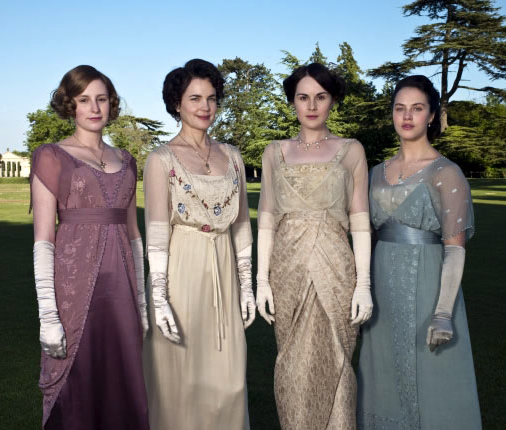
Downton Abbey is not just successful as good entertainment. Women everywhere are clamoring for clothing inspired by the show, and finding that modern-day retail wear is not even as pretty as the show’s most simple dresses.

The longing for Downton Abbey-inspired fashions, and the very few options available at the retail level, indicate that a change is needed in women’s fashion. Most women can’t afford a $1,000 dress, and designers and manufacturers will continue to make cheap, ugly, throwaway clothing until people stop buying it. But there is one option remaining for turning the fashion tide: Making or buying only top-quality, beautiful clothes, and making do with a limited wardrobe . . . like most people did for centuries. We should bring the emphasis in fashion back to having a few quality items, rather than amassing a huge quantity of synthetic items that we grow weary of or that go out of style after a few months. Women are already realizing this, and have started searching out homemade clothing (and making their own) in the quest to bring some true style back into fashion.

So can women today find anything that’s comparable to Downton Abbey fashion (without making it, or wearing an evening gown during the day)? I’ve scoured online women’s boutiques and department stores, and after looking through thousands of dresses, here are the best options I’ve found for Downton Abbey-inspired style. There are some great dresses at exorbitant prices, but in this list, everything is less than $200.

(If you’re looking for authentic vintage style, check out the Ladies Emporium,Recollections, Etsy, or this list of retailers from Sense & Sensibility Patterns.)

Long Dresses for a Look That’s Casual or Elegant

The ladies of Downton Abbey are usually dressed to impress. But it’s possible to find empire-waist dresses and long dresses in a variety of styles that have a bit of pre-World War I British flair. Click here for the rest of the article on New Noblewoman.
Other links:

Chawton House, A Virtual Visit

Gentle Readers, these fantastic images are by Tony Grant from London Calling. The text are quotations from the fabulous Chawton House Library site.  This site is rich with information and history. I am so impressed with the section on chickens, which were rescued and given a chicken-friendly coop for roosting and free ranging. The horses are magnificent as well. Sandy Lerner has done a magnificent job of turning this once ruin of a house into an historic library and museum. As Tony’s images show, this house is a world treasure .

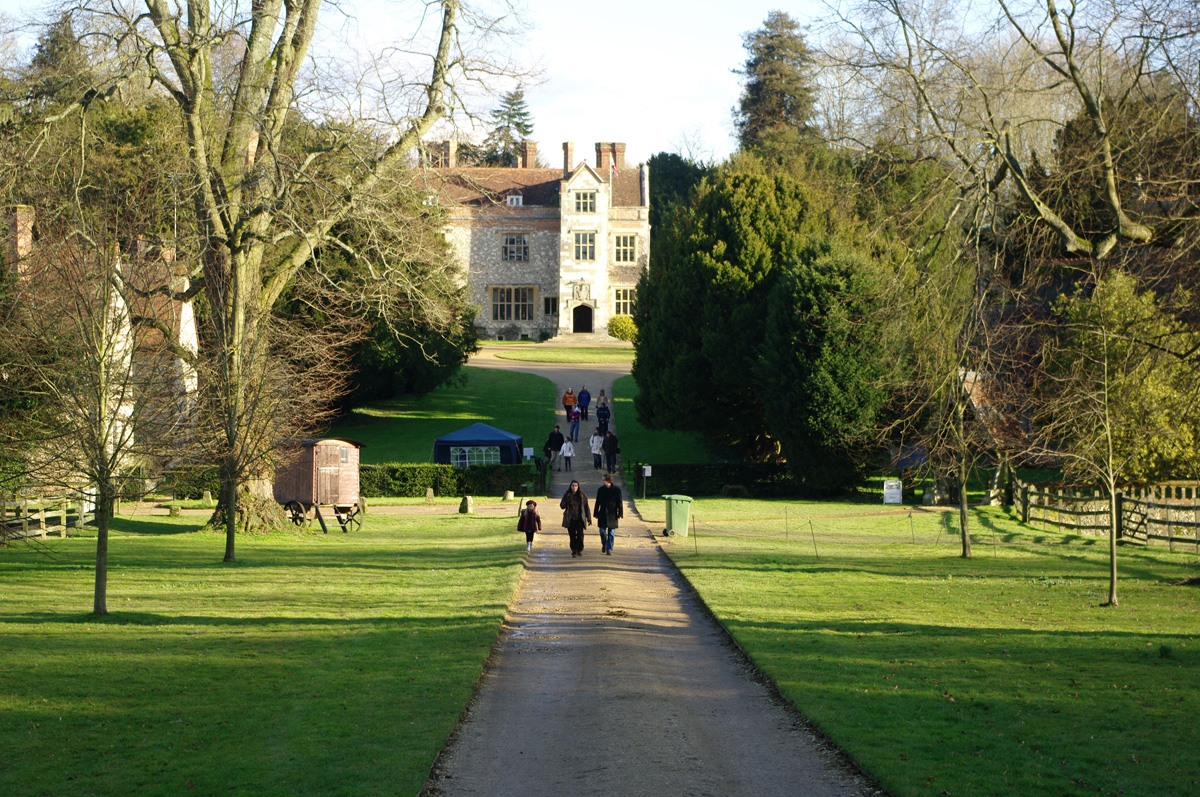
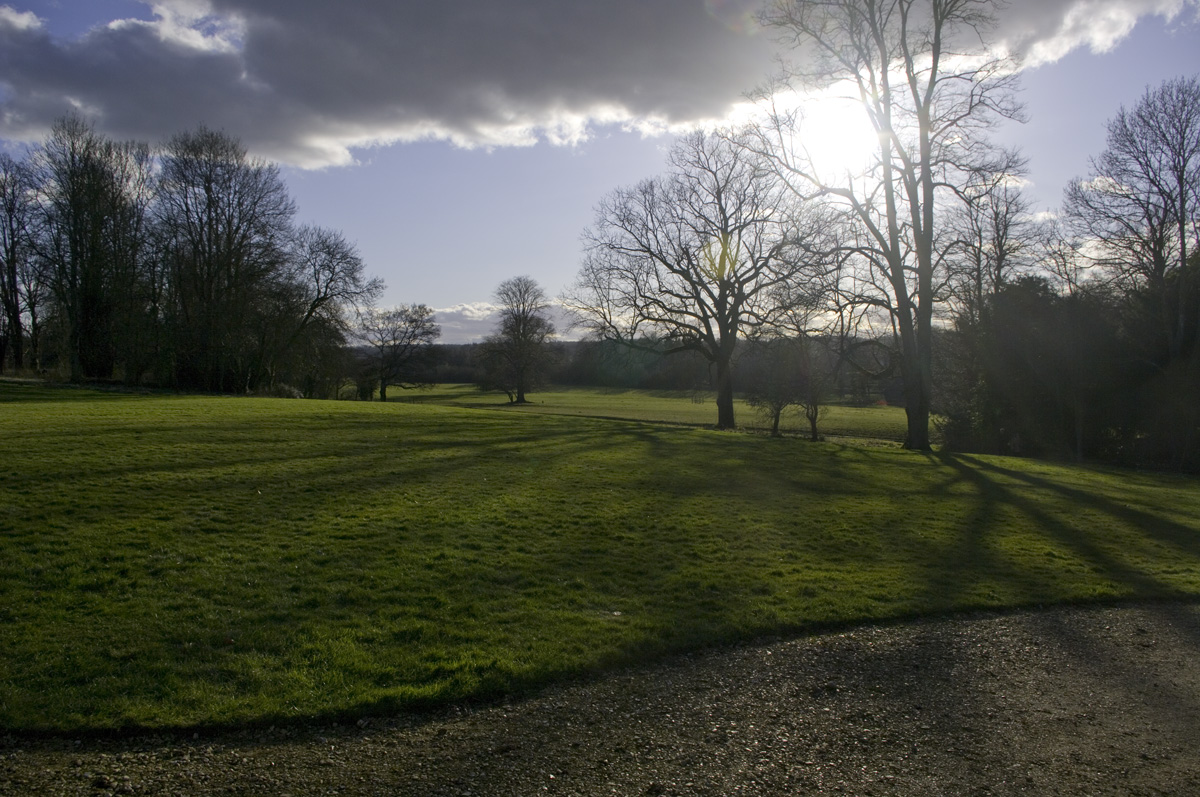
Drive leading to Chawton House. Image @Tony Grant

In April 1551, the land was sold for £180 to John Knight, whose family had been tenant farmers in Chawton since the thirteenth century and who had prospered sufficiently to wish to acquire a large estate.

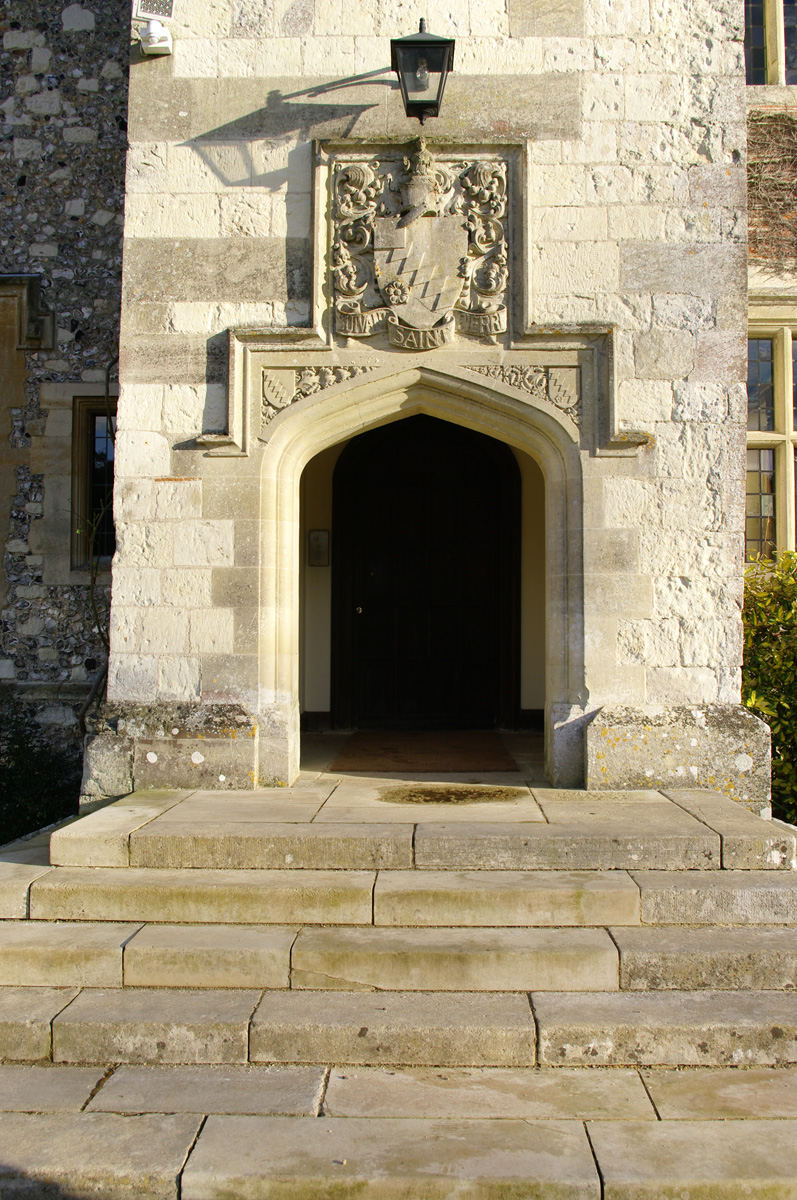
Front entrance. Image @Tony Grant

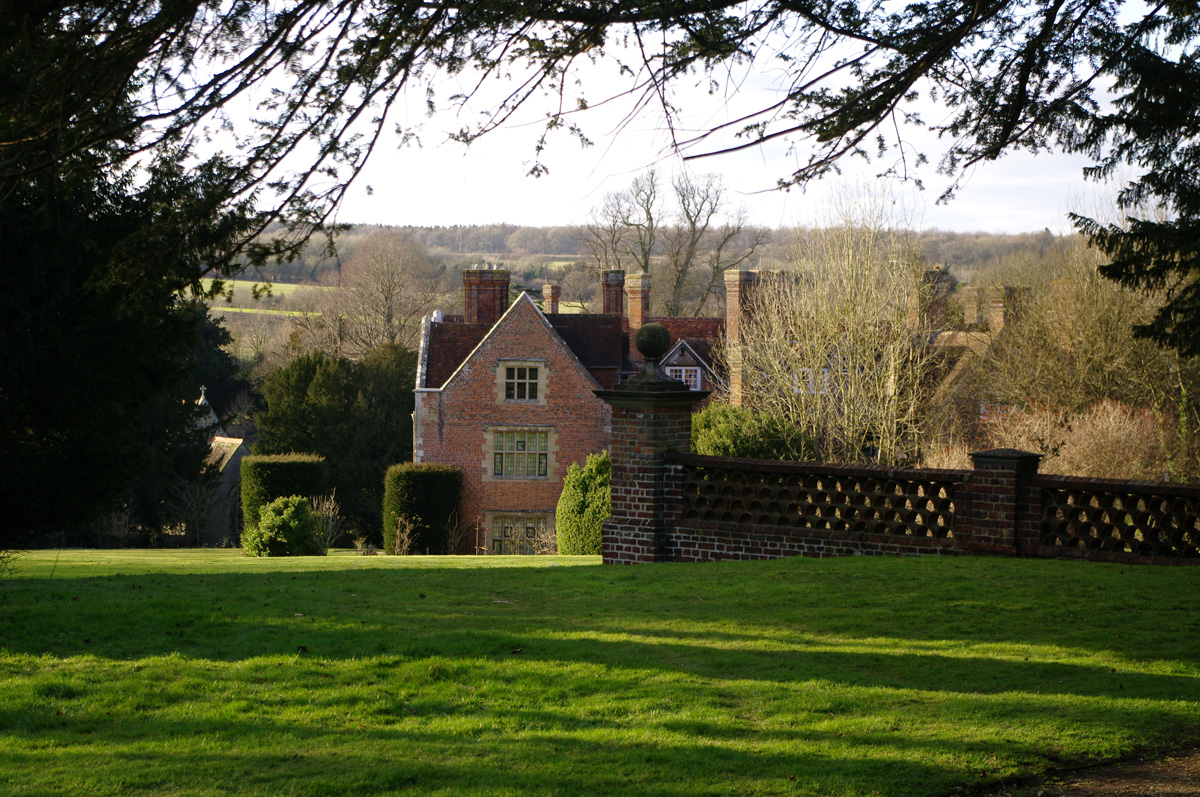
The medieval manor house was replaced by John Knight’s grandson, also called John, with the largely Elizabethan house that can be seen today.  – History

Window detail. Image @Tony Grant

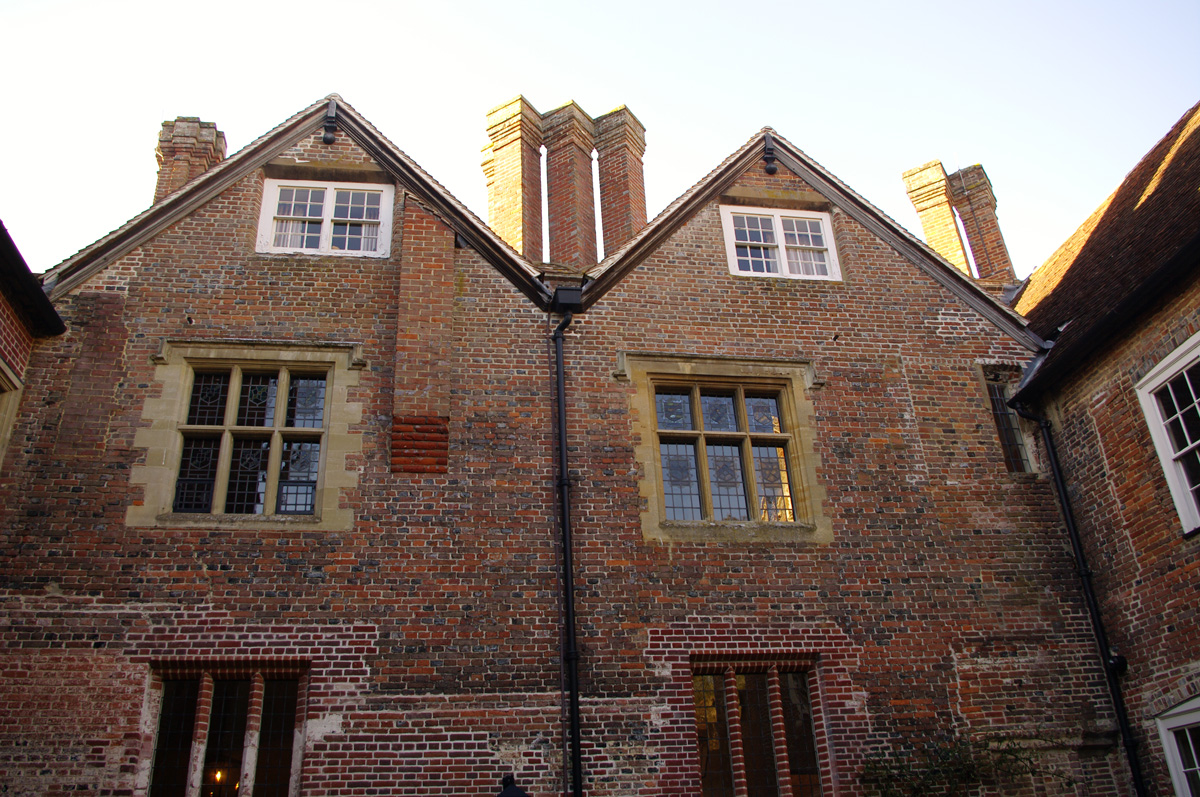
Eaves. Image @Tony Grant

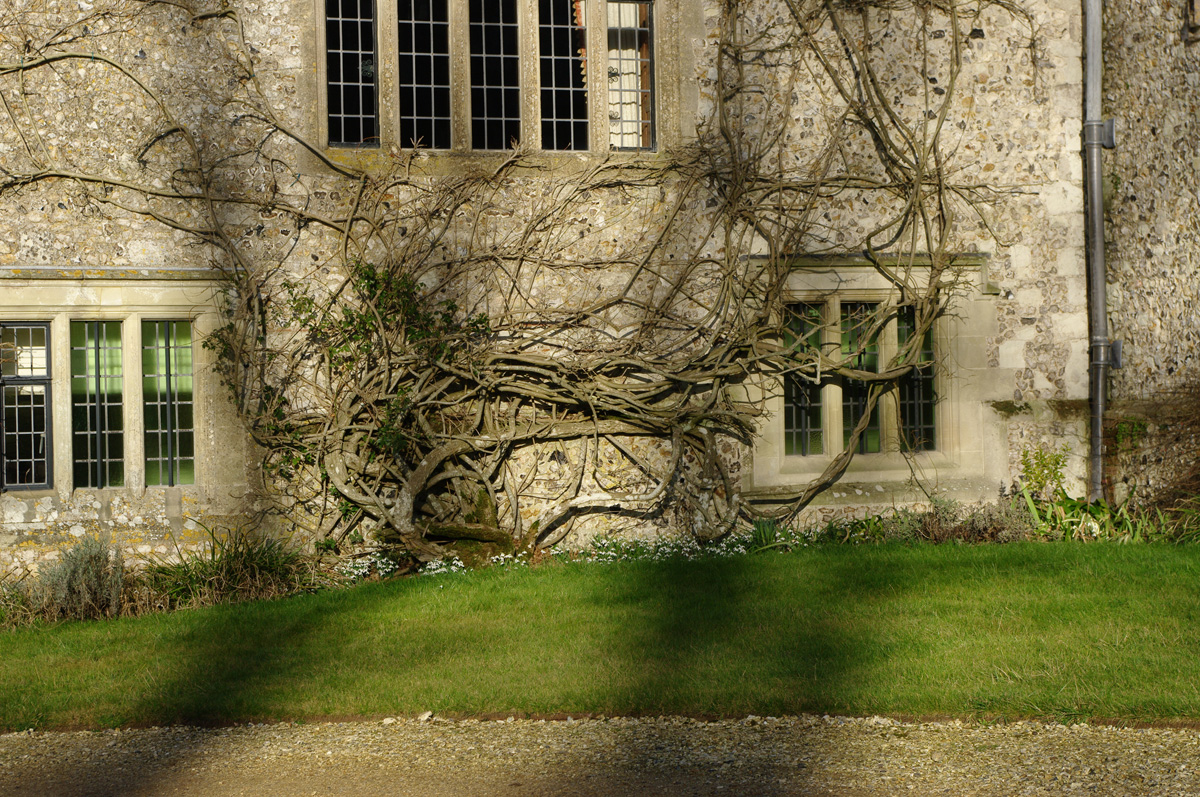
Climbing shrub. Image @Tony Grant

Side view with side door. Image @Tony Grant

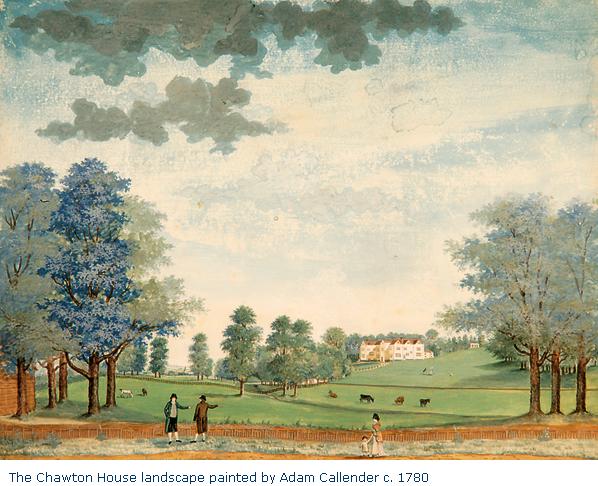
In 1781, Thomas Knight II inherited, but when he and his wife Catherine showed no sign of having children of their own, they adopted a son of the Reverend George Austen, who was a cousin of Thomas Knight’s.

Edward is introduced to the Knights. Image @Chawton House Library

Edward Austen Knight eventually took over management of the estates at Godmersham and Chawton in 1797, living mostly at Godmersham and letting the Great House at Chawton to gentlemen tenants.

Chawton Cottage, where Jane Austen lived. Image@Tony Grant

In 1809 he offered a house in the village to his mother and two sisters Cassandra and Jane, and it was there that Jane Austen began the most prolific period of her writing life.

Image @Tony Grant

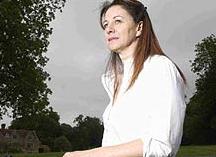
Sandy Lerner. Image @The Telegraph

By 1987, when Richard Knight inherited, parts of the house were derelict, the roof leaked, timbers were rotting and the gardens were overgrown with scrub. The decline was halted in 1993 with the sale of a 125 year lease to a new charity, Chawton House Library, founded by the American entrepreneur and philanthropist, Sandy Lerner, via the charitable foundation established by her and her husband Leonard Bosack, the Leonard X. Bosack and Bette M. Kruger Foundation.

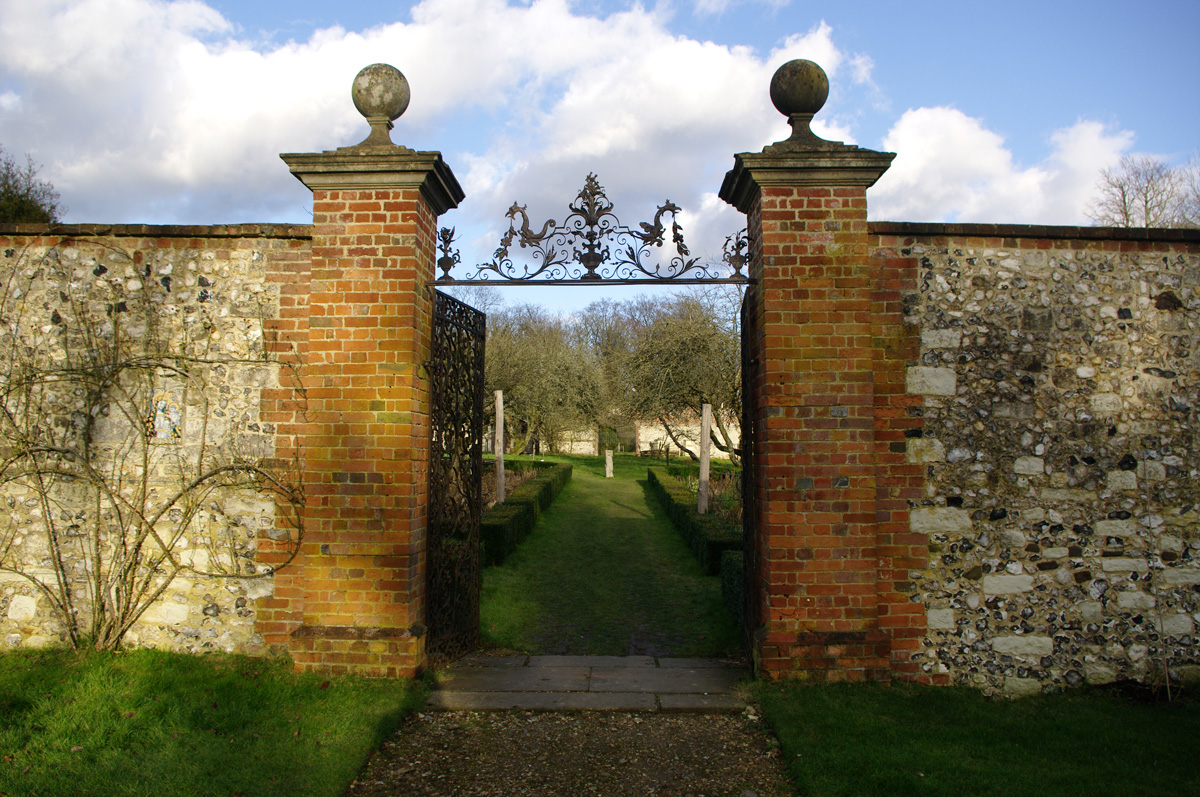
Kitchen garden entrance. Image @Tony Grant

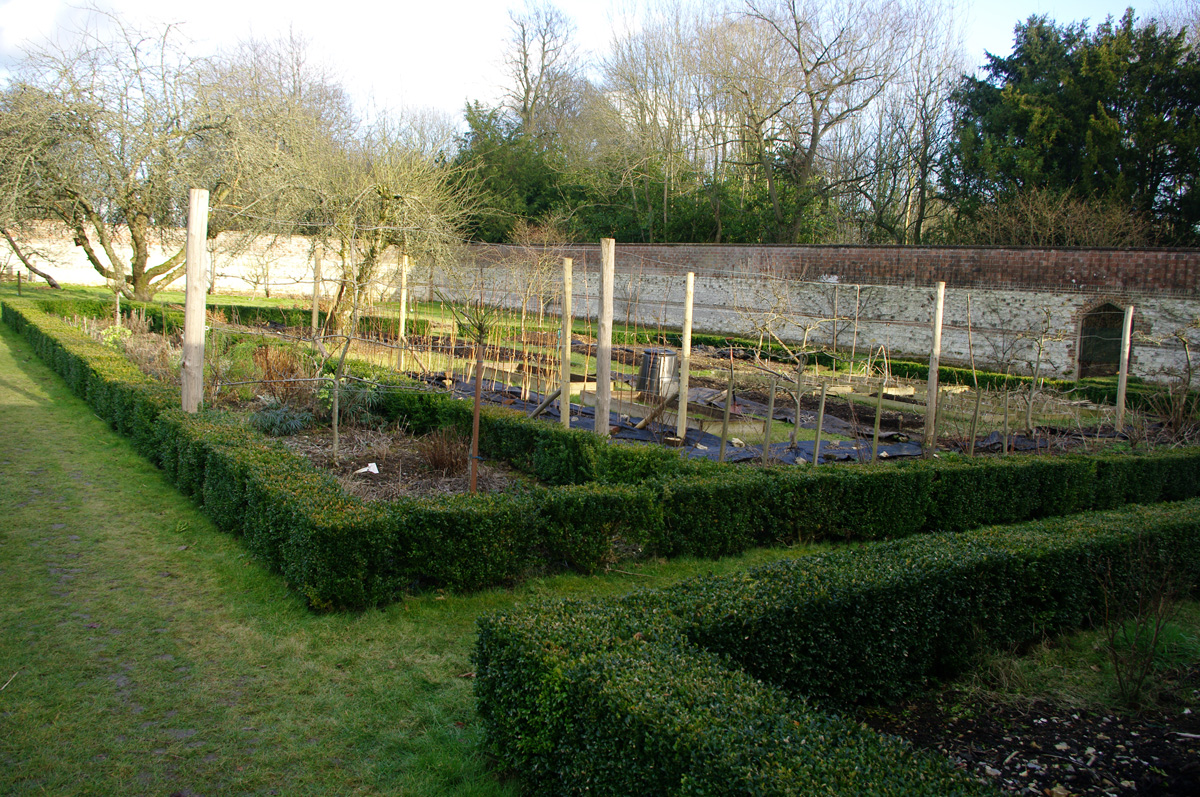
The grounds and gardens at Chawton House Library continue to be in the process of restoration although a great deal has already been achieved. The focus of the restoration is the English landscape period of the eighteenth century together with Edward Austen Knight’s early nineteenth-century additions of walled kitchen garden, shrubberies and parkland. – The estate

Kitchen gardens. Image @Tony Grant

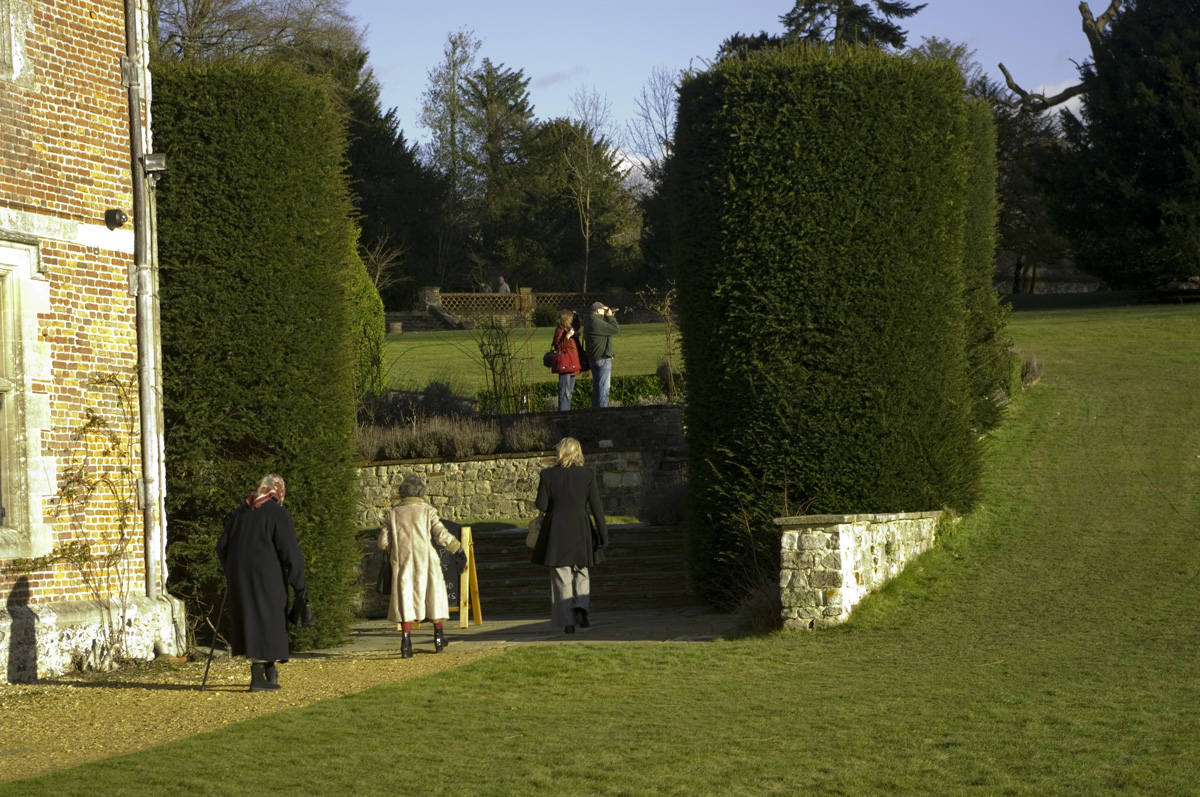
The Library Terrace was built between 1896 and 1910 (probably in 1904-05) by Montagu Knight (1844-1914). The terrace was actually an Arts & Crafts addition and almost certainly influenced by Edwin Lutyens.

Going round the back of the house. Image @Tony Grant

View from the gardens. Image @Tony Grant

Gravel paths are not typical of the English Landscape period and were probably introduced by Edward Knight II (1794-1879).

View from one of the gravel paths. Image @Tony Grant

According to Montagu Knight, the brick Upper Terrace was built in 1901. In the early twentieth century this was a broad grass terrace with a central gravel path, recently uncovered.

Image @Chawton House Library

In Jane Austen’s time, the kitchen garden was located to the north of the Rectory (opposite the current entrance to Chawton House). Edward Austen Knight had the idea to build a new walled garden during his sister’s lifetime: in 1813, Jane Austen wrote to her brother Frank:

‘[h]e [Edward Austen Knight] talks of making a new Garden; the present is a bad one & ill situated, near Mr Papillon’s; — he means to have the new, at the top of the Lawn behind his own house’.

However, her brother’s plans did not come to fruition until after her death in 1817. – The estate

The grounds. Image @Tony Grant

The farm buildings. Image @Tony Grant

The fields. One can see the horses. Image @Tony Grant

The Wilderness dates from the late seventeenth and early eighteenth centuries and was originally set out geometrically with trees in straight rows, a practice which was later dropped. It survived the English Landscape improvements.

St. Nicholas Church. Image @Tony Grant

Church Copse. This area to the rear of St. Nicholas Church was cleared between 1999 and 2000, revealing the Knight family pet cemetery and the rear lychgate into the churchyard. Of particular interest in this area are the several large, important eighteenth-century lime trees and a yew tree, probably from the same period. – The estate

Image @Tony Grant

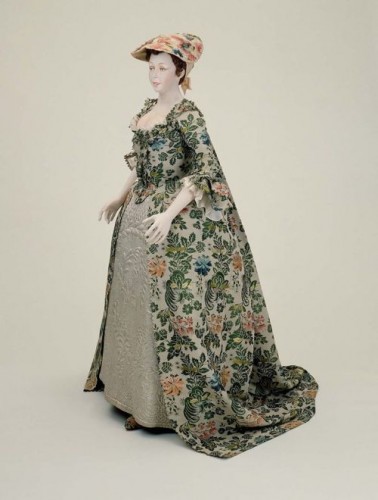
Wedding dress, 1742, Image @Boston Museum of Fine Arts

Anyone who had the opportunity to see “At Home With the Georgians” with Amanda Vickery was in for a treat. The BBC series, based upon her fabulous book, Behind Closed Doors: At Home in Georgian England, covered courtship and marriages in the 18th century in great detail. The perspectives of bachelors, spinsters, and married couples were taken into account.

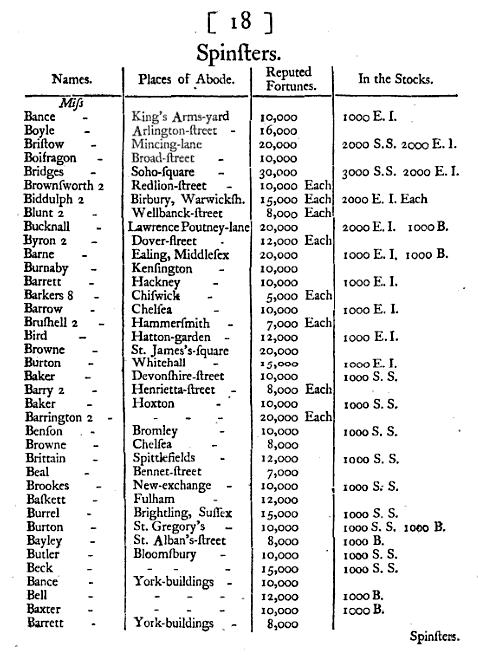
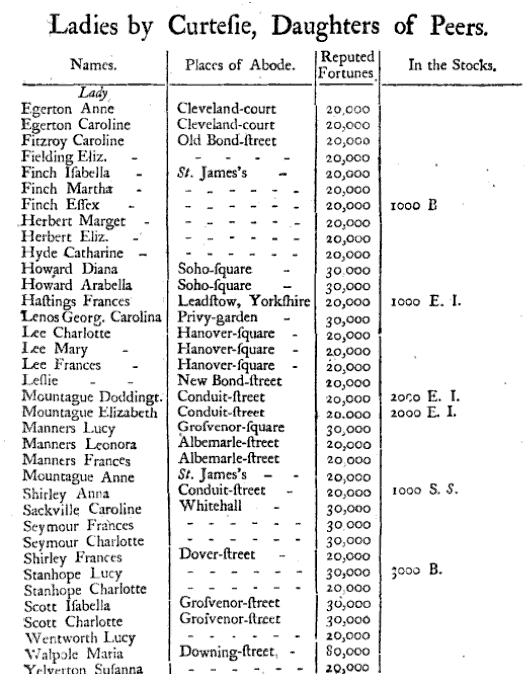
One of the most intriguing portions of the series occurred when Amanda Vickery introduced A Master-Key to the Rich Ladies Treasury or The Widower and Batchelor’s Directory by a Younger Brother, published in 1742.

The witty saying on the frontispiece describes perfectly why this book of lists was compiled:

“He took his Stand

Upon a Widow’s Jointure Land.”

The author, a younger brother who had to make his way in the world by working or marrying rich, writes these shameless words to the woman of fortune he is courting:

“Begin then Madam, hasten to begin — Bless the thrice happy Compiler, make the Happiness of a Younger Brother equal to that of his Elder, — Let the Honourable Mrs. M——n in the Connubial State shine with Splendour equal to Miss F———n in the Maiden, and tell a mistaken World that the Appellation Wife bears with it every Sound of Dignity and demands an universal Reverence;…”

This book was compiled for those  men who were unlucky to follow in their elder brothers’ shadows, for the laws of primogeniture dictated that the eldest son would inherit everything. The ladies are described in its pages with their names, where they live, the largeness of their reputed fortunes and of the stocks held in their names.

Marriage was the only option for ladies during the Georgian era, since they could not control their own fortunes or possess lands. All they “owned” was held in trust for them. Many a rich spinster or widow preferred choosing marriage over living a life alone.

One can almost hear this shameless Younger Brother courting his future bride (and plying her with gifts and poesies) as he charms her into marriage and publicly worships her with these words:

I could for ever dwell on the Repetion of your Charms, if I were not in immediate Expectation of the Possession of them: Whatever Pleasures, whatever Joys we earnestly covet, we surely anticipate of; when alone I am for ever repeating one Line of Dryden’s,

Happy, Happy Pair!”

Today many a suitor would be laughed off his knees if he said such a thing, but back then marriage was a serious business. An engagement represented the best financial arrangement that the pair could finagle. A gentleman had only a few means of making a fortune, one of which was by marrying rich, and a lady had only one means of supervising her own household, and that was in attaining the status of a wife. The Marriage Mart, as the pages in A Master Key imply, was strictly business. Oh, it helped if the people involved had pleasing countenances, good manners, and gentle hearts, but none of these attributes are discussed in this short list of women on the marriage mart in 1742.

I can imagine that many younger sons found comfort in these lists and made elaborate plans to be introduced to the women described so coolly inside of them. To these gentlemen the Younger Brother writes:

Whoever has read the Advertisements in the public Papers of Mr. C—-x, and the unknown Lady who accepted of his Proposals, will instantly acknowledge the Usefulness of the following Directory: The Dilemma that Gentleman was reduced for a Partner, determined the Compiler to set about it: He resolved to spare no Pains: He carefully examined every List of the Proprietors of the public Funds; and made afterwards the best Enquiry he was capable of, into their Fortunes exclusive: As it was impossible to give the exact Fortune of every lady in so large a List as the following, he thought proper to make in his Kalender, one Column under the Title of Reputed Fortunes.”

The Younger Brother’s advice is quite straightforward and required little embellishing:

Thus Gentlemen, have I in the following Sheets I think, opened a fair Field for Action for you; a fine Choice and a fine Collection of Ladies; — Open the Campaign directly then yourselves, that my next may be a new Sett. I have one favour to beg of you, and then I take my Leave; that no one of you, of what Degree soever, presume to attempt the Lovely Charmer I dedicate to; as to the Rest, I heartily wish you all Success …”

The Marriage Mart, I imagine, was a dance of the sexes, with the younger sons finding the best situation their charms were capable of, and the women choosing among the pool of men, hoping that their choice of mate will remain charming, moral, and kind  and not turn into a selfish, wife-beating monster.

Last night PBS showcased the Christmas special of Downton Abbey. Did you find the finale of Season 2 satisfying? Too cliched? Did you encounter unexpected twists? Or did you guess just about every plot point as my neighbor did? Warning to those who have not seen the Christmas special: This post contains nothing but plot spoilers!

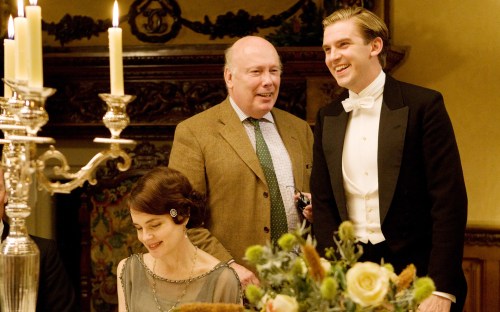
Julian Fellowes with Dan Stevens and Elizabeth McGovern.

Julian Fellowes with Dan Stevens and Elizabeth McGovern. Credit courtesy Carnival Film & Television Limited 2011 for MASTERPIECE

I found the details of how the Crawleys treated the servants at Christmas quite interesting, giving them gifts and allowing them a free day.  Sir Richard’s response to the Crawleys’ generosity towards the servants told much about him and foreshadowed the difficulties he would encounter with Mary. They are constantly at loggerheads and his jealousy towards her real feelings for Matthew bubbled over.Sir Richard’s jealousy of Matthew bubbles over. He and Mary are constantly at loggerheads. While he seemed a harsh man, in the end it turns out that he truly cared for the eldest Crawley sister. Even as they make googoo eyes at each other, an upright and uptight Matthew informs Lady Mary that they can never be together because of his guilt trip over Lavinia’s death. Her reply, “Didn’t they teach you never to make promises?” This story line, ending in their engagement, finally gives the viewer a happy ending

With Mr. Bates in prison, the viewer is beginning to wonder if things will ever go right for him and Anna.  I am beginning not to care. The trial was over the top and melodramatic, but it did showcase O’Brien’s attempts to say and do the right thing. As for Anna’s reaction to hubby’s impending life/death sentence in prison – violin strings please.

This viewer sorely missed seeing Sybil and Tom. Their absence created a glaring hole in the story line, although their good news about her pregnancy meant joy for Cora and a Fenian grandchild for the skeptical earl.

It was a delight to see Edith boldly cast her hook and line at Sir Anthony Strallan, one of the few able bodied single men left standing after the war, albeit a little long in the tooth.

In order to be thought a hero,Thomas absconded with the earl’s dog, Isis, a most foul deed that backfired. With this act he entered the pantheon of  the ten most dastardly villains in entertainment history. Isis escapes from the shack

The story of Mr. Mason, William’s father, and Daisy provided a sweet sub plot. Daisy talks to William via the ouija board and Mrs. Patmore.

Many plot points were tied up during the finale, which redeemed Season 2. I do hope that Sybil and Branson will return, for I felt their absence keenly. As for Bates and Anna, their down-in-the-luck story line is getting a little old. While a happy couple makes for boring fiction, the relentless bad luck that this couple experiences has entered the realm of the absurd. It is also time that Edith enjoys her moment in the spotlight. She’s changed this year. While she still gives Mary a couple of good digs, she has become a more rounded character. What did you think of the last episode? Alas we will have to wait 11 months before Season 3 airs. Can we even stand it?

Today I conclude this year’s coverage of Downton Abbey. Future posts will return to the Georgian and Regency eras, where this blog ideally resides. Thank you, readers, for your patience as my Downton Abbey fever ran its course.

Season Two of Downton Abbey is winding down on PBS tonight with the Christmas Special. Americans can watch previous episodes online through March 6, 2012. All I can say is – it’s about time. I don’t know about you, but this season seems a bit long and dragged out. I don’t think the one-hour airings between 2-hour book-ended shows helped. Several of us talked over the water cooler at work and felt that the one-hour airings were too short and ended abruptly. Plus some of the plot lines were a bit predictable. Be that as it may, I still prefer this series heads and shoulders above almost anything shown on cable these days.

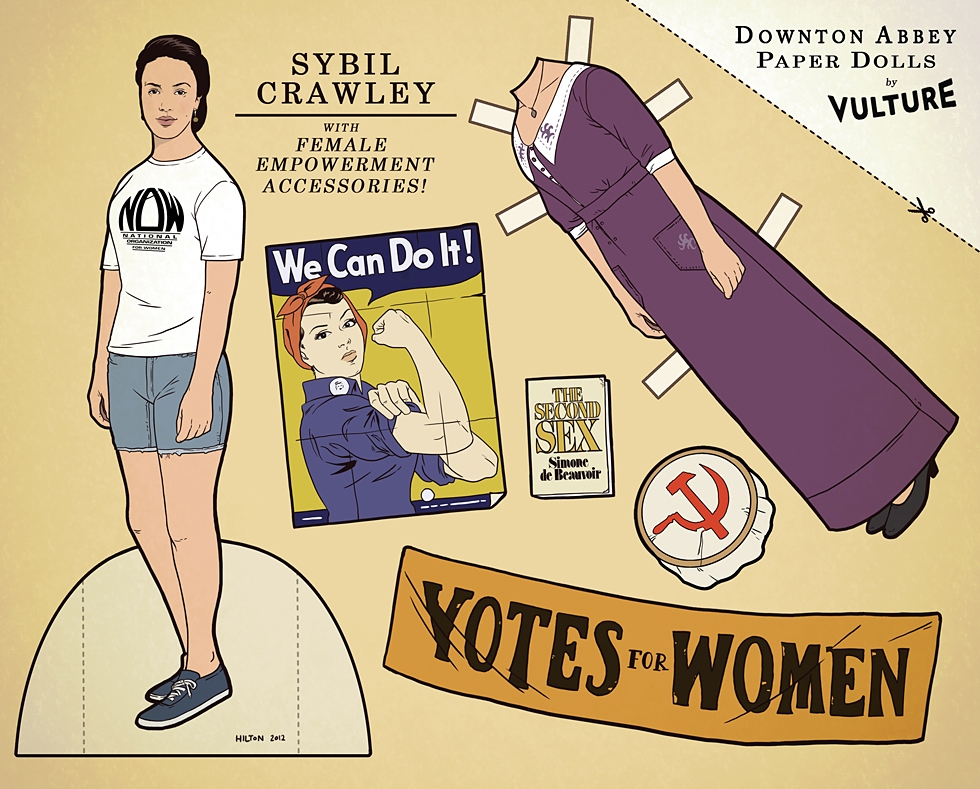
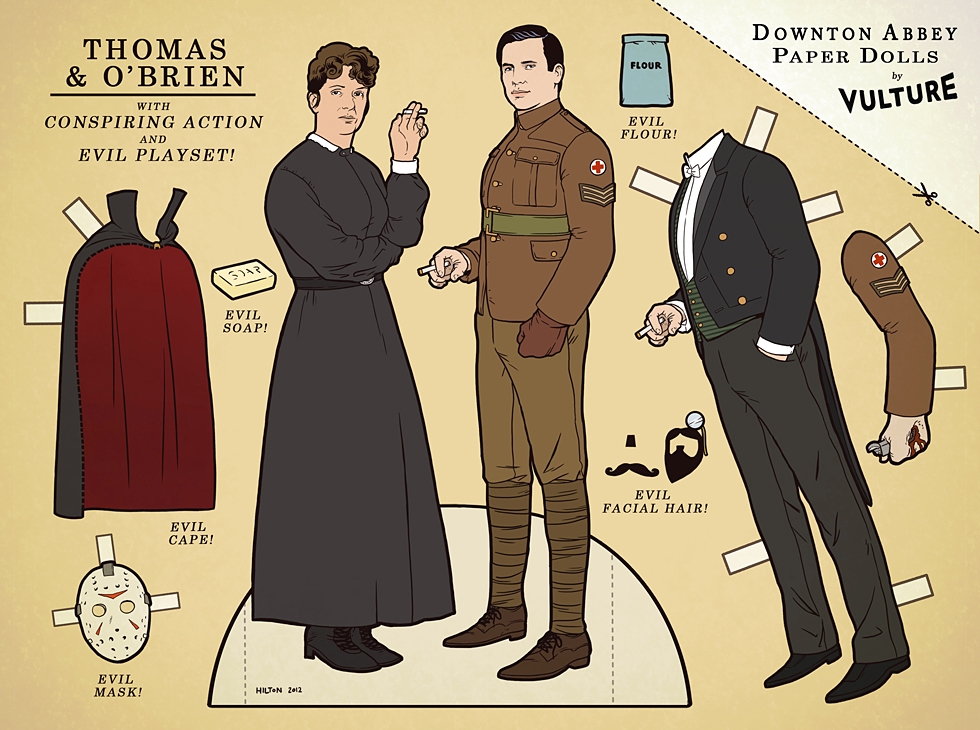
To assuage your Downton Abbey cravings before Season 3 airs (Yesss!), an excellent artist named Kyle Hilton has created a series of paper dolls for you to download and play with. (The concept was by Willa Paskin. Vulture commissioned the four sets of paper dolls.) Perhaps you could even create your own story lines. Matthew and Mary come with a surprise, and Violet’s been given a range of expressions! Or not.

The paper dolls that are missing whose story line I would like to change are those for Mr. Bates and Anna. Perhaps Kyle is studying up on prison uniforms of the time, or figuring out how to place those two dolls in their marital bed. I also miss having the earl and his countess.

I quibble, however. These are such fun! Click on the links below to print out the paper dolls. You will have to cut them out the old-fashioned way – with scissors.

Meanwhile, I shall be on tenterhooks all night long waiting for the Christmas finale. See you there and at the twitter party with moi and one of your favorite Janeite friends, Laurel Ann Natress, editor of the anthology, Jane Austen Made Me Do It. Hash tag: #DowntonPBS

Paper dolls courtesy of Kyle Hilton

Links:

Kyle writes about his paper dolls and why they are free:
Personally, I think artists selling artwork that is largely someone else’s intellectual property is wrong.  It may not be a clear, black and white illegal issue, but the selling designs of t-shirts, posters, or even something like these paper dolls that are based off something someone else created (like tv shows, movies, etc) is to me, a cheap and easy way to make money.  There are a ton of shirts and posters out there that get around the issue by not directly showing a character or a logo, but in my opinion are still depending on the intellectual property of someone else’s creation.  I know not every illustrator sees it the same way, but for me, I’d rather make these dolls because I love doing it, share them for free at the highest resolution Tumblr allows and not get involved in trying to make money that for the most part belongs to people like Vince Gilligan, Mitch Hurwitz and Tim and Eric.  Plus, how often is stuff free? Not getting money for these means I’m free to make terrible, terrible mistakes!

All ads are placed here by WordPress. I make no money from my blog.