Feeds:
Posts
Comments

This Sunday, PBS will air on most stations an hour presentation of  Secrets of the Manor House, a documentary narrated by Samuel West, that explains how society was transformed in the years leading up to World War One. Expert historians, such as Lawrence James and Dr. Elisabeth Kehoe, discuss what life was like in these houses, explain the hierarchy of the British establishment, and provide historical and social context for viewers. For American viewers of Downton Abbey, this special couldn’t have come at a better time.
The British manor house represented a world of privilege, grace, dignity and power.

For their services for the King in war, soldiers were awarded lands and titles. The aristocracy rose from a warrior class.

This world was inhabited by an elite class of people who were descended from a line of professional fighting men, whose titles and land were bestowed on them by a grateful king.
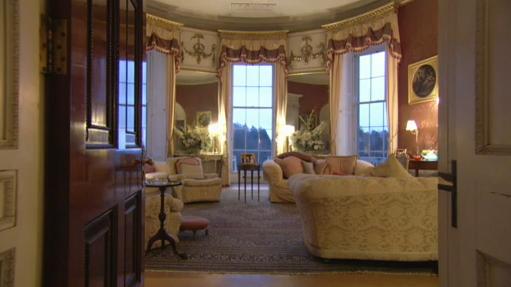
Manderston House, Berwickshire.

For over a thousand years, aristocrats viewed themselves as a race apart, their power and wealth predicated on titles, landed wealth, and political standing.

Huge tracts of lands with fields, villages, laborers' cottages, and forests surrounded country estates.

Vast landed estates were their domain, where a strict hierarchy of class was followed above stairs as well as below it. In 1912, 1 ½ million servants tended to the needs of their masters. As many as 100 would be employed as butler, housekeeper, house maids, kitchen maids, footmen, valets, cooks, grooms, chauffeurs, forestry men, and agricultural workers. Tradition kept everyone in line, and deference and obedience to your betters were expected (and given).
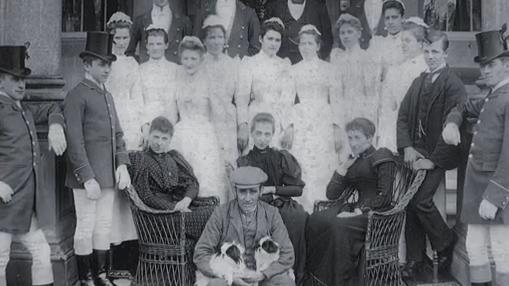
22 staff were required to run Manderston House, which employed 100 servants, many of whom worked in the gardens, fields, and forests.

As a new century began, the divide between rich and poor was tremendous. While the rich threw more extravagant parties and lived lavish lives, the poor were doomed to live lives of servitude and hard work.
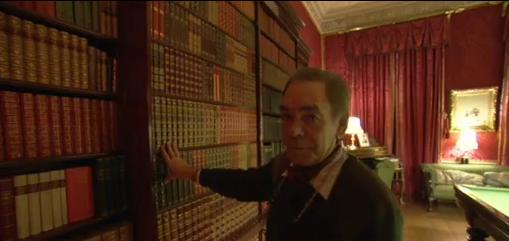
Lord Palmer pulls on a false bookcase to open a passage to the next room.

Manderston House in Berwickshire represents the excesses of its time. The great house consists of 109 rooms, and employed 98 servants just before the outbreak of World War One. Twenty two servants worked inside the house to tend to Lord Palmer and his family. Every room inside the house interconnected.
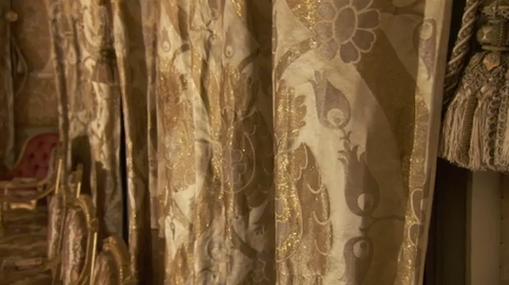
The curtains in the ballroom of Manderston House look as fresh as the year they were made in 1904.

The curtains and drapes, woven with gold and silver thread, were made in Paris in 1904 and cost the equivalent of 1.5 million dollars. Manderston House itself was renovated at the turn of the century for 20 million dollars in today’s money. This was during an era when scullery maids earned the equivalent of $50 per year.
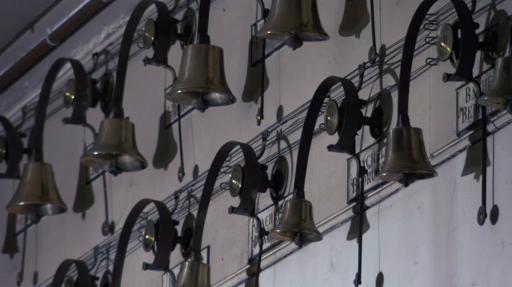
Once can clearly see the differences in bell sizes in this photo.

The servant hall boasted 56 bells, each of a different size that produced a unique ring tone. Servants were expected to memorize the sound for the areas that were under their responsibility.
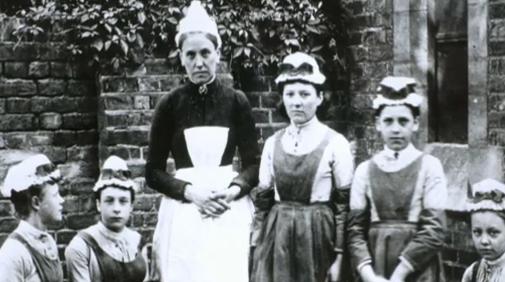
Scullery maids were placed at the bottom of the servant hierarchy. They rose before dawn to start the kitchen fires and put water on to boil. Their job was to scrub the pots, pans and dishes, and floors, and even wait on other servants.

Life was not a bed of roses for the working class and the gulf between the rich and poor could not have been wider than during the turn of the 21st century.
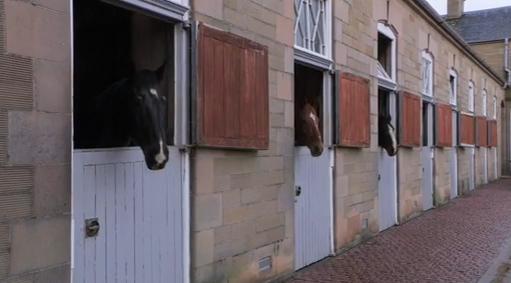
Thoroughbred horses lived better than the working classes.

While the servants slept in the attic or basement, thoroughbred horses were housed in expensively designed stable blocks. As many as 16 grooms worked in the stables, for no expense was spared in tending to their needs.
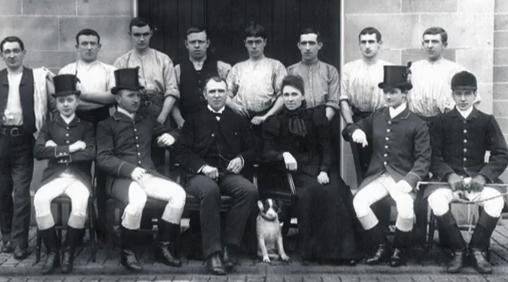
The stables at Manderston House required 16 grooms to feed, care for, and exercise the horses.

As men and women worked long hours, as much as 17-18 hours per day, the rich during the Edwardian era lived extravagant, indulgent lives of relaxation and pleasure, attending endless rounds of balls, shooting parties, race meetings, and dinner parties.
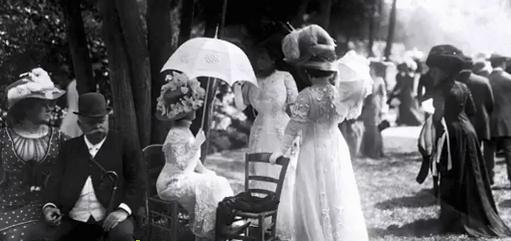
Up to the moment that war was declared, the upper classes lived as if their privileged lives would never change.

The Edwardian era marked the last great gasp of manor house living with its opportunities of providing endless pleasure. For the working class and poor, the inequities within the system became more and more apparent. The landed rich possessed over one half of the land. Their power was rooted in owning land, for people who lived on the land paid rent. The landed gentry also received income from investments,  rich mineral deposits on their land, timber, vegetables grown in their fields, and animals shipped to market.
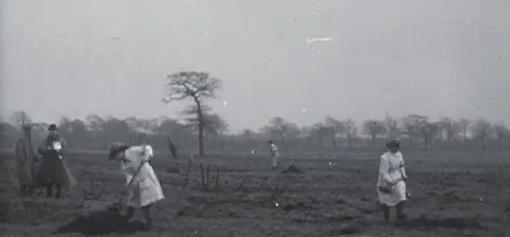
The lord of the manor and his steward can be seen walking among the farm laborers, many of whom were women.

The need to keep country estates intact and perpetuate a family’s power was so important that the eldest son inherited everything – the estate, title, all the houses, jewels, furnishings, and art. The laws of primogeniture ensured that country estates would not be whittled away over succeeding generations. In order to consolidate power, everything (or as much as possible) was preserved. Entailment, a law that went back to the 13th century, ensured that portions of an estate could not be sold off.
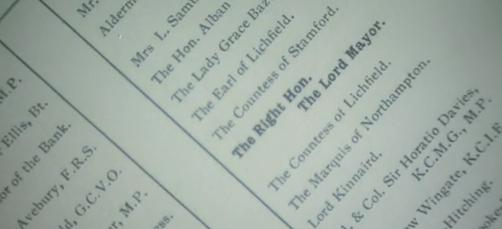
The Lord Mayor of London was seated at the center of the table next to the Countesses of Stamford and Lichfield.

The system was rigged to favor the rich. Only men who owned land could vote, and hereditary peers were automatically given a seat in the House of Lords. By inviting powerful guests to their country estates, they could lobby for their special interests across a dinner table, at a shoot, or at a men’s club.
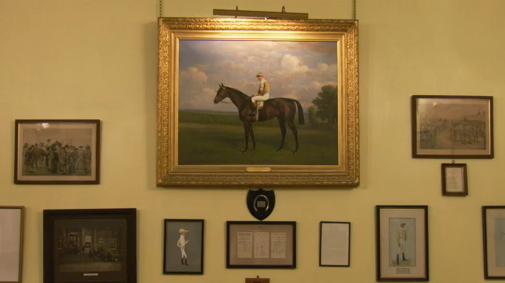
Thoroughbred horses were valued for their breeding and valor, traits that aristocrats identified with.

The Industrial Revolution brought about changes in agricultural practices and inventions that presaged the decline of aristocratic wealth. Agricultural revenues, the basis on which landed wealth in the UK was founded, were in decline. Due to better transportation and refrigeration, grain transported from Australia and the U.S. became cheaper to purchase. Individuals were able to build wealth in other ways – as bankers and financiers. While the landed gentry could still tap resources from their lands and expand into the colonies, the empire too began to crumble with the rise of nationalism and nation states.
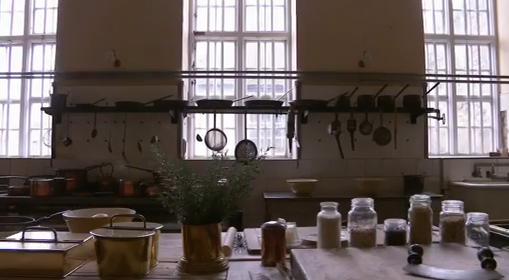
The servant hierarchy echoed the distinctions of class upstairs. The chef worked at the end of the table on the left, while the lowest ranking kitchen maids chopped vegetables at the far right. The kitchen staff worked 17 hours a day and rarely left the kitchen.

Contrasted with the opulent life above stairs was an endless life of drudgery below stairs. On a large estate that entertained visitors, over 100 meals were prepared daily. Servants rose at dawn and had to stay up until the last guest went to bed. Kitchen maids, who made the equivalent of 28 dollars per year, rarely strayed outside the kitchen.
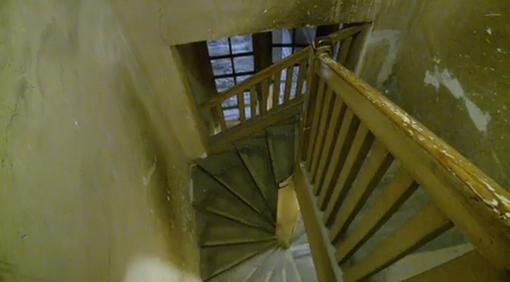
Steep back stairs that servants used. Out of sight/out of mind.

One bath required 45 gallons of water, which had to be hauled by hand up steep, narrow stairs. At times, a dozen guests might take baths on the same day. House maids worked quietly and unseen all over the manor house. The were expected to move from room to room using their own staircases and corridors. Underground tunnels allowed servants to move unseen crossing courtyards.
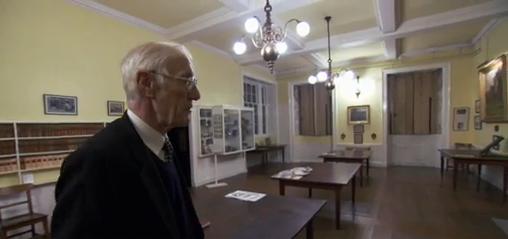
Manderston House's current butler shows the servant's hall

Maids and footmen lived in their own quarters in the attic or basement. Men were separated from the women and were expected to use different stairs. Discipline was strict. Servants could be dismissed without notice for the most minor infraction.

Footmen tended to be young, tall, and good looking.

Footmen, whose livery cost more than their yearly salary, were status symbols. Chosen for their height and looks, they were the only servants allowed to assist the butler at dinner table. These men were the only servants allowed upstairs.
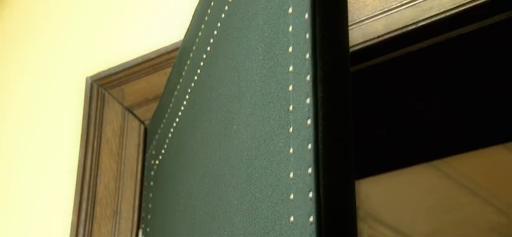
Green baize doors separated the servants quarters from the master's domain.

Green baize doors were special doors that marked the end of the servants quarters and hid the smells of cooking and noises of the servants from the family.
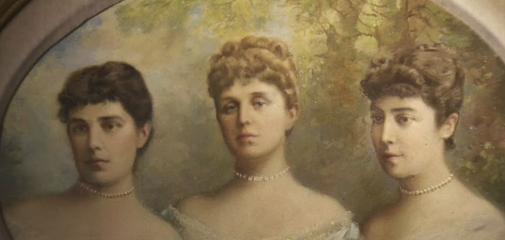
The Jerome sisters were (l to r) Jennie, Clara, and Leonie.

As revenues from agriculture dwindled, the upper classes searched for a new infusion of capital.This they found in the American heiress, whose fathers had built up their wealth from trade and transportation. Free from the laws of primogeniture, these wealthy capitalists distributed their wealth among their children, sharing it equally among sons and daughters. The ‘Buccaneers,’ as early American heiresses were called, infused the British estates with wealth. ‘Cash for titles’ brought 60 million dollars into the British upper class system via 100 transatlantic marriages.
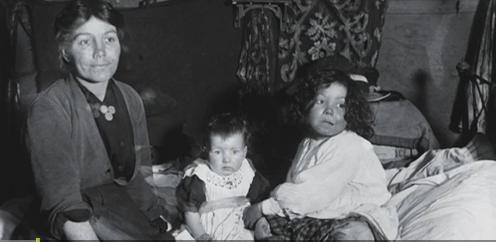
Working class family

Transatlantic passages worked both ways, even as American heiresses crossed over to the U.K.,  millions of British workers emigrated to America looking for a better life. The sinking of the Titanic, just two years before the outbreak of World War One, underscored the pervasive issue of class.
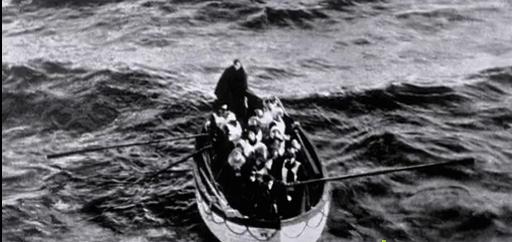
Most likely this lifeboat from the Titanic was filled with upper class women and children. Only 1 in 3 people survived.

The different social strata were housed according to rank, and it was hard to ignore that a large percentage of first class women and children survived, while the majority of third and second class passengers died.
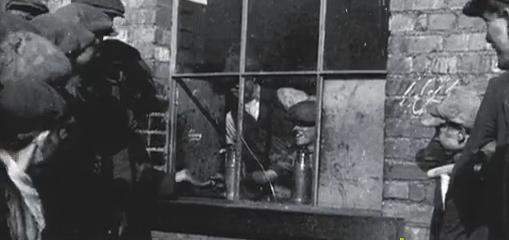
Labor strikes became common all over the world, including the U.K.

Society changed as the working class became more assertive and went on strikes. The Suffragette movement gained momentum. Prime Minister David Lloyd George was a proponent of reform, even as the aristocracy tried to carry on as before.
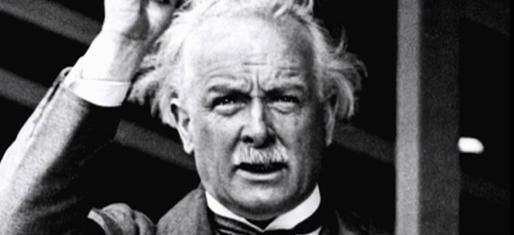
Lloyd George campaigned for progressive causes.

Inventions revolutionized the work place. Electricity, telephones, the type writer, and other labor-saving devices threatened jobs in service. A big house could be run with fewer staff, and by the 1920s a manor house that required 100 servants needed only 30-40.
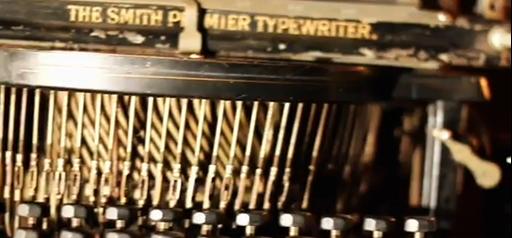
Change is ever present. The last typewriter factory shut its doors in April, 2011.

Women who would otherwise have gone into service were lured into secretarial jobs, which had been revolutionized by the telephone and typewriter.
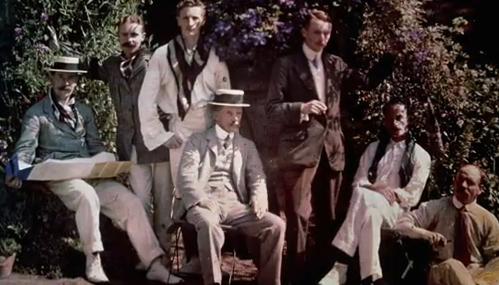
Many of the aristocratic young men in this photo would not return from war.

The manor house set enjoyed one last season in the summer of 1914, just before war began. Many of the young men who attended those parties would not return from France. Few expected that this war would last for six months, much less four years. Officers lost their lives by a greater percentage than ordinary soldiers, and the casualty lists were filled with the names of aristocratic men and the upper class.
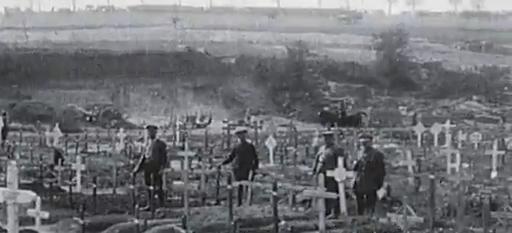
Over 35 million soldiers and civilians died in World War 1

Common soldiers who had died by the millions had been unable to vote. Such inequities did not go unnoticed. Social discontent, noticeable before the war, resulted in reform – the many changes ushered in modern Britain.
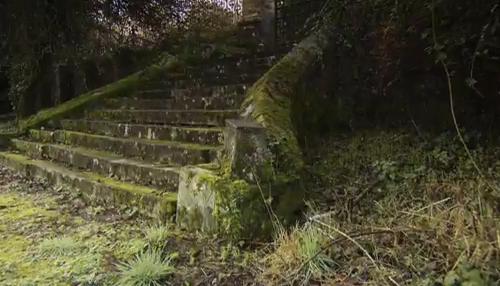
As the 20th century progressed, owners found it increasingly hard to maintain their manor houses. According to Lost Heritage, over 1,800 have been lost.

Watch Secrets of the Manor HouseJanuary 22 on PBS. All images from Secrets of the Manor House.

Please note: All advertisements on this blog are placed here by wordpress. I earn no income from my blog.
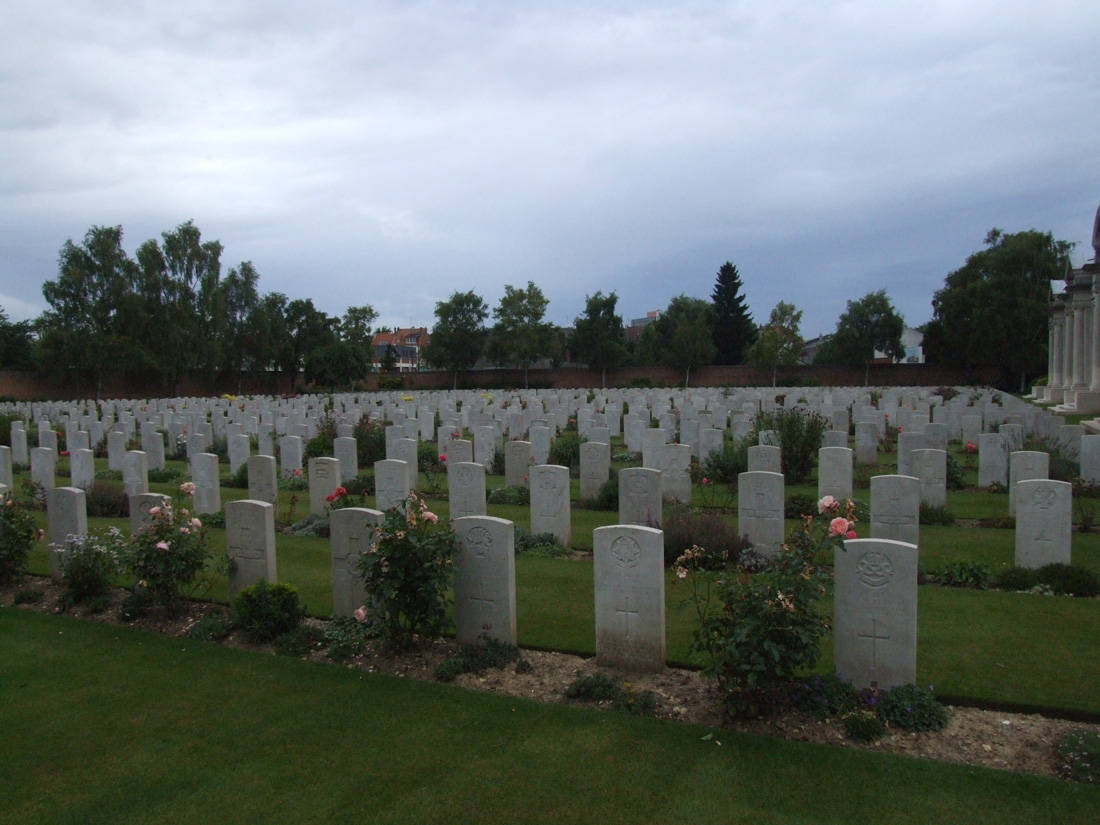
Dear Readers, this article, written by Tony Grant, continues on his blog, London Calling. Tony recalls events that actually happened to his great grant uncle, William McGinn.

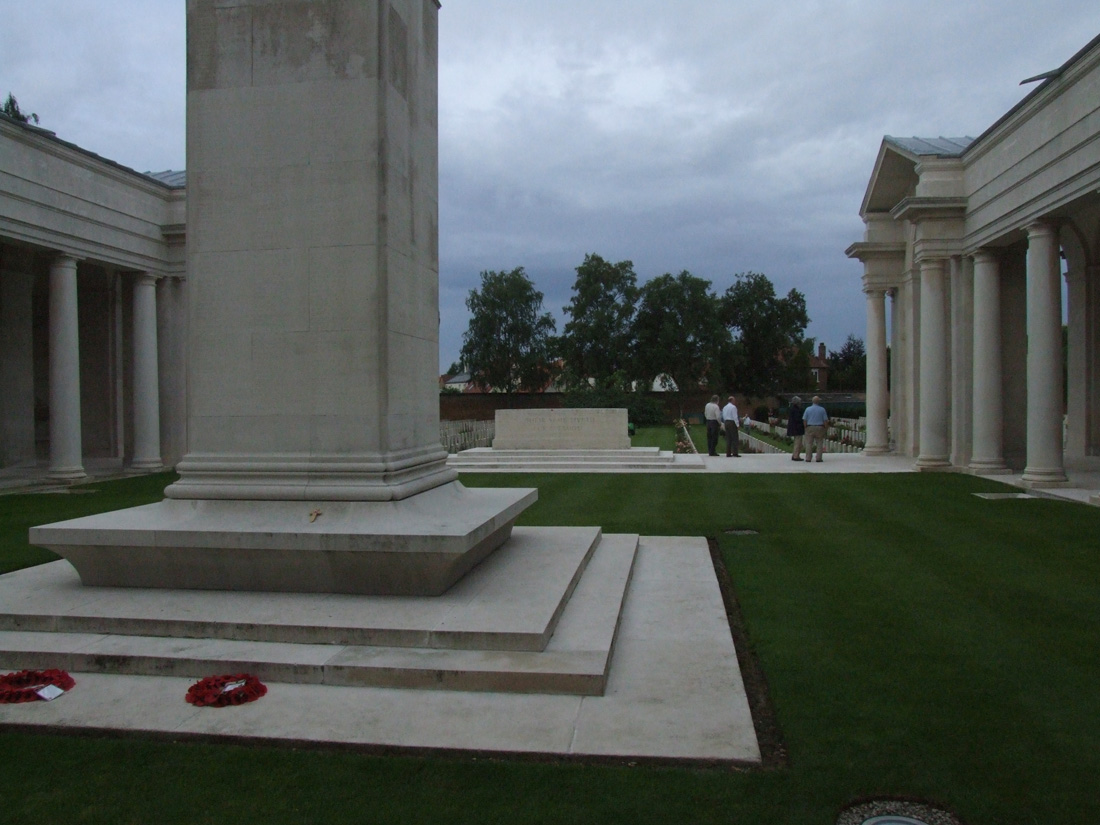
Arras British Cemetery

Graves at the Arras British cemetery. There are about three thousand graves here.

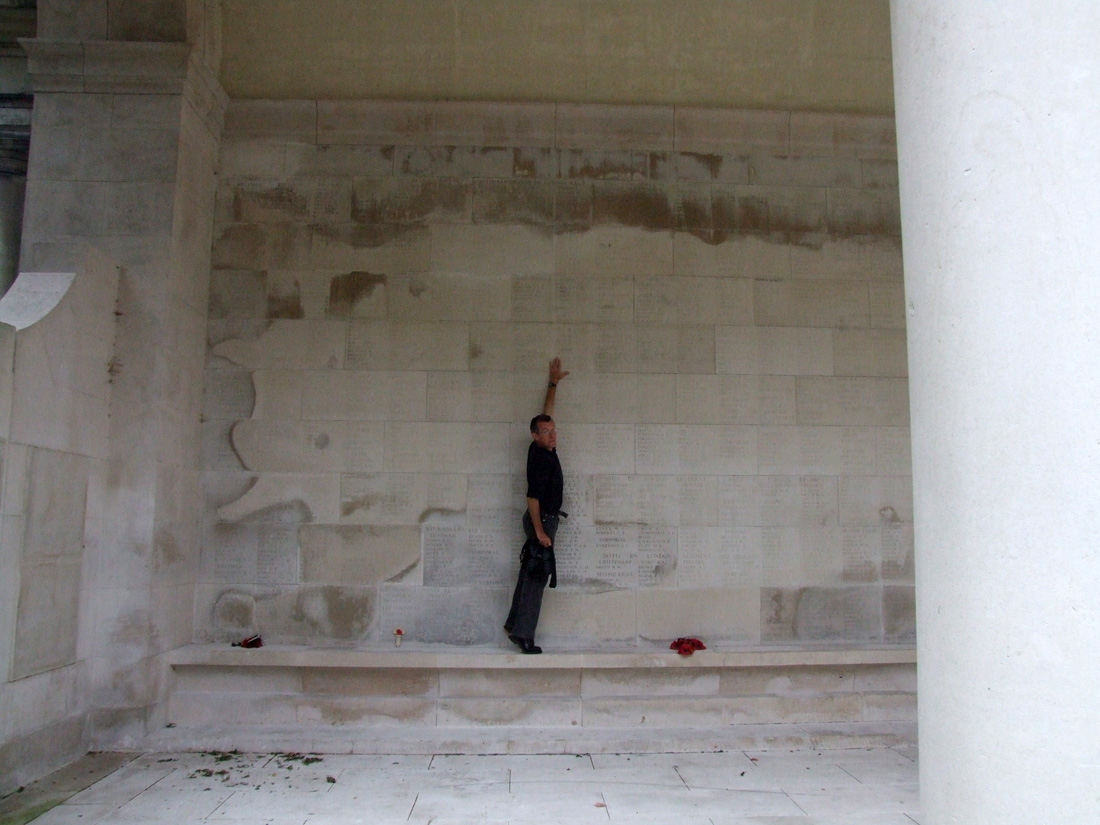
Tony Grant touches his great uncle's name

It took Marilyn, Alice, Emily, Abigail and myself well over an hour to find Williams name on the Lutyens monument. There are 35,000 names of the missing carved on this monument.Here I am reaching up to touch his name.

Lutyens monument

The entrance to Lutyens monument to the British dead who were killed in the fields around Arras.
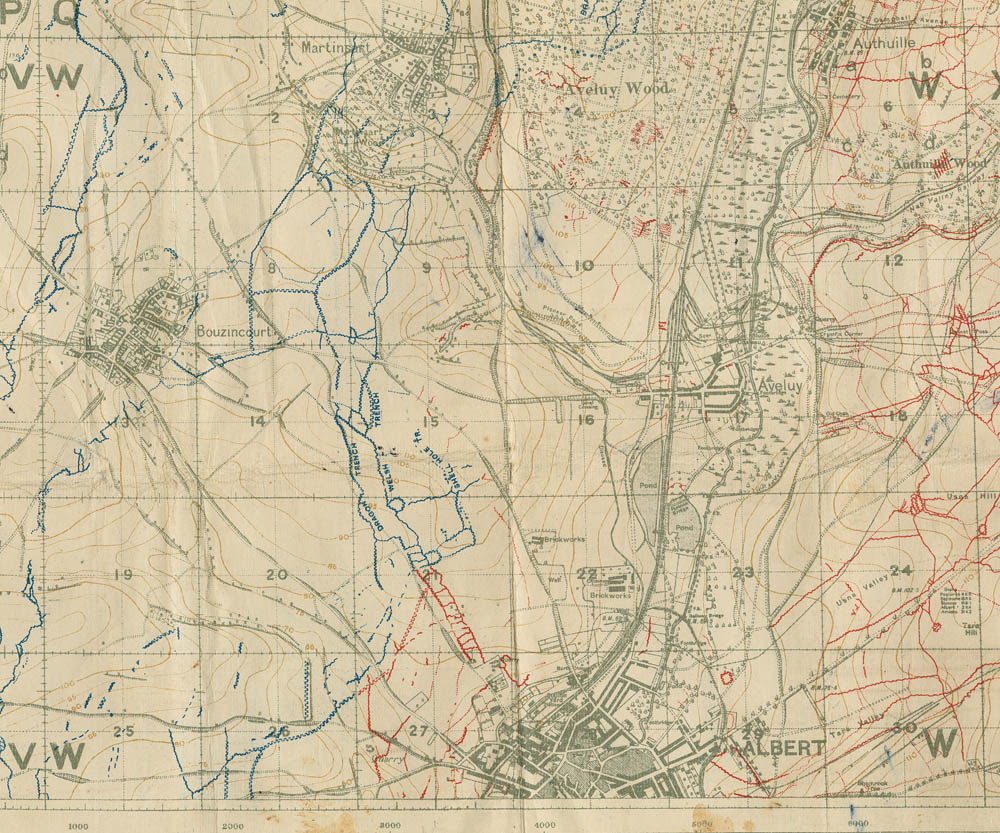
A map, showing Aveluy Woods , south of Arras where my great uncle William McGinn was killed.

Aveluy Wood

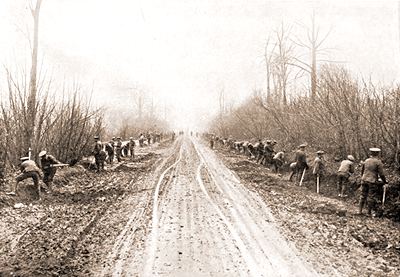
This picture of soldiers working on the road that passed through Aveluy Woods was taken about a month before my uncle was killed.
A map showing the German advance during the last great Battle of the Somme. The last great battle of this terrible war on the Western Front.
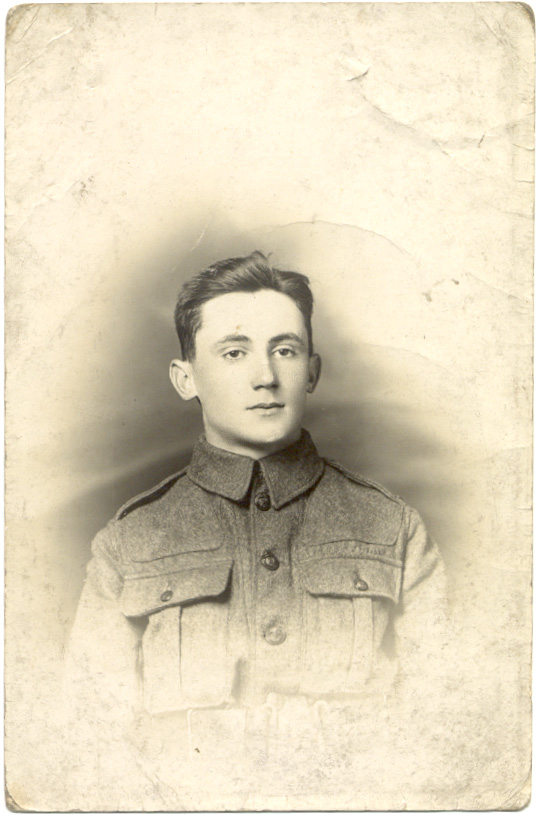
My greatuncle William McGinn, taken in France.

Wimbledon camp where William trained

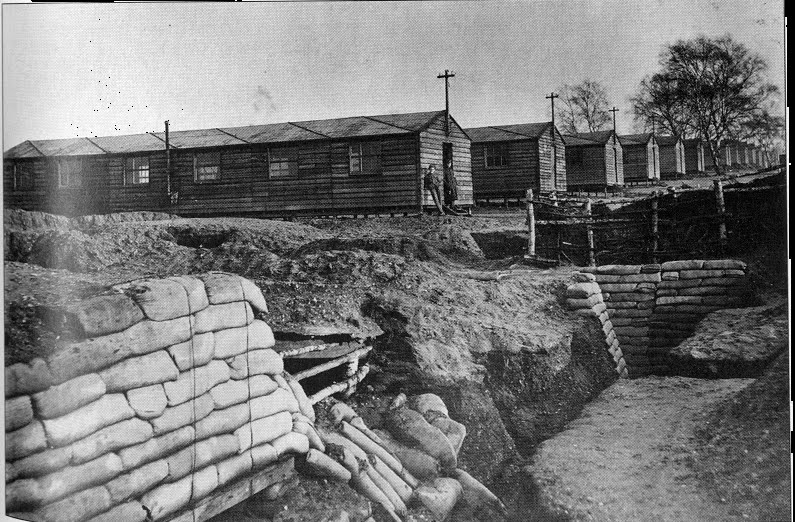
The military camp on Wimbledon Common where many rifle regiments trained before going to France. My uncles regiment, The Civil Service Rifles trained here.

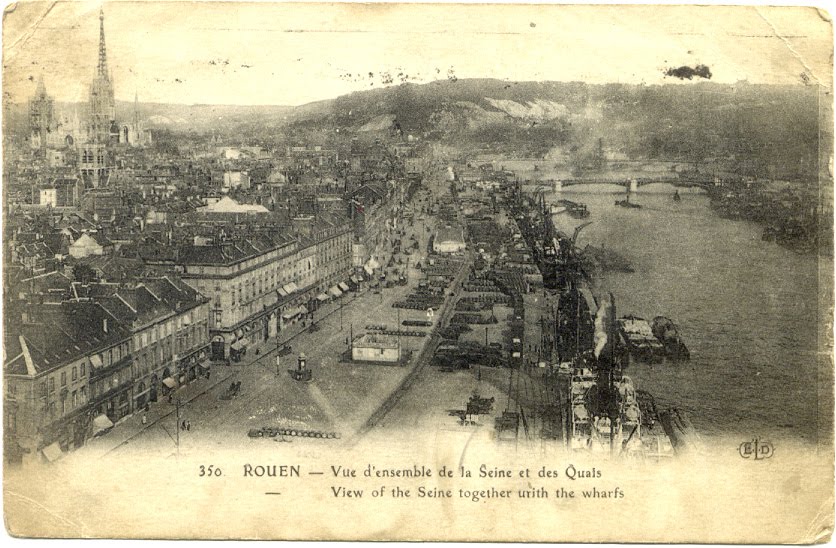
William McGinn disembarked in Rouen, 1918

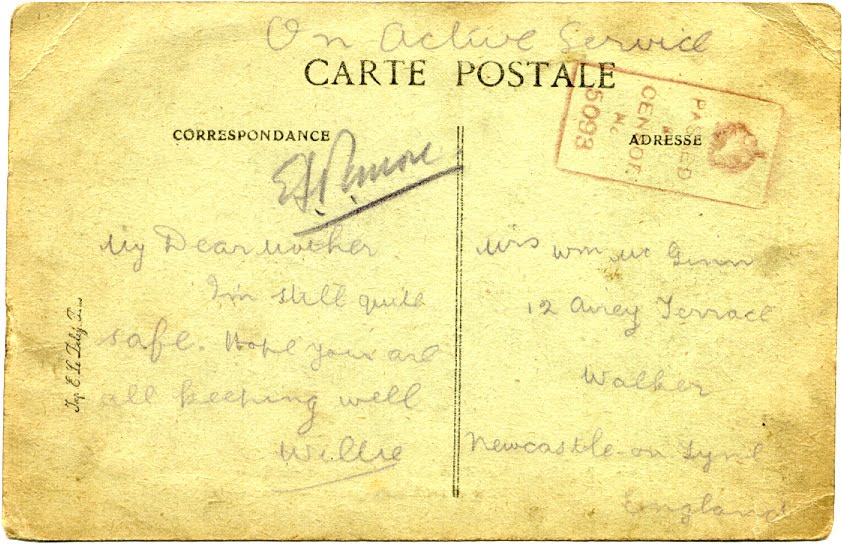
The last postcard my great uncle wrote from France. This is the port of Rouen a great embarkation point for Brtiish troops on their way to the Western Front.

This is what he wrote to my great Grandmother.
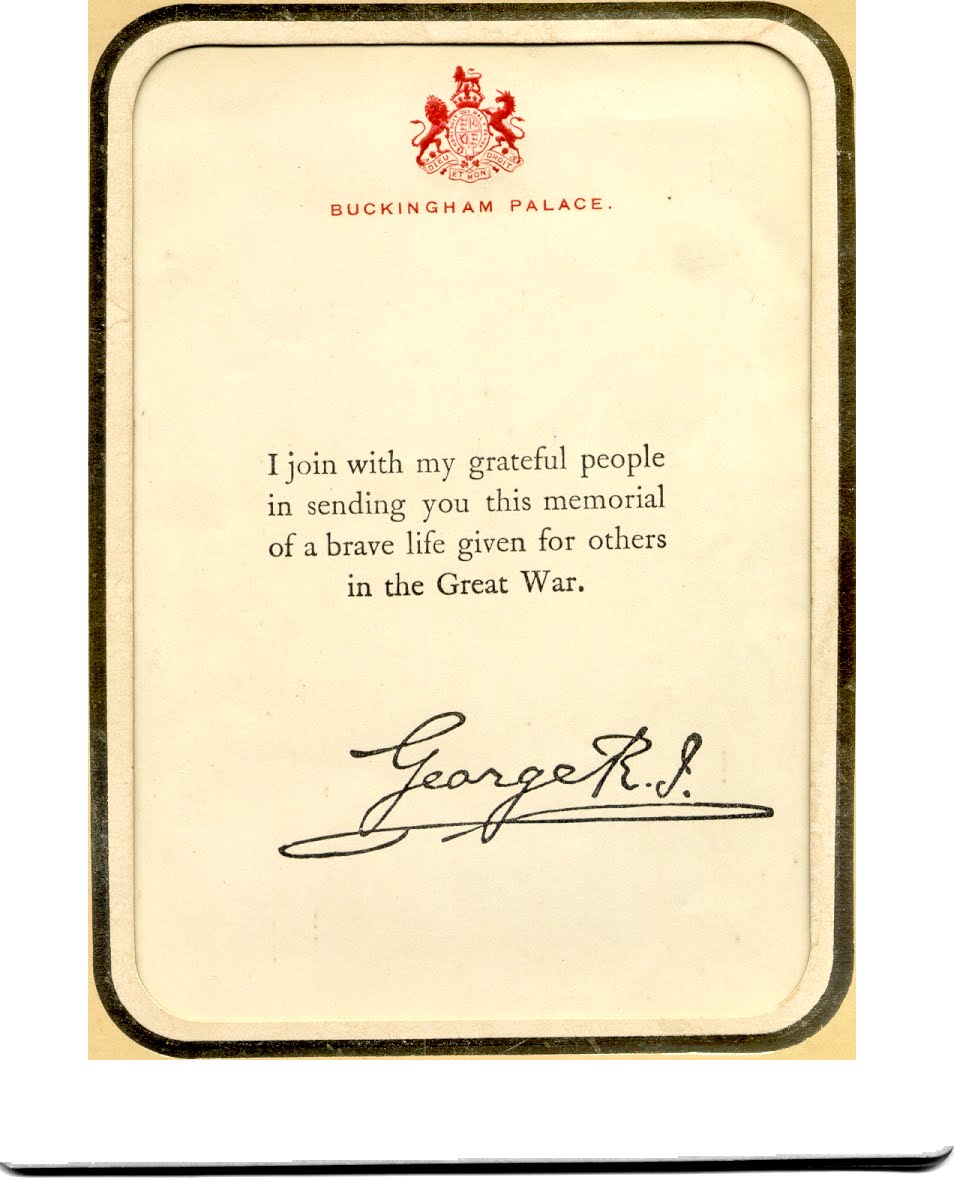
All the families of soldiers who died on the Western Front received a message from the King.

William McGinn at nineteen

William McGinn, before embarking for France. He was 19 years old. He survived in France for three weeks.

WORLD WAR I, AN OVERVIEW OF THE POLITICAL, THE HOME FRONT AND THE MILITARY.

World War I is coming to our screens through the medium of Downton Abbey. The series has reached the Summer of 1914, a time of shifting tectonic plates in the power of nations and Empires, very much like the time we live in now, brought on by the great financial crisis we are all living through. This present series is a reminder to us all.

My own family have been very much part of the terrible traumas of the past two world wars. Close members of my family have died in action in both wars. In 1914, at the start of the First World War, my maternal great grandmother and grandfather, Susie and William McGinn moved from County Limerick, in the South of Ireland, to Newcastle upon Tyne in the north of England. The move was to enable my great grandfather to get work in the shipyard, Swan Hunters, on the Tyne. They lived in a three story house,a pigeon loft installed in the roof, at 12 Airey Terrace Walker, close to the River Tyne and Swan Hunter’s yard.

Their son, also called William, was a very bright lad and passed his civil service exams to get him a prized job with the civil service. At the age of 18 he returned to Ireland to work in the post office in Dublin as a clerk. It was the moment the IRA was preparing for the Easter Uprising against British rule in Ireland. Although my great uncle was a true Irishman, born in Ireland, but because he had emigrated to England and his parents were living in England, he and his family were regarded as traitors and he was threatened with the message, “Your next McGinn,” meaning the IRA would kill him. He wrote home and my Great-grandmother sent him the money to return to Newcastle.

To read the rest of the story, click on this link to London Calling.

Gentle Readers, please note that I make no money from my blog. The advertisement you see has been generated by WordPress, not by me.

People simply can’t get enough of Downton Abbey, as my site meter tells me. Everything we bloggers write about the costumes, actors, and historical details is lapped up by eager readers and on nights when the series is aired, my visitor count goes through the roof.

People just can’t get enough of the Crawley family and the servants who cater to them. Not everyone goes online for information.  For those who prefer to receive their information in print, The World of Downton Abbey might be the perfect companion piece to their Downton Abbey viewing experience. The text is by Jessica Fellowes, niece of writer Julian Fellowes, who writes the  foreword. The book is lavishly filled with photographs and illustration, and covers such topics as Family Life, Society, Change, Life in Service, Style, House to Estate, Romance, War, and Behind the Scenes. If you are intrigued but aren’t sure about purchasing this book, you can find a sneak peek at Amazon.com.

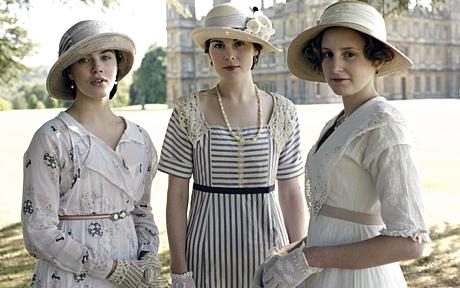
Sybil, Mary and Edith. Credit: Courtesy of © Carnival Film & Television Limited 2012 for MASTERPIECE

You’ll find wonderful details in The World of Downton Abbey that you can’t get any where else. Take this picture of the Crawley sisters, for instance, which was used to promote season one. It turns out that the dress for Mary was a costume designed to fit the actress, that Edith’s was a retread from the Merchant Ivory production of A Room With a View, and that Sybil wore an original Edwardian dress.

The World of Downton Abbey is lavishly illustrated

I purchased the book for my Kindle touch, and at $14.99 I found it quite reasonably priced. But here was the problem: my Kindle offers only black and white text and the photos look grainy. Only Kindle Fire offers a full spectrum of colors. And so I have to read the book on my PC or laptop, which is no big deal, for the images are glorious on my 20″ monitor and, unlike many people of my acquaintance, I don’t mind reading from a screen.

Click here to purchase The World of Downton Abbey.

Read my Downton Abbey articles here.

Read my Downton Abbey Series 2 articles at this link.

Lady Almina

Lady Almina, the Countess of Carnarvon, who lived at Highclere Castle during the turn of the century and through World War 1, had many qualities in common with the fictional Cora, Countes of Grantham in Downton Abbey. Upon Lady Almina’s marriage, her fortune staved off financial ruin for the 5th Earl of Carnarvon and helped to renovate the mansion.

Like Lady Cora, she allowed her house to be turned into a hospital for wounded soldiers, running it at her own expense.

WW1 soldier recuperating at Highclere Castle

On her orders, each wounded officer had the luxury of his own room, with down pillows and linen sheets. She  made beds and dressed wounds” (The Daily Mail).

Lady Almina put together a skilled orthopedic operation at Highclere Castle and she had very good nursing skills, so good that she was often sent some of the hardest cases.

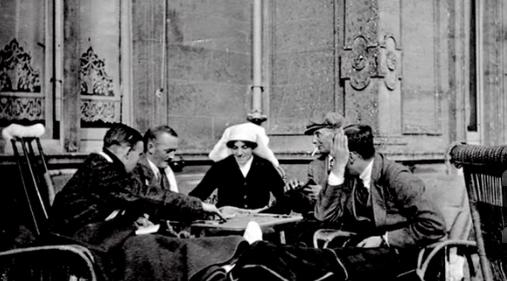
Soldiers were nursed back to health on fresh linen sheets, propped up on fat down pillows so they could gaze out over a beautiful country park. Silver service dinners were followed by a game of cards in the library while sipping a glass of beer, naturally from the house’s very own brewery. A butler was even on hand to pour the convalescents a nip of whisky before dinner. – The Real Downton Abbey: How Highclere Castle Became a World War 1 Hospital (includes a video).

Playing games at Highclere Castle and enjoying home brewed beer

In this matter, Almina showed one of her kinder sides, for she was reportedly a terrible mother and lived largely a selfish and extravagant life until her fortune ran out. The war touched all lives and all class stratas, and not a family was left standing at its end that did not experience a loss:

“All their young men are gone,” lamented the architect Sir Edwin Lutyens of the sons of  Mells Manor, one super-romantic house in Somerset. That was in 1919 when he went to help choose the site of the village war memorial – a figure of St George on a column. The pain of the Horner family at the loss of their son Edward, the last of the male line, can be seen from his monument in the church: a moving statue of the young cavalry officer by Munnings. – The Telegraph, What Next For Downton Abbey?

For several centuries during wars and conflict, great country houses had been conscripted for medical services. One of the earliest country houses to be used as a hospital was Greenwich Palace, which was converted to a navel hospital in 1694.

During World War One:

A genuine sense of wanting to help led to many owners voluntarily turning over their houses as hospitals including the Earl of Harewood offering Harewood House, Lord Howard of Glossop Carlton Towers, Lady Baillie lent Leeds Castle and the 4th Marquess of Salisbury offering Hatfield House as he had done during WWI. – Houses as Hospital: the country house in medical service

The numbers of wounded soldiers who were returned from the battlefields of northern France and Belgium were unprecedented. It was enormously difficulty to remove wounded men from battlefields riddled with shell pocks and guarded by staggered rows of  barbed wire barriers that were miles long. Scores of soldiers who could have survived under immediate medical attention were left to die unattended.  Medics practiced triage, making instant decisions and leaving behind those who stood little chance of surviving or who could not withstand the rigors of being carried to safety. Even when soldiers were successfully brought back to camp, many had to suffer a long wait, for doctors and nurses were overwhelmed, supplies were short, and field hospital conditions were ghastly. A large number died behind the front waiting to be transported.

The soldiers who were brought back to England overwhelmed the hospitals and medical staff that were available. Auxiliary hospitals exploded around England,  many of them the country homes of aristocrats. These houses were not ideally suited for their new positions. During the late 19th century, Florence Nightingale influenced the design of hospitals, noting the importance of separating unsanitary scullery sinks from patient beds, for example, and improving cleanliness and introducing hygiene. While country houses did not provide antiseptic conditions, they became ideal havens for convalescents and for those who suffered from tuberculosis, for these patients required clean country air.

In the second episode of Series 2, the less seriously wounded soldiers or those whose injuries were healing and who needed convalescence were sent to Downton Abbey.  In real life, hospitals and convalescent houses were staffed by a commandant in charge, a quartermaster in charge of provisions, a matron in charge of the nursing staff, and the local voluntary aids, who were trained in first aid and home nursing.

To accommodate the soldiers, family members were confined and restricted to certain rooms in their own home. One would assume this would not be a hardship, since the houses were so large, but the labor shortage and the need for injured soldiers to be housed in large rooms without going up the stairs would most likely necessitate some appropriation of a family’s favorite rooms.  Lord Grantham’s library was divided, so that most of the room became a recreational space and a small section was left to him. Downton Abbey’s central hall became a dining area. Such changes must have grated on the privileged class, who, while wanting to perform their patriotic duty, could not escape encountering the hoi polloi in their daily routine.

With so many men serving as soldiers, servants were stretched thin and forced to perform duties that normally were outside of their scope and that stepped over the boundaries of etiquette. Anna helped to serve at dinner, which would have been totally unacceptable during peace time. Carson, in an effort to maintain the status quo, ruins his health and thus worsens the situation when he is laid low in bed.

Due to the war and its many effects, society was in turmoil. Social change happened on many fronts and class barriers began to blur. As men fought and died in France, women, including those who formerly worked as servants, filled their positions in factories, corporations, and farms. Great houses began to feel the pinch of being short staffed, and genteel ladies who were accustomed to being served had to cook and sew for themselves.

To feed the army, country estates converted their flower gardens to grow fruits and vegetables. At Hatfield House, the Cecil family’s “fields and private golf course were filled with trenches and a man-made swamp to create a maneuvering ground for an experimental weapon under development, the tank.”*

Isobel Crawley, once a working middle class wife – until her son, Matthew, was suddenly propelled into the position of heir to the Earl of Grantham –  finds her true calling in ministering to injured soldiers. She was trained as a nurse and had performed charity work in caring for the sick. The need for her professional services made her feel like a valued woman again. Isobel’s zealousness in converting Downton Abbey into a convalescent home placed her in direct conflict with Cora, Lady Grantham, and continued her battle of wills with Violet, the dowager Countess. Isobel’s situation was not unusual, for during this war many people of the working classes who were professionally trained found themselves in positions of superiority over gently bred women who volunteered as nurses aids.  One Indian soldier remarked with some awe that a noble British lady had ministered to his wounds and treated him as an equal.*

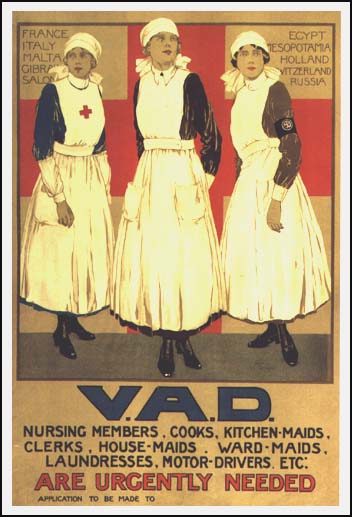
It was only because of the war that a former footman like Thomas would dare enter through the front door or that a doctor could serve as head of the hospital and make decisions that overrode those of the owners of the house. Lady Sybil, whose support of the suffragettes was revealed in the first series, became a VAD (Voluntary Aid Detachment Nurse), for there simply weren’t enough professional nurses to go around.

VAD Poster

In many cases, women in the neighbourhood volunteered on a part-time basis, although they often needed to supplement voluntary work with paid labour, such as in the case of cooks. Medical attendance was provided locally and voluntarily, despite the extra strain that the medical profession was already under at that time. – History of British Red Cross

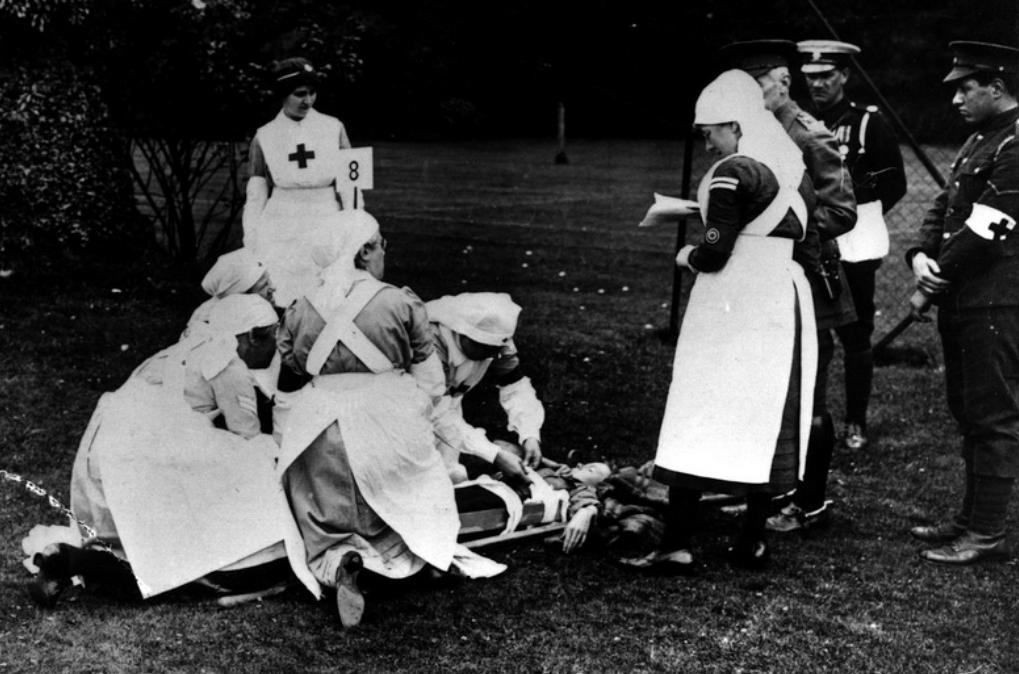
VADs were trained for only a few weeks before working under professional nurses.

Only the middle and upper classes could afford to work for free, and to pay for the courses and exams that were required to become a VAD. Growing up with servants, many of these young women had never had to wash a plate or boil an egg. One girl related how amusing it was to serve tea at the hospital and then return home to have her own tea served by the parlour maid. – The Great War As You May Not Know It

VADs changed linens, sterilized equipment, and served meals, but many were also exposed to the rawer side of war and at times, when the influx of casualties overwhelmed the staff, VADs were expected to perform the duties of a professional nurse.

Red Cross VADs

VADs were generally from genteel, sheltered, and chaperoned backgrounds. Some were aristocrats, like Lady Diana Manners – the “Princess Di” of her day – reputedly the most beautiful woman in England and expected to marry the Prince of Wales. Her mother was very much against Diana becoming a VAD, as Diana states in her memoir, The Rainbow Comes and Goes. “She explained in words suitable to my innocent ears that wounded soldiers, so long starved of women, inflamed with wine and battle, ravish and leave half-dead the young nurses who wish only to tend them,” The Duchess gave in, but “… knew, as I did, that my emancipation was at hand,” Diana says, and goes on to admit, “I seemed to have done nothing practical in all my twenty years.” Nursing plunged her and other young women into a life-altering adventure. – The Great War As You May Not Know It

Serving as a VAD changes Lady Sybil, giving her a direction and purpose. Lady Edith, too, finds new meaning in an otherwise predictable life consisting of dinners, parties, and long stretches of boredom. Lady Sybil advised her sister to find her talent and pursue it, which Edith did. One wonders if Lady Mary will  find a similar passion before she throws her life away and marries a man she does not love or (we suspect) respects.

The strength of Downton Abbey’s plot threads this year is how they incorporate the roiling changes in class structure during a complex political time in which the necessities of war, the dissatisfaction of the working classes, and the continued growth of the women’s movement influenced the lives of the series’ characters. More on this topic later.

If you missed Episodes 1 & 2, they can be viewed on PBS’s site through March, 2012 at this link: http://www.pbs.org/wgbh/masterpiece/watch/index.html

Please note: You can watch Downton Abbey Season 1 on Netflix as a DVD or streaming.

Other links and references:

A charming 4-bedroom cottage called Maple Farm House can be rented on the Highclere Estate. Highclere Castle, as every Downton Abbey fan knows, is the setting for this mini-series, which is currently being shown on PBS on Sunday nights.

I imagine this house as a perfect setting for Barton Cottage and the Dashwood ladies. Or as a cousin to Steventon Cottage, where Jane Austen grew up. The surroundings are magnificent and bucolic, to say the least.

Beacon Hill, Highclere Estate

Visits to to Highclere Estate and the mansion resume in April. But one lucky family can choose to live nearby year round.