This Jane Austen blog brings Jane Austen, her novels, and the Regency Period alive through food, dress, social customs, and other 19th C. historical details related to this topic.
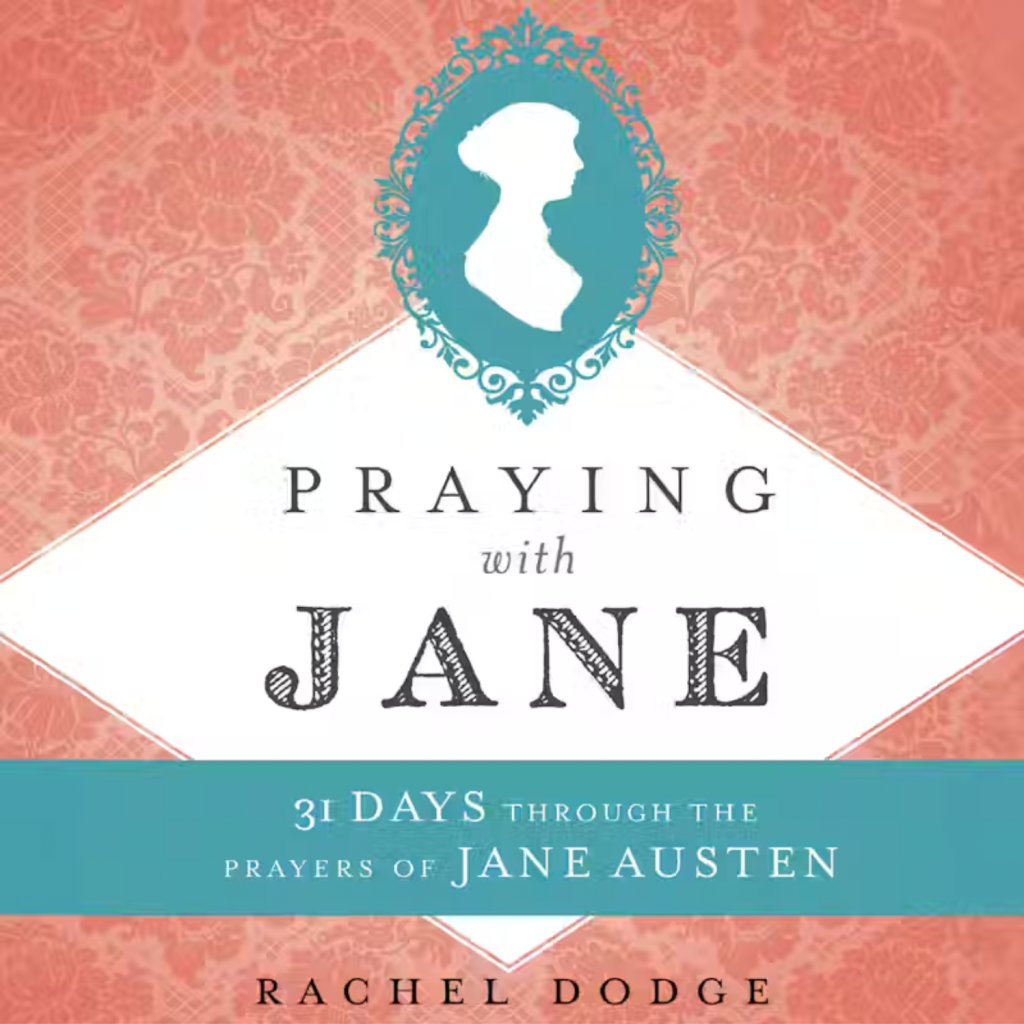
In honor of Jane Austen’s 250th anniversary year, I’m happy to announce a new audiobook project: The Praying with Jane Audiobookfeaturing narration by actress Amanda Root and author Rachel Dodge (yours truly). Published by ONE Audiobooks, this title is available on all major audiobook platforms.
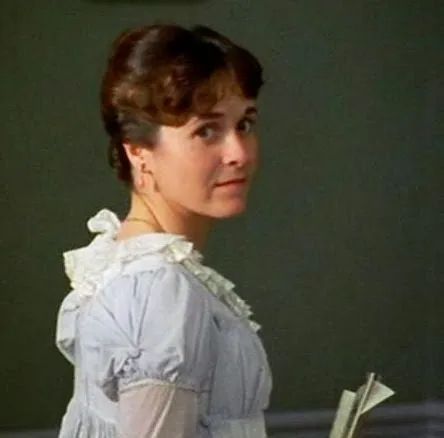
Amanda Root is best known by Austen fans around the world for her starring role as Anne Elliot in the acclaimed 1995 BBC adaptation of Jane Austen’s Persuasion. Root claimed audience hearts opposite Ciarán Hinds, as Captain Wentworth, and has held them ever since.
Proceeds from this anniversary project will be donated directly to the Jane Austen House Museum to further Jane Austen’s lasting legacy.
Persuasion film adaptation with Amanda Root (1995).
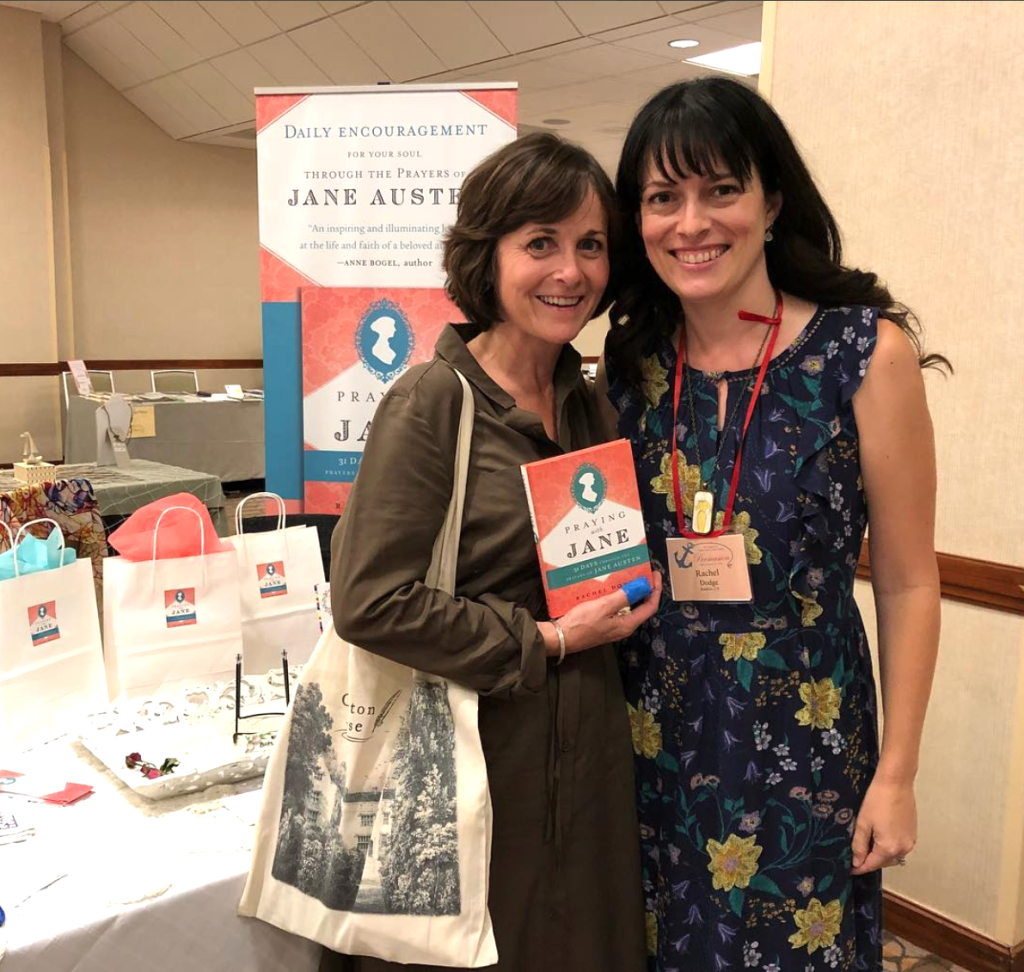
Amanda Root and Rachel Dodge, Kansas City AGM.
Audiobook Description
In this 31-day devotional, you will get an in-depth look at Jane Austen’s prayers. Her faith comes to life through her exquisite prayers, touching biographical anecdotes, intimate excerpts from family letters and memoirs, illuminating scenes from her novels, and spiritual insights. Austen’s prayers read by British film and voice actress Amanda Root; text read by author Rachel Dodge.
You can listen to a sample of Jane Austen’s Prayer 1 here, read by actress Amanda Root:
Proceeds will be donated to the Jane Austen House Museum.
Amanda Root Bio
Amanda Root is an English stage and screen actress and a former voice actress for children’s programs. Root is known for her starring role in the 1995 BBC film adaptation of Jane Austen’s Persuasion, her role in the British TV comedy All About Me (2002), as Miranda, alongside Richard Lumsden in 2004, and for voicing Sophie in The BFG (1989). She trained for the stage at Webber Douglas Academy of Dramatic Art. (IMBD Mini Bio)
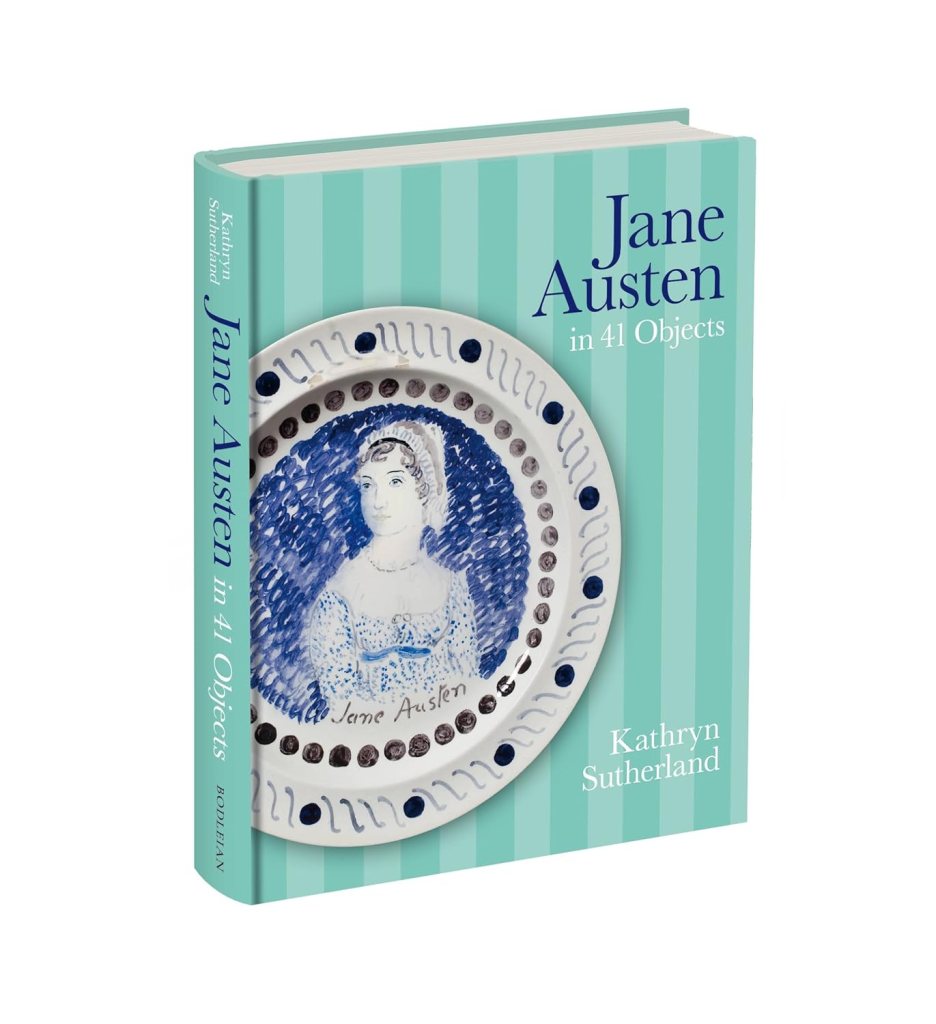
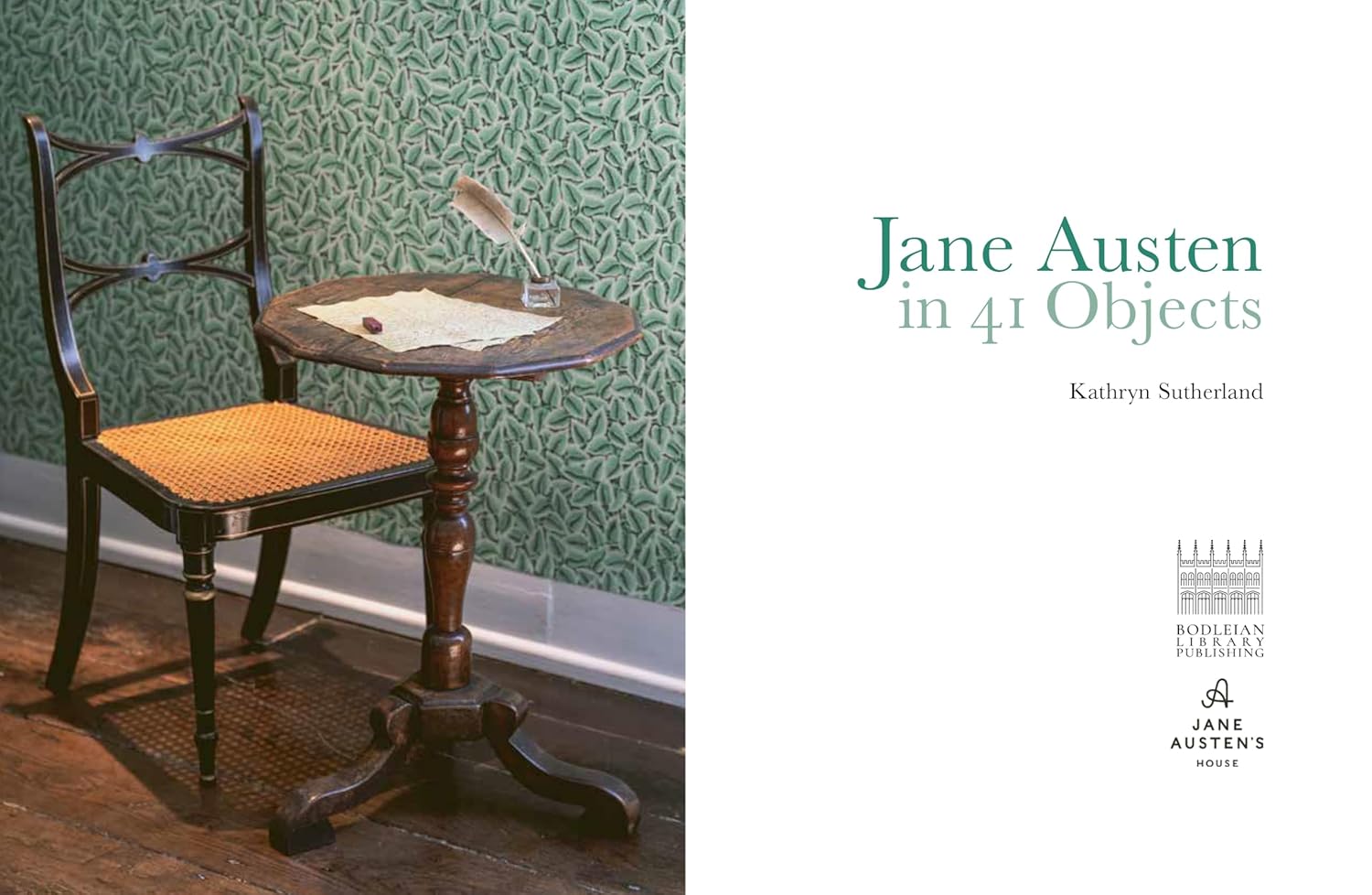
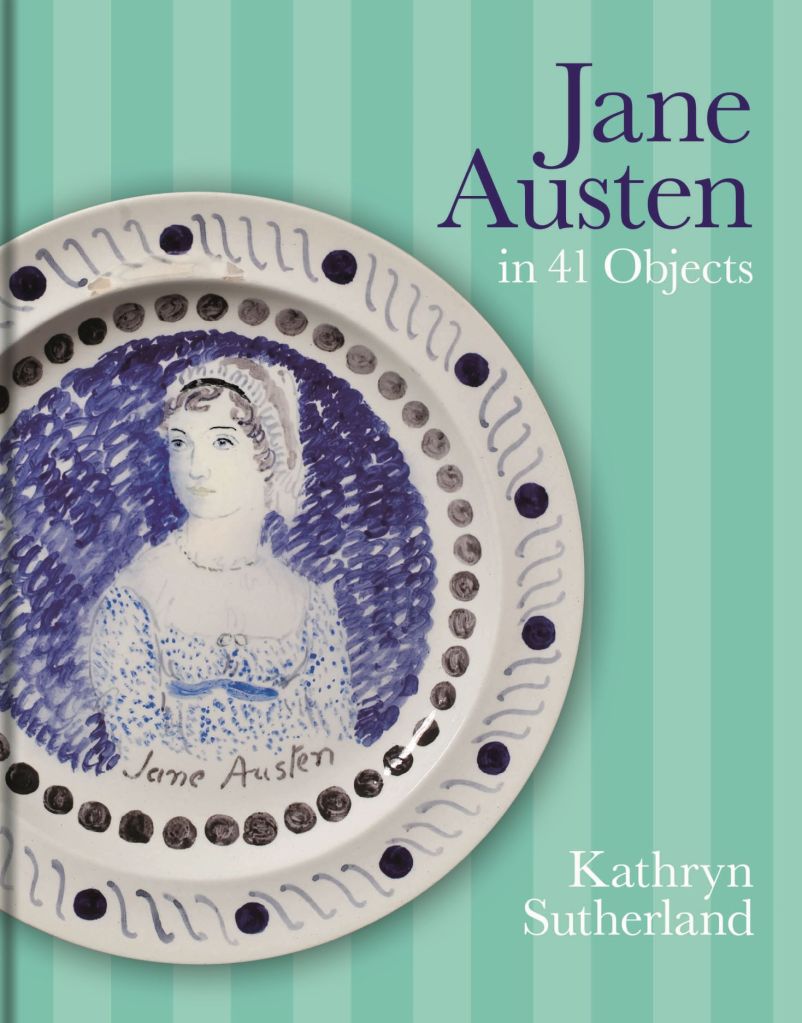
As we continue our tour of new books and media for Jane Austen’s 250th anniversary celebration, my choice this month is the much-anticipated Jane Austen in 41 Objects by Kathryn Sutherland. This extensive new “biography” features the beloved 41 Objects from the Jane Austen Museum, along with beautiful photographs and in-depth information about each item in the collection.
“Jane Austen’s House holds an unparalleled collection of objects relating to Jane Austen’s life and works, her family circle and her legacy. Here you can see some of the treasures of the collection, ranging from books and letters to pieces of furniture, clothing and paintings. Many of these objects can be seen in the House . . .” (Jane Austen’s House)
For those who have had the opportunity to visit Jane Austen’s House Museum, many can attest that it’s hard to take everything in during a tour of the house. This book provides a closer look at each object in greater details. I was quite intrigued by the items and information I had missed during my visits over the years and from my searches online. For those who have not yet visited JAHM, this is the perfect book for your shelves! It gives Jane Austen fans a wonderful glimpse into the collection of objects often on display there, collecting them all in on place.
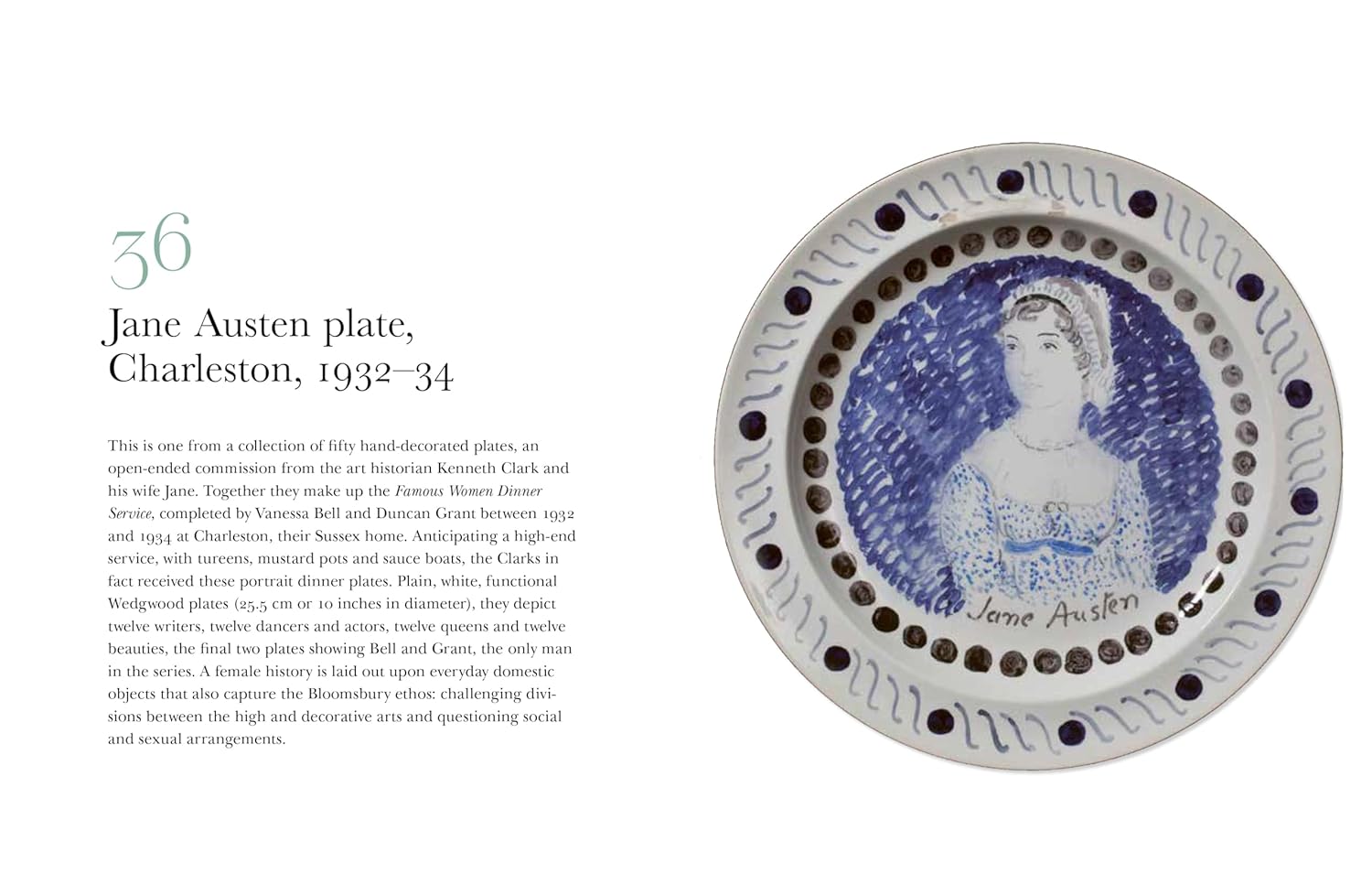
This book provides the perfect “virtual tour” because there’s so much more in the book than you can find online or in person. This book is also much more thorough in its explanation of and historic information about each of the 41 objects than anything I have seen. For instance, reading about the Jane Austen plate was brand-new to me.
What’s more, I believe that this book provides information about objects that may not currently be on view at the museum. I don’t think all 41 objects are always available to the public in one place. If memory serves, some objects move here and there to other exhibits, so again, seeing it all in one place is quite impressive and educational.
Jane Ausen’s Writing Desk
Book Description
Jane Austen in 41 Objects by Kathryn Sutherland is a new kind of biography on Jane Austen examining the objects she encountered during her life alongside newer memorabilia inspired by the life she lived.
More than two hundred years after Jane Austen’s death at the age of just forty-one, we are still looking for clues about this extraordinary writer’s life. What might we learn if we take a glimpse inside the biographies of objects that crossed her path in life and afterward: things that she cherished or cast aside, that furnished the world in which she moved, or that have themselves been inspired by her legacy?
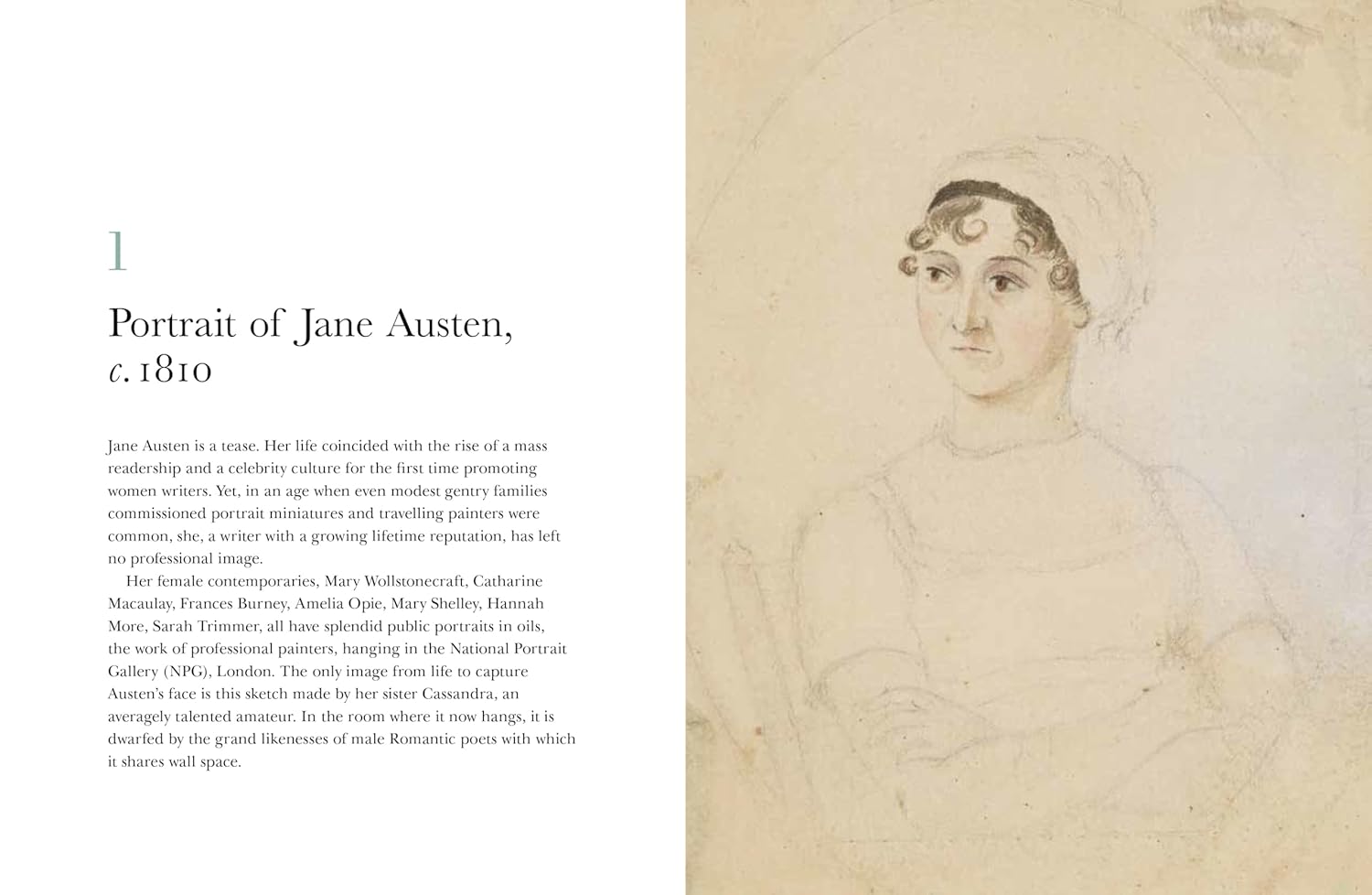
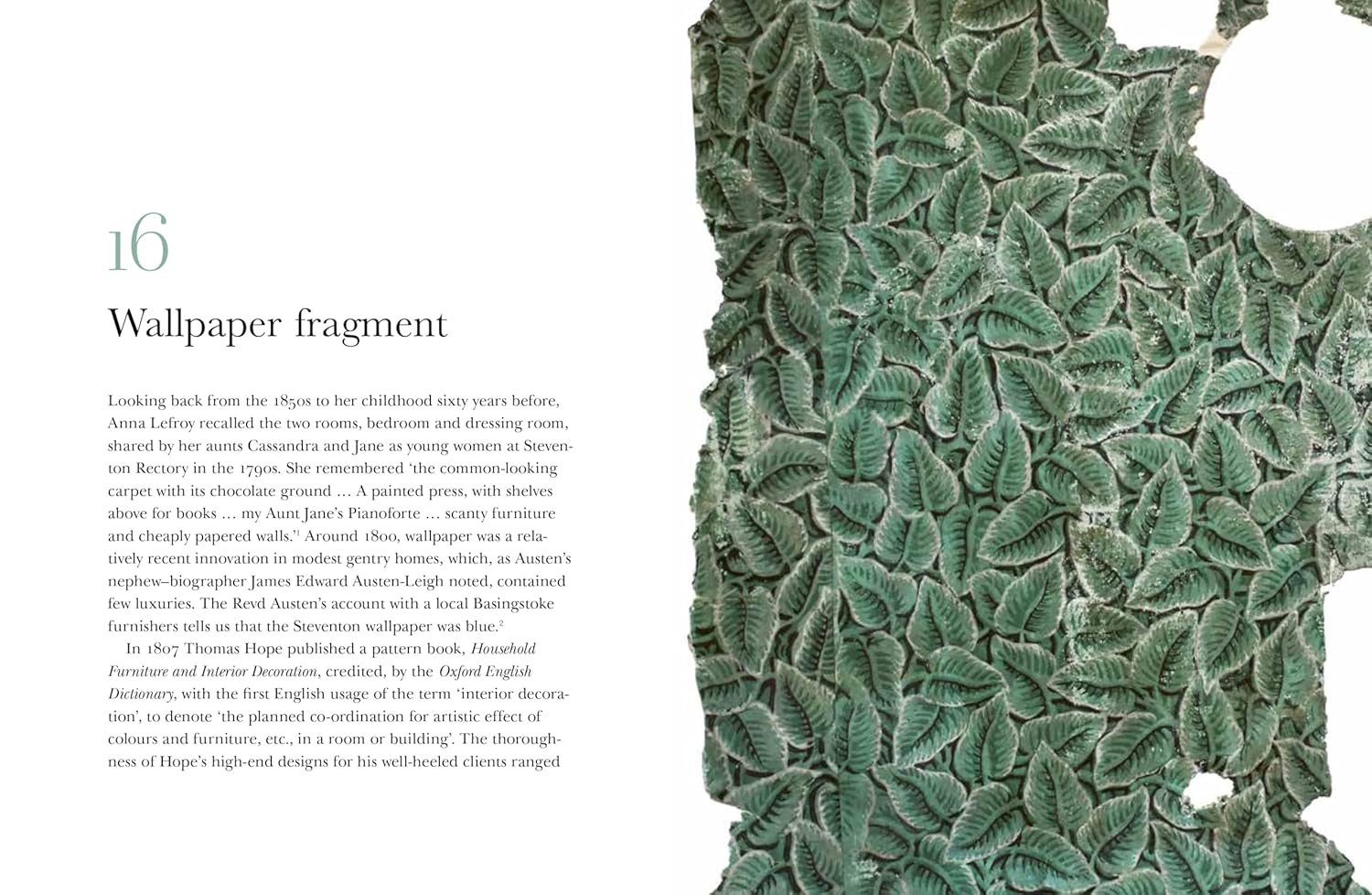
Among objects described in this book are a teenage notebook, a muslin shawl, a wallpaper fragment, a tea caddy, the theatrical poster for a play she attended, and the dining-room grate at Chawton Cottage where she lived. Poignantly, the last manuscript page of her unfinished novel and a lock of hair, kept by her devoted sister, Cassandra, are also featured. Objects contributing to Austen’s rich cultural legacy include a dinner plate decorated by Bloomsbury artists Vanessa Bell and Duncan Grant, Grayson Perry’s commemorative pot from 2009, and even Mr Darcy’s wet shirt, worn by Colin Firth in the 1995 BBC adaptation.
This is a different kind of biography, in which objects with their own histories offer shifting entry points into Jane Austen’s life. Each object, illustrated in color, invites us to meet Austen at a particular moment when her life intersects with theirs, speaking eloquently of past lives and shedding new light on one of our best-loved authors.
Featured Objects
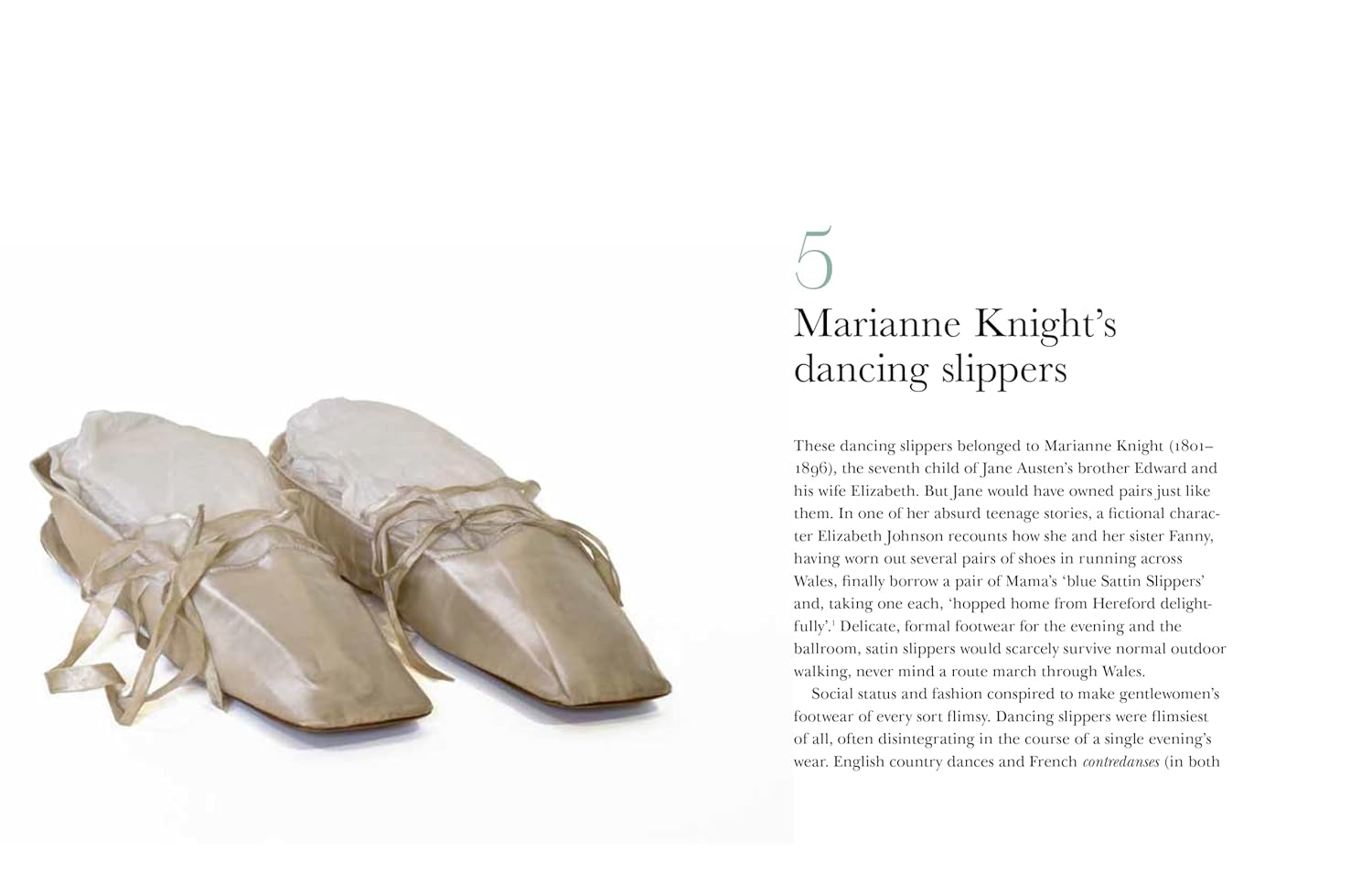
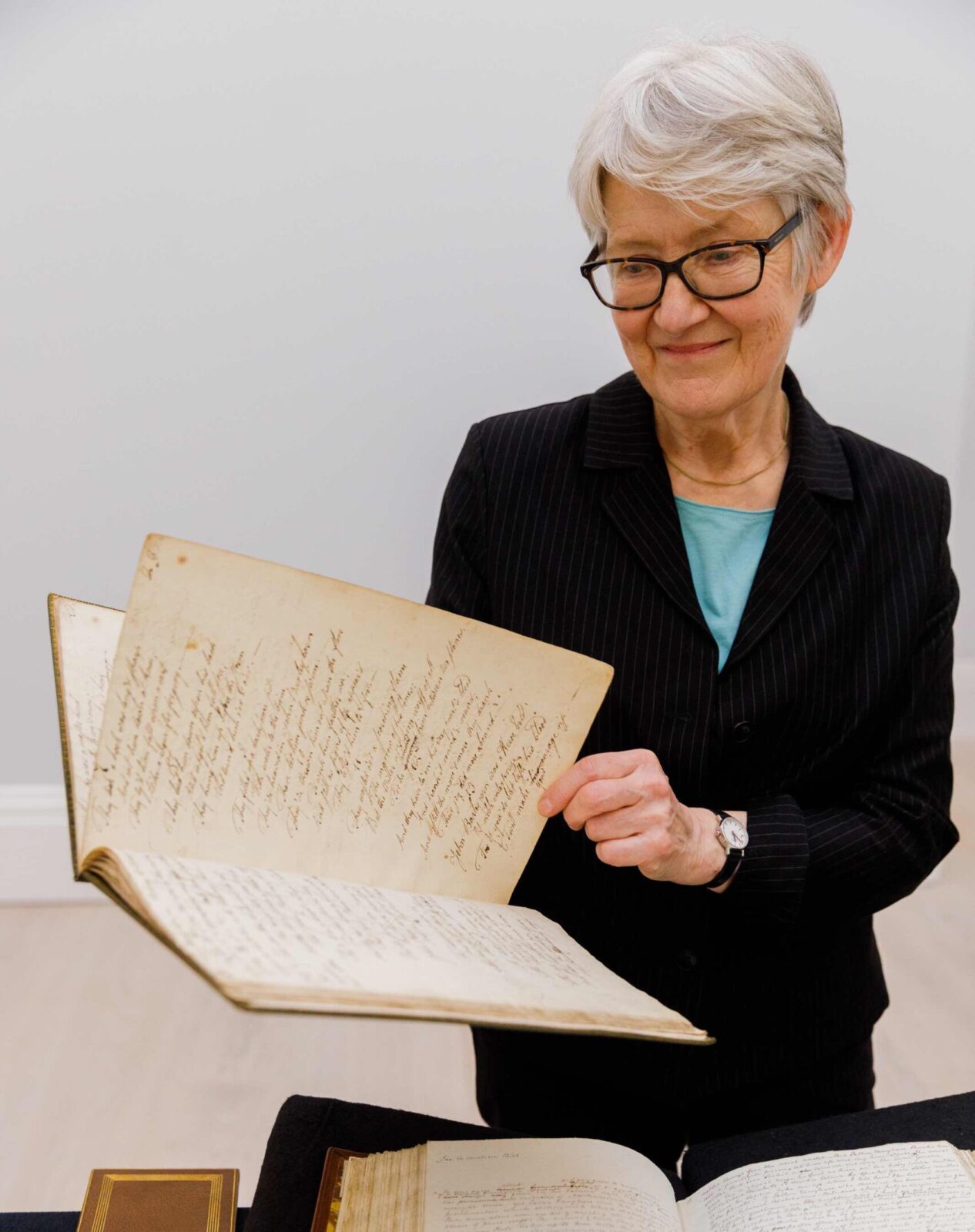
Sutherland provides a tour of all 41 objects with photographs and information about each one. This truly does gives the reader more time to examine and take a thorough look at each object. Though one could find many of these objects online, it’s much easier to study them in a book format.
Marianne Knight’s Dancing Slippers
About the Author
Kathryn Sutherland is a trustee of Jane Austen’s House and Professor of English and Senior Research Fellow, St. Anne’s College, Oxford. Her publications include Jane Austen’s Textual Lives: from Aeschylus to Bollywood (2005), the online edition of Jane Austen’s Fiction Manuscripts (2010), and Jane Austen’s Fiction Manuscripts (5 vols, 2018). Other edited works include: James Edward Austen-Leigh, A Memoir of Jane Austen and Other Family Recollections (2002) and Jane Austen, Teenage Writings (2017).
During the 200th anniversary year of Austen’s death, she curated two major exhibitions: “The Mysterious Miss Austen,” in Winchester, Hampshire, and “Which Jane Austen?” at the Bodleian Library, Oxford. She wrote essays for and edited the accompanying exhibition book, Jane Austen: Writer in the World (2017).
Celebrating 250 Years
This collection is another wonderful product of the 250th anniversary of Jane Austen’s birth and the celebrations happening worldwide all year long. I’m thankful that Kathryn Sutherland, Jane Austen’s House, and Bodleian Library Publishing, Oxford made it possible for Jane Austen fans to have access to these artifacts in book form. If you really want to “geek out,” this is the book for you!
Many Austen fans enjoy viewing various early editions of Pride and Prejudice – and many of us are familiar with the famous “Peacock” edition. I recently had the opportunity to hold and examine a very early “Peacock” edition in my very own hands. (It was beautiful!!! I may have squealed in my head.)
During this 250th celebration year of Austen’s delightful works, I thought a little trip down “Peacock Lane” might be in order! This beautiful edition has a rich history and has contributed to Austen’s lasting legacy.
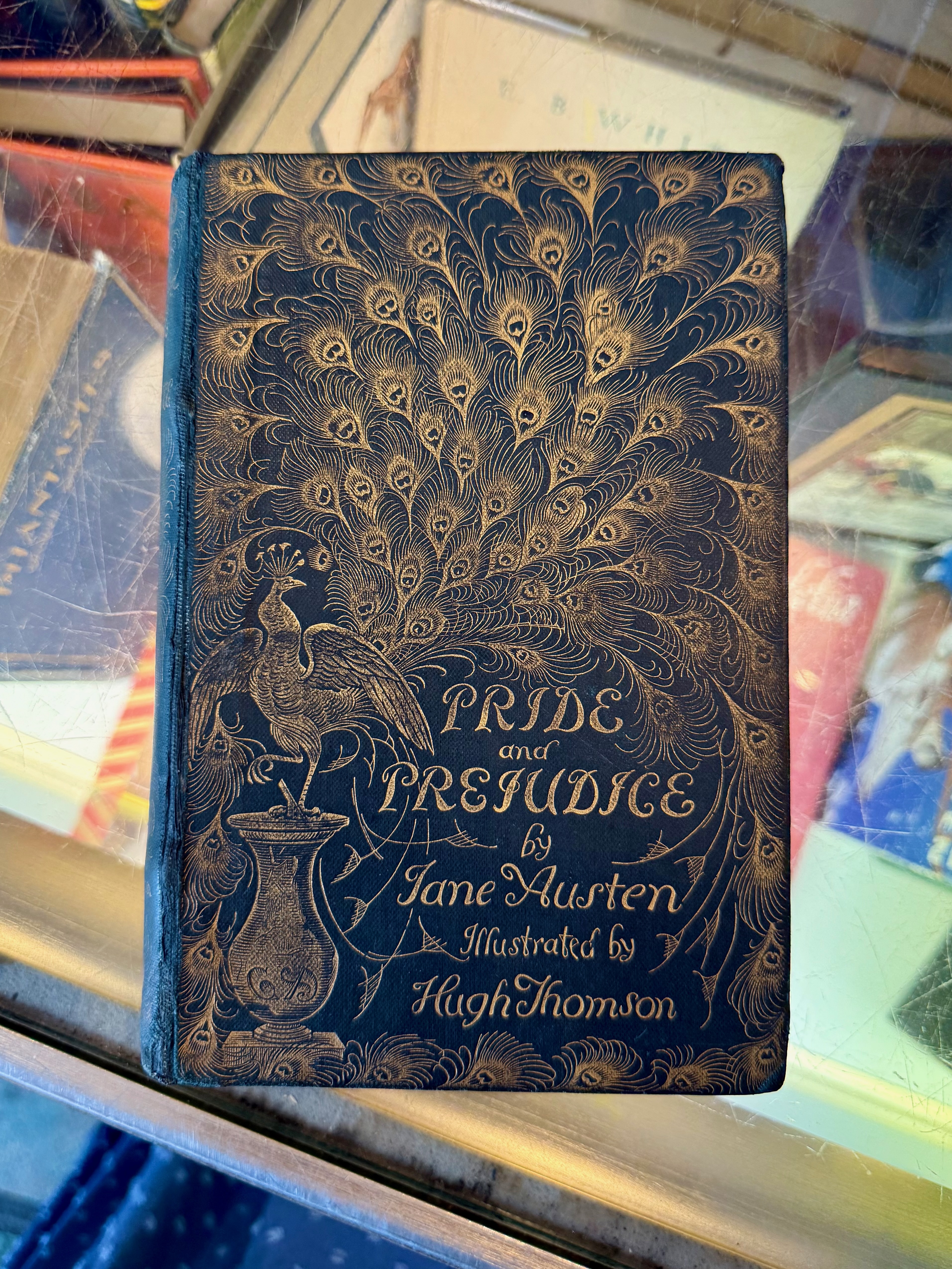
A rare “Peacock” edition in a bookstore I recently visited ($3,500).
The Original “Peacock” P&P
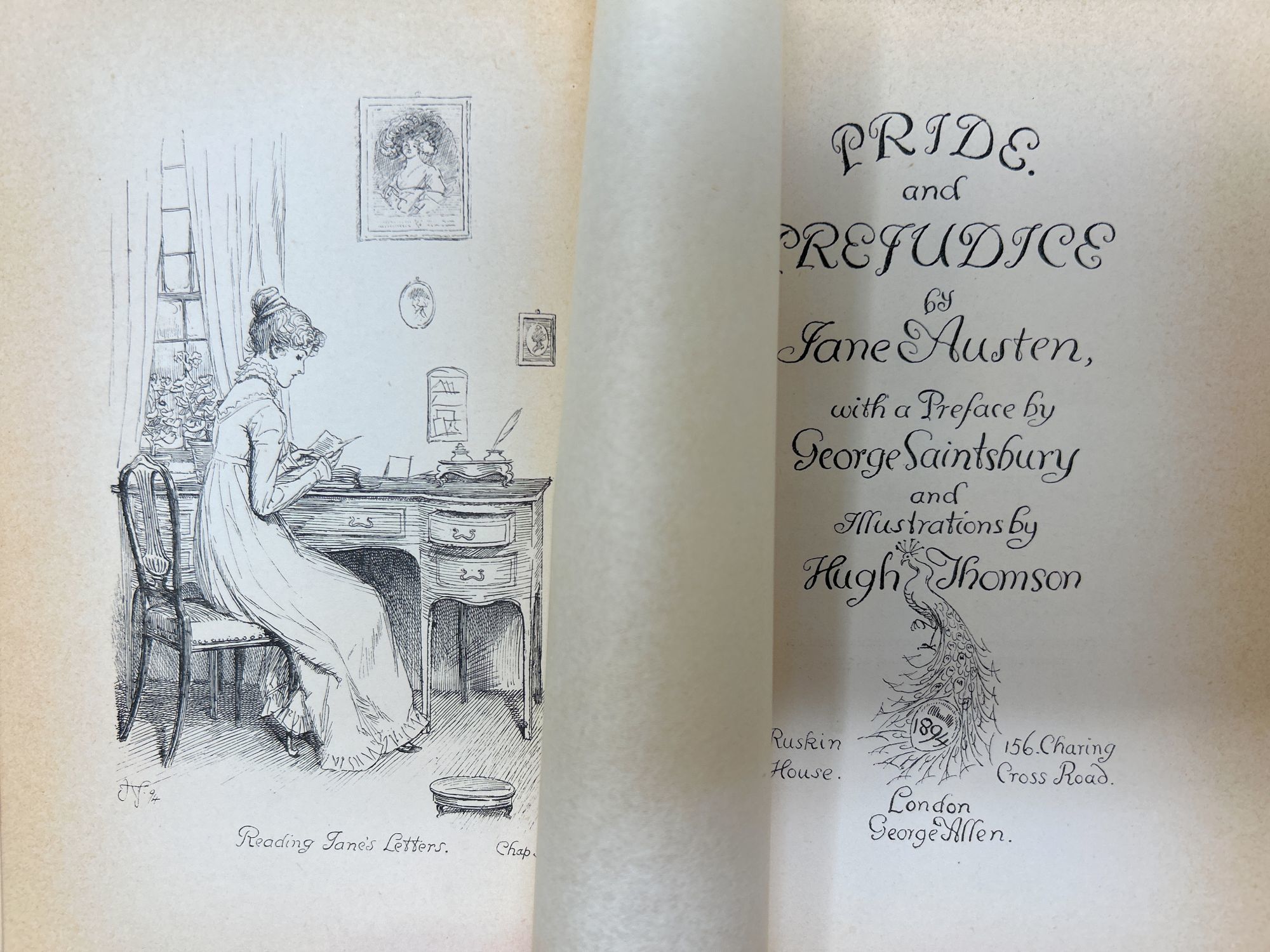
George Allen is responsible for the original 1894 “Peacock” edition of Pride and Prejudice, which includes the now-famous illustrations by Hugh Thomson. It includes 65 illustrations and 160 drawings and designs in total.
According to a University of Michigan Library Online Exhibit, Allen’s “Peacock” edition was not only extremely popular at the time, but it also helped revitalize the popularity of Austen’s works in the late 1800s:
“In reaction to the wave of British nationalism in the late nineteenth century, a renowned publisher of the time, George Allen, sought to preserve traditional English values by publishing a series of illustrated classic works of literature.”
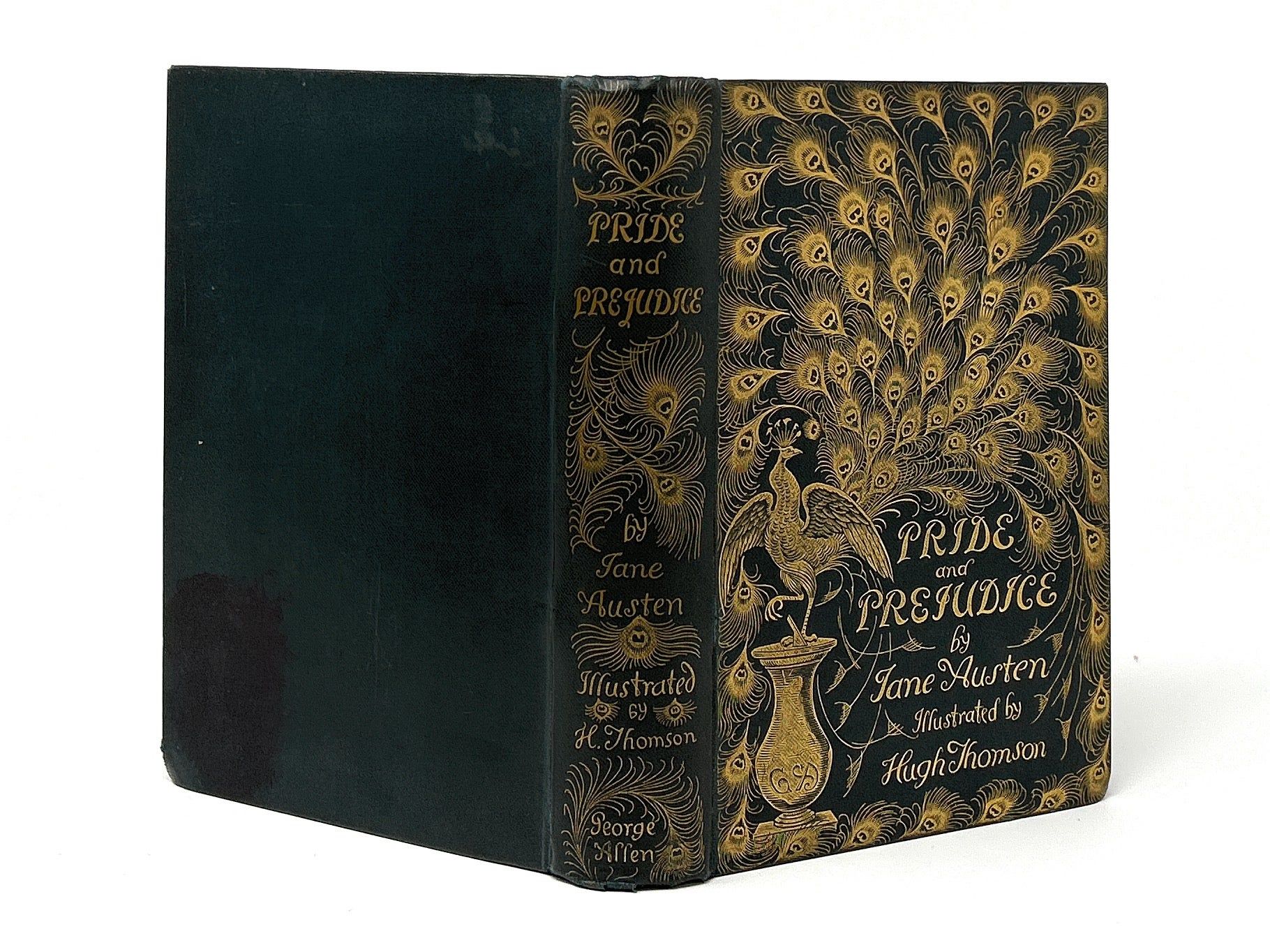
Peacock Edition, Cover and Spine (1894).
There’s a reason people love the “Peacock” edition. The cover is striking with its deep navy blue background, gilded title, and resplendent gold peacock feathers. Every detail is exquisite:
“The edition’s iconic features include its gilded peacock cover (symbolic of pride) and 65 full page illustrations, all created by Hugh Thomson. As an acclaimed illustrator of the time, Thomson’s work symbolized grace and refinement, which made him the perfect choice for capturing Allen’s vision.”
Allen’s goal to revitalize interest in Austen’s work proved successful, but the edition itself did better than he ever imagined and went on to become an iconic edition that book collectors salivate over today:
“The edition surpassed expectations, selling over 11,605 copies in England and 3,500 copies in the United States, within the first year. Its popularity was partly due to its large appeal across class divisions, gender spheres, and political factions, functioning most basically as a gift book and mark of good taste. George Allen’s revival has proven to be timeless. Thomson’s peacock design has become the iconic representation of Austen’s Pride and Prejudice in contemporary marketing and merchandising, continuing to capture audiences today.”
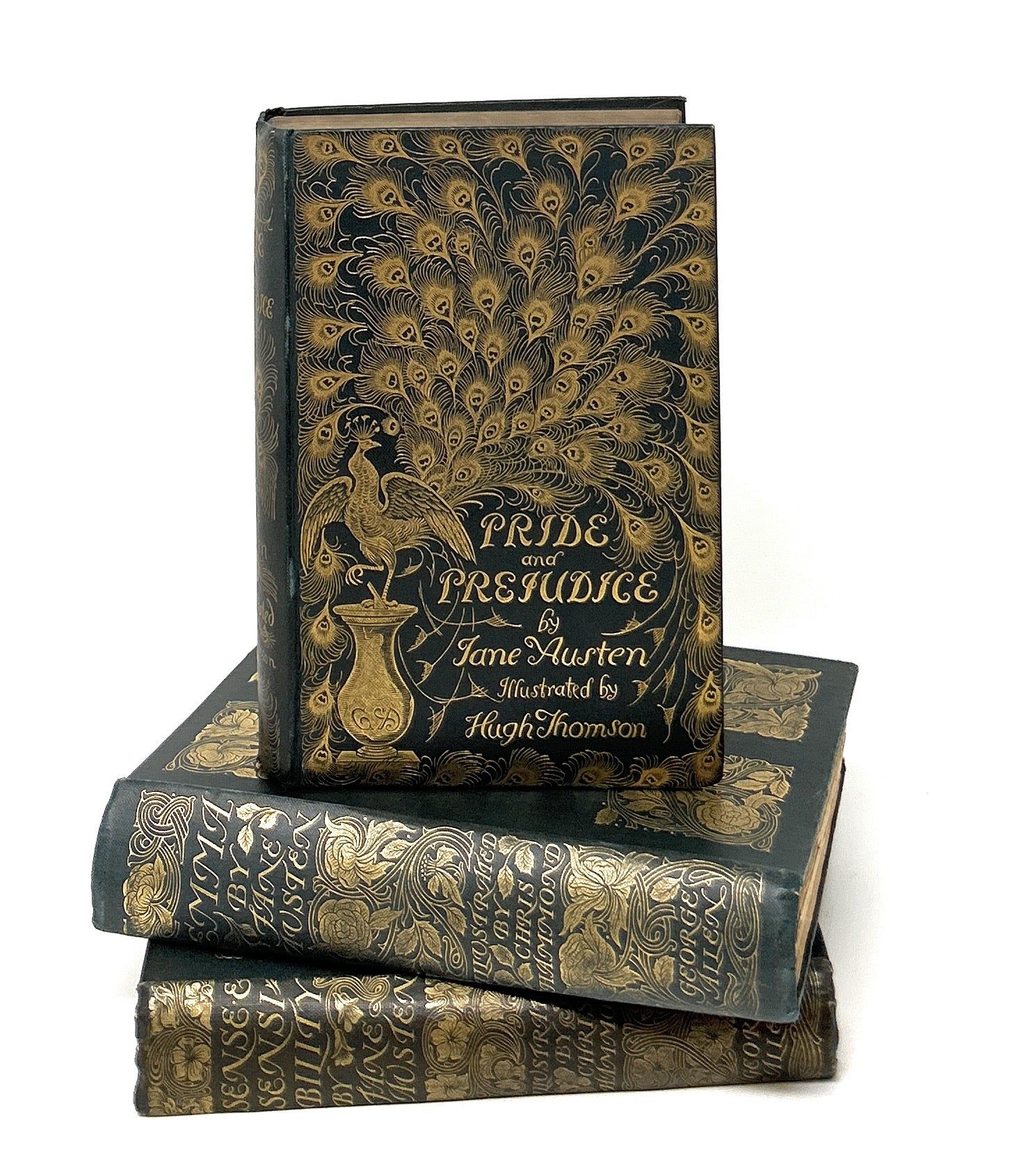
George Allen editions of Pride and Prejudice, Emma, and Sense and Sensibility
“Peacock” Illustrations
If Hugh Thomson’s name sounds familiar, you’re right. Jane Austen’s House Museum shares these intriguing details:
“The Irish illustrator, Hugh Thomson (1860-1920), was best known for his pen and ink illustrations and in addition to Jane Austen’s work, illustrated the novels of Charles Dickens, Elizabeth Gaskell and J.M Barrie. Thomson used to visit the British Museum and V&A to research costume styles, room decorations and furniture design for his illustrations. Despite that his drawings for Pride and Prejudice have a distinct Victorian rather than Georgian feel to them.”
If you’ve ever wondered why Thomson chose a peacock for the cover, you’ll find a clue in the old saying, “proud as a peacock.” Male peacocks have long been associated with pride and vanity because of their vibrant plumage and the way they strut about with their feather fanned out around them. Some believe that the peacock’s elaborate display of its tail feathers, especially by the male during courtship, is a fitting image for Pride and Prejudice’s themes of courtship as well. Either way, the peacock as a symbol of pride seems fitting for the cover of Pride and Prejudice.
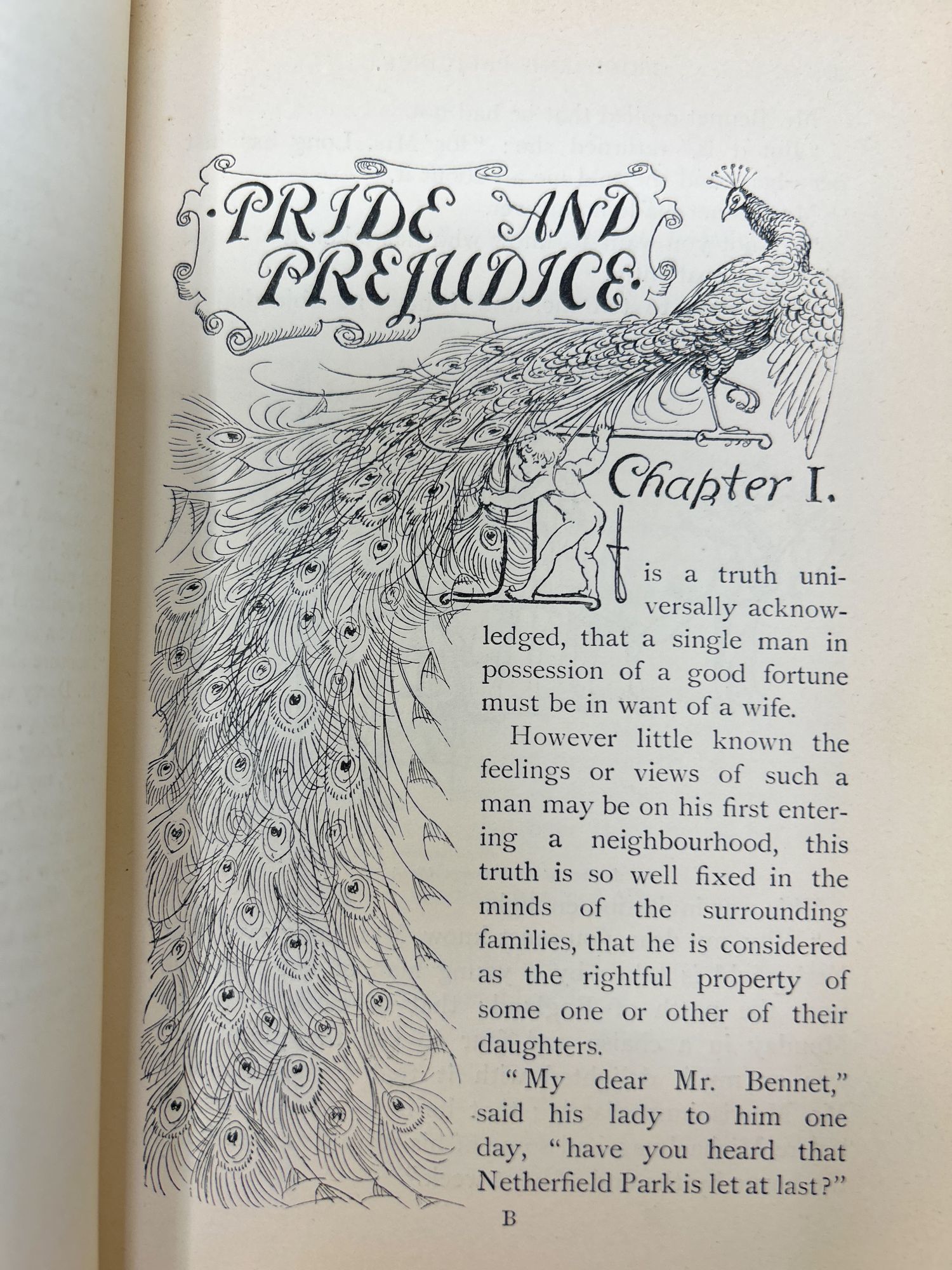
The interior is filled with beautiful full-page illustrations. The first page of the first chapter is particularly lovely with the peacock plumage on full display:
“Peacock”-Themed Editions Through the Years
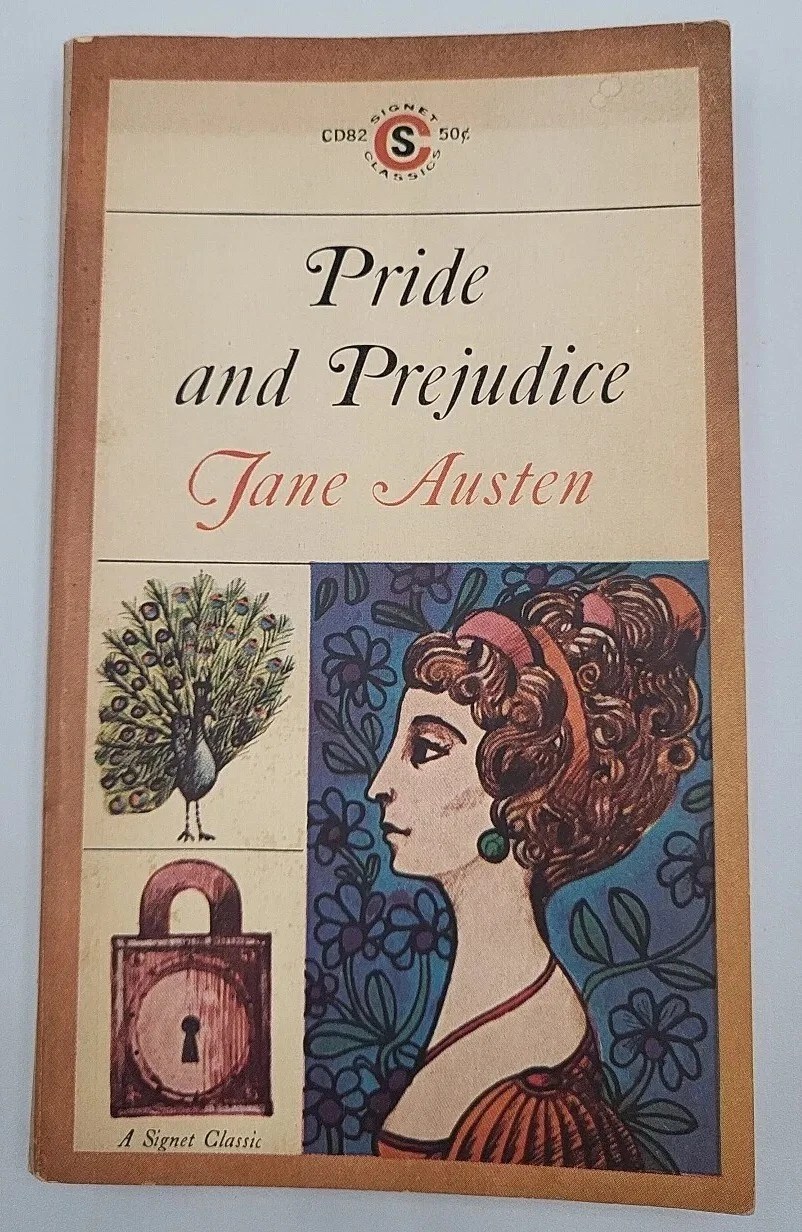
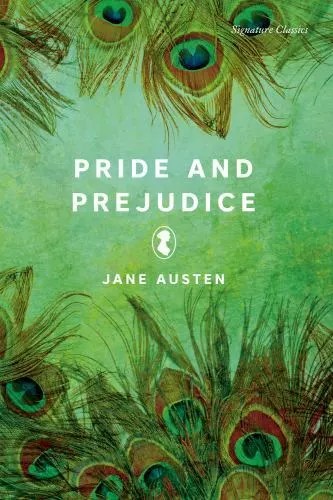
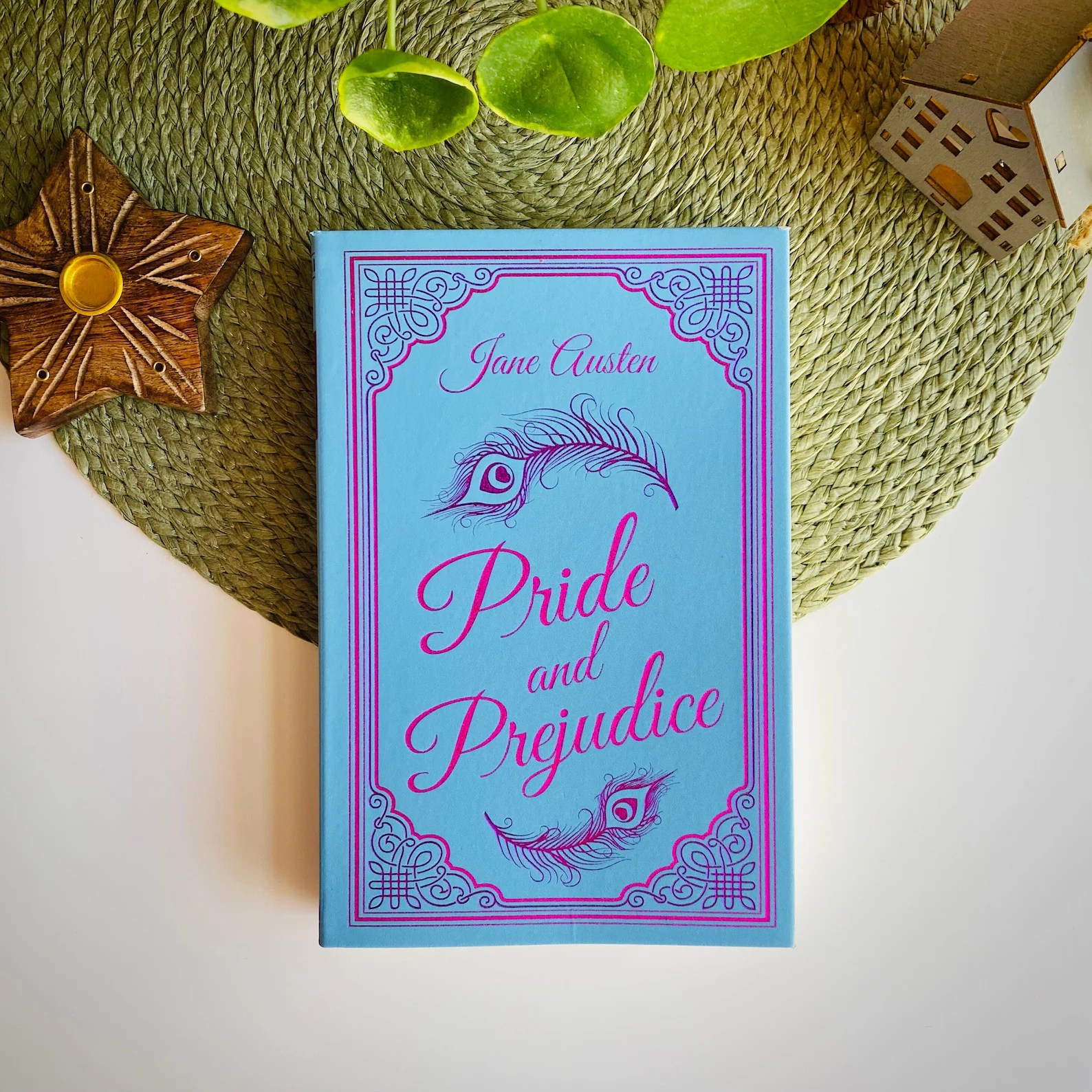
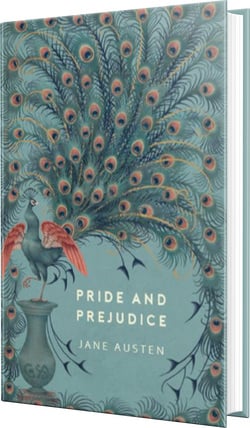
Ever since the original “Peacock” edition was released, many other editions of Pride and Prejudice have featured a peacock or peacock feathers. Each one is a nod to the original and to the overarching theme in the novel. Here are a few select highlights:
Signet Classic, 1961 (I read this one from my dad’s bookshelves growing up)
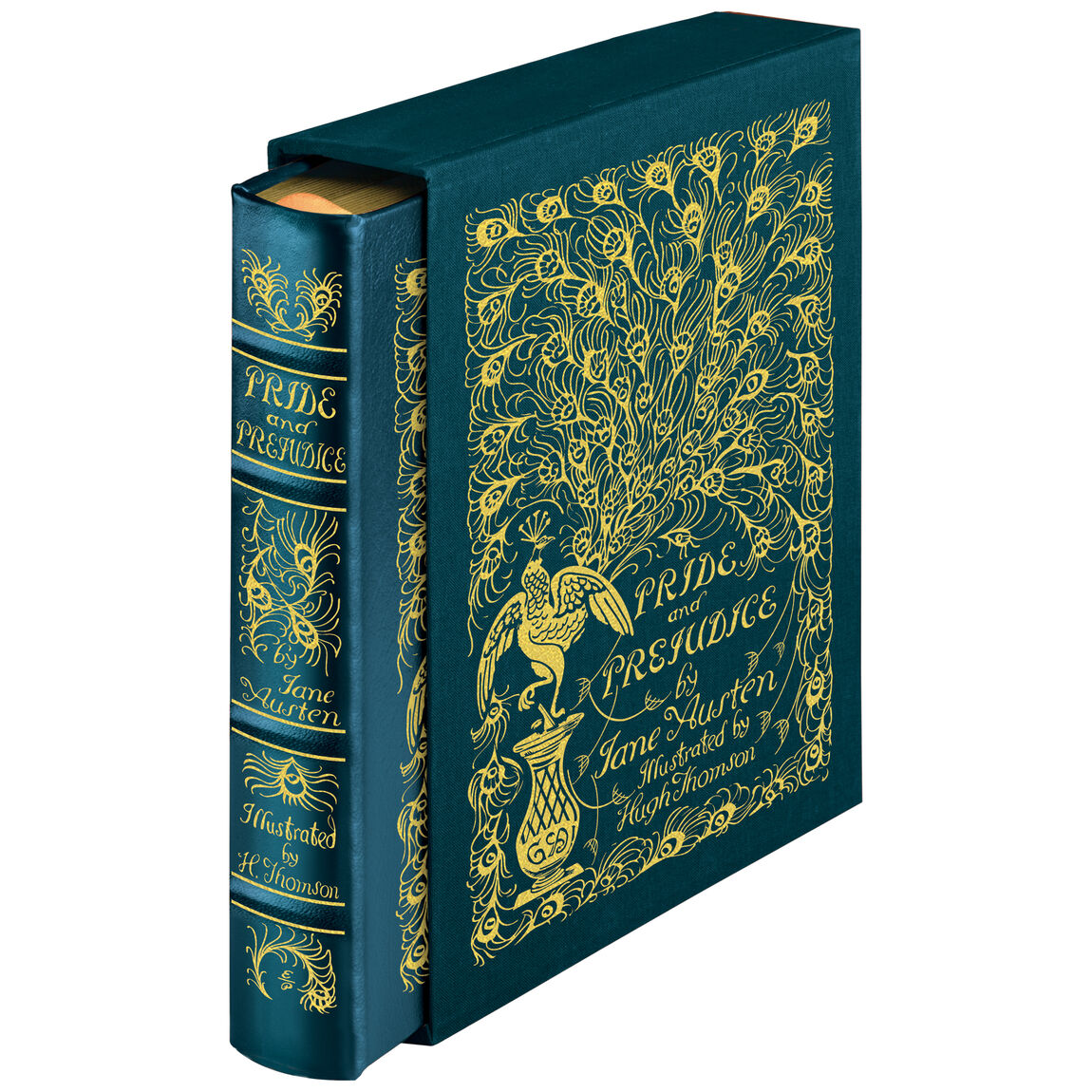
Easton Press collector’s reproduction edition with illustrations by Thomson.
Though the Easton Press leather-bound edition is pricey at $252, it might be worth it to those who want to have a beautiful and exquisitely-reproduced copy of Allen’s original “Peacock” edition with Thomson’s illustrations throughout. It’s truly a work of art in its own right with its “hubbed” spine, sewn pages, acid-free paper, and custom-crafted, clothbound slipcase.
250th Editions Featuring Peacocks
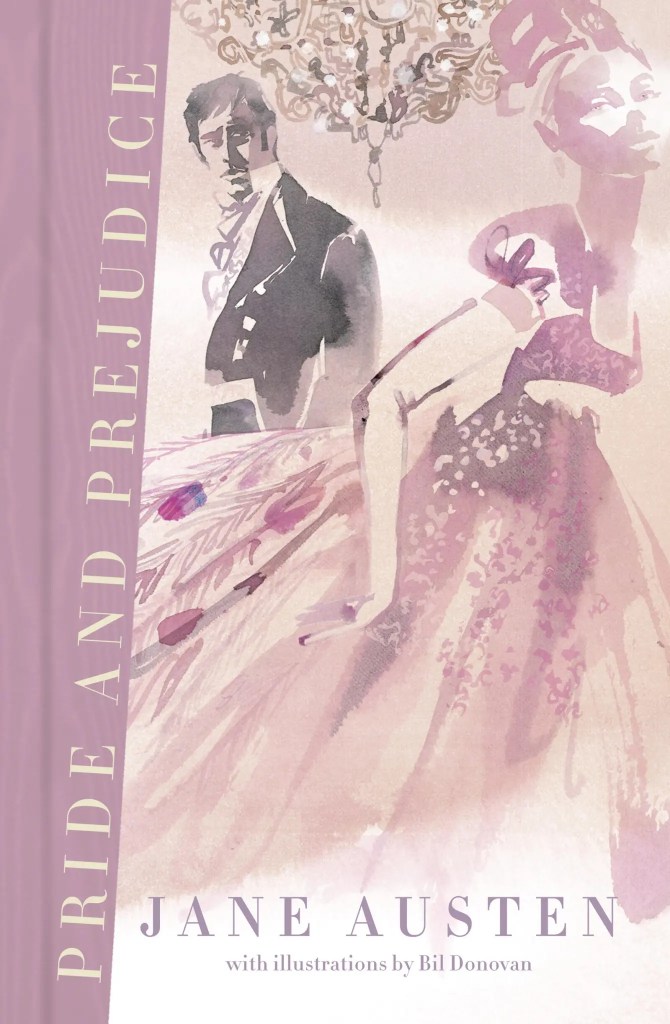
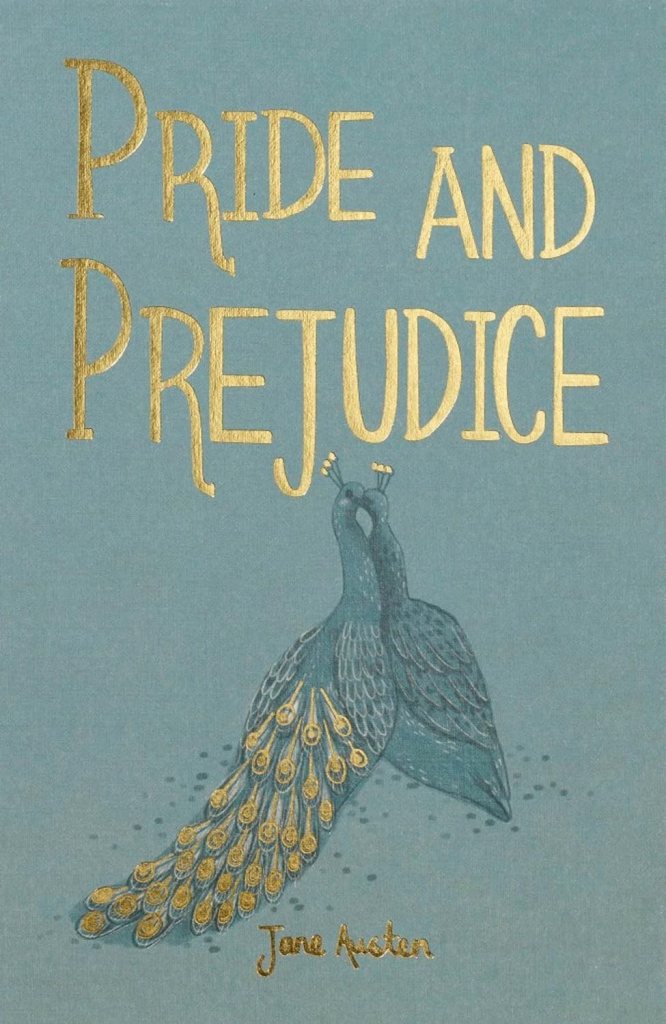
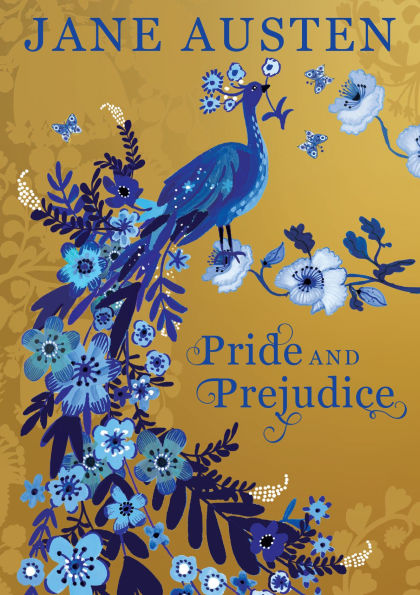
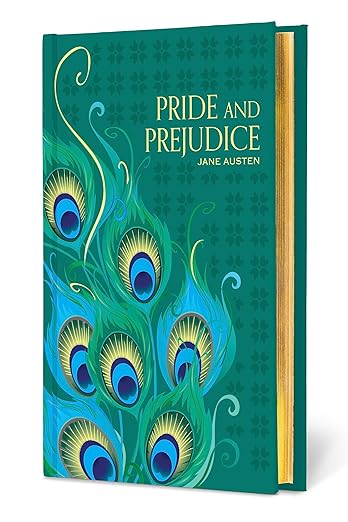
Finally, for the 250th anniversary of Jane Austen’s birth, Austen fans can enjoy several new “Peacock”-inspired editions. These editions pay homage to the original Allen edition with an updated flair. Thus far, I’ve seen these new and upcoming editions advertised:
Whichever edition you enjoy reading, it’s clear that the peacock remains an enduring symbol of pride in the novel. As Elizabeth Bennet says about Mr. Darcy after he snubs her: “I could easily forgive his pride if he had not mortified mine.”
A copy of the original “Peacock” edition is worth a lot of money these days, but its impact is truly priceless. Allen and Thomson helped revive and sustain popular interest in Jane Austen’s work far beyond what they ever imagined.
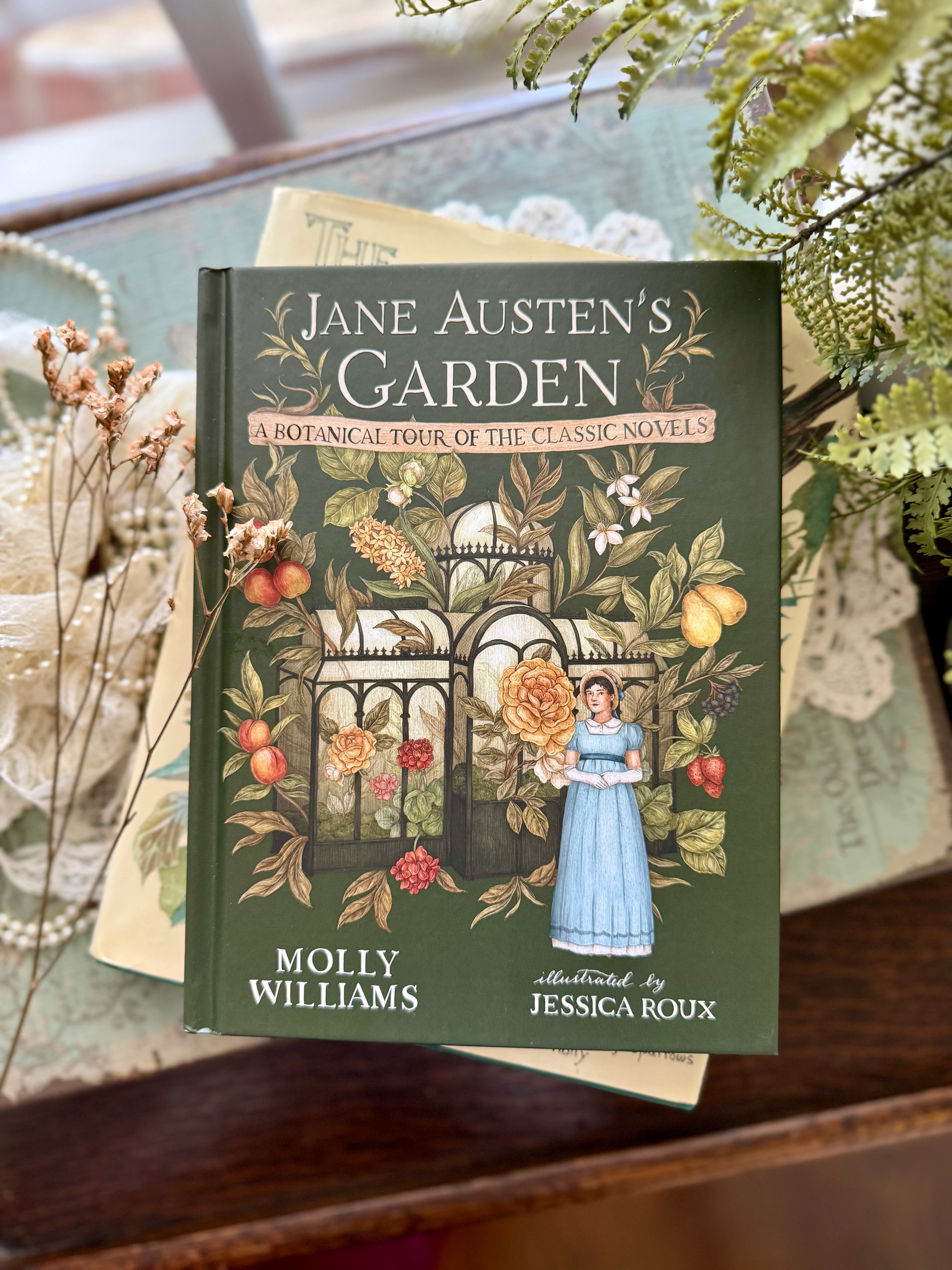
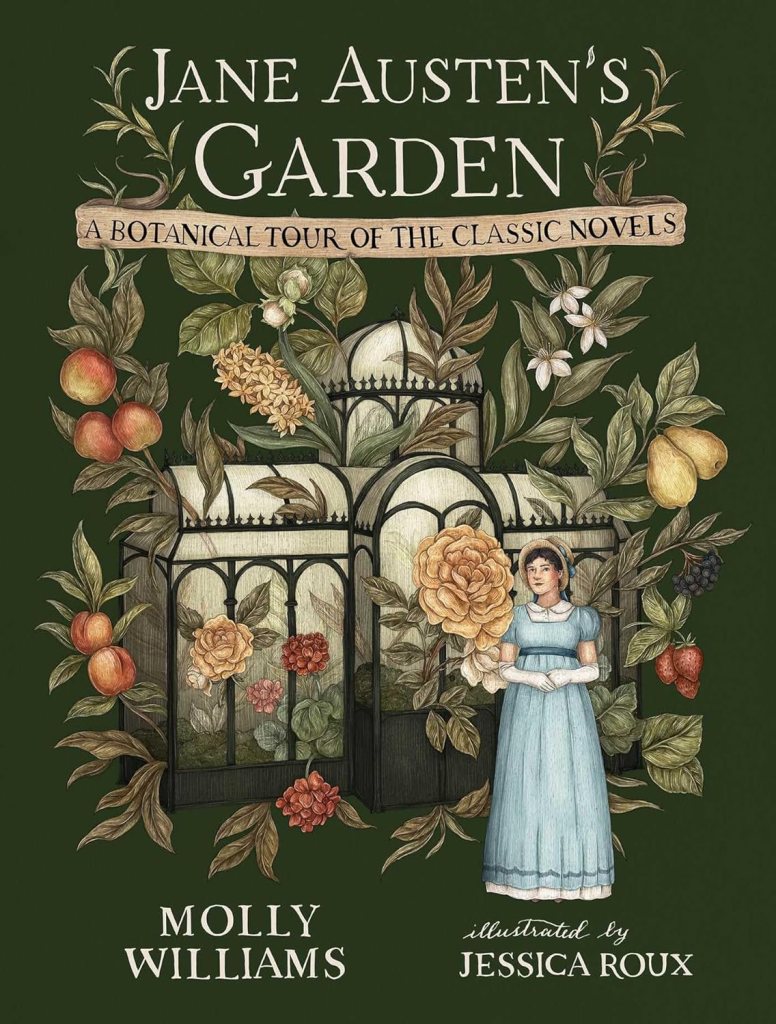
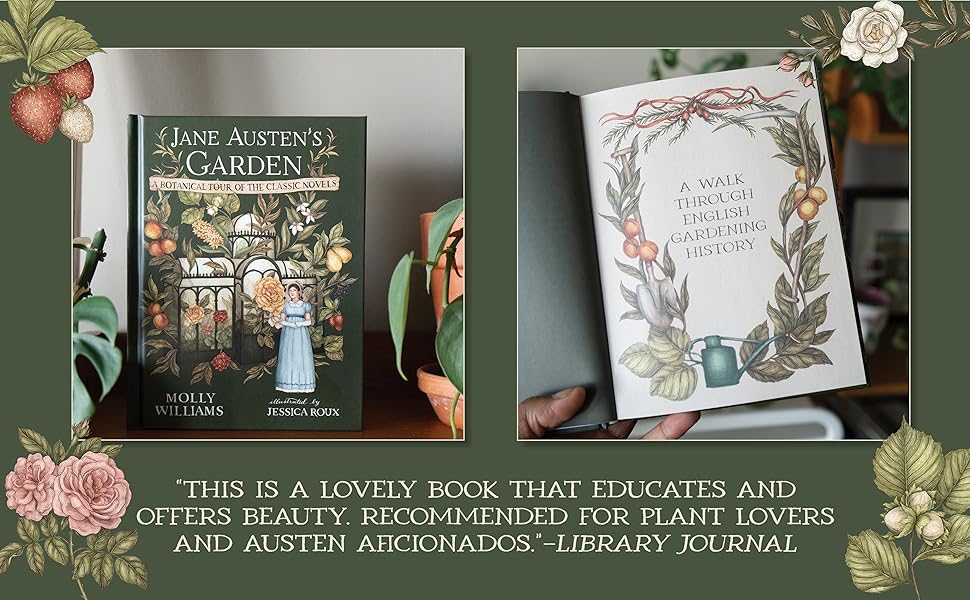
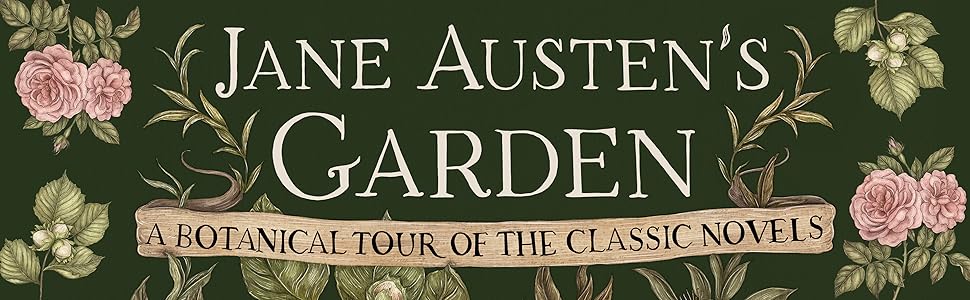
Fellow Janeites, I have a new book review for you in honor of Jane’s 250th year: Jane Austen’s Garden: A Botanical Tour of the Classic Novels written by Molly Williams and illustrated by Jessica Roux. This new book pairs two of my favorite things: Jane Austen and gardening! I looked forward to its release for months and it now sits prominently on my shelves!
I knew this book would be beautiful, and I confess that I preordered it based on how pretty it looked. I have another gorgeous book by Jessica Roux called Floriography: An Illustrated Guide to the Victorian Language of Flowers. I’ve always been drawn to the language of flowers and their meanings.
When I ordered it, I assumed Jane Austen’s Garden would mostly include drawings and tidbits of information. However, when it arrived, I discovered that it is filled with detailed information about the flowers, plants, trees, fruits, and vegetables mentioned in Austen’s novels and in her own garden and kitchen garden! There are even instructions about how to grow your own fruits and vegetables at home.
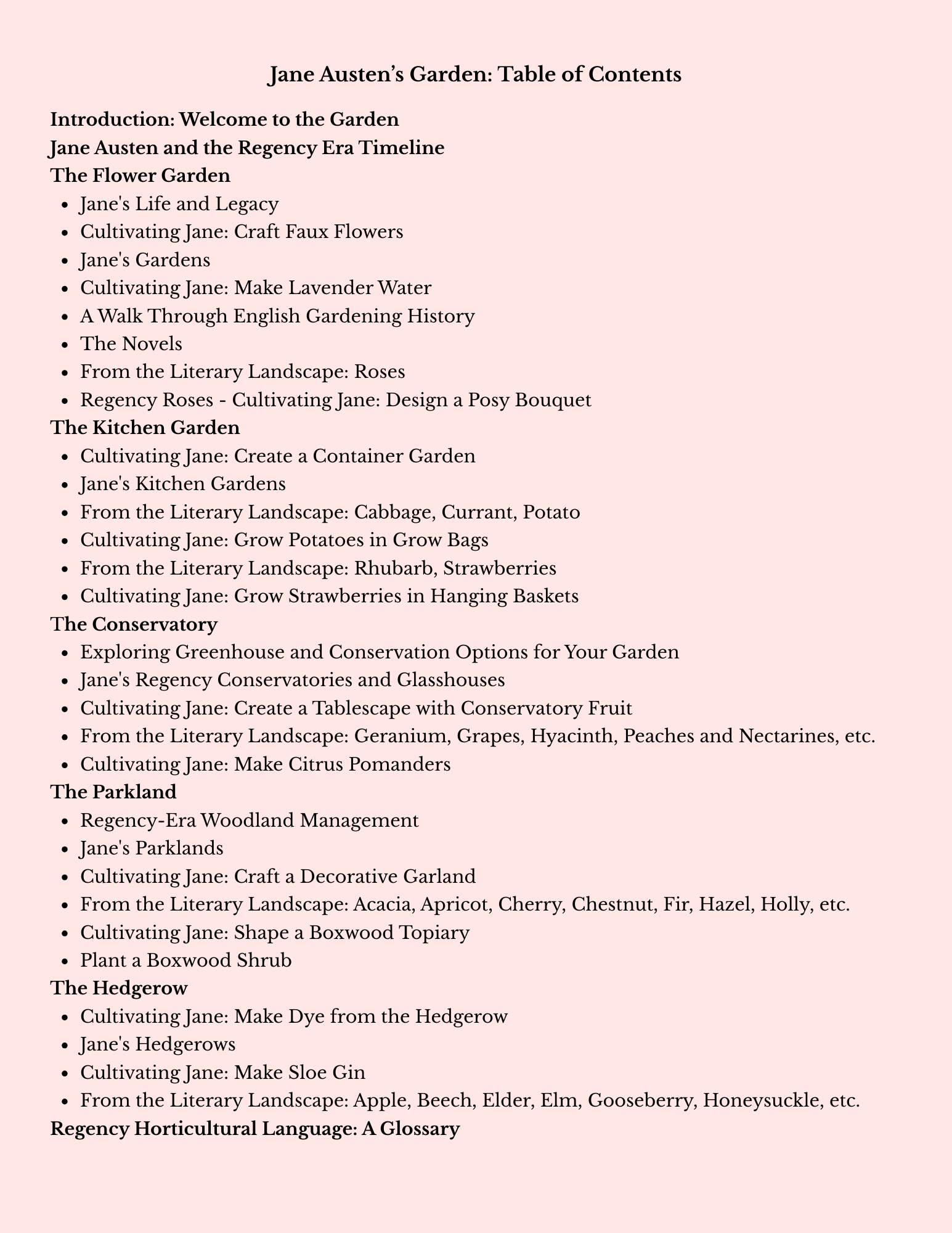
And don’t let the Table of Contents fool you. This book has a LOT to offer. The editor(s) merely listed the craft projects in the book in the Table of Contents, which does a great disservice to Williams’ painstaking research and intriguing information. Williams provides ample material for Jane Austen fans and has done a wonderful job of researching every detail of this book.
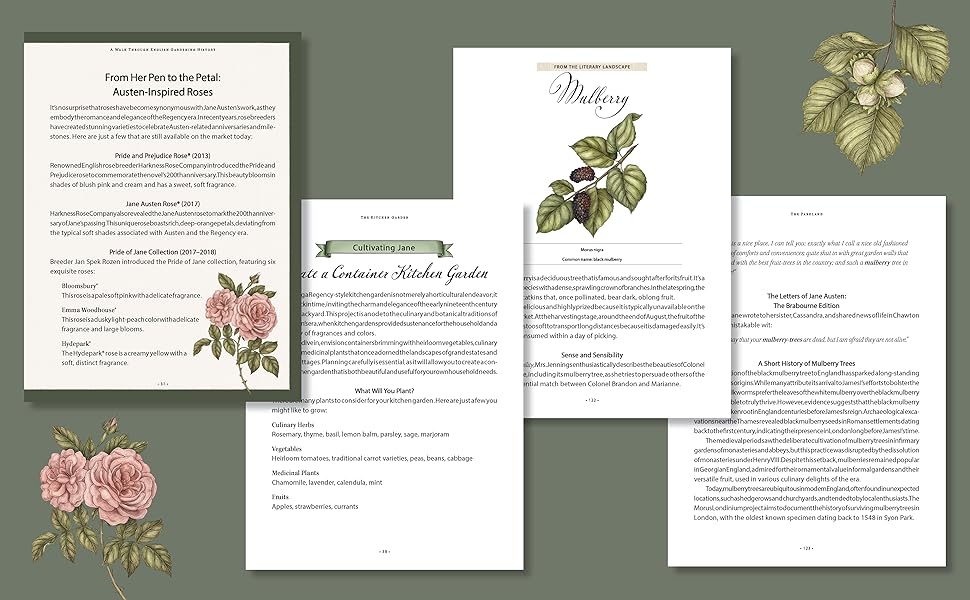
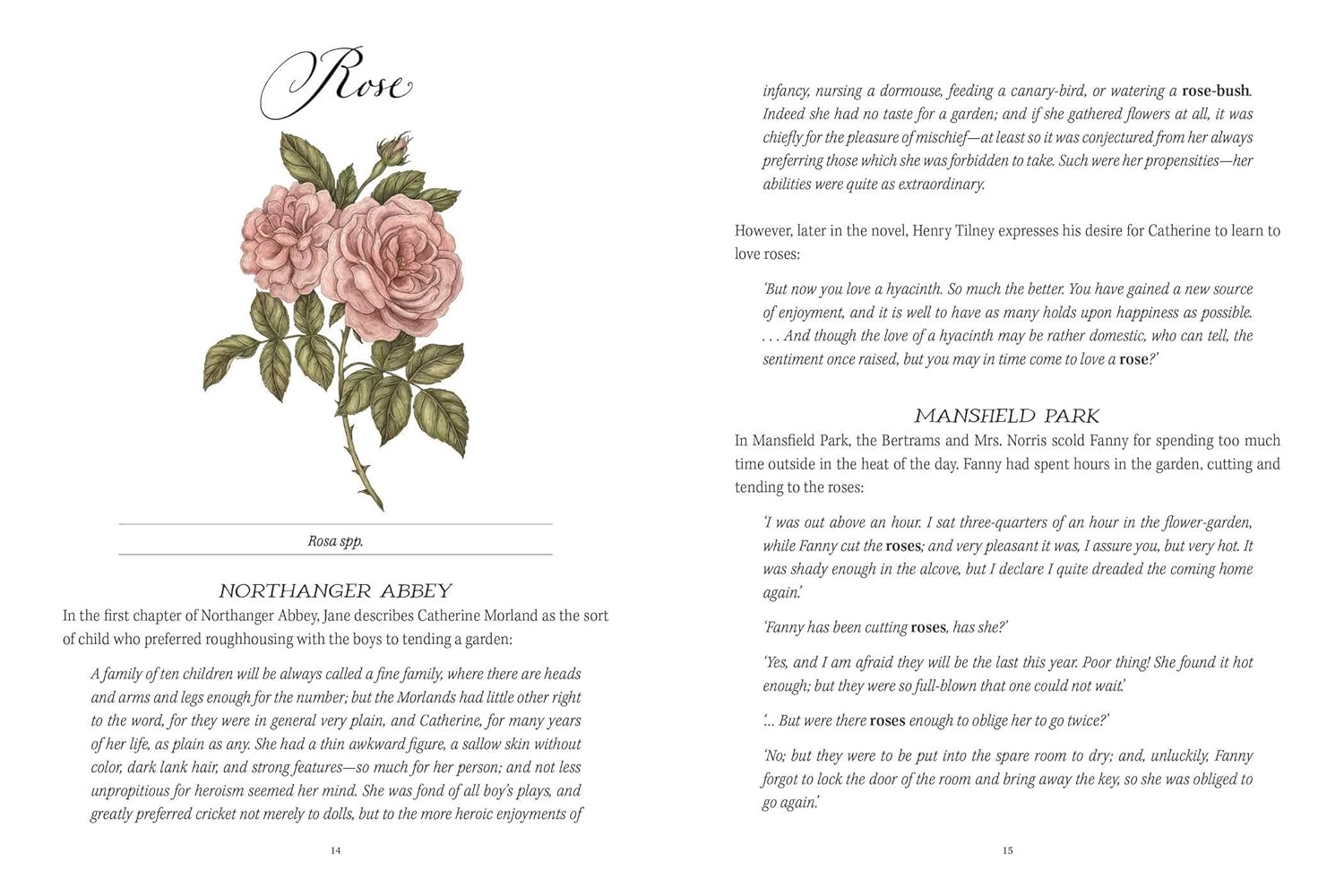
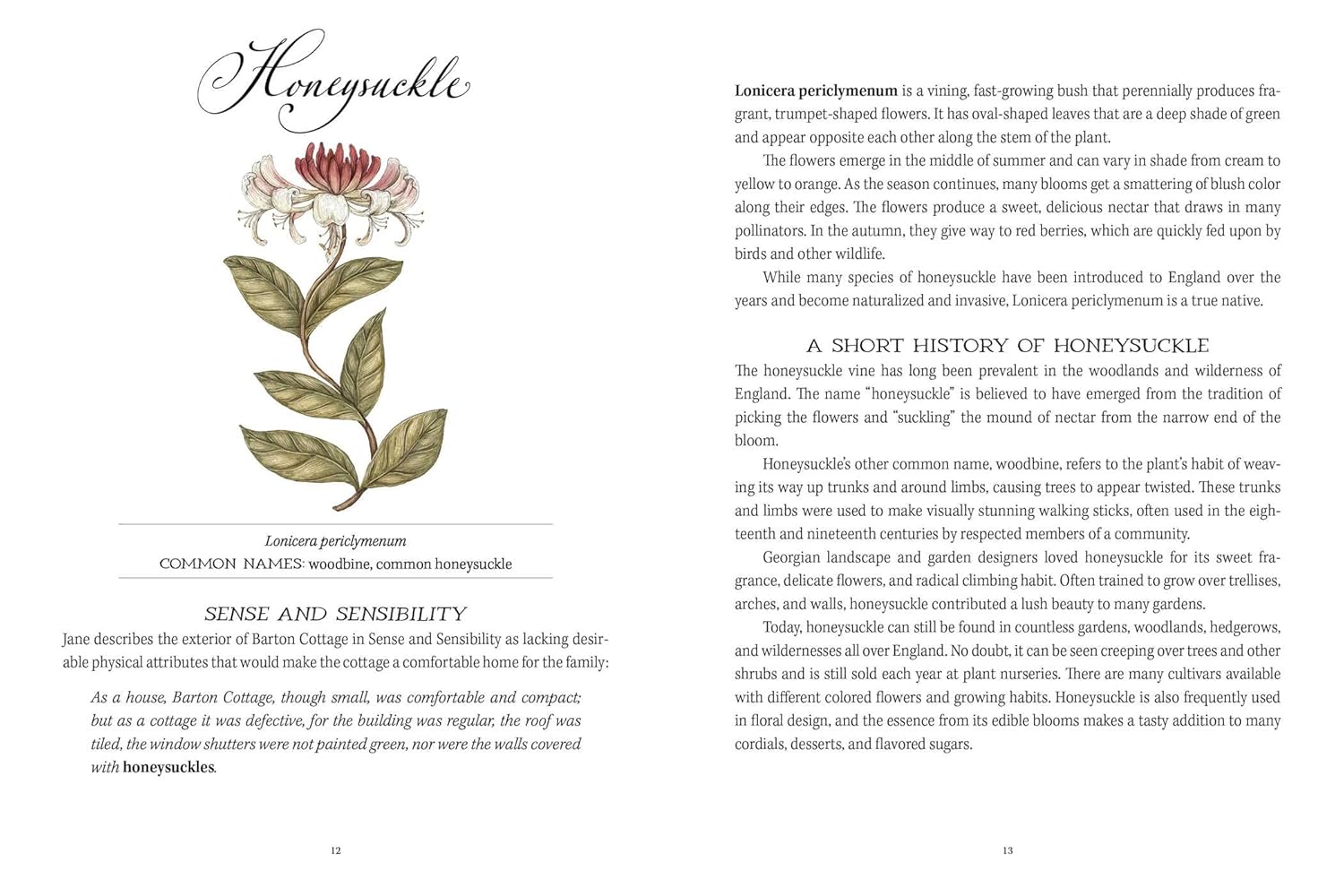
In each chapter, there is a section entitled “From the Literary Landscape.” This is the best part!! This is where Jane Austen fans can really dig into Williams’ research. She outlines the instances when various trees, fruits, or flowers are mentioned in the novels (or how the Austens used them in their everyday lives). Then, Williams goes into detail about what they signified and/or their history. As many of you know from my articles over the years, I love to look for specific items in the novels and research them.
Finally, the illustrations in this book are to die for. Truly, Roux is a most extraordinary artist. You can see more of her art HERE. I truly could look at it all day long!!!! I have a dream of writing a book with botanical illustrations one day, and I can’t imagine having someone like Roux do the artwork. She brings Williams’ research to life and captures the Regency imagination beautifully.
Book Description
An elegantly illustrated celebration of Jane Austen’s life and literature as told through the flowers, plants, and landscapes that inspired her.
Through explorations of the botanical inspirations and symbolism in Austen’s work and personal life, as well as historical information about the gardens and landscapes of the Regency Era, Jane Austen’s Garden will transport readers back in time to the lush English landscape of the early 1800s. Woven throughout are DIY projects to help you create a home garden worthy of a surprise visit from Lady Catherine de Bourgh or maybe just give your dining table a bit of historical flair. Accessible, entertaining, and enhanced by the enchanted illustrations of celebrated artist Jessica Roux, Jane Austen’s Garden is a fun twist on a familiar subject that will delight plant lovers and Janeites alike.
Book Contents
The Table of Contents is misleading as it only outlines the various DIY projects you can try at home. The book itself has a LOT more meat to it, so don’t let the overview dissuade you from purchasing it. In an effort to provide a fuller picture of all that Williams included, I created a full outline of the book:
Below are two examples of how Williams includes information about different flowers and plants in the novels, along with more illustrations from Roux:
About the Author and Illustrator
Molly Williams is the author of Killer Plants: Growing and Caring for Flytraps, Pitcher Plants and Other Deadly Flora, and Taming the Potted Beast: The Strange and Sensational History of the Not-So-Humble Houseplant, and she writes regularly for Apartment Therapy‘s gardening and horticulture section. She grew up on a flower farm and is now a professor of writing in New England. You can visit her online HERE.
Jessica Roux is a Nashville-based freelance illustrator and plant and animal enthusiast. She loves exploring in her own backyard and being surrounded by an abundance of nature. Using subdued colors and rhythmic shapes, she renders flora and fauna with intricate detail reminiscent of old-world beauty. She is the author and illustrator behind Floriography: An Illustrated Guide to the Victorian Language of Flowers, Ornithography: An Illustrated Guide to Bird Lore & Symbolism, and the Woodland Wardens Oracle Deck & Guidebook. You can visit her online HERE.
250 Years of Bookish Bounty
Books like these truly make the 250th celebration of Jane Austen’s life, writing, and legacy a true gift and a joy. I’m so thankful to the authors, illustrators, editors, and publishers who make books like this possible. The bounty of books releasing this year is a wonder to behold. I hope you’ll check this one out and add it to your bookshelves!
The new BBC miniseries “Miss Austen”, based on Gill Hornby’s novel of the same name, is currently the focus of much attention worldwide. The series aired in the UK in February and comes to PBS this May. Some of you have maybe already seen the show, depending on where you live, but for those who are waiting for it to air, I am here to say this:
Read the book while you wait!
You won’t regret it. In anticipation of the show, I decided to read Miss Austen by Gill Hornby, fully expecting to dislike it (I’m very picky). But I’m here to report that I loved it! I actually finished it in two days because I could not put it down (which is not easy as a writer with a busy household of teens). The story flows at a slower pace, but Hornby’s style–and the whole world she created–pulled me in and kept me engaged from start to finish.
In the book, an older Cassandra searches for a packet of Jane’s letters that she does not want anyone to ever see or read. As she finds and reads the various letters, we travel back through her memories to visit her younger self. I found myself completely immersed in the real (and imagined) details about Cassandra’s relationship with Tom Fowle (a former pupil of Reverend Austen), the Fowle family, and the Lloyd family.
Overall, the book does tell a sad story because it deals with a fictional retelling of Cassandra’s real-life story, her heartbreaks, her deep affection for her beloved family (many of whom she outlived), the Austens’ move to Bath, Reverend Austen’s death, the Austen women and their search for stability after his death, and Cassandra’s devotion and loyalty to Jane. However, there are many endearing and uplifting themes as well. The writing itself is exquisite.
While Hornby of course employs creative license as a novelist, I was also impressed by the copious amounts of research she must have done to write this book. Though fictional, it acts as a poignant biography of Jane’s sister and best friend. I felt as though I understood Cassandra, and had a deeper understanding of her protectiveness over Jane, by the end of the book. Hornby’s perspective on Jane is intriguing, and her (entirely fictional) character Henry Hobday adds depth to Cassandra’s story.
For those of you that read Miss Austen when it released in 2020, you might enjoy a reread. For those who have never read it, it’s a wonderful way to prepare yourself for the show. And even if you’ve already watched the show, you might like to read it and compare the two.
Book Description
England, 1840. Two decades after the death of her beloved sister, Jane, Cassandra Austen returns to the village of Kintbury and the home of her family friends, the Fowles. In a dusty corner of the vicarage, there is a cache of Jane’s letters that Cassandra is desperate to find. Dodging her hostess and a meddlesome housemaid, Cassandra eventually hunts down the letters and confronts the secrets they hold, secrets not only about Jane but about Cassandra herself. Will Cassandra bare the most private details of her life to the world, or commit her sister’s legacy to the flames?
Moving back and forth between the vicarage and Cassandra’s vibrant memories of her years with Jane, interwoven with Jane’s brilliantly reimagined lost letters, Miss Austen is the untold story of the most important person in Jane’s life. With extraordinary empathy, emotional complexity, and wit, Gill Hornby finally gives Cassandra her due, bringing to life a woman as captivating as any Austen heroine.
(The collection of cover art included in this article is from various editions sold worldwide.)
About the Author
Gill Hornby is the author of Miss Austen, The Hive, and All Together Now, as well as The Story of Jane Austen, a biography of Austen for young readers. Her most recent novel is Godermsham Park, also available from Pegasus Books. She lives in Kintbury, England, with her husband and their four children.
About the Show
Miss Austen takes an historic literary mystery – the notorious burning of Jane Austen’s letters by her sister Cassandra – and reimagines it as a fascinating, witty, and heart-breaking story of sisterly love, while creating in Cassandra a character as captivating as any Austen heroine.
Based on Gill Hornby’s best-selling novel, this period drama brings a fresh and intimate perspective to the Austen sisters’ lives — their joys, heartaches, and the passions that shaped Jane’s iconic novels.
Keeley Hawes (The Durrells in Corfu, Bodyguard, Line of Duty) as the loyal and loving Cassandra leads an ensemble cast that includes Rose Leslie (Game of Thrones, Downton Abbey) as family friend Isabella Fowle, Patsy Ferran (Living) as young Jane Austen, and Synnøve Karlsen (Bodies) as young Cassy.
PBS Episode Schedule
Premieres: Sunday, May 4, 2025, at 9/8c Episode 2: Sunday, May 11, 9/8c Episode 3: Sunday, May 18, 9/8c Episode 4: Sunday, May 18, 10/9c
Miss Austen, Dutiful Daughter and Sister
I cannot wait to watch the show soon, and I hope to come back to discuss it later this year, but in the meantime, I enjoyed the book immensely. I usually only review nonfiction books here, but I felt that a novel of such high caliber warranted a thorough review, especially in light of the upcoming show. Here’s to celebrating Jane Austen’s 250th year and to enjoying her world more fully!
Fashionable Goodness: Christianity in Jane Austen's England is now available! By JAW contributor Brenda S. Cox. See Review. Available from Amazon and Jane Austen Books.
Available through December 31st, 2025. Click on image for details, and share this poster with other teachers and students!
The Obituary of Charlotte Collins by Andrew Capes
Click on image to read the story.
Comments
“My idea of good company…is the company of clever, well-informed people, who have a great deal of conversation.” – Jane Austen, Persuasion
Gentle readers: Please feel free to post your comments and continue the conversation! Due to SPAM, we will no longer accept comments on posts after 30 days of publication. In some instances, links will be removed from comments as well.
Administrators and Contributors
Vic Sanborn, founder of this blog, is supported by a team of talented and knowledgeable writers about Jane Austen and the Regency era. They are:
Tony Grant, who now contributes his photos from London and England
Click on their names to enter their own blogs.
In addition, we thank the many experts and authors who frequently contribute their posts and opinions, and who continue to do so freely or at our request.
Click here to enter the page. Topics include Regency fashion, historic foods, Jane Austen societies, British sites, related topics. Click on image.
May we suggest?
Hello, my name is Vic and I live in Maryland, USA. I have adored Jane Austen almost all of my life. I am a proud lifetime member of the Jane Austen Society of North America. This blog is a personal blog written and edited by me and my team. We do not accept any form of cash advertising, sponsorship, or paid topic insertions. However, we do accept and keep books and CDs to review.
If you would like to share a new site, or point out an error, please email us. (Yes, we are fallible. We'll own up to our mistakes and will make the corrections with a polite smile on our faces.) Write us at
Thank you for visiting this blog. Your comments and suggestions are most welcome.
Project Gutenberg: eBook of Stage-coach and Mail in Days of Yore, Volume 2 (of 2), by Charles G. Harper
STAGE-COACH AND MAIL IN DAYS OF YORE: A PICTURESQUE HISTORY
OF THE COACHING AGE, VOL. II, By CHARLES G. HARPER. 1903. Click on this link.








 Jane Austen's World