Feeds:
Posts
Comments

Last month I started a new month-by-month series titled “A Year in Jane Austen’s World,” wherein I began exploring important events and details that happened in Jane Austen’s novels, letters, and lifetime during each month of the year. Starting with January in Jane Austen’s World, my aim is to share my monthly finds every month this year, through December. My goal is simple: Glean as much as I can from Austen’s life, letters, and novels about what life was like for Jane Austen during her time and era.

We now turn our attention to February in Jane Austen’s novels. As I examined passages in her novels and letters that mention February, some of the information I found was an extension of what we learned last month: Mainly, that most of the British aristocracy went to the London (and some to Bath) during the winter months for “the season.” They enjoyed balls, parties, and other social gatherings in the bigger cities during the colder months and then moved back to their country homes by summer when the heat and stench of the cities became unendurable. You can read about it here.
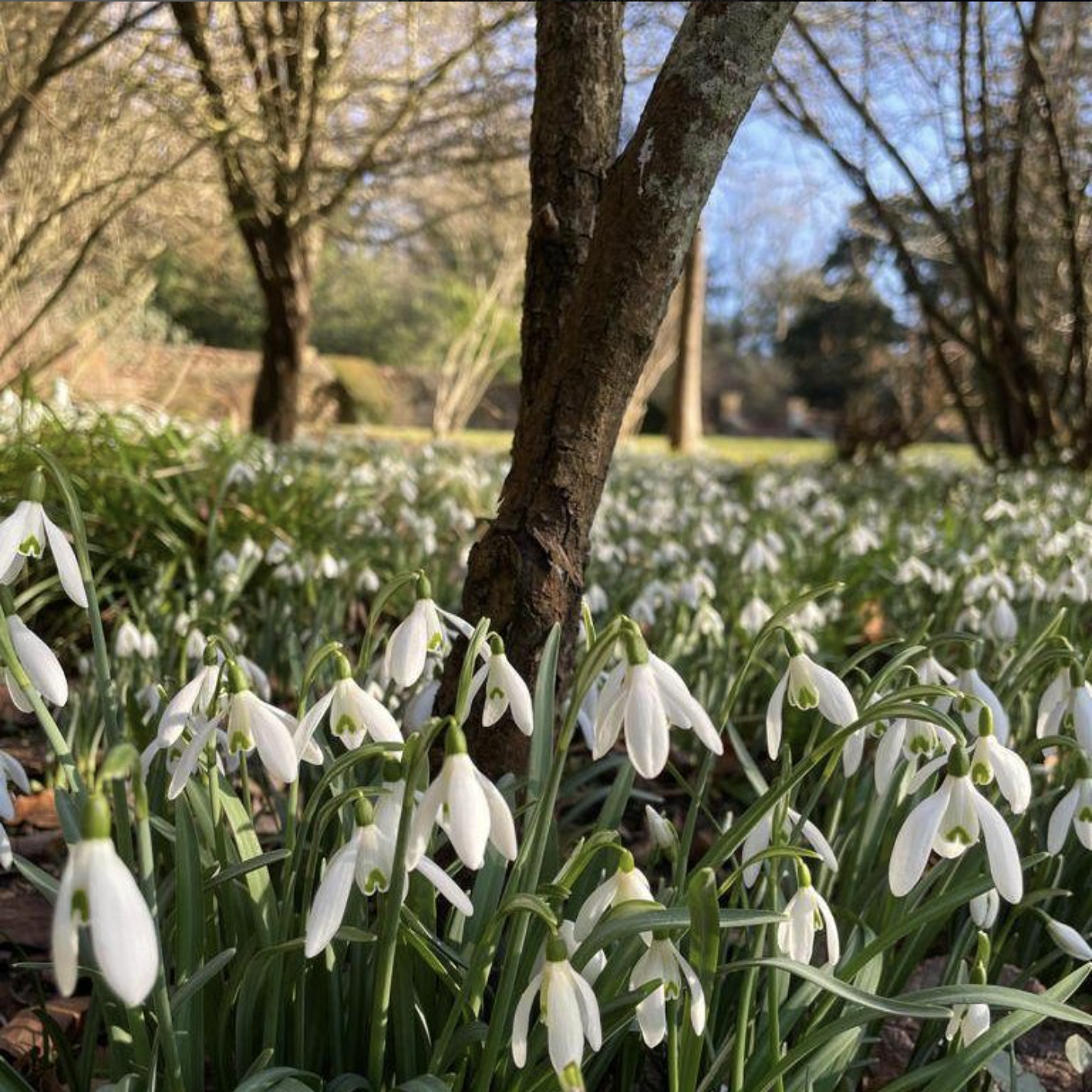
Snowdrops at Chawton House in February, Photo: @ChawtonHouse.

February in Hampshire

The snowdrops are in full bloom at Jane Austen’s House Museum and Chawton House this time of year. Chawton House even hosts “Snowdrop Sunday” tours, when guests can come visit the grounds and enjoy the stunning display of snowdrops and other bulbs that are starting to pop out.

I mention the snowdrops because they are everywhere on the grounds of Chawton House in the winter time, and it’s lovely to think that perhaps Jane Austen saw them for herself. These type of bulbs can spread and spread for years.

Chawton House in February, Photo: @ChawtonHouse.

February in Jane Austen’s Letters

Several of Austen’s surviving letters were written in February. In them, she covers many topics, but the excerpts belows are especially intriguing.

8 February 1807 (Castle Square, Southampton):

These snippets are from Austen’s letters when the Austen women lived in Castle Square, Southampton. This first letter mentions the improvements they were making:

  • Garden: “Our garden is putting in order by a man who bears a remarkably good character, has a very fine complexion, and asks something less than the first. The shrubs which border the gravel walk, he says, are only sweetbriar and roses, and the latter of an indifferent sort; we mean to get a few of a better kind, therefore, and at my own particular desire he procures us some syringas. I could not do without a syringa, for the sake of Cowper’s line. We talk also of a laburnum. The border under the terrace wall is clearing away to receive currants and gooseberry bushes, and a spot is found very proper for raspberries.”
  • Interior: “The alterations and improvements within doors, too, advance very properly, and the offices will be made very convenient indeed. Our dressing table is constructing on the spot, out of a large kitchen table belonging to the house, for doing which we have the permission of Mr. Husket, Lord Lansdown’s painter — domestic painter, I should call him, for he lives in the castle. Domestic chaplains have given way to this more necessary office, and I suppose whenever the walls want no touching up he is employed about my lady’s face.”
  • Beds: “The garret beds are made, and ours will be finished to-day. I had hoped it would be finished on Saturday, but neither Mrs. Hall nor Jenny was able to give help enough for that, and I have as yet done very little, and Mary nothing at all. This week we shall do more, and I should like to have all the five beds completed by the end of it. There will then be the window curtains, sofa-cover, and a carpet to be altered.”
  • You must be very cold to-day at Godmersham. We are cold here. I expect a severe March, a wet April, and a sharp May. And with this prophecy I must conclude.

20 February 1807 (Castle Square):

In this letter, we hear a bit more about the weather there in Southampton and at Godmersham, where Cassandra was staying:

  • “We could not pay our visit on Monday; the weather altered just too soon, and we have since had a touch of almost everything in the weather way; two of the severest frosts since the winter began, preceded by rain, hail, and snow. Now we are smiling again.”
  • “You must have had more snow at Godmersham than we had here; on Wednesday morning there was a thin covering of it over the fields and roofs of the houses, but I do not think there was any left the next day. Everybody used to Southampton says that snow never lies more than twenty-four hours near it, and, from what we have observed ourselves, it is very true.”
  • And one of Austen’s hilarious one-liners:”A widower with three children has no right to look higher than his daughter’s governess.”
Southampton High Street, 18th C.

4 February 1813 (Chawton, regarding PP):

In the following letters, we read a bit about Austen’s first beta readers for Pride and Prejudice and her reactions to their commentary:

  • “My dear Cassandra,—Your letter was truly welcome, and I am much obliged to you for all your praise; it came at a right time, for I had had some fits of disgust. Our second evening’s reading to Miss B. had not pleased me so well, but I believe something must be attributed to my mother’s too rapid way of getting on: though she perfectly understands the characters herself, she cannot speak as they ought. Upon the whole, however, I am quite vain enough and well satisfied enough. The work is rather too light and bright and sparkling: it wants shade; it wants to be stretched out here and there with a long chapter of sense, if it could be had; if not, of solemn specious nonsense, about something unconnected with the story,—an essay on writing, a critique on Walter Scott, or the history of Buonaparte, or something that would form a contrast, and bring the reader with increased delight to the playfulness and epigrammatism of the general style…. The greatest blunder in the printing that I have met with is in page 220, v. 3, where two speeches are made into one. There might as well be no suppers at Longbourn; but I suppose it was the remains of Mrs. Bennet’s old Meryton habits.”

Dated soon after:

  • “I am exceedingly pleased that you can say what you do, after having gone through the whole work, and Fanny’s praise is very gratifying. My hopes were tolerably strong of her, but nothing like a certainty. Her liking Darcy and Elizabeth is enough. She might hate all the others, if she would. I have her opinion under her own hand this morning, but your transcript of it, which I read first, was not, and is not, the less acceptable. To me it is of course all praise, but the more exact truth which she sends you is good enough.”

Garden Plans at Castle Square

As most gardeners (myself included) can attest, planning one’s spring garden is a happy prospect in the middle of February. Jane Austen was no different! With that in mind, let’s take a closer look at her descriptions of the plans for their garden from her 8 February 1807 letter to Cassandra:

Our garden is putting in order by a man who bears a remarkably good character, has a very fine complexion, and asks something less than the first. The shrubs which border the gravel walk, he says, are only sweetbriar and roses, and the latter of an indifferent sort; we mean to get a few of a better kind, therefore, and at my own particular desire he procures us some syringas. I could not do without a syringa, for the sake of Cowper’s line. We talk also of a laburnum. The border under the terrace wall is clearing away to receive currants and gooseberry bushes, and a spot is found very proper for raspberries.

Letter to Cassandra, 8 February 1807.

Austen’s Southampton Garden

With these lovely descriptions, we can paint a picture in our minds of what Austen was imagining as she planned the garden:

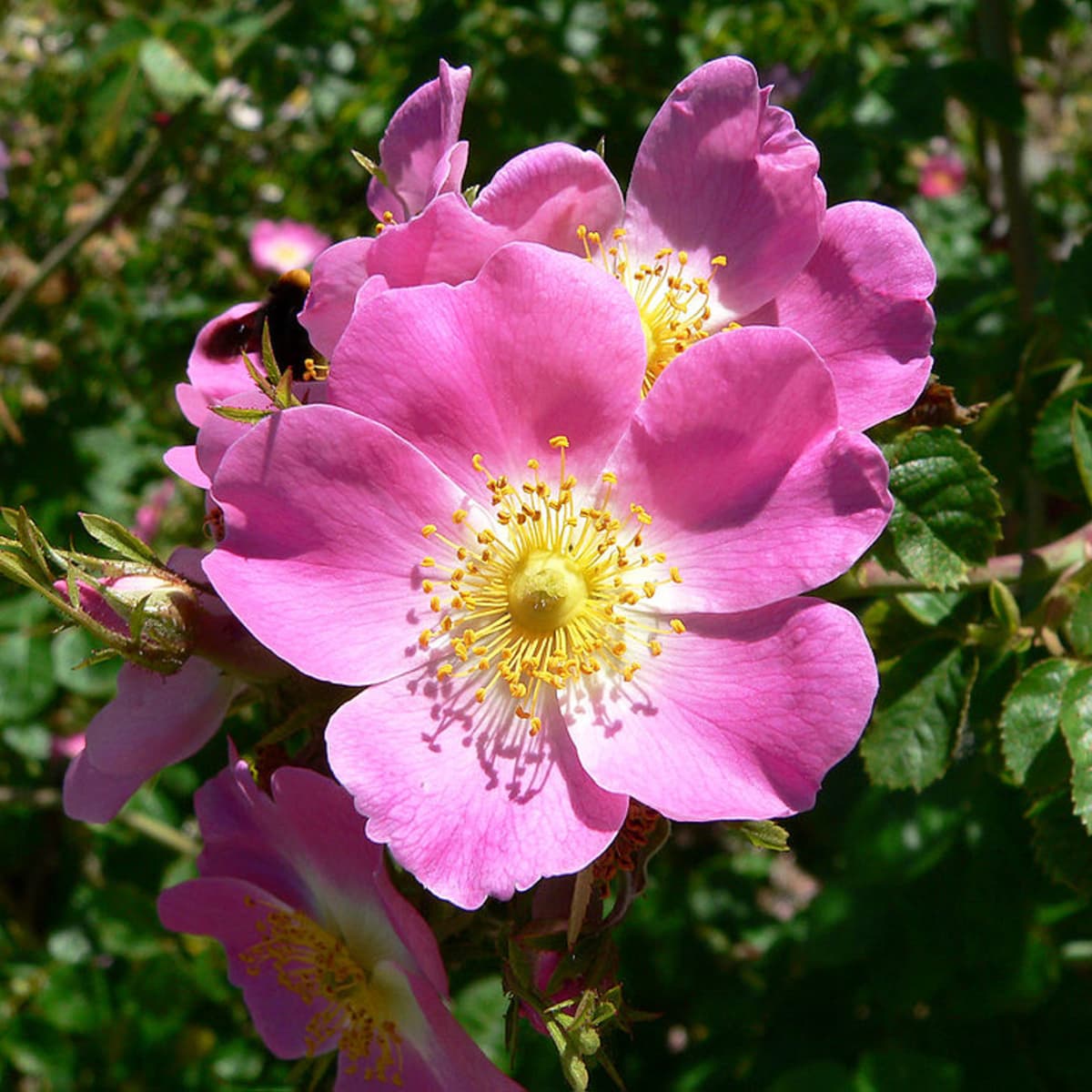
Sweet Briar

Austen wrote: “The shrubs which border the gravel walk, he says, are only sweetbriar and roses, and the latter of an indifferent sort; we mean to get a few of a better…”

On the blog From the Notebook of a Rosarian, you can read all about Sweet-Briar (or Eglantine Rose). I imagine Austen would have looked forward to seeing these blooms very much! Here is an example:
Regency Roses

Austen wrote: “roses . . . of an indifferent sort; we mean to get a few of a better…”

Perhaps the existing roses either weren’t uniform or weren’t as pretty as the Austen women wanted. Thus, they planned to add a few of “a better” sort. One can imagine a line of beautiful roses along their walkway come summer.

You can read a wonderful article about Regency Roses from Leeds University Library here: Regency Roses. Here is an example:

Pierre-Joseph Redouté, ‘Les Roses’, 1817-1824. Image credit: Leeds University Library.

Syringa (Lilac)

Austen wrote: “I could not do without a syringa, for the sake of Cowper’s line. We talk also of a laburnum.” This is in reference to a line in William Cowper’s poem, “The Winter Walk at Noon” (Book VI, The Task, 1899).

In her article “‘With what intense desire she wants her home’: Cowper’s Influence on Jane Austen,” Jane Darcy provides the following commentary:

The house in Castle Square in Southampton feels more like a home [for Austen]; there is a garden which she energetically starts to plan. She insists on lilacs: ‘I could not do without a Syringa, for the sake of Cowper’s Line’, adding ‘We talk also of a Laburnum’, referring to the lines in ‘The Winter Walk at Noon’,
Book VI of The Task:
… Laburnum rich
In streaming gold; syringa iv’ry pure (149-150)

Jane Darcy, CowperandNewtonMuseum.org
Edward Phillis, “A Georgian Springtime” (Strictly Jane Austen).

Laburnum

Austen wrote: “We talk also of a laburnum.”

Laburnum, a flowering tree, also called golden chain or golden rain, is pictured below. One can imagine how lovely it would look in Austen’s garden in spring.

Laburnum, flowering tree. Wikimedia.

Austen wrote: “The border under the terrace wall is clearing away to receive currants and gooseberry bushes, and a spot is found very proper for raspberries.”

Here, we find an example of something pretty and edible for the garden come summer. Currants, gooseberries, and raspberries were all useful in a variety recipes. You can read more about the history of British food and Gooseberries here.

Gooseberries, Britishfoodhistory.com.

To read more about the trees and shrubs Austen would have recognized, the JASNA Eastern Washington/Northern Idado region provides this fascinating information regarding the “Trees and Shrubs Mentioned in Jane Austen’s Novels, Letters, and Minor Works with Historical Background: “Austen’s Trees and Shrubs A-K” and “Austen’s Trees and Shrubs L-Z.”

February in Jane Austen’s Novels

The following are a collection of interesting little tidbits and important moments from Austen’s novels:

Sense and Sensibility

  • “[Mrs. Palmer] expects to be confined in February,” continued Mrs. Jennings.
  • “[Edward] will be there in February, otherwise London would have no charms for me; I have not spirits for it.” (Lucy Steele)
  • Colonel Brandon: “But last February, almost a twelvemonth back, [my little Eliza] suddenly disappeared.” […] “Good heavens!” cried Elinor, “could it be—could Willoughby!”—
  • “[Mrs. Dashwood] had yet another reason for wishing her children to remain [in London]; a letter from her son-in-law had told her that he and his wife were to be in town before the middle of February, and she judged it right that they should sometimes see their brother.”
  • “Early in February, within a fortnight from the receipt of Willoughby’s letter, Elinor had the painful office of informing her sister that he was married.”

Pride and Prejudice

  • “With no greater events than these in the Longbourn family, and otherwise diversified by little beyond the walks to Meryton, sometimes dirty and sometimes cold, did January and February pass away.”

Mansfield Park

  • “With such thoughts as these, among ten hundred others, Fanny proceeded in her journey safely and cheerfully, and as expeditiously as could rationally be hoped in the dirty month of February. They entered Oxford, but she could take only a hasty glimpse of Edmund’s college as they passed along, and made no stop anywhere till they reached Newbury, where a comfortable meal, uniting dinner and supper, wound up the enjoyments and fatigues of the day.”
“Entrance to Oxford from the London Road.” Ackermann’s Oxford University. Engraved by Frederick Christian Lewis after Frederick Nash (1814).

Emma

  • “In the summer it might have passed; but what can any body’s native air do for them in the months of January, February, and March? Good fires and carriages would be much more to the purpose in most cases of delicate health, and I dare say in her’s. I do not require you to adopt all my suspicions, though you make so noble a profession of doing it, but I honestly tell you what they are.”
  • “Frank was here in February for a fortnight.”
  • “When [Frank] was here before, we made the best of it; but there was a good deal of wet, damp, cheerless weather; there always is in February, you know, and we could not do half that we intended. Now will be the time.
  • “Mr. Woodhouse was resigned. The time of year lightened the evil to him. May was better for every thing than February.”

Persuasion

  • “It was the beginning of February; and Anne, having been a month in Bath, was growing very eager for news from Uppercross and Lyme.”
  • Mary Musgrove sends a long, newsy letter to Anne from Uppercross.

Northanger Abbey

  • “Catherine . . . gave herself up to all the enjoyment of air and exercise of the most invigorating kind, in a fine mild day of February, with the consciousness of safety.”
Bath, England, Regency Era.

February Dates of Importance

This brings us now to several dates that would have been quite important to Austen personally:

Celebrations/Birthdays:

13 February 1765: James Austen (Jane’s brother) born at Deane.

Historic Dates:

1 February 1793: France declares war on England.

4 February 1794: France abolishes slavery in French colonies.

February 1811: George, Prince of Wales, becomes the prince regent of England.

Sorrows:

22 February 1794: Eliza de Feuillide’s husband is executed by guillotine in Paris.

February 1797: Tom Fowle (Cassandra’s fiancé), who was serving as a chaplain, dies in San Domingo of yellow fever.

Writing:

Winter 1810: Sense and Sensibility accepted for publication (Thomas Egerton).

February 1811: Jane Austen starts work on Mansfield Park.
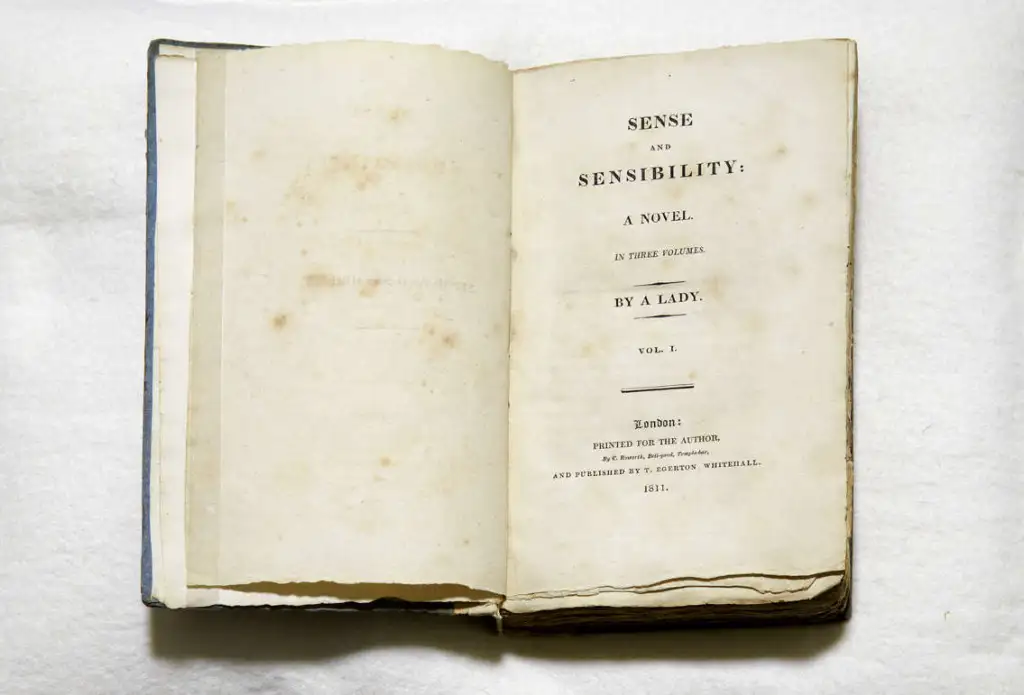
Sense and Sensibility, 1st edition, JaneAusten’s.House.

February in the Life of Austen

I hope you enjoyed this tour of February in Jane Austen’s World as much as I enjoyed researching it and writing it. There is so much more to explore! I followed several intriguing trails and threads in this article, but I’m sure one might find many other avenues to research. Austen’s letters alone are a fount of information and charm. Here’s to what we’ll find in March in Jane Austen’s World next month!


RACHEL DODGE teaches college English classes, gives talks at libraries, teas, and book clubs, and writes for Jane Austen’s World blog. She is the bestselling author of The Little Women DevotionalThe Anne of Green Gables Devotional and Praying with Jane: 31 Days Through the Prayers of Jane Austen. Now Available: The Secret Garden Devotional! You can visit Rachel online at www.RachelDodge.com.

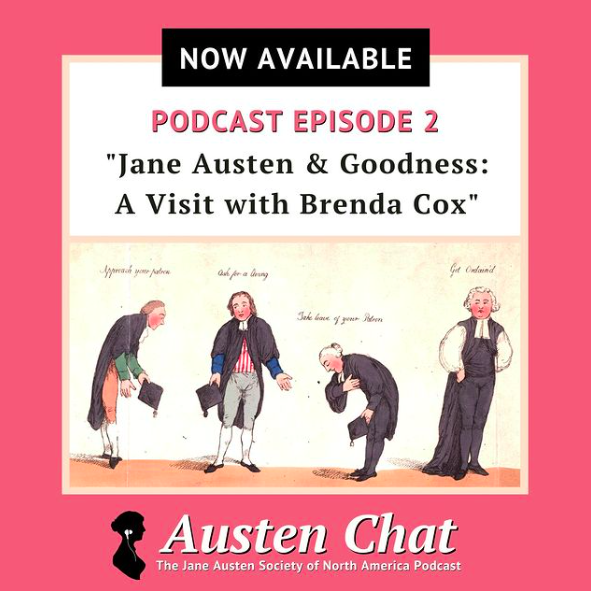
Austen Chat Podcast

Austen Chat Podcast
Brenda Cox, a writer for this blog, steered me to these wonderful podcasts offered by JASNA (Jane Austen Society of North America). Brenda’s discussion is featured in the second podcast on August 2023 entitled Jane Austen & Goodness: A Visit with Brenda Cox. 

On JASNA’s instagram’s site: 

Screen Shot 2024-02-04 at 6.48.15 PM

“This month we visit with the author of “Fashionable Goodness: Christianity in Jane Austen’s England” to discuss clergymen in Austen’s novels, her use of certain words that hold deeper religious meaning than you might think, women who were influential in the church, and the role churches played in the many social reforms of her time.”

A new podcast is featured every first Thursday of each month. This means a new one will appear in early March! Each is approximately 30 to 40 minutes long. They also come with a full transcript for a quick reference later, or for leisurely reading.

The Podcast host is Breckyn Wood, a member JASNA’s Georgia Region and an independent Jane Austen scholar. She is a freelance writer, editor, and children’s book author.

In addition to Brenda’s wonderful talk, previous podcasts include:

2023

July 6: Jane Austen & Her House: A Visit with Lizzie Dunford

Sep 7: Jane Austen & Her Wardrobe: A Visit with Hilary Davidson

Oct 5:  Jane Austen & Her Endings: A Visit with Inger Brodey

Nov 10: Jane Austen & Divorce: A Visit with James Nagle

Dec 7: Jane Austen & Mr. Wickham: A Visit with Adrian Lukis

2024

Jan 4: Jane Austen & Dido Belle: A Visit with Renata Dennis

Feb 1: Jane Austen & Food: A Visit with Julienne Gehrer

I can’t wait to listen to them all!

Tony Grant:  Review of Northanger Abbey, a play by Zoe Cooper

On the 26th January Tony Grant and his wife saw “Northanger Abbey” at The Orange Tree Theatre, Richmond upon Thames. The play, written by Zoe Cooper, was ”inspired” by Jane Austen’s novel. Only three actors enacted all the roles as written by Ms Cooper. 

I’ve seen plays in experimental theaters where actors played several roles after hastily making costume changes. This method of acting leaves me in awe in how the actors inhabit the different characters fully and with perfect recall of their varying dialogues.

Zoe Cooper's Northanger Abbey

The link below leads to the review on his blog of Cooper’s adaptation of Northanger Abbey. In preparation for the performance, Tony read Northanger Abbey again, which gave him fresh insights.

zoe cooper playwright

Playwright Zoe Cooper

Click on this link to enter Tony’s blog to read the review and information about Zoe Cooper.

Hallmark’s Loveuary Experience in February 2024

presents four original movies inspired by the novels of Jane Austen… with a Hallmark twist. 

The first movie aired on February 3rd, but never fear, it will be streamed on Peacock on demand.

Paging Mr Darcy:  

paging mr Darcy

When an overly serious scholar attends an annual Jane Austen conference, she has a sudden change of heart when she strikes a deals with the man who’s playing Mr Darcy. 1 hr 24 m, 2024

Future February Airings on the Hallmark Channel

Love & Jane, Premieres Sat Feb 10 8/7c

An American in Austen, Premieres Sat Feb 17 8/7c

Sense and Sensibility, Premieres Sat Feb 24 8/7c

These movies will also stream on demand on the Peacock App.

A short review of ‘Paging Mr Darcy’

I just viewed “Paging Mr Darcy.” I give it 2½ out of 5 stars, having spent much of my time keeping half an ear and eye on the film while looking up information for my sick dog. The story was pleasant, but would have been better had the script reflected the energy, fun, and seriousness of an actual Austen conference, like the yearly JASNA AGM. The script was not robust enough for my tastes, but then again, there’s a reason why Hallmark movies with their happy endings are popular with a large number of viewers, and why so many of these romance movies are generated each year.

Jane Austen in the News

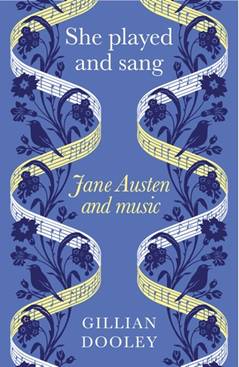
She Played and Sang: Jane Austen and musicThis is the time when new books are published ahead of the spring and summer seasons. One offering from Manchester University Press particularly intrigued me. I also included in this post  my responses to two books I recently purchased in preparation for a post about the Grand Tour.

She Played and Sang: Jane Austen and Music by Gillian Dooley

In March, Manchester University Press will offer a book that features an in depth look at Jane Austen’s lifelong connection to music. I have the honor of reading an advance proof and will review the book this March. The press sheet states:

“Until recently, our knowledge of Austen’s musical inclinations was  limited to the recollections of relatives who were still in their youth when she passed away. But with the digitisation of music books from her immediate family circle, a treasure trove of evidence has  emerged. Delving into these books, alongside letters and other  familial records, She played and sang unveils a previously unknown facet of Austen’s world. 

[Dooley] not only uncovers the music closely associated with Austen, but also unravels  her musical connections with family and friends, revealing the intricate ties between her fiction and  the melodies she performed. With these revelations, Austen’s musical legacy comes to life, granting  us a deeper understanding of her artistic prowess and the influences that shaped her literary  masterpieces.

Screen Shot 2024-01-28 at 9.52.53 AMThe Grand Tour of Europe

I recently purchased this lavish book, The Grand Tour of Europe, which sits prominently on my coffee table. 

“The Grand Tour, a journey through Europe aimed at culture and leisure, was a common practice between the 17th century and the first quarter of the 19th century. This book revisits the stages in an itinerary that left profound traces in European culture.”

Published by Van Cleef & Arpels and edited by Franco Maria Ricci, the information is divided into the following lushly illustrated sections:

Chapter I: Three essays 

Fops on Holiday, Nicholas Foulkes

Theatres of Antiquity: Art and Artists During the Grand Tour, Fernando Mazzocca

The Grand Tour of Europe, Attilio Brilli

Chapter II: Myths and Views of Italy

Chapter III: Imagination and the Grand Tour – Sculpture

Chapter IV: Imagination and the Grand Tour – Painting

Chapter V: Travellers and Artists

Note: Chapters II – V include anthologies with reactions from 17th – 19th C. travellers to their experiences. 

For a peek inside the book, click on this link: https://www.francomariaricci.com/en/books/grandtour Publisher ‏ : ‎ Franco Maria Ricci Editore (October 29, 2023), 168 pages, ISBN-13 ‏ : ‎ 979-1280294180

I wanted to connect this beautiful book to Jane Austen’s life, and found the bridge in the following reproduction of Edward Austen Knight’s memories of his own Grand Tour.

Edward Grand TourJane Austen’s Brother Abroad: The Grand Tour Journals of Edward Austen 

I ordered this book, edited by Jon Spence and first published in 2005, from Jane Austen’s Books. Austen herself, while she mentioned Edward Austen Knight in her surviving letters, provided few personal details about this brother and none about his Grand Tour. Before this book’s publication, we knew very little about his personality or his likes and dislikes, except for a letter from his mother, who compared and contrasted his talents with those of his brother James:

“[He] has a most active mind, a clear head, and a sound judgement, he is quite a man of business. That my dear James was not – Classical Knowledge, Literary Taste and the Power of Elegant Composition possessed in the highest degree; to these Mr Knight makes no pretensions. Both equally good, amiable and sweet-tempered.” – From an introduction in the book by Jon Spence.

In his foreword, Richard Knight, a descendant of Edward Austen Knight and a trustee today of the Chawton House Library writes:

“The publication of Edward’s Grand Tour journals provides another, more personal and intimate memorial to Edward himself. In the journals he speaks to us as he was as a young man: wry, amusing, playful, eager, and interested.”

The latter two books help Austen aficionados understand the scope of these “rites of passage” and educational journeys for the males* of the upper classes and those of the bourgeoisie who had the time and means to leave their home countries for lengthy periods, in some instances for years. Edward’s journal was written from the notes he kept during his travels and the result was meant to be read out loud to his family. 

*Females also embarked on Grand Tours, but not near the numbers of their male counterparts.

by Brenda S. Cox

“I dread the idea of going to Bookham as much as you can do”—Jan. 9, 1799

“My scheme is to take Bookham in my way home for a few days . . . I have a most kind repetition of Mrs. Cooke’s two or three dozen invitations, with the offer of meeting me anywhere” –Nov. 3, 1813

We’ve been looking at some of Jane’s mother’s Leigh family. The Austens also corresponded regularly with the Cooke family in Great Bookham, who are often mentioned in Jane’s letters. Mrs. Cooke was Jane’s mother’s cousin. Her name was the same as Jane’s mother’s: Cassandra Leigh. She was the daughter of Jane’s uncle Theophilus Leigh, master of Balliol College at Oxford.

This cousin’s husband, Rev. Samuel Cooke, was Jane’s godfather. He was the vicar of St. Nicolas’, Great Bookham. He was also rector of Cottisford, Oxon, about 80 miles away, but he and his family lived in Great Bookham.

Godparents play an important role in Anglican families.They promise to pray for the child’s salvation, faith, and obedience, and, at the child’s baptism, they renounce the devil on the child’s behalf. A girl has one godfather and two godmothers.

Memorial plaque in St. Nicolas’ Church, Great Bookham, to Jane Austen’s godfather, Rev. Samuel Cooke, “formerly fellow of Baliol College Oxford, and for fifty-two years the resident and respected vicar of this parish. He died March 29th, 1820, in the eightieth year of his age. Guided by a spirit of piety and benevolence and by an inflexible sense of duty, which sought not the honour that cometh of man, he ran his long course in peace and content; and closed it in an humble trust on that blessed hope, ‘Enter thou into the joy of thy Lord.'”
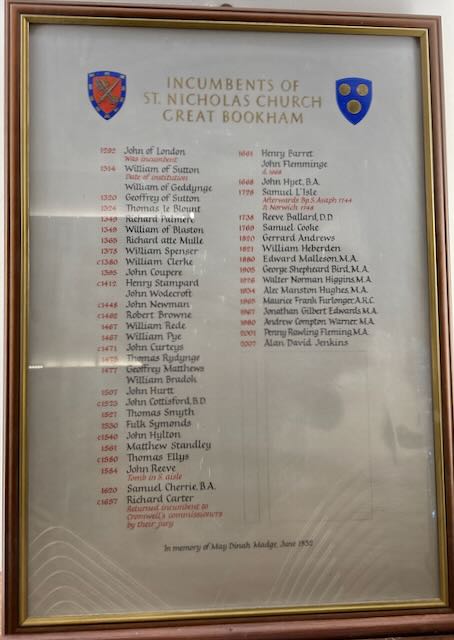
The Incumbents (vicars, then rectors) of the Great Bookham church lists Samuel Cooke from 1769 to 1820.

Jane Austen visited the Cookes in Great Bookham, which is between Chawton and London, a number of times. We don’t know why she did not want to go there in 1799, but she visited from May 14 to June 2.

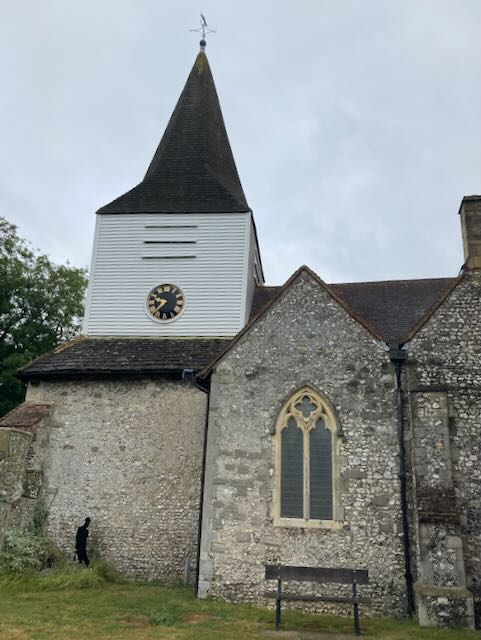
St. Nicolas’ Church, Great Bookham, externally still much as it was when Jane Austen visited there. See this image by JMW Turner.

Great Bookham in Austen’s Novels

Jane made good use of her visit. In 1801, she started writing The Watsons. Its setting in “Stanton” was apparently based on West Humble (now Westhumble), a town near Great Bookham. It is three miles from Dorking, which Austen calls “the town of D. in Surrey.” Betchworth Castle is nearby, so it may be the basis for Osborne Castle in the novel.

After probably visiting several more times, in the summer of 1814, Austen decided to visit the Cookes again. On June 14, she wrote,

“The only Letter to day is from Mrs. Cooke to me. They . . . want me to come to them according to my promise.—And after considering everything, I have resolved on going. . . . In addition to their standing claims on me, they admire Mansfield Park exceedingly. Mr. Cooke says ‘it is the most sensible Novel he ever read’—and the manner in which I treat the Clergy, delights them very much.—Altogether I must go–& I want you [Cassandra] to join me there . . .”

One commentator (Chapman) says the Cookes may have had Evangelical leanings and appreciated Mansfield Park’s protest against lax views of the duties of the clergy. Evangelical or not, Edmund Bertram of Mansfield Park does present a very high view of the clergy. He says, for example:

“I cannot call that situation [of clergyman] nothing which has the charge of all that is of the first importance to mankind, individually or collectively considered, temporally and eternally, which has the guardianship of religion and morals, and consequently of the manners which result from their influence. No one here can call the office nothing. . . . it will, I believe, be everywhere found, that as the clergy are, or are not what they ought to be, so are the rest of the nation.”

Jane Austen apparently based Highbury in Emma on Great Bookham or the adjacent town of Leatherhead.

When Jane Austen visited in 1814, she was in the midst of writing Emma. She later told her nephew that Leatherhead, next to Great Bookham, was the model for Highbury. Box Hill, where Emma and her friends picnic, is nearby, and Great Bookham had an Old Crown Inn similar to the one in Highbury. (It was, however, demolished in 1930). There was also a Randalls Park, and other features similar to Highbury.

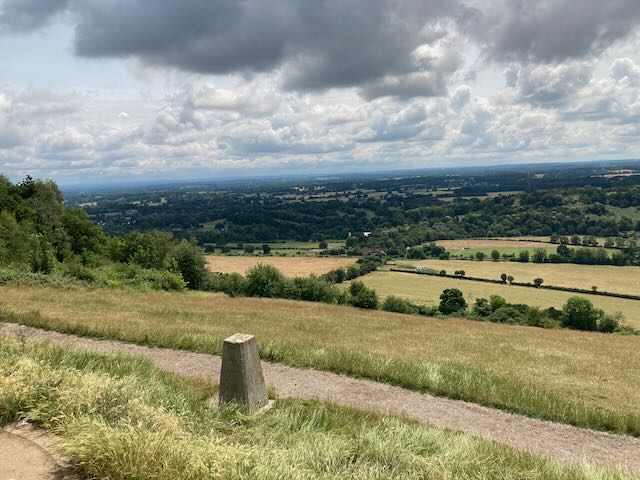
View from Box Hill, where Emma and her friends picnic in Emma. (Tony Grant points out that this wonderful view is not from the exact spot where they held their picnic. “Frank Churchill, when he gets up to to proclaim to the world, says that Dorking is to his left and Mickleham to his right. That can only mean the picnic took place on the Burford Spur of Box Hill.” You can find photos of other views in his posts linked below.)

Box Hill

Box Hill is still a beautiful spot for picnics, hiking, walking, and cycling. The current rector of Great Bookham, Alan Jenkins, kindly took us to visit there. It includes a cycling trail. In the 2012 Olympics, cyclists made nine laps on this trail as part of their route.

The Vicarage

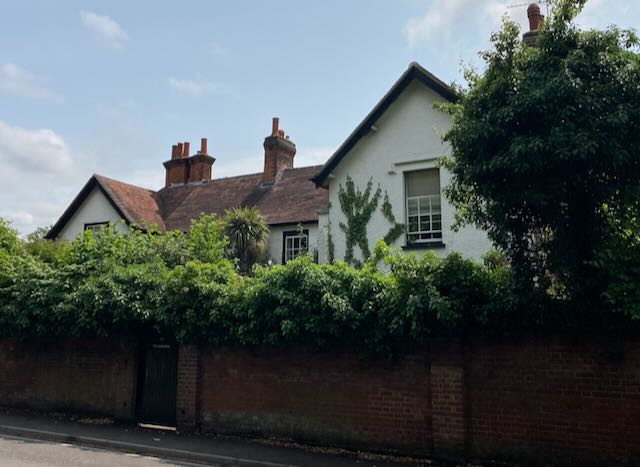
The Cookes’ parsonage, where Jane Austen stayed, was a large one. (A maid working there was named Elizabeth Bennet, by the way.) They had at least six children, but only three survived to adulthood. Their daughter Mary, who apparently did not marry, was a good friend of Jane’s, mentioned in her letters. Their son Theophilus Leigh Cooke (1778-1846) became a clergyman, a fellow of Magdalen College at Oxford, and holder of three church livings. His brother George Leigh Cooke (1779-1853) combined religion and science. He was a fellow of Corpus Christi College and earned a bachelor of divinity (a graduate degree). He also became a professor of Natural Philosophy (science) at Oxford, a keeper of the archives, and published an edition of Newton’s Principia Mathematica. Austen’s nephew, James-Edward Austen-Leigh wrote in his Memoir that George was “an impressive preacher of earnest and awakening sermons,” which, in the jargon of the time, implies that he was an Evangelical. Jane mentions in one of her letters that George “was very kind & talked sense to me every now & then” (Apr. 21, 1805).

Until 1869, Great Bookham had vicars, not rectors, so the parsonage was called a vicarage. The patron of the parish (a person who changed over the years), took part of the tithes and the rest went to the vicar, along with income from the glebe farmland belonging to the living. It is speculated that some of the excommunications in the Vestry Books were for non-payment of tithes (from 1800: Great Bookham at the Time of Jane Austen).

The parsonage was removed in 1961. For early pictures, see here. The parish now has a rector; the term no longer refers to tithes. His rectory is a modern building.

St. Nicolas’ Church, Great Bookham, History

Jane Austen must have worshiped in this church, where her godfather was the vicar, a number of times on her visits to Great Bookham.

When Austen visited, the church was full of box pews with walls around them. Some were three feet high, some were four feet high. The box pews were replaced by regular pews in 1885.

This wooden gate was added to side of the Great Bookham church in 1914. In Austen’s time, there was an external staircase here to an upper room, where Sunday school was held. Sunday schools, run by Christians of all denominations across England, educated the poor and enabled them to build better lives.
The church tower of St. Nicolas’ Great Bookham dates back to the 1100s. The clock in it was not there when Austen visited. Some years ago, the tower was in danger of falling down. The whole village got behind the project of fixing it, and raised even more than the large sum necessary to save the tower.
The chancel of the Great Bookham church was built in the 1300s, though when Jane Austen saw it, it did not have stained glass.

Other Literary Connections at Great Bookham

Great Bookham has a number of literary connections, some of which Jane Austen would have known about.

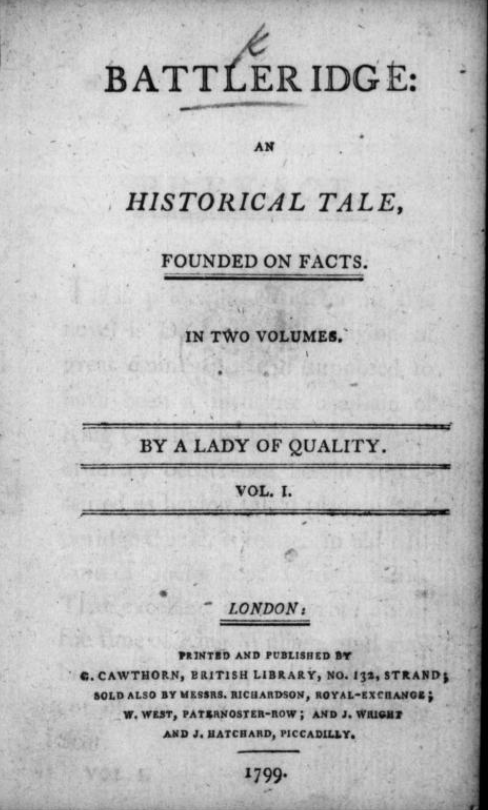
Cassandra Cooke, Jane Austen’s mother’s cousin, published her novel, Battleridge: An Historical Tale founded on facts, in 1799, by “a lady of quality.” Austen mentions it in her letters. Available on archive.org in two volumes.
Fanny Burney, one of Jane Austen’s favorite authors, lived here at the Hermitage with her husband, General Alexandre D’Arblay. Their son was baptized in the nearby Great Bookham church in 1795.

Fanny Burney wrote of the Cookes, “the father is worthy, the mother is good, so deserving, so liberal and so infinitely kind, that the world certainly does not abound with people to compare them with. The eldest son is a remarkably pleasing young man. The young seems sulky, as the sister is haughty.” She also wrote of Rev. Cooke, “Our vicar is a very worthy man and goodish—though by no means a marvellously rapid preacher.”

She also wrote to her father, Dr. Burney, “Mr. Cooke tells me he longs for nothing so much as a conversation with you on the subject of Parish Psalm singing—he complains that the Methodists run away with the regular congregation from their superiority in vocal devotion.” The Methodists, led by John and Charles Wesley, had been leading a revival in the church. They attracted people with lively hymns. Country churches were mostly singing psalms, often quite poorly, at this time, though hymns were beginning to be introduced into some churches.

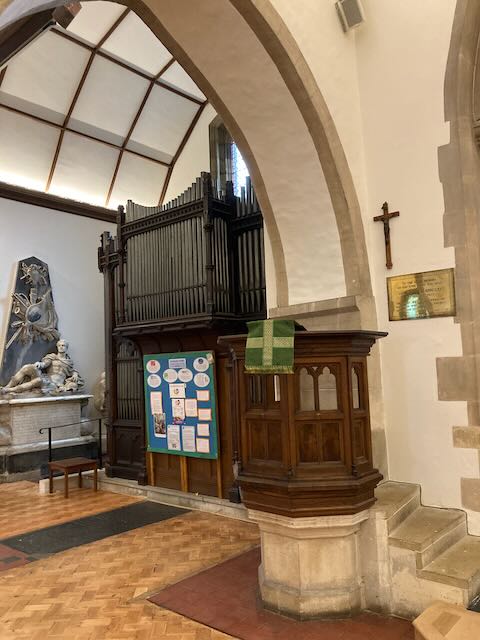
Old and new: St. Nicolas’ pipe organ today. In 1800, the Great Bookham church only had a barrel organ that could play ten tunes. It accompanied their choir of Singers who sang from the West Gallery (balcony) of the church. So their music was probably better than that of many country churches at the time, which often had no musical instruments. This photo shows a memorial tomb/statue that Austen would have seen. The pulpit would have been higher, however, to be seen over the box pews. The blue bulletin board is modern, showing charities the church supports.

Playwright and politician Richard Sheridan (1751-1816), who wrote The Rivals and School for Scandal, owned several manors in the area around Great Bookham.

Later, teenaged C. S. Lewis lived in Great Bookham from 1914-1917, being educated by a private tutor, William T. Kirkpatrick.

St. Nicolas’ Church, Great Bookham, Today

St. Nicolas’ is a very active church, larger than the others we have “visited” so far. I was told the parish includes eleven to twelve thousand people. The electoral role of St. Nicolas’ lists about 250 members, and around 140 attend on Sundays. Three other ministers and five staff members assist the rector in serving the church. The church holds services every Sunday, Communion on Thursdays and Sundays, and several weekly prayer meetings. Members also meet in housegroups.

This board welcomes people to St. Nicolas’, Great Bookham, and advertises concerts and other community events held at the church.

The area also includes Baptist, Catholic, and United Reformed churches, and St. Nicolas’ cooperates with them on projects like Alpha Courses, designed to address people’s questions about Christian faith.

A few years ago, the church removed the Victorian pews and substituted chairs. This gives them the flexibility to hold various kinds of services and to host community events.

Religious education and daily worship are required to be offered in British government schools (student participation is optional). The rector, Alan Jenkins, provides some of this in local schools, briefly sharing a Bible story, prayer, and sometimes a song. School groups also come into the church for harvest or Easter services, with programs organized by the teachers.

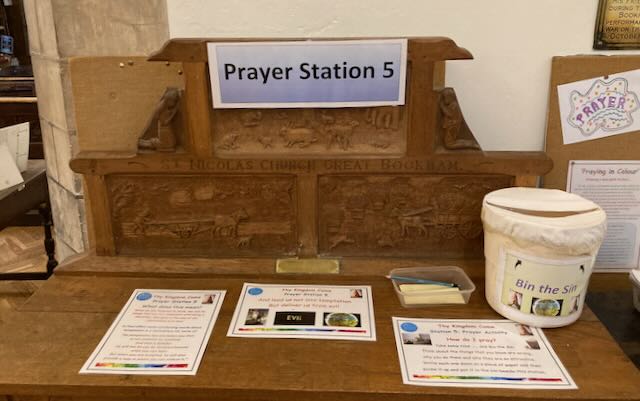
Prayer stations around the church offer ideas for personal prayer.
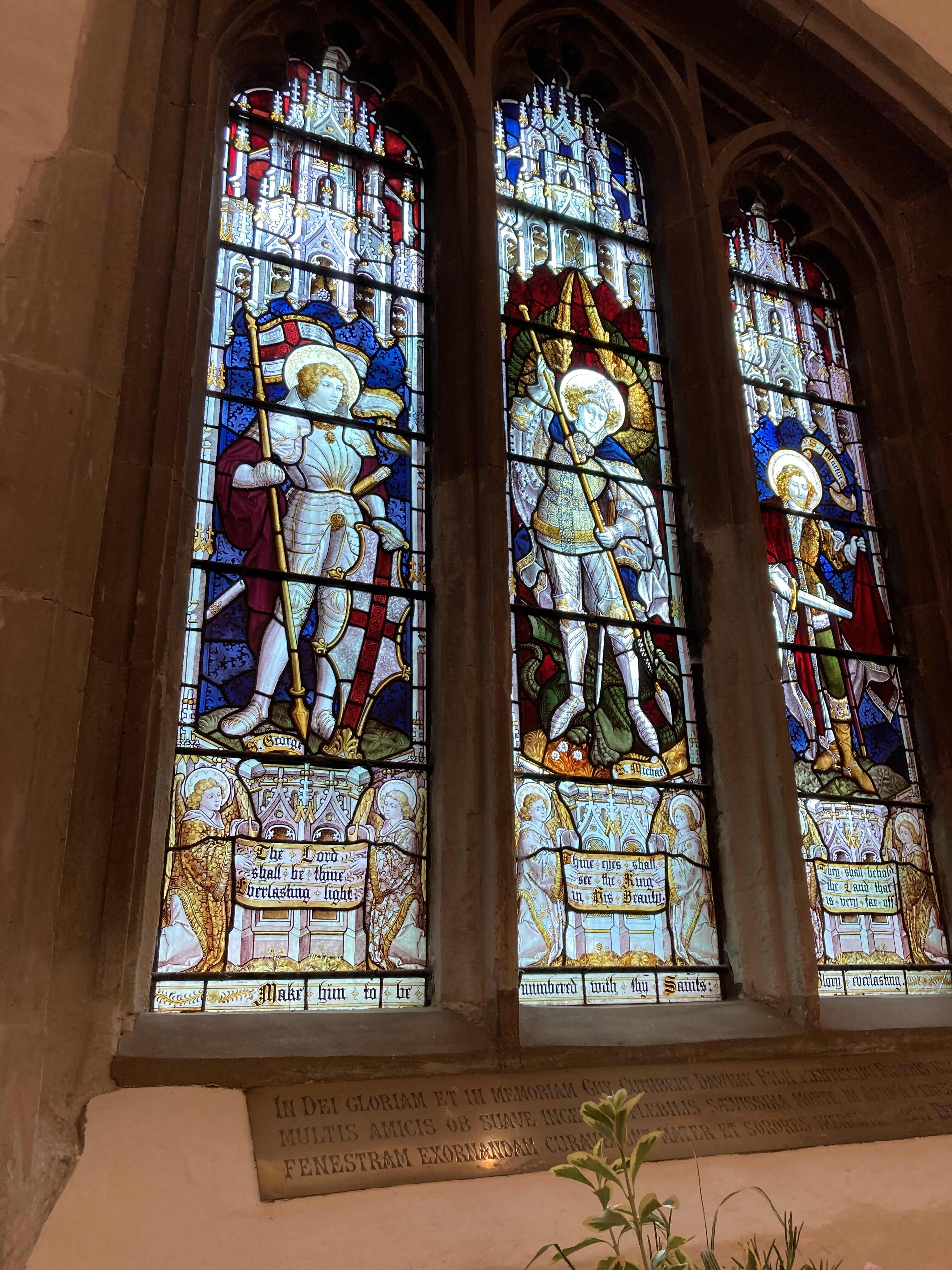
An interesting aside for you: St. Nicolas’ Great Bookham has many lovely stained glass windows today, though there were none when Jane Austen visited. This one honors St. George, patron saint of England; St. Michael, who in the Bible defeats the great dragon, the devil; and St. Martin using his sword to cut his cloak in half in order to give half to a beggar in winter. These windows, with military images, are dedicated to Guy Cuthbert Dawnay, a soldier and Conservative politician. A large cross dedicated to Dawnay in the churchyard says he “was killed by a buffalo while on a hunting expedition in Masailand, E. Africa,” Feb. 28, 1889. Both have verses from Isaiah 60:19-20 about the Lord being his everlasting light.
On the day we visited the Great Bookham church, the central kneeling cushion at the altar commemorated Jane Austen’s connection with the church.

I hope you are enjoying learning about Jane Austen’s churches along with me. There is so much history at these old churches, as well as continuing community life and worship today.

All photos copyright Brenda S. Cox, 2024.

Brenda S. Cox is the author of Fashionable Goodness: Christianity in Jane Austen’s England. She also blogs at Faith, Science, Joy, and Jane Austen.

Sources

1800: Great Bookham at the Time of Jane Austen, Fanny Burney, and R. B. Sheridan, published by the Parochial Council of St. Nicolas Great Bookham (booklet available at the church, funded by JASNA)

The Original of Highbury,” Jane Austen Society Collected Reports II:60,

Church of St. Nicolas, official list entry

St. Nicolas, Great Bookham website and The History of the Building

Special thanks to Tony Grant for telling me that Box Hill was near Great Bookham, and to Rev. Alan Jenkins for taking us up to Box Hill!

Further Exploration

Jane Austen and Great Bookham, by Tony Grant

Box Hill in Jane Austen’s Emma, by Tony Grant (includes the geology, history, and literary connections of Box Hill)

Jane Austen’s Surrey, by Tony Grant (includes views Emma might have seen on her picnic)

Emma Woodhouse’s Surrey, by Tony Grant (includes views Emma might have seen on her picnic)

Other Churches Connected to Jane Austen

Steventon

Chawton

Hamstall Ridware and Austen’s cousin Edward Cooper

Adlestrop Church and the Leigh Family

Stoneleigh Abbey Chapel

Today marks the start of a new month-by-month series, “A Year in Jane Austen’s World,” in which I highlight several important events and details that happened in Jane Austen’s novels, letters, and lifetime during each month of the year.

We’ll kick off Jane Austen January (aka “Jane-uary”) by examining passages and situations in each of her novels that occur in January. While some of the novels have no mention of January, others do—with interesting results! Next, we’ll note where Austen was and what she was doing in January by checking her letters for January dates and details. Finally, we’ll highlight events and anniversaries that occurred in January that directed affected Jane Austen or her family.

All of this can help us better understand Austen’s life and times as we look at specific dates, events, and details in the context of months and seasons.

Snowdrops at Chawton House in January, courtesy of Chawton House.

January in Regency Times

One of the highlights of January for Jane Austen’s family was surely Twelfth Night (also known as Epiphany), which falls on January 5th.

Maria Grace, in her article “Celebrating Twelfth Night–Jane in January and You,” explains its religious importance: “Epiphany or Twelfth Night … was the exciting climax of the Christmastide season… It was a feast day to mark the coming of the Magi bearing gifts to the Christ child, and as such was the traditional day to exchange gifts.”

She also explains the social side of Twelfth Night: “In Jane Austen’s day, the party of the year would generally be held on Twelfth Night.” (Austen Variations)

During the Regency Era, people hosted parties and balls to celebrate Christmas and especially the last day of the Christmas season. The entertainment often involved guests playing assigned parts for the evening, dressing up in costumes, eating “Twelfth Cake,” and eating and drinking.

Rowlandson, “Twelfth Night Characters,” Creative Commons, 1811.

In a letter to Cassandra on December 27, 1808, Austen writes about an upcoming ball between Christmas and “Twelfth-day” at Manydown:

I was happy to hear, chiefly for Anna’s sake, that a ball at Manydown was once more in agitation; it is called a child’s ball, and given by Mrs. Heathcote to Wm. Such was its beginning at least, but it will probably swell into something more. Edward was invited during his stay at Manydown, and it is to take place between this and Twelfth-day. Mrs. Hulbert has taken Anna a pair of white shoes on the occasion.

Austen’s Letters (December 27, 1808)

Later, on January 10, 1809, she writes, “The Manydown ball was a smaller thing than I expected, but it seems to have made Anna very happy. At her age it would not have done for me.”

Manydown Great House, Wikipedia Commons, 1833.

January Travel in Jane Austen’s Novels

In Austen’s novels, January is primarily mentioned in the context of parties and travel. Anne Elliot goes to Bath for January and February, Miss Crawford is invited for “a long visit” to see her friend in London in January, Mrs. Jennings goes to her own house in London in January, and Mr. Bingley, Mr. Darcy, and Bingley’s sisters all go to London (when Bingley leaves Netherfield) and stay for the winter.

In Sense and Sensibility, Lucy Steele and her sister, Anne, go to “town” (London) in January to stay with relatives (and subsequently move from house to house throughout the season as socially advantageous opportunities become available):

I had quite depended upon meeting you there. Anne and me are to go the latter end of January to some relations who have been wanting us to visit them these several years! But I only go for the sake of seeing Edward. He will be there in February, otherwise London would have no charms for me; I have not spirits for it.

Sense and Sensibility

Mrs. Jennings, who “resided every winter in a house in one of the streets near Portman Square,” invites Elinor and Marianne to come with her to London in January when her thoughts begin to turn toward home after Christmas.

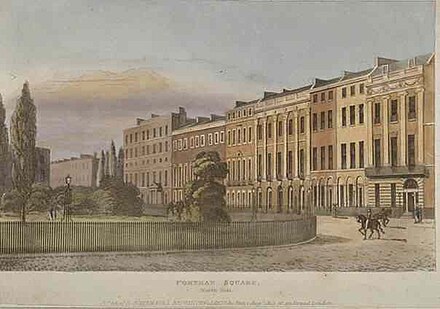
Portman Square, London, Wikipedia Commons, 1813.

The London Season

So why do so many of Austen’s characters travel to London in January? Wouldn’t the weather make travel difficult? Wouldn’t they prefer to stay home (and inside) where it’s cozy?

These are fair questions, but after Christmas, a large portion of the genteel class moved “to town” during the winter months for the London Season, which coincided with England’s political schedule, for entertainment and socializing. The Season had previously started in the fall, meaning most people went to London before the bad weather set in, but with the improvement of roads and travel during Austen’s day, the season slowly shifted later.

Here’s an explanation of the London Season from Jane Austen’s House Museum:

The London season coincided with the sitting of Parliament, beginning at some point after Christmas when fashionable families would move into their London houses. The men would attend Parliament, whilst the women shopped, visited, and found husbands for themselves or their daughters. It lasted until early summer, when the ‘beau monde’ would return to their country estates, escaping the city’s stifling heat and pungent smells.

The season was a whirlwind of court balls and concerts, private balls and dances, parties and sporting events. On a typical day, ladies would rise early to go riding in Hyde Park, before returning home to breakfast and spending the day shopping, dealing with correspondence and paying calls.

The Season, Jane Austen’s House Museum

Most villages had assemblies and balls during the winter, but all of the most important social occasions happened “in town.” In Pride and Prejudice, we’re told that the Bennet sisters have little to do “beyond the walks to Meryton” in January and February, when conditions are “sometimes dirty and sometimes cold” (Ch. 27). It makes sense that many young women longed to go to town in the winter, at the height of the London Season and “marriage market,” when the majority of the parties, balls, and social events were held.

Rowlandson, Drawing Room at St. James’s Palace in London, Wikimedia Commons, 1810.

January in Jane Austen’s Letters

January often brings rain, cold weather, and even snow to the various locations where Austen lived and traveled. Austen kept her spirits up, but January in England, especially in homes without central heating or today’s insulation, could not have been entirely comfortable. Balls and assemblies, visits and travel, kept Austen busy and content during the winter months.

Austen’s entries follow below and give us a glimpse into the miserable weather conditions during one particularly snowy and wet January:

17 January 1809 (Castle Square):
“Yes, we have got another fall of snow, and are very dreadful; everything seems to turn to snow this winter.”

24 January 1809 (Castle Square):
“This day three weeks you are to be in London, and I wish you better weather; not but that you may have worse, for we have now nothing but ceaseless snow or rain and insufferable dirt to complain of; no tempestuous winds nor severity of cold. Since I wrote last we have had something of each, but it is not genteel to rip up old grievances.”

In the same letter, Austen describes her writing:
“I am gratified by her having pleasure in what I write, but I wish the knowledge of my being exposed to her discerning criticism may not hurt my style, by inducing too great a solicitude. I begin already to weigh my words and sentences more than I did, and am looking about for a sentiment, an illustration, or a metaphor in every corner of the room. Could my ideas flow as fast as the rain in the store-closet, it would be charming.”

On the topic of the store-closet, she writes this:
“We have been in two or three dreadful states within the last week, from the melting of the snow, etc., and the contest between us and the closet has now ended in our defeat. I have been obliged to move almost everything out of it, and leave it to splash itself as it likes.”

30 January 1809 (Castle Square):
“Here is such a wet day as never was seen. I wish the poor little girls had better weather for their journey; they must amuse themselves with watching the raindrops down the windows. Sackree, I suppose, feels quite broken-hearted. I cannot have done with the weather without observing how delightfully mild it is; I am sure Fanny must enjoy it with us. Yesterday was a very blowing day; we got to church, however, which we had not been able to do for two Sundays before.”

And a final update on the flooded closet:
“The store-closet, I hope, will never do so again, for much of the evil is proved to have proceeded from the gutter being choked up, and we have had it cleared. We had reason to rejoice in the child’s absence at the time of the thaw, for the nursery was not habitable. We hear of similar disasters from almost everybody.”

If you’ve ever dealt with water damage or burst pipes due to cold weather, you know how awful and destructive it can be. Austen makes light, but one can imagine it caused quite a bit of damage.

Snow at Jane Austen’s House Museum, January 2021.

January in Jane Austen’s Lifetime

And finally, let us turn our attention to some of the most important dates and events that happened (or were celebrated) during the first month of the year in Jane Austen’s lifetime. In December 1800, Reverend Austen decided to retire and remove his family to Bath. Austen’s letters in January 1801 prove an interesting read as she and the Austen family prepare to move later in the year:

3 January 1801 (Steventon):
Austen writes that her mother wants to keep two maids and quips about their plans to have “a steady cook and a young giddy housemaid, with a sedate, middle-aged man, who is to undertake the double office of husband to the former and sweetheart to the latter.”

Austen discusses three parts of Bath where they might live:
“Westgate Buildings, Charles Street, and some of the short streets leading from Laura Place or Pulteney Street.” She writes extensively about each neighborhood and several others, giving her opinion and hopes about each. She details which pictures, furniture, and beds they are choosing to keep or leave behind and asks Cassandra’s advice. And she shares plans for the family to travel to Bath a few weeks from then.

Austen shares own thoughts on their move to Bath:
“I get more and more reconciled to the idea of our removal. We have lived long enough in this neighborhood: the Basingstoke balls are certainly on the decline, there is something interesting in the bustle of going away, and the prospect of spending future summers by the sea or in Wales is very delightful. For a time we shall now possess many of the advantages which I have often thought of with envy in the wives of sailors or soldiers. It must not be generally known, however, that I am not sacrificing a great deal in quitting the country, or I can expect to inspire no tenderness, no interest, in those we leave behind…”

The letter is full of useful information and well-worth a read. You can access it HERE.

14 January 1801 (Steventon):
Austen speaks of the many visitors they’ve received in response to the news that Rev. Austen is retiring and the family is moving to Bath. She says, “Hardly a day passes in which we do not have some visitor or other: yesterday came Mrs. Bramstone, who is very sorry that she is to lose us, and afterwards Mr. Holder, who was shut up for an hour with my father and James in a most awful manner.”

4 Sydney Place, Bath.
Plaque outside 4 Sydney Place, Bath.

January Dates of Importance

This brings us now to several dates that would have been quite important to Austen personally:

Celebrations/Birthdays:

9 January 1773: Jane Austen’s sister, Cassandra Elizabeth Austen, born.

23 January 1793: Edward Austen’s first child, Fanny, born.

Goodbyes/Sorrows:

January 1796: Tom Lefroy leaves Ashe for London (and never returns) and Tom Fowle (Cassandra’s fiancé) sets sail for the Indies, where he later dies.

21 January 1805: Rev. George Austen (Jane’s father) dies suddenly in Bath.

Writing:

28 January 1813: Pride and Prejudice was published, by Thomas Egerton (Whitehall, London).

21 January 1814: Austen begins writing Emma.

The Joys of Sleuthing

I hope you’ve enjoyed this first installment of our month-by-month exploration of Jane Austen’s world. I was pleasantly surprised to find that there was so much more to research and explore about the month of January than I anticipated. I enjoyed sleuthing around, following my nose, and discovering what I could uncover–just with the word “January.” If you have ideas about what I might pursue for February in Jane Austen’s World, please share your ideas in the comments.


RACHEL DODGE teaches college English classes, gives talks at libraries, teas, and book clubs, and writes for Jane Austen’s World blog. She is the bestselling author of The Little Women DevotionalThe Anne of Green Gables Devotional and Praying with Jane: 31 Days Through the Prayers of Jane Austen. Now Available: The Secret Garden Devotional! You can visit Rachel online at www.RachelDodge.com.